Homes for Sale in Redwood City
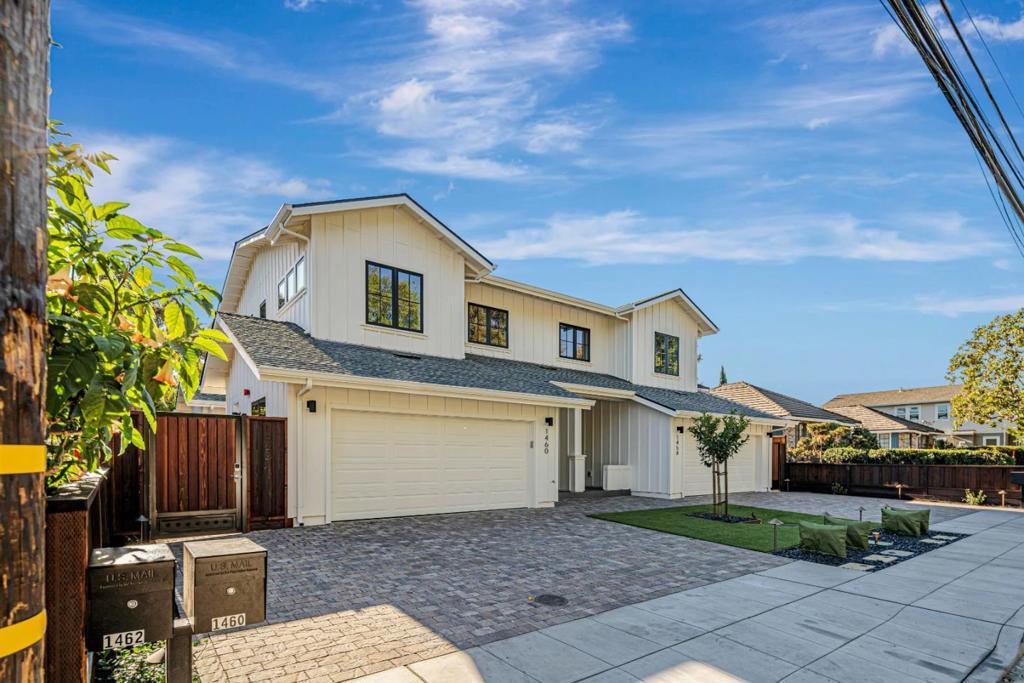
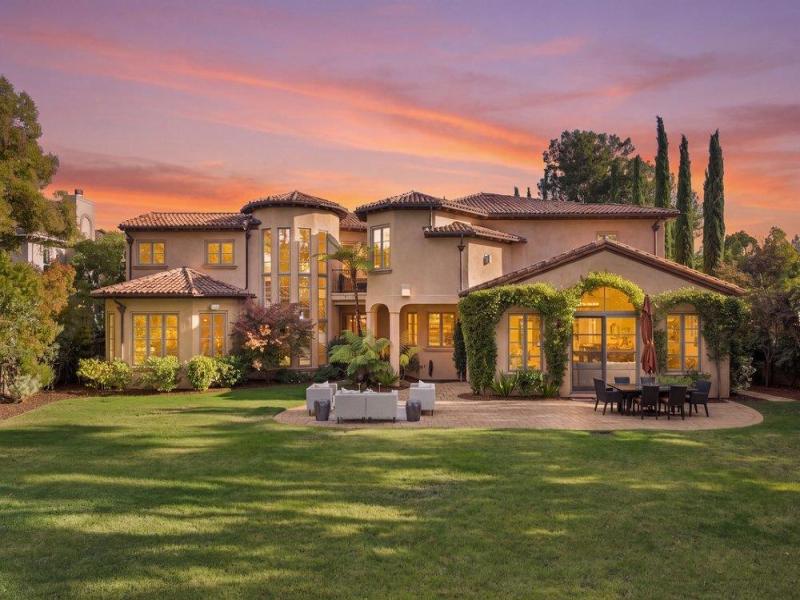
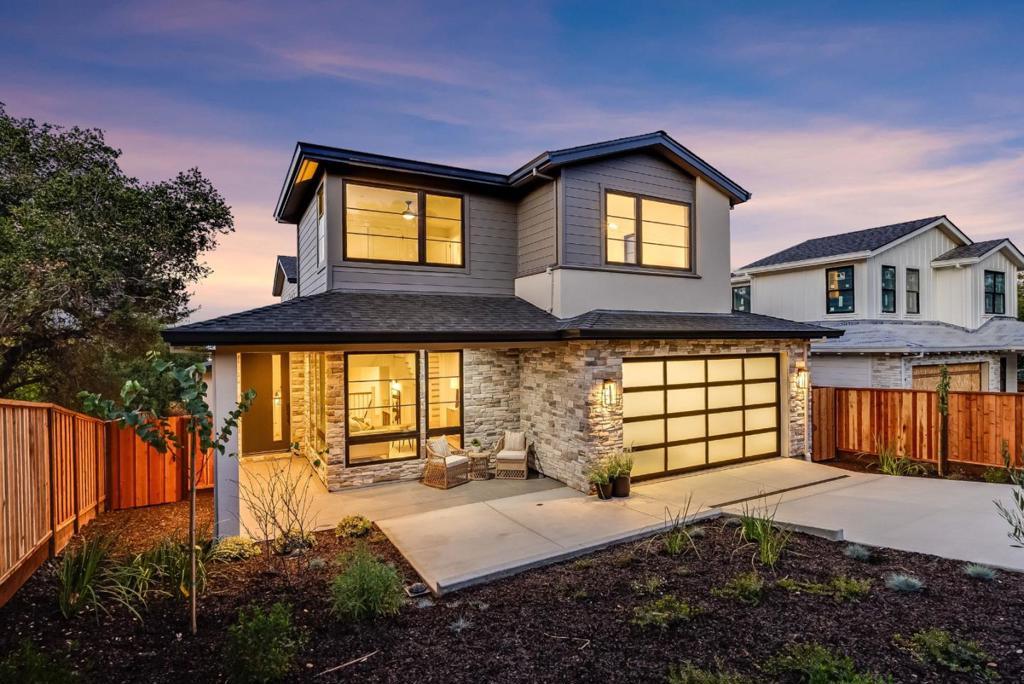
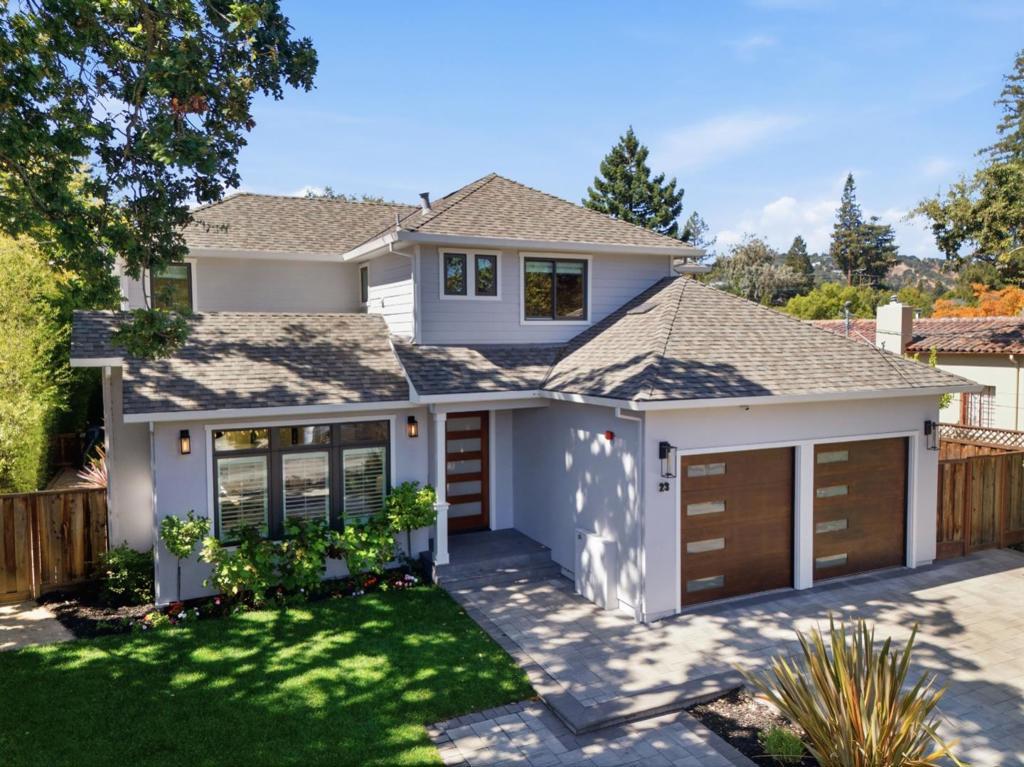
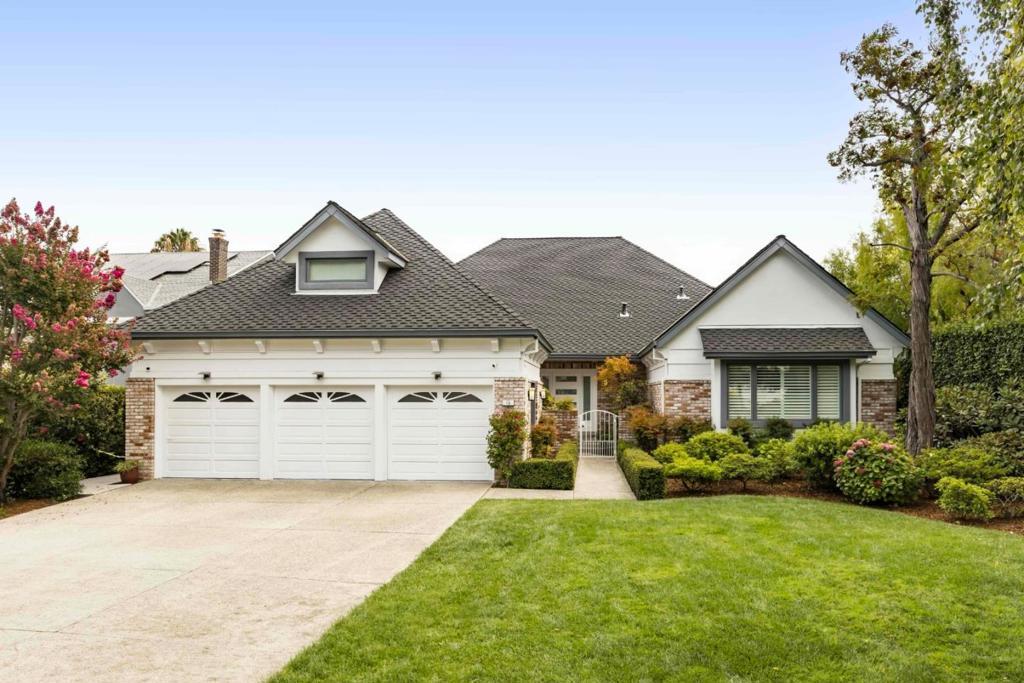
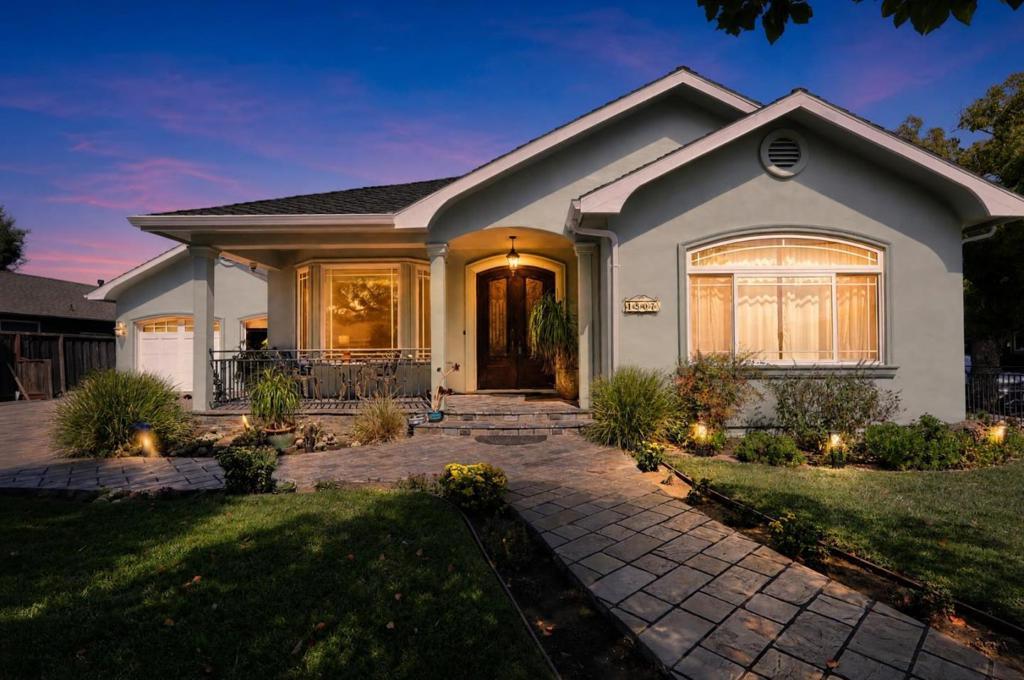
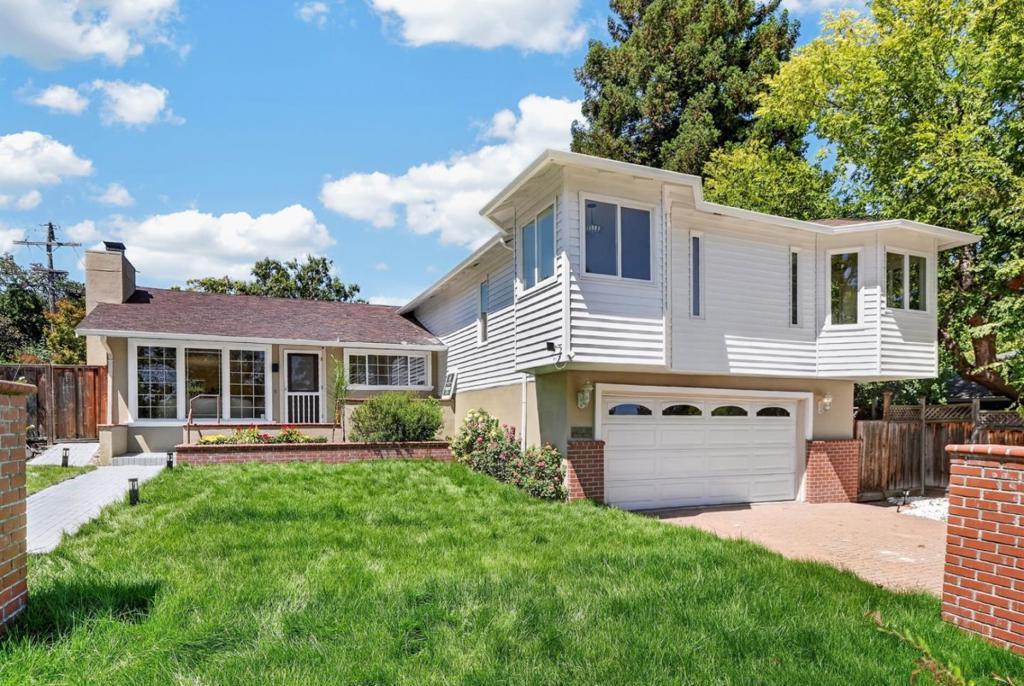
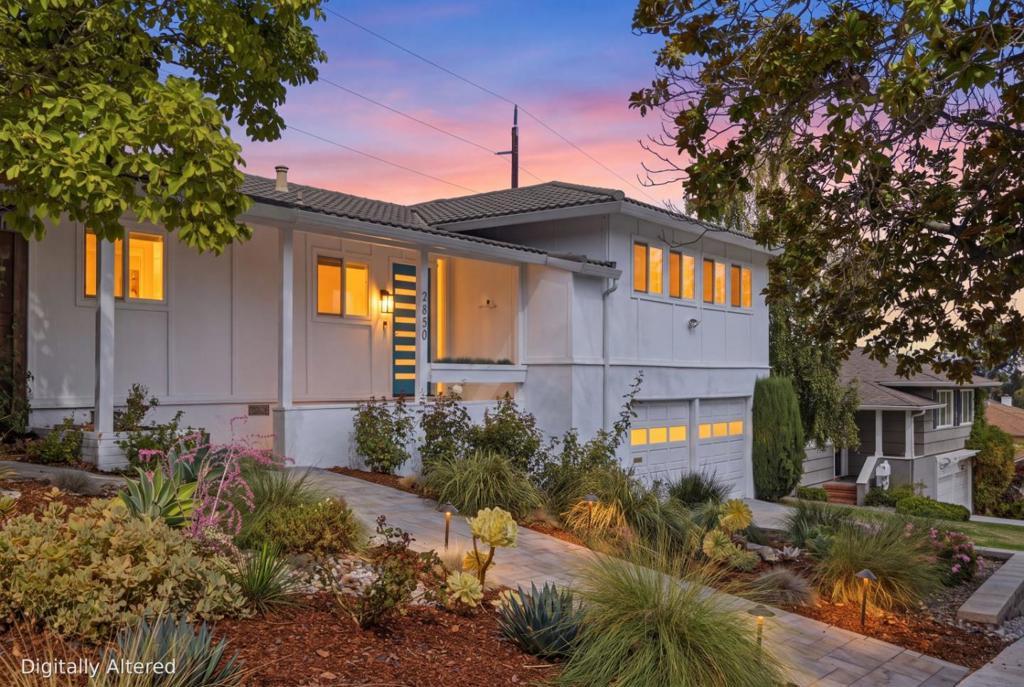
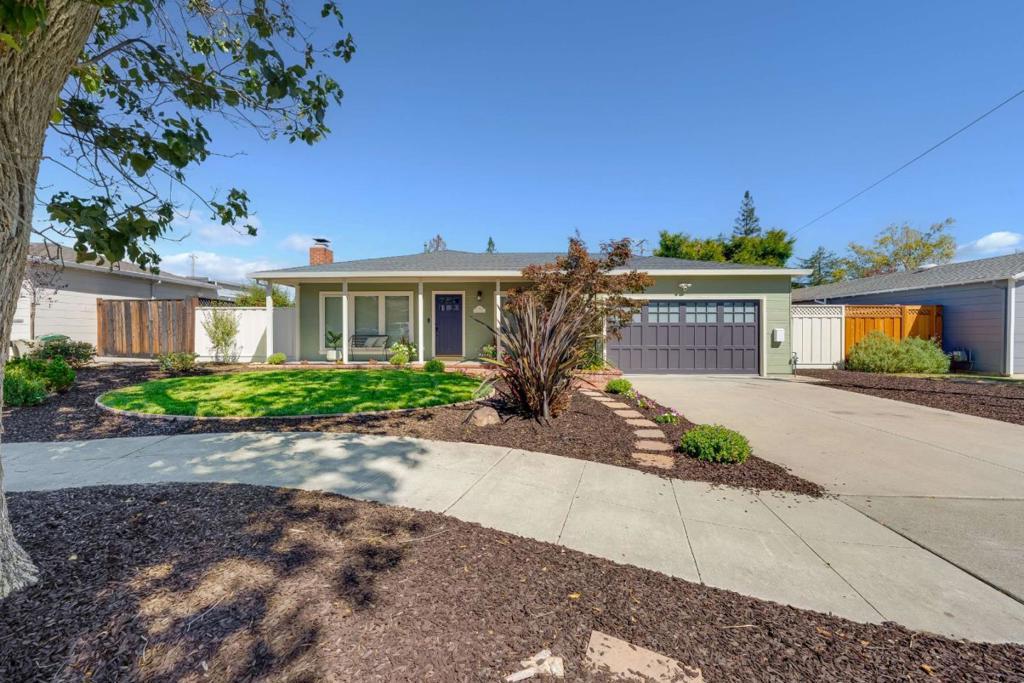
Homes for sale in Redwood City cover more ground than almost any other market on the Peninsula, which is both the appeal and the complication. The city sits about 27 miles south of San Francisco, serves as the county seat of San Mateo County, and has been building housing since it incorporated in 1867. Inside one municipal boundary you can choose a walkable downtown condo, a flat mid-century tract house, an oak-shaded hillside lot, or a lagoon-front townhome with a boat dock in Redwood Shores.
Local shorthand follows the freeways. West of El Camino Real, the land climbs toward Farm Hill Boulevard, Edgewood Road, and I-280, where lots get larger and slope, drainage, and access become real due diligence items. Between El Camino and US 101 sits the older flatland core, including downtown and neighborhoods like Central Park, Mount Carmel, and Woodside Plaza. East of US 101 is the bay plain, home to both older working neighborhoods and the planned, HOA-governed community of Redwood Shores. Two addresses two miles apart can differ on schools, soils, and resale audience. The neighborhood is the decision, not the zip code.
Browse the current listings below, or contact The Knight Group and we will pull the sub-market data for the specific pocket you are considering before you write an offer.
Where exactly is Redwood City on the Peninsula?
Redwood City occupies the mid-Peninsula, bordered by San Carlos and Belmont to the north, Atherton and Menlo Park to the south, Woodside and unincorporated hill areas to the west, and San Francisco Bay to the east. The city is bisected by US Route 101 and by State Route 82, which locals call El Camino Real. State Route 84, Woodside Road, runs east to west across the entire city and continues over the Dumbarton Bridge toward the East Bay. Interstate 280 runs along the western edge.
That geography creates the informal shorthand every local agent uses. Homes west of El Camino Real climb toward the hills and I-280. Homes between El Camino and US 101 make up the older flatland core, including downtown. Homes east of US 101 sit on the bay plain, which includes both older working neighborhoods and the entirely planned community of Redwood Shores.
Redwood City also holds the Port of Redwood City, the only deepwater port on San Francisco Bay south of San Francisco. It is a working industrial facility, and it matters to buyers mostly as a land-use neighbor on the east side.
Why does Redwood City claim the best climate?
The city motto is “Climate Best By Government Test.” It comes from a pre-World War I climatological survey, and a local resident won a $10 contest in 1925 for the slogan. The phrase is still on the municipal signage.
The underlying claim holds up in practice. Redwood City sits in a band of the Peninsula that gets less of the fog that pins down the coast and less of the inland heat that builds in the South Bay. For buyers moving down from San Francisco, the difference in usable outdoor days is a commonly cited reason for the move.
What kind of housing does Redwood City actually have?
Four broad categories, and they trade differently.
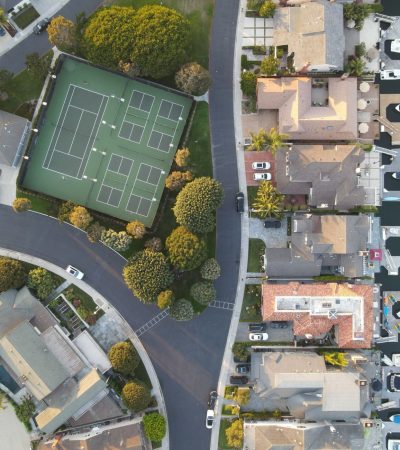
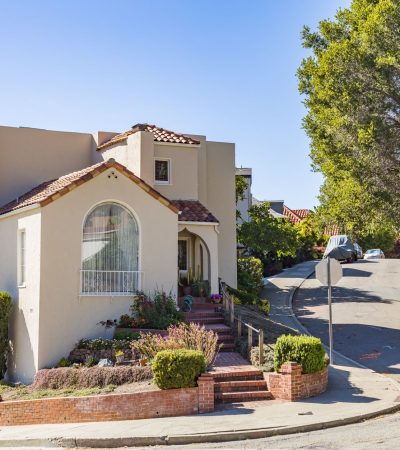
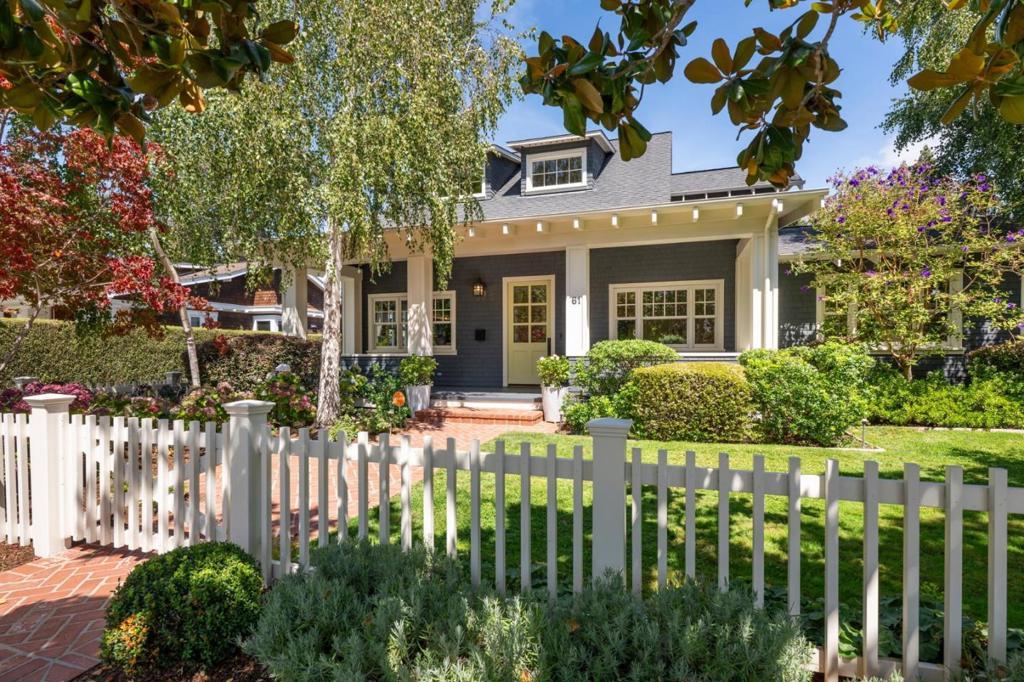
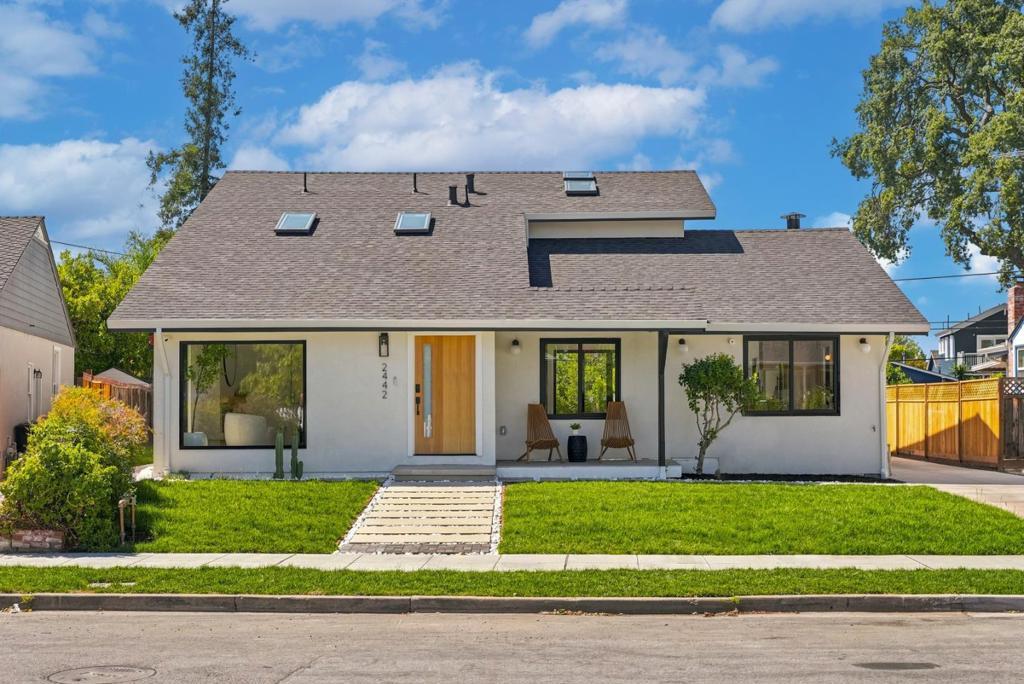
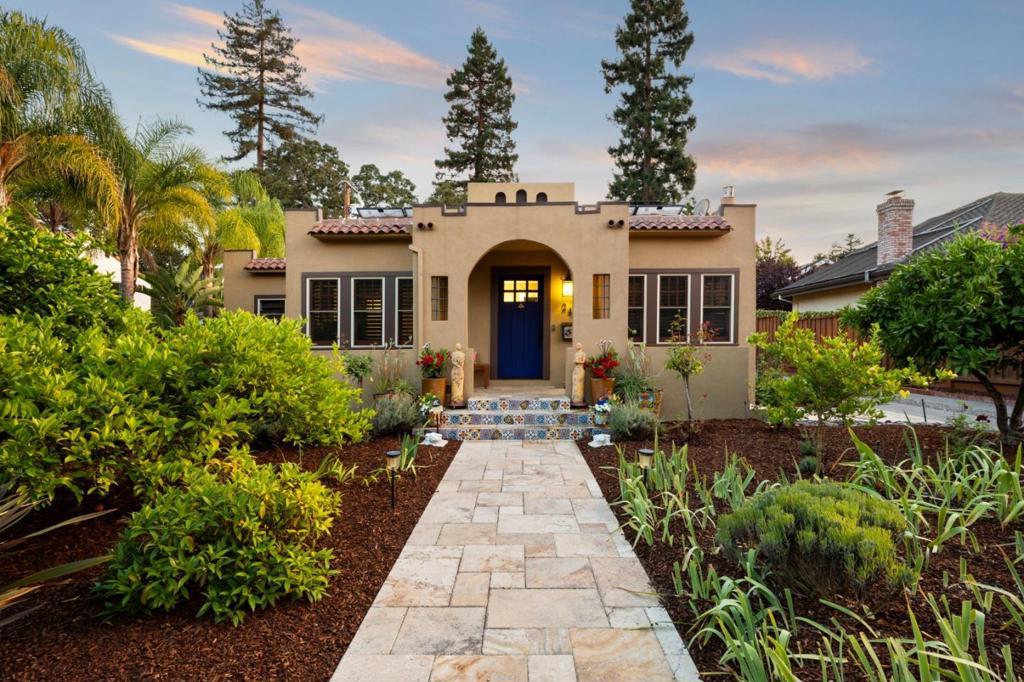
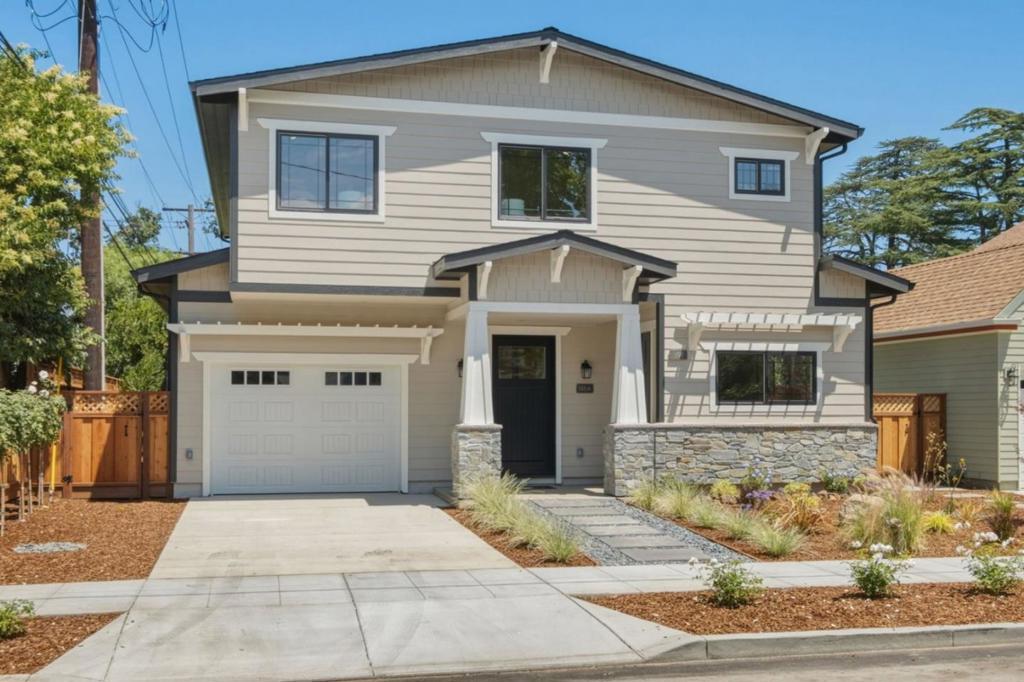
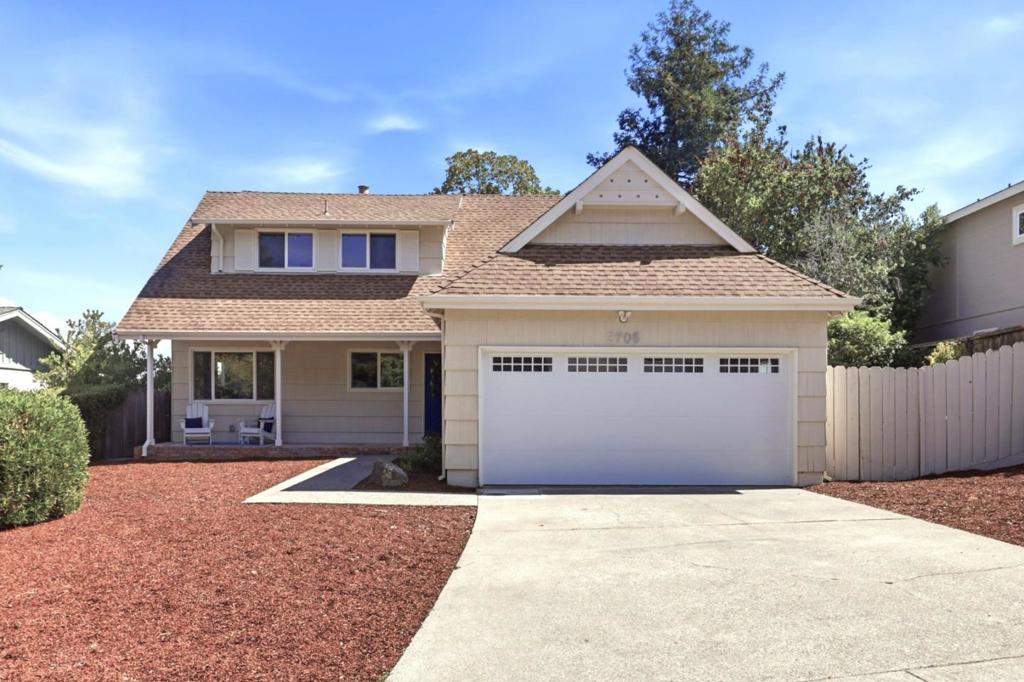
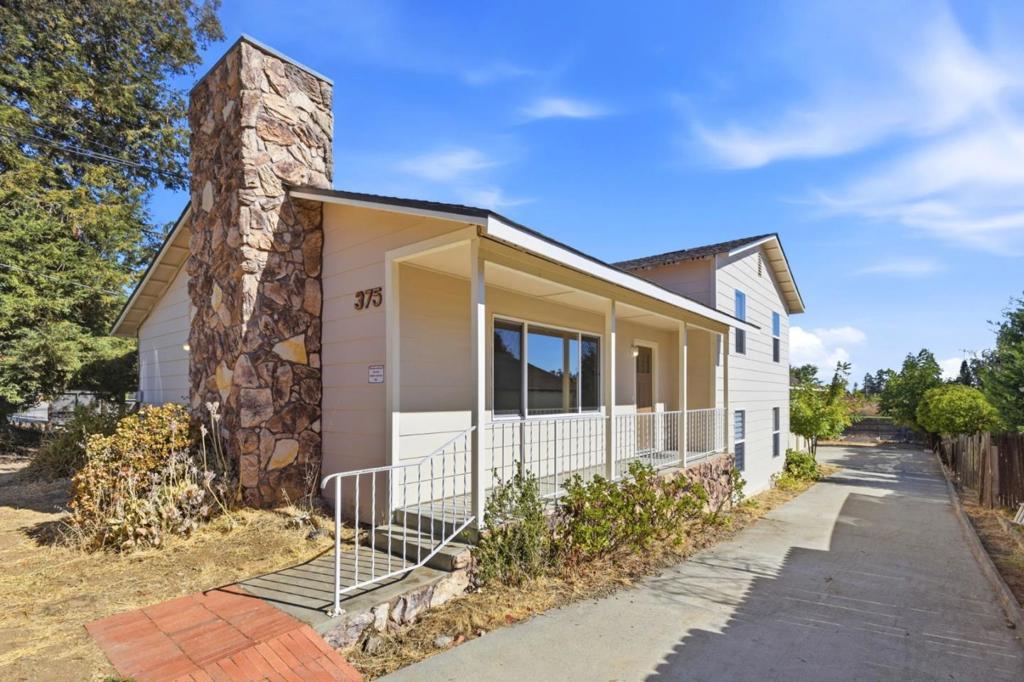
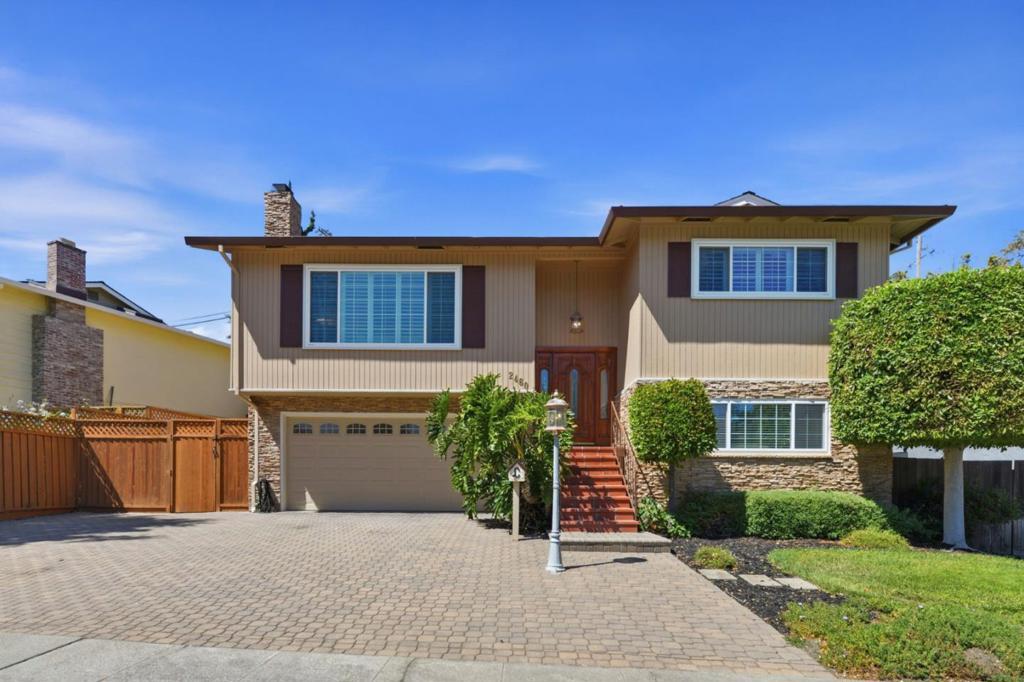
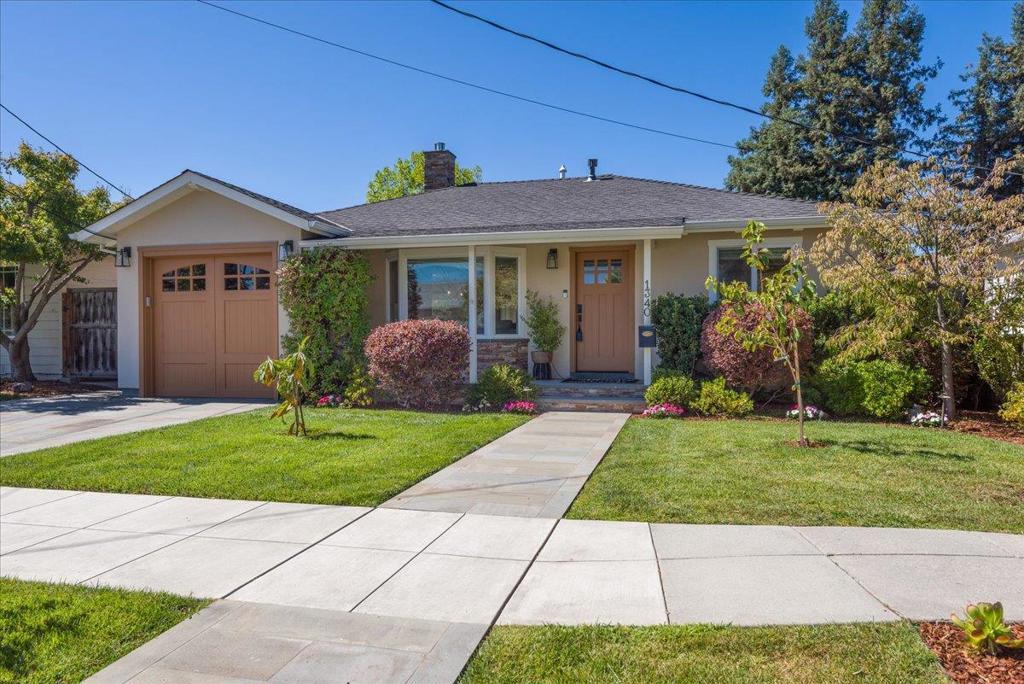
Flatland single-family. The core of the city between El Camino Real and US 101, plus the neighborhoods immediately west of El Camino. Much of this is early-to-mid twentieth century construction on modest lots. This is where most first-move-up buyers land, and it is the segment most exposed to remodel-versus-teardown pricing questions.
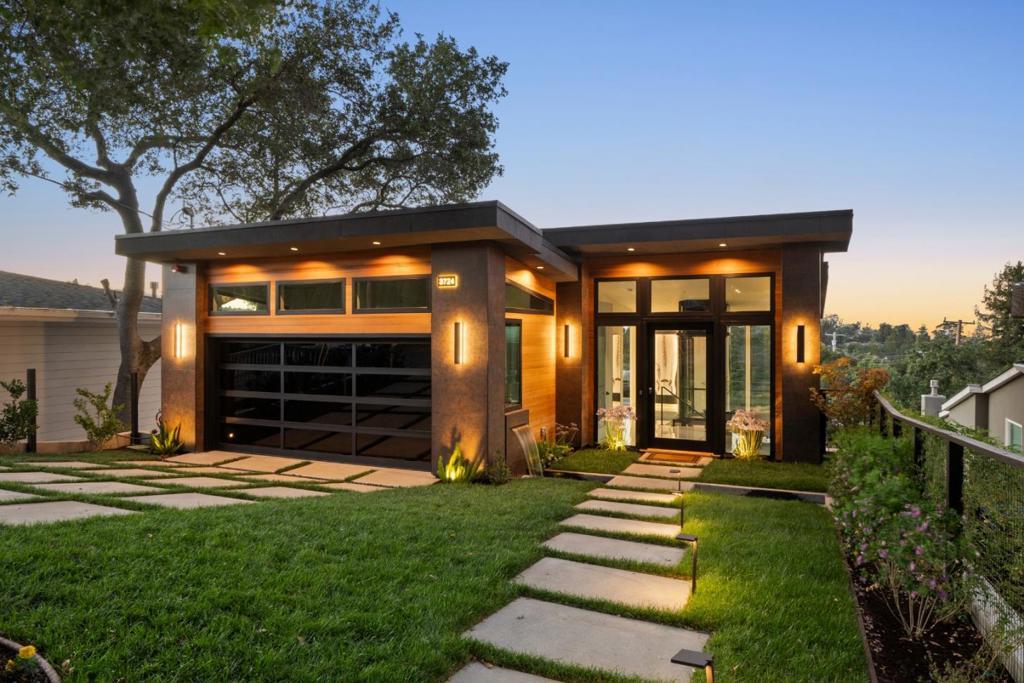
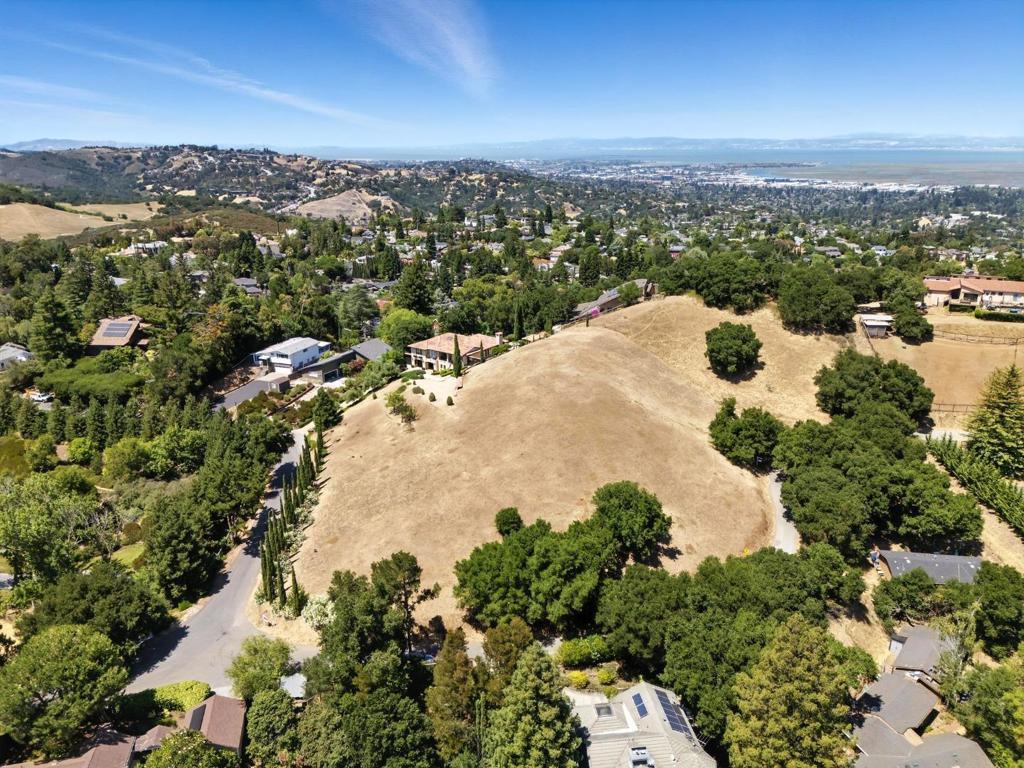
Hillside single-family. West of the flats, running up toward Edgewood Road, Farm Hill Boulevard, and I-280. Larger lots, more topography, more custom and mid-century-modern architecture, and a different set of due diligence items: slope, drainage, retaining walls, access, and in some pockets fire-hazard classification.
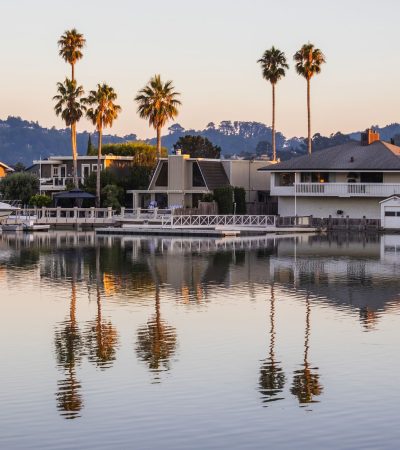
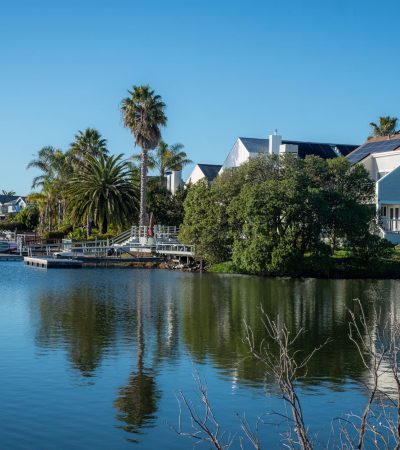
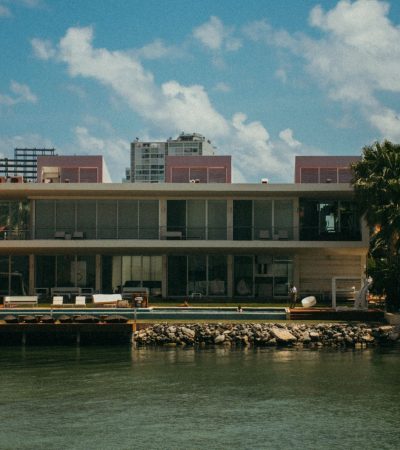
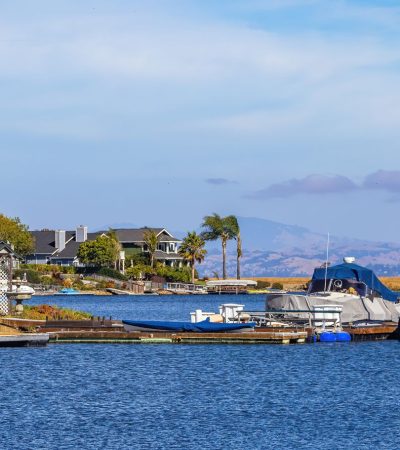
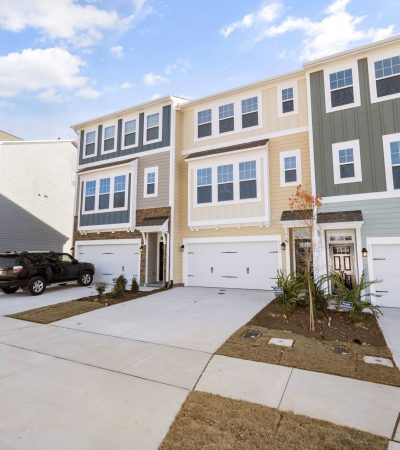
Attached housing in Redwood Shores. Condominiums and townhomes built as part of a master-planned waterfront community on reclaimed bay land. Governed by HOAs under California’s Davis-Stirling Common Interest Development Act. Dues, reserves, and lagoon-related maintenance obligations are the central underwriting questions.
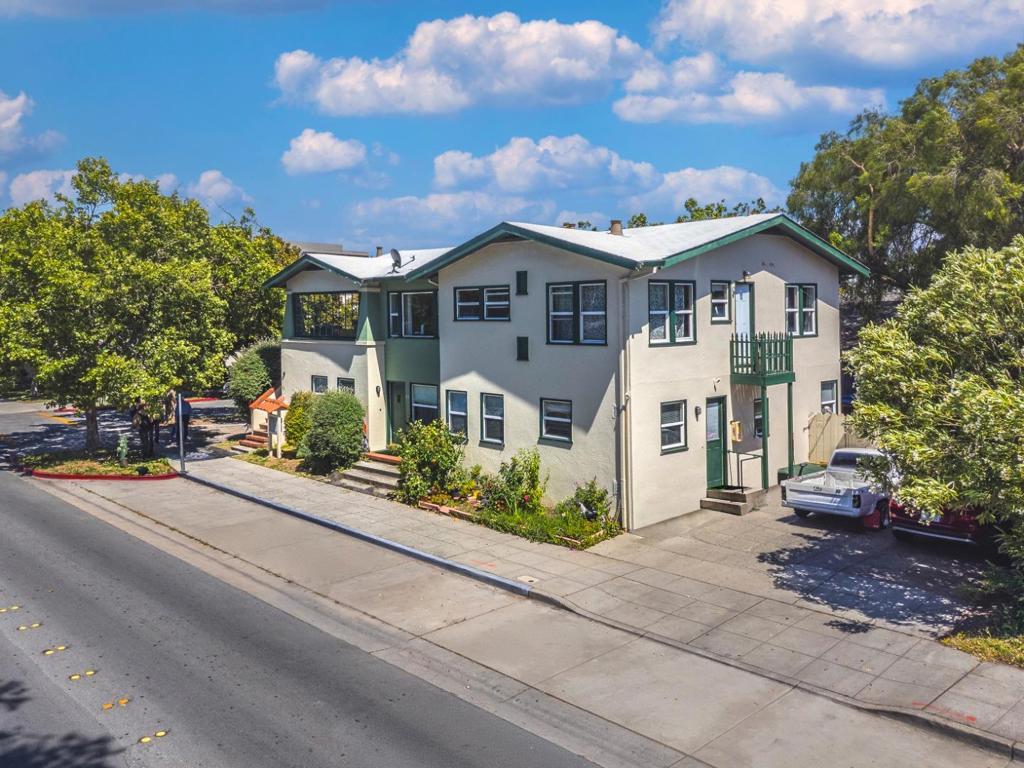
Downtown and transit-adjacent multifamily. Newer mid-rise and mixed-use product near the Caltrain station and the downtown core, plus older converted stock. This is the segment aimed at buyers who want to give up the car for the daily commute.
Which Redwood City neighborhoods should you be looking at?
Redwood City is best understood as a collection of named neighborhoods rather than one market. Each of the areas below has its own page with local detail and current inventory.
Start with the downtown-adjacent and central flatland pockets, which are the most walkable part of the city and the most exposed to downtown redevelopment. That group includes Central Park, Mount Carmel, Sequoia, and Highschool Acres, the last two named for their proximity to Sequoia High School, which has operated in Redwood City since 1895. Nearby, Roosevelt and Palm Park sit in the same general band, with Palm Gardens adjacent.
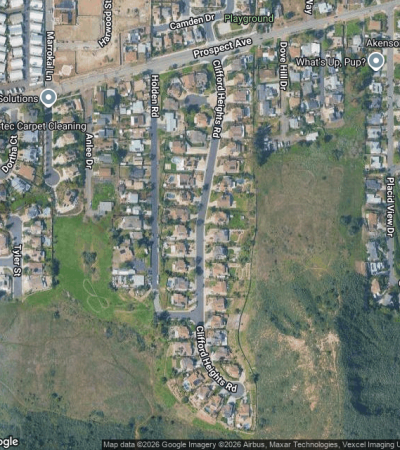
Moving west and uphill, the terrain changes and so does the product. Farm Hill Estates and Farm Hill Vista sit along the Farm Hill Boulevard corridor near Cañada College. Emerald Lake Hills is the notable outlier: it is a census-designated place in unincorporated San Mateo County, not inside Redwood City limits, covering roughly 1.2 square miles bounded by Edgewood Road, Alameda de las Pulgas, Farm Hill Boulevard, and I-280. The 2020 census counted 4,406 residents there. Close by, Cordilleras Heights, Clifford Heights, Eagle Hill, and Edgewood Park occupy the same western hill belt near Edgewood Road.
The western flats and near-hill neighborhoods include Woodside Plaza, one of the larger and most recognizable postwar tracts in the city, along with Redwood Oaks and Horgan Ranch toward the southern end of the city near the Atherton and Menlo Park line.
East of US 101, the character shifts again. Friendly Acres, Stambaugh-Heller, Fair Oaks, Dumbarton, and Lenolt make up the older bay-plain neighborhoods. These are generally the most attainable entry points into Redwood City ownership, and they carry the most site-specific due diligence: proximity to industrial and port-related uses, freeway noise on the western edge, and soils and flood questions that vary block by block.
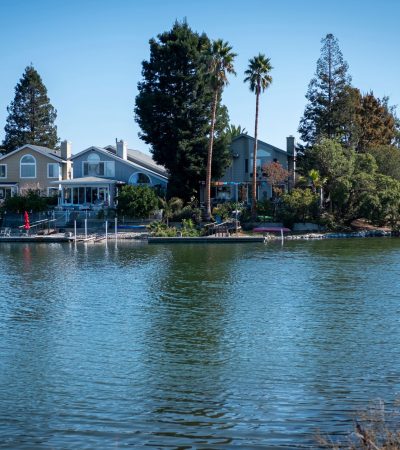
Then there is Redwood Shores, which functions as its own submarket. The parent area page is Redwood Shores, with attached product split across Redwood Shores condos and Redwood Shores townhomes. Inside and around it sit a long list of named developments and HOA communities, each with its own governing documents and dues structure: Lakeshore, Lakeshore Villas, Marlin, Marina Park, Regatta, Seacrest, Pelican Cove, Lighthouse Cove, Gossamer Cove, Boardwalk, and The Hampton.
Closer to the port and the inner harbor, a separate cluster of newer waterfront developments has come online: One Marina, Peninsula Landing, Ralston Landing, and Hastings Shore. These trade on water proximity and newer construction rather than on lot size.
What makes Redwood Shores different from the rest of Redwood City?
Redwood Shores is not an old neighborhood that grew. It was built. The land was reclaimed from San Francisco Bay marshland starting in the 1960s, on bay mud formerly used by the Leslie Salt Company for salt evaporation ponds. The project drew significant opposition at the time over earthquake risk. Bank of America acquired the development in 1972. Marine World/Africa U.S.A. operated on the site from the 1960s until 1986 before the land converted to residential and office use.
That origin explains almost everything about how the neighborhood trades today. The street pattern is planned rather than organic. Lagoons and waterways run through the community and support harbor seals, egrets, herons, and heavy waterfowl populations. A large share of the housing is attached and HOA-governed. And the employment base is unusually close: Electronic Arts and Shutterfly are headquartered in Redwood Shores, with Nintendo, Zuora, and Qualys also present. Oracle held its global headquarters there until December 2020, when the company announced its relocation to Austin, Texas.
Two structural differences matter to buyers. First, school district. Redwood Shores is served by the Belmont-Redwood Shores School District, not the Redwood City School District that covers most of the rest of the city. If school assignment is driving your search, the district line is the search, not the city boundary. Second, ground conditions. Engineered fill over bay mud is a known geotechnical profile. It affects liquefaction analysis, foundation and settlement questions, levee and flood insurance considerations, and long-horizon sea level rise planning. None of that is a reason to avoid the area. It is a reason to read the disclosure package carefully instead of skimming it.
How is the commute from Redwood City?
Better than most of the Peninsula, largely because the city has both freeway and rail.
The Caltrain station at 1 James Avenue is one of the oldest on the line. Redwood City was an inaugural station on the San Francisco and San Jose Railroad, which began service on October 18, 1863. Today the station is served by local, limited, and express trains, which is not true of every stop on the corridor. Caltrain reported average weekday ridership of 2,111 at Redwood City in fiscal year 2025, a roughly 30 percent increase year over year. The station has 557 paid parking spaces, 18 bike racks, and 50 bike lockers.
SamTrans bus service connects at the station via routes ECR, 270, 274, 275, 276, 278, 296, and 397. Commute.org operates Redwood City-Midpoint and Seaport Centre shuttles, and a separate Pacific Shores shuttle serves the bayfront office campuses.
By car, US 101 handles the north-south commute to San Francisco and San Jose, El Camino Real serves as the local parallel arterial, and I-280 is the western alternative with lighter traffic and a longer approach. Woodside Road, State Route 84, is the east-west connector and carries traffic toward the Dumbarton Bridge for East Bay commuters. Woodside Road congestion at the US 101 interchange is the single most common local complaint, and it should factor into which side of the city you choose.
Which schools serve Redwood City?
Redwood City is served by more than one district, which surprises buyers who assume one city means one district. Elementary and middle grades fall under the Redwood City School District across most of the city, and under the Belmont-Redwood Shores School District in Redwood Shores.
High school is the Sequoia Union High School District, which serves nine southern San Mateo County communities: Atherton, Belmont, East Palo Alto, Ladera, San Carlos, Menlo Park, Portola Valley, Redwood City, and Woodside. District comprehensive high schools include Sequoia High School in Redwood City, founded in 1895, along with Carlmont High School in Belmont, Woodside High School in Woodside, Menlo-Atherton High School in Atherton, TIDE Academy in Menlo Park, and East Palo Alto Academy. The district also includes two charter high schools located in Redwood City: Summit Preparatory Charter High School, founded in 2003, and Everest Public High School, founded in 2009.
Cañada College, part of the San Mateo County Community College District, is located in Redwood City on the western hillside near Farm Hill Boulevard.
Attendance boundaries change. We verify current assignment with the district for the specific address before you remove contingencies, and we do not rely on the assignment shown in a listing remark.
What does the local economy look like?
Redwood City is an employment center, not just a bedroom community. The city’s published top-employer list has included Oracle Corporation at 4,952 employees, Stanford Hospital and Clinics at 2,700, the County of San Mateo at 2,659, Box Inc. at 1,760, and Electronic Arts at 1,600. Those figures reflect the reporting period in which they were published and shift with corporate headcount decisions, as the Oracle headquarters relocation to Austin in December 2020 demonstrates.
For a buyer, that concentration cuts both ways. A dense local employment base supports rental demand and shortens commutes. It also means the market responds to tech hiring cycles faster than markets further from the corridor. On a five-year horizon, price that in.
What are the recorded price and income figures for Redwood City?
Census reporting associated with the 2020 count put Redwood City’s population at 84,292, median household income at $123,294, and median house value at $1,424,200.
Treat that home value figure as a historical marker, not a current price. It is a census-era number covering the whole city, and Redwood City’s internal spread is wide enough that a single citywide median is close to meaningless for offer strategy. A hillside custom home in the Farm Hill corridor and a condominium in a Redwood Shores association are not in the same market. We do not quote current medians on this page because a static page cannot keep pace with them. Ask us for live comparable sales in the specific neighborhood and product type you are targeting.
What should you check before buying here?
Five items, in the order they tend to kill deals.
Soils and fill. Anything east of US 101, and Redwood Shores in particular, sits on reclaimed bay land. Ask for geotechnical history, foundation observations, and any settlement documentation. This is a normal, addressable condition, but it belongs in the inspection scope.
Flood and levee status. Bayfront and near-bay parcels carry flood insurance questions that hillside parcels do not. Confirm the current flood zone designation and quoted premium before you finalize your budget, not after.
HOA documents. For any condominium or townhome, California’s Davis-Stirling Act governs the association. Read the reserve study, the last several years of minutes, the litigation disclosure, and any special assessment history. Lagoon-adjacent communities have maintenance obligations that inland associations do not.
Slope and drainage in the hills. Retaining walls, driveway access, tree condition, and drainage carry real dollar consequences on the western hillsides. Where a fire-hazard severity classification applies, insurance availability is a live question, and it should be priced during your contingency period.
Land use neighbors. The Port of Redwood City and the surrounding industrial zoning are permanent features of the east side. Freeway proximity, rail proximity, and flight paths vary by block. Visit at the hour you would actually be home.
How to Compare Two Redwood City Listings Side by Side
Because the city spans hills, flats, and reclaimed bay land, two properties at a similar asking price are often selling you different things. Before you compare finishes or square footage, pin down which of the three bands a listing sits in, then ask what that band brings with it. A hillside property carries site work questions — the slope, the drainage path, the condition of any retaining wall, and how the driveway performs in winter. A Redwood Shores townhome carries an HOA instead: read the budget, the reserve study, and the lagoon maintenance obligations before you get attached to the water view. A flatland house near downtown usually carries neither, but it raises the remodel-versus-teardown question that drives so much of the pricing in that segment.
That is the practical shape of Redwood City real estate. Sort by band first, then by house, and bring the right inspections to each.
Frequently Asked Questions About redwood city Homes for Sale
Is Redwood City part of Silicon Valley?
Functionally yes, geographically it is mid-Peninsula. Redwood City sits in San Mateo County about 27 miles south of San Francisco, north of the Santa Clara County line. It hosts major technology employers including Electronic Arts and Box, and it commutes readily to both San Francisco and the South Bay.
Is Emerald Lake Hills in Redwood City?
No. Emerald Lake Hills is a census-designated place in unincorporated San Mateo County, adjacent to Redwood City. It has a Redwood City mailing association but county rather than city jurisdiction for permits and services. Residents attend schools in the Redwood City School District and Sequoia Union High School District. Lower Emerald Lake has been operated by the Emerald Lake Country Club since 1920.
Does Redwood City have a downtown worth living in?
Redwood City’s downtown is one of the more active on the Peninsula, anchored by county government offices, the Caltrain station, and a concentration of dining and entertainment. It is the part of the city where car-free daily life is realistic. The trade-off is noise and density relative to the outlying tracts.
Which school district serves Redwood Shores?
Belmont-Redwood Shores School District for elementary and middle grades, not Redwood City School District. High school falls under Sequoia Union High School District. Always confirm the current assignment for a specific address with the districts directly.
Are there waterfront homes with boat access?
Yes. Redwood Shores is built around lagoons and waterways, and several communities front directly on water. Access rules, dock rights, and maintenance responsibility are set by the individual HOA governing documents rather than by the city, so they differ between developments. We pull those documents before you write.
What is the Port of Redwood City and does it affect residential value?
It is the only deepwater port on San Francisco Bay south of San Francisco, and it is an active commercial facility. Its effect on residential value is localized. It supports the newer waterfront housing near the inner harbor while also generating truck traffic and industrial neighbors on parts of the east side. The impact is block-specific, not citywide.
How old is the housing stock?
It spans more than a century. Redwood City incorporated in 1867 and has downtown-adjacent housing from the early twentieth century, extensive postwar tract development in the flats and western neighborhoods, planned community construction in Redwood Shores from the 1960s forward, and recent infill near downtown and the waterfront. Expect era-appropriate inspection findings and budget accordingly.
Is Redwood City better for buyers or sellers right now?
That depends on product type and price band, and it changes faster than a page like this can be updated. Entry-level attached housing, mid-tier single-family, and upper-tier hillside homes frequently move in different directions at the same time. Ask us for the current absorption and days-on-market read for your specific segment.
How does The Knight Group work in Redwood City?
We work this market at the neighborhood level rather than the city level, because the city level does not tell you anything actionable. Before you tour, we build the comparable set for the exact pocket and product type you are targeting, flag the due diligence items that pocket is known for, and give you a defensible number rather than a range.
For sellers, that means pricing against the correct comparable set, whether that is a Redwood Shores association with its own transaction history or a hillside street with three sales in two years. For buyers, it means we tell you the trade-offs on a property before you fall for it: the fill, the levee, the assessment history, the slope, the freeway, the district line.
Browse the listings below or reach out to The Knight Group directly. Tell us which neighborhoods on this page you are weighing, and we will send the current data on each of them.
What is it like to buy Homes For Sale In Redwood City?
- Homes For Sale In Redwood City cover more ground than almost any other market on the Peninsula, which is both the appeal and the complication.
- Redwood City serves as the county seat of San Mateo County and has been building housing since the year it incorporated.
- Buyers inside one municipal boundary can choose a walkable downtown condo, a flat mid-century tract house, an oak-shaded hillside lot, or a lagoon-front townhome.
- Local shorthand in Redwood City follows the freeways rather than zip codes, because the neighborhood is the decision that actually matters.
- Land west of El Camino Real climbs toward Farm Hill Boulevard, Edgewood Road, and Interstate, where lots get larger and slope becomes real due diligence.
- Homes For Sale In Redwood City between El Camino Real and the freeway sit in the older flatland core, including downtown and long-established residential pockets.
- Central Park, Mount Carmel, and Woodside Plaza are named flatland neighborhoods within the older core between El Camino Real and the freeway.
- East of the freeway lies the bay plain, home to both older working neighborhoods and the planned, HOA-governed community of Redwood Shores.
- Two addresses a short distance apart in Redwood City can differ on schools, soils, and resale audience.
- San Carlos and Belmont border the city to the north, while Atherton and Menlo Park border it to the south.
- Woodside and unincorporated hill areas border the city to the west, and San Francisco Bay forms the eastern edge.
- Woodside Road runs east to west across the entire city and continues over the Dumbarton Bridge toward the East Bay.
- The Port of Redwood City is the only deepwater port on San Francisco Bay south of San Francisco and matters mostly as a land-use neighbor.
- Redwood City sits in a band of the Peninsula that gets less coastal fog and less of the inland heat building in the South Bay.
- Hillside single-family stock brings larger lots, more custom and mid-century-modern architecture, and due diligence on drainage, retaining walls, access, and fire-hazard classification.
- Attached housing in Redwood Shores sits under HOAs governed by the Davis-Stirling Common Interest Development Act, making dues, reserves, and lagoon maintenance central underwriting questions.
What should buyers know about commuting, schools, and jobs near Homes For Sale In Redwood City?
- Commuting from Redwood City runs better than most of the Peninsula, largely because the city has both freeway and rail access.
- The Caltrain station at James Avenue is one of the oldest on the line and was an inaugural stop on the San Francisco and San Jose Railroad.
- Local, limited, and express trains all serve the Redwood City station, which is not true of every stop along the corridor.
- Station amenities near Homes For Sale In Redwood City include paid parking spaces, bike racks, and bike lockers for daily commuters.
- SamTrans bus service connects at the station, and Commute.org operates Redwood City-Midpoint and Seaport Centre shuttles for local employment centers.
- A separate Pacific Shores shuttle serves the bayfront office campuses on the east side of the city.
- El Camino Real serves as the local parallel arterial, while Interstate is the western alternative with lighter traffic and a longer approach.
- Woodside Road congestion at the freeway interchange is the single most common local complaint and should factor into which side of the city you choose.
- Homes For Sale In Redwood City fall under more than one school district, which surprises buyers who assume one city means one district.
- Redwood City School District covers elementary and middle grades across most of the city, with Belmont-Redwood Shores School District serving Redwood Shores.
- Sequoia Union High School District serves nine southern San Mateo County communities, including Atherton, Belmont, East Palo Alto, San Carlos, Menlo Park, and Woodside.
- Sequoia High School anchors the district within the city, alongside Carlmont, Woodside, and Menlo-Atherton high schools in neighboring communities.
- Summit Preparatory Charter High School and Everest Public High School are charter high schools located within the city limits.
- Cañada College sits on the western hillside near Farm Hill Boulevard as part of the San Mateo County Community College District.
- Employers with a large local presence have included Oracle Corporation, Stanford Hospital and Clinics, the County of San Mateo, Box, and Electronic Arts.
- A dense local employment base supports rental demand and shortens commutes, but also means Homes For Sale In Redwood City respond quickly to tech hiring cycles.
What questions do buyers ask most about Homes For Sale In Redwood City?
- Redwood City is functionally part of Silicon Valley while sitting geographically on the mid-Peninsula, north of the Santa Clara County line.
- Major technology employers including Electronic Arts and Box are hosted here, and the city commutes readily to both San Francisco and the South Bay.
- Emerald Lake Hills is a census-designated place in unincorporated San Mateo County adjacent to the city, with county rather than city jurisdiction for permits.
- Emerald Lake Hills residents attend schools in the Redwood City School District and Sequoia Union High School District despite the county jurisdiction.
- Lower Emerald Lake has been operated by the Emerald Lake Country Club for more than a century.
- Downtown ranks among the more active on the Peninsula, anchored by county government offices, the Caltrain station, and a concentration of dining and entertainment.
- Car-free daily life is realistic downtown, with the trade-off being noise and density relative to the outlying tracts.
- Belmont-Redwood Shores School District covers elementary and middle grades in Redwood Shores rather than Redwood City School District.
- Waterfront Homes For Sale In Redwood City exist in Redwood Shores, which is built around lagoons and waterways with several communities fronting directly on water.
- Access rules, dock rights, and maintenance responsibility are set by individual HOA governing documents rather than by the city, so they differ between developments.
- The Port of Redwood City is an active commercial facility whose effect on residential value is localized and block-specific rather than citywide.
- Port activity supports newer waterfront housing near the inner harbor while generating truck traffic and industrial neighbors on parts of the east side.
- Housing stock among Homes For Sale In Redwood City spans more than a century, from early downtown-adjacent construction to recent infill near downtown and the waterfront.
- Postwar tract development fills the flats and western neighborhoods, while planned community construction defines Redwood Shores.
- Entry-level attached housing, mid-tier single-family, and upper-tier hillside homes frequently move in different directions at the same time.
- The Knight Group works Homes For Sale In Redwood City at the neighborhood level, building the comparable set and flagging pocket-specific due diligence before you tour.