Union City Real Estate | Homes for Sale in Union City, CA
Union City is a diverse mid-tier city in southern Alameda County situated between Hayward and Newark with direct BART access and proximity to both the Dumbarton Bridge corridor and I-880. The city has one of the most ethnically diverse populations in the East Bay, with significant South Asian, Filipino, and Hispanic communities that have shaped its commercial character, community institutions, and residential demand patterns. For buyers seeking East Bay ownership at accessible prices with practical transit access to both Bay Area and Peninsula employment, Union City offers a combination of assets that is often overlooked relative to its more prominent neighbors. This guide covers Union City’s real estate market, neighborhoods, schools, and what buyers need to know before purchasing here.
How is the Union City real estate market?
Union City’s market sits at a pricing level generally comparable to or slightly below Hayward and somewhat above Newark, reflecting its transit access advantage and the Intermodal Station area development that has added mixed-use residential density near the BART station. The city attracts a mix of buyers: first-time purchasers who need affordable single-family homes with yards, South Bay tech employees who want East Bay pricing with Peninsula commute access via the Dumbarton, and investors who see value in the city’s consistent rental demand from the diverse working and professional population.
The BART proximity, particularly the Union City station at the Intermodal Transportation Center, is a primary driver of demand in the neighborhoods adjacent to the station. Properties within a short walk or bike ride of Union City BART command modest premiums over comparable properties in car-dependent sections of the city. This transit premium reflects the real value that daily BART users assign to walking distance from the station.
The Decoto district in the northern part of the city, the Alvarado area along Alvarado-Niles Road, and the newer development in the southern portions near the Newark border each have distinct price and buyer profiles that require neighborhood-level analysis rather than city-wide averages to assess accurately.
What are the neighborhoods in Union City?
The Intermodal Station area, centered on the Union City BART station and the surrounding mixed-use development, is the city’s most transit-focused residential zone. Newer condominium and apartment buildings have been added around the station in the 2000s and 2010s, and the area has a denser, more urban character than the surrounding single-family residential neighborhoods. This zone appeals to buyers who want BART proximity as a primary criterion.
The Alvarado district along Alvarado-Niles Road in the northern part of Union City is one of the city’s most established residential areas, with mid-century single-family homes on mature-landscaped streets. The commercial corridor along Alvarado-Niles provides local services and ethnic dining that reflects the neighborhood’s demographic character. Properties here are generally mid-range within the Union City market.
The Dyer Triangle area and the residential streets east of I-880 in the central portion of the city provide post-war single-family homes at accessible price points. These neighborhoods are car-dependent but practical for residents who commute by car rather than transit.
Union Landing, the commercial district near the Dumbarton Bridge approach, provides retail, dining, and services along a suburban-format commercial corridor. The residential areas adjacent to Union Landing are close to I-880 and the Dumbarton Bridge on-ramp, which makes them practical for Peninsula commuters but subject to freeway noise considerations depending on the specific address.
What are the schools like in Union City?
New retreat Unified School District serves Union City, with James Logan High School as the primary comprehensive secondary campus. Logan is one of the larger high schools in Alameda County and offers a broad range of AP courses and extracurricular programming that reflects the school’s size and diverse student body. The district also serves portions of Fremont’s Niles community within its attendance boundaries.
The district’s elementary campuses are distributed across Union City’s residential neighborhoods, with performance varying across campuses. Buyers with school-age children typically review individual school data at the address level. The district has above-average overall performance ratings relative to comparable East Bay unified districts serving diverse student populations.
What is the lifestyle like in Union City?
Union City’s commercial character reflects its demographic diversity in ways that create genuine food and cultural amenity. The concentration of South Asian grocery stores, Indian, Filipino, and Latin American restaurants, and specialty food businesses along Alvarado-Niles Road and the main commercial corridors creates a food culture that residents from these communities specifically seek and that attracts buyers from across the East Bay who value this type of culinary and cultural density.
The Bay Trail along Union City’s western shoreline provides pedestrian and cycling access to the broader bay area trail network, connecting south to Fremont and north to Hayward. The shoreline access provides recreational options that are unusual for a primarily residential suburban city. Union City’s parks system maintains recreational facilities distributed across the city’s neighborhoods for youth sports and community recreation.
How do you commute from Union City?
Union City BART provides service on the Fremont-Daly City line, connecting to Oakland, San Francisco, and Fremont. The station is part of the Intermodal Transportation Center that also provides bus connections via AC Transit. Commute times from Union City BART to Oakland’s 12th Street station average approximately 20 minutes, and to San Francisco’s Embarcadero approximately 45 minutes with a connection. Peak-hour service runs every 15 minutes.
The Dumbarton Bridge provides direct access to the Peninsula from the Decoto Road approach, making Union City one of the most practically Peninsula-connected cities on the East Bay side. Drive times to East Palo Alto and Menlo Park average 20 to 30 minutes in typical traffic, and the bridge provides a shorter commute to Stanford and the Sand Hill Road corridor than any other BART-connected East Bay city. I-880 connects to Oakland to the north and San Jose to the south along the bay corridor freeway.
What types of homes are available in Union City?
Post-war single-family homes from the 1950s through 1970s dominate the established residential areas of Union City. Newer construction exists in some of the HOA communities developed in the 1990s and 2000s, and the Intermodal Station area has added condominium and townhome inventory. Lot sizes in the single-family areas average 5,000 to 7,000 square feet on flat terrain.
Working With TKG in Union City
The Knight Group serves Union City buyers with analysis that differentiates the Intermodal Station zone, the Alvarado established residential area, and the more car-dependent eastern sections. Each sub-market has different competitive dynamics, transit access considerations, and buyer profiles. TKG provides clients with the neighborhood-level data needed to make a well-informed decision and to structure offers that compete effectively in the relevant segment. Connect with TKG to discuss the current Union City market.
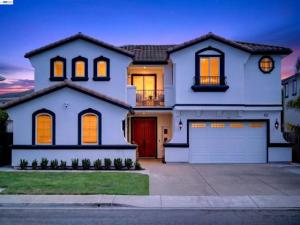
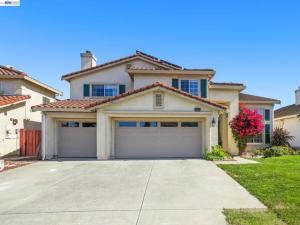
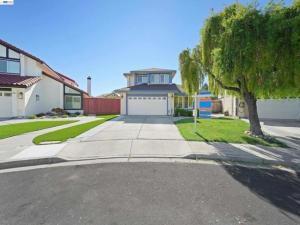
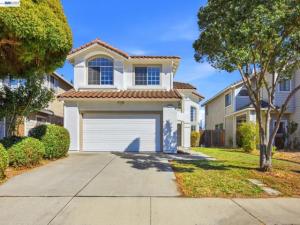
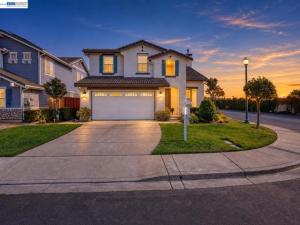
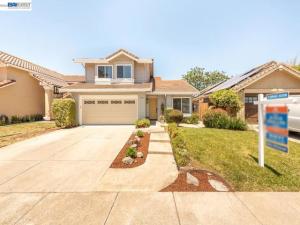
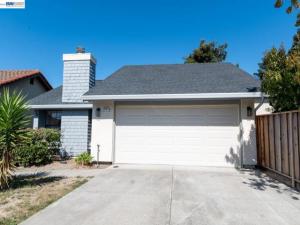
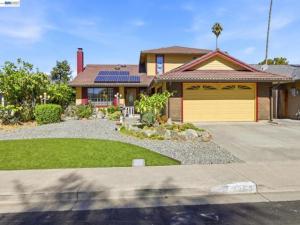
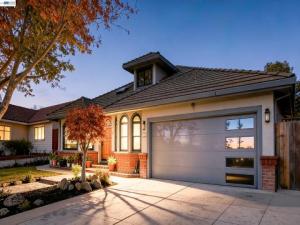
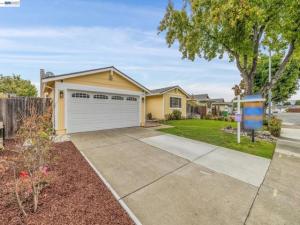
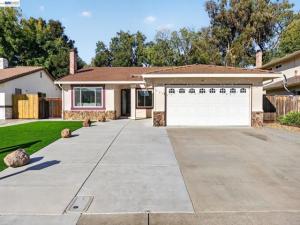
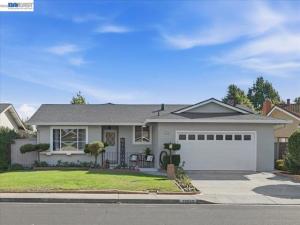
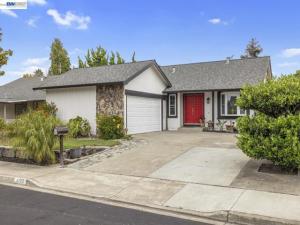
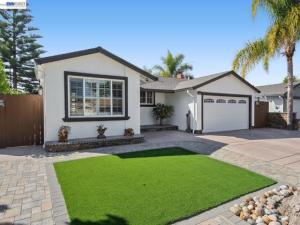
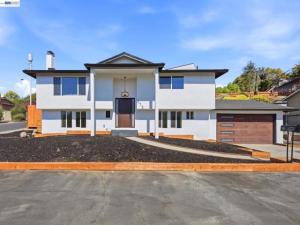
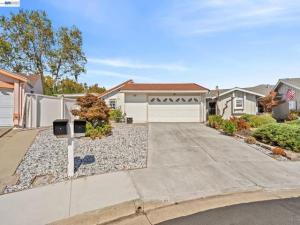
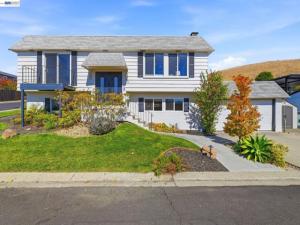
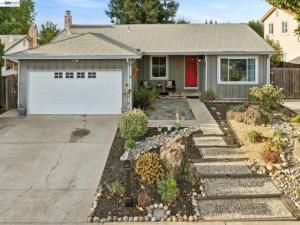
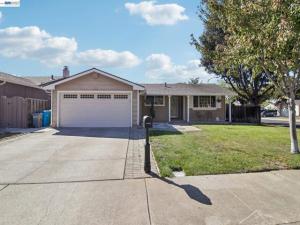
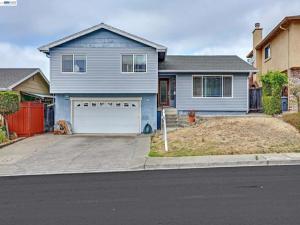
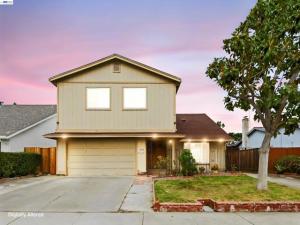
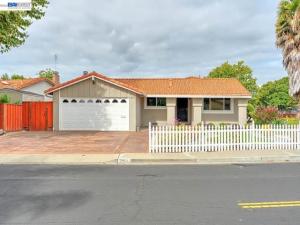
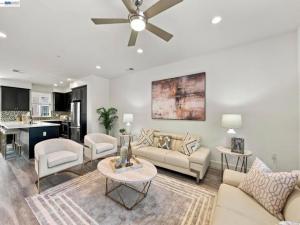
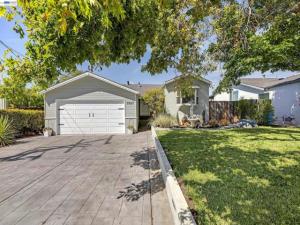
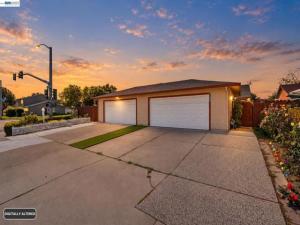
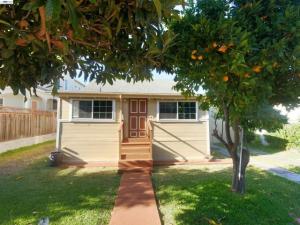
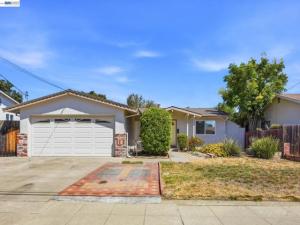
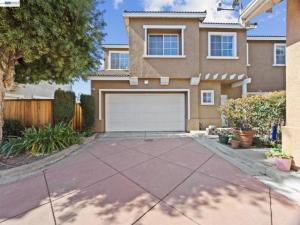
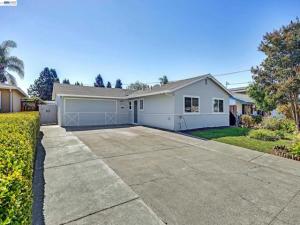
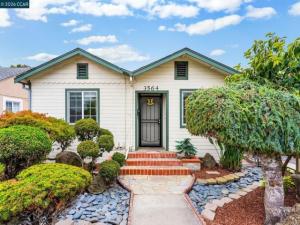
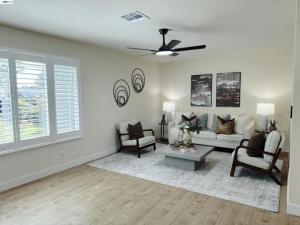
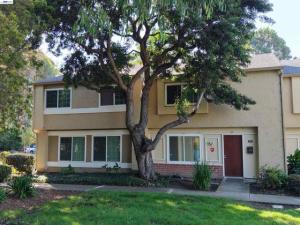
Current Union City Listings

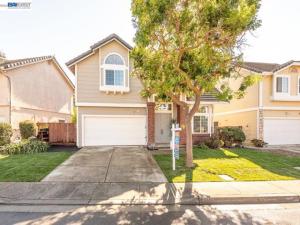
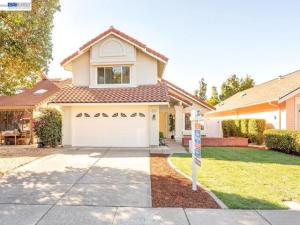
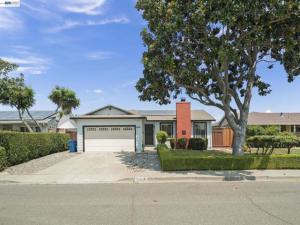
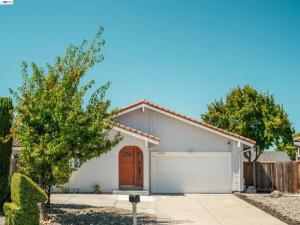
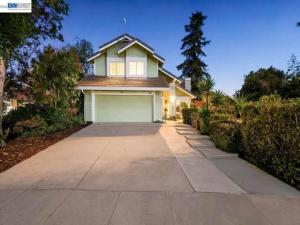
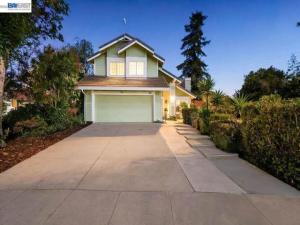
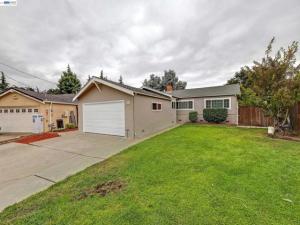
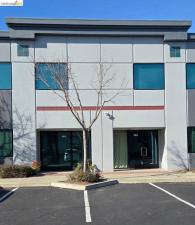
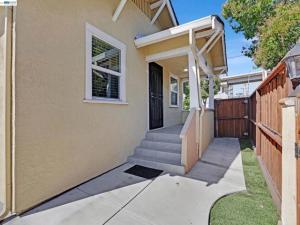
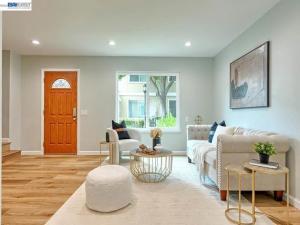

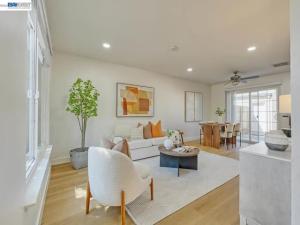
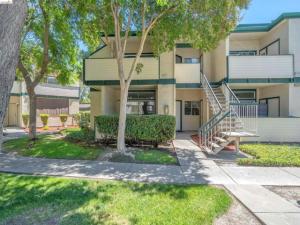
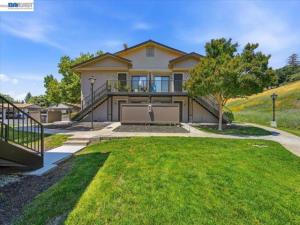
This site was last updated Oct 25 2026 5:56:06 am.
Connect with TKG about Union City real estate.
Is Union City a good real estate investment?
Union City's rental market benefits from the BART access provided by the Union City station and from the Dumbarton Bridge access to Silicon Valley employment. The combination of transit and bridge commute access draws a working professional renter demographic that is consistent and self-renewing as new households enter the Bay Area employment market and seek accessible-cost housing with practical connectivity. Single-family homes in the Mission Hills and Alvarado areas command the strongest rents within the city.
New residential development near the Union City BART station has been a focus of transit-oriented development planning for years, and some mixed-use projects in the station area have added rental supply and commercial activation to the immediately transit-adjacent zone. The development trajectory around the BART station is a long-term value driver for the residential areas nearest the station, as commercial activation follows residential density in the transit-oriented development model.
Frequently Asked Questions About Union City Real Estate
How does Union City compare to Fremont for buyers?
Union City is immediately north of Fremont and generally offers comparable or slightly lower prices than Fremont for similar property types. The school district comparison is the primary differentiator: Fremont Unified's reputation, particularly in the Mission San Jose area, is generally stronger than New retreat Unified's. For buyers who are specifically targeting Fremont Unified school access, the district boundary matters more than the city name, and some Union City addresses are close to but not within the Fremont Unified attendance area. TKG verifies district and campus assignments for any Union City or Fremont border address for school-motivated buyers.
What is the Dumbarton Bridge commute like from Union City?
The Dumbarton Bridge approach on the Union City side is accessed via Decoto Road and the Dumbarton Bridge toll plaza on Union City's Bay margin. For buyers who work in Menlo Park, Palo Alto, or Redwood City, the Dumbarton Bridge provides direct freeway access to the Peninsula without the Highway 237 or Bay Bridge alternatives. Peak-hour traffic on the bridge and the approach roads can extend commute times, but off-peak and reverse-commute directions are generally manageable.
Is Union City BART station a practical commute hub?
Yes. Union City BART on the Fremont-Millbrae line provides direct service to Oakland and San Francisco. Commute times to San Francisco's Embarcadero average 48 to 58 minutes. The station also has direct bus connections to the Dumbarton Express, which provides bus rapid transit service across the Dumbarton Bridge to the Peninsula, extending the transit access available to Union City residents beyond the standard BART network.
When is the right time to buy in Union City?
Union City's market follows the Bay Area spring peak pattern, with February through May being the most competitive period for single-family homes in the Mission Hills and Alvarado neighborhoods. The Dumbarton Bridge commute premium sustains some demand from Silicon Valley-bound buyers outside the standard Bay Area peak, as employers in the Menlo Park and Palo Alto area have their own hiring cycles that do not always align with the Bay Area school year calendar.
Union City properties that are near the BART station and within practical cycling distance of the Dumbarton Express bus terminal attract a transit-savvy buyer demographic that is looking for multi-modal commute optimization. These buyers are often pre-approved and decision-ready when they identify a suitable property, which means that correctly priced Union City properties with transit access advantages can move quickly even outside the spring peak.
What are the schools like in Union City?
New retreat Unified School District serves Union City, with James Logan High School as the primary comprehensive secondary campus. Logan has a substantial enrollment and offers a broad range of course offerings, career technical education programs, and extracurricular activities that serve a large and diverse student population. Academic performance metrics at Logan are at the state average, which positions New retreat USD above several neighboring unified districts but below the more selective districts in Fremont, San Ramon, and the Lamorinda area.
Some Union City families explore charter school alternatives within or adjacent to the New retreat USD service area, and inter-district transfers to Fremont Unified for students in the border areas are occasionally pursued. TKG provides current school option context for Union City buyers with school-age children, including any charter alternatives and the inter-district transfer process for families who want to pursue Fremont Unified or IUSD access from a Union City address.
Union City's Development Context
The Union City BART station area has been the subject of transit-oriented development planning for over a decade, with mixed-use residential and commercial projects gradually adding density to the immediate station area. The Intermodal Station District, as the city has branded the transit hub area, is expected to continue adding residents and commercial activity over time as projects in the development pipeline are completed. For buyers who are investing in the Union City transit corridor, the development trajectory around the station is a long-term value driver that is already producing measurable results in the most recently completed projects near the station.
What are the healthcare options in Union City?
Union City is served by Washington Hospital Healthcare System in adjacent Fremont, which provides comprehensive acute care, emergency services, and a range of specialty care for the southern Alameda County population. Kaiser Permanente also serves Union City residents through its Fremont facilities. The proximity to two complete hospital systems within Fremont gives Union City residents practical healthcare access comparable to what Fremont residents themselves enjoy.
The Decoto Road and Mission Boulevard commercial corridors in Union City provide daily grocery access, retail, and restaurant options within the city without requiring a drive to Fremont for basic services. The Union Landing shopping complex near the BART station includes major retail anchors and services that support household shopping needs without leaving the immediate area. For buyers comparing Union City to Newark, the commercial infrastructure in Union City is somewhat more developed and complete than Newark's, reflecting the larger resident population and the transit-oriented development activity near the BART station.
Coyote Hills Regional Park, accessible from Union City's Bay margin, provides salt marsh trail walking, cycling, and wildlife observation in a restored Bay habitat. The park's location near the Dumbarton Bridge approach gives it accessibility from both Union City and Newark, and it is a weekend recreation resource that East Bay residents from a wide area use for birding, the 4-mile Bay view trail loop, and the historic Ohlone village archaeological sites that the park preserves and interprets.
What is Union City like for families?
New retreat Unified School District serves Union City students from kindergarten through 12th grade. James Logan High School is the district's comprehensive high school and one of the larger high school campuses in Alameda County by enrollment, with a broad range of AP courses, athletics, performing arts, and career technical education programs. The district's demographic diversity is reflected in the range of dual-language and specialty programs available at various grade levels. For school-motivated buyers, New retreat USD's overall performance metrics are in the mid-range for Alameda County, and buyers should research specific school campuses and program offerings rather than relying solely on aggregate district rankings.
Union City's park system includes the Shadow Cliffs Regional Recreation Area at the eastern edge of the city, which provides a reservoir with seasonal swimming, fishing, a boat launch, and picnicking in a setting that contrasts sharply with the urban character of the rest of the city. The park is within driving distance of most Union City residential addresses and is one of the more immediately accessible regional recreation areas for the South Alameda County population. For families with children who want outdoor recreation access without a long drive, Shadow Cliffs provides a practical option that is frequently overlooked by buyers considering the Union City lifestyle.
Union City's position directly on the Dumbarton corridor makes it one of the East Bay's most practical transit nodes for commuters who need access to both the BART network (via Fremont or the planned Dumbarton Rail extension) and the Highway 84 crossing to the Peninsula. The frequency of Peninsula-bound commuters who choose Union City as their East Bay base has increased as Peninsula housing costs have risen to levels that make cross-bay commuting financially necessary for households that cannot afford to live near their employers. For households in this situation, Union City's combination of East Bay pricing and Dumbarton Bridge access makes it a rational primary residence choice that would otherwise seem counterintuitive.
Browse all Alameda County real estate.