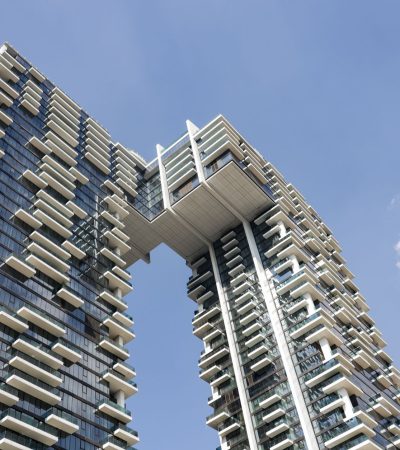
Condos for Sale in Glendale, CA
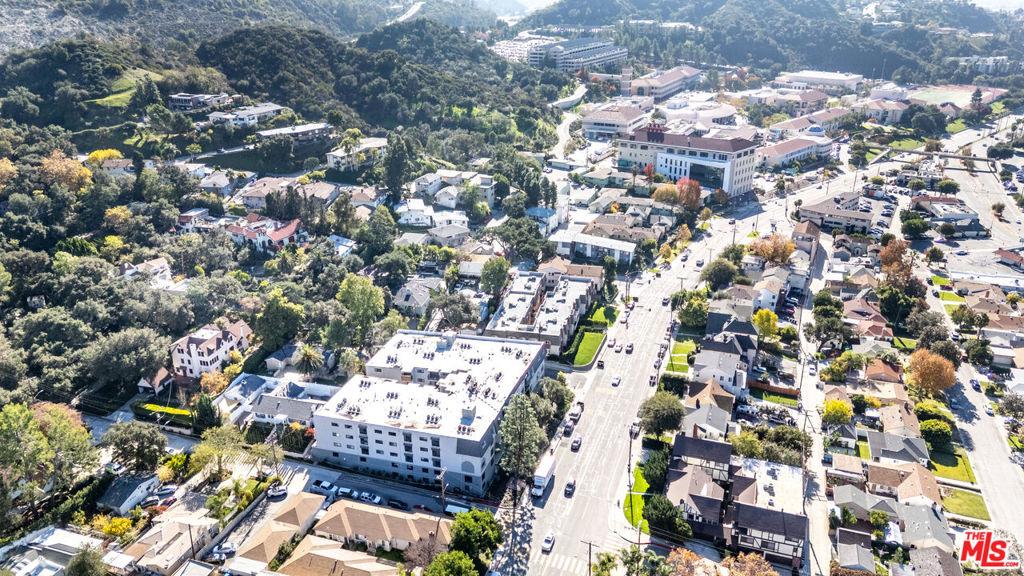
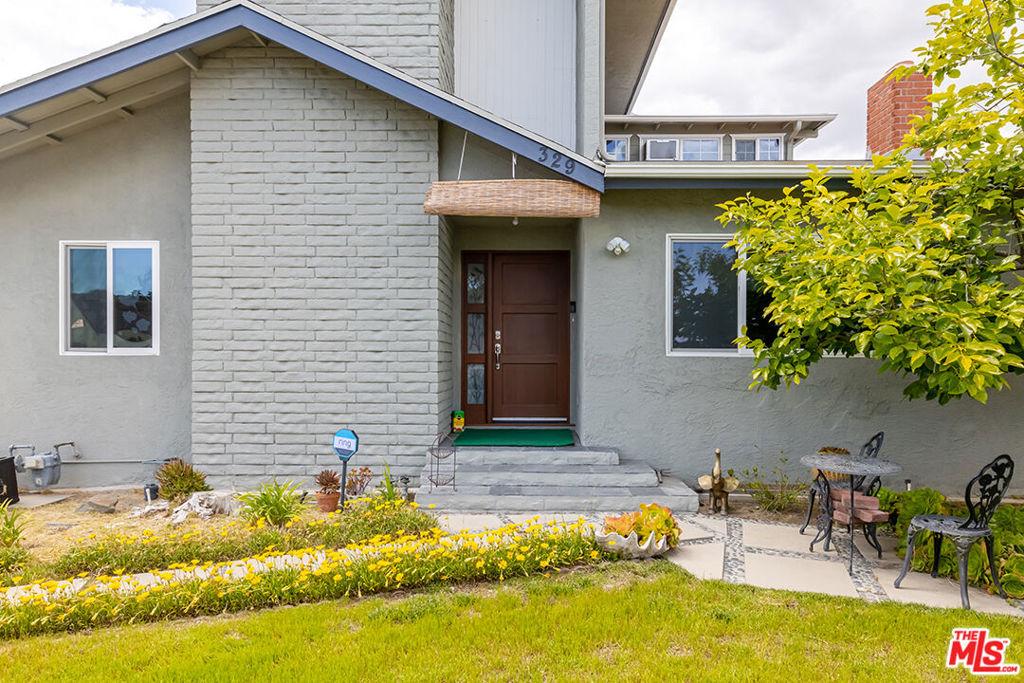
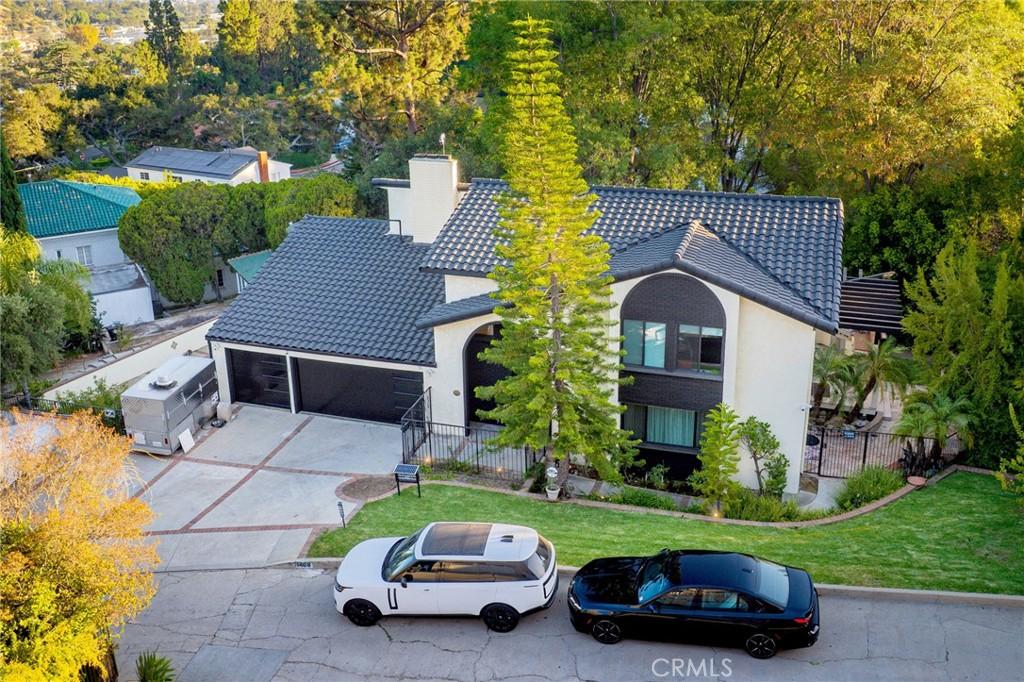
Condos for sale in Glendale sit inside an independent city of 196,543 people, about 10 miles north of downtown Los Angeles, where the 5, the 134, and the 2 converge. Glendale runs its own school district, police force, and water and power utility, and it holds real employment inside its own limits, led by Glendale Unified, Adventist Health Glendale, Walt Disney Imagineering, and DreamWorks Animation. A condo buys that position, plus walkable retail off Brand Boulevard, at a price per square foot well under a detached house on the same block.
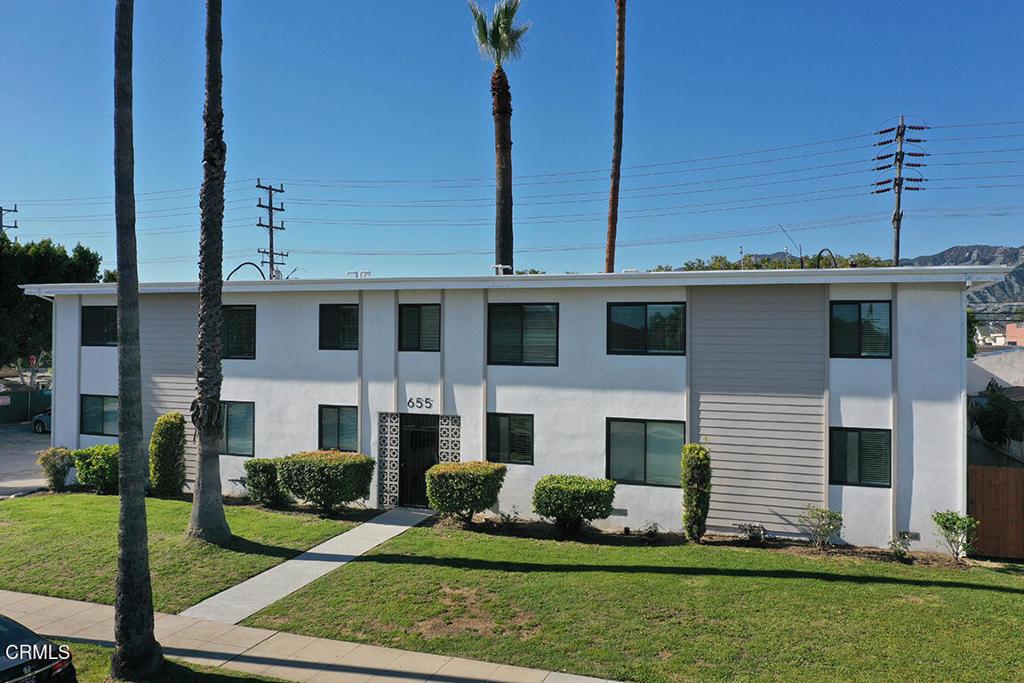
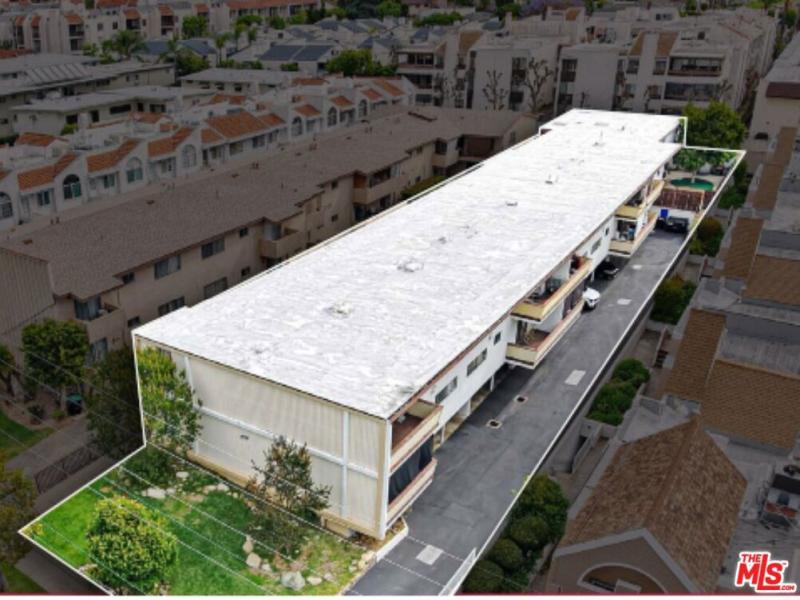
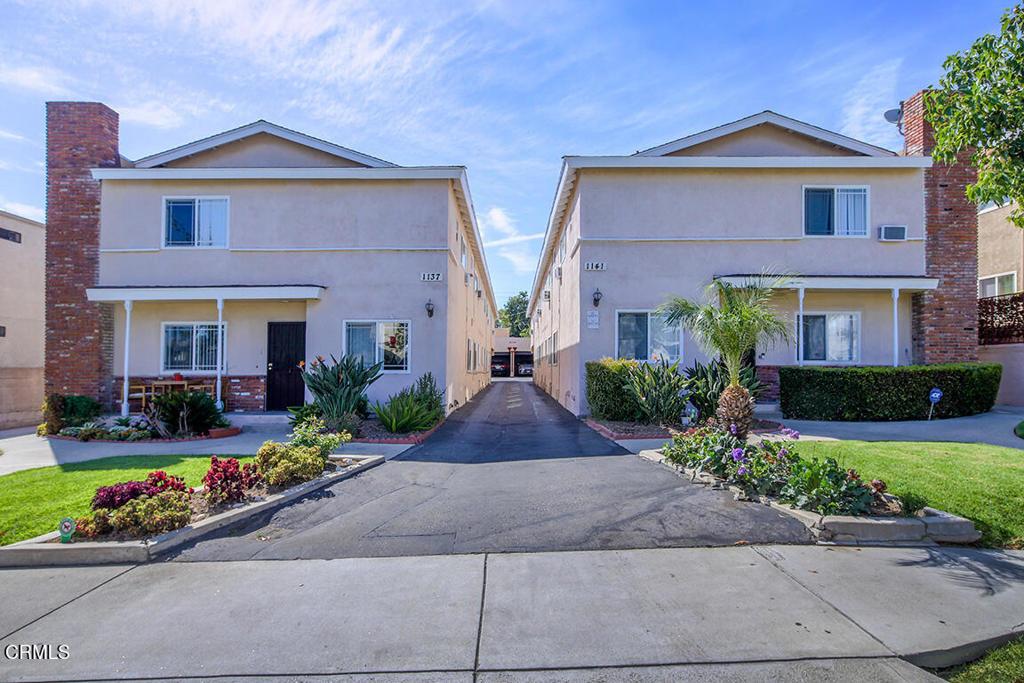
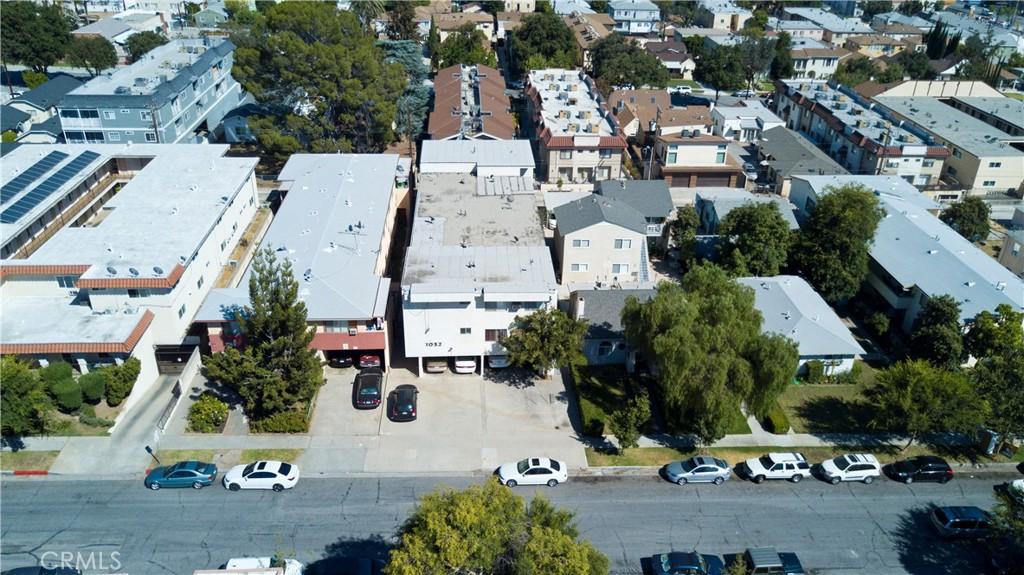
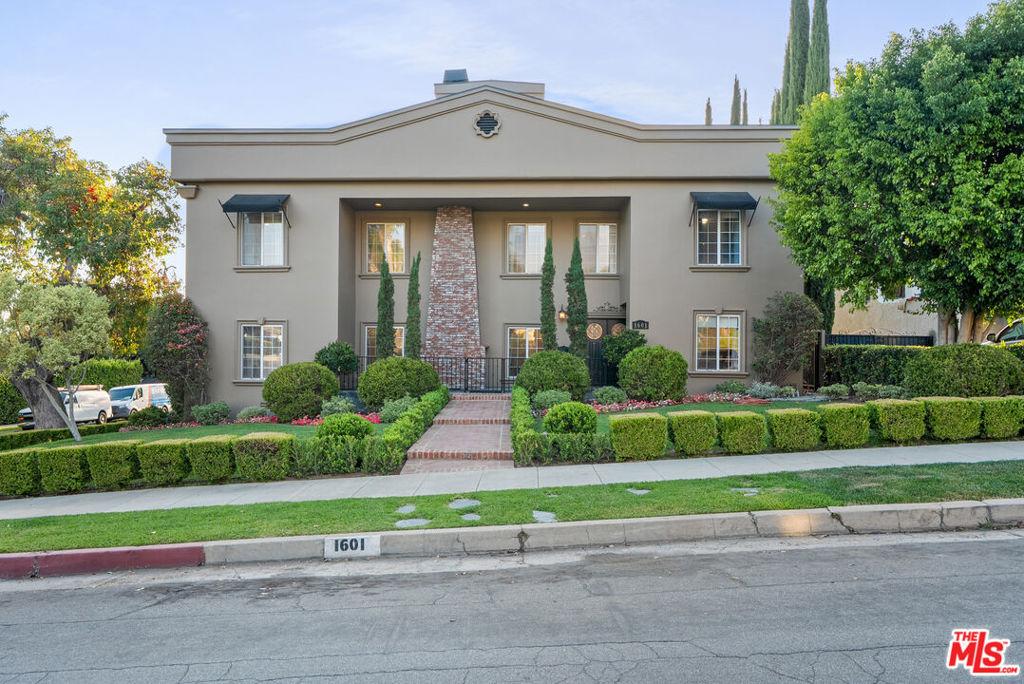
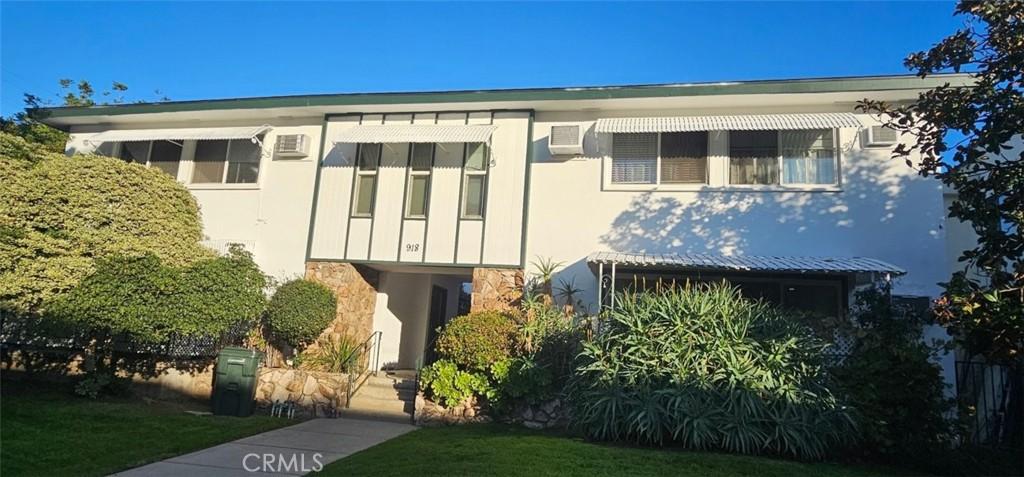
The stock breaks into four formats. Garden-style low-rise from the late 1950s through the 1970s carries the lowest assessments and the oldest plumbing and roofs. 1980s and 1990s mid-rise with subterranean parking is the volume of this market. Downtown high-rise near Brand trades on views and elevators at the highest assessments. Mixed-use over retail is the newest tier. Named communities matter more than neighborhoods here: Rancho San Rafael, Park Towers, Alpha Terrace, Las Hadas, Monterey Island, Chevy Oaks, and Excelsior at Americana at Brand.
Active Glendale condo listings are below. For the part of this market that does not fit on a web page, including which associations carry deferred maintenance and which buildings lenders currently balk at, contact The Knight Group.
Where is Glendale, and why does its position drive condo demand?
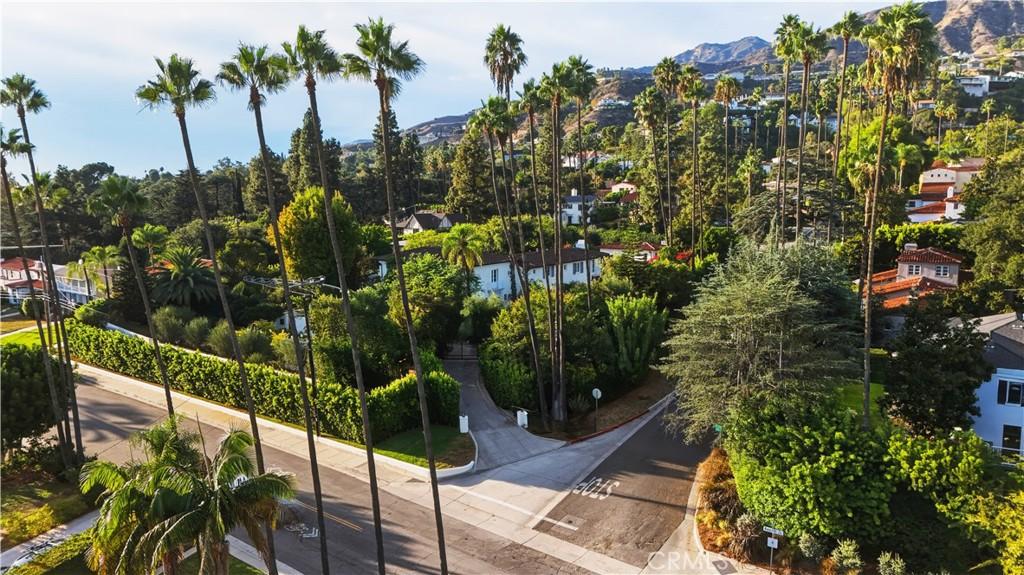
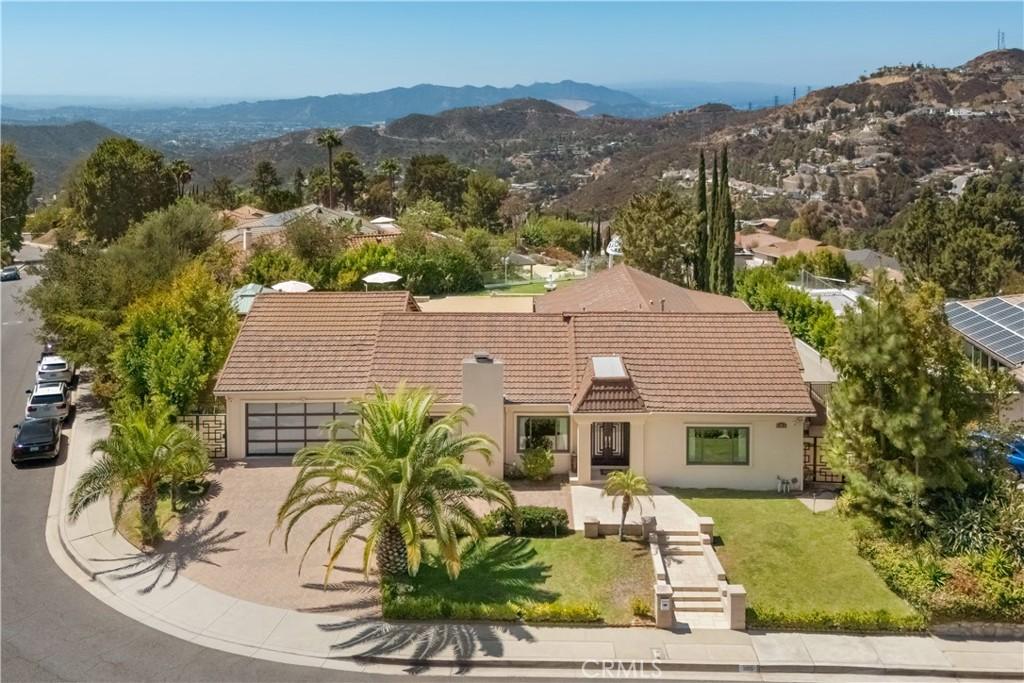
Glendale covers 30.61 square miles at an elevation of 522 feet, wrapped around the southern flank of the Verdugo Mountains with a foot in the eastern San Fernando Valley and another in the northeast corner of the Los Angeles basin. It is the fourth most populous city in Los Angeles County. The 2020 Census counted 196,543 residents, while a 2024 estimate put the figure at 187,823, a decline of about 4.4 percent. Population direction is one input into how a submarket prices over a five-year hold.
Nearly all of modern Glendale sits on what was Rancho San Rafael, a 36,403-acre grant made provisionally to Jose Maria Verdugo by Governor Pedro Fages in 1784 and confirmed by Governor Diego de Borica in 1798. The rancho was broken up in 1871 in the litigation known as the Great Partition, which split it into 31 sections among 28 people and produced the parcel geometry Glendale, Burbank, and La Canada Flintridge inherited. The city incorporated on February 15, 1906.
Practically, Glendale is not a bedroom suburb that empties out at 8 a.m. It is a job center. The 2024 employer list is led by Glendale Unified School District at roughly 4,000 employees, Adventist Health Glendale at about 2,600, the City of Glendale at about 1,904, Glenair at about 1,768, Glendale Community College at about 1,500, Walt Disney Imagineering at about 1,011, and DreamWorks Animation at about 847. Imagineering sits on the site of the former Grand Central Airport, bought by Walt Disney in 1961. A condo market with that much employment inside its own city limits behaves differently from one that depends entirely on outbound commuters.
What kinds of condo buildings does Glendale actually have?
Four formats, and they price and finance differently.
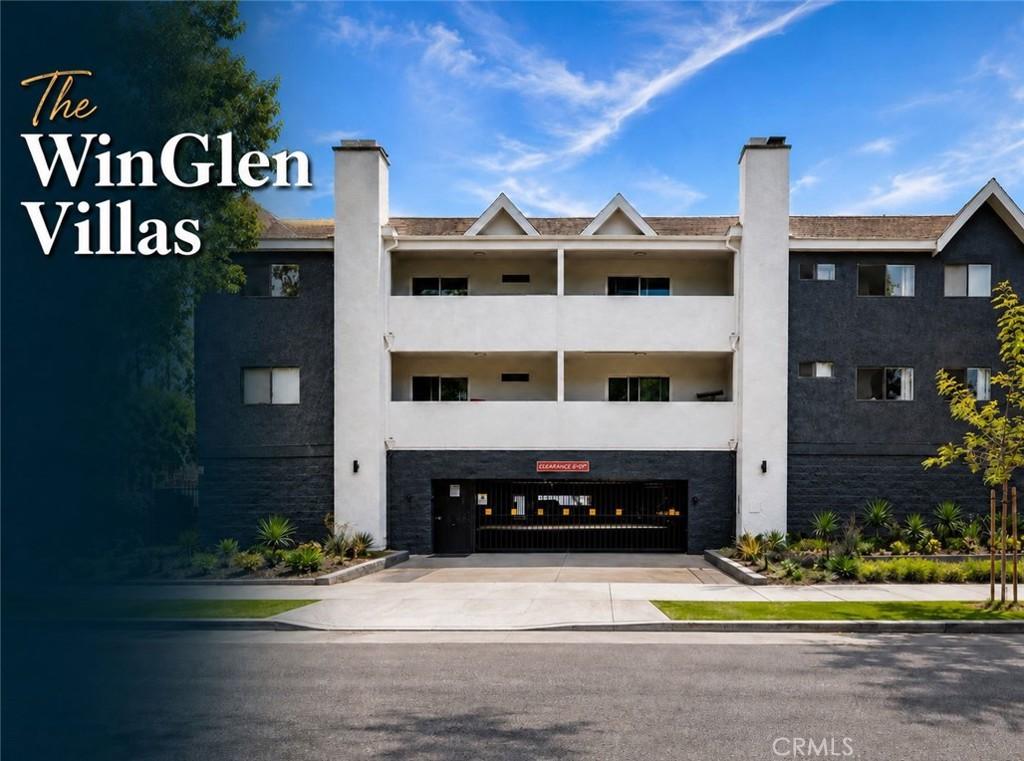
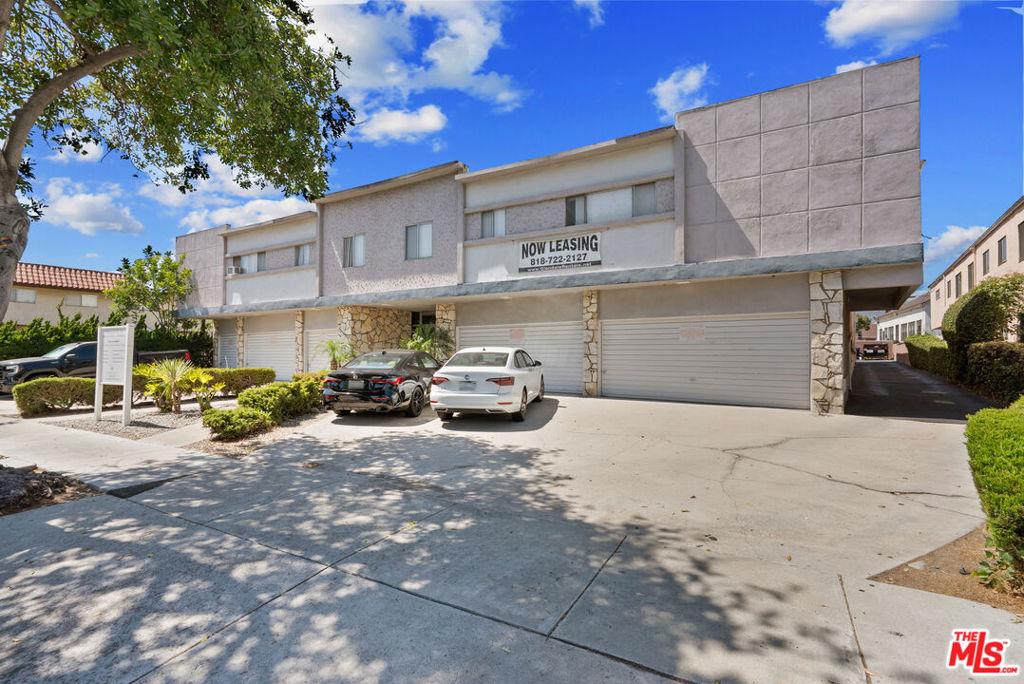
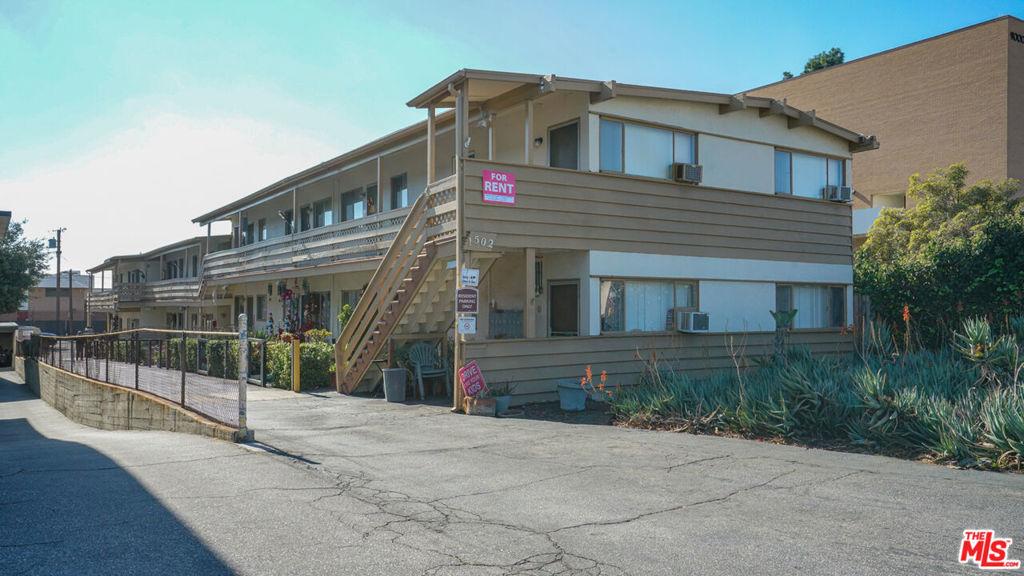
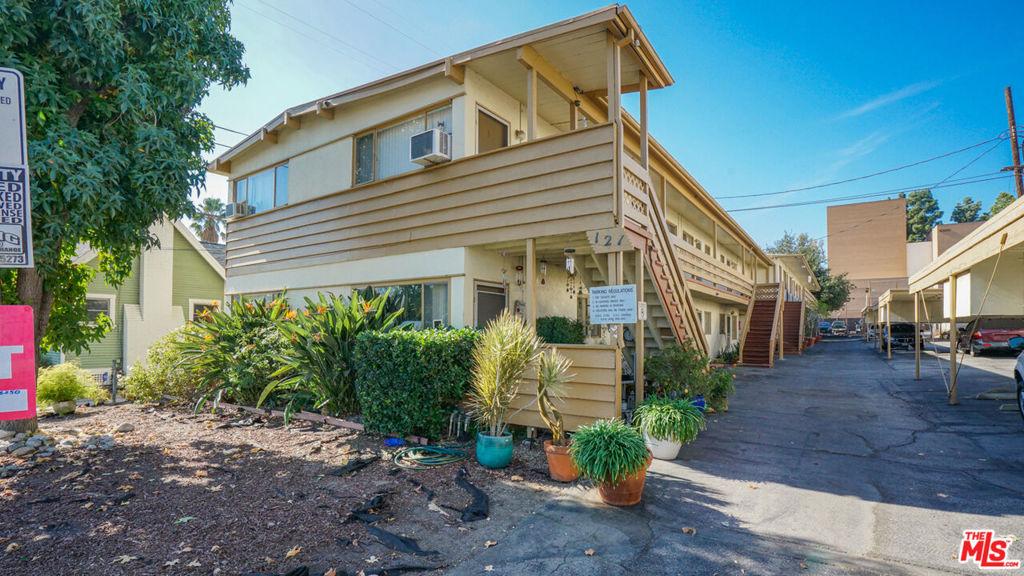
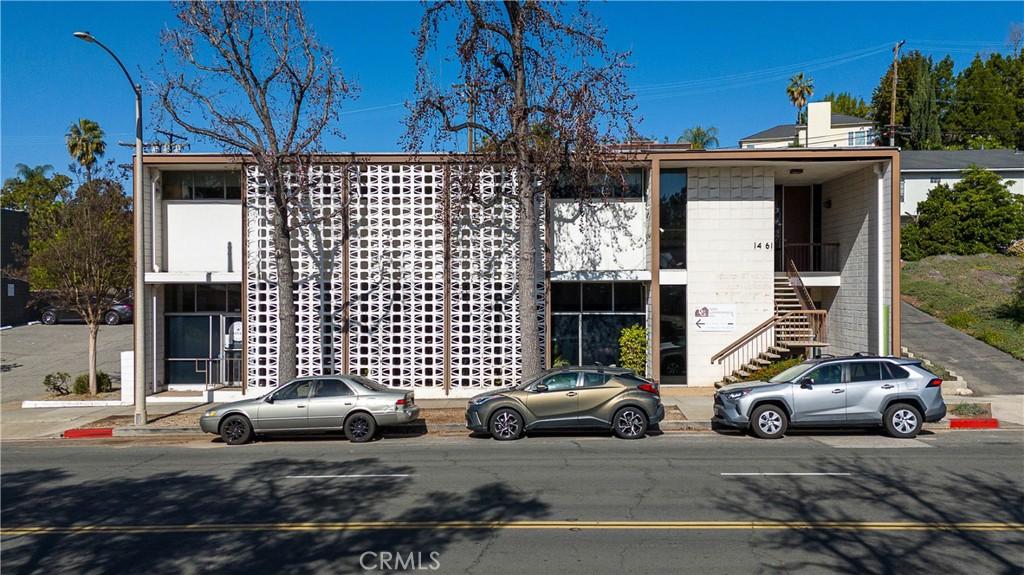
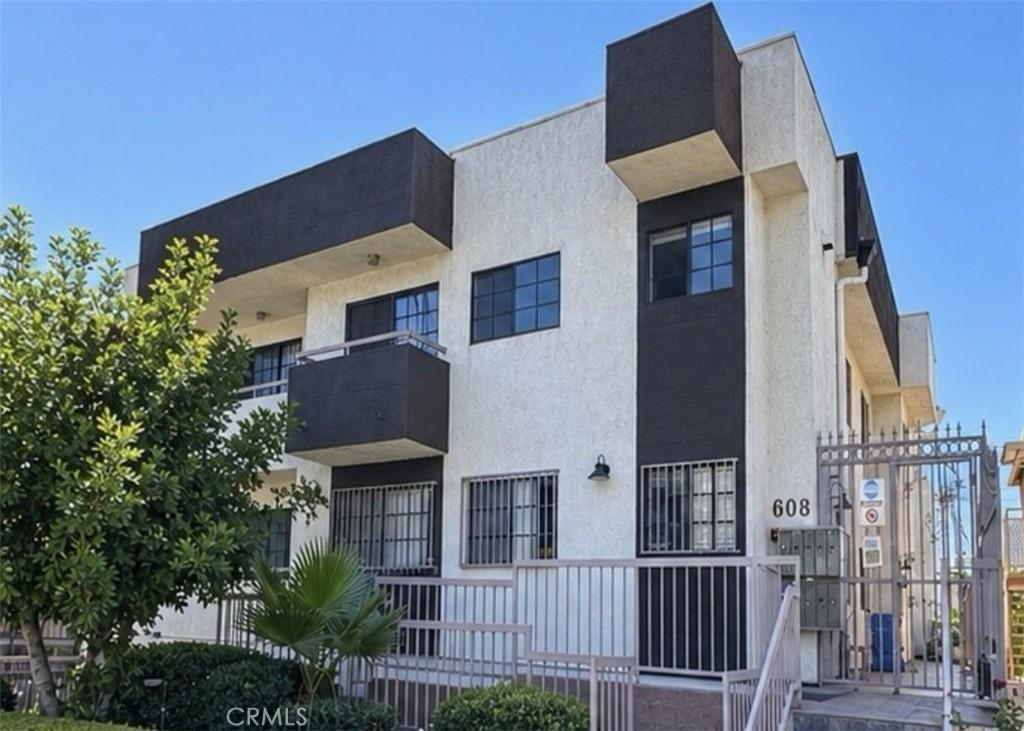
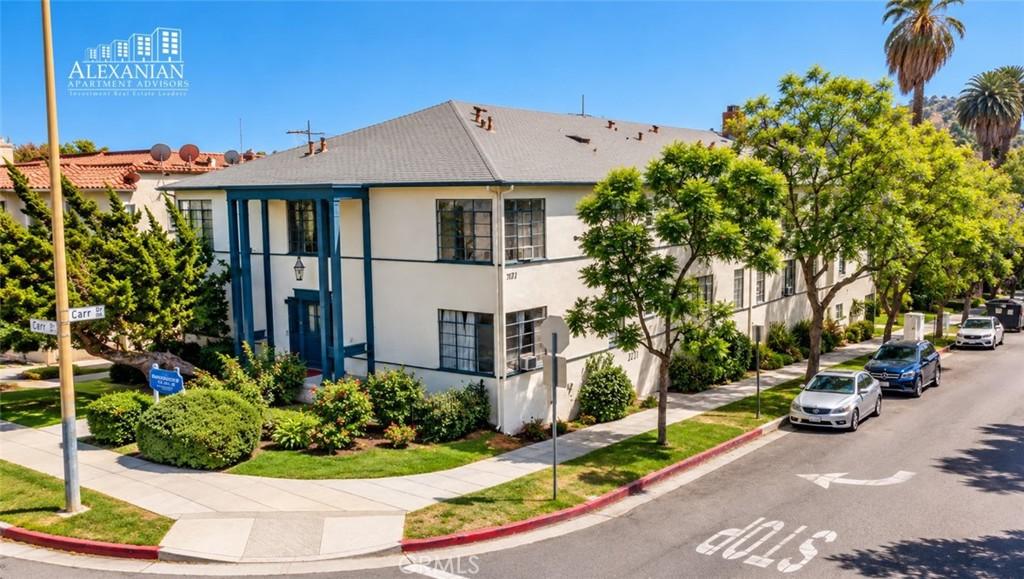
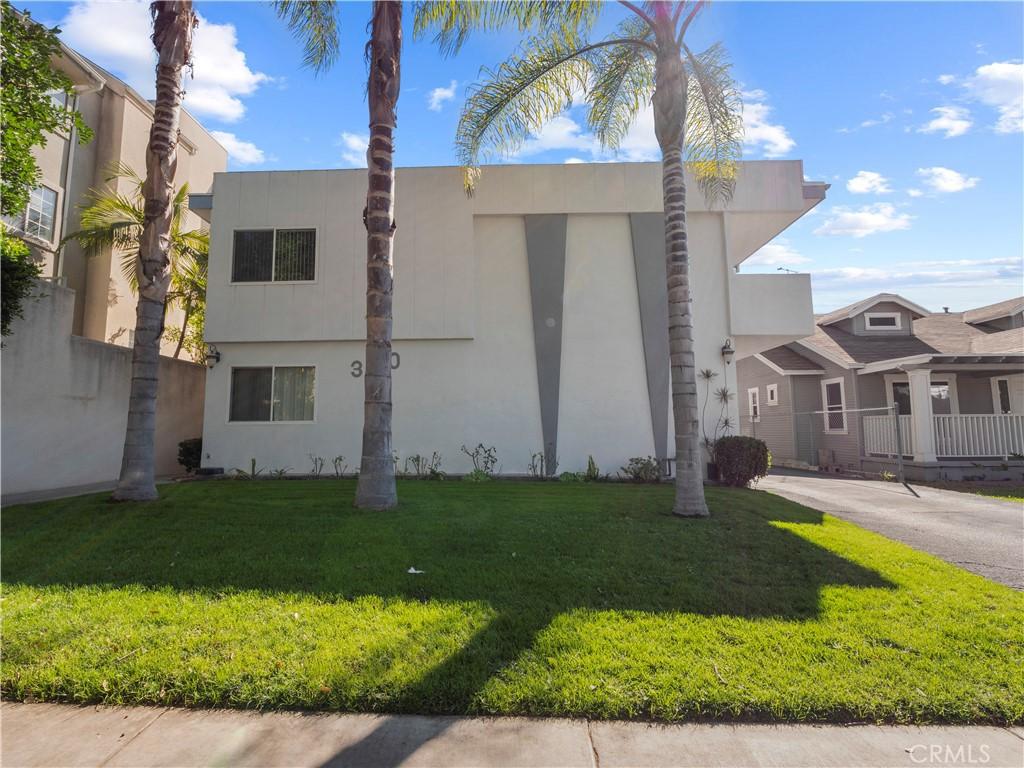
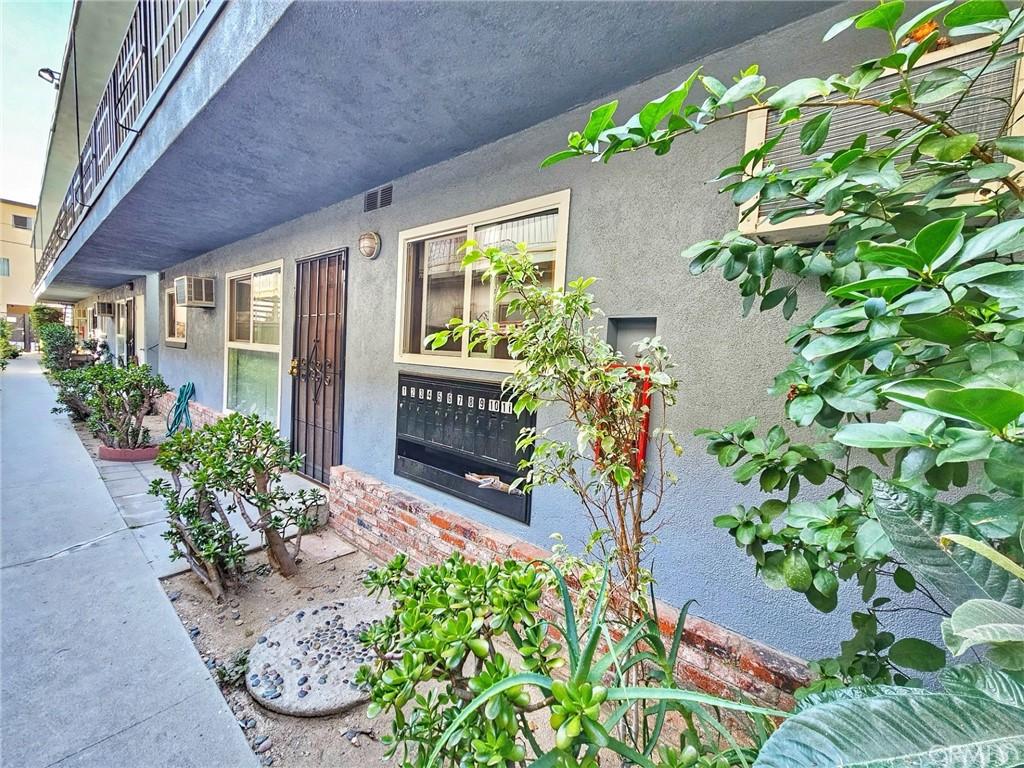
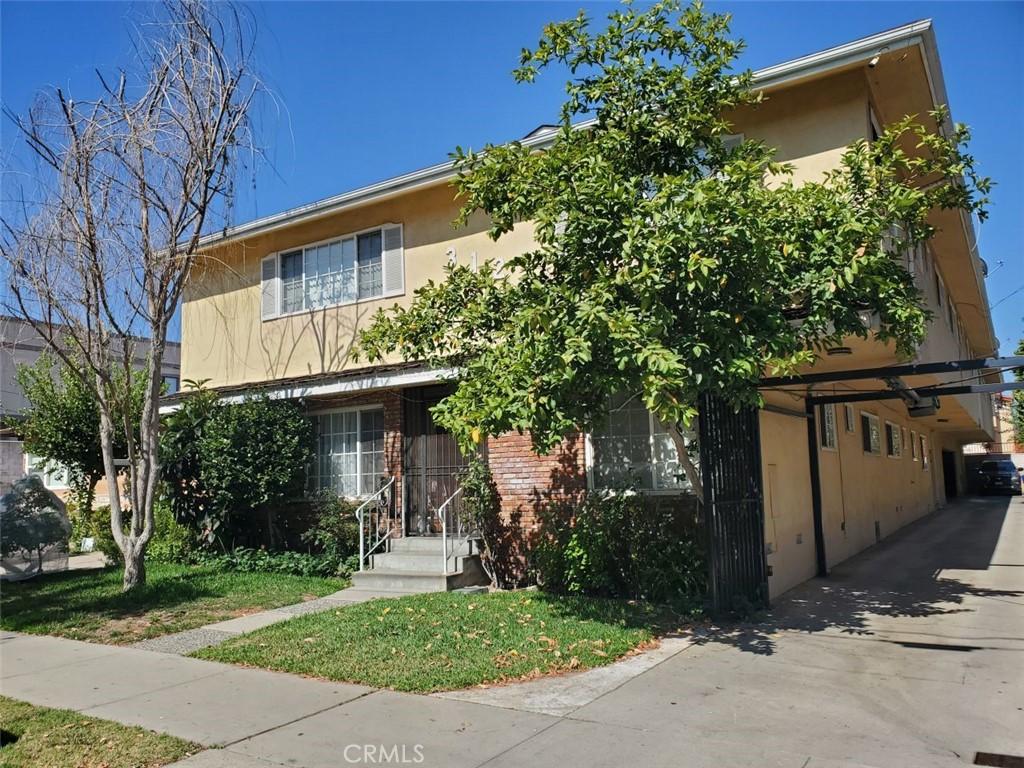
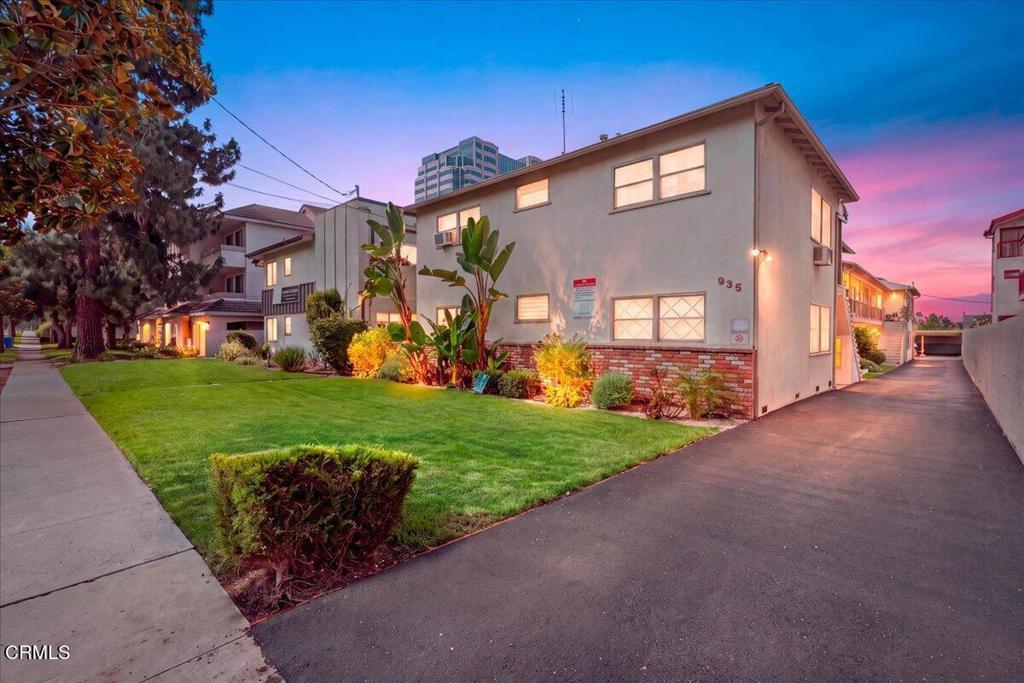
Garden-style low-rise. Two and three stories, surface or tuck-under parking, small unit counts, built from the late 1950s through the 1970s. Lowest assessments in the city, most raw square footage per dollar, and the oldest plumbing and roofs. Reserve funding is the entire ballgame on this product.
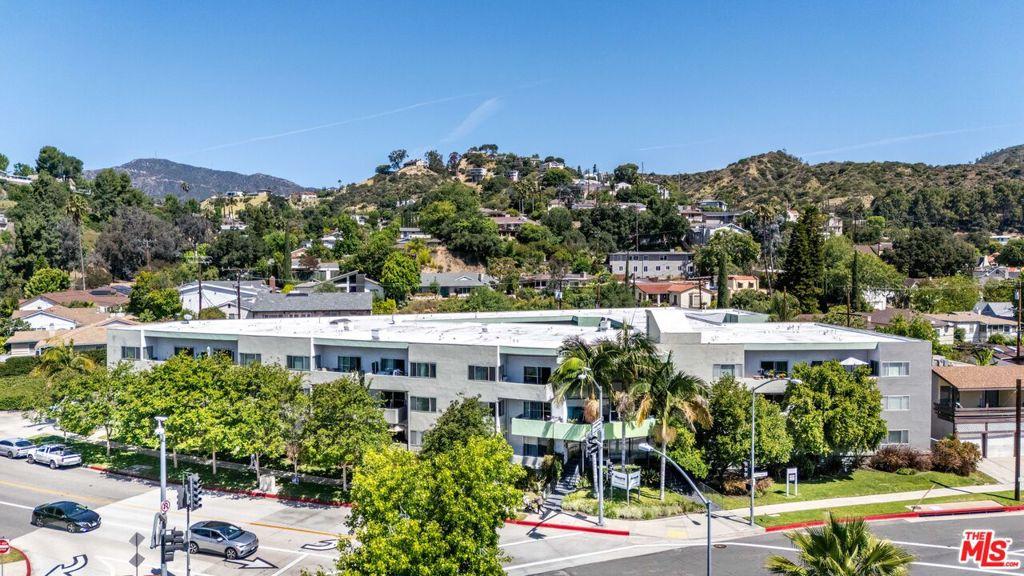
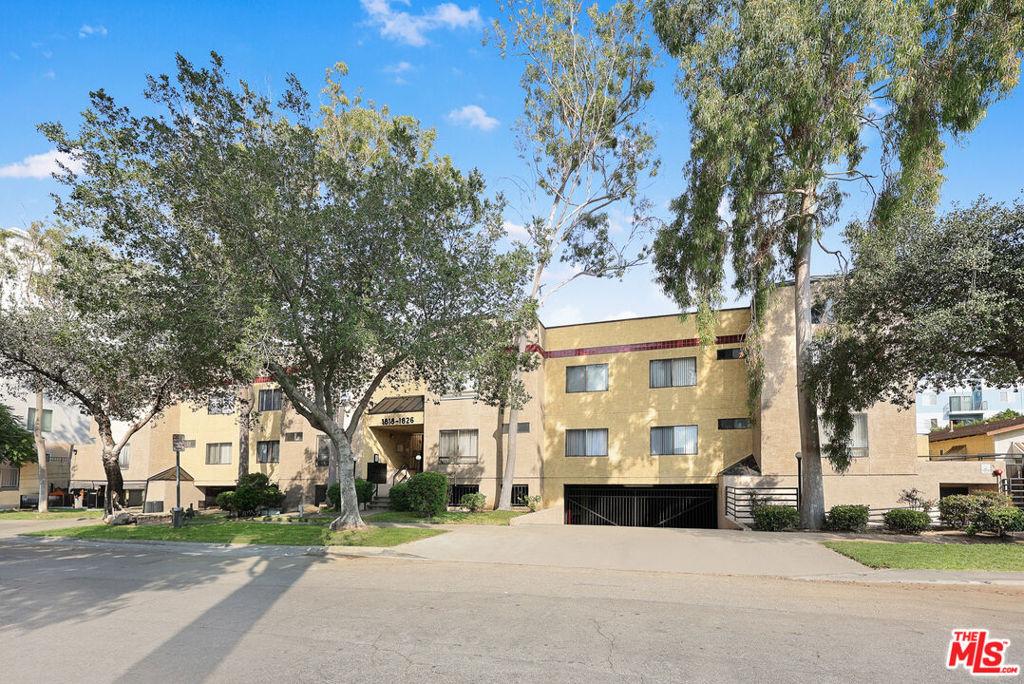
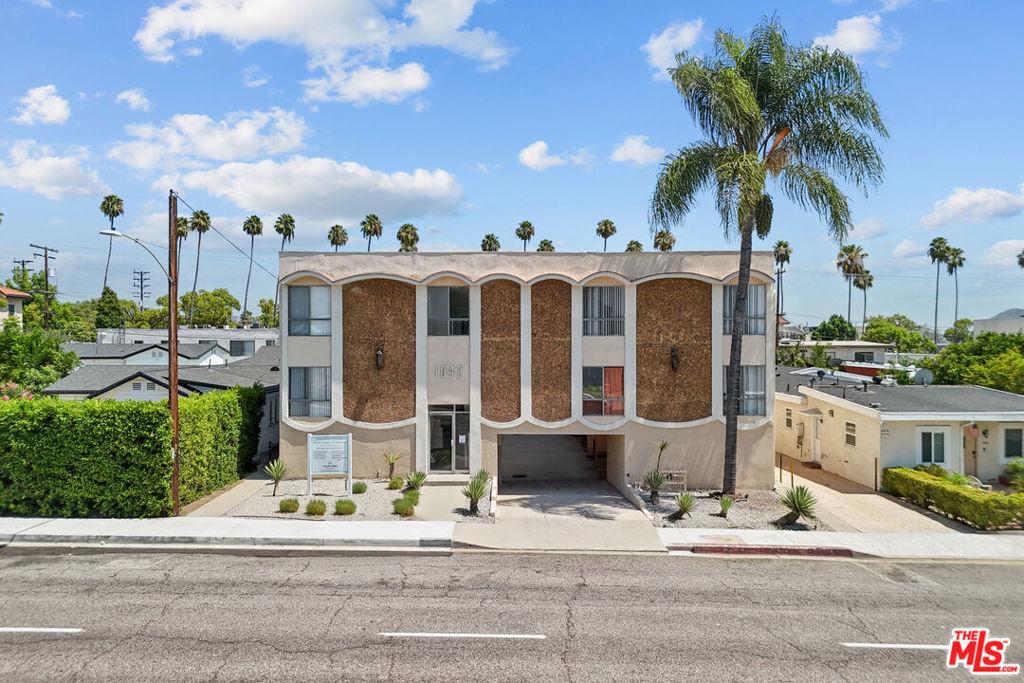
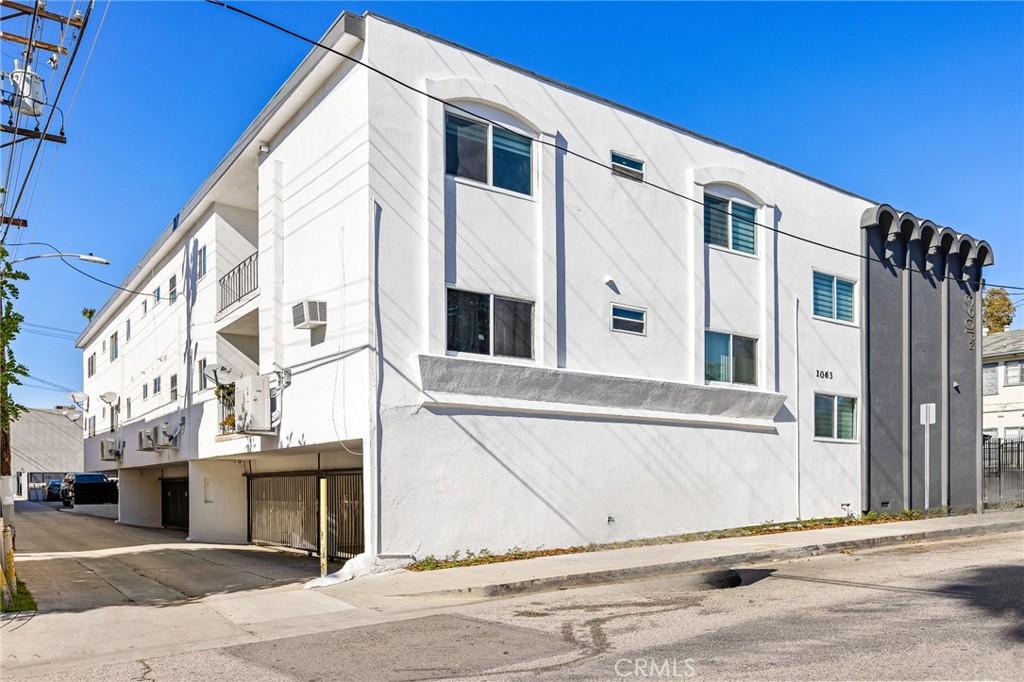
1980s and 1990s mid-rise. Subterranean parking, secured entry, sometimes a pool and a recreation room. This is the volume of the Glendale condo market. Assessments sit in the middle, floor plans are conventional, and lender approval is usually uncomplicated when the association’s paperwork is current.
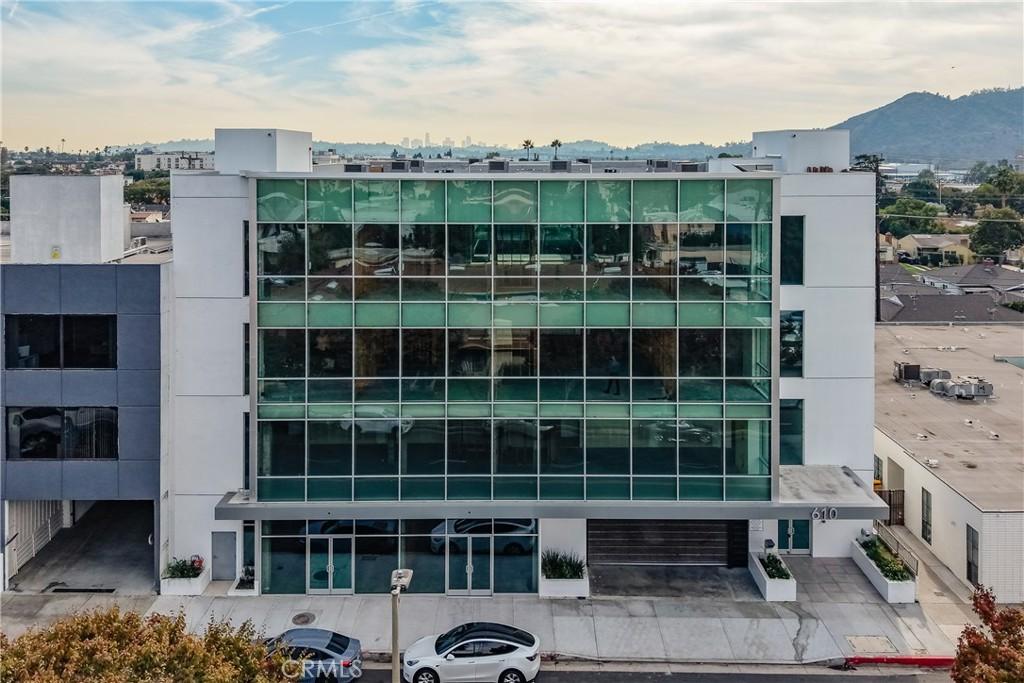
Downtown high-rise. Tower-format buildings near the Brand Boulevard core, trading on views, elevator access, and amenity packages. Highest assessments in the city, with elevator and facade reserves as the line items that matter.
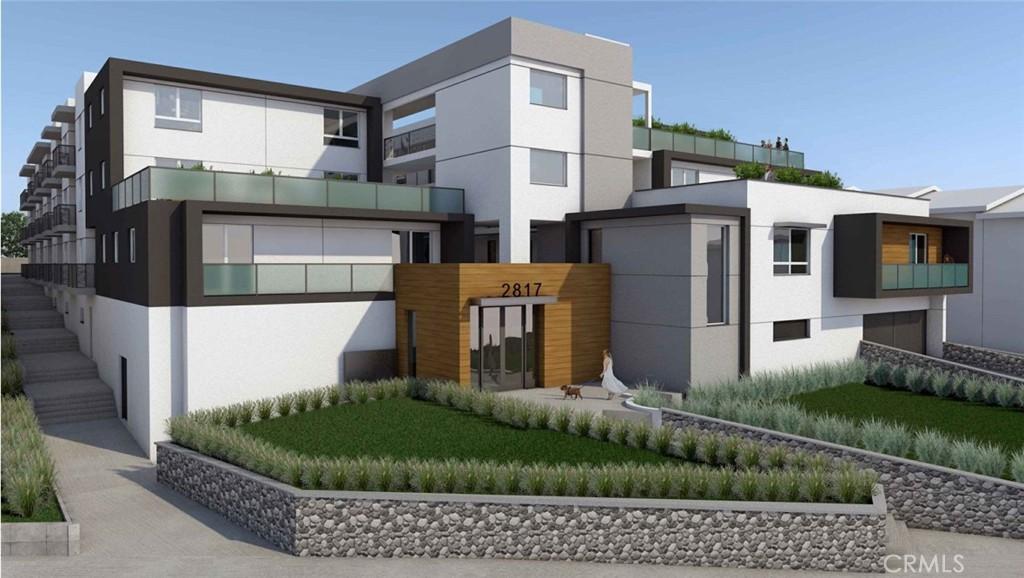
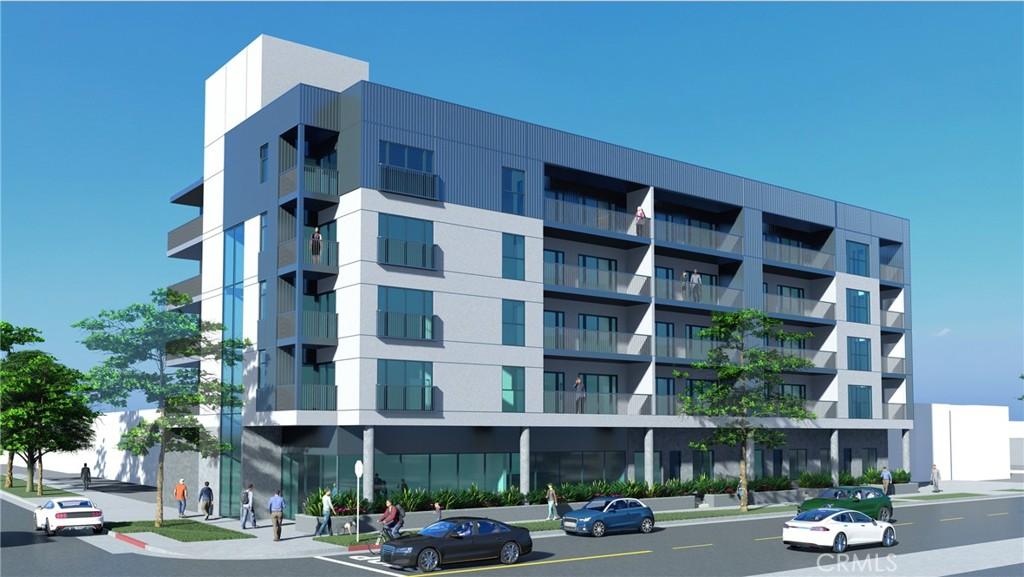
Mixed-use over retail. The newest tier, with residential floors above ground-floor commercial. These often include commercial condominium components inside the same association, a governance structure most buyers have never read before. Ask for the CC and Rs and read who votes on what.
The pattern across all four is consistent. Older buildings cost less monthly and more episodically. Newer buildings cost more monthly and less episodically. The right answer depends on how long you intend to hold.
Which condo communities make up the Glendale market?
Glendale’s condo inventory is organized by named community and building rather than by neighborhood alone, which is how local agents and appraisers talk about it. Each of the following has its own page with active listings and building-level detail.
Rancho San Rafael carries the name of the original Verdugo land grant and sits in the part of Glendale with the most direct freeway convergence, which makes it a common landing spot for buyers splitting the week between downtown Los Angeles and the Valley. Park Towers is tower-format product for buyers who want secured parking, elevator access, and upper-floor views rather than a yard. Alpha Terrace is a smaller named association, and small associations deserve their own analysis: fewer units means each owner carries a larger share of any capital project.
Las Hadas and Monterey Island are established complexes with a mix of floor plans, the kind of inventory where two units in the same building trade far apart because one has been renovated and the other has not. Comparable sales here require adjustment, not averaging. Chevy Oaks sits toward the Chevy Chase side of the city, where terrain climbs and the character shifts from urban grid to hillside.
Excelsior at Americana at Brand is the most specific address in the group. The Americana at Brand, developed by Rick Caruso and opened May 2, 2008 at a reported cost above $400 million, includes 100 condominiums alongside 242 apartments. The Excelsior is the for-sale component. Owning there means owning inside a working retail property, with the amenity access and the foot traffic that implies. Both are real, and buyers should be honest about which one they will notice more.
What does the Americana at Brand mean for condo owners nearby?
It anchors the walkability premium. The Americana opened in May 2008 adjacent to the Glendale Galleria, which itself opened in 1976. As of July 2022 the Americana listed more than 80 tenants, including 32 restaurants, with Nordstrom arriving in 2013 alongside Barnes and Noble, AMC Theatres, and The Cheesecake Factory. The two-acre park at the center of the complex is public property, not private common area, a meaningful distinction when you are evaluating open space near a building.
Between the Americana and the Galleria, Glendale has assembled one of the densest retail clusters in Southern California within a few walkable blocks. For a condo buyer, that is the difference between a car-dependent purchase and one where groceries, dinner, a movie, and a gym are on foot. It is also, for some buyers, too much. Event nights, valet queues, and holiday traffic are real on the surrounding streets, and buildings a few blocks out capture most of the access with less of the noise. Walk it at 8 p.m. on a Saturday before you write an offer, not after.
How is the commute from a Glendale condo?
Glendale is served by three freeways: the Golden State along the western and southern edges, the Ventura running east to west, and the Glendale Freeway running north to south through the eastern side. That convergence is the most defensible thing about the location. It is also why surface-street traffic near the interchanges runs heavier than the block-level character suggests.
Rail exists and is underused. The Glendale Transportation Center, formally the Larry Zarian Transportation Center at 400 West Cerritos Avenue, opened in 1924 and serves Amtrak’s Pacific Surfliner plus Metrolink‘s Antelope Valley Line and Ventura County Line. Connections include Glendale Beeline routes 1, 4, 8, 11, and 12, Los Angeles Metro bus route 93, Amtrak Thruway coaches, and Greyhound. Metro Micro on-demand service covers a zone including Highland Park, Eagle Rock, and Glendale.
The honest framing: Glendale has commuter rail, not a subway, and no Metro rail line runs inside the city. If you need a train platform within walking distance that runs every ten minutes, evaluate elsewhere. If you need freeway convergence plus a usable regional rail option, Glendale is one of the stronger positions in the county.
What schools serve Glendale condo addresses?
Glendale Unified School District operates roughly 32 facilities, including about 20 elementary schools, 4 middle schools, and 4 comprehensive high schools: Glendale High School, Herbert Hoover High School, Crescenta Valley High School, and Anderson W. Clark Magnet High School, alongside Allan F. Daily High School. The district is also the largest single employer in the city.
Two things matter for condo buyers. First, attendance boundaries do not follow condo submarket lines, and two buildings on the same street can feed different schools. Verify the assigned school for the exact address with the district, because listing data on this point is frequently stale. Second, Glendale Unified became the first school district in the nation to formally observe April 24 as a holiday commemorating the Armenian Genocide, beginning in the 2016 to 2017 school year. The 2000 Census counted 65,343 Armenian Americans in Glendale, about 34.1 percent of the population at the time. That community shapes the North Central Avenue retail corridor and a meaningful share of the buyer pool.
What should you know about the HOA before you buy?
The association is the asset you underwrite alongside the unit. California condominiums are governed by the Davis-Stirling Common Interest Development Act at Civil Code section 4000 and following. Under Civil Code section 4525, the seller must deliver governing documents, the current budget, a reserve study summary, assessment and delinquency information, and disclosure of pending litigation. That package is not a formality.
Four items to pull first. Reserve funding. California requires a reserve study at least every three years under Civil Code section 5550. A study exists for nearly every building. Whether it is funded is the question, because an underfunded reserve is a special assessment you have not been billed for yet. Balcony inspections. Senate Bill 326, signed in 2019, requires condominium associations with buildings of three or more multifamily units to inspect exterior elevated elements such as balconies and walkways, with the first inspection due by January 1, 2025 and repeat inspections every nine years. Ask for the report and the repair plan. Litigation. Active construction defect or habitability litigation can make a unit unfinanceable regardless of your credit. Owner-occupancy and delinquency ratios. Lenders review these at the project level, and a building that fails project review will limit your buyer pool when you sell.
Following the 2021 Surfside collapse, Fannie Mae and Freddie Mac added project-level questions on deferred maintenance, structural safety, and special assessments to condo review. Buildings with unresolved capital issues have gotten harder to finance as a result. Ask your lender to run project review before you remove your loan contingency, not after.
Does Measure ULA or rent control apply to Glendale condos?
Measure ULA does not apply. That transfer tax applies to real property within the City of Los Angeles, and Glendale is a separately incorporated city with its own tax structure. This is one of the underdiscussed reasons investors and high-end sellers look at Glendale, Burbank, and Pasadena rather than adjacent Los Angeles neighborhoods. Confirm current rates with escrow, because municipal transfer taxes change.
On rentals, Glendale operates its own tenant protection program alongside California’s statewide Tenant Protection Act. Get current local rules directly from the City of Glendale housing division and confirm with counsel before you underwrite a rental scenario, because the local ordinance has been amended more than once and any summary printed here would age badly. Separately, your CC and Rs may restrict leasing regardless of what municipal law allows. Rental caps and minimum lease terms are common in governing documents and enforceable. Read them before you buy on an investment thesis.
What risks should a Glendale condo buyer price in?
Three, and none of them are dealbreakers if you know about them in advance.
Fire. Glendale’s northern and eastern hillsides climb into the Verdugo Mountains, which top out at Verdugo Peak at 3,126 feet. That range has burned repeatedly: a 1927 fire in Burbank Canyon destroyed about 100 homes, a 1955 La Tuna Canyon fire burned nearly 4,500 acres, a 1980 fire consumed about 10,000 acres, and the 2017 La Tuna Fire burned 7,003 acres and destroyed four homes after crossing Interstate 210. Most condo inventory sits on the flats, well away from the wildland interface, but hillside-adjacent buildings can fall inside state or local fire hazard severity zones. Your natural hazard disclosure report states the designation for the specific address. Read it, then price insurance before you commit.
Master policy exposure. Condominium master insurance premiums across California have risen sharply, and the increase flows through to your monthly assessment. Ask what the association paid this year versus three years ago. A building with a flat assessment history and a tripled insurance bill is deferring something.
Age of stock. A large share of Glendale’s condo inventory predates 1990. Original plumbing, panels, and roofs have finite lives, and in a common interest development you pay for those on a schedule the board sets, not one you choose.
The offsetting factor is real: employment inside the city’s own borders, retail density most cities cannot replicate, and freeway access on three sides. That combination has kept Glendale condos among the more liquid attached-housing assets in the northeast county.
Who buys condos in Glendale?
The buyer pool is unusually broad, which is a stabilizing feature. Medical professionals at Adventist Health Glendale and the surrounding clinical corridor buy for proximity. Entertainment workers at Walt Disney Imagineering, DreamWorks Animation, and the Burbank studios buy for the short drive over the hill. District and city employees buy inside their own employment area. Established Armenian and Korean community members buy to stay near family and the North Central Avenue and Brand Boulevard corridors. First-time buyers priced out of Pasadena and the Valley buy the entry tier. Glendale condo demand does not rest on one industry, and markets without that concentration move less violently when a single input changes.
Frequently Asked Questions About glendale Condos for Sale
Is a Glendale condo cheaper than a house in Glendale?
Yes, on both price and price per square foot, in essentially every part of the city. What the gap does not capture is the monthly assessment, a permanent carrying cost, plus the possibility of special assessments. Compare total monthly outlay, not purchase price.
Are Glendale condos in the Los Angeles Unified School District?
No. Glendale is served by Glendale Unified School District, which is independent of LAUSD and operates its own schools, boundaries, and calendar. Verify the assigned school for a specific address with the district directly, since attendance boundaries do not track condo community lines.
Does Glendale have Metro rail service?
No Metro rail line runs inside Glendale. The city is served by Metrolink commuter rail on the Antelope Valley Line and Ventura County Line and by Amtrak’s Pacific Surfliner at the Glendale Transportation Center at 400 West Cerritos Avenue, plus the municipal Glendale Beeline bus system. If frequent urban rail is a hard requirement, Glendale will not satisfy it.
Can I rent out a Glendale condo I buy?
Usually, but check two layers. The association’s governing documents may cap the number of rented units, impose minimum lease terms, or require board notification. Separately, city and state tenant protection rules govern the tenancy itself. Confirm both before you underwrite a rental return, and get the current city ordinance from the City of Glendale rather than a secondary source.
What is the biggest mistake buyers make on Glendale condos?
Reviewing the unit and skipping the association. Two units with identical finishes a block apart can carry completely different risk depending on reserve funding, insurance history, pending balcony repairs under Senate Bill 326, and litigation status. The HOA document package delivered under Civil Code section 4525 tells you which building you are actually buying into. Read it inside your contingency period.
Which Glendale condos hold value best?
The reliable pattern is funded reserves, clean lender project approval, and a location a buyer can walk from. Amenity packages are also a monthly cost, and buildings that overbuilt amenities relative to their price tier carry assessments that suppress resale. Financeability and walkability outlast finishes.
Are hillside Glendale condos in a fire hazard zone?
Some are. Glendale’s hillsides rise into the Verdugo Mountains, a range with a documented fire history including the 2017 La Tuna Fire. The natural hazard disclosure report for a specific address states the applicable designation. Get insurance quotes for the actual unit before your contingency expires, not a general estimate.
How does The Knight Group work in the Glendale condo market?
We underwrite the association before anyone gets attached to the unit. That means pulling the Civil Code section 4525 package early, reading the reserve study rather than its summary line, checking Senate Bill 326 inspection status on any building with balconies, and asking your lender to run project review before your loan contingency runs out. Most bad outcomes in condo purchases were visible in documents that were available during the contingency period and were not read.
On pricing, we adjust rather than average. Glendale’s older complexes hold renovated and unrenovated units in the same stack, and a straight comparable average misleads in both directions. We isolate the units that actually match yours in condition, floor, exposure, and parking.
For sellers, the work starts before the listing goes live: assembling the HOA package so it does not delay escrow, identifying anything in the association’s file that will surface in a buyer’s review, and positioning against the specific competing units inside and near your building rather than against the citywide median. Glendale condo buyers compare your unit to three or four others, not to a market statistic. Browse the current listings below, or tell us what you are solving for. If a Glendale condo is not the right instrument for it, we will say so.
What are condos for sale in Glendale like to live in?
- Condos for sale in Glendale sit inside an independent city north of downtown Los Angeles where major freeways converge.
- Glendale runs its own school district, police force, and water and power utility rather than relying on Los Angeles.
- Walkable retail off Brand Boulevard gives condo owners a downtown core within reach of their front door.
- Price per square foot on a condo runs well under a detached house on the same Glendale block.
- Condos for sale in Glendale break into four distinct formats that price and finance differently from one another.
- Garden-style low-rise buildings carry the lowest assessments in the city alongside the oldest plumbing and roofs.
- Mid-rise buildings with subterranean parking, secured entry, and sometimes a pool make up the volume of this market.
- Downtown high-rise towers near the Brand Boulevard core trade on views, elevators, and amenity packages at the highest assessments.
- Mixed-use buildings place residential floors above ground-floor commercial space and form the newest tier of the stock.
- Named communities matter more than neighborhoods here, including Rancho San Rafael, Park Towers, Alpha Terrace, and Las Hadas.
- Monterey Island, Chevy Oaks, and Excelsior at Americana at Brand round out the named communities buyers ask about.
- Glendale wraps around the southern flank of the Verdugo Mountains with a foot in the eastern San Fernando Valley.
- Employment inside city limits is led by Glendale Unified, Adventist Health Glendale, Walt Disney Imagineering, and DreamWorks Animation.
- Condos for sale in Glendale sit in a genuine job center rather than a bedroom suburb that empties out each morning.
- Rancho San Rafael, granted to Jose Maria Verdugo and later broken up in the Great Partition, produced the parcel geometry Glendale inherited.
- Reserve funding is the entire question on garden-style product, while lender approval on mid-rise is usually uncomplicated with current paperwork.
What should buyers check before buying condos for sale in Glendale?
- Glendale Unified School District serves condo addresses across the city and is also the largest single employer in Glendale.
- Attendance boundaries do not follow condo submarket lines, so two buildings on the same street can feed different schools.
- Verification of the assigned school with the district matters because listing data on that point is frequently stale.
- Glendale High School, Herbert Hoover High School, Crescenta Valley High School, and Anderson W. Clark Magnet High School anchor the comprehensive high schools.
- Armenian American residents shape the North Central Avenue retail corridor and a meaningful share of the condo buyer pool.
- Glendale Unified became the first district in the nation to formally observe a holiday commemorating the Armenian Genocide.
- Homeowners associations are the asset a buyer underwrites alongside the unit itself when shopping condos for sale in Glendale.
- California condominiums fall under the Davis-Stirling Common Interest Development Act, which governs how associations operate and disclose.
- Sellers must deliver governing documents, the current budget, a reserve study summary, assessment information, and pending litigation disclosure.
- Reserve funding is the first item to pull, because an underfunded reserve is a special assessment nobody has billed yet.
- Active construction defect or habitability litigation can make a unit unfinanceable regardless of the buyer’s credit strength.
- Owner-occupancy and delinquency ratios get reviewed at the project level and shape the buyer pool at resale.
- Measure ULA does not apply to condos for sale in Glendale, since that transfer tax covers only the City of Los Angeles.
- Glendale operates its own tenant protection program alongside the statewide Tenant Protection Act, and the local ordinance has been amended repeatedly.
- Rental caps and minimum lease terms appear commonly in governing documents and remain enforceable against any investment thesis.
What questions do buyers ask about condos for sale in Glendale?
- Glendale Unified School District serves the city independently of Los Angeles Unified, operating its own schools, boundaries, and calendar.
- No Metro rail line runs inside Glendale, so buyers who require frequent urban rail will not be satisfied here.
- Metrolink commuter rail and Amtrak’s Pacific Surfliner serve the Glendale Transportation Center on West Cerritos Avenue.
- Glendale Beeline, the municipal bus system, supplements regional rail for residents moving around the city.
- Renting out condos for sale in Glendale is usually possible, though governing documents may cap rented units or require board notification.
- City and state tenant protection rules govern the tenancy itself and should come from the City of Glendale rather than a secondary source.
- Reviewing the unit and skipping the association is the biggest mistake buyers make in this condo market.
- Two units with identical finishes a block apart can carry completely different risk depending on reserve funding and litigation status.
- The HOA document package tells a buyer which building they are actually purchasing into, and belongs inside the contingency period.
- Funded reserves, clean lender project approval, and a walkable location form the reliable pattern for holding value.
- Amenity packages carry a monthly cost, and buildings that overbuilt them relative to their price tier suppress resale.
- Financeability and walkability outlast finishes when comparing condos for sale in Glendale across buildings and price tiers.
- Hillside buildings rise into the Verdugo Mountains, a range with a documented fire history, so insurance quotes belong before contingencies expire.
- Older complexes hold renovated and unrenovated units in the same stack, which makes a straight comparable average misleading in both directions.
- Sellers benefit when the HOA package is assembled before listing so it does not delay escrow or surface surprises in review.