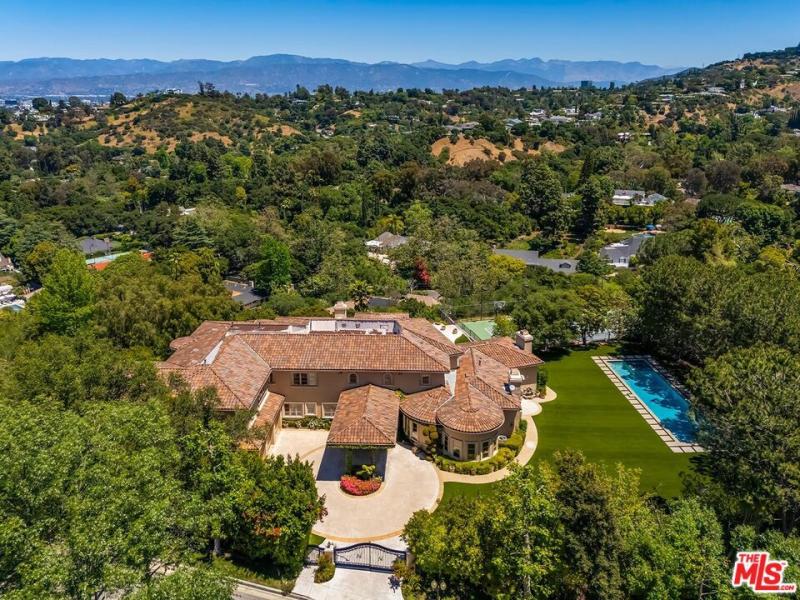
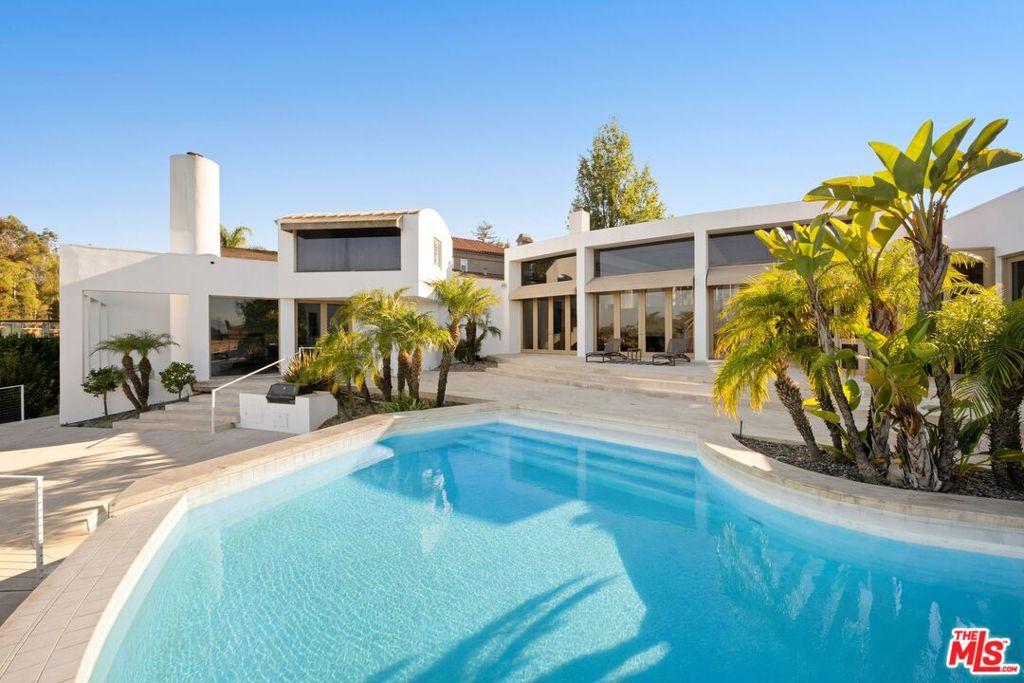
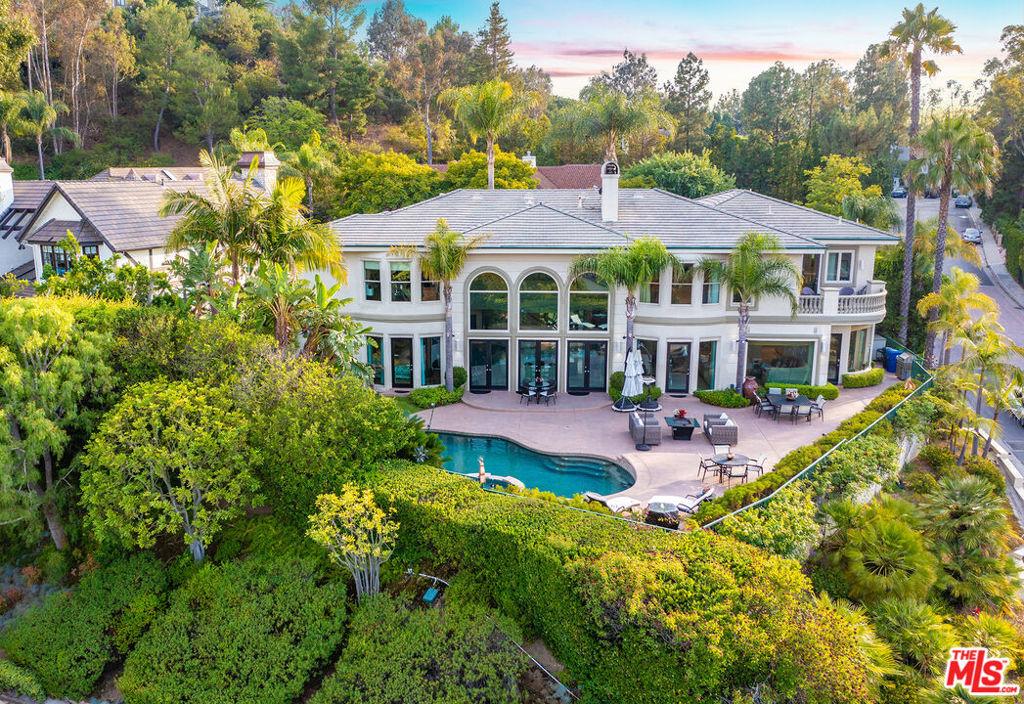
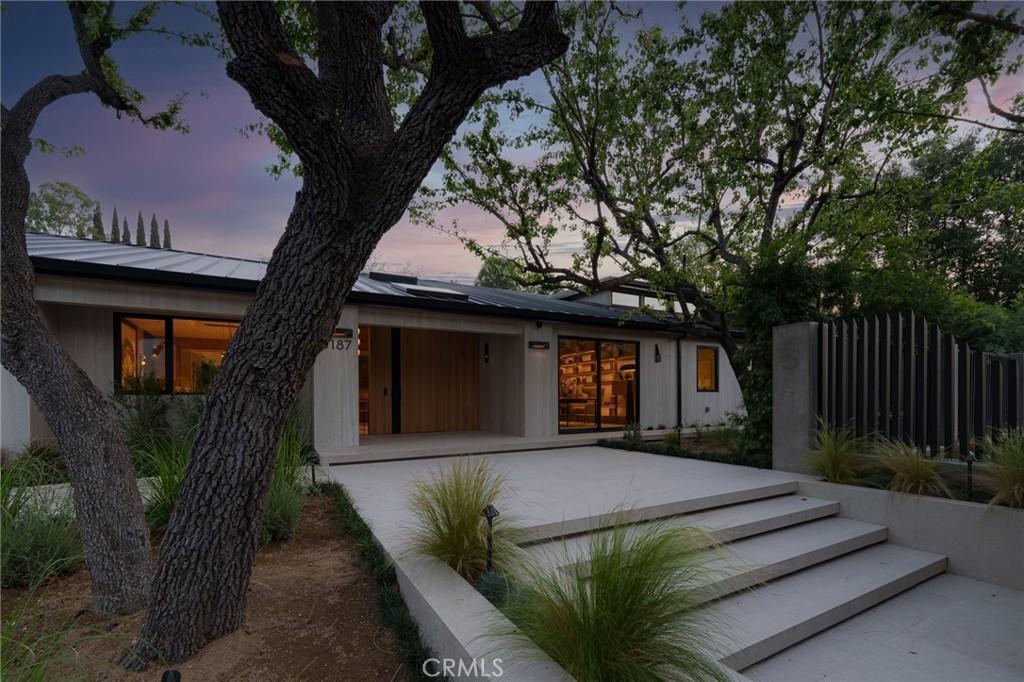
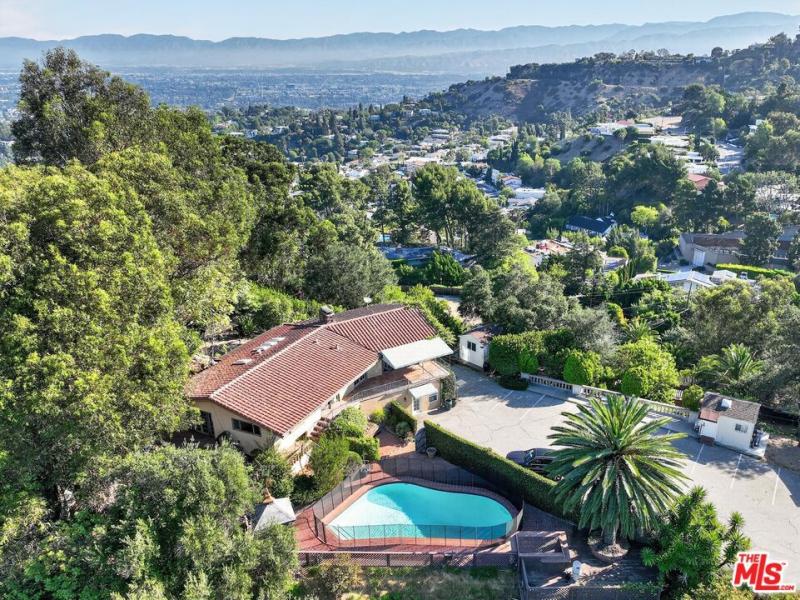
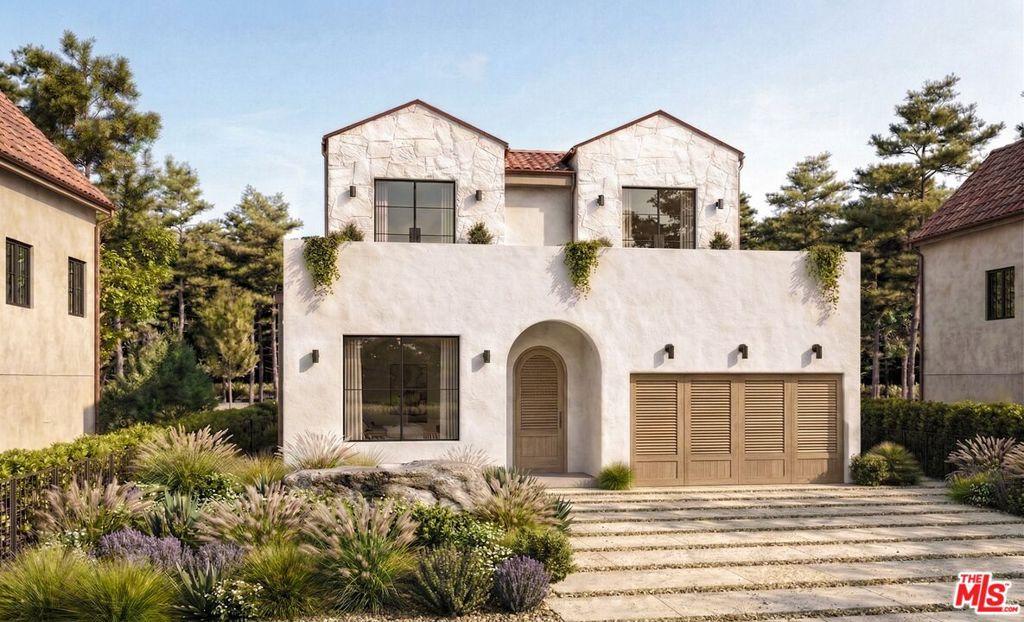
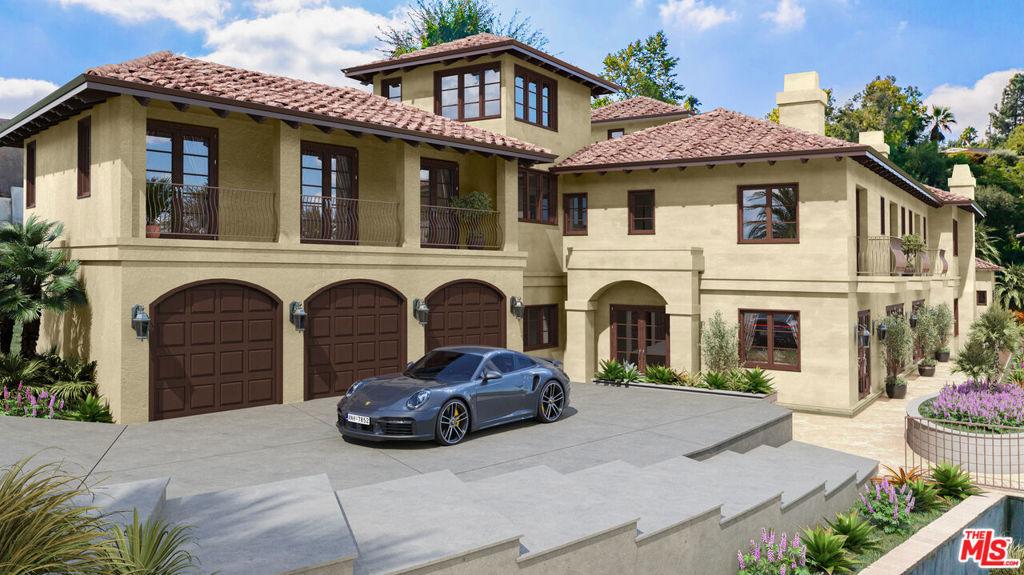
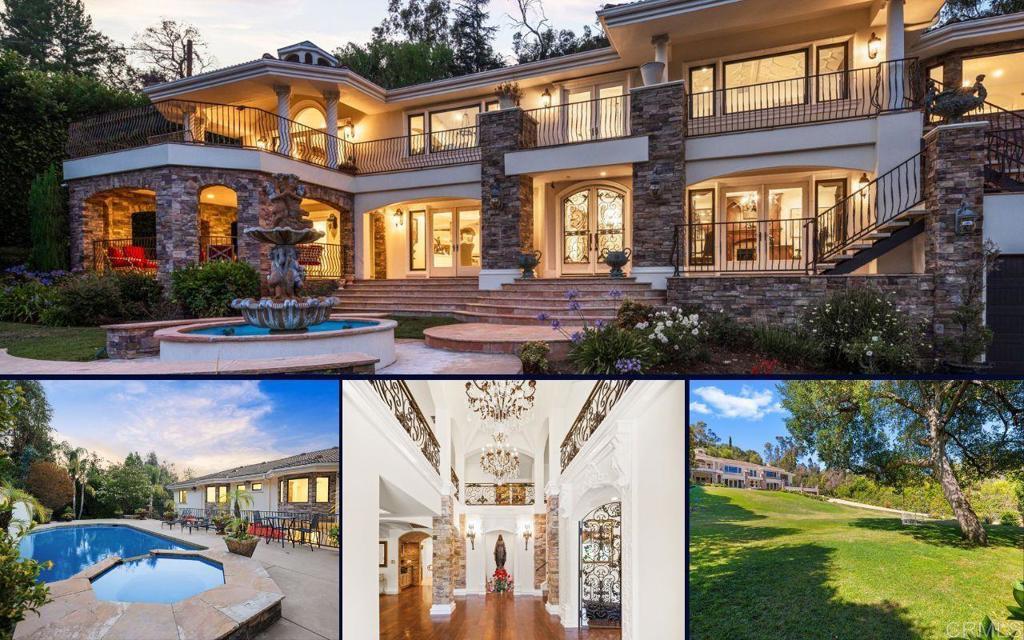
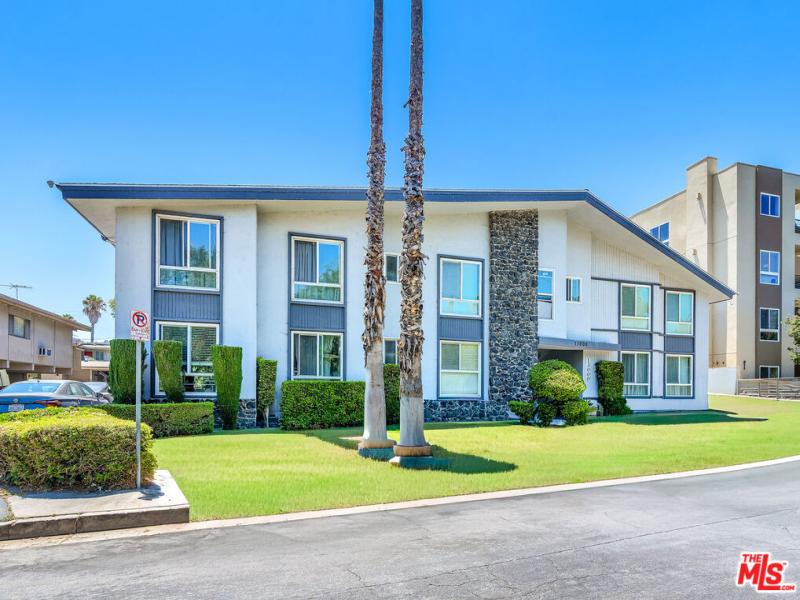
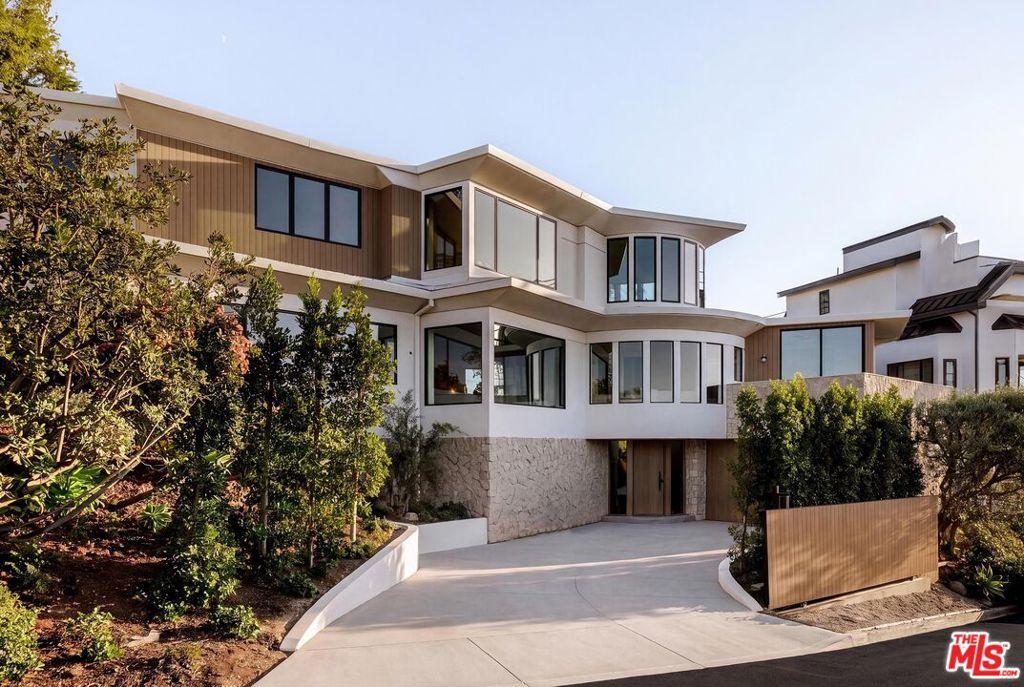
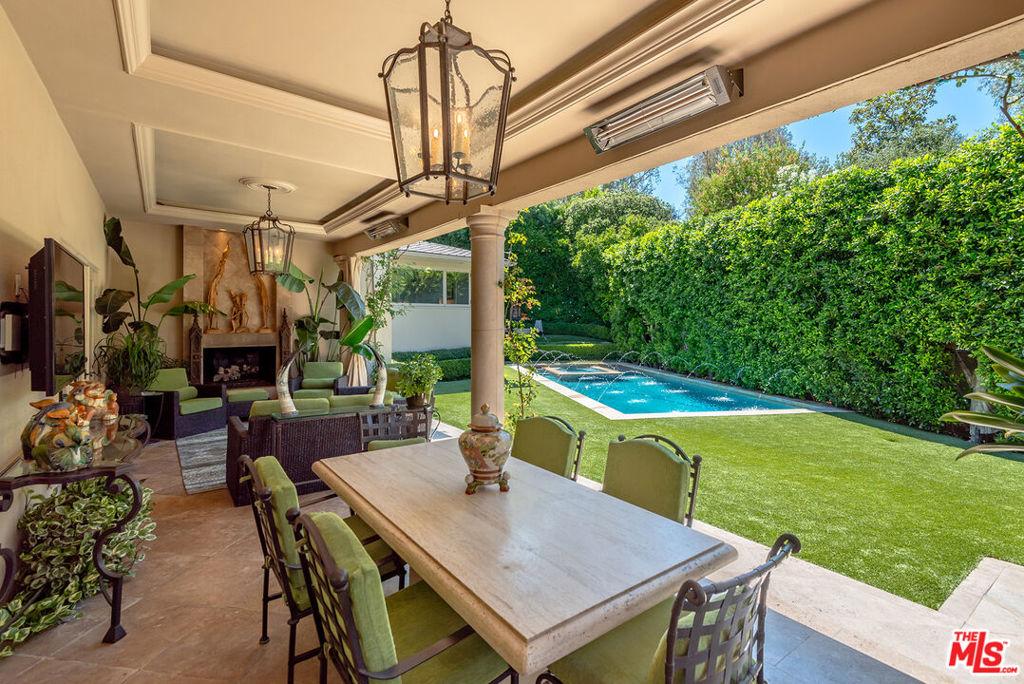
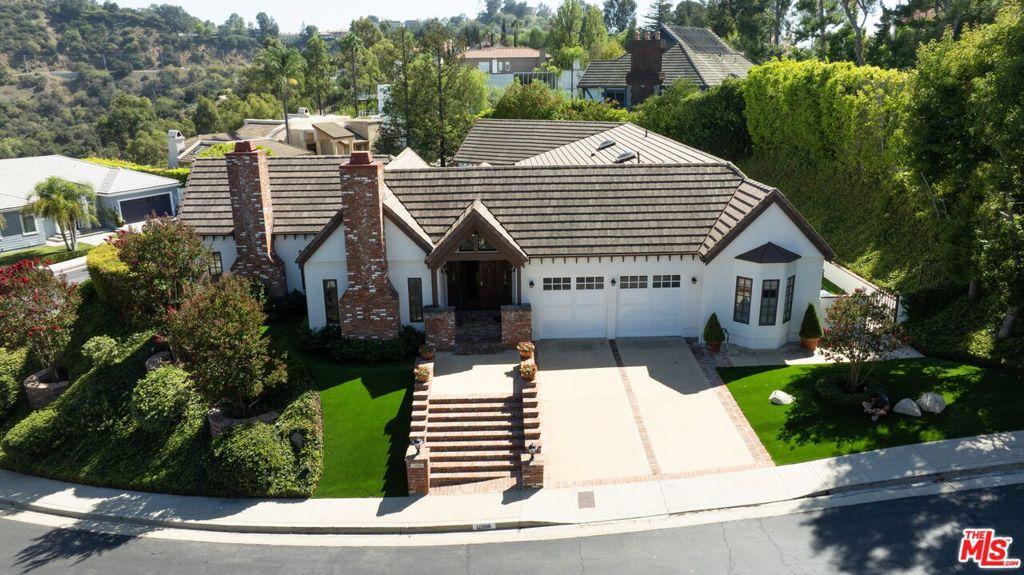
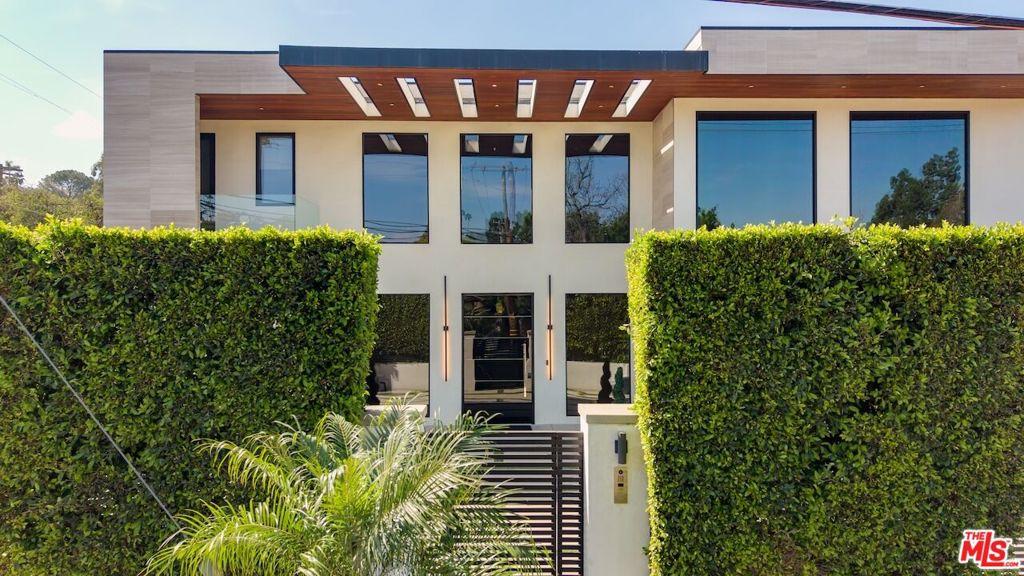
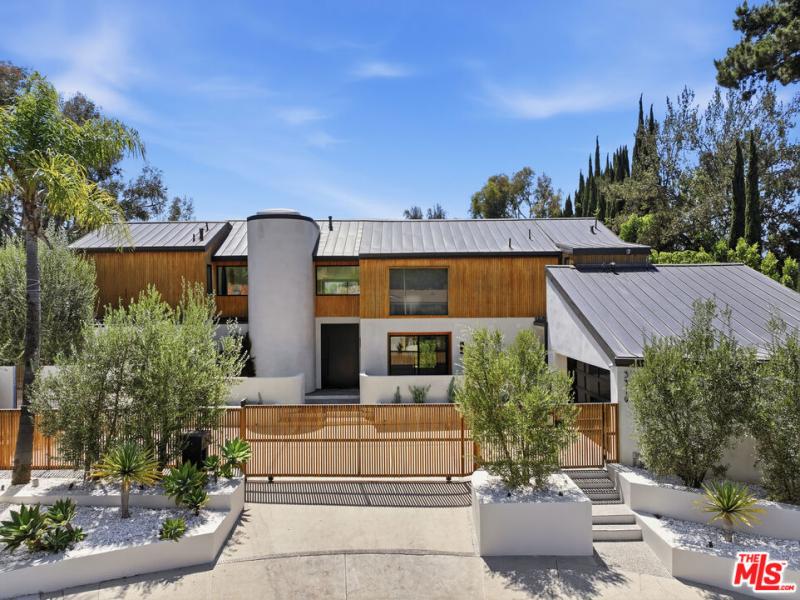
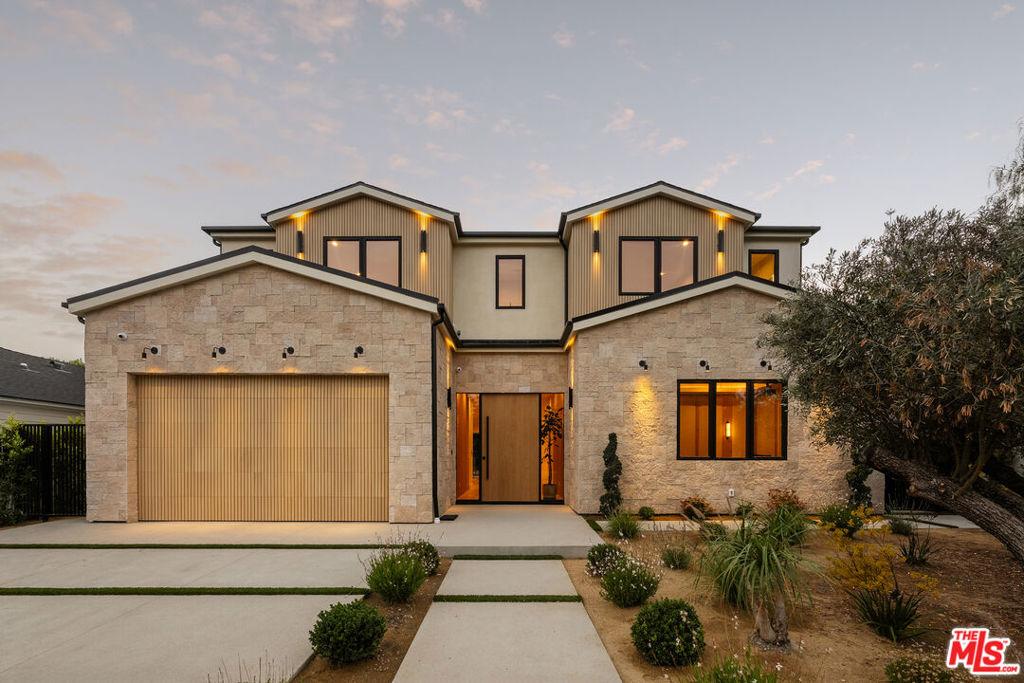
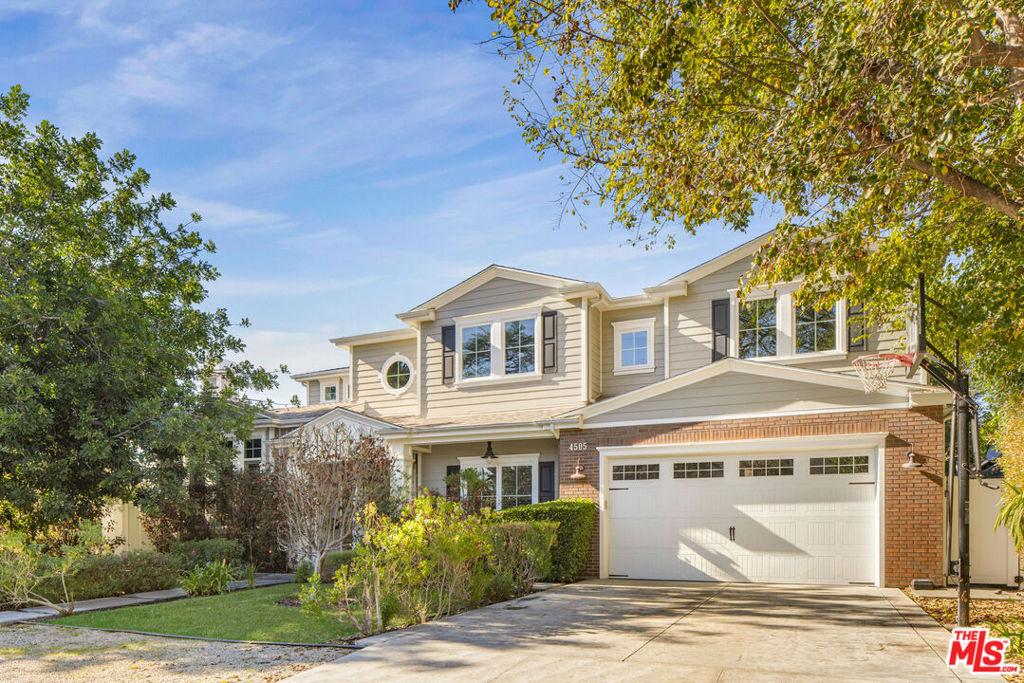
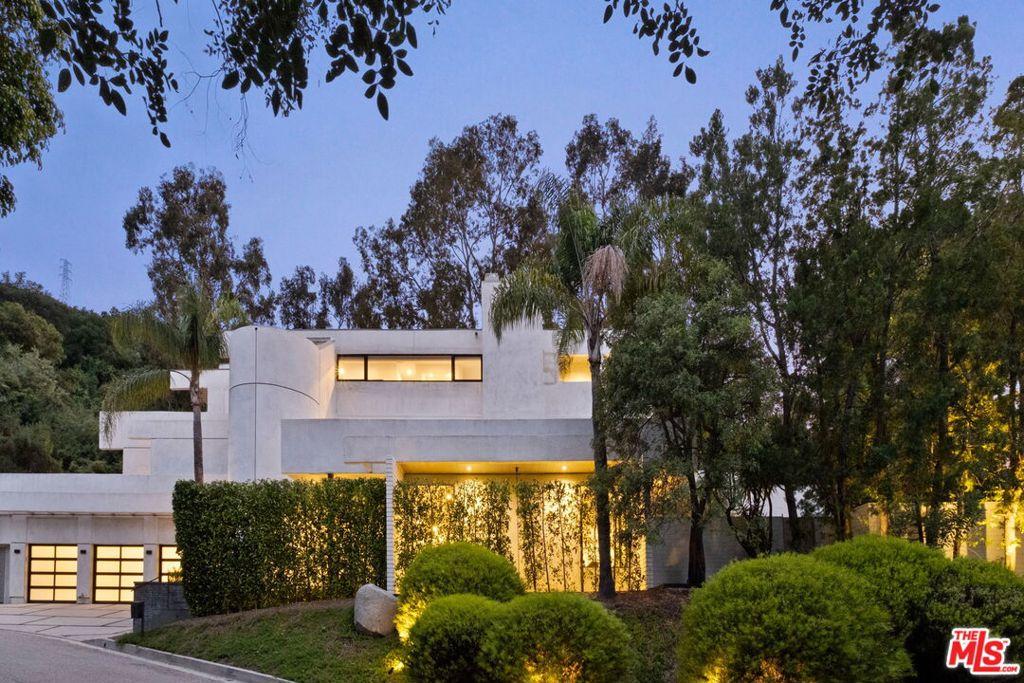
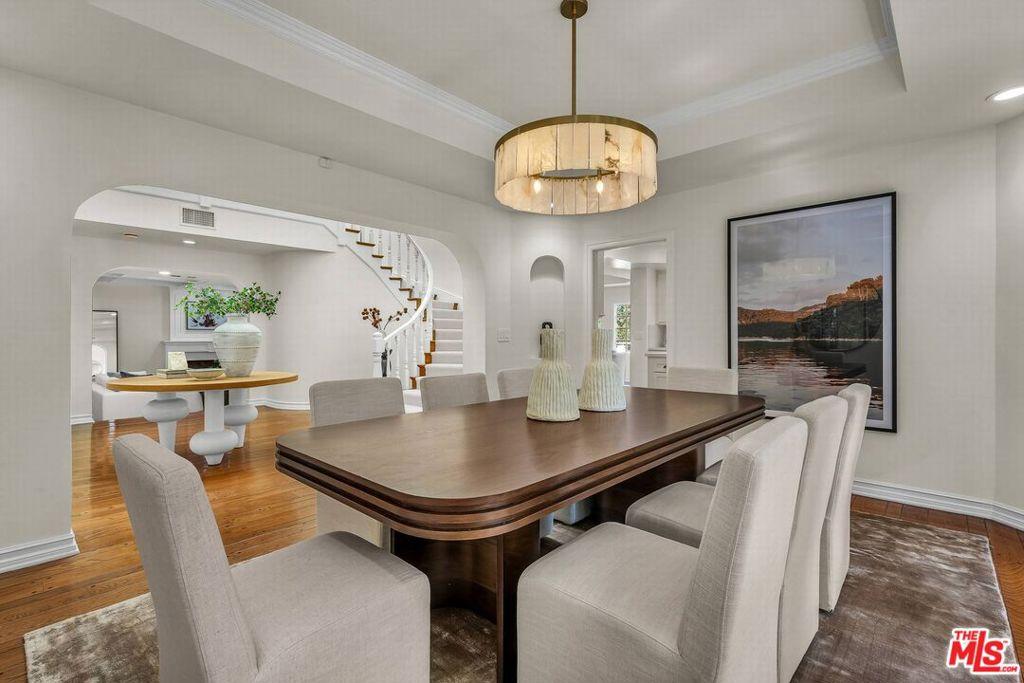
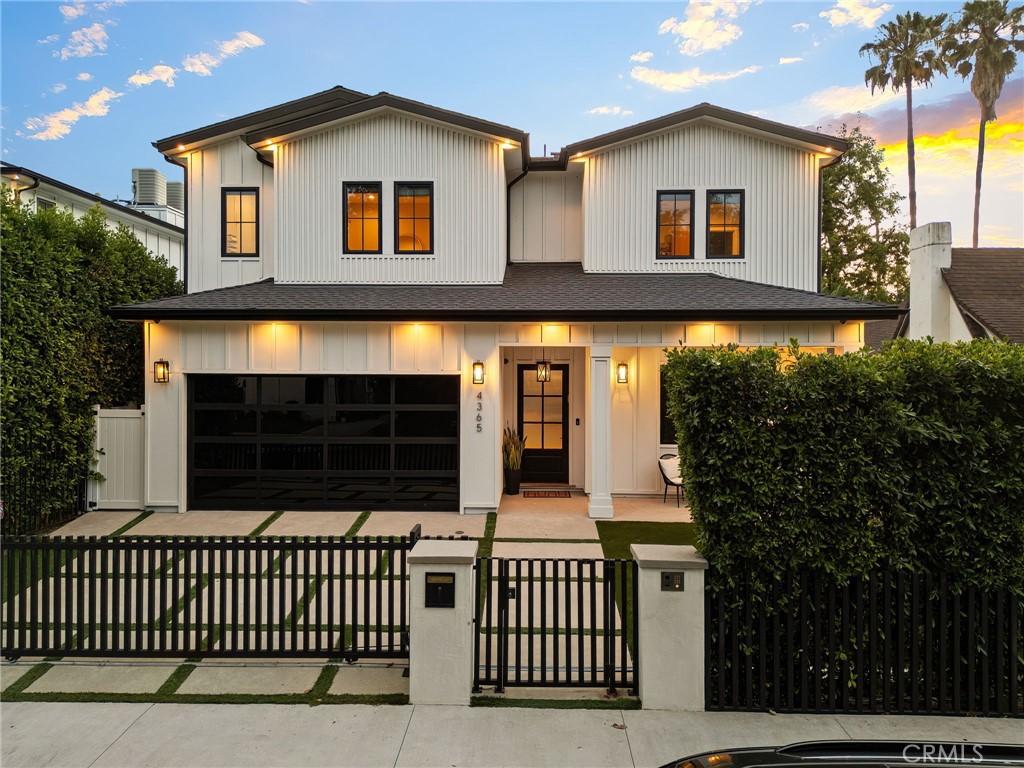
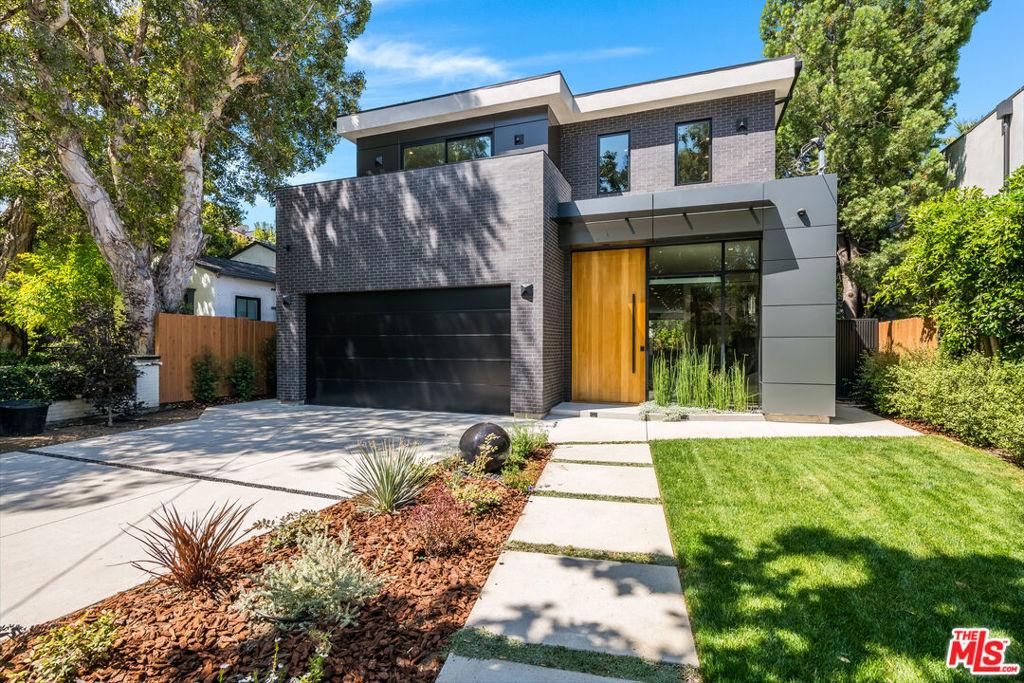
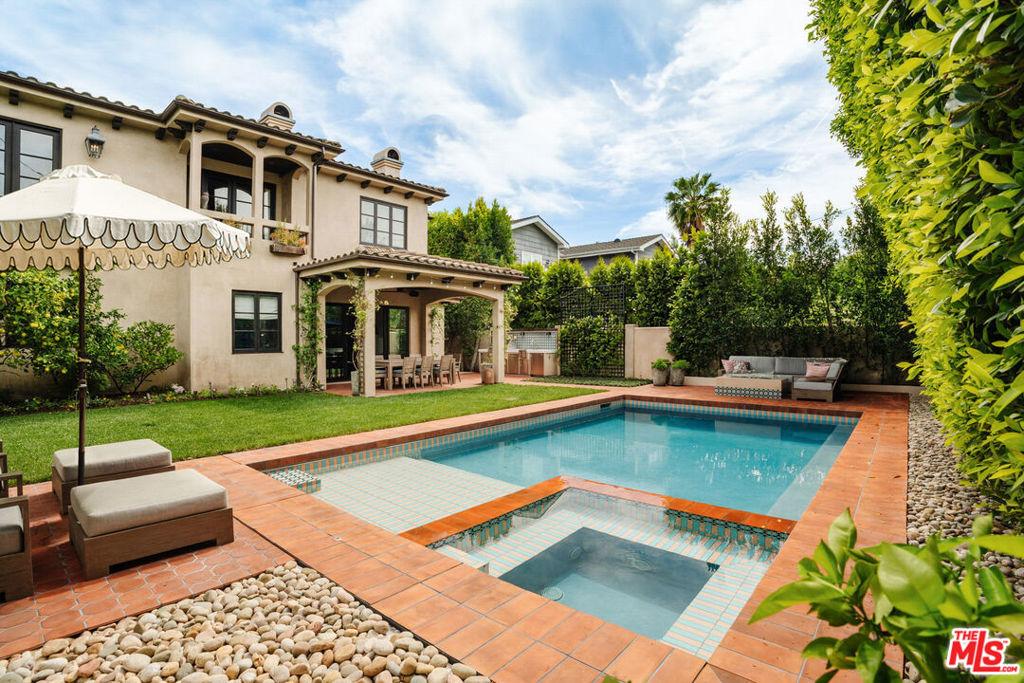
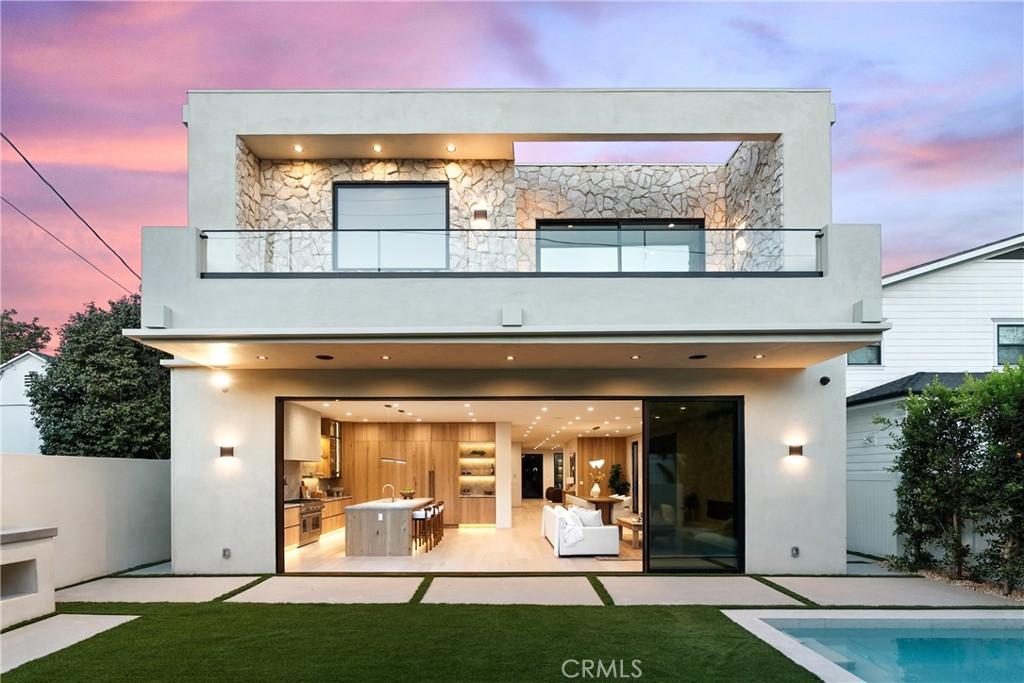
Browse all Los Angeles real estate — or explore the full Los Angeles luxury real estate market.
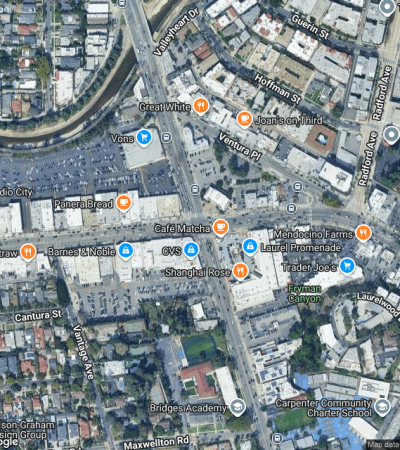
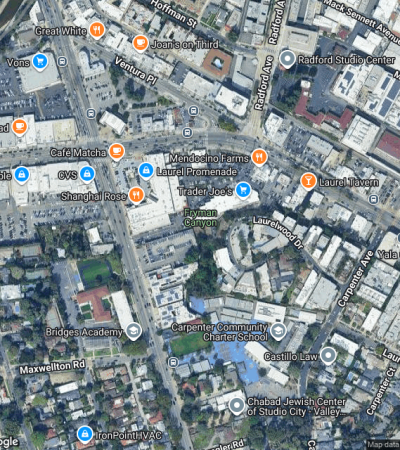
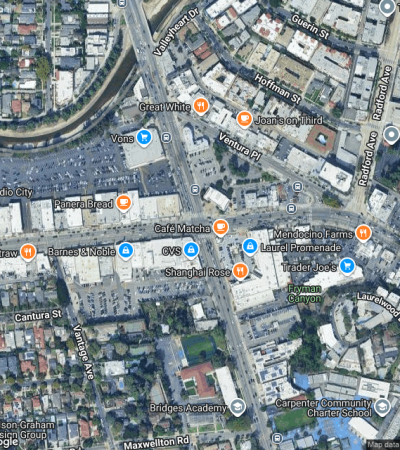
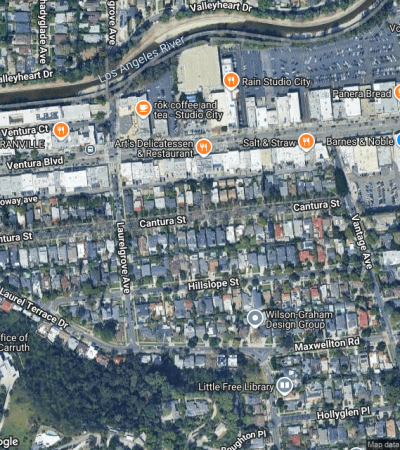
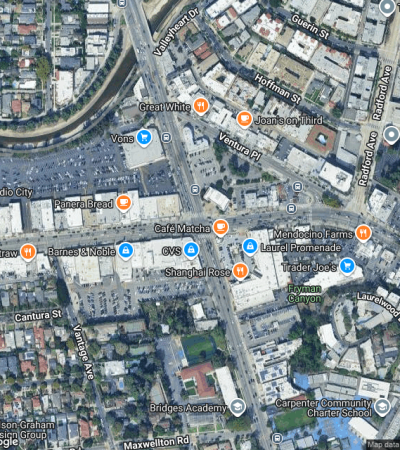
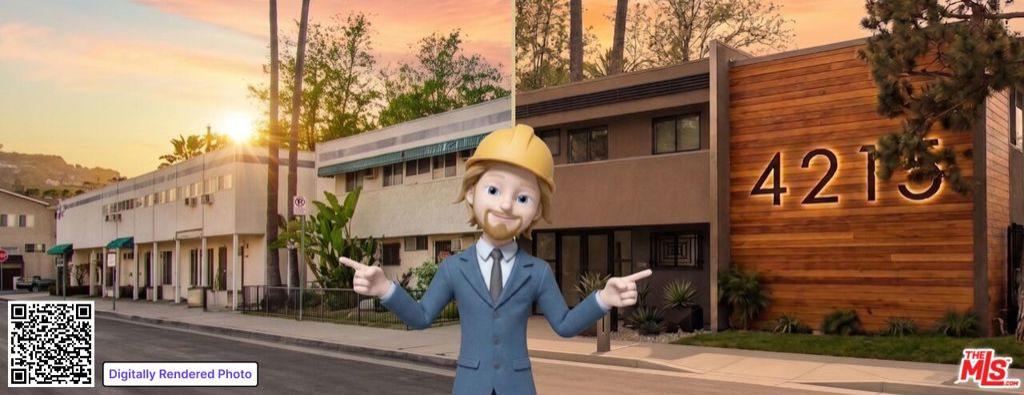
Studio City condos are attached homes clustered along and just north of Ventura Boulevard, in the southeast San Fernando Valley section of the City of Los Angeles. They range from mid-century garden buildings to gated, security-controlled mid-rises built in the last two decades. Most sit within walking distance of the Boulevard’s restaurants and shops, with Fryman Canyon trails and Mulholland Drive minutes uphill.
The appeal is location for the money. A condo here buys proximity to the studios, a walkable stretch of Ventura, and a well-regarded elementary attendance zone, at a price below the detached houses south of the Boulevard. You trade a private yard and full autonomy for a homeowners association, shared walls, and monthly dues. For many buyers who work in production or want a low-maintenance base on the Valley side of the hill, that trade is the point.
Browse the active condo and townhome listings below, or contact The Knight Group to talk through which building fits how you actually live.
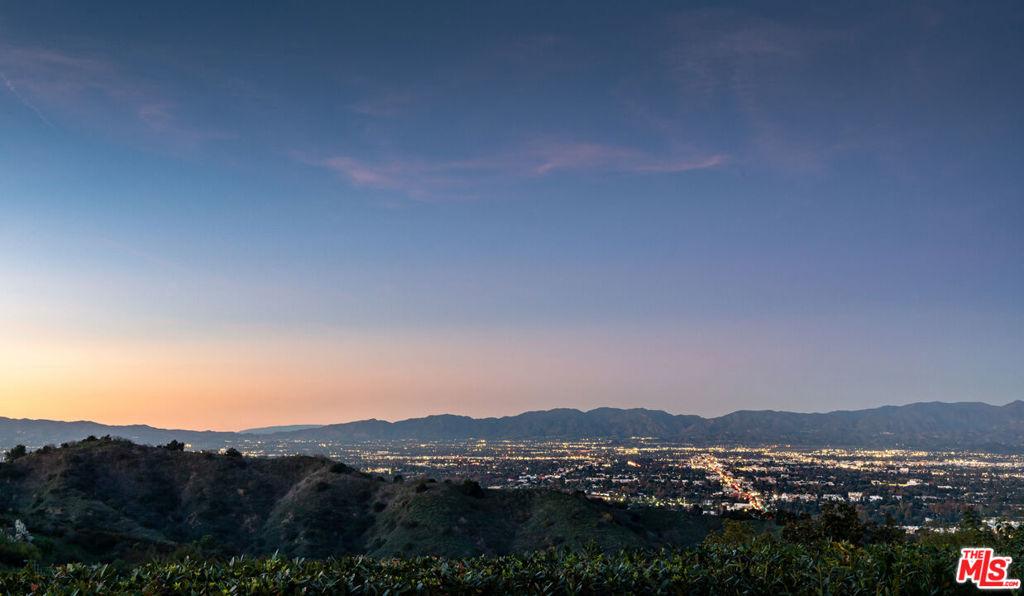
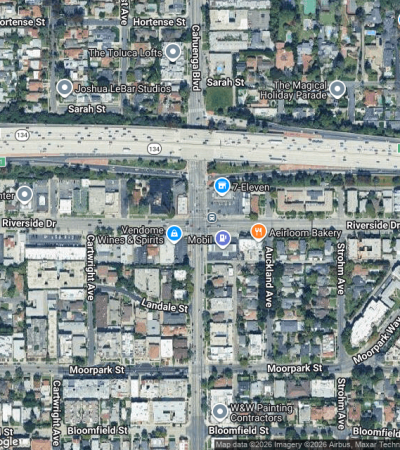
Studio City sits at the base of the Santa Monica Mountains, on the Valley side of the Cahuenga Pass. Ventura Boulevard is the spine. The 101 (Ventura Freeway) runs through the district, and Laurel Canyon Boulevard and Coldwater Canyon Avenue climb south over the hill toward Hollywood and the Westside.
The name is literal. The neighborhood grew up around Mack Sennett’s studio in the 1920s, and the industry never left. NBCUniversal, Disney, Warner Bros., and CBS Studio Center are all within roughly a ten-minute drive, which is why proximity is a hard requirement for a large share of local buyers. Production schedules do not tolerate long commutes, and that demand keeps a steady floor under Studio City housing across cycles.
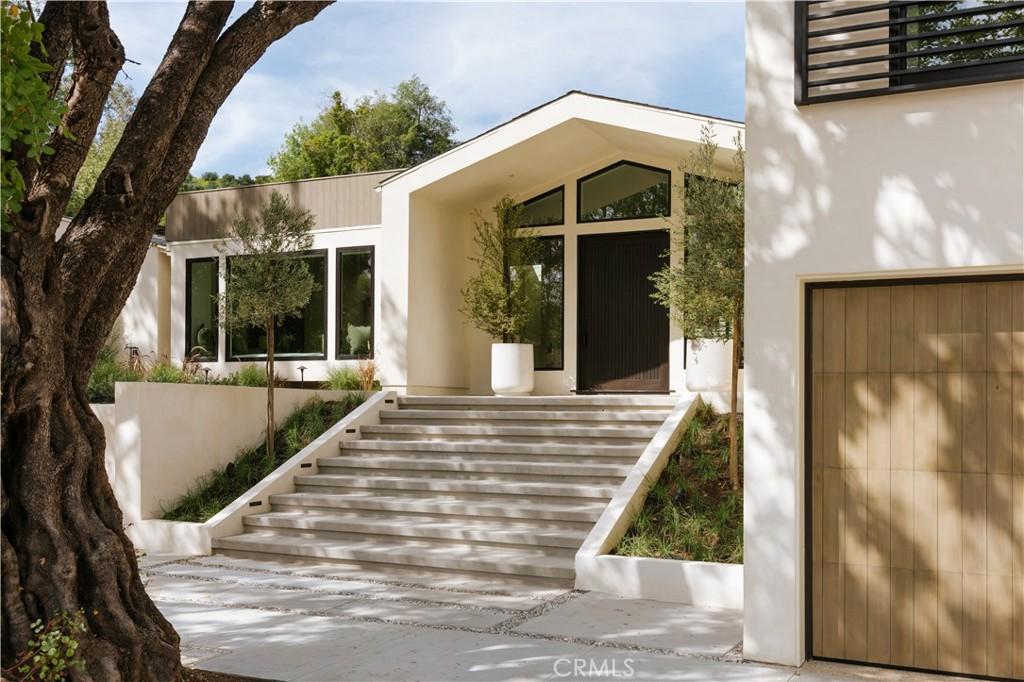
Geographically, the condo stock concentrates in the flats near the Boulevard. The single-family and estate inventory climbs into the canyons to the south. That north-south split, flat and walkable versus hillside and private, shapes both price and lifestyle across the area.
Expect a premium over most of the Valley. A Studio City market recap published in November 2025 put condos and smaller homes north of Ventura Boulevard in roughly the $1.2M to $1.8M range, with price per square foot spanning about $800 to $1,100 or more depending on condition, size, and how close the unit sits to the Boulevard. Detached homes south of Ventura and in the canyons regularly close well above $3 million, so a condo is the accessible entry point into the neighborhood.
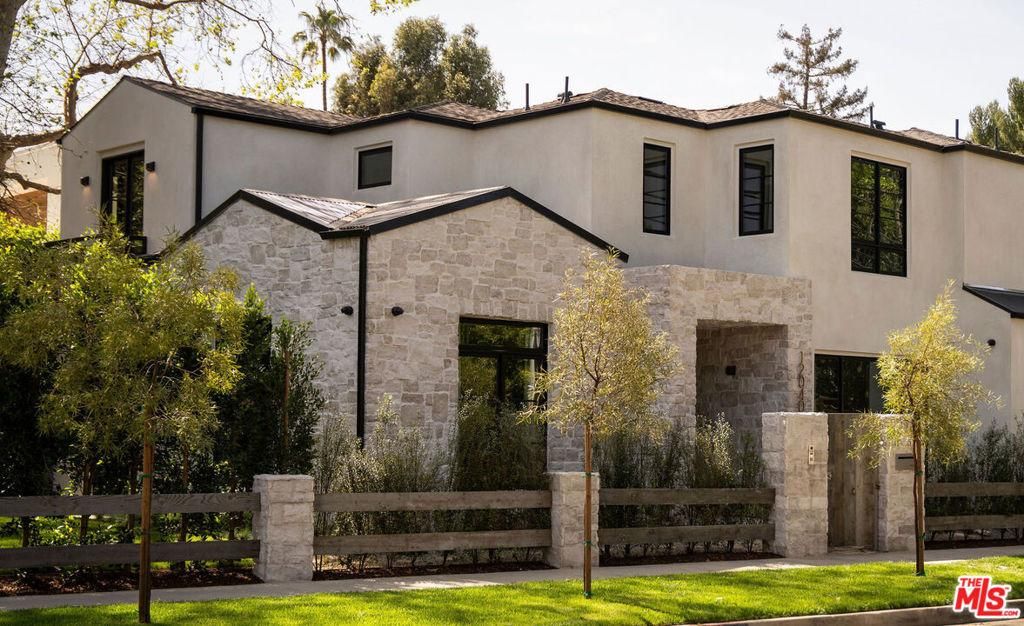
Two variables move a Studio City condo price more than anything else: the building and the block. A gated 2000s building with secured parking and low deferred maintenance commands a different number than a 1960s garden unit that needs updating, even on the same street. Walkability to the Boulevard adds a measurable premium. Always underwrite the specific unit and its association, not the neighborhood average.
Figures above reflect late-2025 conditions and move with the market. Ask The Knight Group for current comparable sales in the exact building you are considering before you anchor to any number.
The area is a collection of named buildings and pockets, each with its own age, rules, and price posture. Here is how the main options compare.
Studio City Villas is one of the better-known gated condo communities near the Boulevard. Per building listings it dates to 1963 and comprises 65 units at 11138 Aqua Vista Street, offering a resort-style, secured setting within minutes of Ventura’s shops and restaurants. It suits buyers who want the mid-century garden format with the security of a gated entry.
Acama Villas represents the newer end of the stock. Listings place it at 11115 Acama Street, built in 2008, four stories and 28 units, with 24/7 security, controlled access, and an automatic gate. If you want a more contemporary building with modern secured parking rather than a mid-century remodel, this is the profile to look at.
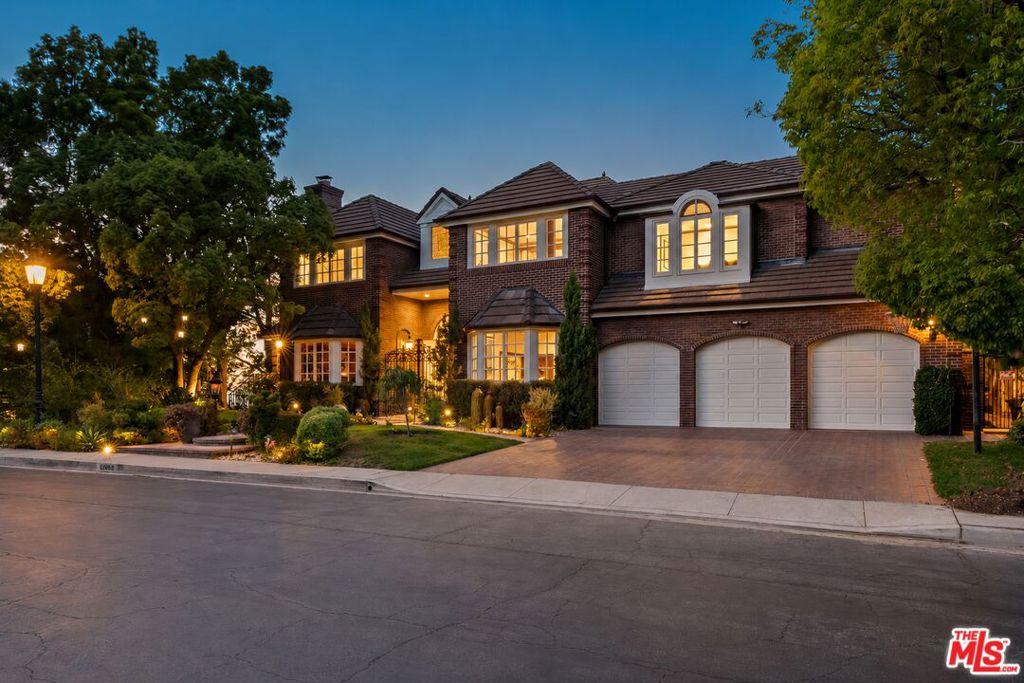
For buyers whose budget or taste points toward detached property, Studio City luxury homes covers the higher tier of houses across the district, and Studio City gated homes narrows that to properties behind private gates for buyers who prioritize security and privacy above all.
Two hillside-adjacent pockets carry their own identity. The Silver Triangle sits just below Fryman Canyon and steps from Ventura Boulevard, bounded by Ventura, Laurel Canyon Boulevard, and Laurel Terrace Drive. It pairs walkability with the quiet of the lower hillside. Homes along Coldwater Canyon trade Boulevard-level walkability for a canyon setting and a direct route over the hill.
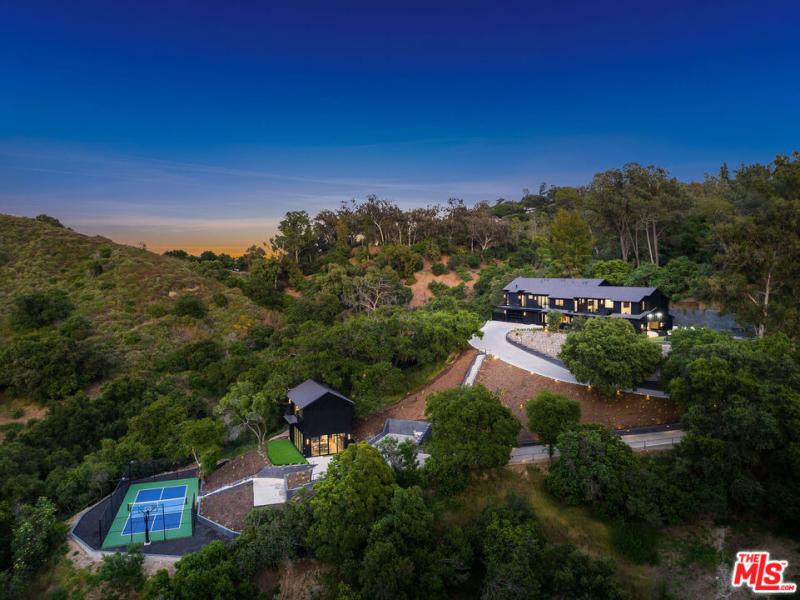
Higher into the mountains, Fryman Canyon and Fryman Canyon Estates represent the top of the local market. Fryman Canyon Estates ranks among the most expensive pockets in Studio City, wrapped around Fryman Canyon Park, one of the area’s best-known trail systems. The Grove pocket rounds out the set for buyers looking at a specific enclave rather than the Boulevard corridor. Each of these child pages carries its own current listings and detail.
It comes down to walkability versus privacy. The flats north of Ventura, including historic pockets like Colfax Meadows, developed on large lots starting in the 1920s and sit close to the Boulevard. This is where most of the condo stock lives, and where you can walk to dinner, coffee, and the farmers market. Colfax Meadows itself housed studio actors and workers in the early industry era, and later counted names like Clark Gable among its residents, per neighborhood histories.
The hillside south of Ventura climbs into the Santa Monica Mountains. Fryman Canyon and the streets off Laurel Canyon and Coldwater Canyon offer views, larger parcels, and quiet, at the cost of walkability and, in the higher zones, added fire considerations. Buyers usually self-select quickly: you either want to walk to the Boulevard or you want the canyon. Knowing which one you are saves months of looking in the wrong pocket.
The public draw is real. Studio City is served by the Los Angeles Unified School District, and Carpenter Community Charter, a K-5 school, is the anchor. It holds a GreatSchools rating of 10 out of 10 and a Niche grade of A-, with enrollment reported around 841. Its attendance boundary is a recognized value driver for family buyers, so confirm any specific address falls inside the zone before you assume it does.
The private options are notable as well. Harvard-Westlake’s Upper School campus sits in Studio City, and Campbell Hall, an Episcopal K-12 school, is located at 4533 Laurel Canyon Boulevard. Between strong public and private choices, the area draws families who plan to stay through school years, which supports resale demand for larger condos and townhomes.
Access is a core reason people pay to be here. The 101 freeway runs through the district for east-west movement across the Valley and toward Hollywood. Laurel Canyon Boulevard and Coldwater Canyon Avenue climb south over the Santa Monica Mountains, connecting to West Hollywood, the Sunset Strip, and the Westside without touching a freeway. Mulholland Drive rides the ridgeline above.
For industry buyers, the math is simple: the major studios are within roughly ten minutes, and that short hop is often non-negotiable during production. For everyone else, the canyon routes give a genuine alternative to the 101 when the freeway backs up. The trade-off is that canyon roads are slower and busier at peak, so test your specific commute at the hour you would actually drive it.
Ventura Boulevard is the amenity. The Studio City stretch carries one of the Valley’s denser concentrations of restaurants, cafes, boutiques, and services, plus a well-attended Sunday farmers market. For condo buyers north of the Boulevard, a lot of daily life is walkable, which is not something most Valley neighborhoods can claim.
The outdoor draw is Fryman Canyon. Fryman Canyon Park and the surrounding trail network sit minutes from the flats and pull hikers from across the east Valley and the hill. The land has industry history of its own: the old Fryman Ranch was rented as a filming location during the silent era. Between the Boulevard and the canyon, the area offers a walk-to-dinner-and-trailhead combination that is hard to reproduce elsewhere in the Valley at the condo price point.
A condo purchase is a purchase of the association, not just the unit. California condominium HOAs operate under the Davis-Stirling Common Interest Development Act, which governs how the board runs, how dues are set, and how disclosures must be provided to buyers. During your contingency period you are entitled to the association’s financials, meeting minutes, reserve study, insurance certificate, and CC&Rs. Read them.
Focus on three things. First, reserves: an underfunded reserve fund signals future special assessments. Second, the minutes: recurring discussion of litigation, plumbing, or roofing points to problems the monthly dues have not yet solved. Third, insurance: master-policy coverage has tightened across California, and a gap can complicate financing. Older buildings, including some of the mid-century garden communities, can carry more deferred maintenance risk than a 2000s building like Acama Villas. None of this is a reason to avoid condos. It is a reason to underwrite the association as carefully as the unit.
Yes, because Studio City is inside the City of Los Angeles. Measure ULA, the city’s transfer tax often called the mansion tax, applies to Studio City along with other city neighborhoods like Sherman Oaks, Brentwood, and the Hollywood Hills. Per the Los Angeles Office of Finance, the tax adds 4% on sales above the lower threshold and 5.5% above the upper threshold, and the thresholds adjust annually for inflation.
The thresholds have moved. Through June 30, 2026, the 4% rate applied to sales at or above roughly $5.3 million and 5.5% at or above roughly $10.6 million. For transactions closing after June 30, 2026, the thresholds rose to about $5.4 million and $10.9 million. The practical takeaway for condo buyers: nearly all Studio City condos trade below these thresholds and are unaffected, while the tax is a real line item on the high-end canyon estates. Confirm the current thresholds at closing, since they reset each year.
It depends on where you buy. The condo-heavy flats north of Ventura sit on the Valley floor, away from the highest-hazard terrain. The hillside pockets south of the Boulevard, climbing toward Fryman Canyon, Mulholland, and the canyon roads, fall into California’s fire hazard severity zone framework and carry the responsibilities that come with it, including defensible space and, in many cases, added insurance cost or difficulty. This is a genuine trade-off of the canyon lifestyle, not a formality. If you are considering a hillside home rather than a flats condo, verify the property’s specific fire hazard zone designation and get an insurance quote in writing before you remove contingencies.
Three buyer types dominate here. Industry professionals who need to be minutes from a lot and want low maintenance between production cycles. Downsizers leaving a Valley or hillside house who want to stay in the neighborhood without a yard to manage. And first-time buyers using a condo as the affordable door into an area whose detached homes sit above their budget. Each weights the decision differently, but the same variables decide the outcome.
Weigh the building’s age against your tolerance for maintenance and dues. Weigh walkability against square footage: a walk-to-Ventura unit in the flats will cost more per foot than a comparable box farther out. Weigh the HOA’s financial health as heavily as the finishes, because a beautiful unit in a poorly reserved association is a future assessment waiting to happen. And if a canyon home is on your list, weigh the fire and insurance reality against the view before you fall for the setting. None of these are dealbreakers on their own. Together they tell you which building is actually right for you.
They carry a premium over most Valley neighborhoods, and that premium buys walkability to Ventura Boulevard, proximity to the studios, and a strong school zone. For buyers who use those things, the value holds. For a buyer who wants maximum square footage per dollar and does not need the location, other Valley areas will price lower.
A market recap from November 2025 placed condos and smaller homes north of Ventura roughly in the $1.2M to $1.8M range, at about $800 to $1,100 or more per square foot depending on the building and location. Those figures move with the market, so ask for current comparables in your target building.
Studio City Villas is an established gated community dating to 1963 at 11138 Aqua Vista Street. Acama Villas at 11115 Acama Street, built in 2008, offers 24/7 security, controlled access, and an automatic gate. Both sit within minutes of the Boulevard.
Much of the flats sits in the Carpenter Community Charter attendance zone, a K-5 school within LAUSD that holds a GreatSchools 10 out of 10 rating. Attendance boundaries are address-specific, so confirm any given condo actually falls inside the zone before relying on it.
Almost certainly not. Measure ULA applies to City of LA sales above roughly $5.4 million as of mid-2026, and nearly all Studio City condos trade well below that. The tax is a factor mainly on high-end canyon estates. Thresholds reset annually, so verify at closing.
The canyon pockets toward Fryman Canyon and Mulholland fall within California fire hazard severity zones and carry defensible-space and insurance implications. The flats condos on the Valley floor sit away from the highest-hazard terrain. Always check a specific property’s zone designation and get an insurance quote before committing.
The flats north of Ventura are genuinely walkable to the Boulevard’s restaurants, cafes, shops, and Sunday farmers market, which is unusual for the Valley. The hillside pockets are not walkable and rely on canyon roads and the 101.
The Knight Group works this market building by building, not just by neighborhood average. Because a Studio City condo’s value turns on the specific association, the block, and how close it sits to the Boulevard, we underwrite the unit and the HOA together: reserves, minutes, insurance, and comparable sales inside that exact building. We tell you the trade-offs plainly, including deferred maintenance in older communities and fire and insurance considerations in the hillside pockets.
Start by browsing the listings and child communities above, from Studio City Villas and Acama Villas to the Silver Triangle and the canyon pockets. When you have a shortlist, contact The Knight Group and we will pull current comparables and association documents so you can decide with real numbers in front of you.
The Knight Group is here to help you with all your realty needs. To get started, fill out the form below and one of our experienced agents will contact you as quickly as possible.
Copyright © 2024 The Knight Group.
All rights reserved. License: 02133297
Lucky for you we’re looking out.
Subscribe to this Custom Search to be alerted when new properties hit the market in the area.
Choose the frequency that works for you.