Condos for Sale in Hancock Park
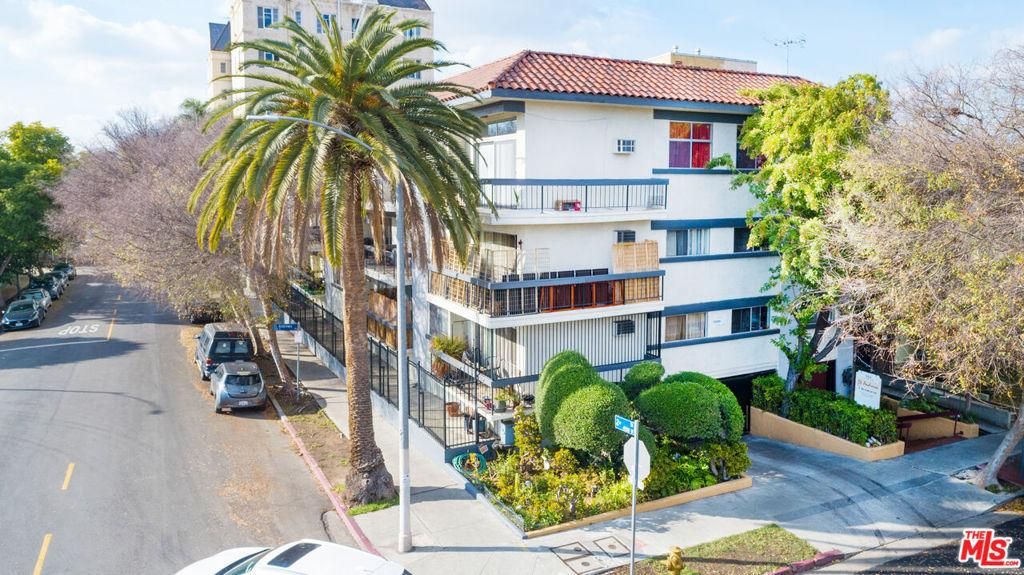
Condos for sale in Hancock Park are mostly attached homes in vintage low-rise buildings along Rossmore Avenue, near Larchmont Village and the Miracle Mile. This is not a high-rise market. Most buildings went up in the 1920s and 1930s as grand apartment houses and were converted later, so the typical unit trades on period detail: high ceilings, arched entries, plaster walls. Reported pricing runs from the $500,000s into the $1.5 million range for most units, with renovated standouts at Country Club Manor trading around $1.765 million and $2.4 million.
Inventory is the trade-off. A handful of buildings hold most of the stock, and turnover is slow. Some of the oldest are cooperatives rather than condominiums, which changes financing, board approval, and resale. Floor plans vary widely too, from roughly 570 to 1,700 square feet at Country Club Manor, with newer construction like the 1990-built Rossmore at 585 North Rossmore offering period surroundings and updated systems.
Browse the current listings below, or contact The Knight Group to talk through which building fits how you actually want to live. We track these buildings unit by unit, and the right one depends on details that never show up in a portal search.
Where exactly is Hancock Park, and what surrounds it?
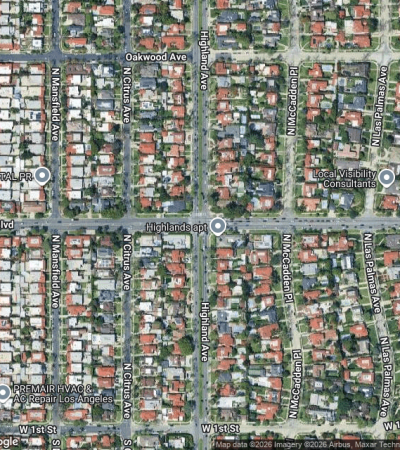
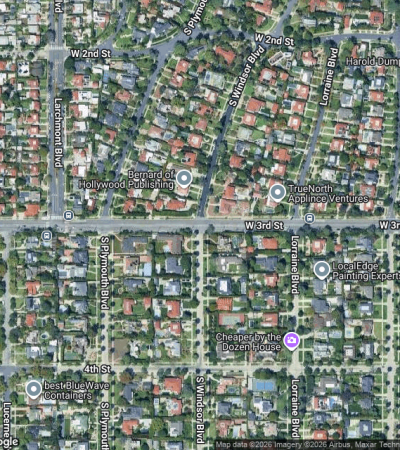
Hancock Park sits in Central Los Angeles, roughly bounded by Melrose Avenue to the north, Wilshire Boulevard to the south, and running between La Brea Avenue and Rossmore Avenue. It carries the 90004 and 90020 ZIP codes and sits within the City of Los Angeles, which matters for taxes and regulation covered further down this page.
The neighborhood grew in the 1920s out of the Hancock family’s oil fortune from the Rancho La Brea land. In 1923 the family donated a 23-acre parcel that became the public Hancock Park containing the La Brea Tar Pits and, later, the Los Angeles County Museum of Art. That civic park sits to the southwest along Wilshire, separate from the residential district that shares the name.
To the east lies Windsor Square, a historic district platted starting in 1911 and home to Getty House, the official residence of the Mayor of Los Angeles, a 1921 Tudor Revival house at 605 South Irving Boulevard. To the north is Larchmont Village, whose commercial stretch of Larchmont Boulevard gives the whole area its walkable retail spine. To the south is the Miracle Mile and the museum corridor. That surrounding mix is the reason a compact condo here lives larger than its square footage suggests.
What kinds of condos and co-ops does Hancock Park have?
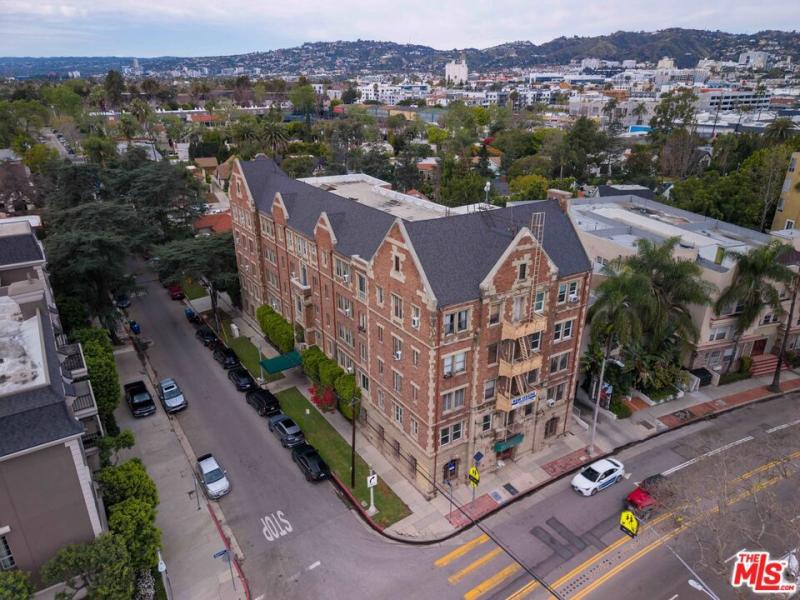
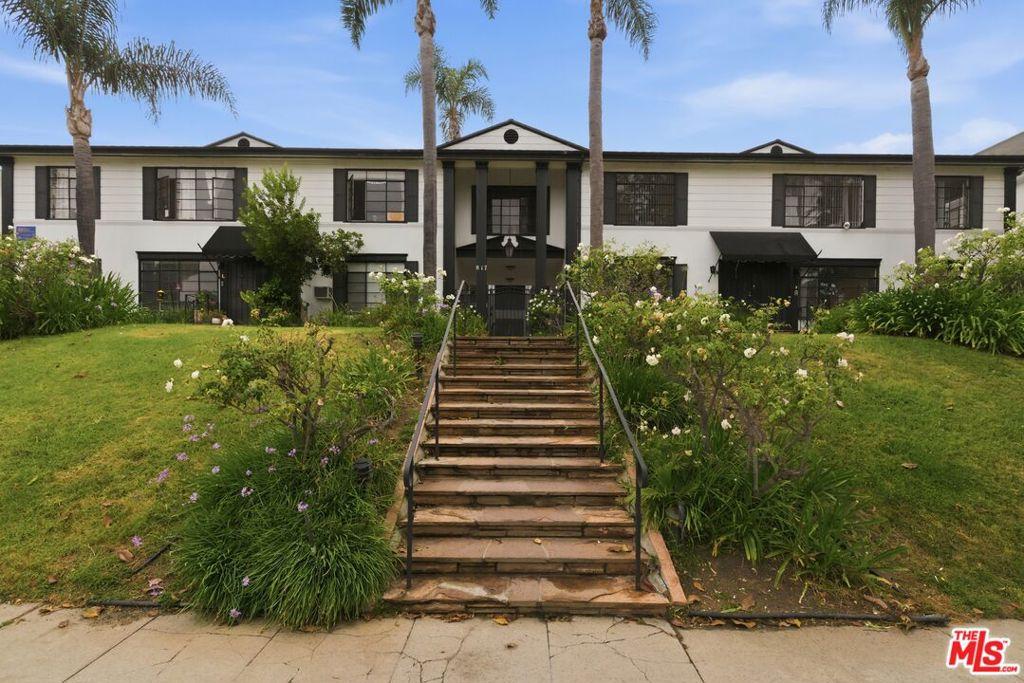
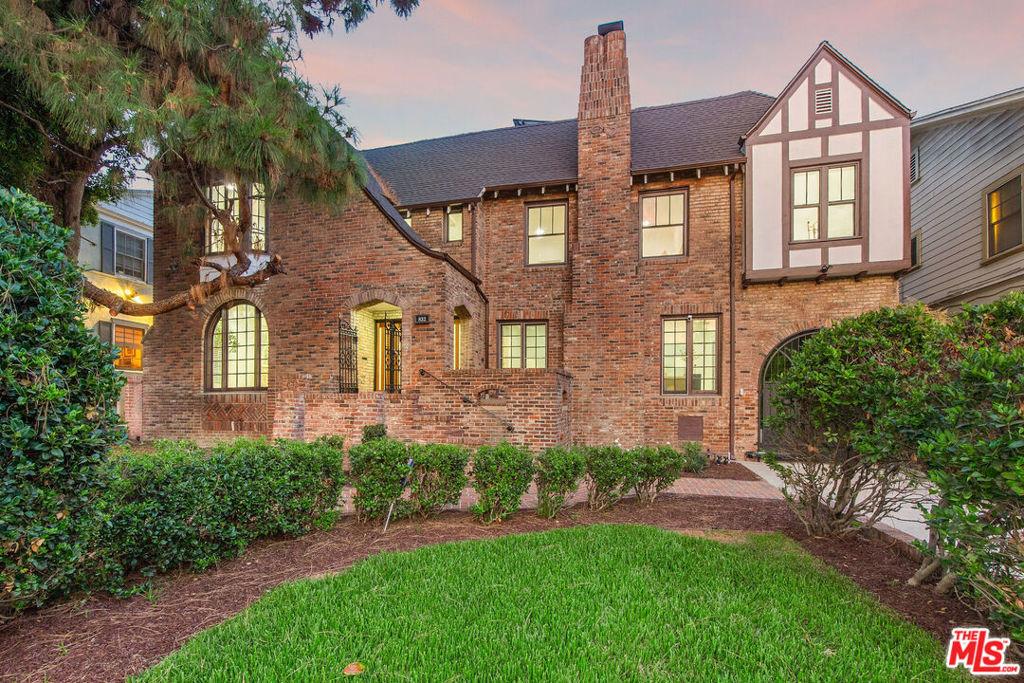
The condo stock is dominated by a corridor of historic buildings on Rossmore Avenue, most of them built between the late 1920s and the 1940s. Country Club Manor at 316 North Rossmore is a 1926 building by architect Leland Bryant in a French Normandy and Chateauesque style, with 45 units and floor plans reported to run from roughly 570 to 1,700 square feet. It faces the Wilshire Country Club, which is where its name comes from.
Nearby stand several landmark apartment houses that define the street even where units are not always for sale. The Ravenswood at 570 North Rossmore is a 1930 Art Deco building designed by Max Maltzman and built by Paramount Pictures; the actress Mae West kept the penthouse from its opening until her death in 1980. El Royale, at Rossmore and Rosewood, was designed by William Douglas Lee and completed in 1929. The Mauretania at 520 North Rossmore is a 1934 Streamline Moderne building of 10 units, commissioned by the actor Jack Haley and designed by Milton J. Black. These buildings set the tone: ornate, low-rise, and unmistakably pre-war.
Not everything is vintage. The Rossmore at 585 North Rossmore is a five-story, 39-unit building completed in 1990, with units reported between roughly 680 and 1,677 square feet, which gives a buyer who wants period surroundings but newer systems a different option on the same street. Because several of the oldest buildings are cooperatives rather than condominiums, ownership structure varies building to building, and that distinction changes financing, board approval, and resale. We flag it early with every client because it is easy to miss and expensive to learn late.
What will you pay for a condo in Hancock Park?
Condo pricing sits well below the neighborhood’s houses. Reported condo pricing in and around Hancock Park runs from the $500,000s into the $1.5 million range for most units, with standout sales climbing higher: at Country Club Manor, a renovated penthouse traded around $2.4 million and another unit around $1.765 million in the figures we found. Treat these as reference points, not a live quote, because a single vintage building can span a wide price range depending on floor, view, and renovation.
For context on the surrounding for-sale market, the median sale price in the adjacent Miracle Mile was about $1,565,000 over the trailing twelve months, down roughly 2 percent year over year, with homes averaging about 44 days on market, per Homes.com data current as of mid-2026. Hancock Park’s detached houses run substantially higher, and the neighborhood’s true luxury estates have reached and exceeded $10 million. The condo tier is the accessible entry into an otherwise estate-priced district, which is exactly why it moves slowly when good units appear.
Which sub-areas and home collections does this hub cover?
This hub is the front door to several distinct pockets and property collections in and around Hancock Park. Use them to narrow from the neighborhood down to the block and product type you actually want.
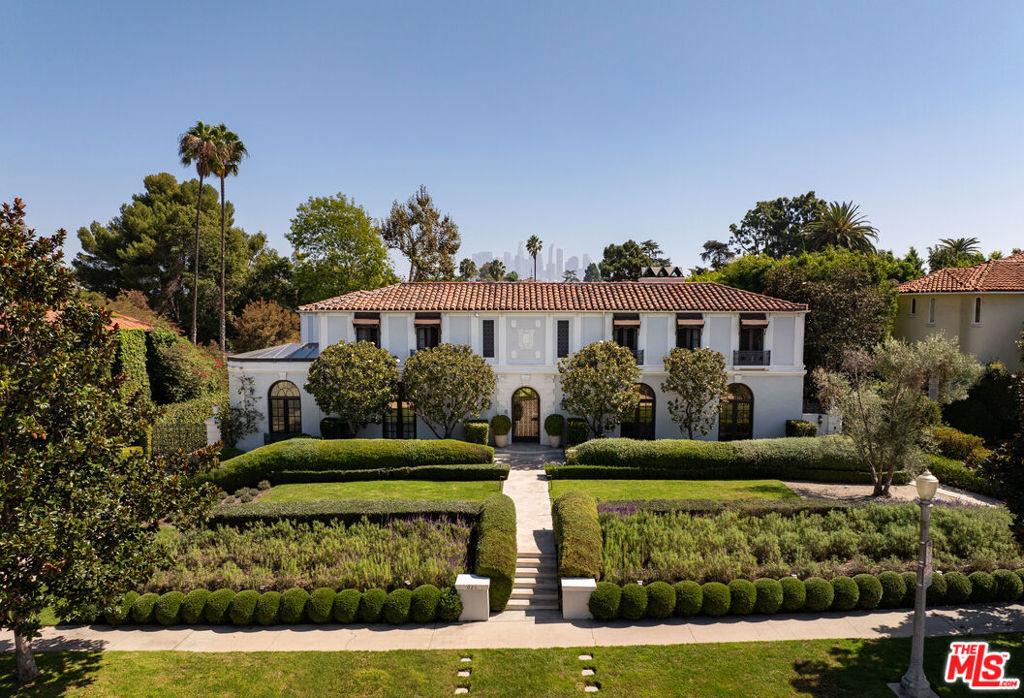
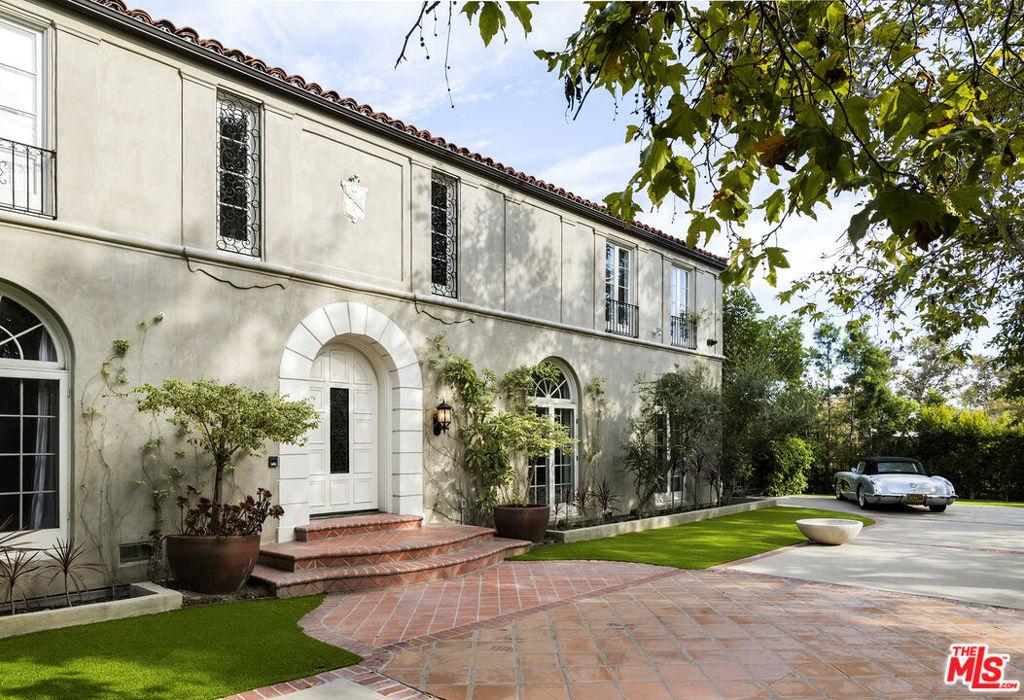
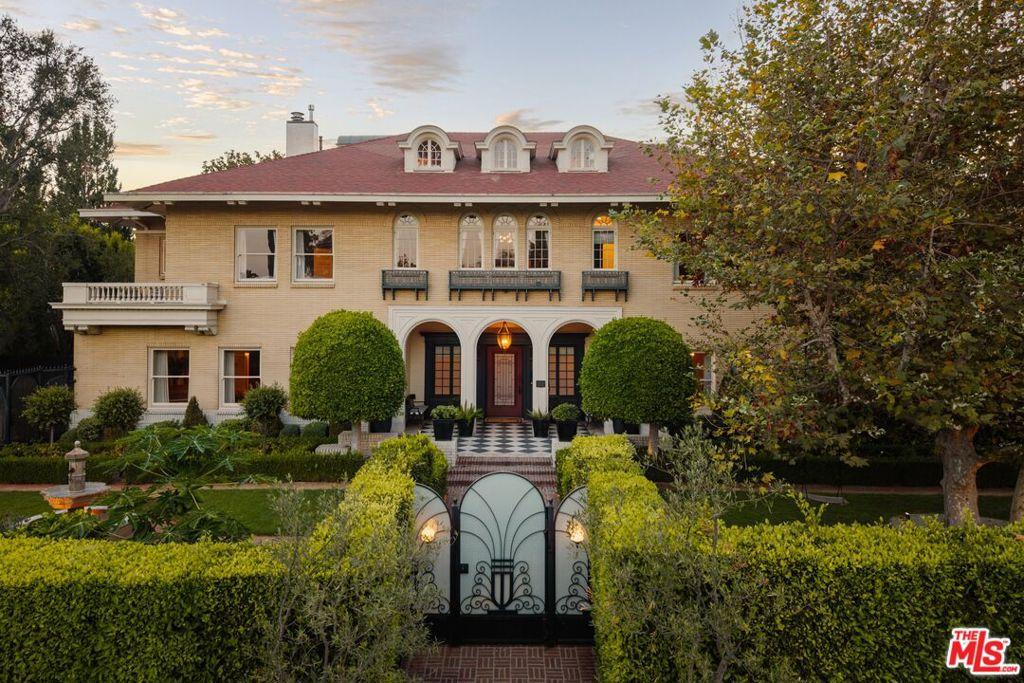
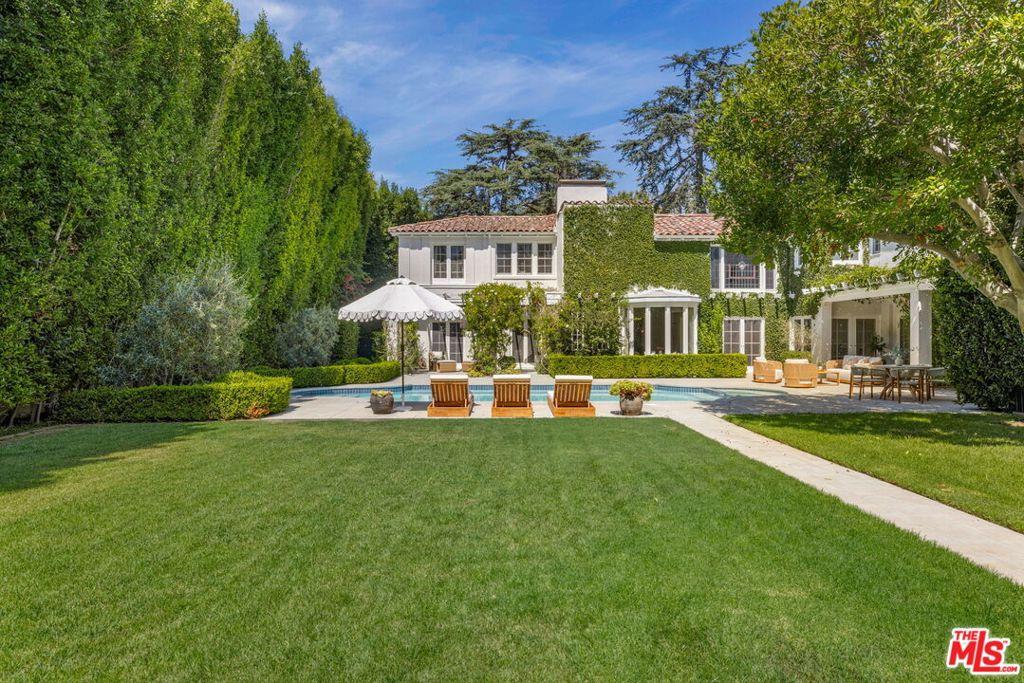
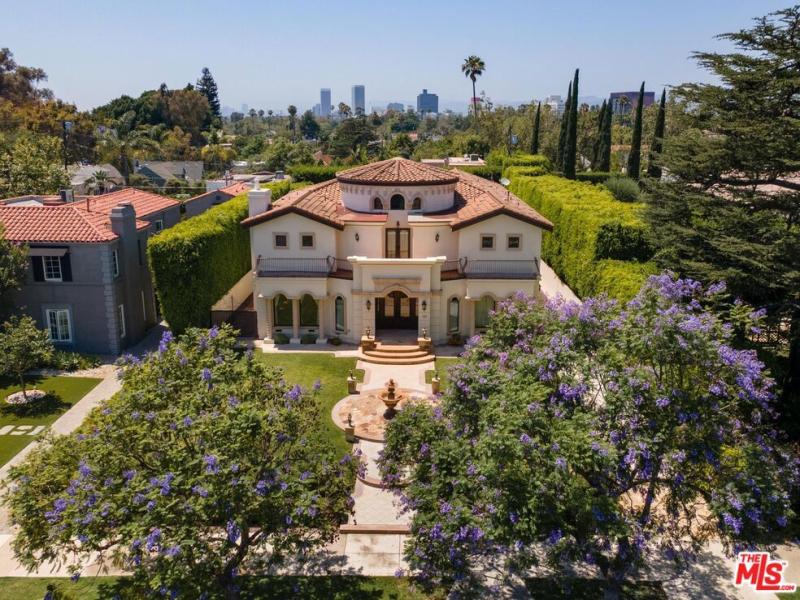
Start with the broadest set: Hancock Park homes covers the general for-sale inventory across the district, from attached units to detached houses. For the top of the market, Hancock Park luxury homes focuses on the estate tier, the architect-pedigree houses on the large interior lots that push into eight figures. Buyers who prioritize privacy and security should look at Hancock Park gated homes, which filters to properties with gated frontage and enclosed grounds.
To the east, Windsor Square homes covers the neighboring historic district that holds Getty House and some of the best-preserved Tudor Revival, Mediterranean, and Craftsman streets in Central LA. Two more curated collections round out the hub: Hancock Park Terrace and Madison Hancock Park, each grouping a specific set of listings within the area. If you are not sure which of these fits, that is a normal starting point, and it is the fastest thing to sort out in a short call.
What is the HPOZ, and how does it affect owners?
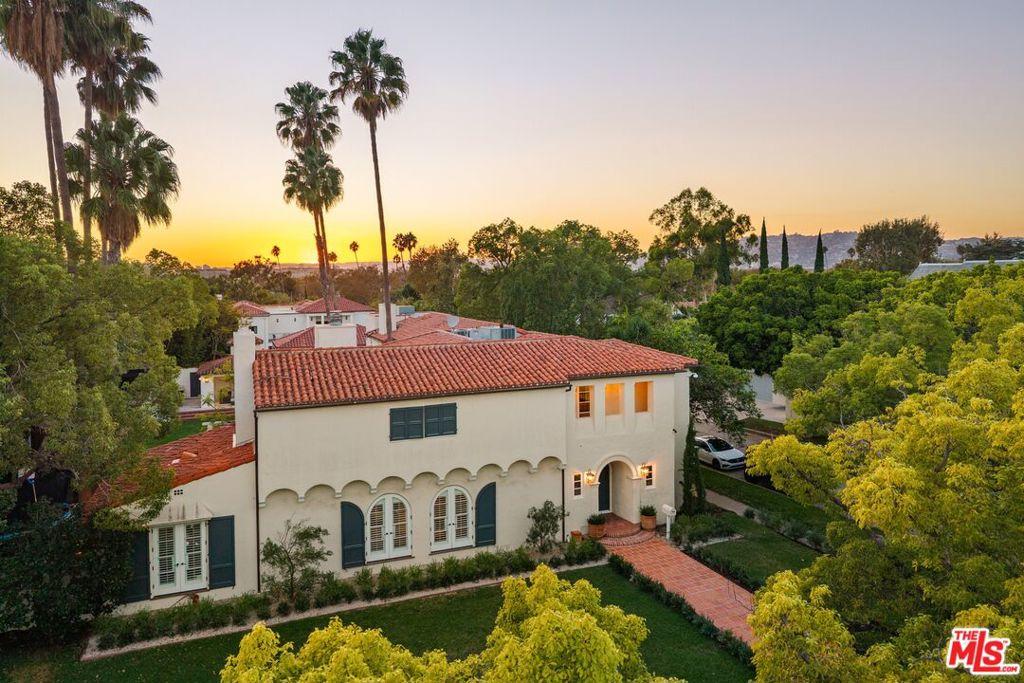
Hancock Park is a Historic Preservation Overlay Zone, established by the City of Los Angeles in 2007. In the historic resources survey behind the designation, about 89 percent of structures were identified as Historic Contributors, which is why so much original detail survives. The district’s early homes carry the work of noted architects including Wallace Neff, Paul R. Williams, and Gordon B. Kaufmann.
For a buyer, the HPOZ is both the reason the neighborhood looks the way it does and a real constraint. Exterior changes visible from the street, additions, window replacements, and demolition generally require review against the district’s preservation guidelines, which slows and limits what you can alter. That protects your neighbors’ facades and yours, and it caps the risk of an incompatible teardown next door. It also means renovation plans need to account for an extra approval layer. For condo and co-op owners the building’s exterior is governed collectively anyway, so the HPOZ mostly affects the association rather than the individual unit, but it is worth understanding before you buy into a landmark building.
How good are the schools?
The public and private options are a genuine draw. Third Street Elementary, founded in 1924, serves much of the area and carries a strong reputation along with a gifted and highly gifted magnet program. John Burroughs Middle School serves grades six through eight and is well regarded locally. Larchmont Charter School operates a K-12 public charter program with a campus at 444 North Larchmont Boulevard.
On the private side, Marlborough School at 250 South Rossmore Avenue is a college-preparatory school for girls in grades 7 through 12, founded in 1889 and the oldest independent girls’ school in Southern California. School assignment and enrollment rules change, and boundaries do not always match neighborhood lines, so confirm current attendance areas directly with the district or school before you make a decision that hinges on a specific campus.
How do you get around, and did the subway change things?
Hancock Park is unusually walkable for an upscale Los Angeles neighborhood, with a Walk Score around 84, largely because Larchmont Boulevard puts groceries, cafes, and services within a short walk of most of the district. Transit access changed meaningfully in 2026. Section 1 of the Metro D Line subway extension opened for service on May 8, 2026, adding stations along Wilshire Boulevard. The Wilshire/La Brea station sits at the southwest edge of the area and connects Hancock Park, the Miracle Mile, and Park La Brea to Koreatown, Downtown, and beyond without a car.
For drivers, the location is central rather than fast. There is no freeway inside the district; access to the 101 and 10 runs through surface streets and the usual Central LA congestion. The upside of that same geography is that you are close to almost everything: the museum corridor, Koreatown dining, Beverly Hills, and Mid-City are all short hops. A condo near Wilshire trades some quiet for genuine car-optional living, which is rare in this part of the city.
What taxes and rules should a buyer weigh?
Because Hancock Park is inside the City of Los Angeles, sales here can trigger Measure ULA, the city transfer tax often called the mansion tax. For transactions closing after June 30, 2026, the tax applies at 4 percent on sales above $5.4 million and 5.5 percent on sales at or above $10.9 million, per the City of Los Angeles thresholds, which are adjusted annually. Most condos here sell well under the $5.4 million floor, so a typical condo buyer or seller will not pay ULA at all. It is the estate tier where it bites, and it is a real number to model into any luxury sale.
Condos and co-ops carry their own governance. California’s Davis-Stirling Common Interest Development Act sets the legal framework for homeowners associations, so before you buy you should read the association’s governing documents, budget, reserve study, and meeting minutes. In older buildings, the questions that matter most are the health of the reserves, any special assessments, and how the building handles seismic and systems upgrades, since pre-war construction can carry deferred costs. Standard California property tax under Proposition 13 applies, reassessing at purchase price. We help clients pull and read these documents during the contingency period rather than after.
What are the trade-offs of buying a condo here?
The honest case for a Hancock Park condo is location and architecture at an accessible price, inside a district otherwise defined by multimillion-dollar houses. You get walkability, the new subway, strong schools, and a genuinely historic setting. The honest case against is thin inventory, slow turnover, and the quirks of old buildings and, in some cases, cooperative ownership that narrows your financing and buyer pool at resale.
Neither of those is a reason to buy or not buy on its own. They are reasons to be selective. In a market this small, the difference between a good purchase and a frustrating one usually comes down to which specific building, which floor, and how the association is run, not the neighborhood in the abstract. That is where an agent who tracks the buildings earns the fee.
Frequently Asked Questions About hancock park Condos for Sale
Does Hancock Park have many condo buildings?
No. The condo and co-op stock is concentrated in a small number of buildings, most of them along Rossmore Avenue, such as Country Club Manor and The Rossmore. Inventory is limited and units turn over slowly, so serious buyers usually set up alerts and wait for the right unit rather than choosing from a large active pool.
Are these condos or co-ops?
Both exist in the area, and the distinction matters. Several of the oldest Rossmore buildings are cooperatives rather than condominiums, which changes financing, board approval, and resale rules. Always confirm the ownership structure of a specific building before you make an offer, because it affects what lenders will do and who can buy from you later.
What does it cost to buy in?
Reported condo pricing in the area generally runs from the $500,000s into the $1.5 million range, with premium and penthouse units selling higher. For reference, a renovated penthouse at Country Club Manor traded around $2.4 million in the sales we reviewed. Prices vary widely by building, floor, and condition, so treat any figure here as a starting reference, not a current valuation.
Is Hancock Park inside the HPOZ, and what does that mean for me?
Yes. Hancock Park is a Historic Preservation Overlay Zone established in 2007, and exterior alterations generally require review against preservation guidelines. For a condo owner most of that falls on the building’s association rather than on you individually, but it is part of what keeps the district’s architecture intact and is worth understanding before you buy.
Will I pay the LA mansion tax on a condo?
Usually not. Measure ULA applies to City of Los Angeles sales above $5.4 million for transactions closing after June 30, 2026, and most Hancock Park condos sell below that threshold. It becomes a factor mainly at the estate level, where a house can cross into the taxable range.
Can I live here without a car?
To a real degree, yes. Hancock Park’s Walk Score is around 84, Larchmont Boulevard covers daily errands on foot, and the Metro D Line subway extension that opened in May 2026 added a Wilshire/La Brea station at the edge of the area. Many residents still keep a car for wider LA trips, but car-optional living is more realistic here than in most upscale parts of the city.
How are the schools?
Well regarded overall. Third Street Elementary and John Burroughs Middle School anchor the public options, Larchmont Charter offers a K-12 public charter program, and Marlborough School is a long-established private girls’ school on Rossmore. Attendance boundaries and enrollment rules change, so verify current assignments with the district or school before relying on a specific campus.
Why is inventory so limited?
Because the neighborhood is primarily a single-family historic district, condos and co-ops occupy only a handful of buildings. Owners tend to hold for a long time, and the HPOZ limits new construction, so supply stays tight. That scarcity supports value but means patience is part of the process.
How does The Knight Group work in Hancock Park?
We work this market building by building rather than listing by listing. Because the condo and co-op stock is so concentrated, we can tell you which buildings are cooperatives, how each association runs, where the deferred-maintenance risk sits, and what has actually sold rather than what is merely asking. For buyers that means fewer surprises during the contingency period. For sellers it means pricing against real comparables in a market too small for algorithms to read well.
If you are weighing a condo here against a house in Windsor Square or the estate tier, or you just want to understand how the new subway and Measure ULA change the math, that is a short conversation. Browse the listings and sub-areas linked above, then contact The Knight Group to turn a neighborhood you like into a specific building and unit that fit.
What are Condos For Sale In Hancock Park like?
- Condos For Sale In Hancock Park are mostly attached homes in vintage low-rise buildings along Rossmore Avenue, near Larchmont Village and the Miracle Mile.
- Hancock Park is not a high-rise condo market, and most buildings began as grand apartment houses that were converted to ownership later.
- Period detail drives the typical unit here, including high ceilings, arched entries, and plaster walls that newer construction rarely reproduces.
- Inventory is the trade-off, because a handful of buildings hold most of the stock and turnover stays slow.
- Some of the oldest buildings are cooperatives rather than condominiums, which changes financing, board approval, and resale for a buyer.
- Floor plans among Condos For Sale In Hancock Park vary widely, from compact one-bedroom layouts to substantially larger units at Country Club Manor.
- Hancock Park sits in Central Los Angeles, roughly bounded by Melrose Avenue to the north and Wilshire Boulevard to the south.
- La Brea Avenue and Rossmore Avenue frame the district on either side, and the area carries City of Los Angeles ZIP codes.
- The neighborhood grew out of the Hancock family’s oil fortune from the Rancho La Brea land in the early twentieth century.
- Hancock Park the civic park, containing the La Brea Tar Pits and the Los Angeles County Museum of Art, sits southwest along Wilshire.
- Windsor Square lies to the east, a historic district that is home to Getty House, the official residence of the Mayor of Los Angeles.
- Larchmont Village lies to the north, and its commercial stretch of Larchmont Boulevard gives the whole area its walkable retail spine.
- Country Club Manor, the Ravenswood, El Royale, and the Mauretania define the Rossmore corridor with ornate, low-rise, unmistakably pre-war architecture.
- Buyers considering Condos For Sale In Hancock Park can also find newer construction on Rossmore offering period surroundings with updated building systems.
What is it like to live in Condos For Sale In Hancock Park?
- Schools are a genuine draw for buyers weighing Condos For Sale In Hancock Park, with strong public and private options nearby.
- Third Street Elementary serves much of the area and carries a strong reputation along with a gifted and highly gifted magnet program.
- John Burroughs Middle School serves the middle grades and is well regarded locally among families in the district.
- Marlborough School on South Rossmore Avenue is a college-preparatory school for girls and the oldest independent girls’ school in Southern California.
- School assignment and enrollment rules change, and boundaries do not always match neighborhood lines, so confirm attendance areas directly with the district.
- Hancock Park is unusually walkable for an upscale Los Angeles neighborhood, largely because Larchmont Boulevard puts groceries, cafes, and services within a short walk.
- Metro D Line subway service along Wilshire Boulevard changed transit access, and the Wilshire/La Brea station sits at the southwest edge of the area.
- Subway access connects Hancock Park, the Miracle Mile, and Park La Brea to Koreatown, Downtown, and beyond without a car.
- Driving from Condos For Sale In Hancock Park is central rather than fast, since no freeway runs inside the district and surface streets carry the traffic.
- Proximity is the upside, with the museum corridor, Koreatown dining, Beverly Hills, and Mid-City all short hops away.
- Measure ULA, the City of Los Angeles transfer tax often called the mansion tax, mainly affects the estate tier rather than typical condo sales.
- California’s Davis-Stirling Common Interest Development Act sets the framework for associations, so read governing documents, budgets, reserve studies, and meeting minutes before buying.
- The honest case for Condos For Sale In Hancock Park is location and architecture at an accessible price, weighed against thin inventory and old-building quirks.
What should buyers know before buying Condos For Sale In Hancock Park?
- Reported pricing for Condos For Sale In Hancock Park varies widely by building, floor, and condition, with premium and penthouse units selling higher.
- Any published price figure should be treated as a starting reference rather than a current valuation of a specific unit.
- Hancock Park is a Historic Preservation Overlay Zone, so exterior alterations generally require review against preservation guidelines.
- Preservation review generally falls on the building’s association rather than on an individual condo owner, though buyers should understand it beforehand.
- Historic overlay protections are part of what keeps the district’s architecture intact for owners of Condos For Sale In Hancock Park.
- Measure ULA usually does not apply to a condo purchase here, because most units sell below the City of Los Angeles threshold.
- Mansion tax exposure becomes a factor mainly at the estate level, where a house can cross into the taxable range.
- Car-optional living is realistic to a real degree, since Larchmont Boulevard covers daily errands on foot.
- Metro D Line subway service added a Wilshire/La Brea station at the edge of the area, though many residents still keep a car for wider Los Angeles trips.
- Third Street Elementary and John Burroughs Middle School anchor the public school options for families in the district.
- Attendance boundaries and enrollment rules change, so verify current assignments with the district or school before relying on a specific campus.
- Limited supply of Condos For Sale In Hancock Park reflects a primarily single-family historic district where condos and co-ops occupy only a handful of buildings.
- Owners here tend to hold for a long time, and preservation zoning limits new construction, so patience is part of the process.