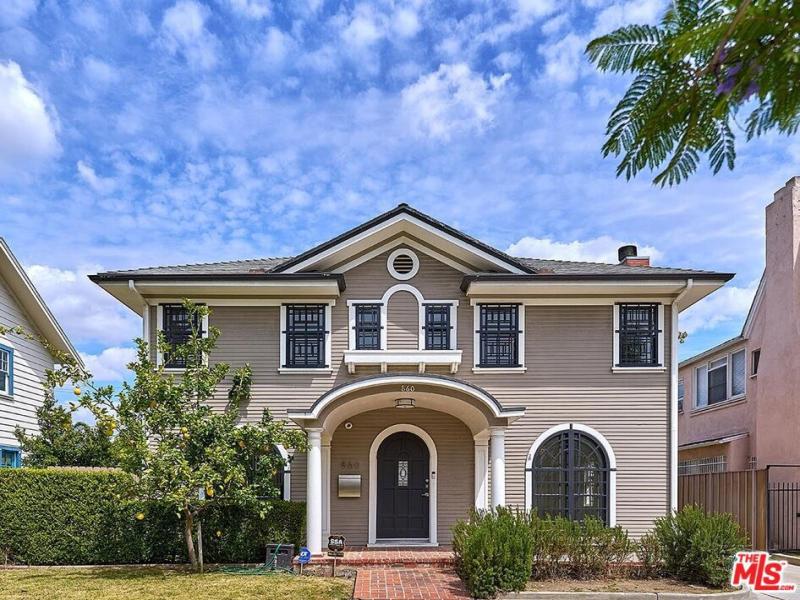
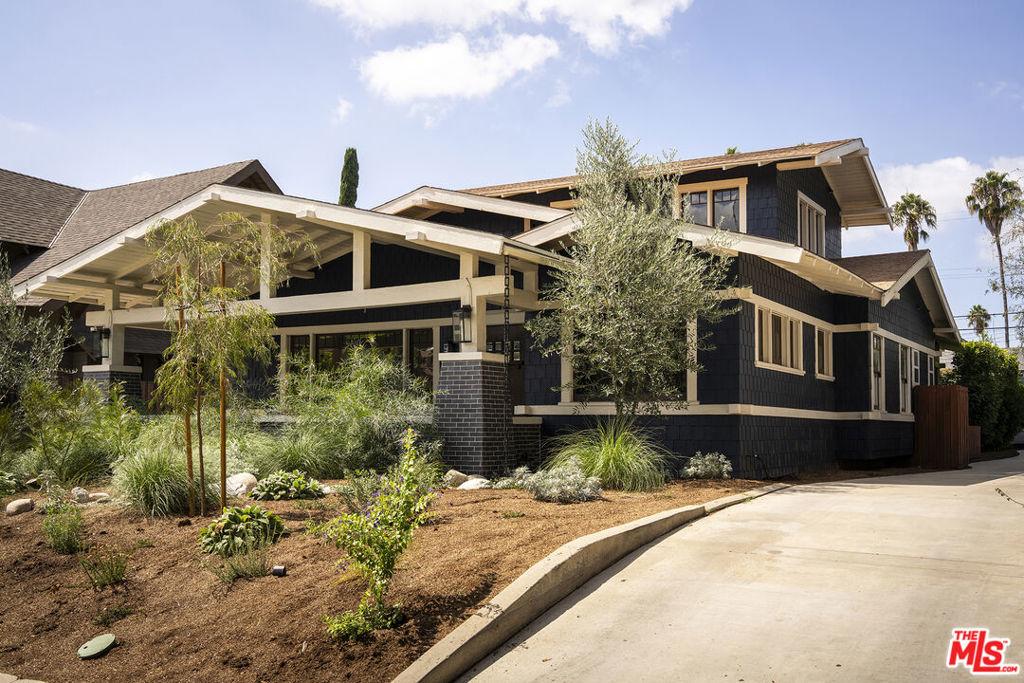
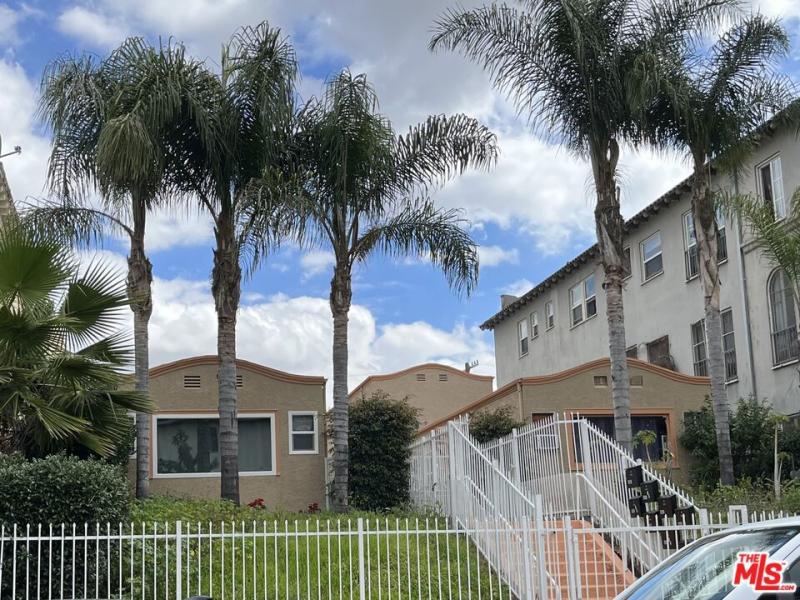
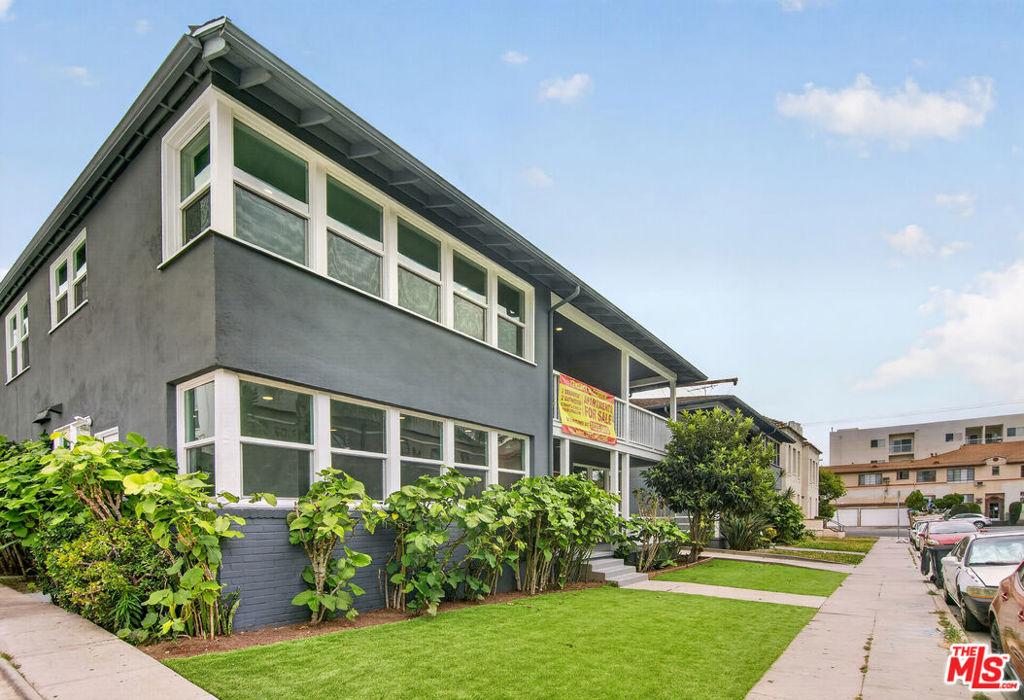
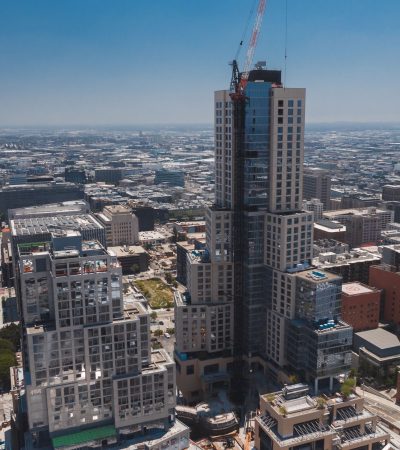
Condos for Sale in Koreatown
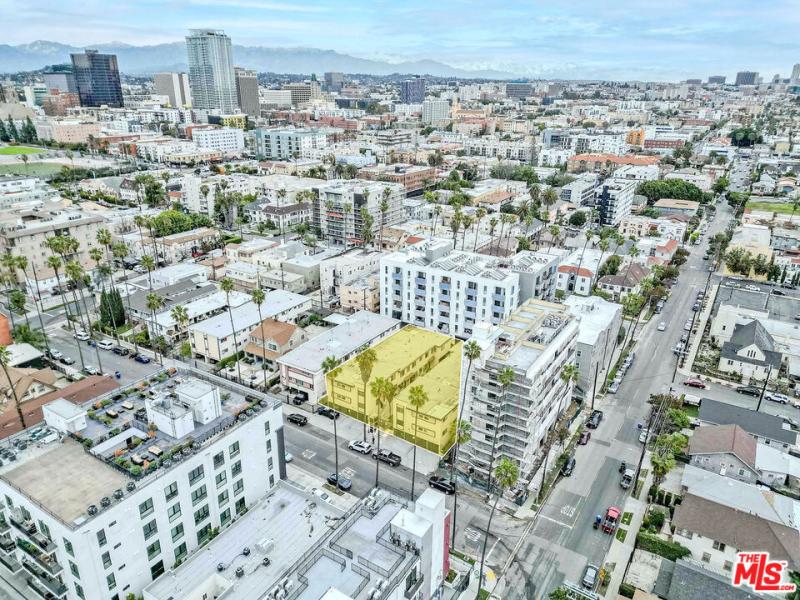
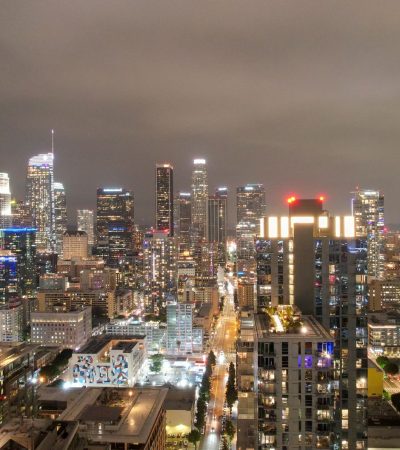
Condos for sale in Koreatown are attached, individually owned homes inside one of the densest neighborhoods in the United States, roughly equidistant from Downtown Los Angeles and the Miracle Mile. The city draws Koreatown from Vermont Avenue east to Western Avenue west, and Third Street north to Olympic Boulevard south, bordered by East Hollywood, Westlake, Pico-Union, Harvard Heights, Mid-Wilshire, and Windsor Square. You are buying a Central Los Angeles address with two Metro subway lines underneath it and a price per square foot generally below what the Westside asks.
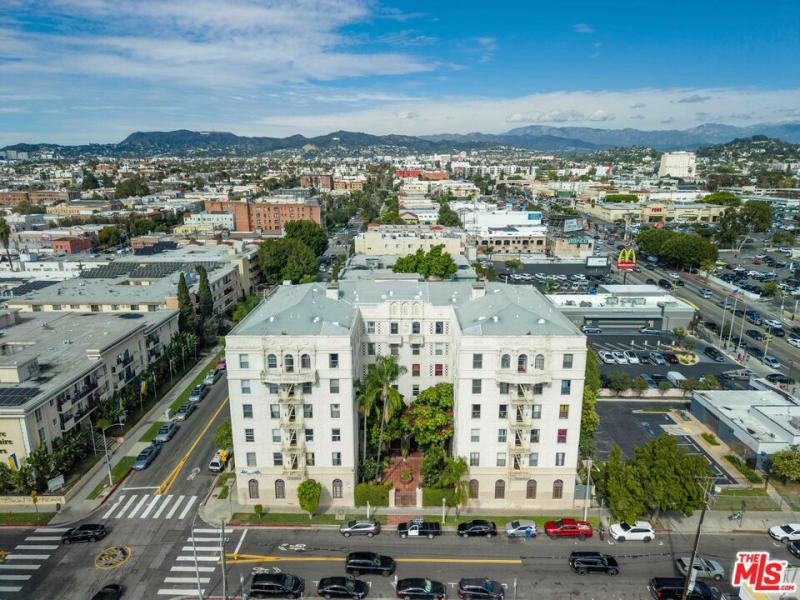
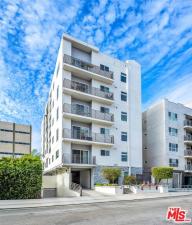
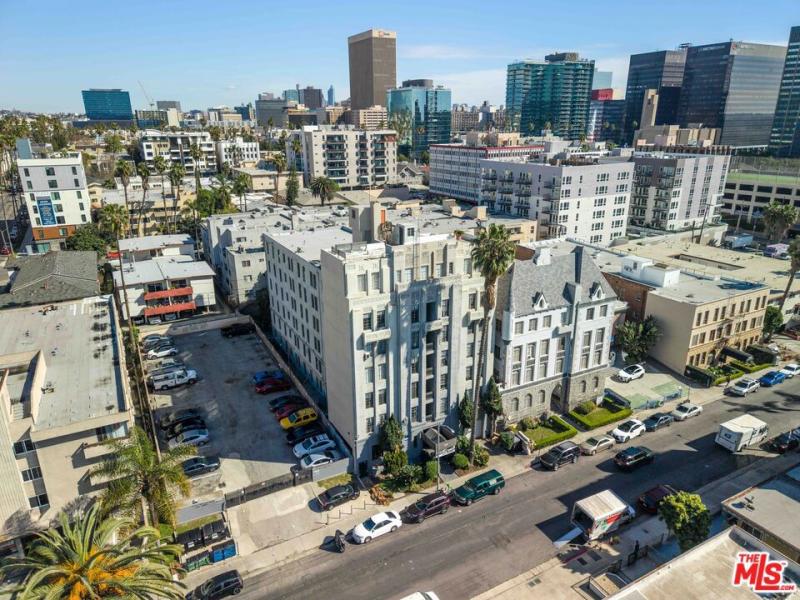
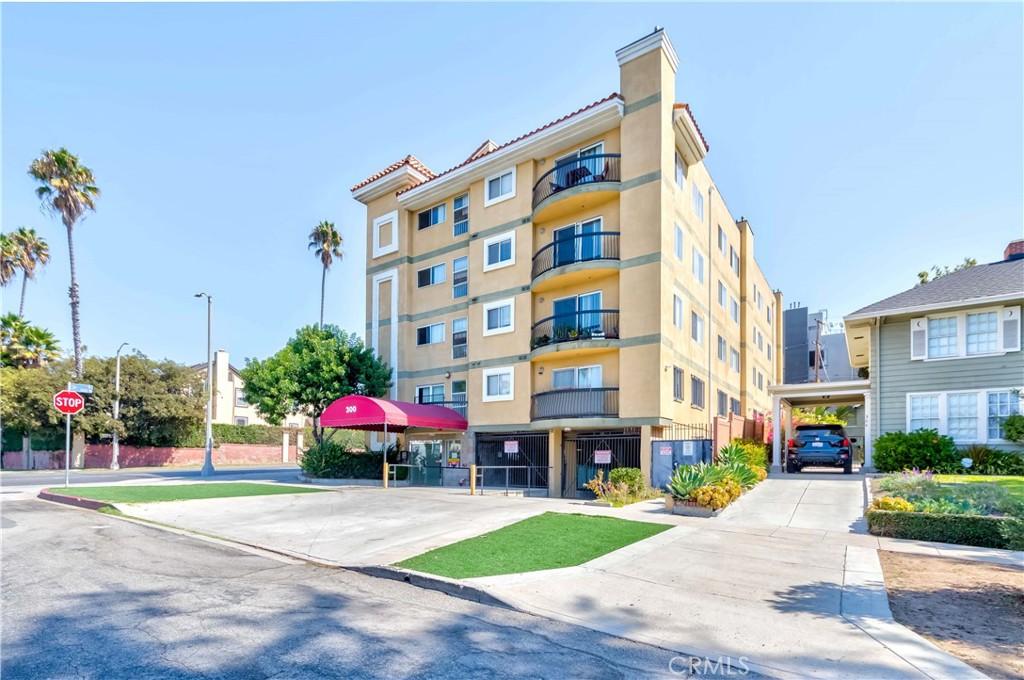
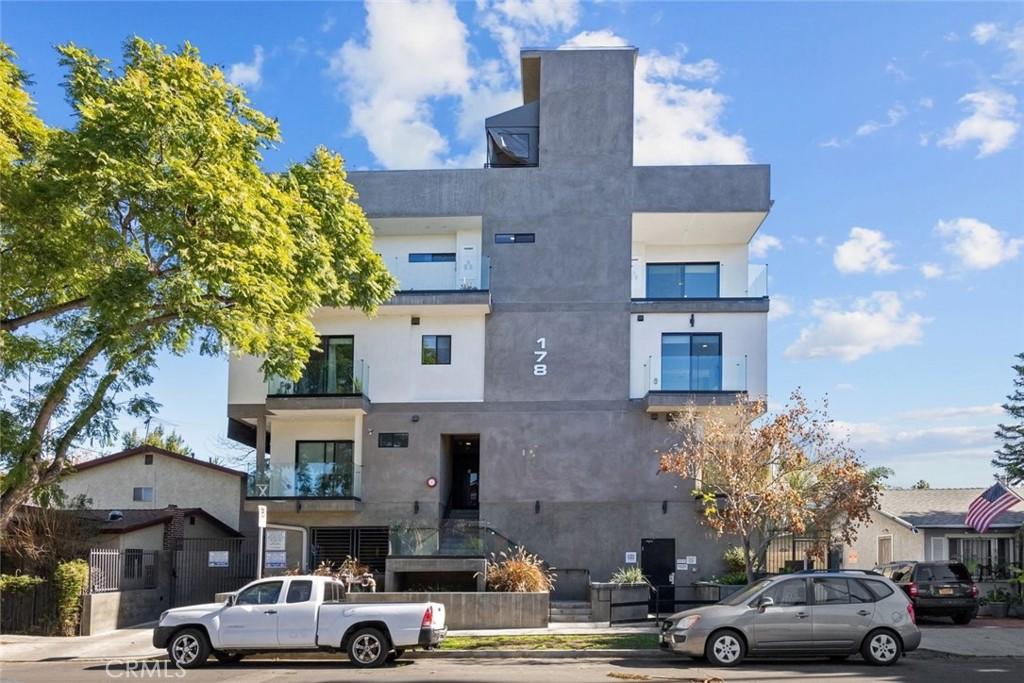
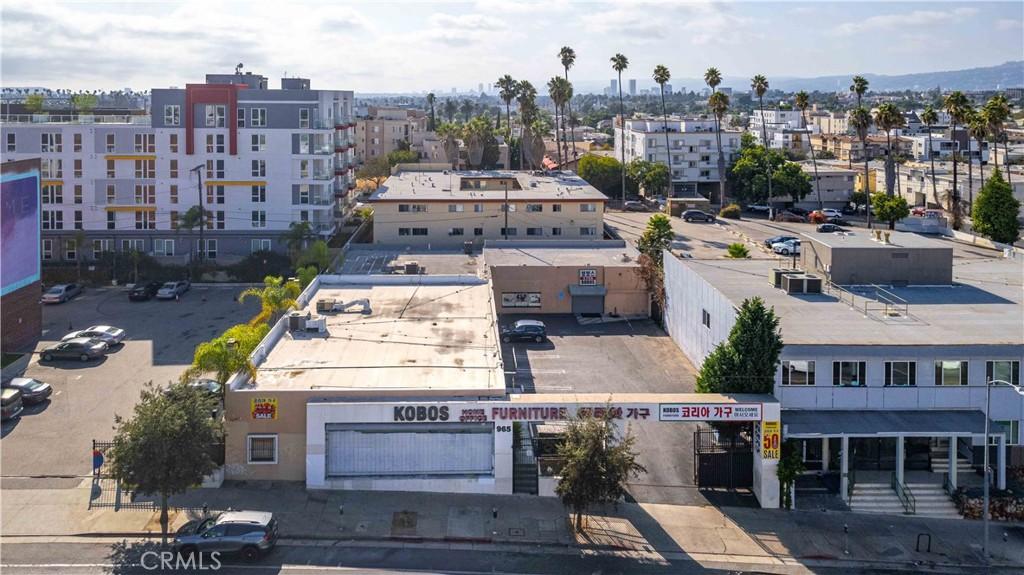
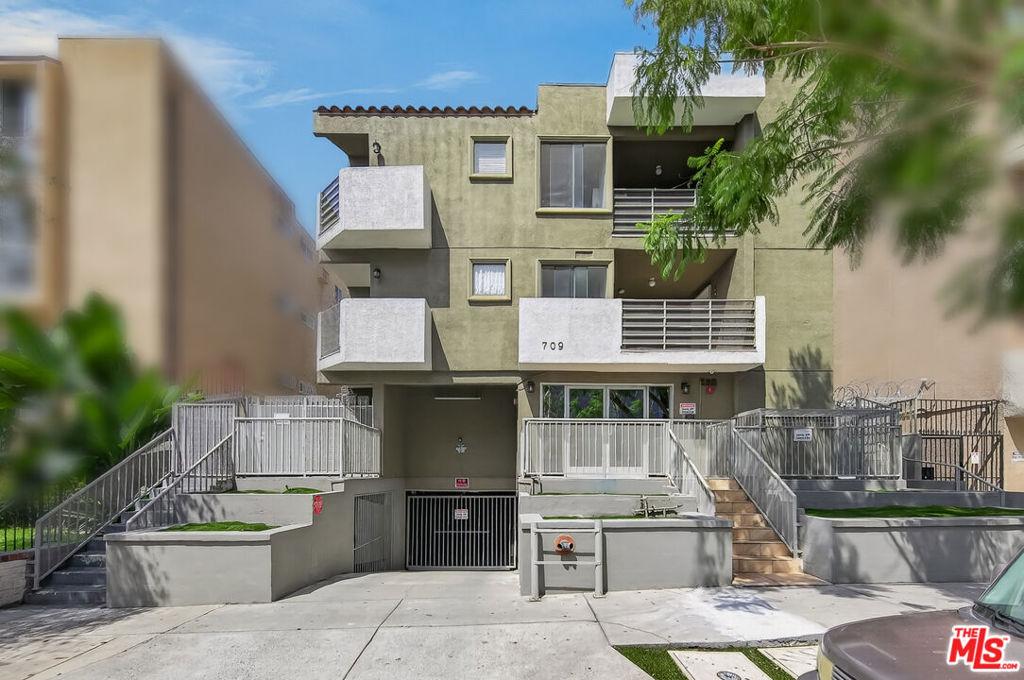
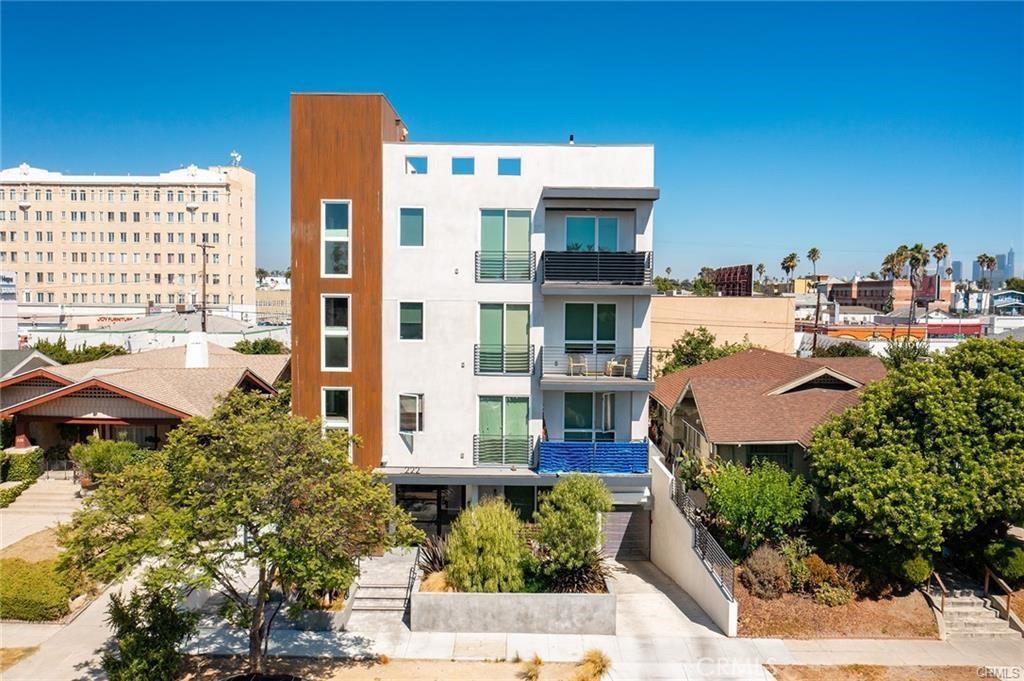
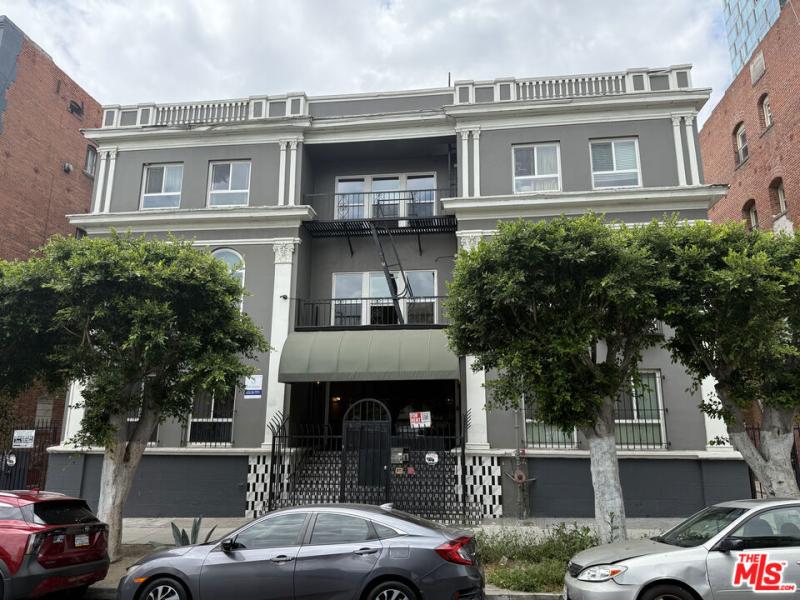
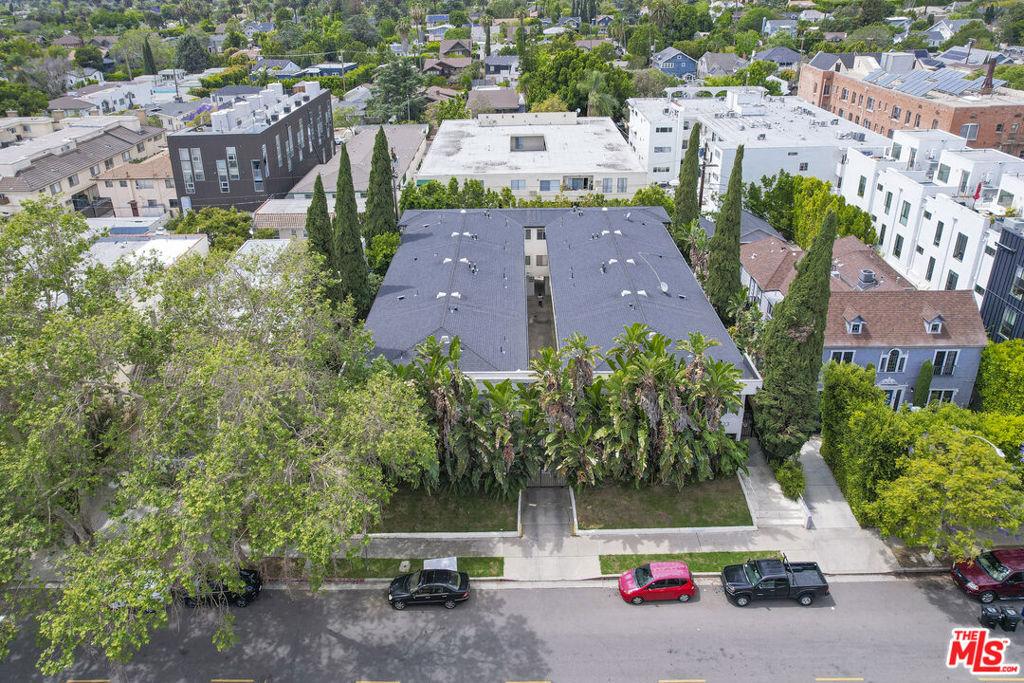
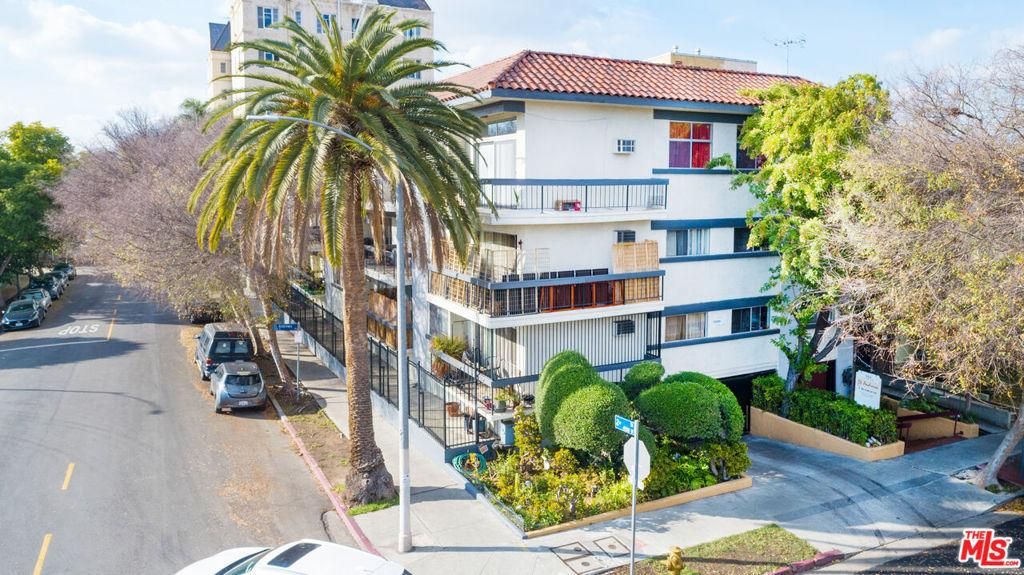
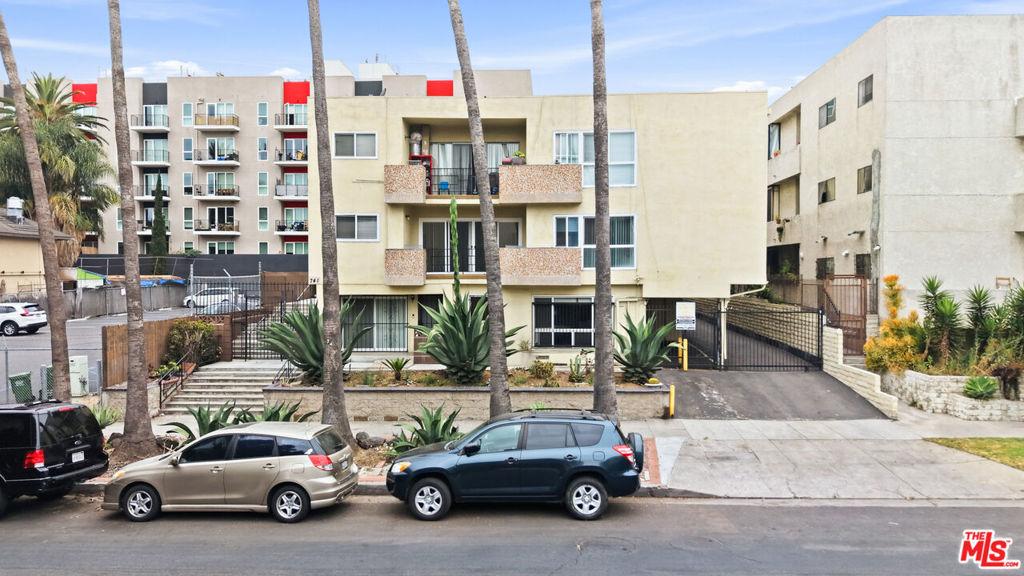
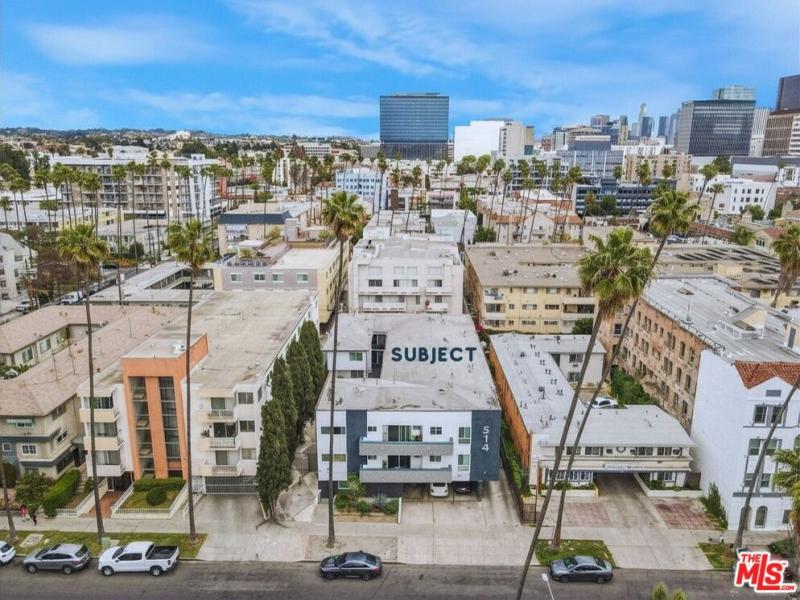
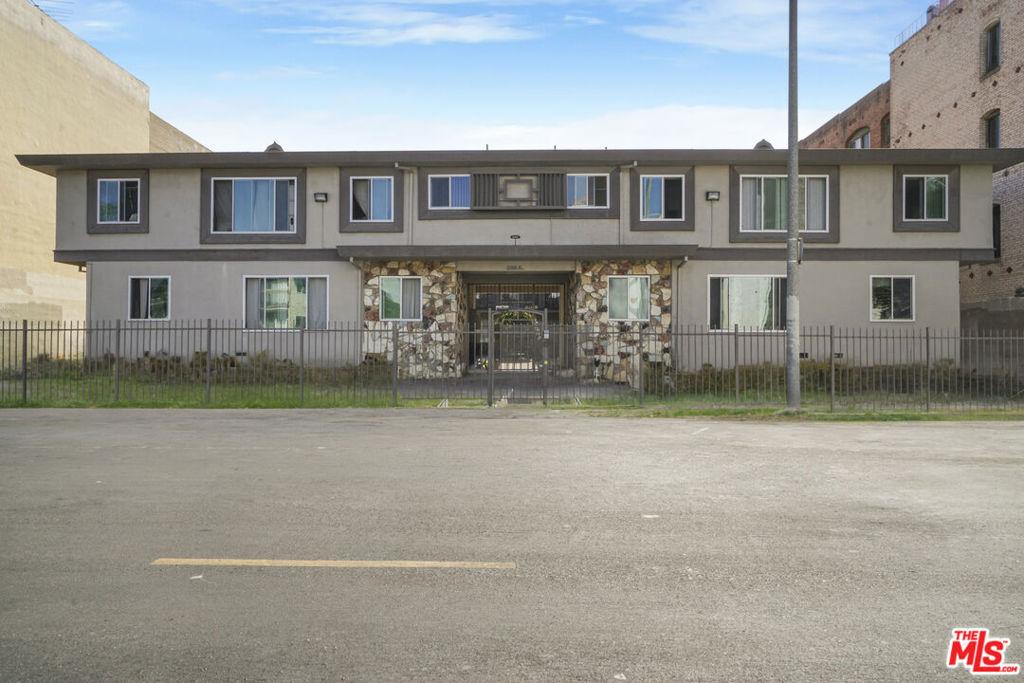
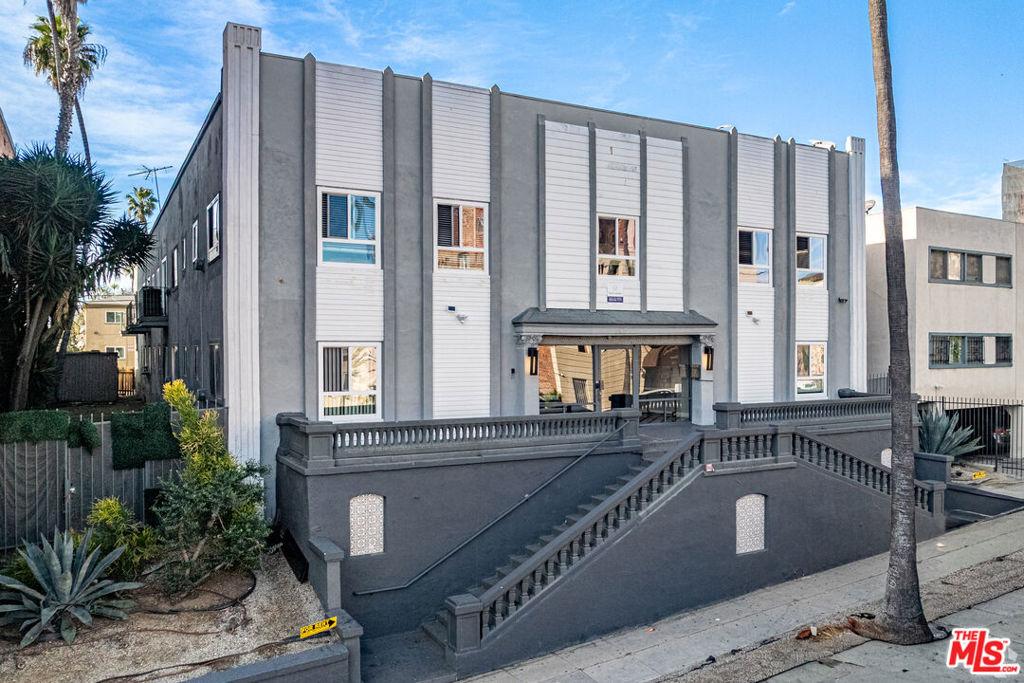
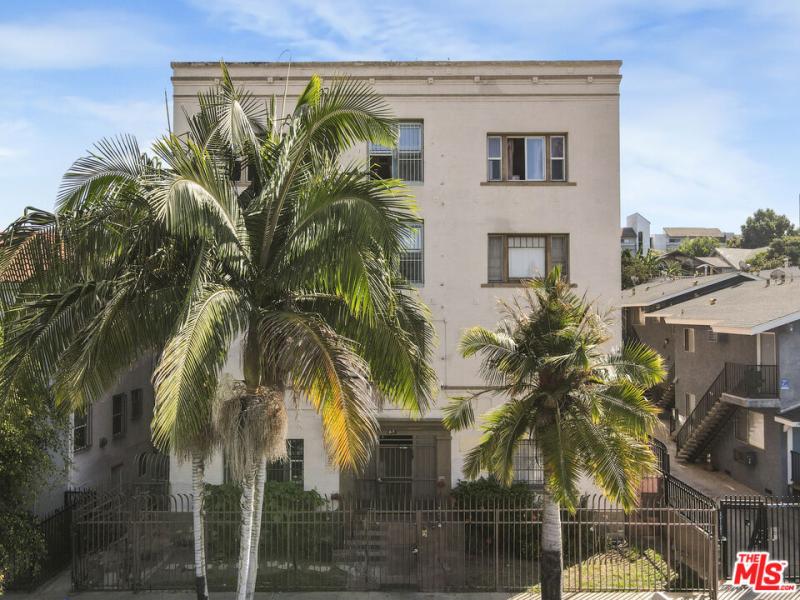
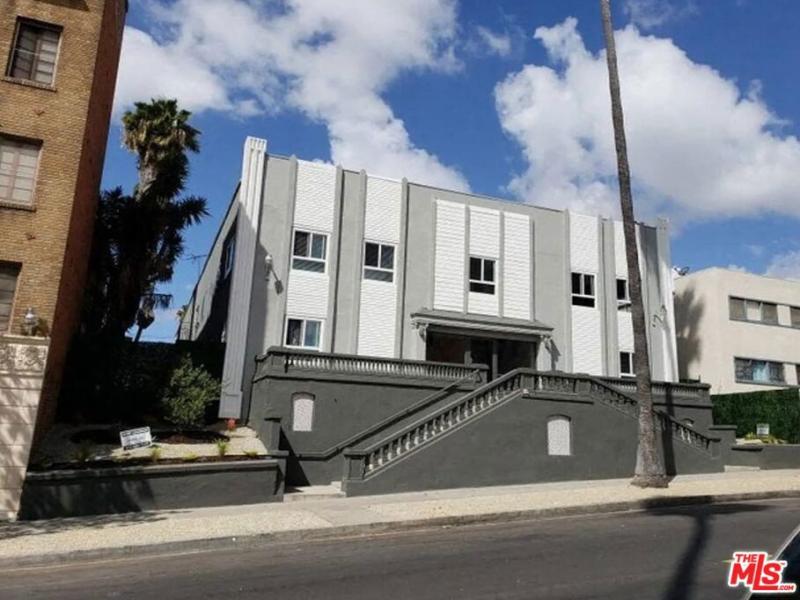
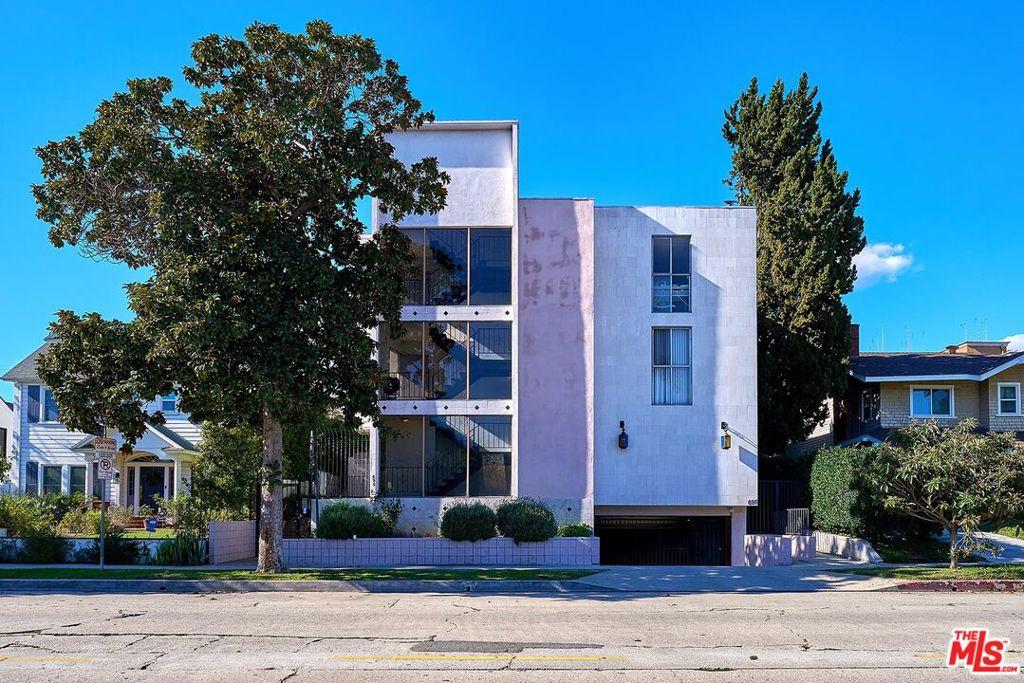
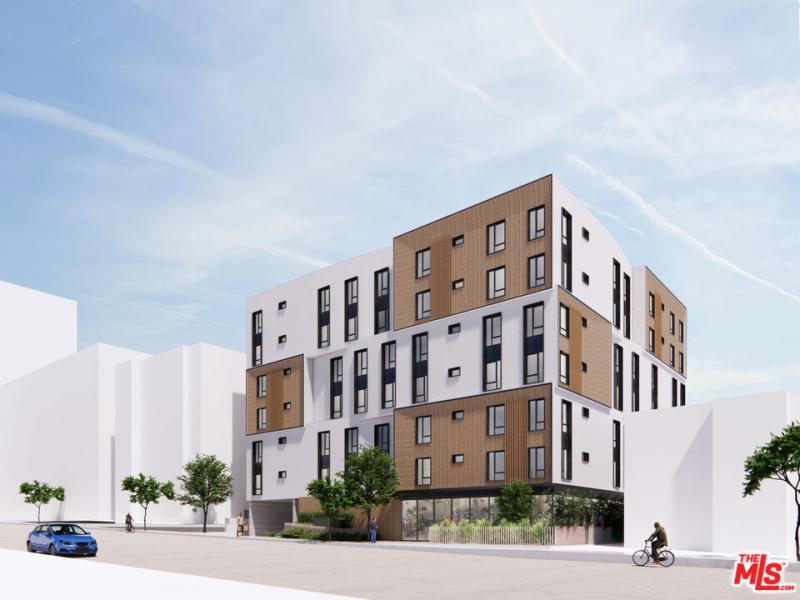
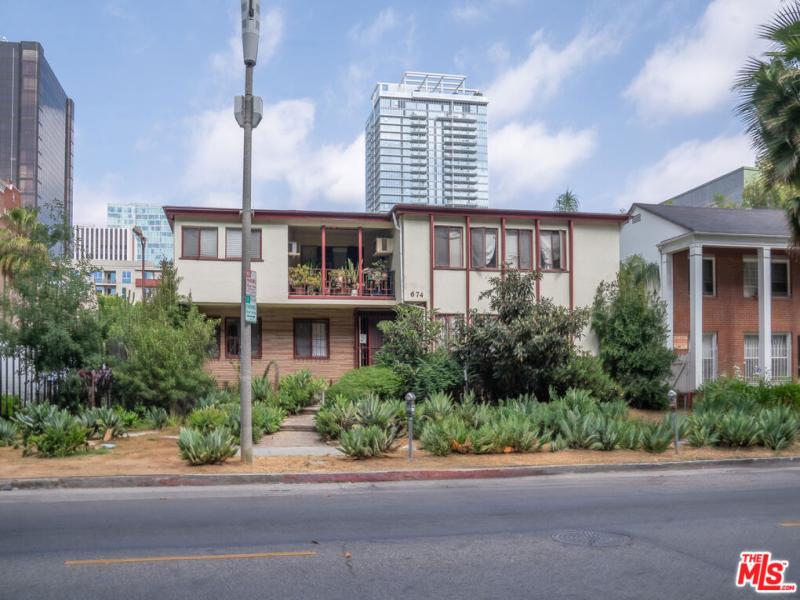
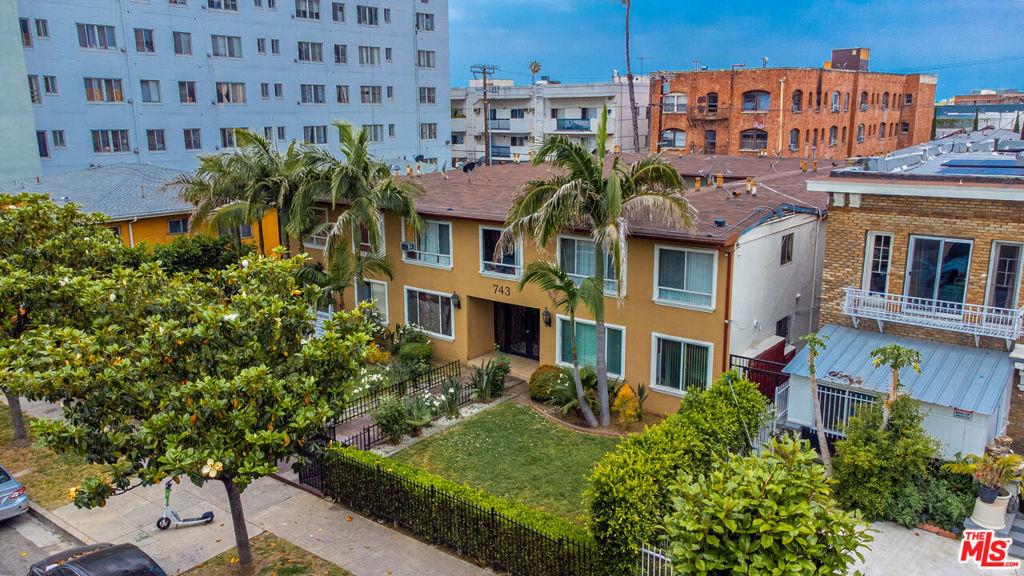
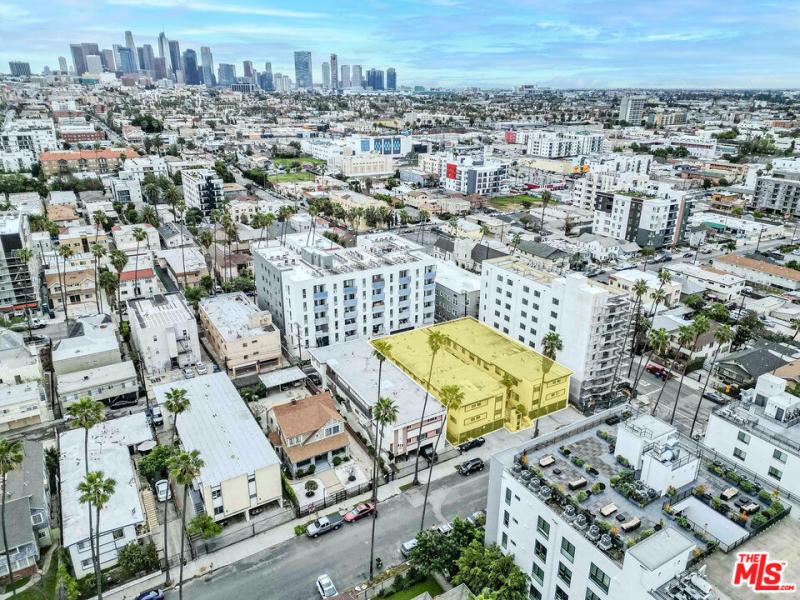
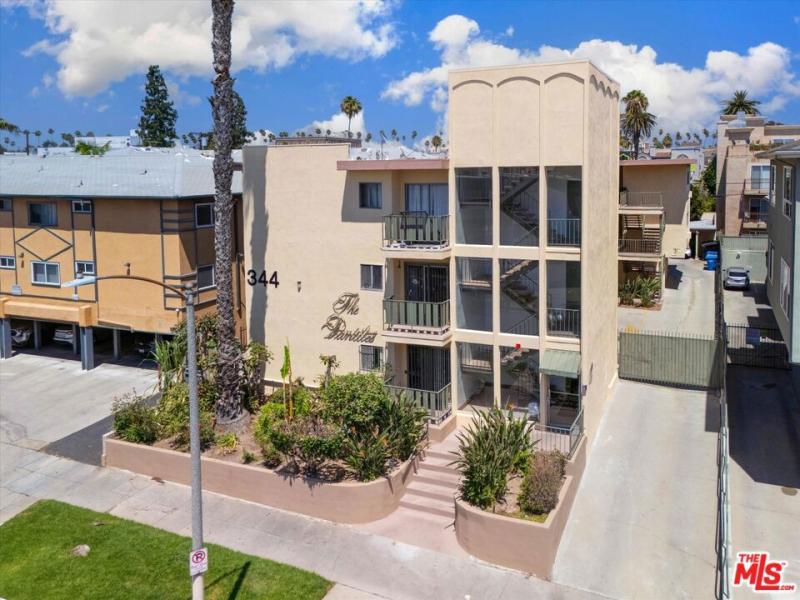
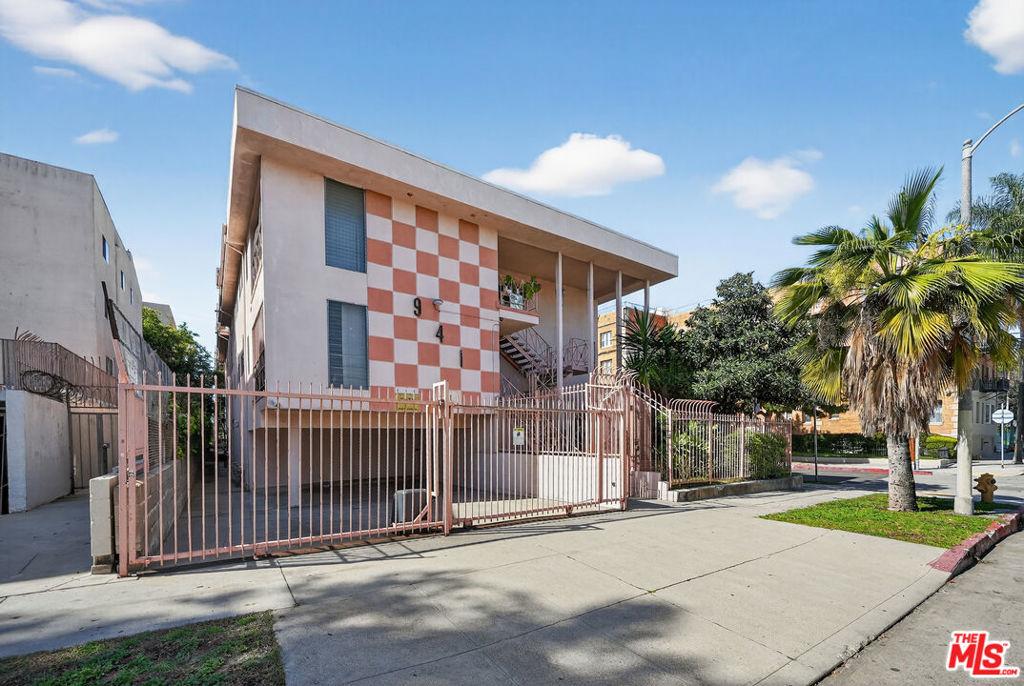
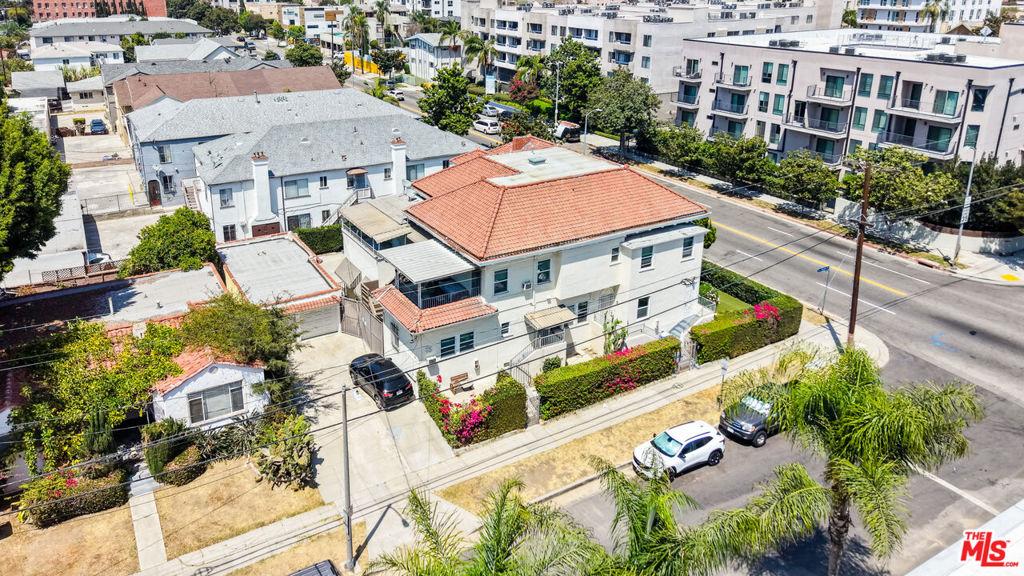
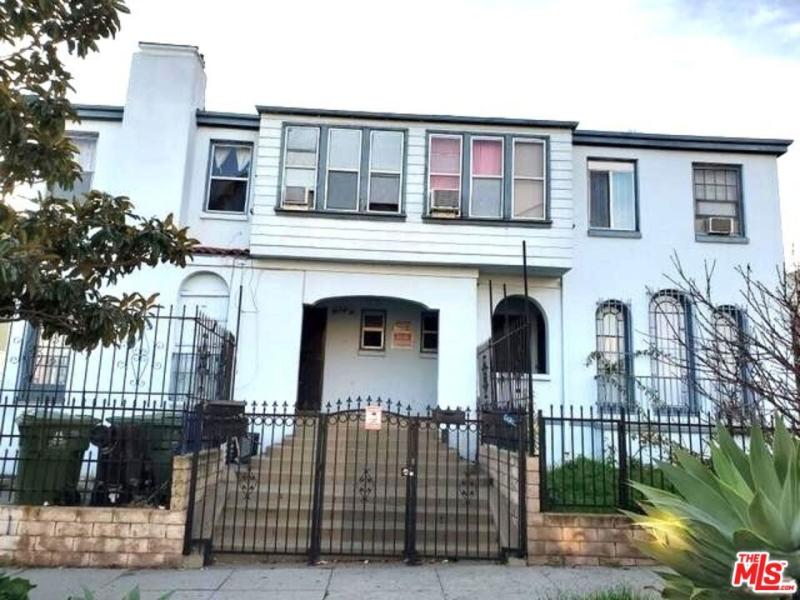
The ownership stock falls into three groups: prewar and Art Deco buildings along the Wilshire corridor, postwar two- to four-story low-rise walk-ups on the numbered streets, and newer podium and tower construction with elevators, garage parking, and higher dues. Building quality varies enormously address to address. Here the building matters more than the neighborhood, and the HOA matters more than the finishes.
Browse the current listings below, or contact The Knight Group and we will pull the HOA documents and sales history on any specific building before you spend a Saturday touring it.
Where exactly is Koreatown, and what surrounds it?
Koreatown sits in Central Los Angeles, inside the City of Los Angeles. Per the neighborhood’s documented boundaries, it is bordered by East Hollywood to the north, Westlake to the east, Pico-Union and Harvard Heights to the south, Mid-Wilshire and Windsor Square to the west, and Larchmont to the northwest. That places it roughly equidistant from Downtown Los Angeles and the Miracle Mile, which is the single most useful fact about its commute profile.
Density is the defining physical characteristic. A widely cited 2008 estimate put the population at approximately 124,281 residents across 2.7 square miles, or roughly 46,208 people per square mile. That figure is dated and should be treated as directional rather than current, but the underlying pattern has not reversed: this is a neighborhood built at apartment-block scale, not at single-family scale. The same 2008 data set recorded a median resident age of 30 and a renter share of about 93 percent of housing units.
That renter share is the most important number on this page for an owner-occupant buyer. It means the ownership stock is a minority of the housing here, which affects resale liquidity, building governance, and the tenant-to-owner ratio inside individual associations. It is not a disqualifier. It is a thing to underwrite.
What kinds of condo buildings does Koreatown actually have?
The stock splits into roughly three categories, and they behave differently.
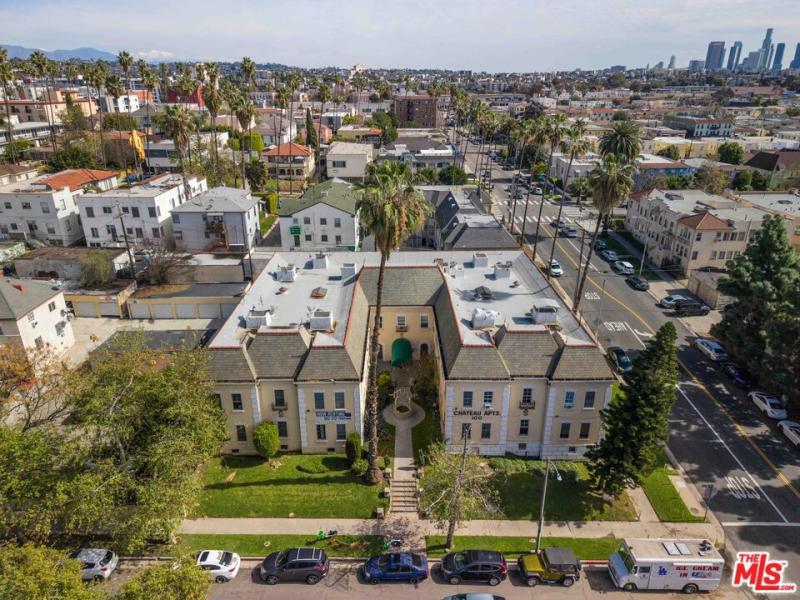
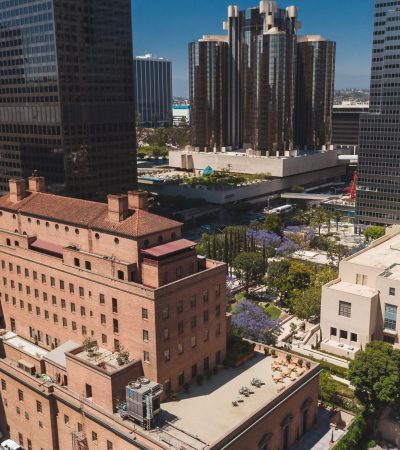
Prewar and Art Deco conversions. The Wilshire corridor through Koreatown carries some of the best surviving Art Deco commercial architecture in the country. The Wiltern, at Wilshire and Western, was completed in 1931, was designated a Los Angeles Historic-Cultural Monument in 1973, and was added to the National Register of Historic Places in 1979. Bullocks Wilshire at 3050 Wilshire, completed in 1929 by architects John and Donald Parkinson, became a Historic-Cultural Monument in 1968 and joined the National Register in 1978; Southwestern Law School acquired it in 1994. Residential buildings from the same era exist throughout the district. They offer scale and detail that new construction does not replicate, and they carry the maintenance obligations that come with buildings approaching or past the century mark.
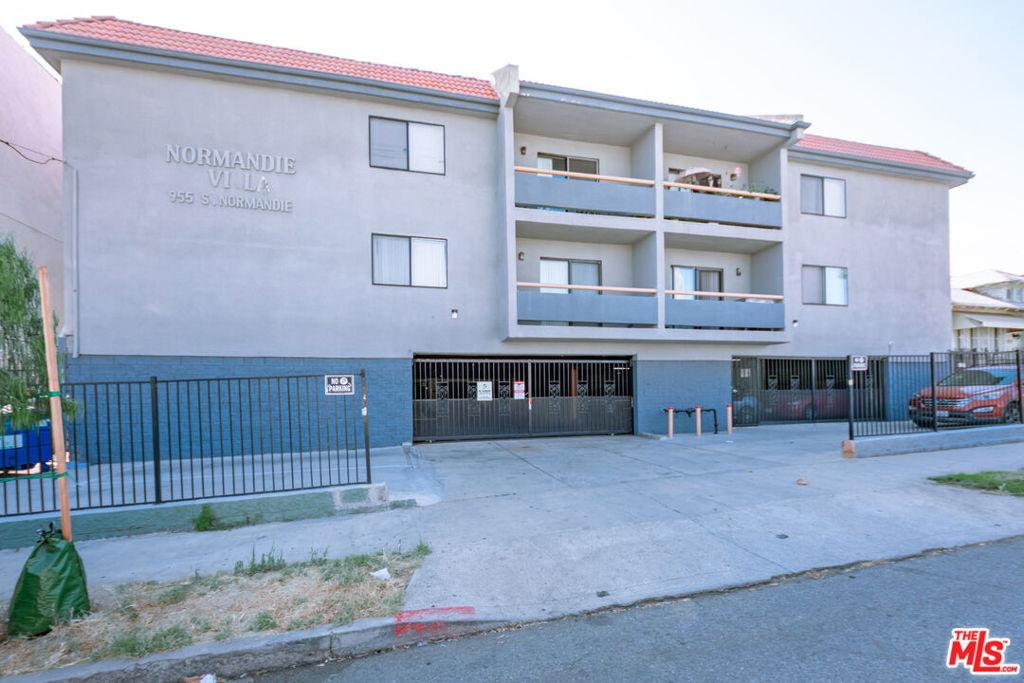
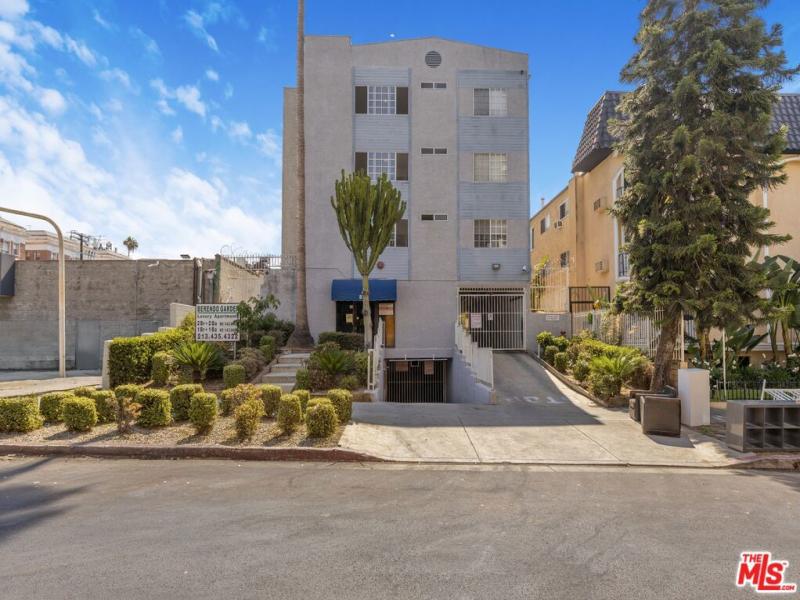
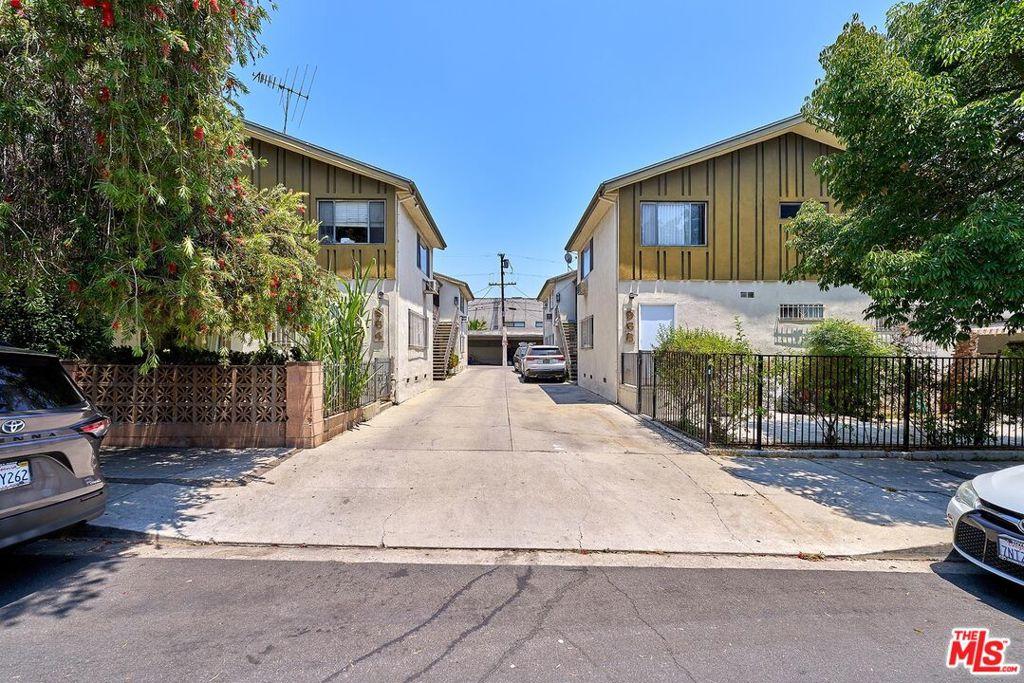
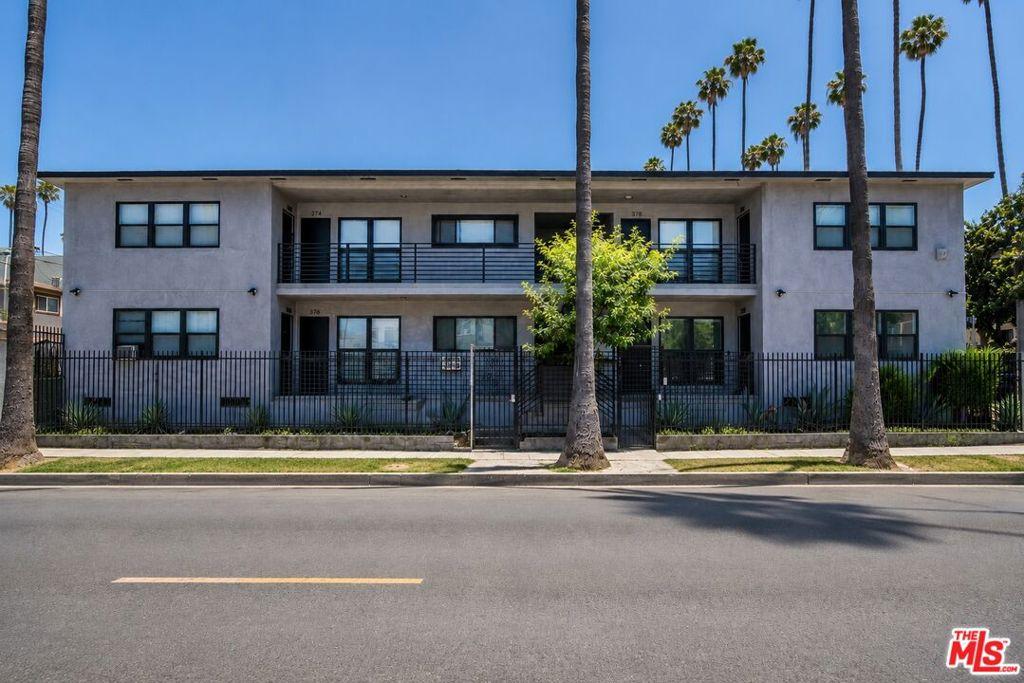
Postwar and mid-century low-rise. Two- to four-story walk-up and courtyard buildings account for a large share of the resale inventory on the numbered streets and the north-south avenues. These are usually the entry price point. Dues are typically lower because there is less to maintain, but so is the amenity set, and small associations have thinner reserves by definition.
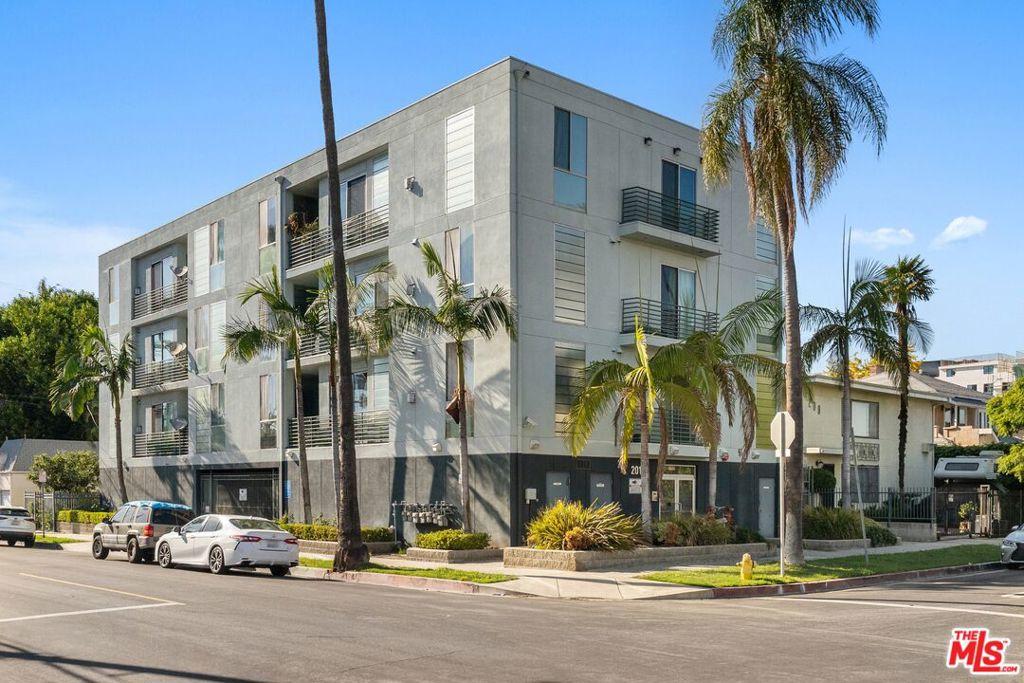
Newer podium and tower product. The stretch of Wilshire through Koreatown has absorbed substantial newer multifamily development. Newer buildings carry elevators, garage parking, fitness rooms, and in some cases pools and staffed lobbies. Those amenities show up in the monthly dues. They also tend to come with more predictable seismic and building-systems profiles than the prewar stock.
Which sub-areas and communities sit inside this hub?
This hub covers Koreatown proper plus the adjoining Mid-Wilshire submarkets that share its transit spine. Each of the pages below tracks its own inventory.
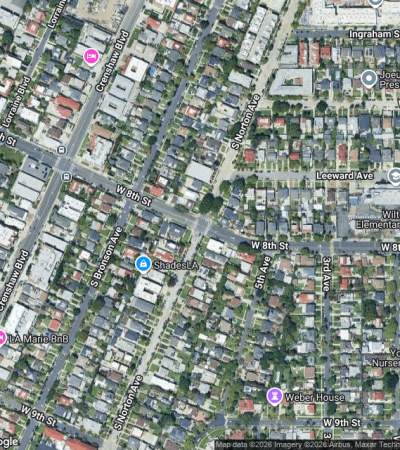
Wilshire Park is bounded by Wilshire Boulevard on the north, Olympic Boulevard on the south, Wilton Place on the east, and Crenshaw Boulevard on the west. Most of it was built out by 1926, and the architecture runs to Dutch Colonial, Spanish Colonial, American Craftsman, and Mediterranean, on streets planted with mature magnolias, oaks, and sycamores. The neighborhood contains three Los Angeles Historic-Cultural Monuments: the William J. Weber House of 1921, designed by Lloyd Wright; the A.W. Black Residence of 1913; and the William J. Hubbard Residence of 1923. Wilshire Park became a Historic Preservation Overlay Zone in 2008, and it was the first neighborhood in Los Angeles where residents conducted and completed the parcel-by-parcel survey themselves. If you are buying here, the HPOZ rules govern exterior alterations, and you should read them before you plan any work.
Mid-Wilshire is the larger container to the west, bounded by West Third Street on the north, La Brea Avenue and Wilshire Boulevard on the northeast, Crenshaw Boulevard on the east, Pico Boulevard on the south, and Fairfax Avenue on the west. It absorbs several distinct residential pockets including Oxford Square, Sycamore Square, Park Mile, and Wilshire Vista, along with Little Ethiopia on Fairfax between Olympic and Whitworth. It also contains Park La Brea, described as the largest housing development in the United States at 4,255 units across towers and garden apartments. The 2000 census counted 41,683 residents across 2.78 square miles, with 45.2 percent holding four-year degrees, a materially different education profile from Koreatown proper.
Miracle Mile and Miracle Mile homes cover the stretch of Wilshire that developer A. W. Ross converted from farmland into a commercial district in the 1920s. The nickname first appeared in local newspapers on January 27, 1929. Ross designed the corridor around the automobile, introducing dedicated left-turn lanes and timed traffic signals that were the first in the United States. The architecture is Art Deco and Streamline Moderne, including the 1939 May Company Building and the 1929 Deco Building by Morgan, Walls & Clements. Museum Row anchors the cultural side: the Los Angeles County Museum of Art, the La Brea Tar Pits and George C. Page Museum, the Petersen Automotive Museum, and the Academy Museum of Motion Pictures, which occupies the restored May Company building. Two Historic Preservation Overlay Zones protect 1,347 properties here. Miracle Mile condos price at a premium to Koreatown proper, and the museum-adjacent blocks are the reason.
St. Andrews Square and St. Andrews Courtyard are named sub-markets we track on the western side of this hub. Inventory in pockets like these turns over infrequently, which means comparable sales can be thin and pricing requires looking at the wider corridor rather than the block. Serrano Palace is a named condominium community in the same category. For all three, the useful analysis is building-specific: dues, reserve balance, litigation history, rental cap, and parking ratio. We pull those documents on request rather than describing them from memory.
How good is the transit access, and did the D Line extension change anything?
Transit is the strongest structural argument for this submarket. Metro’s D Line, still widely called the Purple Line, runs beneath Wilshire Boulevard with stations at Wilshire/Vermont, Wilshire/Normandie, and Wilshire/Western. The B Line runs beneath Vermont Avenue. Very few Los Angeles neighborhoods have two heavy-rail subway lines under them.
The extension matters. Section 1 of the Purple Line Extension opened on May 8, 2026, adding three stations and 3.9 miles of track westward, including Wilshire/La Brea, Wilshire/Fairfax, and Wilshire/La Cienega. Sections 2 and 3 are expected in 2027 and would add Beverly Drive, Century City, Westwood/UCLA, and Westwood/VA Hospital, extending the line roughly 5.2 miles further to about 15 miles total.
The practical consequence for a Koreatown condo owner is a one-seat rail ride to Beverly Hills and the Miracle Mile today, and to Century City and UCLA once the later sections open. That is a genuine change in the commute math for anyone working on the Westside. It is also priced in to some degree already, so treat it as a durability argument rather than an arbitrage.
What is daily life like at street level?
Koreatown runs late. The restaurant and retail density along Western, Vermont, Olympic, and Wilshire supports a schedule that most of Los Angeles does not. Cultural and civic anchors include the Korean American National Museum, the Korean Cultural Center, Koreatown Plaza, and Chapman Park Market. The Wiltern operates as a 1,850-seat live music venue under Live Nation.
Walkability is high by Los Angeles standards, and that is a real quality-of-life factor if you are buying a smaller unit. It is also the honest counterweight to the density complaint: in a neighborhood where you can walk to groceries, food, and a subway platform, a compact floor plan costs you less in practice than the same floor plan would in a car-dependent suburb.
What should I check on the HOA before I write an offer?
California condominiums are governed by the Davis-Stirling Common Interest Development Act, codified at Civil Code Section 4000 and following. It regulates the governing documents and CC&Rs, board operations, financial management, assessments and collection, insurance and liability, dispute resolution, and construction defect litigation. In practice, that body of law is what gives you the right to inspect the documents that tell you whether a building is solvent.
Read four things before you remove contingencies. First, the reserve study and the current reserve balance against it, because underfunded reserves in an older building usually resolve as a special assessment. Second, the last twelve months of board meeting minutes, which is where roof, plumbing, and elevator problems get discussed long before they get disclosed. Third, the litigation disclosure. Fourth, the master insurance policy, including the deductible and whether earthquake coverage exists, since many Los Angeles associations carry none.
Ask separately about the rental cap and the owner-occupancy ratio. Both affect financing and both affect your exit.
What are the real risks and trade-offs here?
Parking is the first one. Older buildings in Koreatown were built to older parking ratios, and some units convey with one space or none. Verify the assigned space in writing, not from the listing remarks.
Building age is the second. Prewar and postwar buildings in Los Angeles have a documented seismic retrofit history, and soft-story buildings with tuck-under parking were subject to city retrofit requirements. Confirm whether the retrofit was completed, how it was paid for, and whether any balance remains on an assessment.
The third is variance. Two buildings on the same block can differ by a wide margin in dues, reserve health, and management quality. Neighborhood-level price data is close to useless for underwriting a specific unit here. Building-level data is what matters.
The fourth is the ownership-versus-rental composition already noted: with renters occupying roughly 93 percent of housing units per the 2008 figures, the owner-occupant pool is comparatively small, and that can lengthen days on market for resale in the wrong price band.
Does Measure ULA apply to a Koreatown condo sale?
Koreatown and the Mid-Wilshire submarkets in this hub sit inside the City of Los Angeles, so Measure ULA applies. The measure, approved by voters in November 2022 and effective April 1, 2023, imposes an additional transfer tax on property sales within the city. The rates are 4 percent on sales above $5 million and below $10 million, and 5.5 percent at $10 million and above. As of July 1, 2025, those thresholds were adjusted for inflation to $5.3 million and $10.6 million. The tax applies to both residential and commercial transactions, and the seller pays it. It sits on top of the existing combined city and county documentary transfer taxes of 0.56 percent.
For most condo transactions in this hub, the thresholds are well above the transaction price and ULA is not triggered. It matters if you own a building or a portfolio, or if you are selling at the top of the Miracle Mile range. Confirm thresholds as of your closing date, since they adjust.
Can I buy a Koreatown condo as a rental?
Often yes, with three checks. Check the association’s rental cap and minimum lease term first, because a building at its cap will not let you rent at all until a slot opens. Check the city’s Rent Stabilization Ordinance status for the specific unit next; Los Angeles maintains its own rent stabilization regime tied to building age and unit type, and California’s statewide tenant protection law adds separate caps and just-cause requirements. Which set applies depends on the building and how the unit is held, so verify with the Los Angeles Housing Department for the specific address rather than assuming.
Third, underwrite the dues honestly. In an older building with a thin reserve, the realistic long-run carrying cost includes a probability-weighted special assessment, not just the current monthly figure. We will build that into the numbers with you before you make an offer.
What schools serve the area?
The area is served by the Los Angeles Unified School District. Documented schools in and around Koreatown include the Robert F. Kennedy Community Schools, built on the former Ambassador Hotel site at a reported cost of $578 million, the UCLA Community School, and Young Oak Kim Academy. Southwestern Law School occupies the restored Bullocks Wilshire building on Wilshire Boulevard.
School attendance boundaries change, and magnet and permit options complicate the picture considerably. Verify current assignment for any specific address directly with LAUSD before it drives a purchase decision.
What is the history worth knowing before you buy here?
Korean immigrants began arriving in Los Angeles in the early 1900s and initially clustered near downtown Bunker Hill, restricted by racially restrictive covenants until the Supreme Court’s 1948 decision in Shelley v. Kraemer. The Immigration and Nationality Act of 1965 opened migration pathways, and Korean immigrants moving into the then-declining mid-Wilshire area found inexpensive housing and reoccupied the district’s Art Deco commercial architecture with new businesses.
The 1992 unrest is part of the record and part of why the neighborhood organizes the way it does. Damage totaled roughly $50 million, about half of it to Korean-owned businesses. The Koreatown Peace Rally later that year drew more than 30,000 attendees. The civic infrastructure that grew out of that period is still visible in the neighborhood council structures and community organizations operating today.
None of this is decoration. Neighborhoods with strong civic organization tend to defend their built environment, which is why the HPOZ designations in Wilshire Park and the Miracle Mile exist, and why the Art Deco stock survived at all.
Frequently Asked Questions About koreatown Condos for Sale
Is Koreatown inside the City of Los Angeles?
Yes. That determines which transfer taxes, rent regulations, and permitting rules apply, including Measure ULA.
How many Metro stations serve Koreatown?
The D Line runs beneath Wilshire with stations at Wilshire/Vermont, Wilshire/Normandie, and Wilshire/Western, and the B Line runs beneath Vermont Avenue. Section 1 of the D Line extension opened May 8, 2026 with three more stations to the west.
Are Koreatown condos cheaper than Westside condos?
Generally yes on a per-square-foot basis, which is the core reason buyers look here. We will not quote a figure on this page because condo pricing in this hub moves by building rather than by neighborhood. Ask us for current comparables on a specific address.
What is an HPOZ and does it apply to condos?
A Historic Preservation Overlay Zone regulates exterior alterations within a designated area. Wilshire Park was designated in 2008, and two HPOZs in the Miracle Mile cover 1,347 properties. If a building sits inside one, exterior work requires review. Interior renovations are generally outside its scope, but confirm before planning.
Do Koreatown condo buildings have earthquake insurance?
Many Los Angeles associations do not carry it. Read the master policy declarations page and the deductible before you assume coverage exists, then decide whether to buy your own loss assessment coverage.
What is the difference between Koreatown and Mid-Wilshire for a buyer?
Koreatown is denser, later-operating, and generally lower priced. Mid-Wilshire runs west from Crenshaw to Fairfax, carries a higher share of degree-holding residents per the 2000 census, and includes the museum-adjacent Miracle Mile blocks that price at a premium.
Should I worry about the number of renters in the building?
You should know the number. Owner-occupancy ratio affects conventional financing eligibility for the building and affects your resale buyer pool. It is a diligence item, not automatically a problem.
How long does a Koreatown condo purchase usually take?
Timelines depend on financing and on how quickly the association delivers its document package. Request the HOA documents the day the offer is accepted, because slow document delivery is the most common cause of delay in this submarket.
How does The Knight Group work in this market?
We work building by building. Before you tour, we pull the sales history, dues trend, reserve position, and any litigation or special assessment record for the specific association, and we tell you what we find including the parts that argue against the purchase. In a submarket where two buildings on one block can be twenty years apart in systems condition and thousands of dollars apart in deferred maintenance exposure, that document work is the entire job.
For sellers, the same discipline runs in reverse: we get the HOA package assembled before listing so a buyer’s lender never becomes the reason a deal slips, and we position the unit against the correct comparable set rather than against a neighborhood average that does not describe your building.
Browse the listings below. When you find something worth a closer look, contact The Knight Group and we will have the association documents in hand before you walk the unit.
What are Condos For Sale In Koreatown actually like as homes?
- Condos For Sale In Koreatown are attached, individually owned homes inside one of the densest neighborhoods in the United States.
- Koreatown sits in Central Los Angeles, inside the City of Los Angeles, roughly equidistant from Downtown Los Angeles and the Miracle Mile.
- City-drawn boundaries run from Vermont Avenue east to Western Avenue west, and Third Street north to Olympic Boulevard south.
- Bordering neighborhoods include East Hollywood, Westlake, Pico-Union, Harvard Heights, Mid-Wilshire, Windsor Square, and Larchmont to the northwest.
- Buyers of Condos For Sale In Koreatown get a Central Los Angeles address with two Metro subway lines running underneath it.
- Price per square foot in Koreatown generally sits below what the Westside asks, which is the core draw for value-minded buyers.
- Ownership stock divides into prewar and Art Deco buildings, postwar low-rise walk-ups, and newer podium and tower construction.
- Density defines the physical character here, a neighborhood built at apartment-block scale rather than at single-family scale.
- Renters occupy the overwhelming majority of housing units, making owner-occupied stock a minority of the housing in Koreatown.
- Renter share affects resale liquidity, building governance, and the tenant-to-owner ratio inside individual associations, and is something to underwrite rather than fear.
- The Wilshire corridor through Koreatown carries some of the best surviving Art Deco commercial architecture in the country.
- The Wiltern at Wilshire and Western is a Los Angeles Historic-Cultural Monument listed on the National Register of Historic Places.
- Bullocks Wilshire, designed by architects John and Donald Parkinson, later became a Historic-Cultural Monument and home to Southwestern Law School.
- Walk-up and courtyard buildings on the numbered streets and north-south avenues are usually the entry price point for Condos For Sale In Koreatown.
- Newer buildings offer elevators, garage parking, fitness rooms, and sometimes pools and staffed lobbies, all reflected in monthly dues.
What should I check before buying Condos For Sale In Koreatown?
- California condominiums are governed by the Davis-Stirling Common Interest Development Act, which sets the rules for governing documents and CC&Rs.
- Davis-Stirling regulates board operations, financial management, assessments and collection, insurance and liability, dispute resolution, and construction defect litigation.
- Buyers of Condos For Sale In Koreatown gain the legal right to inspect the documents showing whether a building is solvent.
- Reserve studies and current reserve balances deserve close reading, because underfunded reserves in an older building usually resolve as a special assessment.
- Board meeting minutes reveal roof, plumbing, and elevator problems long before those problems get formally disclosed to buyers.
- Litigation disclosure belongs on every diligence list before contingencies come off a Koreatown condominium purchase.
- Master insurance policies deserve scrutiny for deductible amounts and whether earthquake coverage exists, since many Los Angeles associations carry none.
- Rental caps and owner-occupancy ratios affect both financing and your eventual exit, so ask about them separately.
- Parking ranks as the first real risk, since older buildings were built to older parking ratios and some units convey with one space or none.
- Assigned parking spaces should be verified in writing rather than taken from listing remarks.
- Building age matters because prewar and postwar Los Angeles buildings carry a documented seismic retrofit history.
- Soft-story buildings with tuck-under parking were subject to city retrofit requirements, so confirm completion, payment method, and any remaining assessment balance.
- Variance between Condos For Sale In Koreatown is severe, with two buildings on one block differing widely in dues, reserve health, and management quality.
- Building-level data underwrites a specific unit far better than neighborhood-level price data, which is close to useless here.
- Investors buying Condos For Sale In Koreatown should check the rental cap, minimum lease term, and Rent Stabilization Ordinance status with the Los Angeles Housing Department.
What do buyers ask most about Condos For Sale In Koreatown?
- Koreatown sits inside the City of Los Angeles, which determines the transfer taxes, rent regulations, and permitting rules that apply.
- The D Line runs beneath Wilshire with stations at Wilshire/Vermont, Wilshire/Normandie, and Wilshire/Western.
- The B Line runs beneath Vermont Avenue, giving Condos For Sale In Koreatown a second subway line serving the district.
- Condos For Sale In Koreatown generally cost less per square foot than Westside condos, which is the core reason buyers look here.
- Pricing moves by building rather than by neighborhood, so current comparables on a specific address beat any neighborhood average.
- A Historic Preservation Overlay Zone regulates exterior alterations within a designated area, and Wilshire Park carries such a designation.
- Exterior work on a building inside an overlay zone requires review, while interior renovations generally fall outside that scope.
- Earthquake insurance is absent from many Los Angeles associations, so master policy declarations and deductibles deserve a direct read.
- Loss assessment coverage purchased individually is worth considering once the master policy has been reviewed.
- Koreatown is denser, later-operating, and generally lower priced than Mid-Wilshire, which runs west from Crenshaw to Fairfax.
- Mid-Wilshire carries a higher share of degree-holding residents and includes museum-adjacent Miracle Mile blocks that price at a premium.
- Owner-occupancy ratio affects conventional financing eligibility for a building and shapes your eventual resale buyer pool.
- Escrow timelines depend on financing and on how quickly the association delivers its document package.
- HOA documents should be requested the day an offer is accepted, since slow delivery is the most common cause of delay here.
- Buyers of Condos For Sale In Koreatown benefit from building-by-building document work covering sales history, dues trend, reserve position, litigation, and special assessment record.