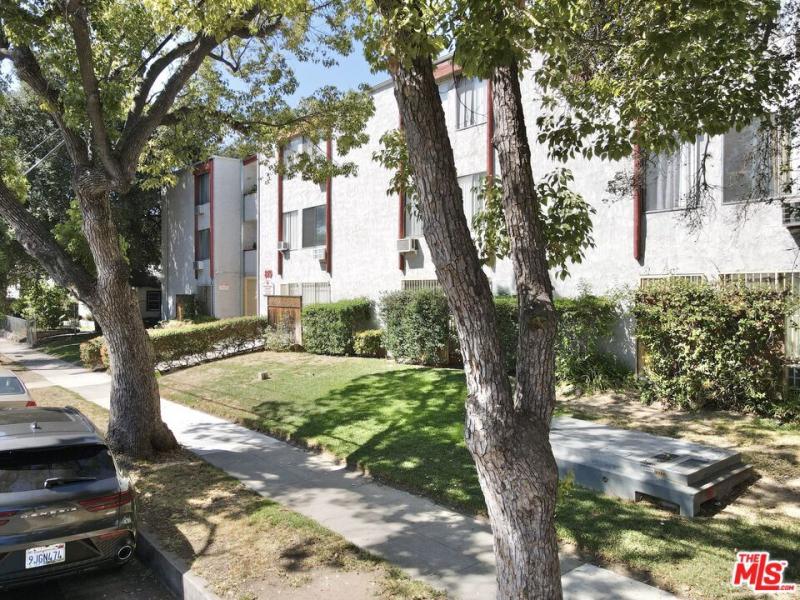
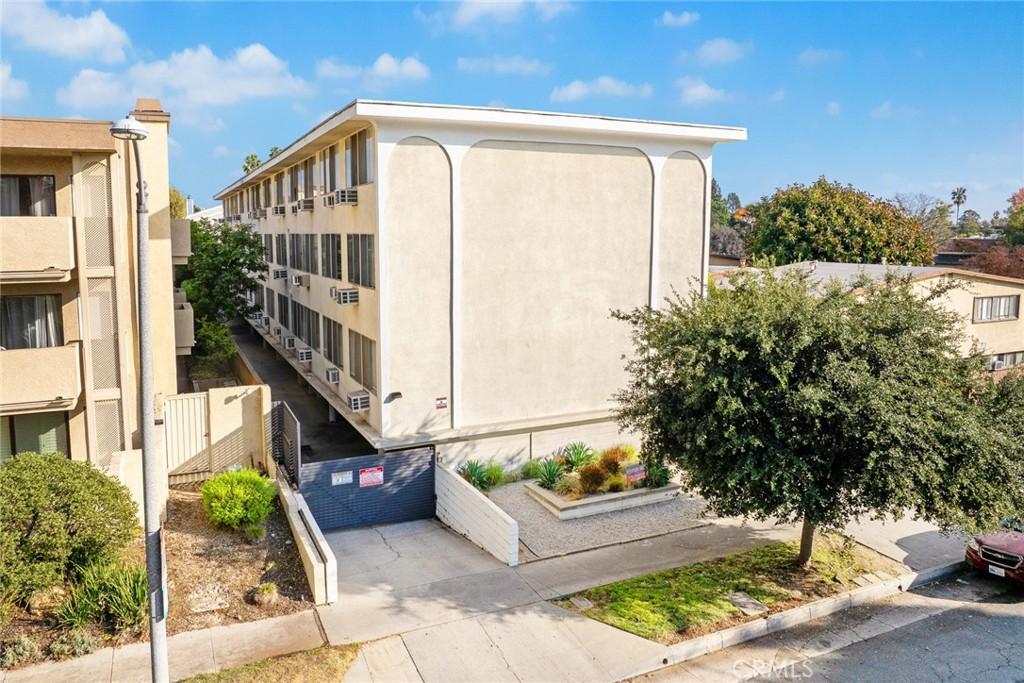
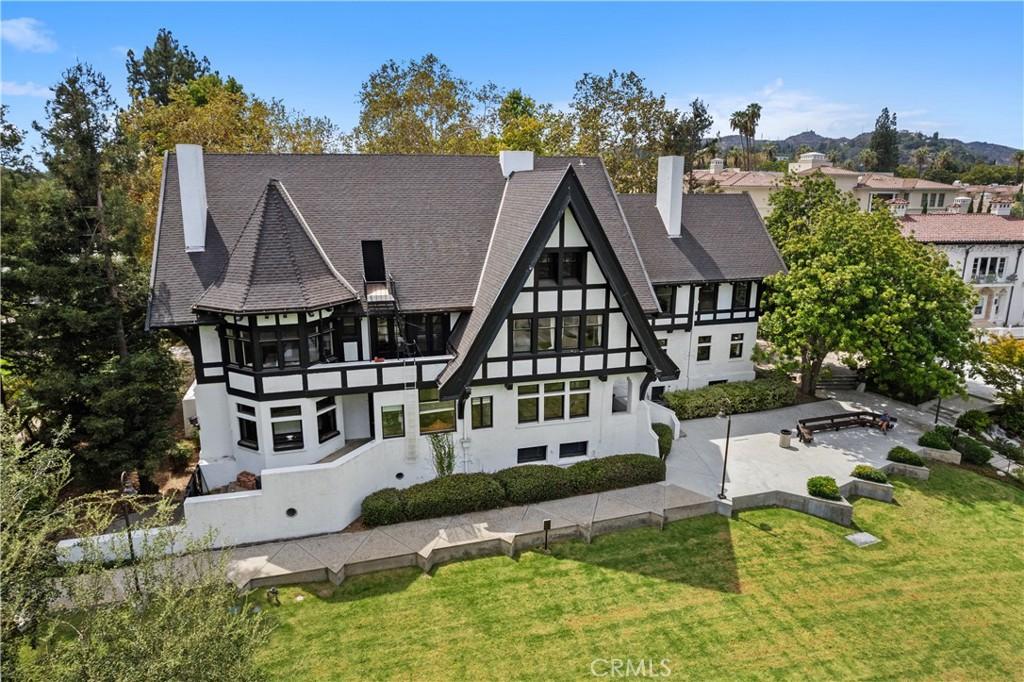
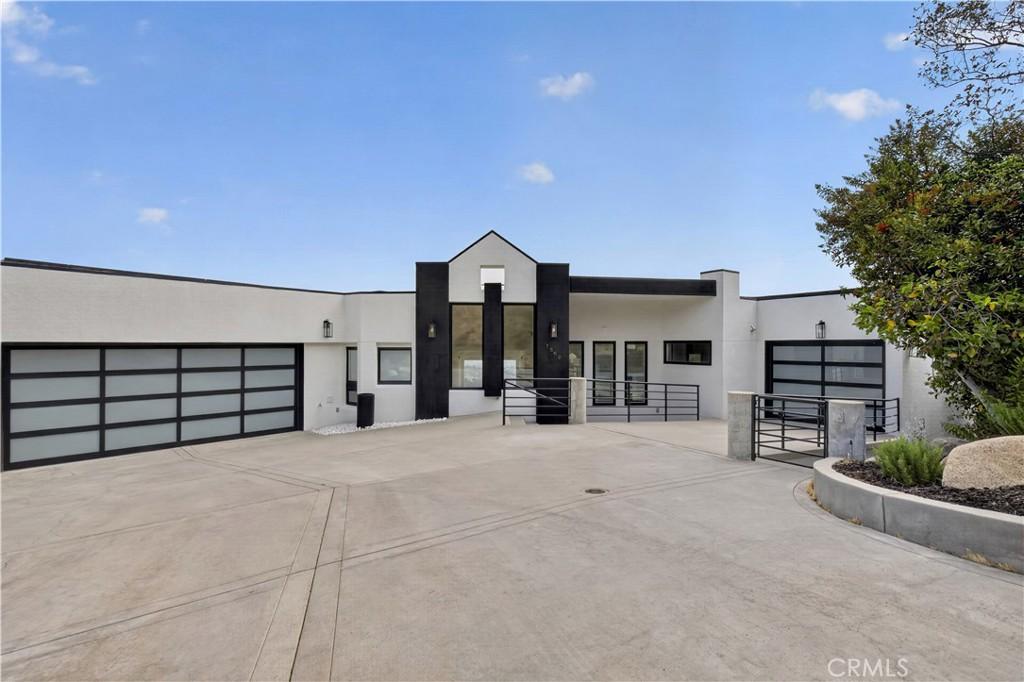
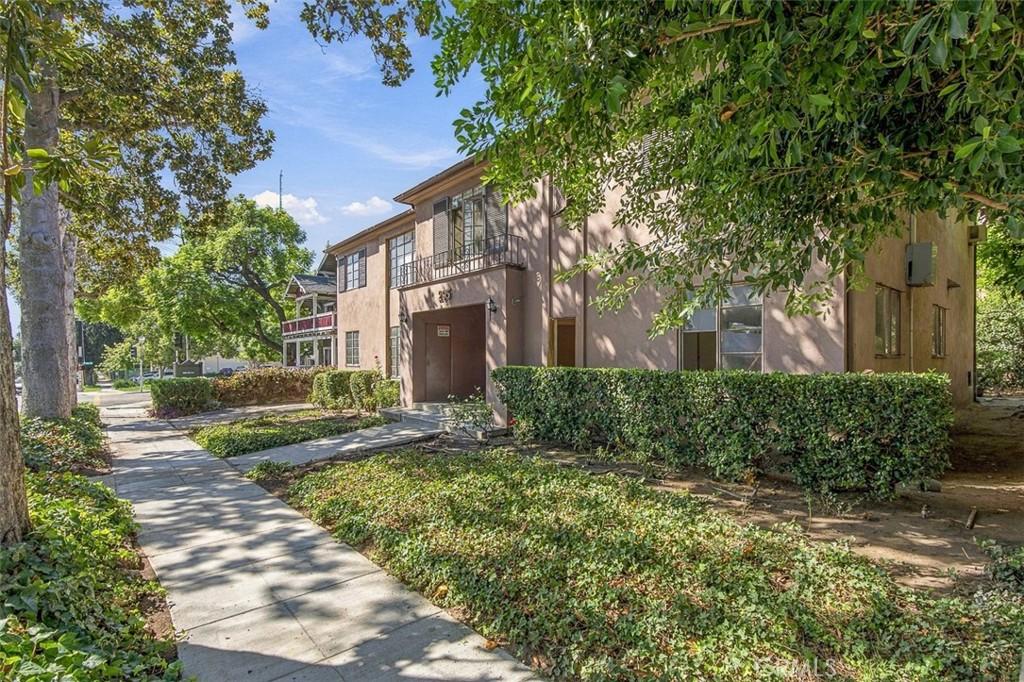
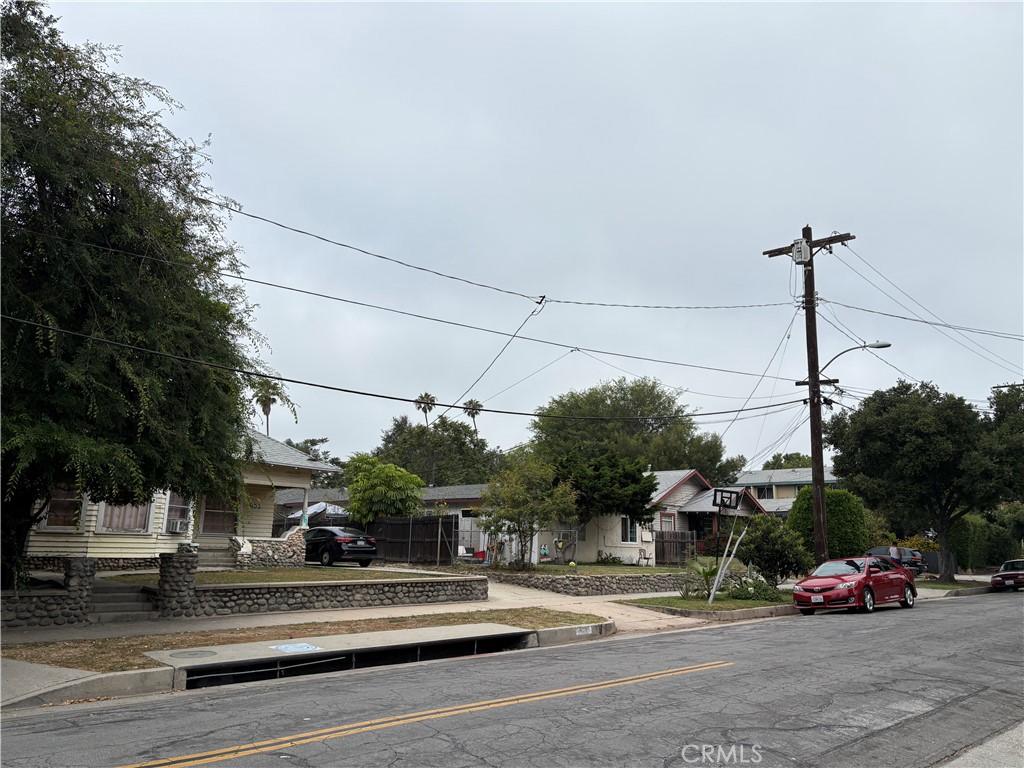
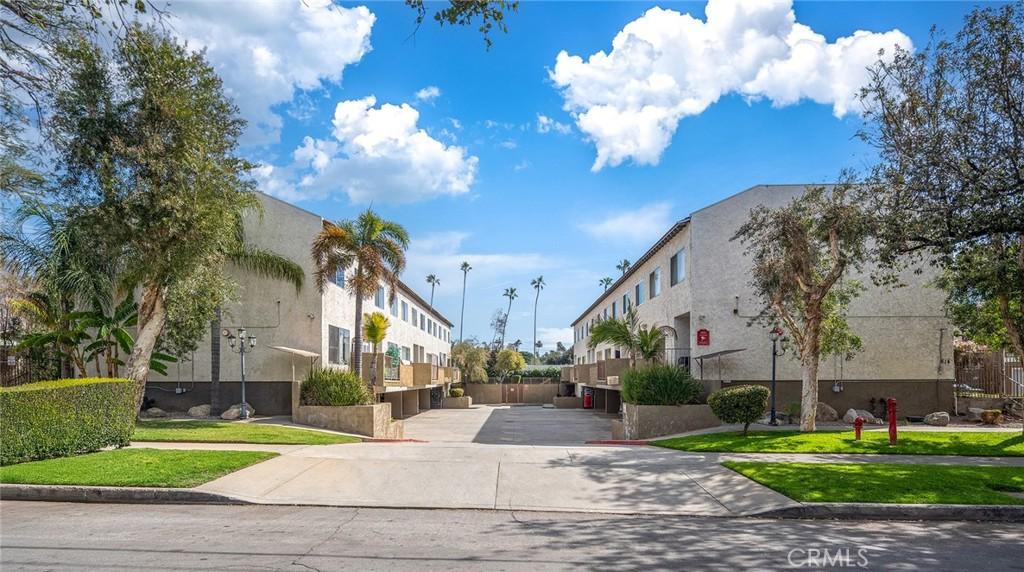
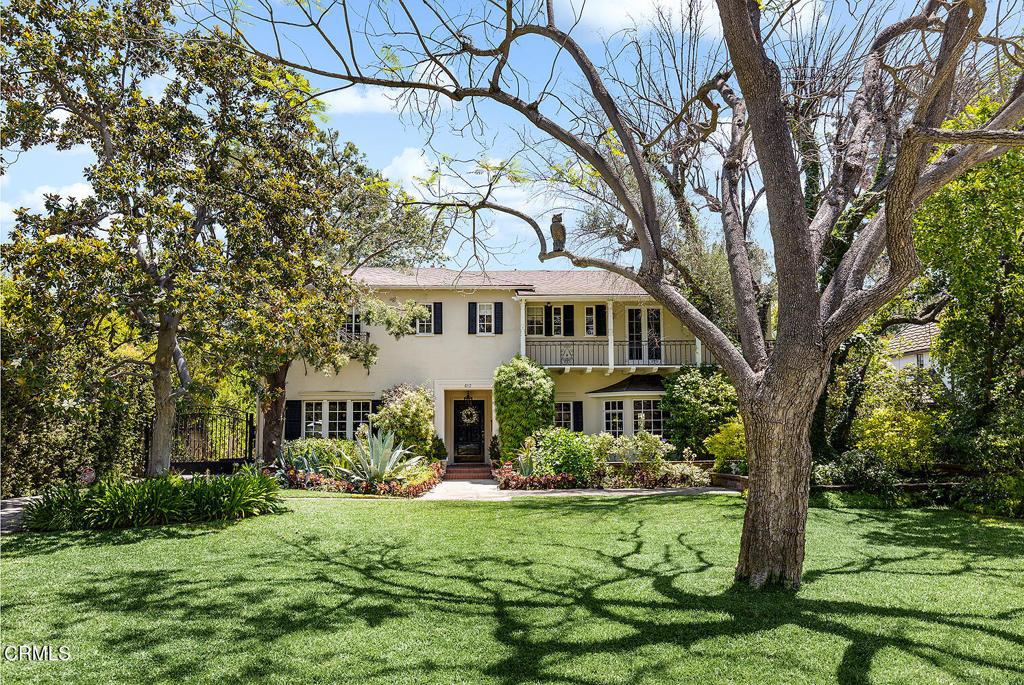
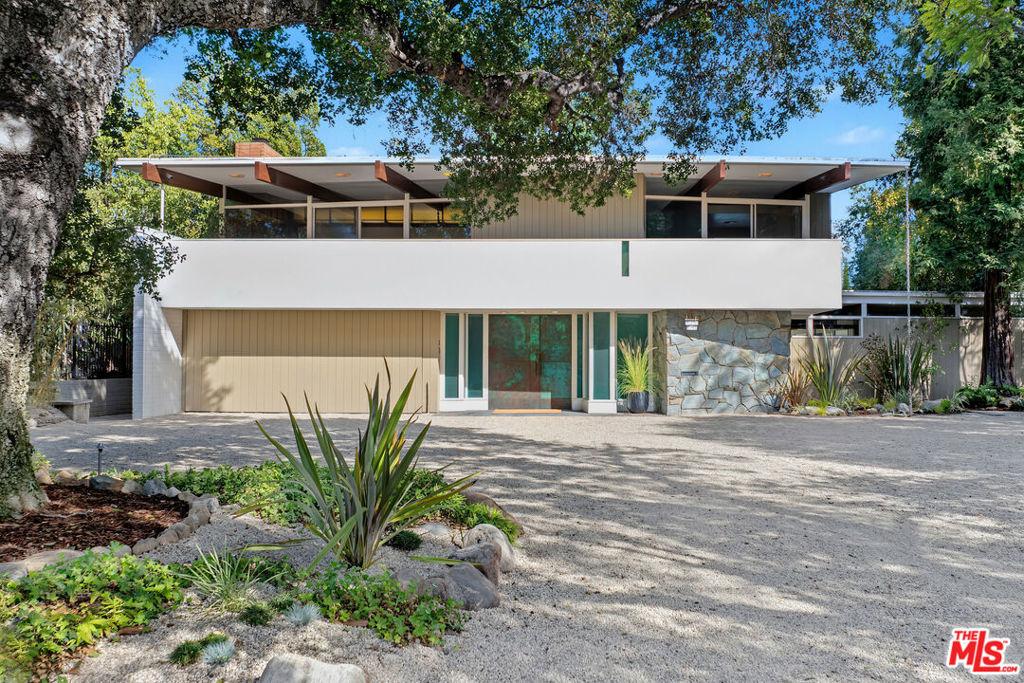
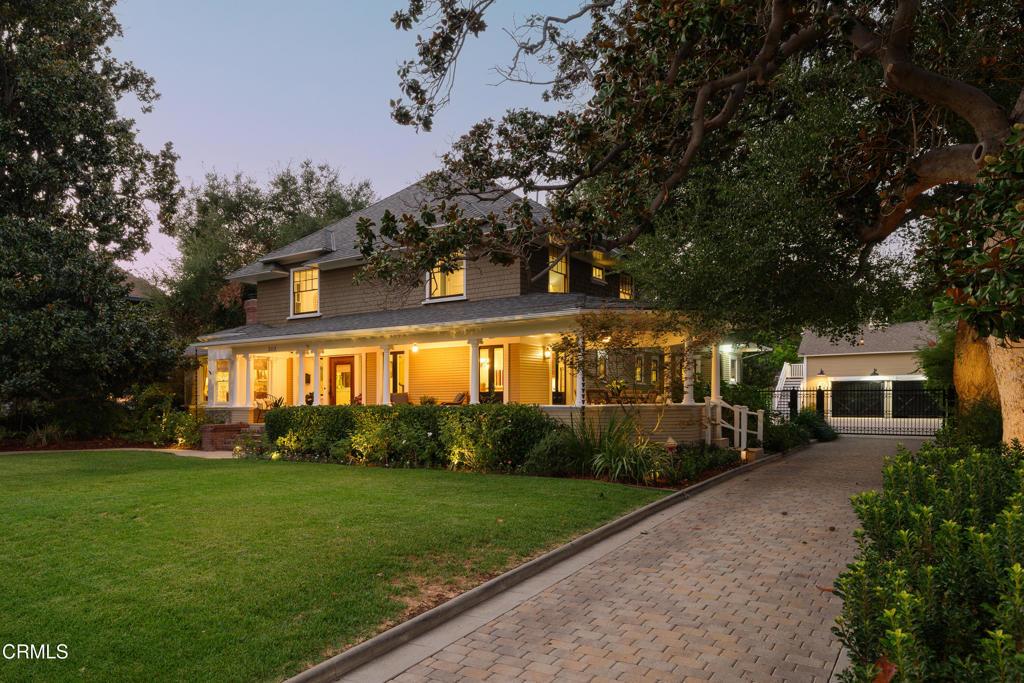
The housing stock in Banbury Oaks reflects the same period as neighboring Bungalow Heaven, with Craftsman bungalows and early 20th-century residences making up most of the street-facing inventory. Lots are compact by contemporary standards, typically in the 5,000-to-7,000-square-foot range, and homes run between 1,000 and 1,800 square feet on most streets. The architectural consistency gives the blocks a cohesion that is common throughout north-central Pasadena but less obvious in parts of the city that developed later.
The neighborhood’s eastern edge on Fair Oaks Avenue puts residents within walking distance of both central Pasadena retail and the commercial stretches of Fair Oaks that serve the surrounding neighborhoods. McDonald Park, the anchor green space for Bungalow Heaven, is accessible a short walk to the north. Washington Park is also nearby and provides additional recreational access for residents without a private yard large enough for outdoor activity.
Buyers choosing Banbury Oaks are generally trading some of the prestige of the formal landmark designation for pricing that reflects a non-designated but architecturally similar residential area. The relationship to Bungalow Heaven’s values is close enough that improvements and restoration work in Banbury Oaks are well-supported by surrounding market context, but buyers face fewer exterior design review requirements than they would inside the landmark district itself.
Pasadena citywide runs a median sale price around $1,250,000, up 3.7% year-over-year, $791 per square foot down 0.5% year-over-year, median list price $1,170,000 at $769 per square foot, 240 homes on market, 83 sold, 48 days on market, 103.9% sale-to-list ratio, 1 average offer, and 39.7% average down payment. Banbury Oaks properties tend to price in the lower-middle range of Pasadena’s per-square-foot spectrum for comparable period homes, with the non-designation status creating a modest gap relative to landmark-district bungalows on similar-sized lots. Inventory is limited and competition on well-priced properties can be active.
The neighborhood falls within Pasadena Unified School District. McKinley Elementary and John Muir High School are among the local options. The Gold Line Metro’s Lake Avenue station is within a mile to the east, and Fair Oaks Avenue provides bus corridor connections for residents who rely on transit for daily commuting.
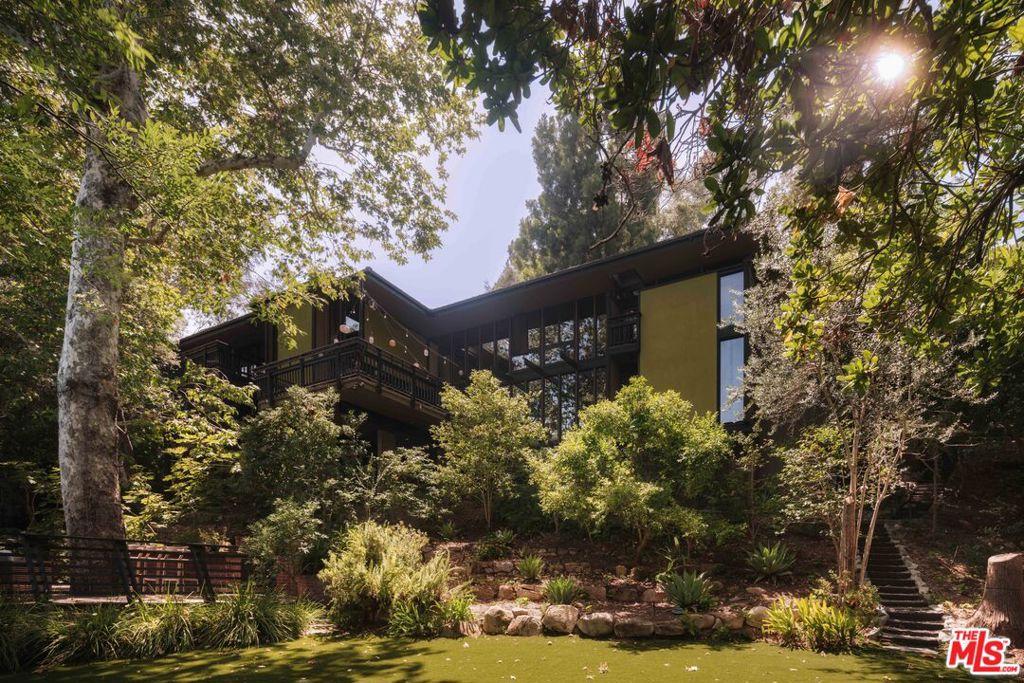
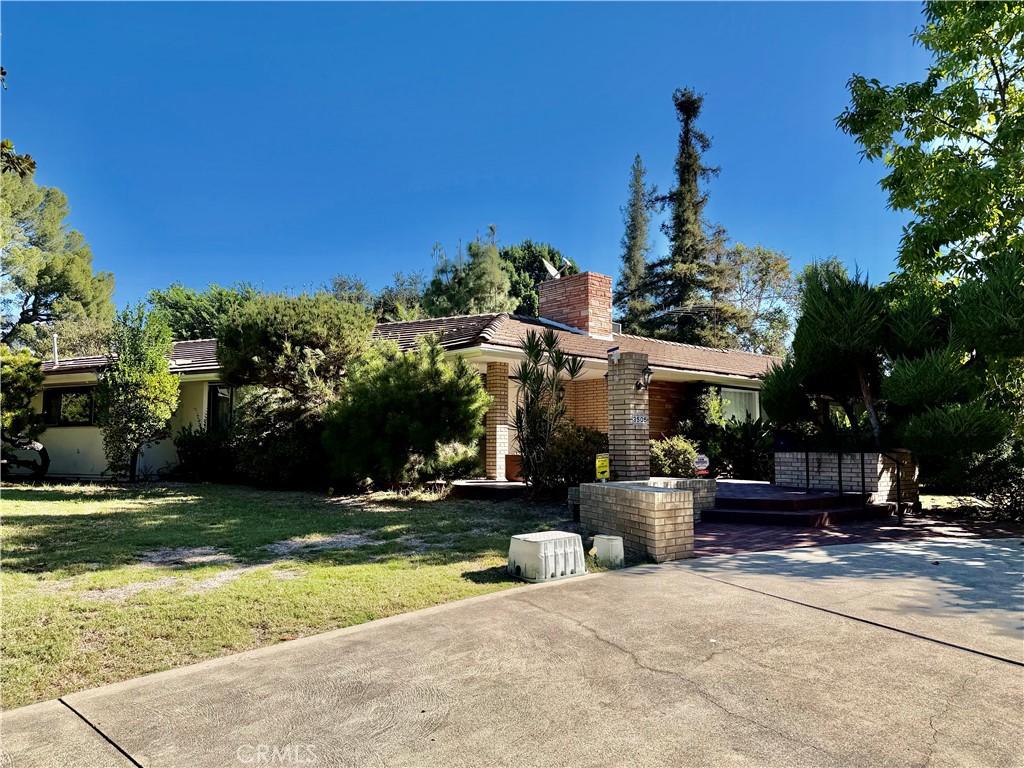
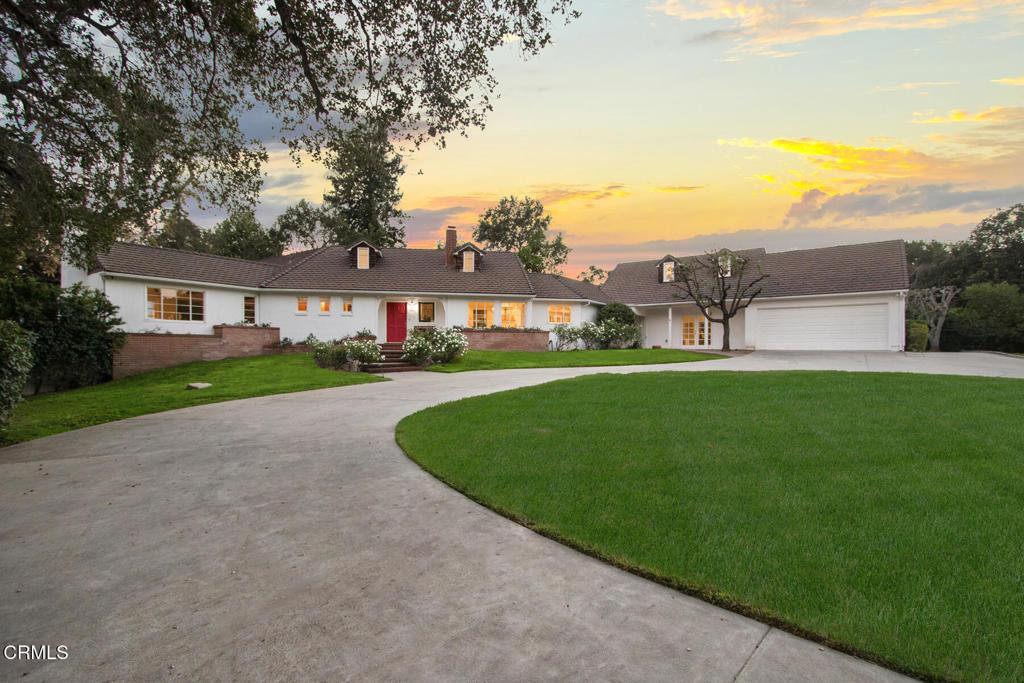
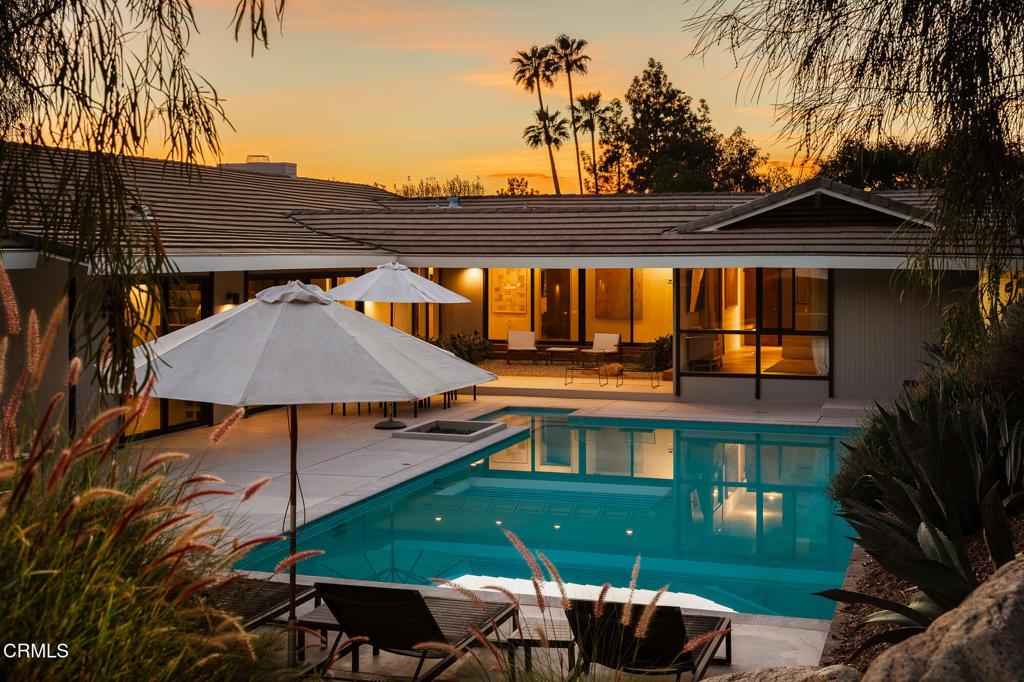
Banbury Oaks sits in northeast Pasadena between the Sierra Madre Villa area and the Hastings Ranch neighborhood, roughly bounded by East Foothill Boulevard on the north and East Colorado Boulevard on the south. The neighborhood takes its name from Banbury Road, one of the central east-west residential streets that define the area’s grid. Development occurred primarily in the late 1950s and 1960s, when the post-war housing expansion pushed the Pasadena residential footprint eastward toward the Arcadia and Monrovia borders. The homes built during this period are predominantly single-story ranch houses on level lots, with some two-story models on the larger corner parcels.
The housing in Banbury Oaks reflects the standard ranch home program of its era: three or four bedrooms, two baths, attached two-car garage, concrete slab foundation, original aluminum windows now approaching the end of their functional life, and kitchen configurations that predate the open-concept layout preference of contemporary buyers. These homes are typically sound structurally but dated mechanically and in their finish package. The renovation thesis for most Banbury Oaks properties involves window replacement, kitchen reconfiguration (often opening to a dining space), primary bath expansion, and HVAC replacement, all of which are standard scopes for Pasadena contractors who work in this corridor.
The Sierra Madre Villa Gold Line station, located at Sierra Madre Villa Avenue and East Foothill Boulevard approximately one mile north of Banbury Oaks’ center, provides Metro Gold Line access to Old Pasadena, Union Station, and the regional rail network. The station has a park-and-ride structure and is the eastern terminus of the current Gold Line Foothill Extension Phase 2A operation. Future Foothill Extension planning would carry the Gold Line further east into Arcadia, Monrovia, Azusa, and Glendora, adding additional commute options for east Pasadena residents over time. For current Banbury Oaks residents, Sierra Madre Villa Station is the daily transit connection, typically reached by car or bicycle in 5-10 minutes from most neighborhood addresses.
The Eaton Canyon Natural Area, accessible from Altadena Drive approximately 1.5 miles north of Banbury Oaks, provides the primary outdoor recreation resource for the neighborhood. The 190-acre natural area includes a nature center, multiple trail routes, and the popular Eaton Canyon Falls trail, which is 3.8 miles round trip with moderate elevation gain. Weekend mornings on the falls trail are typically busy from spring through fall; early-season weekday mornings provide a less crowded experience of the canyon. The wash channel adjacent to the Eaton Canyon natural area connects south into the foothill community and is walkable and bikeable through several miles of the wash corridor for residents who want a flat alternative to the canyon trail.
Schools serving Banbury Oaks are in the Pasadena Unified School District. McKinley School serves some northern Banbury Oaks addresses, while Don Benito Fundamental School serves others depending on specific address assignments. For middle school, students typically attend Marshall Fundamental School or another PUSD middle school in the eastern district. Pasadena High School on North Sierra Madre Villa Avenue is the standard high school pathway for Banbury Oaks addresses and hosts the Humanities Project and additional college-preparatory programming. Buyers should verify current school assignments for any specific Banbury Oaks address with PUSD, as internal district boundaries have been subject to revision in recent years.
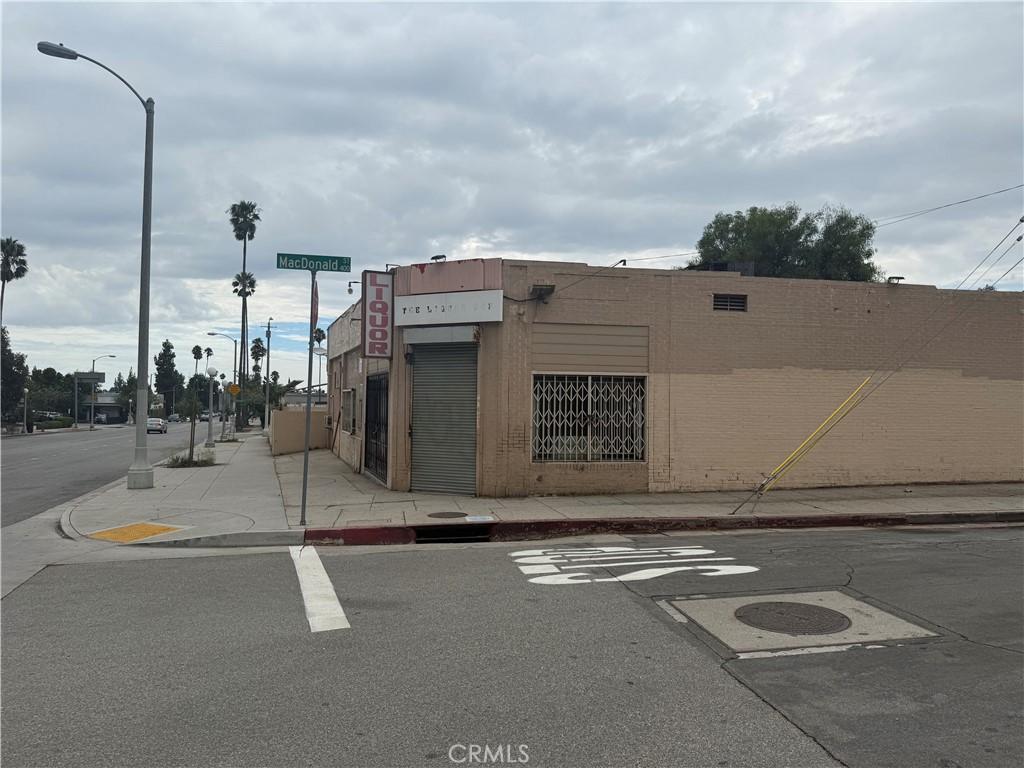
The commercial context for Banbury Oaks is primarily the East Foothill Boulevard commercial corridor, which carries a range of neighborhood-serving retail: hardware stores, auto service, fast food, and local restaurants concentrated near the Rosemead Boulevard and Sierra Madre Villa Avenue intersections. The Hastings Ranch Shopping Center at Foothill and Rosemead includes the Target that anchors the east end commercial cluster. For more complete grocery and specialty retail access, most Banbury Oaks residents drive to the Fair Oaks corridor in central Pasadena (Trader Joe’s, Vons, Aldi) or to the Arcadia and Monrovia commercial corridors east of the city limits. This commercial gap relative to central Pasadena neighborhoods is the primary lifestyle trade-off for Banbury Oaks buyers in exchange for the larger lots and lower pricing available in the eastern corridor.
The Banbury Oaks market sits in the lower tier of Pasadena pricing on a per-square-foot basis, reflecting the eastern location, the dated stock, and the relative distance from the walkable commercial amenities that command premiums in the central and west neighborhoods. For first-time buyers or move-up buyers who are priced out of Bungalow Heaven, Madison Heights, or San Rafael but who want a Pasadena address with PUSD school access, Banbury Oaks typically represents the most accessible entry point into the market. The east Pasadena trade-off (lower price, lower commercial walkability, transit via park-and-ride) versus central Pasadena (higher price, higher walkability, direct station access) is a clean comparison that buyers in this price range evaluate explicitly when they are choosing between Banbury Oaks and the mid-range inventory in the Bungalow Heaven or Madison Heights corridors.
Utility service in Banbury Oaks is from Pasadena Water and Power for electricity and water, which provides a municipal utility rate structure that is distinct from Southern California Edison and Los Angeles Department of Water and Power. PWP’s rates have historically been competitive with SCE, and the municipal utility structure means that outage response and rate-setting decisions are governed by the Pasadena City Council rather than a state-regulated private utility. Buyers coming from SCE or LADWP service areas should request recent utility bills from the seller to establish baseline electricity costs, as home size, AC age, pool heating (if any), and EV charging are the primary variables that will affect their Banbury Oaks utility cost against their prior address.
Accessory dwelling unit development in Banbury Oaks has accelerated since the 2019 and 2020 changes to California ADU law that reduced setback and size restrictions and prohibited HOAs from blocking ADU development. The standard Banbury Oaks lot of 7,000-8,000 square feet with an attached two-car garage is well-suited for a garage conversion ADU, and several Banbury Oaks properties have completed new detached ADU construction in the rear yard area using the pre-approved ADU design library that Pasadena’s planning department maintains. Rental rates for completed Banbury Oaks ADUs have run in the $1,700-$2,200 per month range, reflecting the northeast Pasadena rental market’s position between the higher central Pasadena rates and the lower Temple City and Arcadia rates in adjacent communities.
The East Colorado Boulevard corridor one to two miles south of Banbury Oaks carries the neighborhood’s secondary commercial infrastructure. Trader Joe’s, Starbucks, several local restaurants, and neighborhood-serving retail are distributed along East Colorado between Sierra Madre Villa Avenue on the west and Madre Street on the east. For buyers who rely on Trader Joe’s as their primary grocery destination, the East Colorado store’s proximity provides reasonable daily access without requiring a drive to the Fair Oaks or South Lake corridors in central Pasadena. The East Colorado corridor is also the primary restaurant access for Banbury Oaks residents who want sit-down dining options without driving to Old Pasadena or the Playhouse District.
Neighborhood character in Banbury Oaks tends toward the quiet residential pattern typical of 1950s-1960s east Pasadena development: low through traffic, minimal commercial intrusion on the interior blocks, consistent home sizes and lot coverages, and a resident demographic that includes both long-term owners who have been in place for 20-30 years and more recent buyers who purchased as entry-level Pasadena opportunities within the past 5-10 years. The long-term resident cohort contributes a neighborhood stability and informal block watch character that recent buyers often cite as a positive discovery after purchase. Block parties and neighbor introductions happen more spontaneously in Banbury Oaks than in more transient neighborhoods, reflecting the proportion of long-tenured households on most of the interior streets.
The east Pasadena market in which Banbury Oaks sits has been affected by the broader California insurance crisis differently from the hillside neighborhoods. Flatland east Pasadena (Banbury Oaks, Hastings Ranch, Brigden Ranch) has retained admitted market insurance availability at higher rates than 5 years ago but without the near-total admitted market pullback that characterizes the hillside FHSZ-designated neighborhoods. For buyers evaluating east Pasadena against San Rafael, Linda Vista, or Annandale, the insurance situation is a material practical distinction: the hillside locations carry higher fire risk, more complex insurance procurement, and in many cases meaningfully higher annual insurance costs as a percentage of home value.
The typical Banbury Oaks single-family home currently sells in the $750,000-$1,000,000 range, with the widest spread driven by renovation level, lot size, and the presence or absence of an existing ADU. Homes that have been comprehensively renovated (new kitchen, new baths, new windows, new HVAC) with a completed garage conversion ADU have sold at the upper end or above this range, while homes in original cosmetic condition with dated kitchens and baths have transacted at the lower end. The renovation spread in Banbury Oaks is one of the wider valuation gaps in the Pasadena market, reflecting the age and condition variation in the 1955-1970 stock and the willingness of renovation buyers to pay up for completed work relative to buyers who want to do their own renovation.
Pasadena’s annual Tournament of Roses activities affect Banbury Oaks more than might be expected for a neighborhood on the east side of the city. The Rose Parade route runs along Colorado Boulevard from the Sierra Madre Villa area west through Old Pasadena, and the parade’s start is near the Sierra Madre Villa and Sierra Madre Boulevard intersection approximately 1.5 miles from Banbury Oaks. On January 1st, Colorado Boulevard is closed from approximately 6:00 AM through mid-afternoon, which affects east-west vehicle movement for Banbury Oaks residents on parade morning. Most Banbury Oaks residents adapt by routing through San Gabriel Boulevard or Huntington Drive when they need to travel west on Rose Parade day, or by attending the parade and treating the street closure as an amenity rather than an obstacle.
What is it like to live in Banbury Oaks?
- Banbury Oaks sits in northeast Pasadena between the Sierra Madre Villa area and Hastings Ranch, roughly bounded by East Foothill Boulevard and East Colorado Boulevard.
- Banbury Road, one of the central east-west residential streets that define the area’s grid, gives the neighborhood its name.
- Ranch houses on level lots dominate the housing stock, with larger models appearing on the wider corner parcels along the grid.
- Craftsman bungalows and period residences make up much of the street-facing inventory, matching the era of neighboring Bungalow Heaven.
- Post-war housing expansion pushed the Pasadena residential footprint eastward toward the Arcadia and Monrovia borders during the main development period here.
- Attached garages, concrete slab foundations, and original aluminum windows approaching the end of their functional life define the standard ranch program.
- Kitchen configurations predate the open-concept layout preference of contemporary buyers, a recurring condition across Banbury Oaks houses.
- Homes are typically sound structurally but dated mechanically and in their finish package, leaving cosmetic and systems work for new owners.
- Renovation work in Banbury Oaks usually means window replacement, kitchen reconfiguration opening to a dining space, primary bath expansion, and HVAC replacement.
- Pasadena contractors working this corridor treat those renovation scopes as standard, which keeps improvement planning familiar for incoming buyers.
- Sierra Madre Villa Gold Line station, at Sierra Madre Villa Avenue and East Foothill Boulevard, connects riders to Old Pasadena, Union Station, and regional rail.
- Park-and-ride structure at the Sierra Madre Villa station serves drivers, and the stop is the eastern terminus of the current Gold Line Foothill line.
- Fair Oaks Avenue provides bus corridor connections for residents who rely on transit for daily commuting.
- McDonald Park, the anchor green space for Bungalow Heaven, is accessible on a short walk to the north.
- Washington Park provides additional recreational access for residents without a private yard large enough for outdoor activity.
- Pasadena Unified School District serves the neighborhood, with McKinley Elementary and John Muir High School among the local options.
- Buyers choosing Banbury Oaks trade some prestige of formal landmark designation for pricing that reflects a non-designated but architecturally similar residential area.
- Exterior design review requirements are lighter than inside the landmark district, while surrounding market context still supports restoration and improvement work.