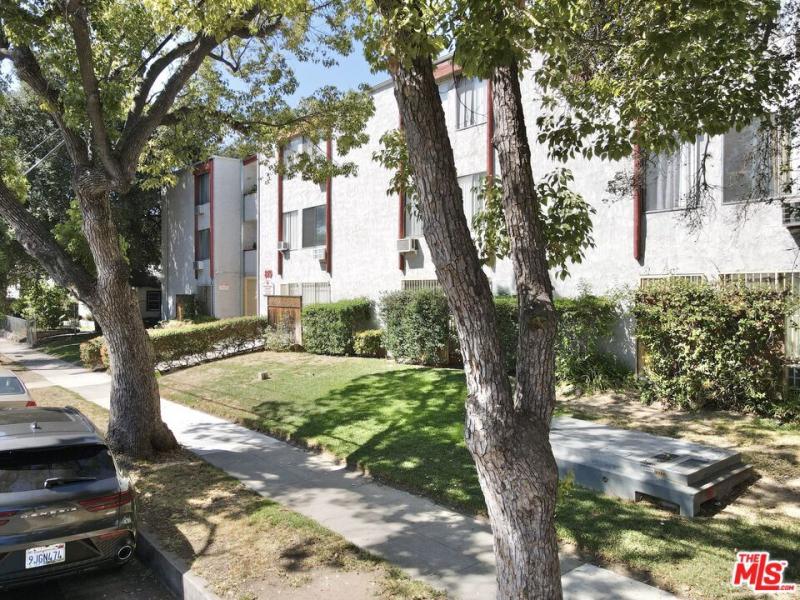
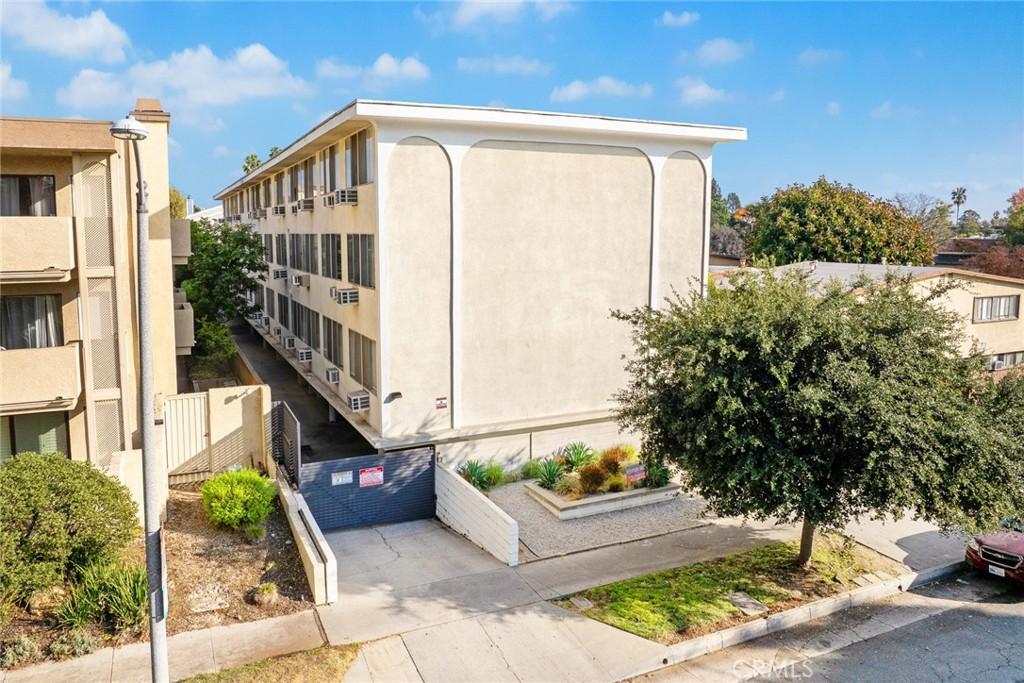
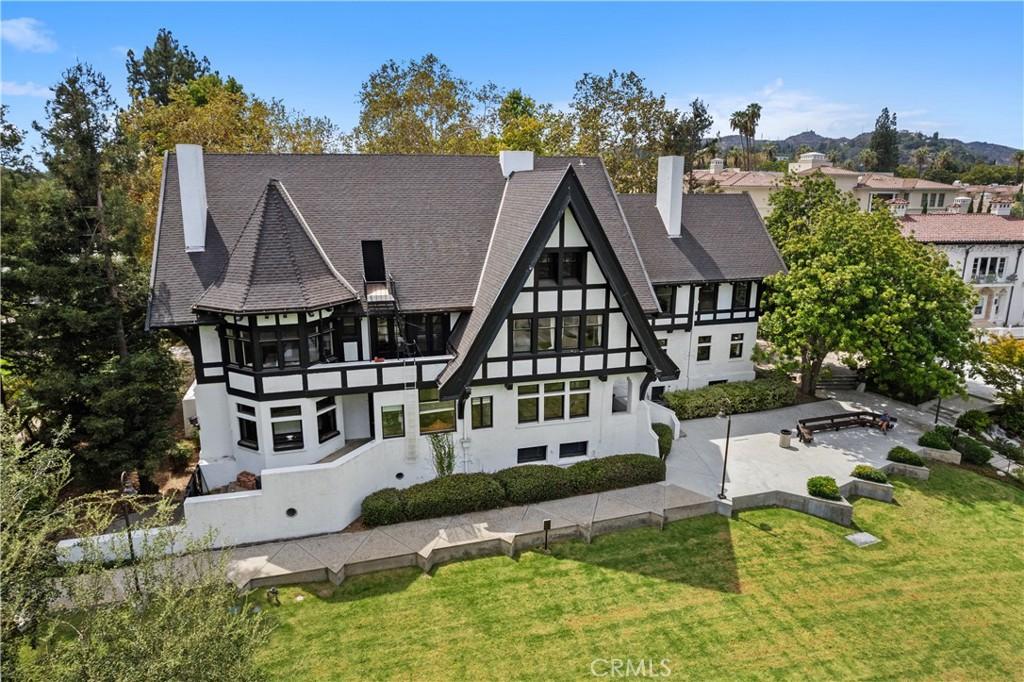
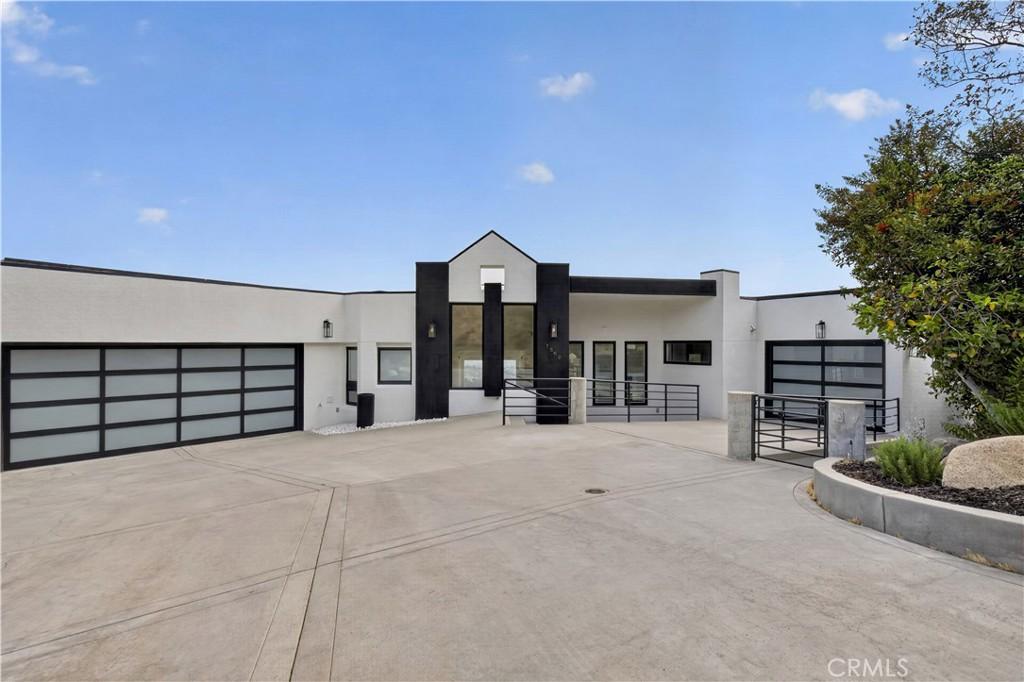
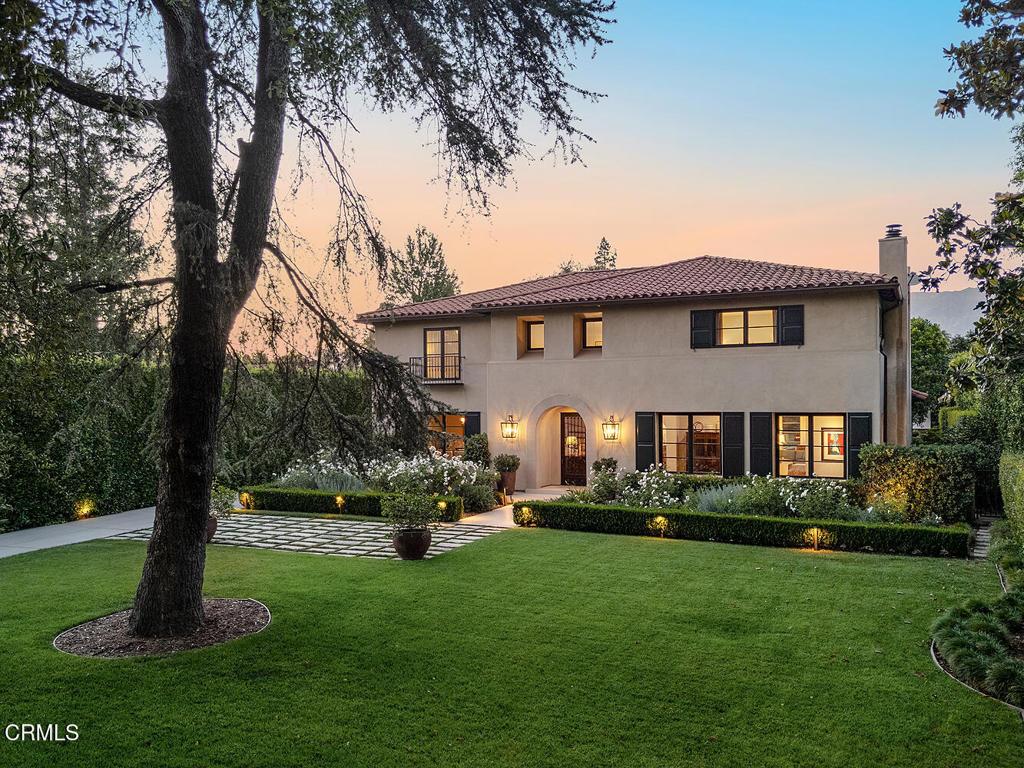
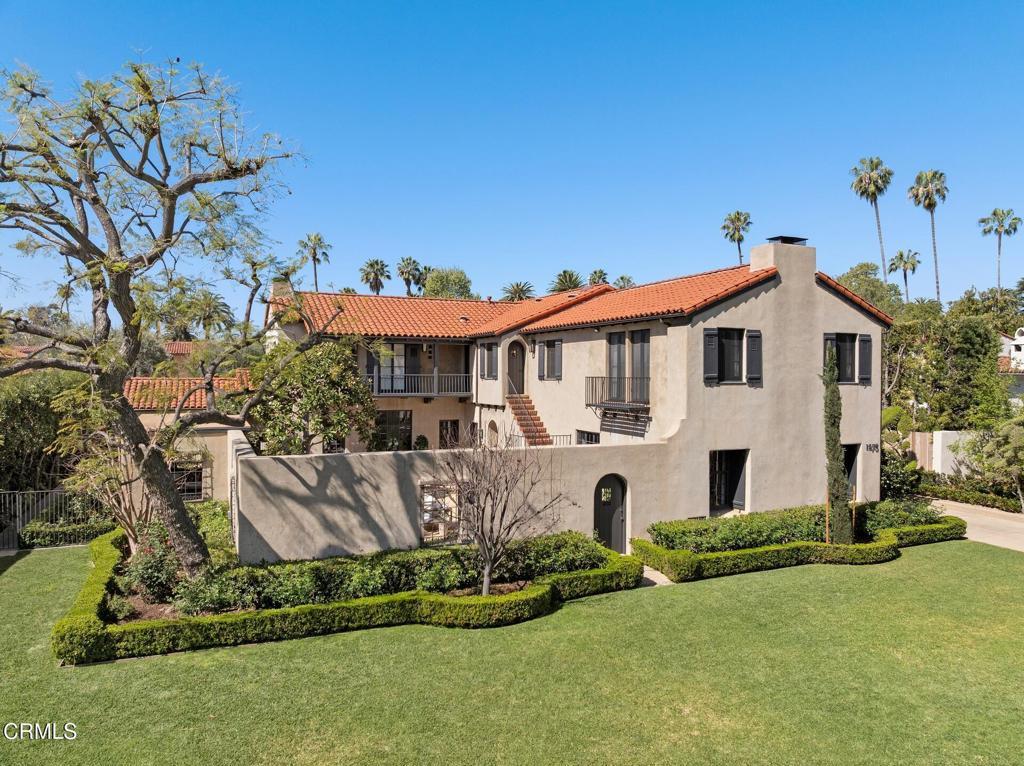
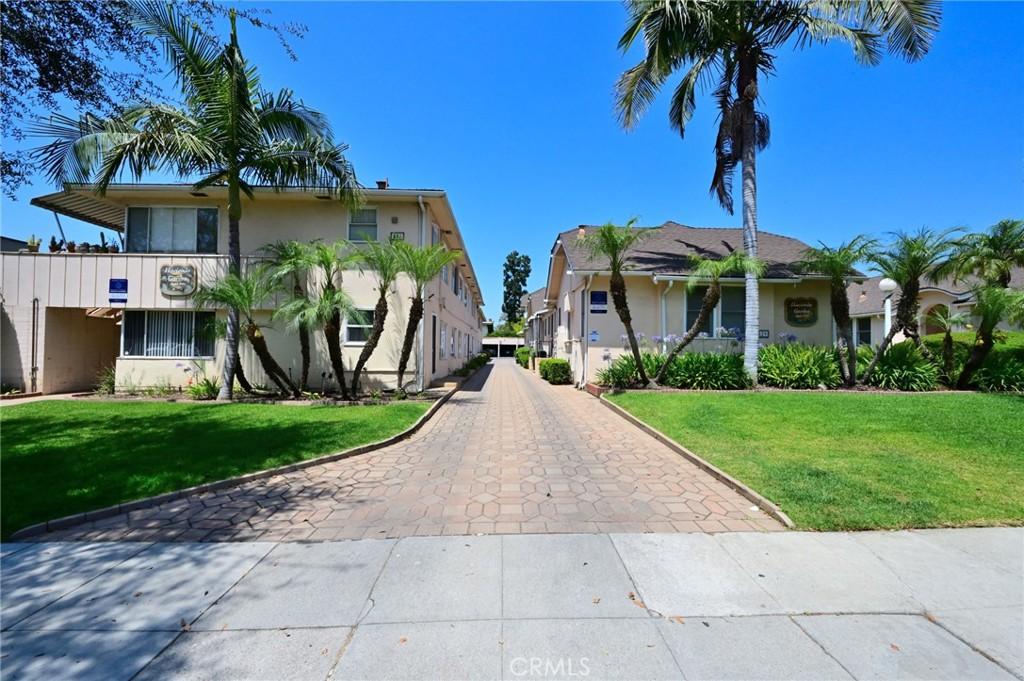
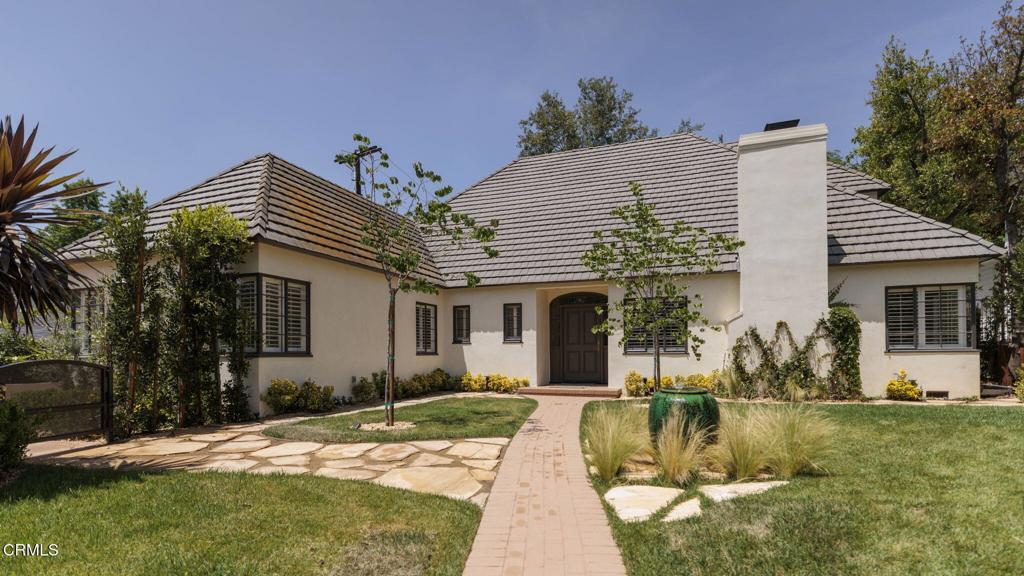
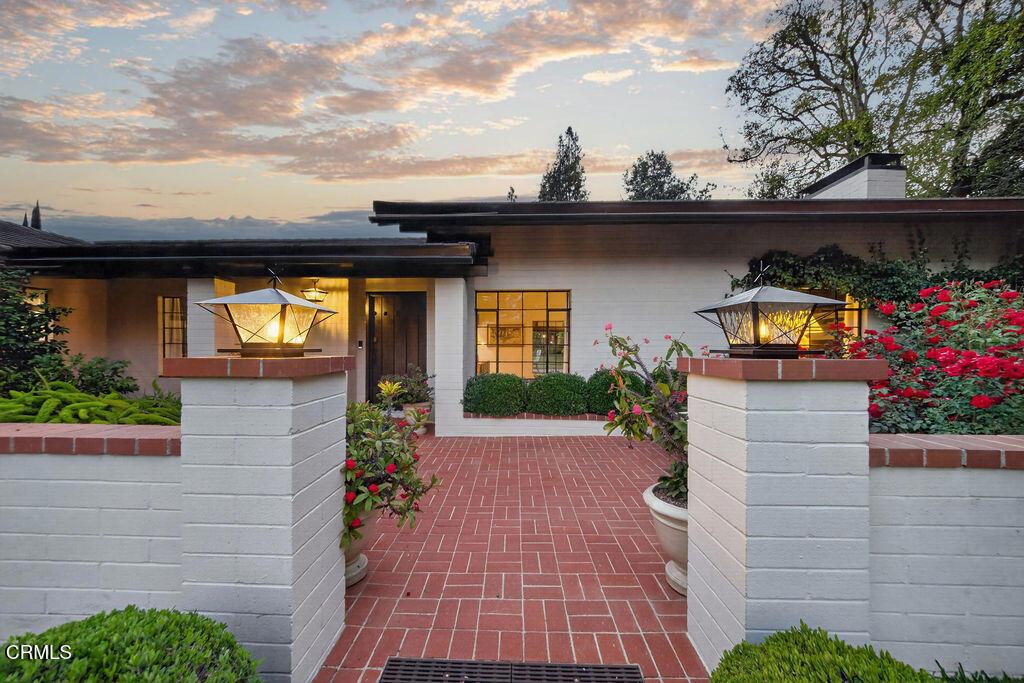
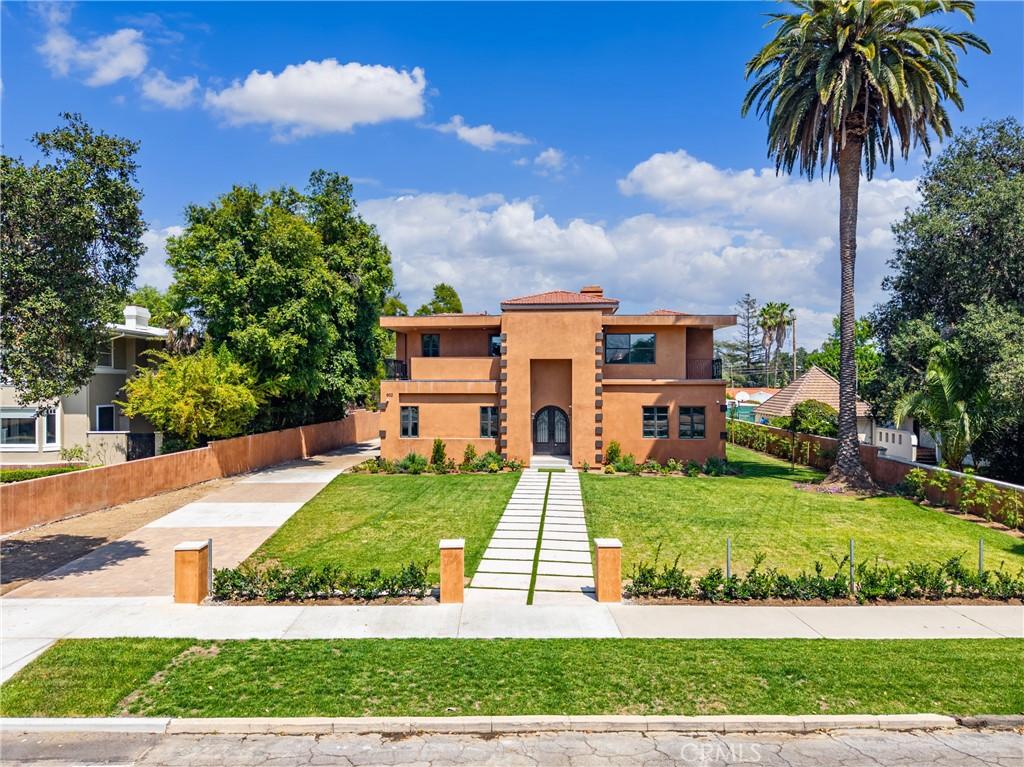
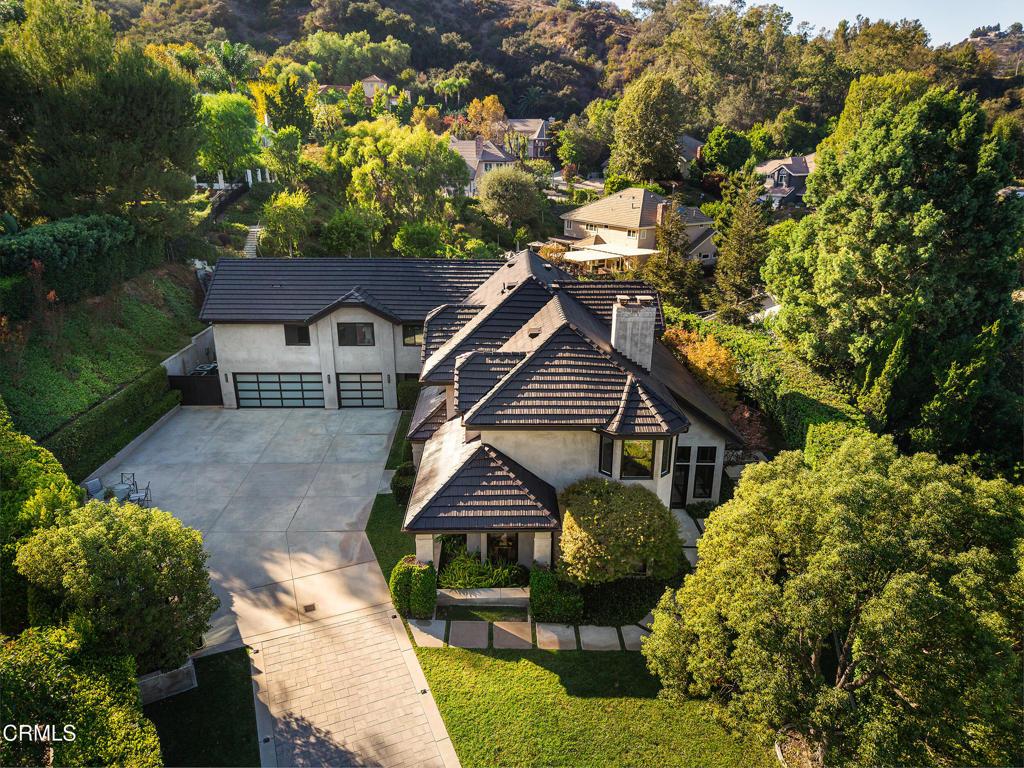
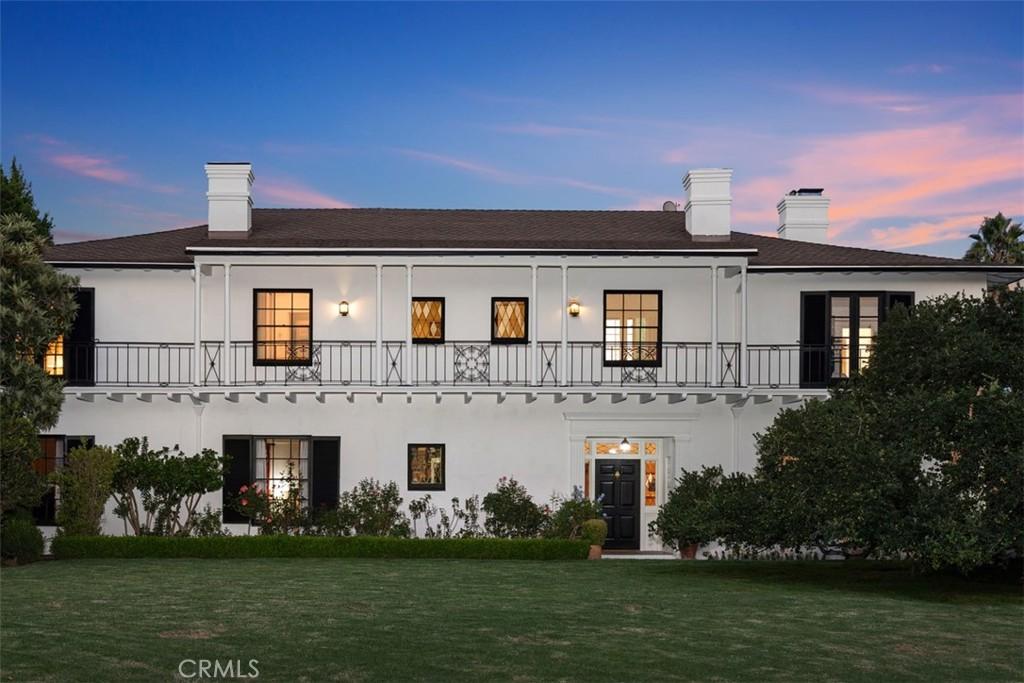
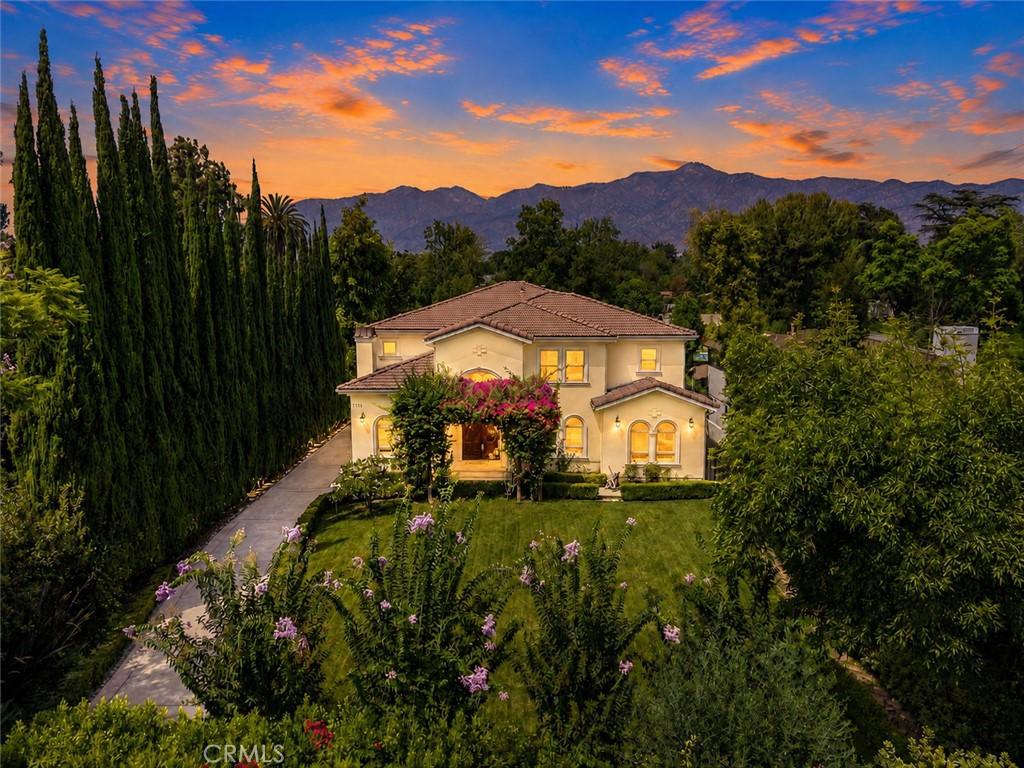
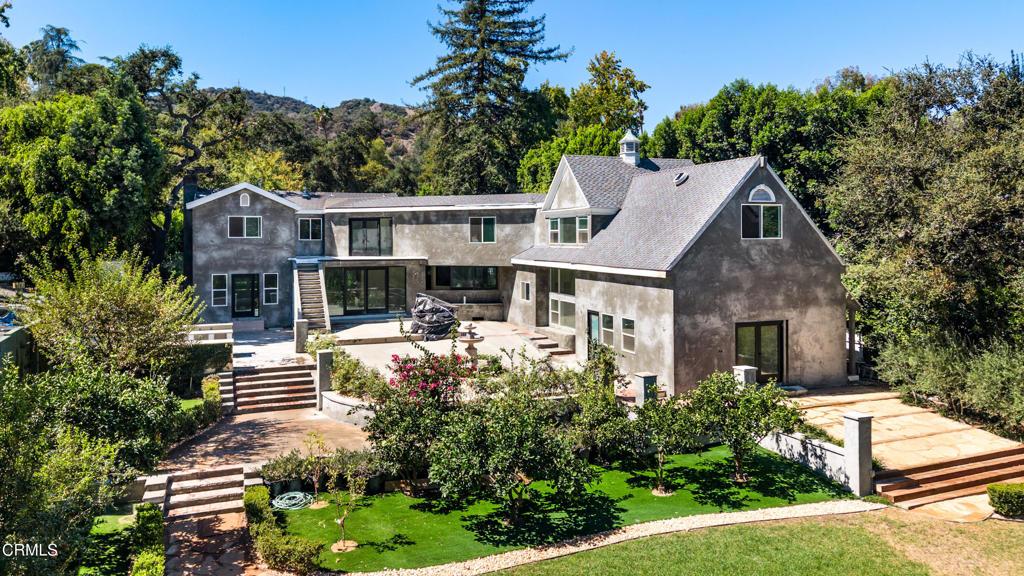
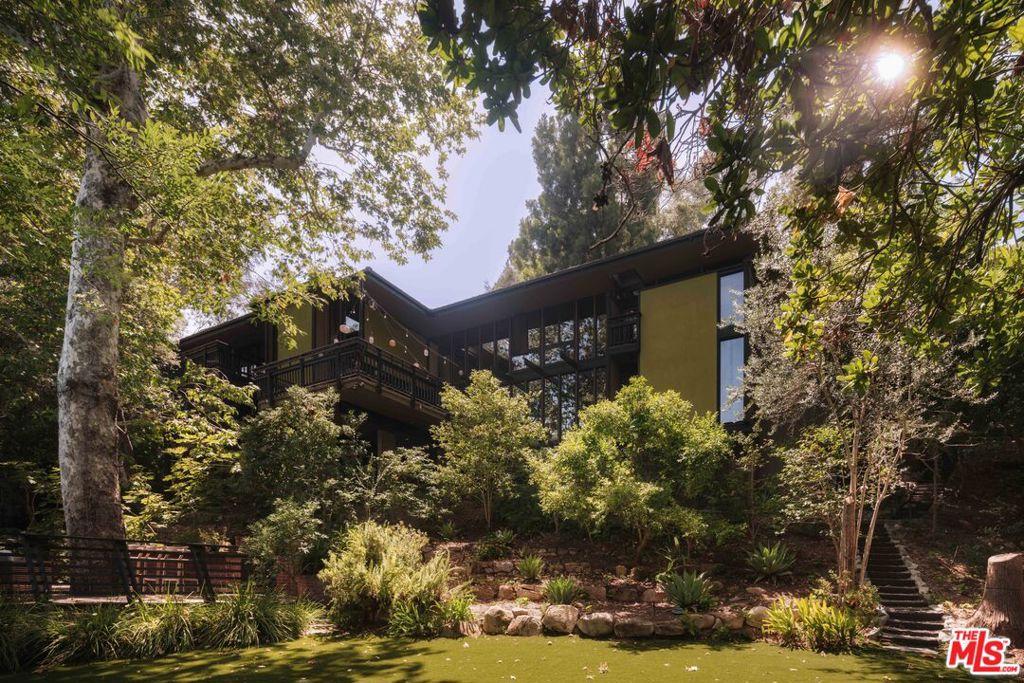
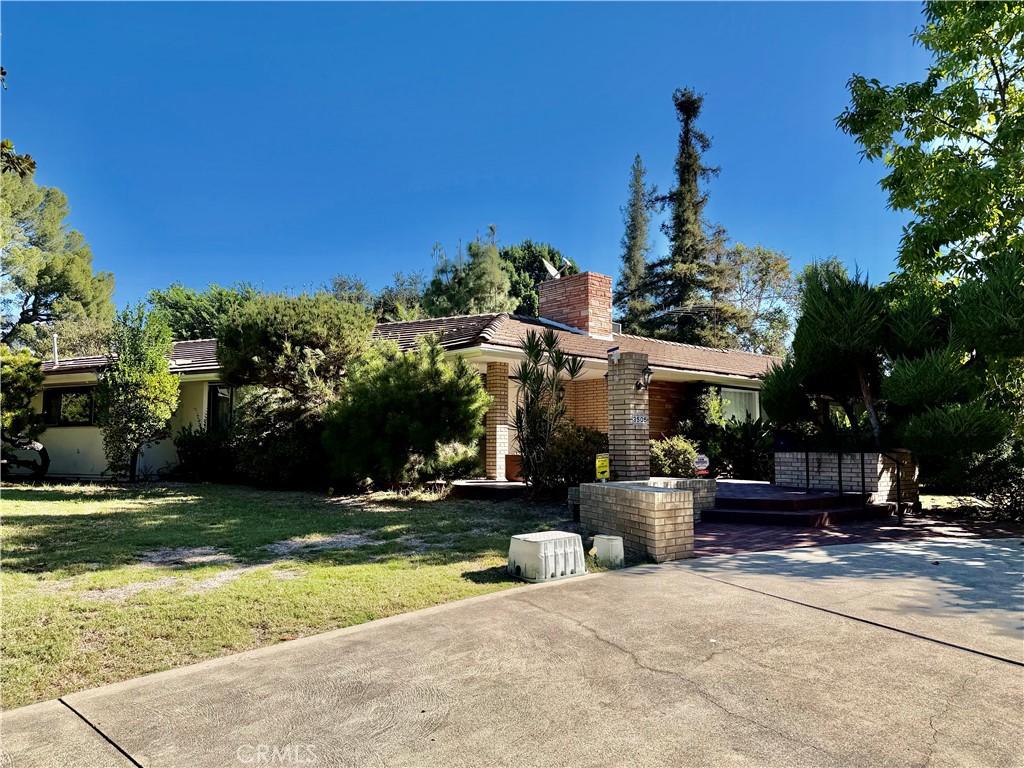
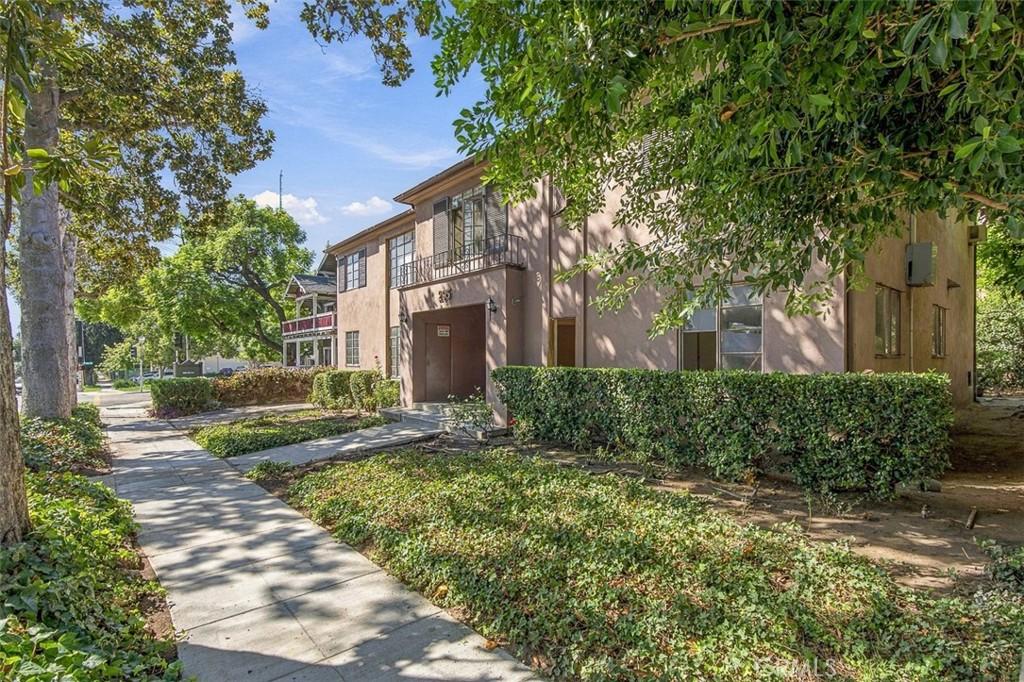
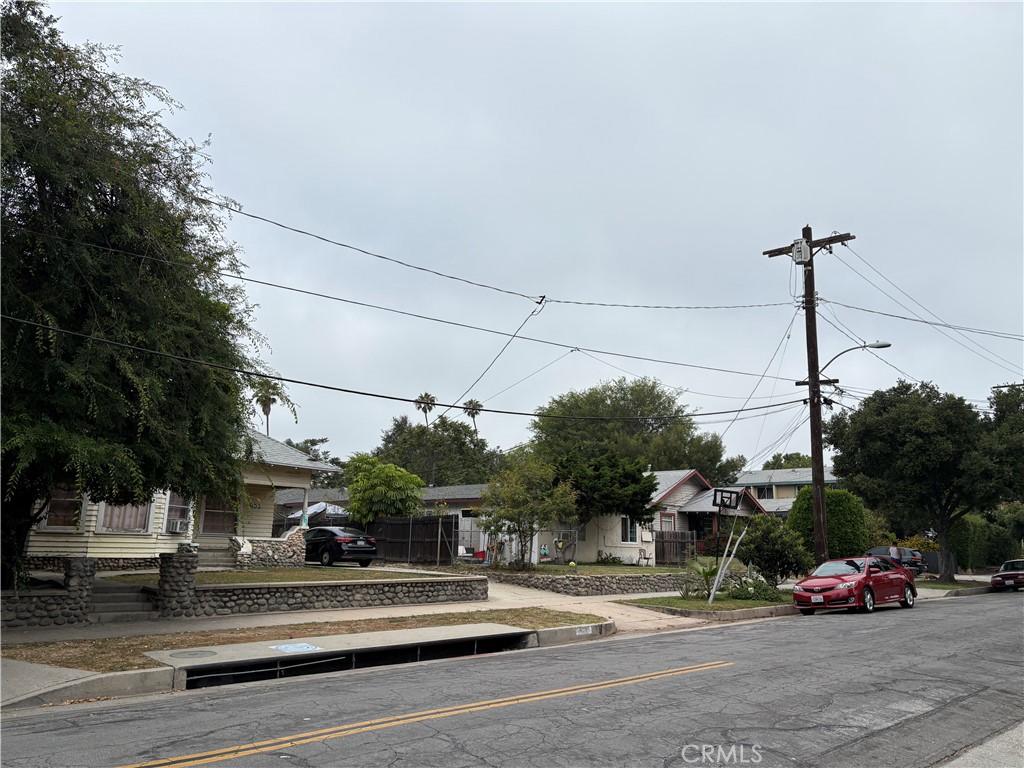
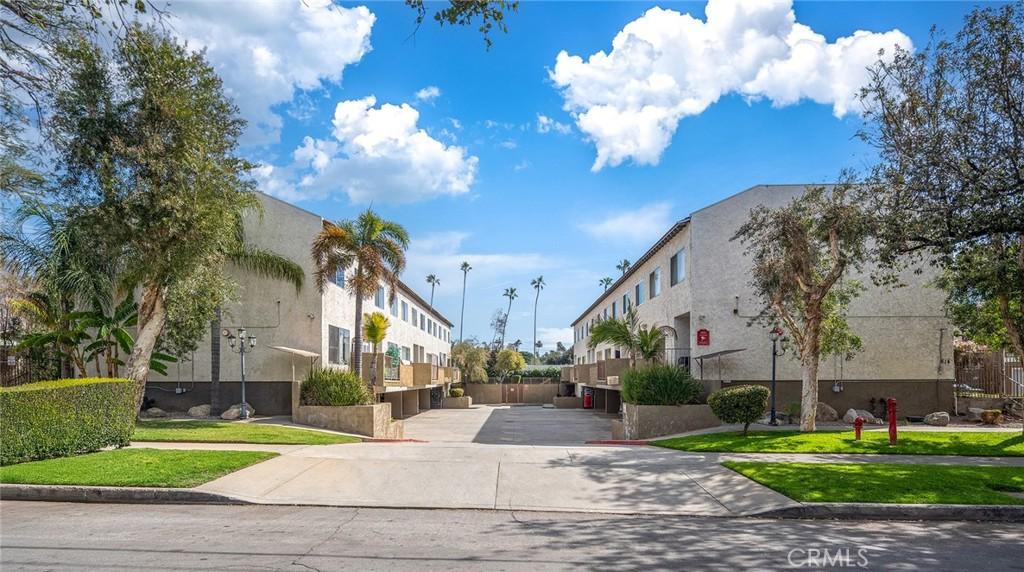
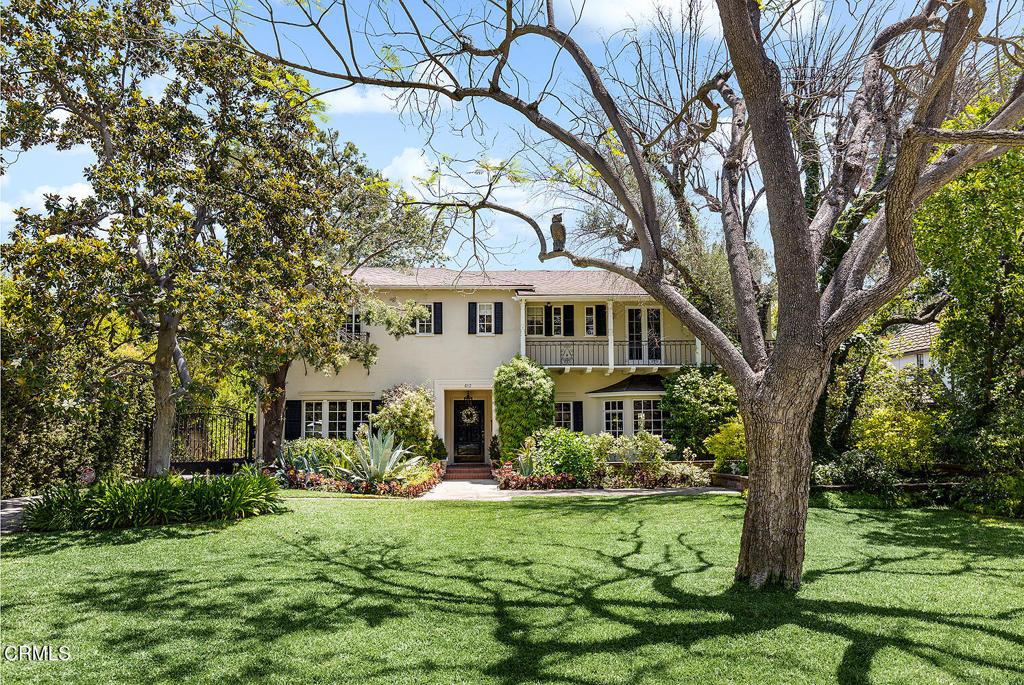
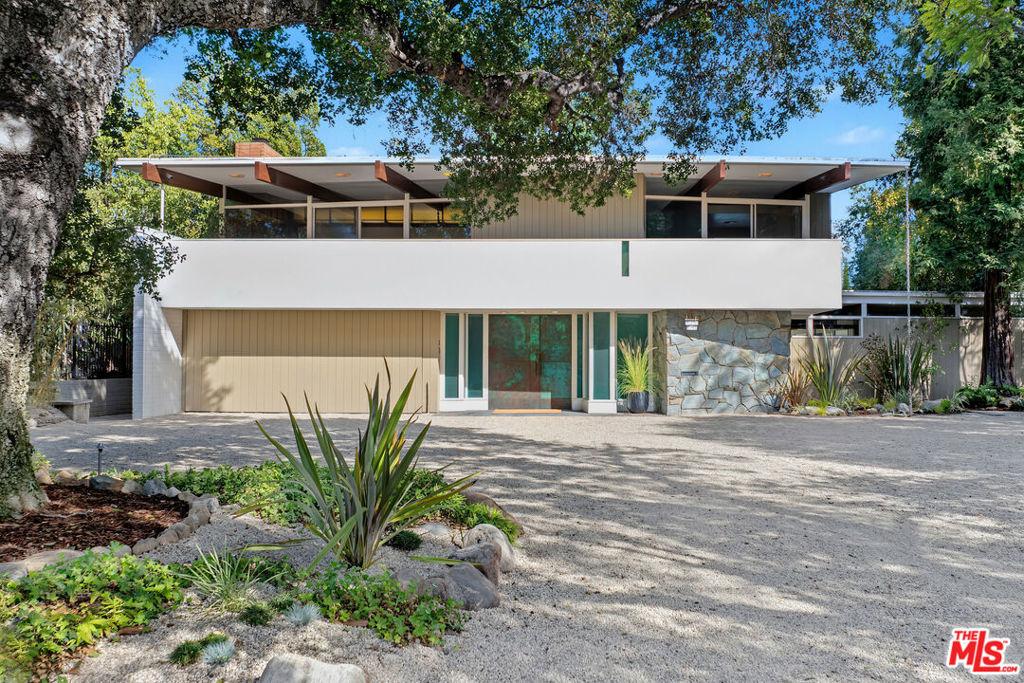
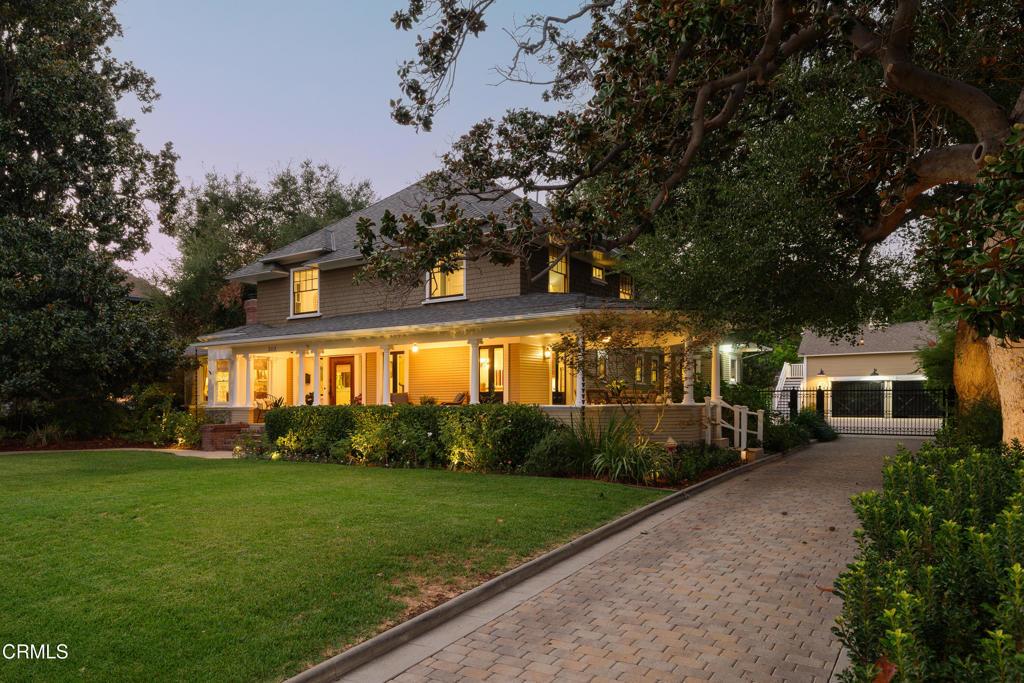
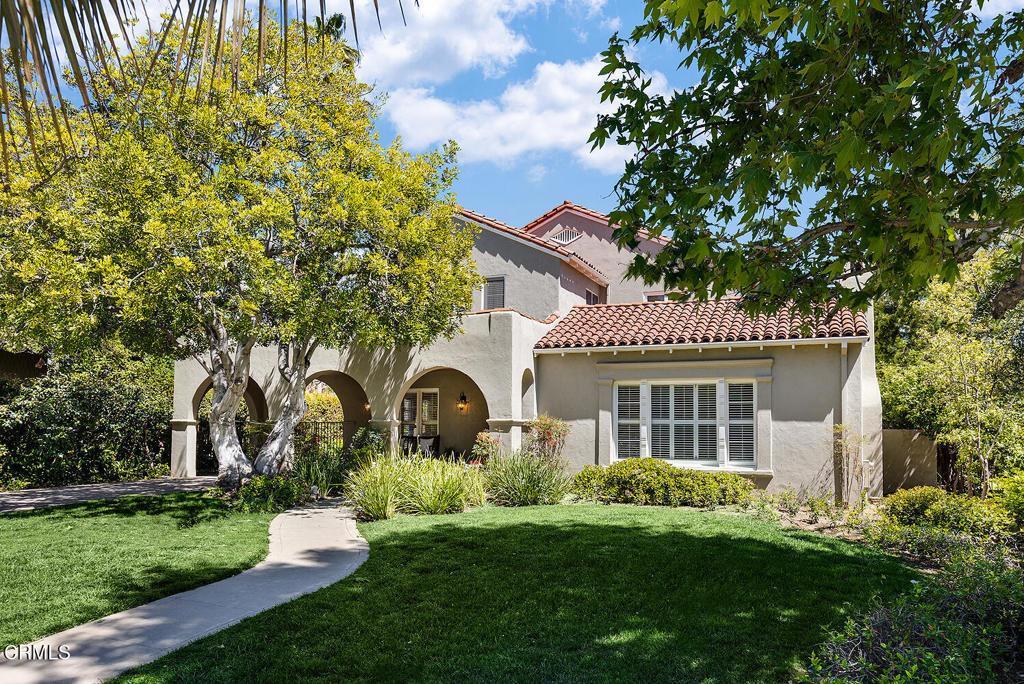
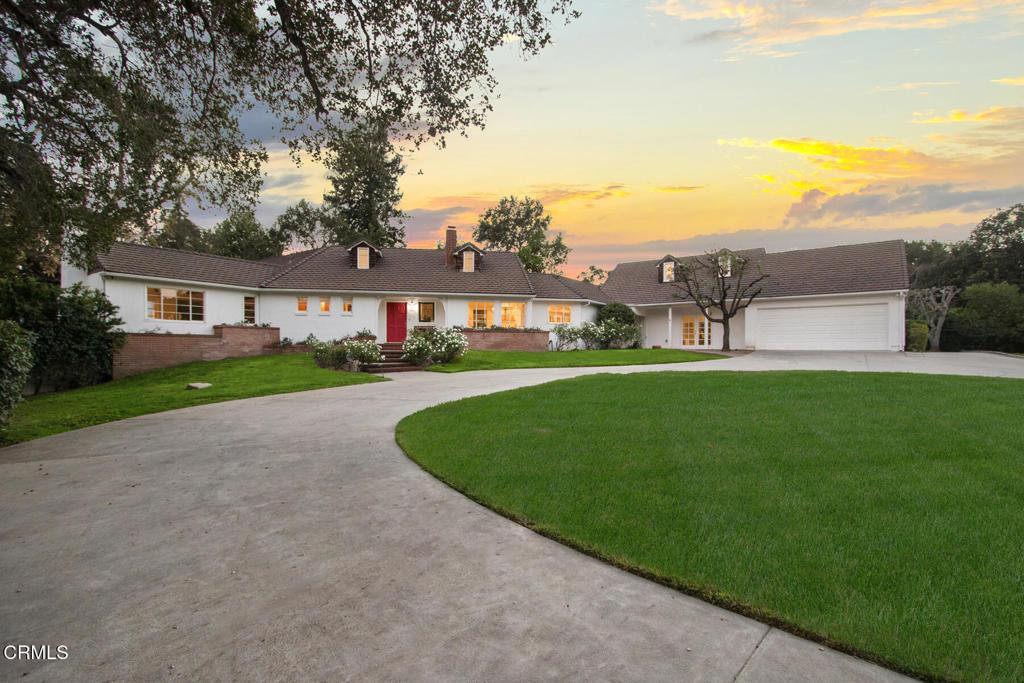
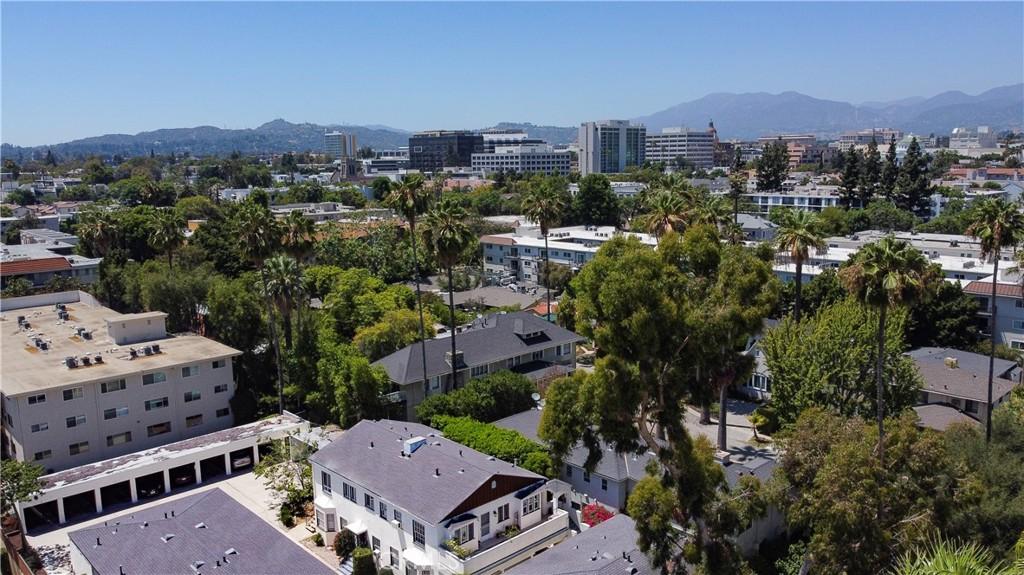
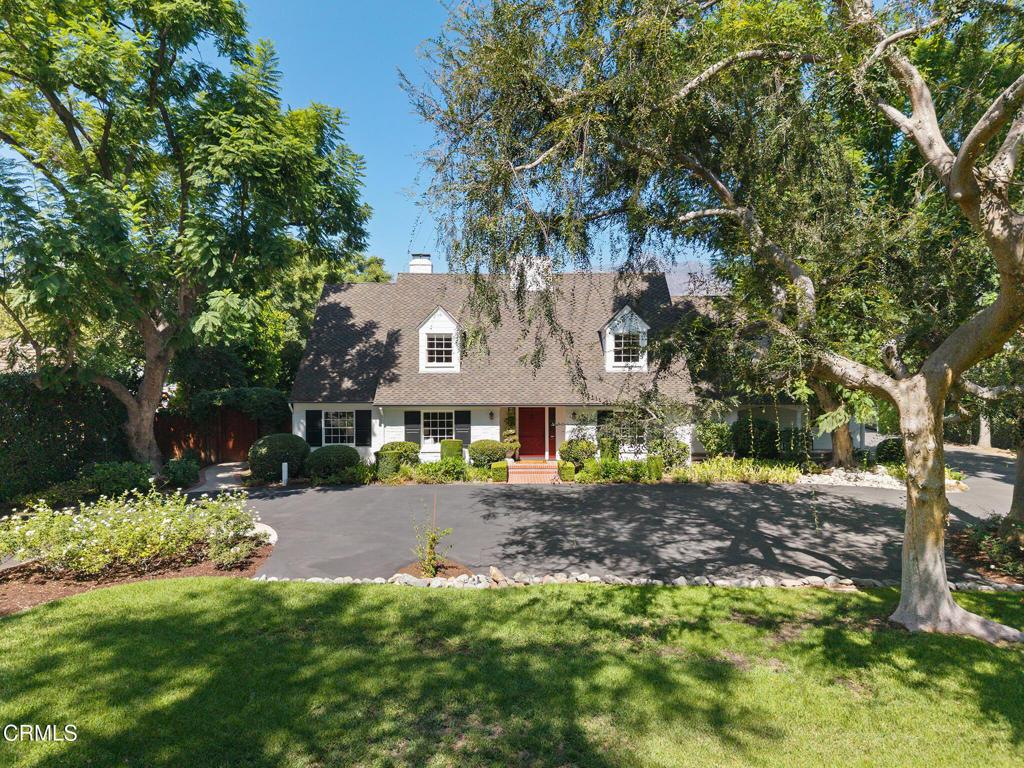
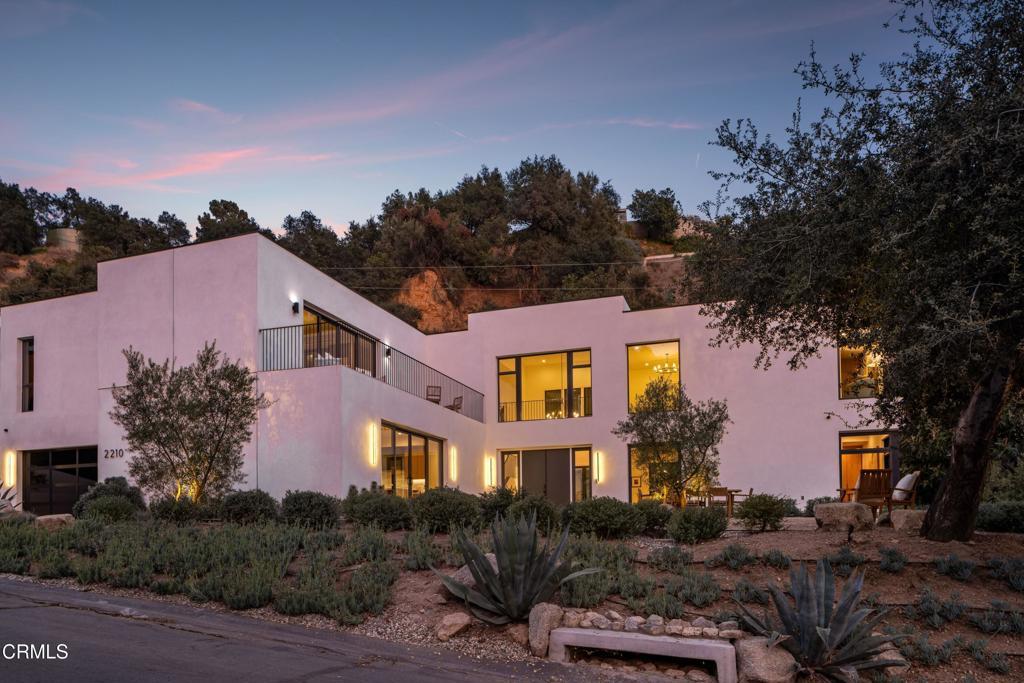
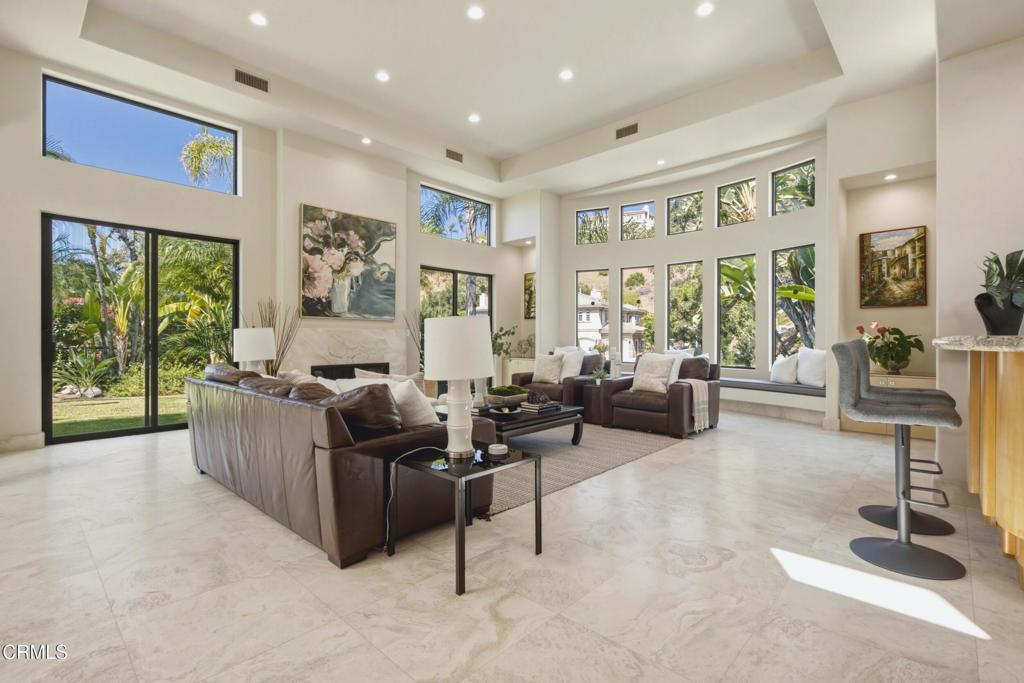
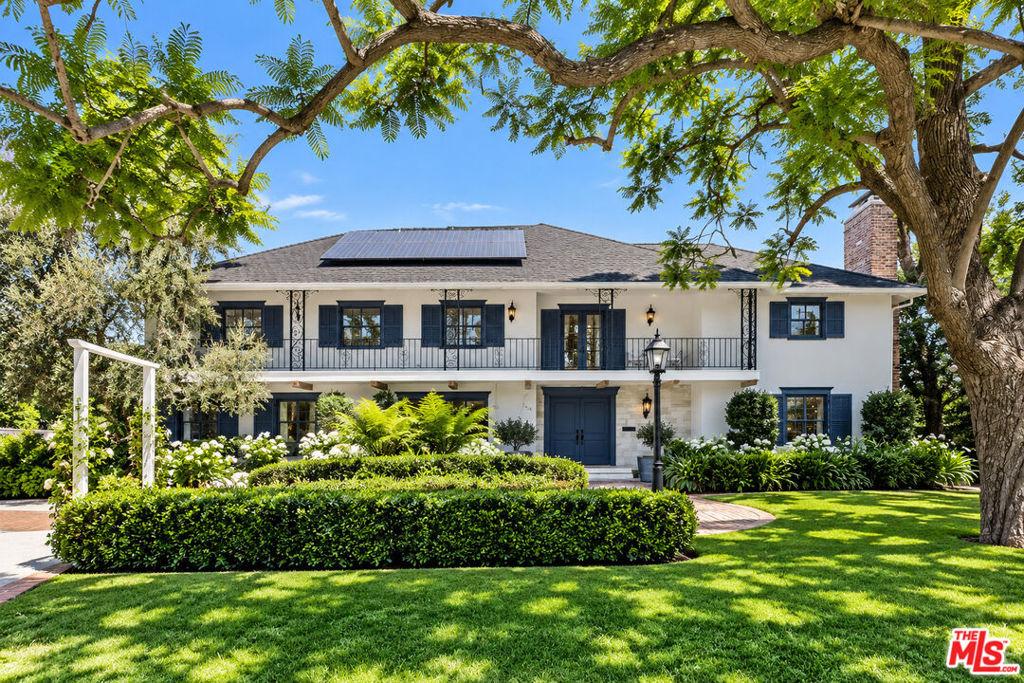
The residential streets of Lamanda Park have a character common to east Pasadena neighborhoods developed in the interwar and postwar periods: single-family homes on modest but functional lots, tree-lined blocks, and a residential fabric that has remained relatively stable through the decades since initial construction. Lamanda Park is less architecturally distinguished than the older bungalow districts of central Pasadena, but its east side position gives it advantages in terms of lot size and relative affordability that attract buyers who prioritize freeway access and spatial efficiency over period architecture.
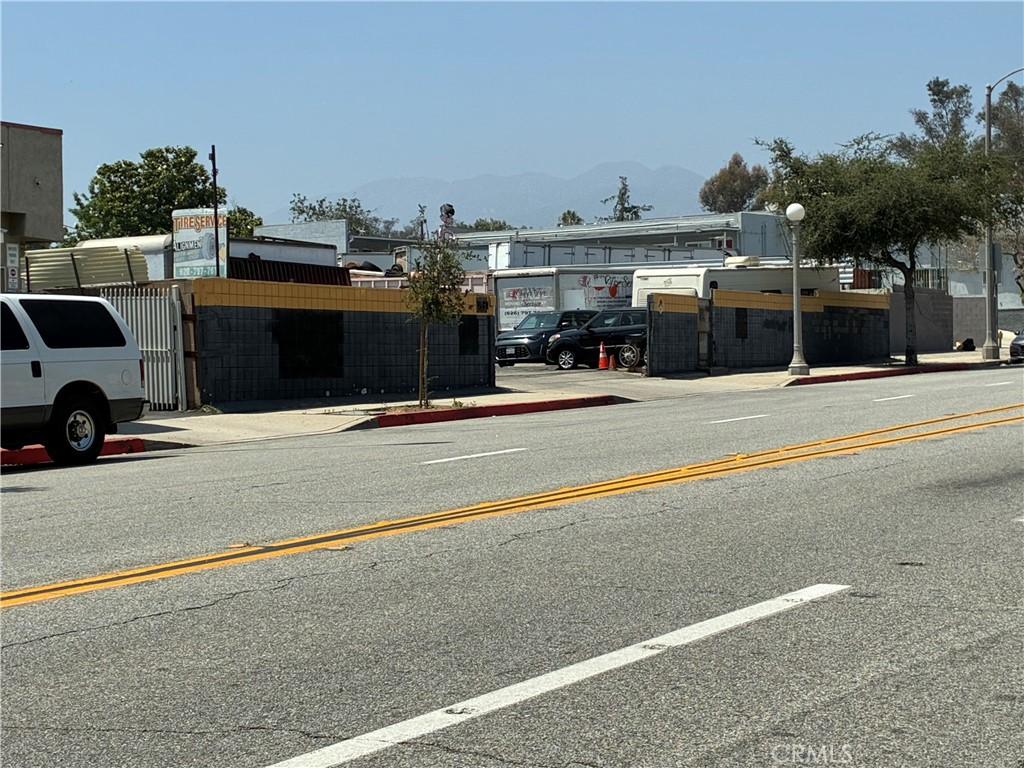
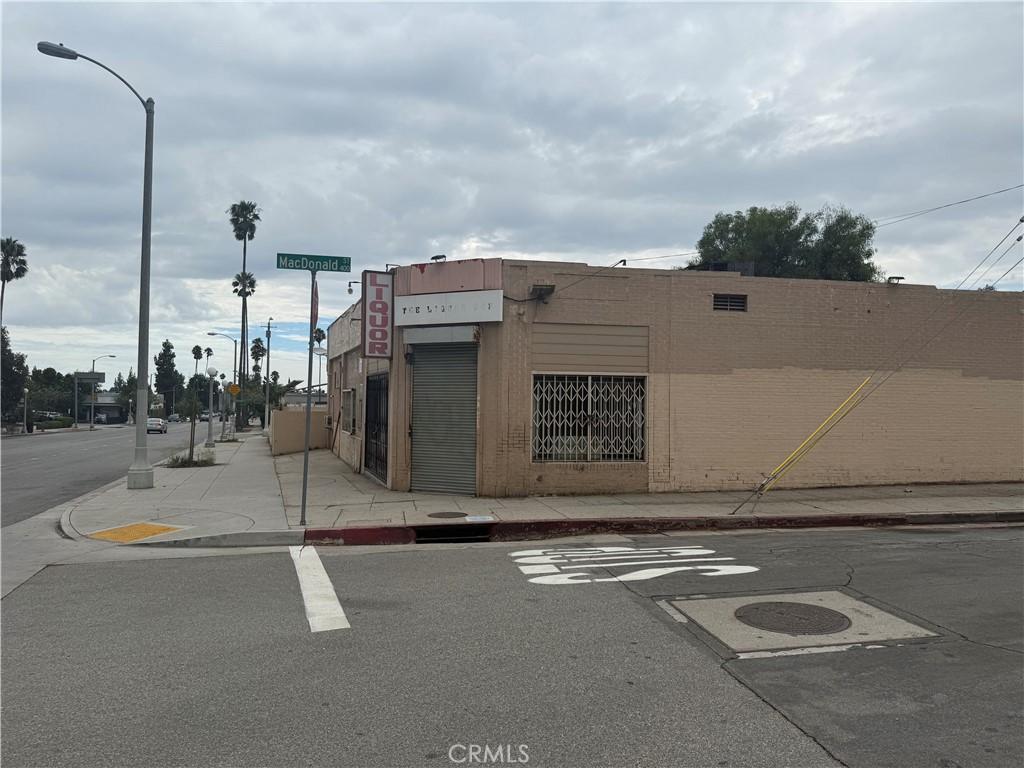
Foothill Boulevard provides the neighborhood’s primary local commercial spine, with a mix of small retail, dining, and services catering to the east Pasadena residential population. The corridor lacks the density and diversity of Old Pasadena or South Lake Avenue, but it serves the daily needs of residents without requiring a drive to the city’s commercial core. The broader east Pasadena commercial landscape along Colorado Boulevard and in the adjacent Arcadia retail district provides additional options for major shopping and dining.
Eaton Canyon Natural Area is approximately two miles north at the mountain base, providing the most significant outdoor recreation option for Lamanda Park residents. The canyon’s trail system is accessible without a long drive and offers varied hiking terrain from easy canyon walks to challenging summit routes in the San Gabriel Mountains above. The combination of freeway access and mountain adjacency makes east Pasadena neighborhoods including Lamanda Park a practical address for buyers who commute east or south while valuing outdoor recreation proximity.
Pasadena citywide runs a median sale price around $1,250,000, up 3.7% year-over-year, $791 per square foot down 0.5% year-over-year, median list price $1,170,000 at $769 per square foot, 240 homes on market, 83 sold, 48 days on market, 103.9% sale-to-list ratio, 1 average offer, and 39.7% average down payment. Lamanda Park homes price in the lower-to-mid range for Pasadena, reflecting the neighborhood’s modest residential character and east-side position relative to the city’s more desirable central and westside markets. The 210 Freeway access at Rosemead Boulevard and Eaton Canyon proximity at below-Pasadena-median pricing makes the neighborhood a consistent draw for east SGV buyers seeking a Pasadena address.
Schools fall within Pasadena Unified School District. Field Elementary serves the area. Buyers should note that Lamanda Park’s eastern boundary at the Arcadia city limits may affect school district assignments for specific addresses; confirm directly with PUSD.
Lamanda Park is a historic east Pasadena residential community that takes its name from the Lamanda Park settlement established in the late nineteenth century by Leonard J. Rose, who developed the area as a vineyard community and named it for his daughter (combining “La” from California with “Amanda,” her name). The community’s agricultural history predates Pasadena’s annexation of the surrounding area and gives Lamanda Park one of the more historically distinctive origin stories among Pasadena’s recognized neighborhoods. The settlement’s vineyards are long gone, but the name and the founding identity persist as part of the neighborhood’s historical character and the sense of local history that the east Pasadena community has maintained through the decades of suburban development that transformed the original agricultural landscape.
The residential housing in Lamanda Park today reflects the full development arc from the early twentieth century through the post-war period. The oldest homes in the neighborhood date from the 1910s and 1920s when the area was first developed as a residential community after the agricultural era ended. These older homes carry the Craftsman and early period revival character of that era. The post-war development of the neighborhood’s remaining undeveloped lots added ranch homes and minimal traditional configurations from the 1950s and 1960s. The mix of construction eras across the neighborhood produces the architectural variety characteristic of established east Pasadena neighborhoods with longer development histories than the single-phase post-war tracts of Hastings Ranch and Banbury Oaks.
The Sierra Madre Villa Gold Line station, approximately 1.5-2 miles northwest of the Lamanda Park neighborhood center, provides the nearest Metro Gold Line connection for residents. The station is accessible by car to the park-and-ride structure or by bicycle via Sierra Madre Villa Avenue. For residents commuting by Gold Line to central Pasadena, Old Pasadena, or Downtown Los Angeles, the station provides the transit connection with a short car or bicycle trip from the neighborhood. Eastbound Gold Line service from Sierra Madre Villa reaches Duarte, Monrovia, and Azusa in the opposite direction, making the station useful for commuters in both directions along the Gold Line corridor.
Eaton Canyon Natural Area is the primary outdoor recreation destination for Lamanda Park residents, accessible via Altadena Drive approximately 2-2.5 miles north. The canyon trail network, including the popular falls trail and the broader system of fire roads connecting into the San Gabriel Mountains, provides the hiking and outdoor access that east Pasadena residents value as one of the geographic advantages of the east Pasadena residential position relative to the central city. Lamanda Park’s proximity to both Eaton Canyon and the broader east Pasadena trail network via the Eaton Wash corridor makes the neighborhood one of the better-positioned east Pasadena addresses for residents who want trail access as a regular component of their weekend recreation.
Schools serving Lamanda Park are within the Pasadena Unified School District’s east Pasadena assignment area. Elementary school assignments from Lamanda Park addresses typically lead to Madison Elementary School or another east Pasadena PUSD elementary school depending on address. The middle school pathway typically goes to Eliot Middle School or another PUSD middle school in the east-central district. Pasadena High School on North Sierra Madre Villa Avenue is the standard high school for most Lamanda Park addresses and hosts the Humanities Project and vocational education programs alongside the standard college preparatory curriculum. The PUSD magnet program options available to Lamanda Park residents are accessible through the standard district application process.
Commercial access from Lamanda Park centers on the East Colorado Boulevard corridor, which provides Trader Joe’s, restaurants, coffee shops, and neighborhood-serving retail within approximately 0.5-1 mile south of most neighborhood addresses. The Foothill Boulevard corridor to the north provides hardware, auto service, and additional neighborhood commercial access. For more complete grocery and specialty retail, residents use the Fair Oaks Avenue and South Lake Avenue corridors in central Pasadena (approximately 10-20 minutes by car) or the commercial options in Arcadia and Monrovia east of the Pasadena city limits. The commercial access pattern for Lamanda Park is car-dependent for most destinations beyond the immediate East Colorado Boulevard corridor.
The renovation market in Lamanda Park reflects the east Pasadena pattern with an additional historical dimension from the older pre-war properties in the neighborhood. Buyers who are purchasing pre-war Lamanda Park homes should include structural assessment and foundation review in their due diligence, as older California construction (particularly in the 1910s-1930s range) may have post-and-pier foundations, knob-and-tube electrical wiring, galvanized or cast-iron water supply lines, and original plaster wall construction that require different renovation approaches than post-war slab construction. The renovation complexity of older properties is offset by the typically lower purchase price relative to recently renovated homes and the architectural character that the older construction period provides in the Lamanda Park context.
The Lamanda Park market carries a modest historical-character premium over the purely post-war east Pasadena ranch home tracts, reflecting the older housing stock and the historical name recognition that the Lamanda Park community identity brings to the area. The pricing remains below the central Pasadena HPOZ neighborhoods but positions Lamanda Park above the most peripheral east Pasadena tracts in the neighborhood value hierarchy. Buyers who value historical character and the Lamanda Park name recognition within the Pasadena residential market, combined with the east Pasadena pricing that provides more affordable entry into the Pasadena single-family market than the central and west neighborhoods, find the combination a practical positioning for their residential investment.
The insurance profile for Lamanda Park is within the flatland east Pasadena range: below the Very High FHSZ hillside neighborhoods, with admitted market insurance generally available for well-maintained properties. Pre-war Lamanda Park homes may have specific insurance considerations related to older electrical systems (knob-and-tube wiring is rated as a higher risk by many insurers and may require evidence of a recent electrical inspection or update as a condition of policy issuance), older roofing materials, and original plumbing configurations. Buyers of pre-war Lamanda Park properties should discuss these specific insurance considerations with their broker before finalizing purchase, as the insurability conditions for pre-war properties can differ materially from the standard flatland east Pasadena insurance situation.
The annual Pasadena Rose Parade’s historical route ran through the heart of Pasadena’s commercial district along Colorado Boulevard, approximately 0.7-1 mile northwest of the Lamanda Park area. While the parade does not pass through the neighborhood directly, the January 1 parade closure of Colorado Boulevard affects routing throughout east Pasadena as vehicles seek alternate north-south and east-west routes. East Pasadena residents, including those in Lamanda Park, have adapted to the January 1 parade traffic pattern by planning any January 1 travel in advance and using alternative corridors (California Boulevard, Foothill Boulevard, and the arterial network south of the parade route) to navigate around the closure. The parade event is close enough to be relevant to Lamanda Park’s routing but not so close as to create the direct street-level impact that residents in the Old Pasadena and Civic Center areas experience.
The Lamanda Park neighborhood’s historical association with the region’s viticulture heritage is preserved partly in the community’s name and partly in the broader awareness among east Pasadena residents of the area’s agricultural past. The historical character of the neighborhood as a transitional community from the agricultural era to the suburban era gives Lamanda Park a sense of temporal depth that distinguishes it from the more recently developed east Pasadena tracts that were built without reference to any prior community identity. This historical awareness is a minor but real component of the community identity that long-term Lamanda Park residents sometimes cite when explaining what makes their neighborhood feel distinctive within the broader east Pasadena residential context.
The insurance context for Lamanda Park pre-war properties includes considerations beyond the standard flatland east Pasadena fire risk profile. Pre-war homes that retain original knob-and-tube wiring may face insurance availability complications, as some admitted carriers have declined to insure properties with active knob-and-tube circuits, particularly after any recent interior renovation work that requires the electrical system to be brought to current code. Buyers of pre-war Lamanda Park homes who are uncertain about the electrical system condition should include an electrical inspection in their due diligence and discuss insurance implications with their broker before finalizing purchase. The cost of updating from knob-and-tube to contemporary wiring is significant (typically $15,000-$30,000 for a full-house rewire) but may be a prerequisite for admitted market insurance coverage on the specific property.
The weekend social infrastructure in Lamanda Park and the surrounding east Pasadena area includes the Saturday Pasadena Farmers Market at Victory Park, the Eaton Canyon trail as a regular Saturday morning hiking destination, and the East Colorado Boulevard restaurant corridor as the primary dining out option without a drive to Old Pasadena or the Playhouse District. The regular presence of Lamanda Park residents at the Eaton Canyon trailhead on Saturday mornings creates an informal neighbor-encounter context that is one of the subtle social bonds of the east Pasadena residential community. Residents who use the same Saturday morning trail on a regular schedule often develop recognition and occasional conversations with other regular users who live in the surrounding east Pasadena neighborhoods.
The relationship between Lamanda Park and the adjacent Arcadia and San Gabriel communities immediately east and south creates a pricing comparison that buyers in the east Pasadena market evaluate regularly. The Lamanda Park Pasadena address carries a modest premium over comparable housing in the adjacent Arcadia and San Gabriel neighborhoods that is supported by the PUSD access and the Pasadena civic identity but is not so large as to make the comparison obviously one-sided. Buyers who have strong school district preferences (PUSD versus Arcadia USD or San Gabriel USD) typically resolve the comparison based on the school district factor, while buyers who are indifferent to the specific school district may find the Arcadia or San Gabriel options at slightly lower pricing to be a better value for their specific priorities.
The Lamanda Park neighborhood’s eastern position within Pasadena creates a direct adjacency to the San Gabriel Valley foothill communities that provides a different commute geography than the central and west Pasadena neighborhoods. Residents who work in the Monrovia, Arcadia, or Duarte employment clusters have a shorter commute from Lamanda Park than from any central or west Pasadena address, as the eastbound 210 freeway reach to these communities is more direct from the east Pasadena position. This east-valley commute advantage is a genuine practical benefit for households where at least one partner works in the east San Gabriel Valley employment corridor, offsetting the central Pasadena commercial access discount that the east Pasadena position entails.
The garden tradition in Lamanda Park, carrying a faint echo of the neighborhood’s vineyard history, continues in the active home gardening culture that east Pasadena’s larger lots and year-round Southern California growing season support. Several Lamanda Park properties carry mature fruit trees (citrus, avocado, persimmon, and stone fruit species are common in the east Pasadena residential landscape) that were planted by previous owners and provide seasonal fruit production that new owners typically maintain and value. The presence of established fruit trees on a property is a practical amenity that buyers of Lamanda Park homes sometimes mention as an unexpected quality-of-life feature of their purchase, representing years of previous cultivation that new owners inherit with the property.
What is it like to live in Lamanda Park Pasadena Homes?
- Lamanda Park Pasadena Homes sit on residential streets with a character common to east Pasadena neighborhoods developed in the interwar and postwar periods.
- Single-family homes on modest but functional lots define the residential pattern found throughout this east Pasadena community.
- Tree-lined blocks and a stable residential fabric have persisted through the decades since initial construction in the community.
- Lamanda Park is less architecturally distinguished than the older bungalow districts of central Pasadena, according to the neighborhood description.
- East side position gives Lamanda Park advantages in lot size and relative affordability compared with central Pasadena districts.
- Buyers who prioritize freeway access and spatial efficiency over period architecture are drawn to Lamanda Park Pasadena Homes.
- Foothill Boulevard provides the primary local commercial spine, with small retail, dining, and services for the east Pasadena residential population.
- Foothill Boulevard lacks the density and diversity of Old Pasadena or South Lake Avenue but serves daily resident needs.
- Colorado Boulevard and the adjacent Arcadia retail district supply additional options for major shopping and dining.
- Eaton Canyon Natural Area lies north at the mountain base and offers the most significant outdoor recreation option for residents.
- Trail systems in Eaton Canyon range from easy canyon walks to challenging summit routes in the San Gabriel Mountains above.
- Freeway access combined with mountain adjacency makes Lamanda Park Pasadena Homes practical for buyers who commute east or south.
- Pasadena pricing citywide runs well above what Lamanda Park homes command, reflecting the modest residential character of the east side.
- Freeway access at Rosemead Boulevard and Eaton Canyon proximity keep the community a consistent draw for east San Gabriel Valley buyers.
- Pasadena Unified School District covers the schools serving Lamanda Park, with Field Elementary serving the area.
- Eastern boundary placement at the Arcadia city limits may affect school district assignments for specific addresses in the community.
- Confirmation directly with Pasadena Unified School District is advised for buyers checking school assignments on particular streets.
- Central and westside Pasadena markets remain more desirable, placing Lamanda Park Pasadena Homes in the lower-to-mid range citywide.