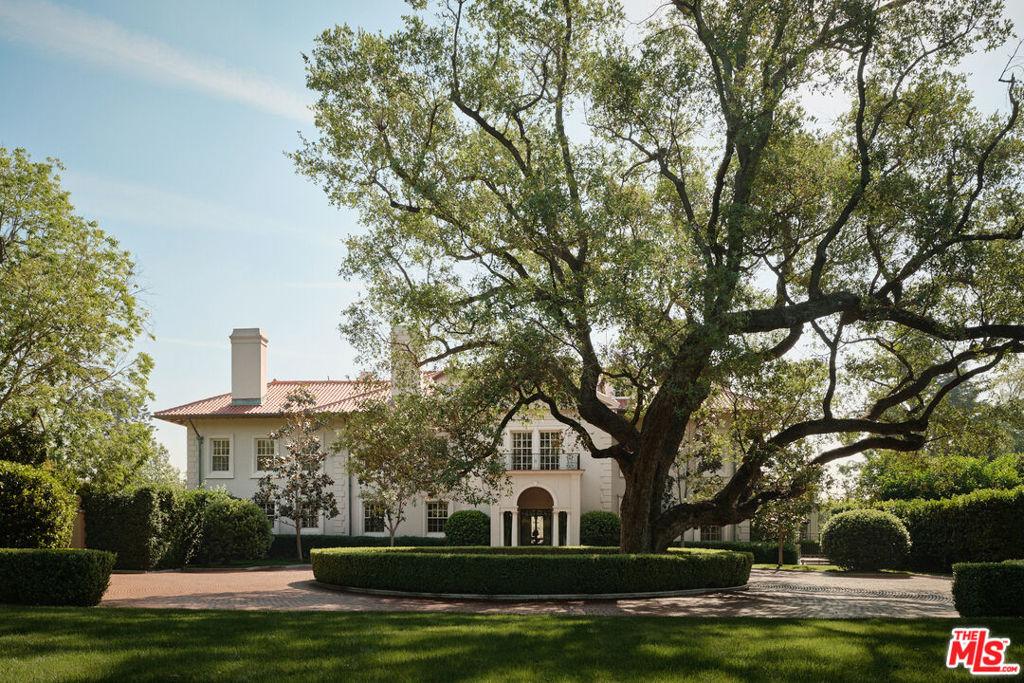
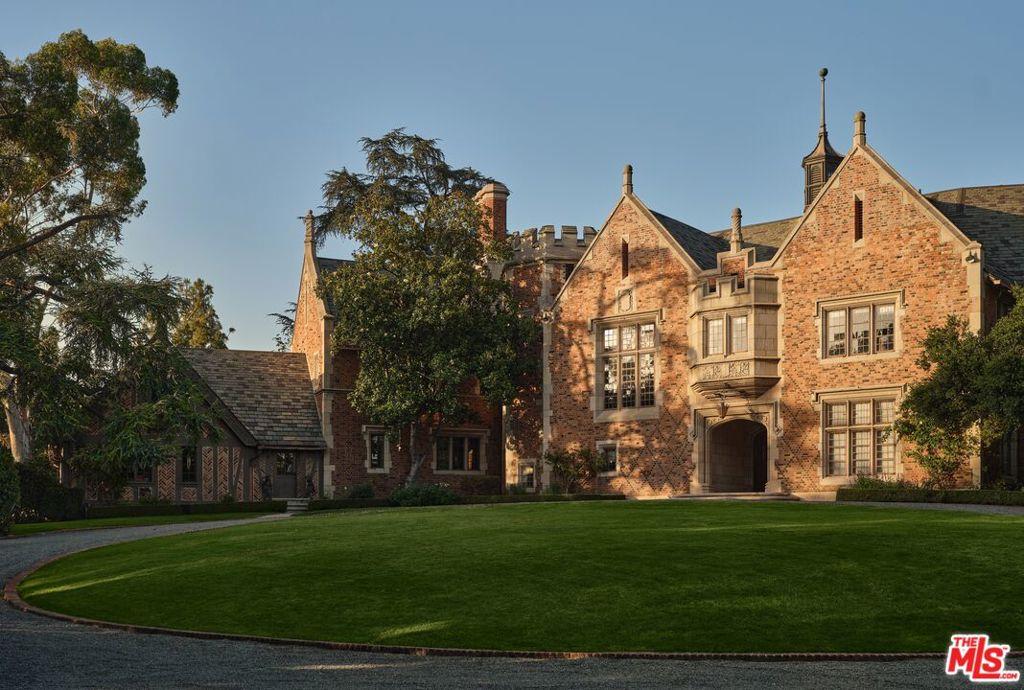
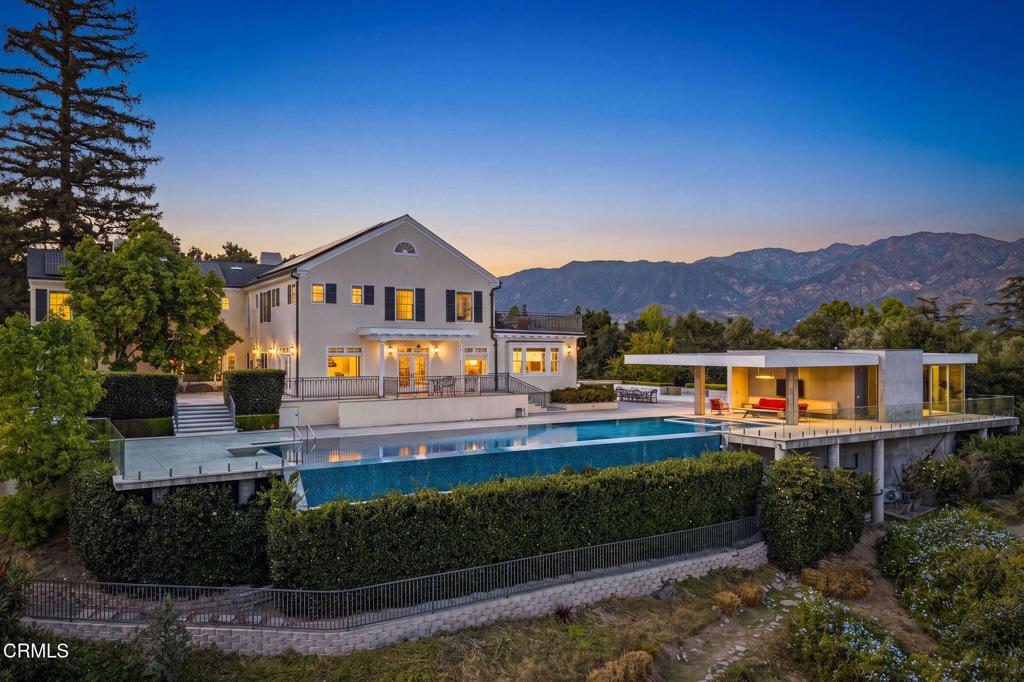
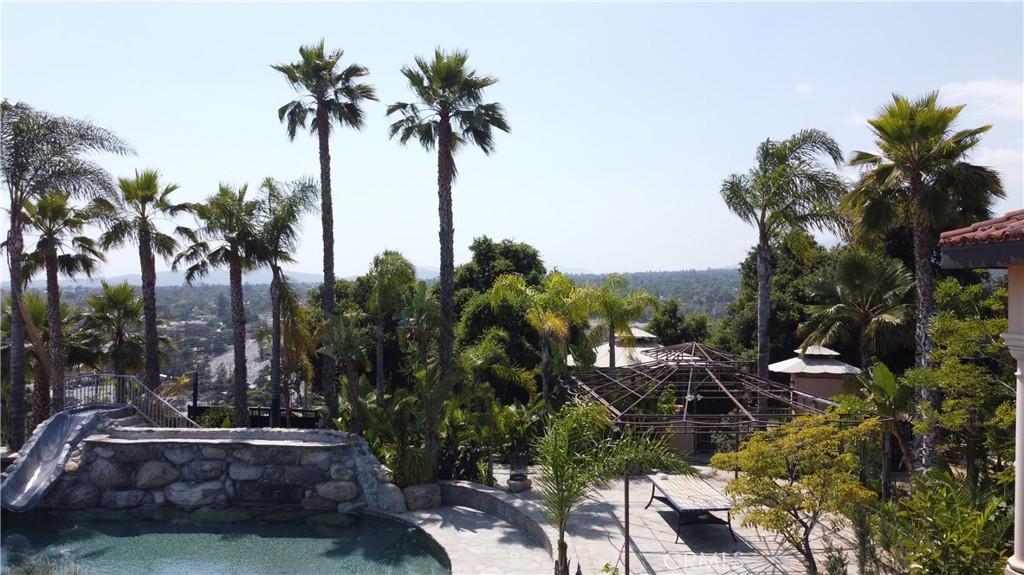
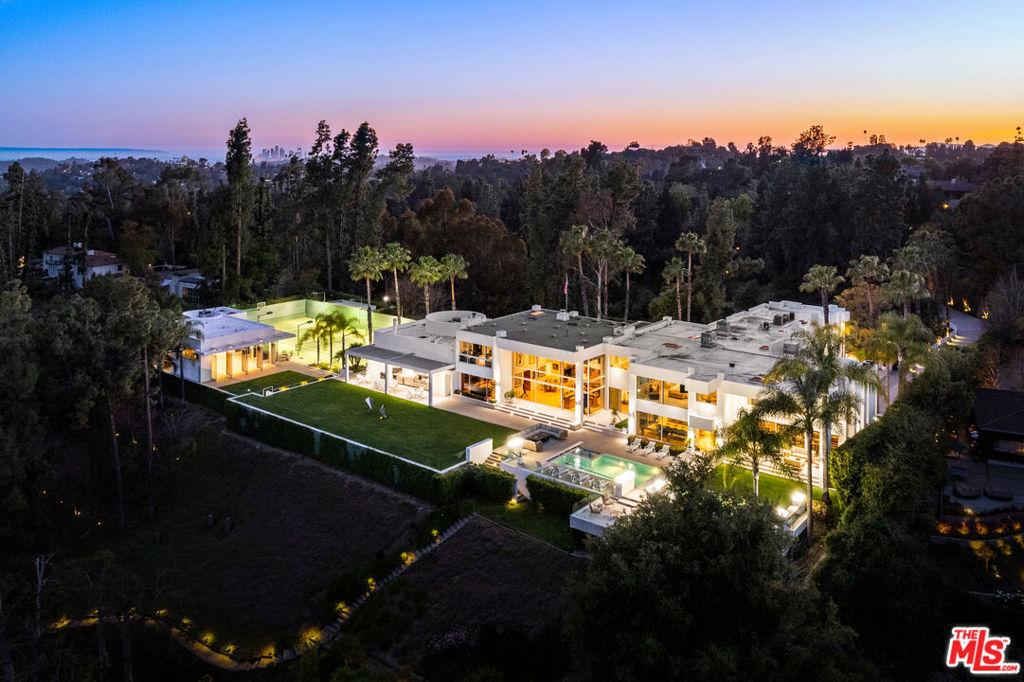
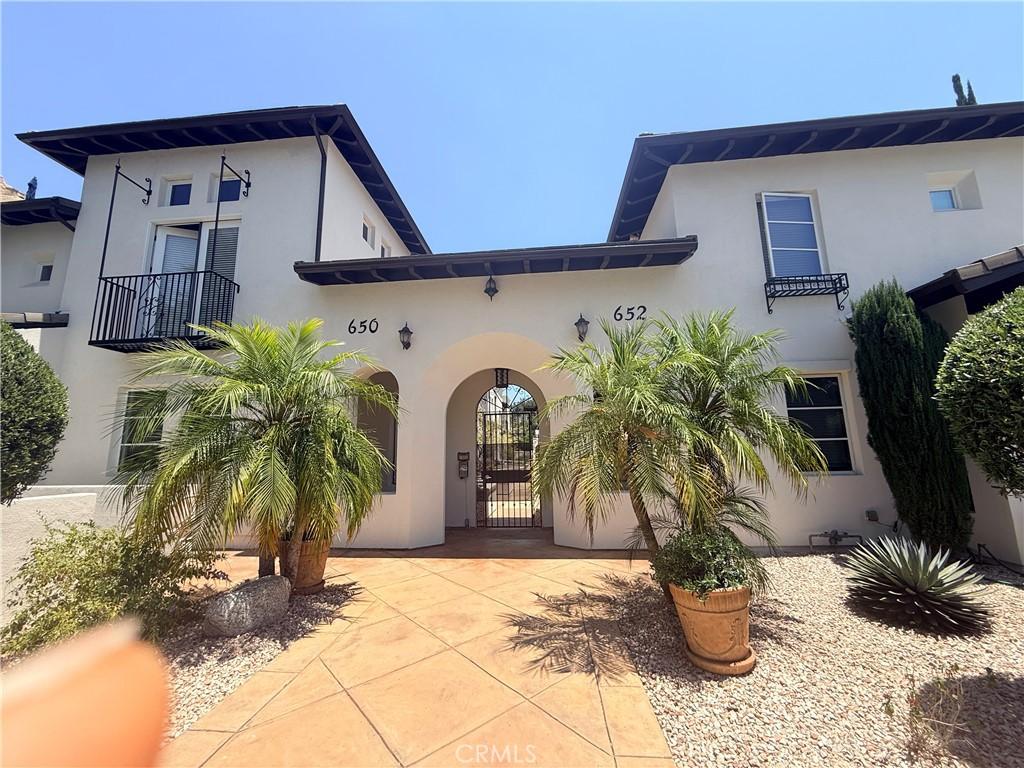
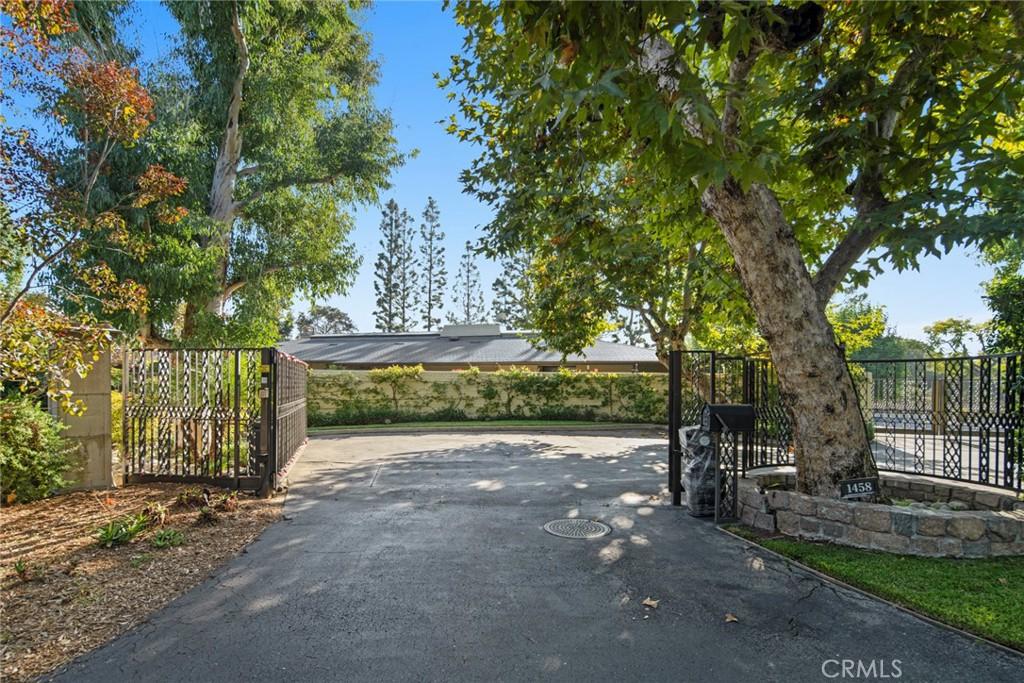
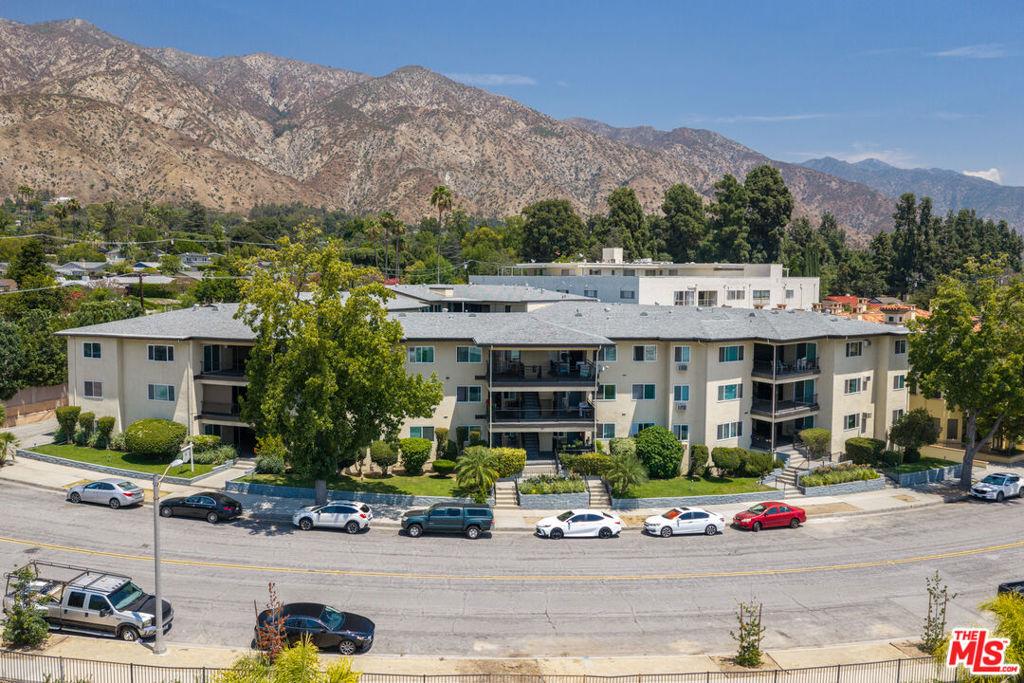
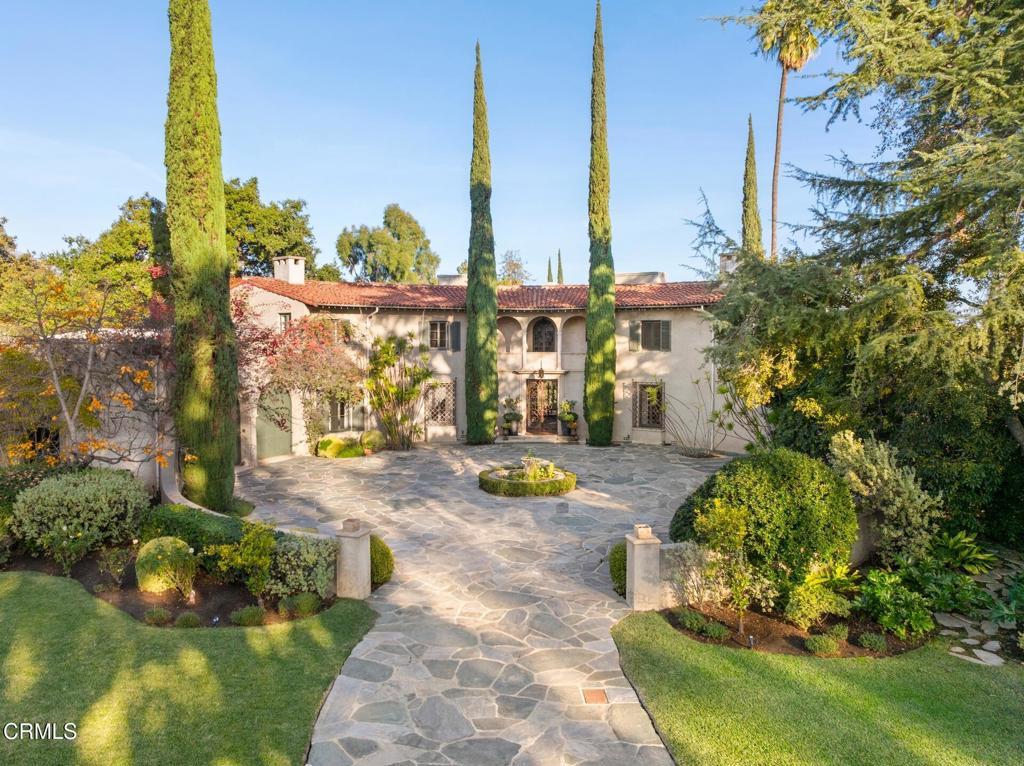
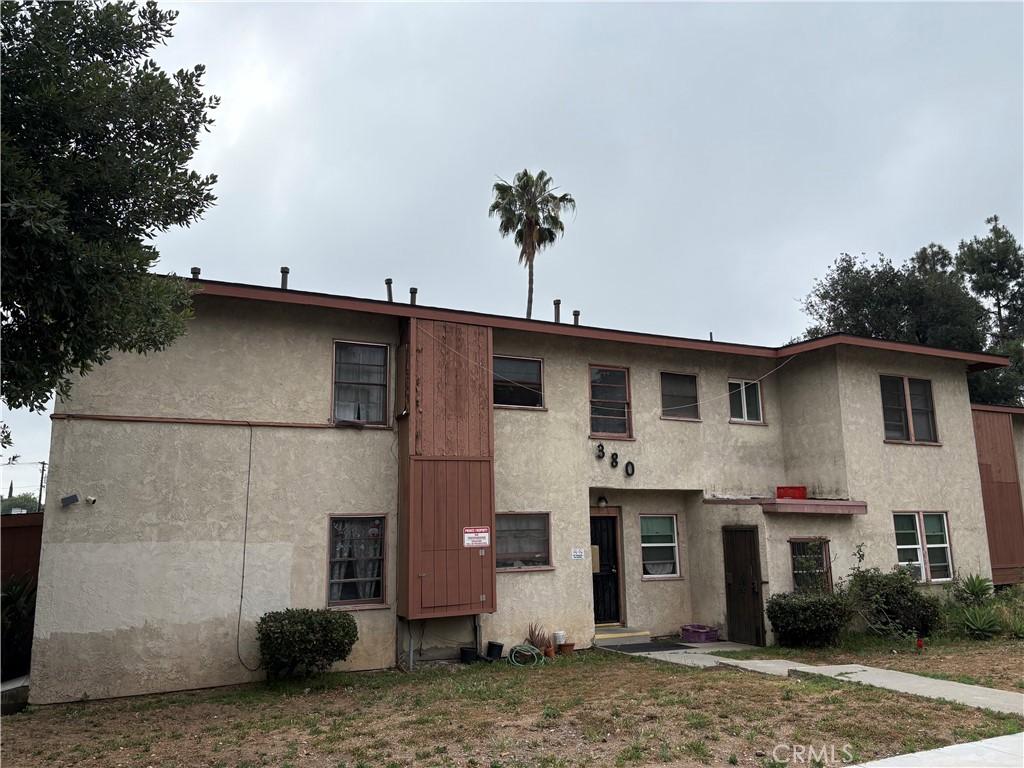
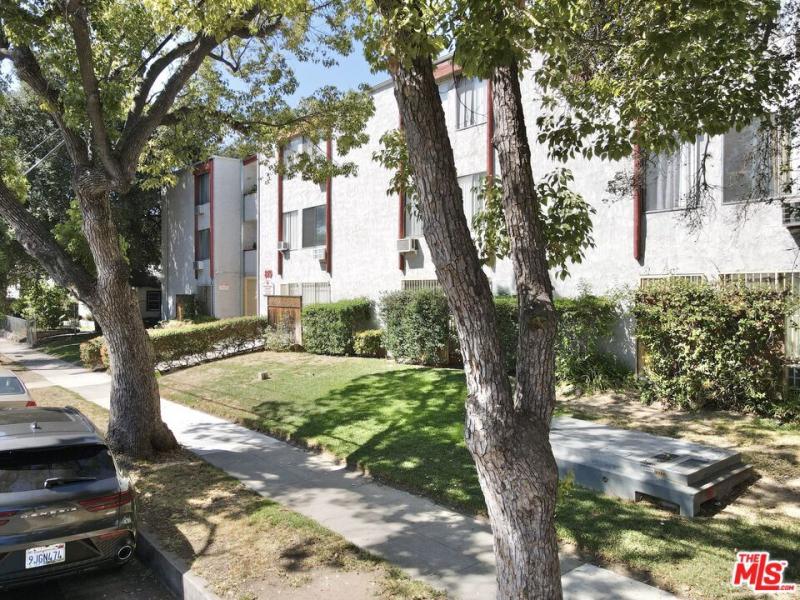
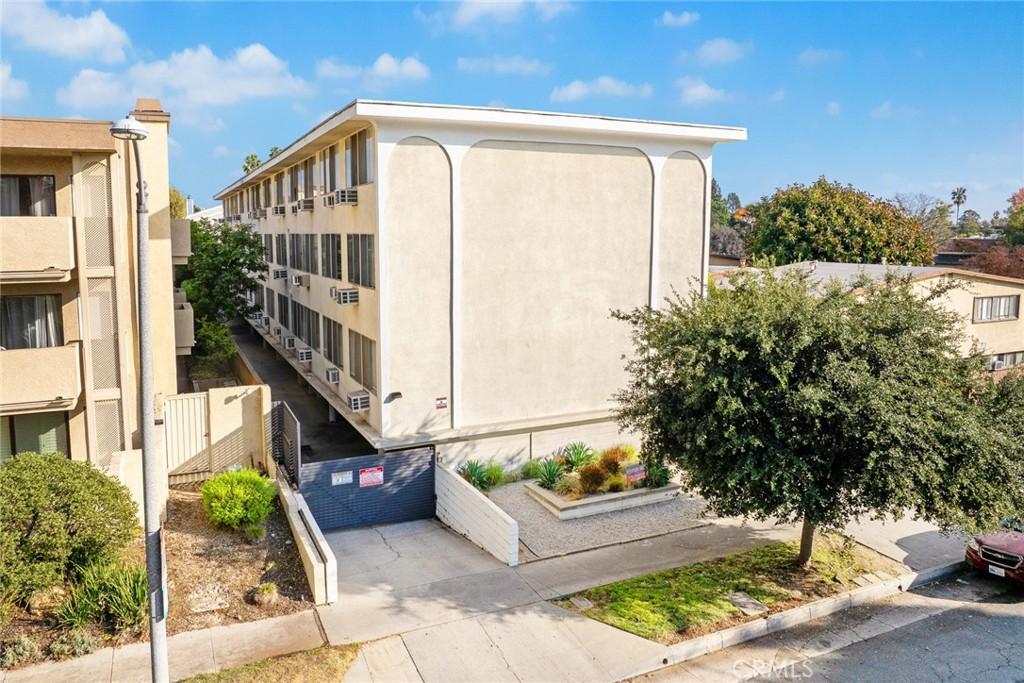
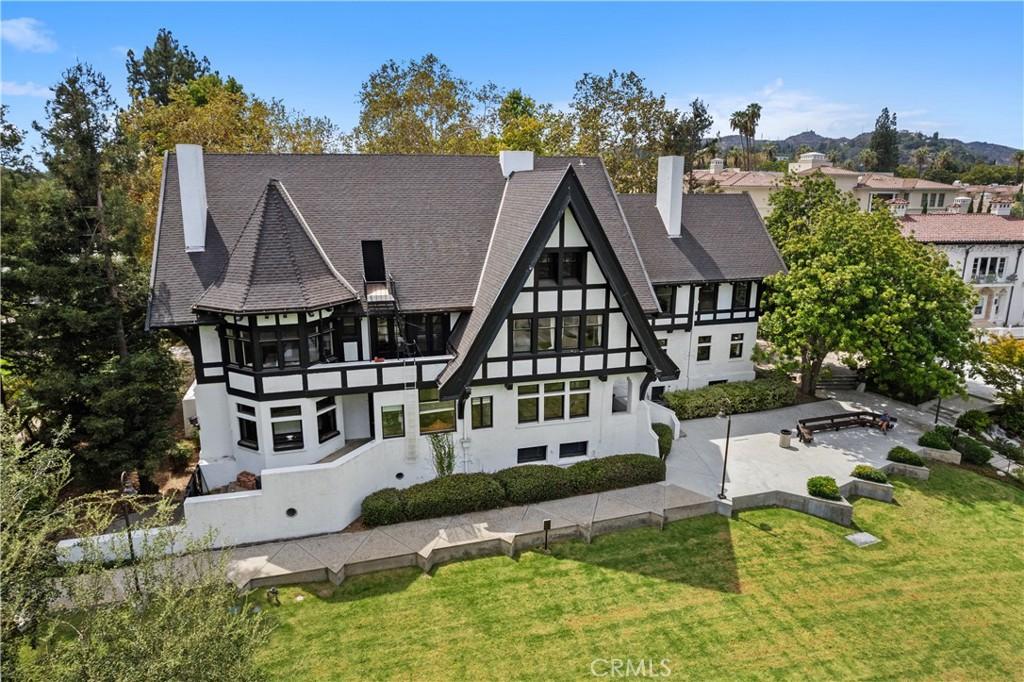
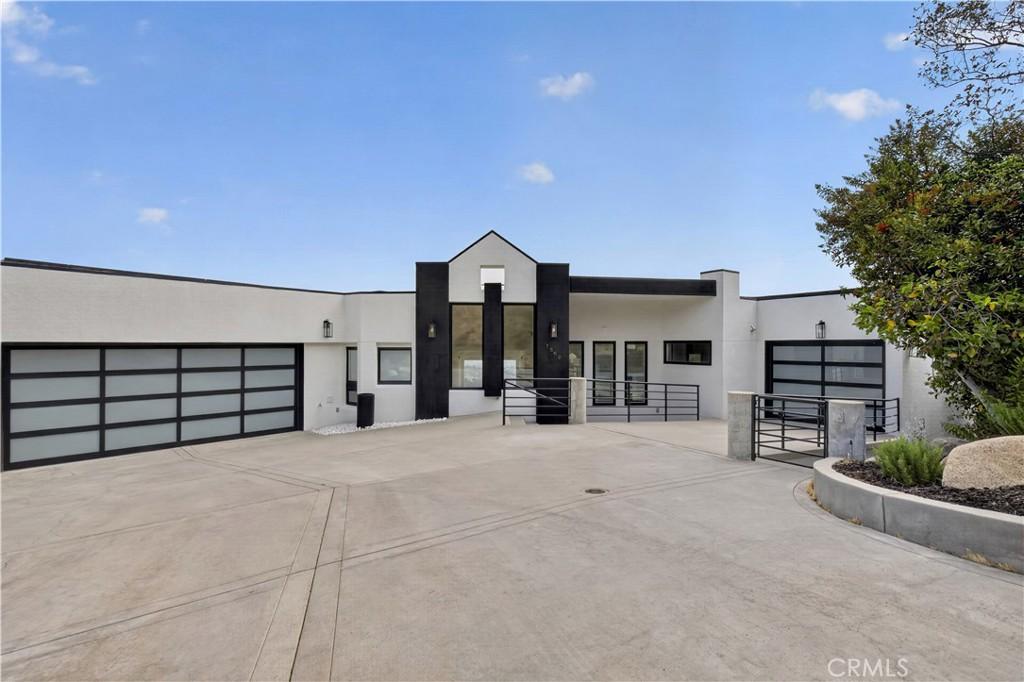
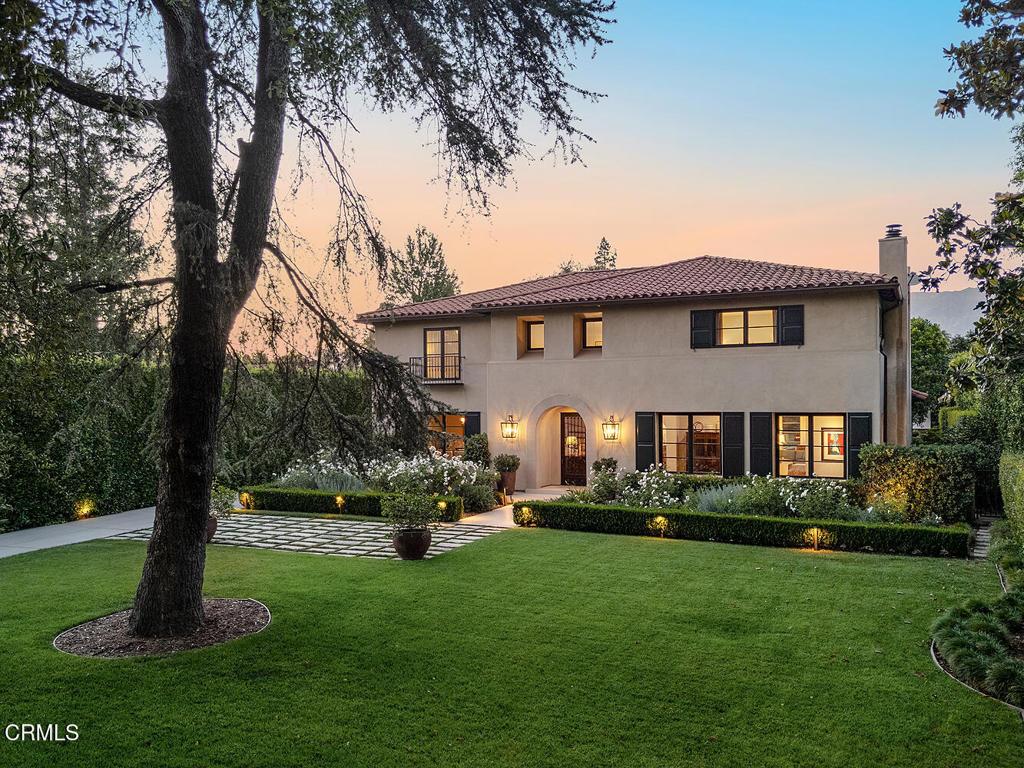
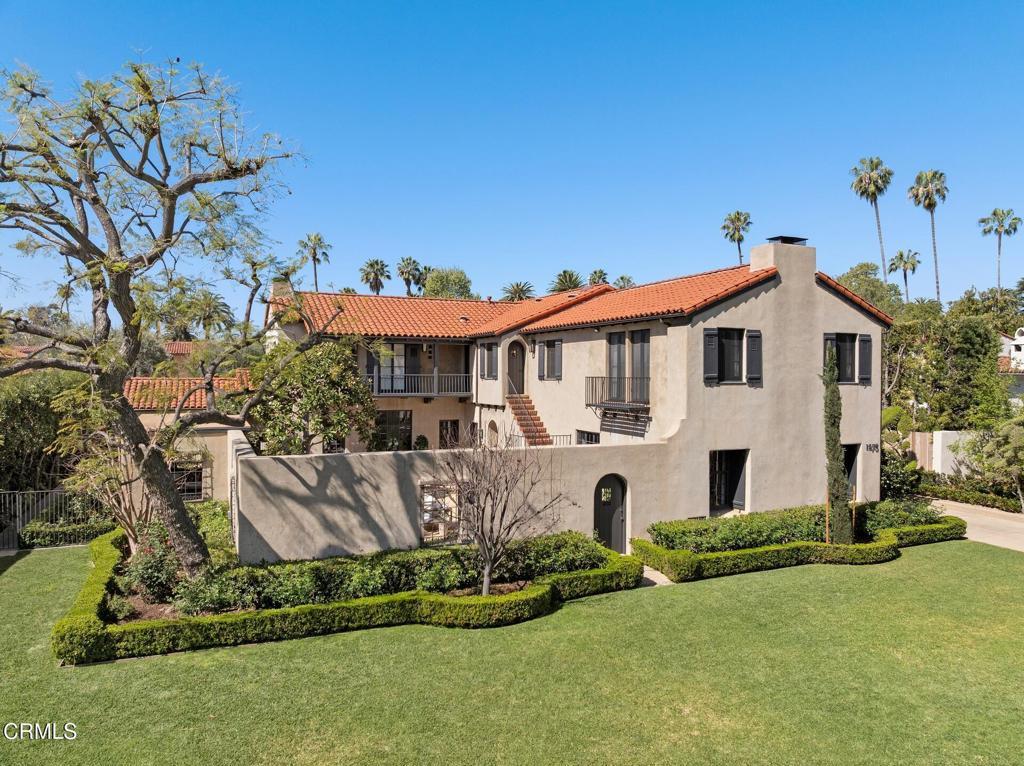
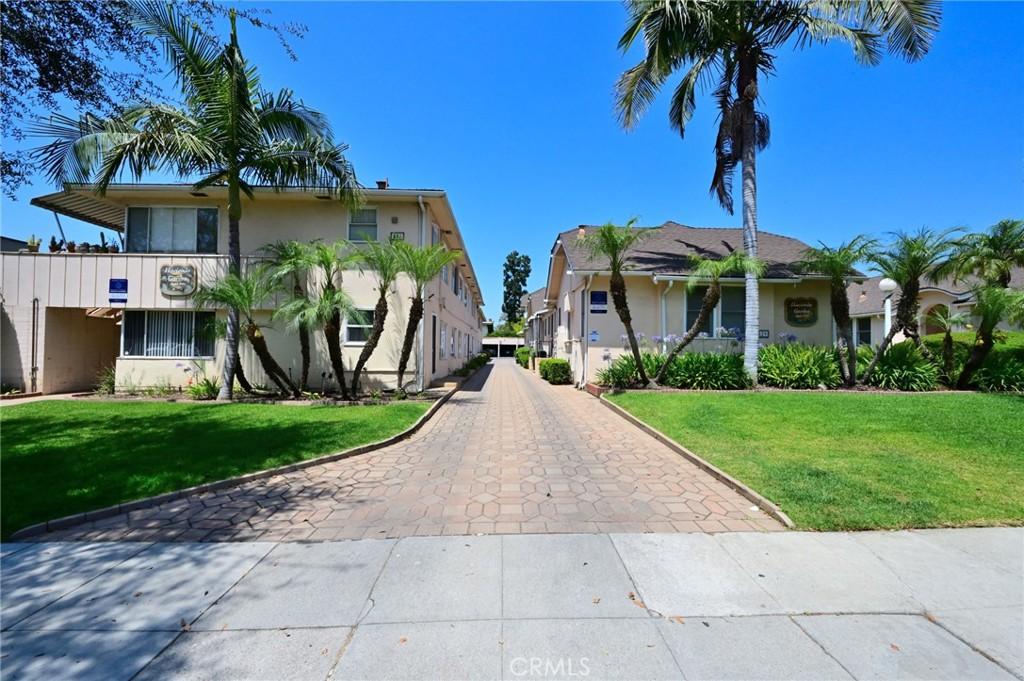
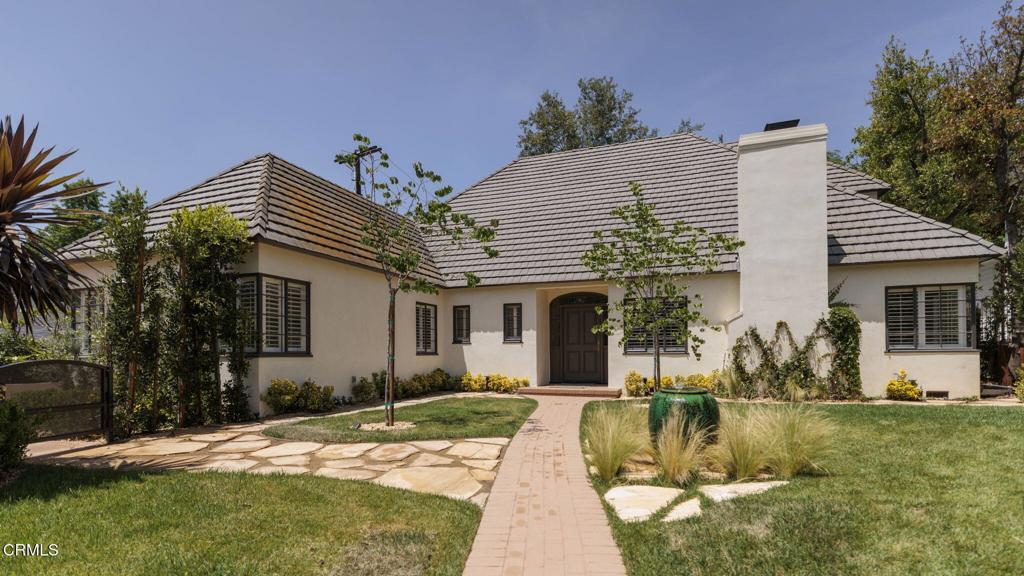
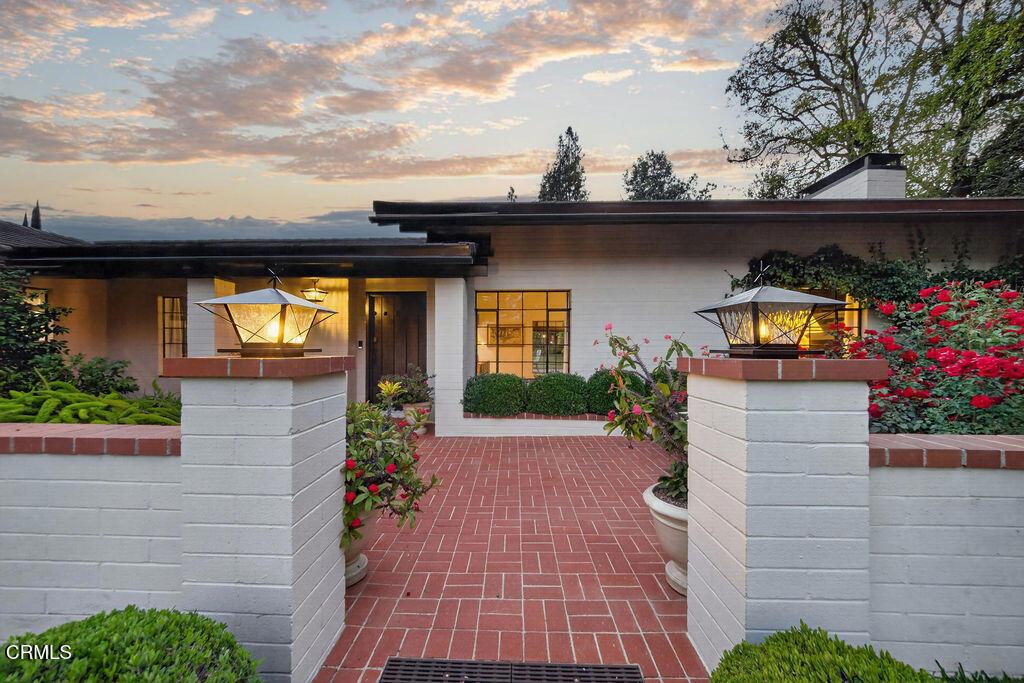
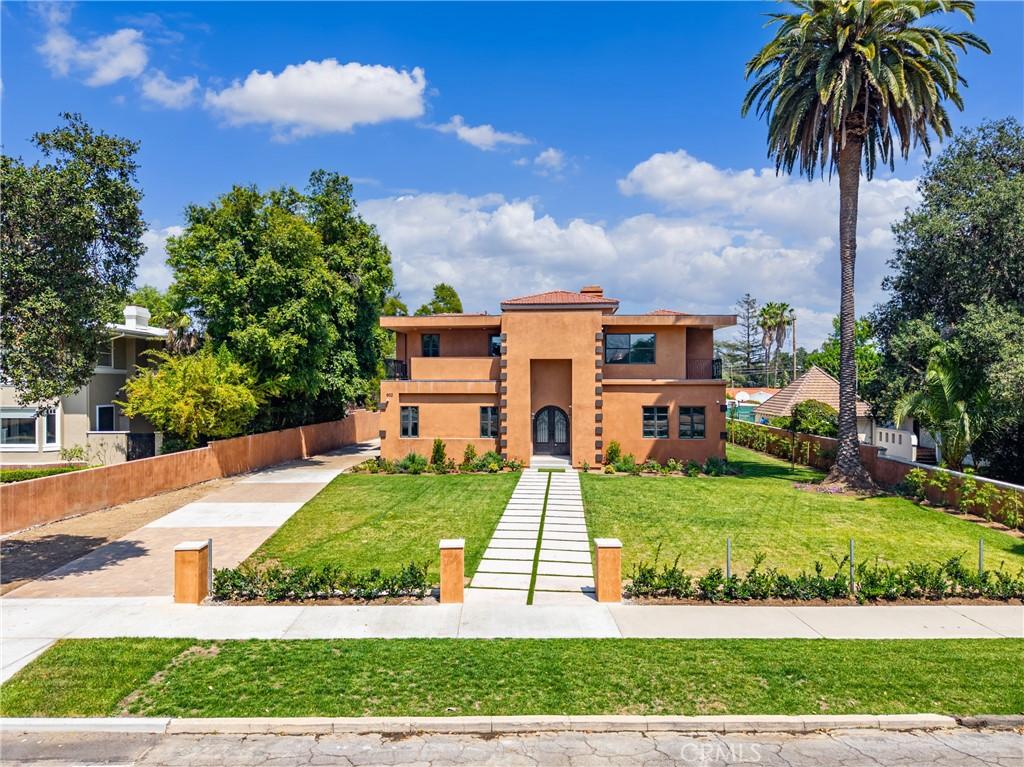
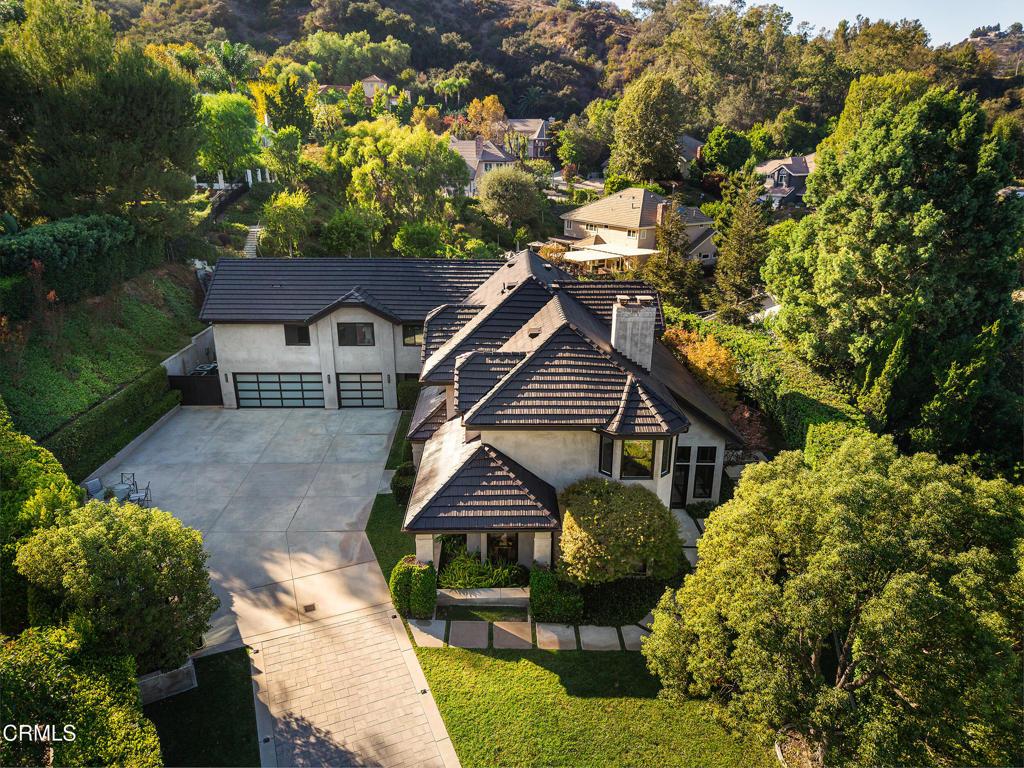
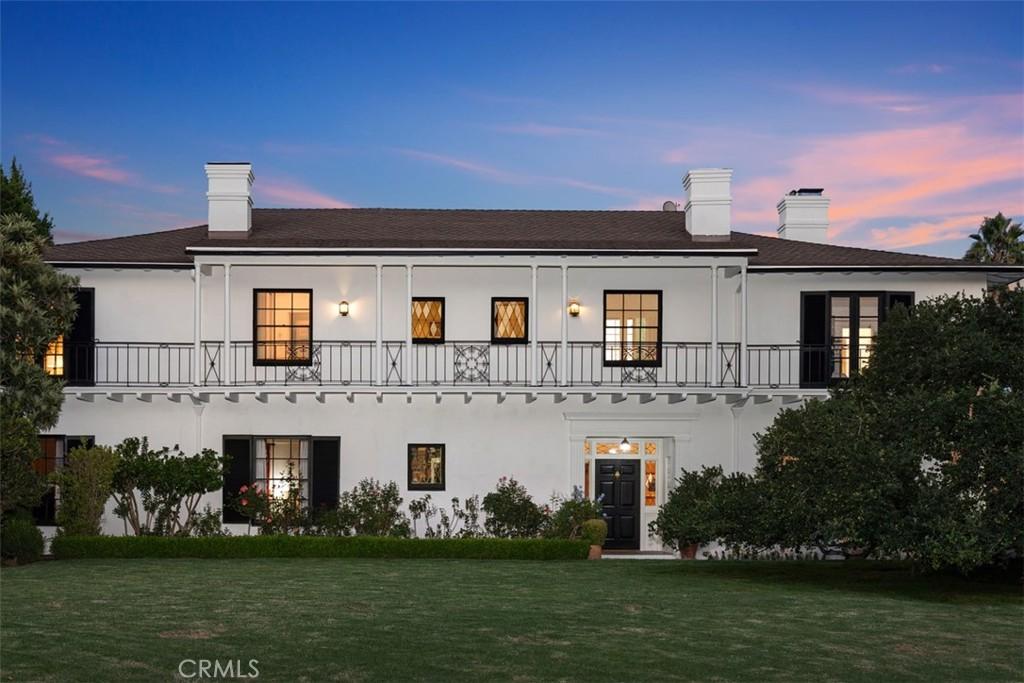
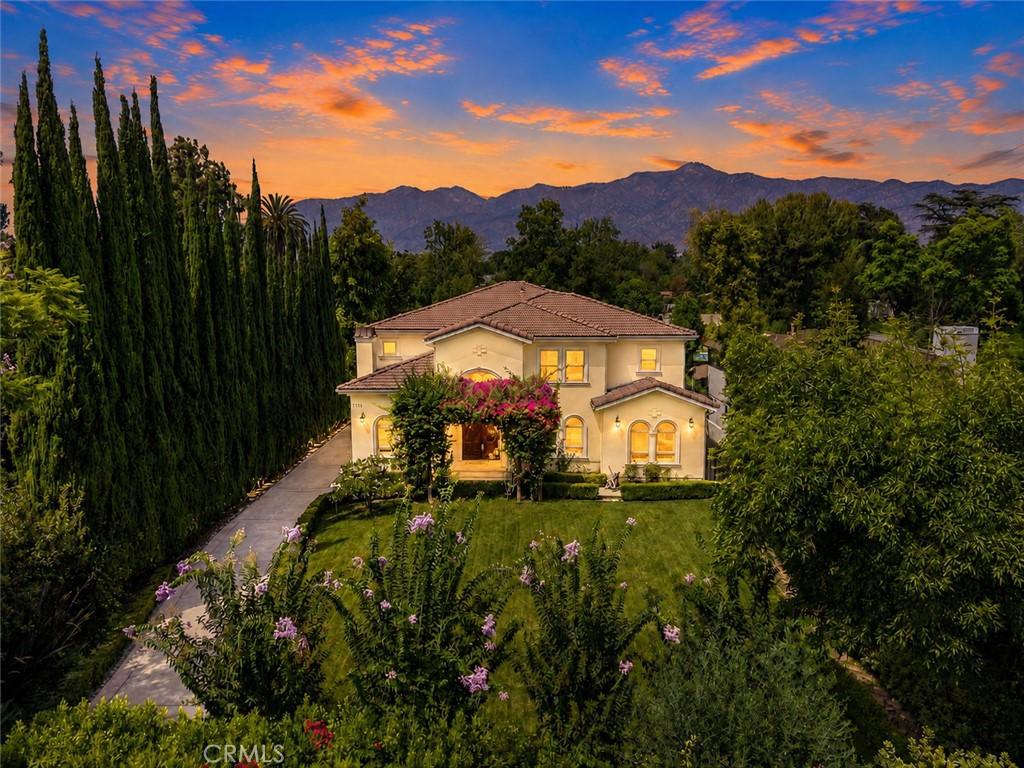
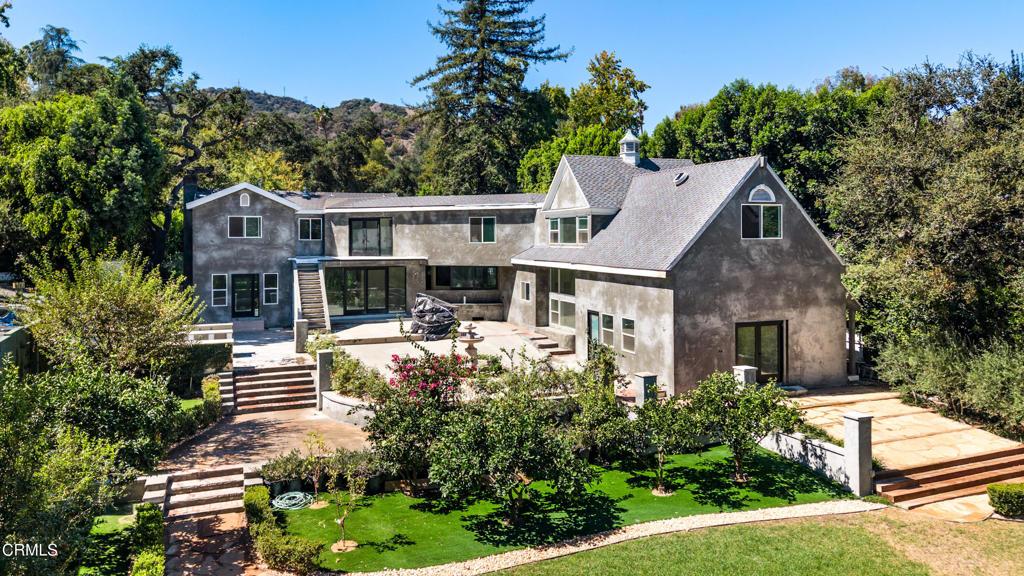
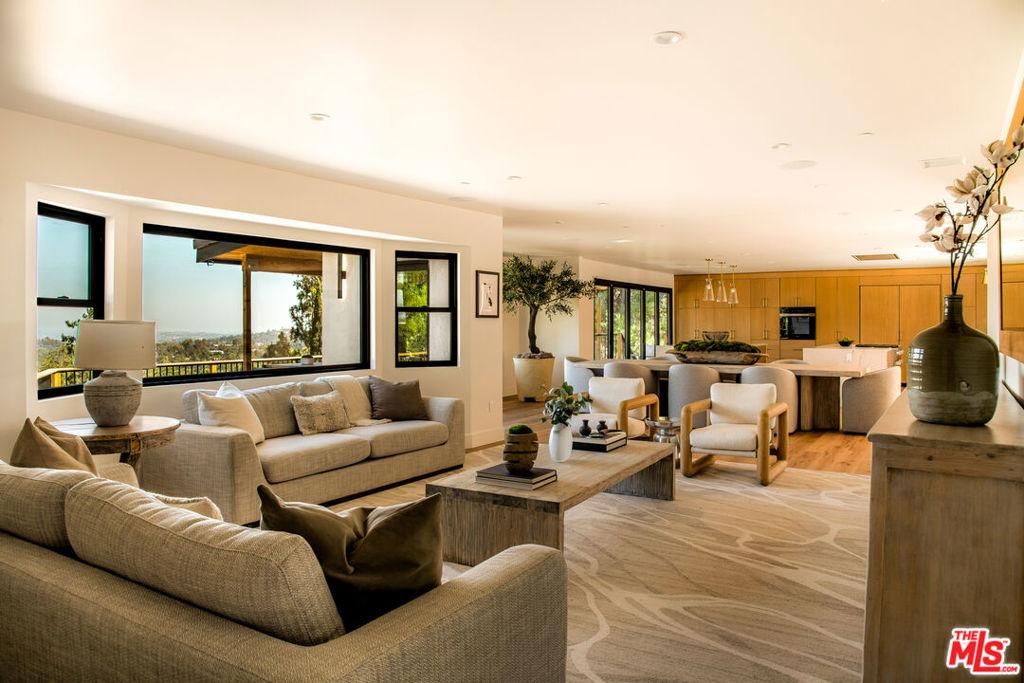
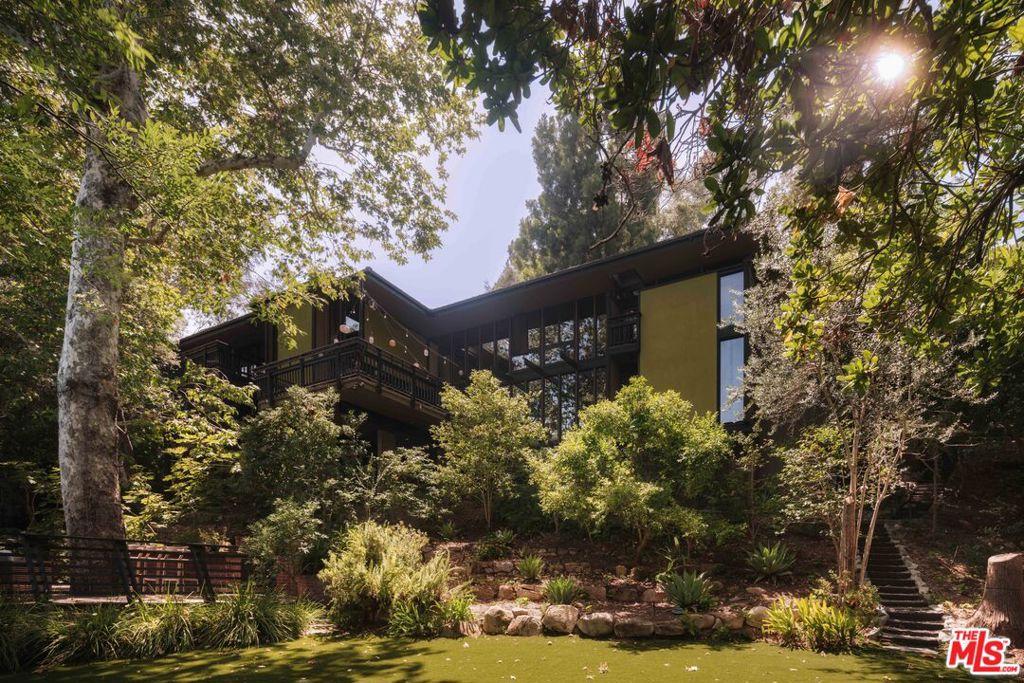
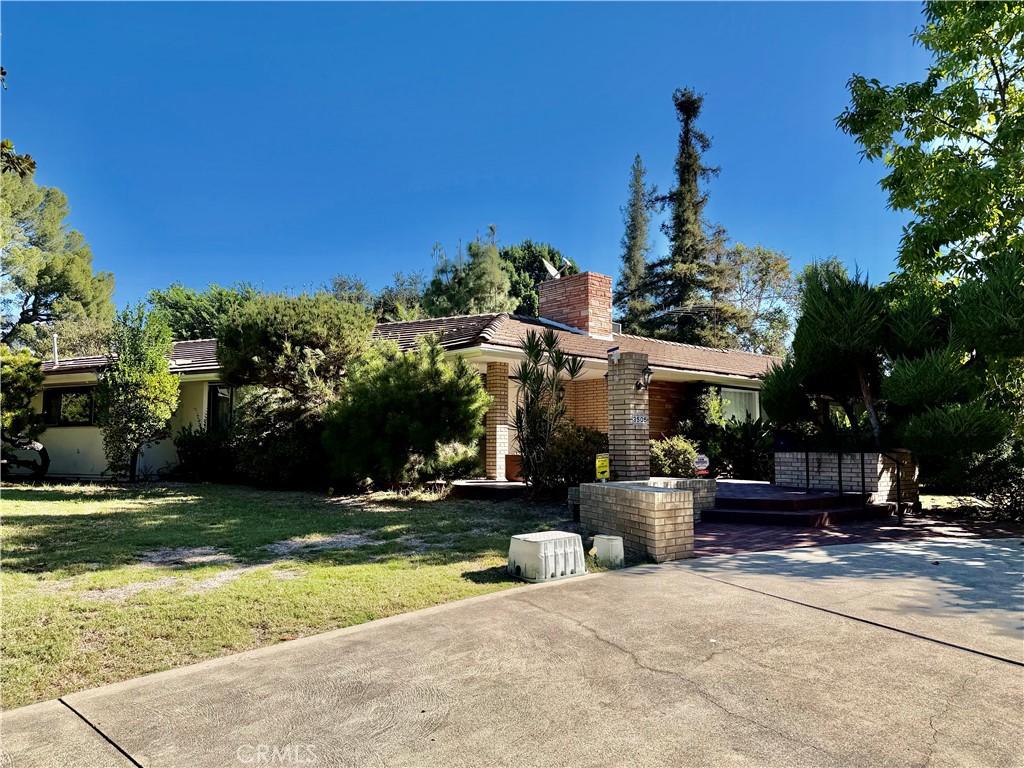
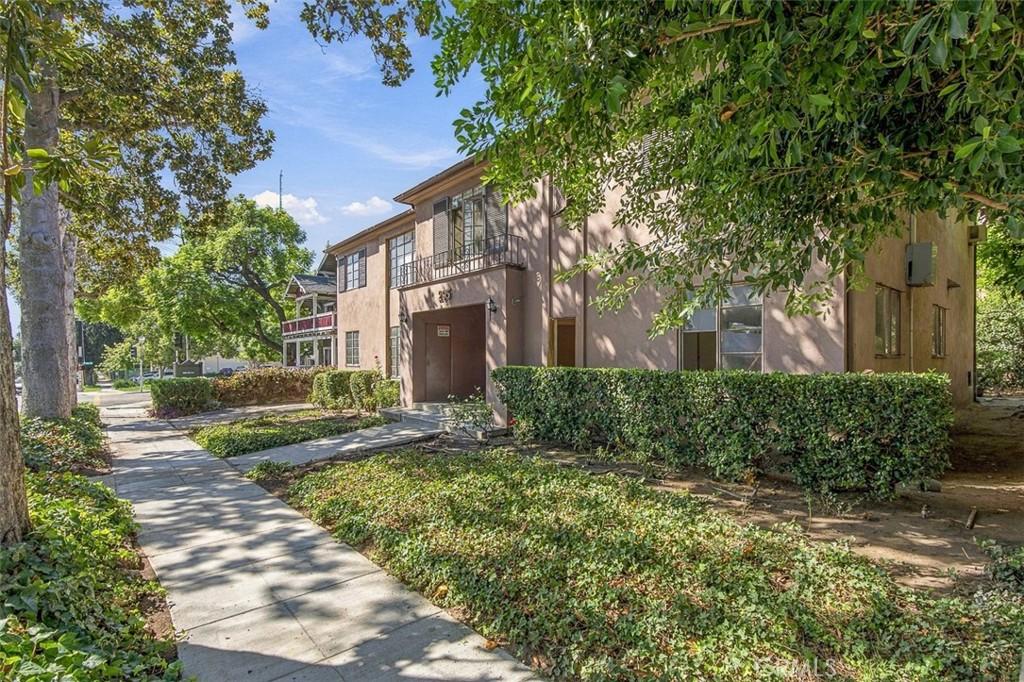
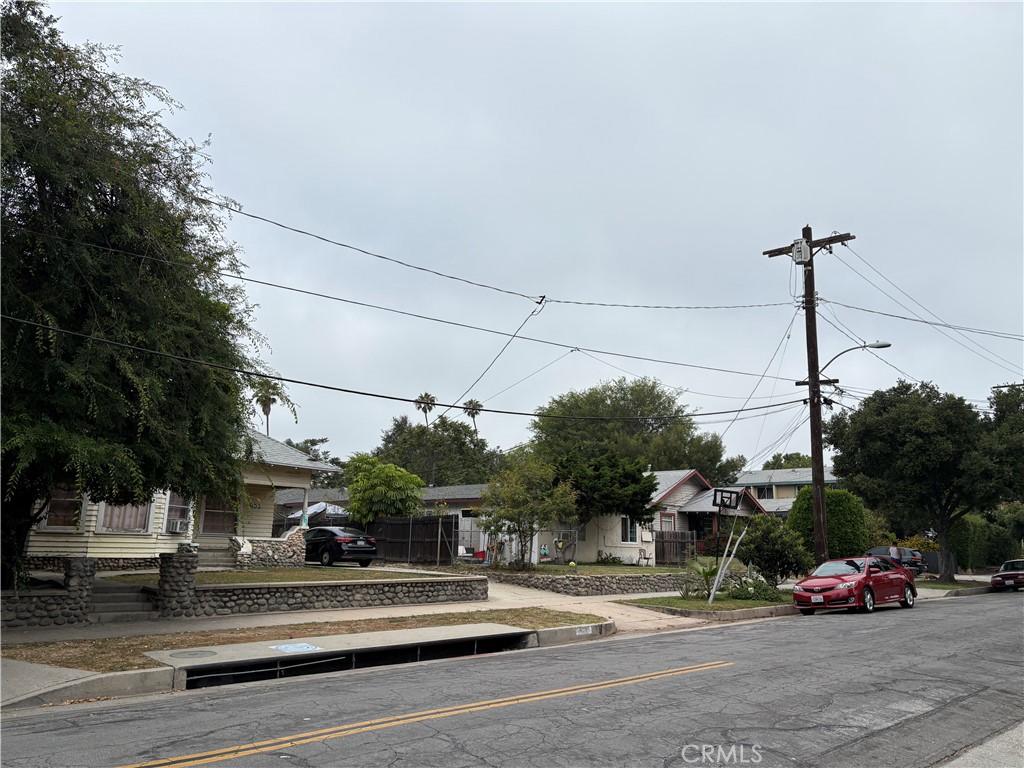
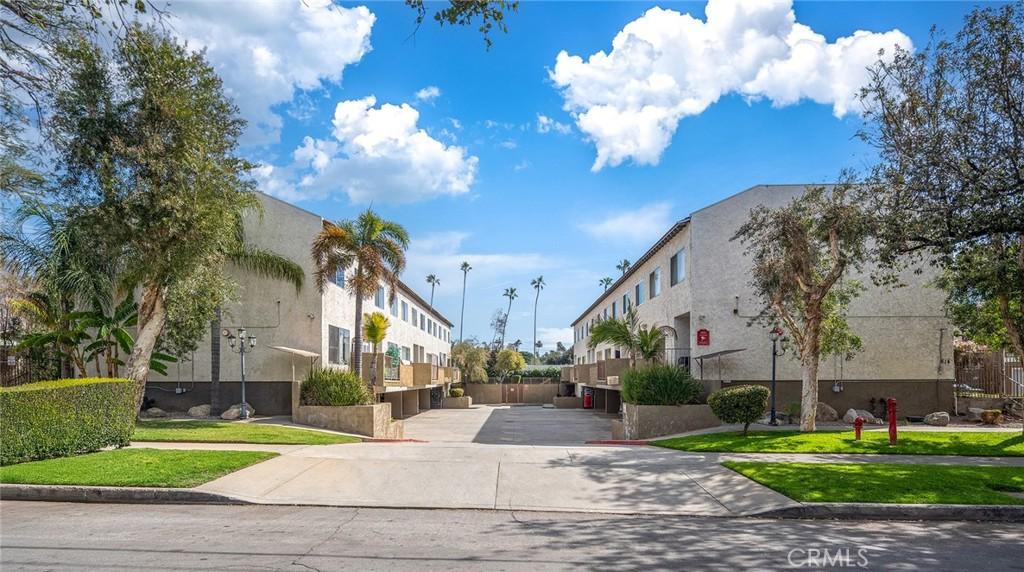
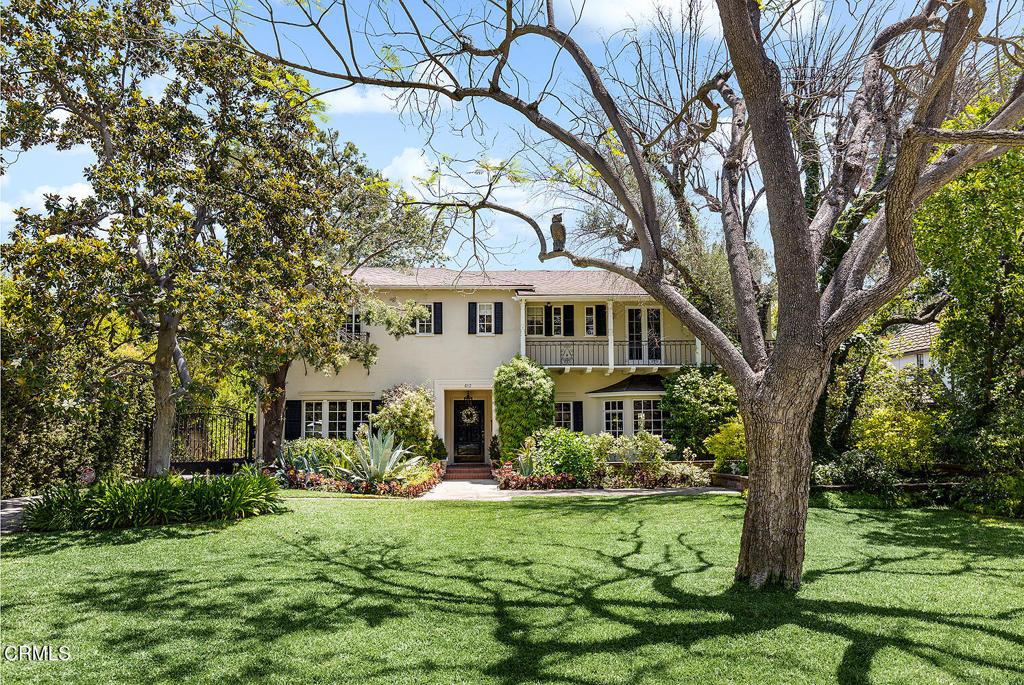
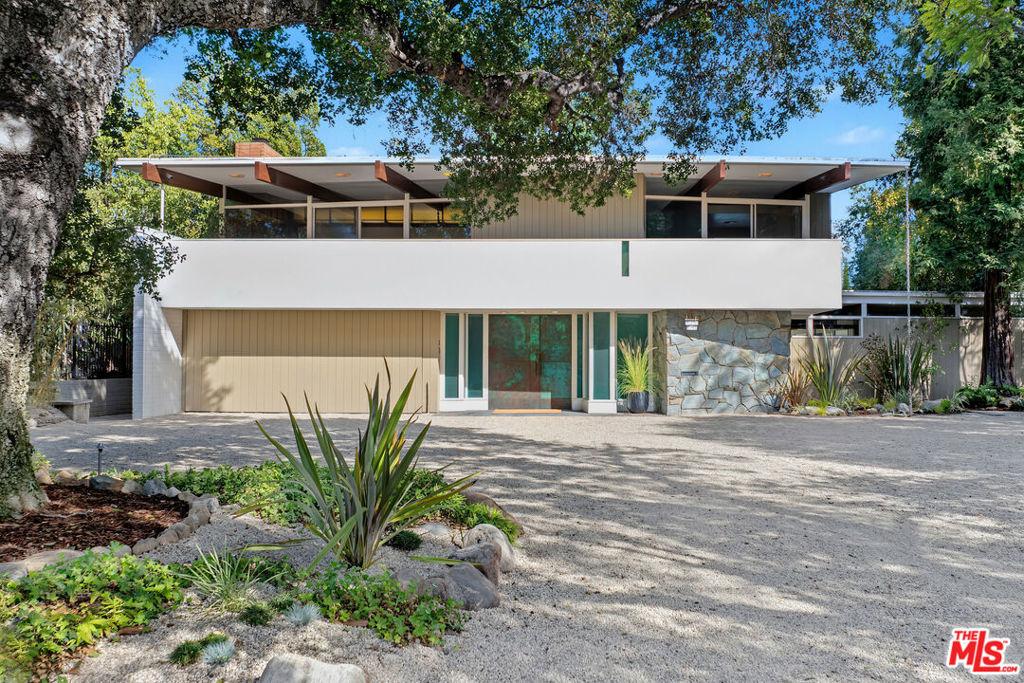
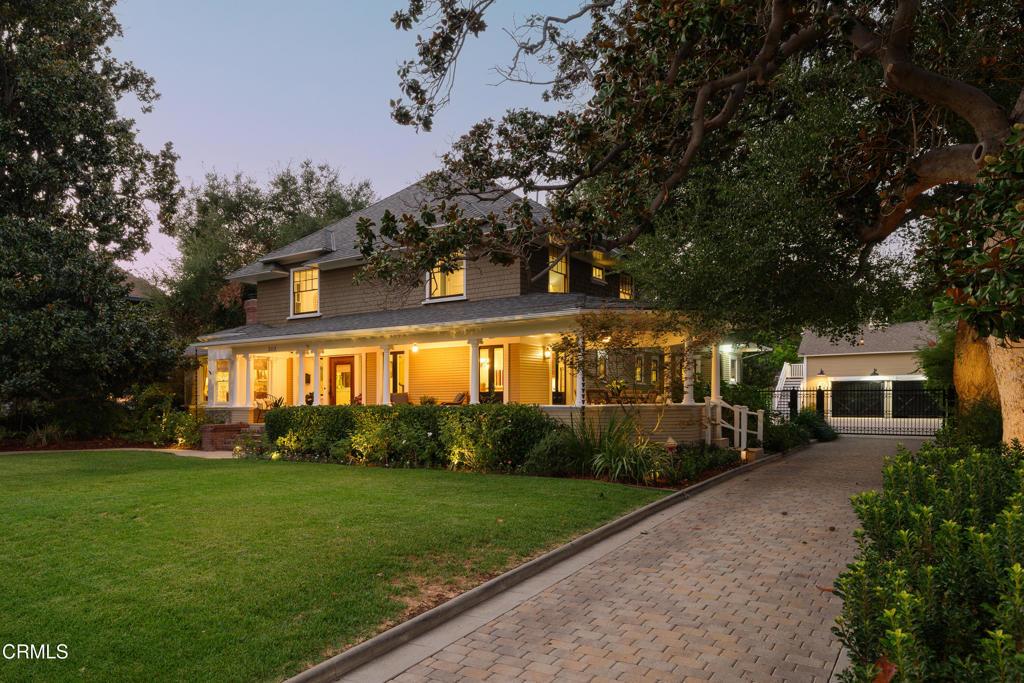
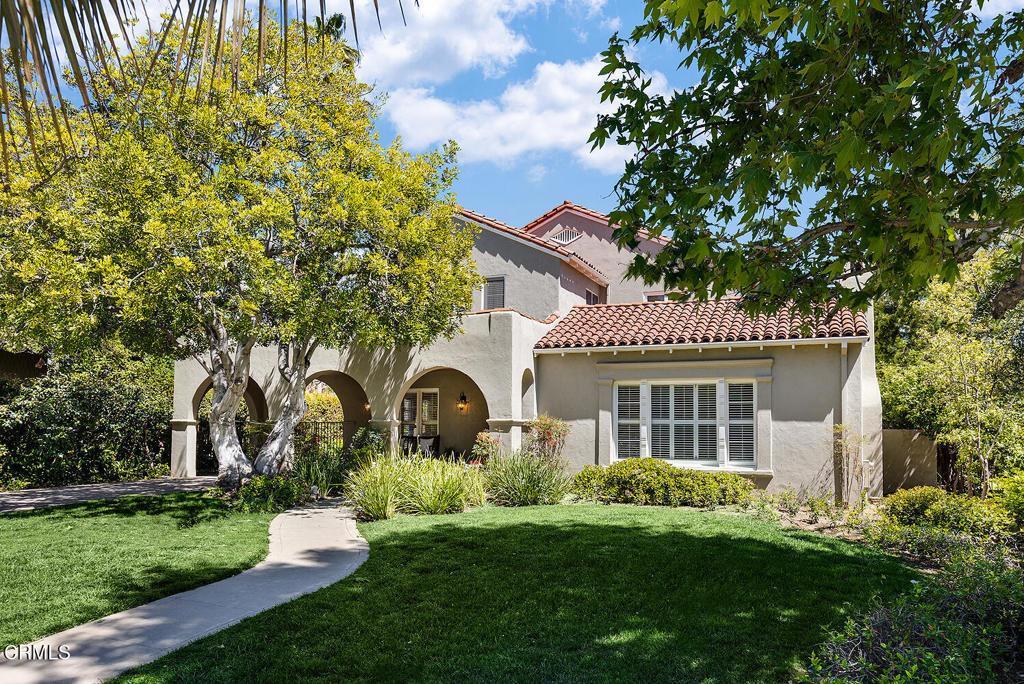
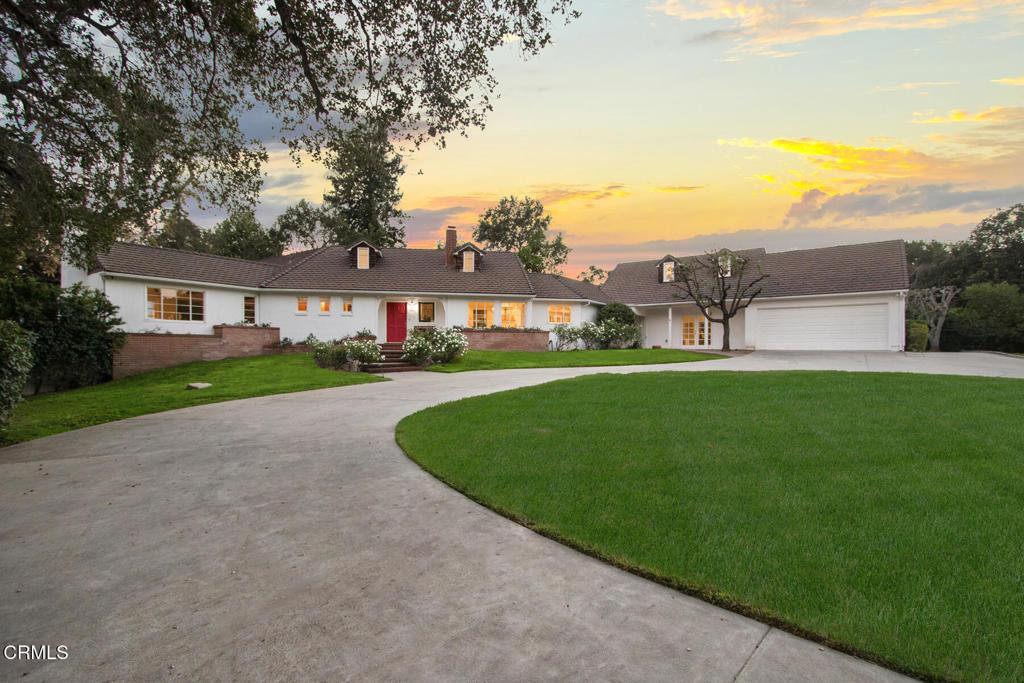
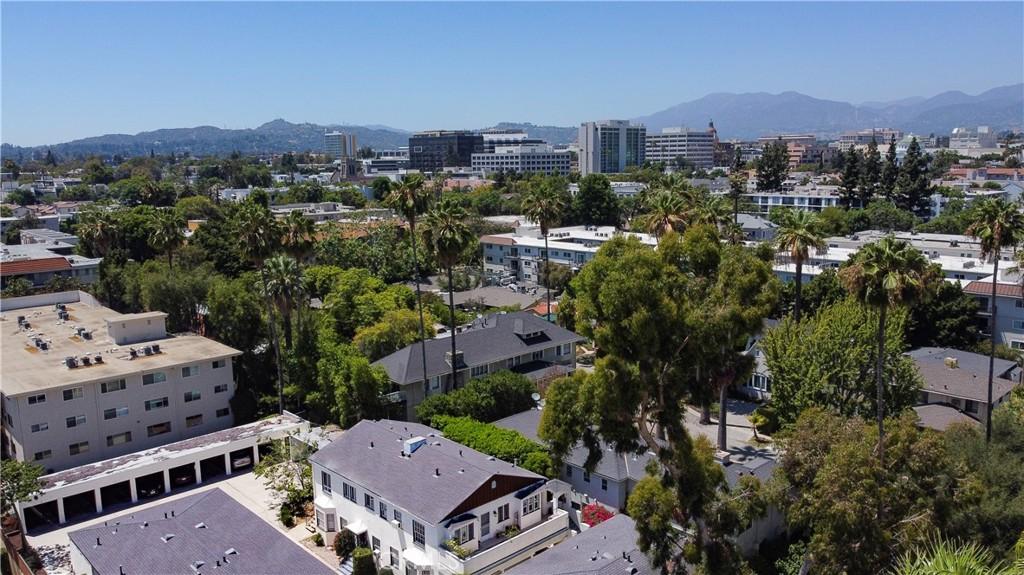
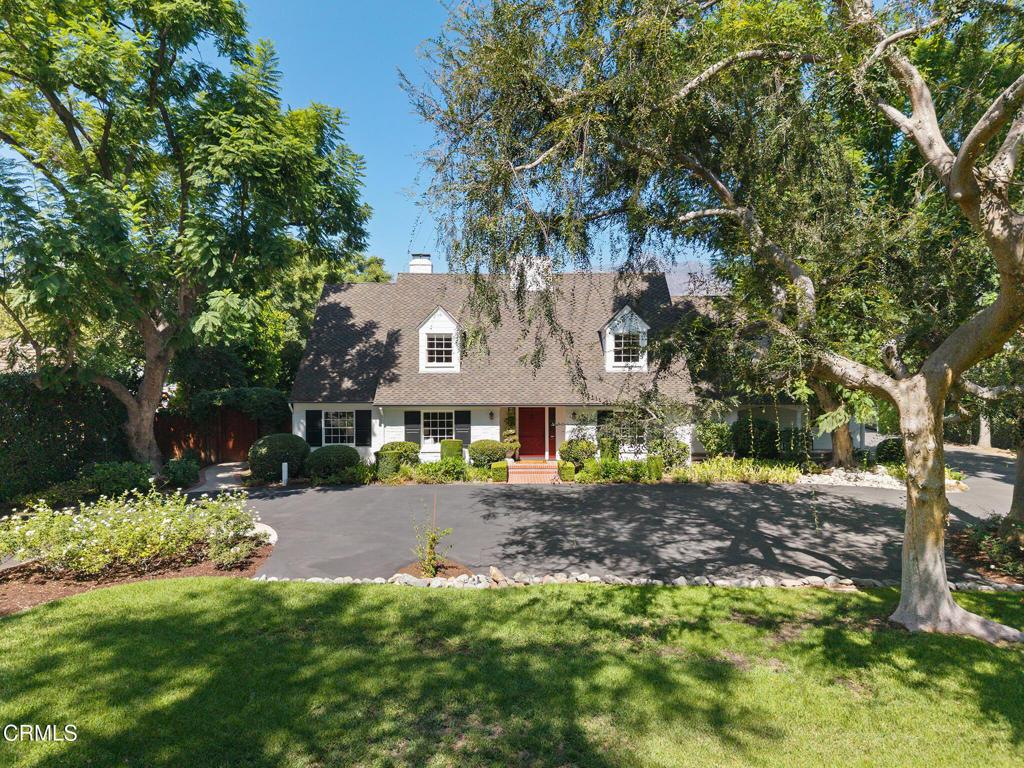
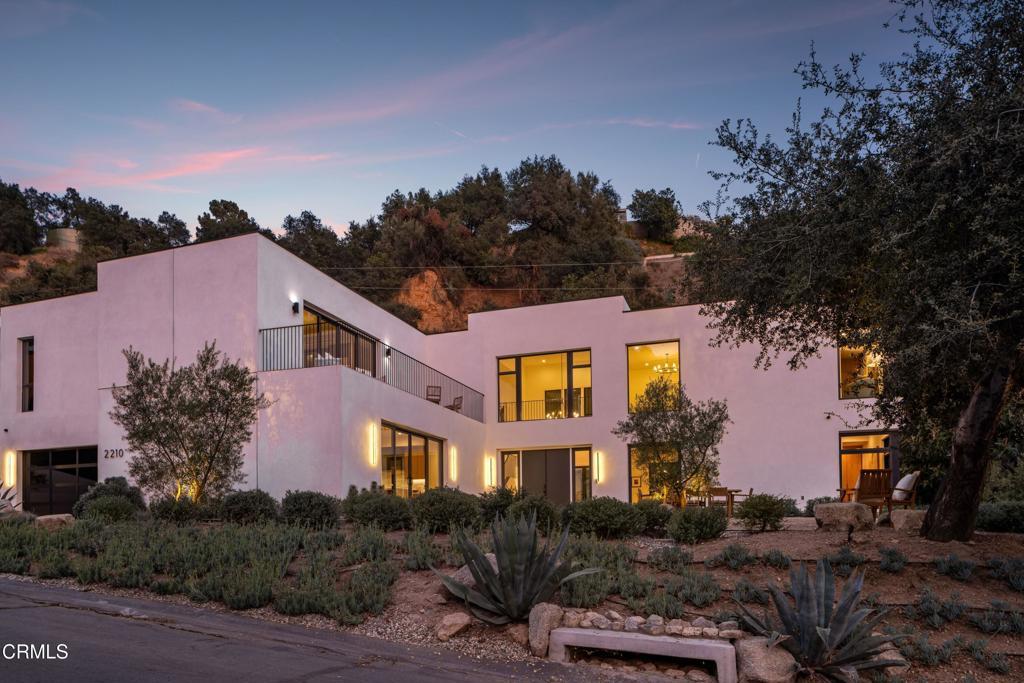
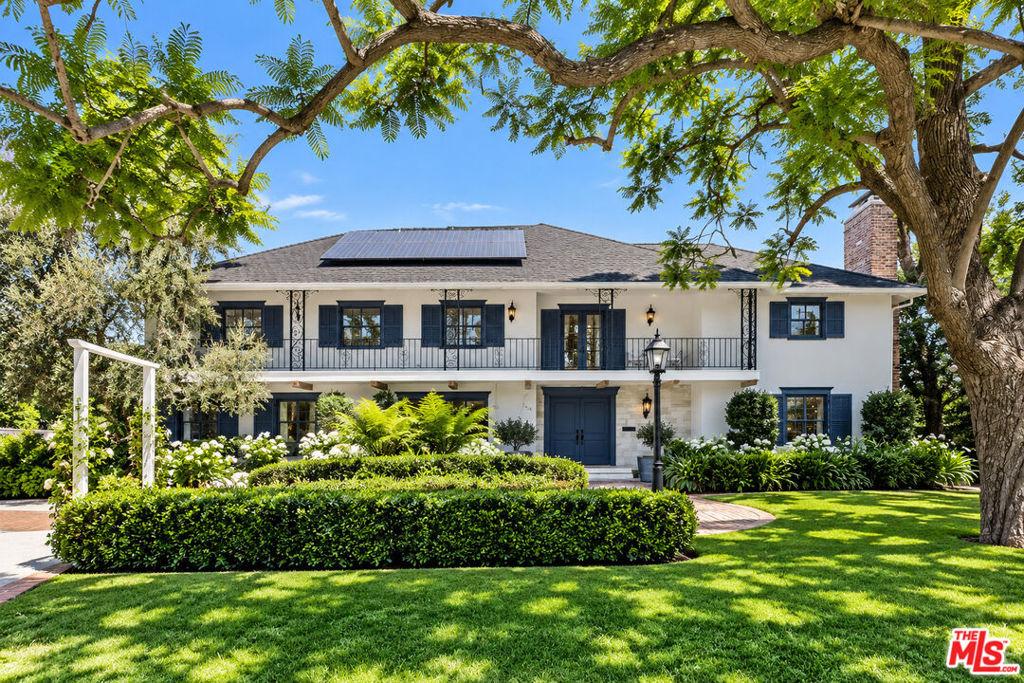
The residential fabric of LHAF reflects northwest Pasadena’s development in the early and mid-20th century. Period homes and mature street trees give the neighborhood a character in keeping with the Arroyo-adjacent communities to the south, including Linda Vista and Annandale, though LHAF is less formally estate-tier in scale and pricing than those neighborhoods. The combination of Arroyo adjacency and modest residential scale provides a middle-market access point to one of Pasadena’s most desirable natural corridors.
The Arroyo Seco is the defining natural feature for the LHAF area, as it is for the cluster of northwest Pasadena neighborhoods arrayed along the Arroyo’s course through the city. The Rose Bowl, approximately a mile to the south within the Arroyo basin, is the corridor’s major cultural landmark. The Arroyo trail, one of the premier urban trail systems in greater Los Angeles, runs along the Arroyo’s length and provides direct walking and cycling access to the Rose Bowl, Hahamongna, and ultimately to the Angeles National Forest trailheads further north.
Northwest Pasadena’s freeway access runs primarily via the Foothill (210) Freeway to the north and the 134 Freeway to the south via Orange Grove Boulevard, both of which give the neighborhood reasonable regional connectivity despite its position away from the 210 interchange density of east and central Pasadena. Old Pasadena’s commercial core is accessible a short drive east, and the 110 Freeway connection at the southern end of Orange Grove Boulevard links the neighborhood to Downtown Los Angeles via the Arroyo Seco Parkway.
Pasadena citywide runs a median sale price around $1,250,000, up 3.7% year-over-year, $791 per square foot down 0.5% year-over-year, median list price $1,170,000 at $769 per square foot, 240 homes on market, 83 sold, 48 days on market, 103.9% sale-to-list ratio, 1 average offer, and 39.7% average down payment. LHAF homes price in the mid-to-upper range for northwest Pasadena, reflecting the Arroyo corridor’s desirability without reaching the full premiums of the Linda Vista or Annandale estate tier. The neighborhood’s modest scale and Arroyo adjacency position it as an intermediate-premium address for buyers who want natural corridor access at below-estate pricing.
Schools in LHAF fall within Pasadena Unified School District. Field Elementary serves the northwest Pasadena area. The 134 Freeway at Orange Grove Boulevard provides south-bound and east-bound freeway access for commuters.
LHAF is a residential neighborhood area in north Pasadena, representing one of the recognized community areas in the northern portion of the city that has developed its own neighborhood identity within the broader north Pasadena residential fabric. Like other north Pasadena neighborhoods, LHAF’s residential character is defined primarily by the post-war single-family housing stock that was developed in the 1950s and 1960s as Pasadena’s residential growth extended into the northern portions of the city. The neighborhood’s position in north Pasadena places it within the PUSD service area and within the north Pasadena residential community that has maintained a distinct identity from the central and south Pasadena neighborhoods that carry higher commercial access and transit proximity premiums.
The housing in the LHAF area is consistent with north Pasadena’s post-war residential character: single-family ranch homes and minimal traditional configurations on residential lots averaging 6,000-8,000 square feet, with homes typically in the 1,200-1,700 square foot range. The construction era’s material specifications (aluminum windows, composition shingle roofing, concrete slab foundations) are standard for the period and create a renovation profile that is familiar to contractors who work in the north and northeast Pasadena market. The condition variance across the neighborhood reflects the range of renovation activity that owner-occupants and investors have applied to the housing stock over the past 30-40 years, creating the mix of original-condition and updated homes that characterizes the working stock of any established residential neighborhood at this phase of its lifecycle.
The neighborhood’s north Pasadena position creates a specific community identity within the larger Pasadena civic framework. North Pasadena has historically been more diverse in income, race, and household type than the central and south Pasadena neighborhoods, and the community character that results is different from the more homogeneous demographics of the expensive west Pasadena and south Pasadena residential areas. For buyers who specifically value residential community diversity as a quality-of-life factor, north Pasadena’s neighborhoods including LHAF provide a more varied community character than is available at comparable pricing in the other portions of the Pasadena residential market.
The commercial access from LHAF is primarily through the Lincoln Avenue and Fair Oaks Avenue corridors, which provide neighborhood-serving retail, food businesses, and the Fair Oaks grocery concentration (Trader Joe’s, conventional supermarkets) that serves north Pasadena residents across multiple neighborhoods. Old Pasadena and South Lake Avenue are accessible by car in 15-20 minutes from the north Pasadena position. The commercial access limitation of north Pasadena is the most consistently cited lifestyle trade-off by buyers who evaluate north Pasadena against the more central alternatives, and buyers who are considering LHAF specifically for price-point access into the Pasadena market should realistically assess the commercial access limitation against their household’s daily errand and restaurant patterns before committing to the north Pasadena position.
Outdoor recreation from LHAF benefits from the neighborhood’s north Pasadena position, which provides relatively direct access to the Arroyo Seco trail network from the western edge of north Pasadena and to the Hahamongna Watershed Park via the upper Arroyo Seco corridor. The hiking and trail access that the north Pasadena position supports is among the better within Pasadena at the price tier that north Pasadena represents, as the hillside and Arroyo adjacency that drives trail access also drives the fire risk premium that makes the hillside neighborhoods more expensive. For buyers who want Arroyo and trail proximity at north Pasadena pricing rather than hillside-neighborhood pricing, the north Pasadena flatland position provides a useful combination of the two.
Schools in the LHAF area are within the Pasadena Unified School District’s north-central service area. Specific school assignments for LHAF addresses depend on the precise block and should be confirmed with PUSD through their school locator tool. The broader north Pasadena PUSD school infrastructure includes John Muir High School as the comprehensive high school for the north Pasadena area, with PUSD’s magnet and choice program options accessible through the district’s application process for students at all PUSD schools. Families who are motivated by specific programs at PUSD schools should research the application process and timeline for their target programs well before their child’s anticipated enrollment date.
The 210 Freeway access from LHAF is available via the Lincoln Avenue and Lake Avenue interchanges in the north Pasadena area, approximately 1-2 miles from most LHAF addresses. The freeway provides the primary commute infrastructure for residents who work outside the Pasadena city limits in the San Gabriel Valley or the Los Angeles basin. Local bus service on Lincoln Avenue and connecting routes provides transit access to the Gold Line station network and to the central Pasadena transit hub for residents who are using public transit for their daily commute or for commercial errands that don’t require a car.
Renovation activity in the LHAF area follows the standard north Pasadena post-war pattern, with window replacement, kitchen and bath updates, and mechanical systems replacement as the primary scope items for the ranch home and minimal traditional stock. ADU development has been a consistent renovation track in the north Pasadena neighborhoods since the California ADU law changes of 2019-2020, and LHAF lots with standard attached garages and sufficient lot size are typically eligible for garage conversion ADU development under the current ordinance. The ADU rental market in north Pasadena is active for well-finished units, with rental rates in the $1,500-$2,100 per month range for studio to one-bedroom ADU units depending on size and finish level.
The buyer profile for LHAF and the surrounding north Pasadena area is primarily first-time buyers and entry-level buyers who want a Pasadena PUSD address at the lowest accessible price point within the Pasadena single-family market. The north Pasadena price tier provides this access for buyers whose qualifying financing amount is below the thresholds that central and east Pasadena neighborhoods require, and the Pasadena PUSD school access and civic address that the north Pasadena neighborhoods provide justify the modest premium over comparable housing in adjacent Altadena and the unincorporated county area to the north. Investors who are building residential rental portfolios also participate in the north Pasadena market for the rental yield that the entry pricing and strong rental demand from the Pasadena employment base provide.
The market pricing for LHAF is within the lower north Pasadena tier, providing the most accessible entry into Pasadena single-family homeownership among the recognized neighborhood areas within the city. The pricing discount relative to central, east, and south Pasadena reflects the commercial access limitation and the transit distance that the north Pasadena position entails, and buyers who are using the LHAF pricing as an entry into the Pasadena market with a plan to move within the city as equity builds typically find the north Pasadena entry tier a viable first-purchase strategy that captures the Pasadena address and PUSD school access while they build the equity position to access the more expensive central and south neighborhoods over time.
The community infrastructure for LHAF residents connects through the City of Pasadena’s Neighborhood District engagement system, which provides organized civic participation opportunities at the geographic neighborhood level. North Pasadena’s neighborhood district includes several recognized community areas in addition to LHAF, and the district’s quarterly meetings and liaison-facilitated communication channels give engaged residents a structured path to participate in planning decisions and community improvement priorities. New LHAF residents who want to engage with the neighborhood district system can contact the city’s Office of the City Manager neighborhood liaison for the north Pasadena area to get the current meeting schedule and contact information for the district leadership.
The Pasadena Humane Society at 361 South Raymond Avenue, approximately 2 miles south of the north Pasadena area by car, is one of the most active animal shelters in Los Angeles County and operates the primary animal services contract for the City of Pasadena. For LHAF residents who are considering pet adoption or who need animal services (stray animal reporting, animal code compliance, and lost-and-found pet services), the Pasadena Humane Society’s central Pasadena facility is the primary resource. The organization also operates low-cost veterinary services and community education programs related to responsible pet ownership that serve the broader north Pasadena community’s pet-owning households.
The post-2020 California residential real estate market has shown that the north Pasadena tier, including the LHAF area, has benefited from the combination of increased remote work flexibility and continued California in-migration to the greater Los Angeles region. Buyers who are no longer constrained by proximity to a central office location have evaluated the north Pasadena price tier as an accessible entry into the Pasadena residential market that was previously only available to buyers who specifically needed the north Pasadena location or who were focused purely on price point. This demand expansion from remote-work-enabled buyers has provided an additional buyer segment for the north Pasadena market beyond the historical core of public-sector employees, first-time buyers, and investors that previously characterized the area.
The infrastructure age in the LHAF area presents the same considerations as other post-war north Pasadena neighborhoods: water service laterals, sewer laterals, and utility connections from the 1950s and 1960s are at or approaching the end of their expected service life on properties that have not been previously updated. Buyers should prioritize a sewer scope inspection and a review of water service lateral condition in their due diligence for any LHAF property. The City of Pasadena has programs for shared-cost sewer lateral repair assistance under certain conditions, and new LHAF buyers who identify lateral issues during due diligence should inquire with the Department of Public Works about current program availability before closing, as the program availability may affect their negotiation on the seller’s contribution to the repair cost.
The north Pasadena residential landscape, including the LHAF area, has seen a gradual improvement in physical maintenance and aesthetic investment over the past 20 years as homeownership rates have increased and as the City of Pasadena’s neighborhood improvement programs have directed investment into historically underinvested northern areas. The trend is visible in permit activity, in the ratio of renovated to original-condition homes on the typical residential streets, and in the landscaping and exterior presentation quality that new buyers observe when they walk the neighborhood during their evaluation process. For buyers who are evaluating the LHAF trajectory as a factor in their purchase decision, the visible improvement direction is a positive indicator relative to north Pasadena neighborhoods where the improvement trajectory has been less consistent.
The Pasadena Tournament of Roses has a limited but real effect on north Pasadena residents, primarily through the January 1 traffic rerouting that affects Lincoln Avenue and other north Pasadena north-south streets as drivers seek alternative routes around the Colorado Boulevard parade closure. LHAF residents who need to travel south or west on January 1 during the parade window plan their travel to avoid the peak rerouted-traffic period on Lincoln Avenue, using the adjusted timing as a minor accommodation to the annual event. The parade itself is distant enough from the LHAF neighborhood that the event-day atmosphere does not transform the neighborhood environment the way it does for residents in the Old Pasadena and Civic Center areas adjacent to the parade route.
The long-term equity trajectory for LHAF homeowners has followed the north Pasadena market’s pattern of moderate but consistent appreciation, driven by the Pasadena address premium and the PUSD school access that distinguish the city limits properties from the adjacent unincorporated Altadena and county-island areas immediately outside the city. Buyers who hold LHAF properties over 10-15 year ownership periods have generally benefited from this appreciation trajectory, which has been more stable than the wider swings of the premium central and west Pasadena markets while providing a positive return on ownership at the lower entry cost that north Pasadena pricing represents.
What is it like to live in Luxury Homes In Pasadena CA?
- Luxury Homes In Pasadena CA sit within a residential fabric that reflects northwest Pasadena’s development across the early and mid-twentieth century.
- Period homes and mature street trees give the neighborhood a settled character in keeping with the Arroyo-adjacent communities to the south.
- Linda Vista and Annandale lie to the south, though the LHAF area is less formally estate-tier in scale and pricing than those neighborhoods.
- Arroyo adjacency combined with modest residential scale provides a middle-market access point to one of Pasadena’s most desirable natural corridors.
- The Arroyo Seco is the defining natural feature for the LHAF area and for the cluster of northwest Pasadena neighborhoods along its course.
- The Rose Bowl sits south within the Arroyo basin and stands as the corridor’s major cultural landmark for surrounding residents.
- The Arroyo trail ranks among the premier urban trail systems in greater Los Angeles and runs along the Arroyo’s full length.
- Walking and cycling access from the Arroyo trail reaches the Rose Bowl, Hahamongna, and ultimately the Angeles National Forest trailheads further north.
- Freeway access for northwest Pasadena runs primarily via the Foothill Freeway to the north and the other freeway to the south via Orange Grove Boulevard.
- Regional connectivity remains reasonable despite the neighborhood’s position away from the interchange density of east and central Pasadena.
- Old Pasadena’s commercial core is accessible a short drive east from Luxury Homes In Pasadena CA and the surrounding residential streets.
- Orange Grove Boulevard at its southern end links the neighborhood to Downtown Los Angeles by way of the Arroyo Seco Parkway.
- Pasadena Unified School District serves the LHAF area, with Field Elementary serving families across the northwest Pasadena community.
- Commuters heading south and east rely on the freeway connection at Orange Grove Boulevard for daily regional travel.
- Post-war single-family housing stock defines the residential character here, developed as Pasadena’s growth extended into the northern portions of the city.
- Single-family ranch homes and minimal traditional configurations sit on residential lots typical of north Pasadena’s construction era.
- Aluminum windows, composition shingle roofing, and concrete slab foundations create a renovation profile familiar to contractors working the north and northeast Pasadena market.
- Buyers drawn to Luxury Homes In Pasadena CA want natural corridor access at pricing below the Linda Vista and Annandale estate tier.