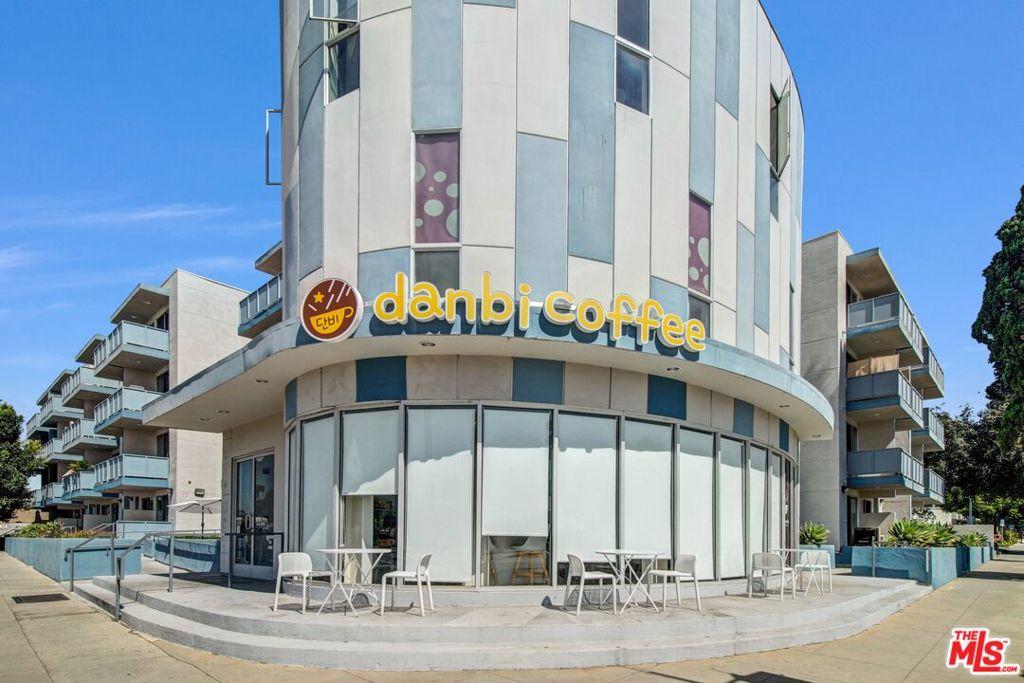
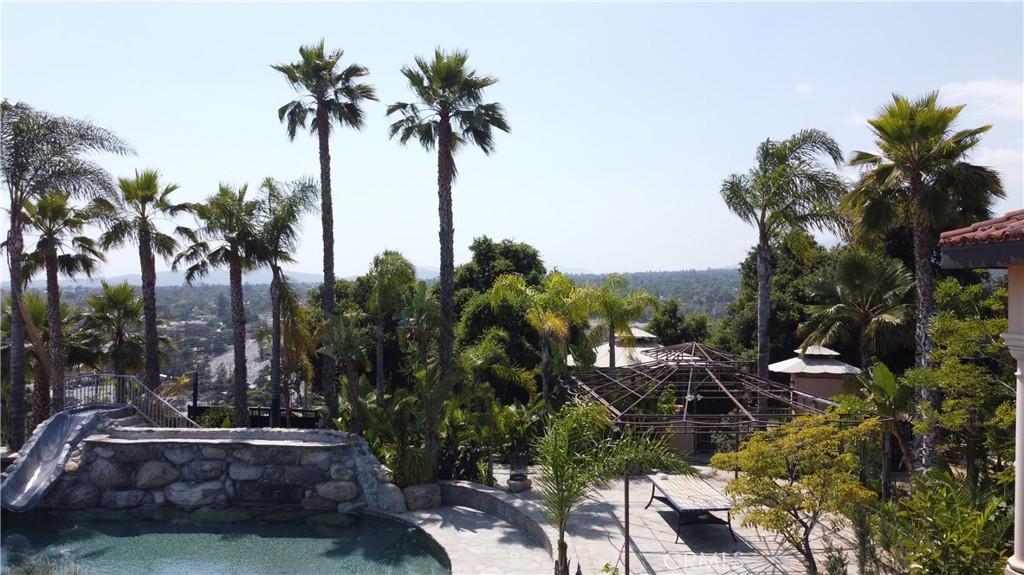
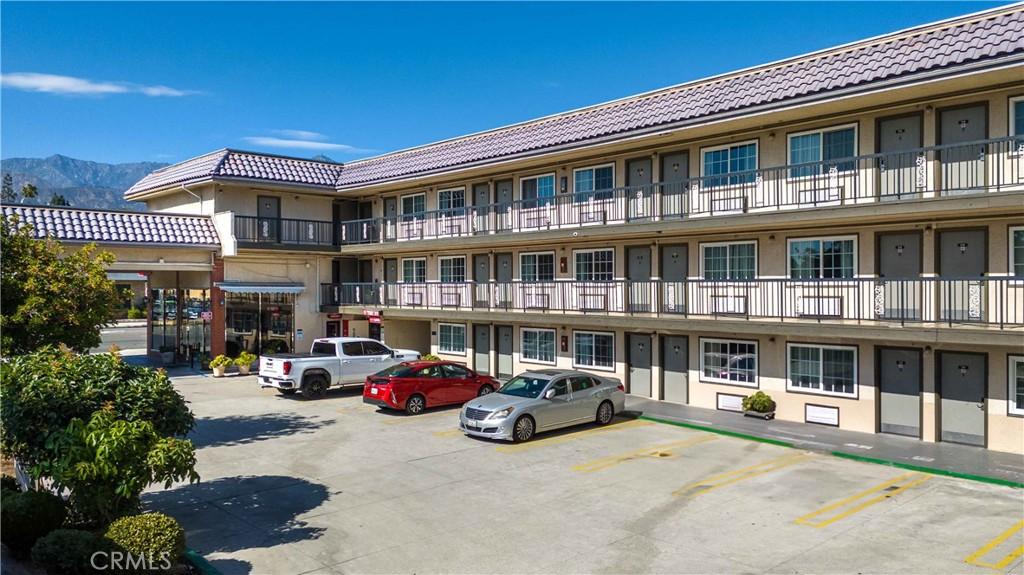
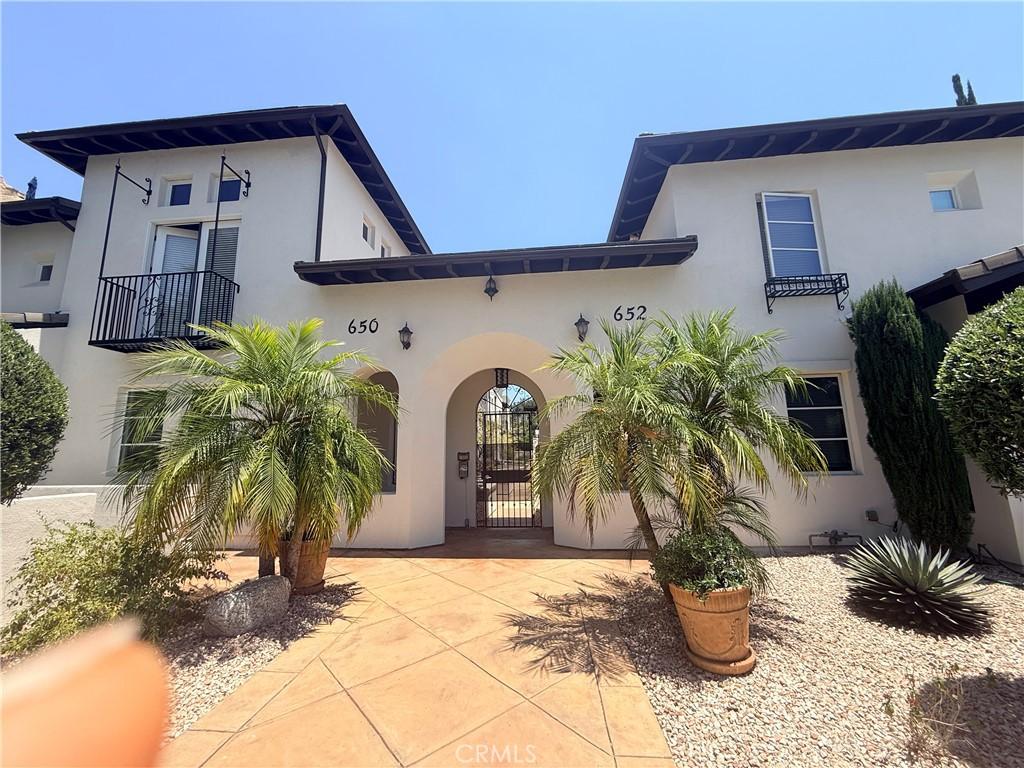
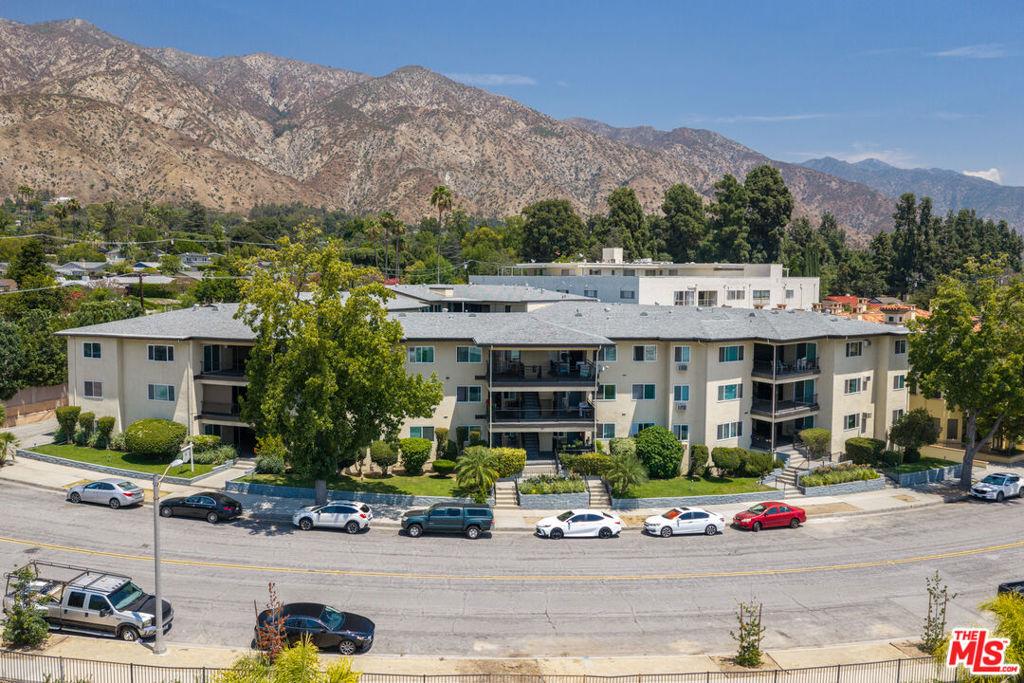
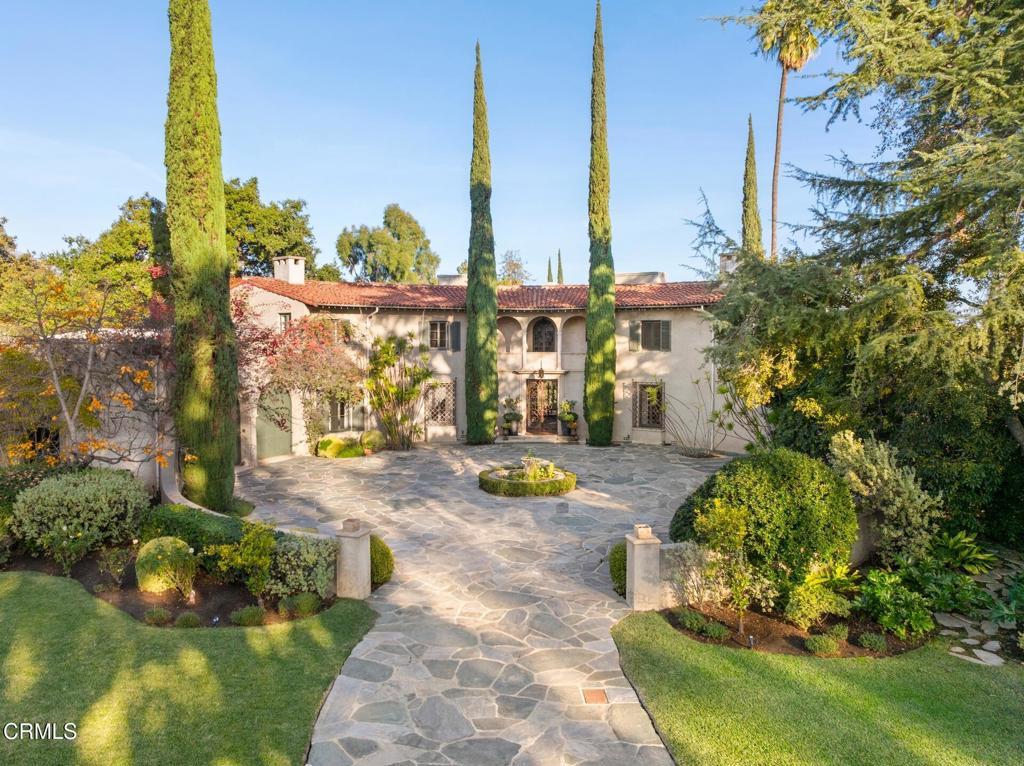
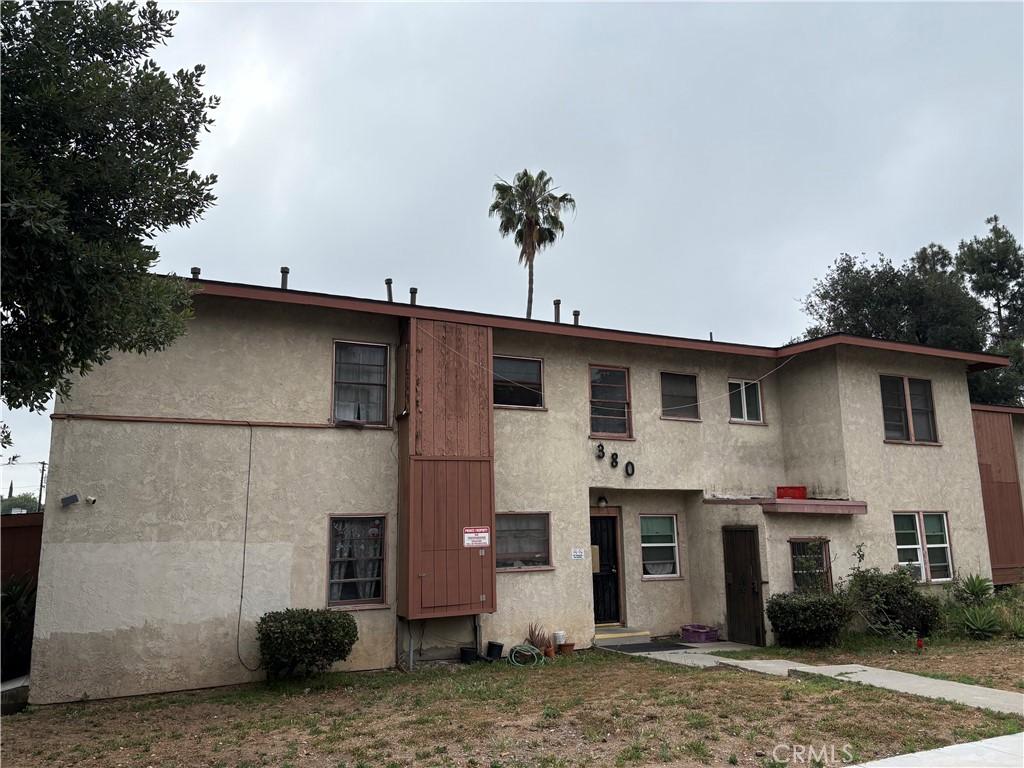
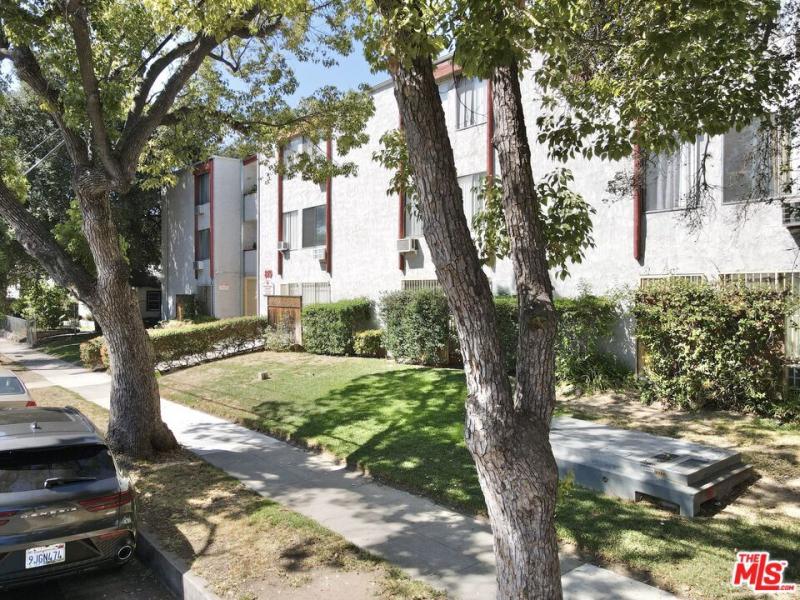
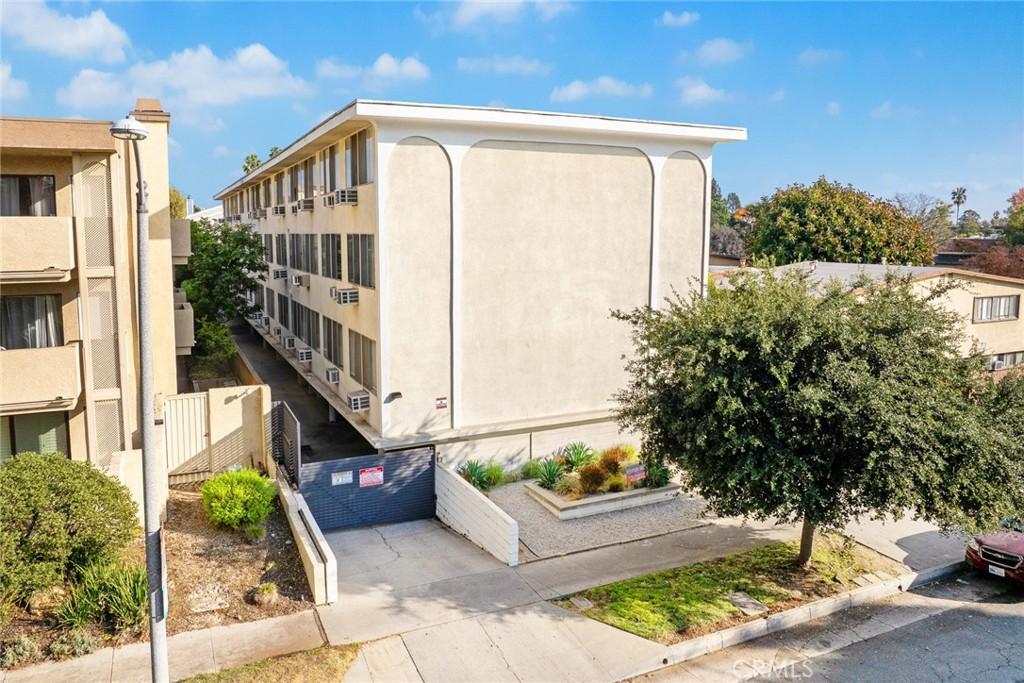
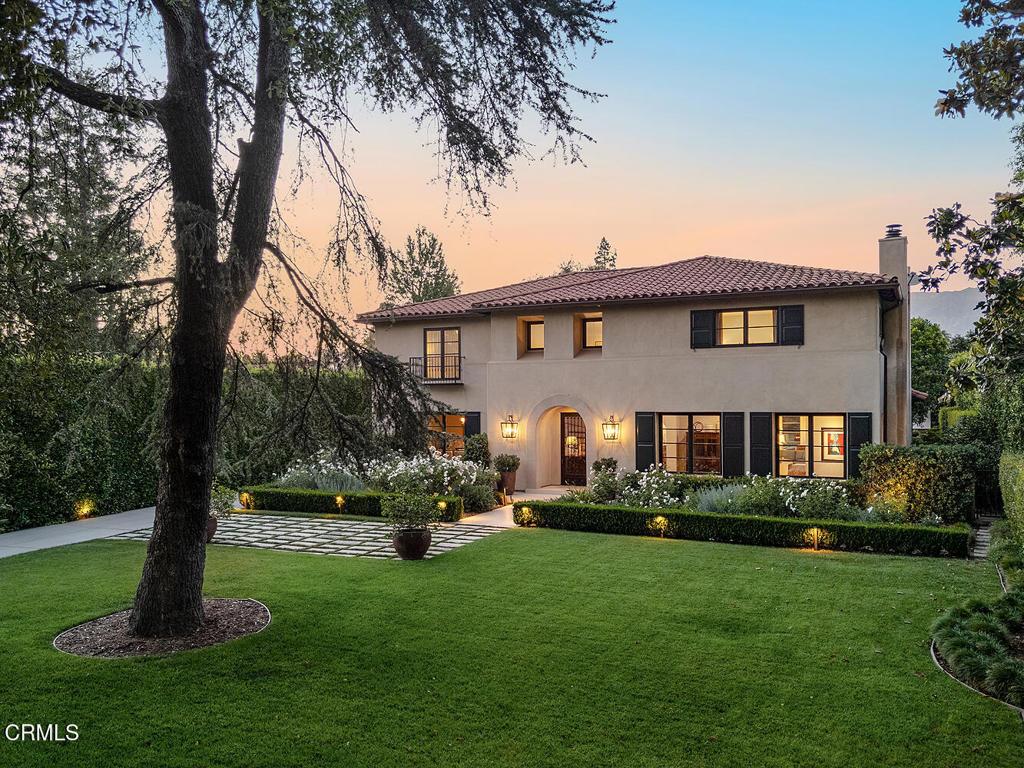
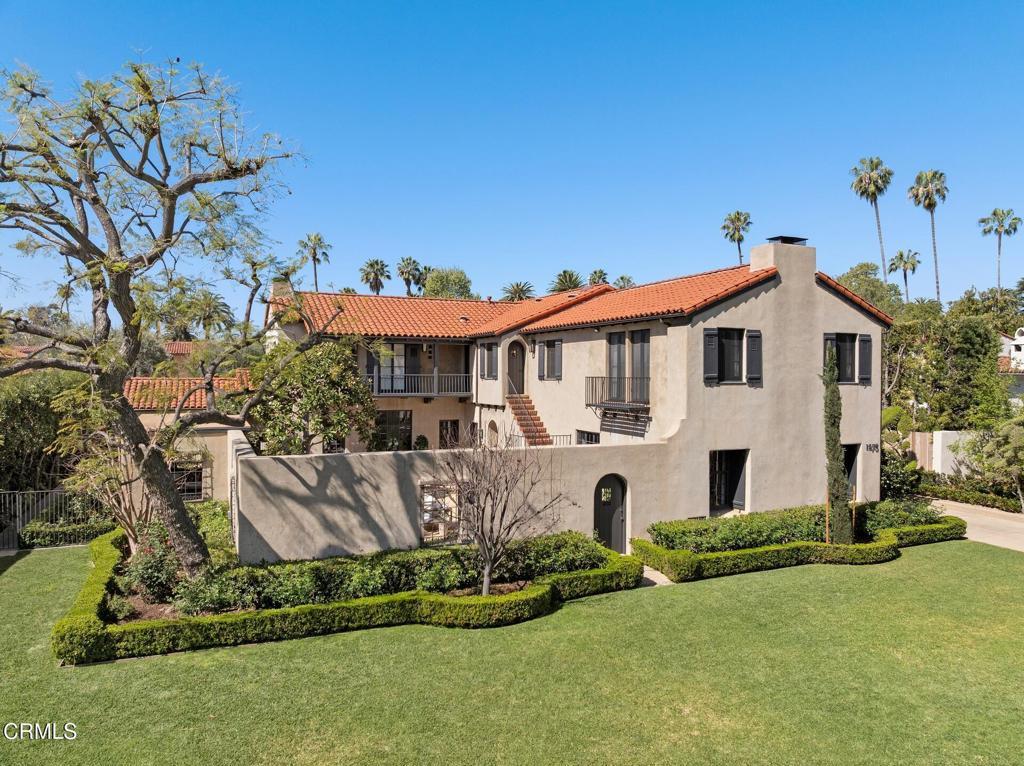
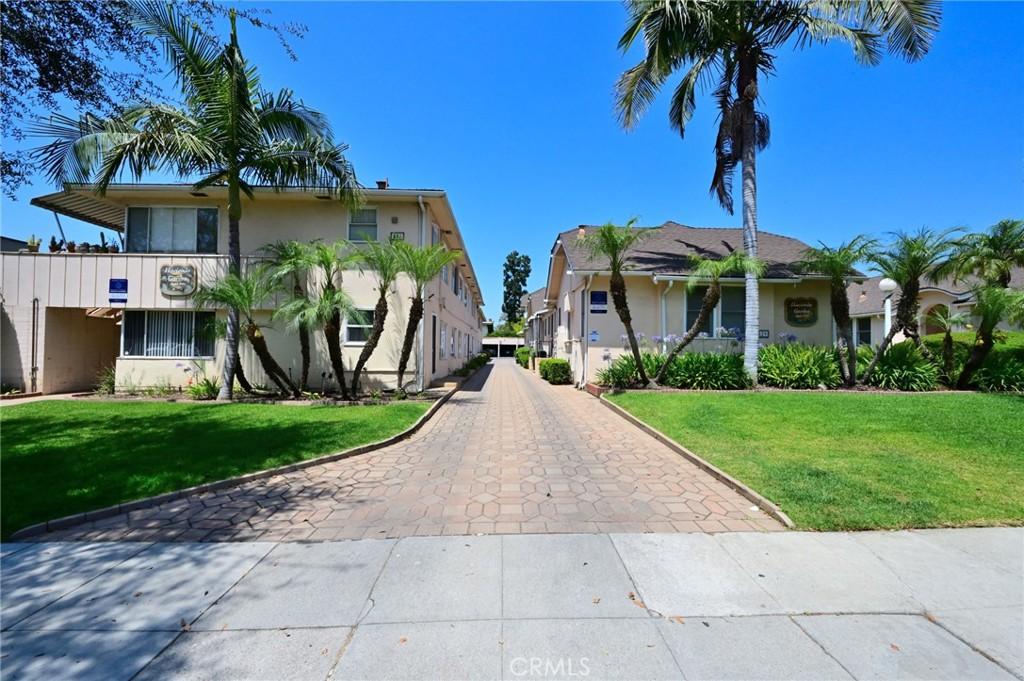
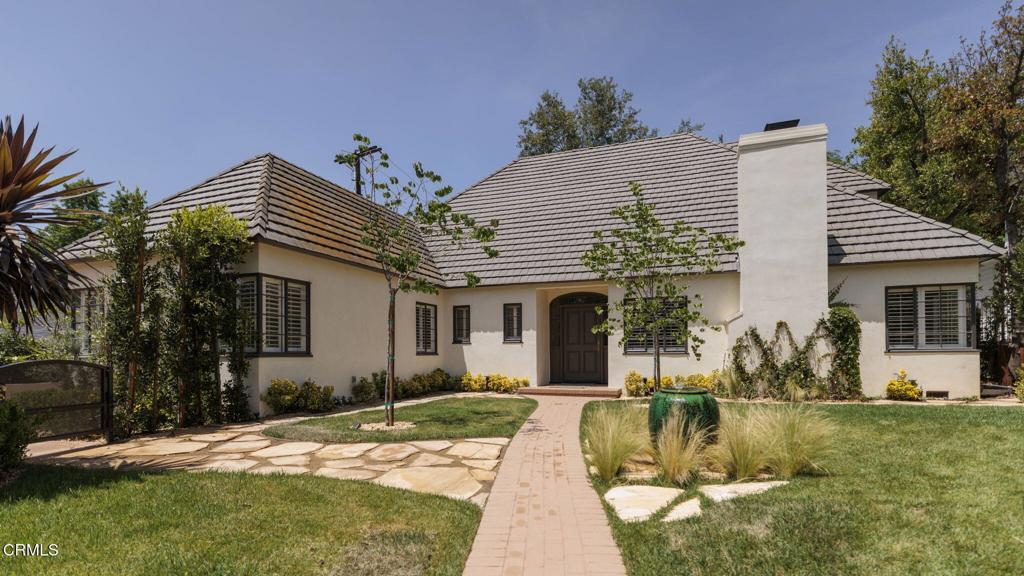
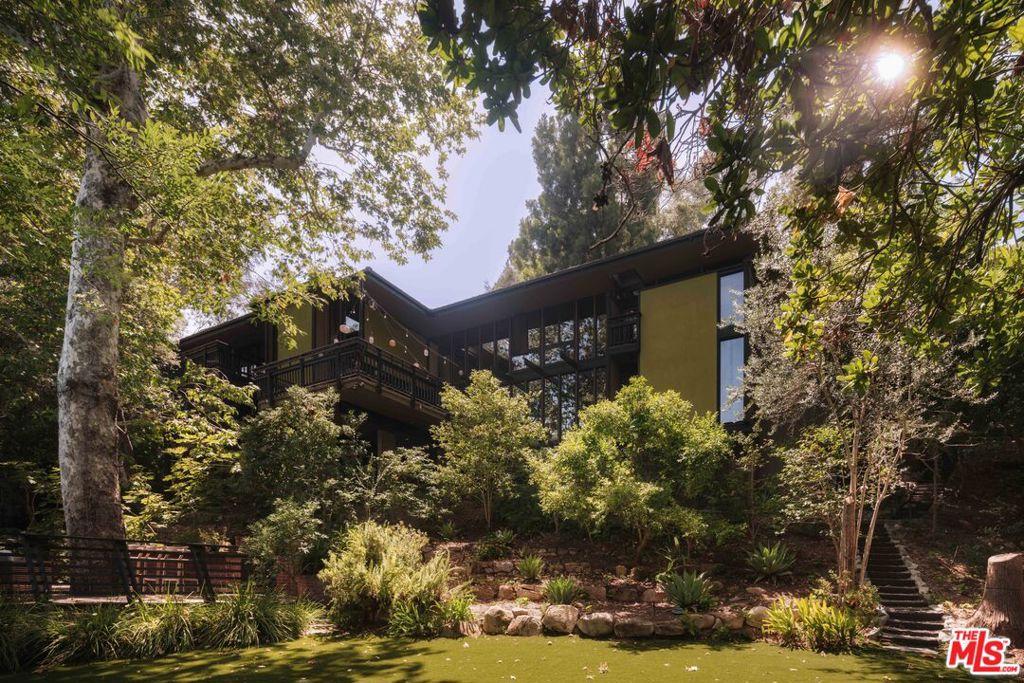
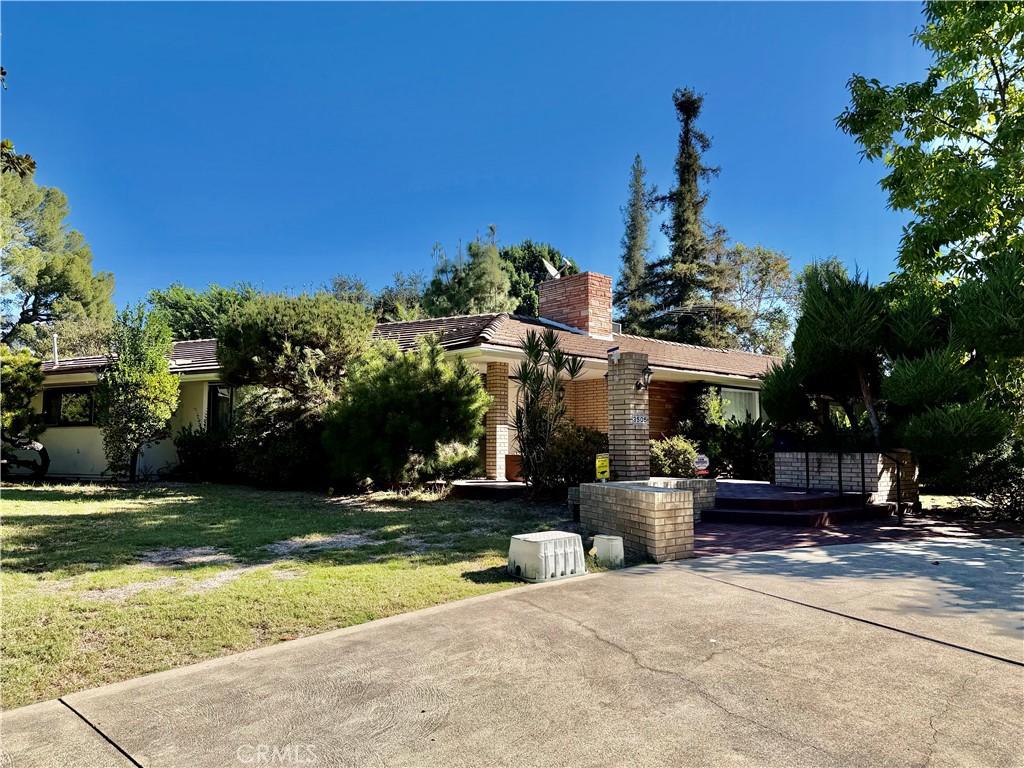
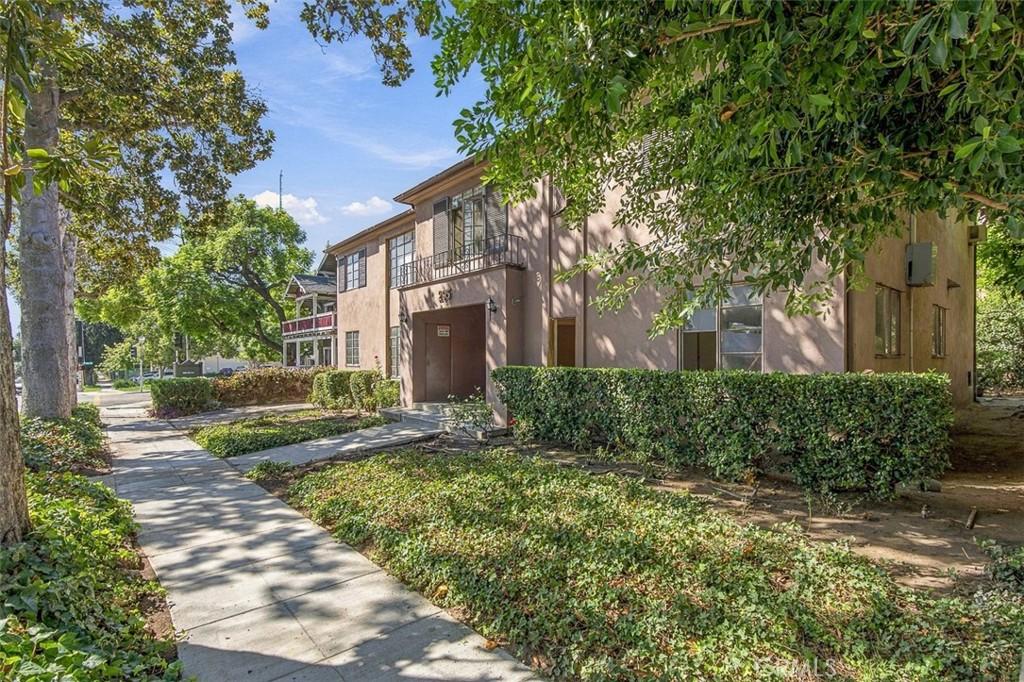
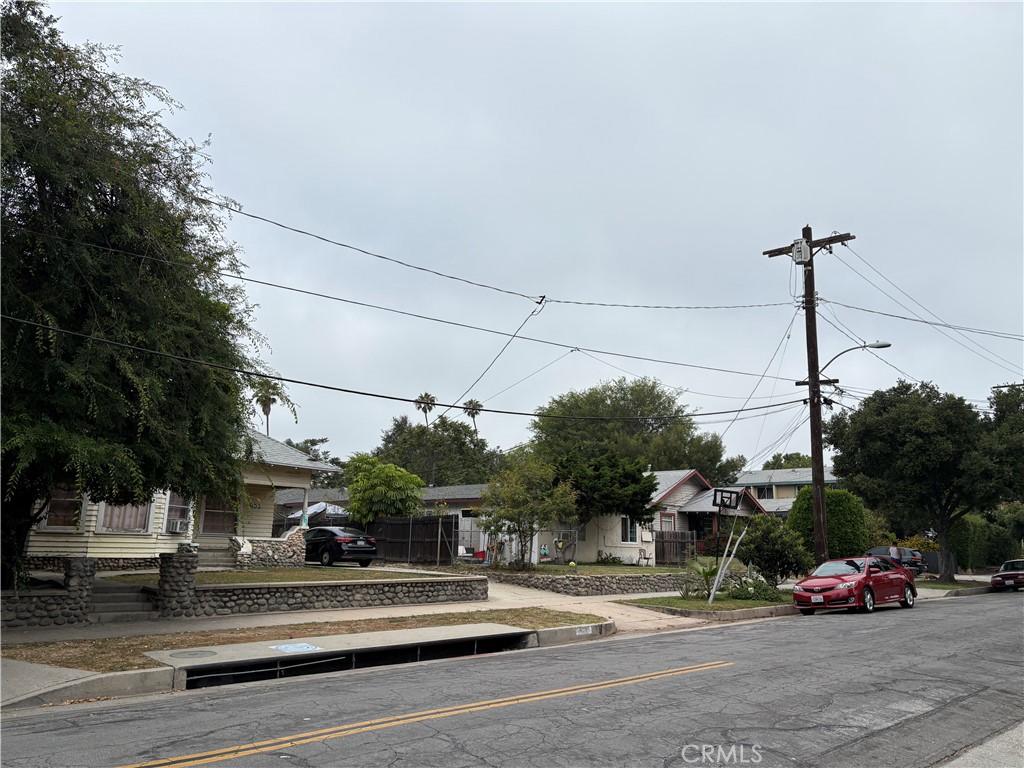
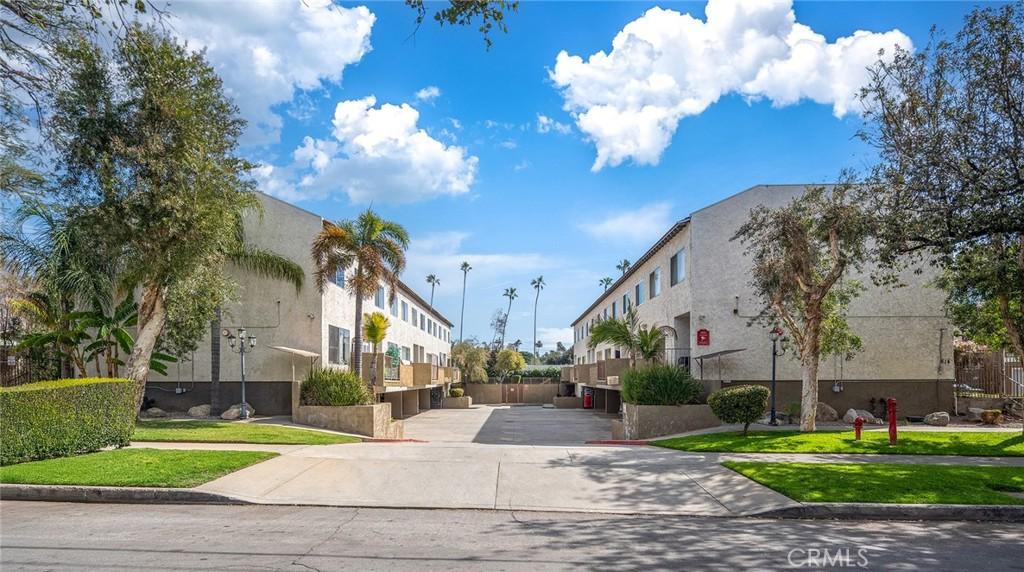
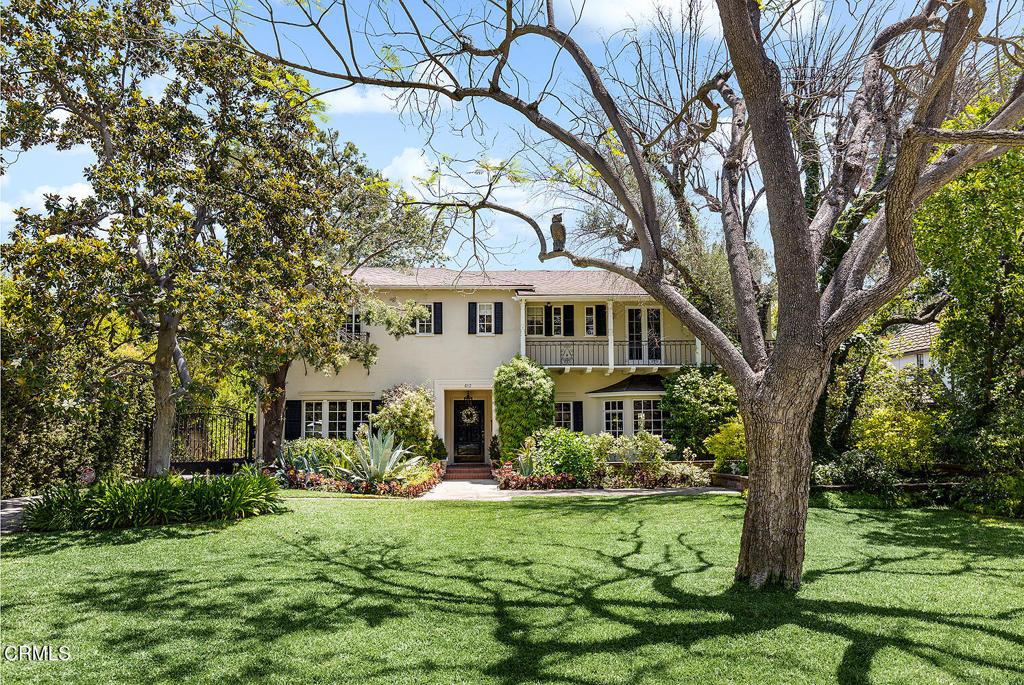
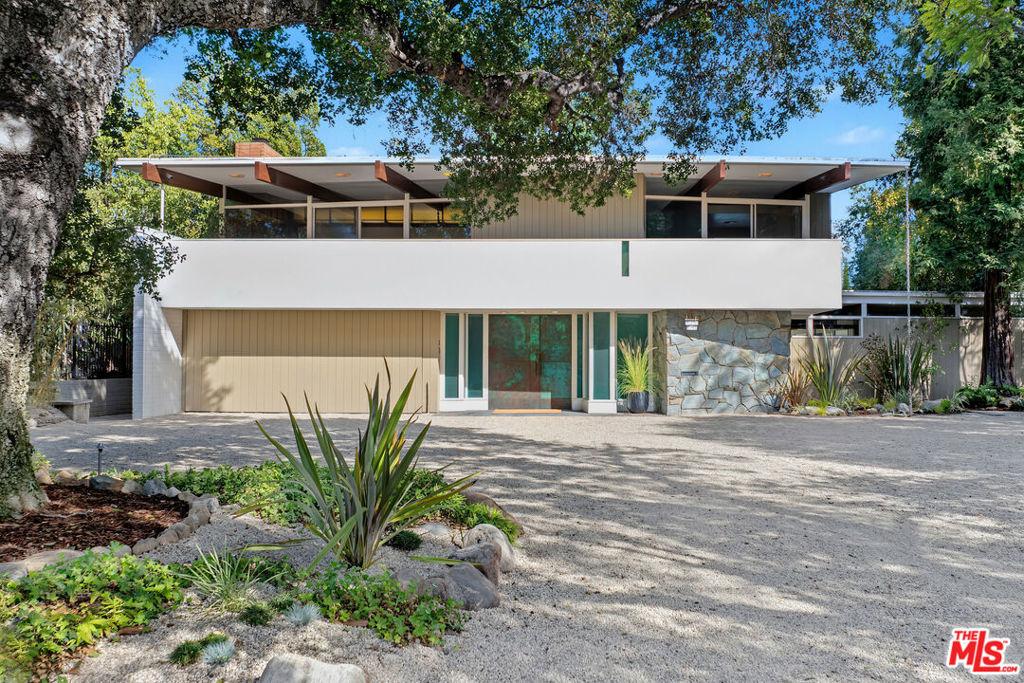
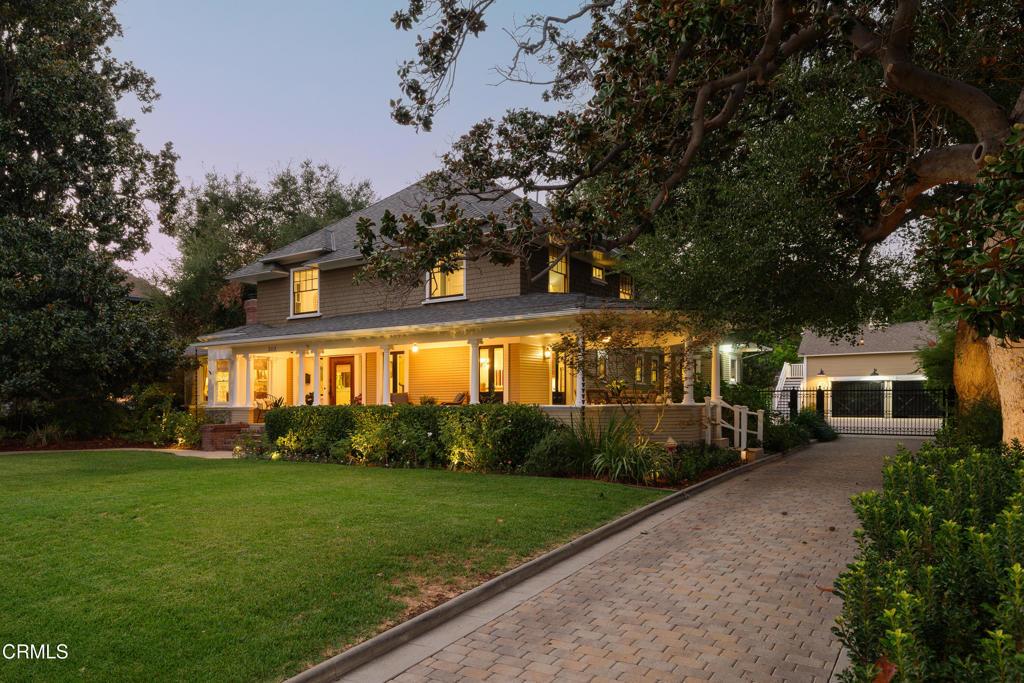
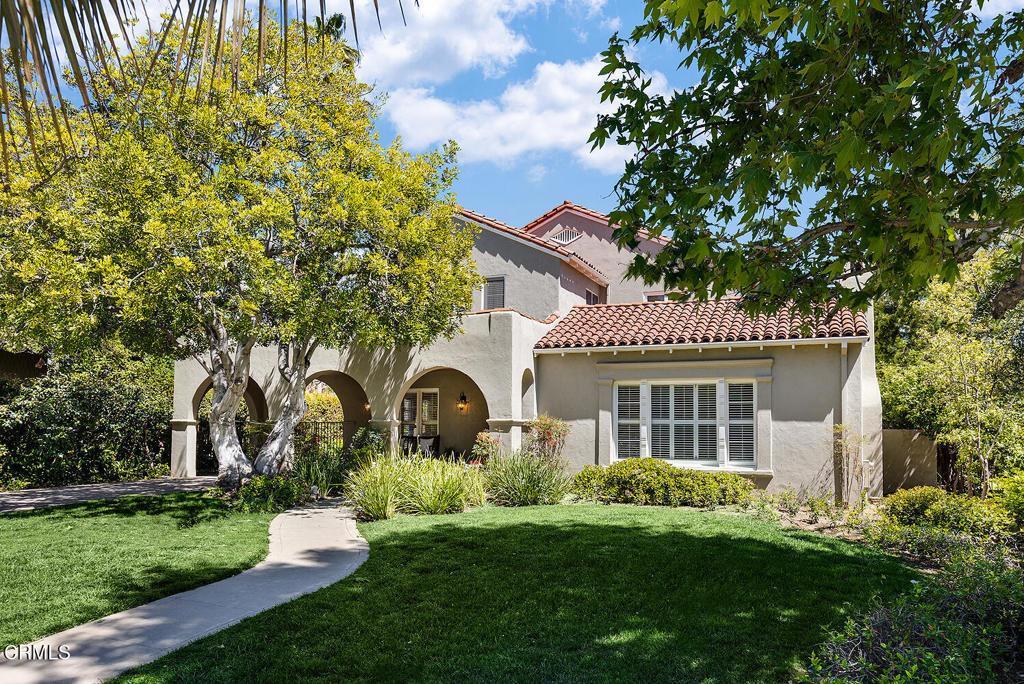
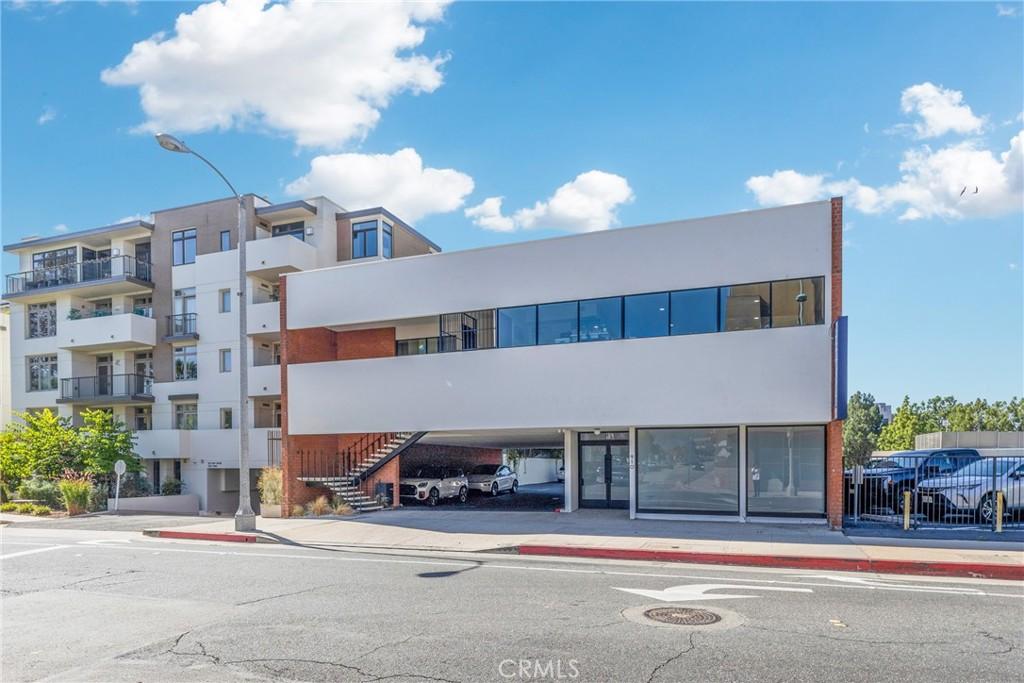
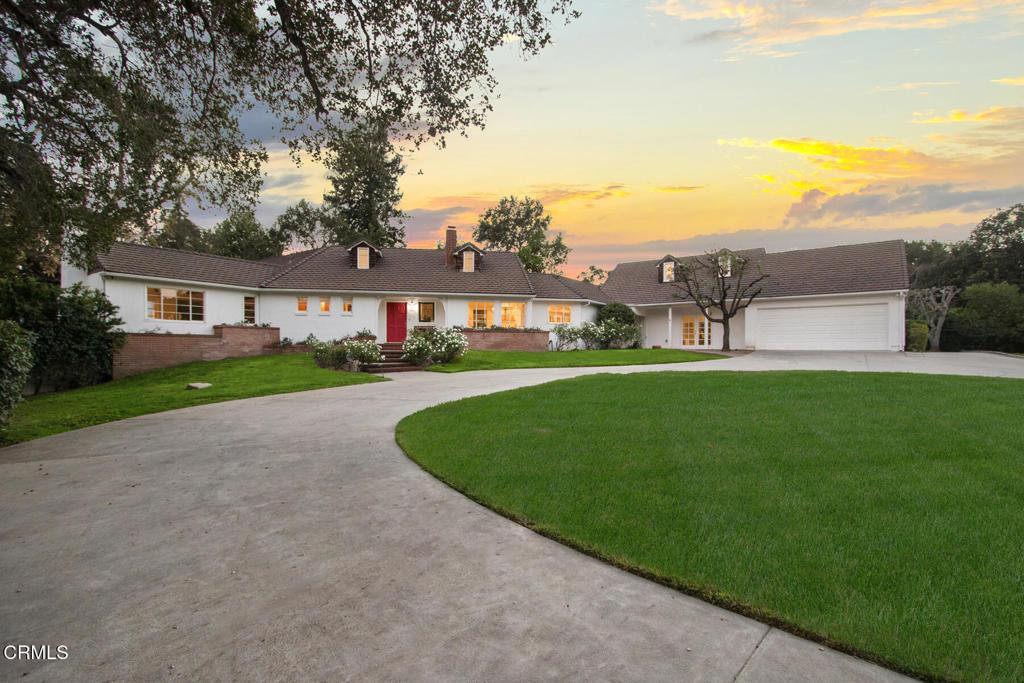
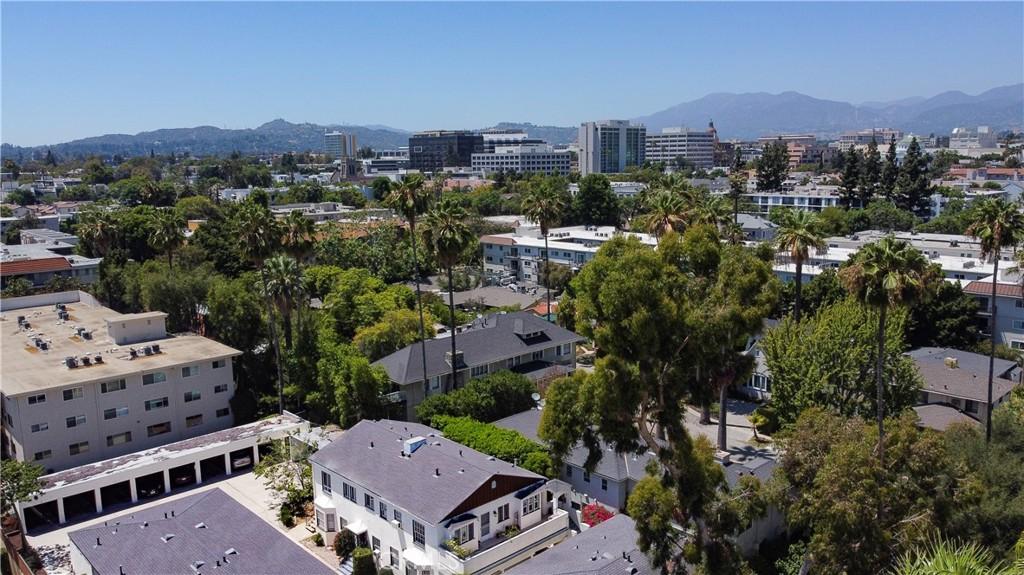
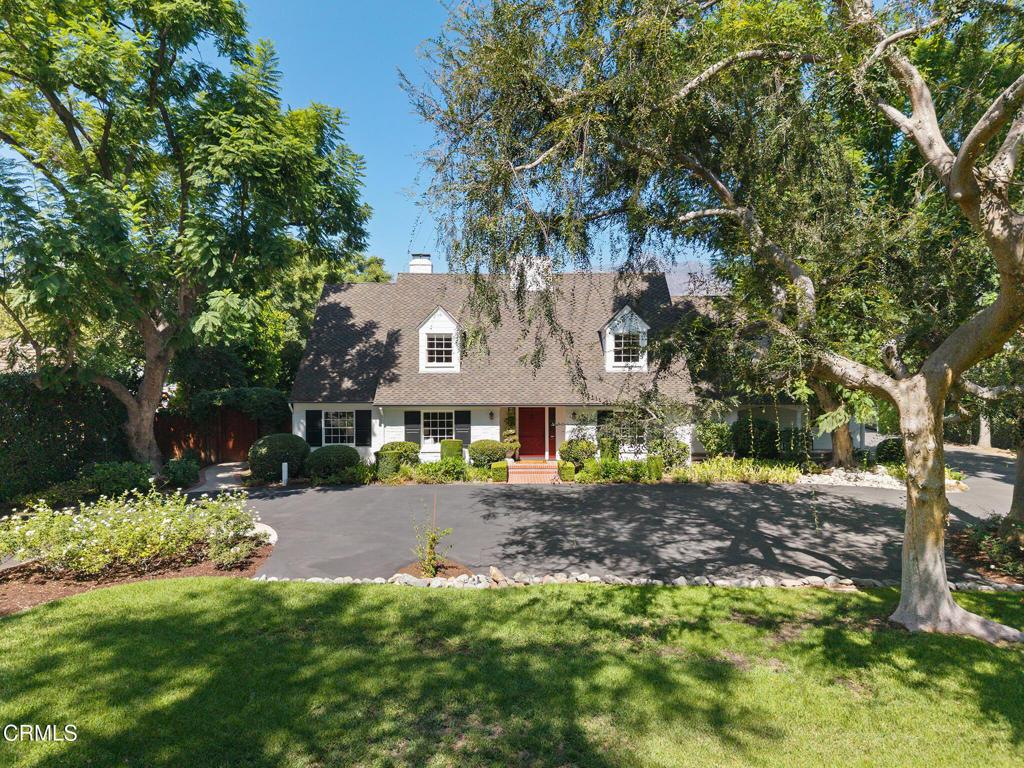
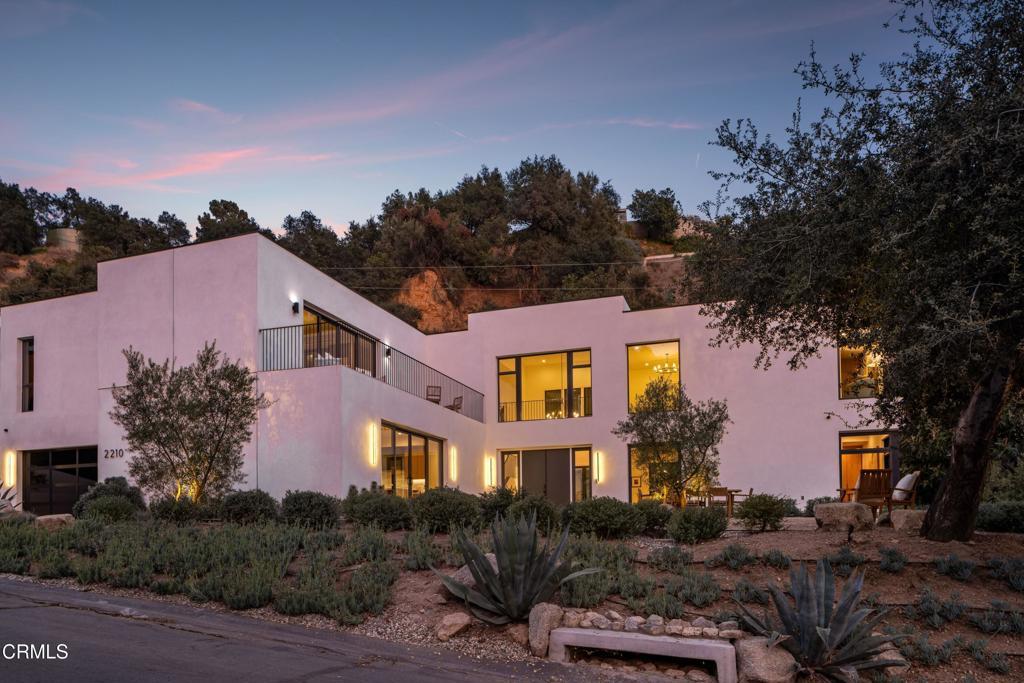
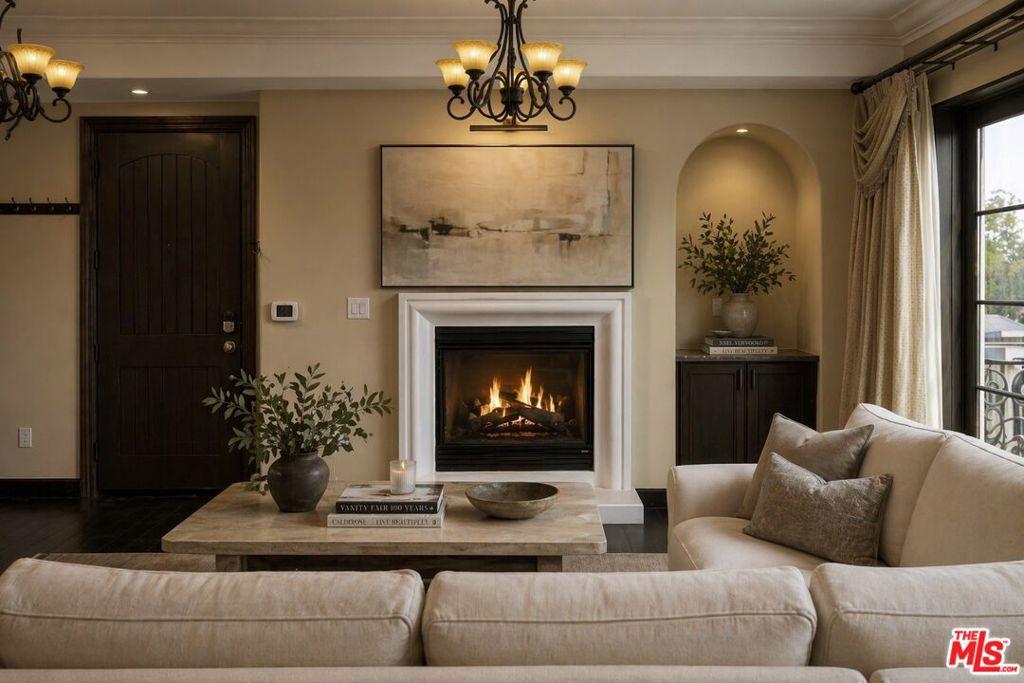
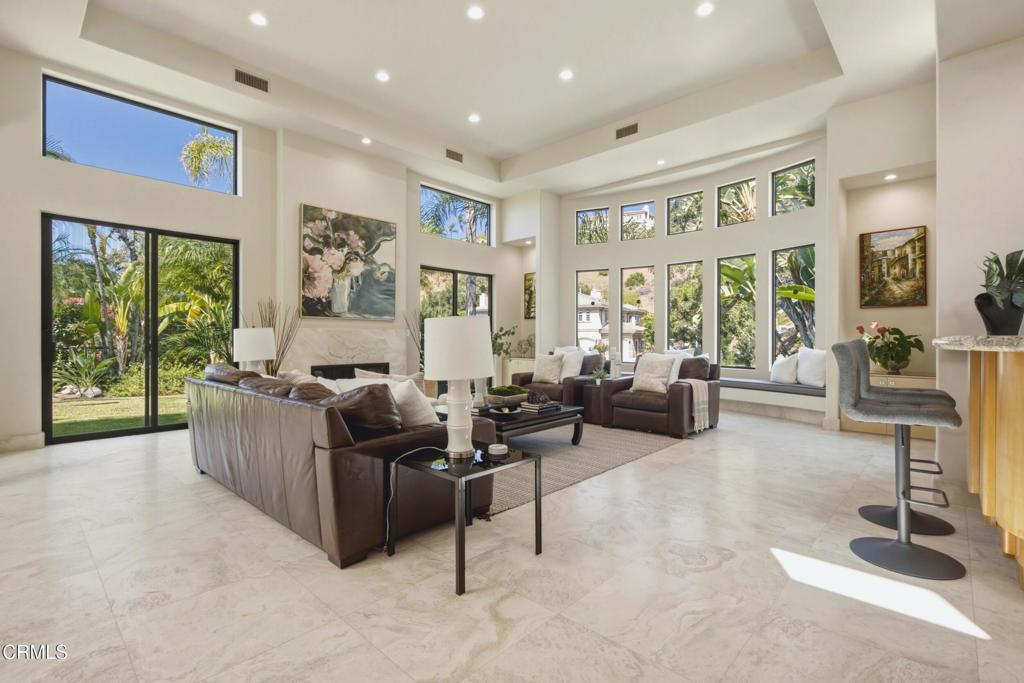
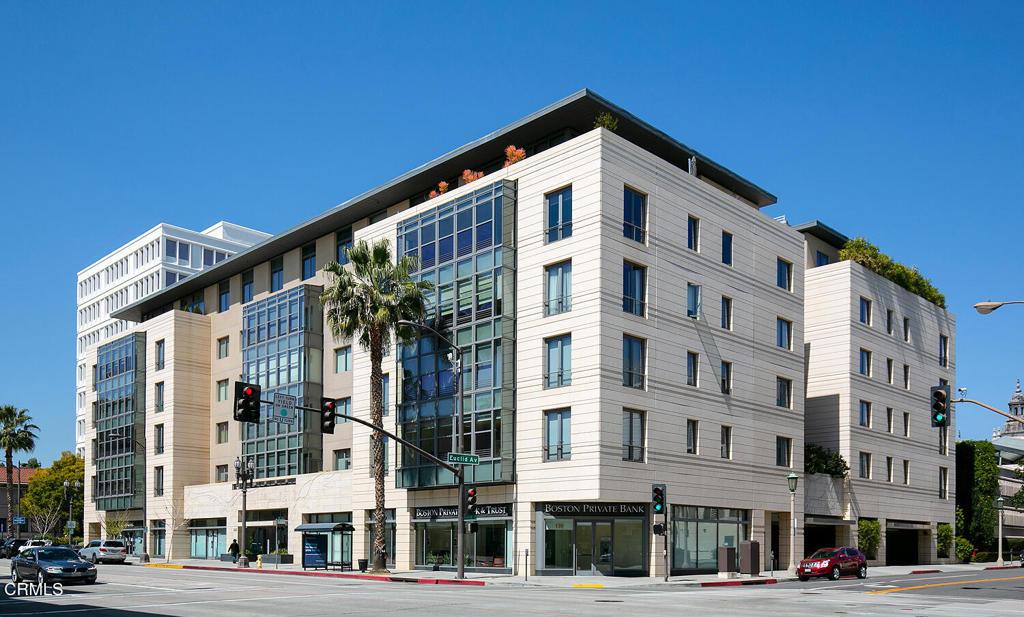
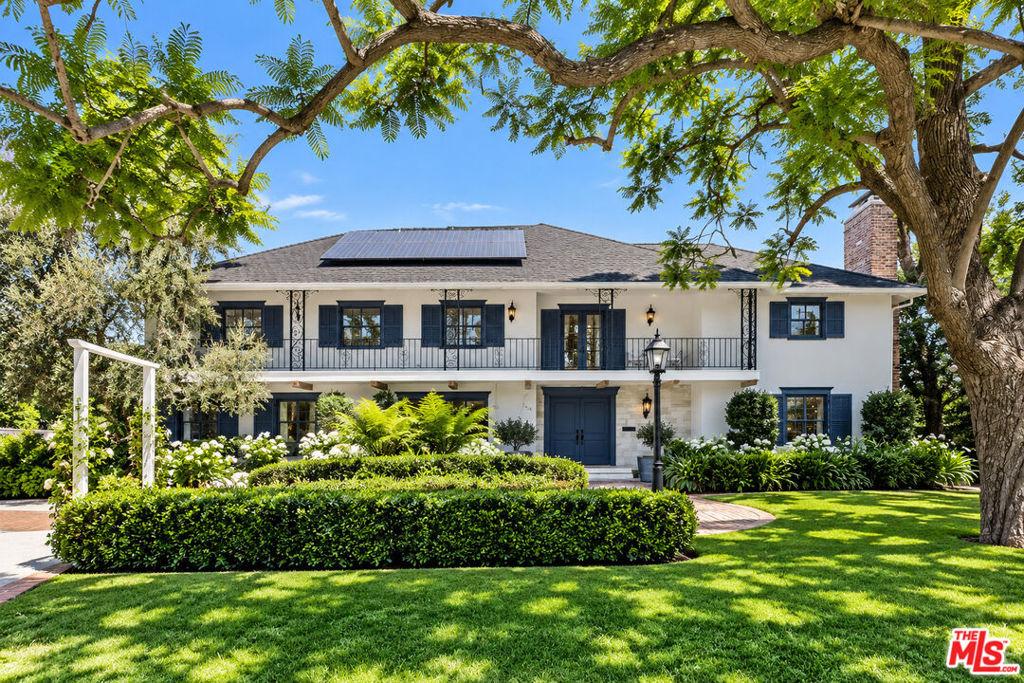
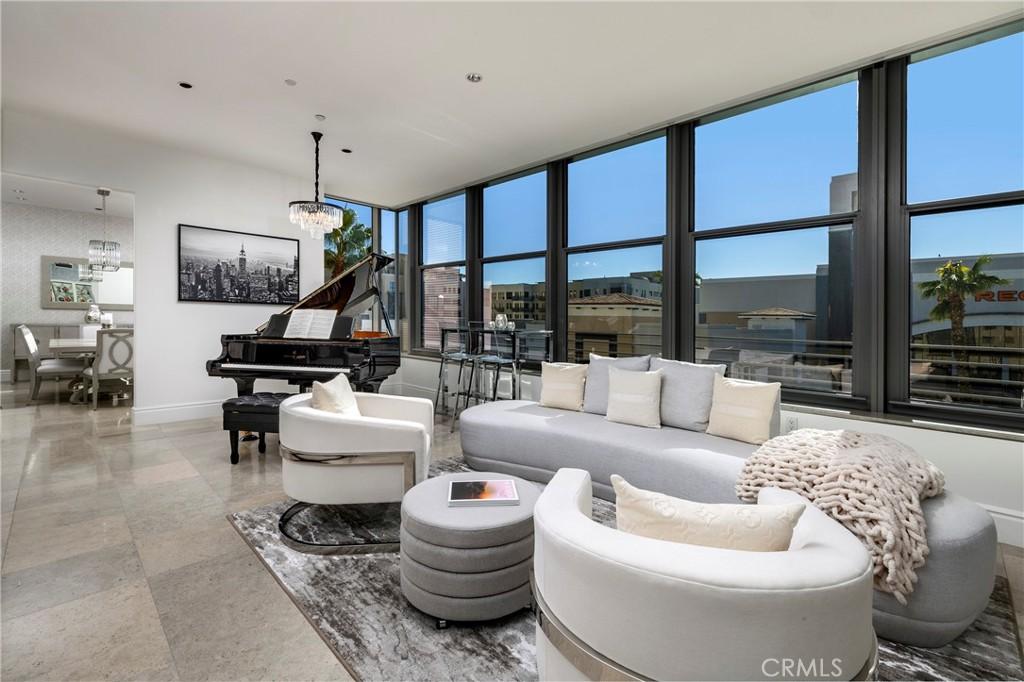
The residential component of the Playhouse District includes condominiums, small apartment buildings, and some single-family homes dispersed within the commercial and cultural fabric of East Colorado Boulevard. The neighborhood is more densely mixed-use than the purely residential areas of central Pasadena, which reflects both the district’s designation and the commercial activity that the Playhouse and the surrounding restaurant and gallery concentration generate. Buyers looking for a quiet residential street without commercial adjacency will find more suitable options in the surrounding residential neighborhoods; buyers who want walkable access to theater, dining, and cultural programming will find the Playhouse District’s density an advantage.
The Pasadena Playhouse presents a year-round theatrical season of mainstage and secondary productions, making cultural programming a literal walking distance amenity for Playhouse District residents. The surrounding gallery concentration has grown in recent years, with the Pasadena Museum of California Art and multiple commercial galleries adding visual arts programming to the theatrical calendar. The district’s mix of cultural venues and restaurants makes it one of the more self-sufficient evening destinations in the city for residents who want nightlife and entertainment without the scale and noise of a major urban nightlife district.
The Gold Line Metro at the Lake Station is within walking distance of the Playhouse District’s core, providing direct transit access to Downtown Los Angeles, Union Station, and the broader Metro system. The 210 Freeway at Lake Avenue provides freeway access for drivers. The combination of Gold Line transit and walkable daily amenities makes the Playhouse District one of the most transit-accessible residential addresses in Pasadena.
Pasadena citywide runs a median sale price around $1,250,000, up 3.7% year-over-year, $791 per square foot down 0.5% year-over-year, median list price $1,170,000 at $769 per square foot, 240 homes on market, 83 sold, 48 days on market, 103.9% sale-to-list ratio, 1 average offer, and 39.7% average down payment. Playhouse District residential pricing reflects the walkability premium and the mixed-use character of the area, with condominiums near the Gold Line at Lake Station pricing comparably to South Lake Avenue inventory. The district’s walkability and cultural programming access carry a premium over comparable residential units in quieter areas of the central city.
Schools fall within Pasadena Unified School District. The central Pasadena location provides access to multiple PUSD elementary options within a short commute. Private school alternatives in the broader Pasadena area are accessible for buyers with specific K-12 requirements.
The Playhouse District is Pasadena’s primary arts and entertainment district, centered on the Pasadena Playhouse at 39 South El Molino Avenue on East Colorado Boulevard and extending through the adjacent blocks of the East Colorado Boulevard and Lake Avenue commercial corridor. The district takes its name from the Pasadena Playhouse, which was founded in 1917 and designated the California State Theater in 1937. The Playhouse’s 99-seat main stage and the 99-seat Balcony Theatre present a full production season of plays, musicals, and world premiere works that draw audiences from across the San Gabriel Valley and the greater Los Angeles area. Living in the Playhouse District means having the California State Theater and its full production calendar as a walkable neighborhood amenity. This is genuinely uncommon in residential markets at any price tier in the greater Los Angeles area.
The restaurant concentration in the Playhouse District is among the most diverse in Pasadena, with dozens of restaurant options within a few blocks of the central district area on East Colorado Boulevard and the side streets between El Molino Avenue and Lake Avenue. The range of options spans casual daytime cafes, neighborhood dinner spots, more formal occasion restaurants, and the various national and international cuisine options that have established themselves in the district’s commercially attractive ground-floor spaces. The evening restaurant activity in the Playhouse District, particularly around performance nights at the Playhouse, creates a lively pedestrian environment that distinguishes the district from the more primarily residential character of the adjacent neighborhoods. For residents of the Playhouse District who enjoy walkable dining as a regular activity, the district’s restaurant density is a daily practical amenity.
The Gold Line’s Memorial Park and Lake stations are both within or immediately adjacent to the Playhouse District, providing walking-distance access to Metro transit for residents of the district and the surrounding residential streets. The Memorial Park station at the corner of Holly Street and Arroyo Parkway places the Gold Line transit connection in the western edge of the district, while the Lake station on East Colorado Boulevard is at the eastern edge. The two-station Gold Line coverage of the district creates walking access to the transit network from any address within the Playhouse District’s geographic footprint, making the Playhouse District one of the best-served residential areas in the San Gabriel Valley for transit connectivity. For commuters who work in Downtown Los Angeles or along the Gold Line corridor, the Playhouse District’s walking-distance station access eliminates the park-and-ride or bicycle-to-station component that characterizes transit commuting from the more peripheral Pasadena neighborhoods.
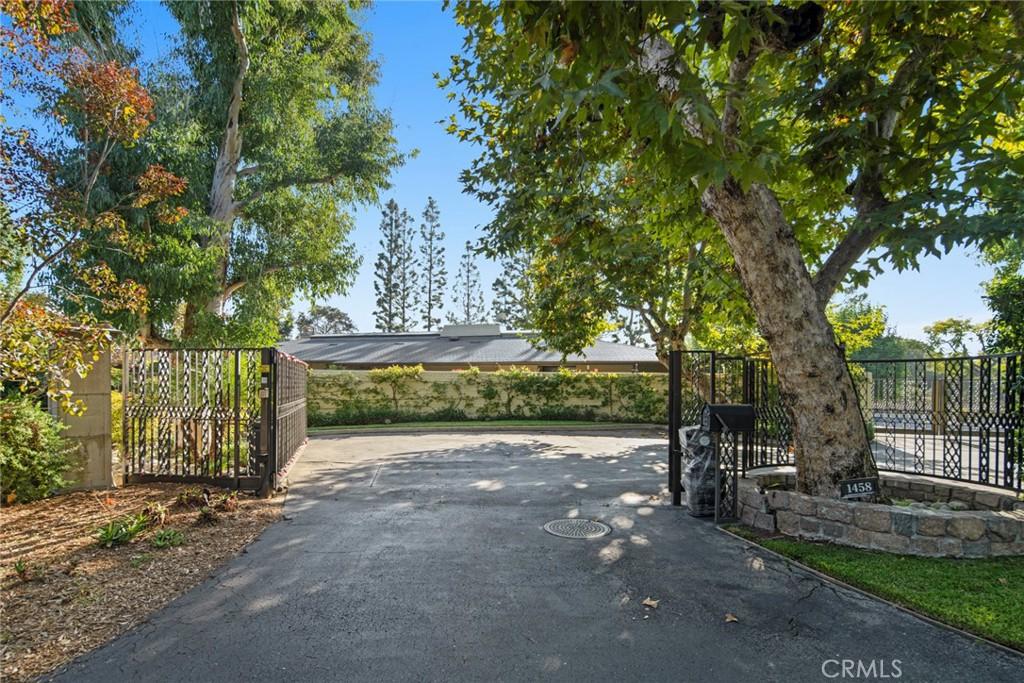
The residential character of the Playhouse District includes a mix of above-commercial condominiums in the historic commercial buildings on East Colorado Boulevard, purpose-built condominium and apartment buildings in the side streets behind the commercial frontage, and some single-family homes on the residential streets at the edges of the district where the commercial character transitions to residential. The above-commercial condominium format is the most distinctive housing type in the Playhouse District, offering urban loft-style living above the East Colorado Boulevard restaurant and retail activity in buildings that range from pre-war brick commercial structures to more recently developed mixed-use projects. Buyers who are specifically seeking the above-commercial loft format within a walkable arts district will find the Playhouse District’s residential inventory directly relevant to this preference.
The commute infrastructure for Playhouse District residents benefits from the Gold Line walking access, which provides transit commutes to Downtown Los Angeles in approximately 35-40 minutes from the Memorial Park or Lake stations. The 210 Freeway is accessible from the Lake Avenue interchange approximately 1.5-2 miles north of the district, providing freeway access for commutes not served by the Gold Line. The Playhouse District’s central position within Pasadena’s commercial and institutional geography also creates significant walking-distance employment: the various Pasadena employers in the East Colorado Boulevard and South Lake Avenue corridors, the Pasadena Convention Center, and the institutional employers in the Civic Center area are all within 0.5-1 mile of most Playhouse District residential addresses.
Schools serving the Playhouse District residential area are in the Pasadena Unified School District’s central area. The elementary school assignments for Playhouse District addresses are in the central PUSD service area, and the PUSD magnet and specialty program system is accessible through the standard district application process. The central Pasadena position of the Playhouse District provides access to the full range of PUSD program campuses by bicycle or car from the residential area. For families with children in the independent school market, the private school options near central Pasadena include Polytechnic School (south on Orange Grove Boulevard), Chandler School (on Del Mar Avenue), and the Pasadena Waldorf School (on Pasadena Avenue).
The renovation and development market in the Playhouse District is constrained by the commercial character of the primary East Colorado Boulevard corridor and is primarily expressed in the condominium and apartment rehabilitation market in the residential buildings behind the commercial frontage. Historic building rehabilitation projects in the district’s pre-war commercial structures have produced some of the most architecturally interesting residential conversions in central Pasadena, and buyers who appreciate the loft-in-historic-brick format will find the Playhouse District’s commercial building conversion market relevant to their preferences. The rising land values and the commercial district designation limit the single-family residential renovation market within the district’s core area.
The buyer profile for Playhouse District residential properties is specifically oriented toward residents who want to maximize the urban residential lifestyle within the Pasadena market: Gold Line walking access, walkable restaurant and theater programming, and the density of cultural and commercial amenity that the district provides. The Playhouse District buyer tends to be single professionals, dual-income couples, or empty-nesters who are choosing the walkable urban format over the single-family residential format of the peripheral Pasadena neighborhoods, and who place a higher priority on entertainment and cultural access than on lot size, school proximity, or suburban quietness. The comparisons that Playhouse District buyers draw are with the Silver Lake, Los Feliz, and Abbot Kinney residential markets in the west of Los Angeles, rather than with the east and north Pasadena single-family markets that are otherwise the primary comparison sets for the Pasadena residential buyer.
The Pasadena Playhouse’s physical campus at 39 South El Molino Avenue includes the main stage theater, the Balcony Theatre, rehearsal spaces, and production facilities that make the Playhouse a working theater institution rather than just a performance venue. The Playhouse’s resident company and its relationship with national theater talent produces productions that range from world premieres of new works to reimagined classic productions, giving the Playhouse District residential community ongoing access to culturally significant theater programming at a neighborhood venue. The Playhouse’s education programs, which include youth theater programs, adult acting workshops, and community engagement initiatives, extend the institution’s impact beyond its performance schedule into a year-round community presence for the surrounding residential area.
The post-COVID recovery of the Playhouse District’s commercial and cultural economy has strengthened the residential demand for properties in and near the district. The restaurant recovery in the Playhouse District area, the Playhouse’s return to full production capacity, and the broader revival of pedestrian commercial activity in the East Colorado Boulevard corridor have restored and reinforced the district’s identity as Pasadena’s most active urban commercial and cultural zone. The residential demand from buyers who specifically want to live within walking distance of the Playhouse District’s full complement of amenities has grown as the district’s post-COVID commercial vitality has been demonstrated, and the district’s central position in Pasadena’s cultural geography gives it long-term resilience that is less dependent on any single anchor than a more commercially monolithic neighborhood would be.
The Gold Line’s operational reliability and frequency are important factors in the practical utility of the Playhouse District’s transit proximity for residents who commute by train. The Metro Gold Line (now designated as part of the Metro A Line) connects the Playhouse District’s Memorial Park and Lake stations to Union Station in approximately 35-40 minutes and continues east into the San Gabriel Valley. Metro’s ongoing capital investment in the A Line’s operations, including the ongoing planning for expanded service and reliability improvements, supports the long-term utility of the Gold Line transit access as a residential amenity for Playhouse District residents. The practical question for individual Playhouse District commuters is whether their specific work location is within convenient distance of a Metro rail or bus connection from Union Station; for those whose workplaces are near the Metro network, the Gold Line walking access from the Playhouse District provides a genuinely competitive commute alternative to driving.
The Playhouse District’s residential market competes within the Pasadena condominium and above-commercial residential tier rather than the single-family residential market. The comparisons buyers draw when evaluating Playhouse District residential properties are with other central Pasadena condominium options (Old Pasadena, South Lake Avenue area, Civic Center area), with the condominium markets in the Glendale and Burbank walkable commercial districts, and with the Silver Lake, Los Feliz, and Echo Park residential markets in east Los Angeles. The Playhouse District’s value positioning relative to these comparison markets reflects both the district’s transit connectivity (Gold Line walking access), its cultural anchor (the Pasadena Playhouse), and the Pasadena civic environment’s broader amenity infrastructure that the west-of-110 comparison markets do not offer.
What is it like to live in Playhouse District Pasadena Homes?
- Playhouse District Pasadena Homes include condominiums, small apartment buildings, and some single-family homes dispersed within the commercial and cultural fabric of East Colorado Boulevard.
- Residential streets here sit in a more densely mixed-use setting than the purely residential areas of central Pasadena.
- Density in the district reflects both its designation and the commercial activity generated by the Playhouse and the surrounding restaurant and gallery concentration.
- Buyers seeking a quiet residential street without commercial adjacency will find more suitable options in the surrounding residential neighborhoods.
- Buyers wanting walkable access to theater, dining, and cultural programming treat the density of Playhouse District Pasadena Homes as an advantage.
- The Pasadena Playhouse presents a year-round theatrical season of mainstage and secondary productions, making cultural programming a literal walking distance amenity for residents.
- Gallery concentration around the district has grown in recent years, adding visual arts programming alongside the theatrical calendar.
- The Pasadena Museum of California Art and multiple commercial galleries contribute to the visual arts programming available within the district.
- Cultural venues and restaurants together make the district one of the more self-sufficient evening destinations in the city.
- Residents who want nightlife and entertainment without the scale and noise of a major urban nightlife district find the mix well suited to them.
- The Gold Line Metro at the Lake Station sits within walking distance of the district core, providing direct transit access toward Downtown Los Angeles.
- Union Station and the broader Metro system connect directly through the Gold Line at Lake Station.
- The Freeway at Lake Avenue provides freeway access for drivers who need it alongside the walkable options.
- Gold Line transit combined with walkable daily amenities makes Playhouse District Pasadena Homes among the most transit-accessible residential addresses in Pasadena.
- Residential pricing reflects the walkability premium and the mixed-use character of the area rather than a purely residential setting.
- Condominiums near the Gold Line at Lake Station price comparably to South Lake Avenue inventory.
- Walkability and cultural programming access carry a premium over comparable residential units in quieter areas of the central city.
- Schools serving Playhouse District Pasadena Homes fall within Pasadena Unified School District, with private school alternatives accessible across the broader Pasadena area.