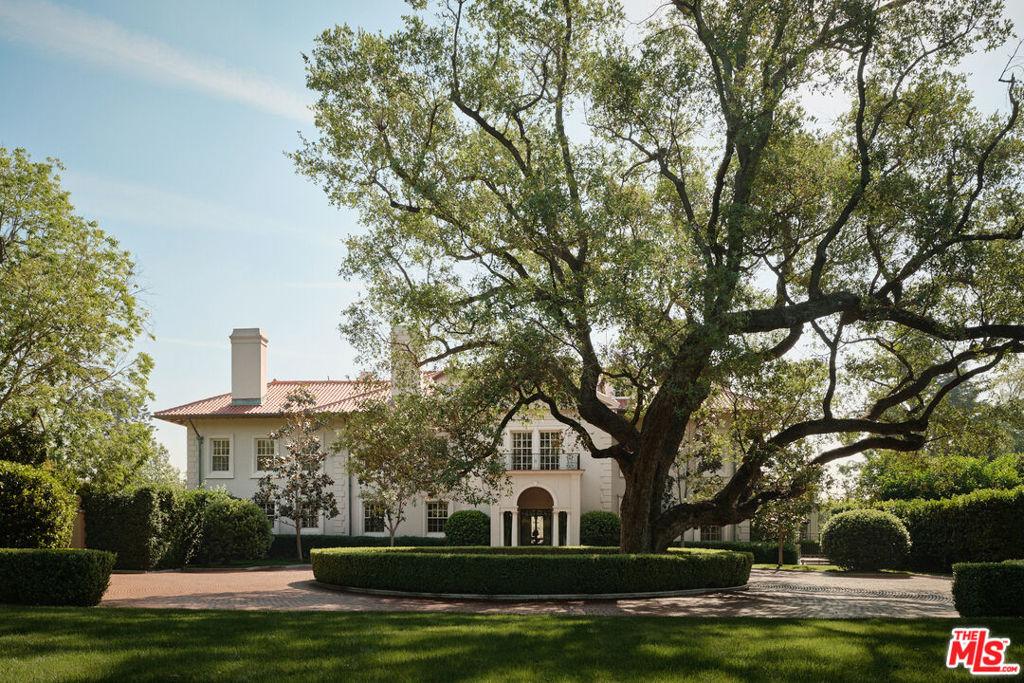
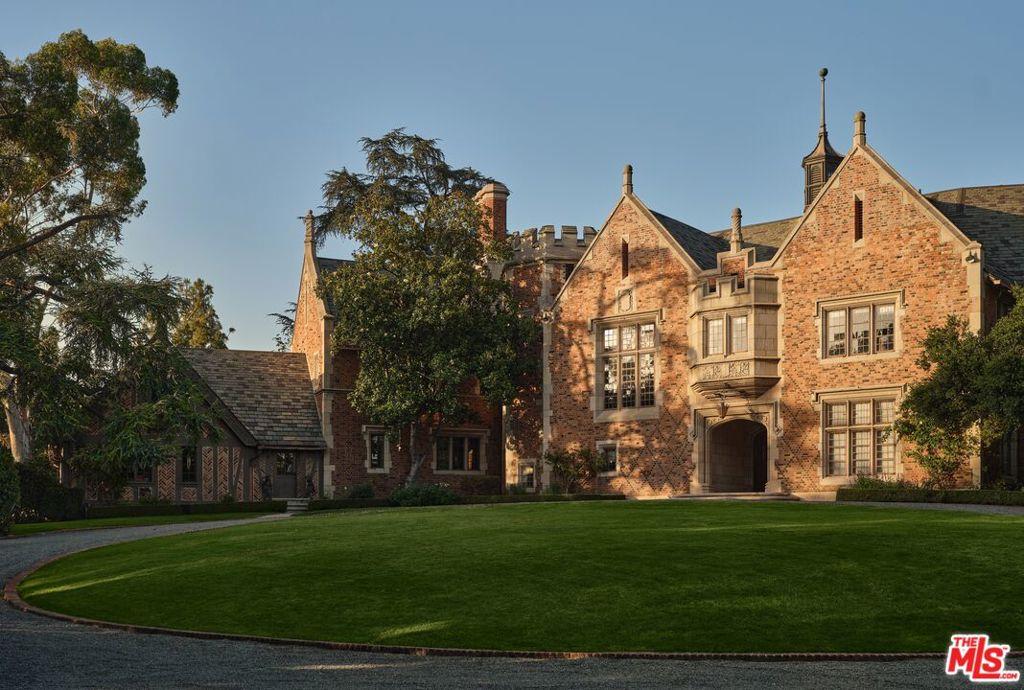
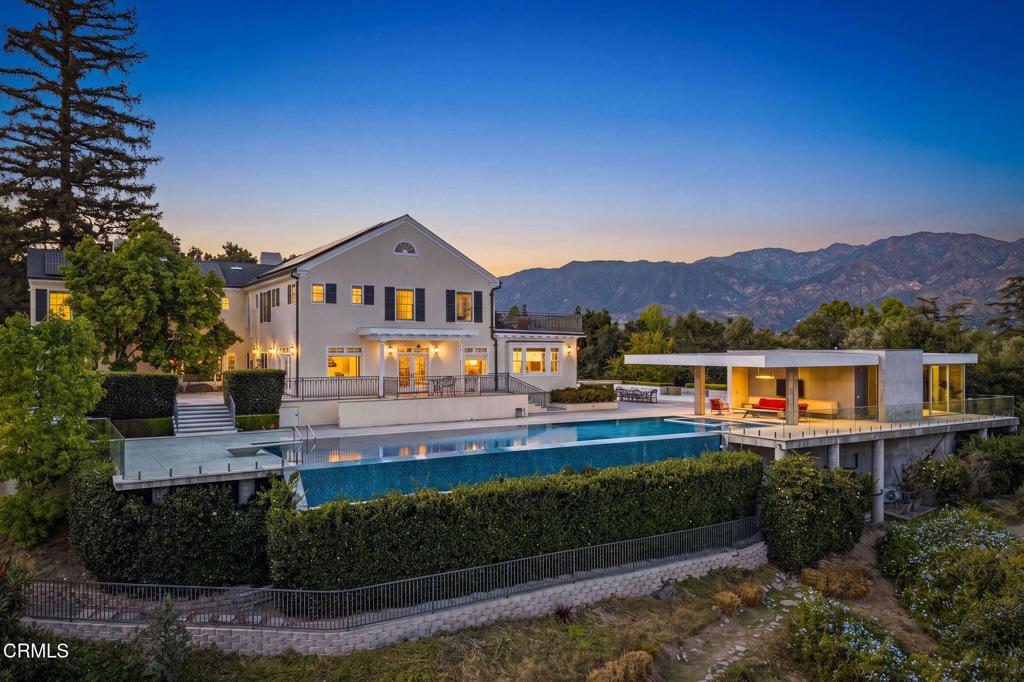
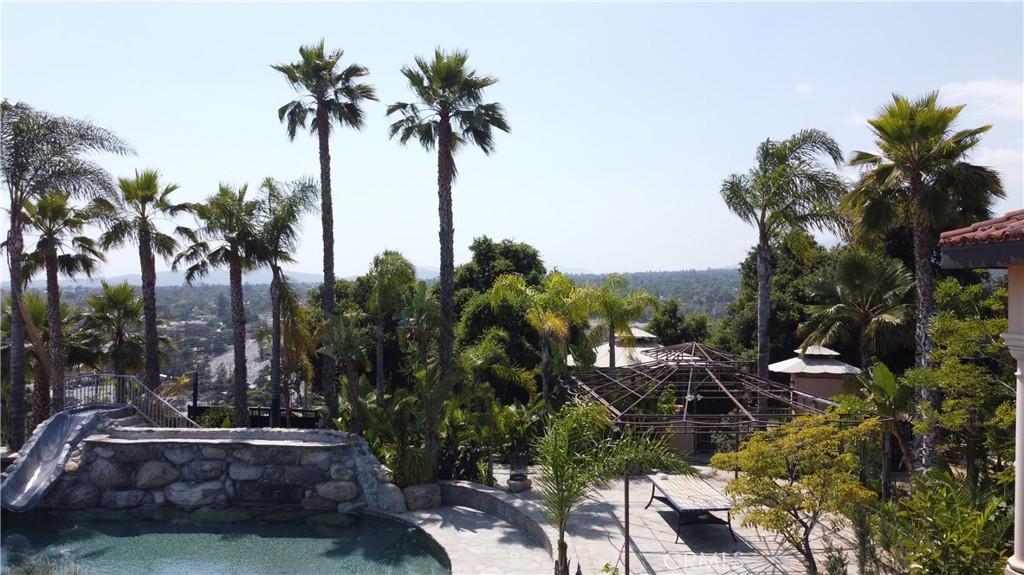
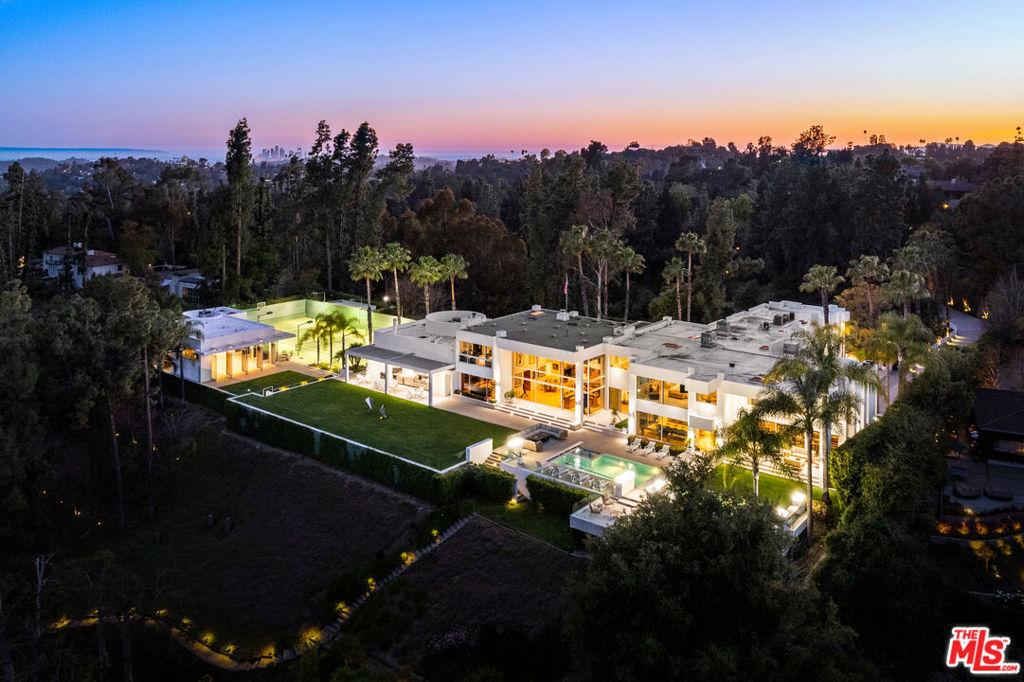
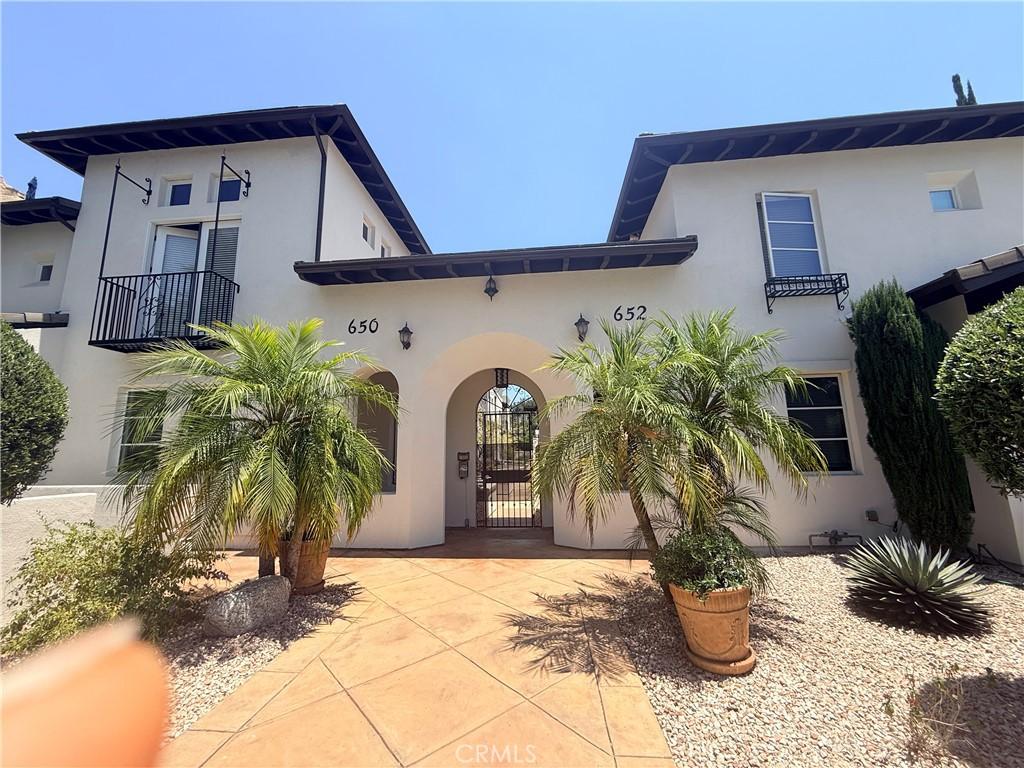
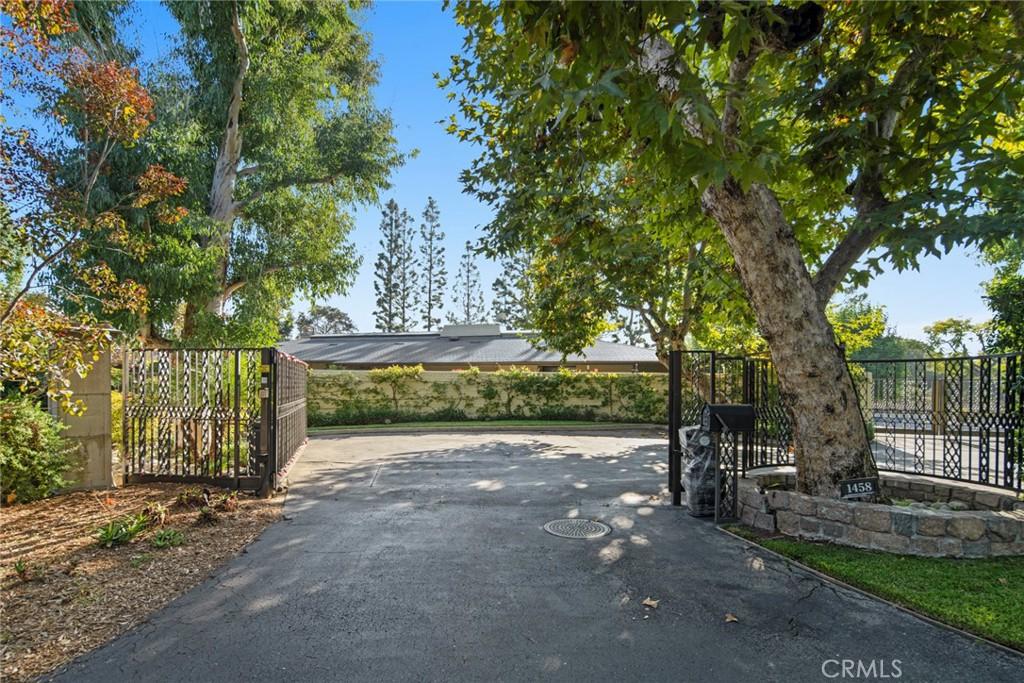
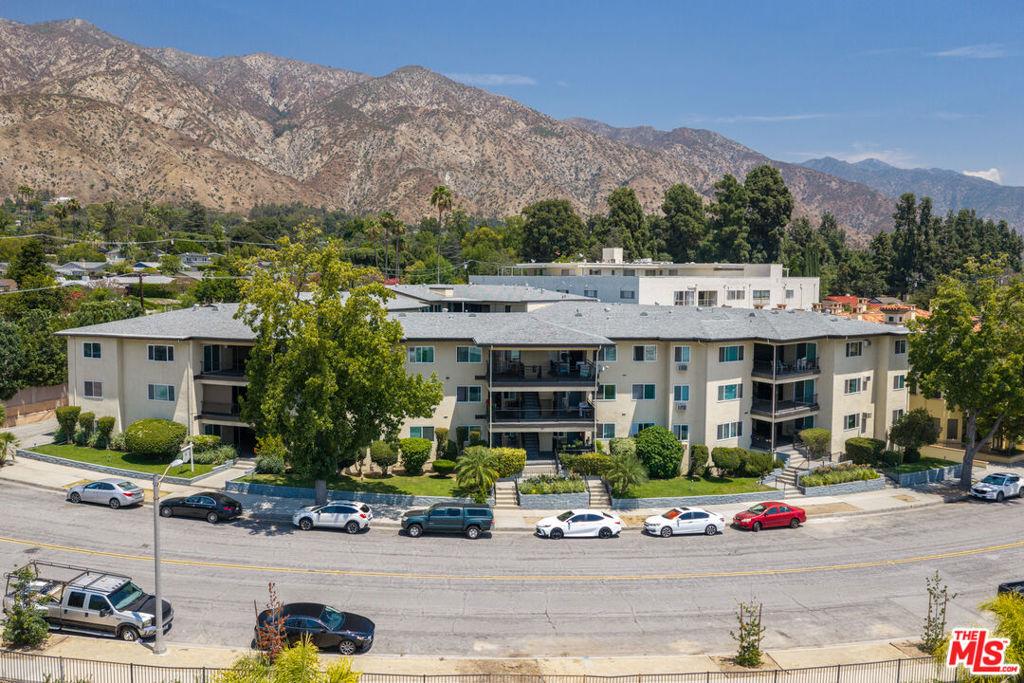
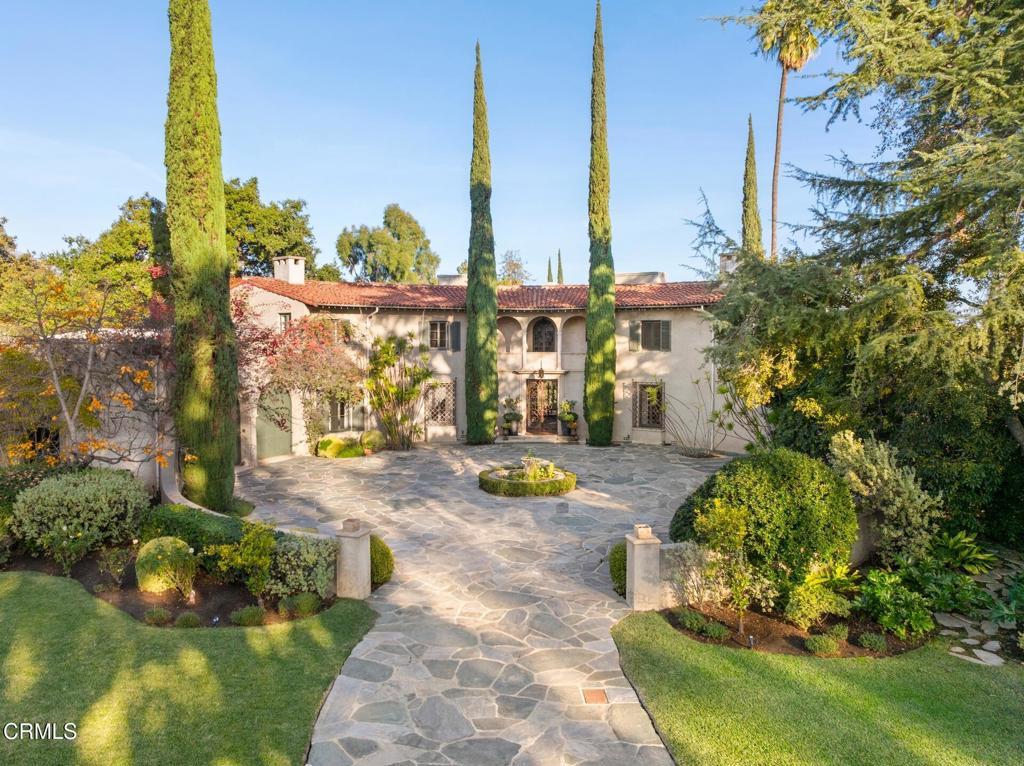
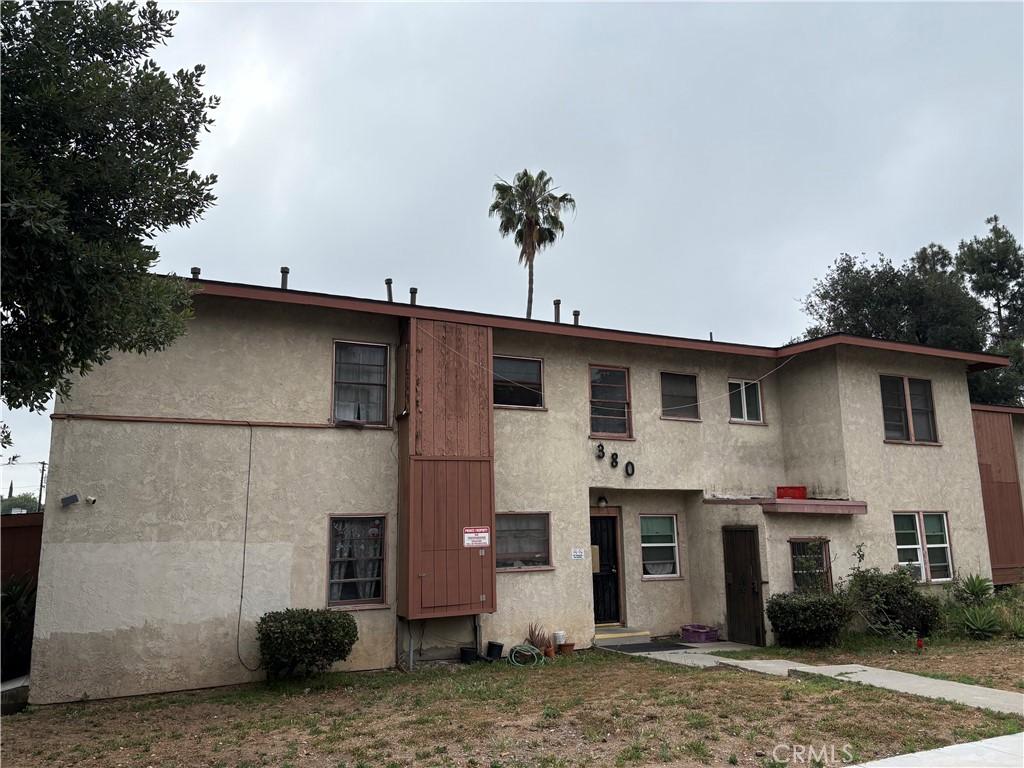
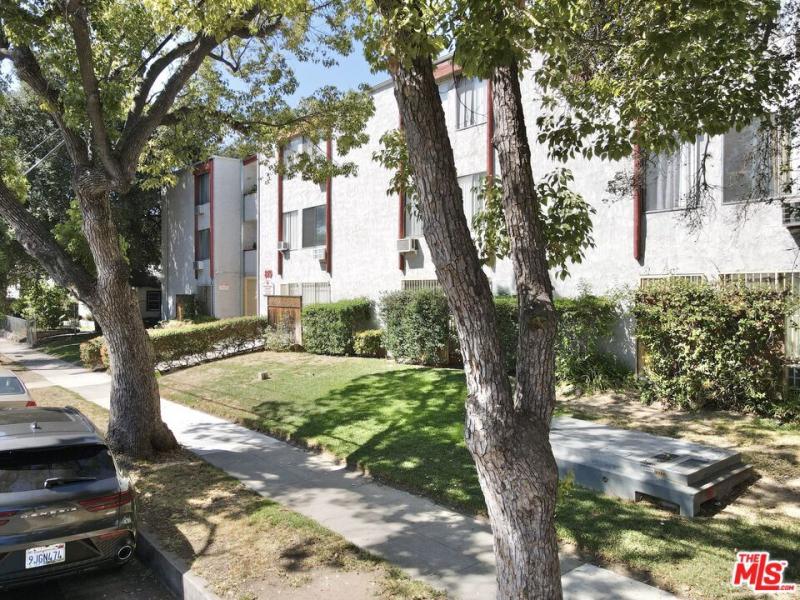
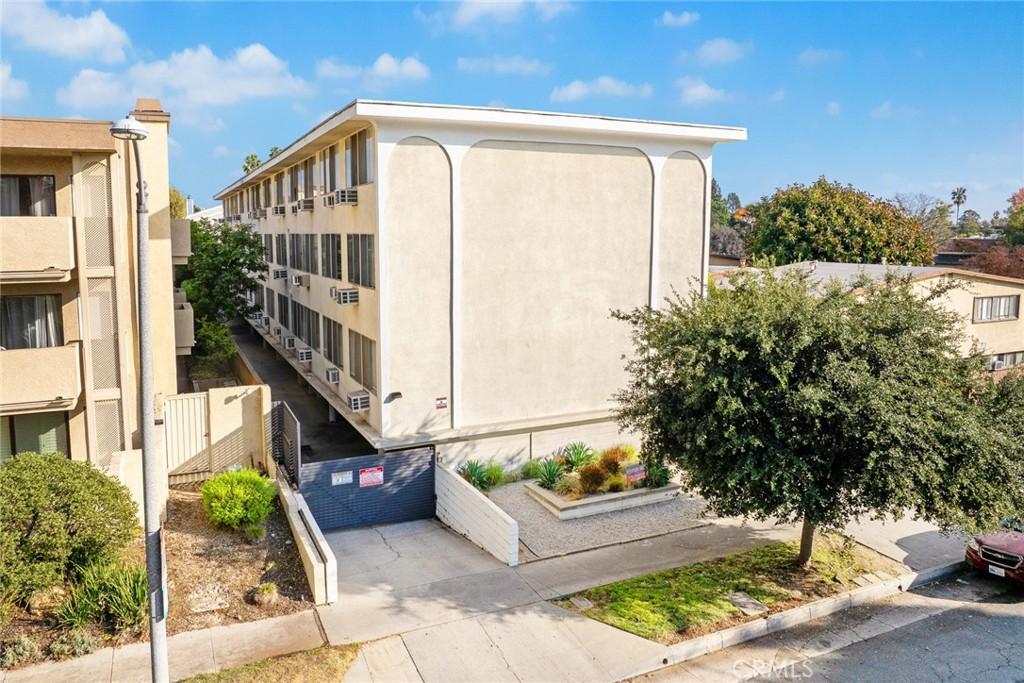
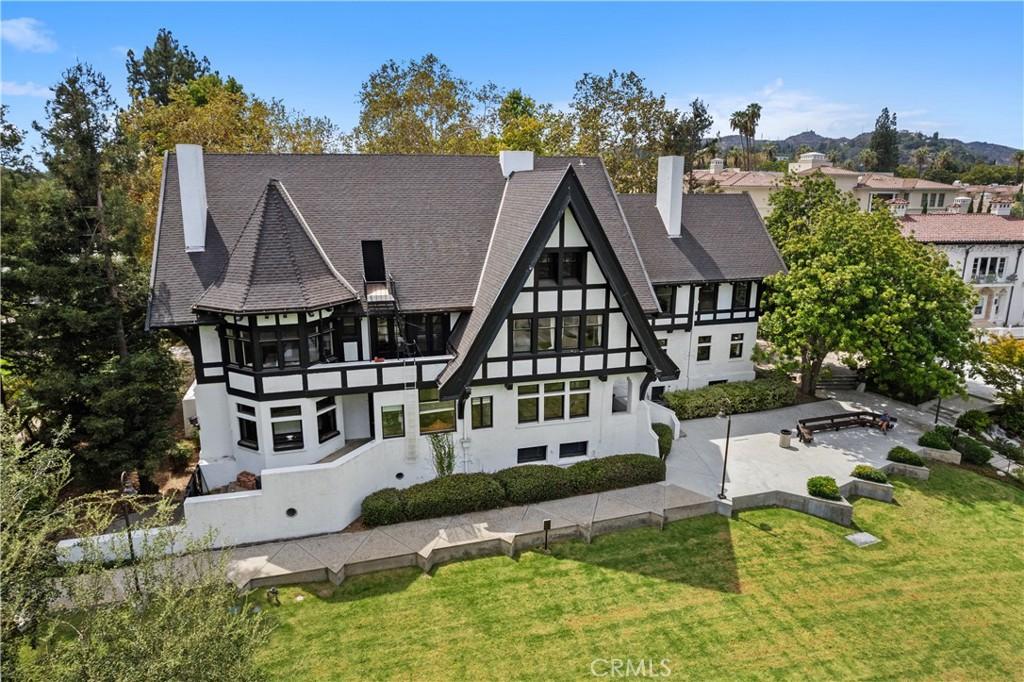
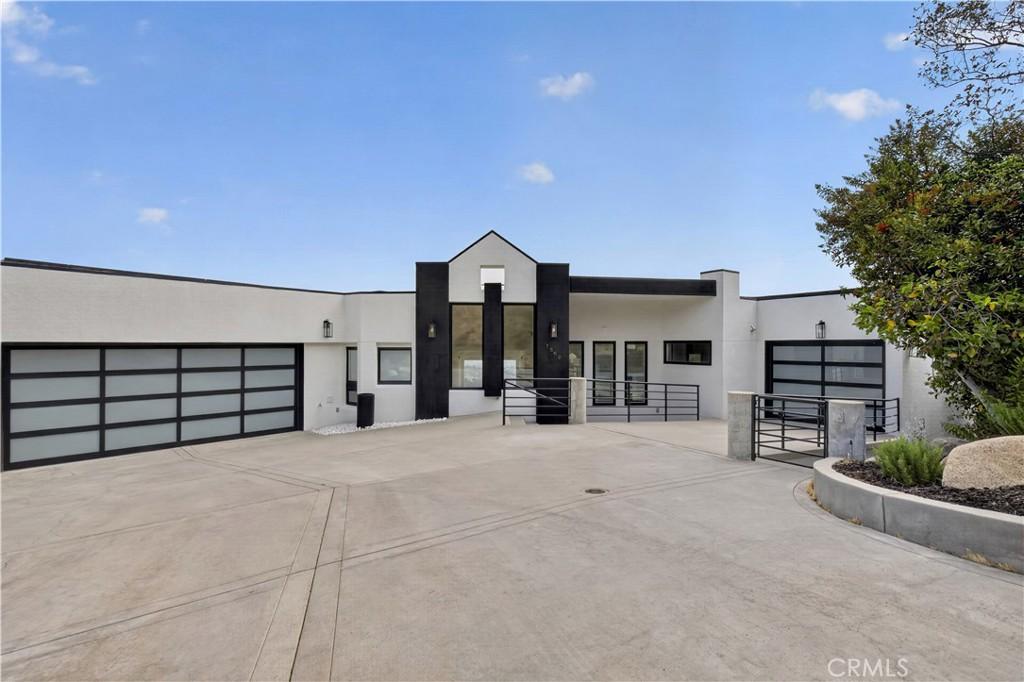
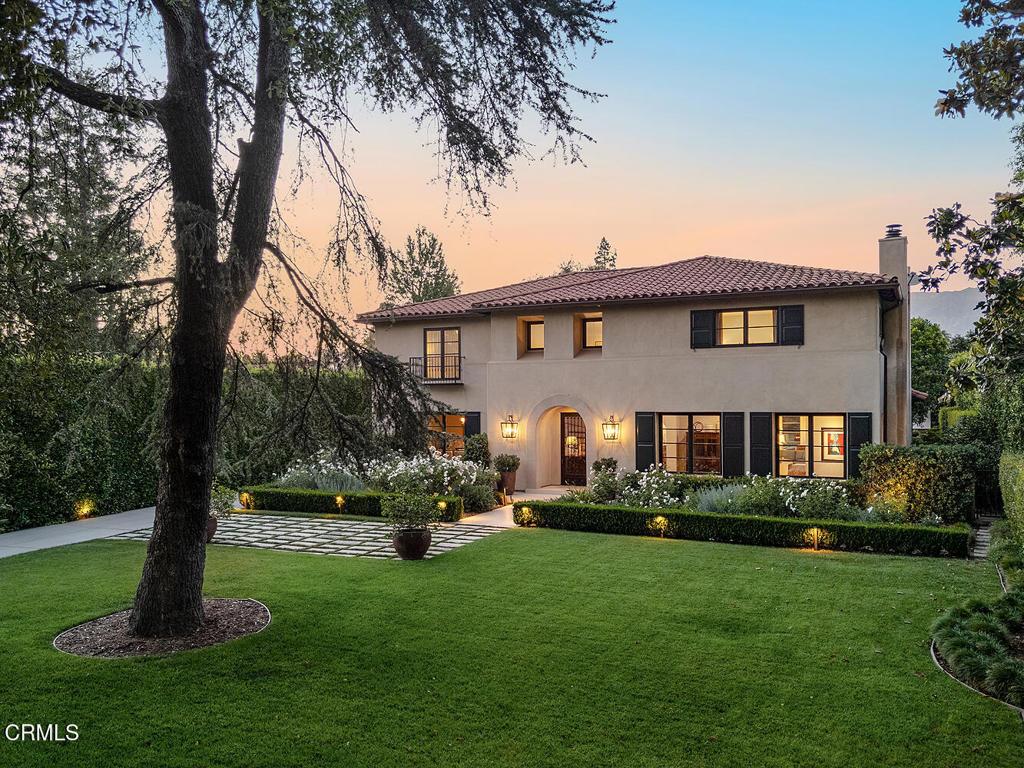
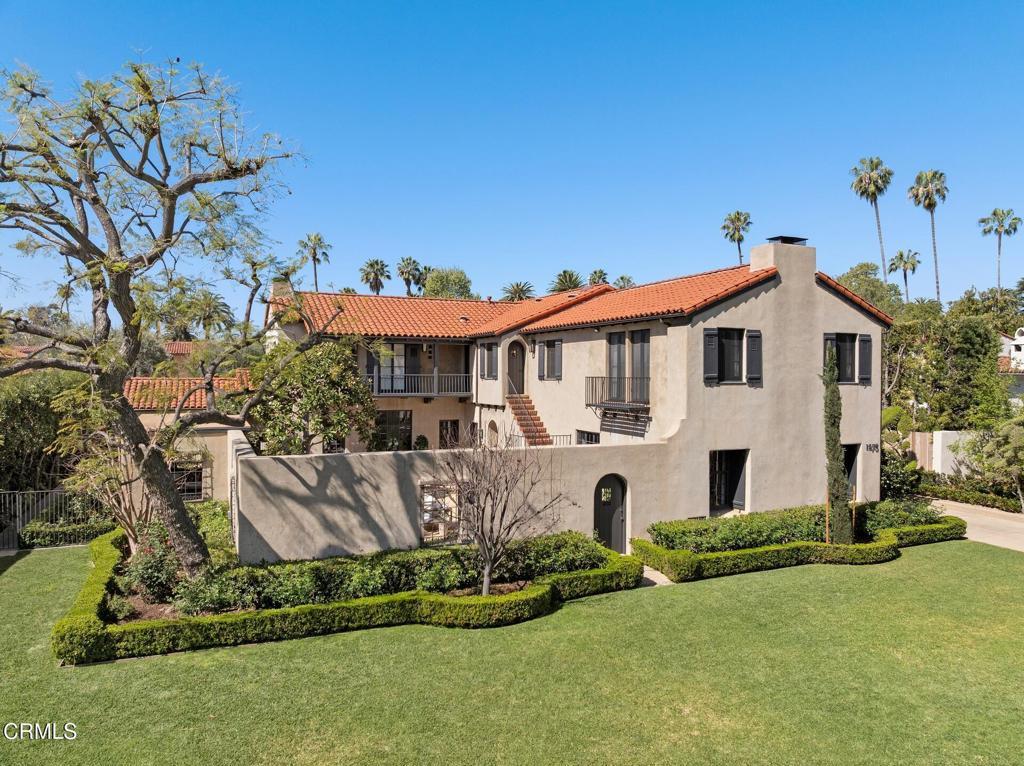
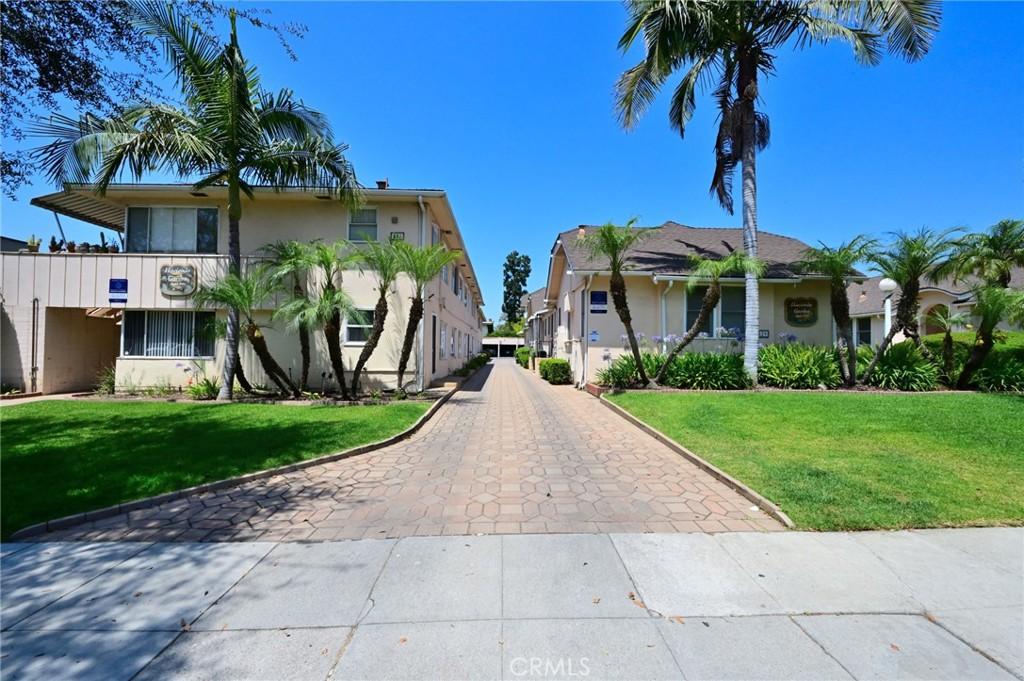
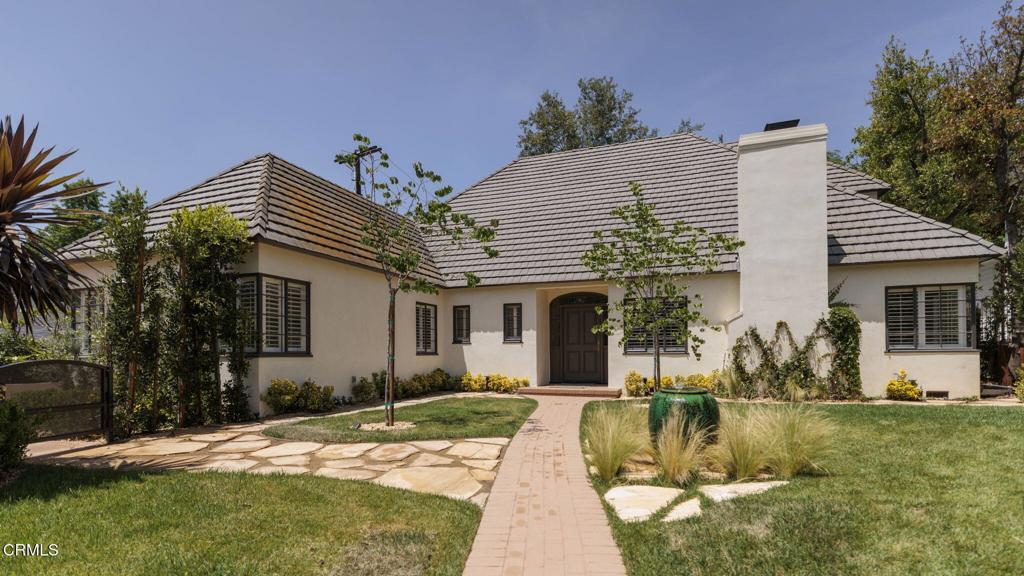
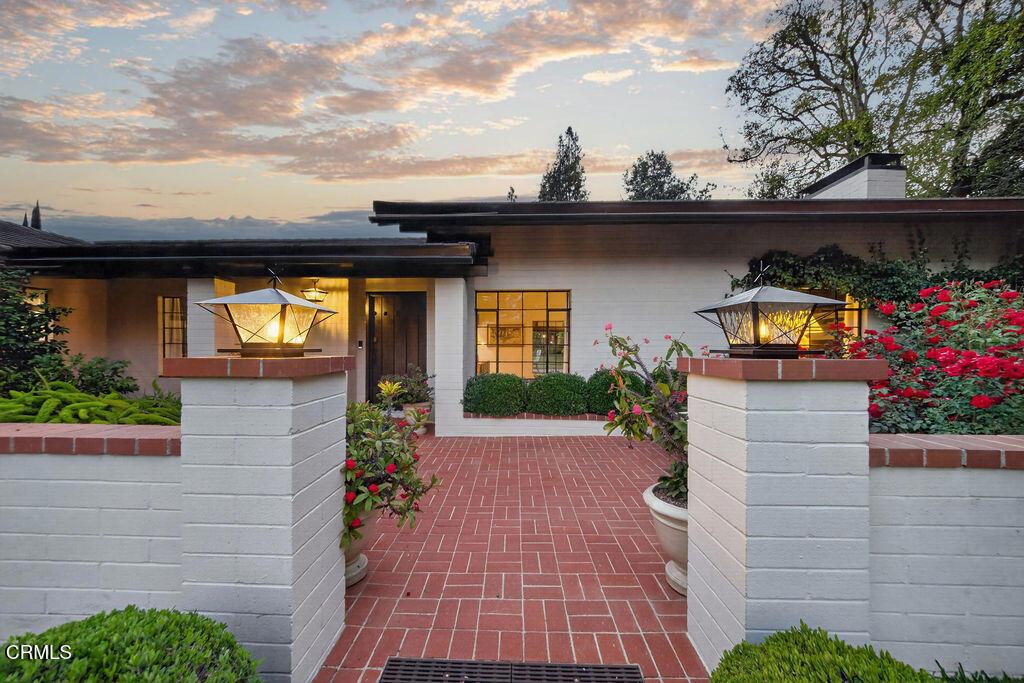
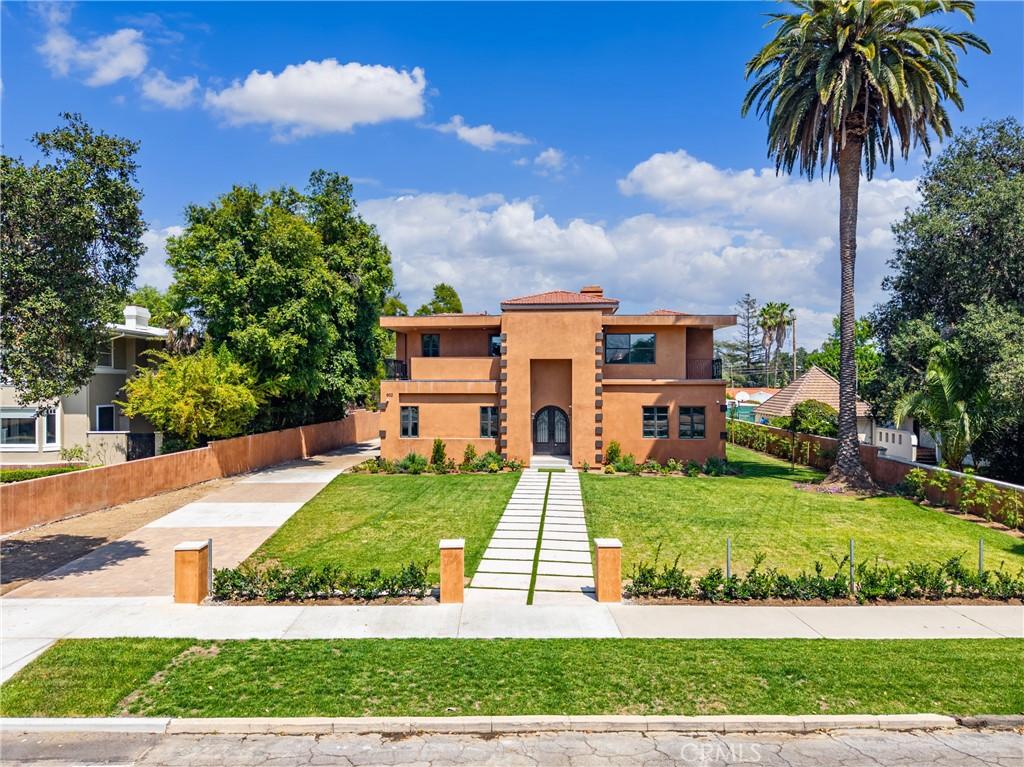
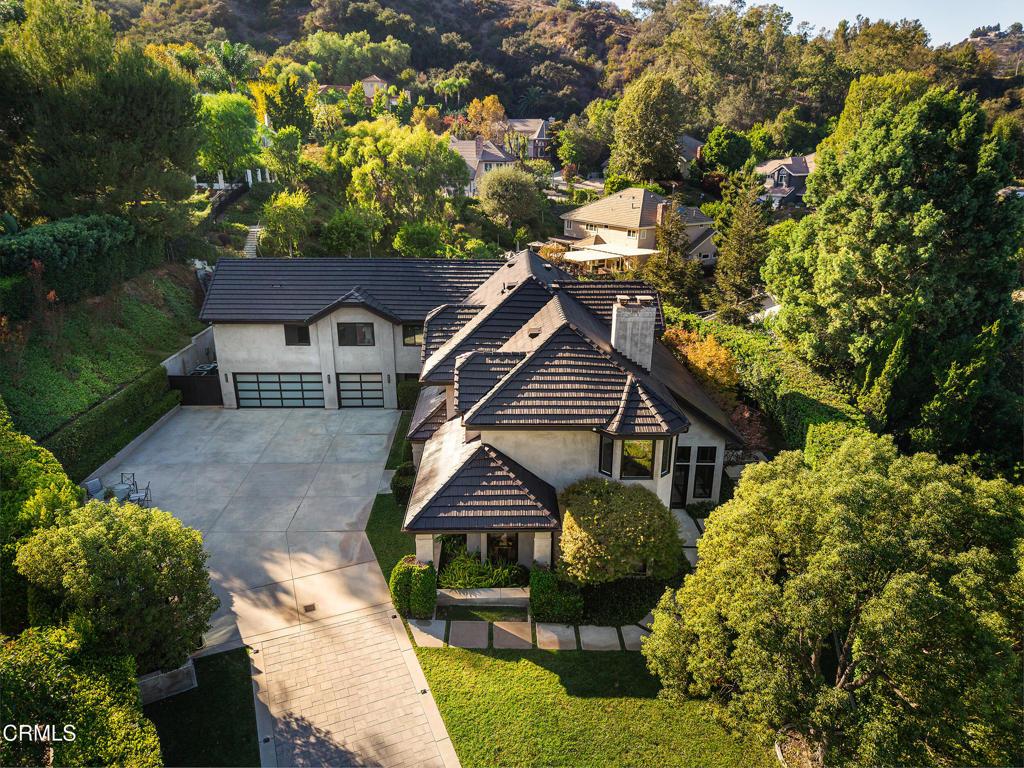
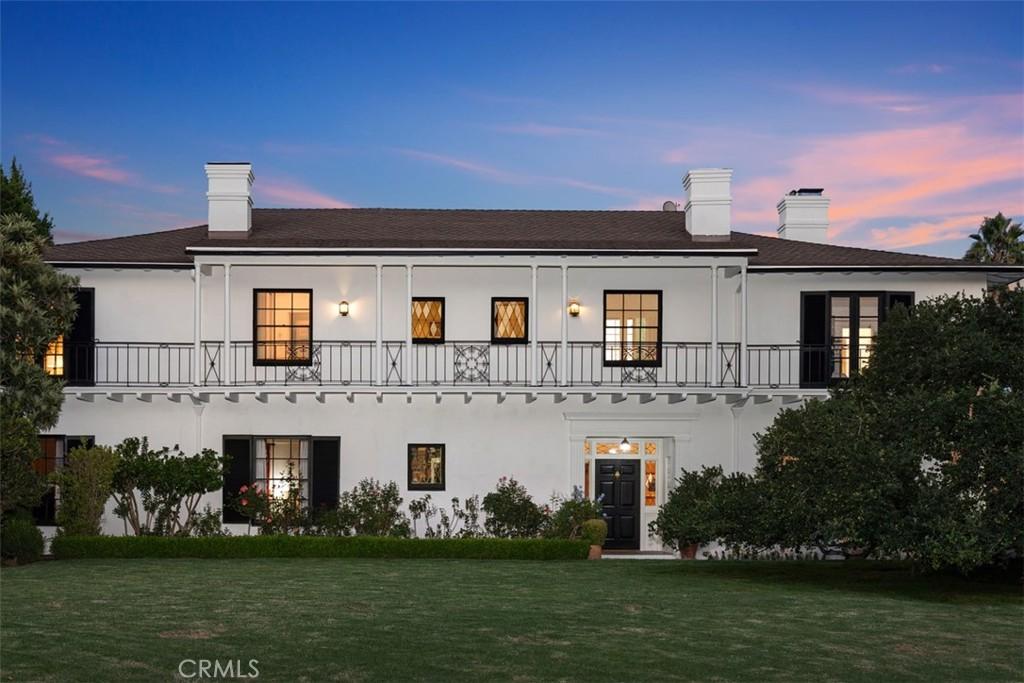
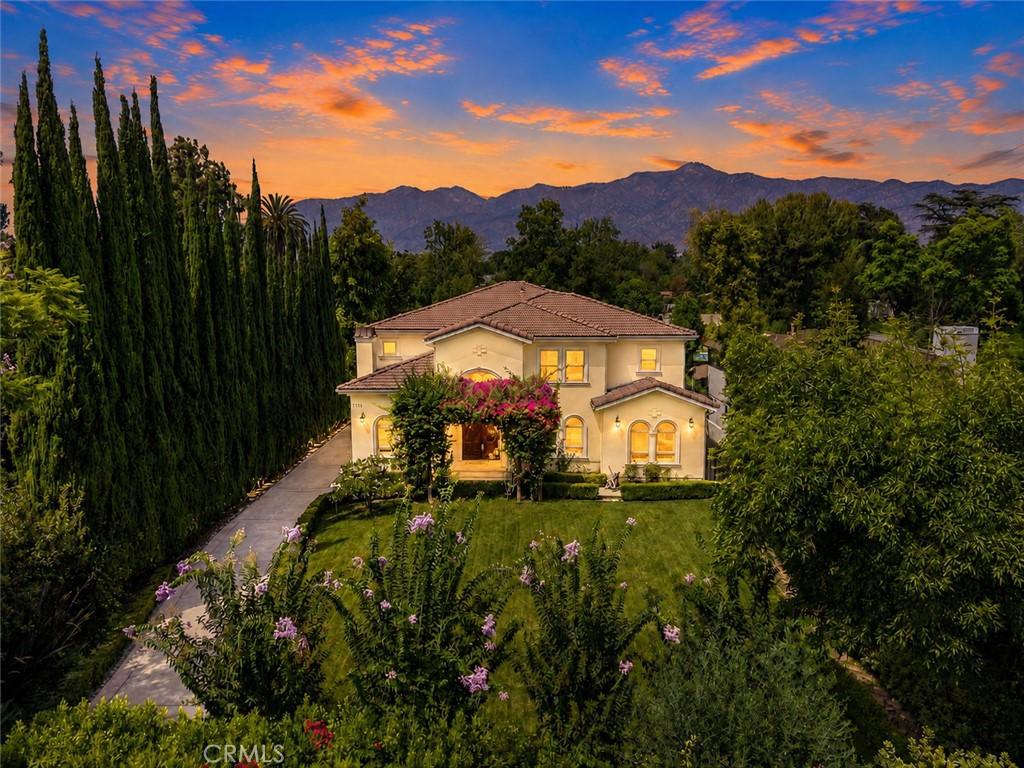
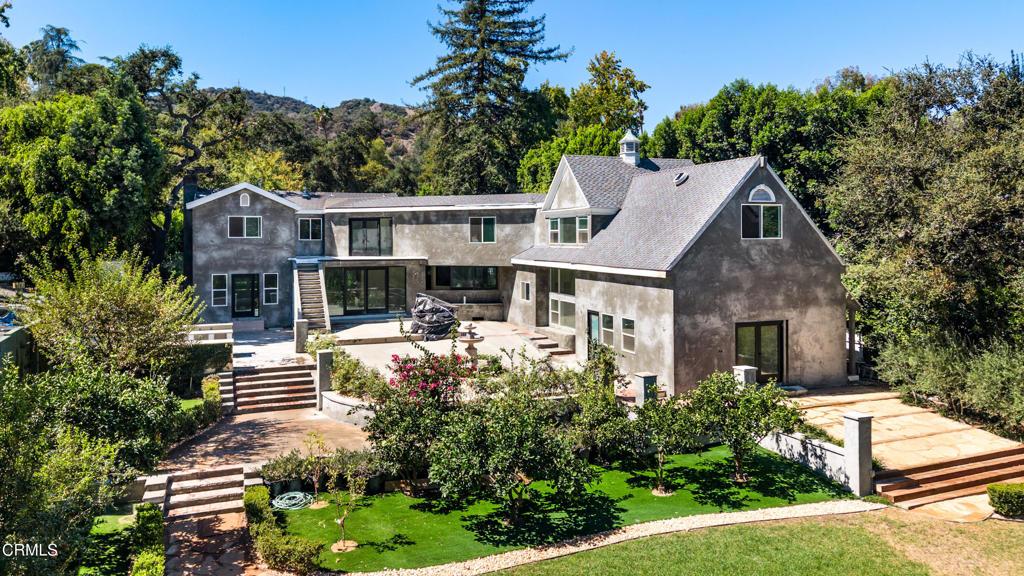
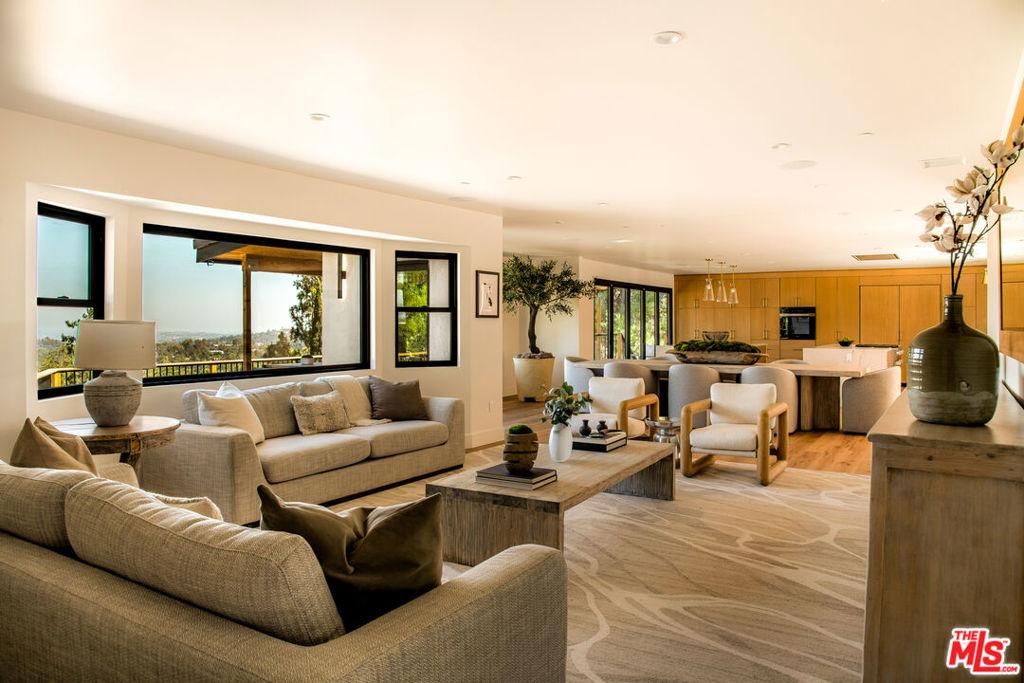
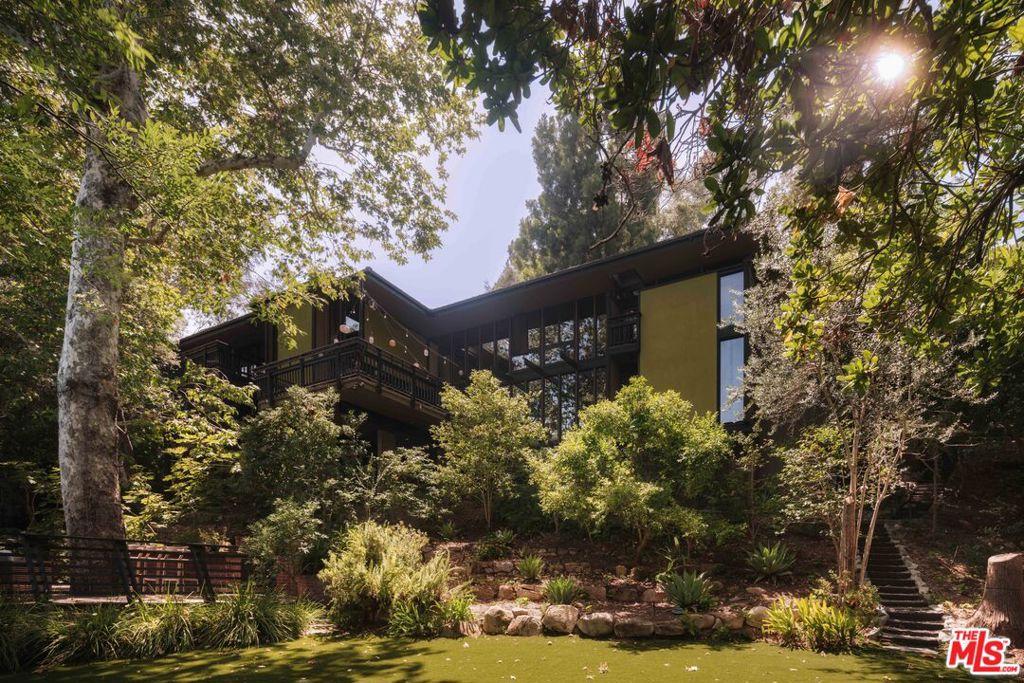
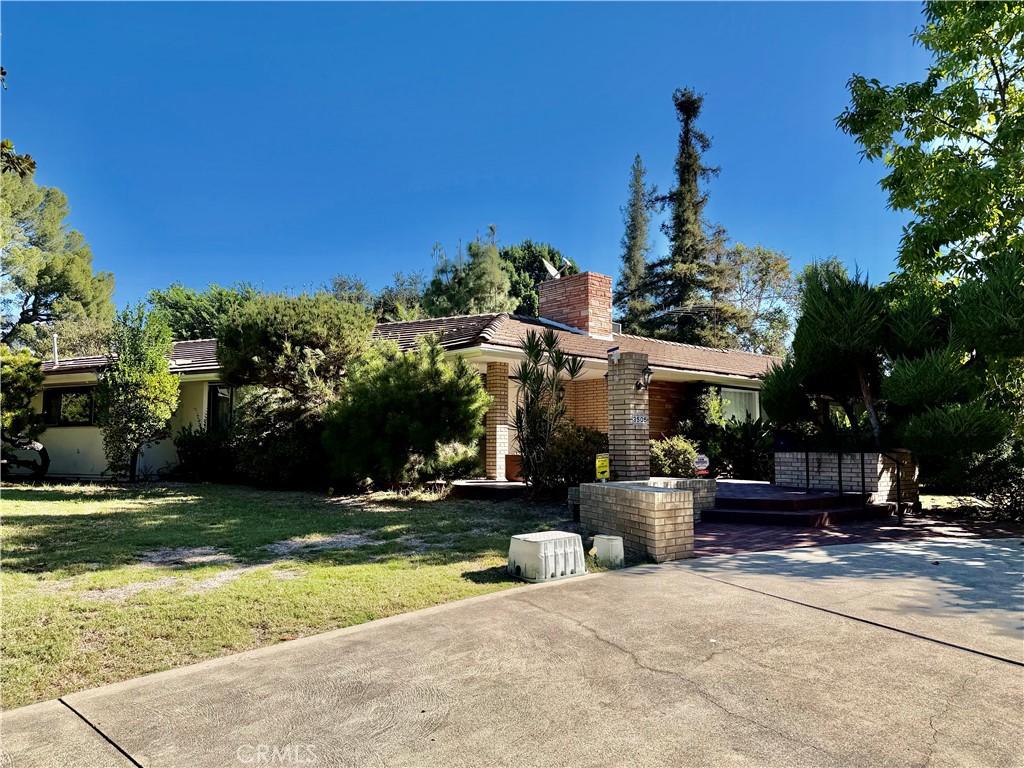
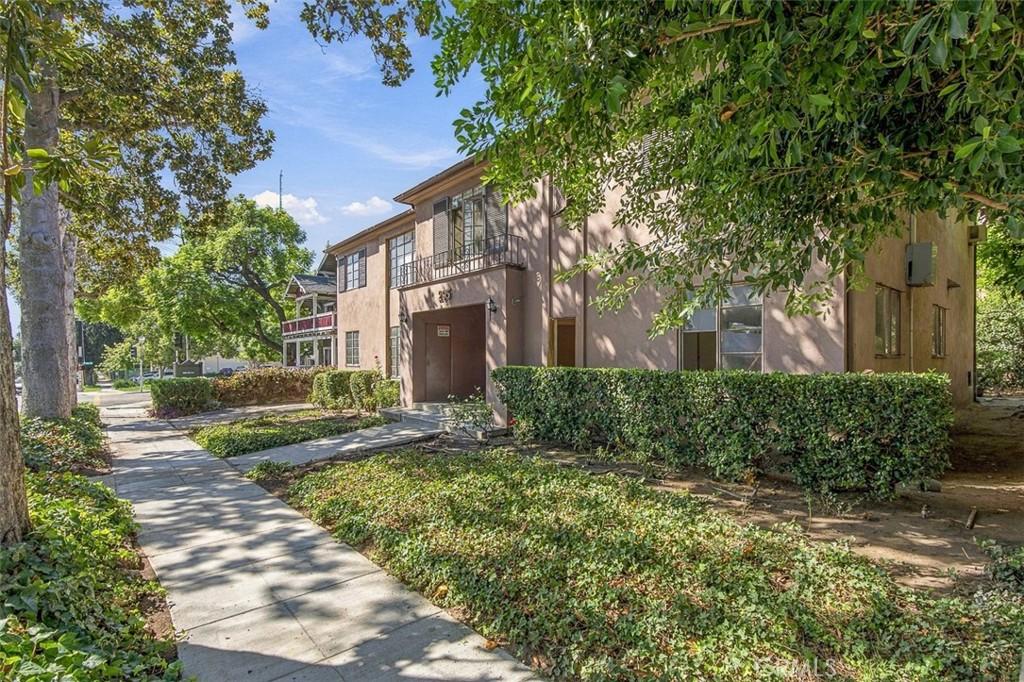
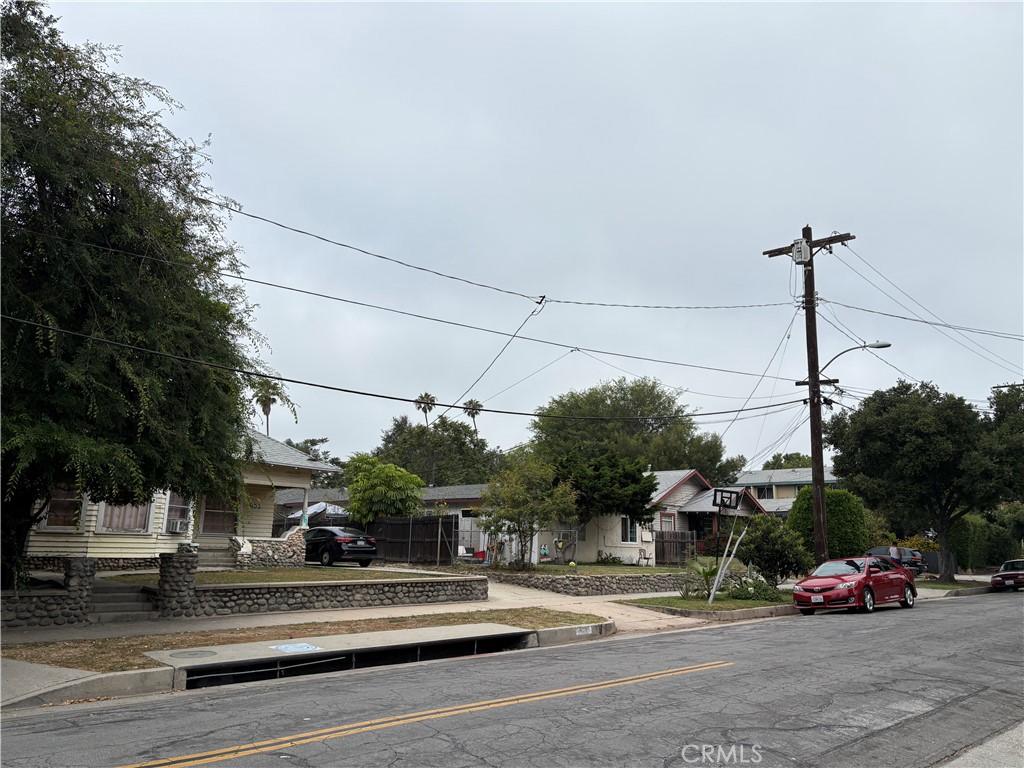
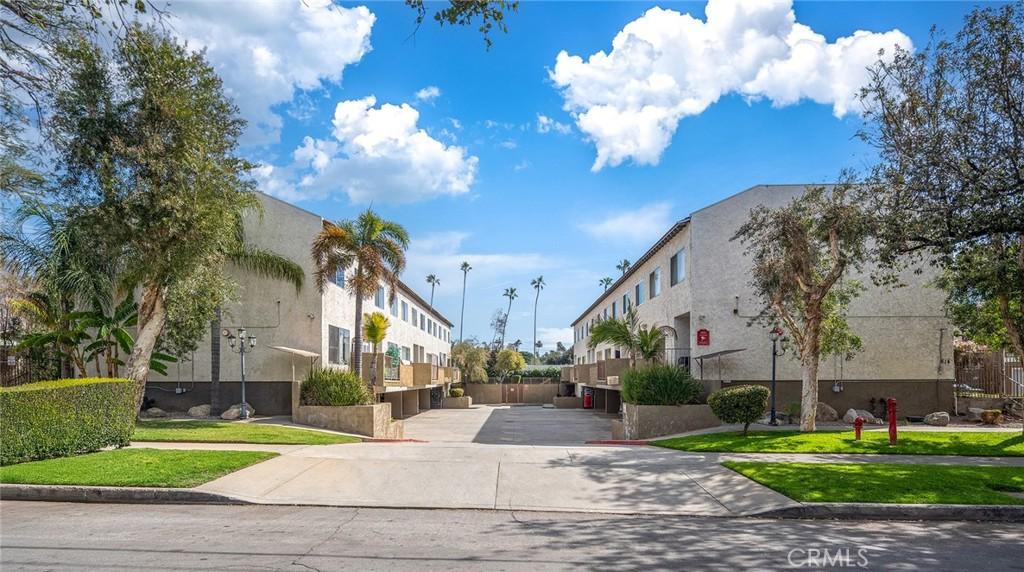
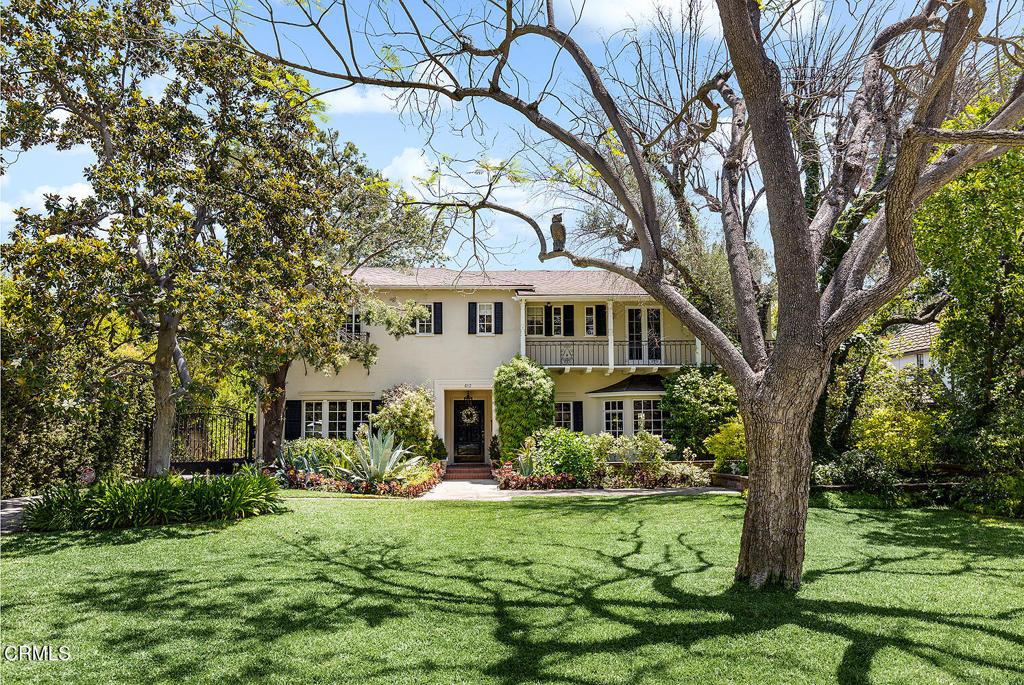
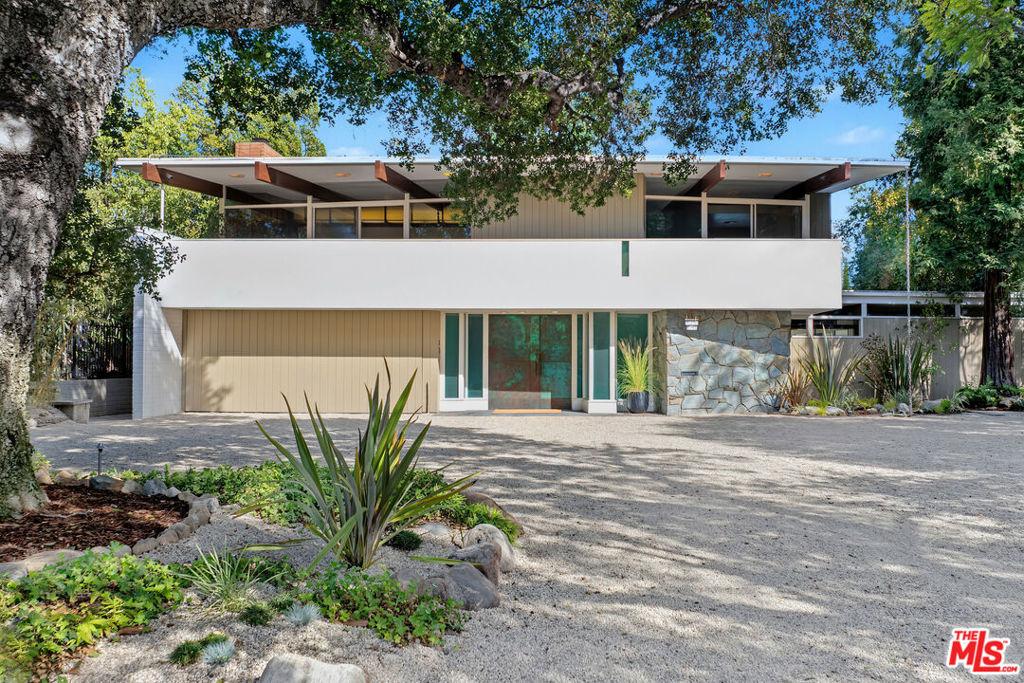
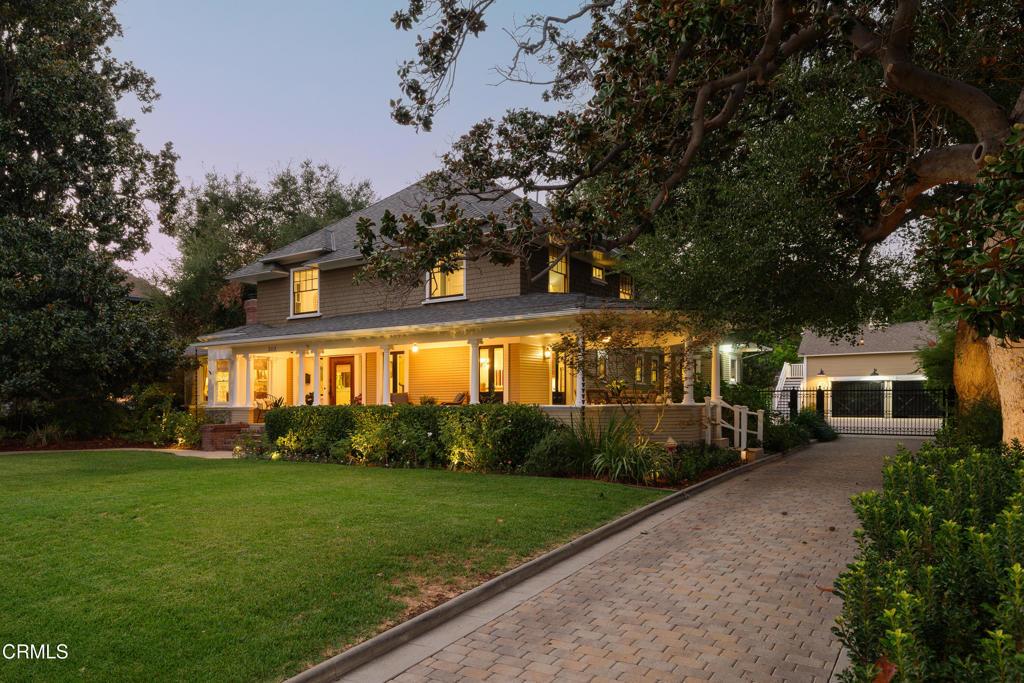
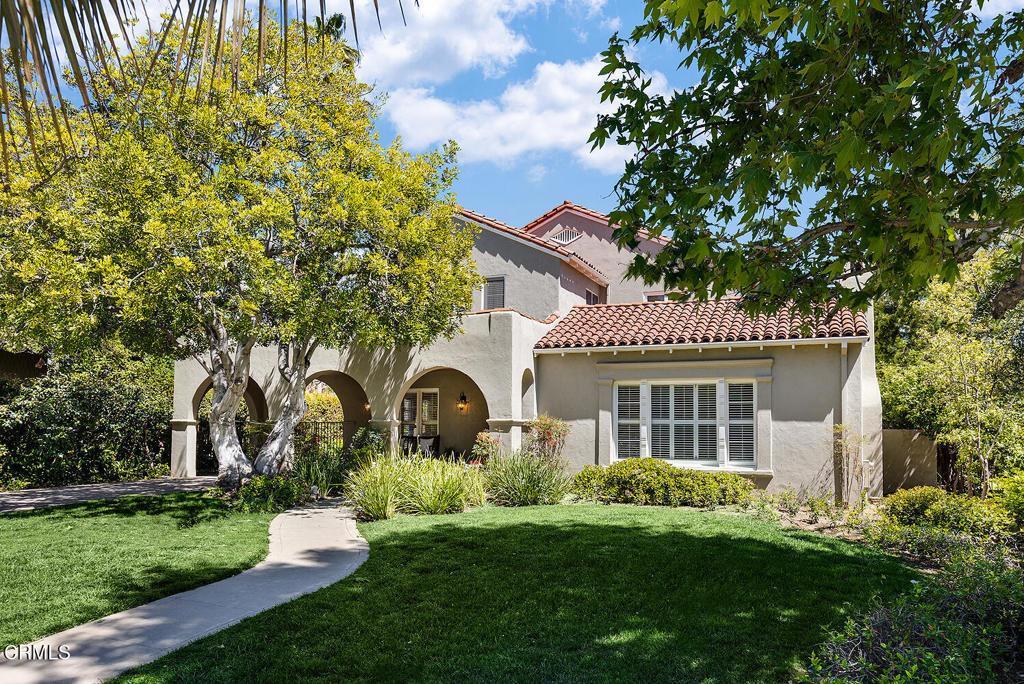
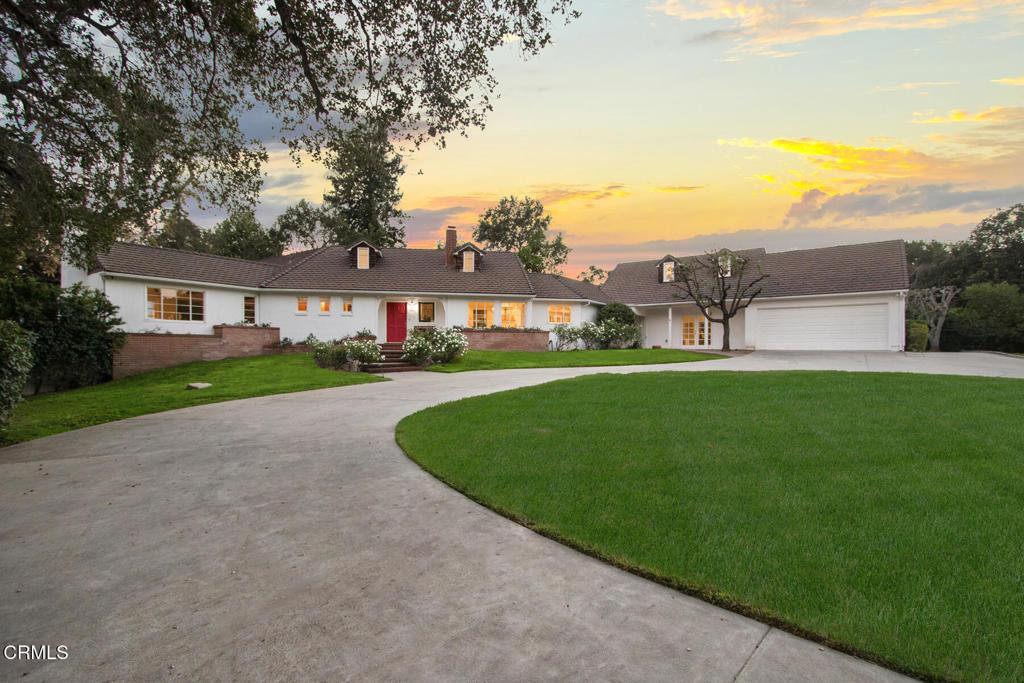
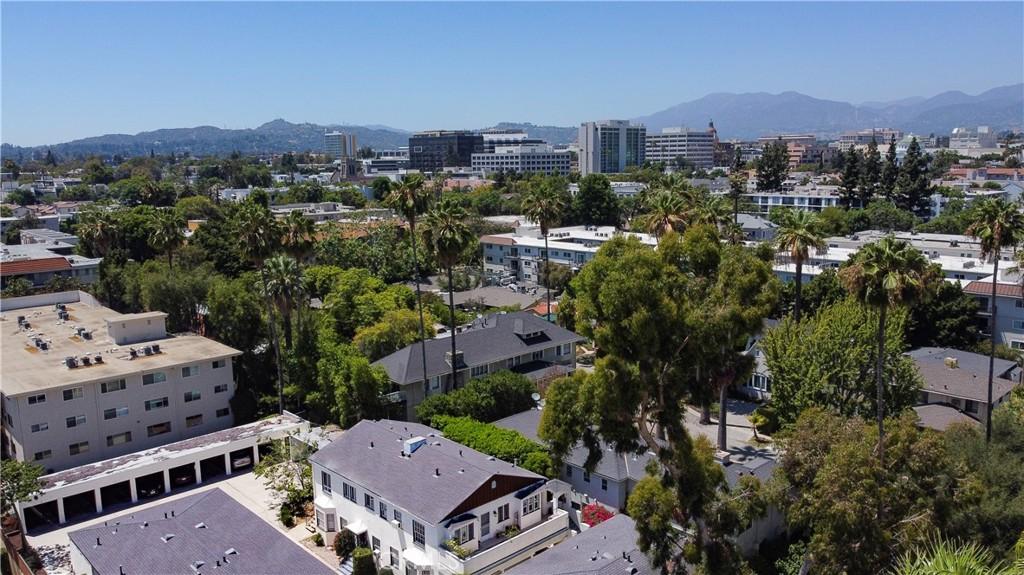
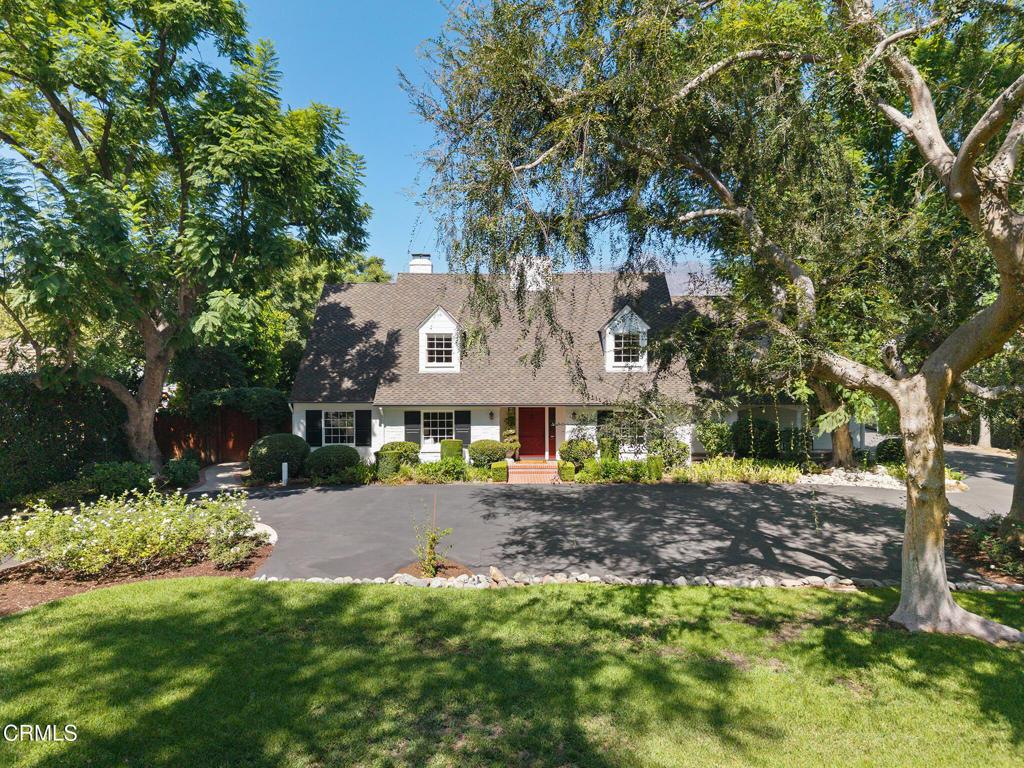
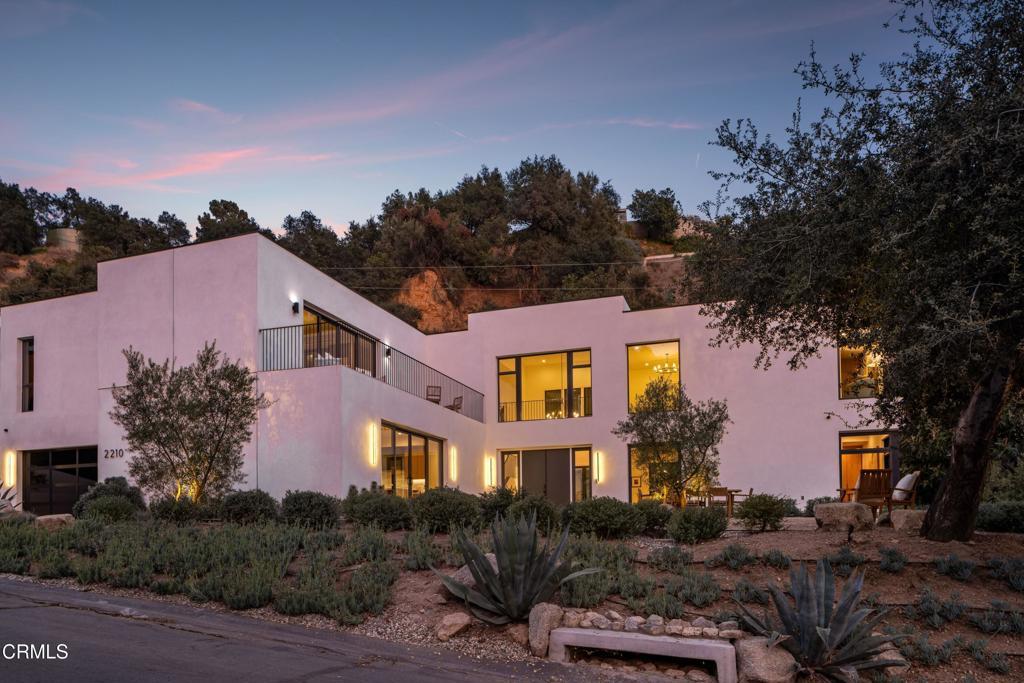
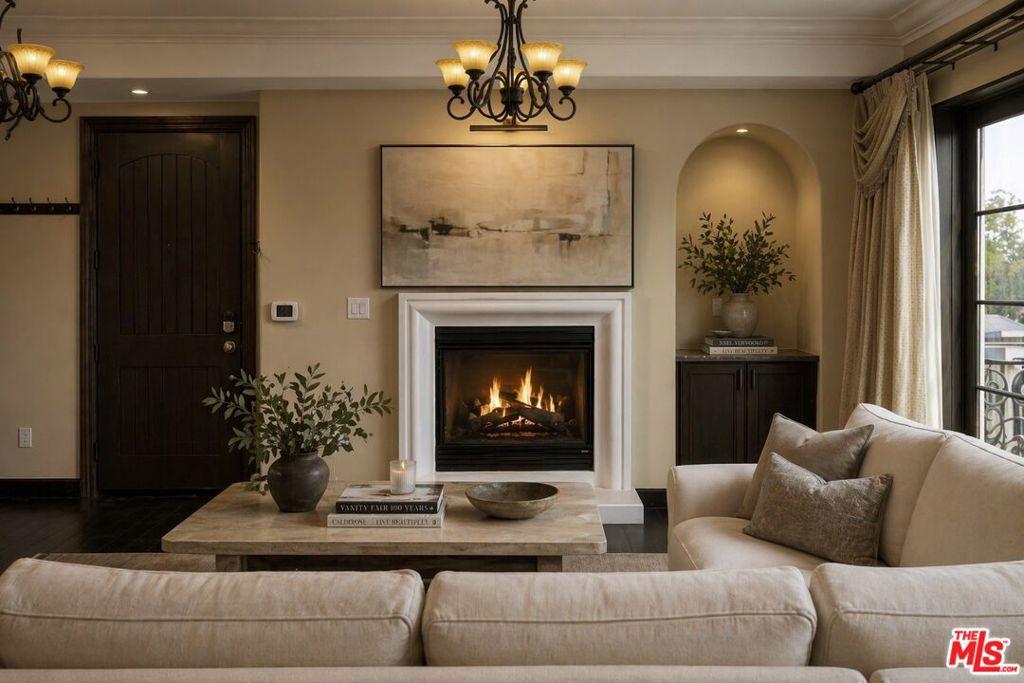
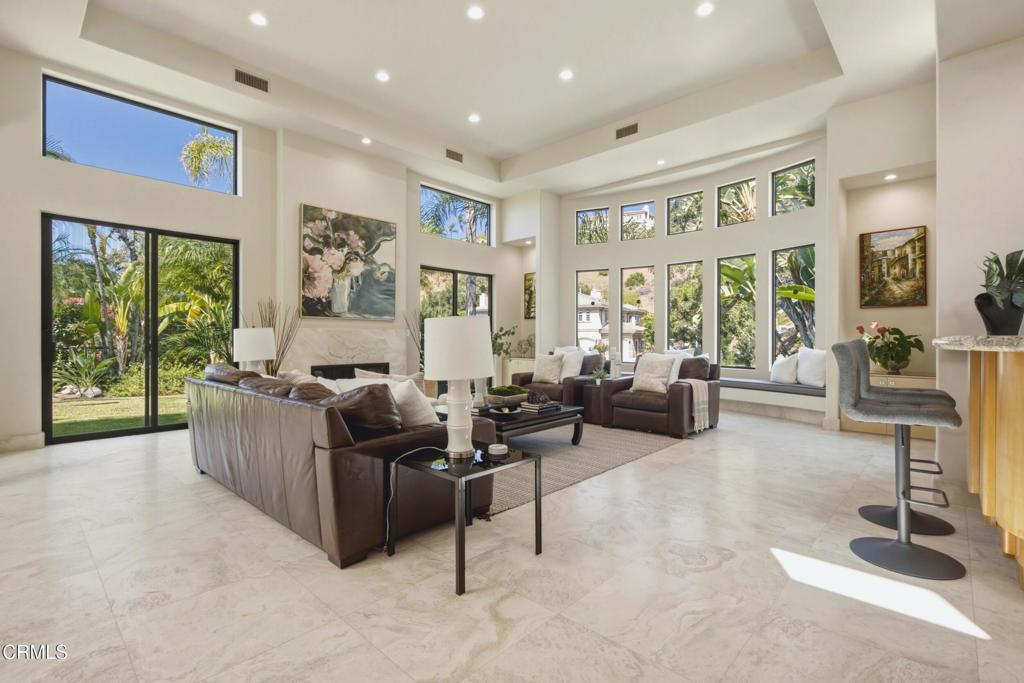
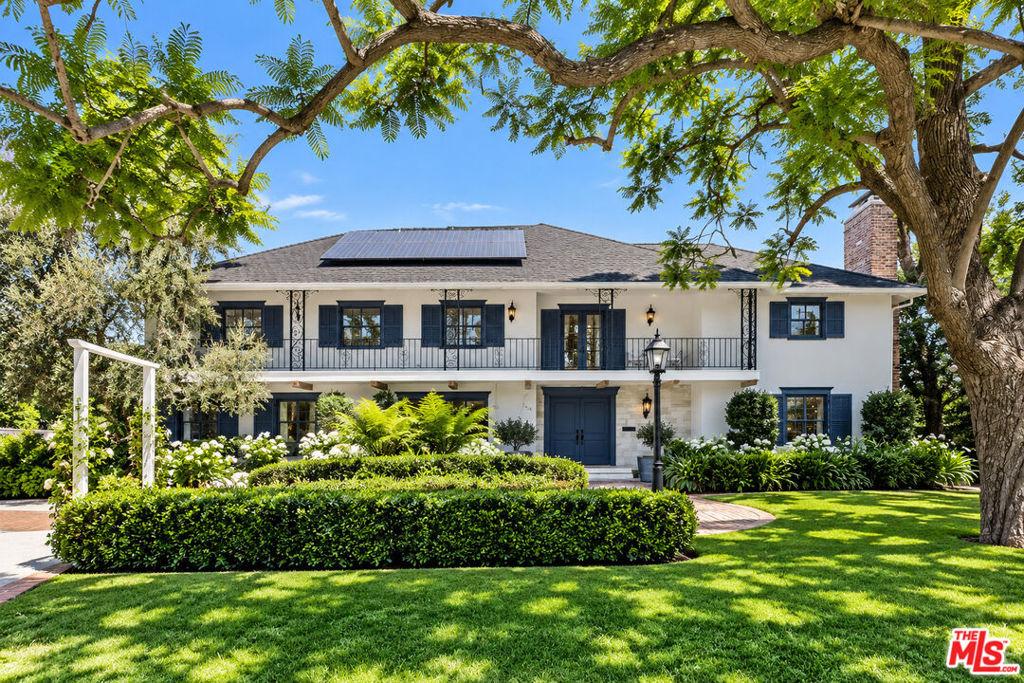
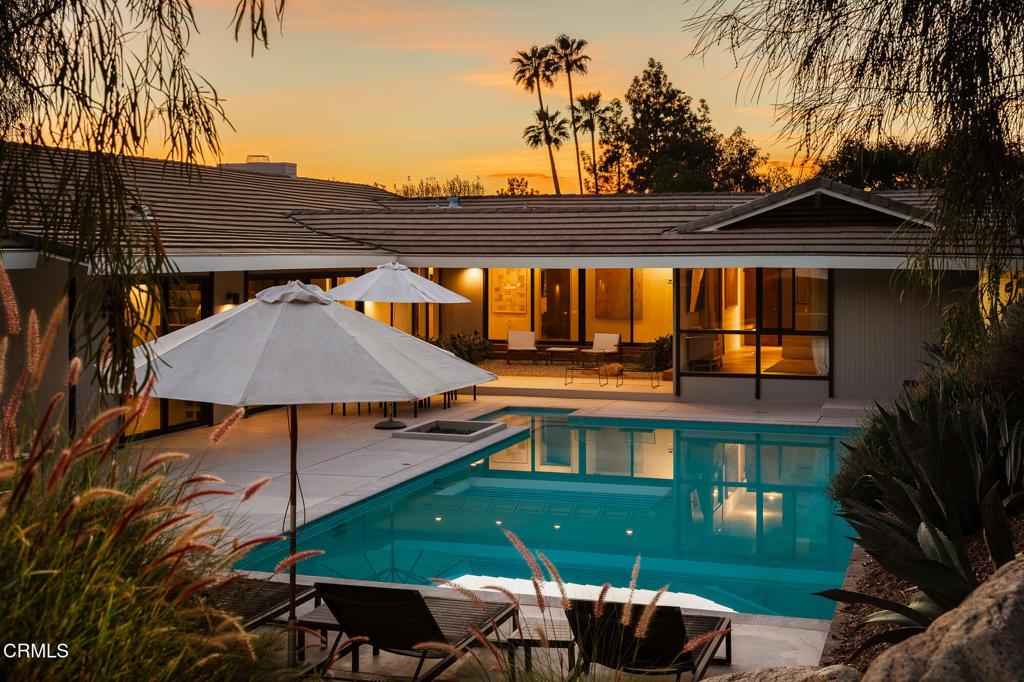
The homes in Raymond Hill reflect the hillside residential development that characterized this part of southeast Pasadena in the early and mid-20th century, with period homes on varying hillside configurations that take advantage of the elevated terrain and canyon topography. Retaining walls, stepped driveways, and terraced gardens are common features of the site configurations in the neighborhood, reflecting the practical adaptations required by hillside development across Los Angeles County’s more topographically varied residential areas.
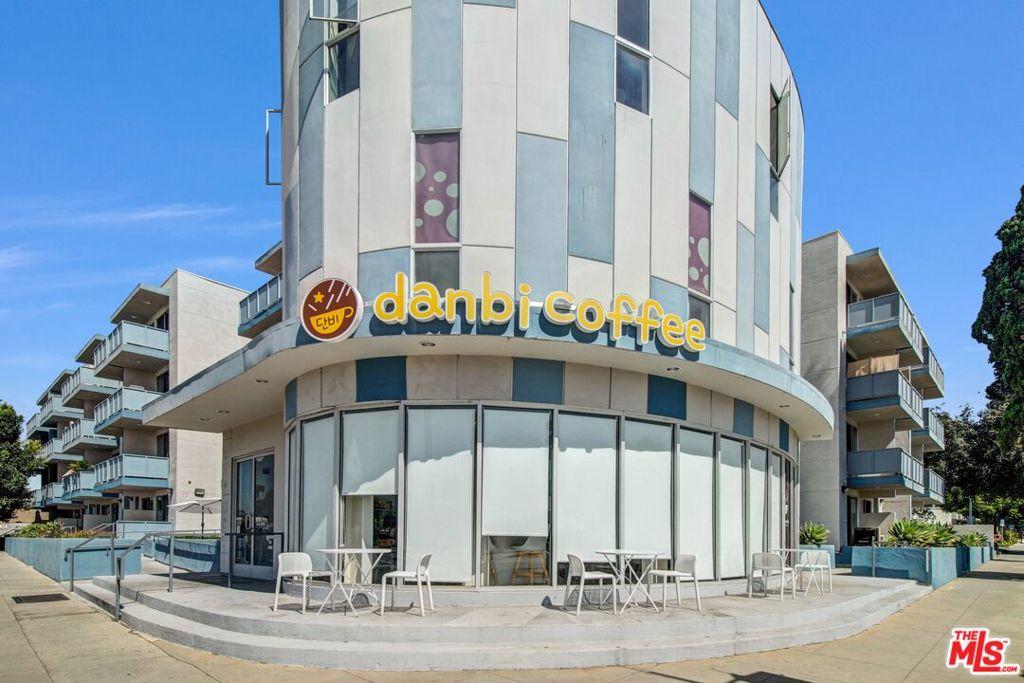
South Lake Avenue is accessible within a short drive from Raymond Hill, providing Whole Foods, Trader Joe’s, and an established concentration of independent restaurants, coffee shops, and specialty retail that serves south Pasadena’s residential population. The combination of elevated residential character and convenient South Lake Avenue access positions Raymond Hill as one of the better-situated hillside residential options in southeast Pasadena relative to the broader residential market.
The southeast Pasadena position gives Raymond Hill residents relatively quick access to the 210 Freeway at Sierra Madre Boulevard or Lake Avenue interchanges, and to the Gold Line Metro at Allen Station for transit commuters heading west. The proximity to the Arcadia and San Marino boundaries means that Raymond Hill addresses are among the southeast Pasadena options closest to the eastern San Gabriel Valley’s commercial infrastructure, providing more shopping and dining variety than central Pasadena addresses at similar distances.
Pasadena citywide runs a median sale price around $1,250,000, up 3.7% year-over-year, $791 per square foot down 0.5% year-over-year, median list price $1,170,000 at $769 per square foot, 240 homes on market, 83 sold, 48 days on market, 103.9% sale-to-list ratio, 1 average offer, and 39.7% average down payment. Raymond Hill homes price in the upper-mid range for southeast Pasadena, reflecting the hillside position and South Lake Avenue proximity. Properties with favorable canyon or southward views carry premiums over comparable flat-site inventory in the broader south Pasadena residential market. Hillside lots may carry additional geotechnical and slope-stability due diligence requirements that buyers should address before purchase.
Schools fall within Pasadena Unified School District. McKinley Elementary and other southeast Pasadena schools serve the area. Buyers should confirm school assignments with PUSD and verify that target parcels fall within Pasadena city limits given the proximity to the Arcadia boundary.
Raymond Hill is a residential neighborhood in south-central Pasadena, positioned on the elevated terrain east of the South Arroyo Seco corridor and south of the central Pasadena commercial core. The neighborhood takes its name from the Raymond Hotel, a grand resort hotel that operated on the hill above Pasadena from 1886 until 1934 and which served the wealthy winter tourism market that the southern California climate attracted in the late nineteenth and early twentieth century. The Raymond Hotel’s presence on the hill established the elevated terrain’s identity as a prestigious residential location, and the residential development that followed the hotel’s closure built upon the site’s established identity as one of Pasadena’s finest residential positions. The Raymond Hill residential neighborhood carries this historical heritage in its name and in the architectural legacy of the homes that were built on the hill during the early twentieth century development era.
The elevated terrain of Raymond Hill produces the primary residential amenity that distinguishes the neighborhood from the surrounding flatland Pasadena areas: views. Properties on the higher portions of Raymond Hill have southward views toward the Los Angeles Basin and westward views toward the San Gabriel Mountains and the Arroyo Seco canyon. The elevation provides both the physical views and the environmental benefits of the higher position: cooler temperatures in the summer months due to the elevational gradient, reduced urban heat island effect relative to the dense commercial areas below, and the quiet ambient environment that the residential position above the valley floor creates. These environmental amenities are consistent with the “Heights” and elevated residential neighborhoods throughout the San Gabriel Valley that have historically commanded premiums over comparable flatland properties for their positional advantages.
The South Arroyo Seco trail access from Raymond Hill provides direct connectivity to the lower Arroyo Seco trail network that runs between the 134 Freeway area and the Rose Bowl loop to the north. The south Arroyo trail entry points near the California Boulevard bridge and the adjacent access paths connect Raymond Hill residents to the broader Arroyo recreational system by foot or bicycle. The south Arroyo Seco is less heavily used than the Rose Bowl loop section of the Arroyo trail, providing a somewhat quieter and more nature-oriented trail environment for residents who access the Arroyo from the southern entry points. The combination of the elevated residential position and the Arroyo trail access creates a residential context for Raymond Hill that is distinctive within the Pasadena residential market.
Old Pasadena’s commercial and restaurant district is approximately 0.5-1.5 miles north of the Raymond Hill residential area via California Boulevard and Colorado Boulevard, accessible by foot in 10-25 minutes or by bicycle in 5-10 minutes from most Raymond Hill addresses. The South Lake Avenue commercial corridor is approximately 1 mile to the east. The Raymond Hill position provides one of the most walkable residential positions in the Pasadena market relative to the primary commercial districts, with both Old Pasadena and South Lake Avenue within practical walking distance for residents who are motivated to walk to their dining and commercial destinations. The 110 Freeway’s Orange Grove Boulevard on-ramp is approximately 1-1.5 miles west, providing the primary freeway connection to Downtown Los Angeles.
Schools serving Raymond Hill are within Pasadena Unified School District’s south-central area. The elementary school assignments for Raymond Hill addresses are in the central-south PUSD service area. The Pasadena High School campus at 2925 East Sierra Madre Boulevard serves central Pasadena high school students, with the specific high school assignment for Raymond Hill addresses depending on the precise address and the current PUSD attendance boundary map. The PUSD magnet and specialty program system is accessible to Raymond Hill residents through the standard application process.
The fire risk profile for Raymond Hill reflects the elevated terrain’s position above the lower Arroyo Seco and its natural vegetation corridor. Properties on the western edge of Raymond Hill closest to the south Arroyo Seco canyon may carry elevated fire risk designations due to the proximity to the Arroyo’s natural vegetation. Buyers of Raymond Hill properties on the western and canyon-adjacent blocks should verify the specific FHSZ designation for their target parcel and confirm insurance availability before committing to purchase. Properties on the interior elevated terrain of Raymond Hill away from the canyon edge carry the standard flatland-to-hills Pasadena fire risk profile depending on specific parcel characteristics.
The renovation market in Raymond Hill reflects the historical architecture of the neighborhood’s primary development era. Pre-war homes from the 1910s through 1930s on the most elevated blocks of the hill carry the period revival character that defines the earliest Raymond Hill residential development. These homes require renovation approaches appropriate to their construction era, and some carry individual historic designations through the City of Pasadena’s Historic Preservation Program that require Historic Preservation Commission review for exterior modifications. The elevated position’s premium in the Pasadena residential market supports renovation investment, as the comparable sale environment for well-renovated elevated Pasadena properties has historically demonstrated strong per-square-foot premiums over the comparable flatland properties.
The buyer profile for Raymond Hill centers on buyers who specifically value the elevated residential position, the south Arroyo Seco trail access, and the Old Pasadena and South Lake Avenue walking proximity in combination. This buyer profile overlaps with the San Rafael, Linda Vista, and Monk Hill buyer profiles in prioritizing the elevated terrain and natural setting, but the Raymond Hill position’s southward orientation and Old Pasadena proximity distinguish it from the more northerly hillside neighborhoods. Raymond Hill buyers tend to be drawn by the combination of elevated position, historical architecture, and the central Pasadena commercial walking access that few hillside residential positions in Pasadena can match simultaneously.
The South Pasadena border is in close proximity to the Raymond Hill residential area, and the south Pasadena residential market provides a point of comparison for buyers who are evaluating the Raymond Hill position. South Pasadena’s residential market is known for its highly-regarded South Pasadena Unified School District, its tree-lined residential streets, and its small-town commercial character along Mission Street. For buyers who are specifically motivated by the South Pasadena Unified School District, the Raymond Hill position within the Pasadena Unified School District rather than the SPUSD creates a school district distinction that may be a decisive factor. For buyers who are less focused on the specific school district and more focused on the residential character, the Raymond Hill elevated position and the South Arroyo Seco trail access provide a residential context that the South Pasadena flatland neighborhoods, despite their many residential strengths, do not replicate.
The California Institute of Technology is approximately 0.5-1 mile north of the Raymond Hill residential area via California Boulevard, making Raymond Hill one of the more proximate residential areas to the Caltech campus within the Pasadena residential market. Faculty, postdoctoral researchers, and senior staff who live in the Raymond Hill area can walk or bicycle to the Caltech campus in 10-20 minutes, creating a cycling-commute proximity to one of the world’s leading research institutions. The Caltech campus’s architectural character and the institution’s cultural programming (public lectures, art exhibitions at the Caltech galleries, and the various public events on the campus) extend the academic community’s influence into the surrounding residential areas including Raymond Hill.
The Raymond Hill neighborhood’s position south of the central Pasadena commercial core places it within cycling and walking distance of multiple Pasadena destinations: Old Pasadena to the northwest, South Lake Avenue to the northeast, the Gold Line stations in the central Pasadena corridor, and the Caltech campus to the north. This multi-directional walkability from Raymond Hill’s elevated position is a distinctive feature of the neighborhood’s residential geography that is not available from the more unidirectionally-oriented neighborhoods in the east and north Pasadena residential market. The combination of walking and cycling access to multiple Pasadena destinations and the elevated residential position creates a residential context that is genuinely difficult to replicate at the Raymond Hill price tier anywhere in the greater Los Angeles area.
The Pasadena Arts and Culture Commission’s programming and the various arts organizations active in central Pasadena, including the Armory Center for the Arts, the ArtCenter College of Design’s graduate gallery programs, and the cultural events calendar of the Pasadena Convention Center, create a cultural environment in the Raymond Hill residential area’s immediate vicinity that is unusually rich for a residential neighborhood at the Raymond Hill price tier. The ArtCenter College of Design’s Hillside Campus on Lida Street is visible from some elevated Raymond Hill positions, and the college’s public exhibitions and design culture have a diffuse influence on the creative and intellectual character of the surrounding Pasadena residential community.
The Pasadena Arts District character that extends from the Colorado Boulevard and Raymond Hill vicinity creates an art-adjacent residential environment for Raymond Hill buyers who are motivated by proximity to the creative community. The various galleries, studio spaces, and design-focused businesses in the west Colorado Boulevard and Raymond Avenue area, as well as the ArtCenter College of Design’s influence on the broader western Pasadena design culture, create an ambient creative community environment that influences the residential character of the Raymond Hill area. For buyers who are specifically motivated by proximity to a creative professional community as part of their residential lifestyle, the Raymond Hill location provides this adjacency at below-Westside pricing within a residential setting that preserves the elevated terrain and natural amenities that the flatland arts districts of Silver Lake and Echo Park cannot offer.
What is it like to live in Raymond Hill Pasadena Homes?
- Raymond Hill Pasadena Homes sit on elevated terrain east of the South Arroyo Seco corridor and south of the central Pasadena commercial core.
- Homes in Raymond Hill reflect the hillside residential development that characterized this part of southeast Pasadena in the early and mid-twentieth century.
- Period homes rest on varying hillside configurations that take advantage of the elevated terrain and canyon topography across the hill.
- Retaining walls, stepped driveways, and terraced gardens are common site features, reflecting the practical adaptations required by hillside development.
- Raymond Hill Pasadena Homes take their name from the Raymond Hotel, a grand resort hotel that operated on the hill above Pasadena.
- The Raymond Hotel served the wealthy winter tourism market that the southern California climate attracted in the late nineteenth and early twentieth century.
- Residential development following the hotel’s closure built upon the site’s established identity as one of Pasadena’s finest residential positions.
- Architectural legacy from the early twentieth century development era remains visible in the homes built across the hill.
- Views form the primary residential amenity distinguishing Raymond Hill Pasadena Homes from the surrounding flatland Pasadena areas.
- Properties on the higher portions of the hill have southward views toward the Los Angeles Basin and westward views toward the Arroyo Seco canyon.
- Westward sightlines from elevated parcels reach toward the San Gabriel Mountains, adding scenic value beyond the basin outlook.
- Cooler summer temperatures result from the elevational gradient, giving the higher position an environmental benefit alongside the visual one.
- Reduced urban heat island effect accompanies the elevated position relative to lower-lying Pasadena residential terrain.
- South Lake Avenue is accessible within a short drive, providing Whole Foods, Trader Joe’s, and an established concentration of independent restaurants.
- Coffee shops and specialty retail along South Lake Avenue serve south Pasadena’s residential population and remain convenient to the hill.
- Southeast Pasadena position gives residents relatively quick access to the Freeway at the Sierra Madre Boulevard or Lake Avenue interchanges.
- Gold Line Metro service at Allen Station serves transit commuters heading west from the southeast Pasadena area.
- Proximity to the Arcadia and San Marino boundaries places these addresses closest to the eastern San Gabriel Valley’s commercial infrastructure.