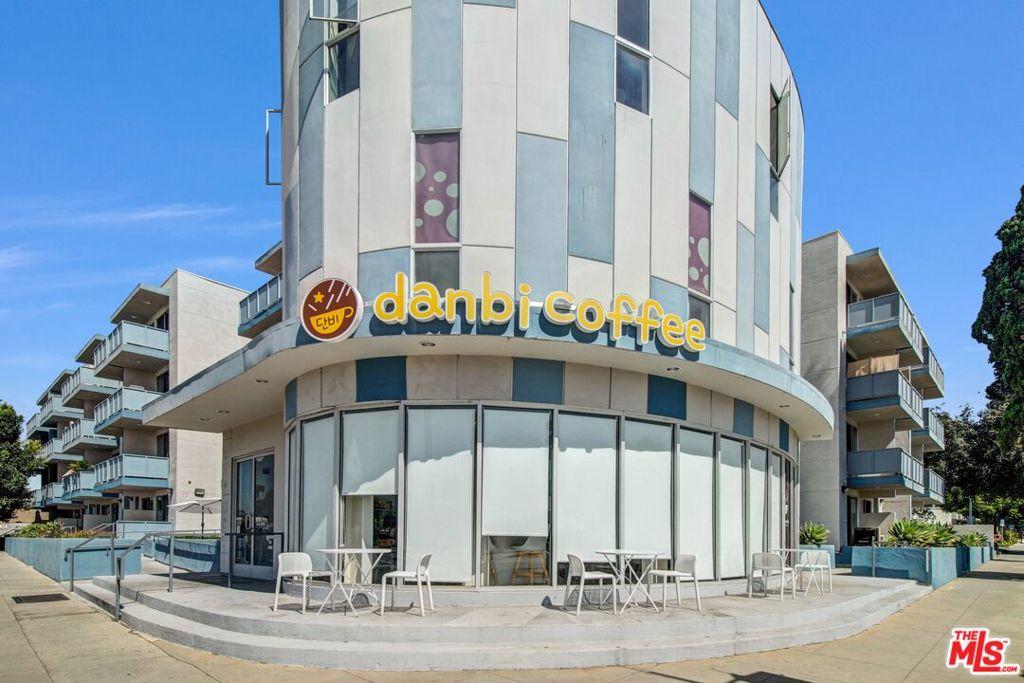
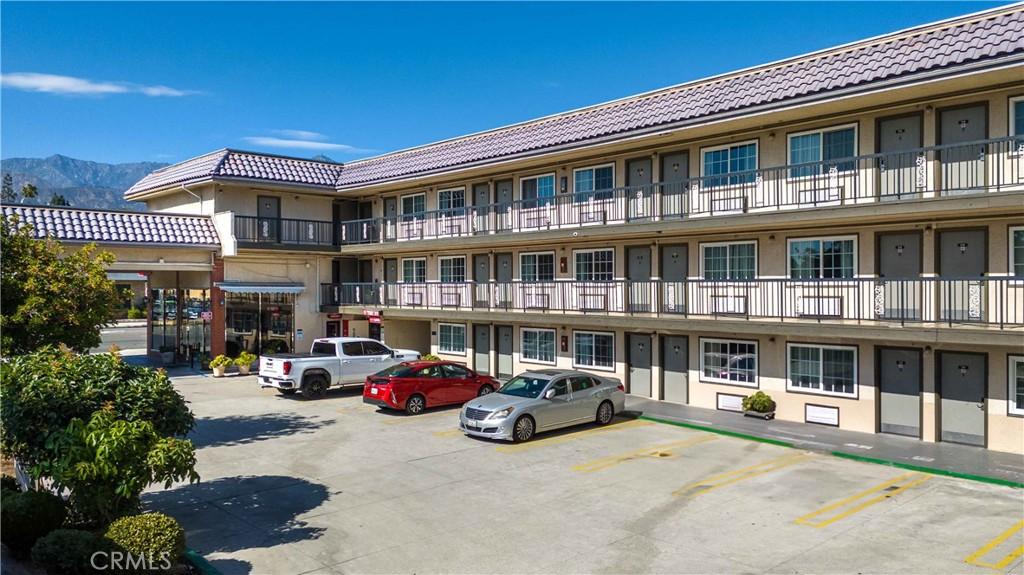
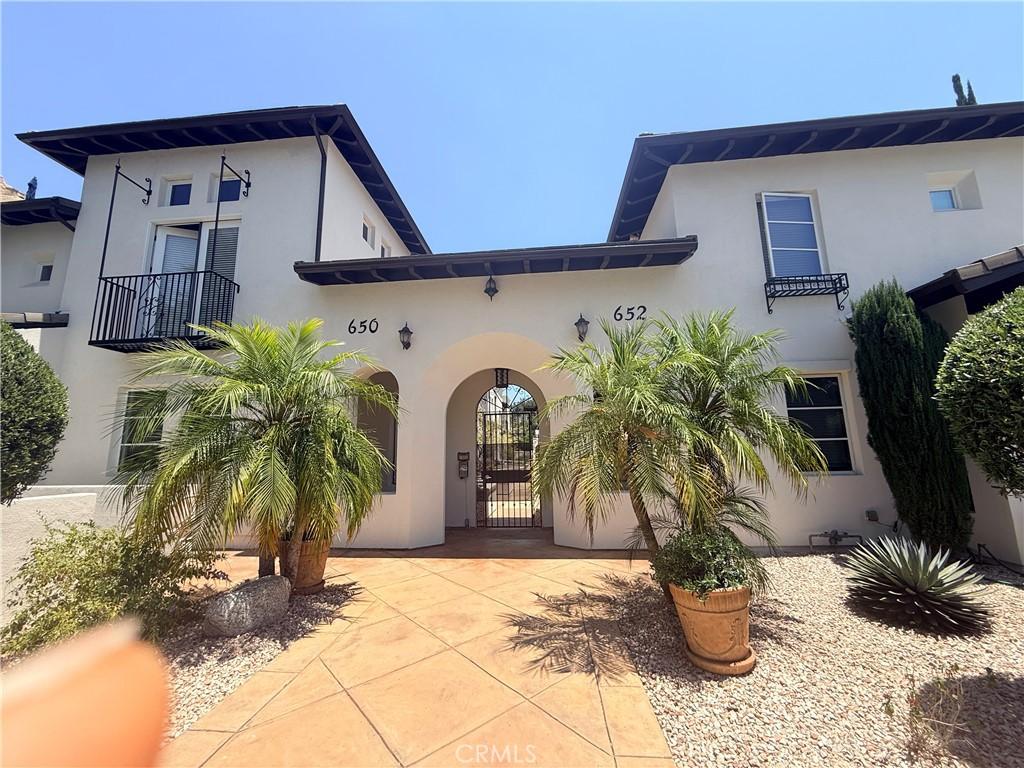
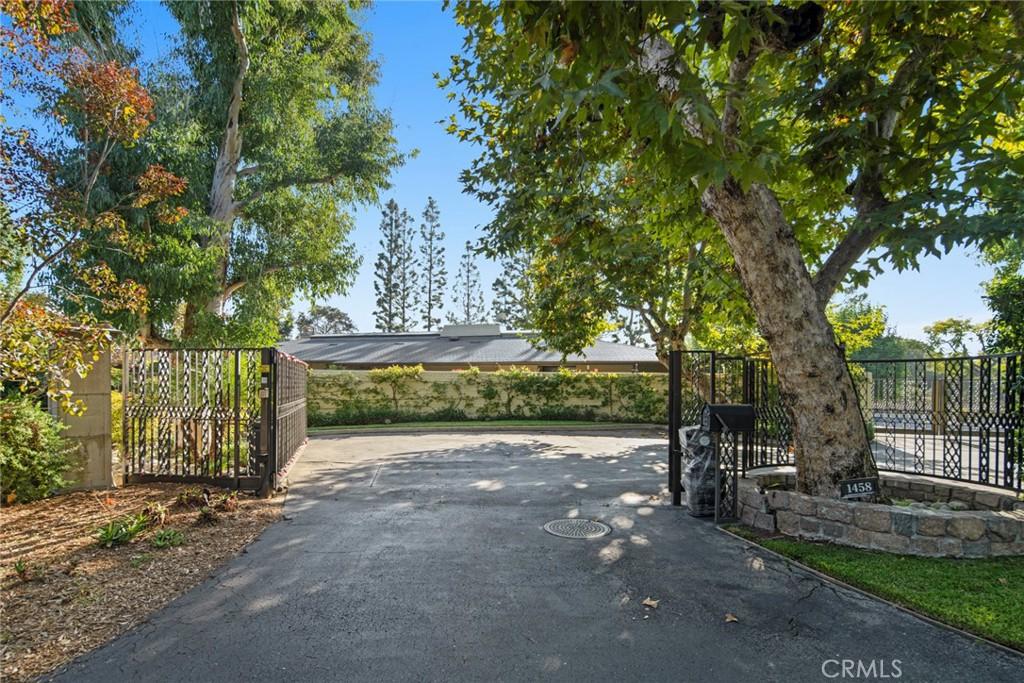
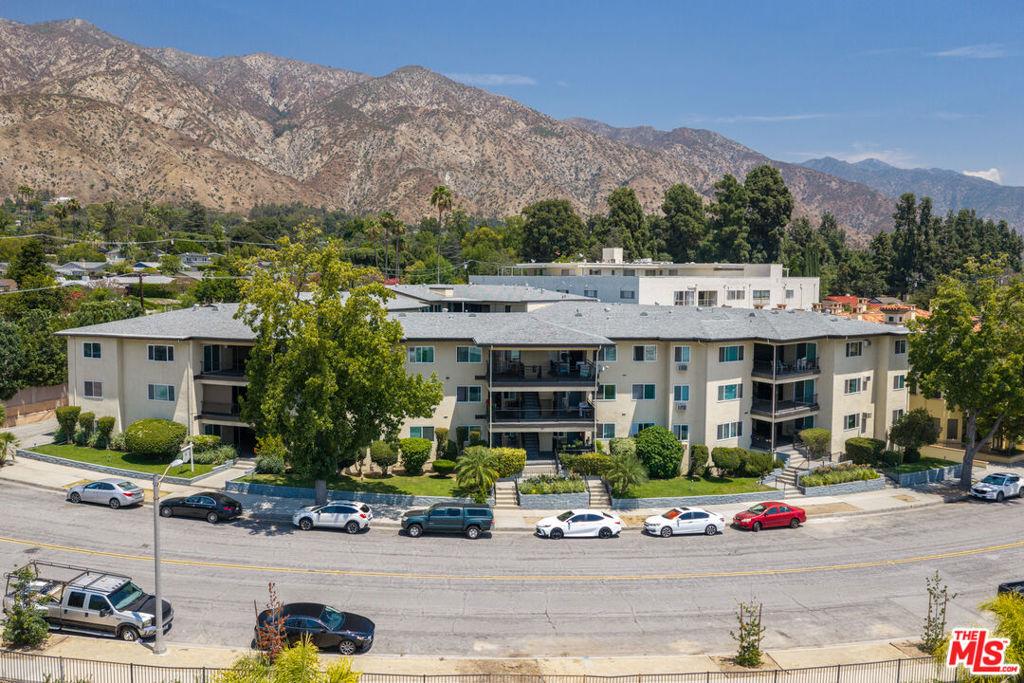
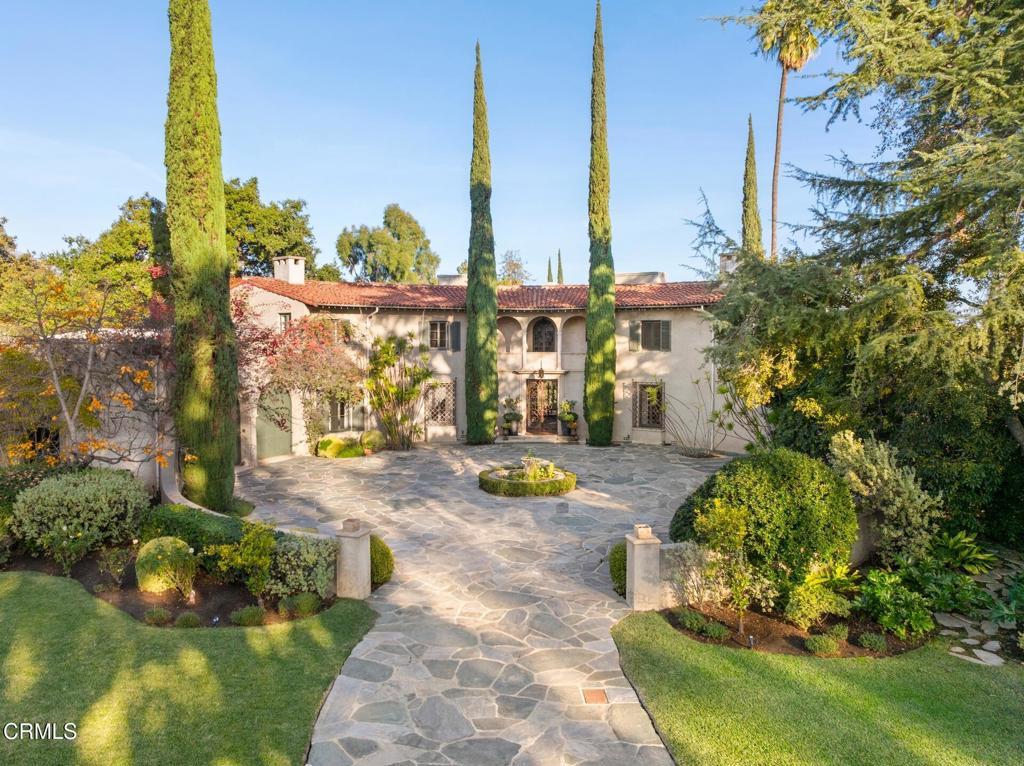
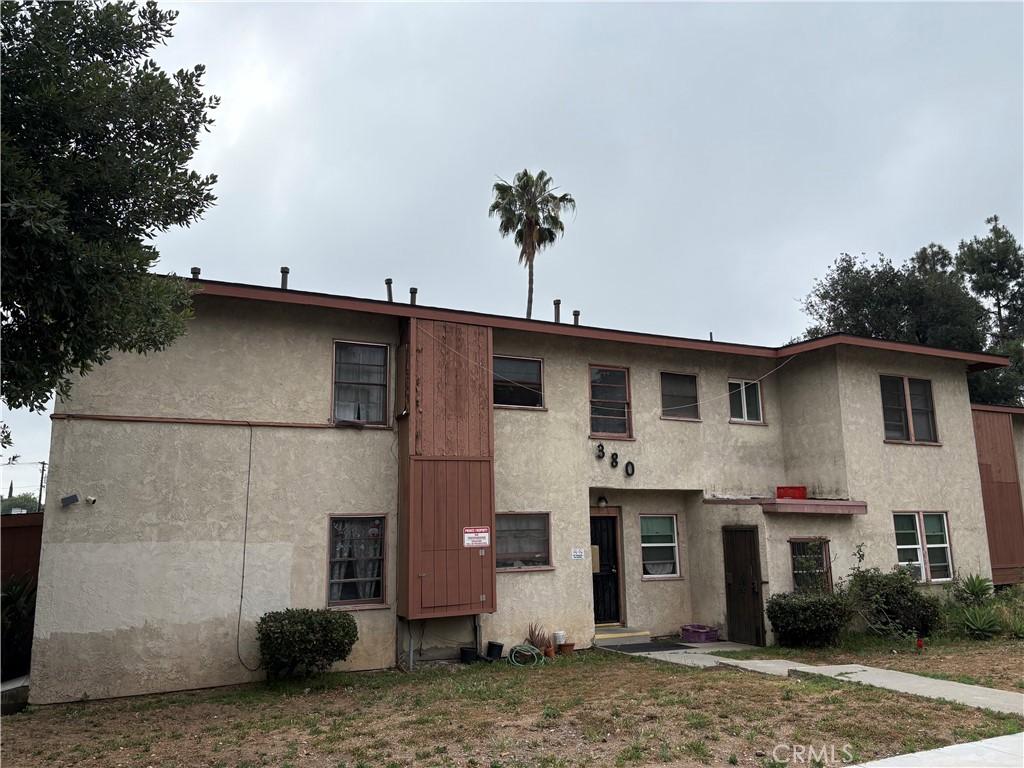
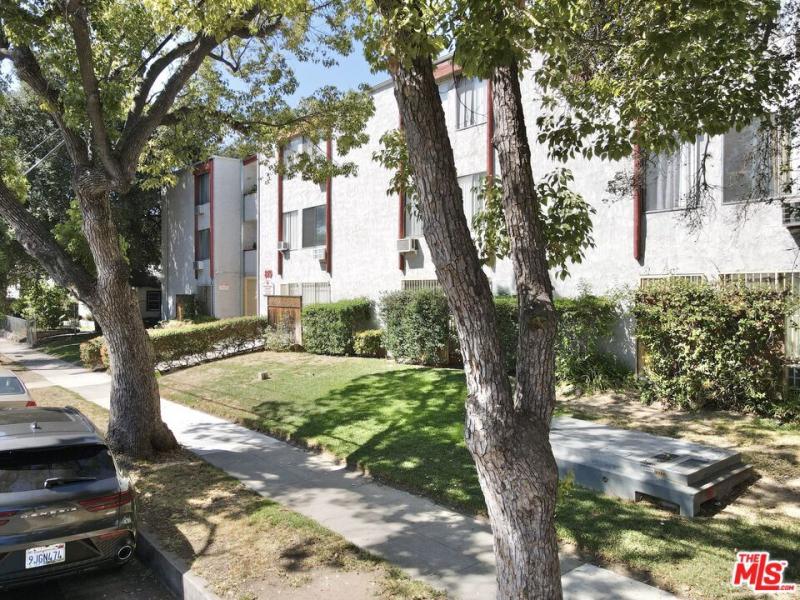
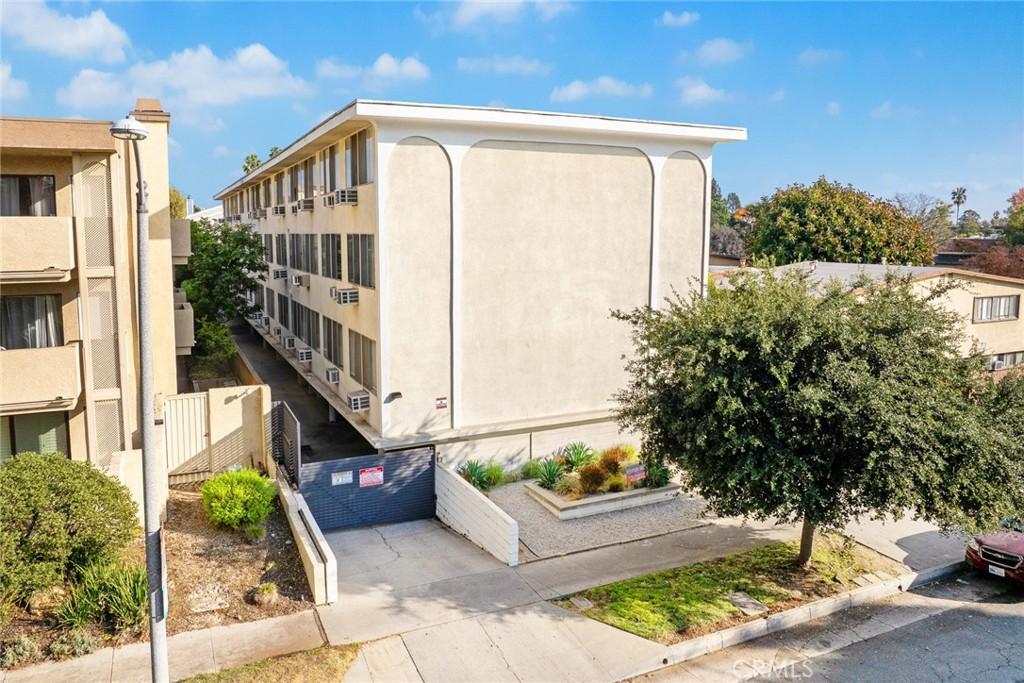
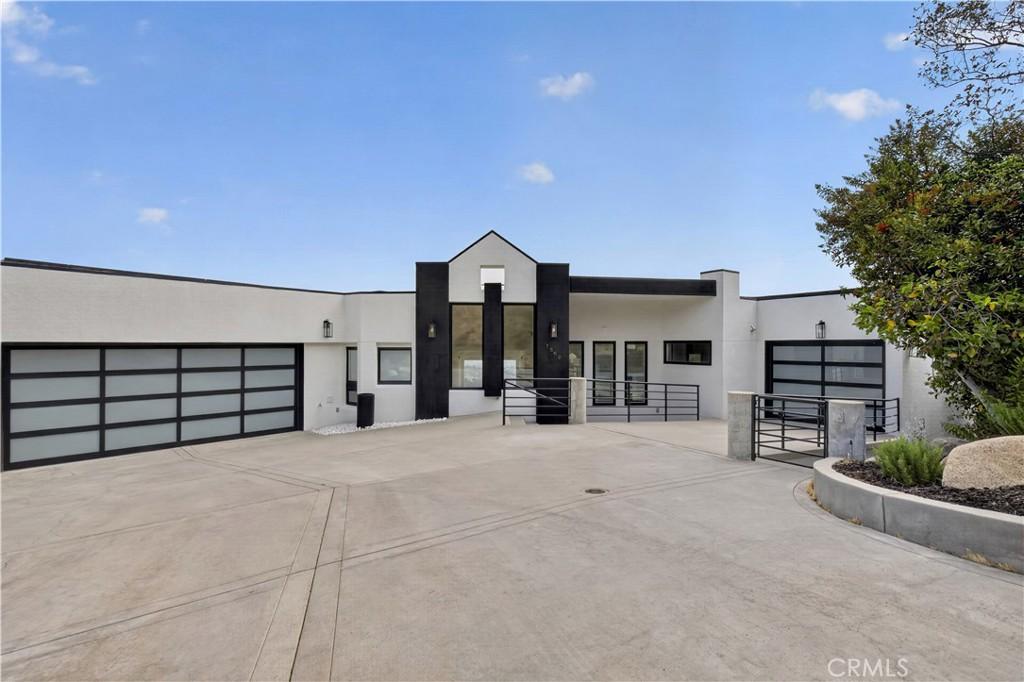
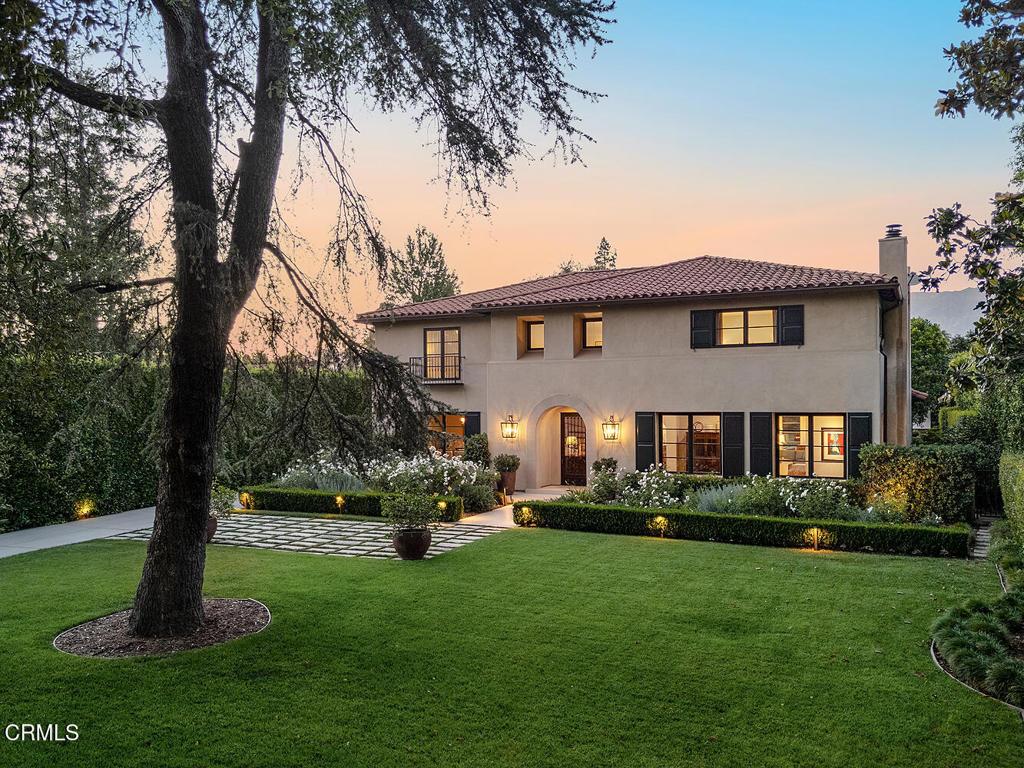
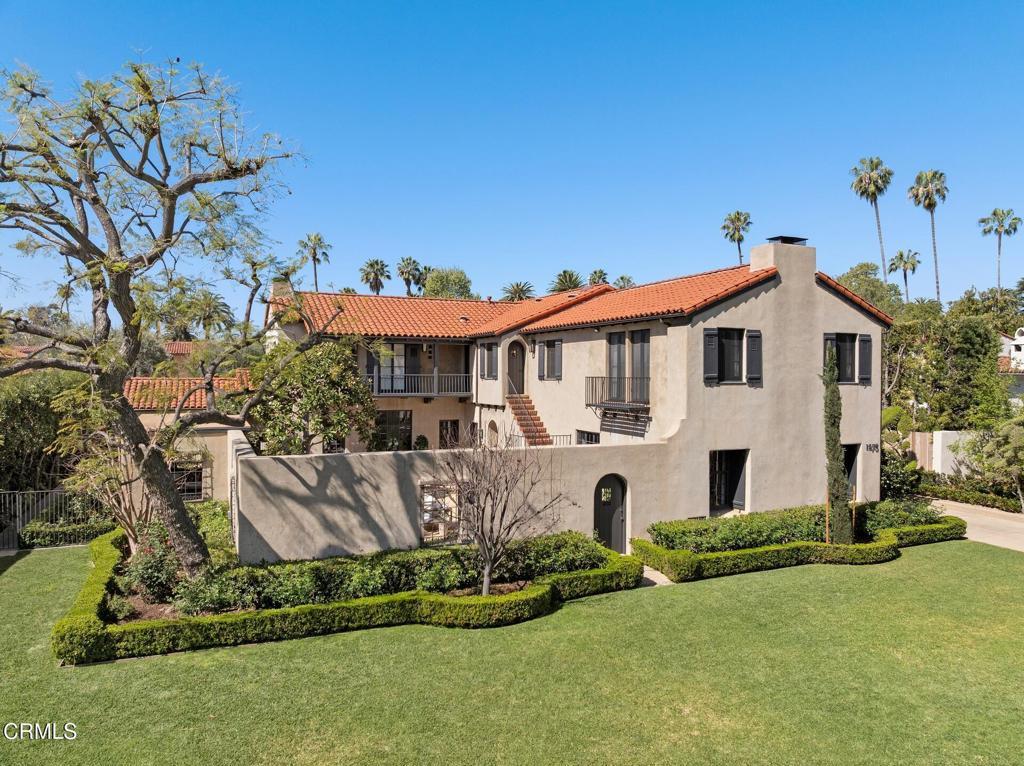
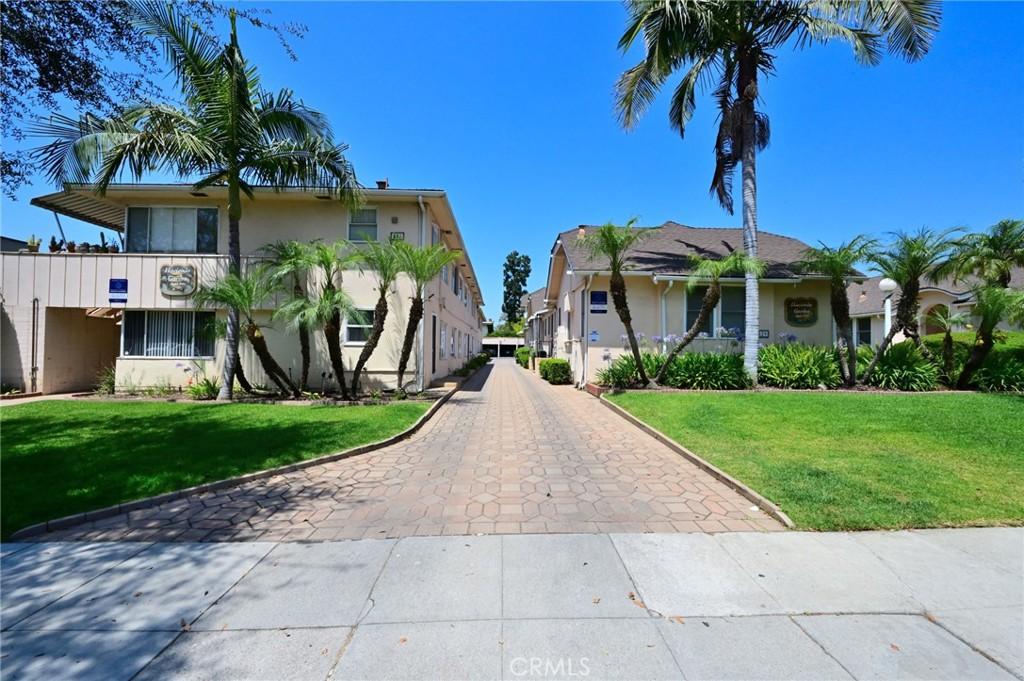
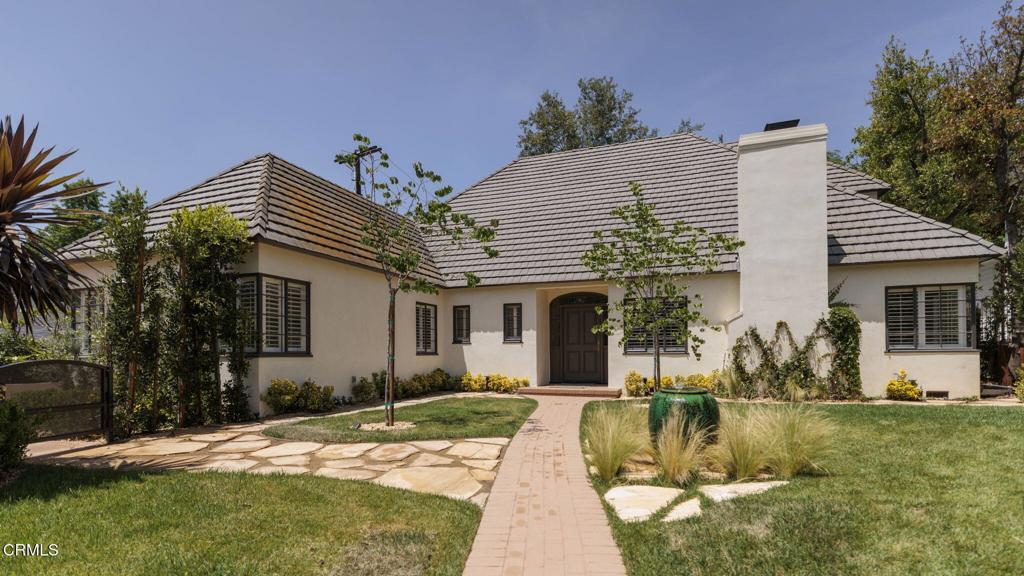
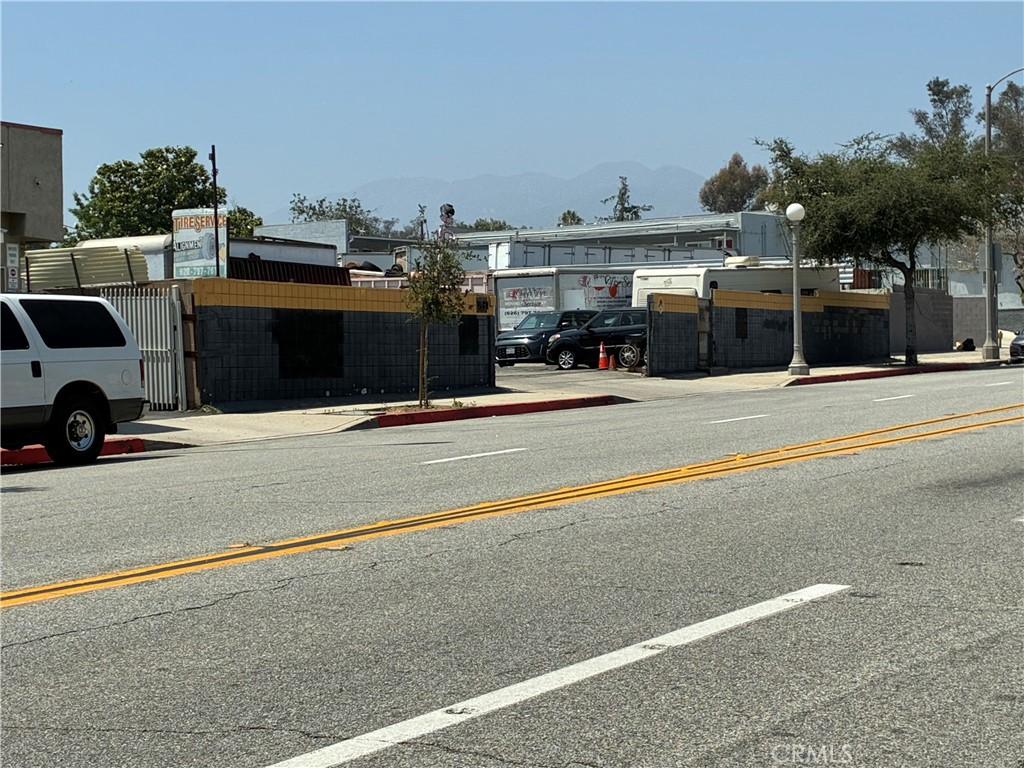
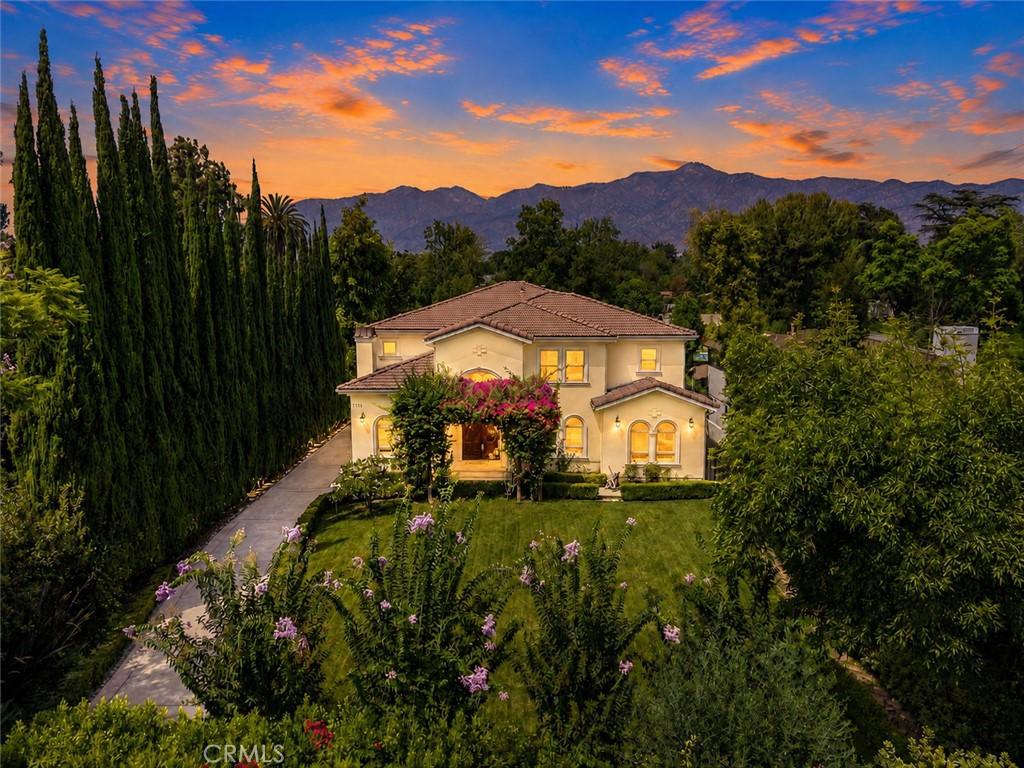
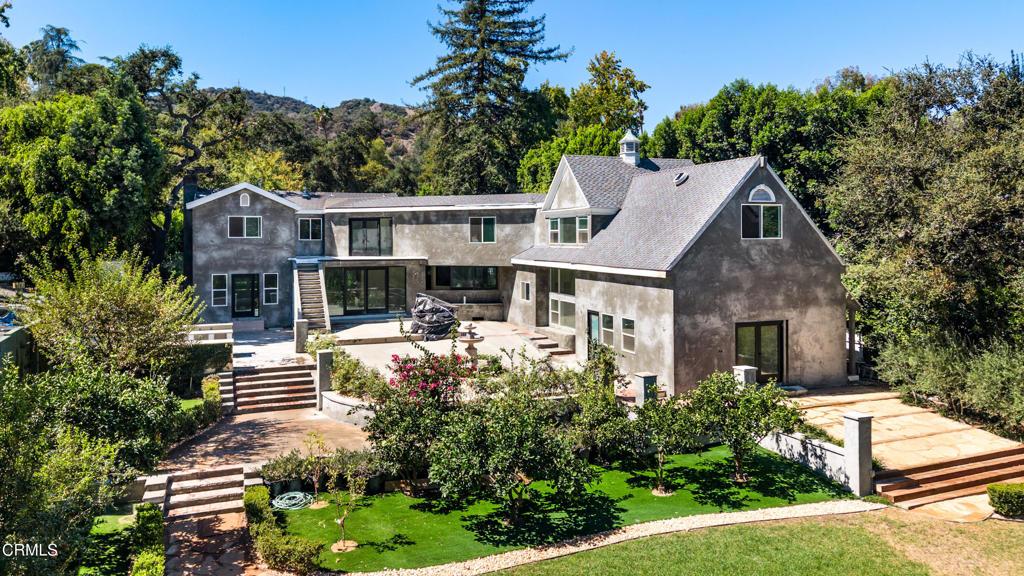
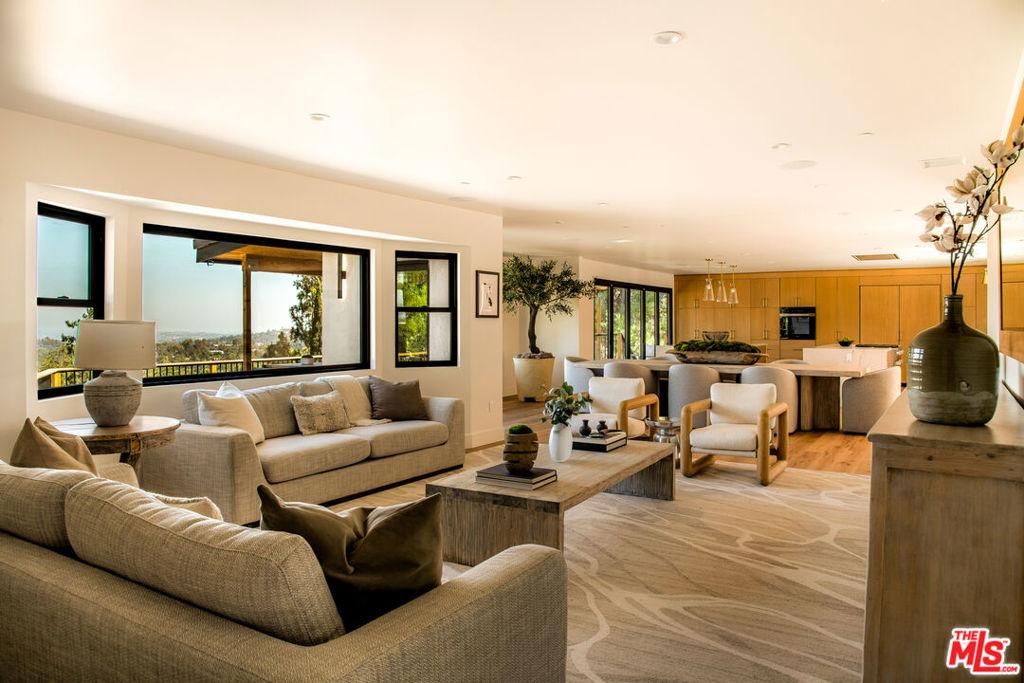
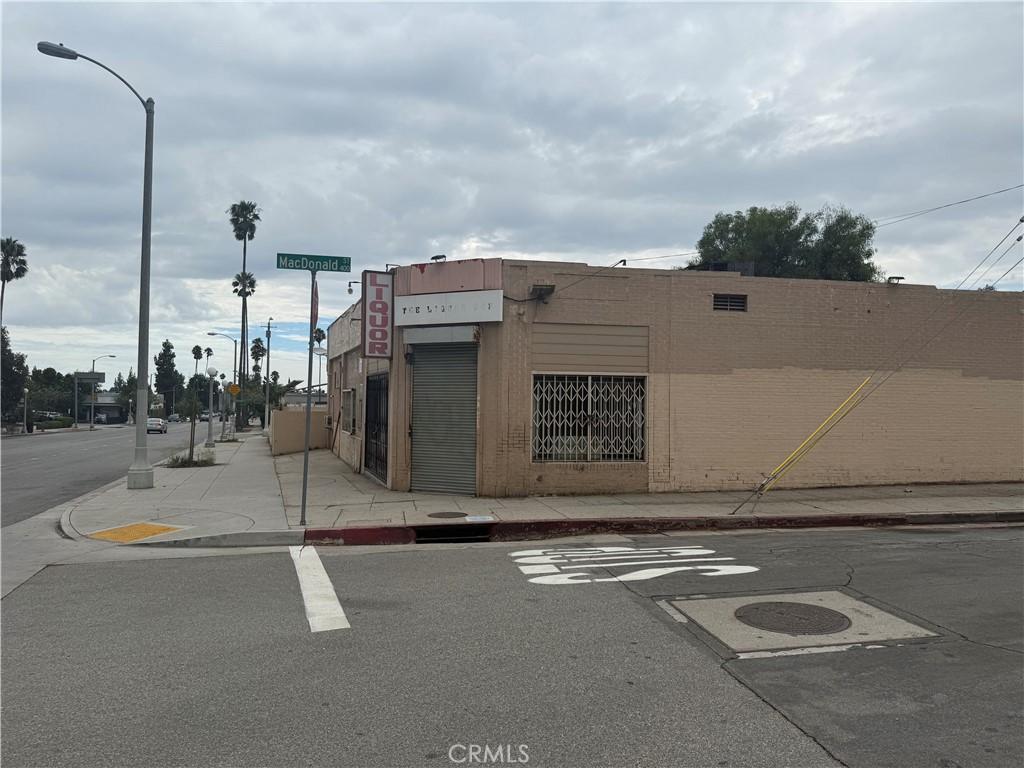
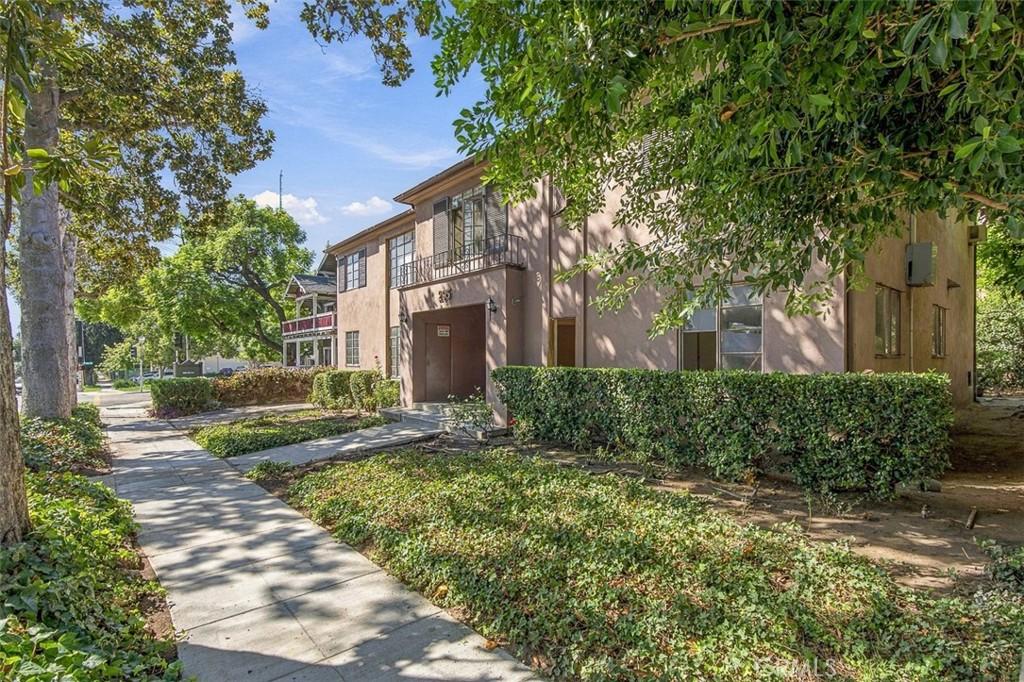
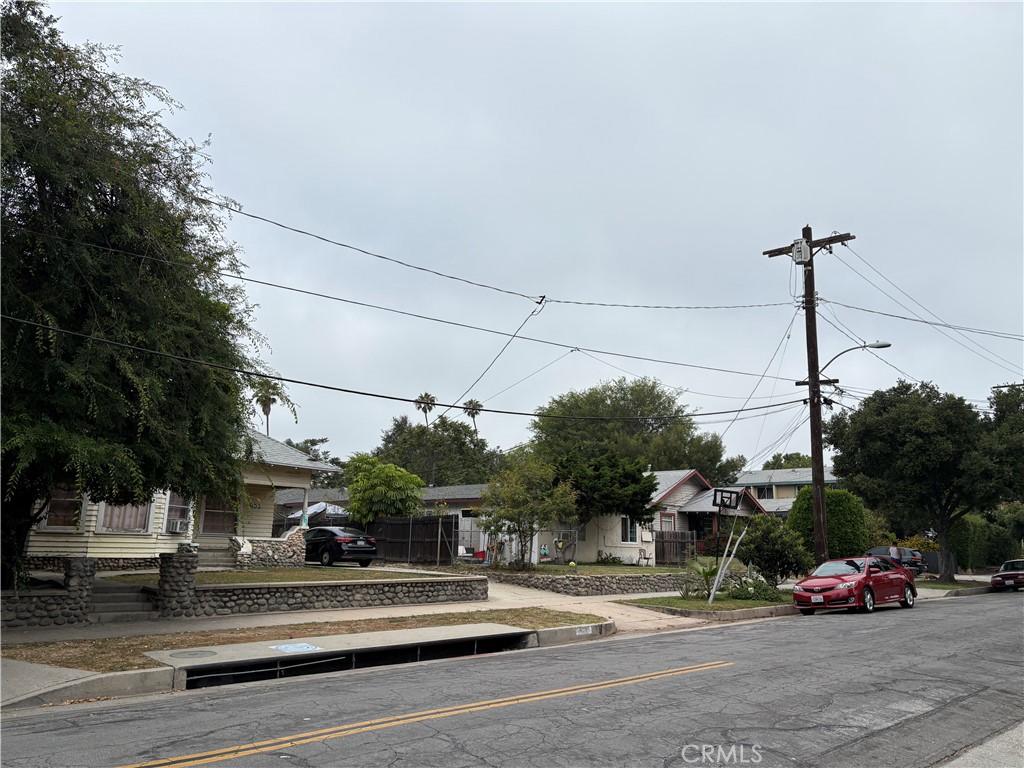
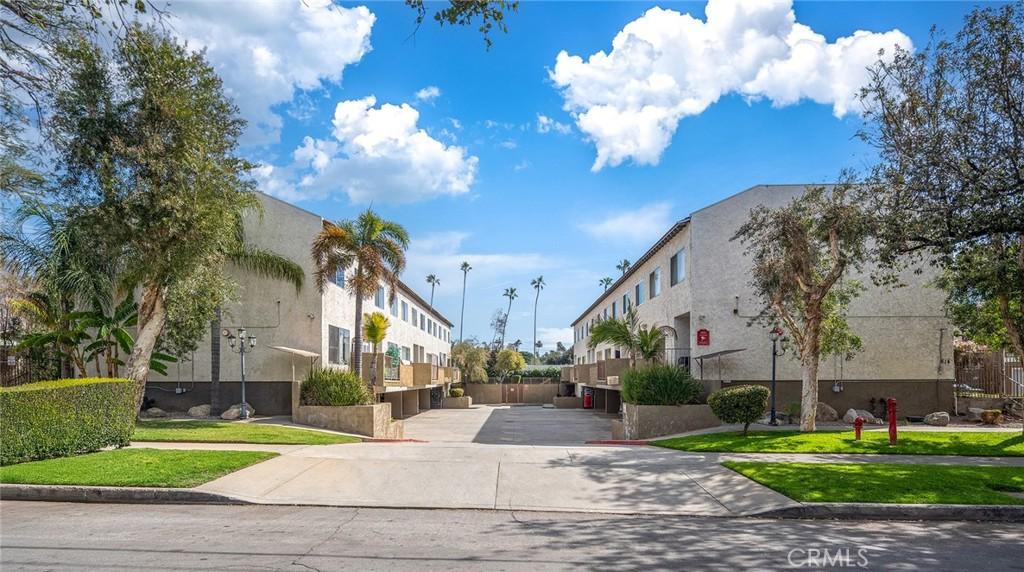
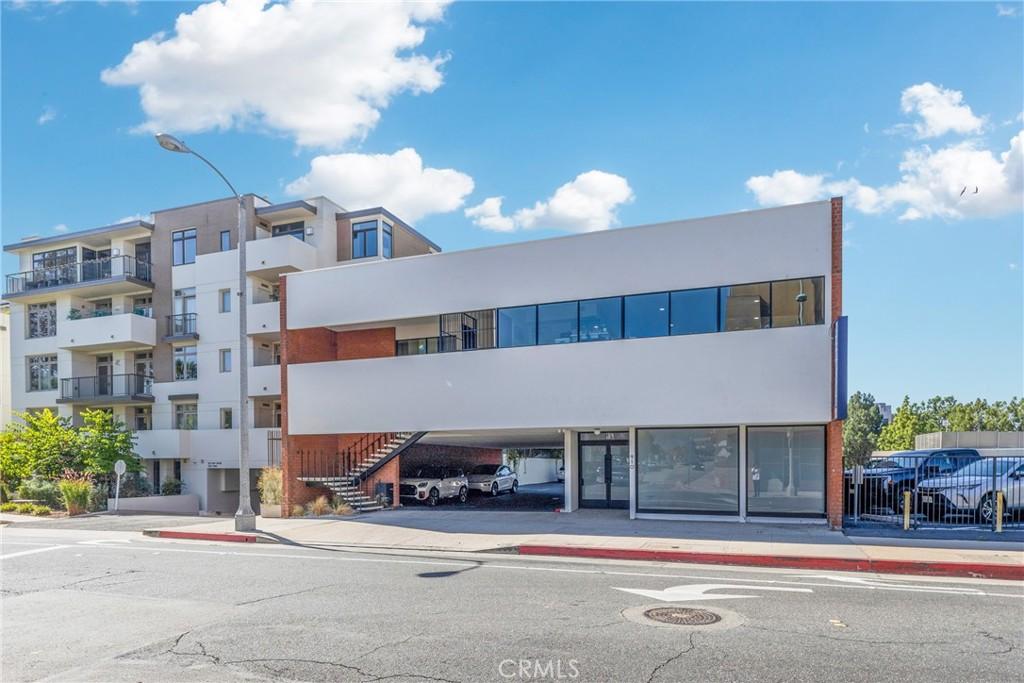
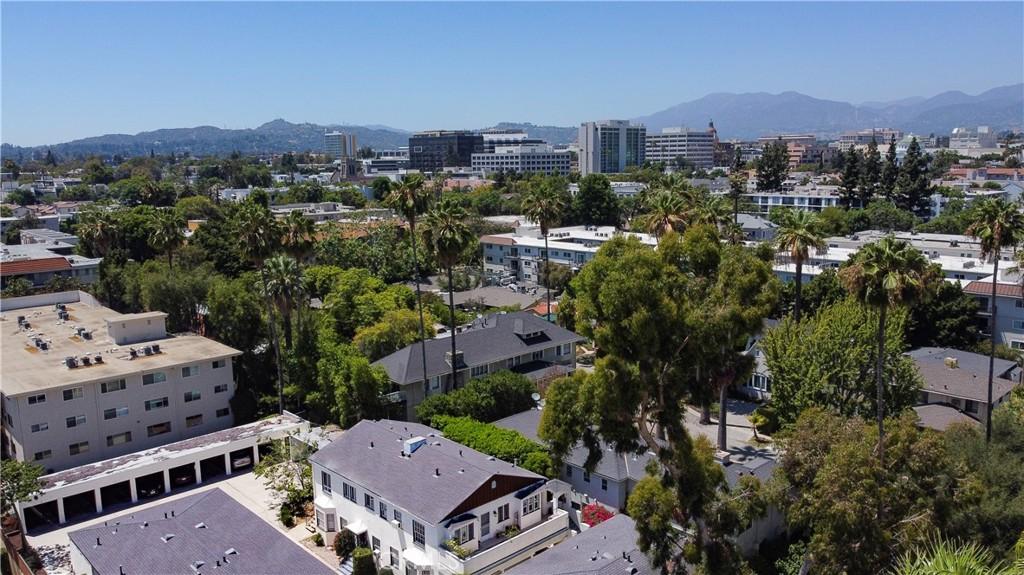
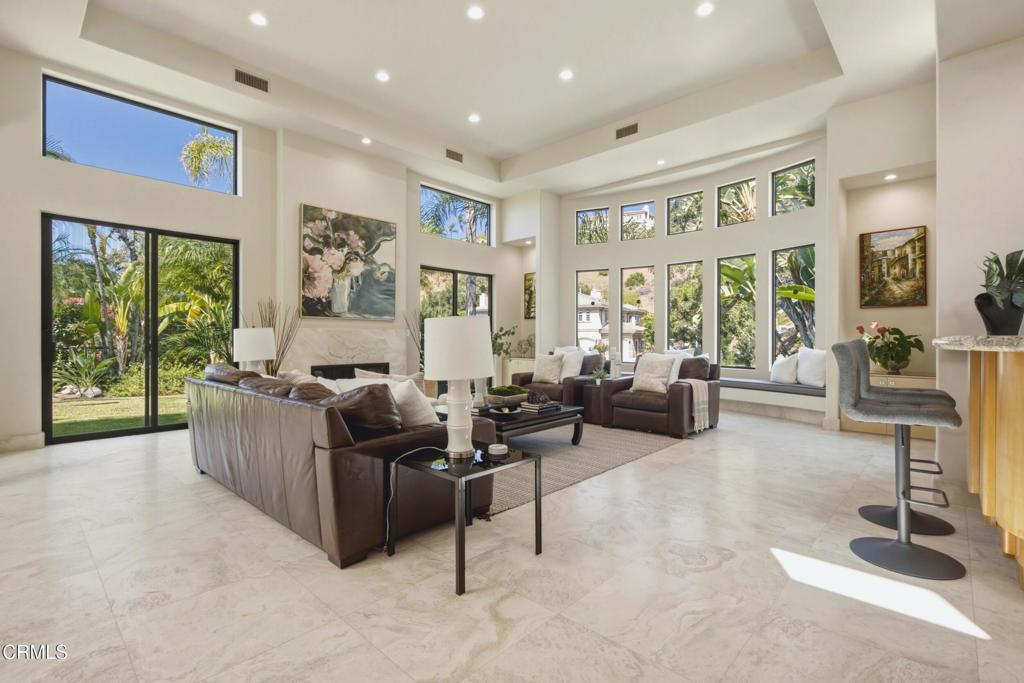
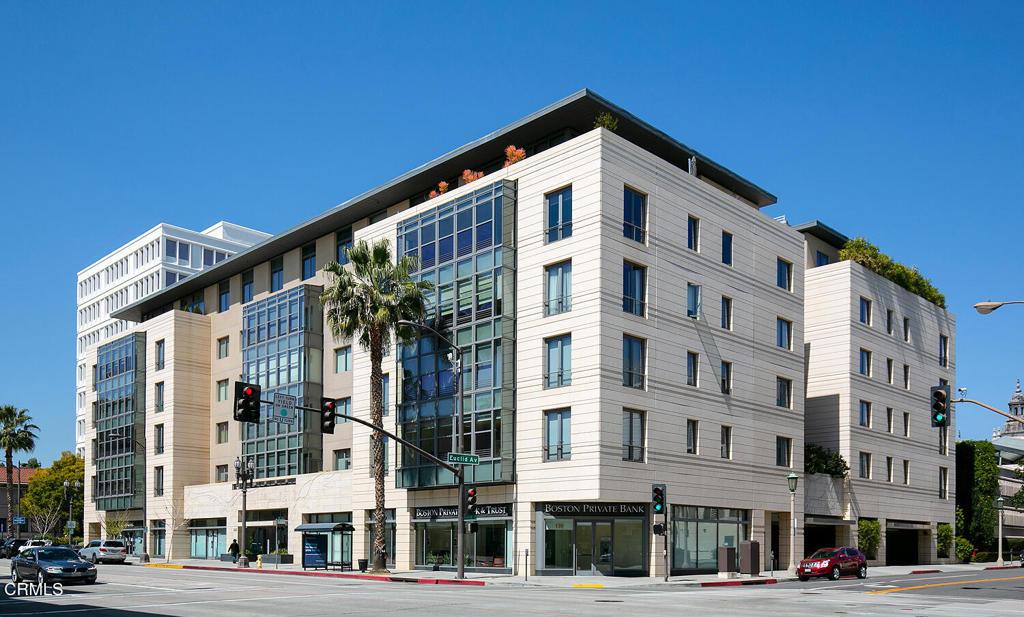
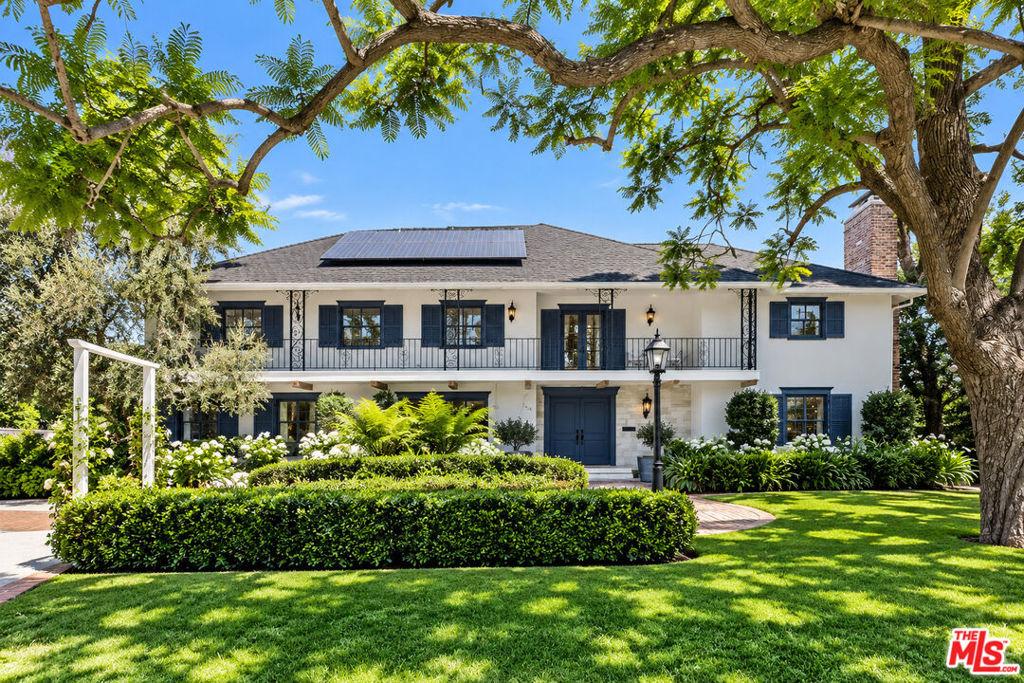
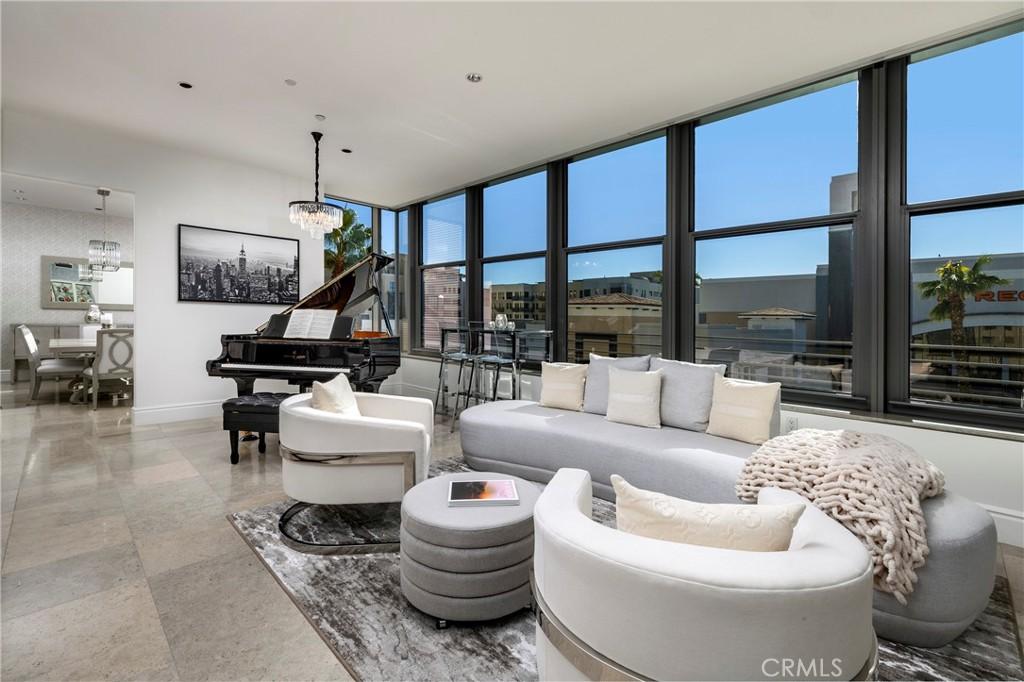
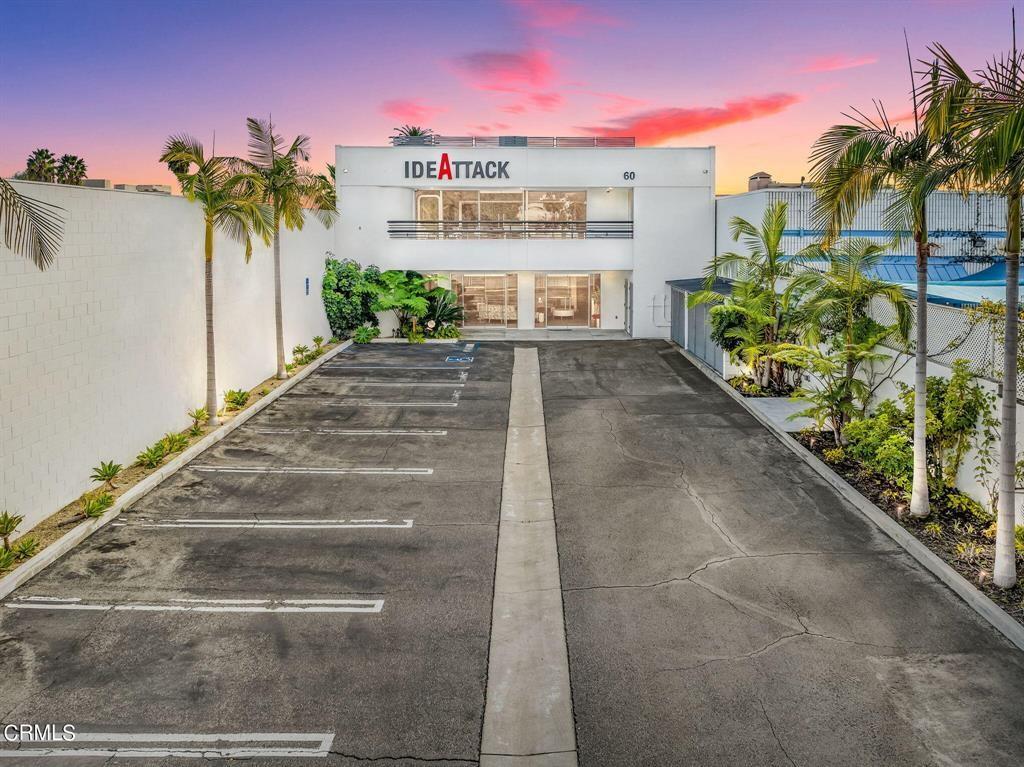
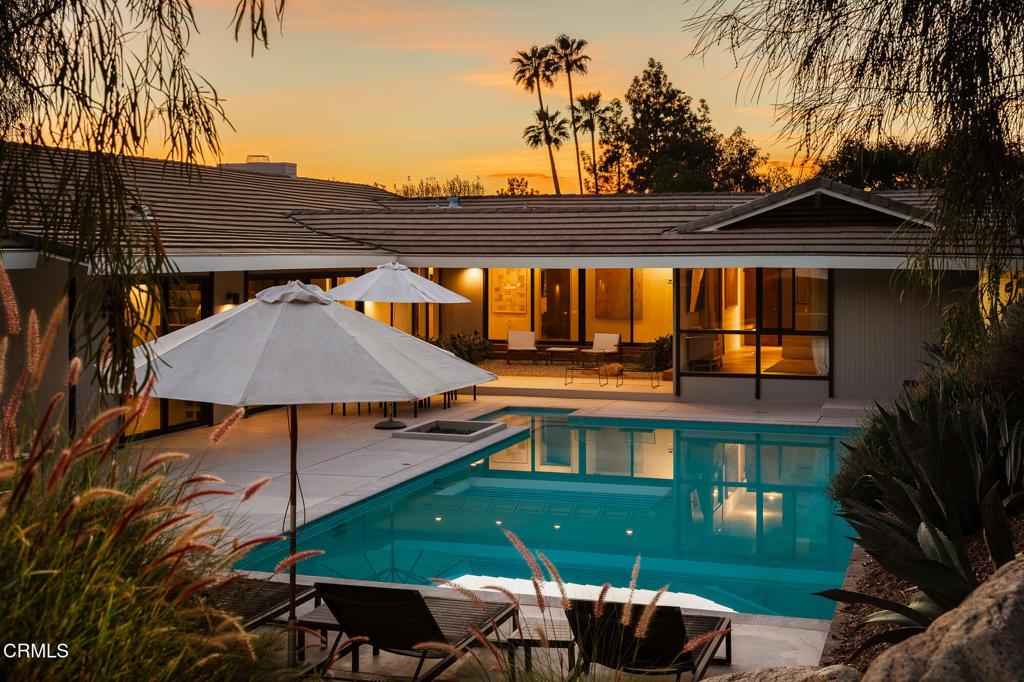
The residential component of Mid-Central Pasadena sits within a dense fabric of commercial uses, with apartment buildings, multi-family residences, and some single-family homes dispersed among the institutional and retail development that characterizes the Colorado Boulevard corridor. Buyers looking for a single-family Craftsman on a quiet residential street will find fewer options here than in the surrounding neighborhoods. Mid-Central Pasadena’s residential market is weighted toward condominiums, larger apartment buildings, and mixed-use properties near the commercial core.
The Old Pasadena commercial district, which runs along Colorado Boulevard between Pasadena Avenue and Marengo Avenue, is the primary pedestrian commercial destination for the city, with restaurants, boutiques, bars, and cultural venues concentrated along its two-block-wide main streets. The Pasadena Playhouse, which anchors the city’s designated Playhouse District to the east along Colorado, provides theater programming and has been the catalyst for the dining and arts concentration that has developed around the theater venue over the past two decades.
The Gold Line at Memorial Park, Del Mar, and Lake stations provides transit access to Chinatown, Union Station, and the broader Metro system, making Mid-Central Pasadena one of the most transit-accessible residential addresses in the eastern San Gabriel Valley. Buyers who commute to Downtown Los Angeles and prefer to avoid the 210-to-10 freeway route during peak hours will find the Gold Line a practical daily alternative from this neighborhood.
Pasadena citywide runs a median sale price around $1,250,000, up 3.7% year-over-year, $791 per square foot down 0.5% year-over-year, median list price $1,170,000 at $769 per square foot, 240 homes on market, 83 sold, 48 days on market, 103.9% sale-to-list ratio, 1 average offer, and 39.7% average down payment. Mid-Central Pasadena residential pricing varies significantly by property type: condominiums near the Gold Line stations price competitively with comparable South Lake Avenue inventory, while the limited single-family homes in the area command premiums for location and walkability that exceed comparables in quieter residential neighborhoods at equal square footage.
Schools fall within Pasadena Unified School District. The central location provides access to the full range of PUSD elementary options within the city. Private school alternatives in Pasadena’s established independent school corridor are accessible throughout the broader central city area.
Mid-Central Pasadena is a residential area in the geographic center of the city, encompassing the residential streets between the Old Pasadena commercial district to the west, the Playhouse District to the east, Colorado Boulevard to the south, and the Green Street civic corridor to the north. The area’s name reflects its position at the center of Pasadena’s urban core, and the residential character of the mid-central area is defined by the proximity to both the city’s primary commercial districts and its civic infrastructure. This central location produces the highest walkability profile of any purely residential neighborhood context in Pasadena, with most daily commercial and cultural destinations accessible on foot or by bicycle without requiring a car trip.
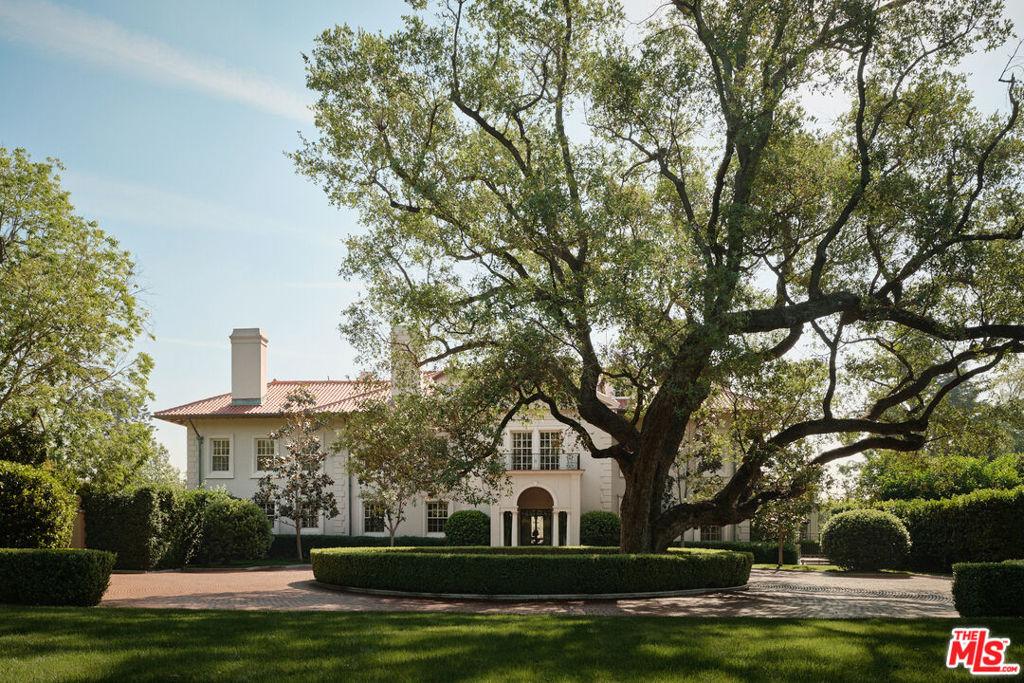
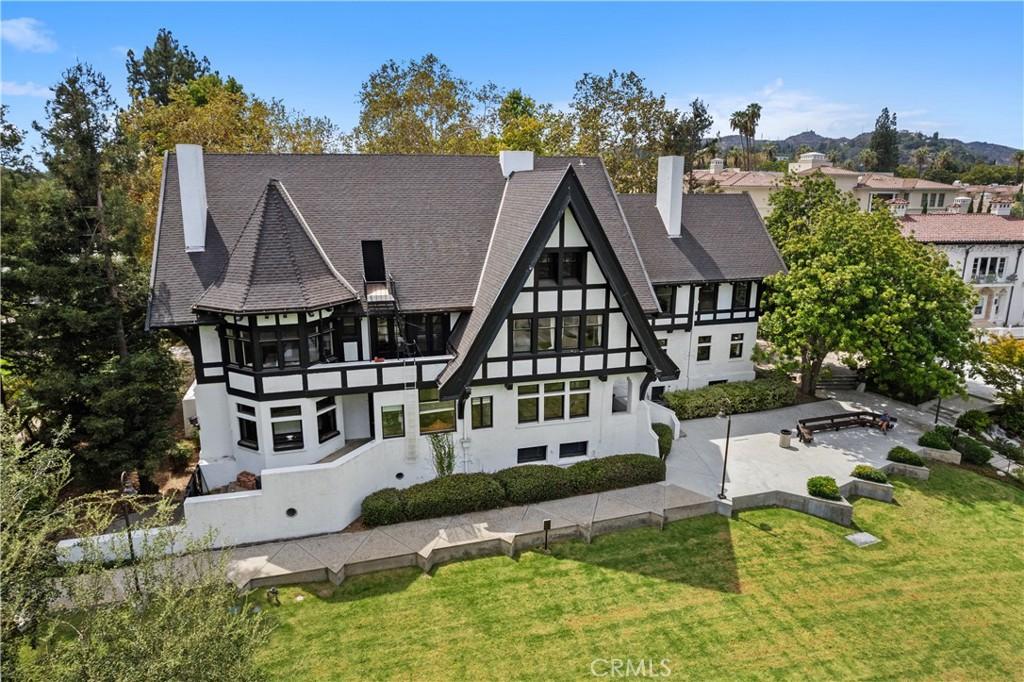
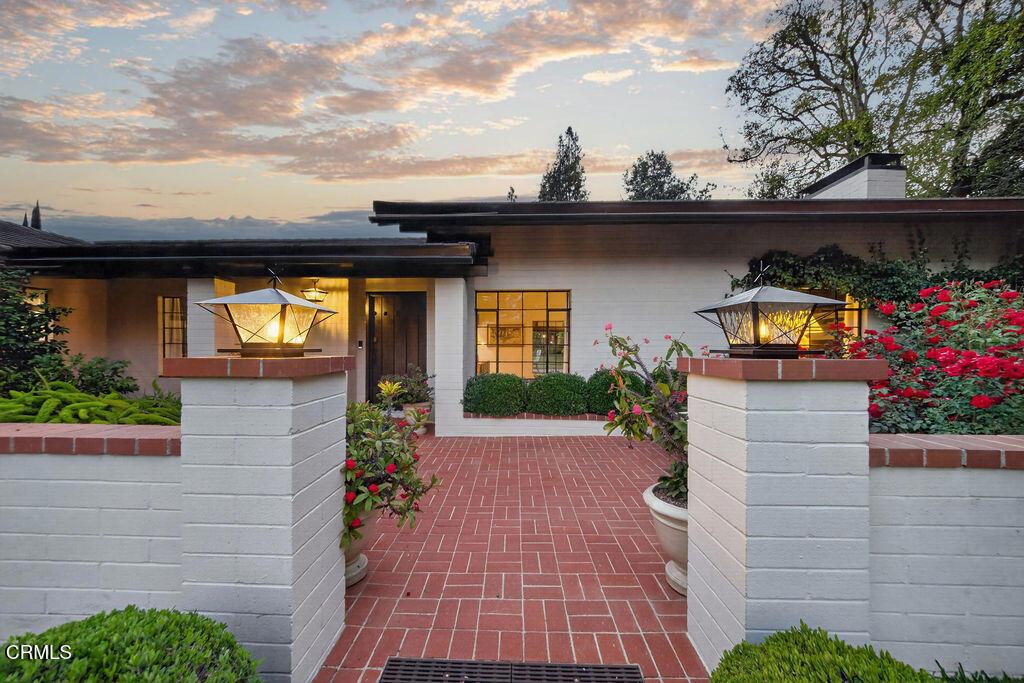
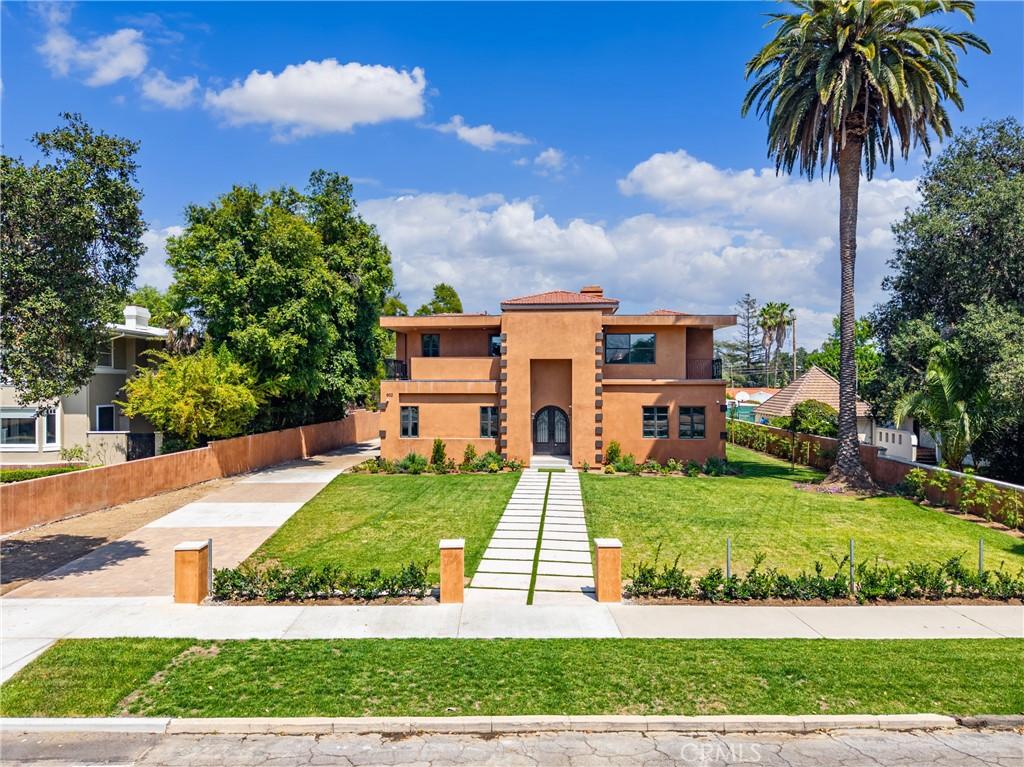
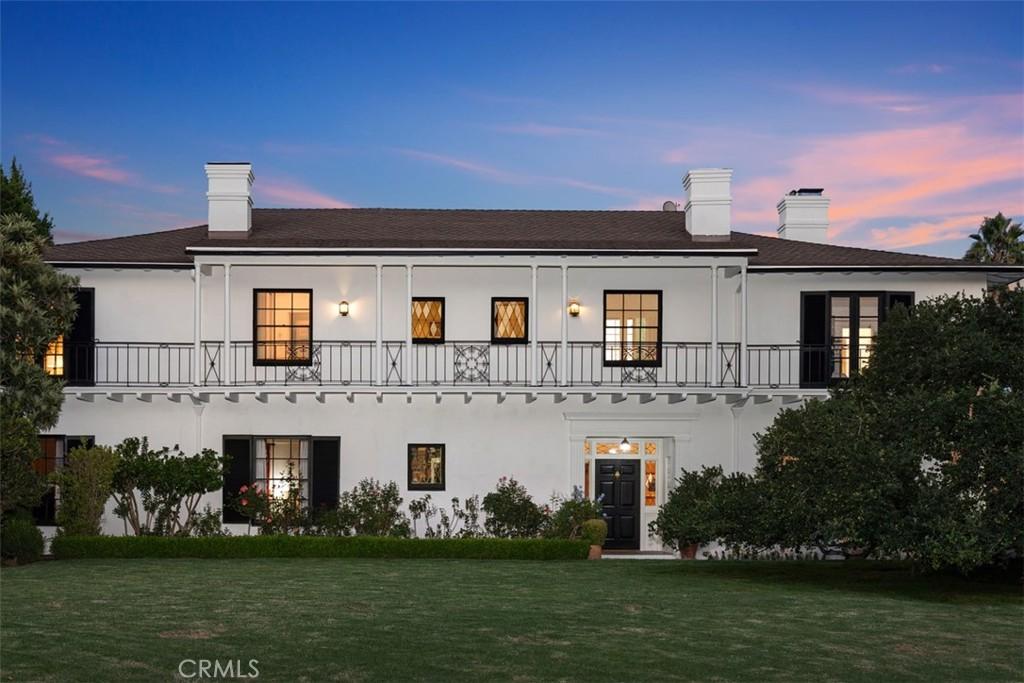
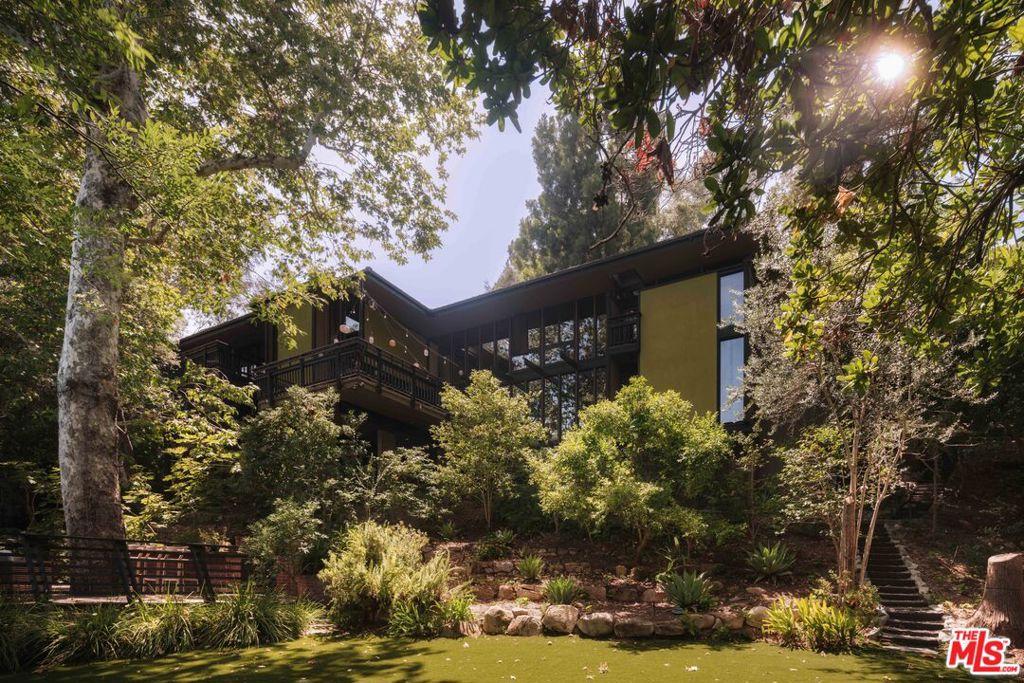
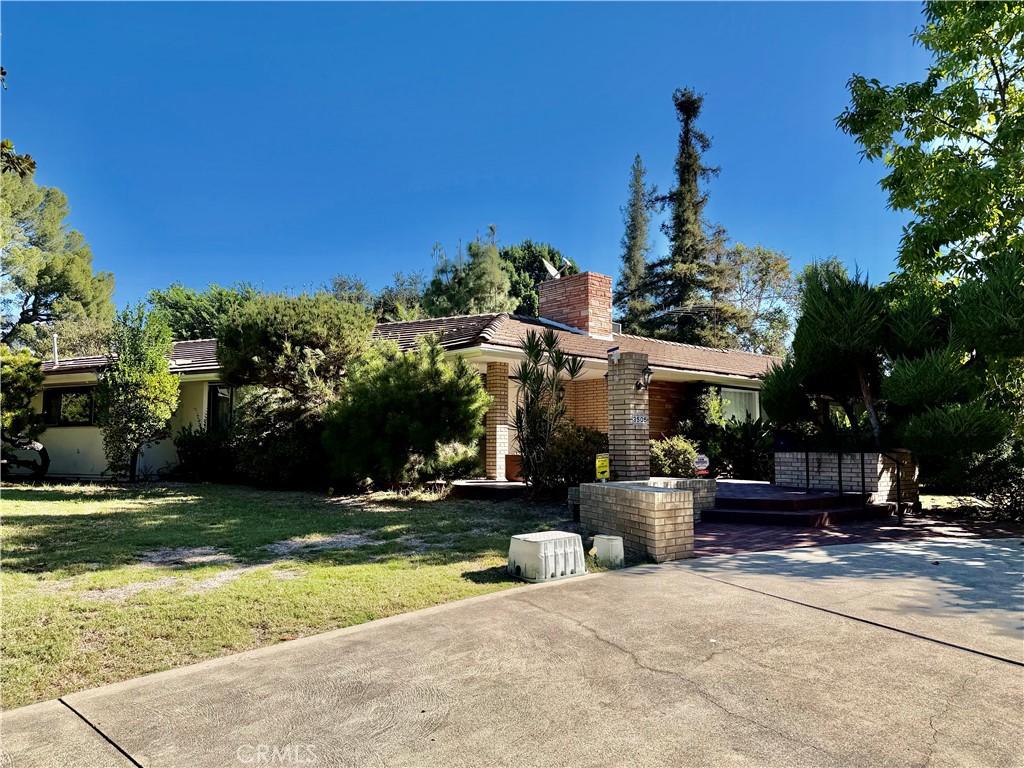
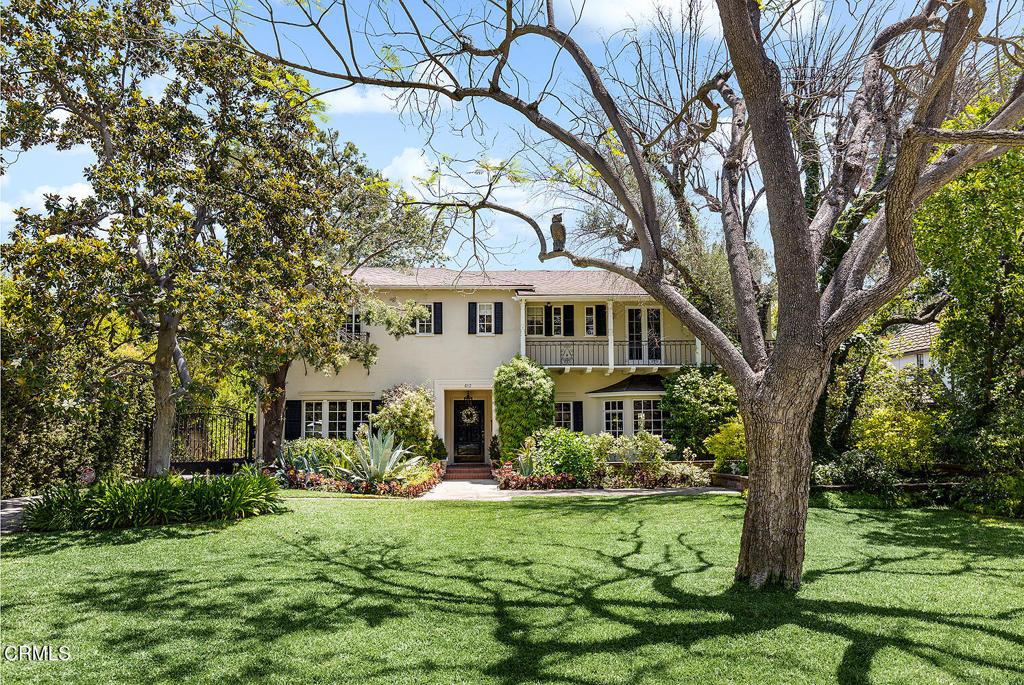
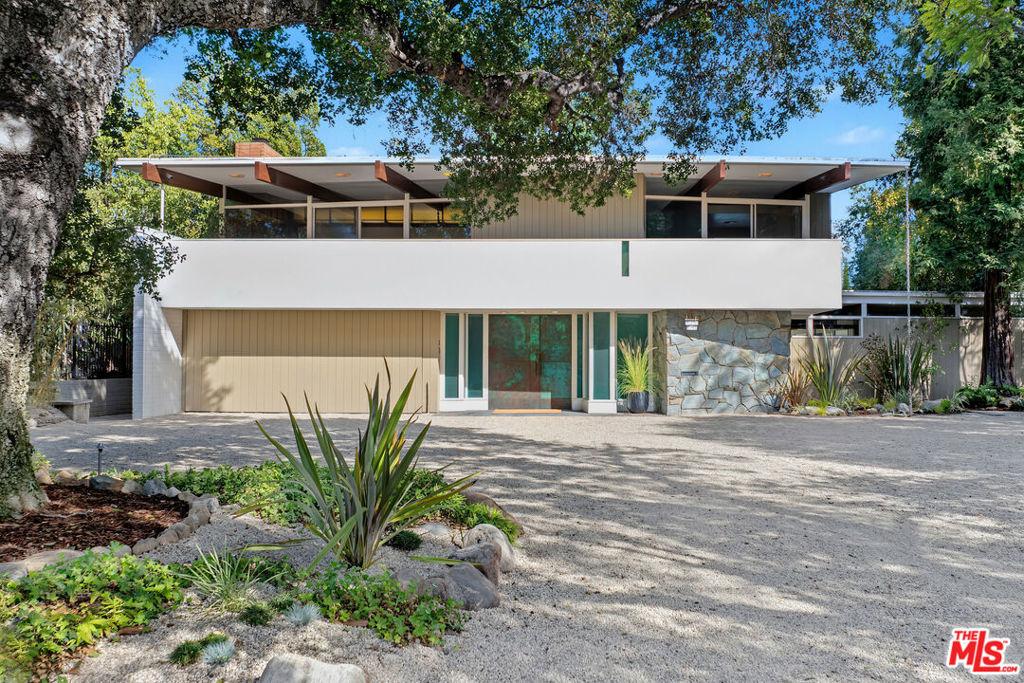
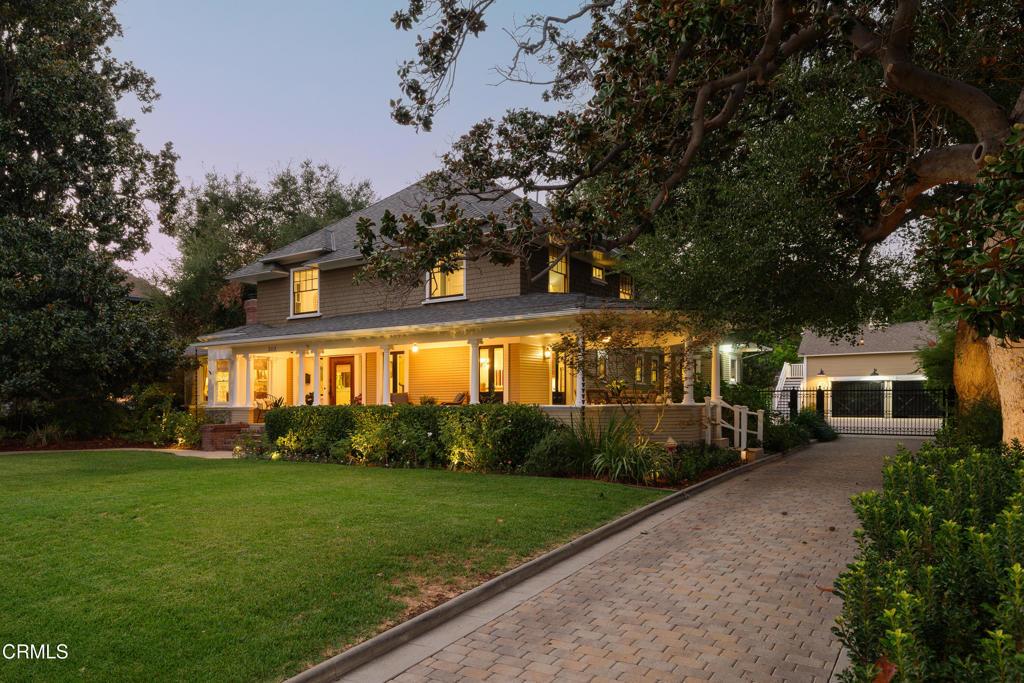
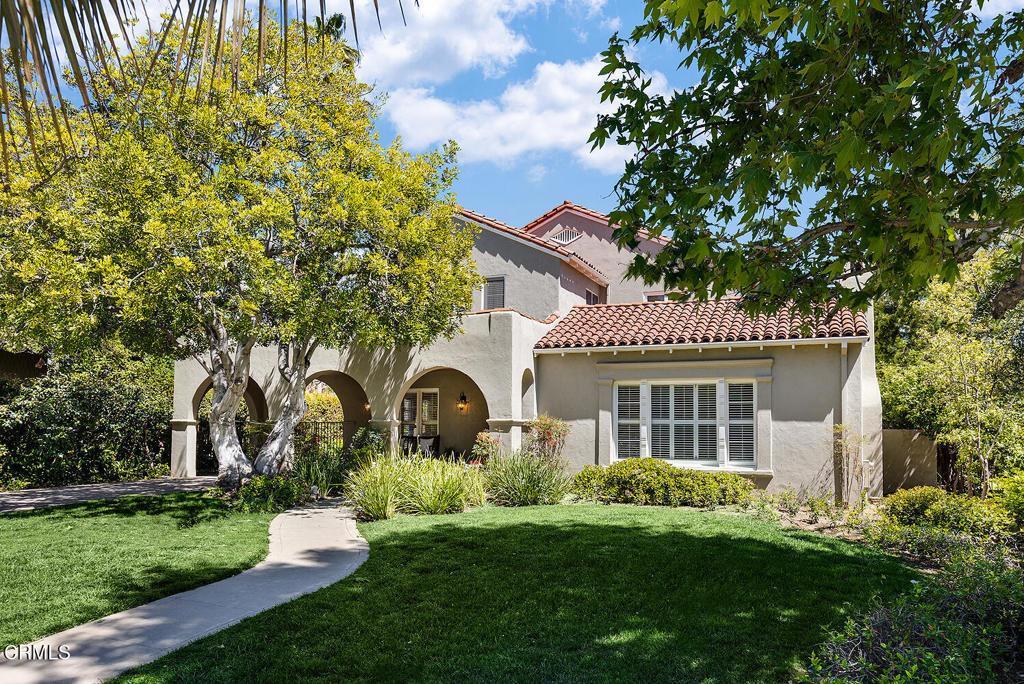
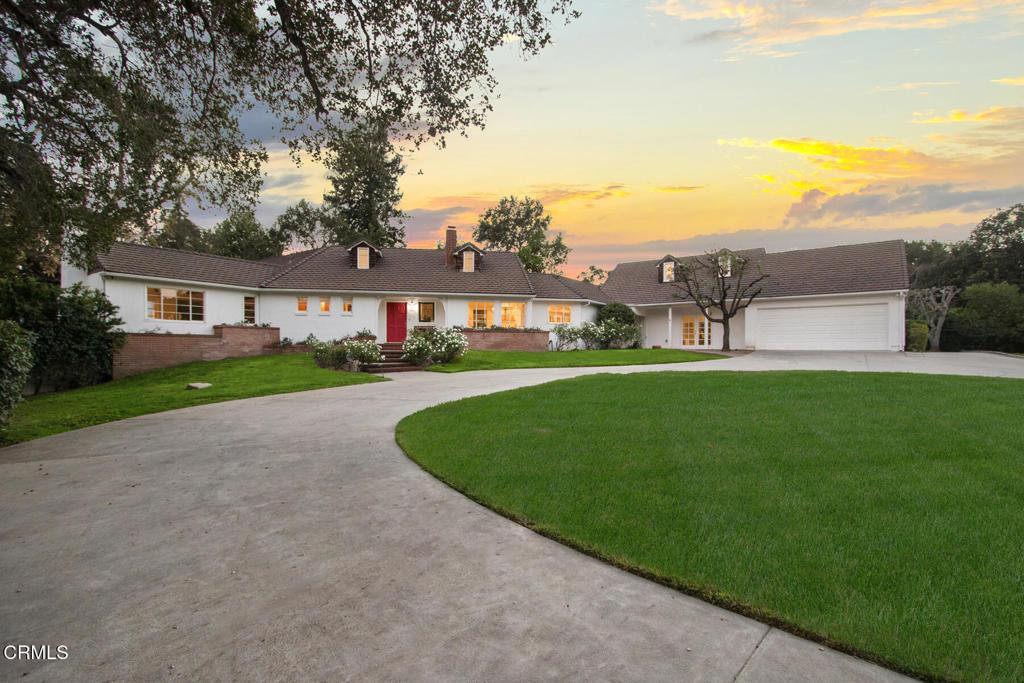
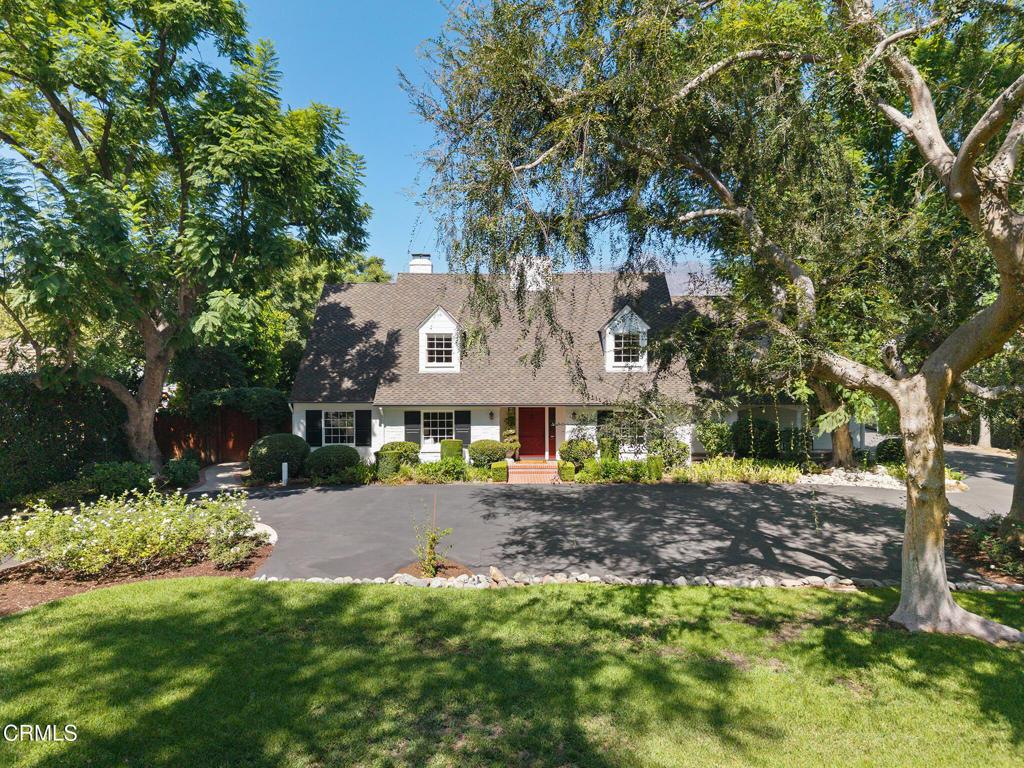
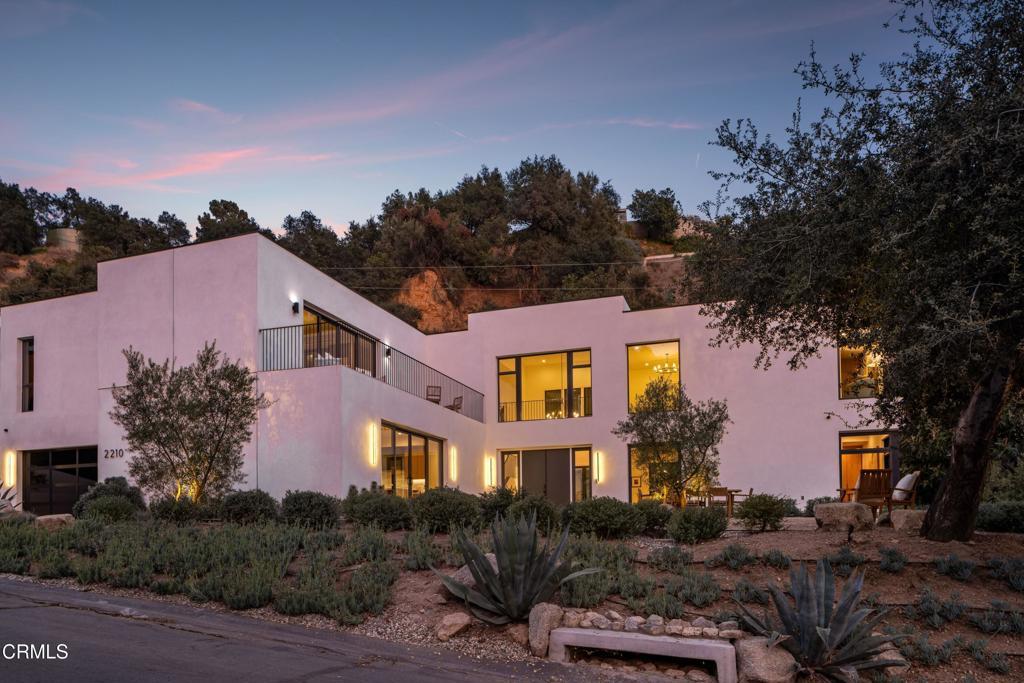
The housing in Mid-Central Pasadena is predominantly older residential stock from the 1920s through the 1950s, including Spanish Colonial Revival, Craftsman, and some mid-century configurations that reflect the central Pasadena residential development history. The area is also home to some multi-family residential buildings (apartment buildings and condominiums) from various eras, giving Mid-Central Pasadena a higher density and more varied housing type mix than the single-family neighborhood character of the east and north Pasadena residential areas. The housing type diversity creates a more complex market structure than the single-family neighborhoods, with single-family detached homes, condominiums, and small apartment buildings all participating in the same walkable geographic context.
Colorado Boulevard’s commercial activity defines the southern boundary of the Mid-Central Pasadena residential context. The corridor runs east-west through the center of Pasadena’s urban core, carrying a dense mix of restaurants, retail, coffee shops, and the Gold Line transit infrastructure that makes this portion of the city the most transit-accessible residential context in the San Gabriel Valley. For Mid-Central Pasadena residents, the Colorado Boulevard corridor is not just a nearby commercial amenity but the defining daily-use infrastructure of the neighborhood: the place where morning coffee, evening dinner, and weekend brunch occur within a 5-15 minute walk from most residential addresses.
The Gold Line’s central Pasadena stations (Del Mar, Memorial Park, and Lake) are all within the Mid-Central Pasadena residential territory, making this one of the few Pasadena residential areas where a resident can walk to a Gold Line station in under 10 minutes from their home address. The walking access to the Gold Line transforms the transit proposition for Mid-Central residents: rather than the park-and-ride or bicycle-to-station pattern that characterizes transit access from the more peripheral neighborhoods, Mid-Central Pasadena residents can commute to Downtown Los Angeles by Gold Line with a walk from their front door, a transit convenience that is rare in any California residential market outside of dense urban cores.
Schools serving Mid-Central Pasadena are within PUSD’s central school assignment area. The proximity of multiple PUSD program campuses to the Mid-Central area gives residents practical walking and cycling access to several school options, and the PUSD magnet program application system opens the full range of district programs to Mid-Central residents. Private school options including Polytechnic School, Chandler School, and Westridge are accessible by car in 10-20 minutes from the central Pasadena position. The density of educational options within reasonable proximity of the Mid-Central area is higher than for any other Pasadena residential neighborhood, reflecting the central position’s access to the full range of Pasadena’s institutional infrastructure.
The renovation market in Mid-Central Pasadena is shaped by the central location premium. Renovation investment in the central Pasadena area recovers well against comparable sales that reflect the walkability and transit premium of the location, and buyers who renovate central Pasadena properties have historically achieved positive equity outcomes that justify the renovation investment cost relative to the lower price per square foot that the peripheral neighborhoods offer before renovation. The central location’s permanent walkability and transit premium is the structural factor that supports renovation investment and distinguishes the Mid-Central Pasadena renovation market from the peripheral east and north Pasadena markets where renovation investment produces a smaller incremental return.
The buyer profile for Mid-Central Pasadena residential properties centers on buyers who specifically value walkability, Gold Line access, and proximity to the Colorado Boulevard commercial corridor as primary residential priorities. This buyer profile is distinct from the family-oriented buyers who choose east Pasadena for school district access and lot size, or the outdoor-recreation-oriented buyers who choose the hillside and Arroyo-adjacent neighborhoods. Mid-Central buyers are more likely to be single professionals, dual-income couples without children, or empty-nesters who are downsizing from a larger single-family home to a walkable urban context within the San Gabriel Valley.
The investment rental market in Mid-Central Pasadena reflects the neighborhood’s walkability premium. Rental rates for units in the Mid-Central area run above the east and north Pasadena markets and are competitive with the Old Pasadena and Playhouse District condominium rental market. The Gold Line walking access, the restaurant and retail concentration, and the central location attract a renter profile that includes young professionals, Gold Line commuters, and institutional employees from Caltech and the medical community who prioritize transit access and walkable amenities. Vacancy rates in the Mid-Central rental market tend to be lower than in the peripheral Pasadena neighborhoods, reflecting the consistent demand from this transit-oriented and amenity-motivated renter profile.
The post-2020 California housing market environment has intensified competition for walkable urban residential properties like those in Mid-Central Pasadena, as remote work flexibility has allowed buyers who previously needed to live in walkable west Los Angeles neighborhoods to relocate to the San Gabriel Valley while maintaining the walkable urban lifestyle they value. Mid-Central Pasadena has captured a share of this relocation demand, with buyers from Silver Lake, Los Feliz, and the Westside evaluating the central Pasadena walkability as a comparable or superior alternative to their origin neighborhoods at pricing that is meaningfully lower per square foot. The resulting competitive pressure on Mid-Central Pasadena’s limited supply of walkable residential inventory has supported pricing above the peripheral Pasadena markets through the post-2020 market cycles.
The Pasadena Civic Center, approximately 0.5-1 mile from the center of the Mid-Central residential area, provides the governmental and institutional infrastructure of the city within walking distance: City Hall, the Pasadena Convention Center, the Central Library, the Pasadena Ice Skating Center, and the Civic Center park and fountain areas are all within the Civic Center complex. The Civic Auditorium, which hosts the Emmy Awards and other major productions, is also within this complex. The walkable proximity to the Civic Center institutional cluster is one of the features of central Pasadena residential life that has no equivalent in the peripheral neighborhoods: for residents who use the library, the convention center’s event programming, or the ice skating center regularly, the walk-from-home access to these facilities is a genuine daily-use benefit.
The Pasadena Farmer’s Market operates on Saturday mornings at the corner of Victory Park (south location) and at Sierra Madre Villa (east location), with the central Pasadena markets seasonally. Mid-Central Pasadena residents also have access to the Thursday evening Gold Line Farmers Market (location and schedule should be confirmed with the Pasadena Farmer’s Market organization for current information) that is positioned near the Gold Line stations in the central Pasadena commercial area. The farmer’s market access gives Mid-Central residents a practical weekly grocery supplement that reduces the car-dependent grocery shopping frequency for produce and seasonal items, which is consistent with the neighborhood’s broader walkable urban lifestyle orientation.
Rose Parade proximity is one of the defining features of living in central Pasadena. Colorado Boulevard, which runs through the heart of the Mid-Central Pasadena residential area, is the primary route for the Tournament of Roses Parade on January 1st each year. Residents of the Colorado Boulevard-adjacent streets in Mid-Central Pasadena have front-row parade viewing from their properties without the grandstand ticket cost, though they also experience the pre-parade and post-parade traffic closures and crowd activity that come with hosting one of the largest annual parade events in the United States. Buyers who are attracted by the parade proximity should also understand the operational realities: the Colorado Boulevard closure and the associated traffic diversion affect the neighborhood for several days around January 1st each year, which is a significant lifestyle consideration for residents who travel during that period.
The post-2020 renovation market in Mid-Central Pasadena has been particularly active relative to prior periods, driven by the influx of buyers from the Westside of Los Angeles who are specifically motivated by the central Pasadena walkable lifestyle. This relocation buyer demographic brings renovation budgets that are calibrated to the Westside renovation market, which has historically been significantly above the San Gabriel Valley renovation market in absolute dollar terms. The result has been aggressive renovation investment in Mid-Central Pasadena’s housing stock by buyers who see the location value (Colorado Boulevard walkability, Gold Line access, Civic Center proximity) as a match for their lifestyle requirements and the lower baseline pricing as an opportunity to invest in a renovation that creates more total equity than the same renovation budget would produce in their Westside origin markets.
The rental yield environment in Mid-Central Pasadena for investor owners has been supported by the consistent demand from Gold Line commuters, Caltech researchers, and institutional employees from the medical and educational institutions near central Pasadena. The Huntington Memorial Hospital on Duarte Road and the California Institute of Technology on California Boulevard generate consistent professional rental demand from staff and researchers who want transit access and walking-distance amenities rather than the car-dependent suburban residential format that defines most of the San Gabriel Valley rental market. For investors evaluating the Mid-Central Pasadena rental market, the institutional demand backstop provides a quality renter profile with above-average income stability relative to the general rental market.
Pedestrian access to the cultural institutions of central Pasadena from the Mid-Central residential area is a practical daily benefit for residents who engage with the arts and education programming in the city. The Norton Simon Museum at the western edge of Colorado Boulevard, the Pasadena Playhouse one mile east, and the Pasadena Civic Auditorium between them constitute a museum-to-theater cultural corridor that residents of the Mid-Central area can access on foot or by bicycle for most performances and museum visits. The ability to walk to a world-class art museum (Norton Simon holds one of the finest collections in the western United States) from a residential neighborhood at the Mid-Central price tier is an amenity that has no equivalent in the San Gabriel Valley market outside of the most central Pasadena locations.
The school quality research process for buyers considering Mid-Central Pasadena should include visits to the specific PUSD program campuses and conversations with current school parents in the neighborhood rather than relying solely on aggregate test score data. The PUSD’s magnet program structure means that the school quality experienced by any specific Mid-Central family depends heavily on which programs the family applies to and is accepted into, making the aggregate PUSD metrics less predictive of the specific educational experience than for districts with more uniform school quality distribution. Families who engage actively with the PUSD program application process and who are committed to advocating for their children within the system tend to report more positive outcomes than families who expect high educational quality through passive residential assignment alone.
What is it like to live in Mid-central Pasadena Homes?
- Mid-central Pasadena Homes sit in the geographic center of the city, between Old Pasadena, the Playhouse District, Colorado Boulevard, and the Green Street civic corridor.
- Residential streets here sit within a dense fabric of commercial uses, with apartments and multi-family residences dispersed among institutional and retail development.
- Mid-central Pasadena Homes deliver the highest walkability profile of any purely residential neighborhood context in Pasadena, with daily destinations reachable on foot.
- Old Pasadena runs along Colorado Boulevard between Pasadena Avenue and Marengo Avenue as the primary pedestrian commercial destination for the entire city.
- Restaurants, boutiques, bars, and cultural venues concentrate along the two-block-wide main streets of the Old Pasadena commercial district.
- The Pasadena Playhouse anchors the city’s designated Playhouse District to the east along Colorado and provides ongoing theater programming.
- Dining and arts concentration around the Pasadena Playhouse developed as a direct result of the theater venue acting as neighborhood catalyst.
- Gold Line service at Memorial Park, Del Mar, and Lake stations connects residents to Chinatown, Union Station, and the broader Metro system.
- Mid-central Pasadena Homes rank among the most transit-accessible residential addresses anywhere in the eastern San Gabriel Valley.
- Commuters bound for Downtown Los Angeles use the Gold Line as a practical daily alternative to the congested freeway route.
- Housing stock consists predominantly of older residential construction, including Spanish Colonial Revival, Craftsman, and some mid-century configurations.
- Condominiums, larger apartment buildings, and mixed-use properties near the commercial core carry the weight of the local residential market.
- Apartment buildings and condominiums from various eras give the mid-central area higher density and a more varied housing type mix.
- Buyers seeking a single-family Craftsman on a quiet residential street find fewer options here than in the surrounding Pasadena neighborhoods.
- Single-family detached homes, condominiums, and small apartment buildings all participate in the same walkable geographic context.
- Pasadena Unified School District serves the area, and the central location provides access to the full range of PUSD elementary options.
- Private school alternatives in Pasadena’s established independent school corridor remain accessible throughout the broader central city area.
- Proximity to both the primary commercial districts and the civic infrastructure defines the residential character of the mid-central area.