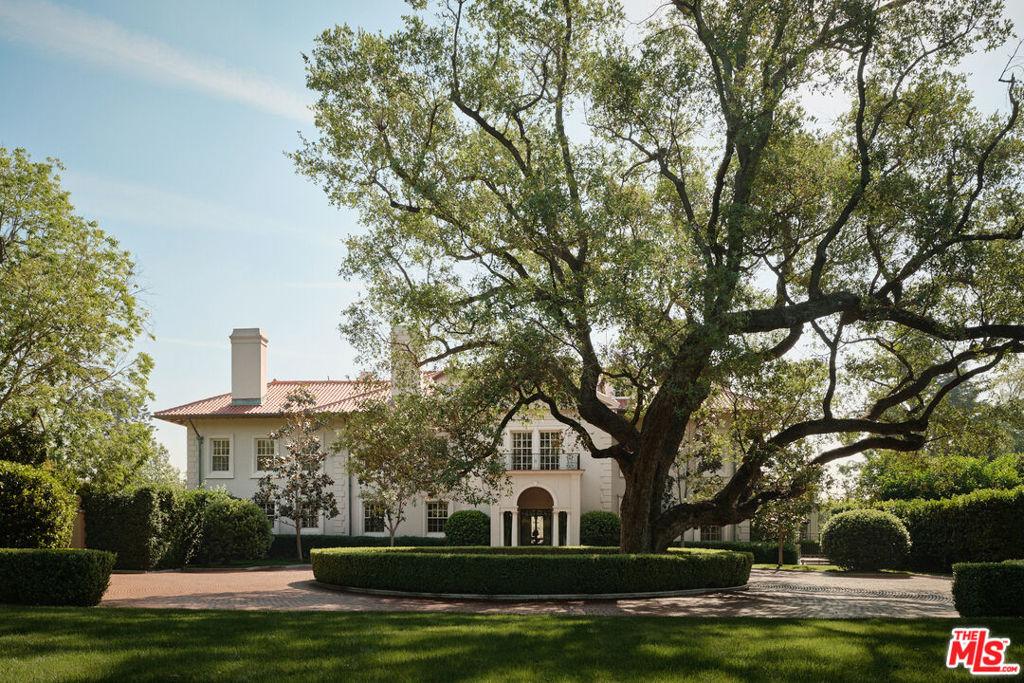
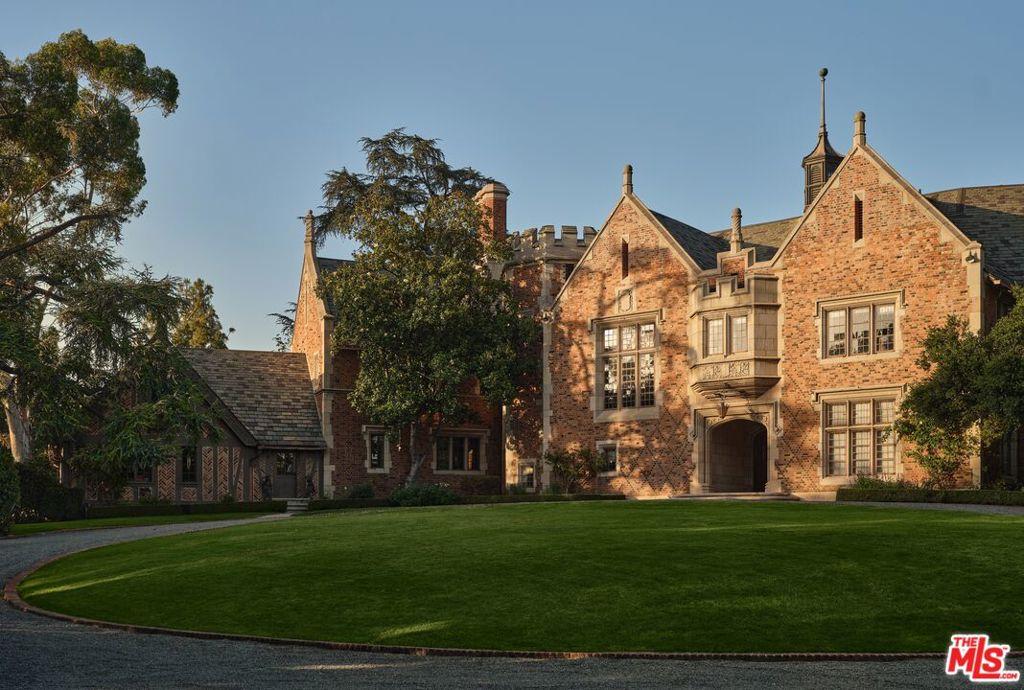
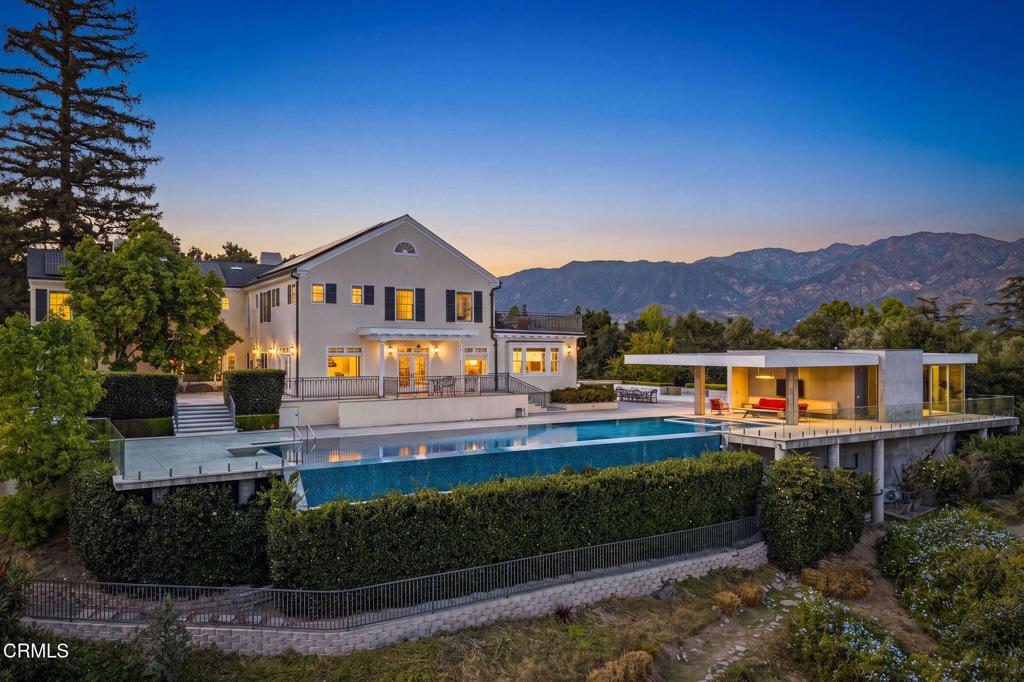
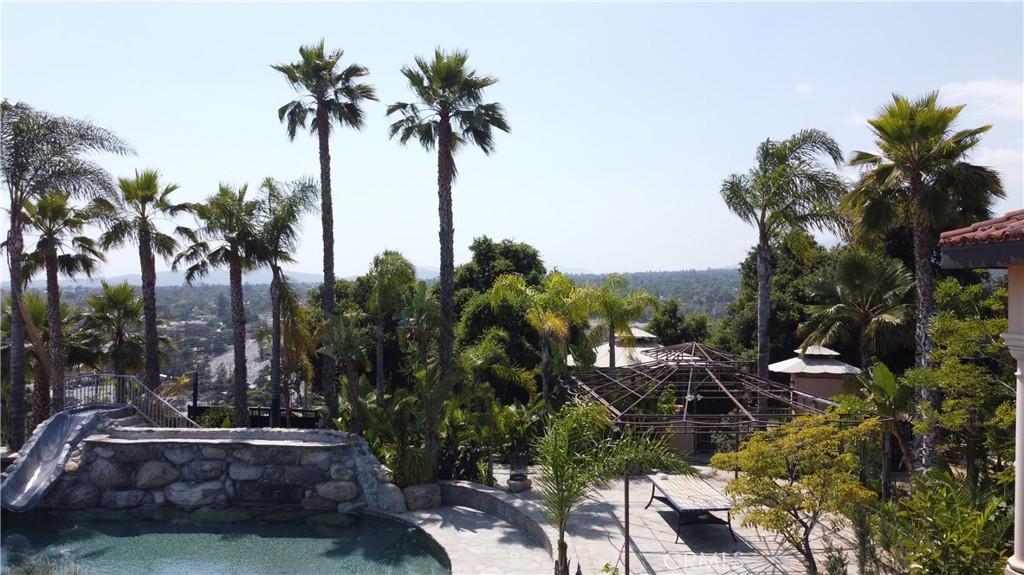
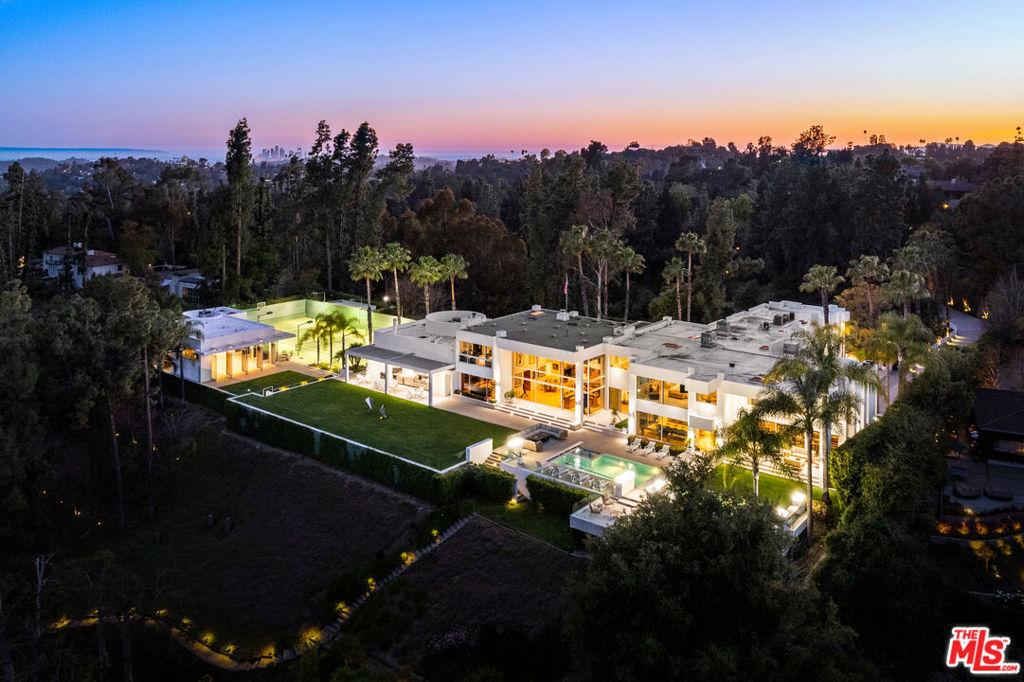
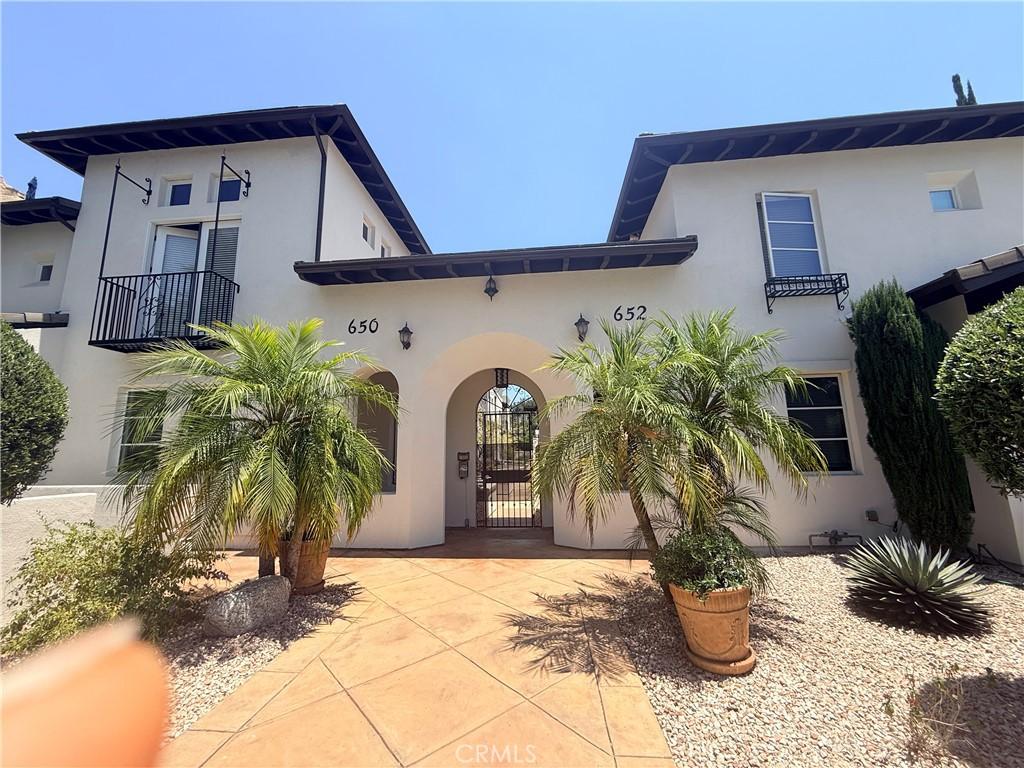
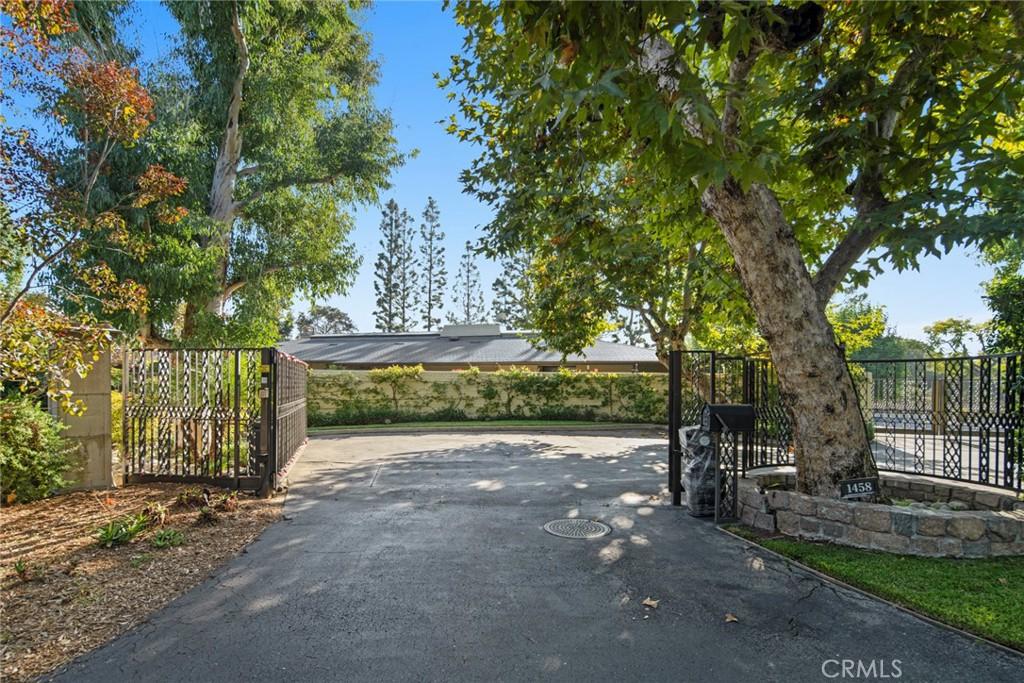
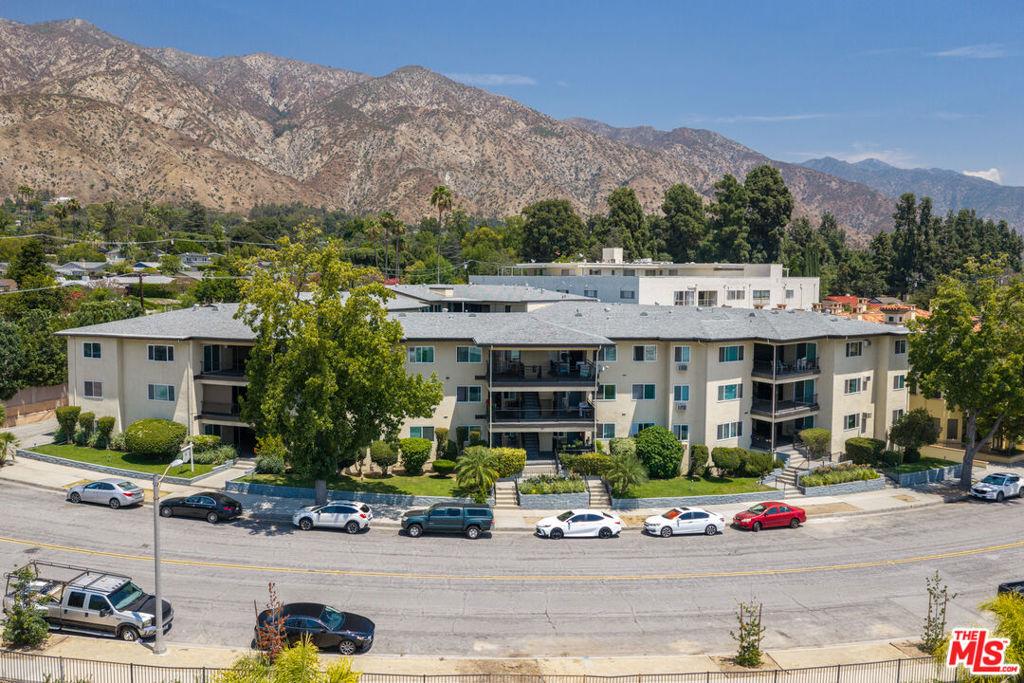
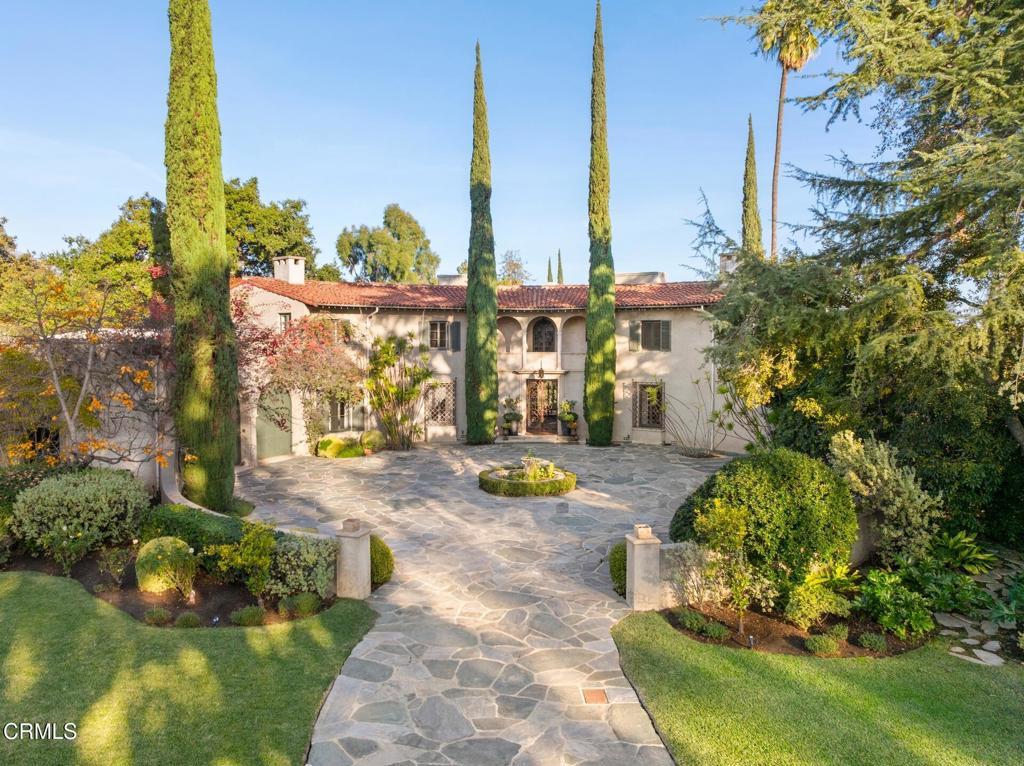
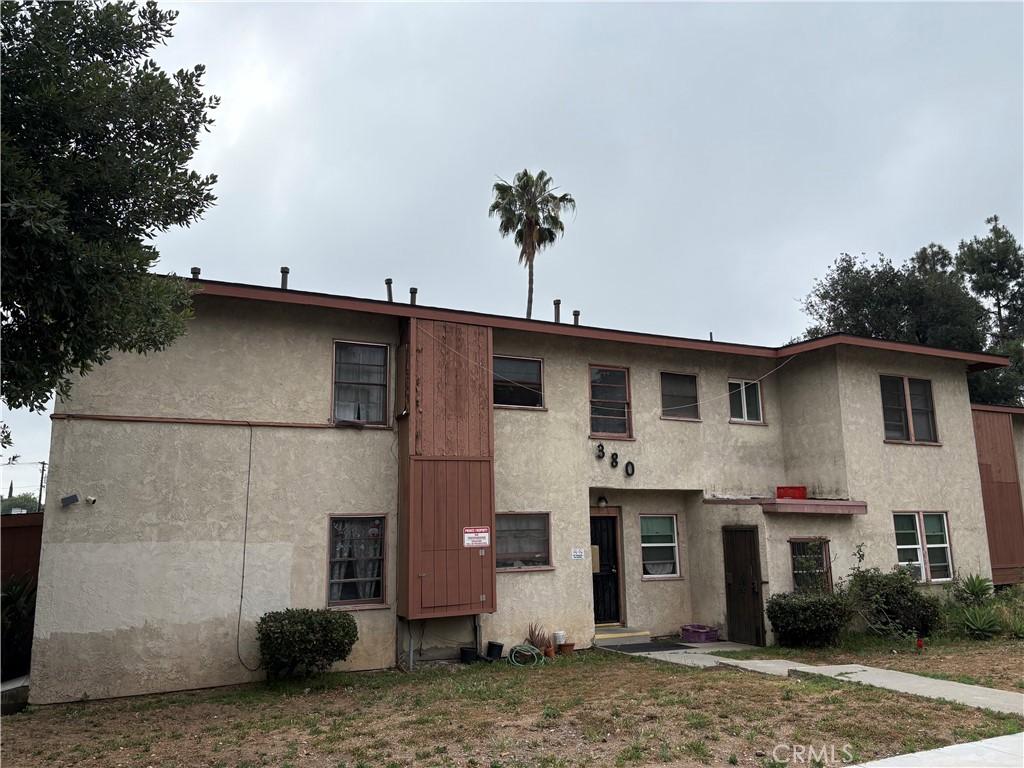
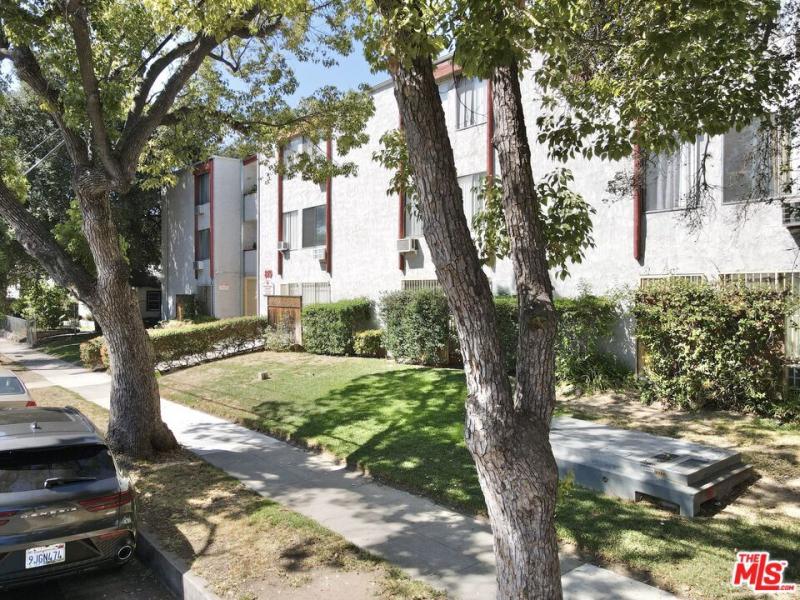
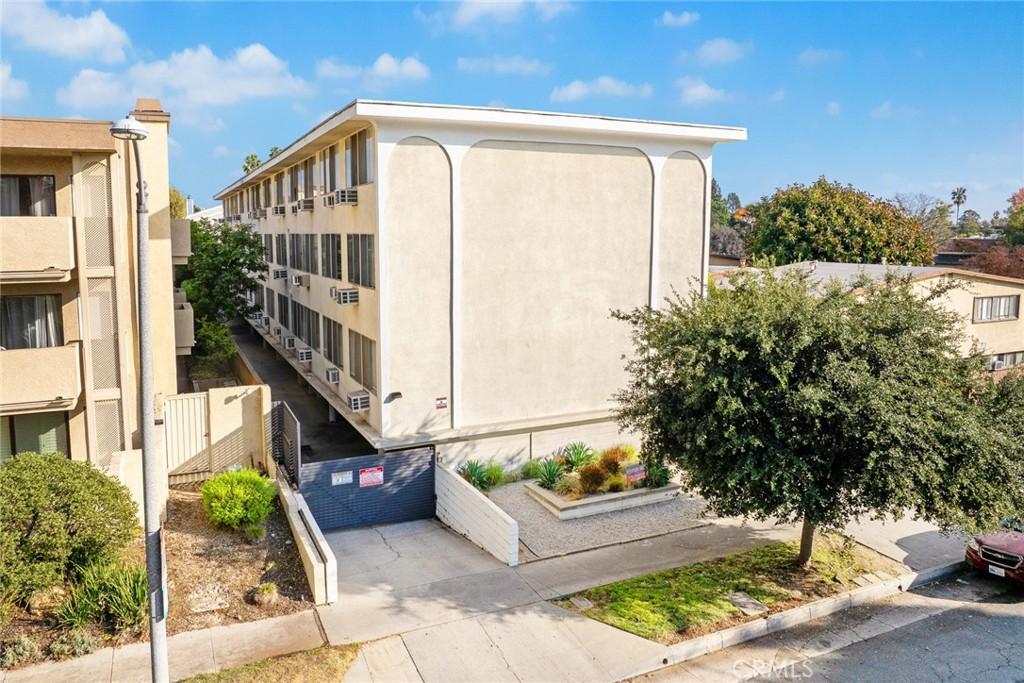
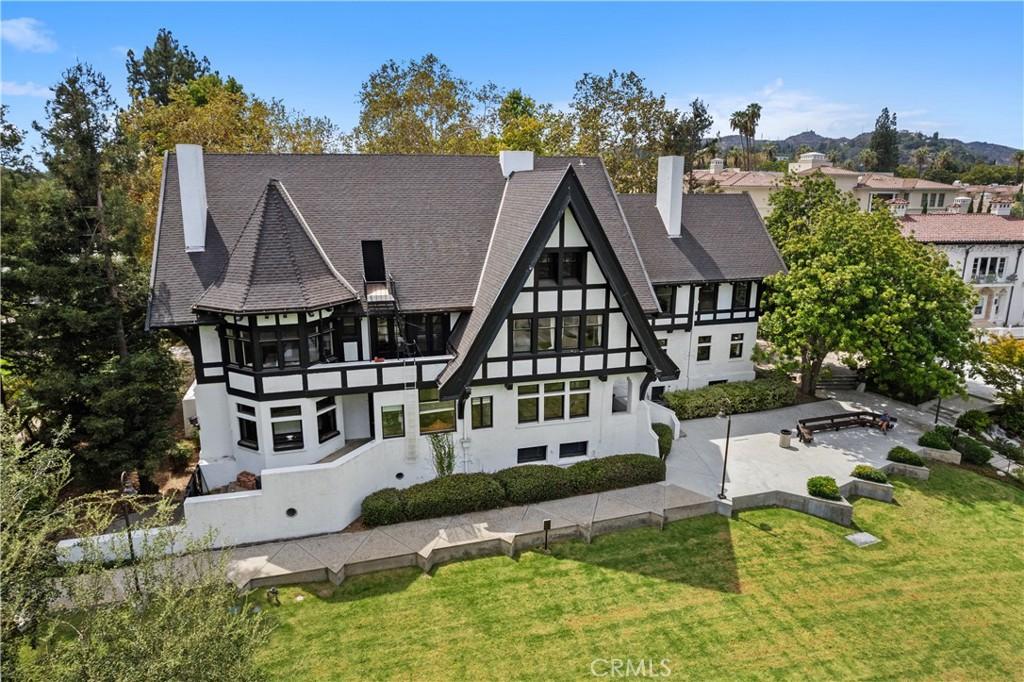
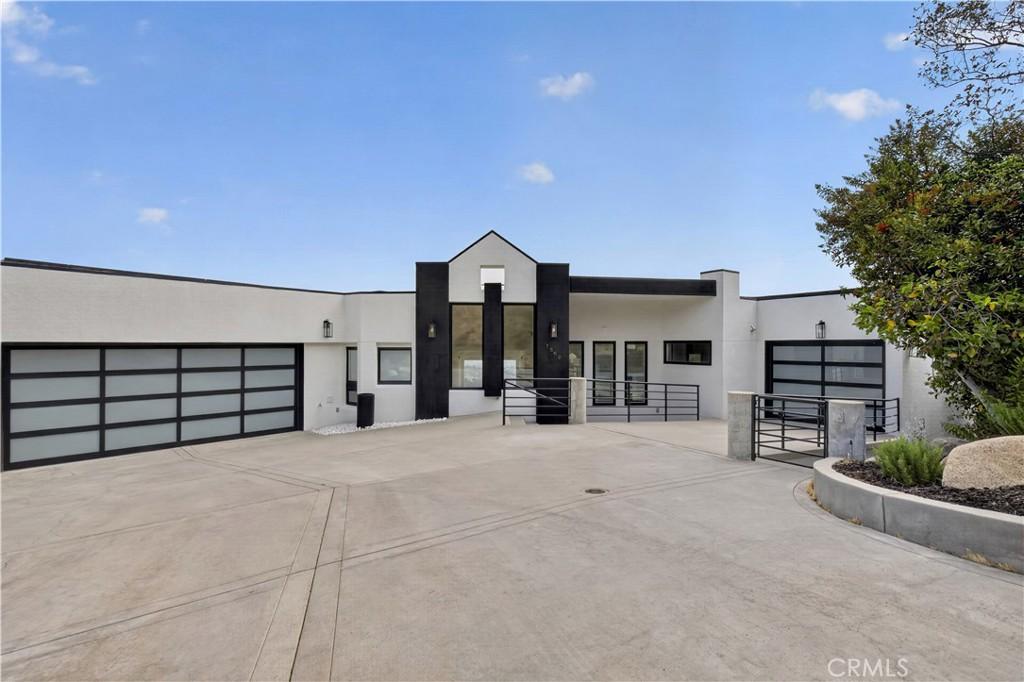
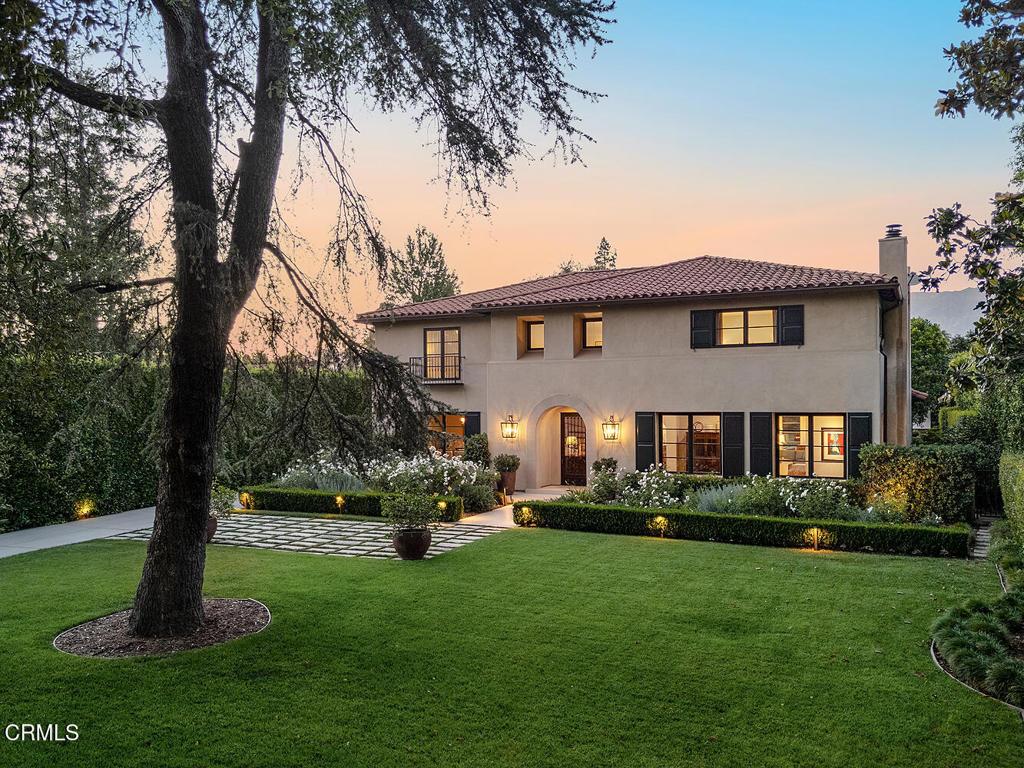
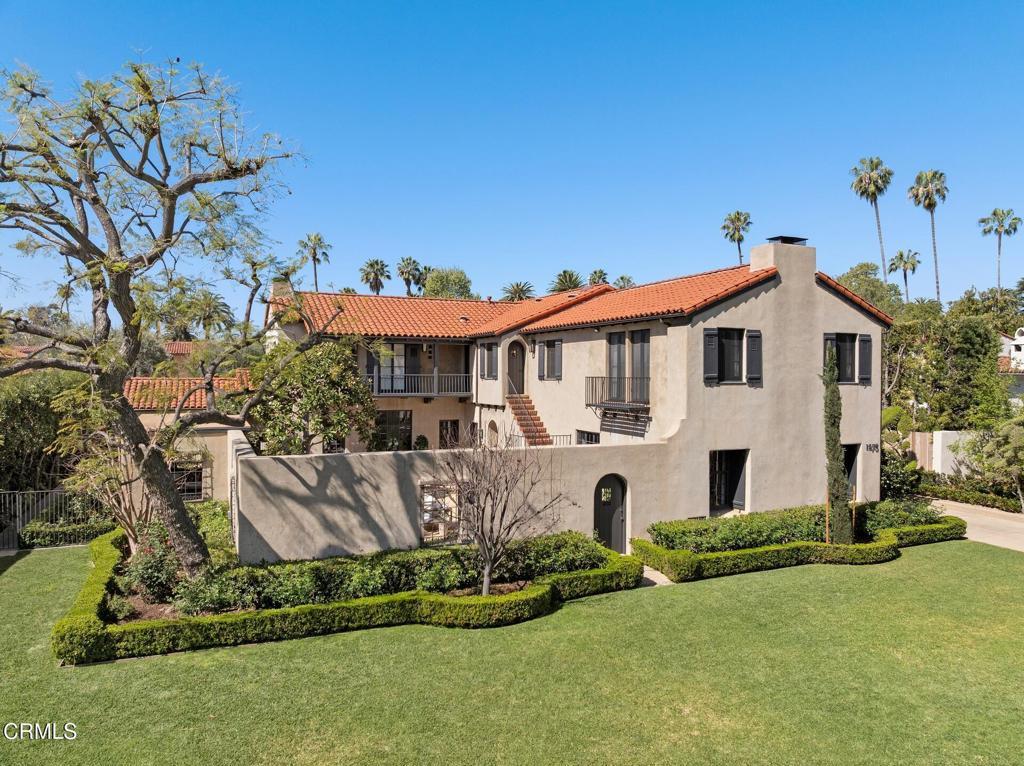
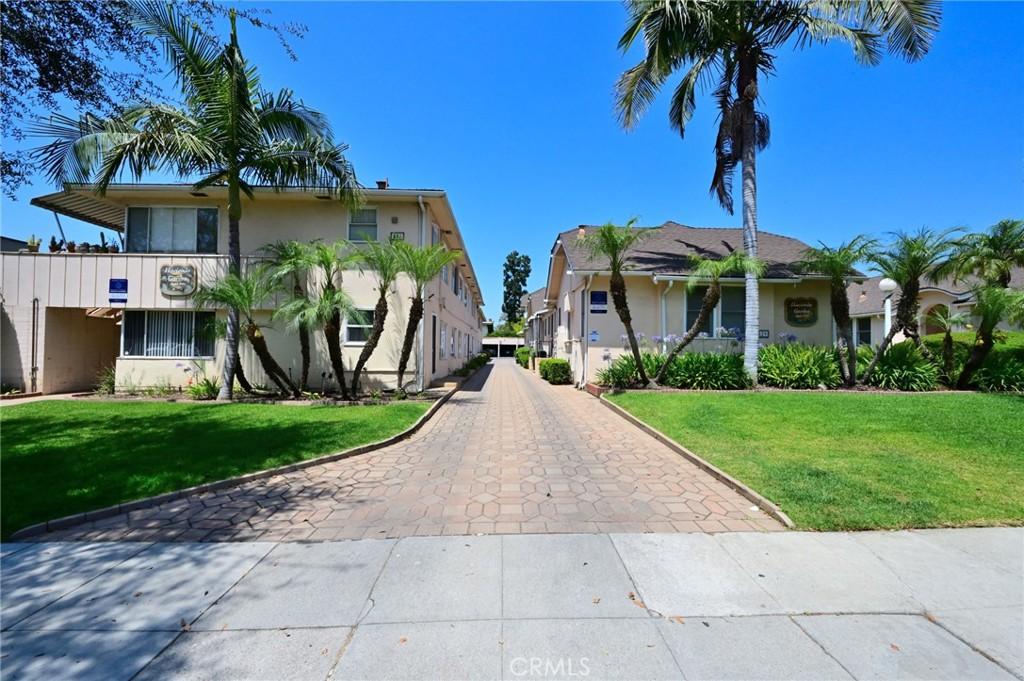
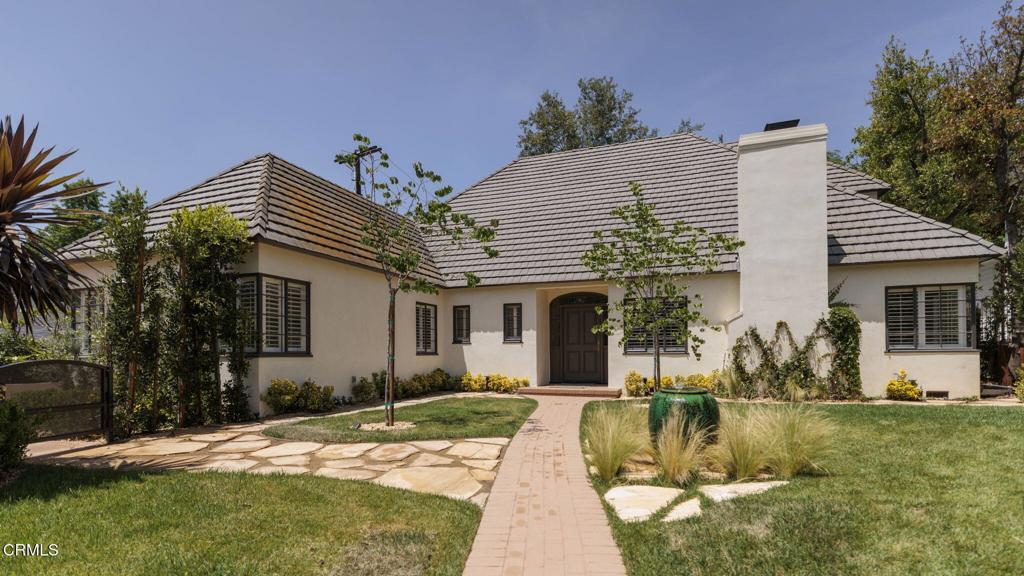
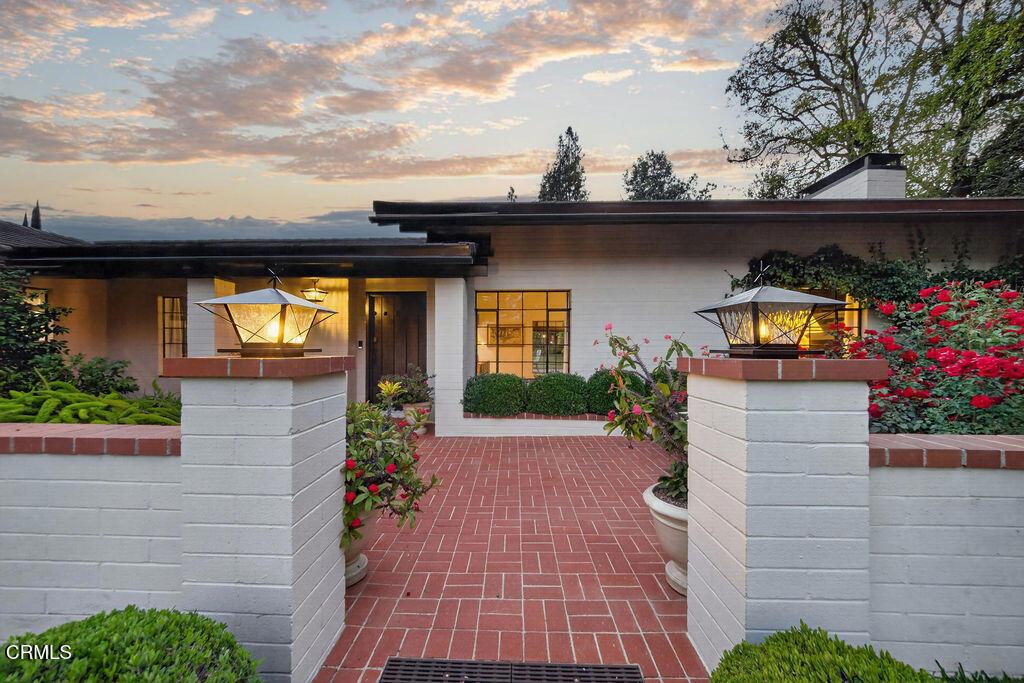
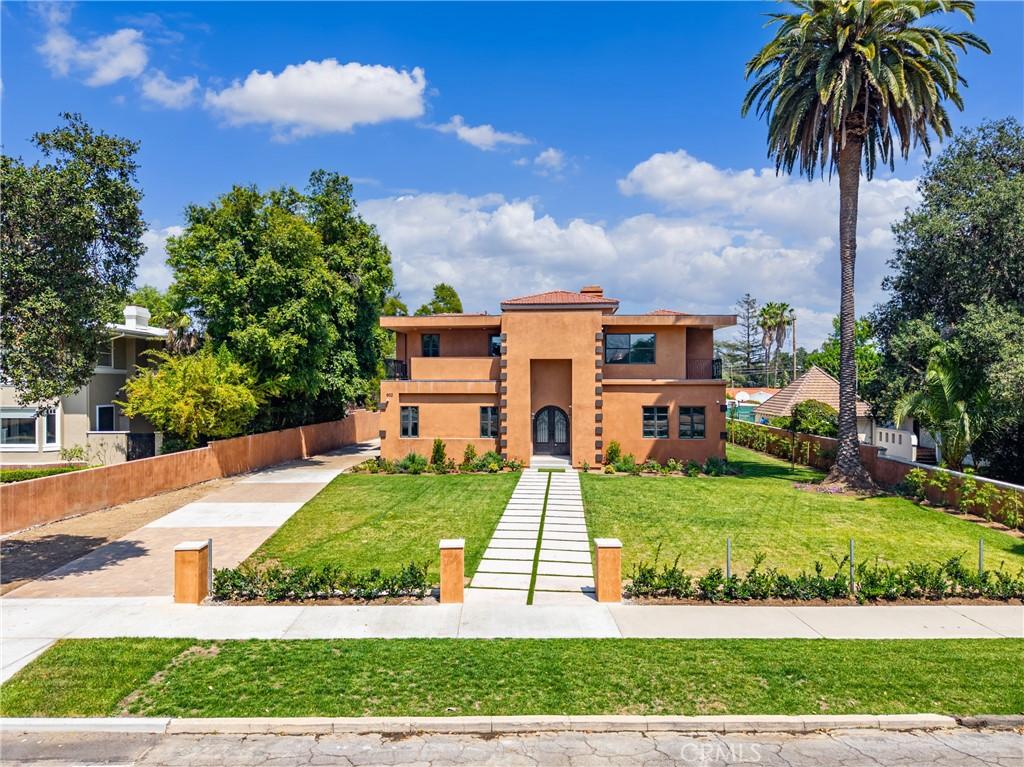
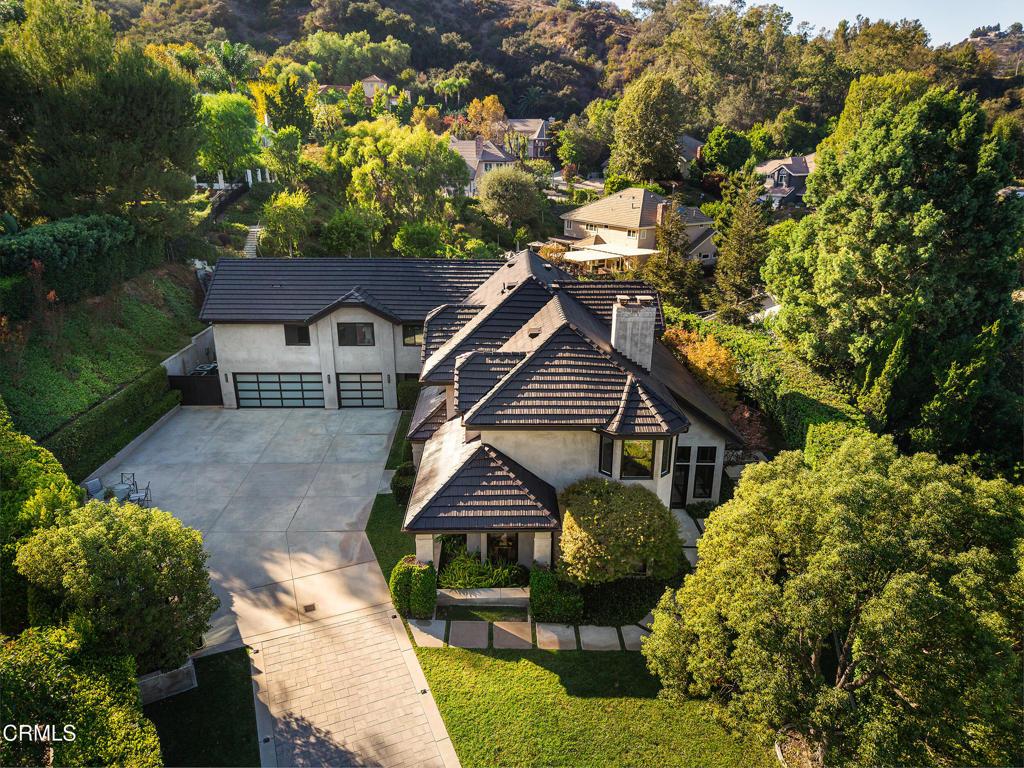
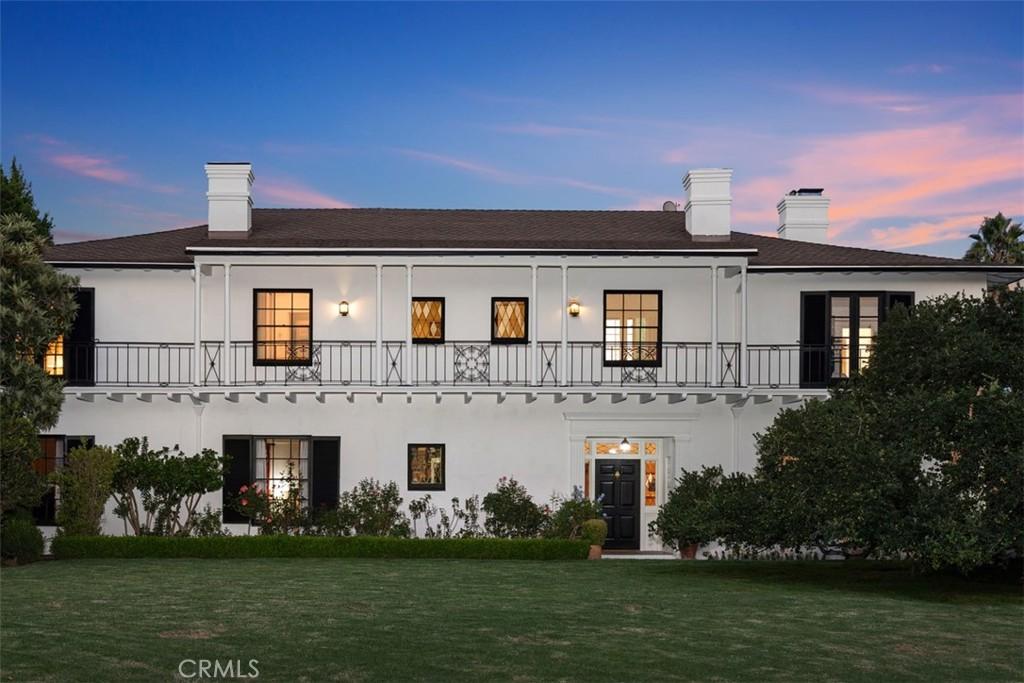
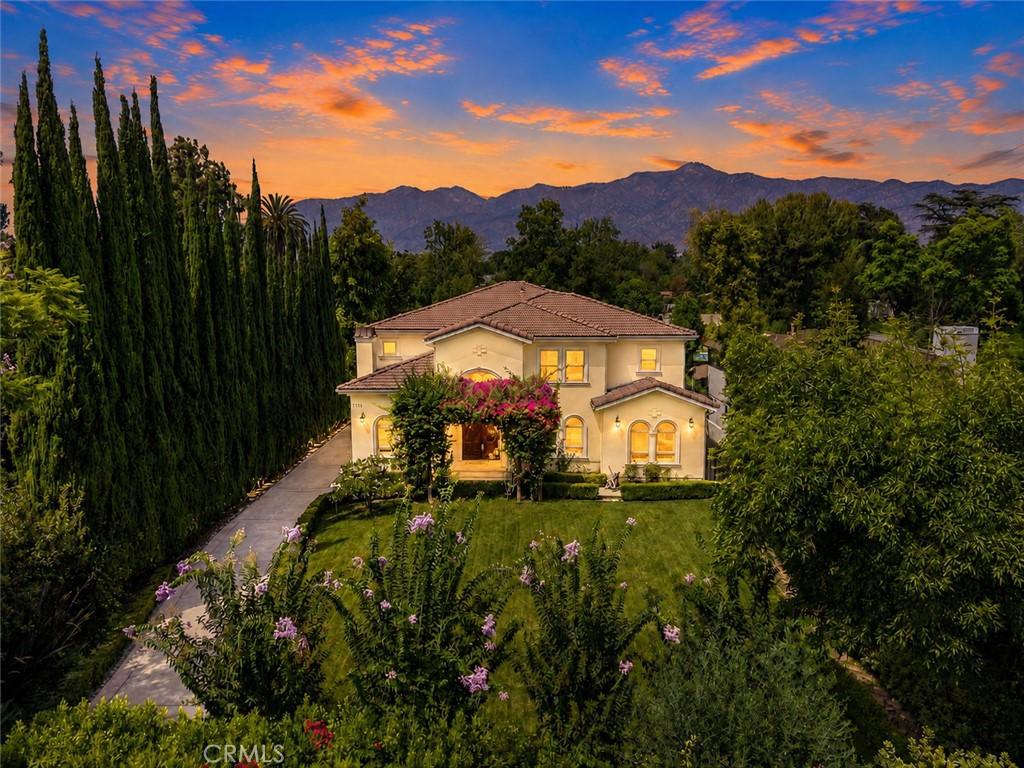
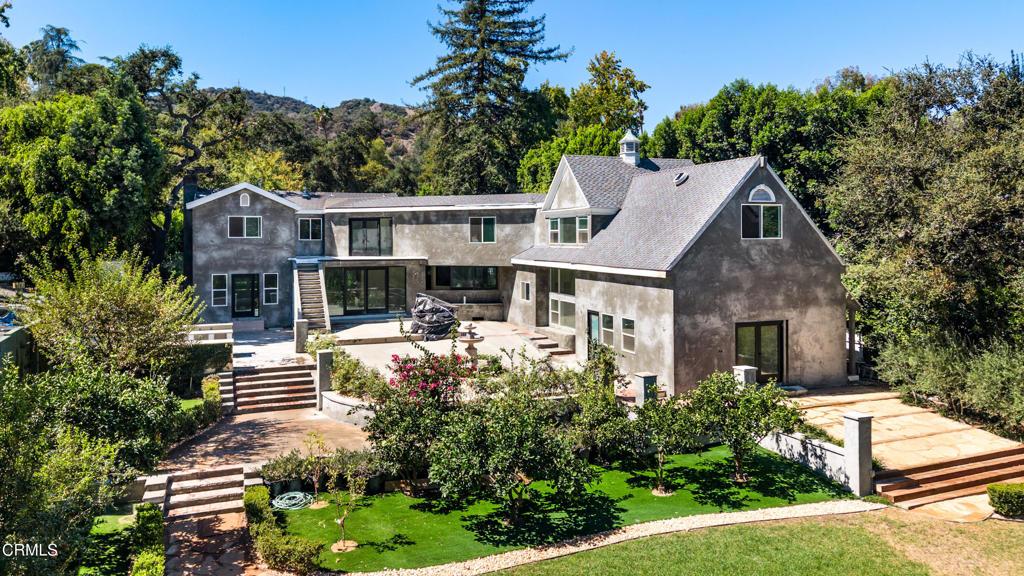
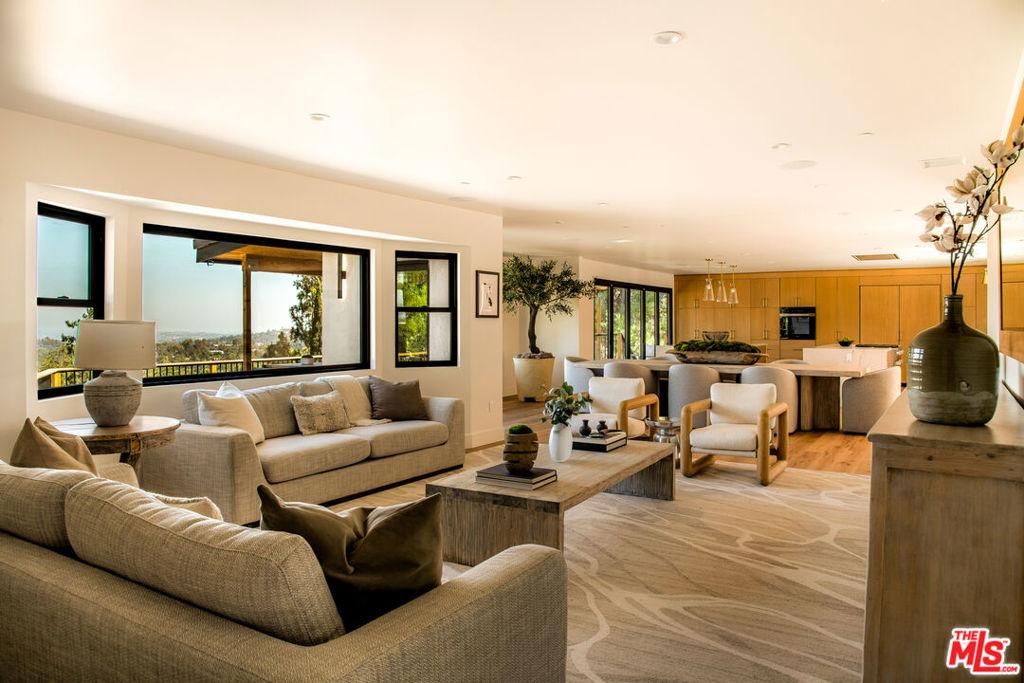
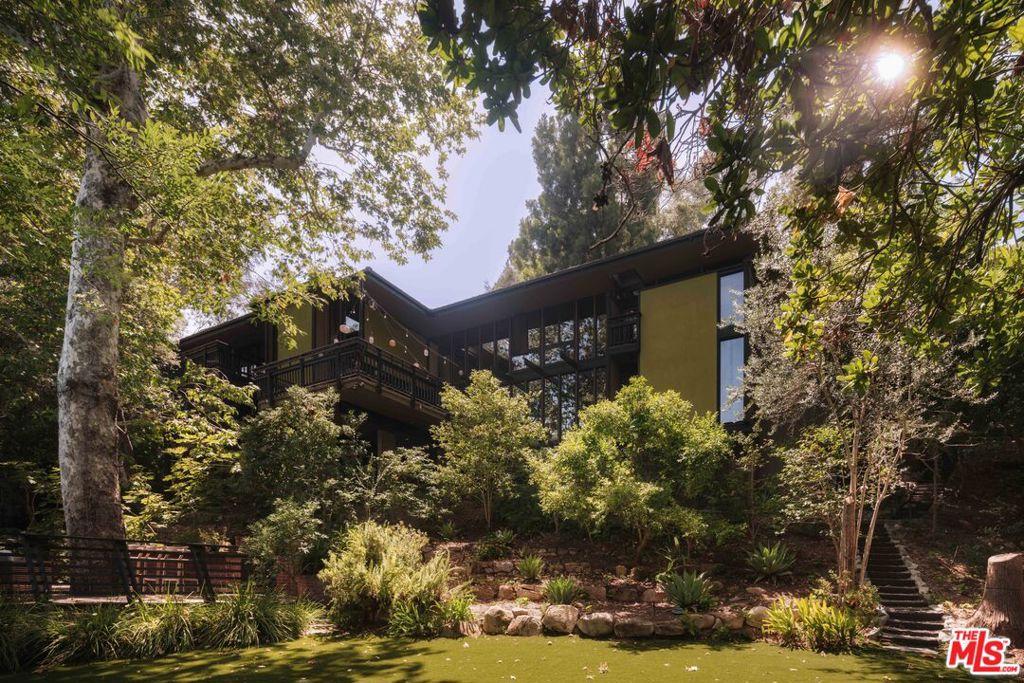
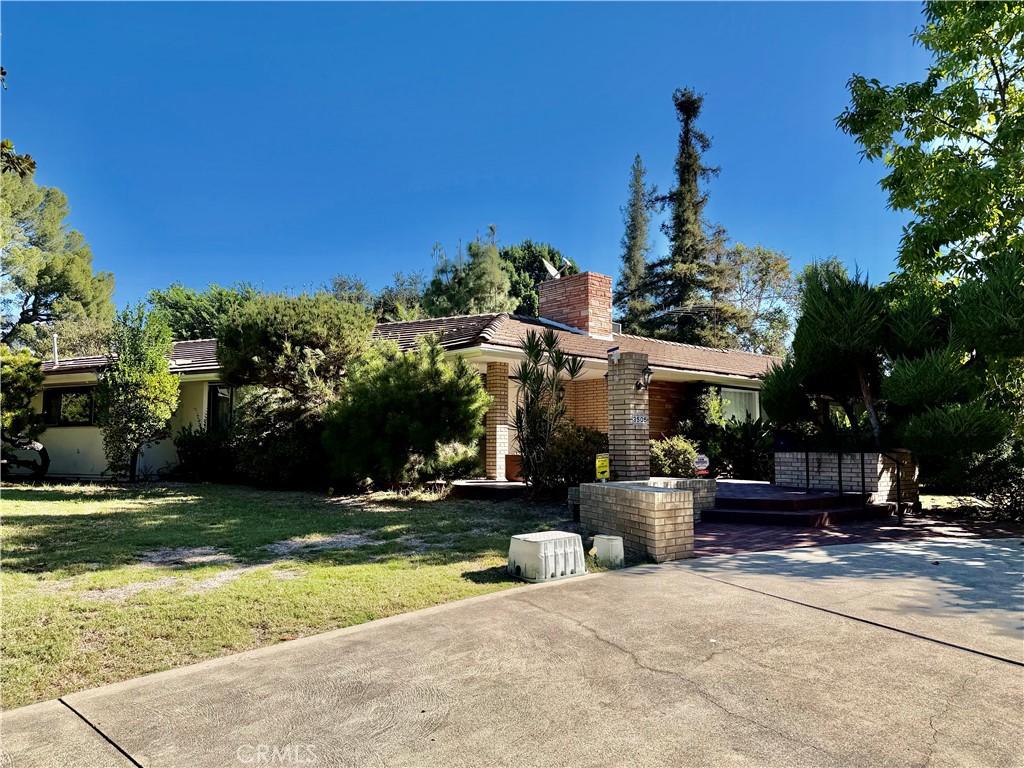
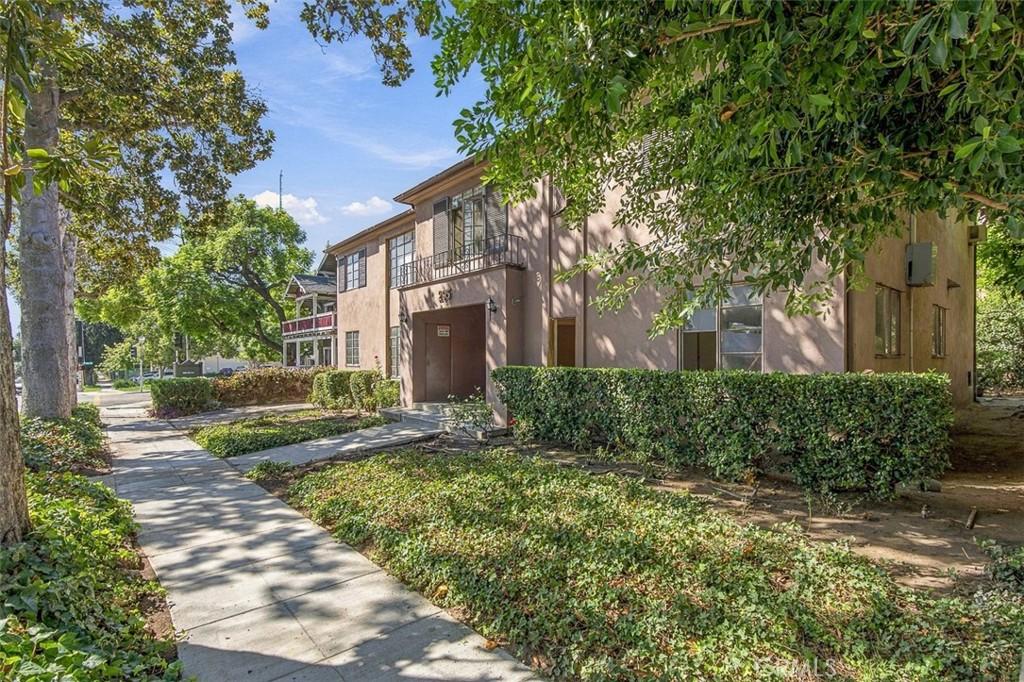
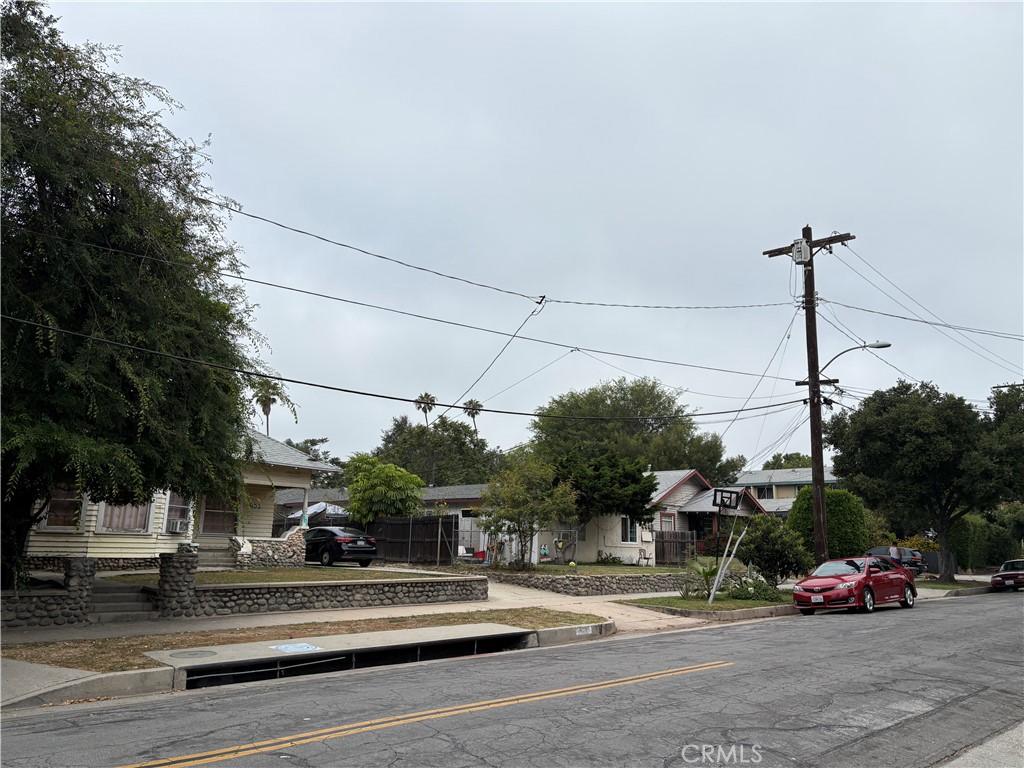
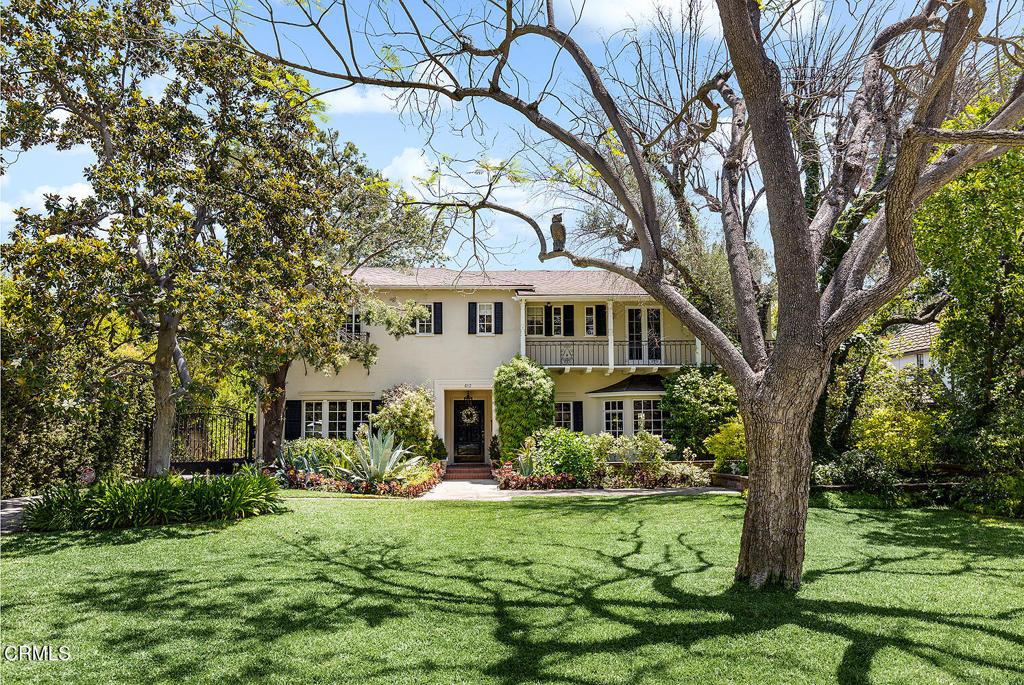
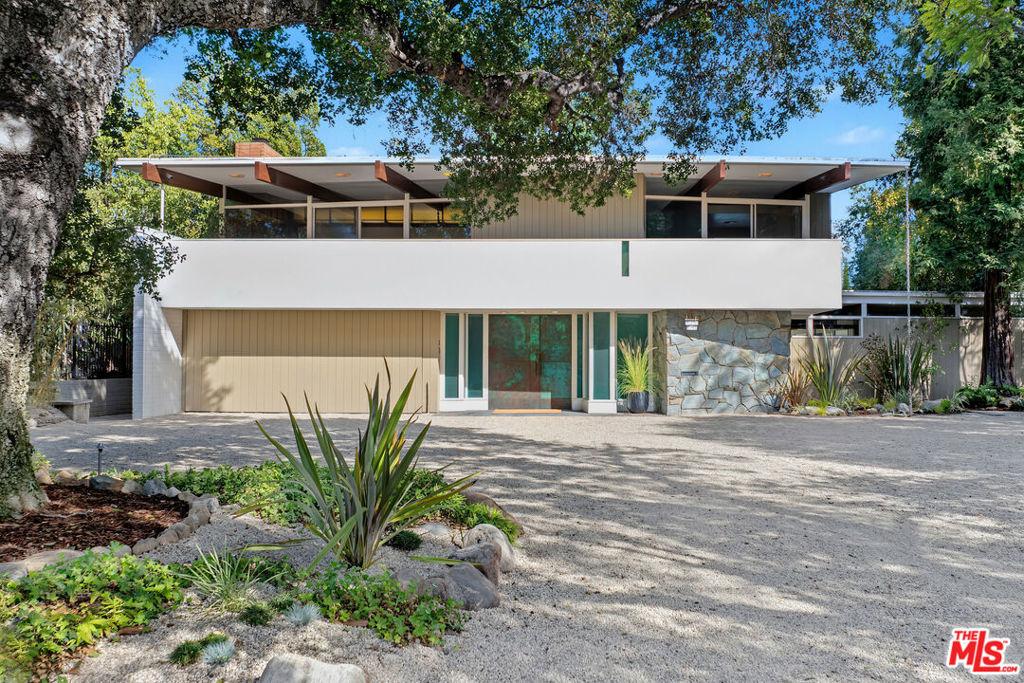
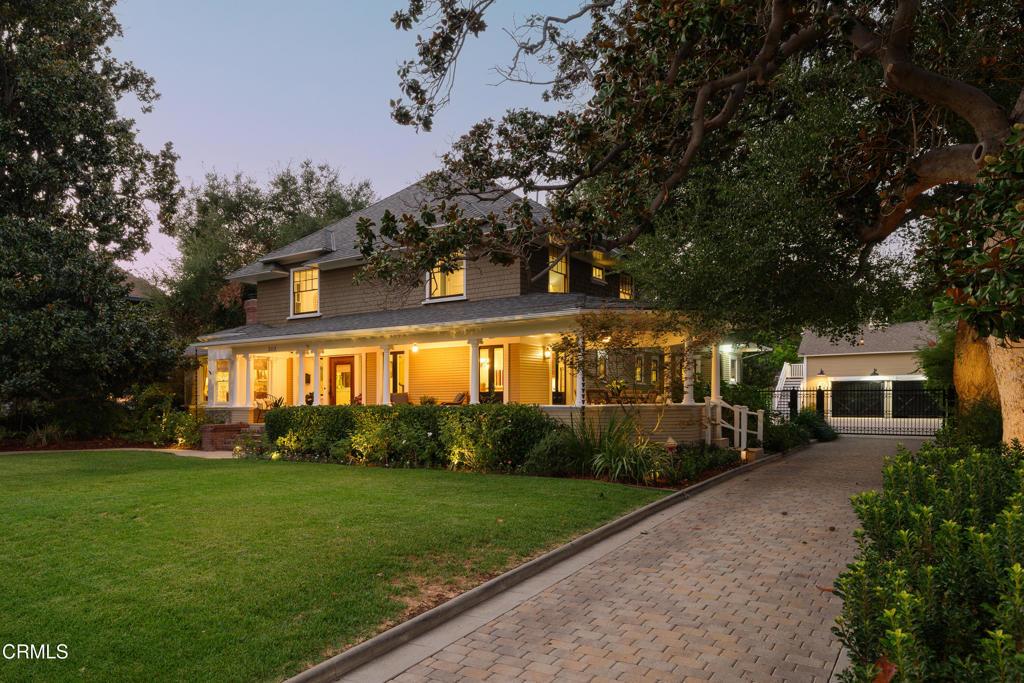
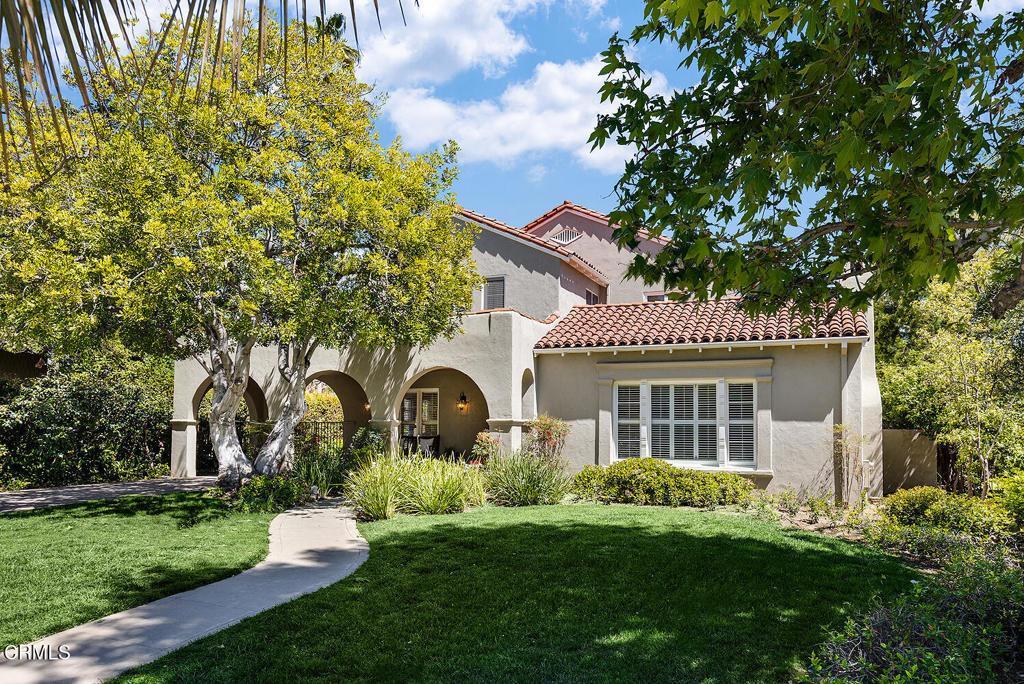
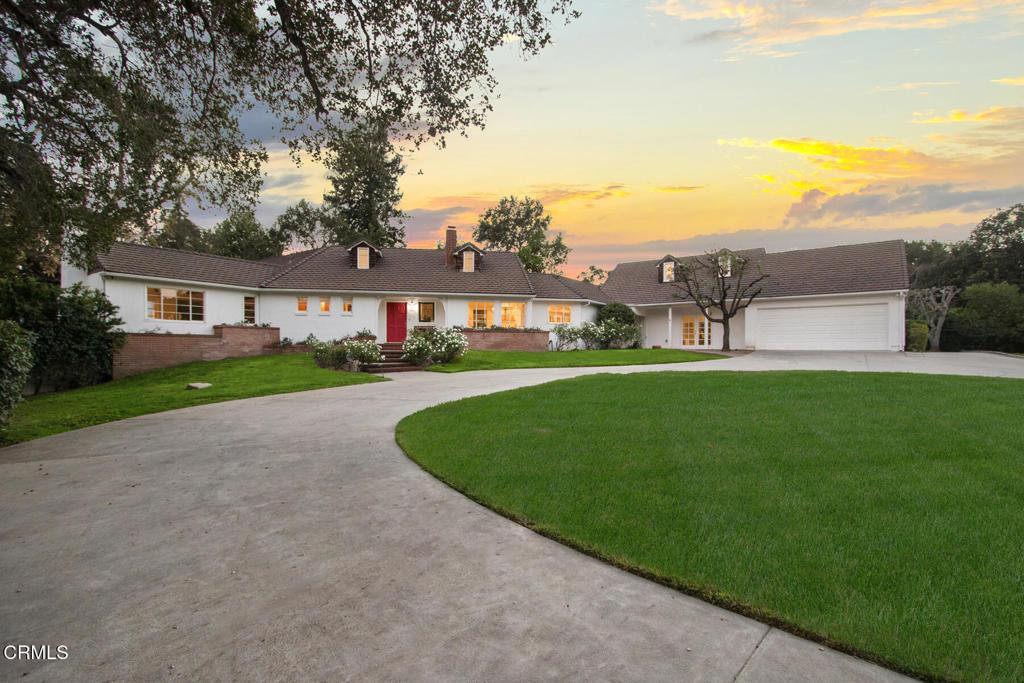
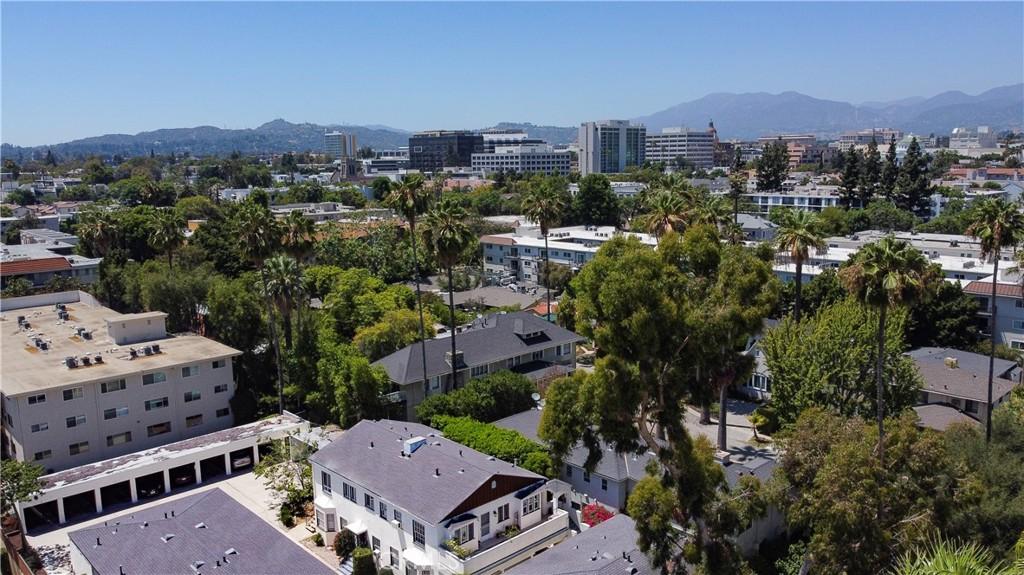
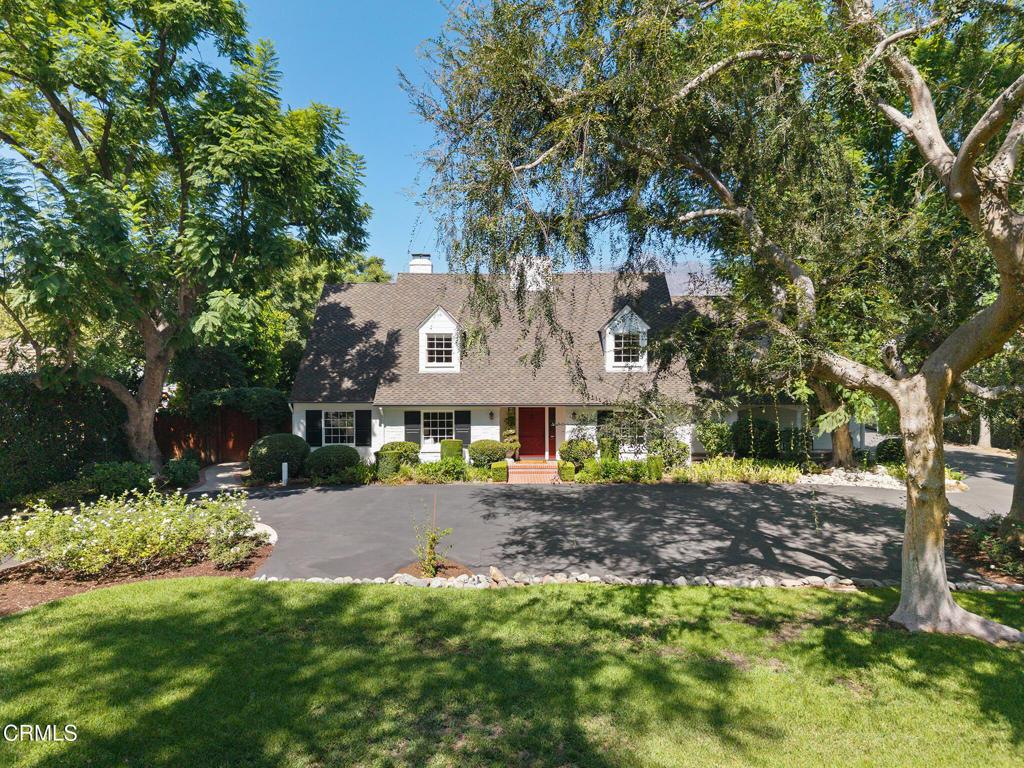
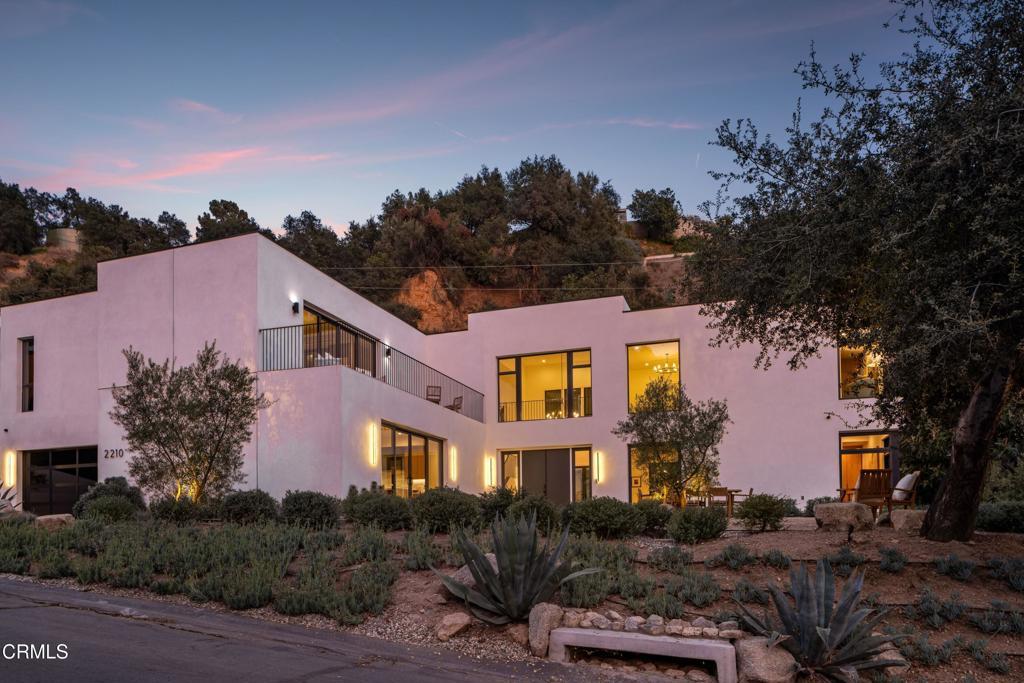
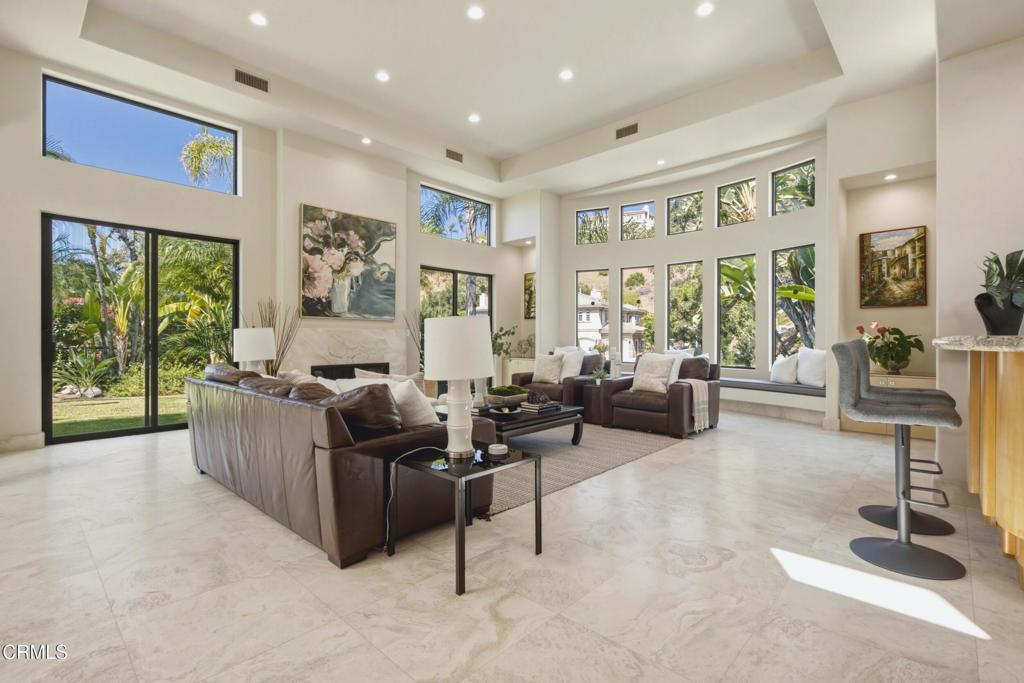
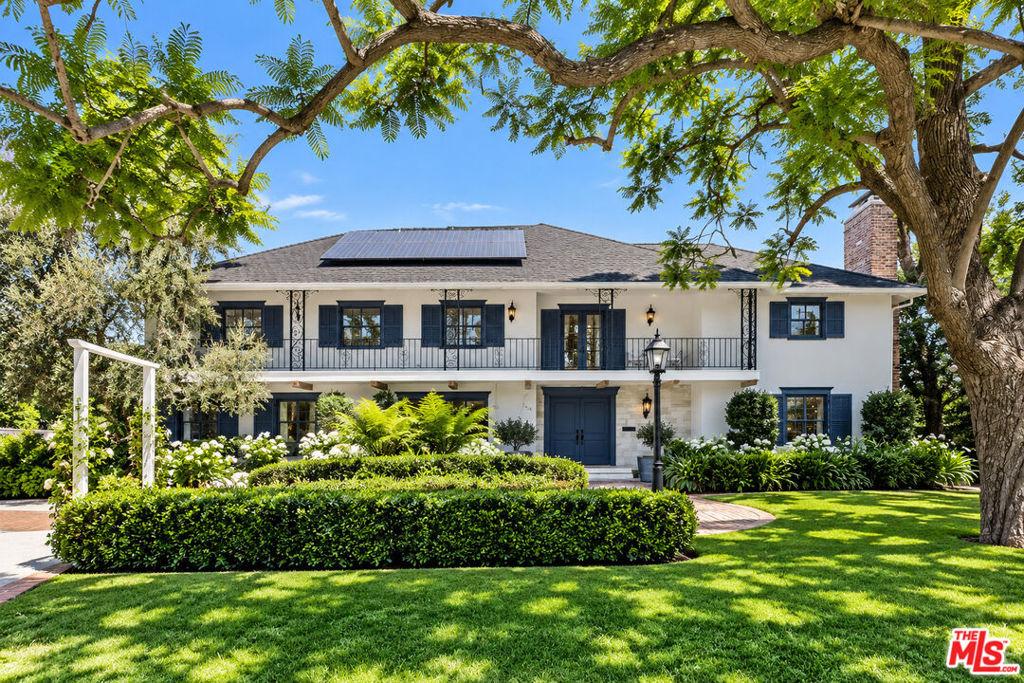
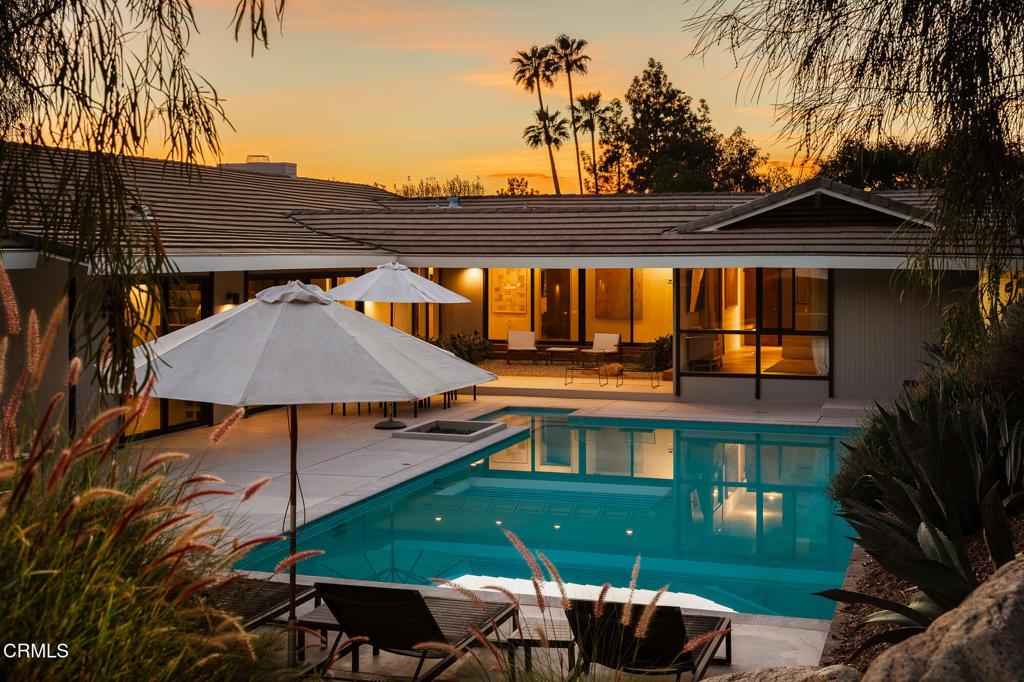
The homes in Monk Hill reflect the hillside development patterns common to the elevated northwest Pasadena residential areas, including a mix of architecturally varied homes from different periods, with the topography shaping lot configurations and site relationships in ways that produce more visual variety than flat-grid residential neighborhoods. Craftsman-era homes, Spanish Revival designs, and mid-century residences appear across the hillside streets, many with retaining walls, terraced gardens, and staircase entries that reflect the terrain constraints and opportunities of hillside development.
The Arroyo Seco’s natural corridor is directly west of Monk Hill’s residential area, with trail access points connecting to the Rose Bowl loop, Hahamongna Watershed Park, and the San Gabriel Mountains trailhead system. The Arroyo trail is a major regional resource for cyclists and trail runners, and the Rose Bowl loop (a 3.1-mile paved loop around the stadium) is one of the most heavily used recreational circuits in greater Los Angeles. Monk Hill residents have some of the most convenient access to the Arroyo trail system of any neighborhood in northwest Pasadena.
The 134 Freeway at Orange Grove Boulevard and the Arroyo Seco Parkway (110) provide regional freeway connectivity from this part of northwest Pasadena. The 110 connection to Downtown Los Angeles is one of the more direct routes in greater Los Angeles for commuters willing to use the historic parkway, which runs alongside the Arroyo Seco south from Pasadena to Downtown.
Pasadena citywide runs a median sale price around $1,250,000, up 3.7% year-over-year, $791 per square foot down 0.5% year-over-year, median list price $1,170,000 at $769 per square foot, 240 homes on market, 83 sold, 48 days on market, 103.9% sale-to-list ratio, 1 average offer, and 39.7% average down payment. Monk Hill homes price in the upper-mid range for northwest Pasadena, above the non-hillside residential areas and below the most exclusive Arroyo-adjacent estate neighborhoods of Annandale and Linda Vista. The combination of elevated views, Arroyo trail proximity, and Old Pasadena access at upper-mid pricing is the neighborhood’s defining value profile.
Schools fall within Pasadena Unified School District. Field Elementary serves the northwest Pasadena area. Hillside lots in Monk Hill may carry additional seismic and slope-stability considerations that buyers should address through appropriate due diligence inspection work before purchase.
Monk Hill is a small residential neighborhood in northwest Pasadena, positioned on and around the elevated terrain of Monk Hill Road above the Arroyo Seco corridor. The neighborhood takes its name from the hill that gives the area its elevated position relative to the lower Arroyo Seco floodplain below, and the residential character of Monk Hill reflects the hillside residential development pattern of northwest Pasadena’s higher-terrain neighborhoods: older homes on narrow winding streets, significant view opportunities from the elevated positions, and the natural vegetation context of the hillside terrain immediately below the residential development edge.
The homes on Monk Hill were developed primarily in the pre-war and early post-war periods, reflecting the northward residential expansion of Pasadena into the northwestern hillside terrain above the Arroyo in the 1920s through 1950s. The architectural styles reflect those eras: Spanish Colonial Revival and Craftsman homes from the 1920s and 1930s on the oldest established streets, with smaller ranch and minimal traditional homes from the post-war period on the newer developed portions of the hill. The elevated terrain creates significant lot-to-lot variation in view exposure and usable yard area, and buyers of Monk Hill properties should evaluate the specific lot condition (grade, view, usable yard) rather than applying a uniform neighborhood-level assumption about these characteristics.
The Arroyo Seco trail system is the primary outdoor recreation resource for Monk Hill residents, accessible from the hill’s lower western edge with direct connection to the lower Arroyo trail corridor. The Rose Bowl loop is approximately 0.7-1 mile south along the Arroyo trail from the Monk Hill access point, making it one of the shorter walks to the Rose Bowl loop available from any Pasadena residential area. The combination of immediate Arroyo Seco trail access from the neighborhood’s lower edge and the elevated residential position above the trail creates a living-above-the-trail experience that is among the most distinctive outdoor recreation adjacencies in the Pasadena residential market.
The hillside terrain of Monk Hill creates fire risk considerations that are relevant to all buyers. The California Department of Forestry and Fire Protection Very High Fire Hazard Severity Zone designation covers much of the northwestern Pasadena hillside terrain, including portions of the Monk Hill area. Buyers should verify the specific FHSZ designation for their target parcel and confirm admitted market homeowners insurance availability before closing. The post-January 2025 California insurance market has made confirmed insurance availability a due-diligence standard for all northwestern Pasadena hillside purchases, regardless of whether specific properties were in the path of any fire event.
The access roads to Monk Hill are narrow and wind with grade, typical of the early twentieth-century hillside residential development pattern in northwest Pasadena. The narrow streets create a traffic-calming effect that keeps through traffic minimal, but they also limit emergency vehicle access in ways that buyers should discuss with their fire insurance broker when evaluating coverage options. Deliveries and moving trucks may require coordination with neighbors on the narrowest road sections to allow two-way passage at vehicle handoff points. These access conditions are typical of northwest Pasadena hillside neighborhoods and are accepted as features of the hillside residential experience by buyers who specifically value the terrain and view for their residential setting.
Schools serving Monk Hill are within Pasadena Unified School District, with the northwest area school assignment process determining elementary school placement. The PUSD magnet program structure is accessible to Monk Hill residents through the standard district application process. The Private school options near the northwest Pasadena area include the Westridge School for Girls on Lida Street, which is in the immediate northwest Pasadena vicinity of the Monk Hill area, making it one of the closer private school options relative to the broader Pasadena residential market.
Old Pasadena’s commercial district is approximately 1.5-2 miles east of Monk Hill via Orange Grove Boulevard and Colorado Boulevard, accessible by car in 10-15 minutes. The Fair Oaks Avenue commercial corridor with the Trader Joe’s grocery option is accessible in a similar timeframe. The commercial access profile for Monk Hill is more car-dependent than the central and east Pasadena flatland neighborhoods, reflecting the hillside position’s distance from the commercial corridors that define the flatland neighborhoods’ daily convenience. For residents who place a high value on commercial walkability, the Monk Hill trade-off between hillside setting and car-dependent commercial access is a significant lifestyle consideration.
The buyer profile for Monk Hill is among the most focused of any Pasadena residential neighborhood: buyers who are specifically seeking a hillside residential setting with direct Arroyo Seco trail access and views toward the Rose Bowl and the lower Arroyo. This buyer profile accepts the fire risk complexity, the narrow road access, the car-dependent commercial situation, and the insurance market complications in exchange for a living environment that is genuinely distinctive within the greater Los Angeles residential market. Comparable hillside properties with Arroyo trail access in the Hollywood Hills, Pacific Palisades, or Bel Air carry prices that are 50-100% or more above the Monk Hill market, making the northwest Pasadena hillside one of the more affordable expressions of the hillside-with-trail-access residential type in the Los Angeles metropolitan area.
The market pricing for Monk Hill reflects the hillside premium and the view premium that the elevated terrain provides, offset by the fire risk complexity and the insurance market conditions that affect all northwest Pasadena hillside properties. Per-square-foot pricing in Monk Hill typically exceeds the central Pasadena flatland average for properties with confirmed view components and favorable usable lot areas, while properties on the hill with limited views or constrained lots may price at or below the central flatland market. The wide within-neighborhood pricing range driven by view and lot variation makes property-level evaluation more important in Monk Hill than in the more uniform flatland neighborhoods.
The history of Monk Hill as a residential area begins in the early twentieth century, when the northwestern expansion of Pasadena’s residential development reached the elevated terrain above the Arroyo Seco corridor. The naming of the hill reflects the residential and topographic character of the elevated promontory above the western portion of the city, and the neighborhood’s development during the 1920s-1950s produced the mix of period residential styles that gives Monk Hill its current architectural character. The relatively small scale of the Monk Hill residential area (a limited number of streets on the elevated terrain) creates a community of neighbors who know each other in the way that large-lot flatland developments make less likely, and this neighborly quality is frequently cited by Monk Hill residents as a primary reason for their neighborhood loyalty.
The wildlife environment of the Monk Hill area reflects the neighborhood’s position at the edge of the urban-wildland interface. The Arroyo Seco corridor below the hill hosts significant wildlife: red-tailed hawks and Cooper’s hawks nest in the Arroyo’s riparian zone, coyotes move through the neighborhood from the Arroyo at night, deer are occasional visitors from the foothill areas to the north, and the native plant communities of the Arroyo slope support birdlife that is unusual for a residential area. Residents who are attracted to the wildlife adjacency should implement standard wildlife-compatibility practices: securing trash cans, not leaving pet food outdoors at night, and keeping small pets supervised during dusk and dawn hours when coyote activity is highest. The wildlife presence is considered an amenity by most Monk Hill residents rather than a nuisance, reflecting the neighborhood’s self-selected buyer profile of people who specifically want proximity to the natural Arroyo environment.
Monk Hill’s position above the Rose Bowl creates an unusual relationship with the major events that the Rose Bowl hosts annually. The Rose Bowl’s events calendar (the Rose Bowl Game, concerts, swap meets, and other large-scale events) creates periodic traffic surges on the roads into and out of the Arroyo Seco area that affect Monk Hill residents’ access to and from the neighborhood. The traffic management protocols for large Rose Bowl events typically involve road closures and traffic control measures on the Orange Grove Boulevard and California Boulevard corridors, which may affect the typical Monk Hill ingress and egress routes. Long-term Monk Hill residents schedule around the Rose Bowl event calendar as a routine household planning practice, avoiding personal travel during peak Rose Bowl event ingress and egress windows.
The vegetation management responsibilities for Monk Hill homeowners reflect the fire risk environment of the hillside terrain. Properties in Very High FHSZ areas are required under California law and Pasadena fire code to maintain defensible space clearance around their homes: 100 feet of Zone 1 (no combustible vegetation within 30 feet of the structure) and Zone 2 (reduced fuels from 30-100 feet). On the steep slopes and narrow lots of Monk Hill, achieving full defensible space clearance can be technically challenging given slope conditions and property boundary constraints. Homeowners should work with a licensed vegetation management contractor who is familiar with the FHSZ requirements and the specific terrain conditions of the northwest Pasadena hillside to develop an annual vegetation management program that satisfies fire code requirements while preserving the mature plantings and tree canopy that contribute to the neighborhood’s residential character.
The property maintenance commitment for Monk Hill homeowners is higher than for flatland Pasadena properties, reflecting the hillside terrain’s effect on drainage, erosion, and slope stability. Retaining walls and slope stabilization systems on Monk Hill properties require periodic inspection and maintenance to prevent the soil movement that can affect building foundations and the integrity of the hillside infrastructure. The access road conditions, the slope drainage systems, and the defensible space vegetation management requirements all represent maintenance commitments that buyers should budget for when evaluating the total cost of hillside homeownership relative to flatland alternatives. Hillside homeowners who are diligent about annual maintenance of these systems generally experience stable and enjoyable residential environments, while those who defer maintenance can face compounding repair costs that significantly exceed the original maintenance investment.
The Monk Hill community’s relationship with the lower Arroyo Seco recreational environment has deepened over the years as Pasadena has invested in the trail infrastructure, the Hahamongna Watershed restoration, and the broader Arroyo Seco regional park planning. Residents who moved to Monk Hill specifically for the Arroyo access have seen the recreational quality of the corridor improve significantly since the 1990s, with trail surface improvements, invasive species removal from the riparian zone, and the expanded Rose Bowl loop parking and access infrastructure all contributing to a more accessible and more ecologically rich outdoor environment. The trajectory of the Arroyo Seco public investment is toward continued improvement, which is a long-term positive for residential values in the Arroyo-adjacent neighborhoods including Monk Hill.
What is it like to live in Monk Hill Pasadena?
- Monk Hill Pasadena sits on and around the elevated terrain of Monk Hill Road above the Arroyo Seco corridor in northwest Pasadena.
- Hillside development patterns common to elevated northwest Pasadena residential areas shape the character of homes throughout Monk Hill Pasadena.
- Topography shapes lot configurations and site relationships here in ways that produce more visual variety than flat-grid residential neighborhoods offer.
- Craftsman-era homes, Spanish Revival designs, and mid-century residences appear across the hillside streets of Monk Hill Pasadena.
- Retaining walls, terraced gardens, and staircase entries reflect the terrain constraints and opportunities that hillside development creates on these streets.
- Narrow winding streets carry older homes, a defining trait of northwest Pasadena’s higher-terrain residential neighborhoods.
- Elevated positions across the hill provide significant view opportunities for homes built along the higher-terrain streets.
- Natural vegetation forms the hillside context immediately below the residential development edge of the neighborhood.
- The name comes from the hill that gives the area its elevated position relative to the lower Arroyo Seco floodplain below.
- The Arroyo Seco’s natural corridor lies directly west of the residential area, framing the western edge of the hillside.
- Trail access points connect to the Rose Bowl loop, Hahamongna Watershed Park, and the San Gabriel Mountains trailhead system.
- The Arroyo trail serves as a major regional resource for cyclists and trail runners across greater Los Angeles.
- The Rose Bowl loop, a paved circuit around the stadium, ranks among the most heavily used recreational circuits in greater Los Angeles.
- Residents of Monk Hill Pasadena have some of the most convenient access to the Arroyo trail system of any northwest Pasadena neighborhood.
- The Arroyo Seco trail system stands as the primary outdoor recreation resource, reachable from the hill’s lower western edge.
- Direct connection to the lower Arroyo trail corridor is available from the western edge of the residential area.
- Elevated views, Arroyo trail proximity, and Old Pasadena access at upper-mid pricing form the defining value profile here.
- Pasadena Unified School District covers the schools serving this part of northwest Pasadena, with Field Elementary serving the northwest Pasadena area.