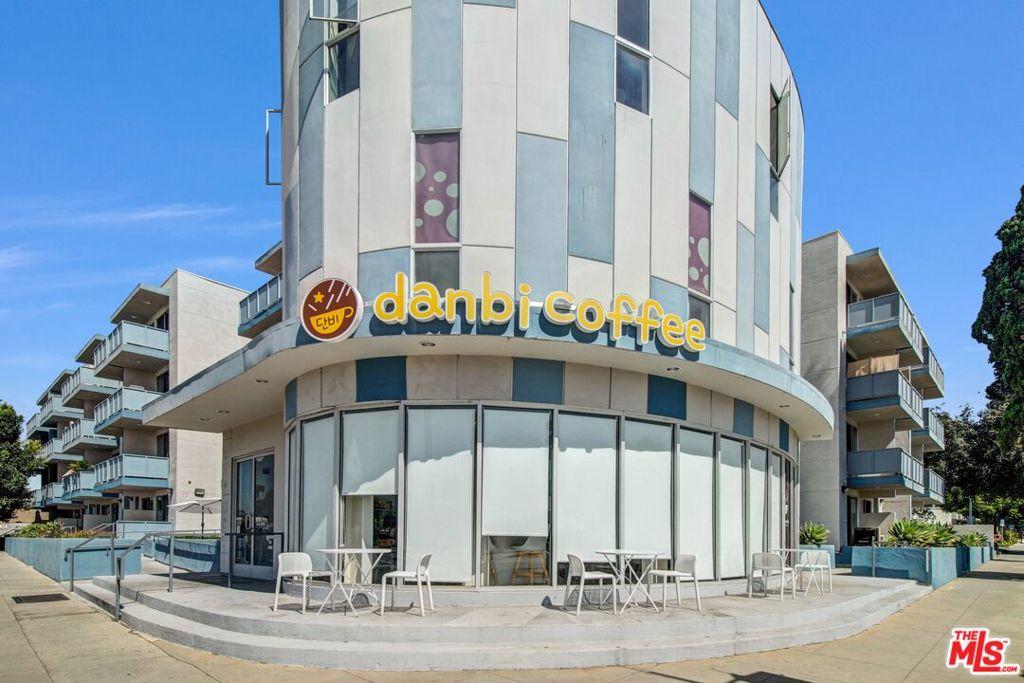
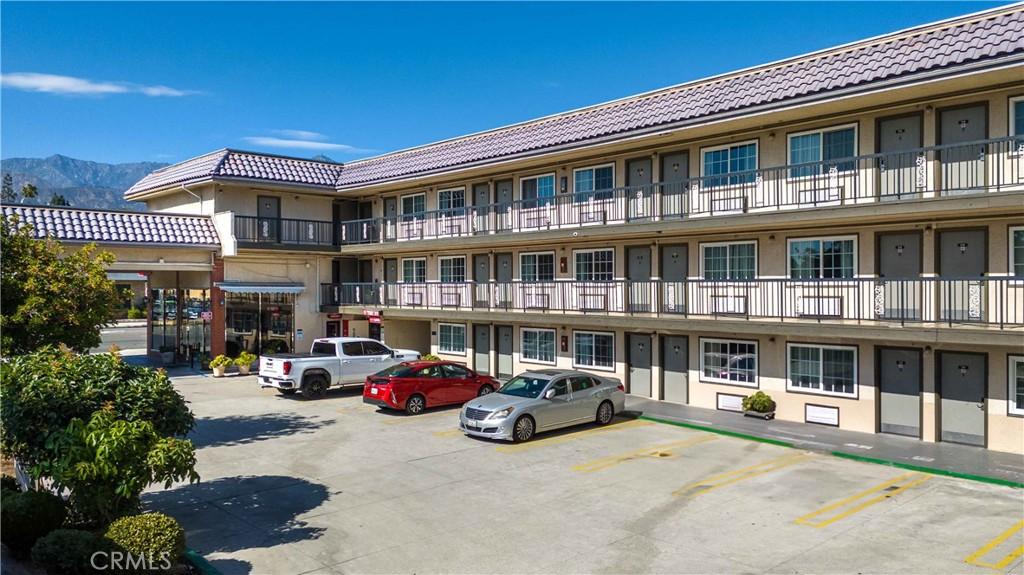
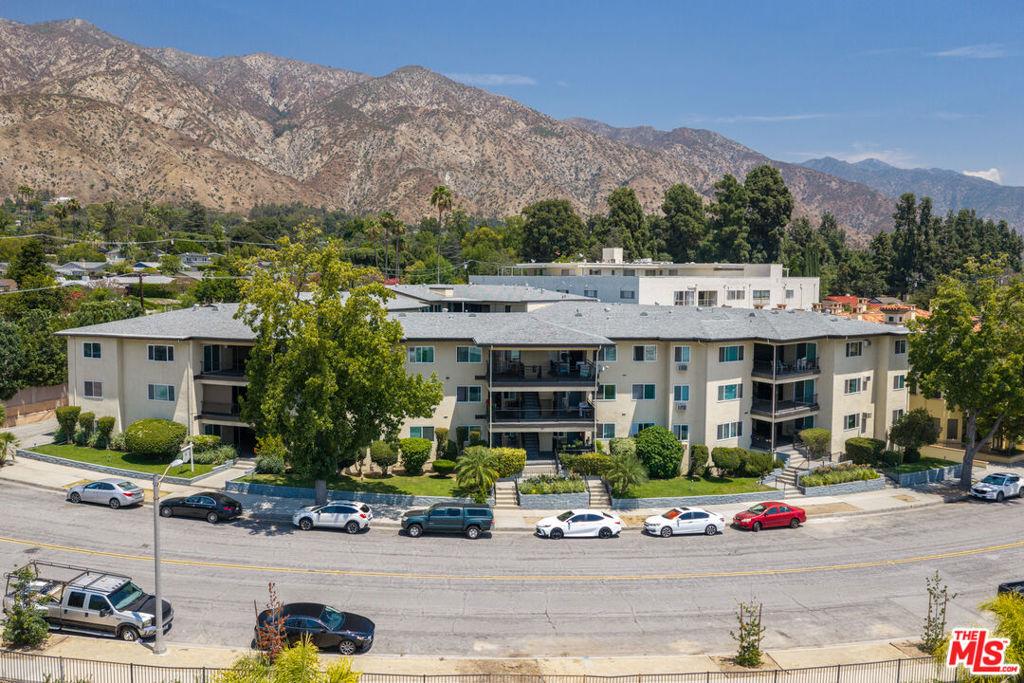
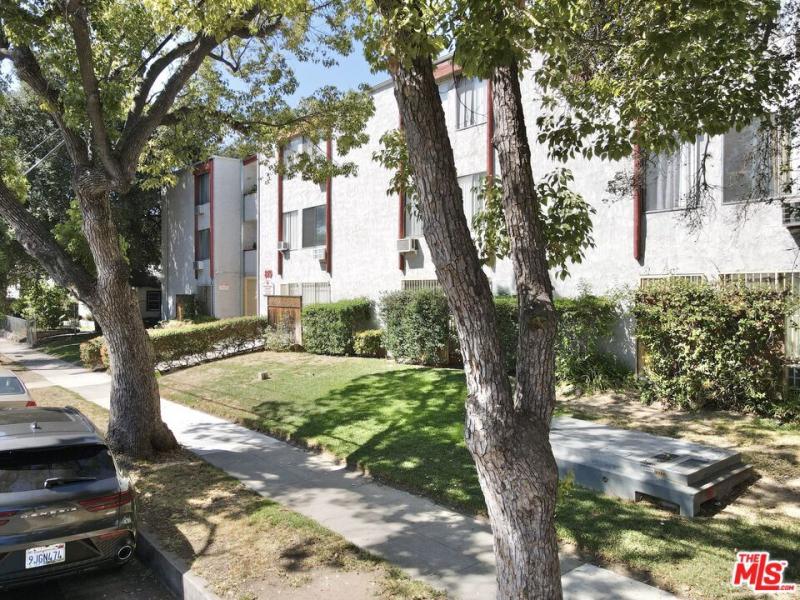
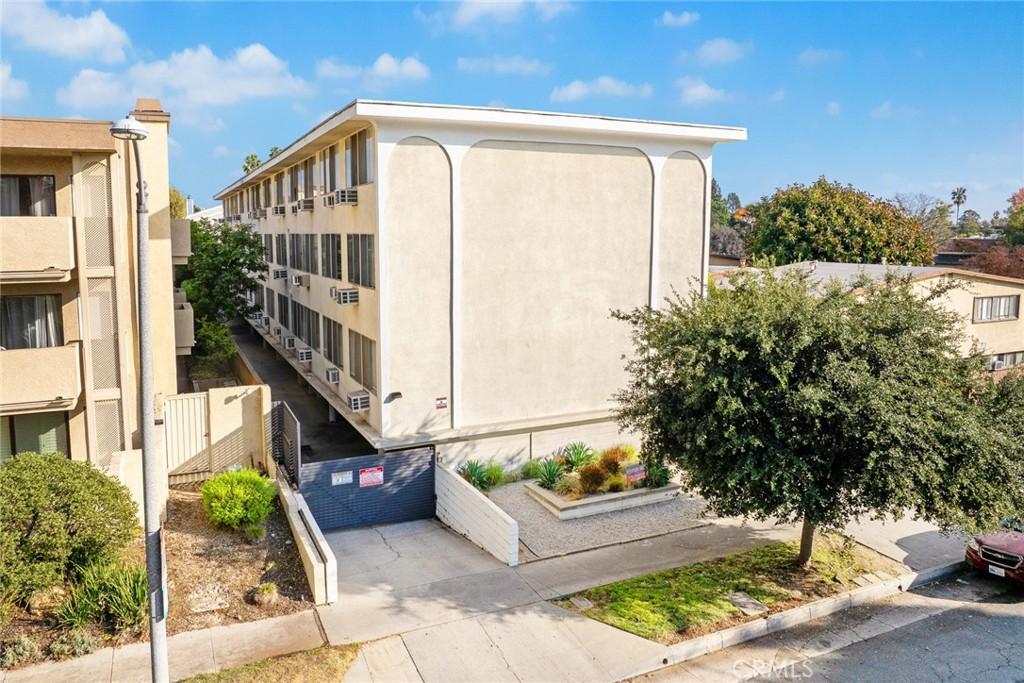
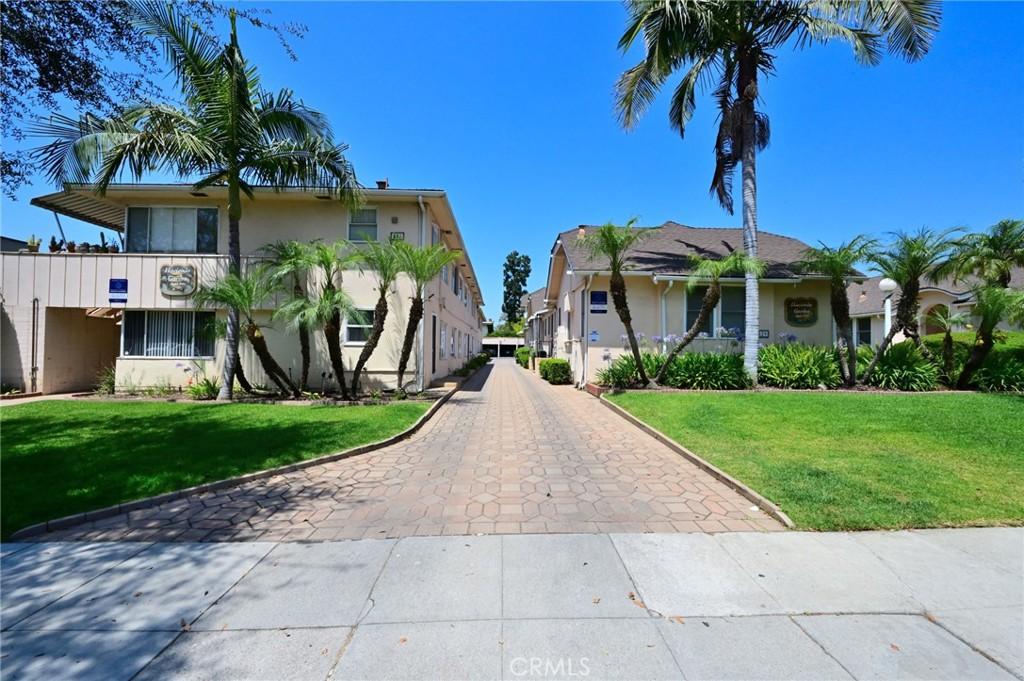
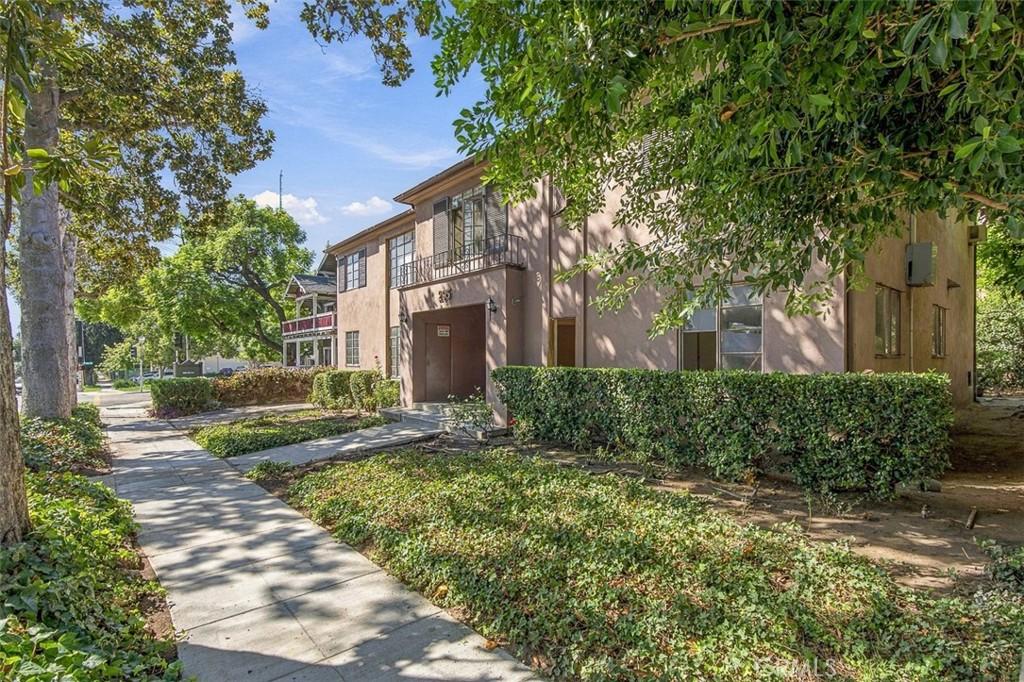
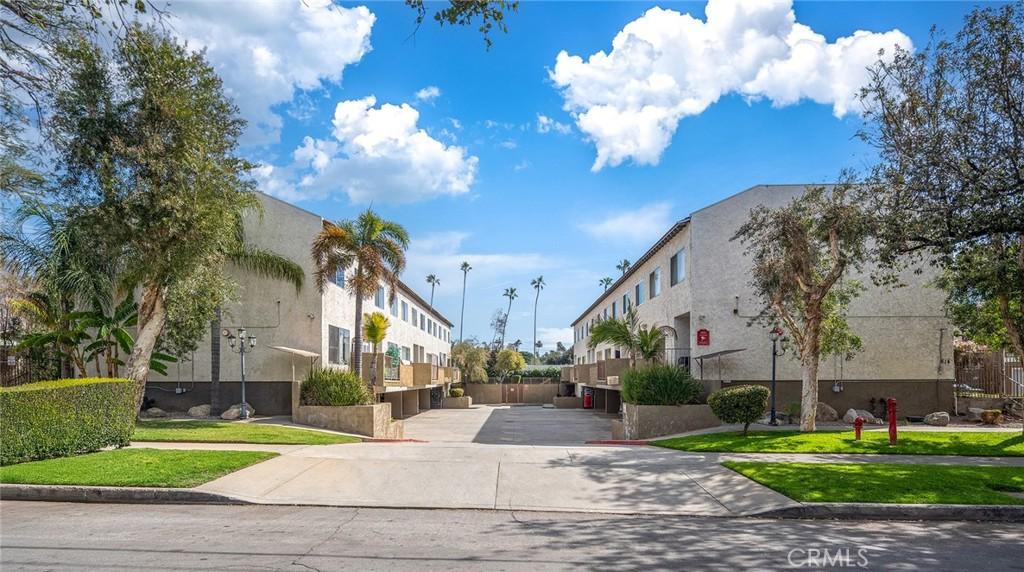
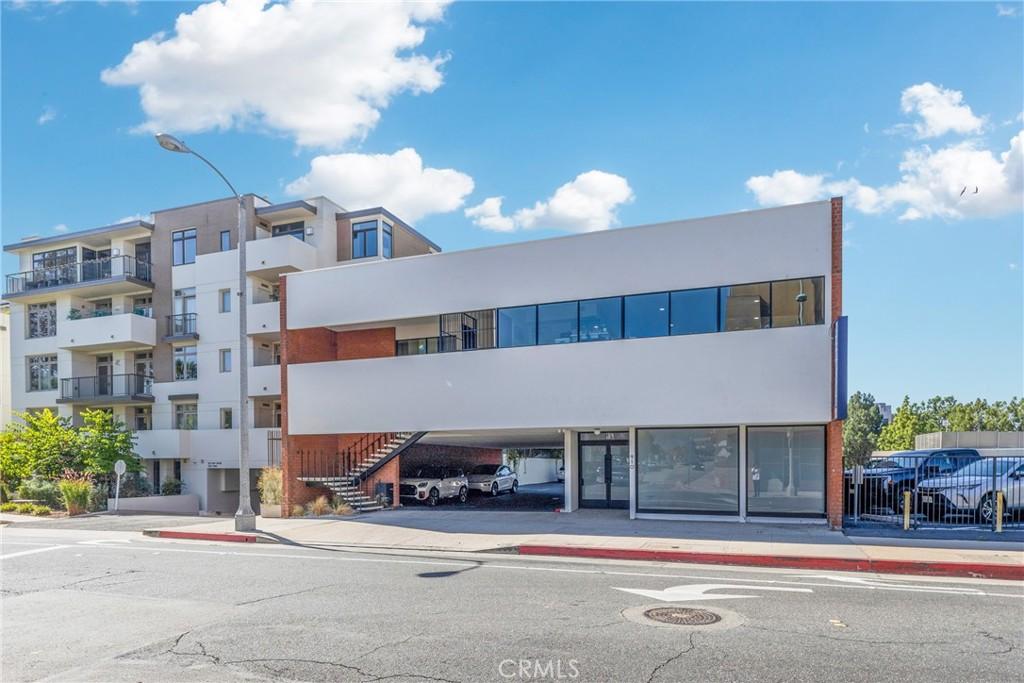
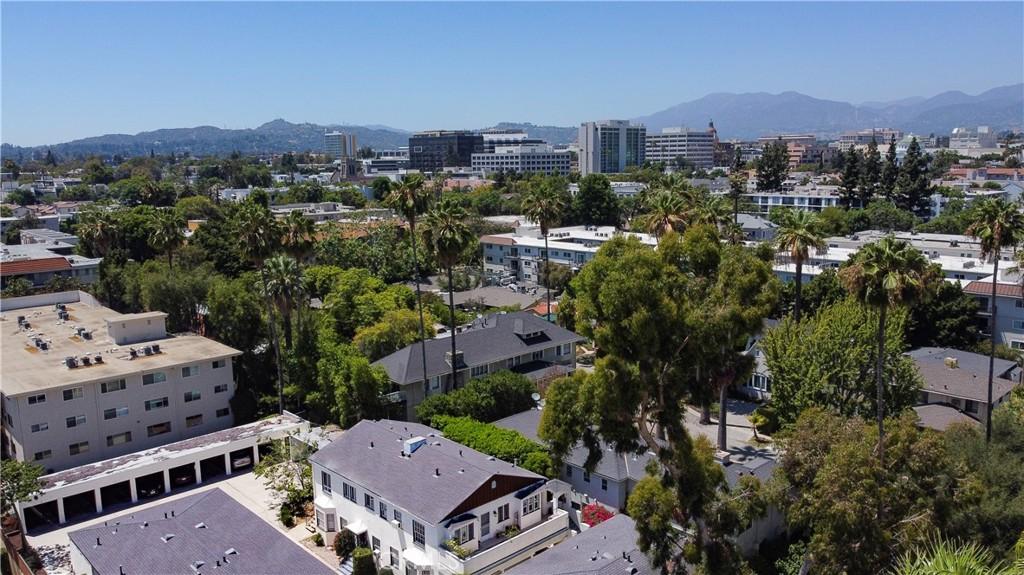
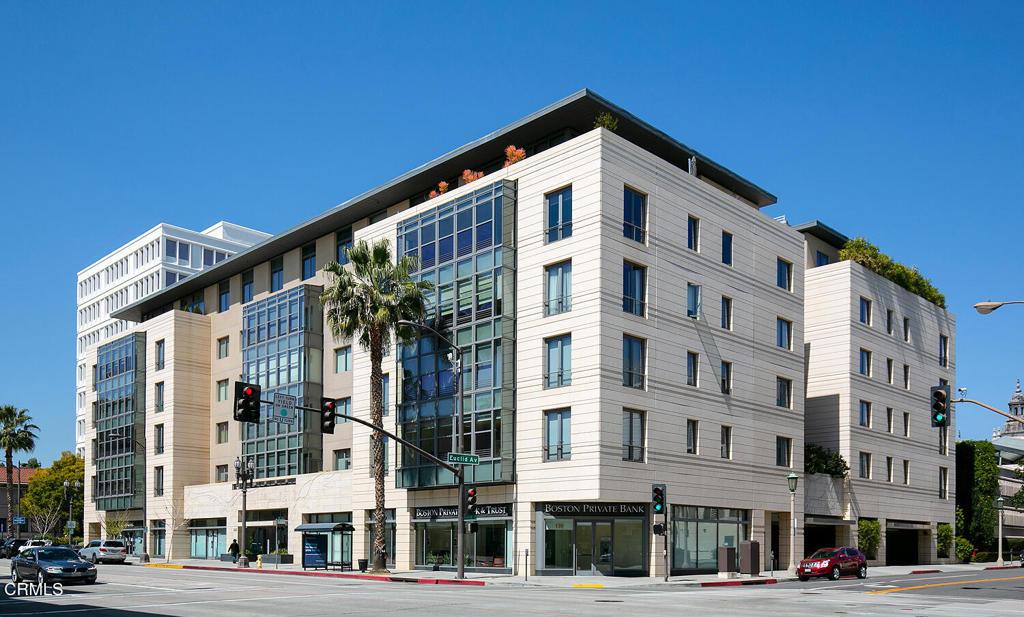
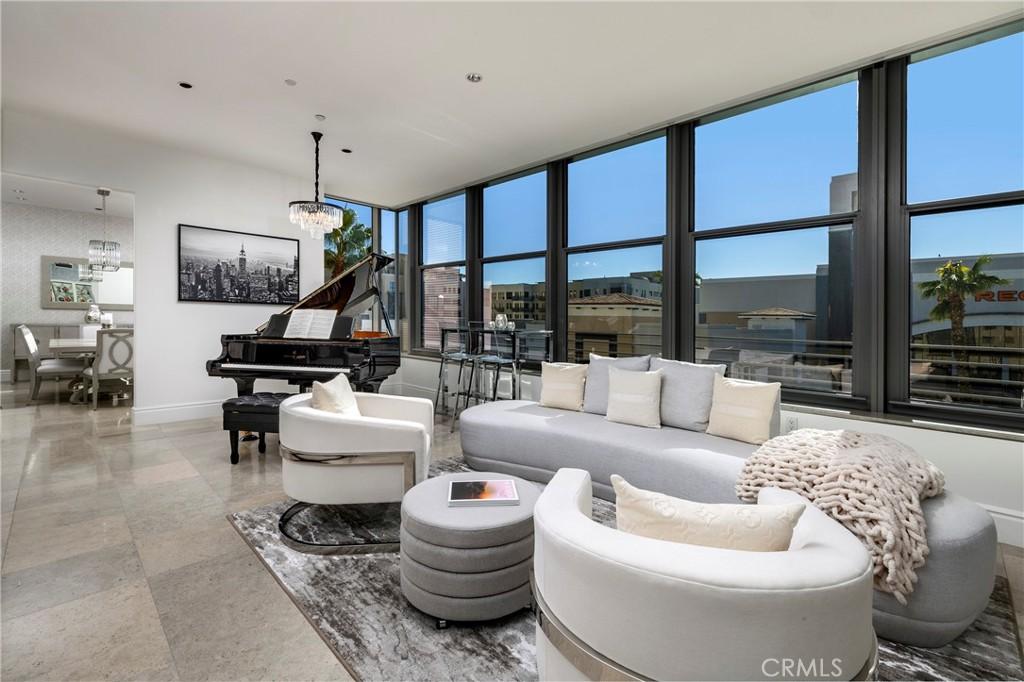
Residential options in Civic Center are primarily multi-family and mixed-use, with condo buildings and apartment structures occupying much of the available inventory. The proximity to City Hall and the public plaza infrastructure means the neighborhood has a more institutional quality than purely residential areas elsewhere in Pasadena, but the residential component has grown steadily as infill development has brought more housing to the blocks surrounding the civic complex.
The Memorial Park Gold Line station is within walking distance of most Civic Center residential addresses, providing direct rail access to Union Station and Downtown Los Angeles in approximately 35 minutes without freeway driving. For buyers who commute to Downtown or use transit for regular trips, the station’s proximity is a primary draw. Bus connections along Lake Avenue, Fair Oaks Avenue, and Colorado Boulevard provide additional coverage for destinations not served directly by the Gold Line.
Old Pasadena’s 300-plus restaurants and shops are a short walk to the west along Colorado Boulevard, giving Civic Center residents walkable access to the city’s most active commercial district. The Pasadena Convention Center and Ambassador Auditorium also sit near the neighborhood, which means occasional large events generate temporary pedestrian and traffic activity in the area. The Pasadena Central Library is within a short walk to the northeast, along with several smaller cultural venues.
Pasadena citywide runs a median sale price around $1,250,000, up 3.7% year-over-year, $791 per square foot down 0.5% year-over-year, median list price $1,170,000 at $769 per square foot, 240 homes on market, 83 sold, 48 days on market, 103.9% sale-to-list ratio, 1 average offer, and 39.7% average down payment. Civic Center residential units tend to price in the condominium and attached-home range, generally below the single-family median given the product type. The transit proximity and walkability represent the core value drivers in the area relative to residential neighborhoods further from the Gold Line stations.
Schools serving Civic Center fall within Pasadena Unified School District. Cleveland Elementary is among the nearby K-5 options. For buyers without school-age children, or those who plan to use private schools accessible by car, the transit access and walkability of the Civic Center location represent the primary lifestyle considerations. The 210 Freeway is accessible from multiple directions, though most buyers in this part of Pasadena emphasize transit and walkability over freeway proximity.
The Civic Center neighborhood in Pasadena occupies the area surrounding the city’s municipal government complex, including City Hall, the Pasadena Convention Center, the Pasadena Public Library’s main branch, and the Pasadena Civic Auditorium on Green Street. The neighborhood takes its identity from this concentration of civic institutions at its core, which distinguishes it from the purely residential neighborhoods of Pasadena and gives the area a mixed-use character that includes government offices, meeting facilities, and the residential uses that surround the civic complex on the adjacent streets. The civic character of the area creates an environment unlike any other Pasadena residential neighborhood in terms of the institutional context that forms its immediate surroundings.
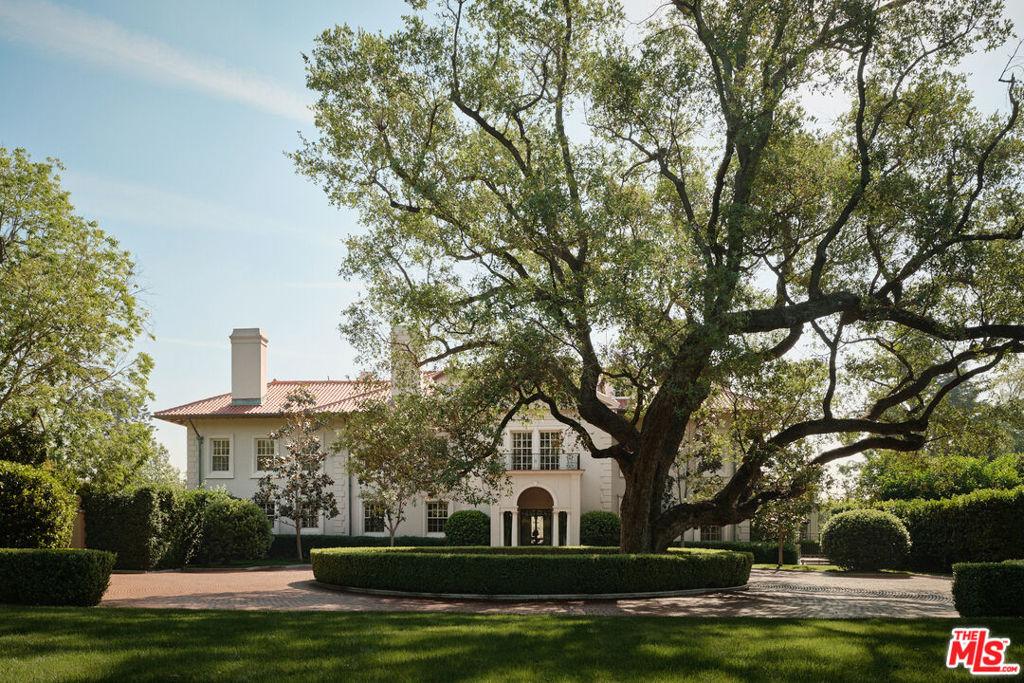
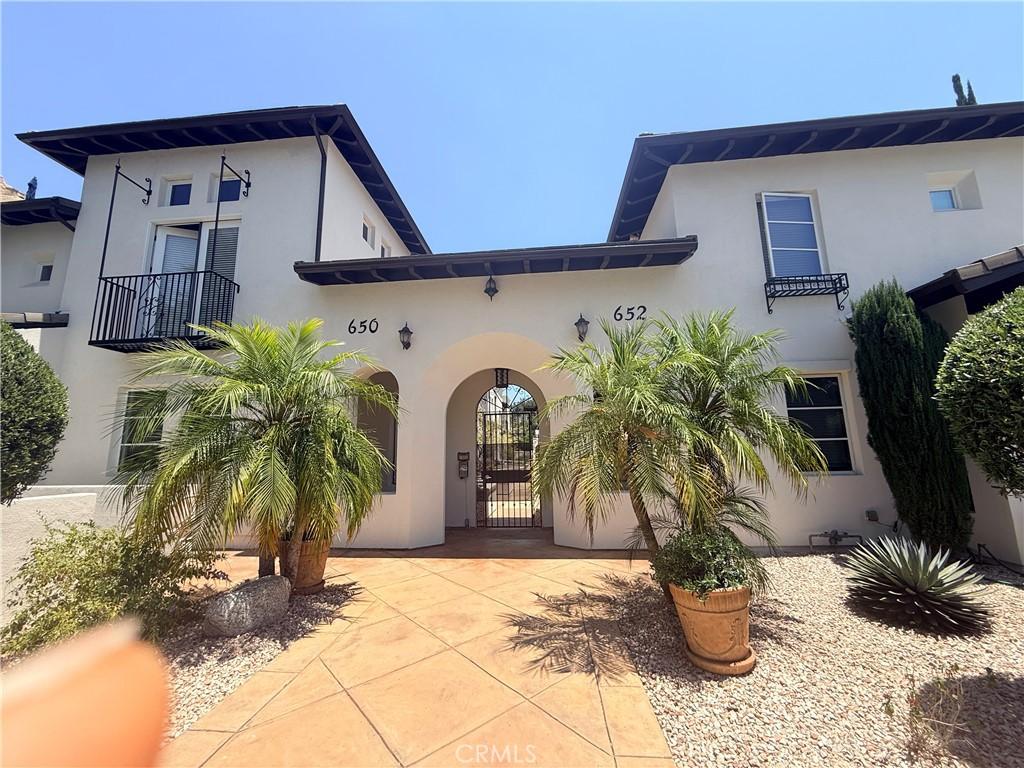
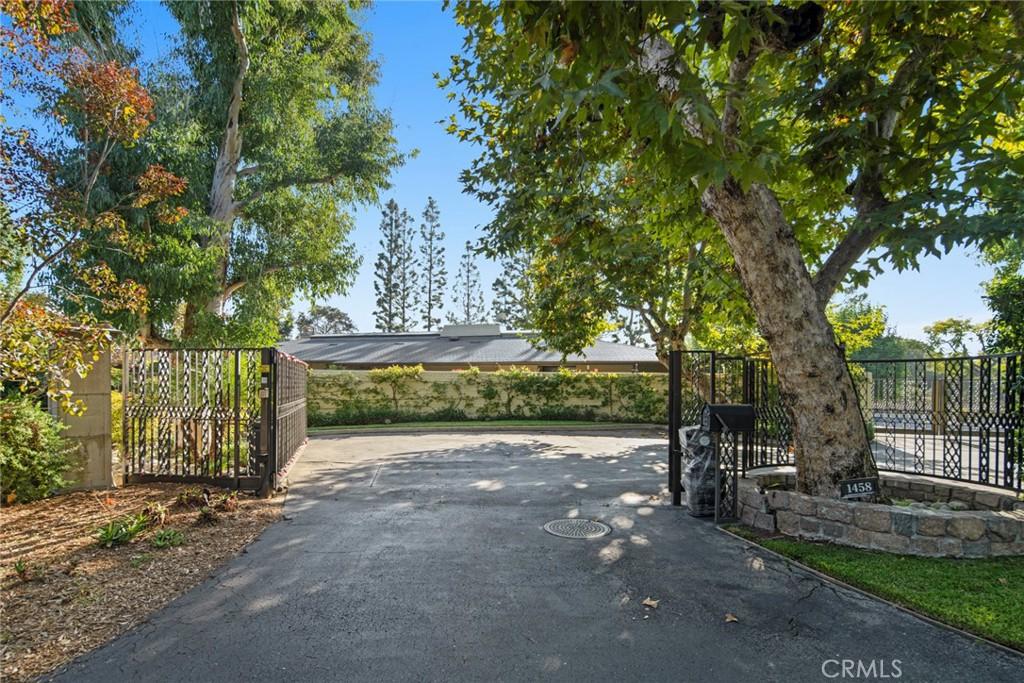
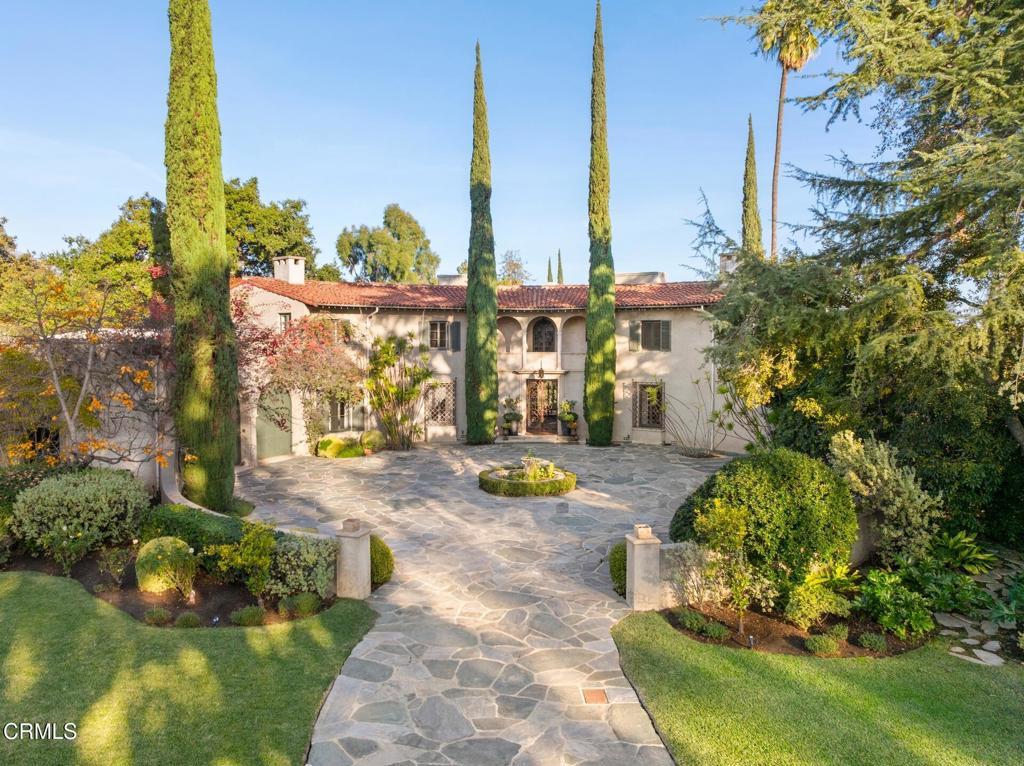
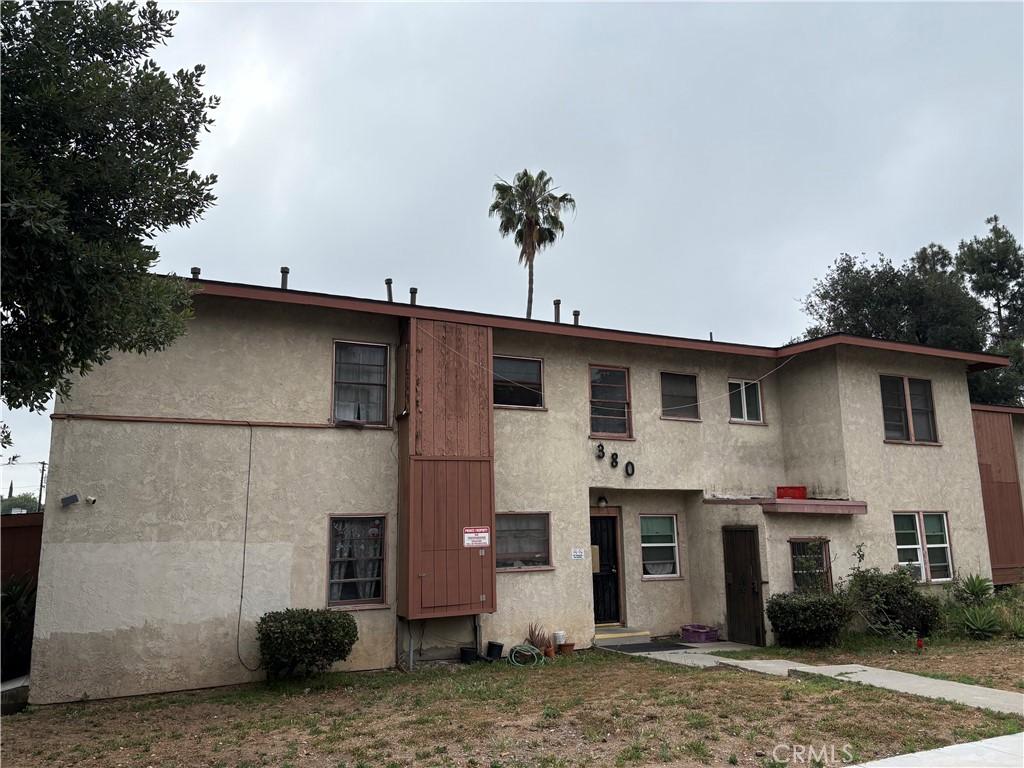
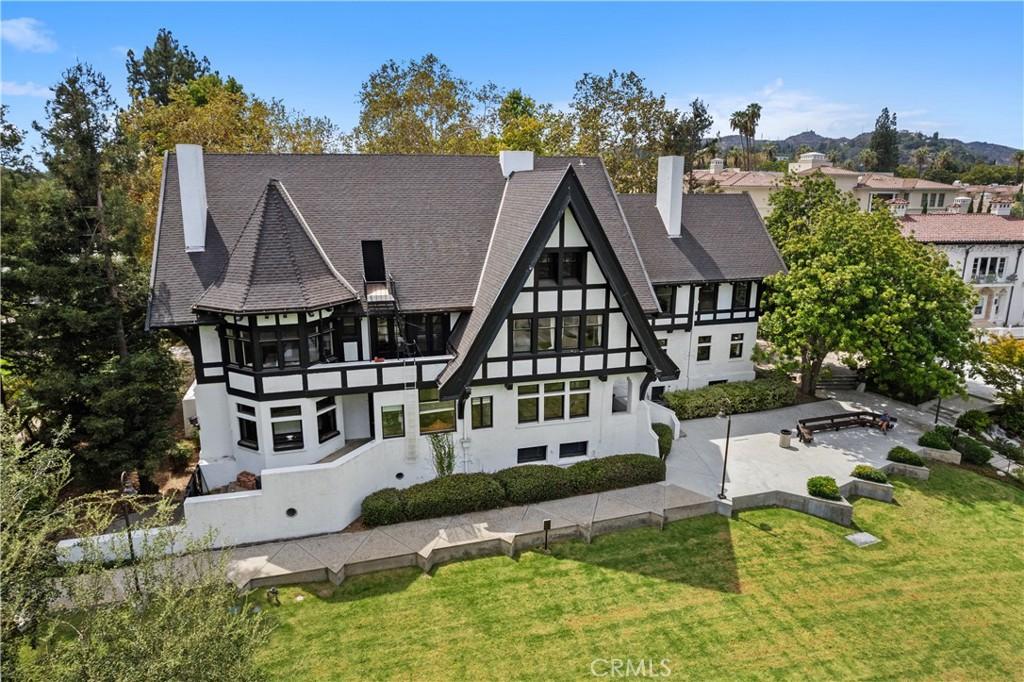
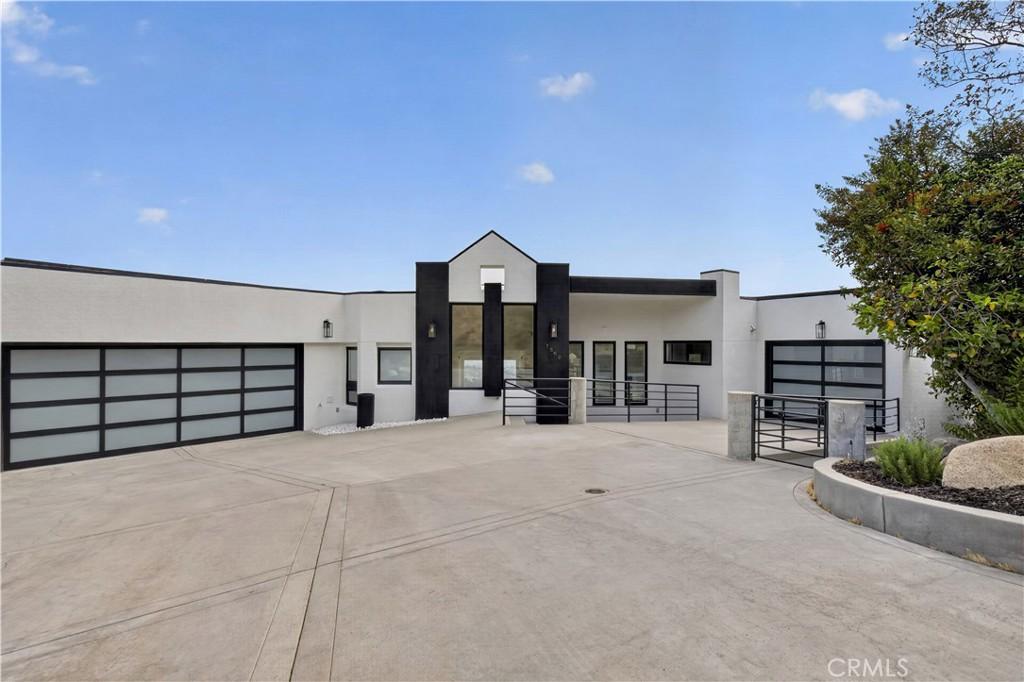
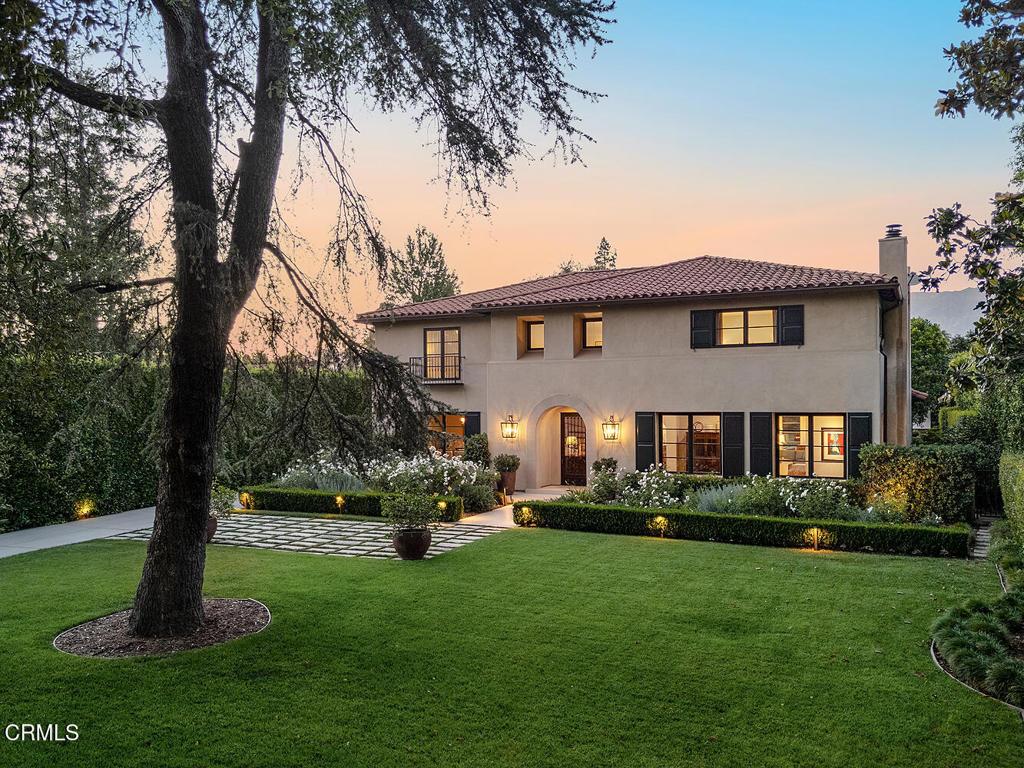
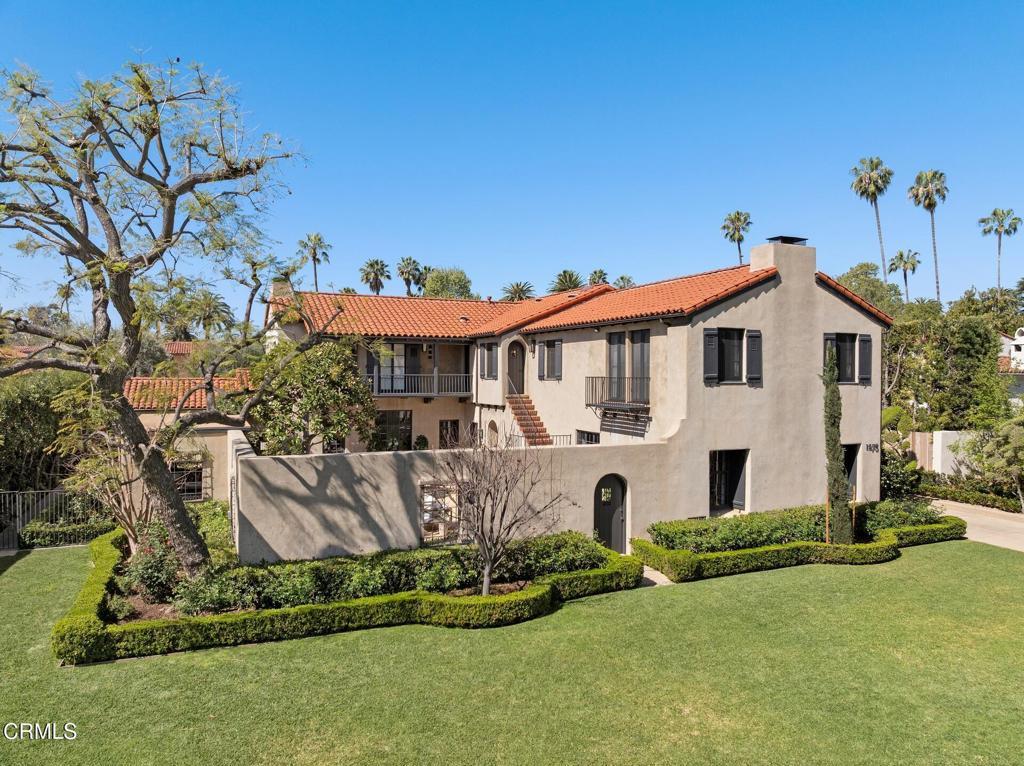
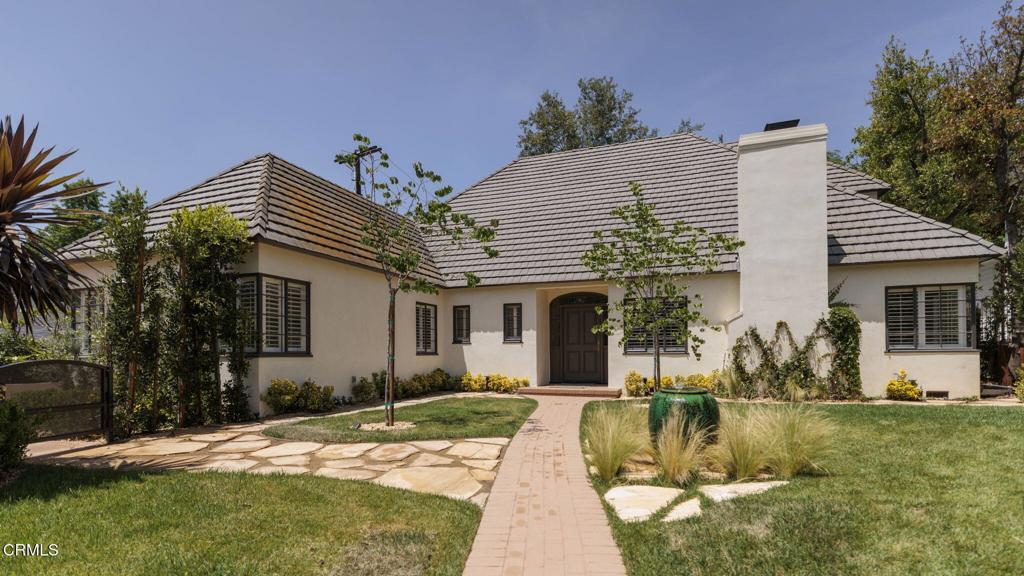
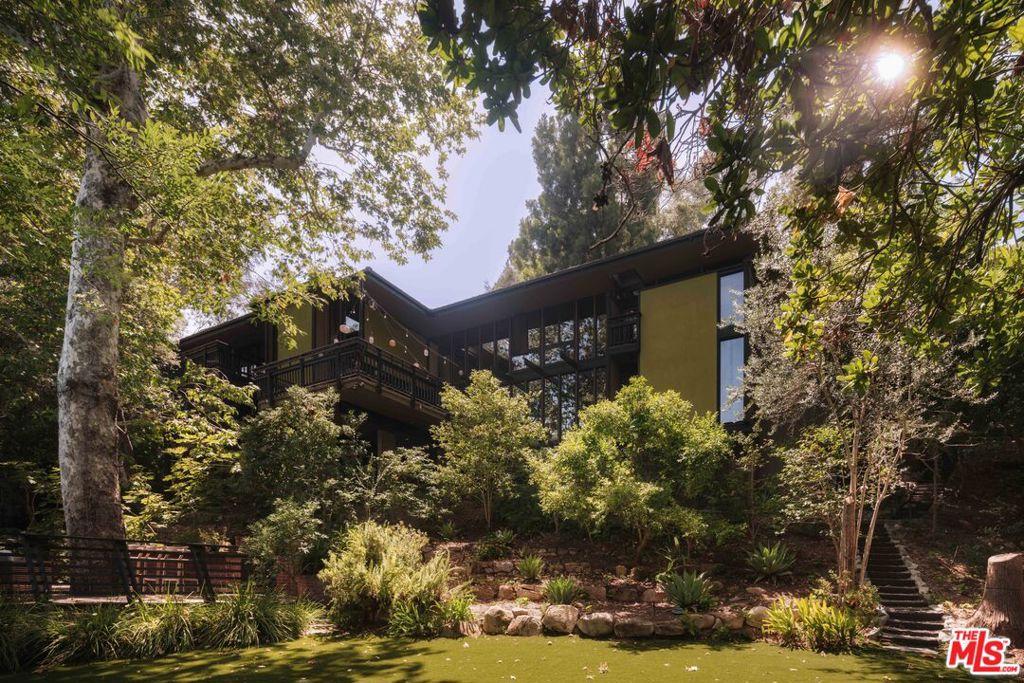
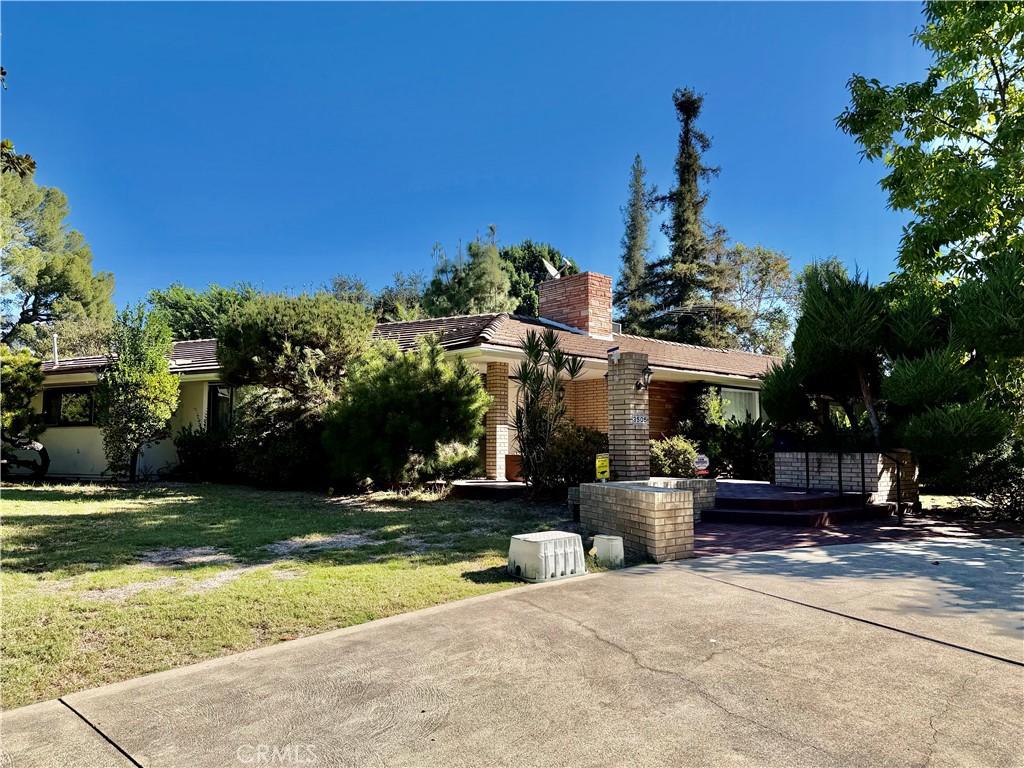
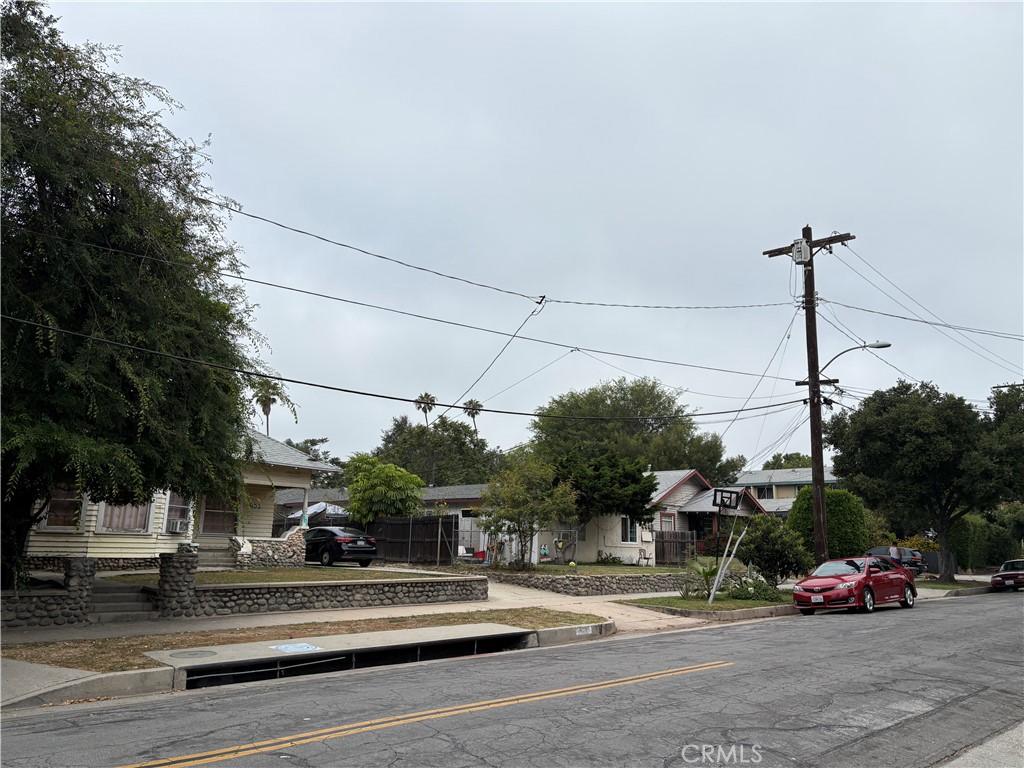
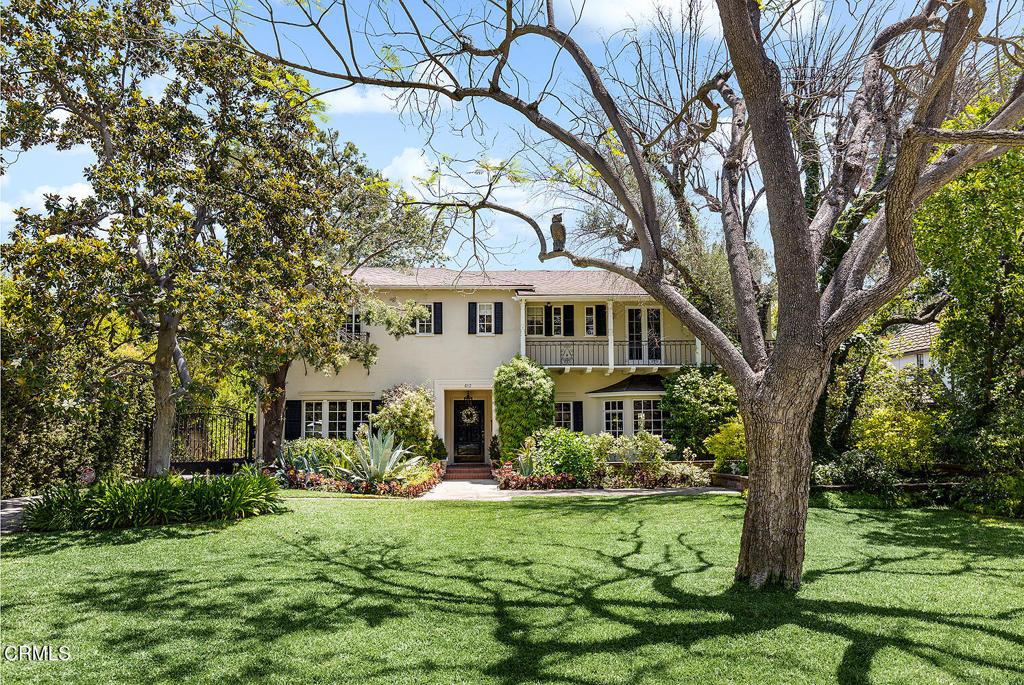
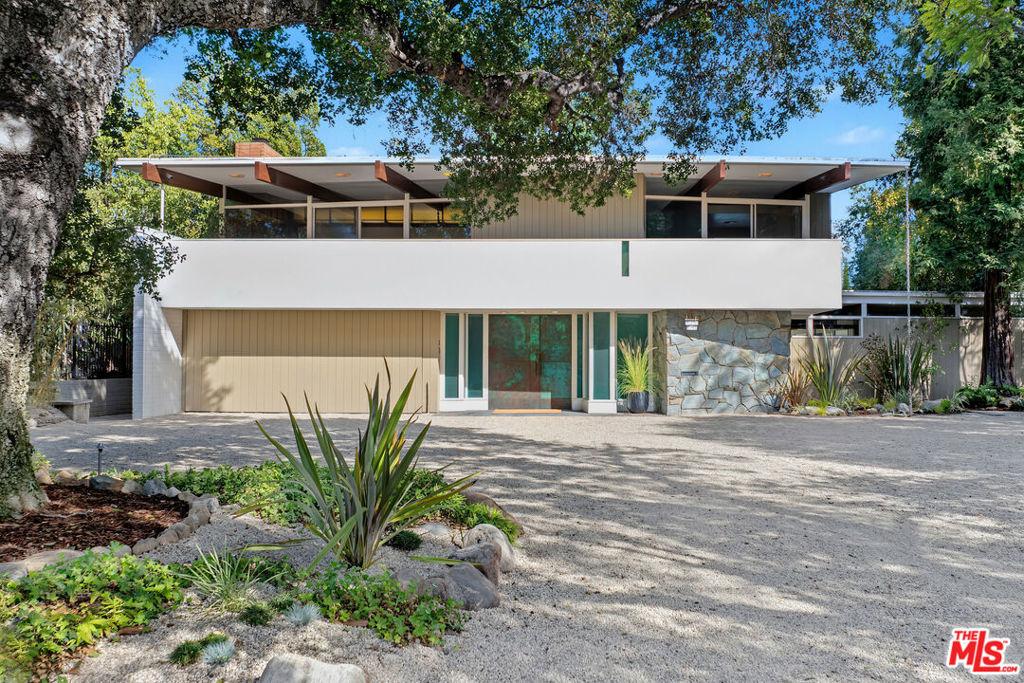
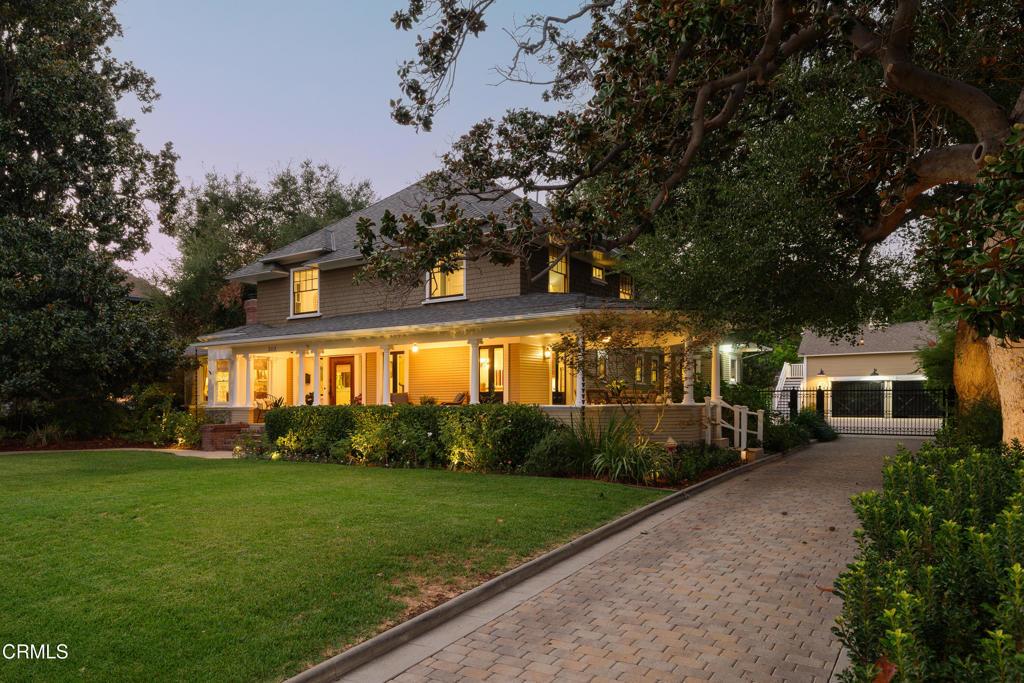
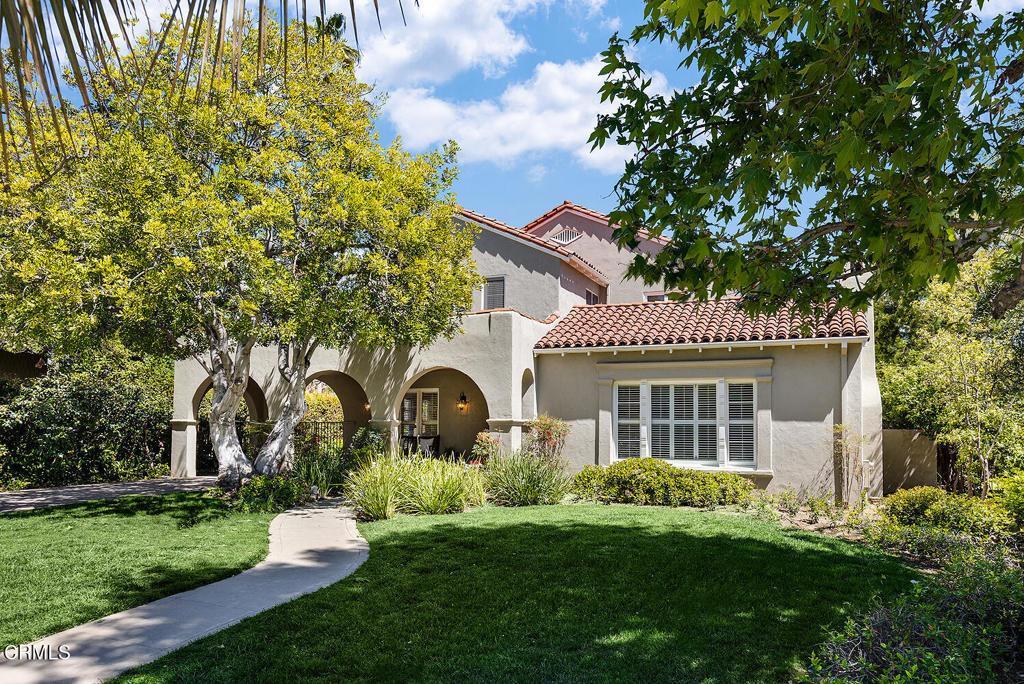
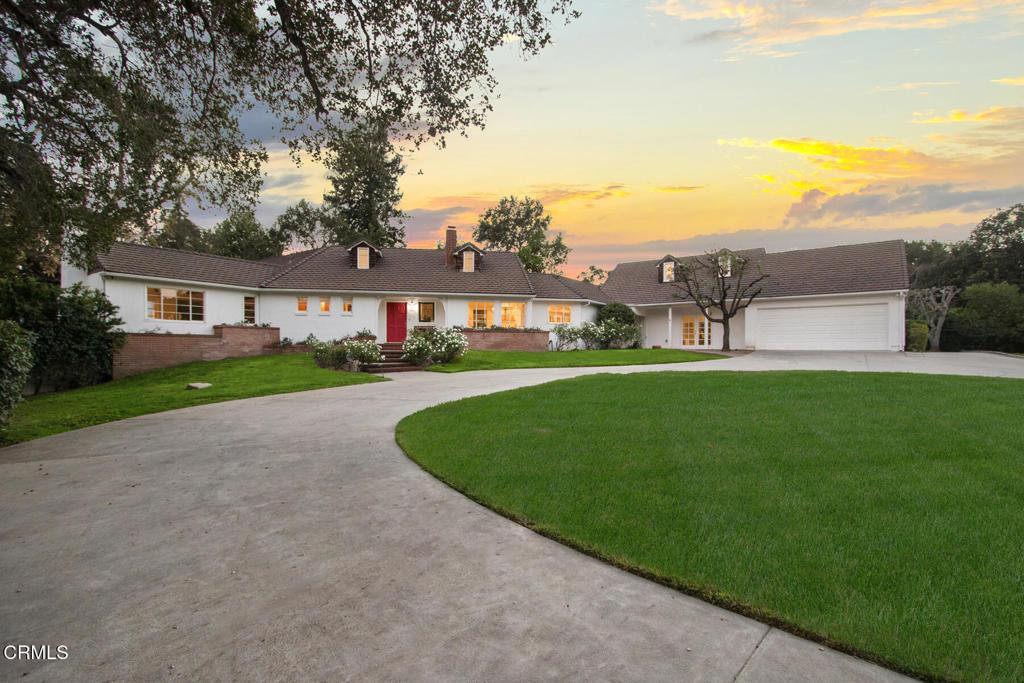
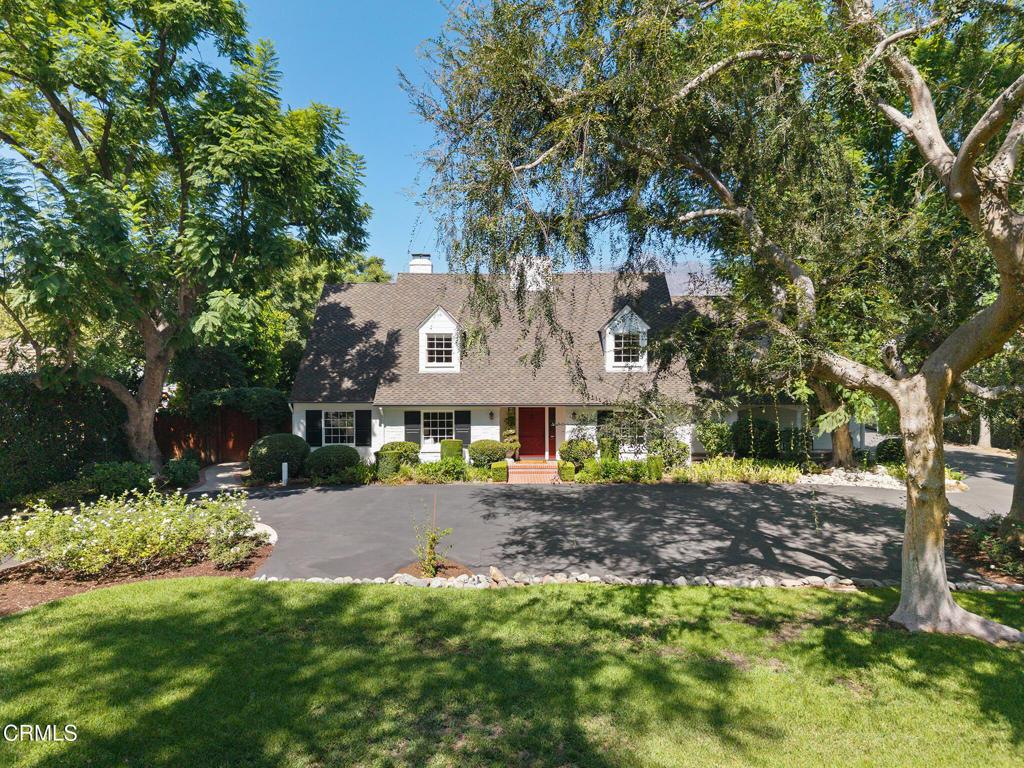
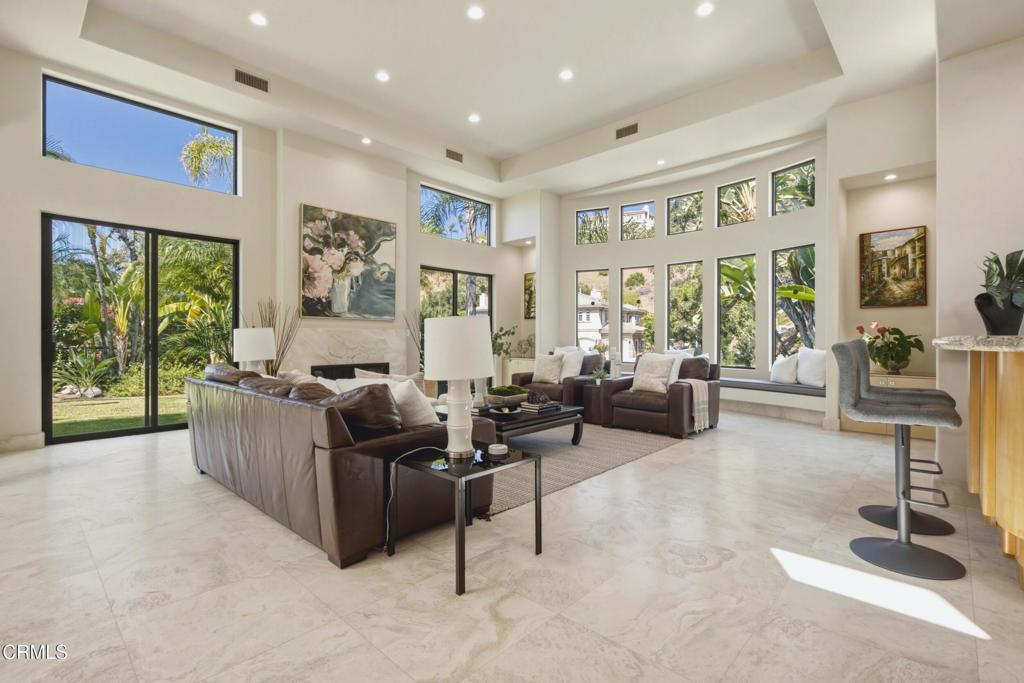
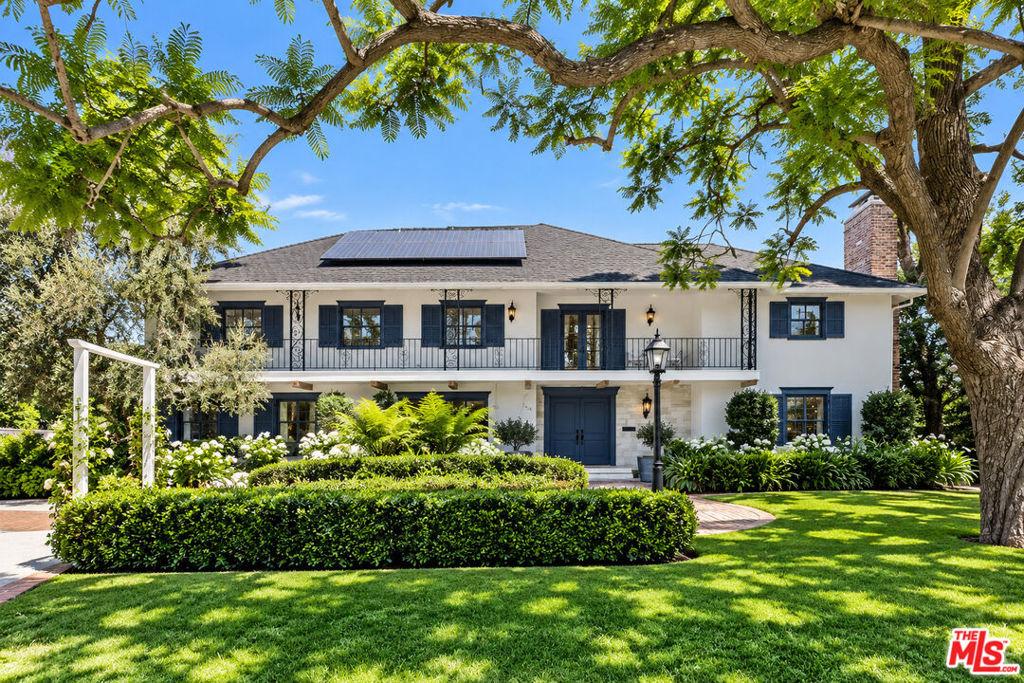
The residential housing in the Civic Center area consists of a mix of older apartment buildings from the 1920s through the 1960s, some condominiums developed in later decades, and the single-family homes that predate or survived the civic development that shaped the area’s character. The single-family stock in the blocks adjacent to the civic complex is older, reflecting the pre-war development era of this portion of central Pasadena. Architectural styles include Spanish Colonial Revival, Mediterranean, and the period revival styles of the 1920s and 1930s that characterize established Pasadena residential streets. The housing type and tenure mix in the Civic Center area is more varied than in the purely single-family neighborhoods of east and west Pasadena.
The Pasadena Civic Auditorium on Green Street is the primary concert and event venue for the area, hosting the NAACP Image Awards, various performing arts productions, and civic events. The Auditorium’s programming schedule means that the streets surrounding the Green Street corridor experience increased pedestrian and vehicle traffic on event evenings, which Civic Center residents have adapted to as part of the urban neighborhood character of living adjacent to an active event venue. The Convention Center, which hosts trade shows, public events, and the Rose Bowl-related activities, similarly brings periodic event traffic to the immediate neighborhood.
Pasadena City Hall, located at 100 North Garfield Avenue within the Civic Center area, is one of the finest examples of Spanish Colonial Revival civic architecture in California. The building and its grounds are a historic landmark and are the workplace for Pasadena municipal employees who fill the streets and nearby coffee shops and restaurants during daytime business hours. The city government employment base creates a consistent daytime population in the Civic Center neighborhood that supports the retail and restaurant infrastructure on the nearby blocks, and Civic Center residents benefit from this daytime commercial activity in the walkable commercial options available within their immediate neighborhood.
The Gold Line’s Memorial Park Station is approximately 0.5 to 0.7 miles from the core of the Civic Center neighborhood, providing rapid transit access to the Metro network for Civic Center residents who commute by train. The station’s proximity to the civic complex means that city employees and residents who use the Gold Line share the station environment, creating a transit-adjacent neighborhood character that is distinctive among Pasadena residential areas. For commuters who work in the entertainment district, Downtown Los Angeles, or the college area around USC, the Gold Line connection from the Civic Center area is one of the most direct transit paths available in the Pasadena residential market.
The Pasadena Public Library main branch on Walnut Street at Garfield Avenue is within walking distance of most Civic Center residential addresses, providing access to one of the stronger public library systems in the San Gabriel Valley. The library’s main branch houses an extensive local history collection and operates children’s programming, community events, and digital resource access that residents of the surrounding neighborhood use regularly. For families with school-age children, the walking distance to a full-service public library branch is a practical resource that reinforces the neighborhood’s institutional character as an amenity rather than a limitation.
Schools serving the Civic Center area are within Pasadena Unified School District. The central Pasadena school assignment pathways serve the neighborhood through the standard PUSD process for the central district. Cleveland Elementary School and other central Pasadena PUSD schools are within the standard assignment zone for the area. The PUSD magnet program options available to Civic Center residents include several of the district’s most competitive programs, and families who are serious about specific program access should begin the application process research as soon as their residential assignment to the area is confirmed.
Commercial access from the Civic Center area is primarily oriented toward the Old Pasadena corridor approximately 0.5 miles west on Colorado Boulevard and the Fair Oaks Avenue corridor approximately 0.5 miles west. Old Pasadena’s restaurant and shopping concentration is accessible on foot in 10-15 minutes from the western edge of the Civic Center area. The South Lake Avenue commercial corridor is approximately 1.5 miles east. The Civic Center’s central location provides above-average commercial access compared to the east and north Pasadena neighborhoods, though not the direct walking access of the most South Lake-adjacent properties in Madison Heights or the Old Pasadena-adjacent properties in the western Colorado Boulevard blocks.
The renovation market in the Civic Center area is more complex than in purely residential Pasadena neighborhoods due to the mixed tenure and building type context. Single-family homes on the residential streets adjacent to the civic complex are subject to standard Pasadena renovation considerations (window replacement, kitchen and bath updates, mechanical systems), and some carry individual historic designations that require review for exterior modifications. Buyers of older single-family properties in the immediate civic area should check historic designation status before planning exterior renovation work. Condominium and multi-unit properties have their own renovation considerations that vary by building and HOA governance structure.
The buyer profile for Civic Center residential properties includes government employees who work in the municipal complex and value the walking commute to their workplace, urbanist-oriented buyers who want a walkable urban neighborhood character at below-Old-Pasadena pricing, and investors who are drawn to the central location and transit proximity. The mixed-use and institutional character of the immediate area creates a neighborhood experience that is more suited to buyers who value urban variety and civic activity proximity than to buyers who are seeking a purely residential quiet neighborhood environment. The trade-off in the Civic Center area is the event-driven traffic and the institutional context in exchange for the transit access, the library proximity, and the Old Pasadena walkability.
The Pasadena Convention Center complex on Green Street includes the main convention hall, the Civic Auditorium, and the conference facility buildings that together constitute one of the San Gabriel Valley’s primary meeting and event venues. The Convention Center hosts public events including the Pasadena Outdoor Antiques Market, the Pasadena Home Show, and various trade shows and private conventions throughout the year. These events bring regional and occasional national visitor traffic to the immediate Civic Center area on event weekends, creating increased commercial activity and temporary street energy that distinguishes the area’s activity level from the more consistently residential character of other Pasadena neighborhoods. The event calendar is publicly available and allows Civic Center residents to anticipate the weekends that will bring elevated street activity to their immediate area.
The Green Street and Garfield Avenue commercial intersection near the Convention Center carries a concentration of restaurants that serve the convention and government employee lunch and after-work market, including casual dining, coffee shops, and quick-service options that are accessible to Civic Center residential addresses. For residents who work from home and want a walkable lunch option without requiring a car or a 15-minute walk to Old Pasadena, this Green Street and Garfield commercial concentration provides a practical everyday option that is more immediately accessible than the Colorado Boulevard restaurant corridors. The combination of city government employee daytime demand and convention visitor traffic creates a commercial infrastructure in the immediate Civic Center area that is more robust than what would be supported by the residential population alone.
The Pasadena City College campus on Colorado Boulevard, approximately 0.8 miles west of the Civic Center core, is a significant additional institutional presence that contributes to the daytime commercial and pedestrian activity in the central Pasadena area. PCC’s approximately 30,000 students and the campus-related retail and service businesses on the adjacent blocks create a university-town ambient quality in this portion of central Pasadena that is a lifestyle factor for Civic Center residents who value that kind of daytime street activity. The PCC campus also operates the Pasadena City College Flea Market on the first Sunday of each month (the Civic Auditorium parking lot hosts an alternate-Sunday flea market), providing a walking-distance monthly flea market option for residents who do not want to travel to the Rose Bowl market.
Long-term ownership in the residential portions of the Civic Center area varies by specific block and building type. The single-family residential streets adjacent to the civic complex include a mix of long-term owner-occupants who have been in place through multiple Pasadena market cycles and more recent purchasers who recognized the transit proximity and urban amenity access as a value position. The condominium and apartment buildings in the broader Civic Center area have higher turnover rates than the single-family streets, reflecting the rental and mobile resident populations associated with institutional employment and short-term assignments. For buyers specifically interested in the single-family residential streets nearest the civic complex, the ownership stability and street character of specific blocks should be evaluated by walking the streets at different times of day and talking to residents before committing to a purchase.
The Pasadena Civic Center Historic District, which includes City Hall, the Civic Auditorium, and the Central Library, was designated on the National Register of Historic Places in 2007 as a significant example of the City Beautiful movement in California civic planning. The civic complex’s cohesive Spanish Colonial Revival architectural character, designed by Bakewell and Brown in the 1920s, gives the surrounding residential area a historical context that is more significant than most other Pasadena neighborhood settings outside the designated HPOZ areas. Residents of the Civic Center neighborhood live within daily walking distance of a federally recognized historic district that represents one of California’s most ambitious twentieth-century civic planning projects.
Natural disaster preparedness is a relevant practical topic for Civic Center area residents given the neighborhood’s position in the urban core and its distance from both fire-prone hillside terrain and FEMA-designated flood zones. The primary natural hazard concerns for the Civic Center area are earthquake risk (Pasadena is in a seismically active zone near several active fault systems) and the urban heat island effect that concentrates summer heat in the city’s dense commercial and institutional core areas. Buyers of older structures in the civic area should request a structural assessment for unreinforced masonry components (some older buildings in the area have masonry construction that has not been seismically retrofitted) and consult the City of Pasadena’s Unreinforced Masonry Building list to understand whether any specific property is on the retrofit requirement schedule.
What is it like to live in Civic Center Pasadena?
- Civic Center in Pasadena surrounds the city’s municipal government complex, including City Hall, the Convention Center, the main library branch, and the Civic Auditorium.
- Residential options here run primarily to multi-family and mixed-use product, with condo buildings and apartment structures occupying much of the available inventory.
- Proximity to City Hall and the public plaza infrastructure gives Civic Center a more institutional quality than purely residential parts of Pasadena.
- Infill development has steadily added housing to the blocks surrounding the civic complex, growing the residential component of the area.
- Memorial Park Gold Line station sits within walking distance of most Civic Center residential addresses, offering direct rail access to Union Station and Downtown Los Angeles.
- Transit riders who commute downtown treat the station’s proximity as a primary draw, since the trip requires no freeway driving.
- Bus connections along Lake Avenue, Fair Oaks Avenue, and Colorado Boulevard cover destinations the Gold Line does not serve directly.
- Old Pasadena and its restaurants and shops sit a short walk west along Colorado Boulevard, the city’s most active commercial district.
- Pasadena Convention Center and Ambassador Auditorium sit near the neighborhood, so occasional large events generate temporary pedestrian and traffic activity.
- Pasadena Central Library stands within a short walk to the northeast, along with several smaller cultural venues.
- Housing stock mixes older apartment buildings, condominiums developed in later decades, and single-family homes that predate the civic development.
- Single-family homes on blocks adjacent to the civic complex are older, reflecting the pre-war development era of central Pasadena.
- Architectural styles include Spanish Colonial Revival, Mediterranean, and the period revival designs that characterize established Pasadena residential streets.
- Housing type and tenure mix in Civic Center is more varied than in the purely single-family neighborhoods of east and west Pasadena.
- Residential units price in the condominium and attached-home range, generally below the citywide single-family median given the product type.
- Transit proximity and walkability serve as the core value drivers relative to residential neighborhoods further from the Gold Line stations.
- Pasadena Unified School District serves the area, with Cleveland Elementary among the nearby options for elementary-age students.
- Buyers without school-age children often weigh transit access and walkability as the primary lifestyle considerations rather than freeway proximity.