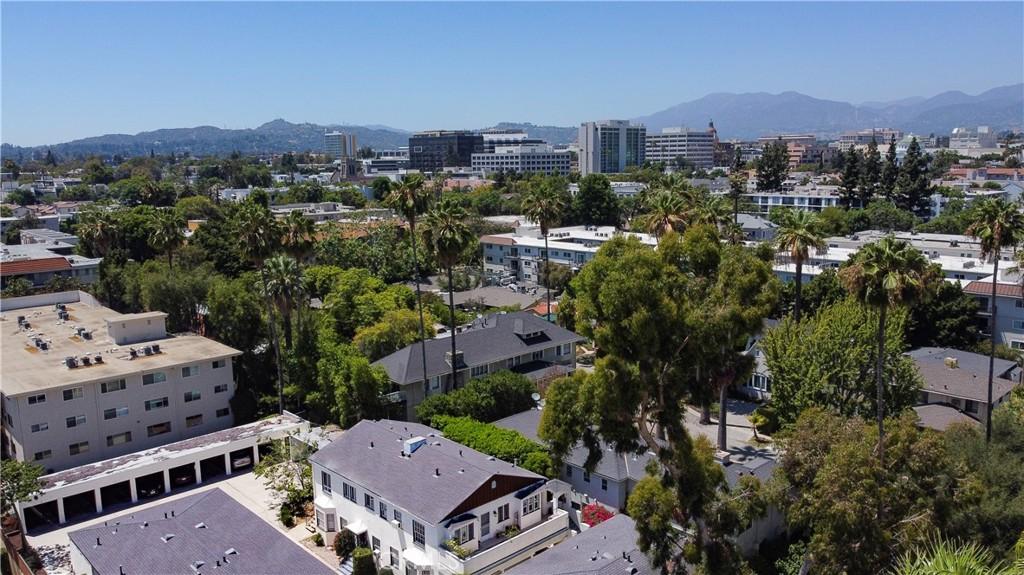
Old Pasadena’s 22-block National Register Historic District runs through the heart of the downtown area along Colorado Boulevard, with more than 300 restaurants and shops within that corridor. The historic buildings that house those businesses have upper floors converted or built out as residential units, adding a live-above-the-store dimension to the neighborhood’s housing supply. These units tend toward smaller configurations, with studios, one-bedrooms, and two-bedrooms making up most of the inventory above Old Pasadena’s commercial level.
The Gold Line Metro A Line has multiple stops serving the Downtown Pasadena area, with the Memorial Park, Del Mar, and Lake stations all within reach of the neighborhood core. The line connects directly to Union Station in Downtown Los Angeles in approximately 35 minutes, making Downtown Pasadena one of the most transit-connected residential locations in the eastern San Gabriel Valley. Residents who can replace car commutes with Gold Line access find the urban Pasadena lifestyle fully workable without daily freeway driving.
Cultural institutions within walking distance include the Pasadena Playhouse, the Norton Simon Museum just to the west, the Pasadena Museum of California Art, and the Armory Center for the Arts. The Rose Bowl and Brookside Park are a short drive to the northwest. Caltech’s campus and the Jet Propulsion Laboratory are within 15 minutes by car, making Downtown Pasadena a practical address for employees and researchers at both institutions who prefer urban living over suburban alternatives.
Pasadena citywide runs a median sale price around $1,250,000, up 3.7% year-over-year, $791 per square foot down 0.5% year-over-year, median list price $1,170,000 at $769 per square foot, 240 homes on market, 83 sold, 48 days on market, 103.9% sale-to-list ratio, 1 average offer, and 39.7% average down payment. Downtown Pasadena condos and lofts tend to price below the single-family citywide median given the product type and unit size, with walk-up and high-floor units in historic buildings commanding the strongest premiums. The combination of Gold Line proximity, walkability, and cultural density creates a value proposition distinct from Pasadena’s residential neighborhoods further from the transit corridor.
Schools in Downtown Pasadena fall within Pasadena Unified School District, though many buyers in urban residential products are either pre-family or utilize private school options. Cleveland Elementary is among the nearby K-5 options for families who remain. The neighborhood’s appeal centers most strongly on lifestyle factors: walkability, transit, dining, and the arts and culture density that makes Pasadena’s downtown one of the most active urban cores in the SGV.
Downtown Pasadena encompasses the core of the city’s historic commercial district and civic center, extending from the Old Pasadena historic commercial blocks on the west to the Playhouse District arts corridor on the east, and from the Green Street civic complex on the north to the Colorado Boulevard retail and restaurant spine. The area is defined by the concentration of Pasadena’s most significant commercial, cultural, and civic uses in a walkable urban grid, making it the highest-density residential environment in the city and the one most suited to residents who prioritize urban amenity proximity and minimized car dependence in their daily lifestyle.
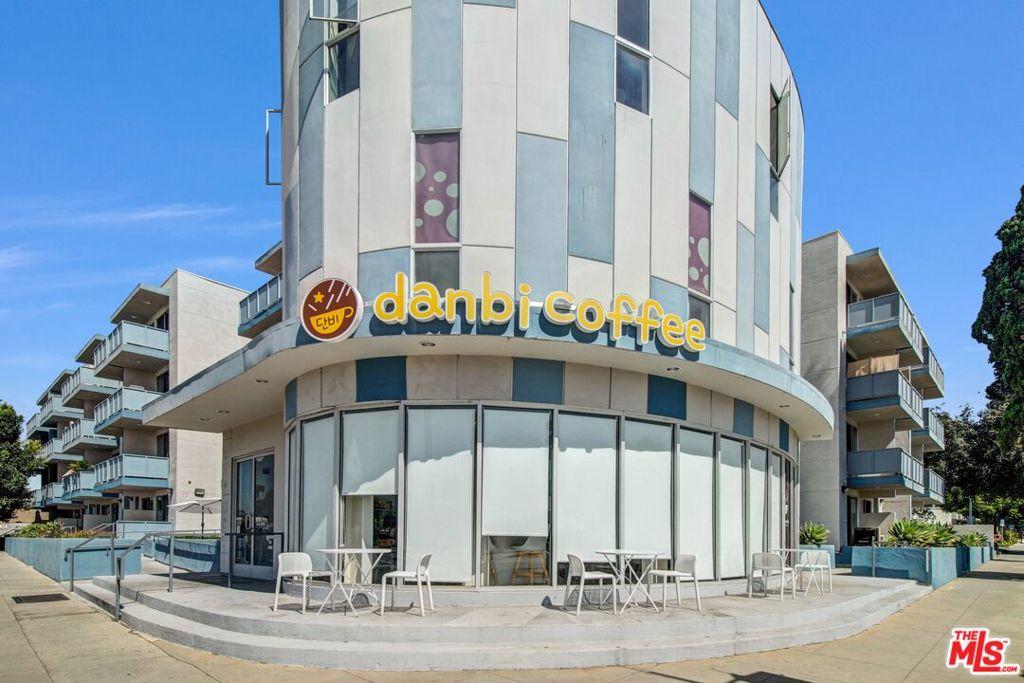
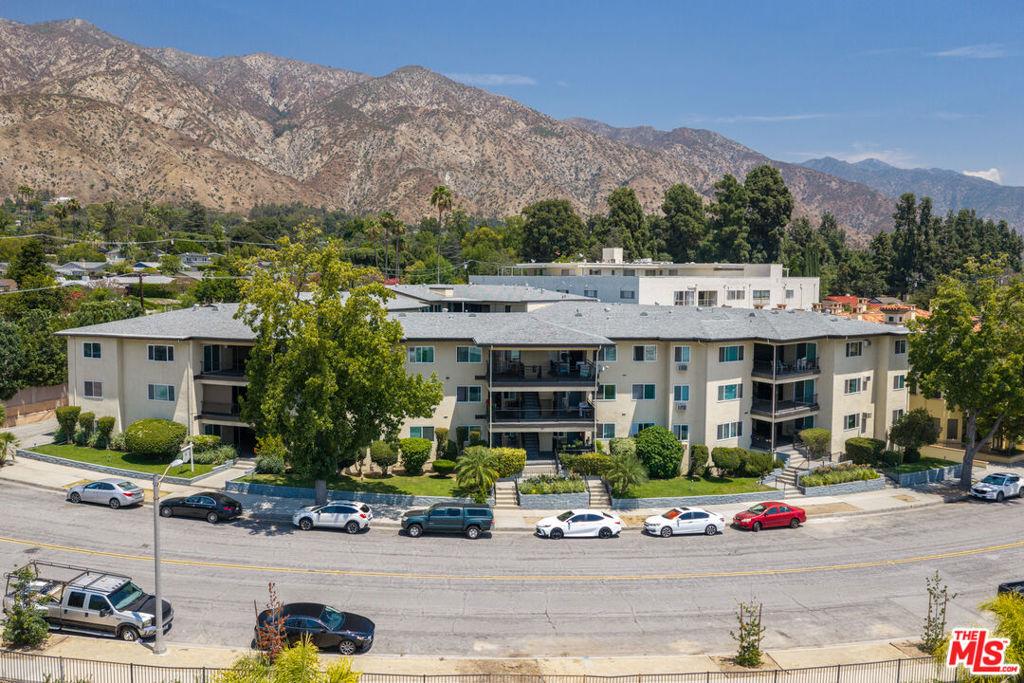
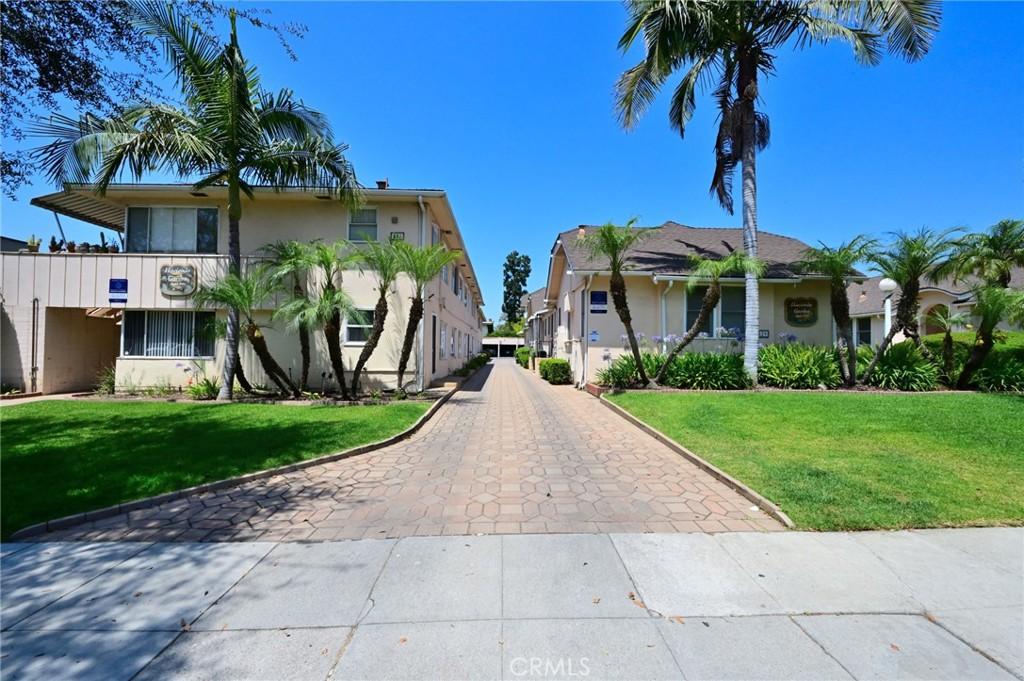
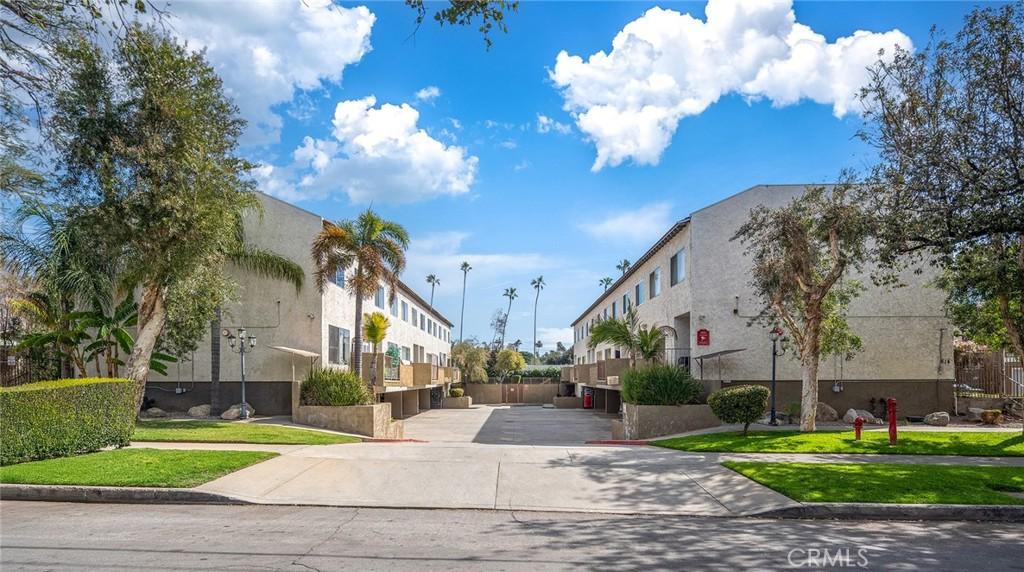
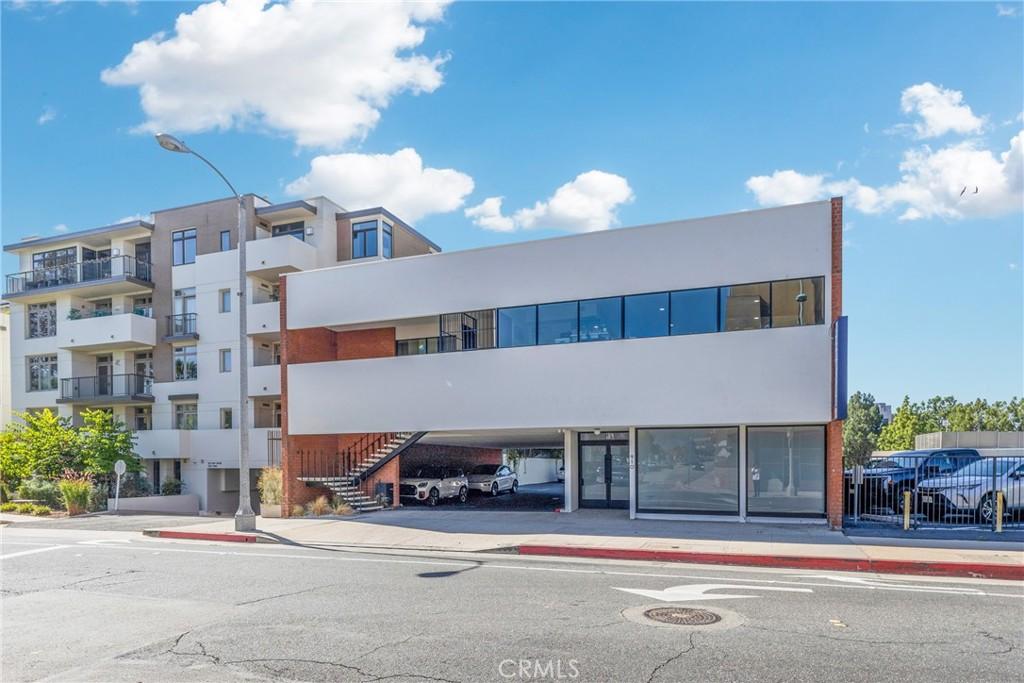
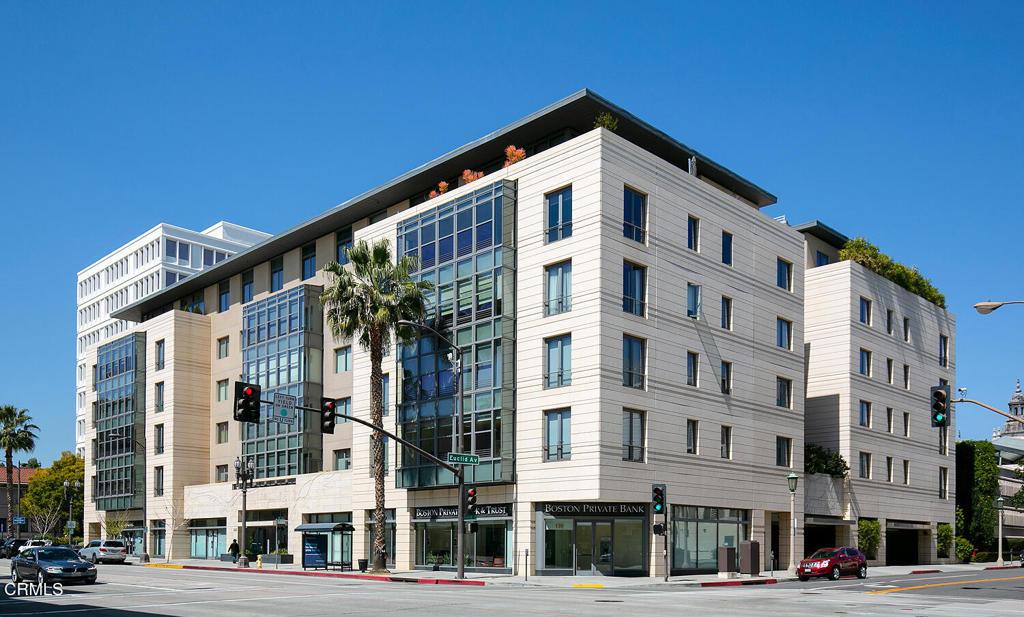
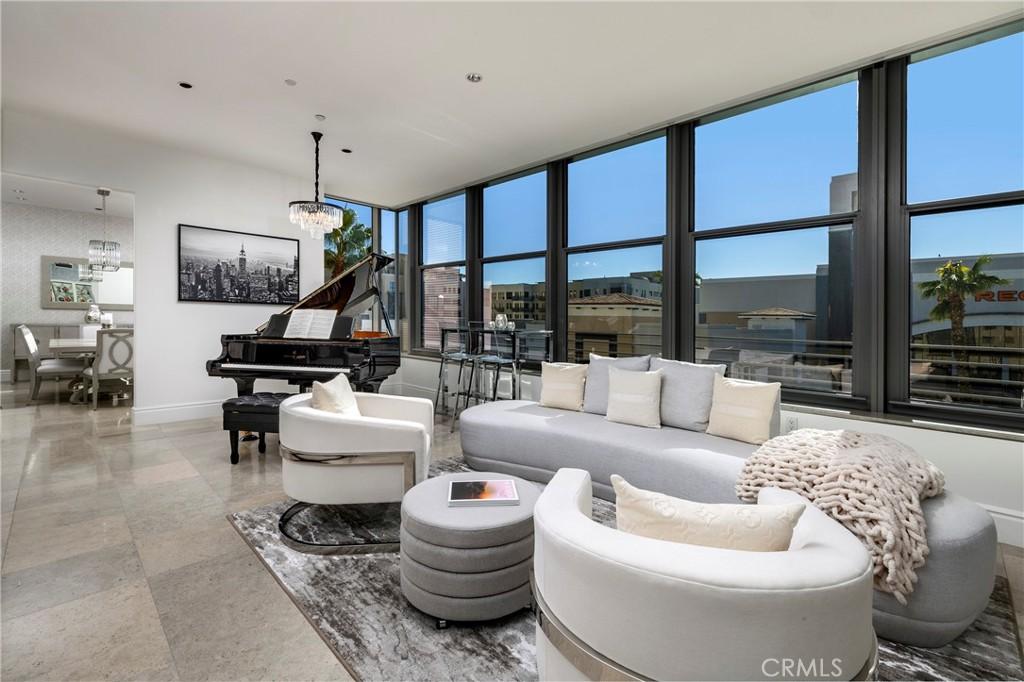
The residential units available within Downtown Pasadena are predominantly condominiums and apartments in buildings constructed or converted in the 1990s through 2010s, typically above or adjacent to the ground-floor commercial uses that define the area’s retail streetscape. The building types range from historic loft conversions in the Old Pasadena brick commercial buildings on the western end to purpose-built residential buildings on the eastern Playhouse District blocks. The condominium and apartment mix creates a residential market with higher density, lower private outdoor space, and more shared amenity infrastructure (lobbies, roof decks, fitness rooms) than the single-family neighborhoods of central and east Pasadena.
The Colorado Boulevard retail corridor that runs east-west through Downtown Pasadena is the primary commercial spine of the city’s urban core. The western section in Old Pasadena is anchored by restaurant and entertainment uses in the historic brick buildings, while the central portion carries a mix of national retail (Apple Store, Crate & Barrel at the Paseo Colorado open-air mall), independent restaurants, and coffee shops. The Playhouse District’s East Colorado section emphasizes restaurants and the Pasadena Playhouse theater as its primary draws. For Downtown Pasadena residents, the Colorado Boulevard commercial infrastructure is accessible on foot from most addresses in the district, creating the highest walkability score among all Pasadena residential areas.
The Metro Gold Line’s central Pasadena stations serve Downtown Pasadena more directly than any other Pasadena neighborhood, with the Memorial Park and Del Mar stations within the downtown district footprint and the Lake and Allen stations immediately east. From Memorial Park Station, trains reach Union Station in approximately 35 minutes under normal operations, connecting to the regional Metro rail network and Amtrak and Metrolink service. The Gold Line’s frequent service during peak hours (every 6-8 minutes) makes transit commuting from Downtown Pasadena to Downtown Los Angeles practical for daily commuters who prefer to avoid freeway driving.
The Pasadena Playhouse, located at 39 South El Molino Avenue, is the anchor cultural institution of the Playhouse District’s eastern end of Downtown Pasadena. The Playhouse, California’s State Theater since 1937, operates year-round programming including main stage productions, second-stage productions, and special events that are accessible on foot from Downtown Pasadena residential addresses. The Playhouse’s programming calendar provides Downtown residents with a consistent live theater option within a 5-15 minute walk from most addresses in the district, a performing arts proximity that is exceptional by any California residential standard outside of the downtown Los Angeles theater district.
The Old Pasadena section of Downtown Pasadena is designated on the National Register of Historic Places as a historic commercial district, reflecting the significance of its intact late-nineteenth and early-twentieth century brick commercial building stock. The district’s preservation regulations restrict exterior modifications to maintain the historic commercial character of the streetscape, while the interiors of the commercial buildings have been extensively adapted for contemporary restaurant, retail, and entertainment uses. The above-commercial residential conversions in Old Pasadena’s brick buildings provide downtown residential inventory with the character of loft living in a historic context, at price points that reflect the district’s premium location and limited supply.
Parking in Downtown Pasadena is managed through a combination of city-owned structures, private lots, and street metered spaces. The city’s Transportation and Parking operations manages several parking structures in the Old Pasadena and Playhouse District areas with dynamic pricing that responds to demand levels. Downtown Pasadena residential buildings typically include dedicated parking for residents, and the residential parking requirement in the district’s zoning code establishes a baseline number of spaces per unit in new construction. Residents who do not own a car or who rarely use one find Downtown Pasadena’s parking situation largely irrelevant; those who depend on a car regularly should confirm the parking allocation and cost for any specific building before purchasing or renting.
The nighttime environment in Downtown Pasadena, particularly in the Old Pasadena section, is among the most active in the San Gabriel Valley on Thursday, Friday, and Saturday evenings. The restaurant and bar concentration on Colorado Boulevard and the adjacent blocks (Raymond Avenue, Fair Oaks Avenue, and Pasadena Avenue) generates significant pedestrian activity into the late evening on weekend nights. Residents in the most commercial blocks experience this as an active urban neighborhood environment rather than a quiet residential setting. Buyers evaluating condominiums in the most commercial-adjacent buildings should visit in the evening during a typical weekend to assess the noise and activity level from street-level commercial uses before committing to a purchase.
The Paseo Colorado open-air mall on Colorado Boulevard between Los Robles and Marengo brings a retail anchor and food court environment to the middle of the downtown commercial spine. The Paseo includes a residential component above the commercial levels, making it a self-contained mixed-use development within the larger Downtown Pasadena context. For residents in the immediate Paseo area, the combination of on-site commercial access and the surrounding Downtown Pasadena amenities creates one of the most walkable and self-sufficient residential environments available in the San Gabriel Valley.
School access for Downtown Pasadena residential addresses is through the Pasadena Unified School District, with the same central Pasadena school assignment process that applies to the Chapman, Civic Center, and adjacent residential areas. The density of the downtown residential environment means that many Downtown Pasadena residential households are younger adults without school-age children, and the school access consideration is proportionally less central to the Downtown Pasadena buyer and renter profile than it is in the family-oriented single-family neighborhoods. Private school access is straightforward from downtown, with Polytechnic, Westridge, Chandler, and Pasadena Waldorf all within 10-20 minutes by car.
The investment thesis for Downtown Pasadena residential properties centers on the scarcity of urban walkability combined with Pasadena’s institutional and employment base. The Gold Line connection, the restaurant and retail concentration, and the cultural amenities create a demand profile that includes young professionals, academic and medical workers at Caltech and Huntington Memorial, and empty-nest buyers relocating from suburban single-family homes who want the walkable urban environment without leaving the San Gabriel Valley. This diverse demand base provides Downtown Pasadena with more consistent occupancy and a smaller vacancy rate cycle than suburban Pasadena neighborhoods that serve a more uniform buyer profile.
The Paseo Colorado, the open-air shopping center that occupies the block between Los Robles and Marengo Avenues on Colorado Boulevard, is the most significant retail development in the Downtown Pasadena area that opened in the post-Old Pasadena revival era. The Paseo replaced the former indoor Pasadena Plaza mall and introduced a mixed-use format with residential units above the retail and food court levels. The Paseo’s residential component added a concentration of Downtown Pasadena residents directly within the retail complex, creating a self-contained urban neighborhood block within the larger downtown district. For buyers evaluating Downtown Pasadena residential options, the Paseo represents one of the most immediate commercial-adjacency residential choices in the district, with a tradeoff of maximum commercial access against minimum residential separation from the commercial environment.
The Rose Parade’s route through Downtown Pasadena is one of the most immediately felt annual events for residents of the district. Colorado Boulevard from Sierra Madre Villa Avenue west to the finish at Villa Street is closed on January 1 from the early morning through mid-afternoon. For Downtown Pasadena residents, this closure means that January 1 is effectively a pedestrian-priority day in the area, with the commercial blocks transformed into a parade viewing environment. The parade draws crowds estimated at over 700,000 spectators lining the route, and the blocks adjacent to Colorado Boulevard in the downtown core are among the most densely attended viewing areas. Long-term Downtown Pasadena residents develop their own parade-day routines, with many choosing to participate as spectators from their own block rather than navigating vehicle access during the event window.
The long-term investment case for Downtown Pasadena residential ownership has been supported by the continued growth of Pasadena’s institutional base (Caltech, JPL, the medical complex), the Gold Line’s maintained ridership, and the evolution of the Colorado Boulevard commercial corridor’s tenant mix. Retail format has shifted toward the restaurant and entertainment categories that generate foot traffic throughout the day and into the evening, creating a more consistent street-level vitality than the earlier retail-dominant tenant mix. For buyers who are evaluating Downtown Pasadena condominiums as investments rather than primary residences, the institutional demand base and the transit-accessible location create a rental market that has maintained occupancy through economic cycles better than most suburban Pasadena neighborhoods.
Condominium HOA fees in Downtown Pasadena buildings vary significantly by building age, amenity level, and reserve fund health. Buyers should request the last three years of HOA financial statements and reserve study for any Downtown Pasadena condominium before purchase, as underfunded HOA reserves create the risk of special assessments for deferred capital expenditures that existing owners have not funded adequately. Common amenities in Downtown Pasadena residential buildings that generate HOA costs include lobby staffing, fitness room maintenance, underground parking structure maintenance, and building-level insurance. The HOA fees for typical Downtown Pasadena condominiums range from approximately $350-$700 per month depending on building age and amenities, and these fees are a permanent component of the monthly carrying cost that buyers should factor into their affordability calculation alongside mortgage principal and interest, property taxes, and individual homeowners insurance for the unit’s interior.
What is it like to live in Downtown?
- Old Pasadena’s National Register Historic District runs through the heart of Downtown along Colorado Boulevard, anchoring the district’s restaurant and shopping corridor.
- Historic commercial buildings along the corridor carry upper floors converted or built out as residential units, creating a live-above-the-store housing dimension.
- Units above Old Pasadena’s commercial level skew toward smaller configurations, with studios, one-bedrooms, and compact plans making up most of that inventory.
- Gold Line Metro A Line service reaches Downtown Pasadena through the Memorial Park, Del Mar, and Lake stations, all within reach of the neighborhood core.
- Union Station in Downtown Los Angeles connects directly by Gold Line, making the district one of the most transit-connected residential locations in the eastern San Gabriel Valley.
- Residents able to replace car commutes with Gold Line access find the urban Pasadena lifestyle fully workable without daily freeway driving.
- Cultural institutions within walking distance include the Pasadena Playhouse, the Pasadena Museum of California Art, and the Armory Center for the Arts.
- Norton Simon Museum sits just to the west, adding another major cultural anchor to the walkable inventory surrounding the residential core.
- Rose Bowl and Brookside Park sit a short drive to the northwest, giving residents open-space and event access beyond the urban grid.
- Caltech’s campus and the Jet Propulsion Laboratory sit within a short drive, making Downtown Pasadena practical for employees and researchers at both institutions.
- Researchers who prefer urban living over suburban alternatives find the district a workable address relative to the region’s major science employers.
- Condos and lofts in the district tend to price below the single-family citywide median, reflecting product type and unit size.
- Walk-up and high-floor units in historic buildings command the strongest premiums within the district’s condominium and loft inventory.
- Gold Line proximity, walkability, and cultural density combine into a value proposition distinct from Pasadena neighborhoods further from the transit corridor.
- Pasadena Unified School District covers Downtown Pasadena, with Cleveland Elementary among the nearby elementary options for families who remain in the district.
- Buyers in urban residential products here are often pre-family or choose private school options rather than relying on neighborhood assignment.
- Lifestyle factors drive the appeal most strongly, with walkability, transit, dining, and arts density defining the resident experience.
- Pasadena’s downtown ranks among the most active urban cores in the San Gabriel Valley, with culture and commerce concentrated in a walkable grid.