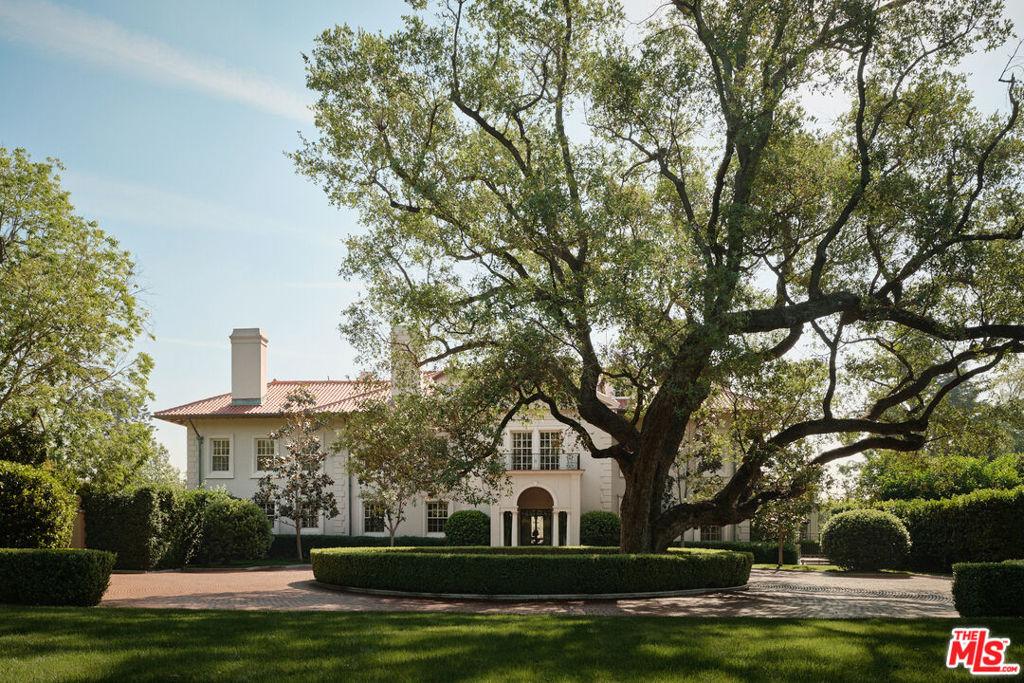
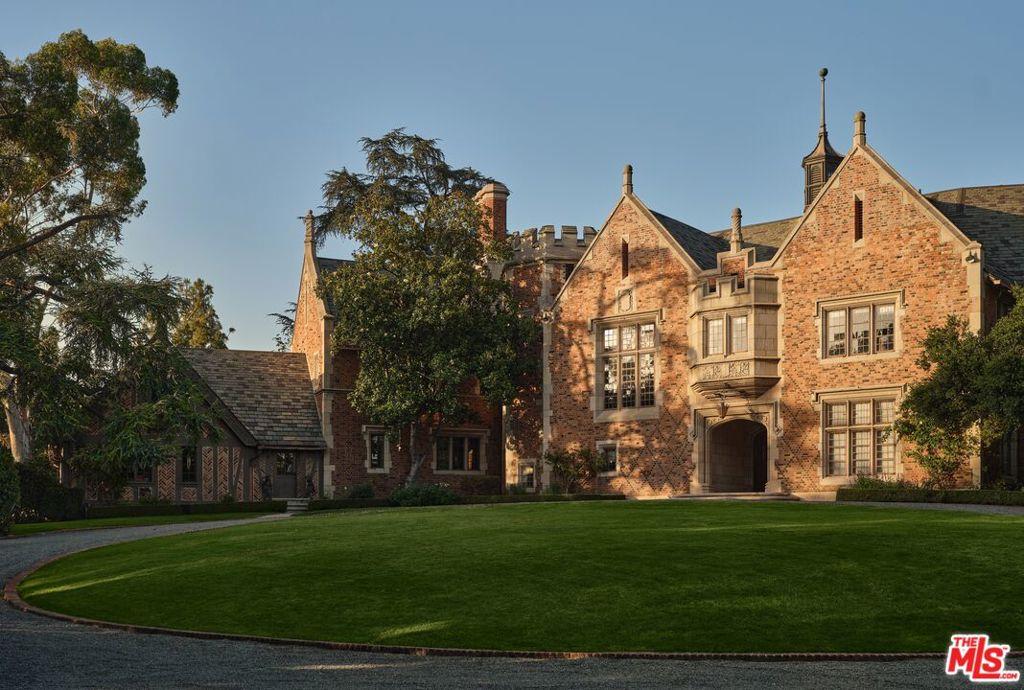
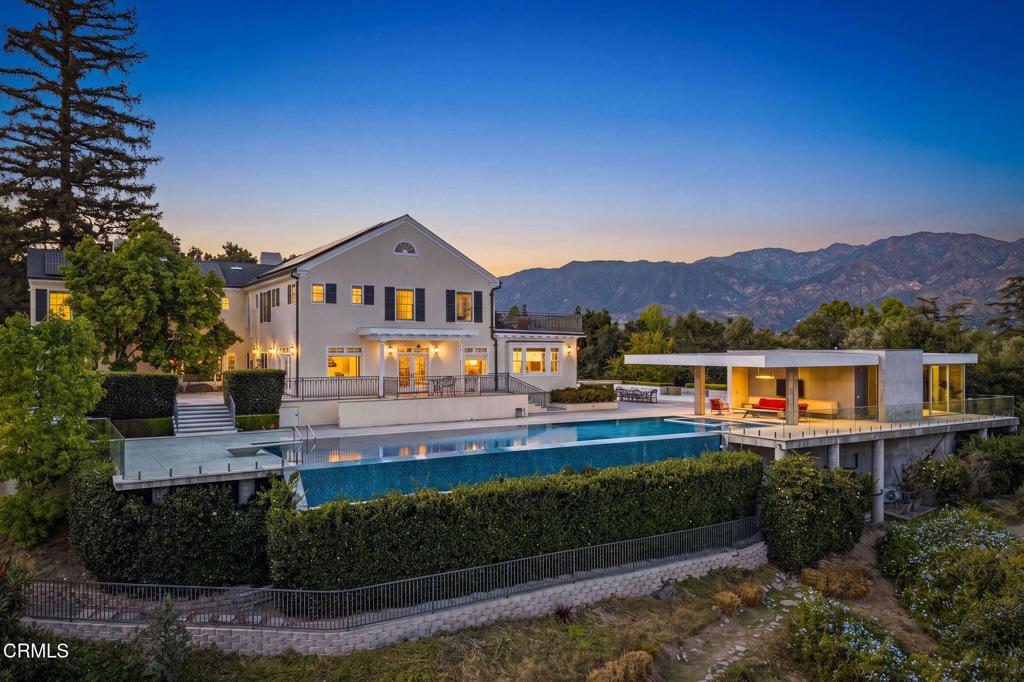
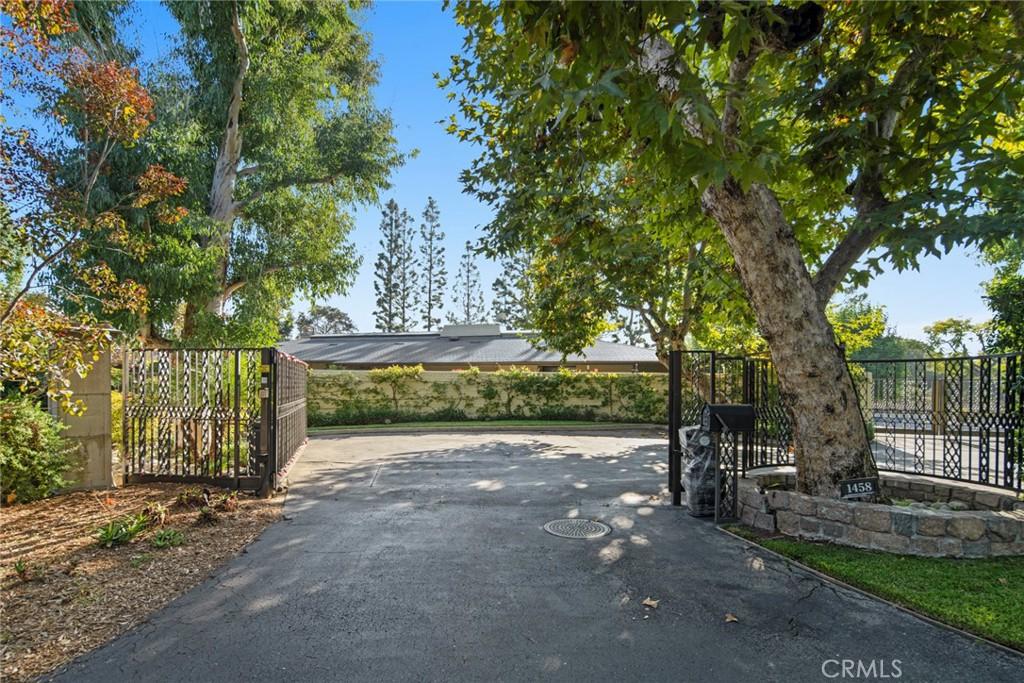
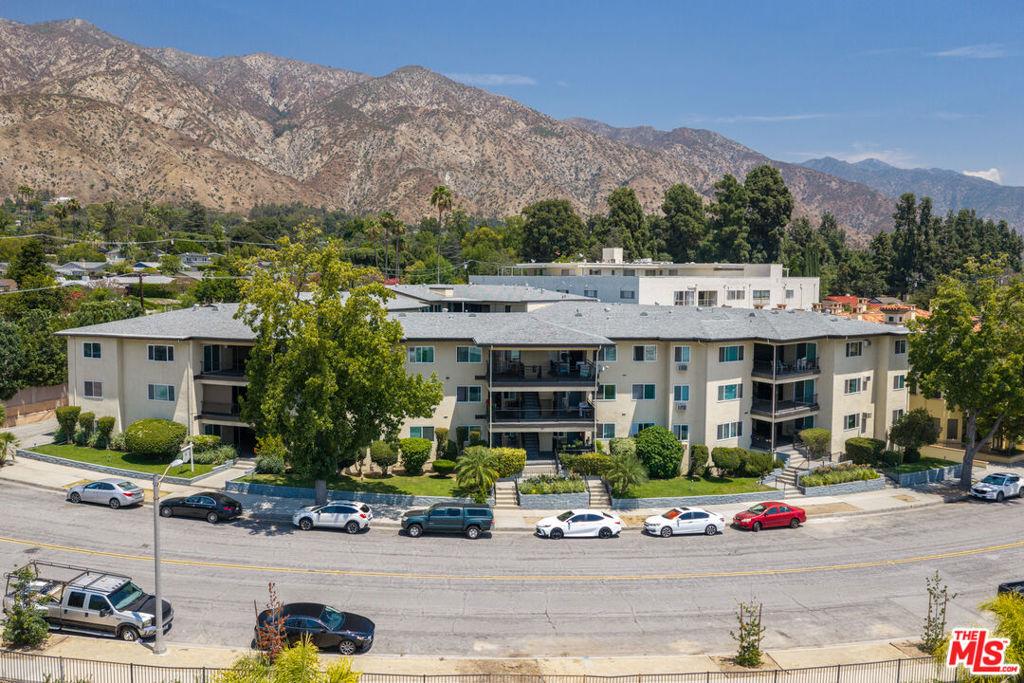
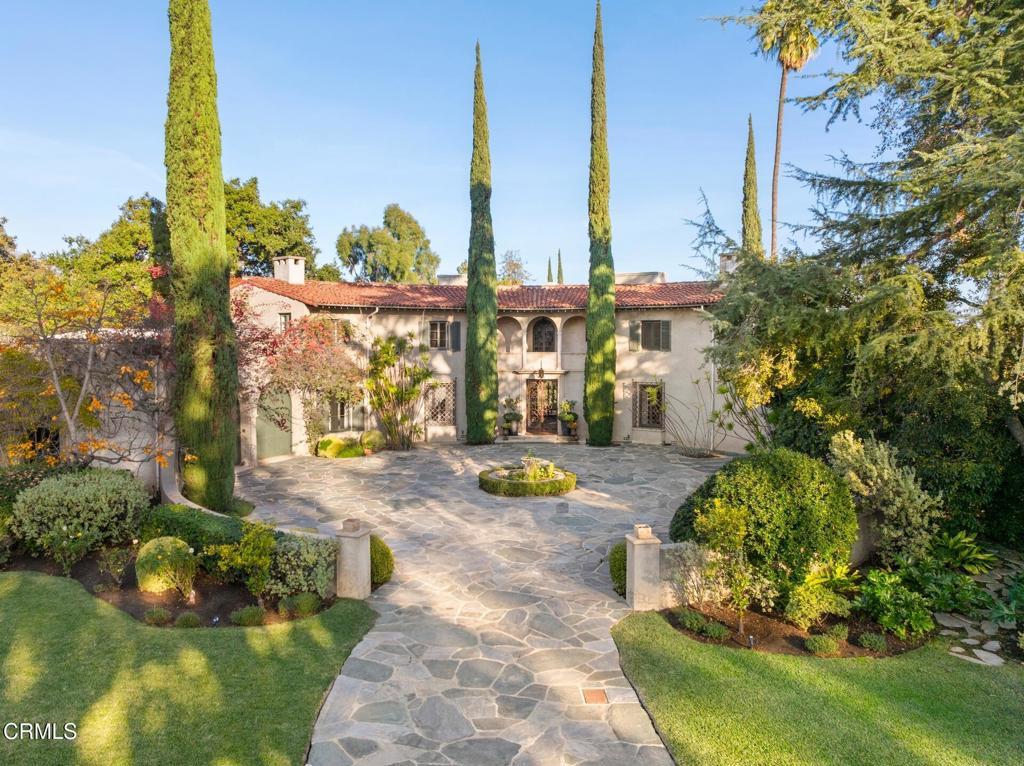
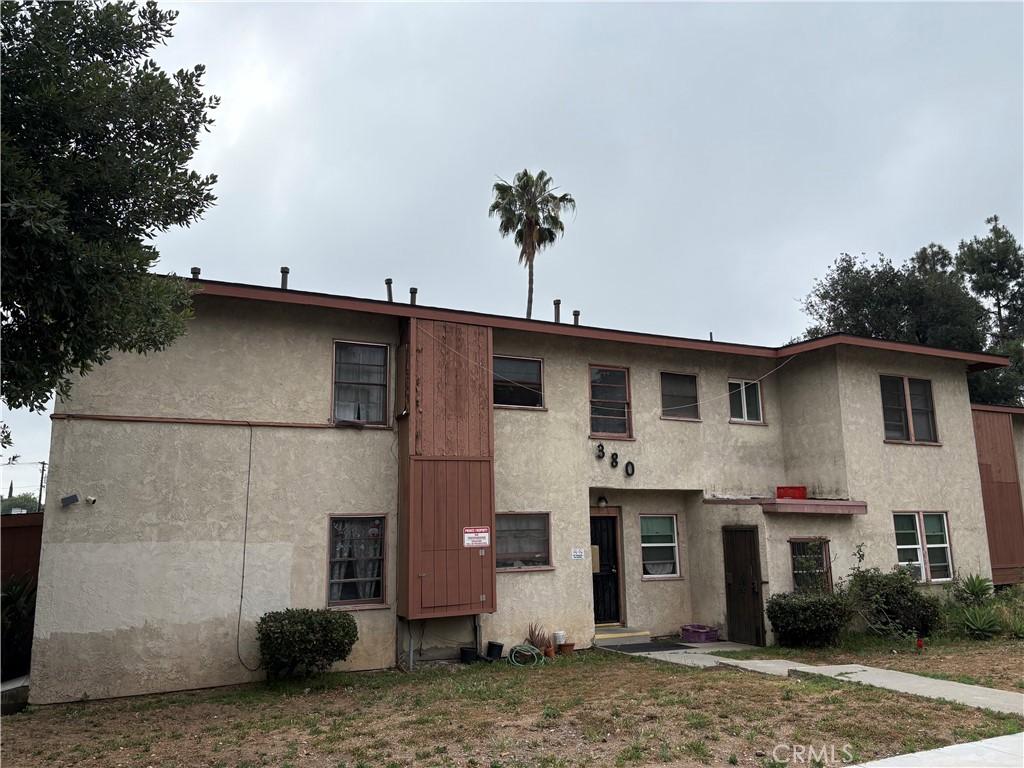
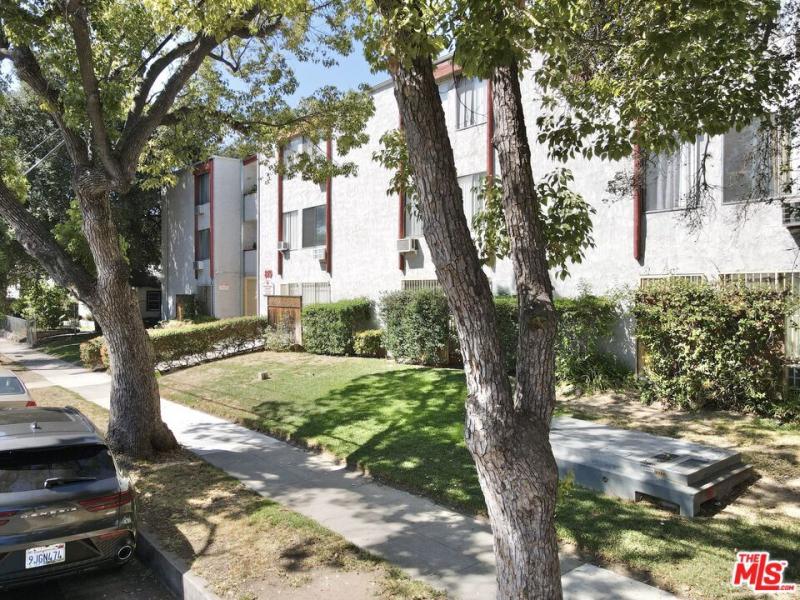
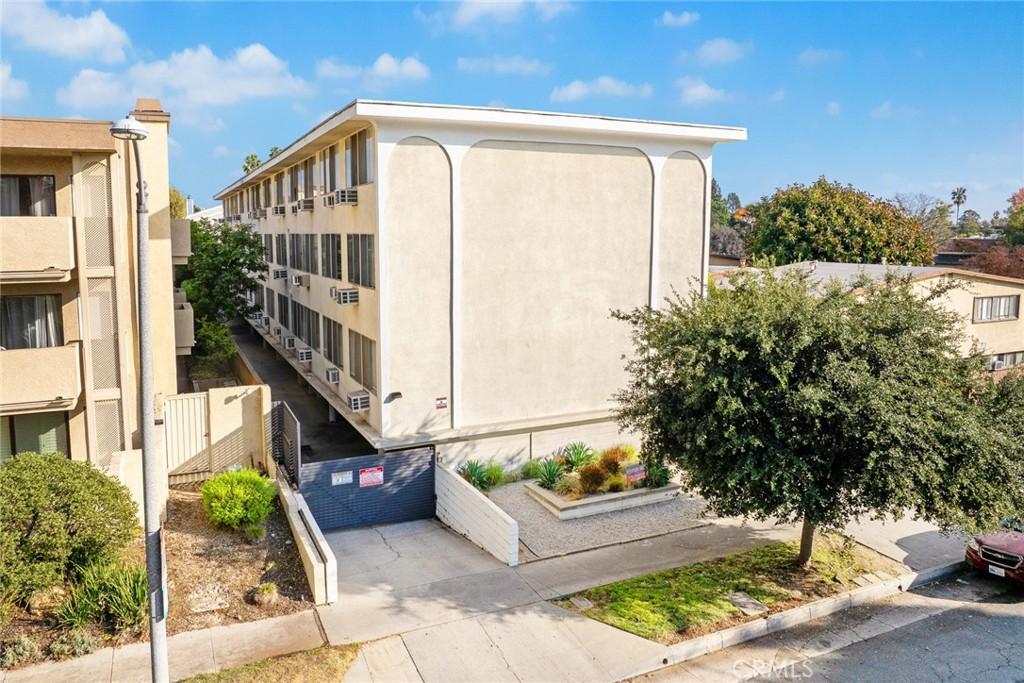
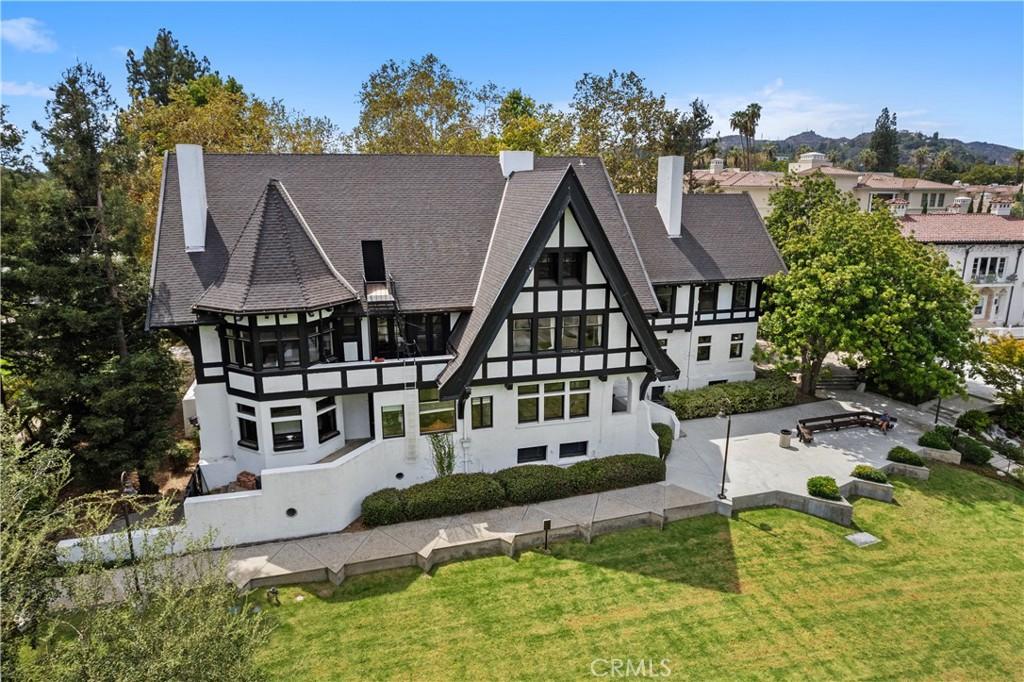
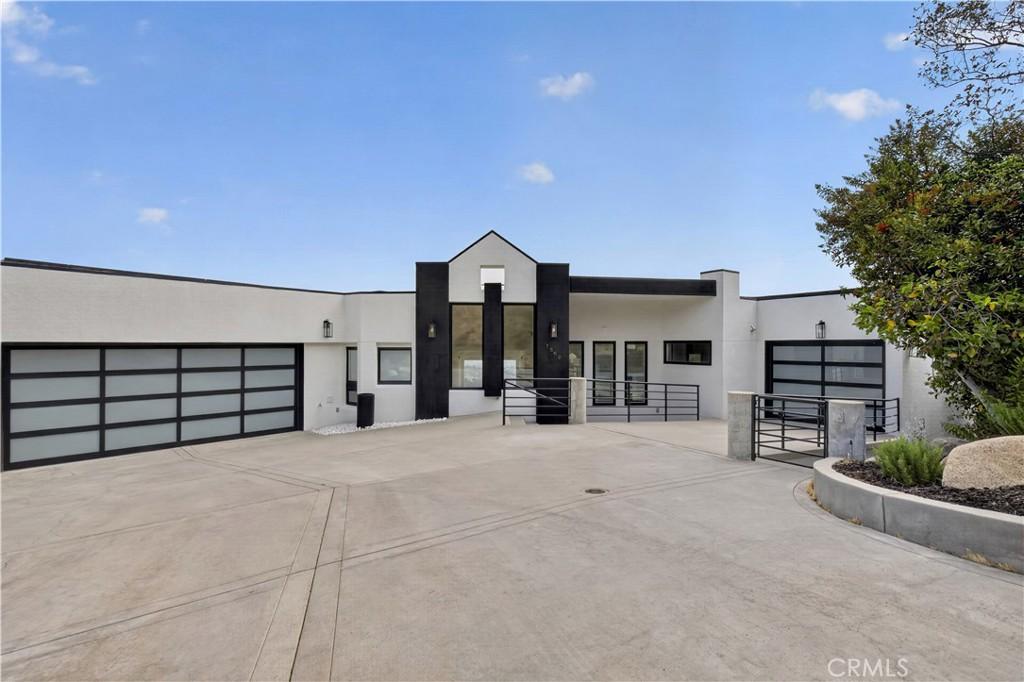
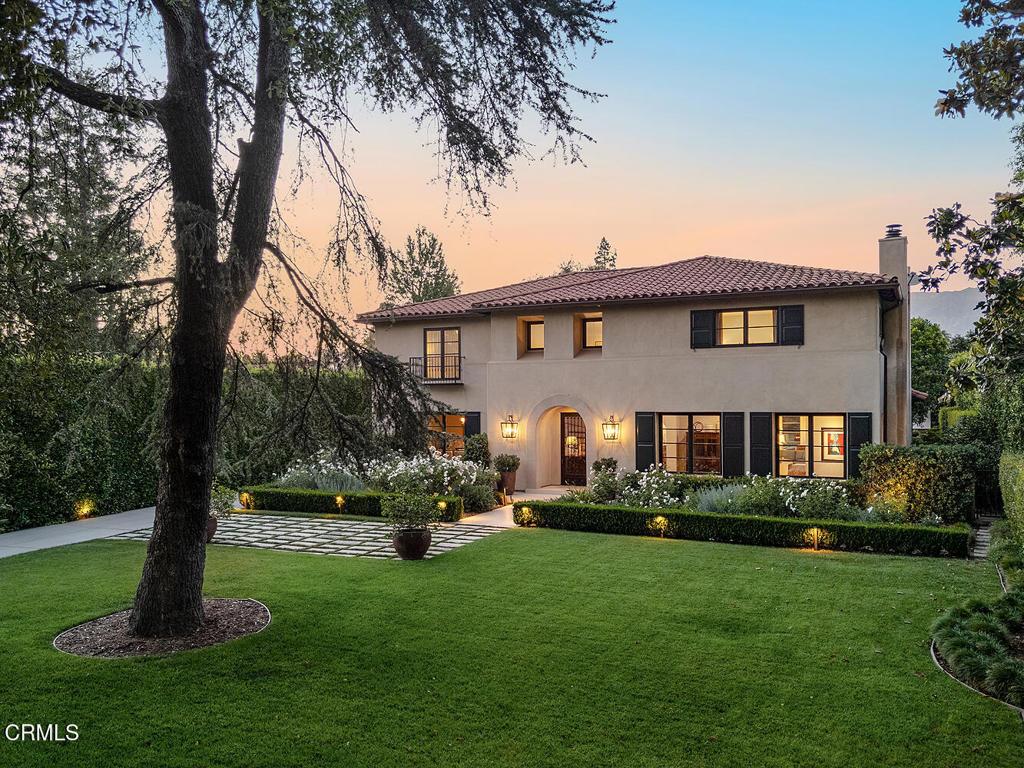
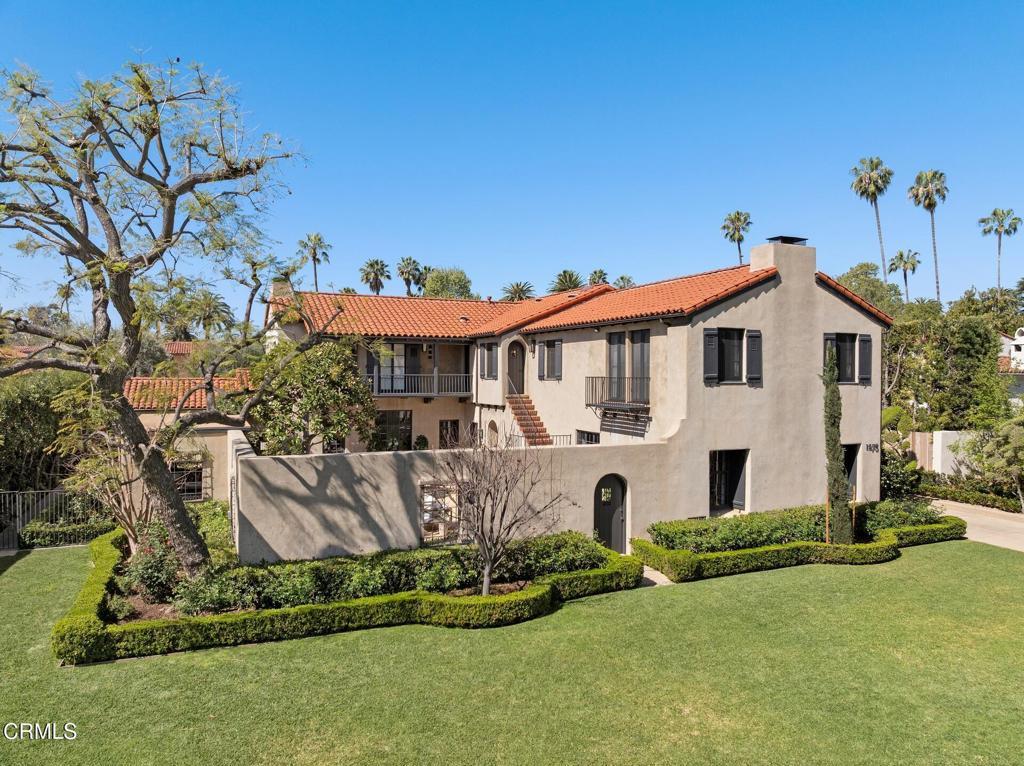
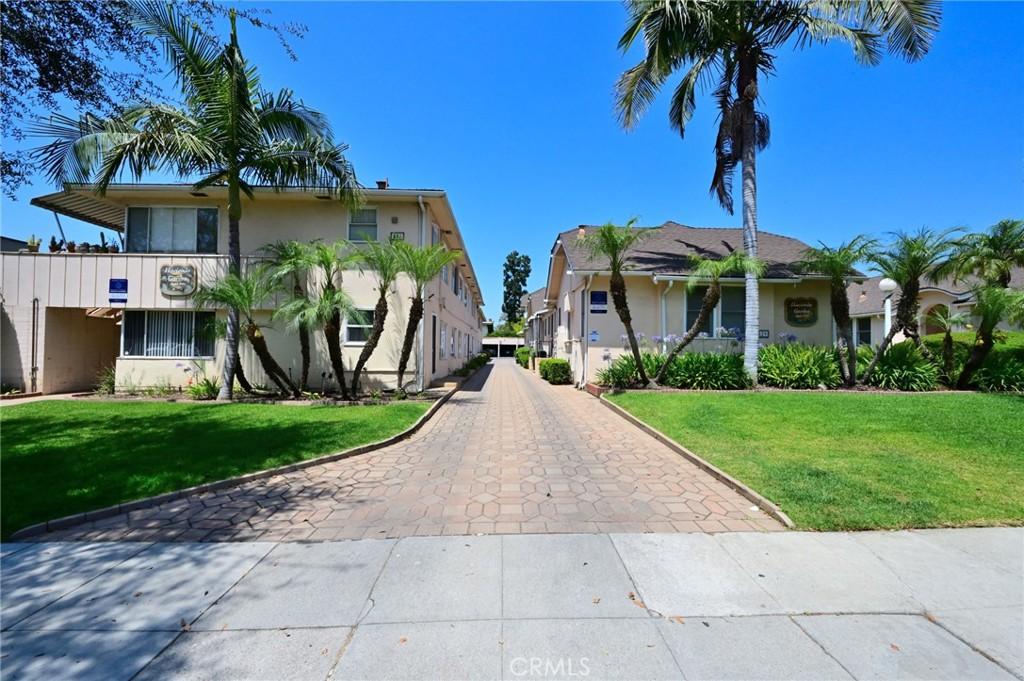
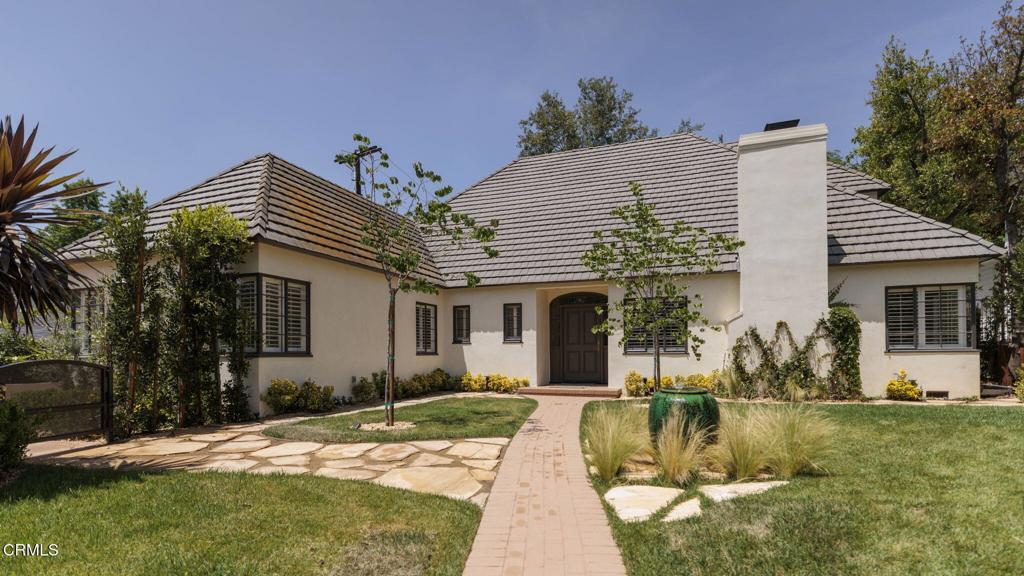
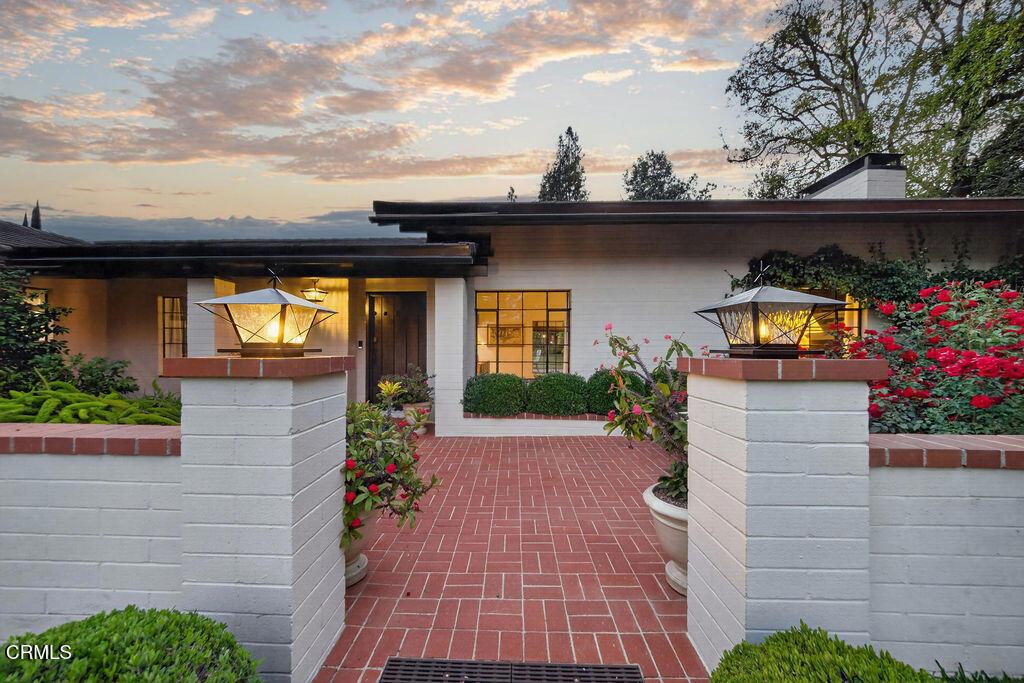
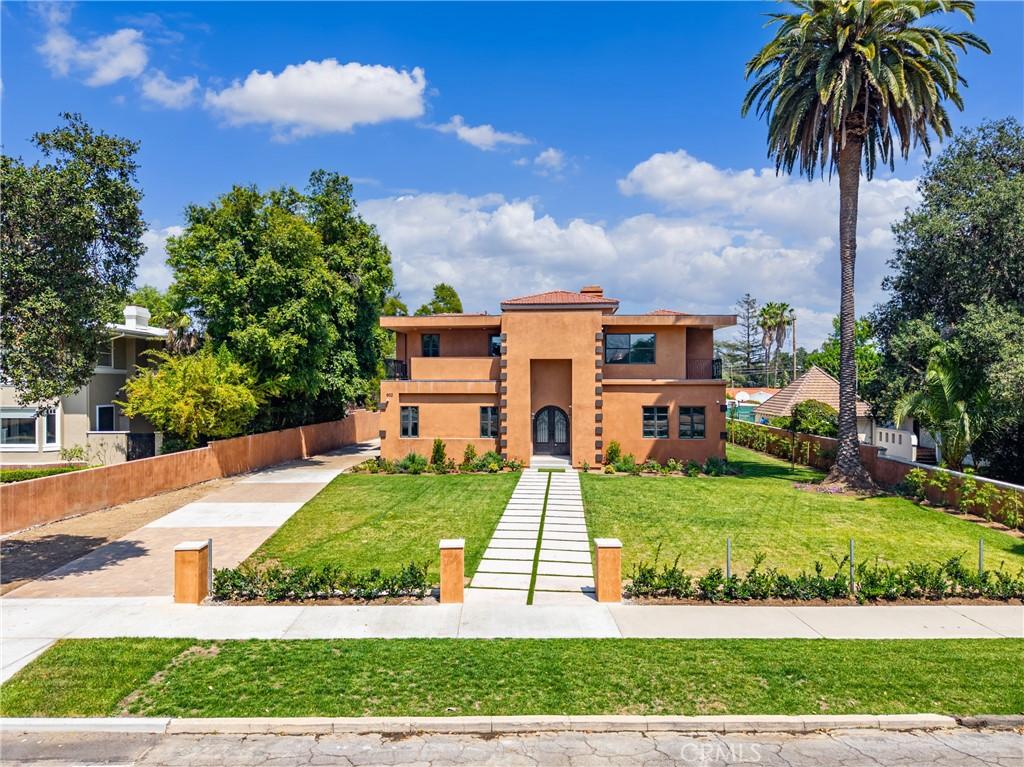
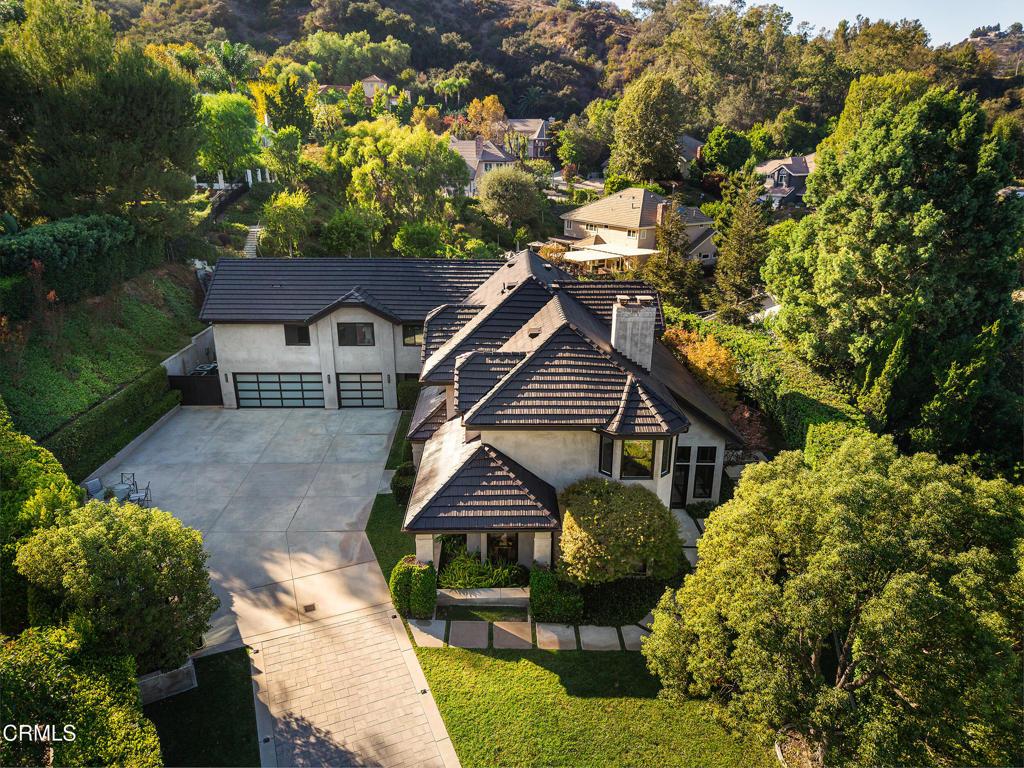
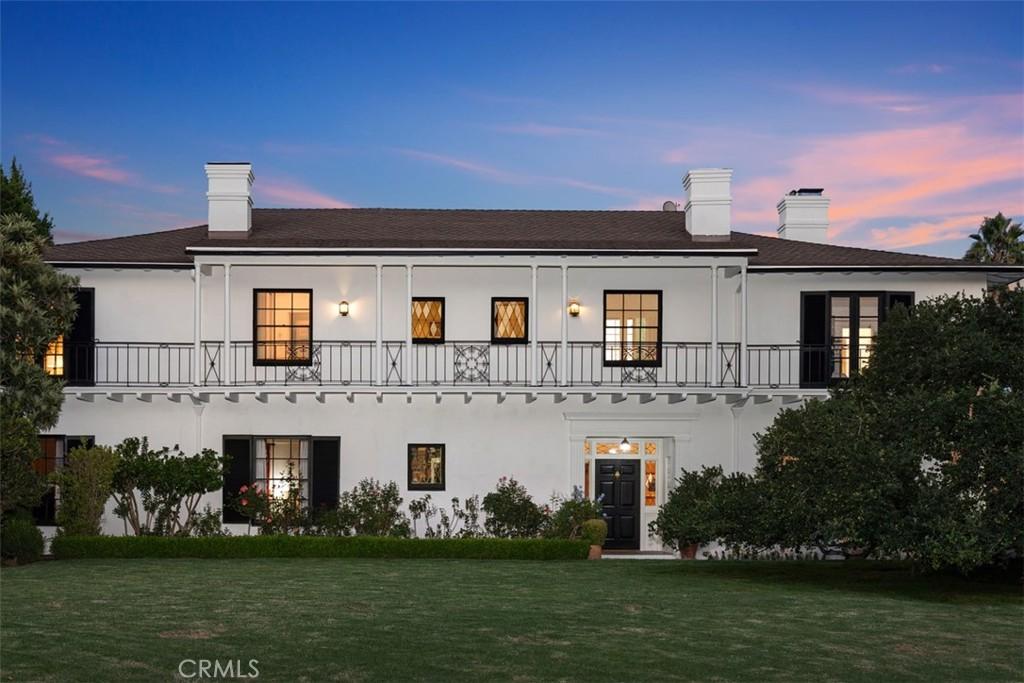
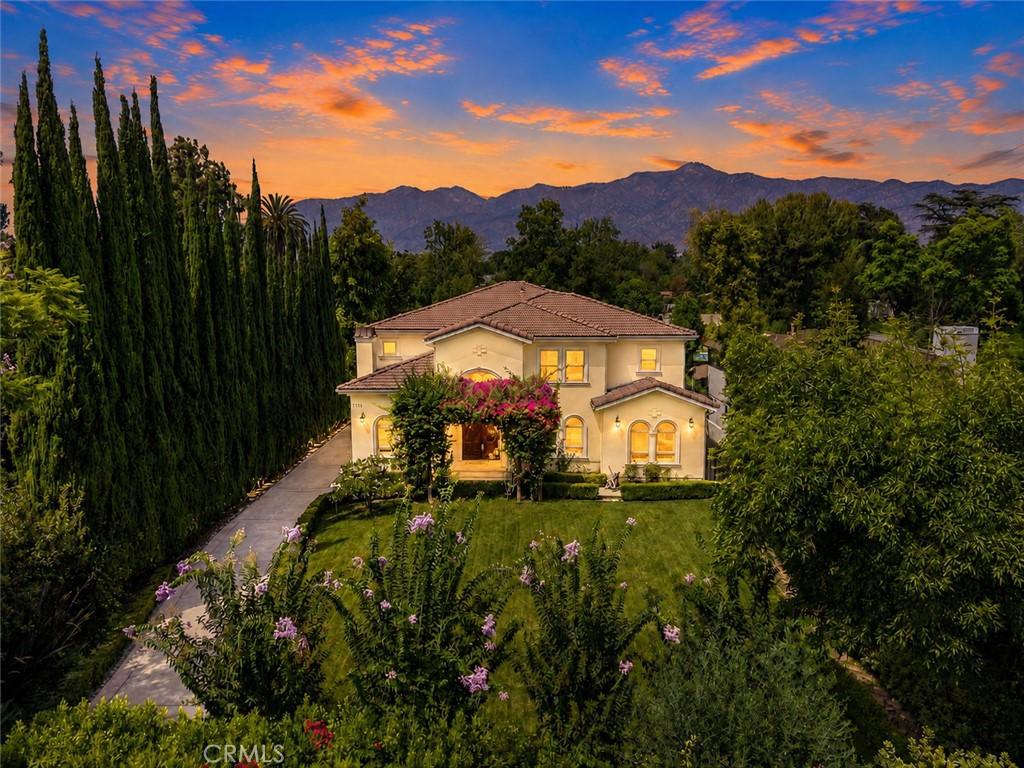
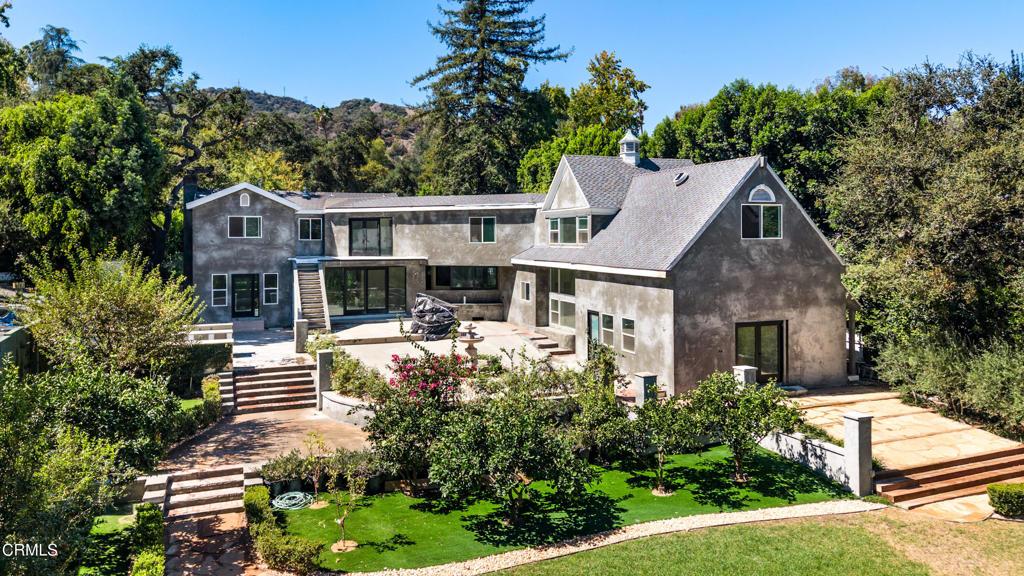
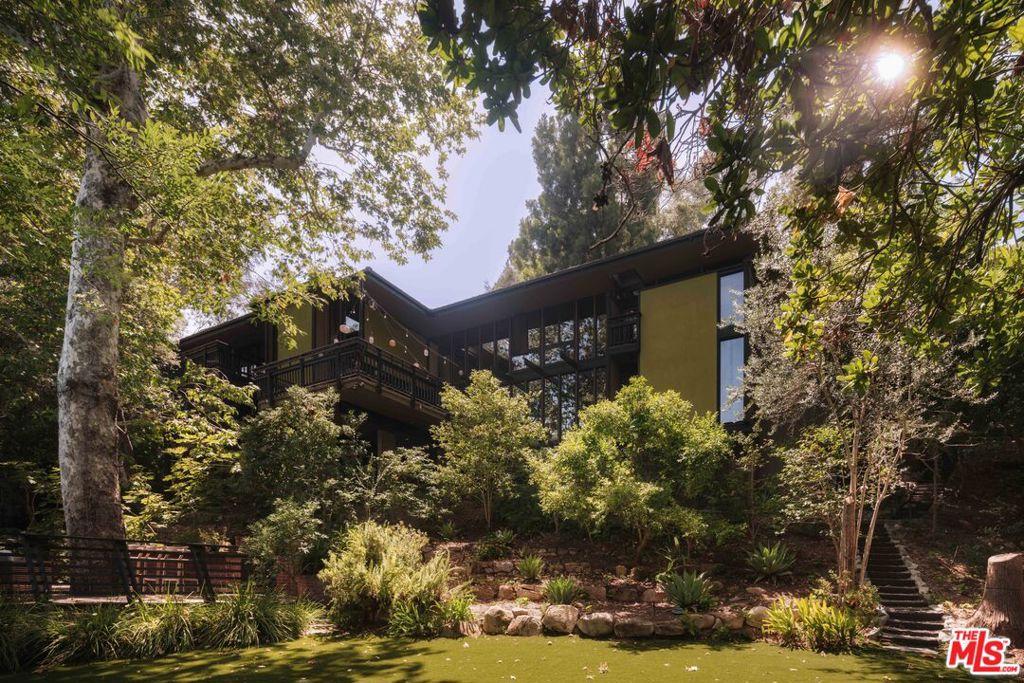
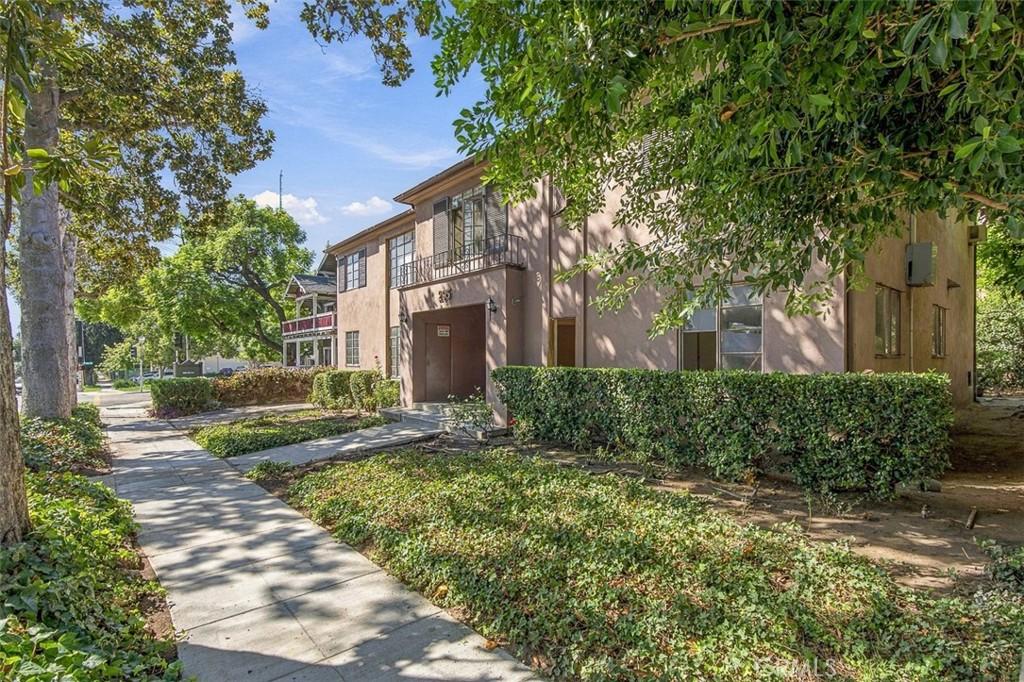
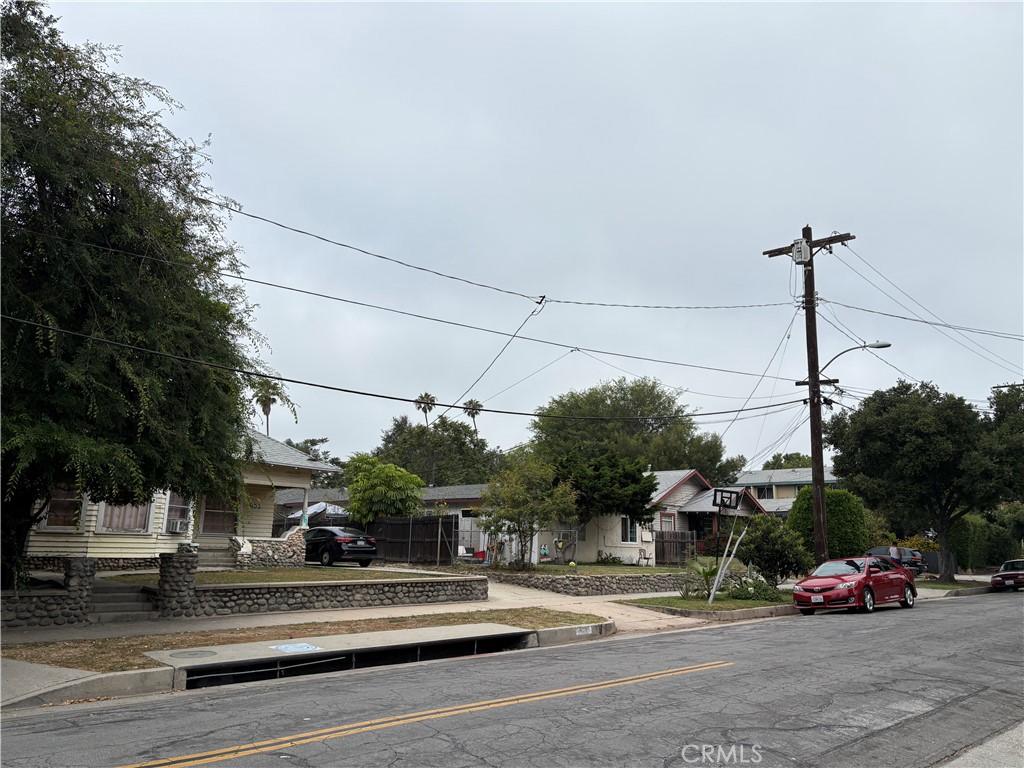
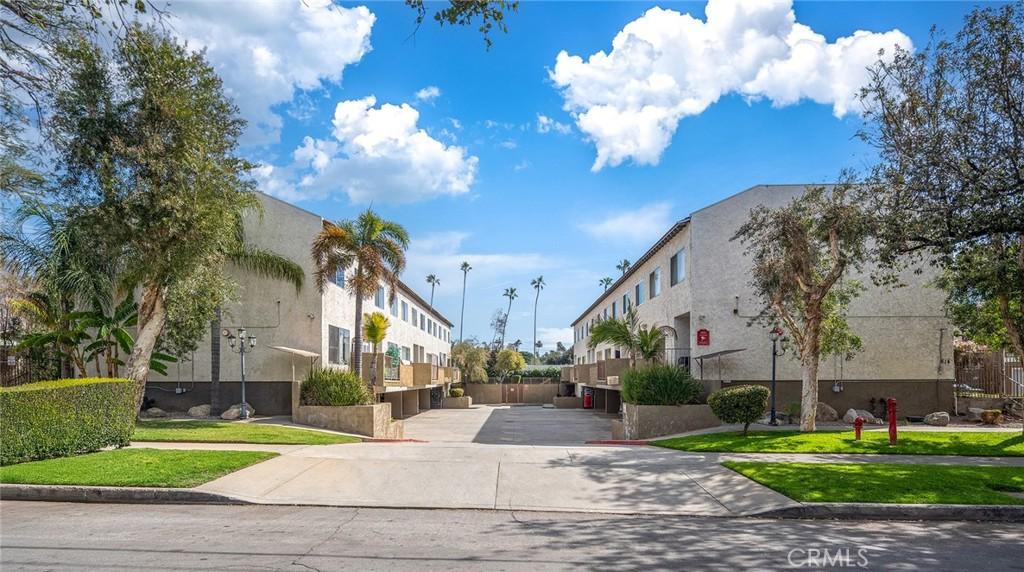
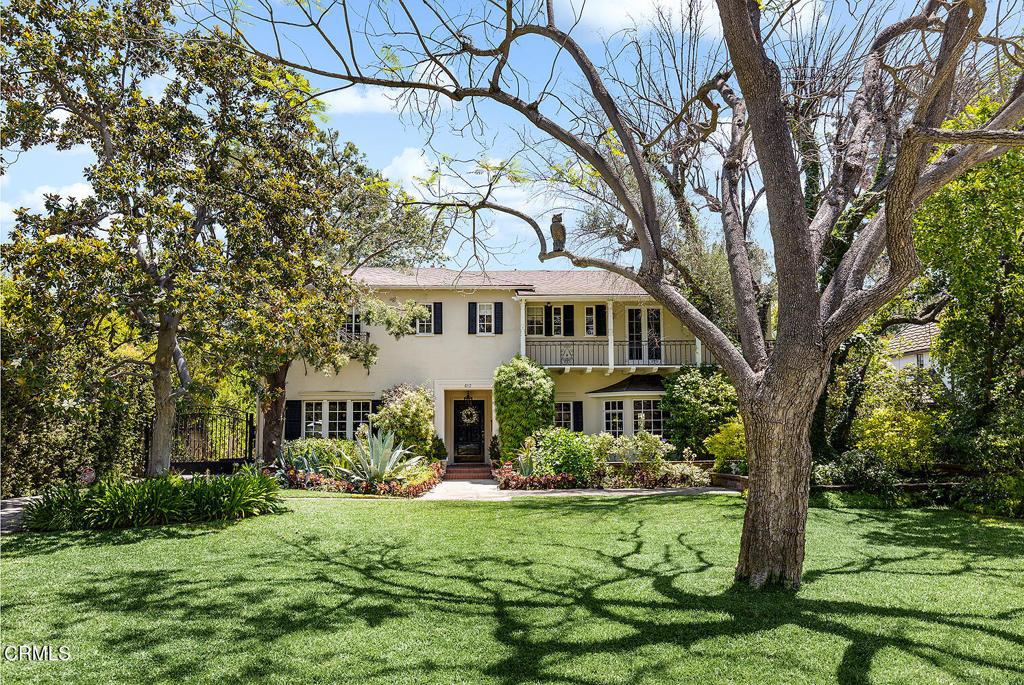
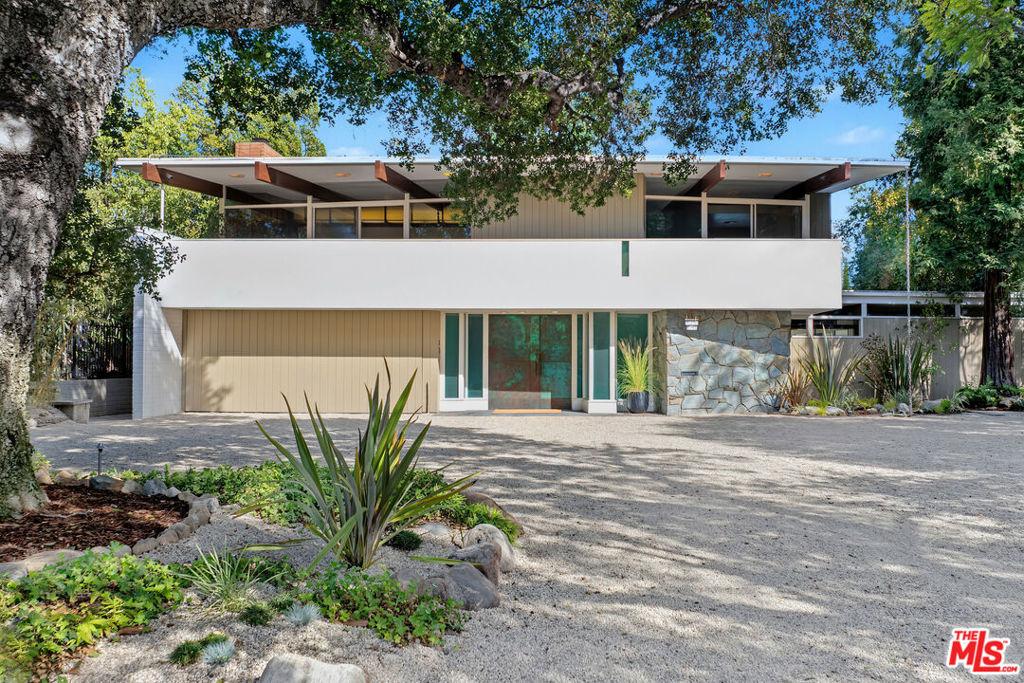
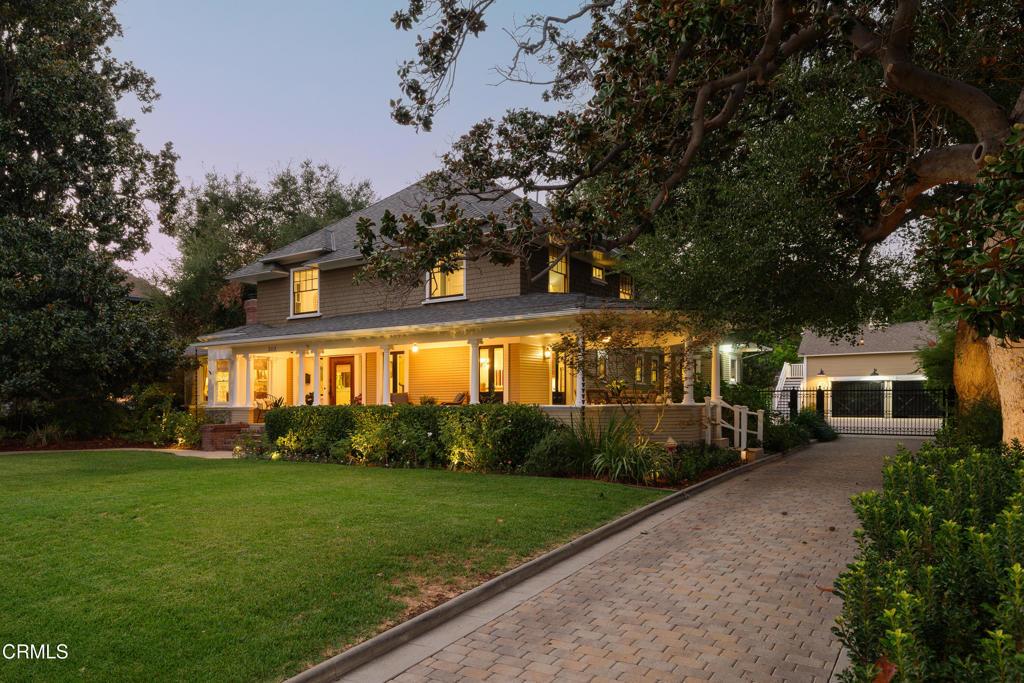
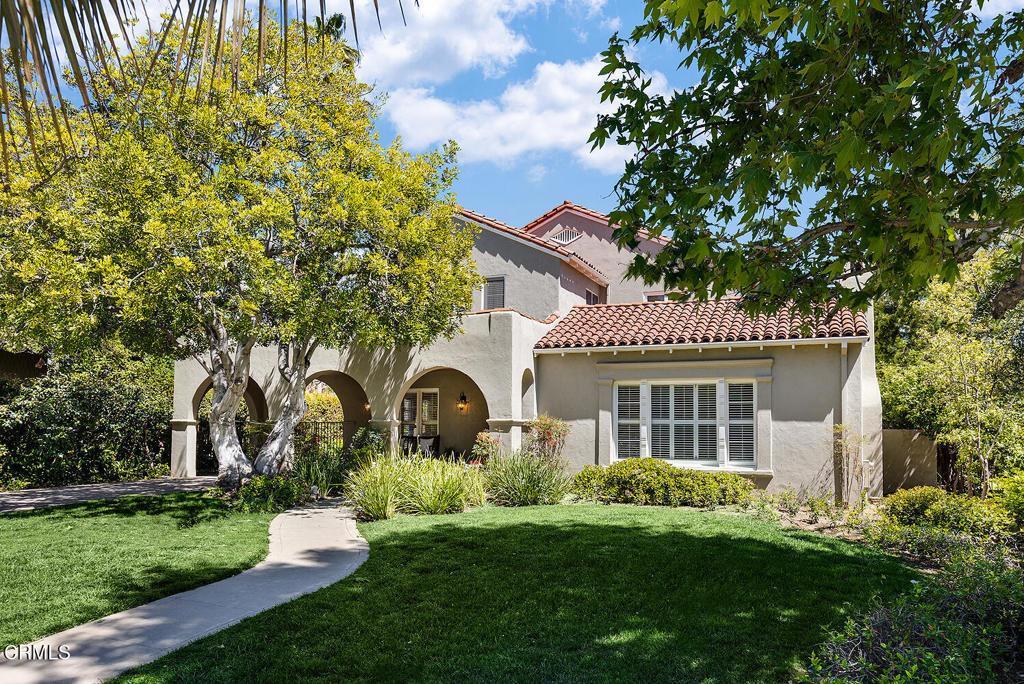
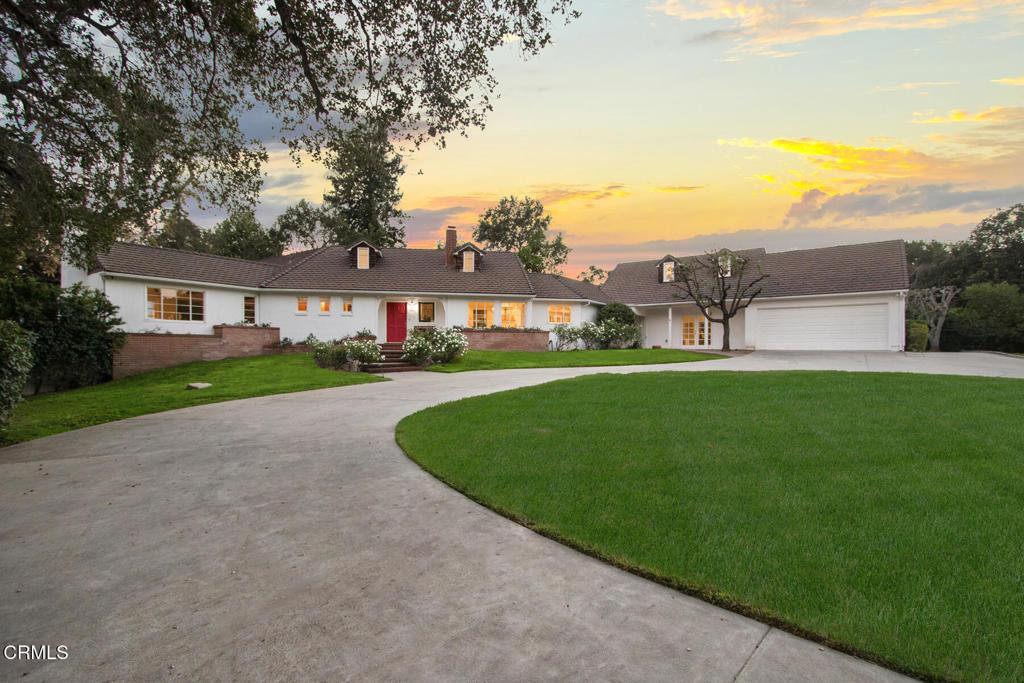
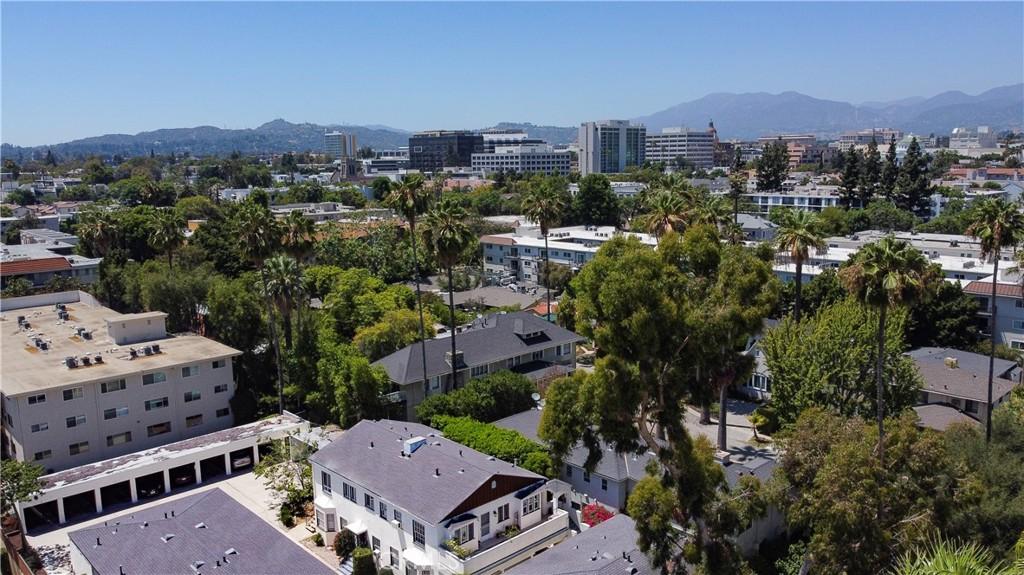
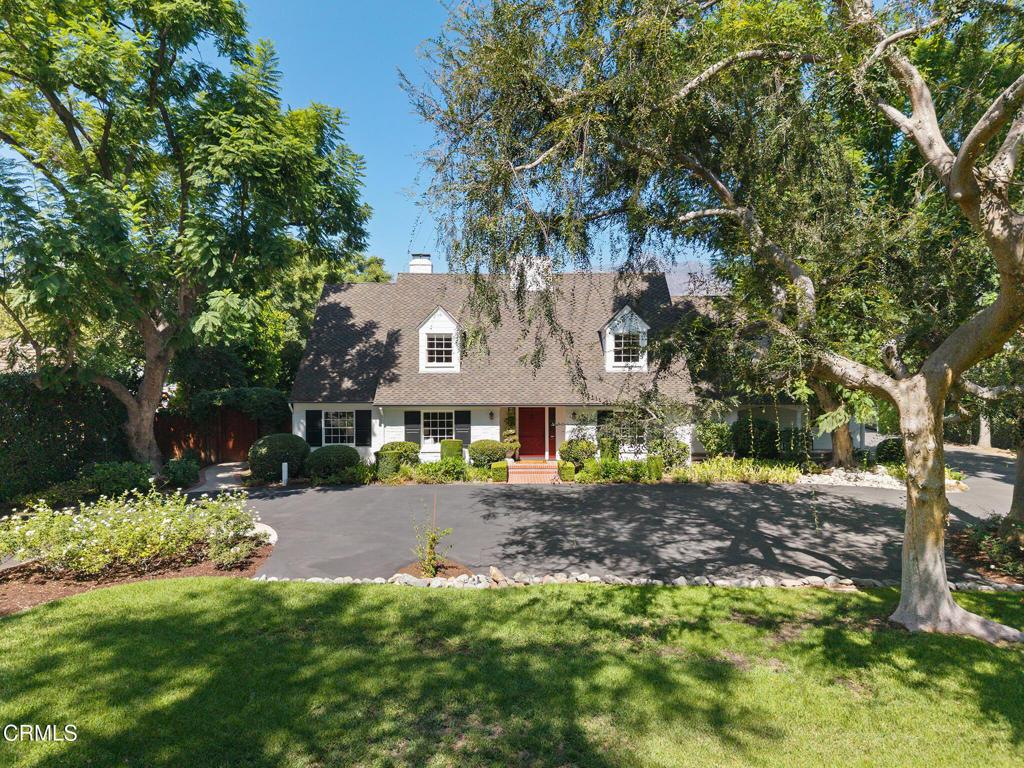
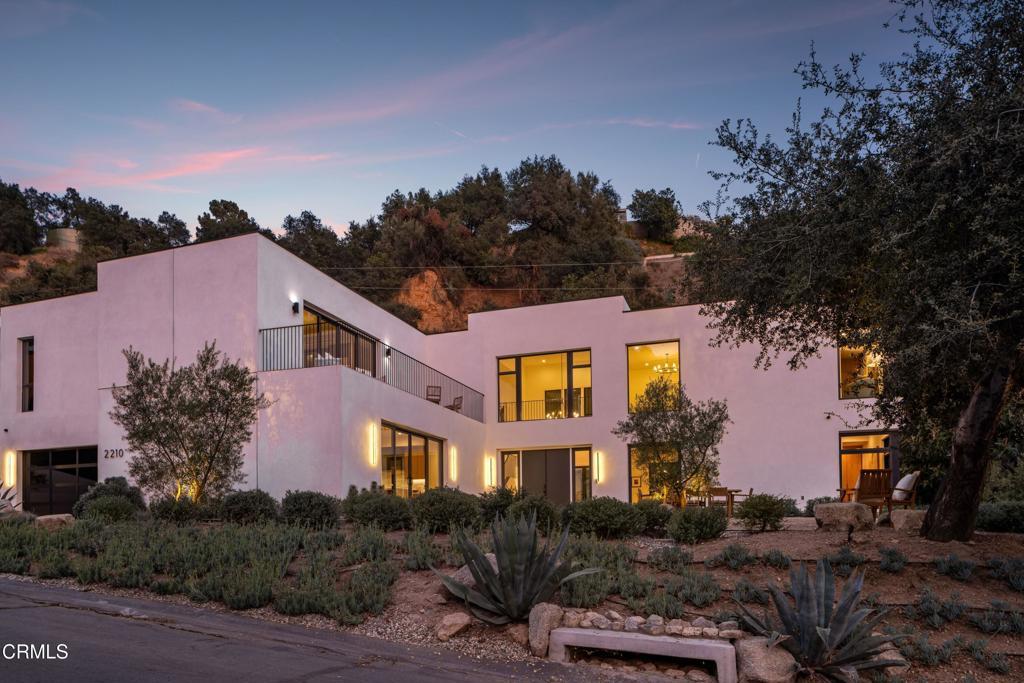
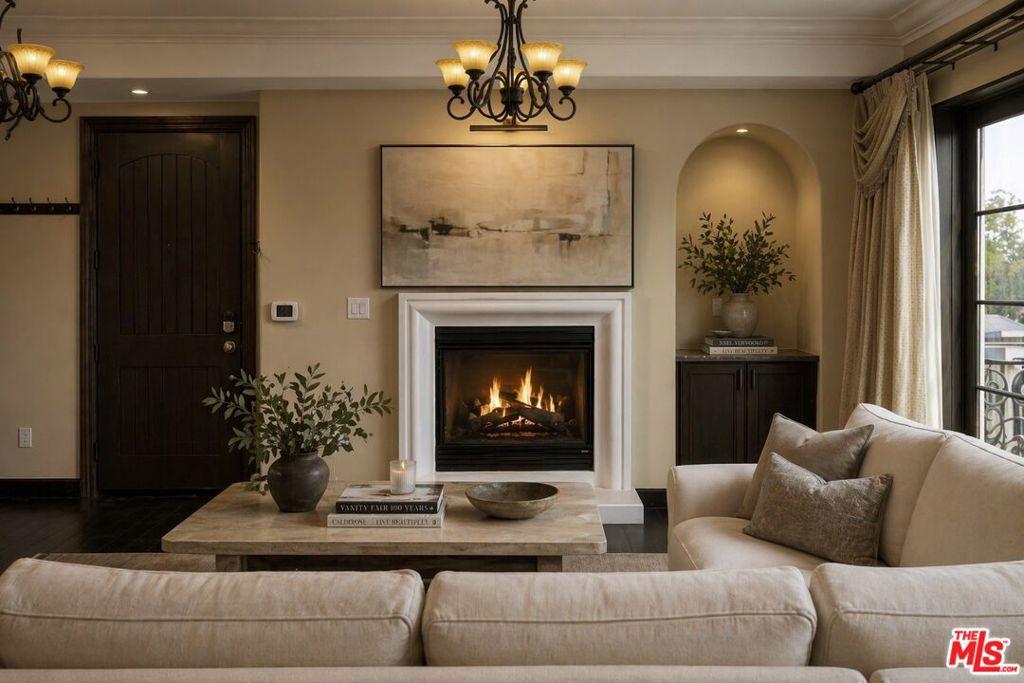
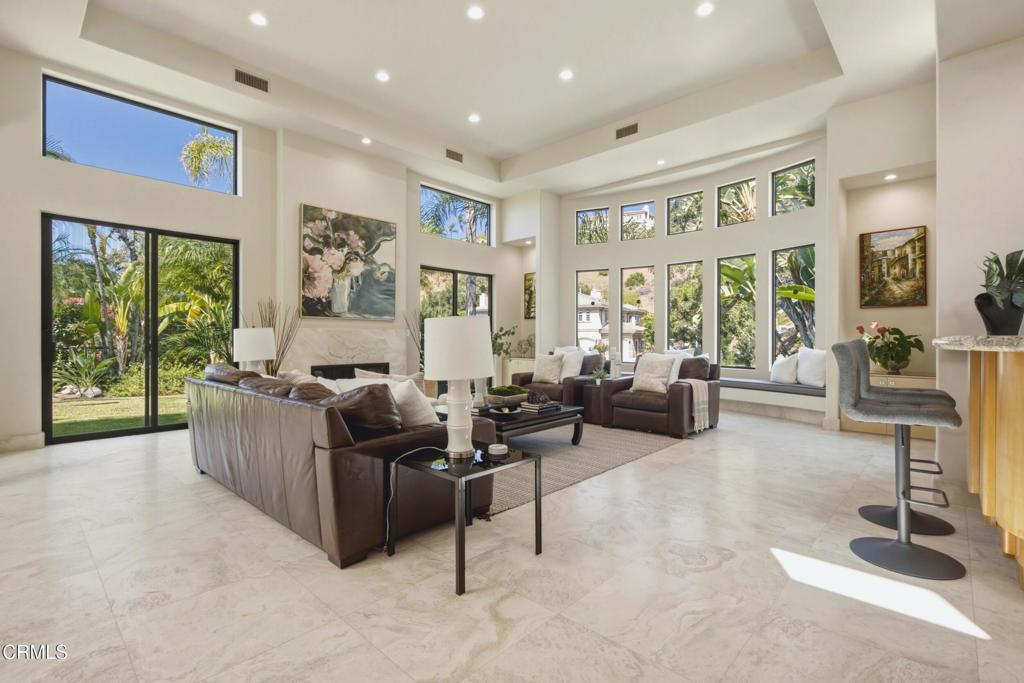
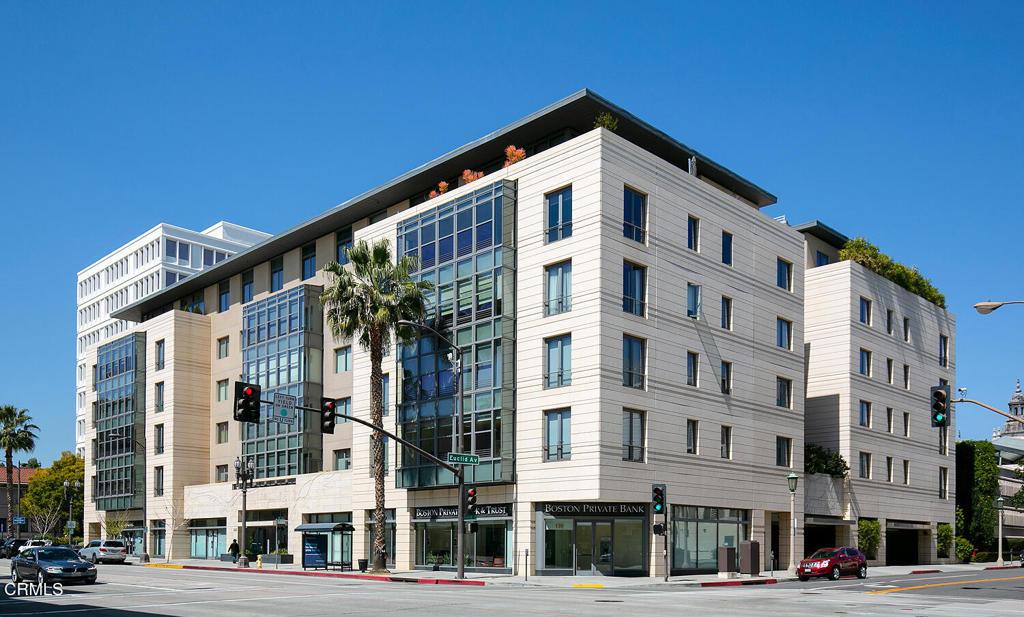
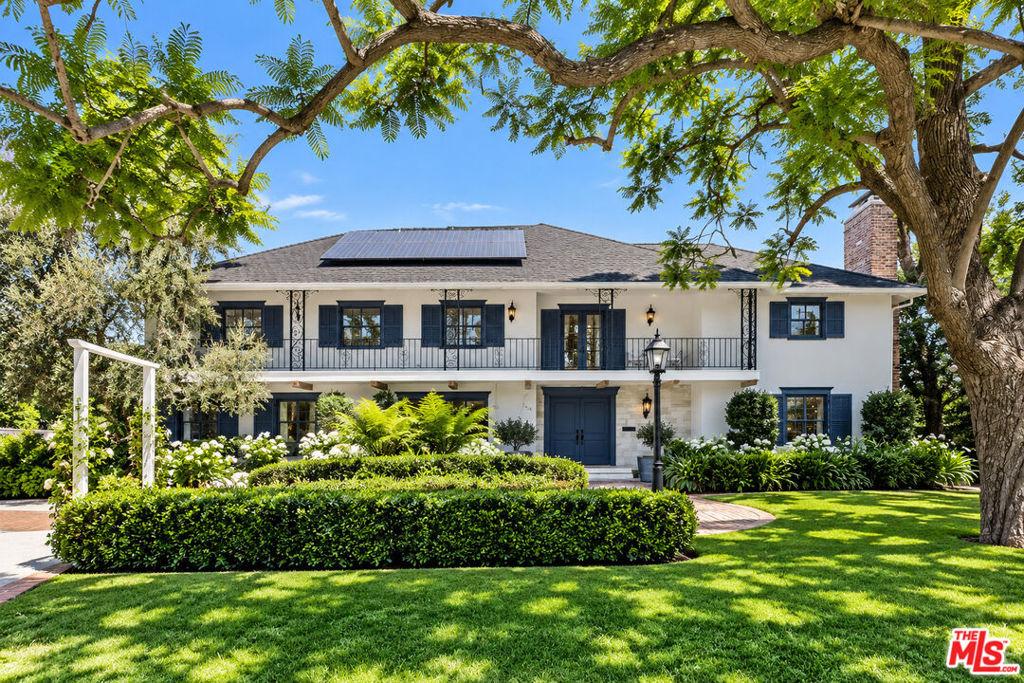
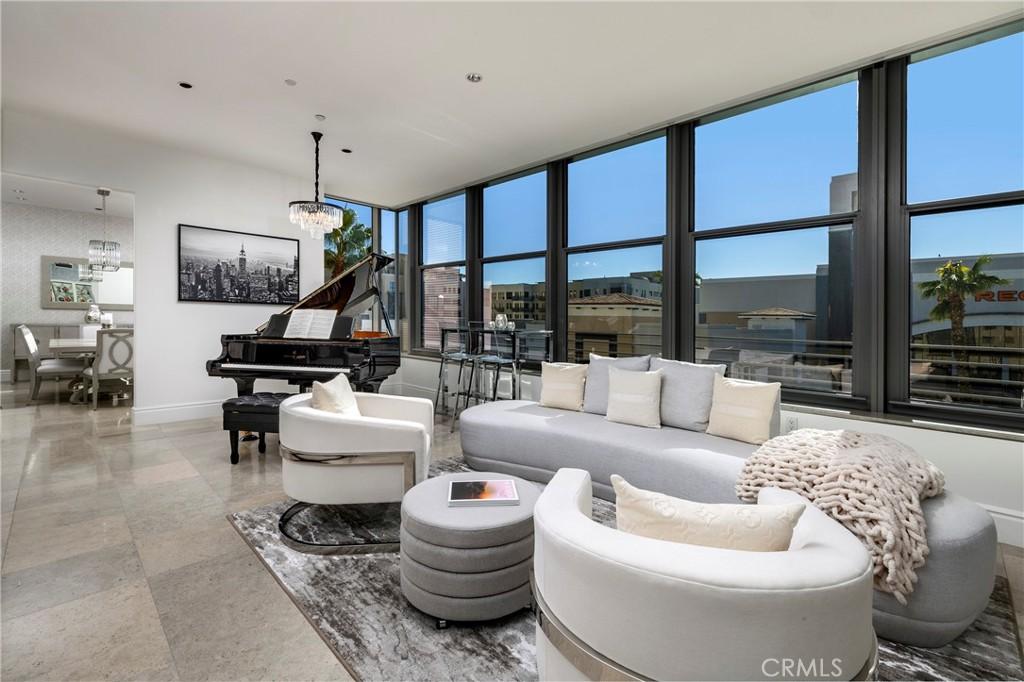
The homes in Historic Highlands were predominantly built in the early 20th century during the period when Pasadena was attracting wealthy Midwestern and Eastern transplants seeking a semi-tropical residential alternative to colder climates. The resulting architecture reflects formal residential design sensibilities of that era: large homes with substantial setbacks, formal landscaping, and architectural styles including Colonial Revival, Craftsman, and Spanish Colonial. The consistency of the period and the quality of original construction give the neighborhood a grandeur that has aged well.
The Highlands Neighborhood Association maintains active involvement in neighborhood preservation and community programming, contributing to the cohesion and identity of the area in a way that sustains property values and community quality over time. The neighborhood association and its activities reflect a broader pattern in Pasadena where organized community investment in preservation and civic engagement directly correlates with long-term residential desirability.
The northwest Pasadena location gives Historic Highlands access to Old Pasadena’s commercial district a short drive to the south, and to the Arroyo Seco trail system and the Rose Bowl corridor to the west. The 210 Freeway is accessible from the Arroyo Seco Parkway (110) connection or from the northern 210 interchanges, providing regional freeway connectivity without requiring travel through the city’s commercial core during peak hours.
Pasadena citywide runs a median sale price around $1,250,000, up 3.7% year-over-year, $791 per square foot down 0.5% year-over-year, median list price $1,170,000 at $769 per square foot, 240 homes on market, 83 sold, 48 days on market, 103.9% sale-to-list ratio, 1 average offer, and 39.7% average down payment. Historic Highlands homes price above the citywide median, reflecting the neighborhood’s architectural quality, canopy infrastructure, and established prestige. The combination of period architecture, mature landscaping, and active neighborhood association support makes Historic Highlands one of the more consistently desirable addresses in northwest Pasadena outside the estate-tier areas of Linda Vista, Annandale, and Oak Knoll.
Schools serving Historic Highlands fall within Pasadena Unified School District. Field Elementary and nearby schools serve the K-5 level. Blair High School is among the assigned secondary options. The northwest Pasadena location also puts the neighborhood within relatively easy access to private school alternatives in Pasadena’s established independent school corridor.
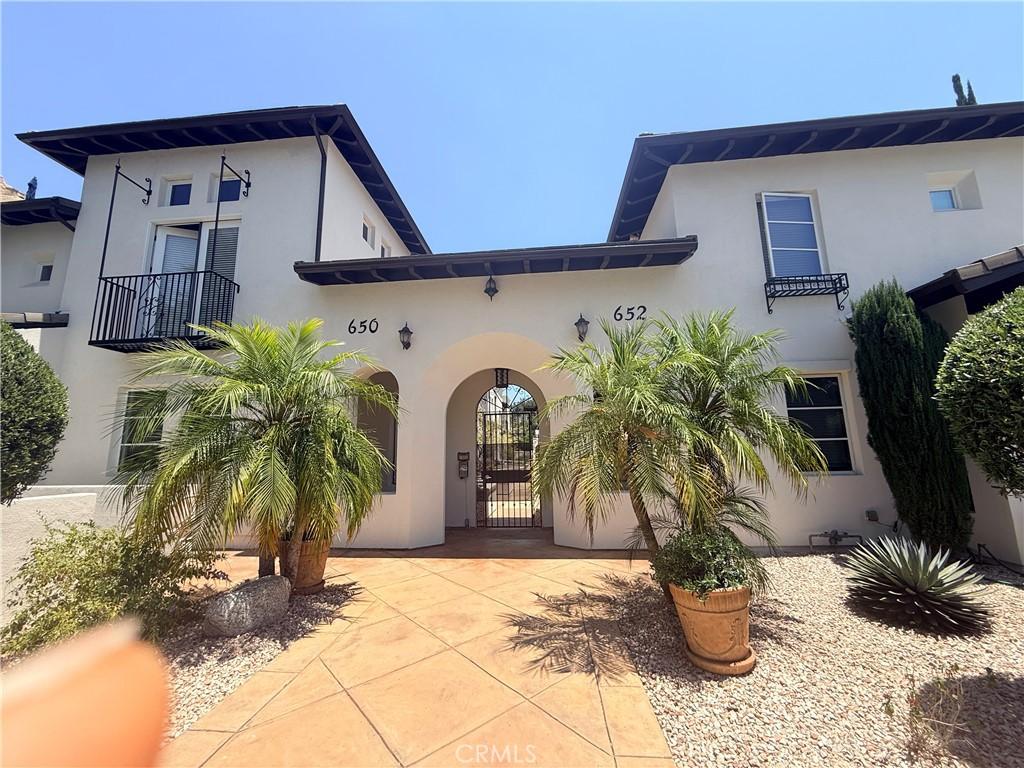
Historic Highlands is a recognized residential neighborhood in northeast Pasadena, positioned in the area north of East Colorado Boulevard and south of the Eaton Canyon approach roads, characterized by housing stock that reflects multiple development eras from the early twentieth century through the post-war period. The neighborhood’s “Historic” designation in its name reflects the older construction vintage and architectural character of its most established residential streets, which include homes from the 1920s and 1930s built in the period revival styles (Craftsman, Spanish Colonial Revival, and Mediterranean) that defined California residential construction in those decades. This older architectural stock distinguishes Historic Highlands from the purely post-war ranch home tracts that characterize much of east Pasadena’s residential inventory.
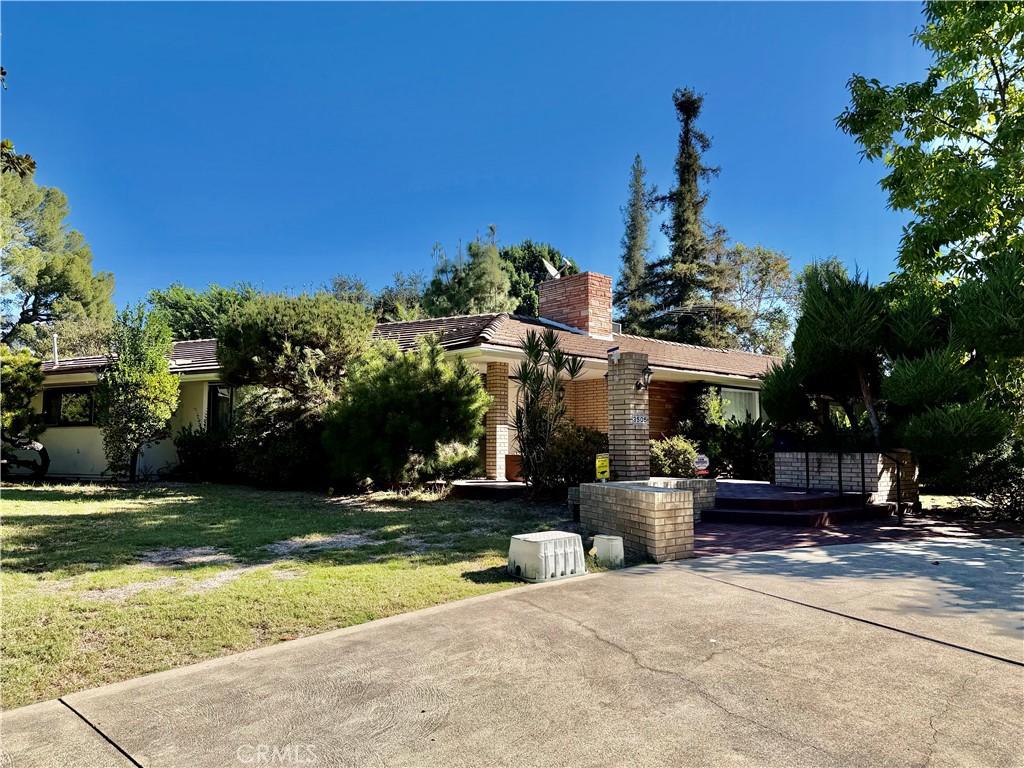
The housing variety in Historic Highlands creates a neighborhood where buyers in multiple architectural preference categories can find inventory within a geographically compact area. The older streets nearest the neighborhood’s western edge carry the pre-war period revival homes, while the blocks developed later in the 1950s and 1960s have the ranch home and minimal traditional configurations typical of the post-war California residential market. The mix produces a neighborhood character that is more architecturally diverse than the single-era tract neighborhoods and provides more renovation flexibility for buyers who want to work with period character without the regulatory constraints of a formal HPOZ designation.
The Eaton Canyon Natural Area is the primary outdoor recreation resource for Historic Highlands, accessible from Altadena Drive approximately 1.5-2 miles north. The standard access route for most Historic Highlands residents is north on Sierra Madre Villa Avenue or Rosemead Boulevard to Altadena Drive, then west to the Nature Center parking area. The 3.8-mile round trip to Eaton Canyon Falls is the primary destination hike, though the canyon offers additional trail routes for residents who want longer or more varied options. Morning trail use from the neighborhood is typically a 20-30 minute door-to-door trip including driving to the trailhead and parking, making the canyon a practical weekday morning or weekend destination rather than just an occasional excursion.
East Colorado Boulevard is the primary commercial corridor for Historic Highlands residents, providing grocery access (Trader Joe’s and conventional markets), restaurants, coffee shops, and neighborhood-serving retail approximately 0.5-1 mile south depending on specific address. The corridor’s combination of national chain and independent local businesses provides both everyday commercial needs and the variety of restaurant options that east Pasadena residents use for dining out without traveling to Old Pasadena or the Playhouse District. The Trader Joe’s on East Colorado Boulevard is consistently one of the most-cited commercial amenities by northeast Pasadena residents as a practical daily-use destination that represents the benefit of the Pasadena address versus the adjacent Arcadia and Temple City addresses, where the specific Trader Joe’s location on Colorado is outside the city limits.
Schools serving Historic Highlands are within Pasadena Unified School District, with the northeast area school assignment process determining specific elementary school placement. The PUSD high school pathway for most Historic Highlands addresses leads to Pasadena High School on North Sierra Madre Villa Avenue, which hosts the Humanities Project college preparatory program and a range of Career Technical Education pathways. Blair High School on North Sierra Madre Boulevard, which hosts the International Baccalaureate program and the Center for Advanced Studies, is the other main Pasadena high school option accessible through PUSD’s program application system. Families who are specifically motivated by the IB program at Blair should research the application timeline and placement criteria before their child’s transition to high school, as IB placement is competitive and requires advance planning.
The commute infrastructure serving Historic Highlands is centered on the 210 Freeway, accessible via Sierra Madre Villa Avenue and Rosemead Boulevard on-ramps within 1-2 miles of the neighborhood. The Sierra Madre Villa Gold Line station, approximately 1 mile west of the neighborhood center, provides transit access to the Metro system for residents who commute by rail. The combination of 210 freeway access and Gold Line proximity gives Historic Highlands a commute flexibility that is useful for households where one partner commutes by car (toward the eastern San Gabriel Valley or Inland Empire) and the other by transit (toward Downtown Los Angeles or Pasadena’s central employment areas).
Renovation activity in Historic Highlands encompasses both the pre-war and post-war housing categories. The pre-war period revival homes require renovation approaches appropriate to their construction era: foundation assessment (many California pre-war homes have post-and-pier or older foundation systems that have settled or require seismic retrofitting), window replacement with period-appropriate materials, and mechanical systems replacement from original configurations. The post-war ranch homes have the standard renovation scope of window replacement, kitchen reconfiguration, and bath updates. The absence of an HPOZ overlay gives renovation buyers exterior modification flexibility for both housing types, though individual historic designation may apply to specific pre-war properties and should be checked before planning exterior work.
The Historic Highlands buyer profile overlaps with the broader northeast Pasadena first-time and move-up buyer market but adds a segment of architecturally motivated buyers who are specifically looking for older housing character at east Pasadena pricing. The pre-war homes on the neighborhood’s older streets provide an entry point into Pasadena’s architectural heritage for buyers who want period character but who cannot afford the price premium of the HPOZ-designated neighborhoods in central Pasadena. The mix of pre-war and post-war inventory within the neighborhood also serves buyers across a range of renovation tolerance and budget profiles, from those who want a turn-key modern home to those who are specifically seeking restoration opportunity in the older construction period.
Insurance considerations for Historic Highlands are within the standard flatland east Pasadena range: the neighborhood’s position below the 210 freeway and away from the Very High FHSZ hillside terrain keeps the admitted market insurance situation more straightforward than for the hillside neighborhoods to the north and west. Post-January 2025 insurance market changes have affected availability throughout greater Pasadena, including the flatland east Pasadena neighborhoods, and buyers should confirm current insurance availability and pricing for any specific Historic Highlands address during due diligence. Pre-war properties may have specific insurance considerations related to knob-and-tube wiring, old-growth fir or cedar framing, and plaster wall construction that some insurers rate differently than post-war conventional framing.
The market pricing for Historic Highlands reflects the pre-war character premium over the purely post-war east Pasadena ranch home tracts, offset by the east Pasadena commercial access discount relative to central Pasadena. On a per-square-foot basis, the older pre-war properties in Historic Highlands typically price above comparable-sized post-war homes in Hastings Ranch or Banbury Oaks but below the comparable pre-war homes in the central Pasadena historic neighborhoods. The net effect is a neighborhood where the purchase price is differentiated by housing type and condition more than by a consistent neighborhood-wide premium, creating valuation opportunities for buyers who can identify underpriced pre-war inventory relative to the renovation-completed comparable sales in the district.
The older homes in Historic Highlands from the 1920s and 1930s carry construction characteristics that renovation-minded buyers should understand before purchase. These properties typically have original electrical service with fewer circuits than contemporary household power use requires, galvanized or cast-iron water supply lines at or past the end of their service life, original single-pane wood or metal windows, and in some cases knob-and-tube wiring that predates conduit-and-romex conventions. A comprehensive renovation of a Historic Highlands pre-war property typically includes an electrical service upgrade to 200-amp service, whole-house repiping to PEX or copper supply lines, window replacement, and mechanical systems replacement, in addition to the cosmetic scope of kitchen, bath, and flooring updates. Buyers who are prepared for this scope and have the budget to execute it find the Historic Highlands pre-war stock one of the more rewarding renovation opportunities in east Pasadena.
The community of renovated and renovation-in-progress homes in Historic Highlands creates a neighborhood where buyers can evaluate the direction that the market is moving by examining the concentration of recent permit activity and completed renovation examples. Neighborhoods where the ratio of renovated to original-condition homes is increasing are typically in an improvement trajectory that supports renovation investment, while neighborhoods where the ratio is declining or stable may be experiencing reduced investor attention. Historic Highlands’ concentration of older housing stock that is attractive to renovation buyers, combined with its Pasadena address and PUSD access, has positioned it in the improvement trajectory that east Pasadena’s entry-tier neighborhoods have followed over the past 15-20 years.
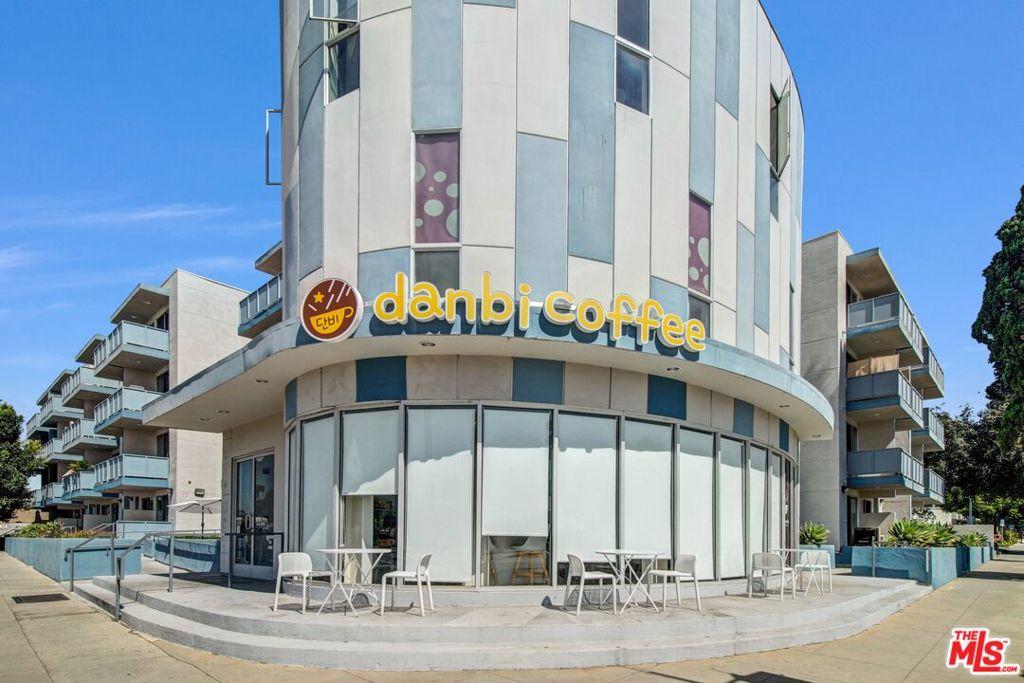
The La Pintoresca branch library on North Raymond Avenue is approximately 2 miles northwest of the Historic Highlands neighborhood center by car, providing the nearest branch library facility for the area. Central Park’s pool and sports facilities are similarly accessible by car in approximately 10-15 minutes. For daily recreation closer to home, the residential streets of Historic Highlands with their tree canopy and period character provide the pedestrian environment that many residents use for morning walks and informal exercise within the neighborhood’s residential grid. The connection from the neighborhood to the East Colorado Boulevard commercial corridor approximately 0.5-1 mile south gives Historic Highlands residents walkable access to coffee and casual dining that supplements the more car-dependent access to the full grocery and restaurant concentration further west.
The Eaton Fire of January 2025 burned extensively in the Altadena and upper northeast Pasadena areas north of the 210 freeway, creating a regional context that affects the Historic Highlands neighborhood even though it is positioned below the 210 in the flatland area south of the freeway. The post-fire insurance market response throughout greater Pasadena has made confirmed insurance availability a due-diligence priority for all Pasadena residential purchases, including Historic Highlands properties. Buyers should obtain current insurance quotes for their specific Historic Highlands address before finalizing an offer and should not assume that the admitted market insurance availability and pricing of the pre-2025 period still applies.
The Saturday Pasadena Farmers Market at Victory Park on Paloma Street and Sierra Madre Boulevard is approximately 2-3 miles from Historic Highlands by car and serves as a weekly community-building destination for east Pasadena residents who want fresh produce, local prepared food, and the informal social environment of a recurring Saturday market. The market is held year-round and carries a selection of Southern California seasonal produce alongside the regular vendor relationships that market-goers develop over time. Historic Highlands residents who incorporate the Saturday market into their weekly routine find it a practical supplement to the East Colorado Boulevard grocery options and a regular point of community contact with the broader east and central Pasadena residential population that attends.
The Historic Highlands neighborhood’s east Pasadena position places it within a geographic corridor that has seen modest but consistent appreciation over the 20-year period from 2003 through 2023, driven primarily by the Pasadena address premium and the PUSD school access that distinguish even the peripheral Pasadena neighborhoods from the adjacent San Gabriel Valley cities. Buyers who have held Historic Highlands properties over 10-year periods have generally seen positive equity accumulation consistent with the broader Pasadena residential market’s performance, with the older pre-war housing stock providing an additional appreciation driver from the increasing recognition of early twentieth-century California residential architecture as a desirable and finite resource.
What is it like to live in Historic Highlands Pasadena Homes?
- Historic Highlands Pasadena Homes were predominantly built in the early twentieth century, when Pasadena attracted wealthy Midwestern and Eastern transplants seeking a semi-tropical residential alternative.
- Architecture across the neighborhood reflects formal residential design sensibilities, with large homes set on substantial setbacks and framed by formal landscaping.
- Colonial Revival, Craftsman, and Spanish Colonial styles define the established residential streets and give the area its recognizable period character.
- Consistency of the building period and the quality of original construction give Historic Highlands Pasadena Homes a grandeur that has aged well.
- The Highlands Neighborhood Association maintains active involvement in neighborhood preservation and community programming throughout the residential streets.
- Association activity contributes to cohesion and identity in a way that sustains property values and community quality over time.
- Organized community investment in preservation and civic engagement correlates directly with long-term residential desirability across Pasadena, a pattern visible here.
- Northwest Pasadena positioning places Historic Highlands Pasadena Homes a short drive north of Old Pasadena’s commercial district.
- Arroyo Seco trail system access and the Rose Bowl corridor sit to the west of the neighborhood.
- Freeway connectivity comes from the Arroyo Seco Parkway connection or the northern interchanges, avoiding travel through the commercial core at peak hours.
- Pricing in the neighborhood runs above the Pasadena citywide median, reflecting architectural quality, canopy infrastructure, and established prestige.
- Period architecture, mature landscaping, and active association support combine to make this one of the more consistently desirable northwest Pasadena addresses.
- Estate-tier areas including Linda Vista, Annandale, and Oak Knoll sit outside the neighborhood, which holds its own distinct standing.
- Pasadena Unified School District serves the neighborhood, with Field Elementary and nearby schools covering the elementary grade levels.
- Blair High School stands among the assigned secondary options for families living in the neighborhood.
- Private school alternatives in Pasadena’s established independent school corridor remain within relatively easy access from the northwest location.
- Housing stock reflects multiple development eras, from the early twentieth century through the post-war period, across a geographically compact area.
- Older streets near the western edge carry pre-war period revival homes, while later blocks hold ranch and minimal traditional configurations.