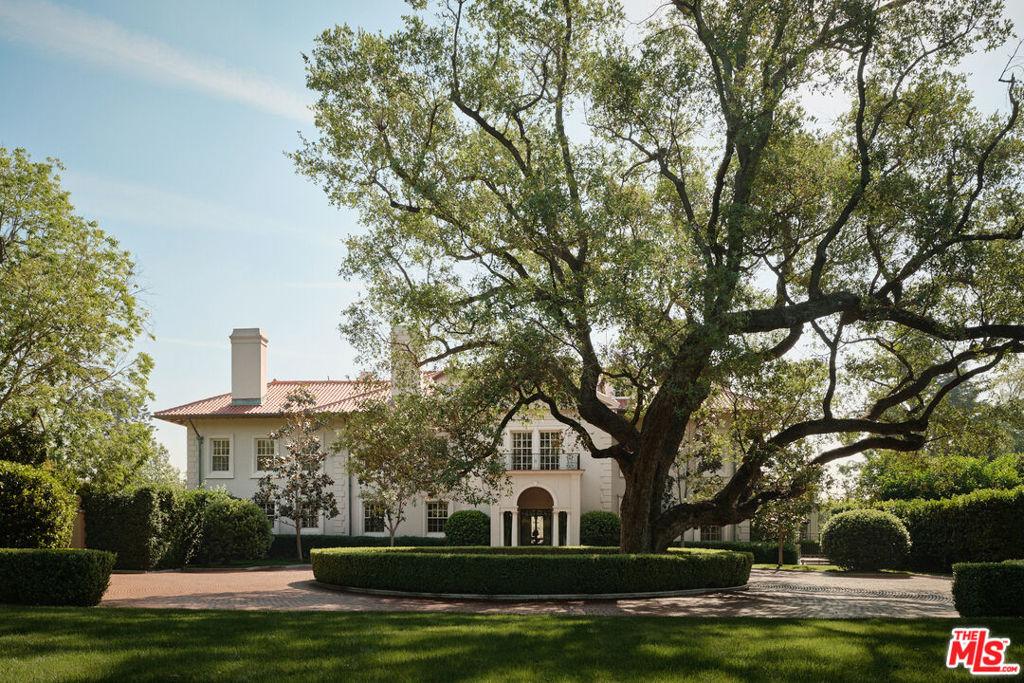
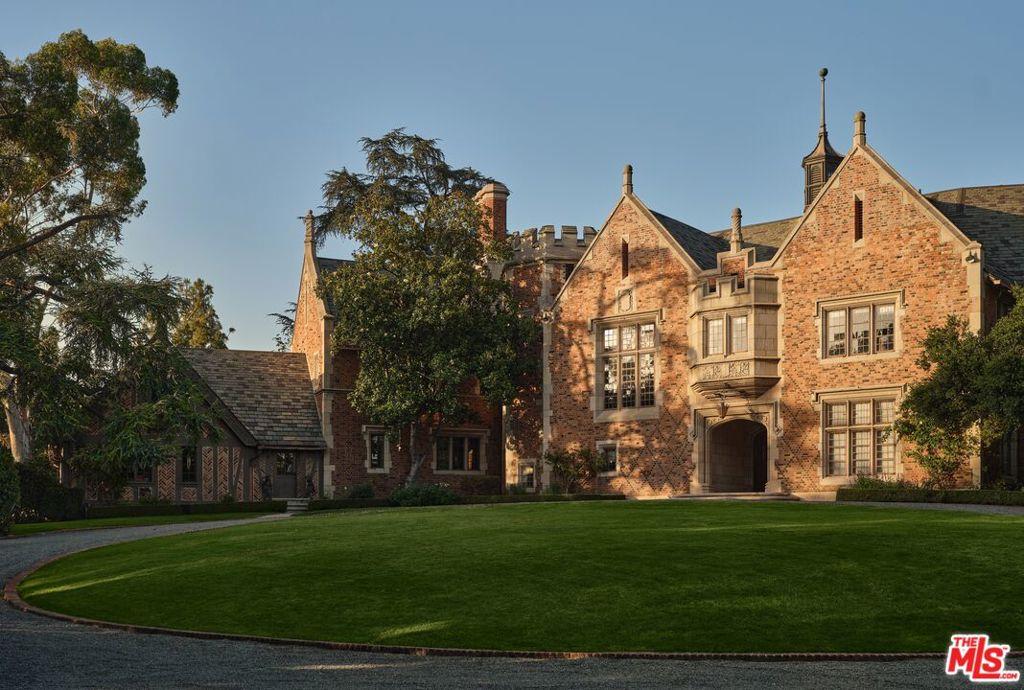
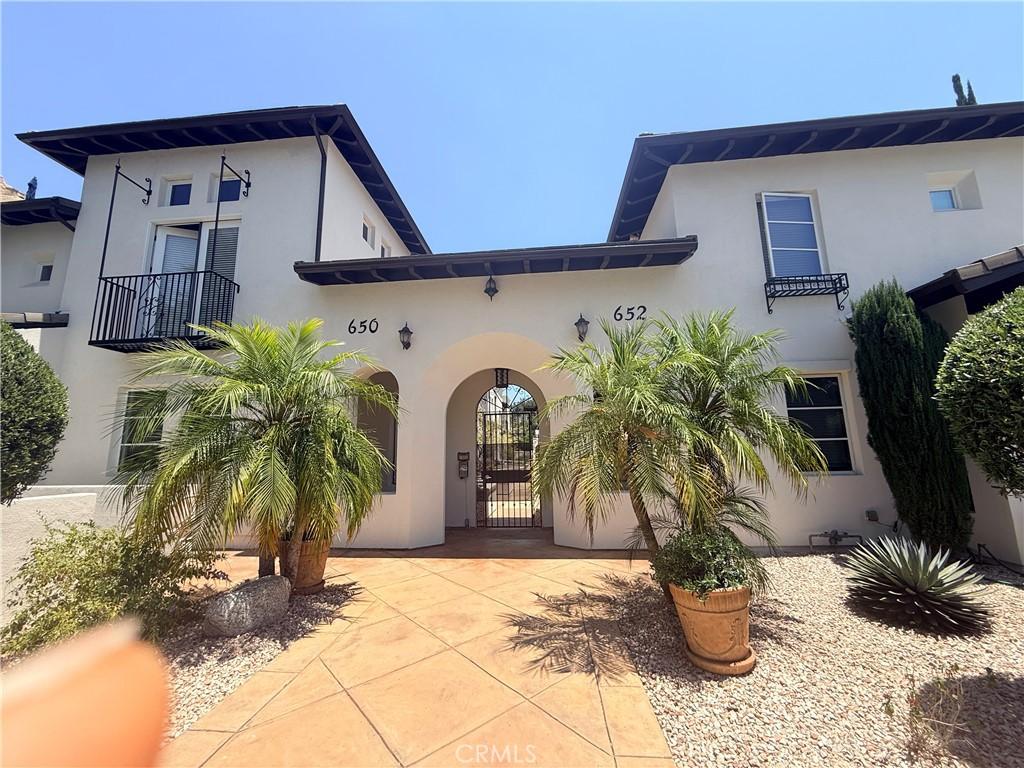
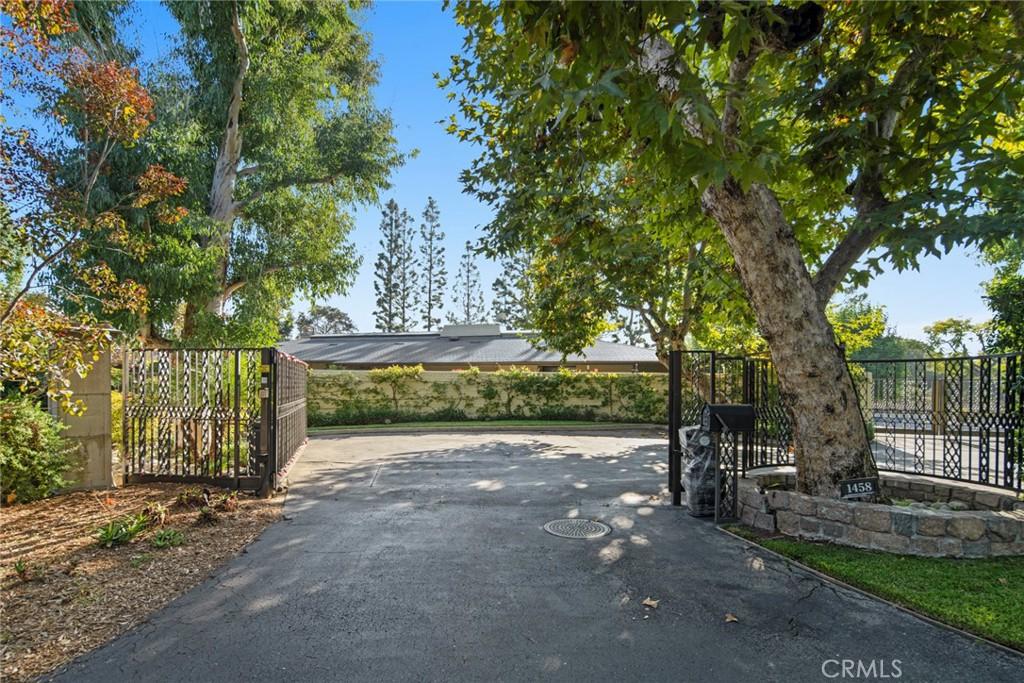
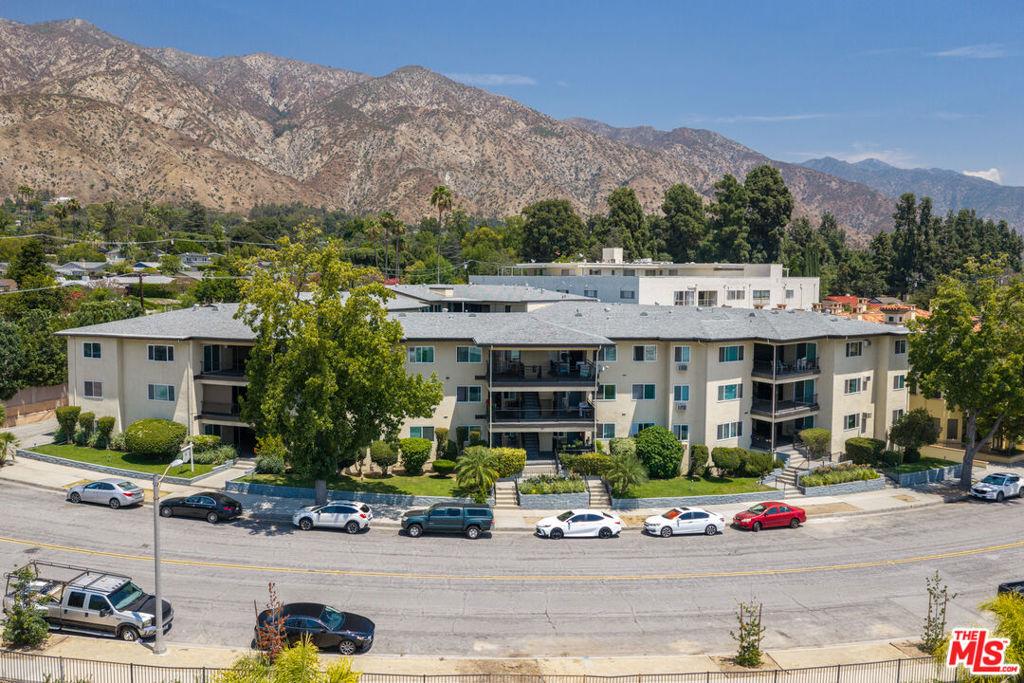
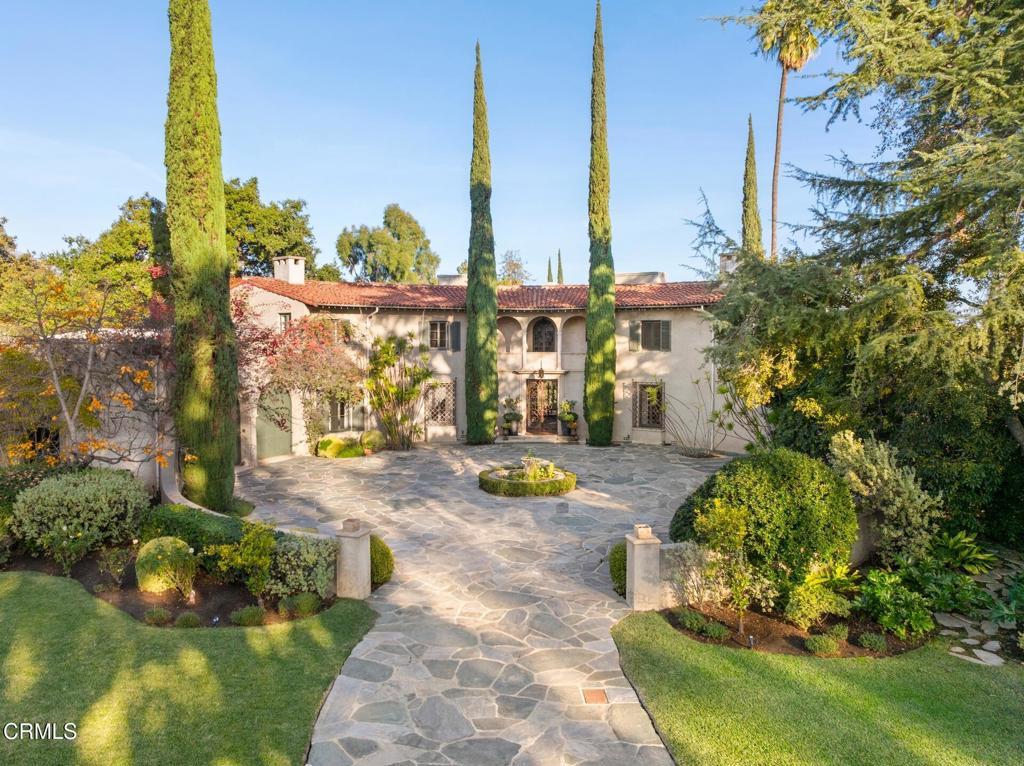
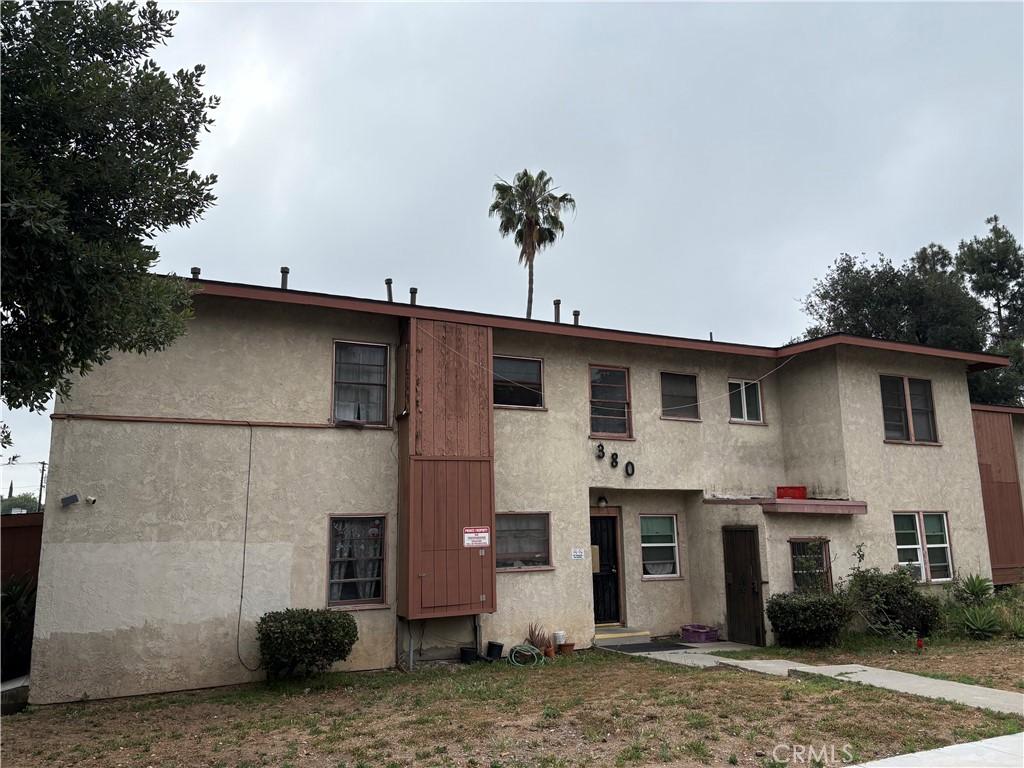
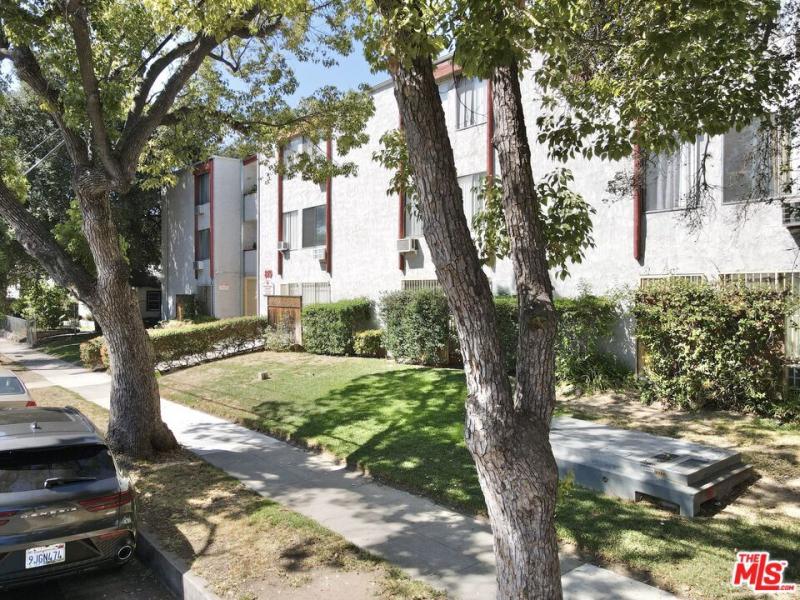
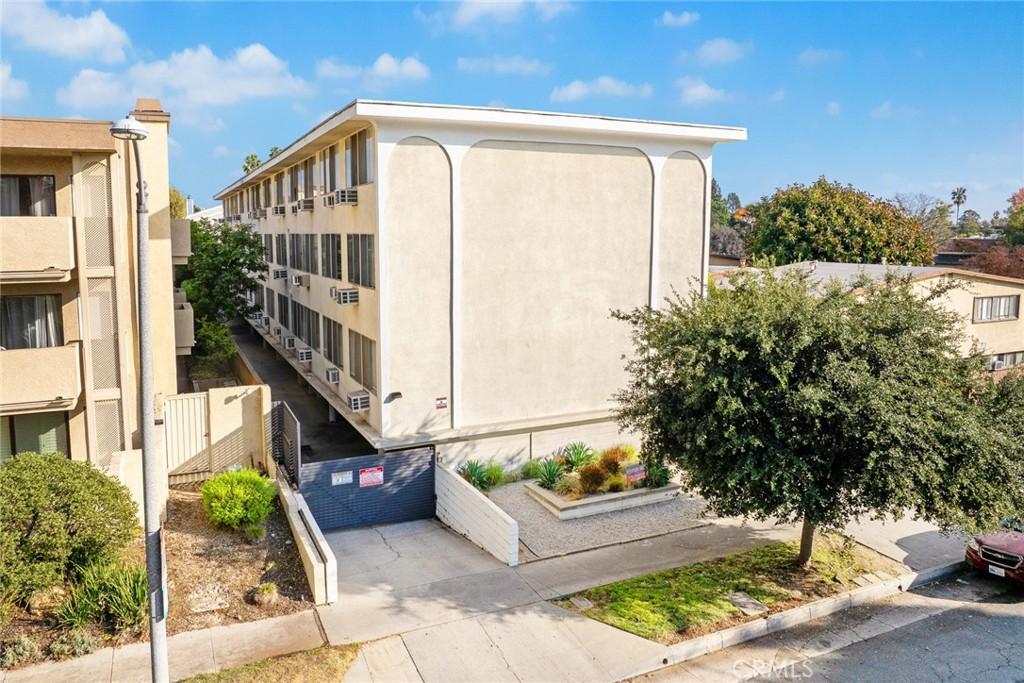
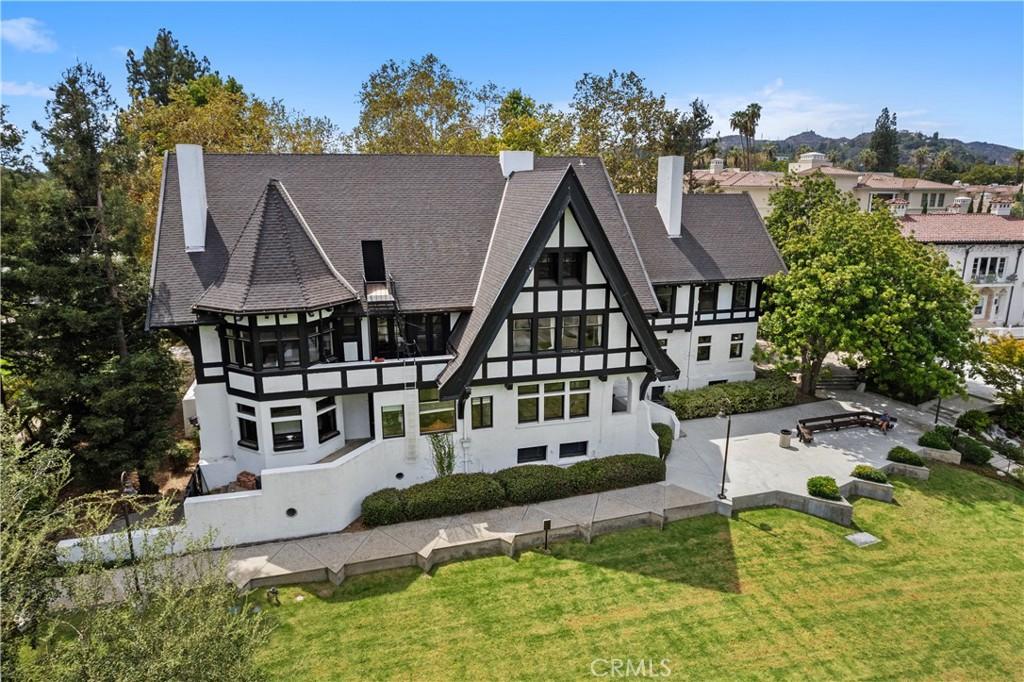
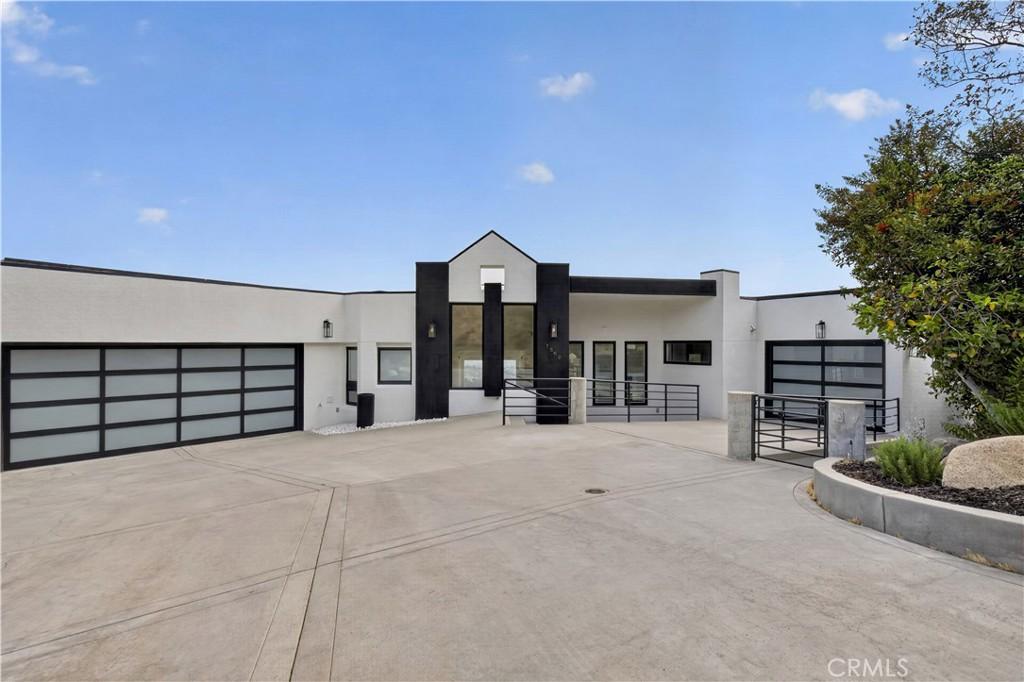
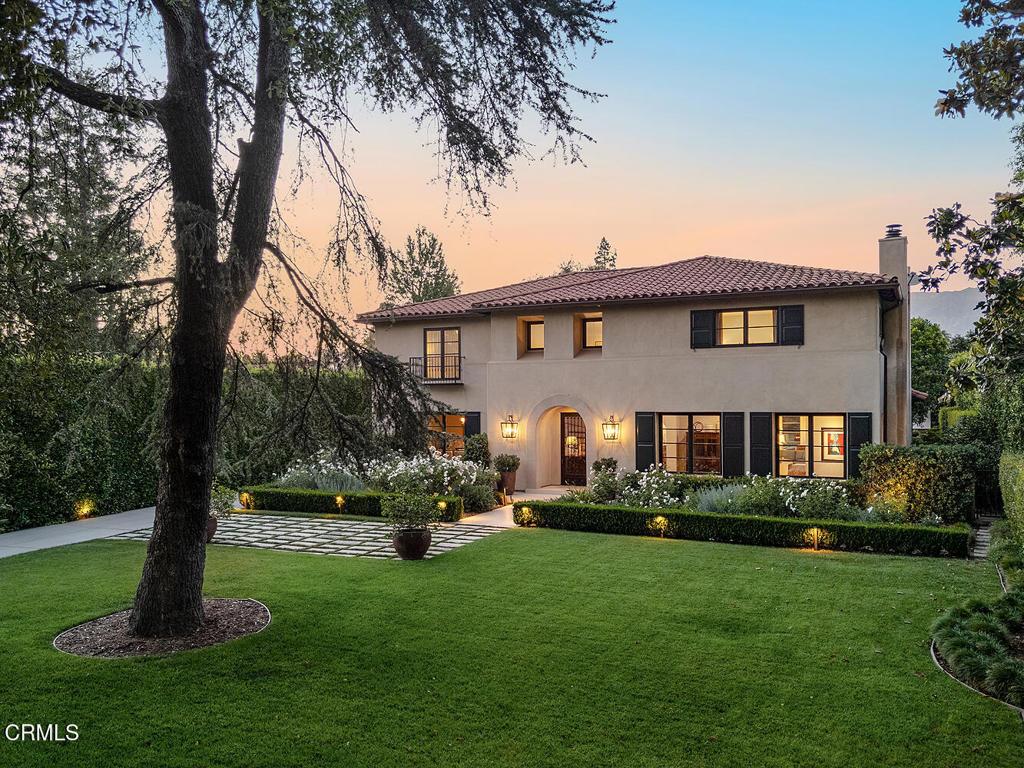
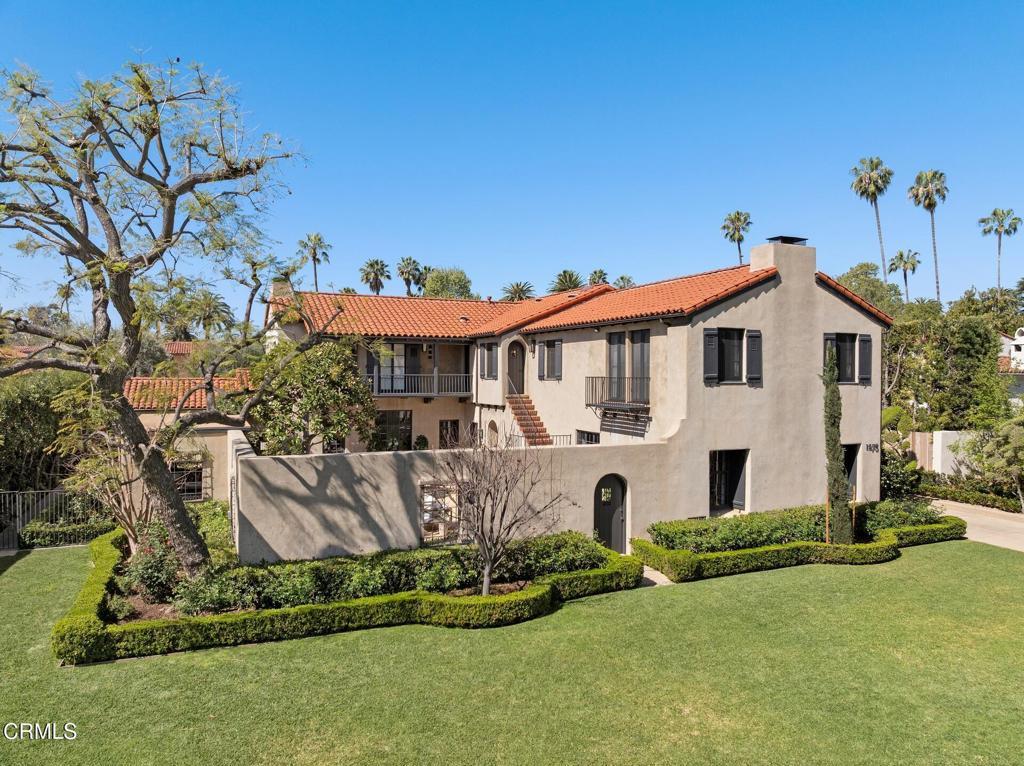
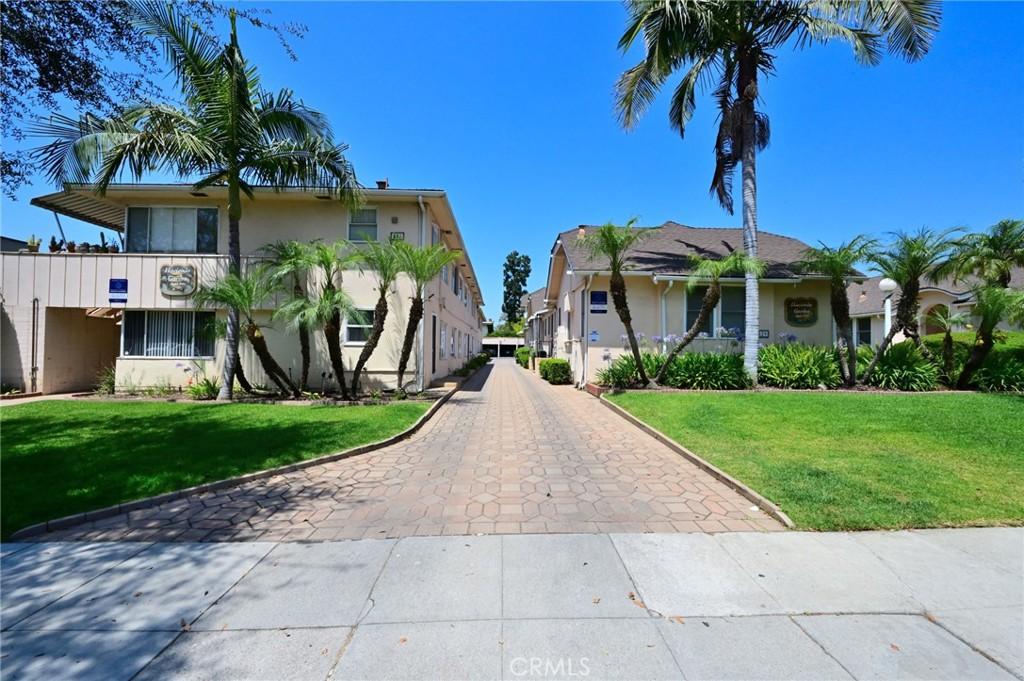
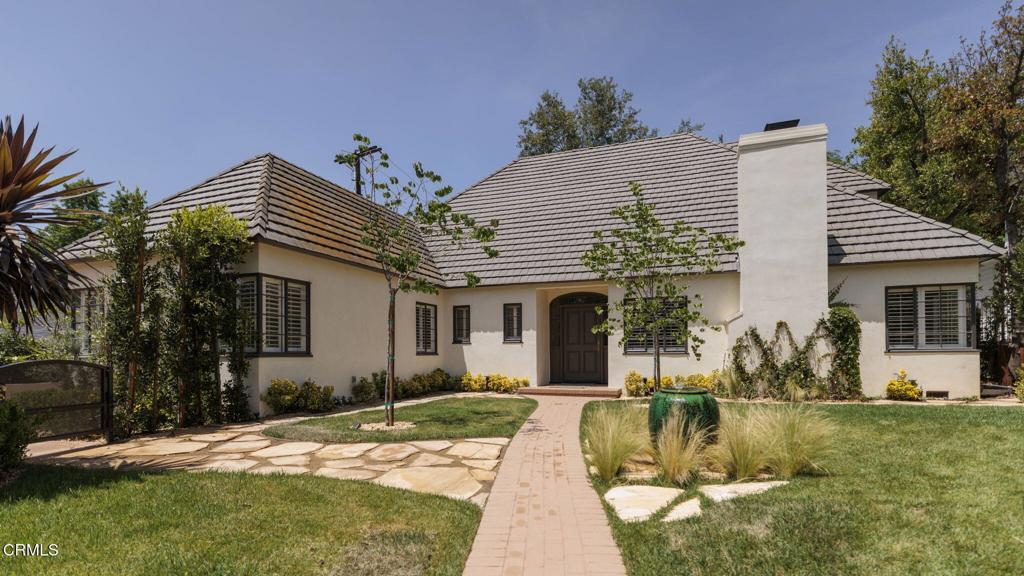
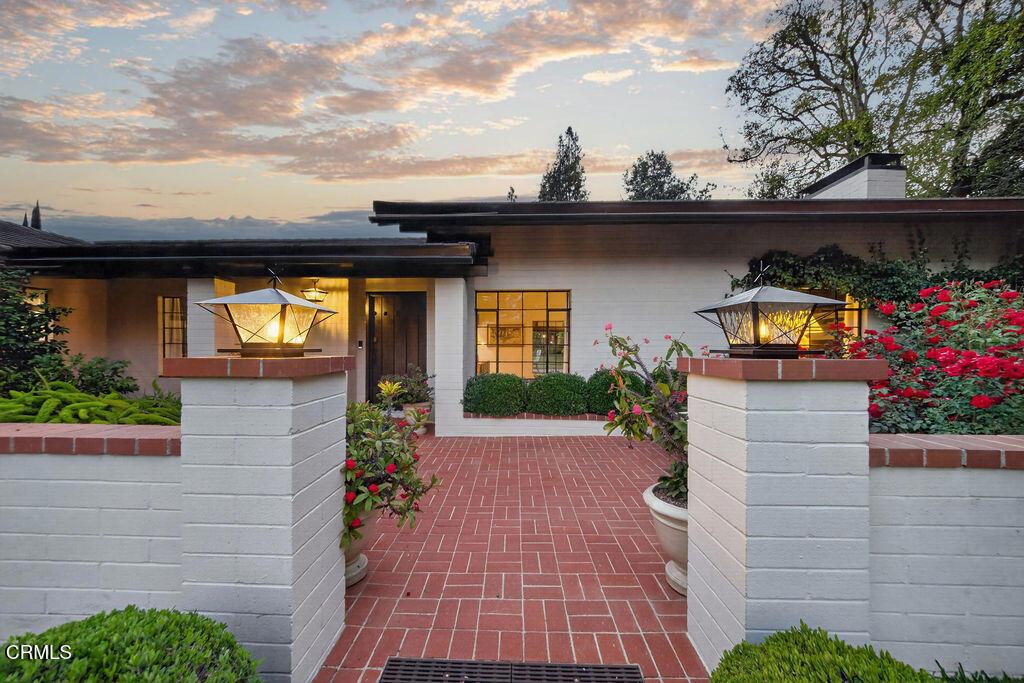
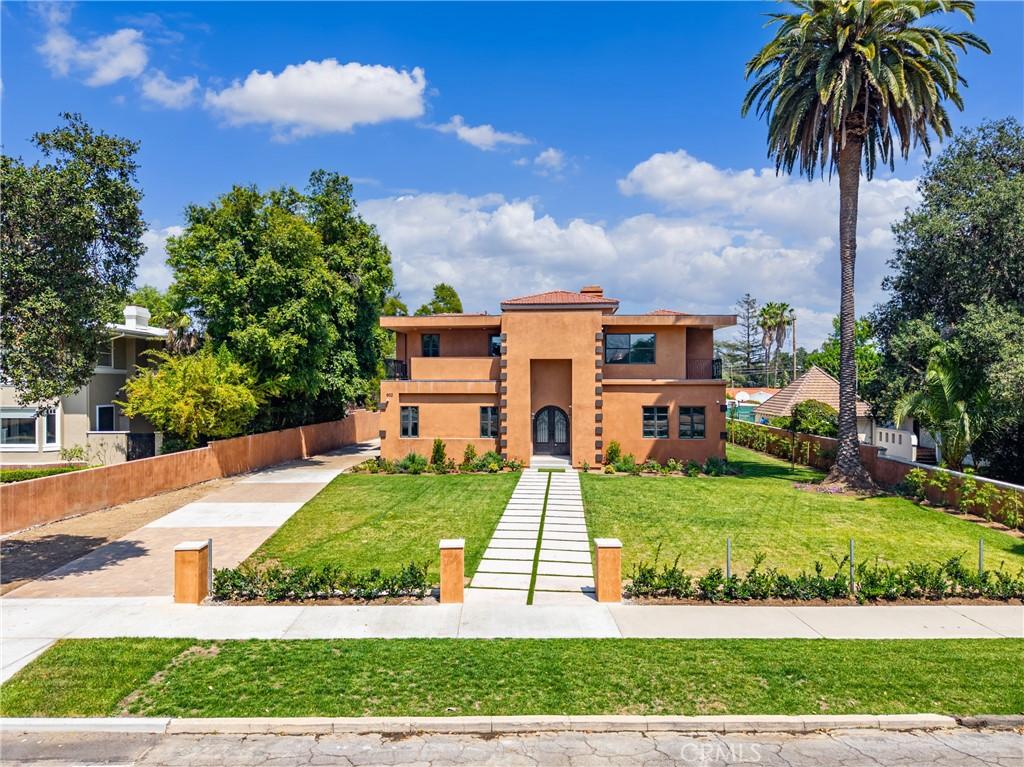
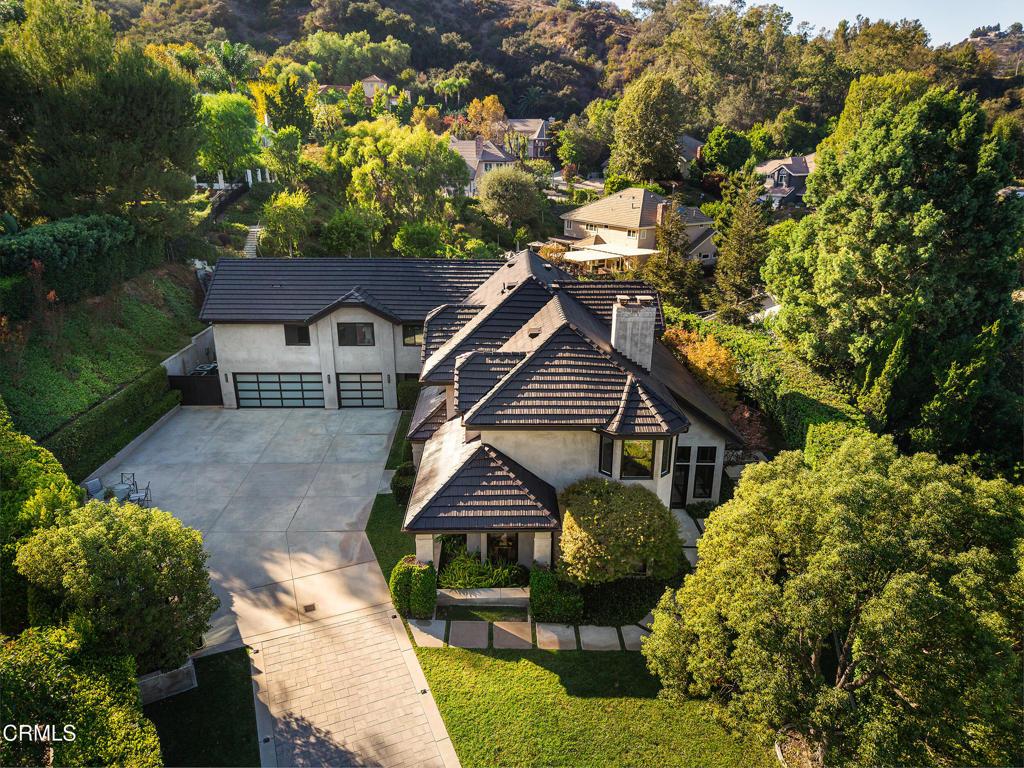
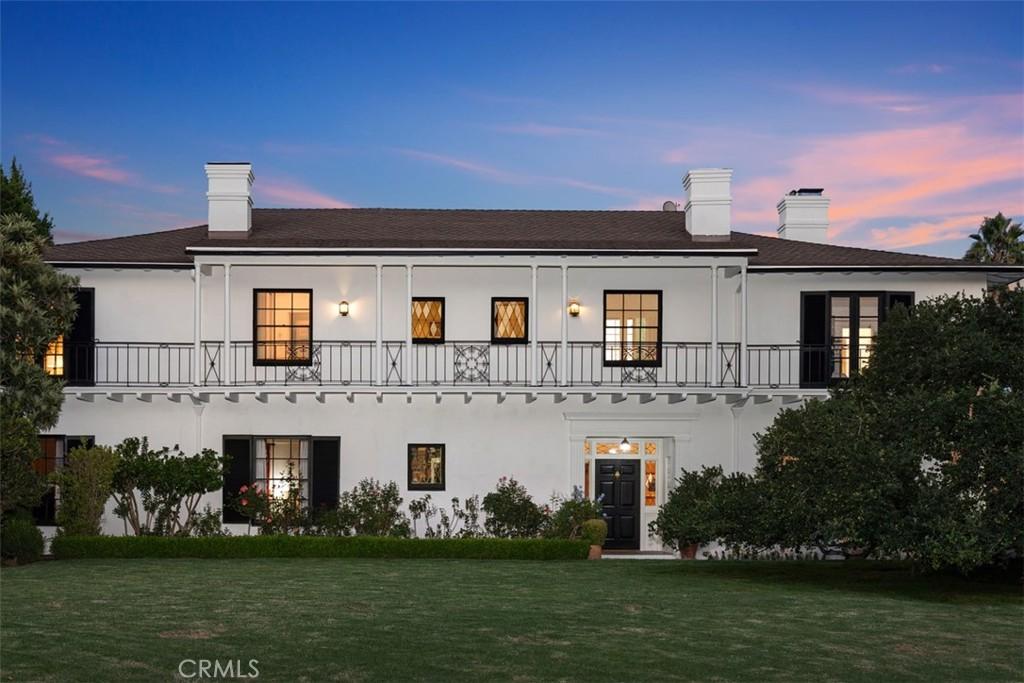
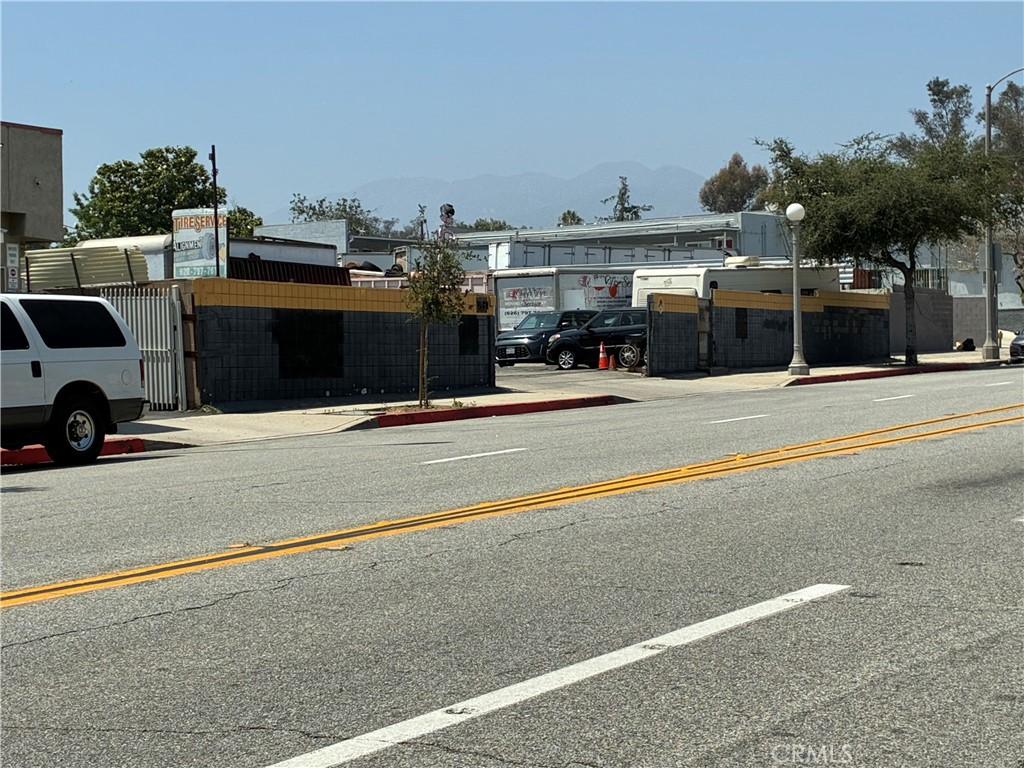
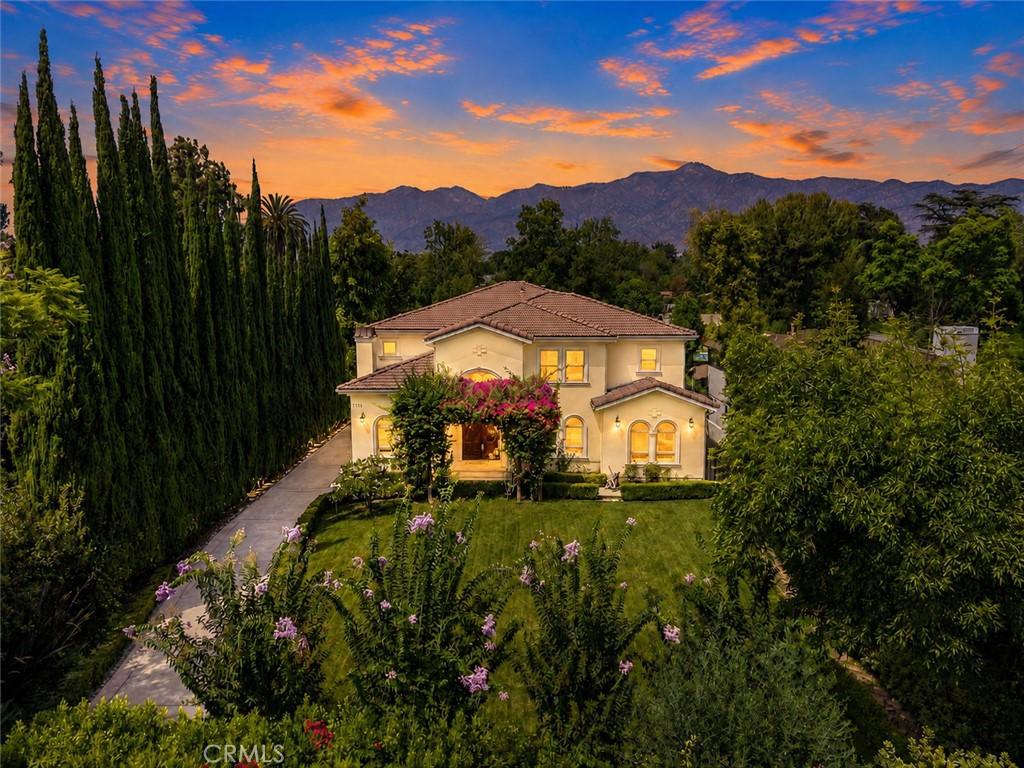
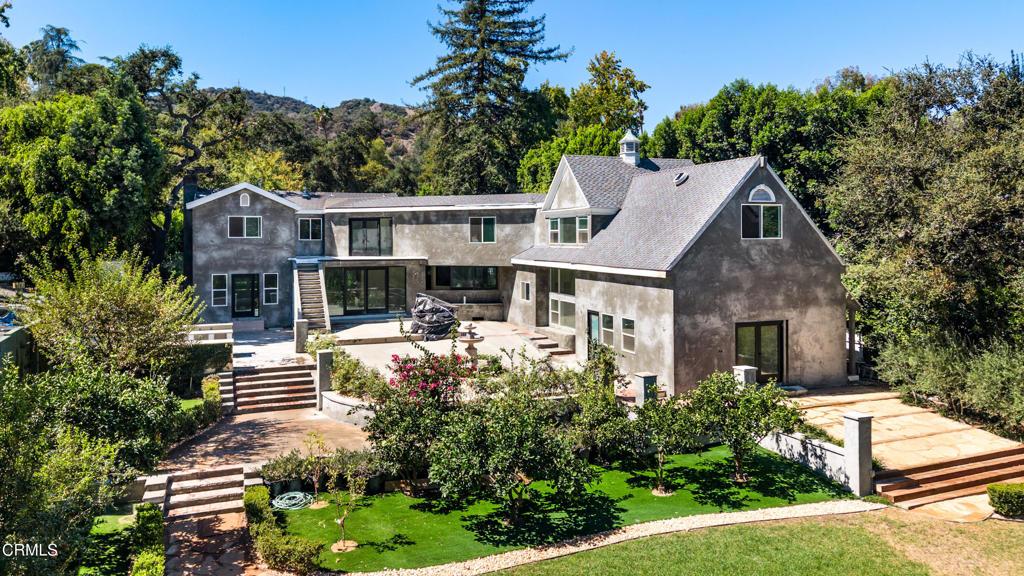
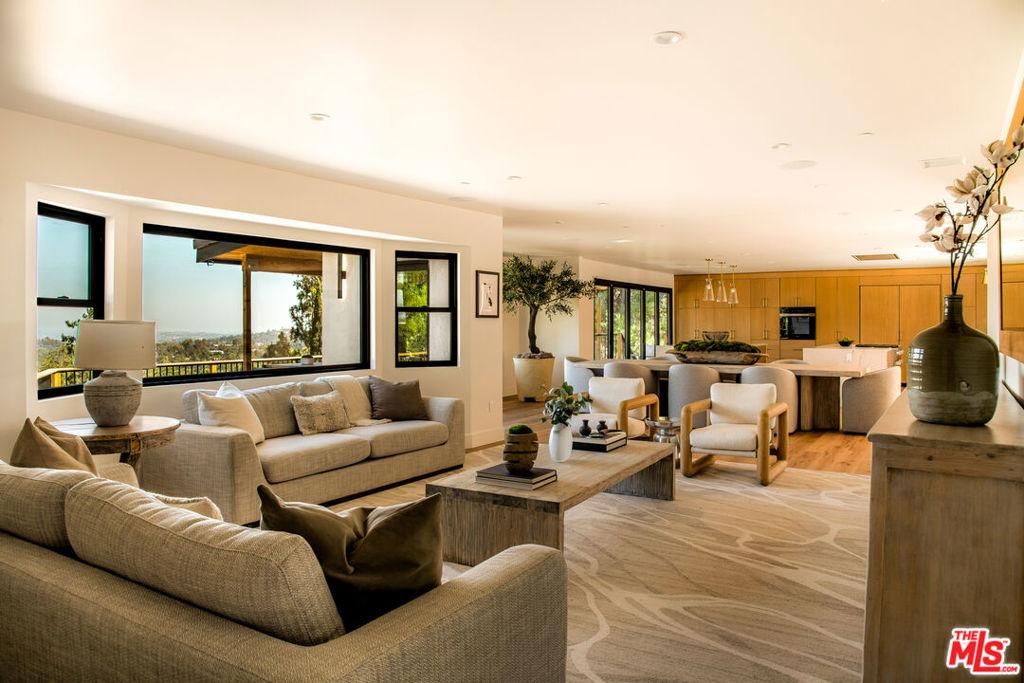
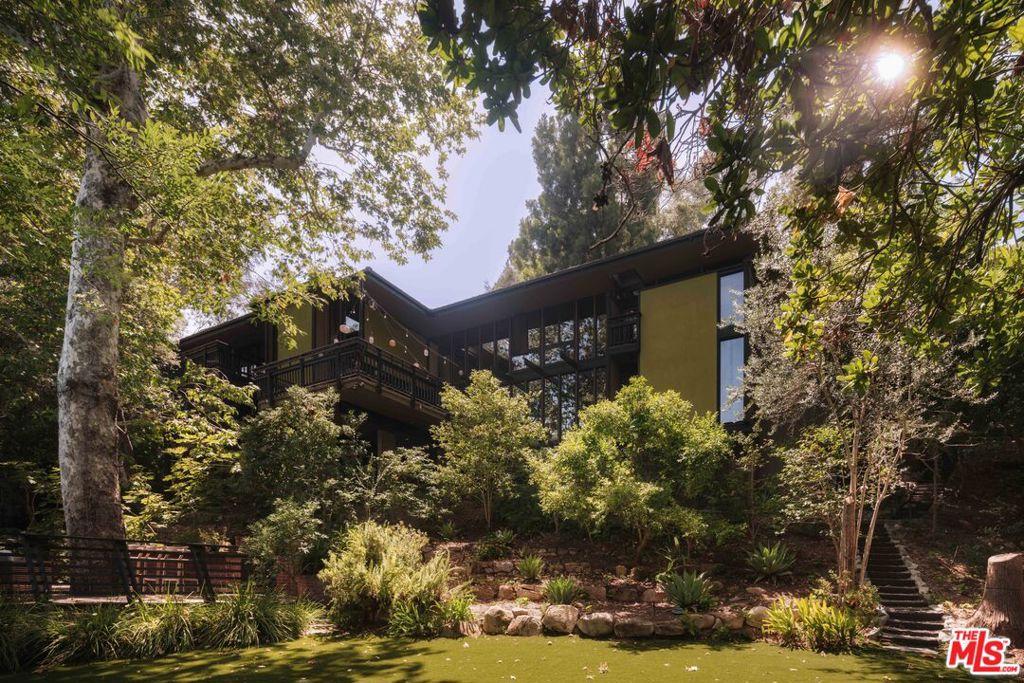
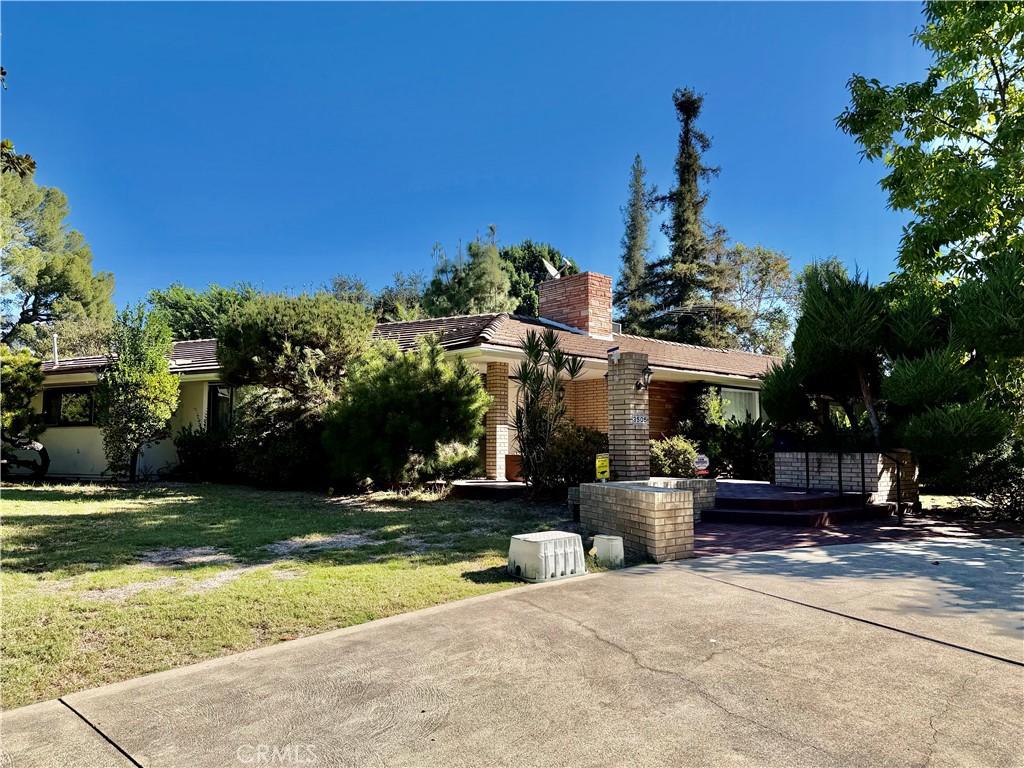
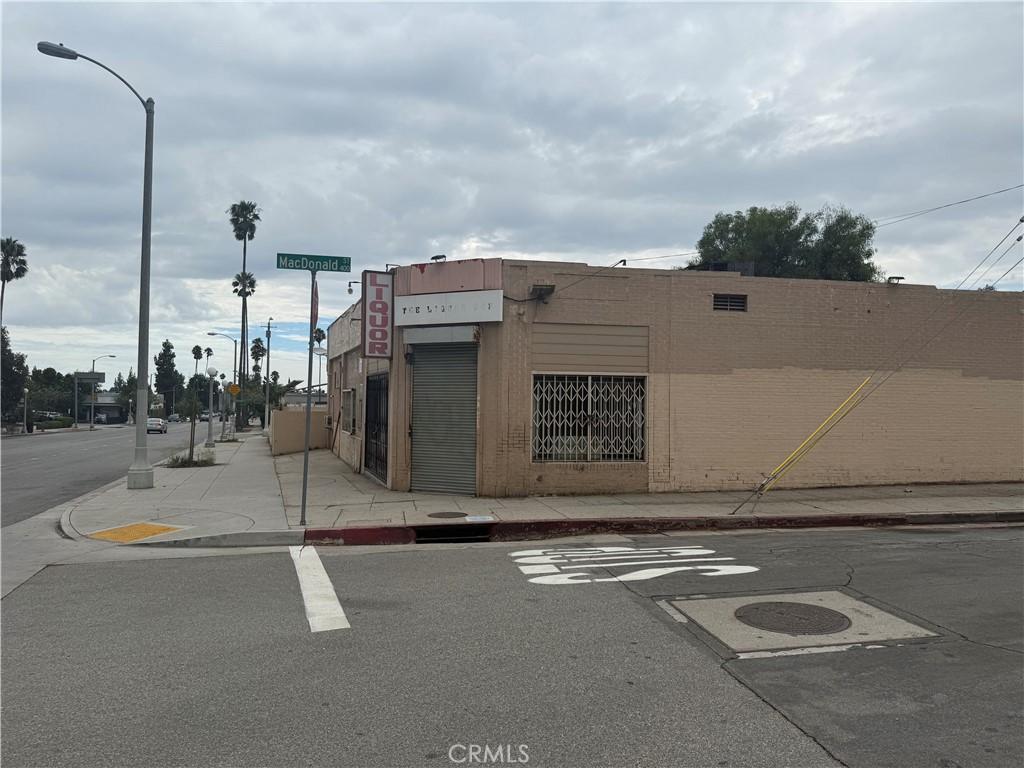
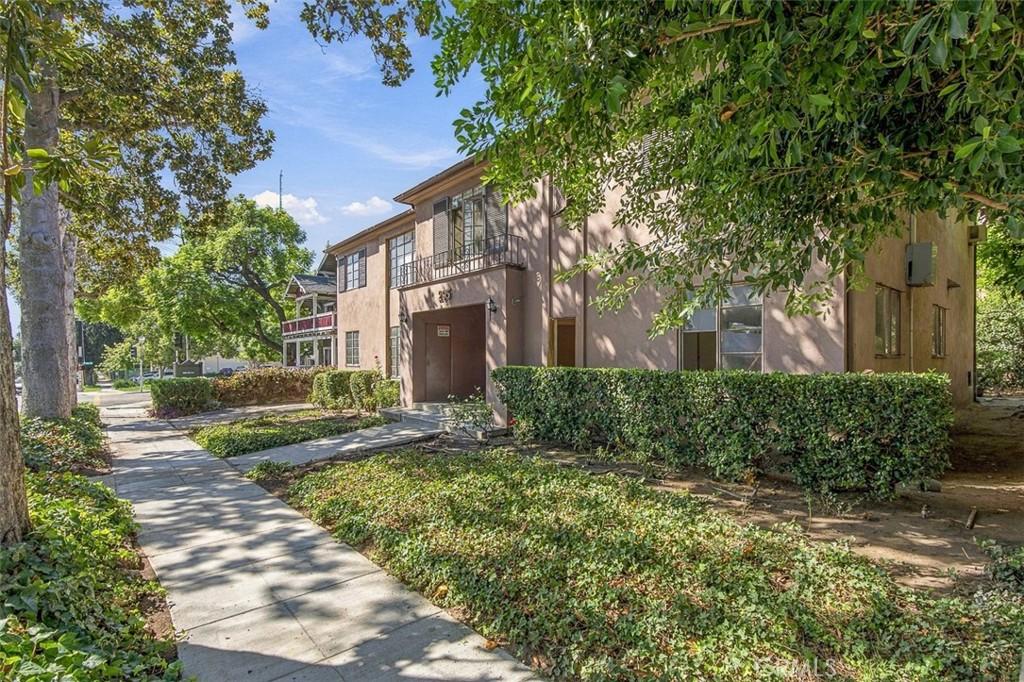
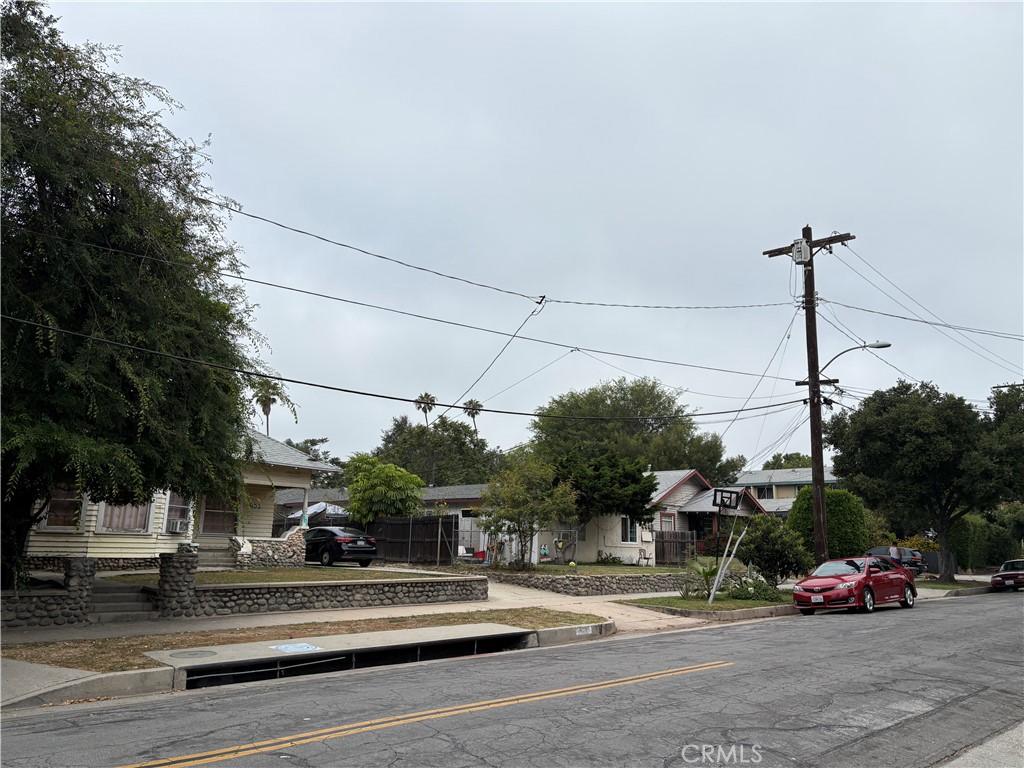
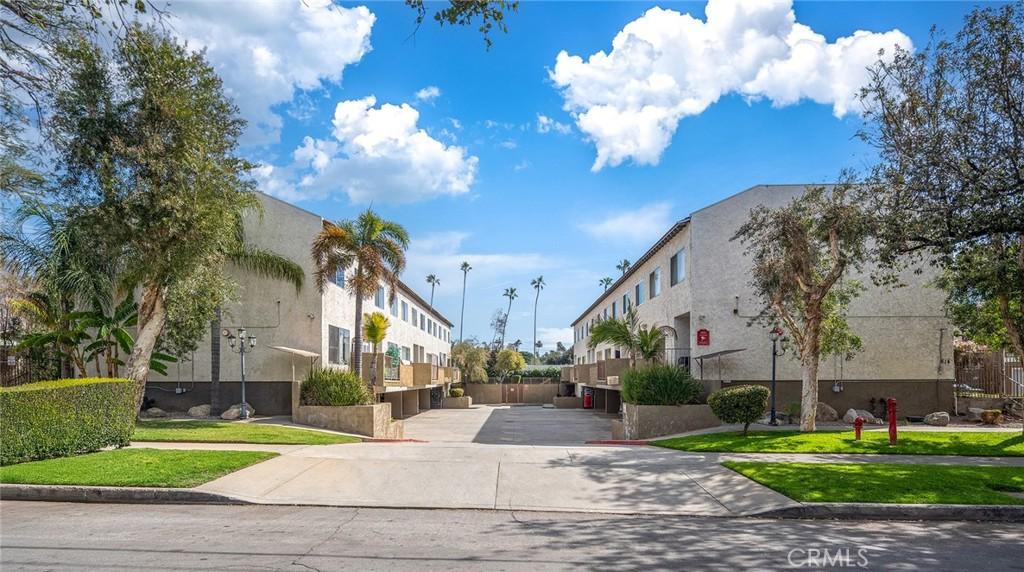
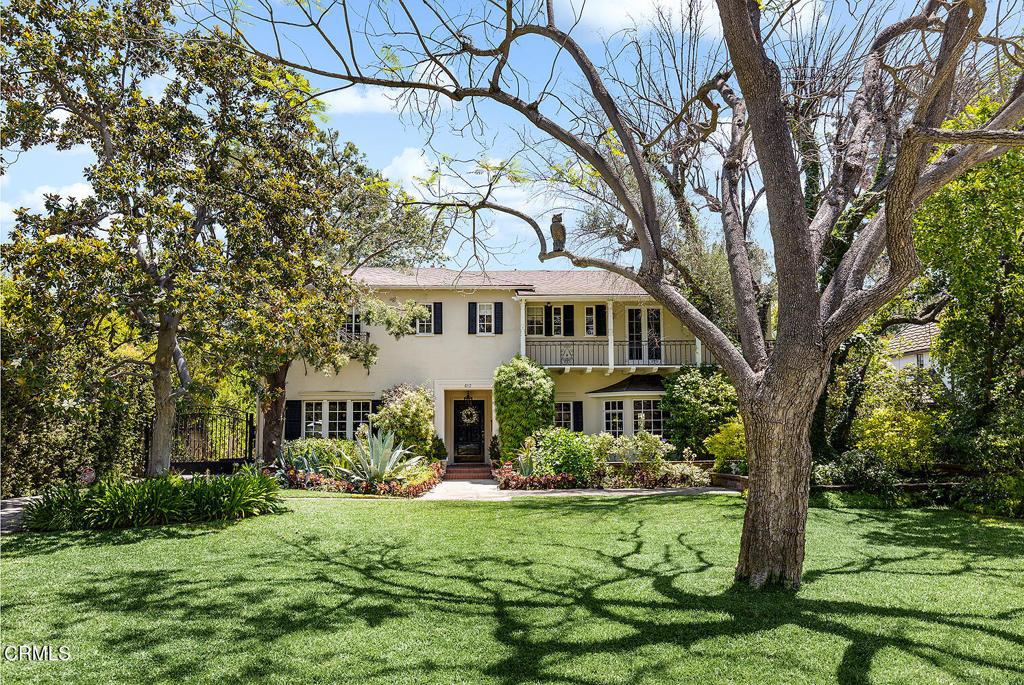
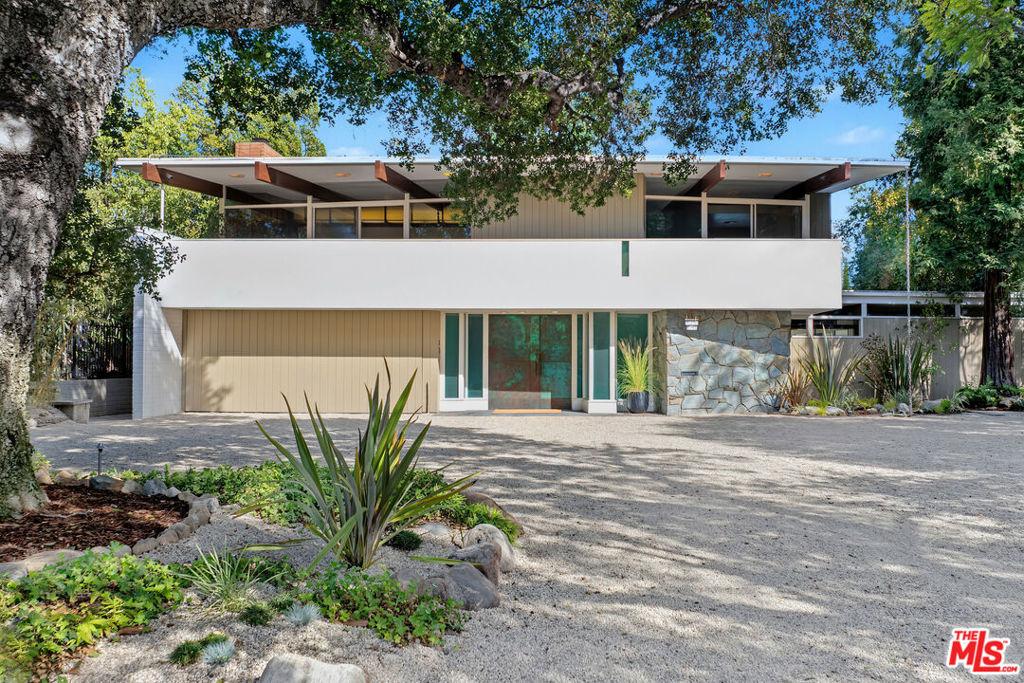
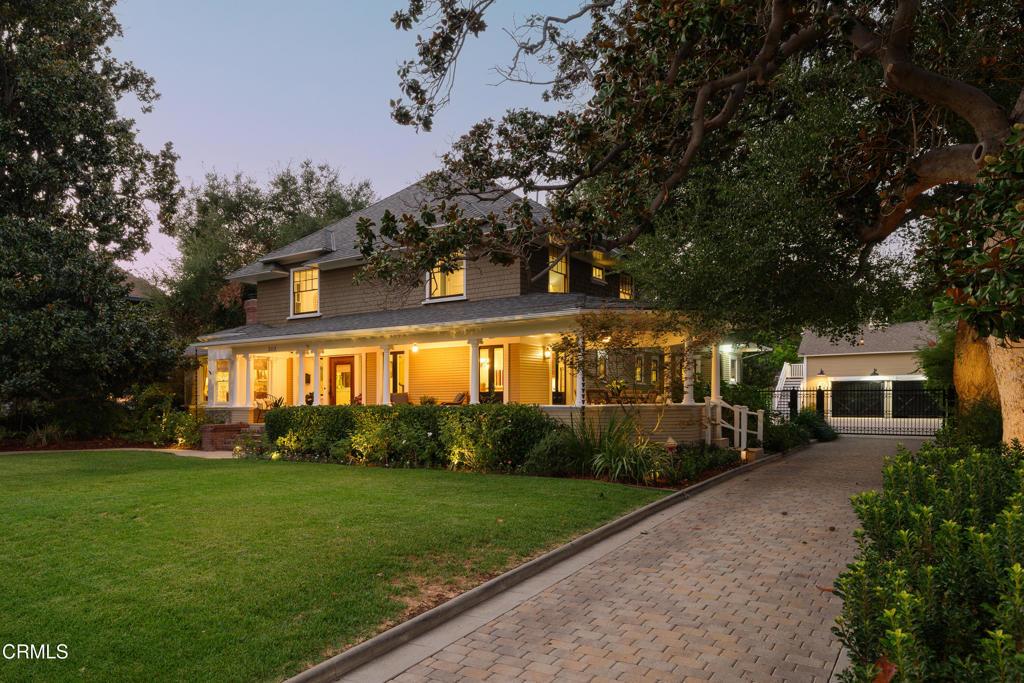
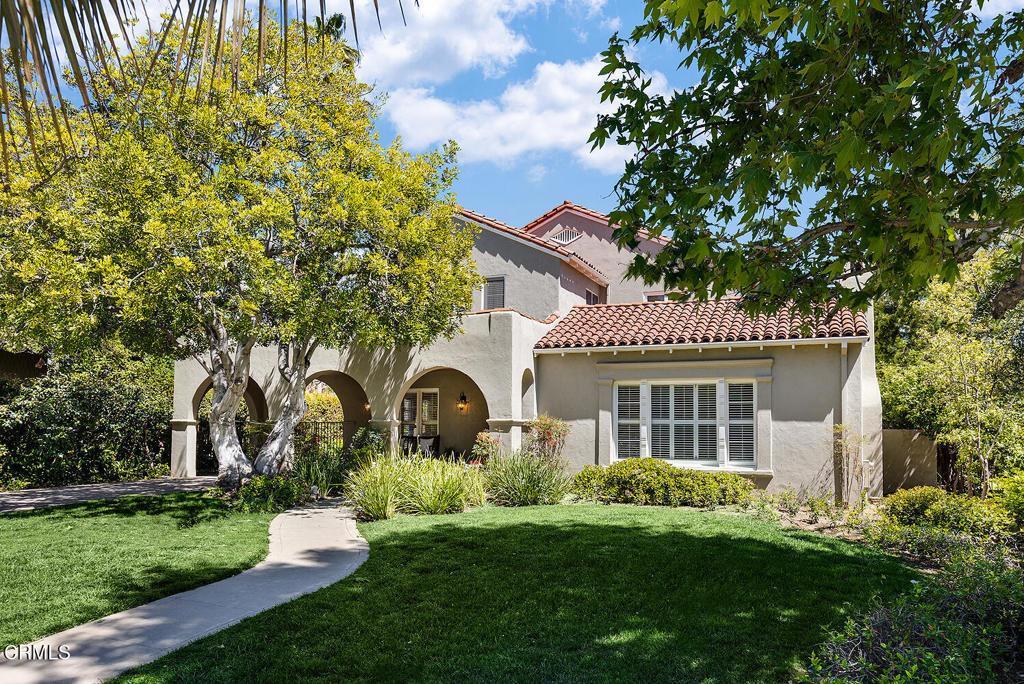
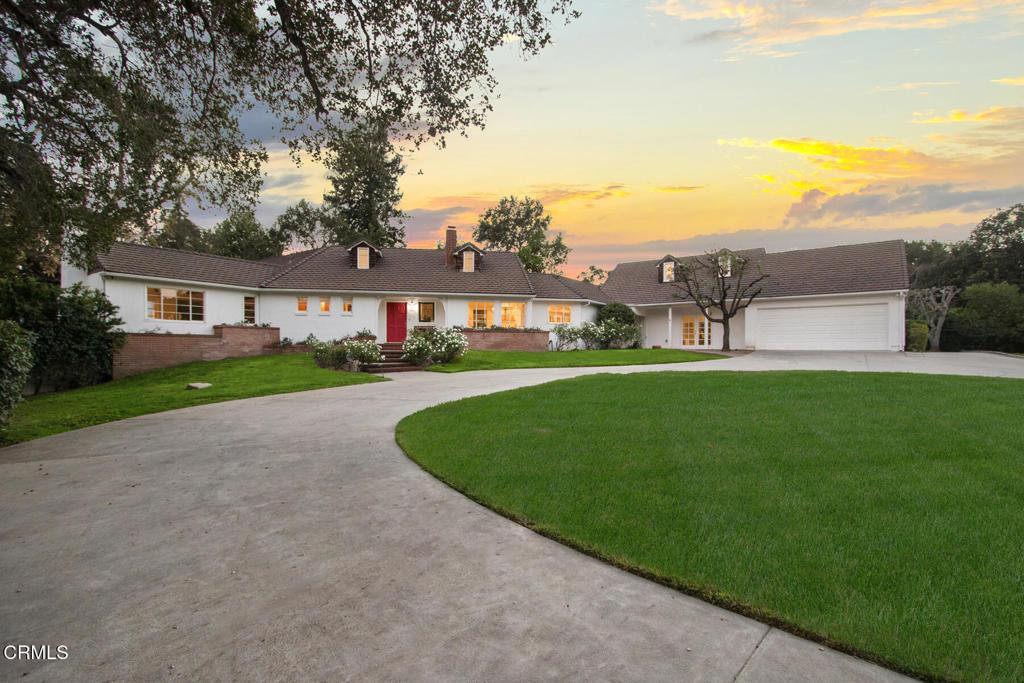
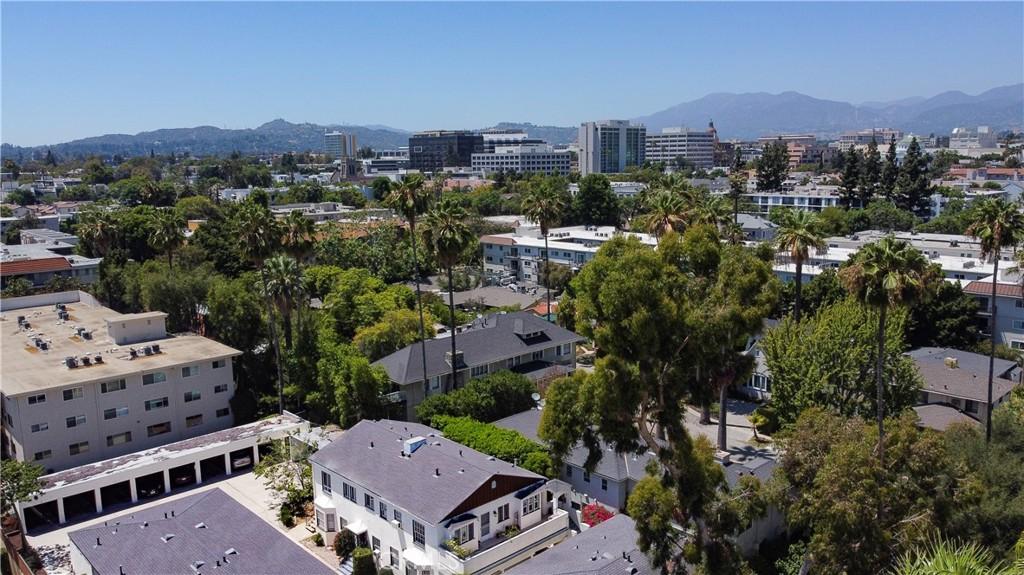
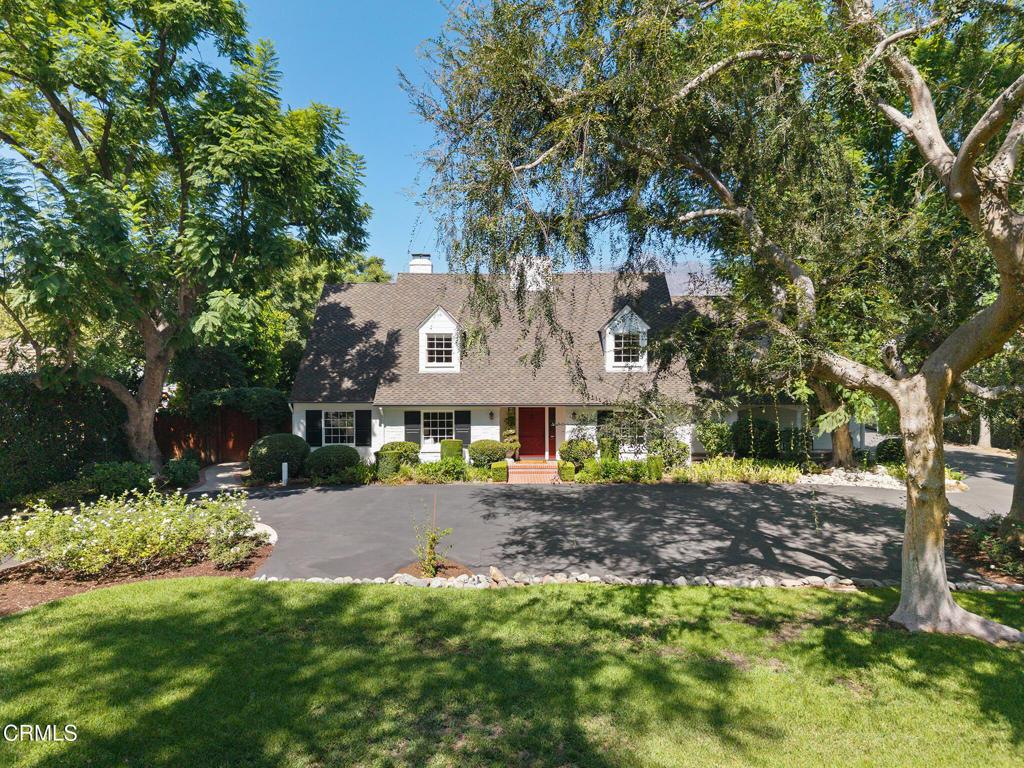
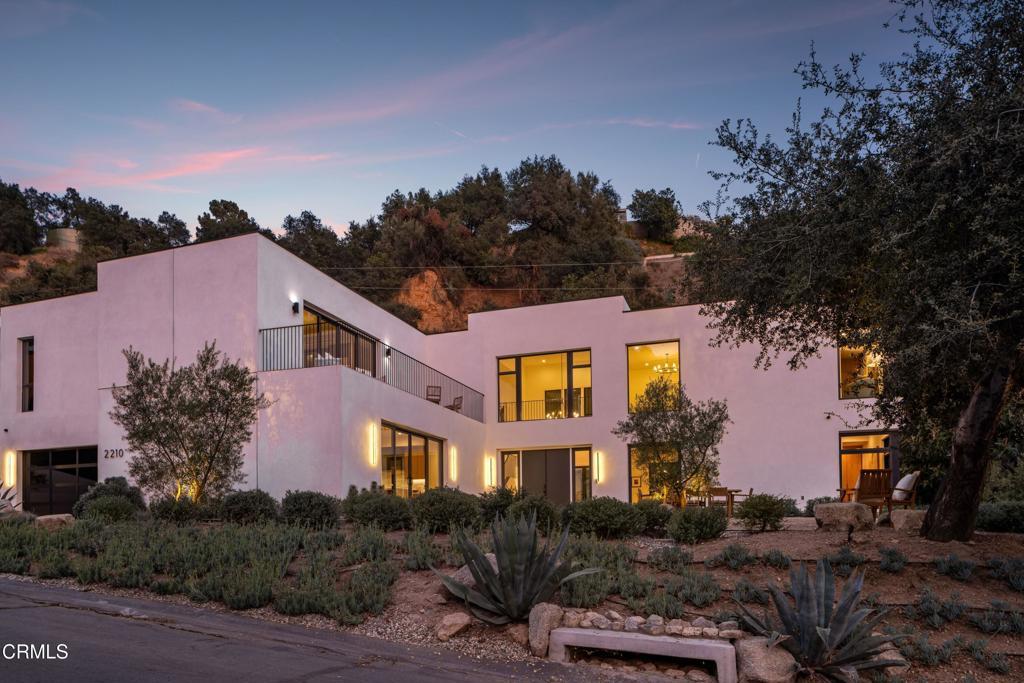
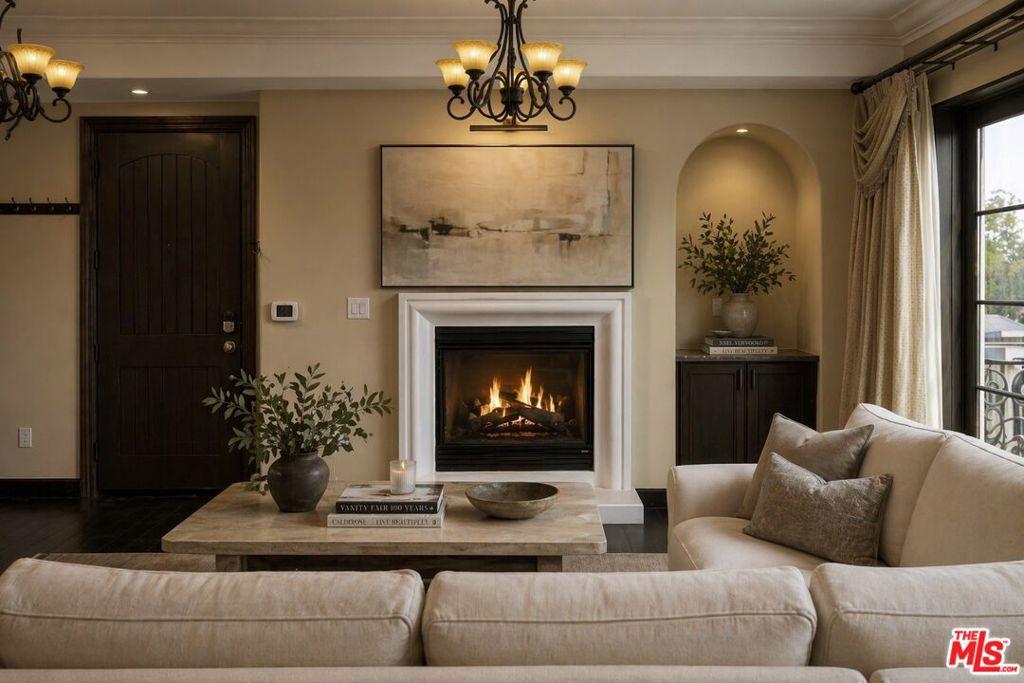
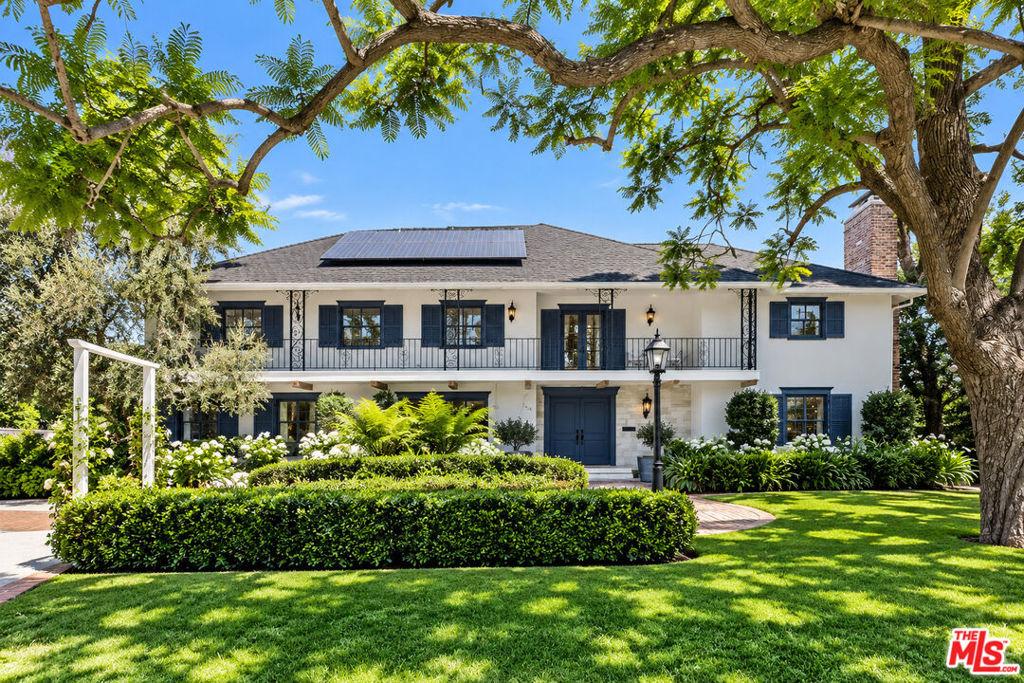
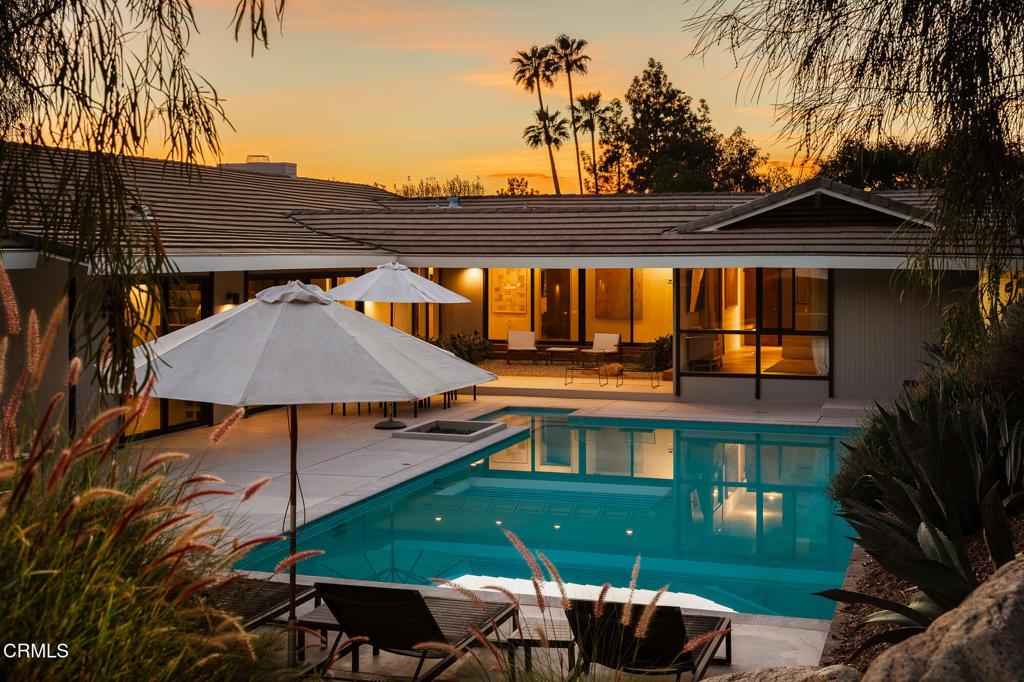
The housing stock across North Central Pasadena reflects the layered development history of north Pasadena from the 1890s through the 1950s, with Craftsman bungalows, Spanish Colonial homes, and post-war ranch houses appearing across the residential grid. The variety of period and style within North Central Pasadena is higher than in more architecturally uniform neighborhoods like Bungalow Heaven, making the area more stylistically diverse at the cost of the formal architectural coherence that makes the designated districts distinctive. For buyers who are indifferent to stylistic uniformity and prioritize location and lot size over period integrity, North Central Pasadena offers more range at generally lower price points than the designated historic districts.
Community parks are a significant quality-of-life factor in North Central Pasadena, with McDonald Park, Washington Park, and smaller neighborhood parks distributed through the area and providing recreational infrastructure for residents. Pasadena’s Parks and Recreation Department maintains active programming through these facilities year-round, supporting community cohesion and providing park access that is directly competitive with what the city’s higher-priced residential neighborhoods offer.
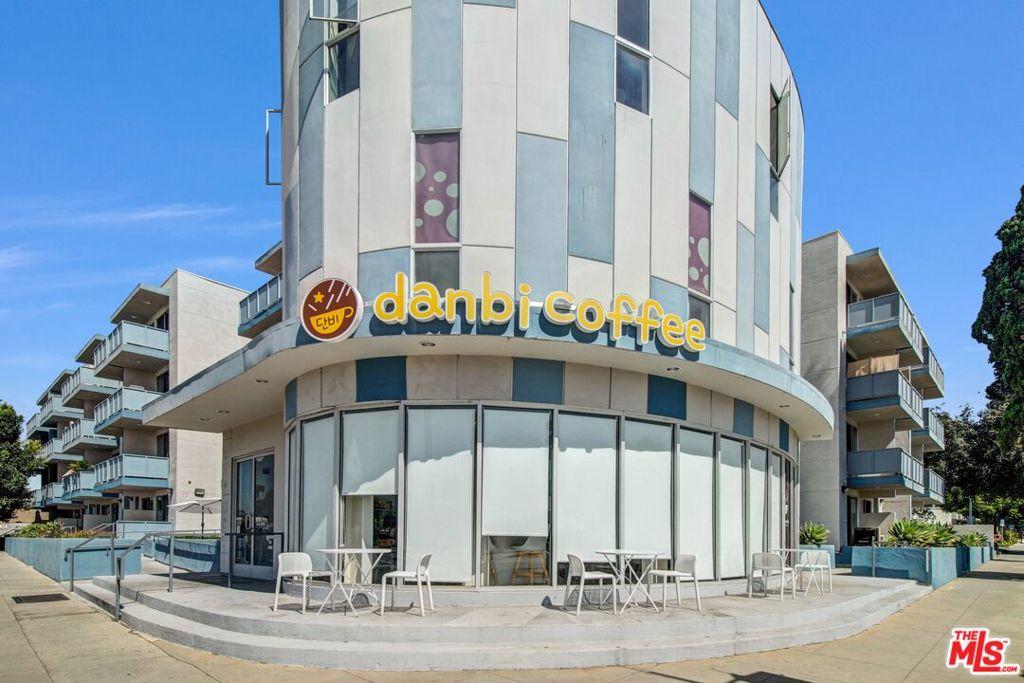
The Washington Boulevard retail corridor is the primary commercial spine for North Central Pasadena, running east-west along the neighborhood’s northern boundary and providing restaurants, grocery, services, and retail for the surrounding residential population. The Colorado Boulevard corridor is accessible a short drive south, with the Gold Line Metro stations providing transit access to the west and the 210 Freeway at multiple northern Pasadena interchanges providing freeway access.
Pasadena citywide runs a median sale price around $1,250,000, up 3.7% year-over-year, $791 per square foot down 0.5% year-over-year, median list price $1,170,000 at $769 per square foot, 240 homes on market, 83 sold, 48 days on market, 103.9% sale-to-list ratio, 1 average offer, and 39.7% average down payment. North Central Pasadena homes price in the lower-to-mid range for Pasadena, providing one of the city’s more accessible entry points for buyers who want a central Pasadena residential address. The broad geographic extent of the area means pricing varies meaningfully by specific block, with park-adjacent and architecturally distinguished properties carrying premiums over comparable inventory away from these features.
Schools fall within Pasadena Unified School District, with multiple elementary options serving the north central area. Buyers should confirm current school assignments with PUSD for specific addresses given the broad geographic extent of the neighborhood.
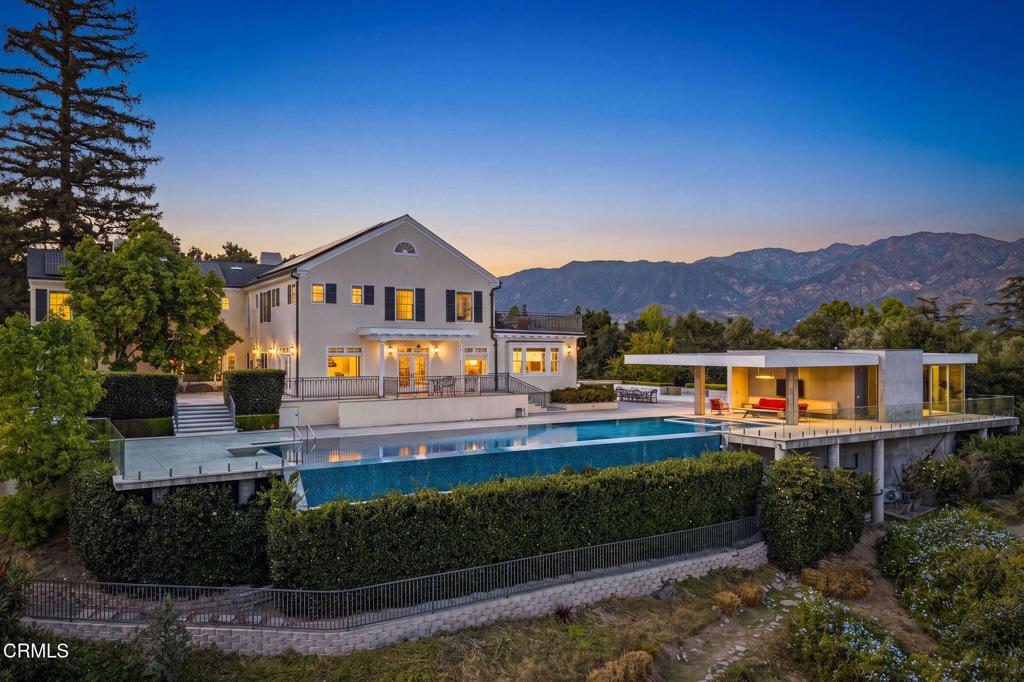
North-Central Pasadena is a broad residential designation for the neighborhoods in the northern-central portion of Pasadena, generally bounded by the 210 Freeway to the north, the Allen and Lake Avenue commercial corridors to the east, the central Pasadena residential neighborhoods to the south, and the northwest Pasadena residential areas to the west. The area encompasses several distinct residential characters: established single-family blocks from the 1920s-1950s with mature tree canopy, post-war ranch home tracts from the 1950s-1960s, and some older estate-scale properties on the larger lots in the area. This character diversity within the north-central designation reflects the fact that multiple development eras and residential typologies coexist across the area’s geographic extent.
The John Muir High School campus at 1905 East Lincoln Avenue provides the primary high school educational infrastructure for the north-central Pasadena residential area. Many north-central Pasadena addresses fall within the Muir High School attendance boundary, and the school’s academic programs, extracurricular options, and Career Technical Education pathways serve the north-central residential community. Parents in the north-central area who are evaluating high school options for their children have access to the PUSD inter-school transfer and magnet program process to pursue other PUSD high school programs, but Muir High is the base attendance school for most north-central Pasadena residential addresses. The high school’s proximity and the walkability from much of the north-central area to the Muir campus is a practical convenience for families with high-school-age students who prefer not to commute across the city.
The commercial access profile for North-Central Pasadena residents is characterized by the dual commercial corridors of Lake Avenue and Fair Oaks Avenue that run parallel through the east-west extent of the area. Lake Avenue’s central Pasadena retail concentration, with its restaurants, specialty stores, and the Gold Line Lake station access, is within 1-2 miles of most north-central addresses by bicycle or car. Fair Oaks Avenue provides the Trader Joe’s grocery option and neighborhood-serving commercial at closer distances for the north-central addresses between the two corridors. The north-central position provides reasonable access to both commercial corridors without being immediately adjacent to either, maintaining the residential character of the neighborhood blocks while preserving practical commercial access for the daily needs of a residential household.
The 210 Freeway’s northern boundary of the north-central area means that 210 access from north-central Pasadena addresses is among the most convenient in the Pasadena residential market. The Lake Avenue, Allen Avenue, and Sierra Madre Villa interchanges serve the north-central residential area, with multiple on-ramp options that distribute freeway access across the neighborhood’s extent rather than concentrating it on a single congested interchange. The 210’s position as the primary freeway for San Gabriel Valley east-west commuting makes the north-central Pasadena freeway proximity a significant commute advantage for households with destinations in the eastern San Gabriel Valley, Monrovia, Duarte, and the broader 210 corridor employment geography.
The Gold Line’s Sierra Madre Villa station, at the eastern end of the central Pasadena Gold Line segment, provides transit access for the eastern portions of the north-central area. The Memorial Park and Lake stations serve the western and central north-central addresses. The varying station distances across the wide geographic area of north-central Pasadena mean that transit access quality depends heavily on the specific residential address’s position within the area: addresses near Lake Avenue and the Lake station have Gold Line walking access, while addresses in the eastern north-central streets near Sierra Madre Boulevard have more practical access to the Sierra Madre Villa station by car or bicycle. Buyers who prioritize Gold Line walking access should focus on the western and central north-central addresses near Lake Avenue rather than the eastern north-central areas.
The renovation market in North-Central Pasadena is active across multiple price tiers, reflecting the housing stock diversity of the area. Pre-war period revival homes in the older established blocks attract renovation buyers who are specifically motivated by the architectural character, while the post-war ranch homes attract buyers who want a more predictable renovation scope and lower entry price. ADU development is prevalent across the north-central area, with garage conversion ADUs the most common format. The north-central Pasadena ADU rental market benefits from the proximity to the John Muir High School employment base (teachers and administrative staff), the medical community around Huntington Memorial Hospital and Pasadena’s various medical offices, and the general Pasadena professional rental market that favors the north-central area’s combination of residential character and commercial access.
The environmental infrastructure of North-Central Pasadena includes the mature street tree canopy that characterizes established Pasadena residential neighborhoods. The city’s urban forestry program maintains street trees throughout the area, and the combination of mature oaks, sycamores, and ornamental species on the residential streets creates a landscape character that is distinctive in the San Gabriel Valley context. The tree canopy reduces summer ambient temperatures on residential streets by 5-10 degrees compared to exposed paved surfaces, contributes to the residential quality of life perception that Pasadena’s residential market consistently prices at a premium over comparable unshaded suburban residential environments.
The north-central Pasadena buyer profile includes the full range of Pasadena residential buyer types: first-time buyers accessing the market at the north Pasadena entry price tier, move-up buyers from the east Pasadena tracts who want more central access to the commercial and civic amenities, families specifically motivated by the John Muir High School proximity, and investors evaluating the ADU conversion and rental market. The north-central area’s geographic breadth means that the buyer profile is more diverse than for the specific, character-defined smaller neighborhood areas like Monk Hill or Markham Place, and the within-area price variation is wider, accommodating a broader range of buyer budgets than any single-character smaller neighborhood can match.
The Pasadena Unified School District’s magnet program structure is a central element of the educational landscape for North-Central Pasadena families. The PUSD magnet system includes programs in arts, science, technology, and specialty educational approaches that are distributed across multiple school campuses throughout the district. The magnet program application process is open to all PUSD-resident students regardless of residential school boundary assignment, allowing North-Central Pasadena families to apply for programs at any PUSD school that offers a program matching their child’s educational interests and needs. The geographic position of North-Central Pasadena near the center of the PUSD’s school campus distribution makes the commute to multiple PUSD magnet campuses practical by bicycle or car, a logistical advantage for families who need to transport children to school campuses outside the residential boundary assignment.
The Huntington Memorial Hospital, located on Duarte Road approximately 1-2 miles south of the North-Central Pasadena residential area, provides a major institutional employer and medical services hub that is accessible from the neighborhood by car in 10-15 minutes. Huntington Memorial is one of the largest hospitals in the San Gabriel Valley and a major employer for the Pasadena residential community. Medical staff, residents, nurses, and administrative employees from Huntington Memorial constitute a consistent component of the Pasadena residential demand, and the North-Central area’s proximity to the hospital (without the immediate adjacency that can affect residential character) positions it as a convenient residential option for Huntington Memorial employees who want a short commute to the hospital campus.
The Memorial Park in central Pasadena, adjacent to the Gold Line’s Memorial Park station, provides a community park, sports fields, and the Pasadena Senior Center in a location that is accessible from North-Central Pasadena by bicycle or on foot. The park’s programming includes sports leagues, community events, and the Tournament of Roses-affiliated activities that use the park’s open spaces for parade preparation and related seasonal activities. For North-Central residents who are specifically motivated by accessible park space and community recreational programming, the Memorial Park’s proximity provides a public park amenity that the more exclusively residential north Pasadena neighborhoods lack at comparable distances.
The North-Central Pasadena area’s position relative to Caltech’s California Boulevard campus makes it a relevant residential option for Caltech students, postdoctoral researchers, and junior faculty who want a short car or bicycle commute to campus. The cycling infrastructure between North-Central Pasadena and the Caltech campus on California Boulevard provides a practical bicycle commute route for residents who want to avoid the daily parking situation at the Caltech campus. The Caltech academic calendar and research community creates a consistent rental demand in the North-Central area from visiting researchers and graduate students who need housing within reasonable commuting distance of the campus for periods of 6-24 months, supporting the short-term rental and furnished housing market in the neighborhood.
The architectural preservation interests in the North-Central Pasadena area are served by the Pasadena Heritage organization, a local nonprofit that advocates for the historic built environment of the city and provides educational programming about Pasadena’s architectural history. For North-Central Pasadena residents who are interested in the history of their homes and the historical development of the city, the Pasadena Heritage walking tour programs, historic home tour events, and archive resources provide a depth of historical context that is not available in the newer suburban residential markets of the San Gabriel Valley. The historical depth of the North-Central area’s residential character is one of the intangible residential amenities that distinguishes Pasadena’s established neighborhoods from the post-war tract development of the eastern San Gabriel Valley.
The Pasadena Water and Power utility service territory covers the North-Central Pasadena area, providing electrical and water service through the city-owned utility. Pasadena Water and Power’s time-of-use rate structures, renewable energy options, and the 100% renewable energy goal that the utility has committed to pursuing give North-Central Pasadena residents access to a utility environment that is oriented toward clean energy transition. The solar net metering program administered by Pasadena Water and Power provides favorable interconnection terms for residential solar installations, and the utility’s rebate programs for electric vehicle chargers and energy-efficient appliances support the electrification of the residential energy profile that many Pasadena homeowners are pursuing as part of their household sustainability commitments.
What is it like to live in North Central Pasadena?
- North Central Pasadena housing stock reflects the layered development history of north Pasadena, spanning Craftsman bungalows, Spanish Colonial homes, and post-war ranch houses.
- Craftsman bungalows appear across the residential grid alongside Spanish Colonial homes and ranch houses built in the post-war era.
- Variety of period and style runs higher here than in more architecturally uniform neighborhoods such as Bungalow Heaven.
- Stylistic diversity comes at the cost of the formal architectural coherence that makes Pasadena’s designated historic districts distinctive.
- Buyers indifferent to stylistic uniformity find more range at generally lower price points than the designated historic districts offer.
- Location and lot size take priority over period integrity for many people choosing North Central Pasadena over a designated district.
- Community parks are a significant quality-of-life factor, with McDonald Park, Washington Park, and smaller neighborhood parks distributed through the area.
- McDonald Park and Washington Park provide recreational infrastructure for residents alongside smaller neighborhood parks spread across the residential grid.
- Pasadena’s Parks and Recreation Department maintains active programming through these facilities year-round, supporting community cohesion for surrounding residents.
- Park access here competes directly with what the city’s higher-priced residential neighborhoods offer their own residents.
- Washington Boulevard serves as the primary commercial spine, running east-west along the neighborhood’s northern boundary.
- Restaurants, grocery, services, and retail along the Washington Boulevard corridor serve the surrounding residential population.
- Colorado Boulevard sits a short drive south, adding another commercial corridor within reach of North Central Pasadena residents.
- Gold Line Metro stations provide transit access to the west of the residential area.
- Freeway access comes from the freeway at multiple northern Pasadena interchanges serving the residential grid.
- Schools fall within Pasadena Unified School District, with multiple elementary options serving the north central portion of the city.
- Buyers should confirm current school assignments with Pasadena Unified for specific addresses given the broad geographic extent involved.
- Homes in North Central Pasadena price in the lower-to-mid range for the city, an accessible central Pasadena residential address.