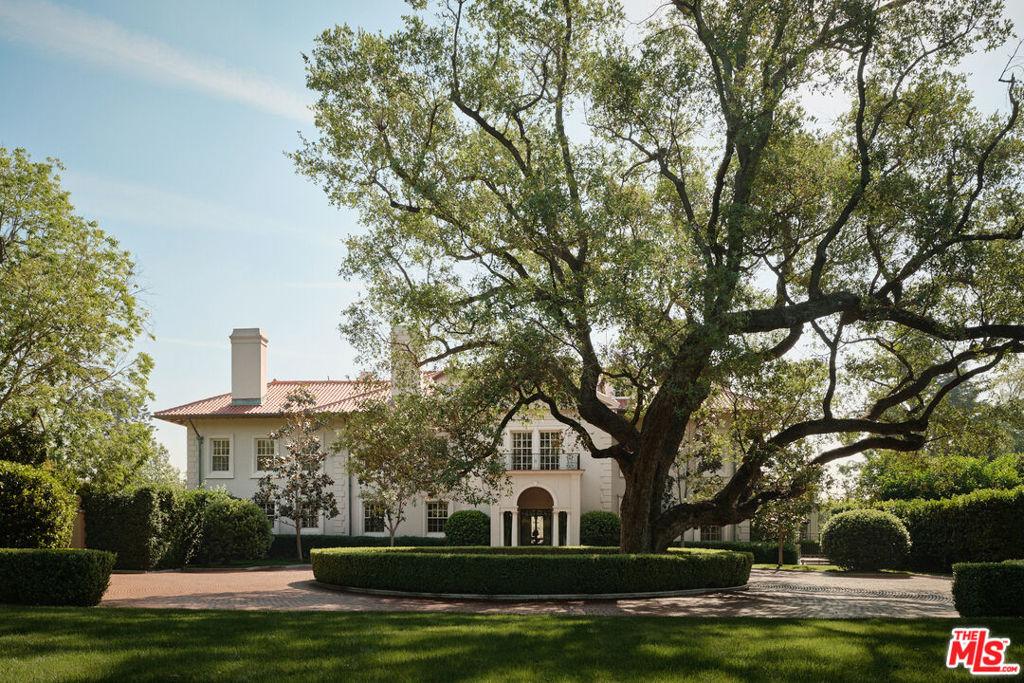
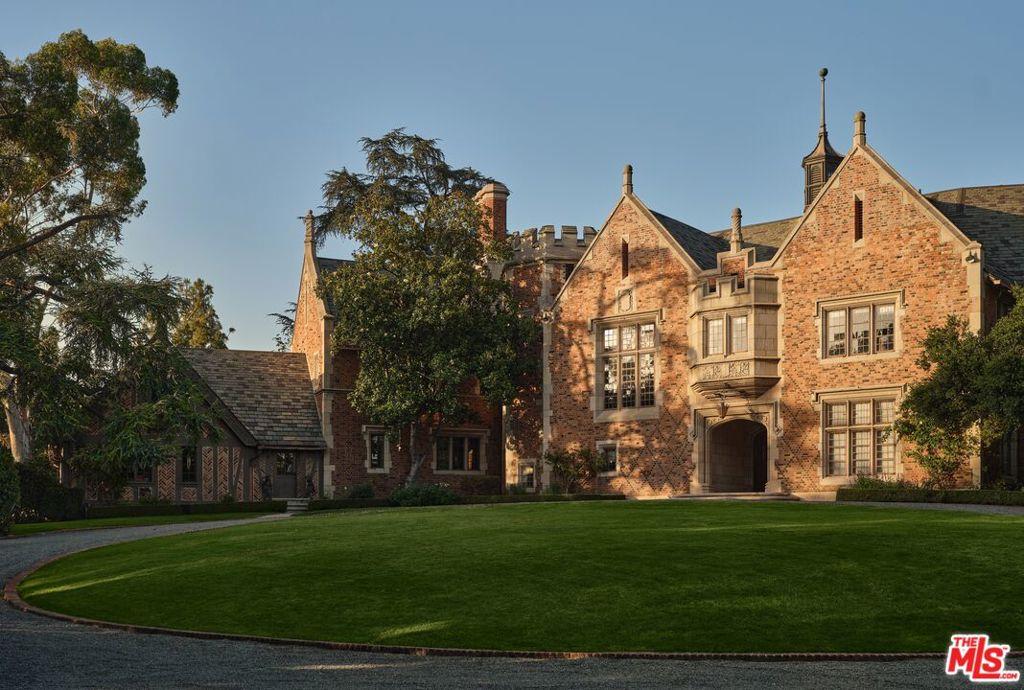
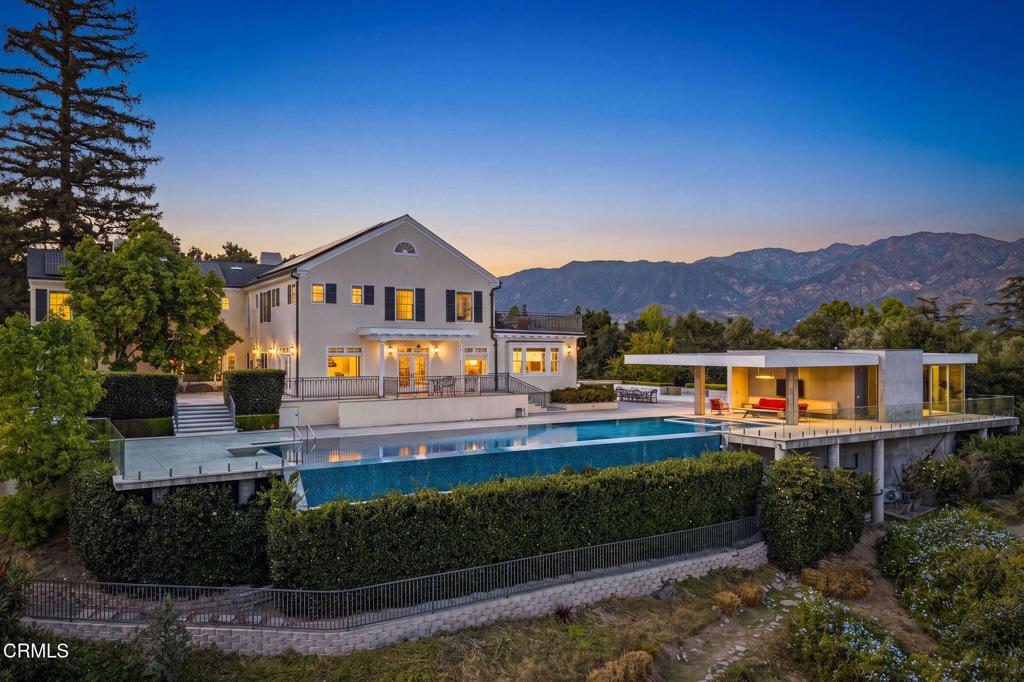
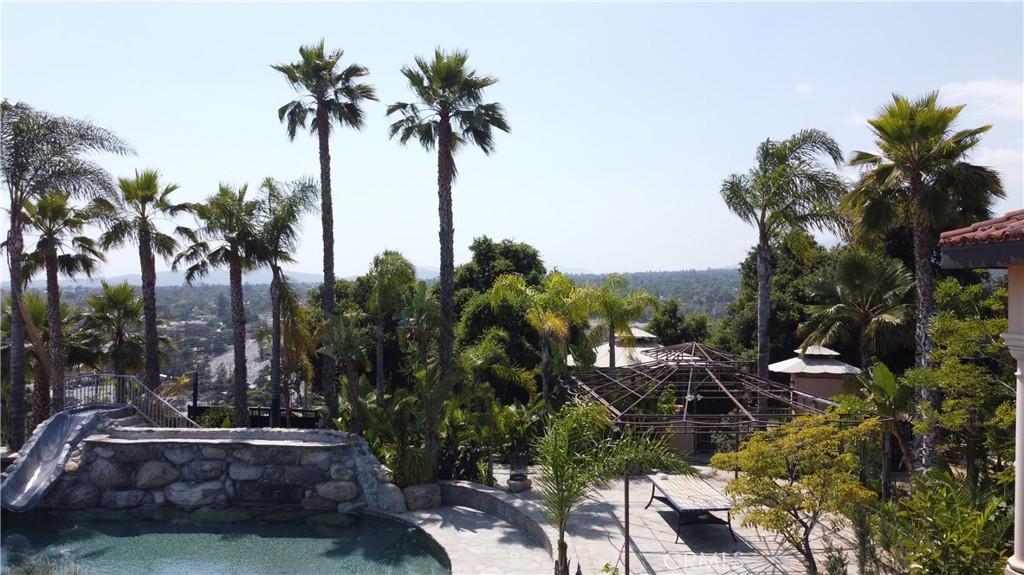
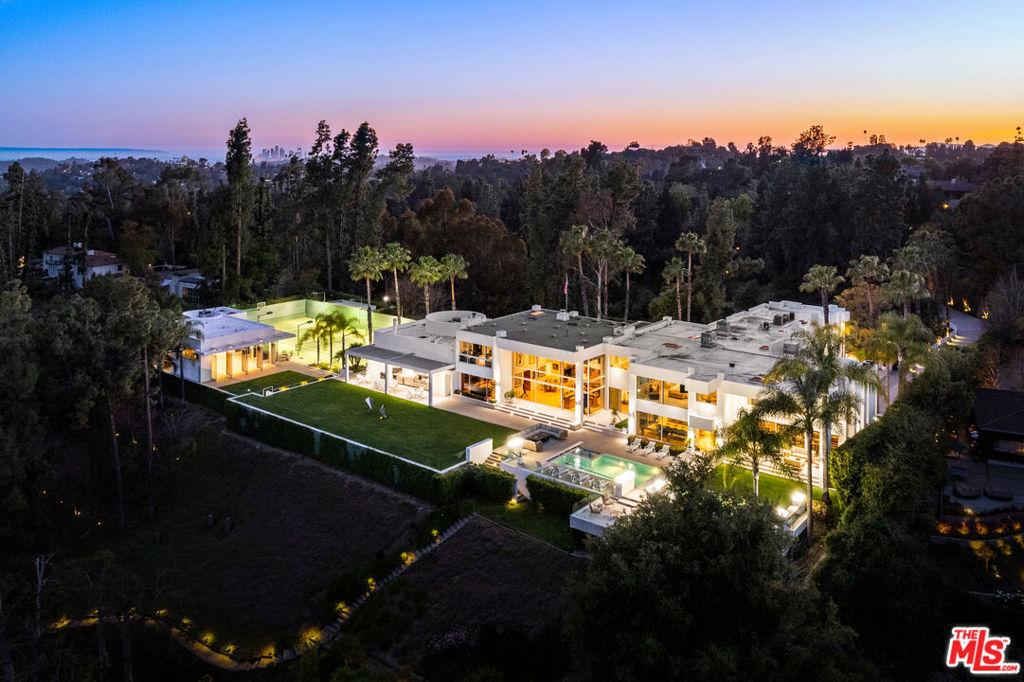
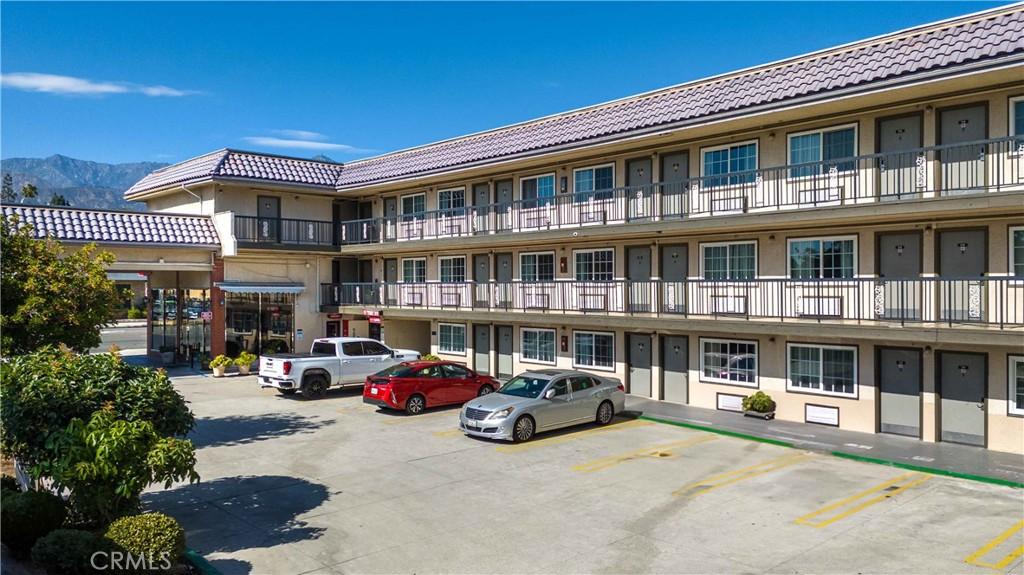
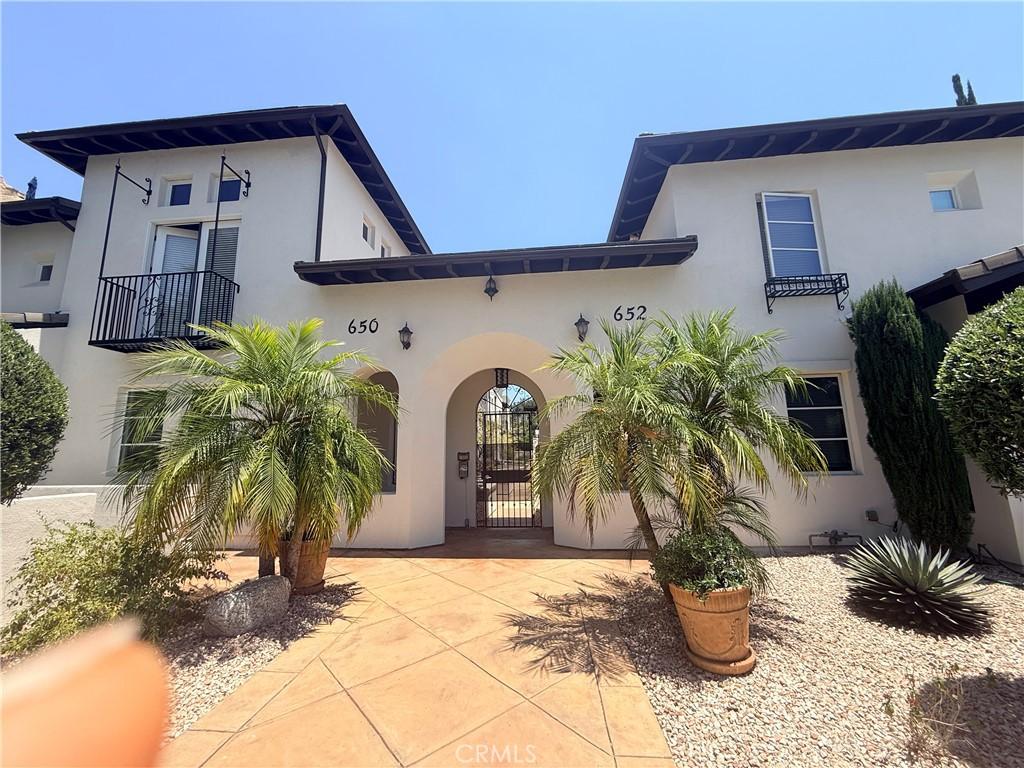
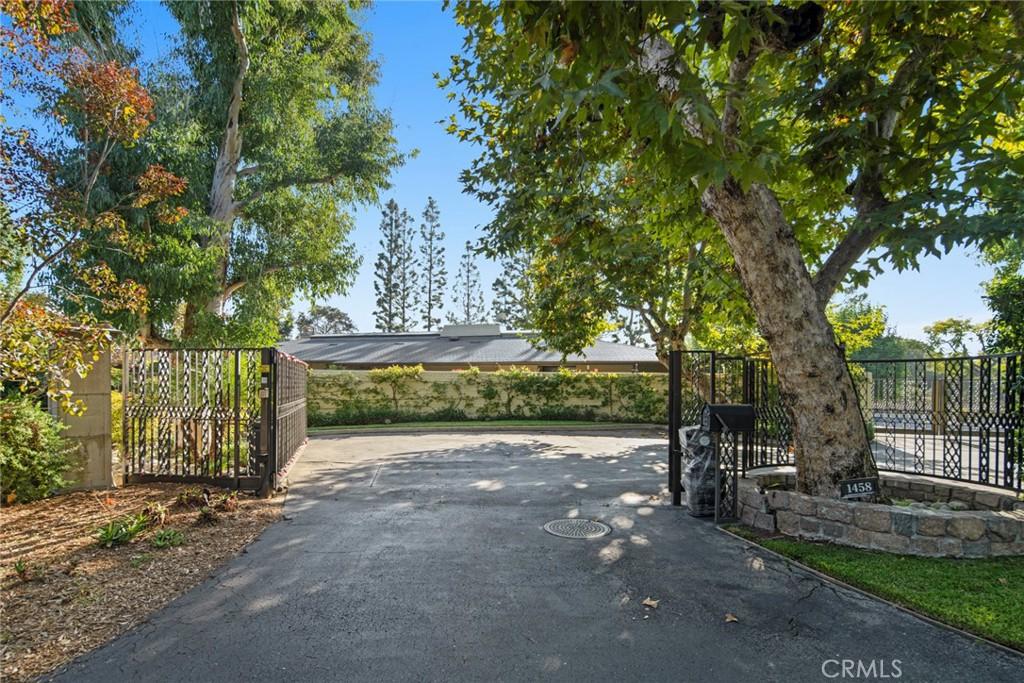
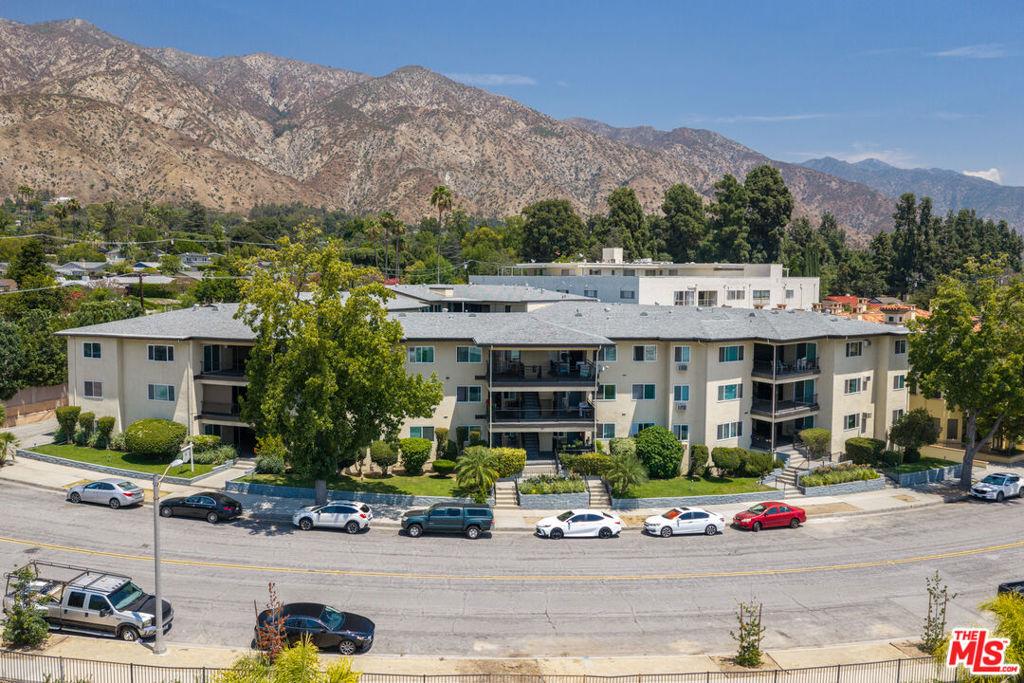
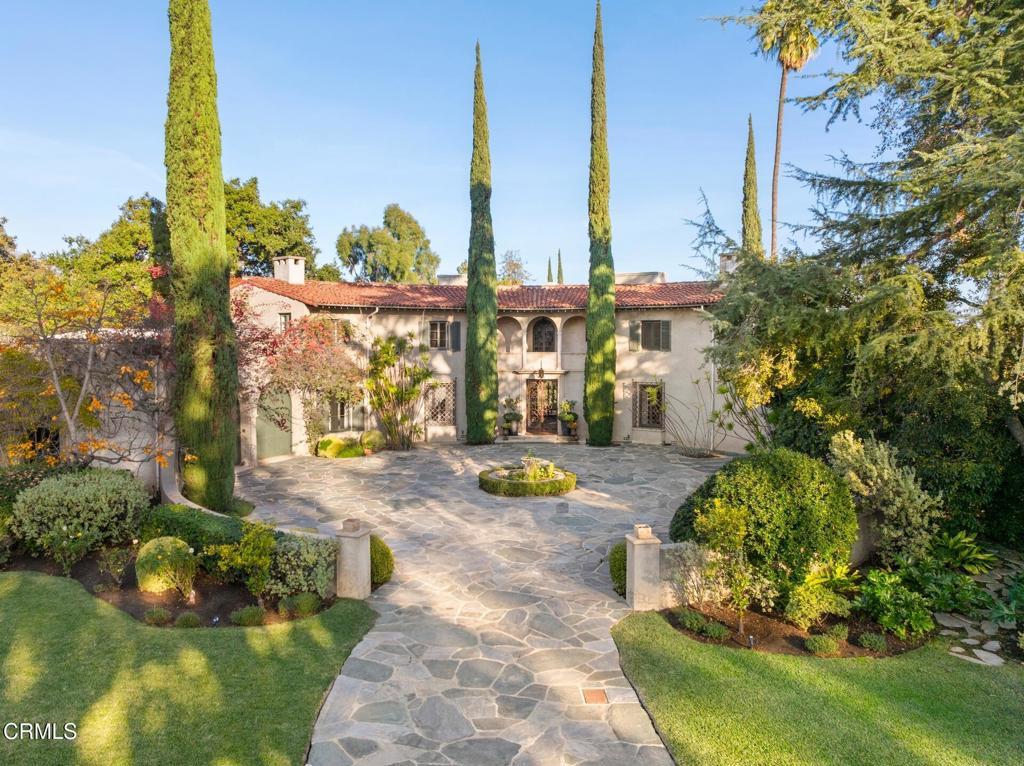
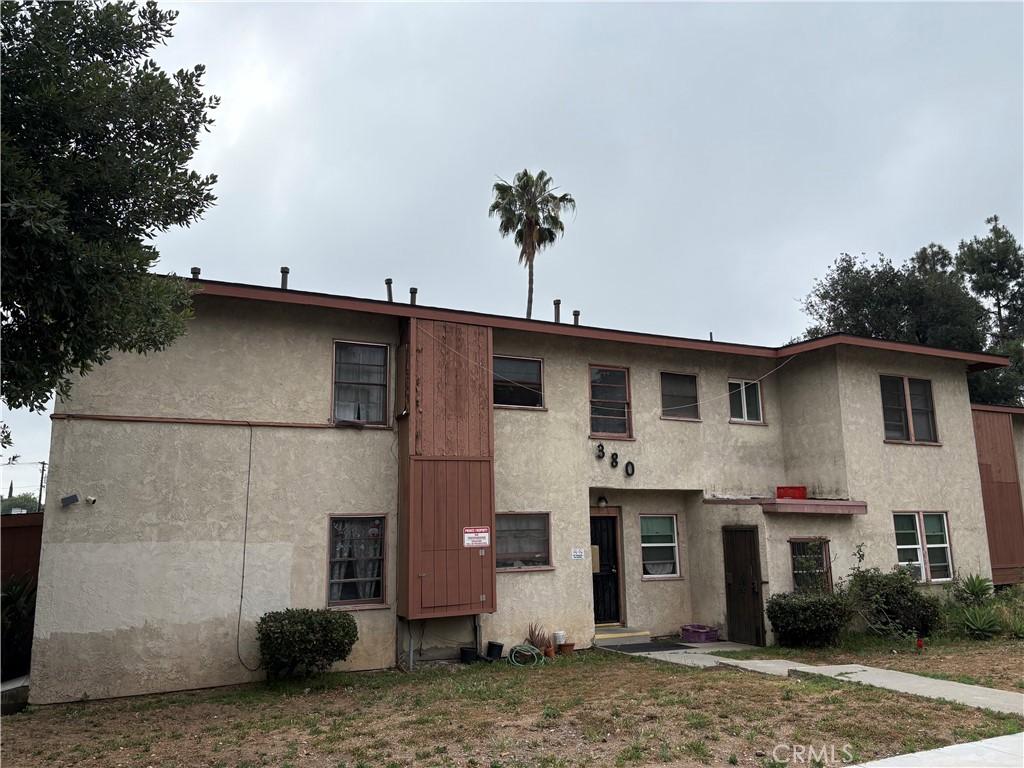
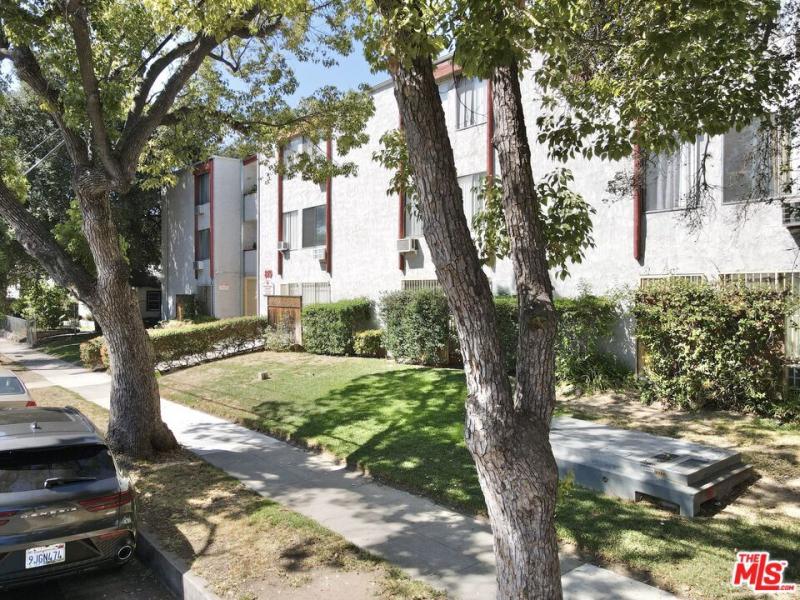
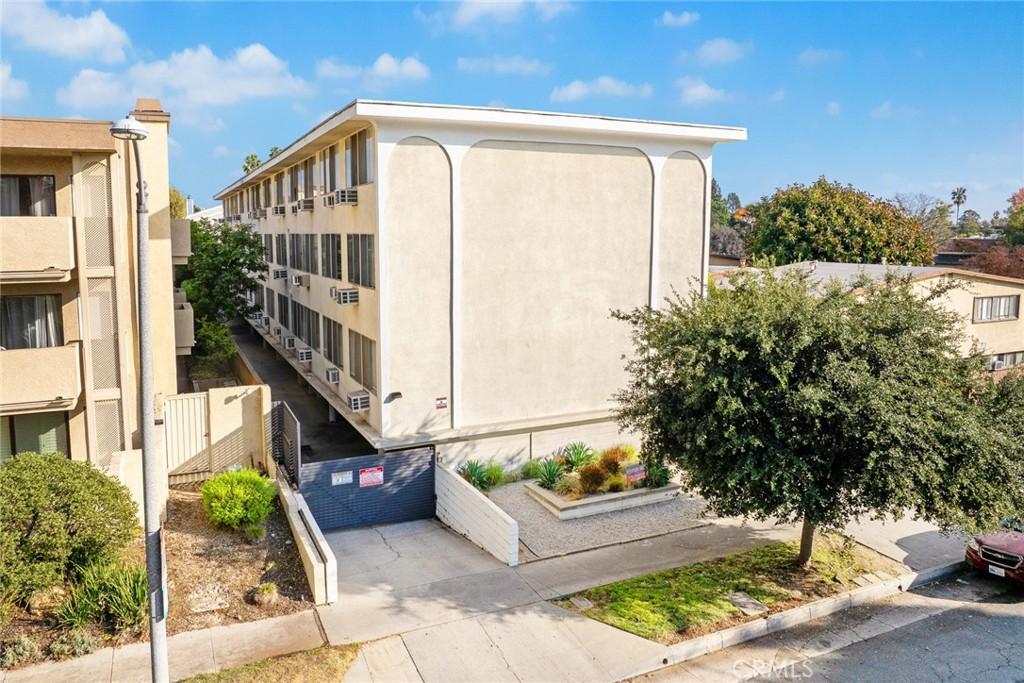
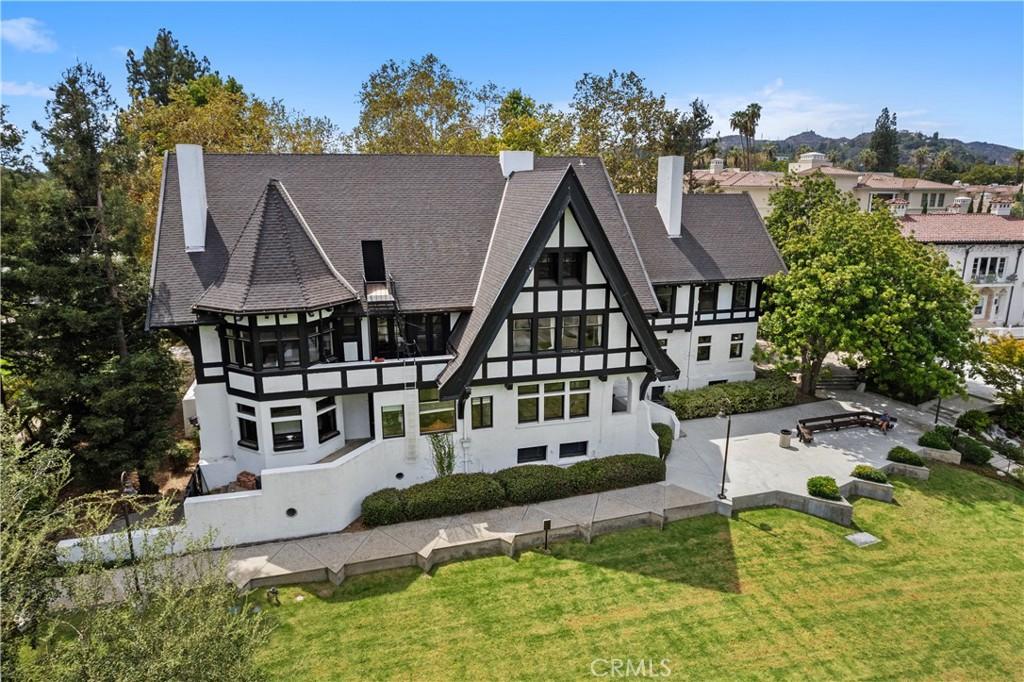
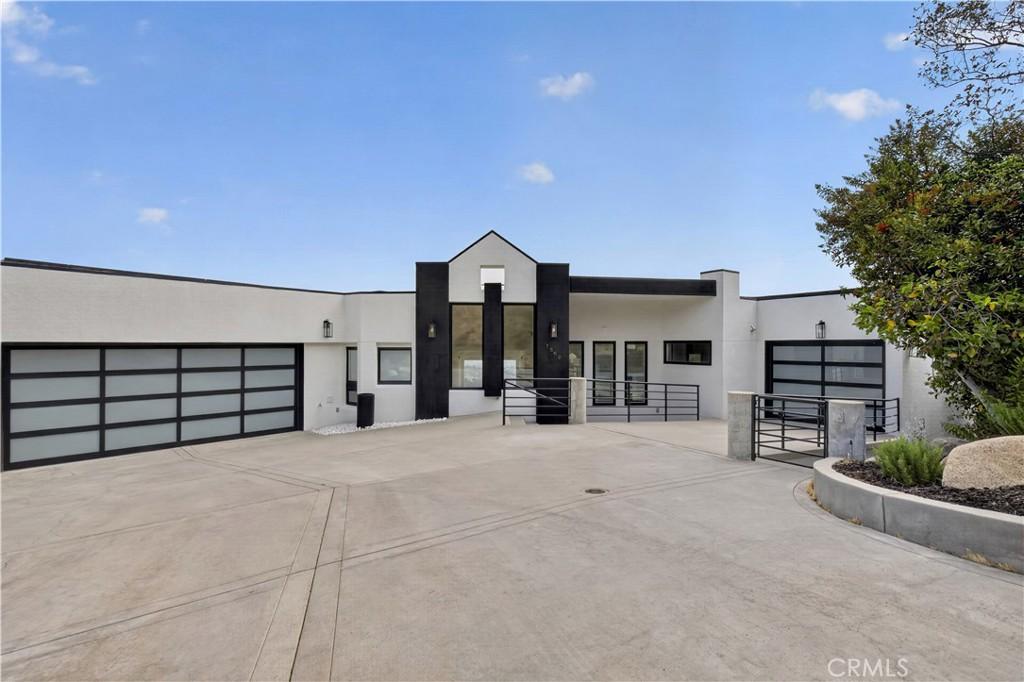
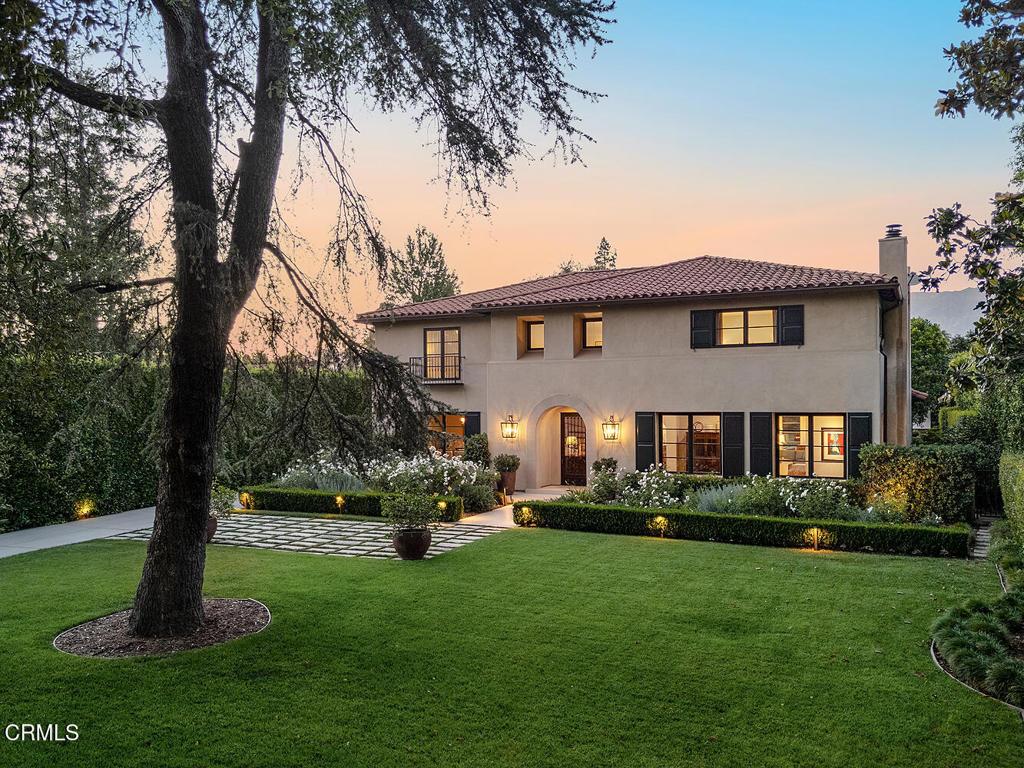
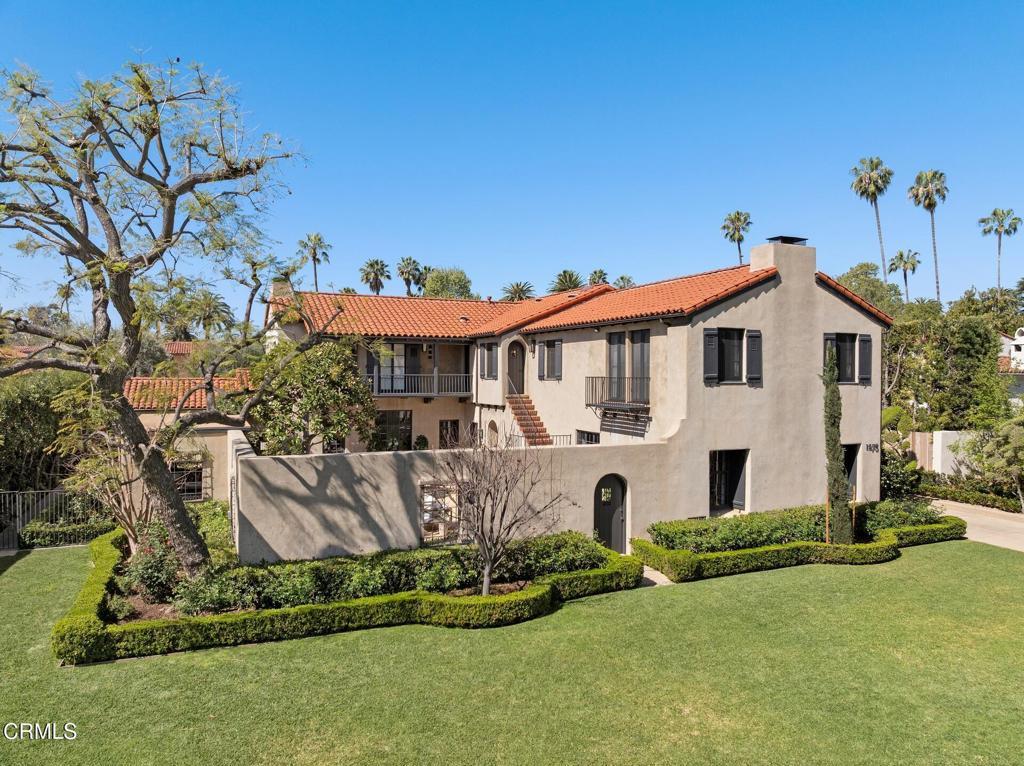
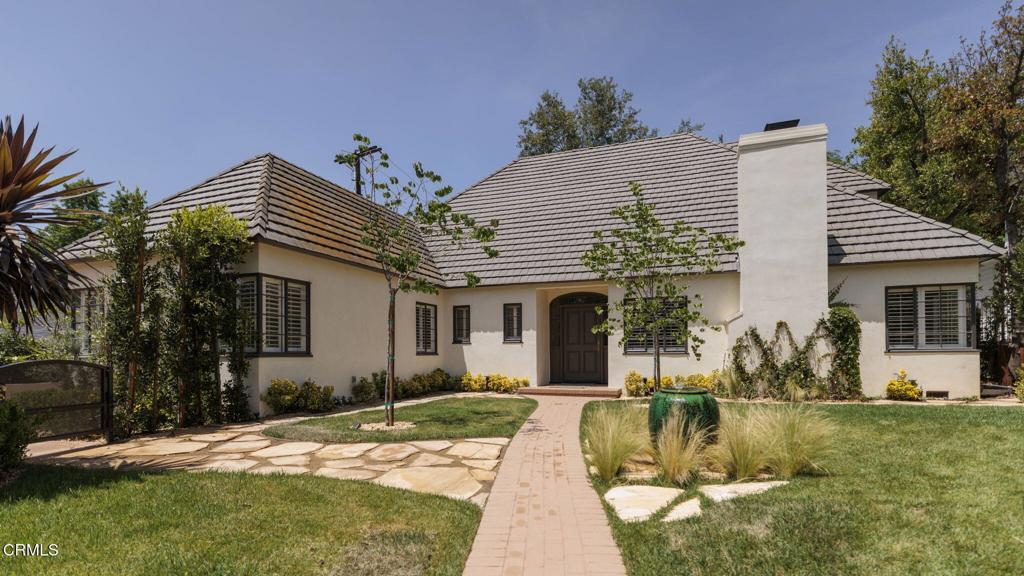
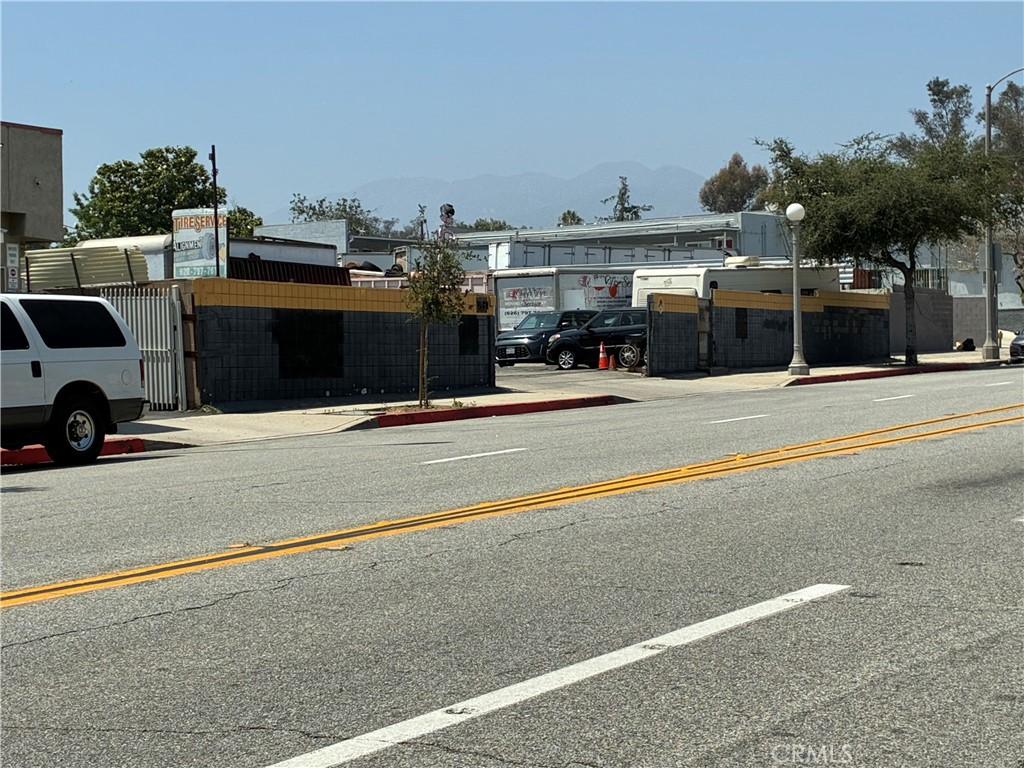
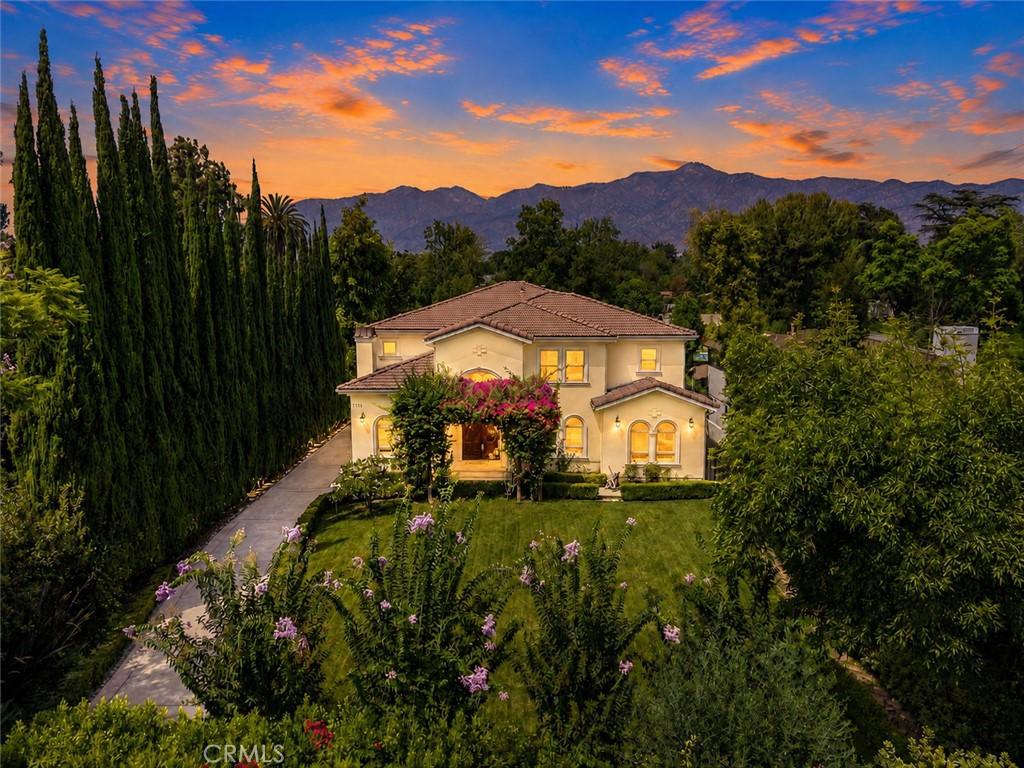
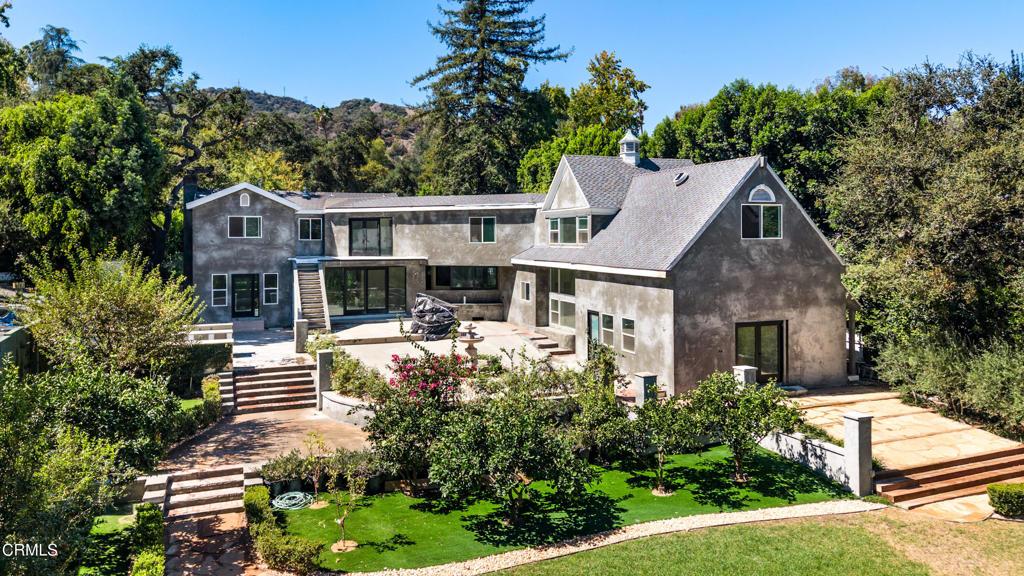
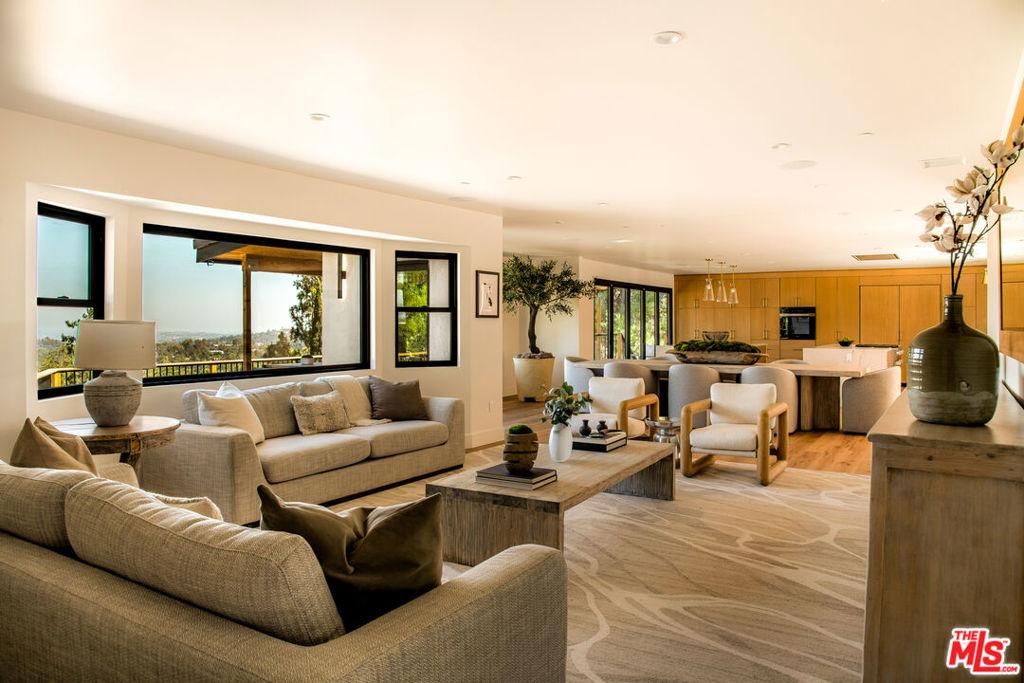
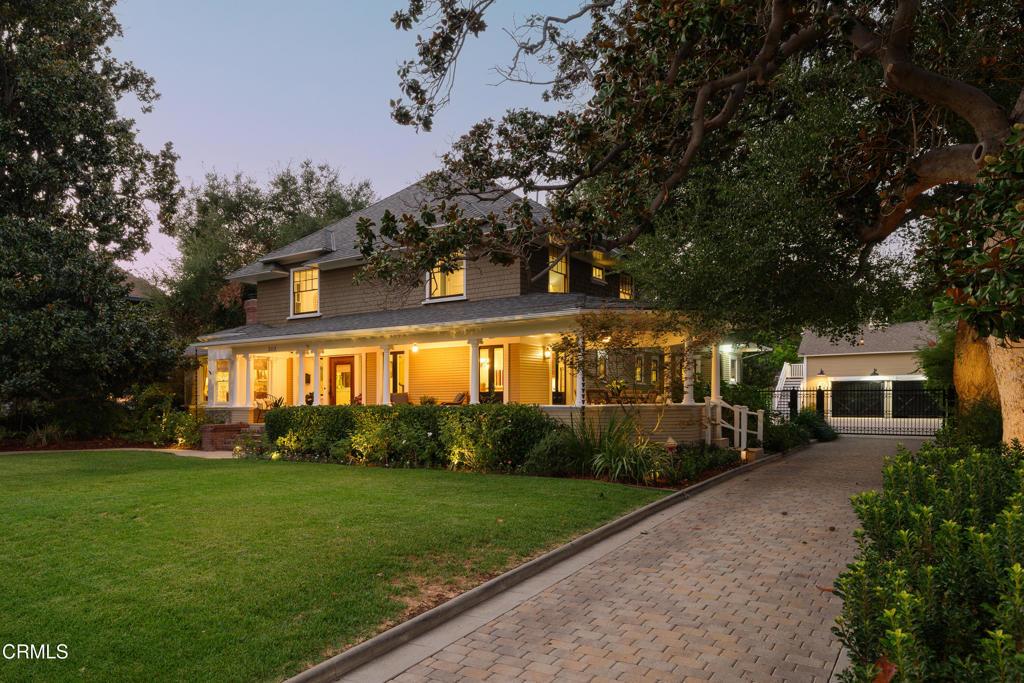
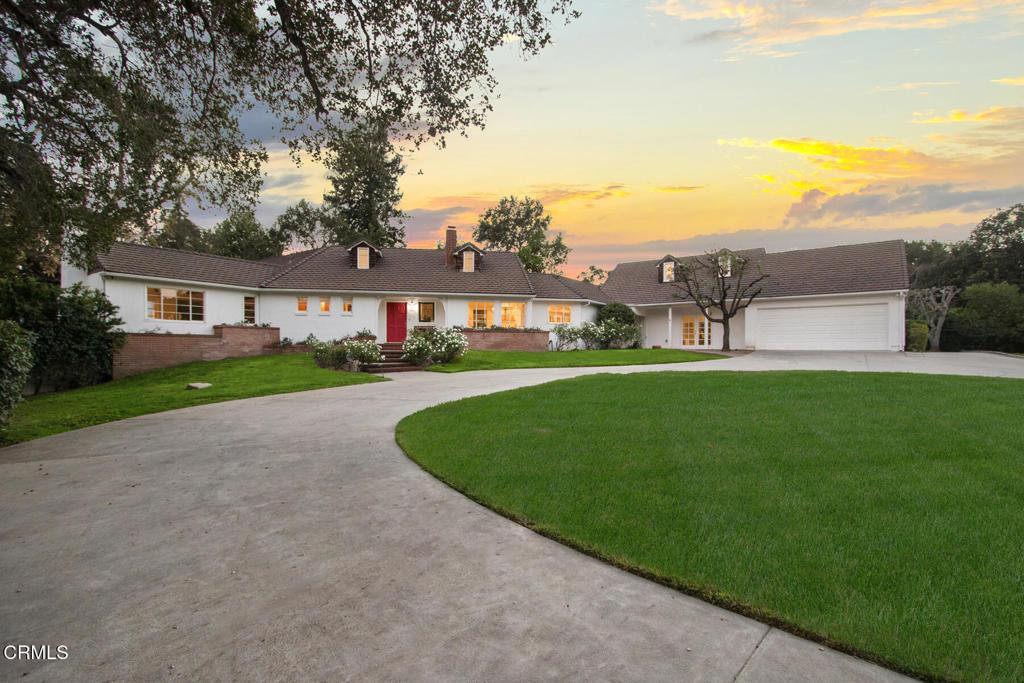
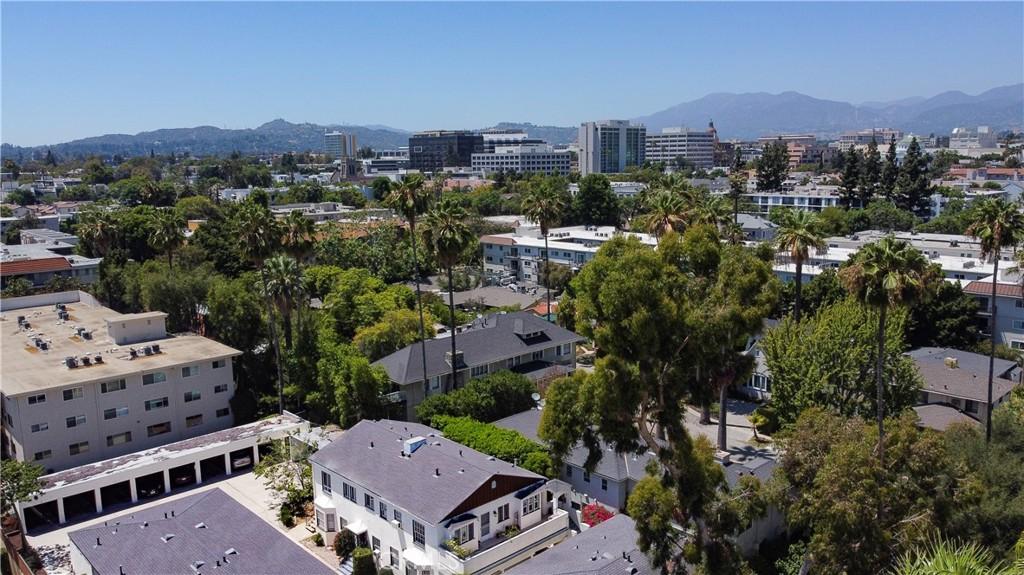
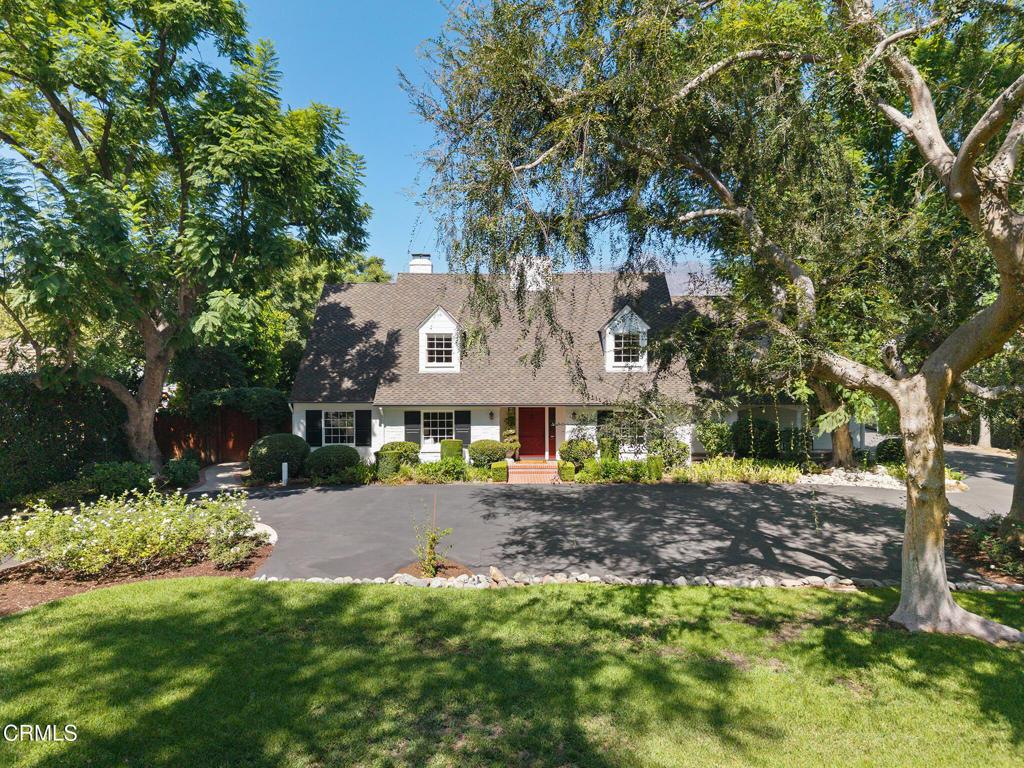
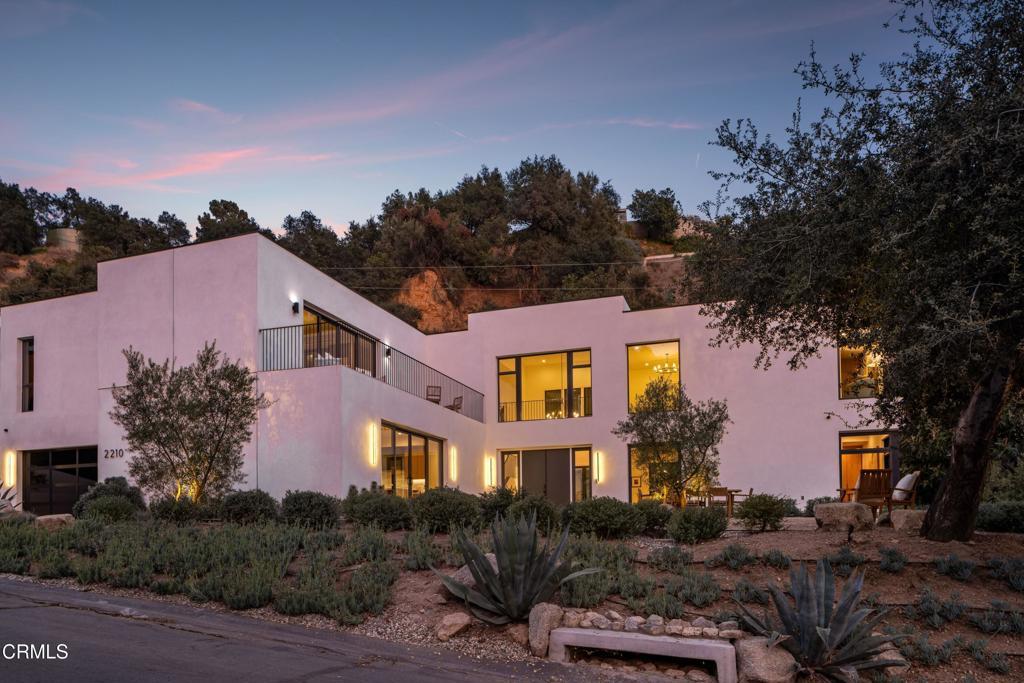
The Prospect Boulevard park strip (a landscaped median that runs through the heart of the Prospect Park neighborhood) is the organizing feature of the district’s residential environment. The park strip and the homes that line it were developed as an integrated landscape and architecture project in the early 20th century, producing a cohesion between the public and private realms that is rarely achieved in residential development of any era. The mature trees along the boulevard and the consistent setbacks and architectural character of the surrounding homes have been maintained through the decades under Pasadena’s historic preservation framework.
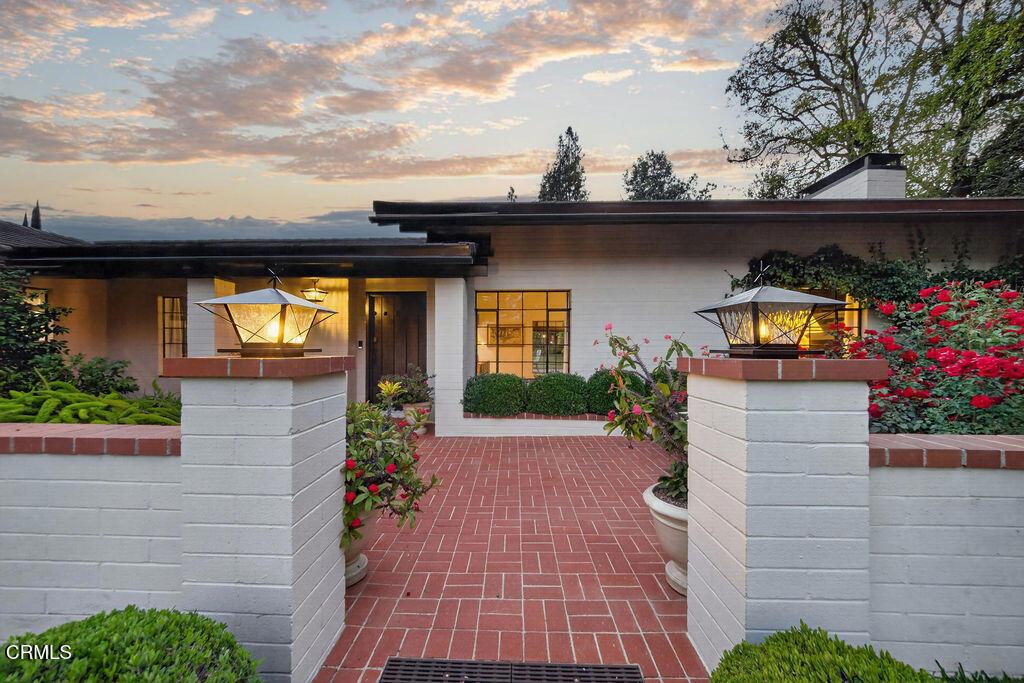
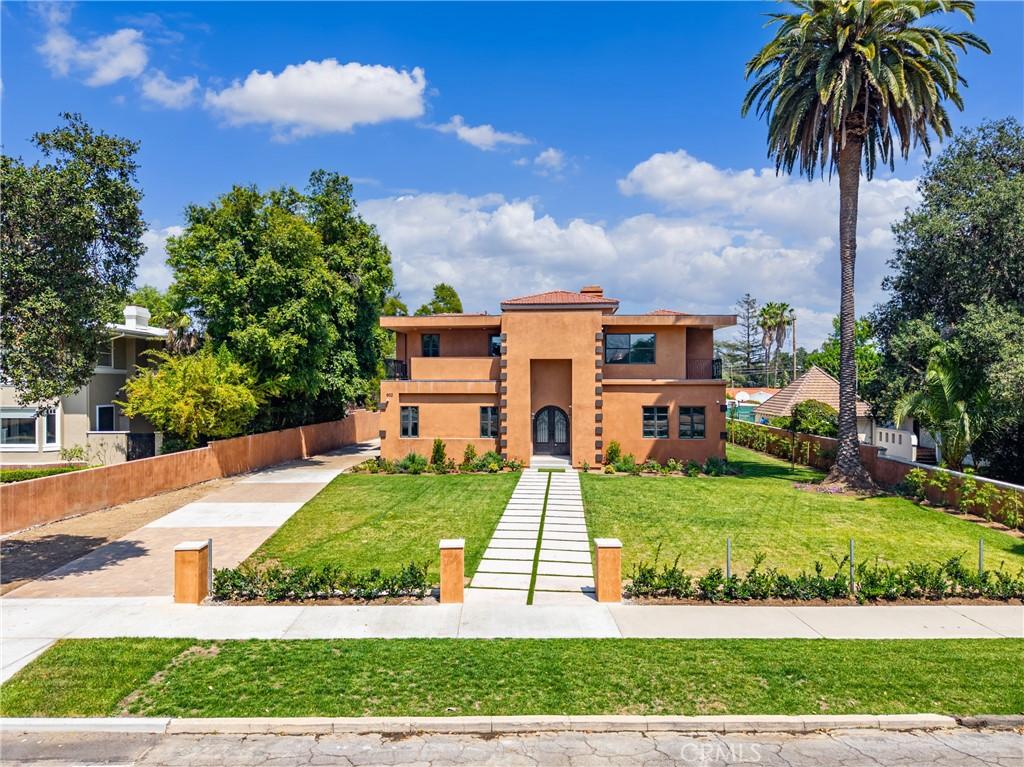
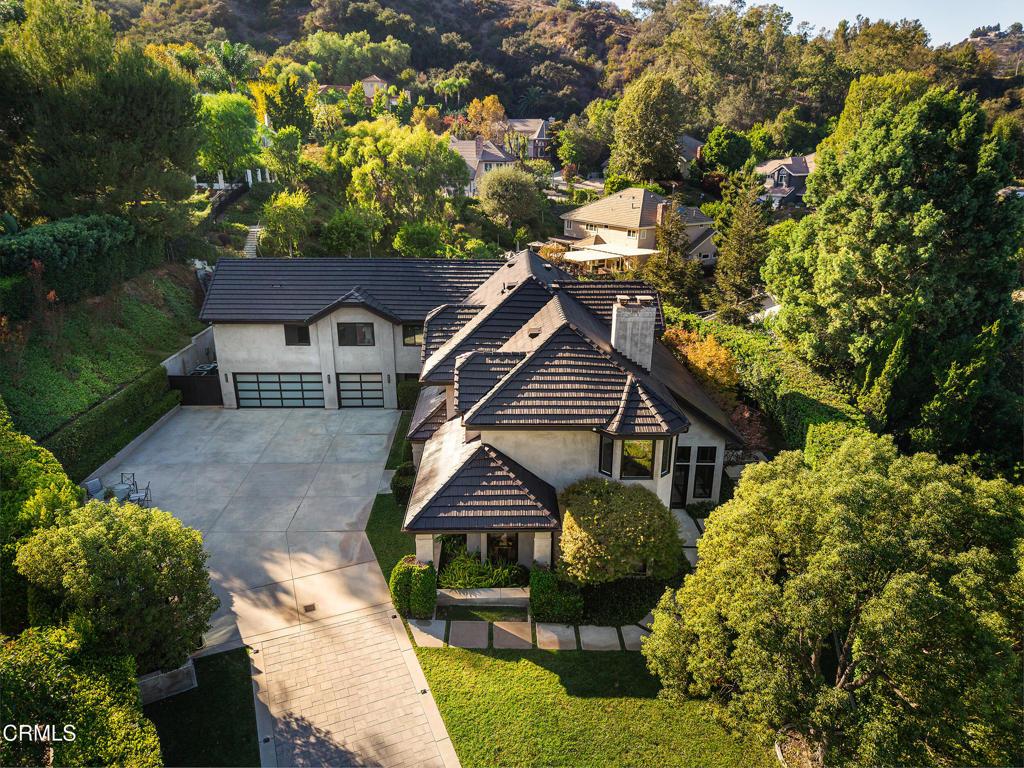
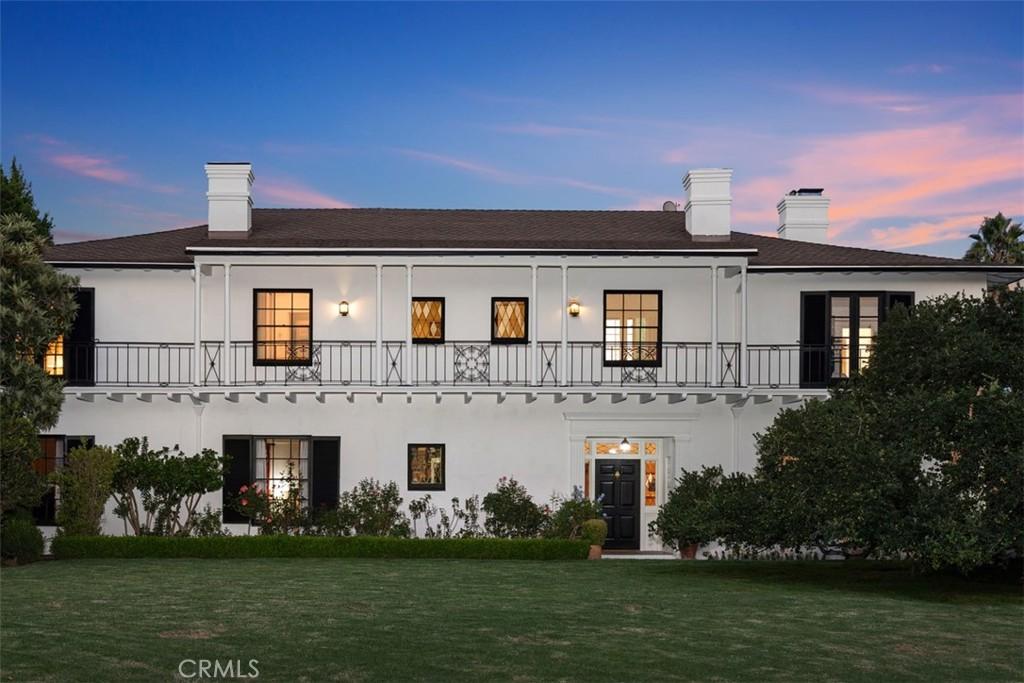
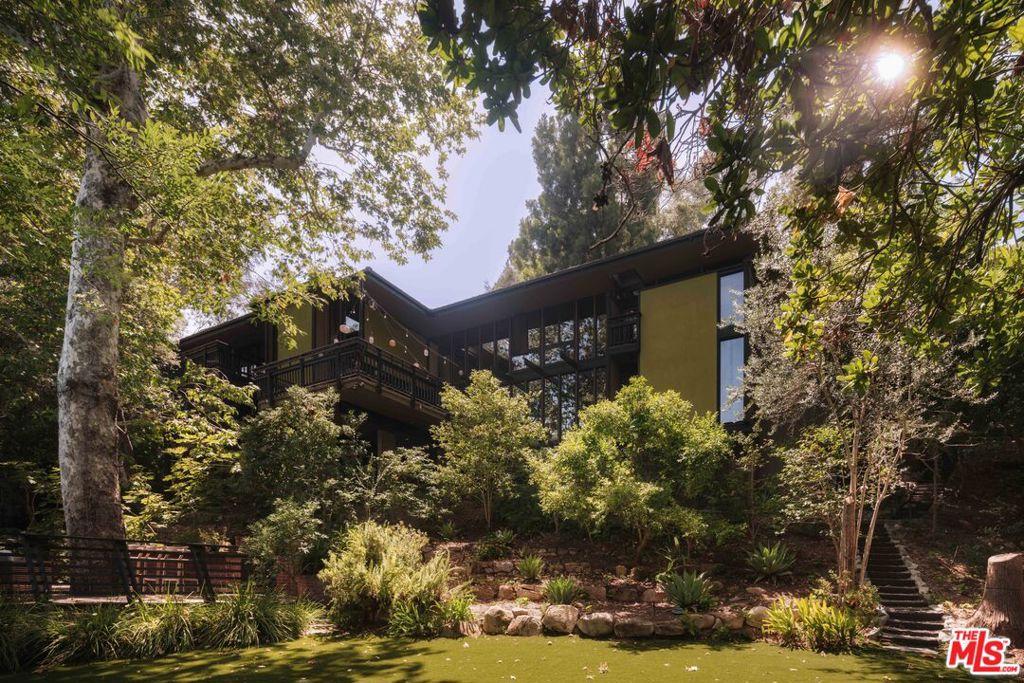
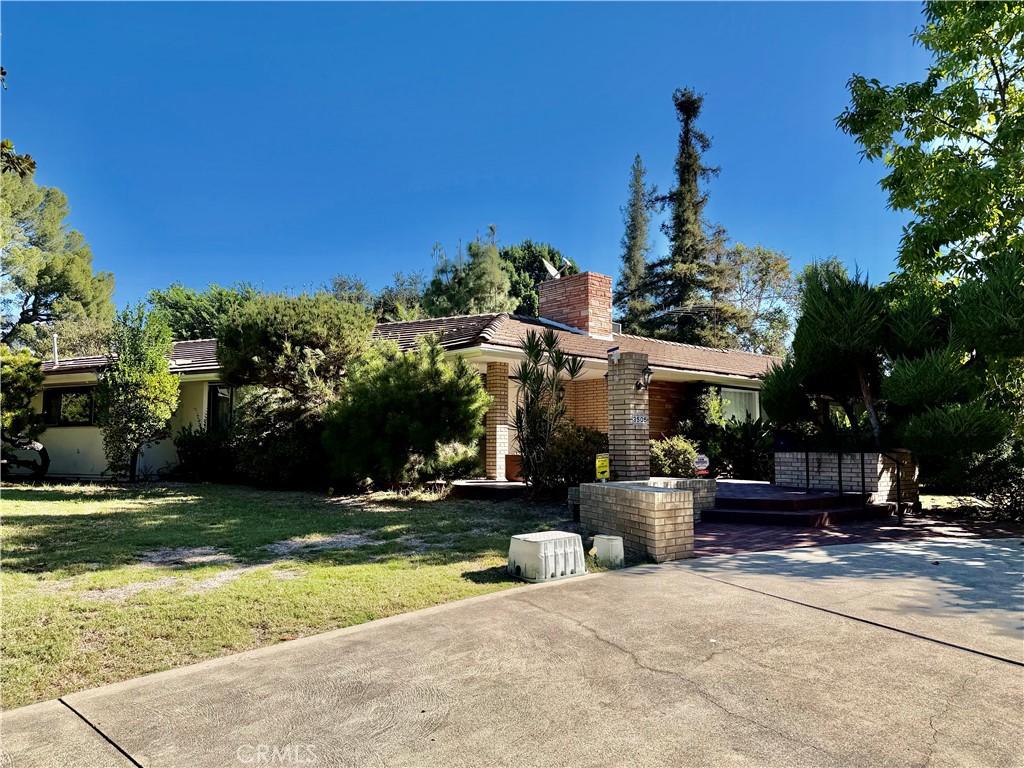
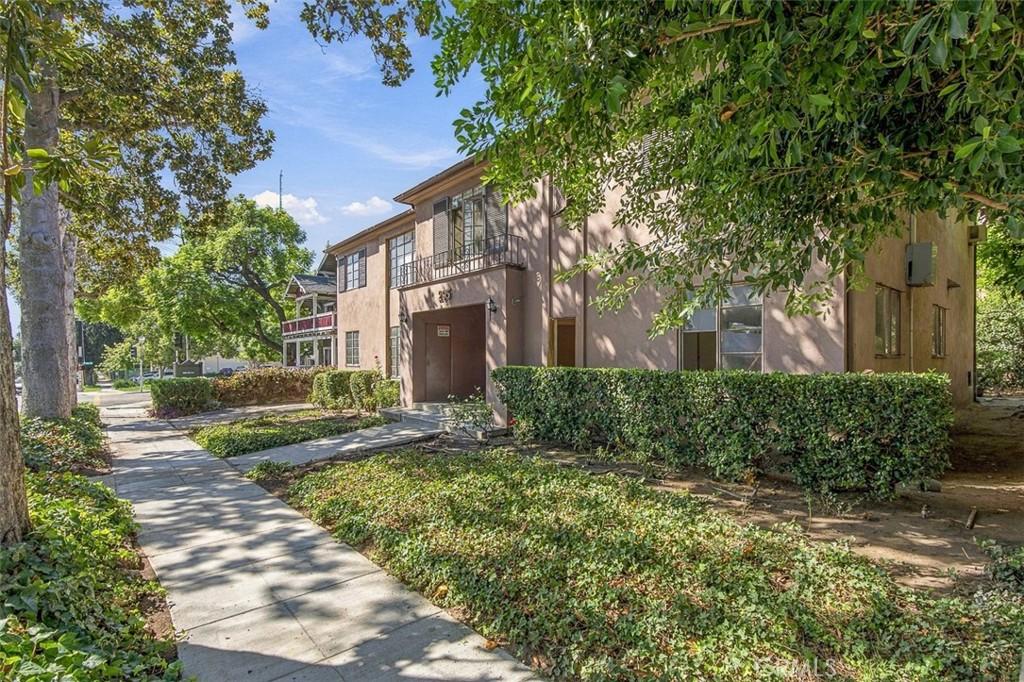
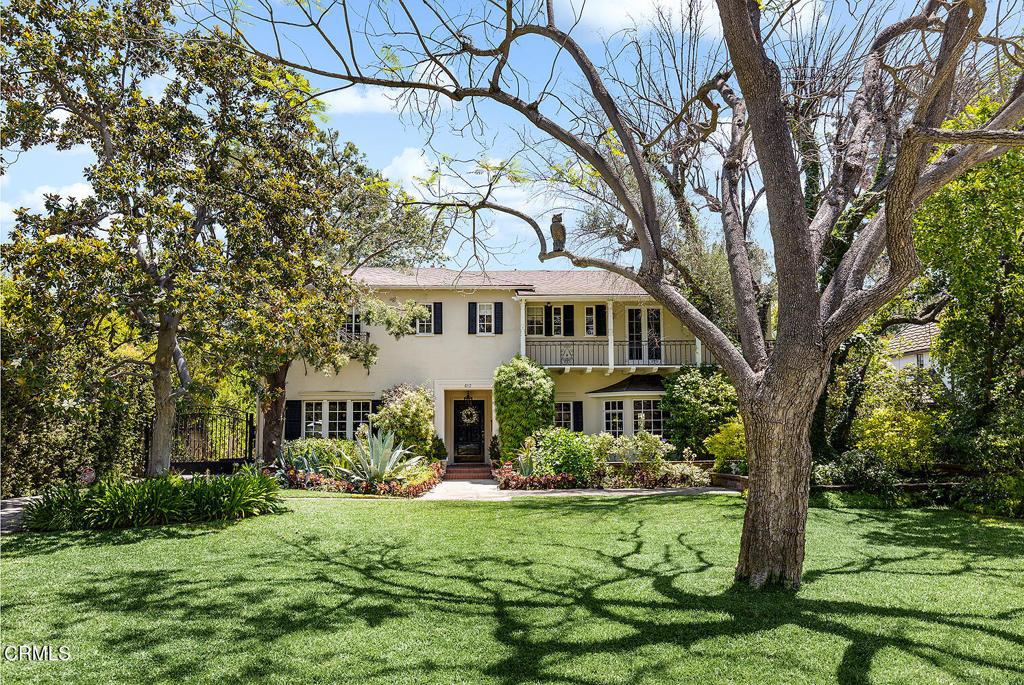
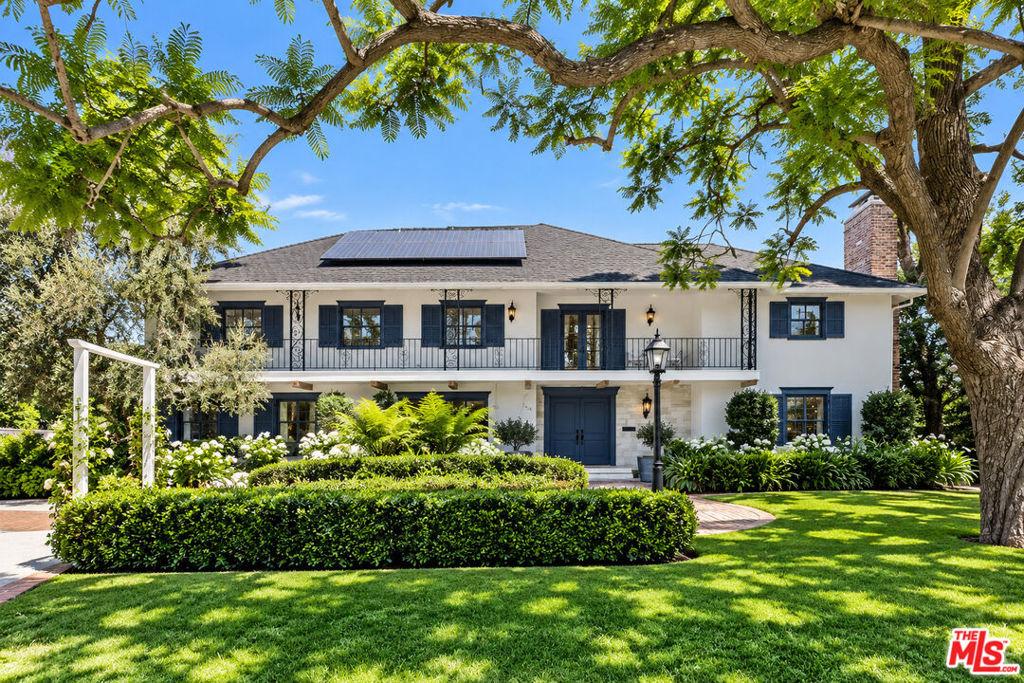
The homes in Prospect Park include architect-attributed properties in several significant early California residential styles, with Craftsman estates, Tudor Revival homes, and Colonial Revival residences among the most architecturally notable. The district’s intact condition and the quality of the original architectural work make it a consistent destination for buyers who understand the long-term value of holding a well-preserved property in a formally designated historic environment. Comparable properties in Prospect Park have consistently outperformed the non-designated Pasadena residential market over long holding periods.
The south Pasadena location gives Prospect Park residents access to the South Lake Avenue commercial corridor to the east, and the proximity to San Marino brings the quieter atmosphere of that smaller city without requiring a San Marino address. The 210 Freeway at Lake Avenue and the Gold Line Metro at the Lake or Allen stations provide regional commute options. The 110 Freeway connection to Downtown Los Angeles is accessible from the southern end of the city.
Pasadena citywide runs a median sale price around $1,250,000, up 3.7% year-over-year, $791 per square foot down 0.5% year-over-year, median list price $1,170,000 at $769 per square foot, 240 homes on market, 83 sold, 48 days on market, 103.9% sale-to-list ratio, 1 average offer, and 39.7% average down payment. Prospect Park homes command premiums above the Pasadena citywide median, reflecting both the historic district designation and the architectural quality of the contributing structures. Estate-scale homes on Prospect Boulevard with intact original condition and confirmed architect attribution command the highest values in the district and among the highest residential values in Pasadena generally.
Schools fall within Pasadena Unified School District. McKinley Elementary serves the south Pasadena area. Buyers considering Prospect Park properties are encouraged to engage with a buyer’s agent with experience in the Pasadena historic district market and familiarity with the preservation review process that governs alterations to contributing structures.
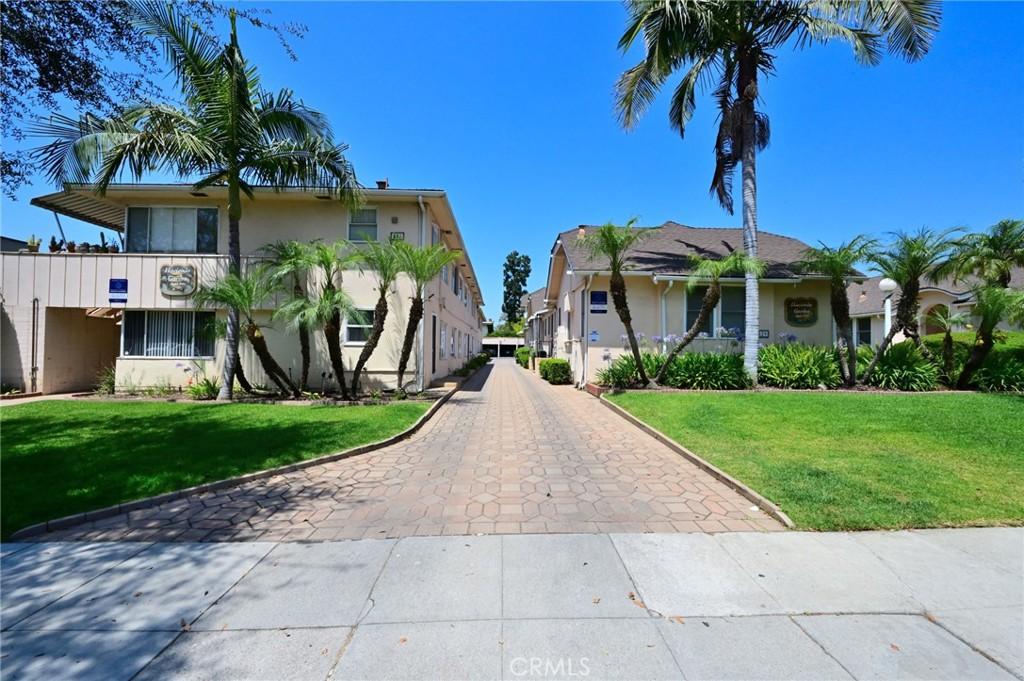
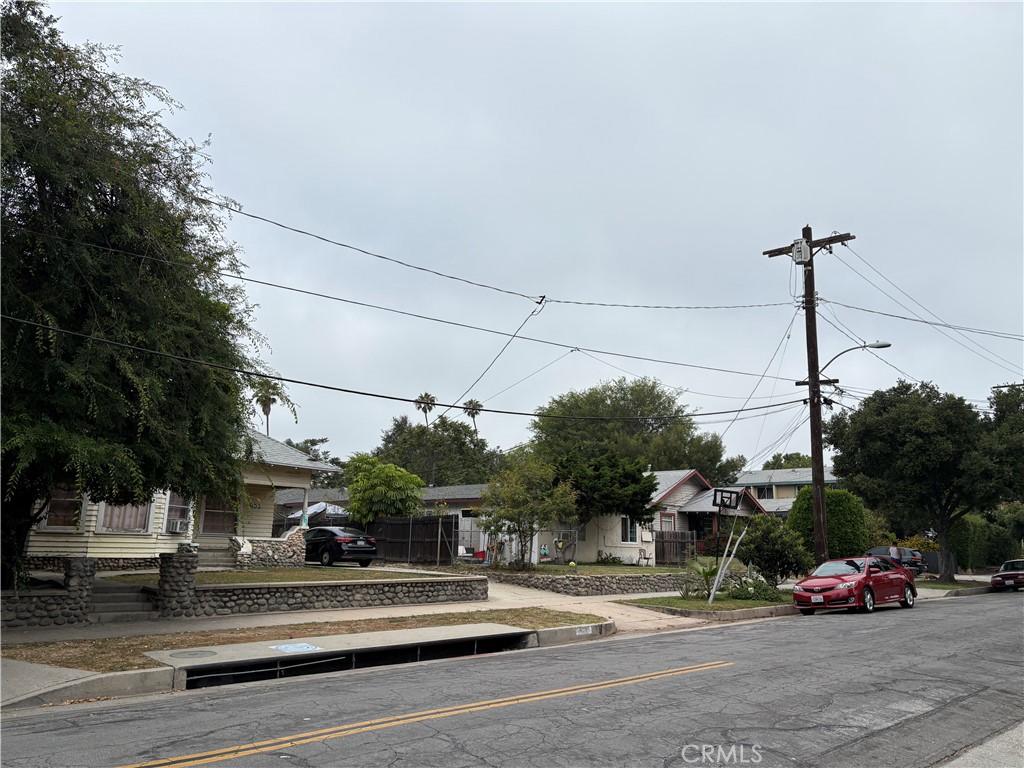
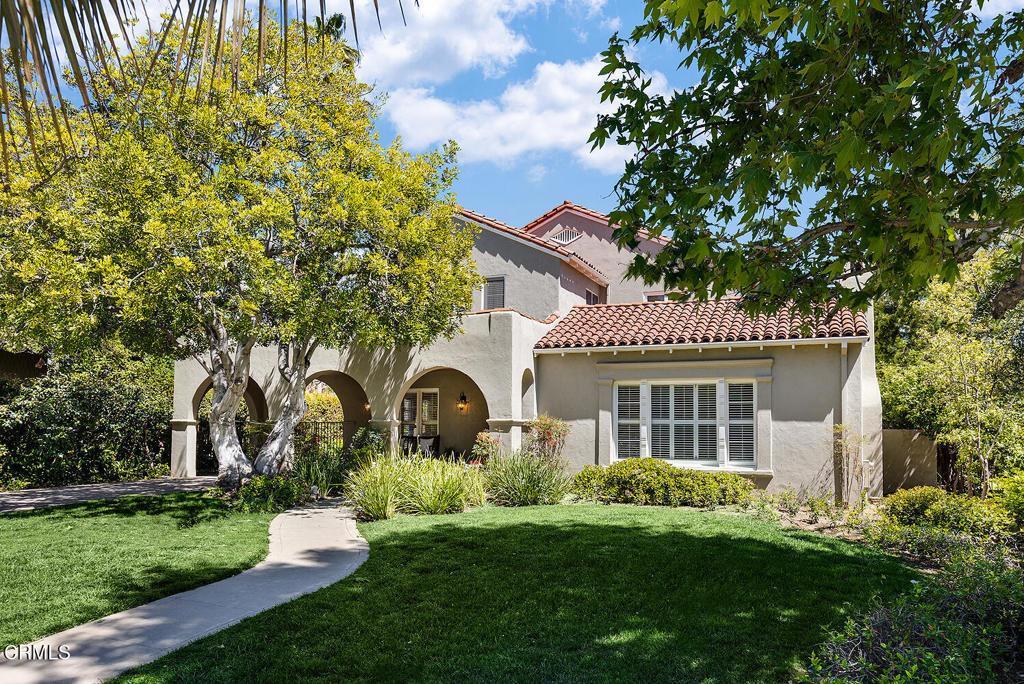
Prospect Park is a residential neighborhood in east-central Pasadena, named for its proximity to the landscaped Prospect Boulevard park strip and Prospect Park proper that run through the neighborhood’s center. The park’s namesake median and park area create a green organizing feature for the surrounding residential community, with mature trees and maintained landscaping that provides both visual character and shaded walking paths for the neighborhood’s daily pedestrian activity. The residential blocks of Prospect Park are developed primarily with Craftsman bungalows, Spanish Colonial Revival homes, and modest traditional configurations from the 1920s through the 1950s, creating the established residential character that east-central Pasadena buyers who are specifically motivated by period architectural character seek.
The Playhouse District’s restaurant and cultural concentration is the primary commercial amenity for Prospect Park residents, accessible by foot from the western portions of the neighborhood in 10-20 minutes and by bicycle from any address in approximately 5-10 minutes. The walking and cycling access to the Playhouse District distinguishes Prospect Park from the more peripheral east Pasadena neighborhoods that require a car trip for access to Pasadena’s primary dining and cultural district. For Prospect Park residents who use the Playhouse District as their primary dining and entertainment destination, the neighborhood provides a practical residential relationship to that commercial district at single-family residential pricing rather than the above-commercial condominium pricing that the most Playhouse District-adjacent residential units command.
The Gold Line stations at Memorial Park and Lake are within approximately 0.5-1 mile of most Prospect Park addresses, providing transit commute access to Downtown Los Angeles in approximately 35-40 minutes from either station. The Gold Line commute is a practical option for Prospect Park residents who work in the Downtown Los Angeles area or at Metro-accessible destinations along the A Line corridor. The walking or cycling commute from Prospect Park to the nearest Gold Line station is manageable in 10-20 minutes on foot or 5-10 minutes by bicycle, making the Gold Line commute a genuine car-free option for many Prospect Park residential addresses.
Schools serving Prospect Park are within PUSD’s east-central school assignment area. The elementary school assignment for specific Prospect Park addresses is determined by PUSD attendance boundaries. The Playhouse District proximity gives Prospect Park families cycling access to multiple PUSD school campuses in the central area, and the PUSD magnet program system is accessible through the standard district application process. High school assignments from Prospect Park addresses typically lead to the Pasadena High School attendance area, with access to other PUSD high school programs through the inter-school choice application process.
The renovation market in Prospect Park benefits from the Playhouse District proximity premium and the Gold Line station access premium embedded in the east-central Pasadena market. Craftsman and Spanish Colonial Revival homes in the neighborhood attract renovation buyers who are specifically motivated by the period architectural character, and the comparable sale environment for well-renovated period homes in the east-central Pasadena market supports renovation investment above what the more peripheral east Pasadena neighborhoods can justify. ADU development through garage conversion is active in the neighborhood, with the Gold Line walking access supporting above-average ADU rental rates relative to the more transit-distant east Pasadena neighborhoods.
The insurance profile for Prospect Park is within the standard central-to-east Pasadena flatland range. The neighborhood’s position away from the hillside FHSZ terrain and from the Arroyo Seco natural vegetation corridor keeps the fire risk profile at the standard flatland Pasadena level, with admitted market insurance more accessible than for the hillside and foothill neighborhoods. The post-2025 California insurance market affects all Pasadena residential properties to some degree, and buyers should confirm current insurance availability and cost for any specific Prospect Park address during the due diligence process.
The buyer profile for Prospect Park centers on east-central Pasadena buyers who value the Playhouse District proximity, the Gold Line walking access, and the park-adjacent residential character in combination. The neighborhood serves buyers who are comparing the Prospect Park position to the Playhouse District condominium market and to the more peripheral east Pasadena neighborhoods, choosing the single-family residential format and the park adjacency over the condominium format and the more distant east Pasadena commercial access. The Prospect Park buyer typically places a premium on the combination of period residential character, walking distance to the Playhouse District, and the Gold Line transit access that the neighborhood’s east-central position provides.
The market pricing for Prospect Park reflects the east-central Pasadena location premium and the Playhouse District proximity factor. Properties in Prospect Park typically price above comparable-size and comparable-condition properties in the more peripheral east Pasadena neighborhoods, with the Playhouse District walking proximity and the Gold Line station access providing the premium-supporting location factors. The park adjacency (particularly for properties with direct park views or on the blocks immediately bordering the Prospect Boulevard park strip) adds a further premium for the most park-proximate addresses. The combination of these location factors places Prospect Park in the mid-range of the east Pasadena residential market, above the eastern tracts and below the most premium central Pasadena neighborhoods.
The Prospect Boulevard park strip that gives Prospect Park its name and identity is an approximately 1-mile landscaped median running through the neighborhood on Prospect Boulevard, featuring mature trees, maintained lawns, and pedestrian paths that create the defining outdoor character of the residential streets flanking the median. Unlike a standard neighborhood park with a fixed boundary, the park strip’s linear format creates a neighborhood-wide outdoor amenity that is within direct walking view of the residential homes along the full length of Prospect Boulevard. The park strip’s character changes with the seasons: full canopy shade in summer, fall color from the deciduous tree species, and the lighter winter canopy that opens the street to winter sunlight. For residents on the Prospect Boulevard-facing homes, the park strip is the primary outdoor living environment visible from their front rooms, creating a residential setting that is unusual in the east Pasadena market.
The south Pasadena border is accessible from the Prospect Park neighborhood’s southern edge, and the South Pasadena commercial district along Mission Street is within cycling distance (approximately 1-1.5 miles) from the southern portions of Prospect Park. South Pasadena’s Mission Street commercial character, with its independent restaurants, boutique retail, and the small-town commercial scale that distinguishes it from the more urban Colorado Boulevard and South Lake Avenue corridors, provides an alternative commercial destination for Prospect Park residents who want a quieter commercial environment than the Playhouse District’s density. The cross-jurisdiction commercial access between Prospect Park (in Pasadena) and the South Pasadena Mission Street area creates a wider commercial geography accessible by bicycle from the Prospect Park position than from most east Pasadena neighborhoods.
The Caltech campus is approximately 1-1.5 miles northwest of the Prospect Park residential area, accessible by bicycle in approximately 10-15 minutes via the California Boulevard corridor. The proximity to Caltech creates a specific demand segment for the Prospect Park rental and ownership market from Caltech graduate students, postdoctoral researchers, and junior faculty who want a residential setting with walking or cycling access to campus. The Caltech proximity, combined with the Gold Line walking access and the Playhouse District dining proximity, creates a rental demand profile in the Prospect Park area that supports above-average rental rates for the east-central Pasadena market.
The renovation investment economics in Prospect Park benefit from the neighborhood’s position at the intersection of three location premiums: the Playhouse District proximity, the Gold Line walking access, and the park-adjacent setting. Comparable sales for well-renovated Prospect Park single-family homes have historically demonstrated that renovation investment in the neighborhood recovers at rates that are competitive with the more centrally-positioned Pasadena neighborhoods, while entry prices before renovation remain at a meaningful discount to those neighborhoods. The renovation buyer equation in Prospect Park thus offers the combination of below-premium entry pricing and above-average renovation recovery that creates the most favorable risk-adjusted renovation investment in the east-central Pasadena market.
The Playhouse District’s entertainment and cultural programming creates a residential adjacency for Prospect Park buyers that extends beyond the Pasadena Playhouse’s theater season. The district’s concert venues, private event spaces, comedy clubs, and specialty entertainment businesses that have established themselves in the East Colorado Boulevard area over the past decade provide a year-round entertainment calendar that Prospect Park residents access as a walkable neighborhood amenity. The evening pedestrian activity in the Playhouse District, which on performance nights can include the pre- and post-show crowds at the restaurants and bars on El Molino Avenue and the surrounding blocks, creates a lively street environment that is a genuine urban amenity for the neighboring residential community.
The property values in Prospect Park reflect the neighborhood’s positioning at the intersection of the east-central Pasadena residential market and the Playhouse District commercial and cultural district. The east-central Pasadena residential market has historically traded at a premium over the more peripheral east Pasadena neighborhoods for the Playhouse District proximity, and this premium has been sustained through the market cycles of the past two decades as the Playhouse District’s commercial vitality has grown and the Gold Line’s transit connectivity has increased. Prospect Park buyers who are making the comparison between this neighborhood and the more peripheral east Pasadena neighborhoods are effectively paying a location premium for the Playhouse District walking distance and the Gold Line station access, and evaluating whether that premium represents good relative value for their specific lifestyle priorities and housing budget.
The exterior architectural character of Prospect Park’s pre-war housing stock is protected to varying degrees by both individual historic designations through the City of Pasadena’s Historic Preservation Program and by the general maintenance of the period residential character that the neighborhood’s owner community has sustained through decades of property stewardship. While Prospect Park is not currently a designated HPOZ area, the community of period-home owners in the neighborhood has maintained the architectural character through voluntary preservation rather than regulatory requirement. Buyers of Prospect Park period homes who are planning exterior modifications should confirm the specific historic designation status of their target property with the City of Pasadena Planning and Community Development Department before finalizing their renovation plans.
The transaction activity in Prospect Park reflects the east-central Pasadena market dynamic of consistent demand from buyers who are specifically motivated by the Playhouse District proximity and the Gold Line walking access. The inventory of single-family homes in the neighborhood turns over at rates consistent with established Pasadena residential neighborhoods where long-term ownership is common, and when properties do become available, they typically attract multiple buyer interest from the specific buyer profile that the neighborhood’s location assets serve. Buyers who are actively searching for Prospect Park specifically should work with a local real estate professional who monitors the east-central Pasadena micro-market closely and can provide advance notice of properties that are approaching the market before formal listing dates.
What is it like to live in Homes For Sale In Prospect Park?
- Prospect Boulevard park strip is a landscaped median running through the heart of the neighborhood and organizing its entire residential environment.
- Homes For Sale In Prospect Park sit within a district developed as an integrated landscape and architecture project in the early twentieth century.
- Mature trees along the boulevard and consistent setbacks give the surrounding blocks a cohesion between the public and private realms.
- Pasadena’s historic preservation framework has maintained the architectural character of the district through the decades.
- Craftsman estates, Tudor Revival homes, and Colonial Revival residences rank among the most architecturally notable properties in the district.
- Architect-attributed properties in several significant early California residential styles appear throughout the district’s housing stock.
- Homes For Sale In Prospect Park attract buyers who understand the long-term value of holding a well-preserved property in a designated historic environment.
- Estate-scale homes on Prospect Boulevard with intact original condition and confirmed architect attribution command the highest values in the district.
- South Lake Avenue commercial corridor lies to the east and serves residents as a nearby shopping and dining destination.
- Proximity to San Marino brings the quieter atmosphere of that smaller city without requiring a San Marino address.
- Gold Line Metro service at the Lake or Allen stations gives residents a regional transit option for commuting.
- Freeway access at Lake Avenue and a connection from the southern end of the city serve drivers heading toward Downtown Los Angeles.
- Pasadena Unified School District serves the district, with McKinley Elementary covering the south Pasadena area.
- Craftsman bungalows, Spanish Colonial Revival homes, and modest traditional configurations fill the residential blocks of the neighborhood.
- Playhouse District restaurants and cultural venues form the primary commercial amenity for residents living here.
- Walking and cycling access to the Playhouse District distinguishes Homes For Sale In Prospect Park from more peripheral east Pasadena neighborhoods.
- Buyers are encouraged to engage a buyer’s agent familiar with the preservation review process governing alterations to contributing structures.
- Shaded walking paths and maintained landscaping along the median support the daily pedestrian activity of the surrounding residential community.