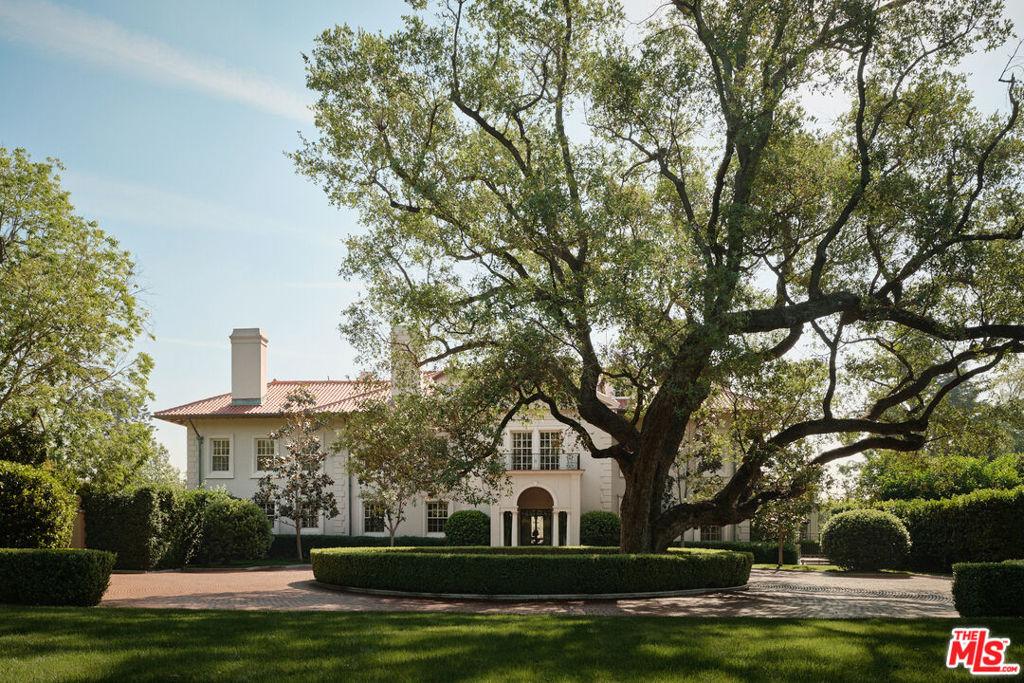
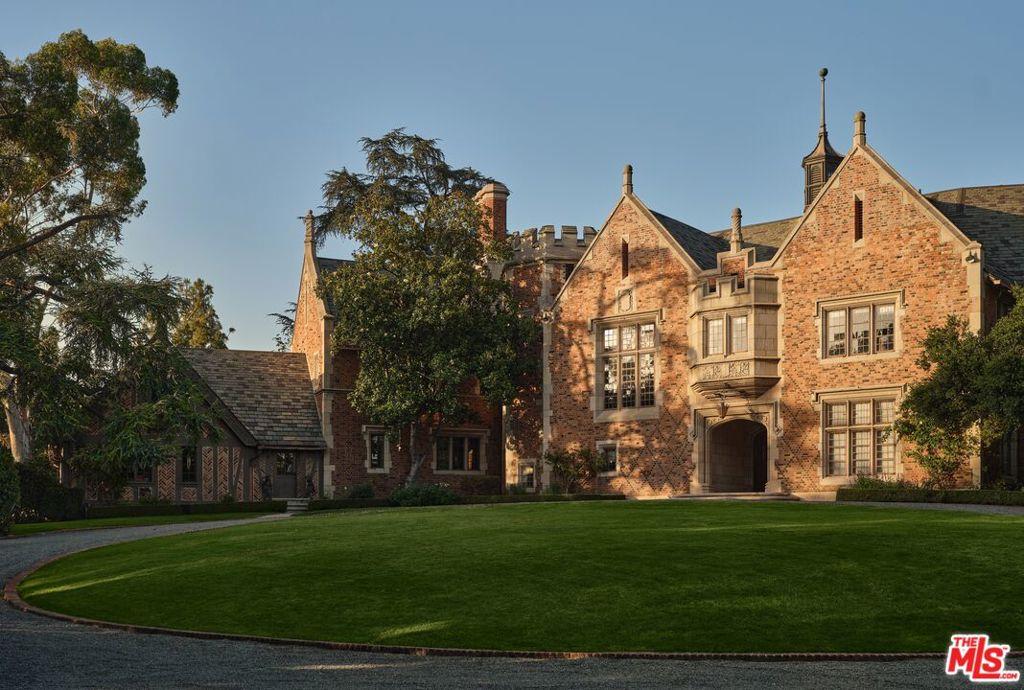
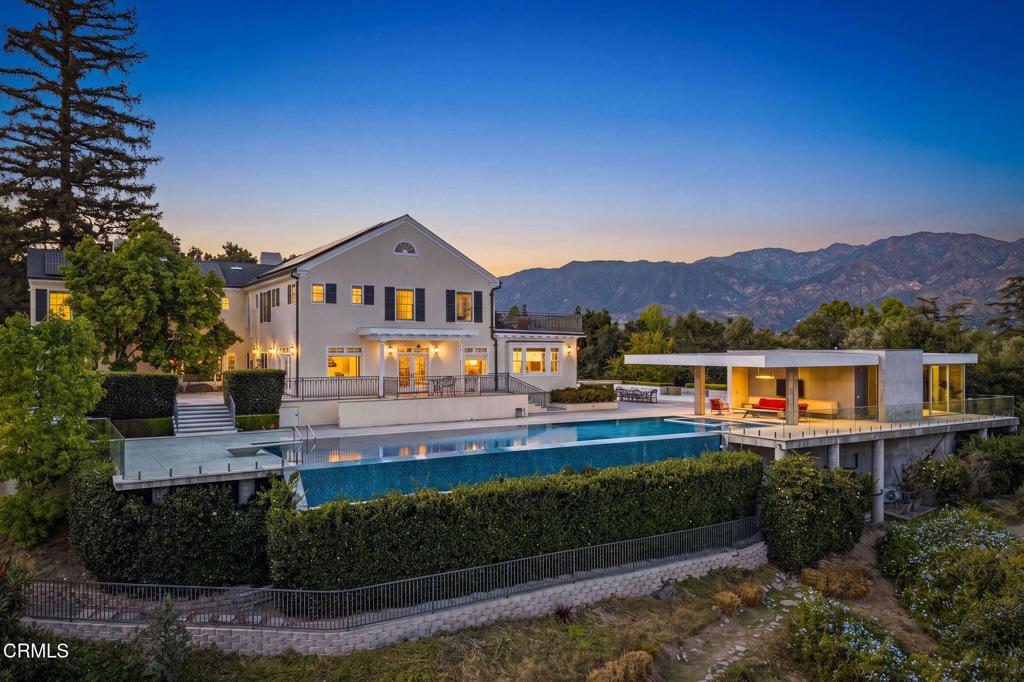
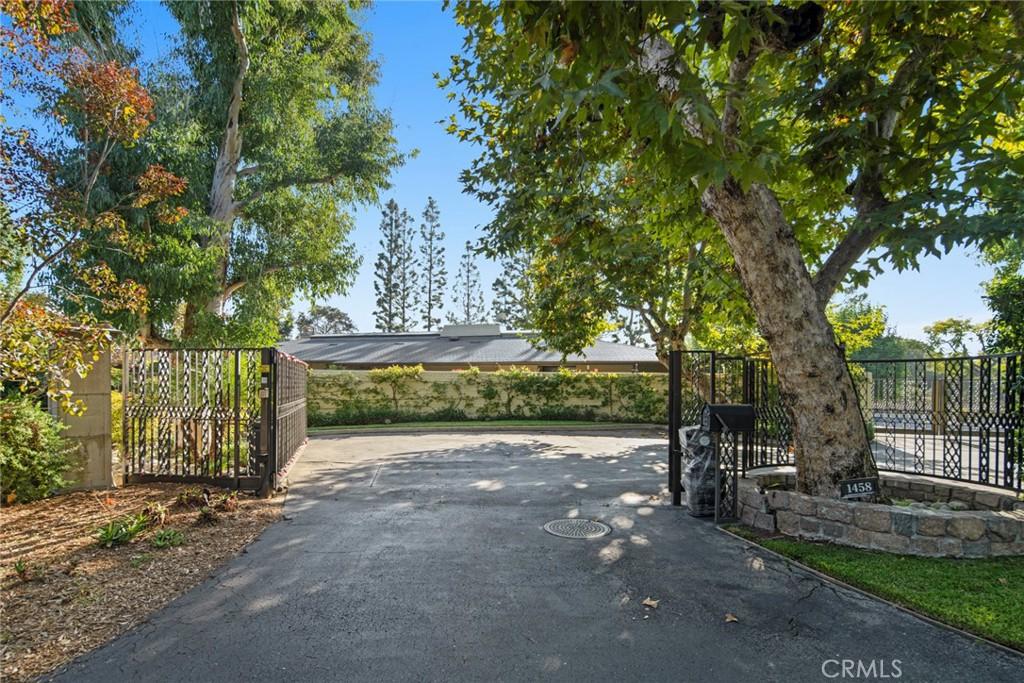
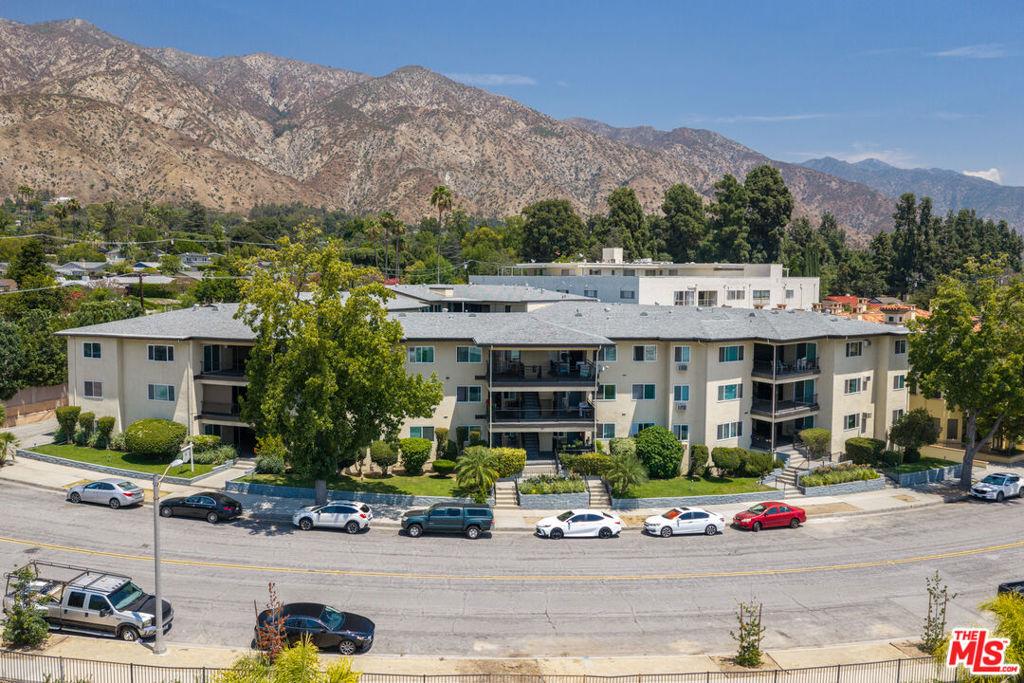
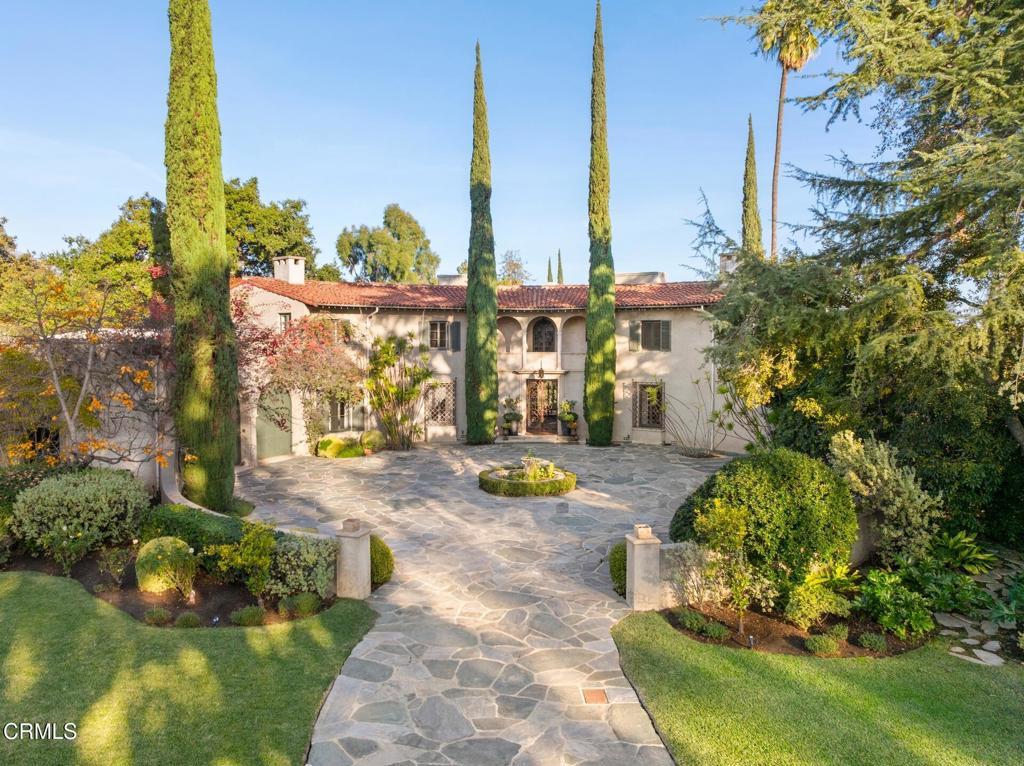
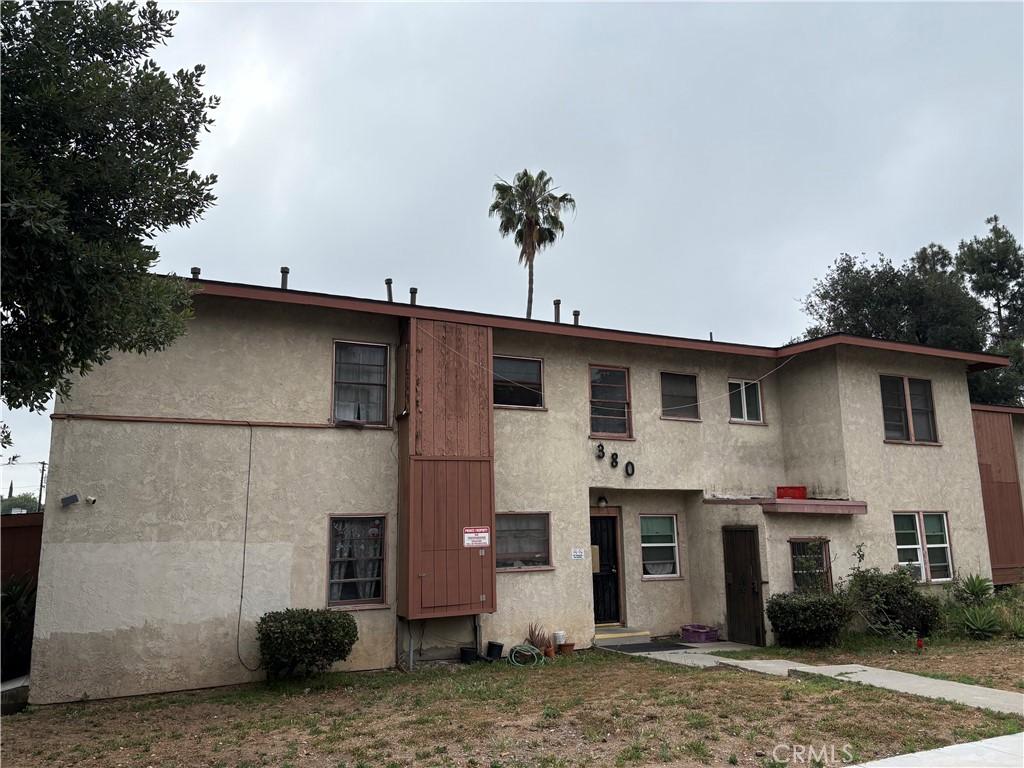
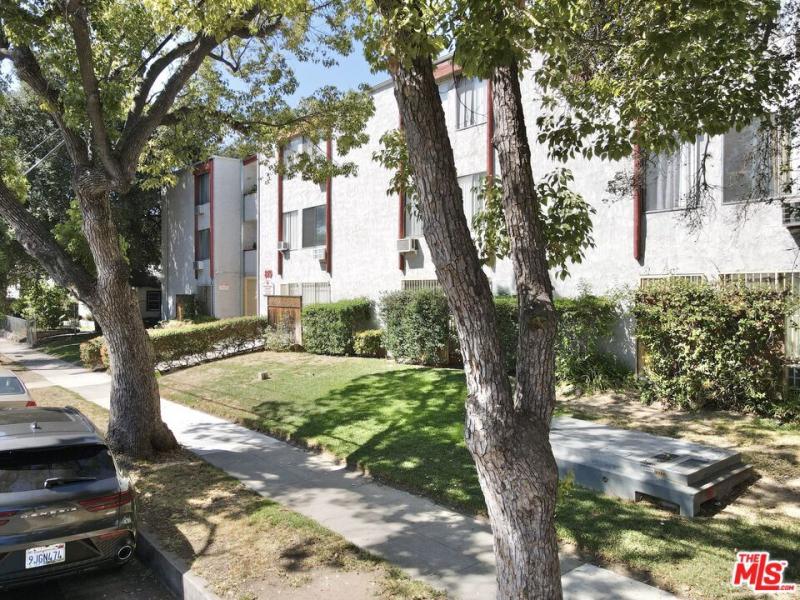
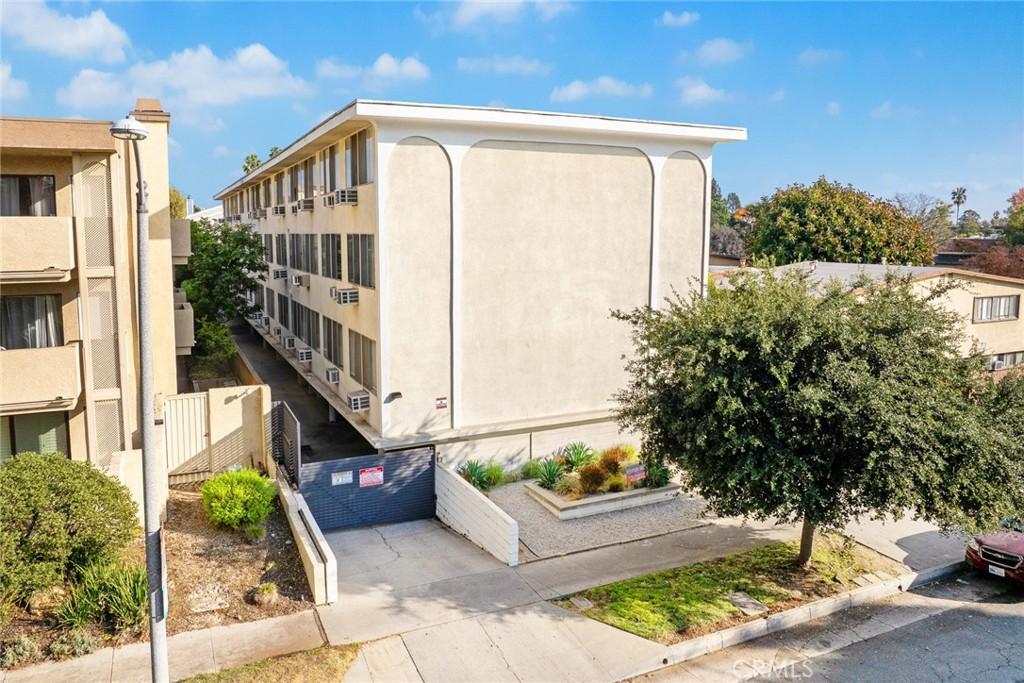
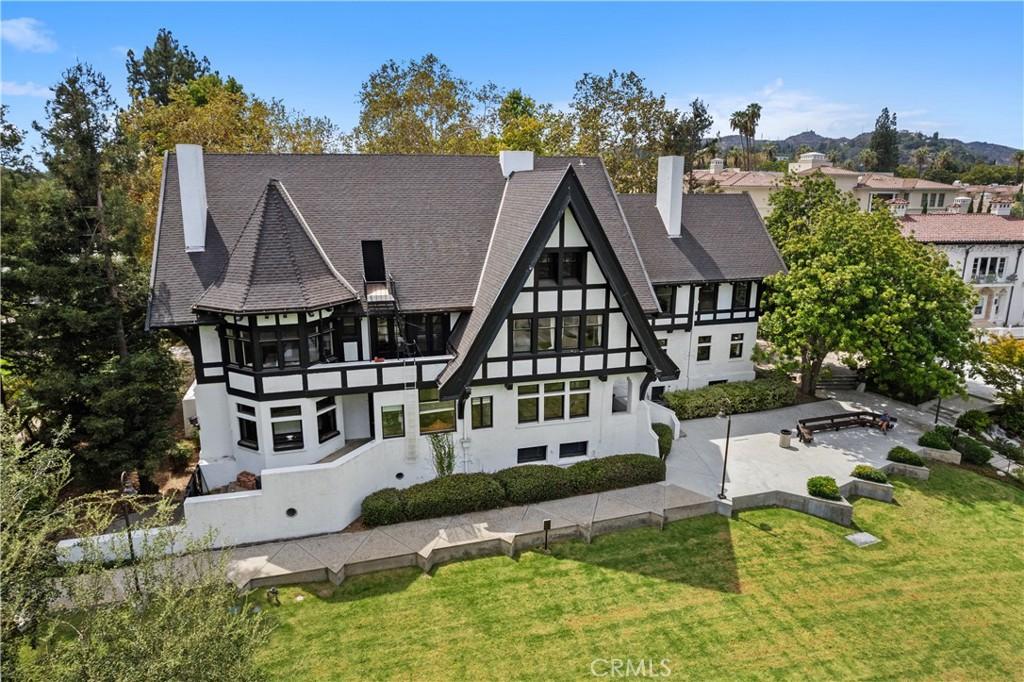
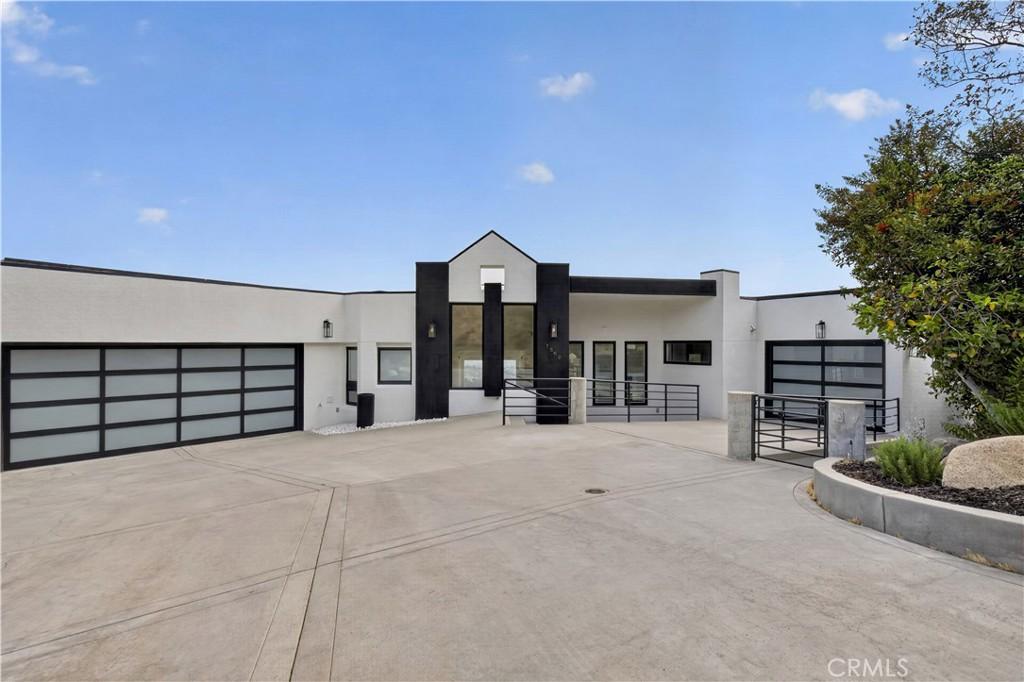
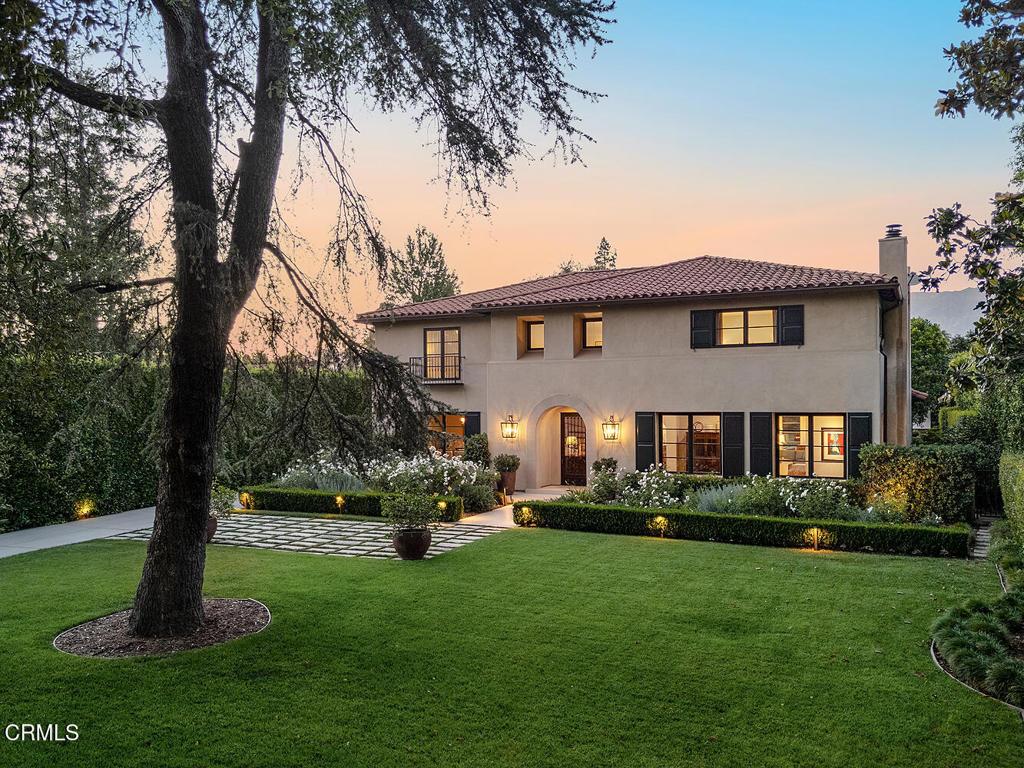
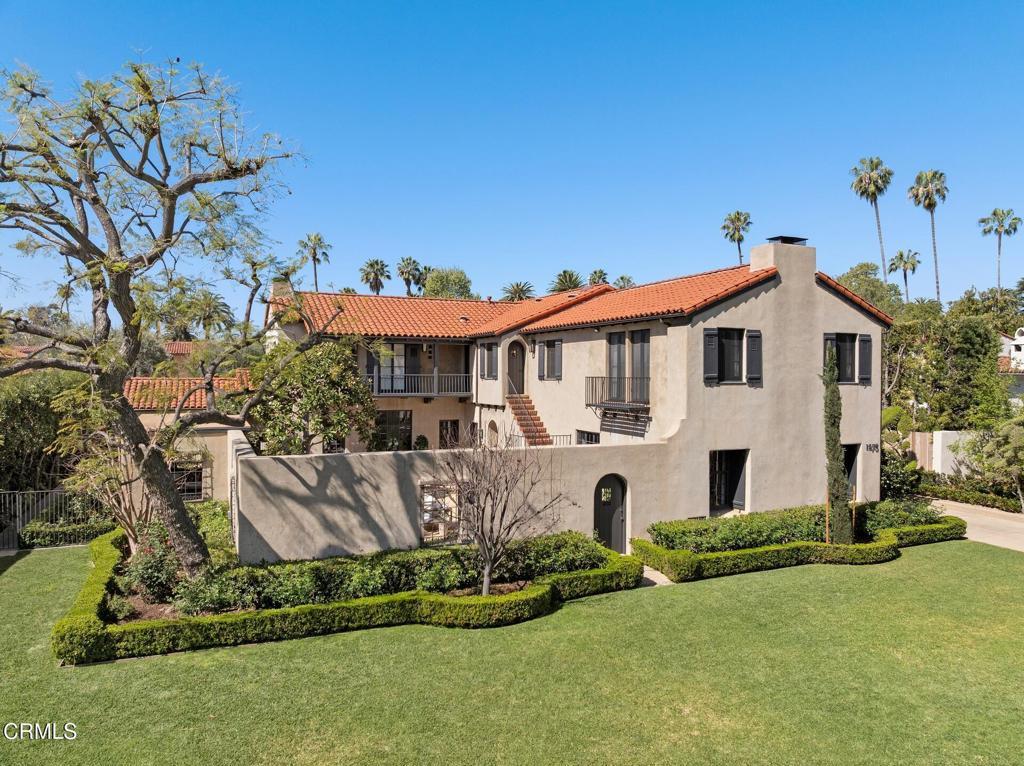
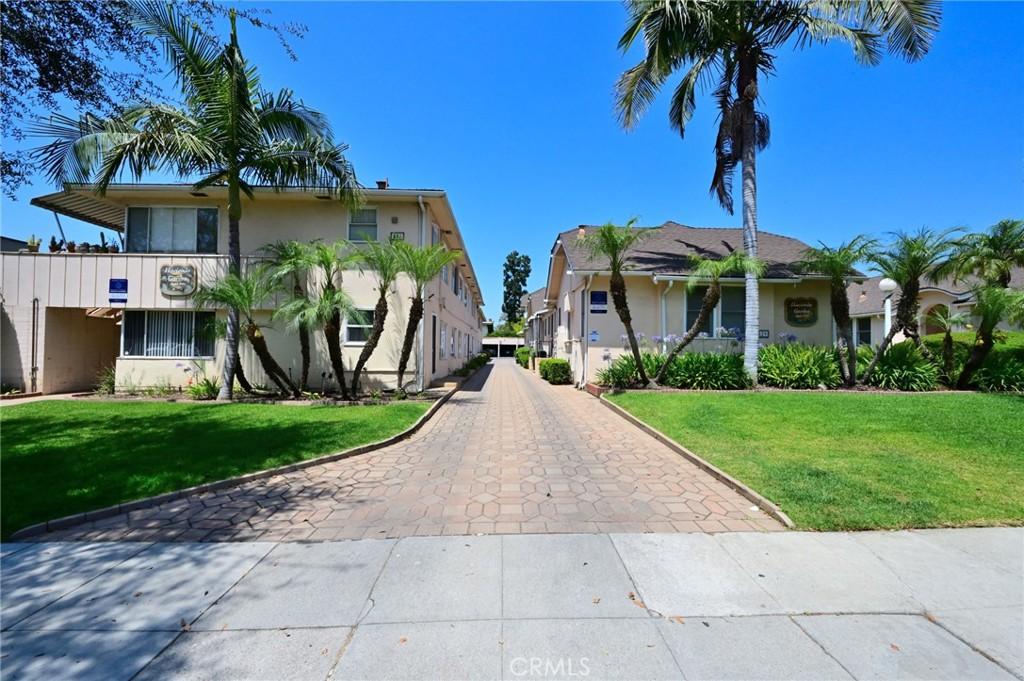
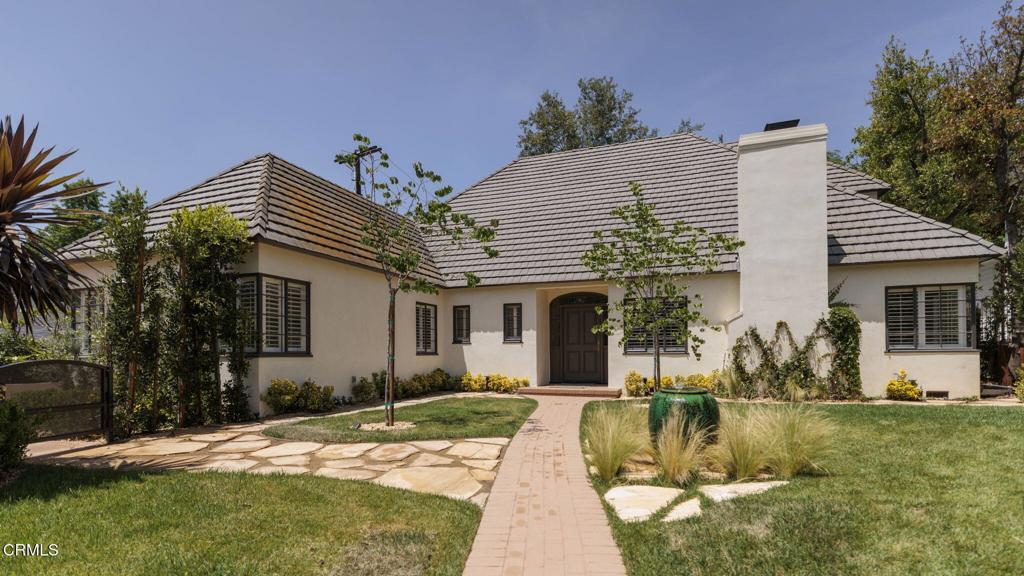
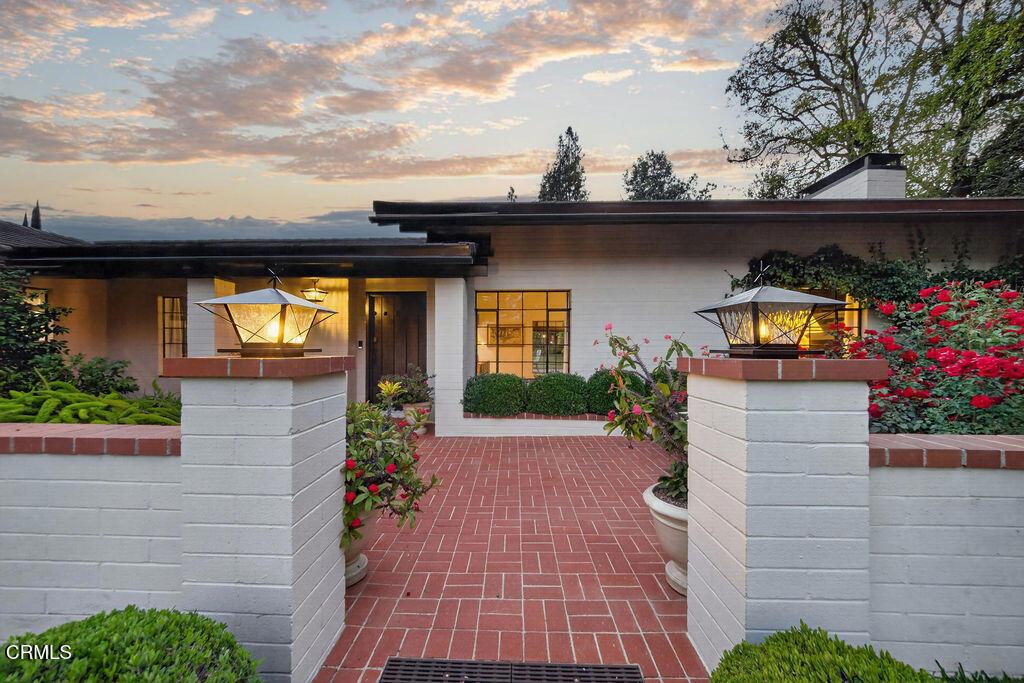
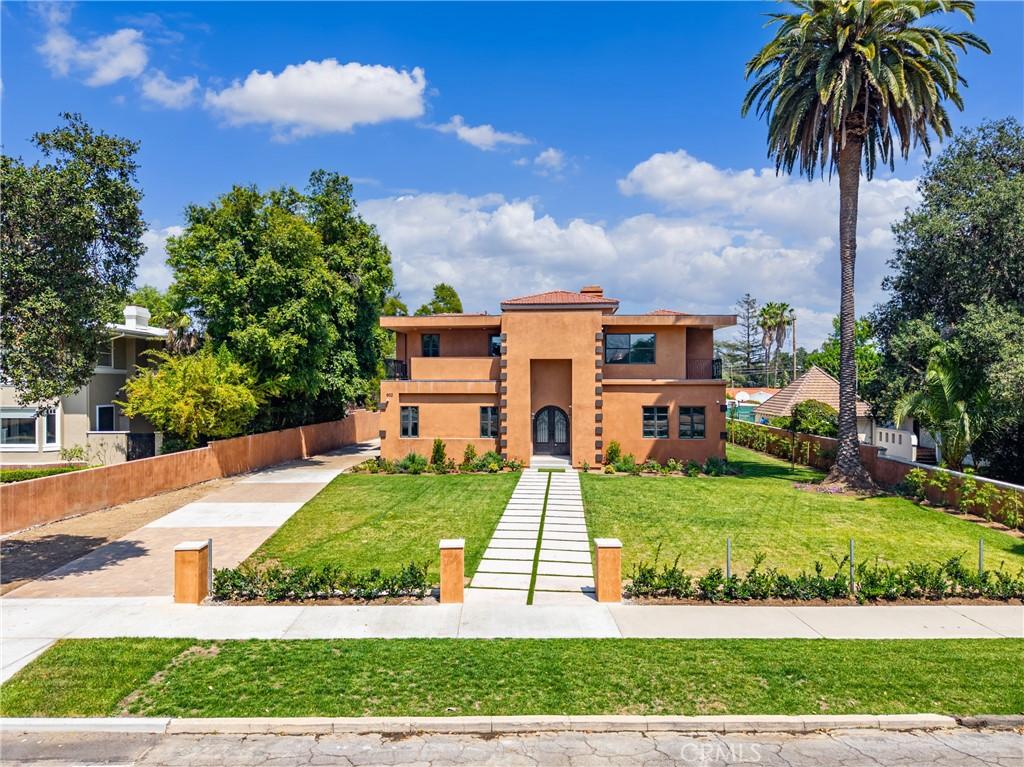
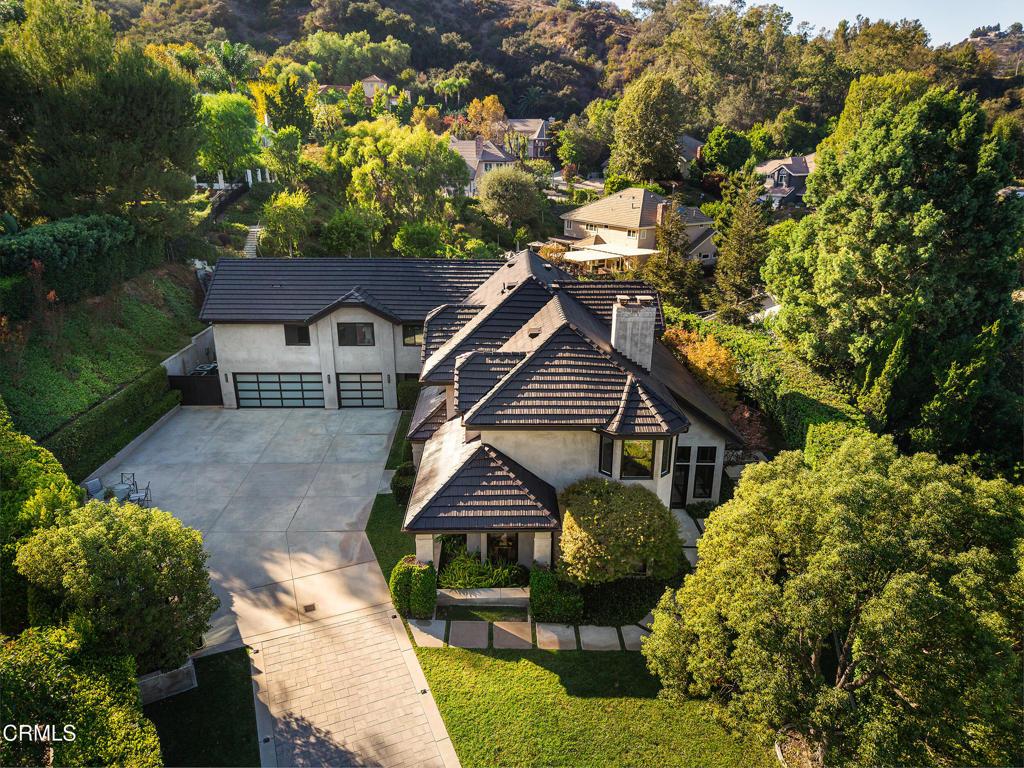
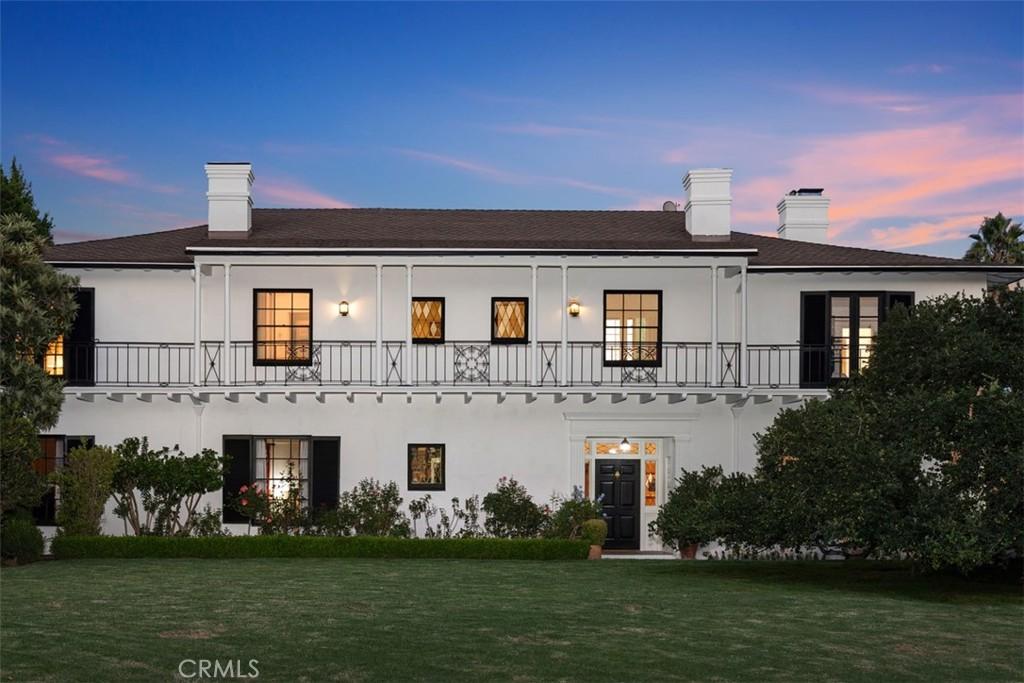
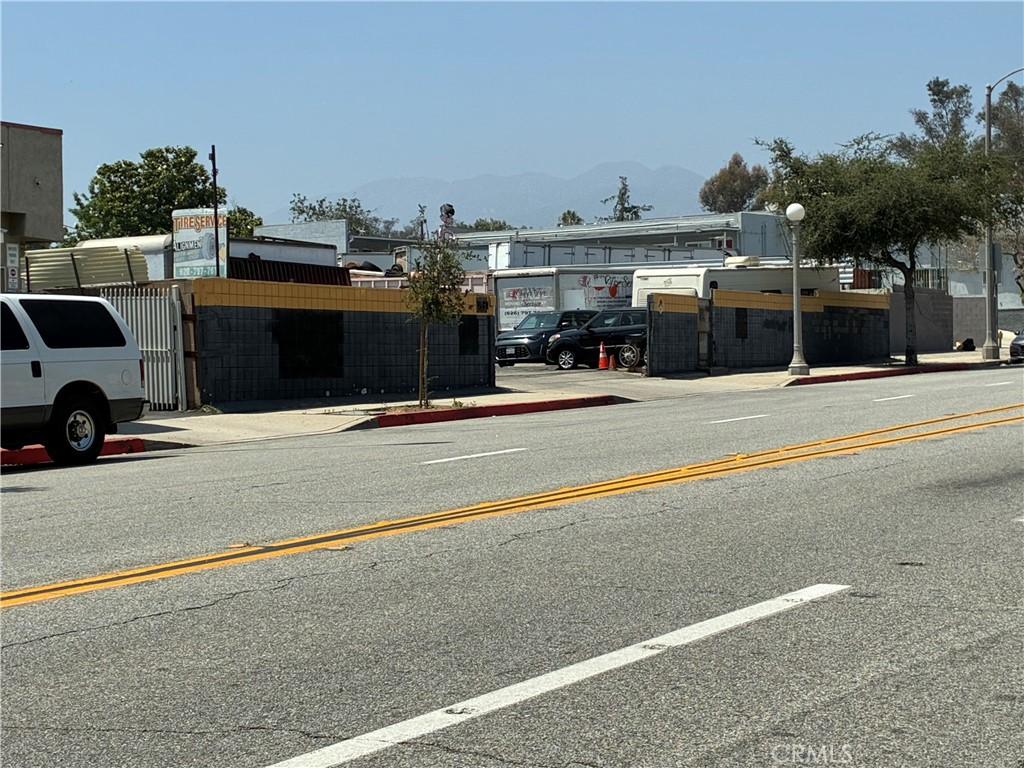
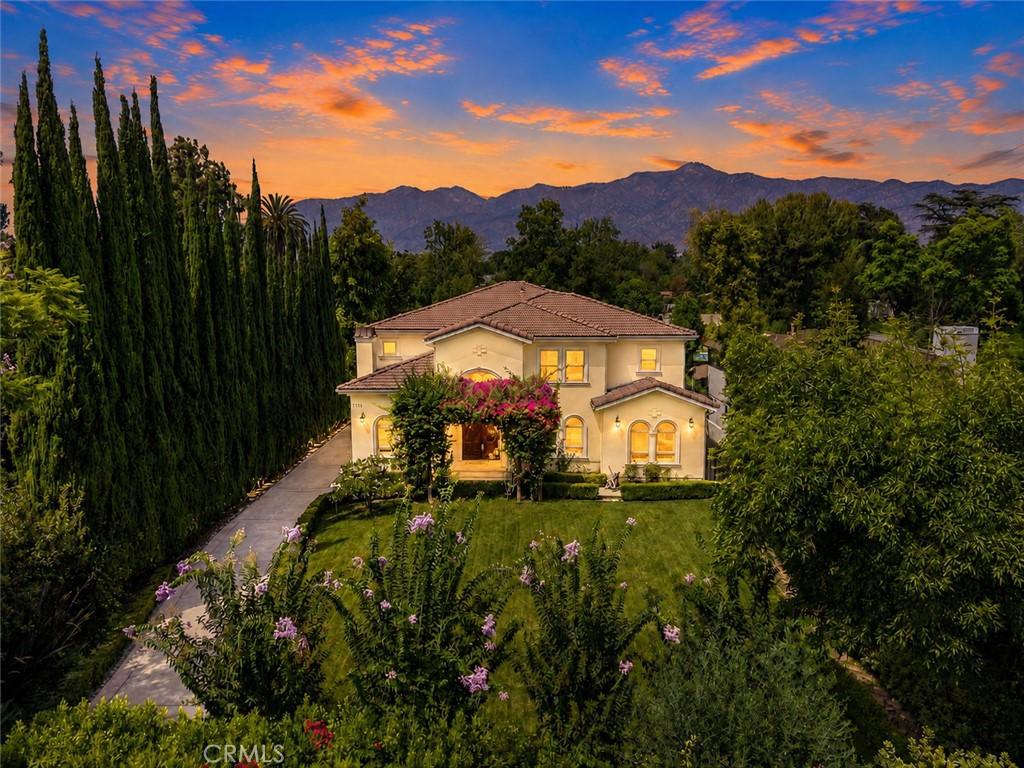
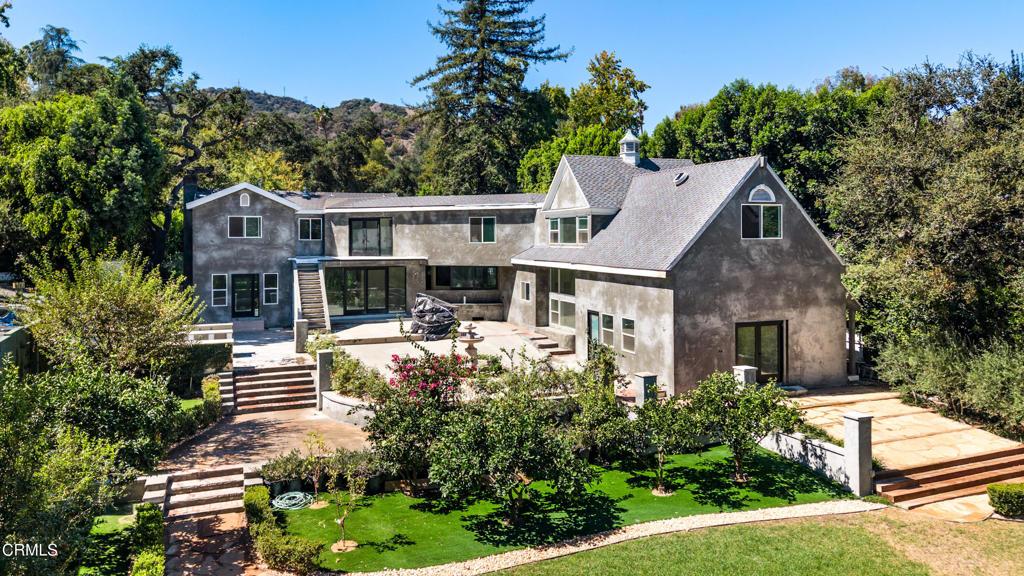
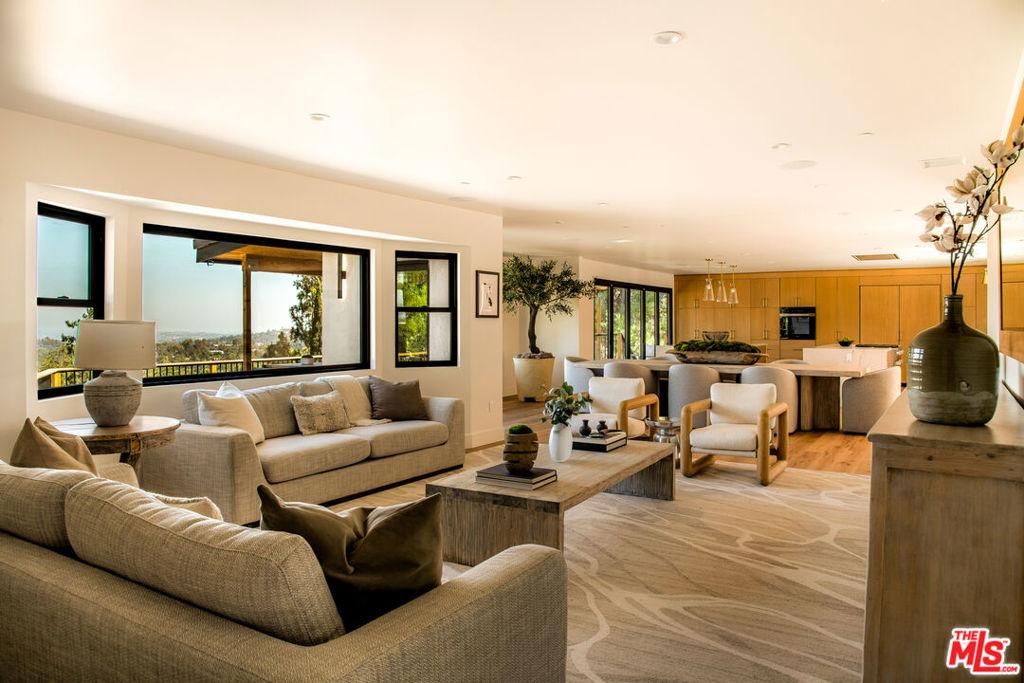
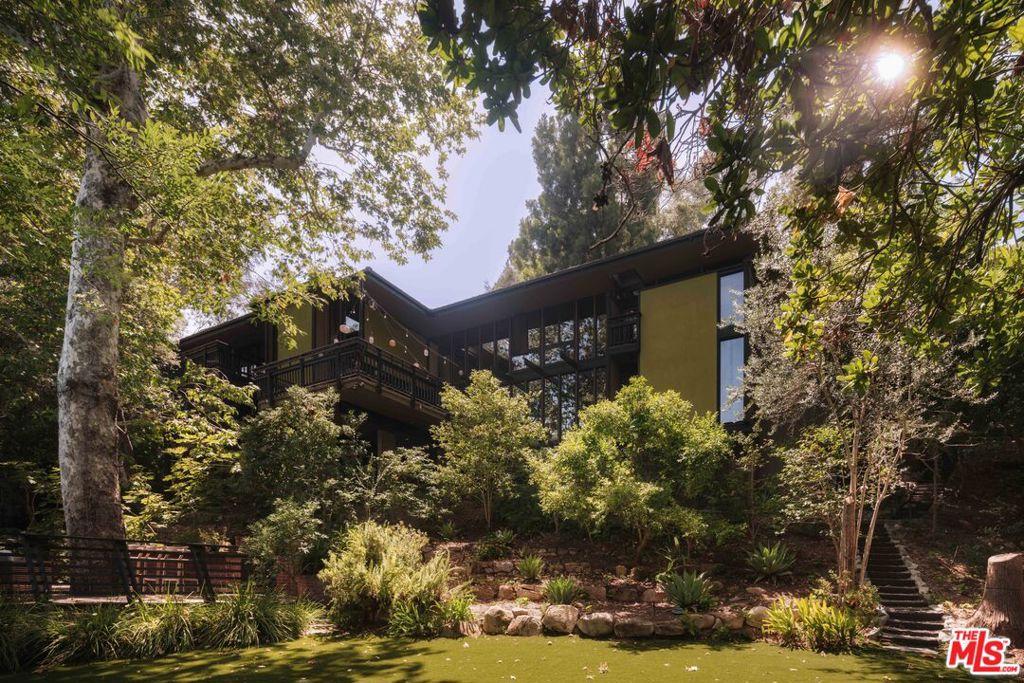
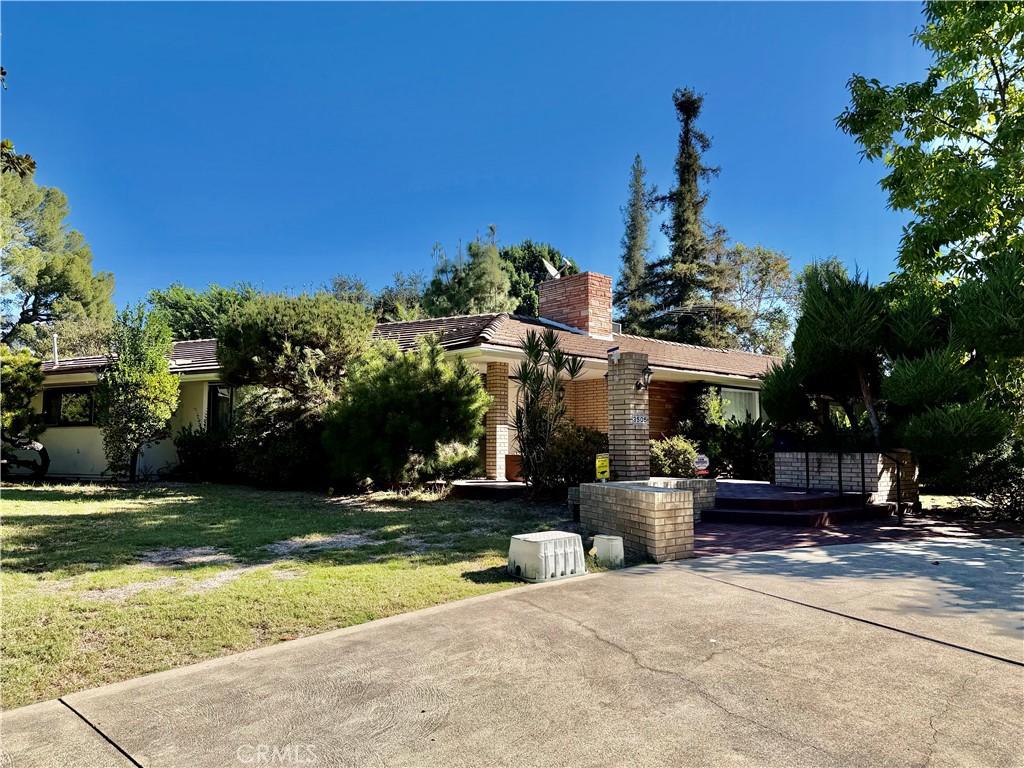
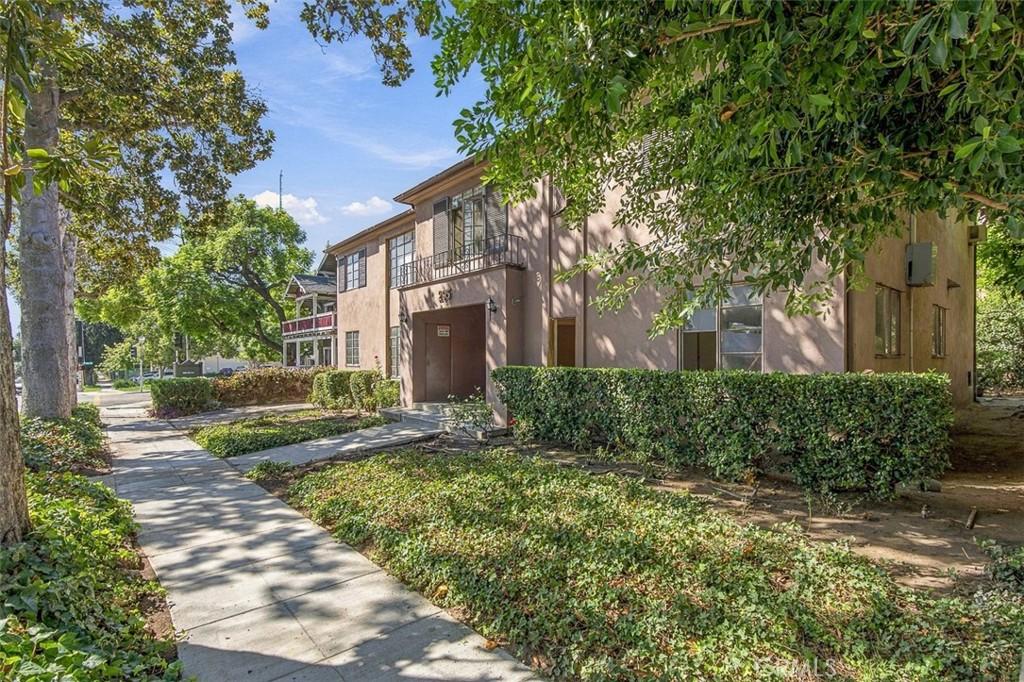
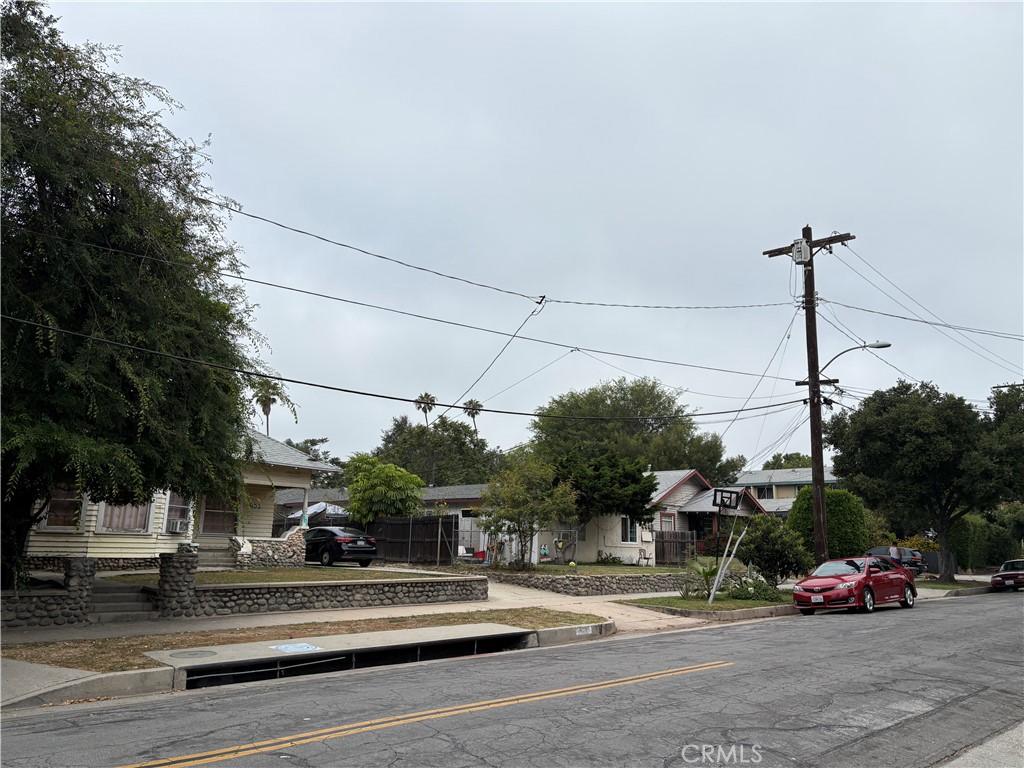
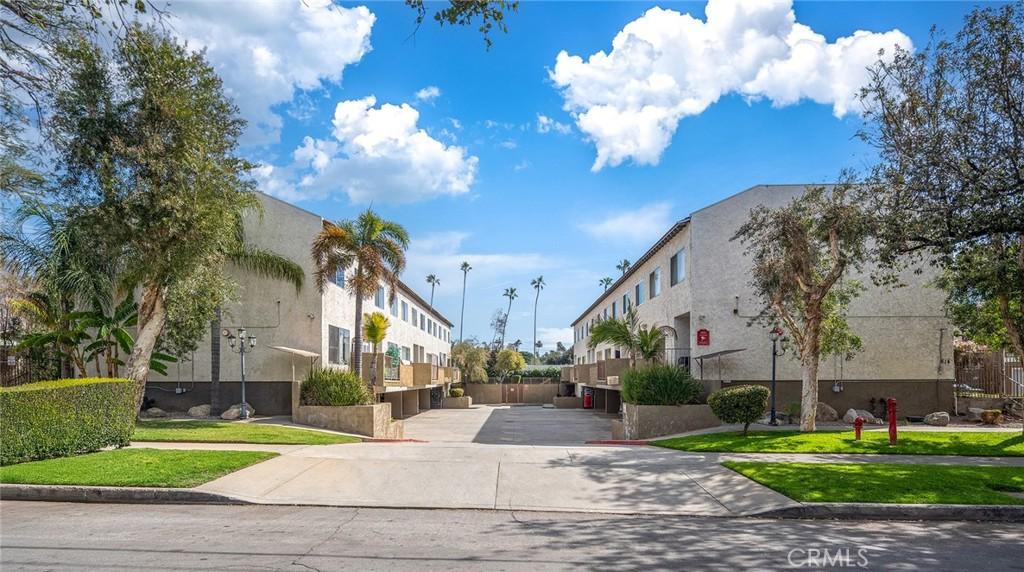
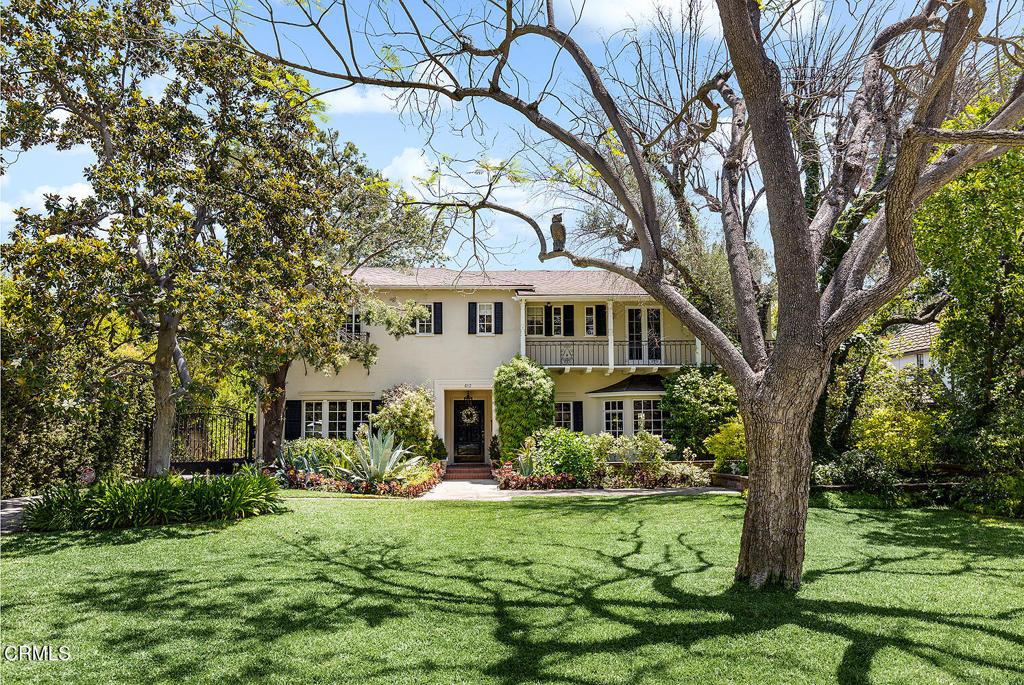
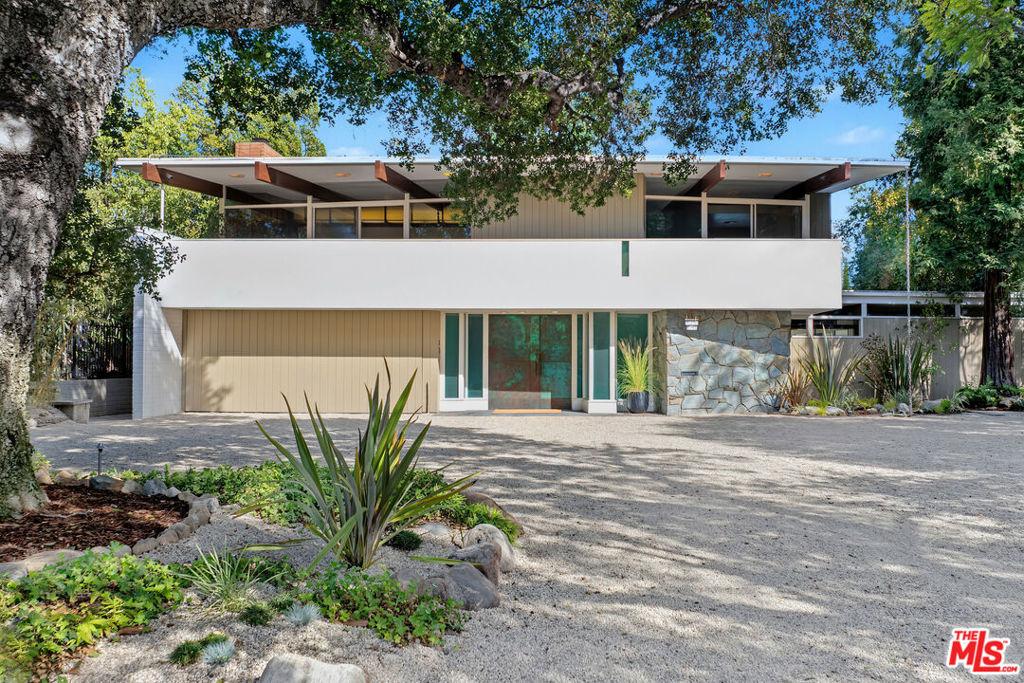
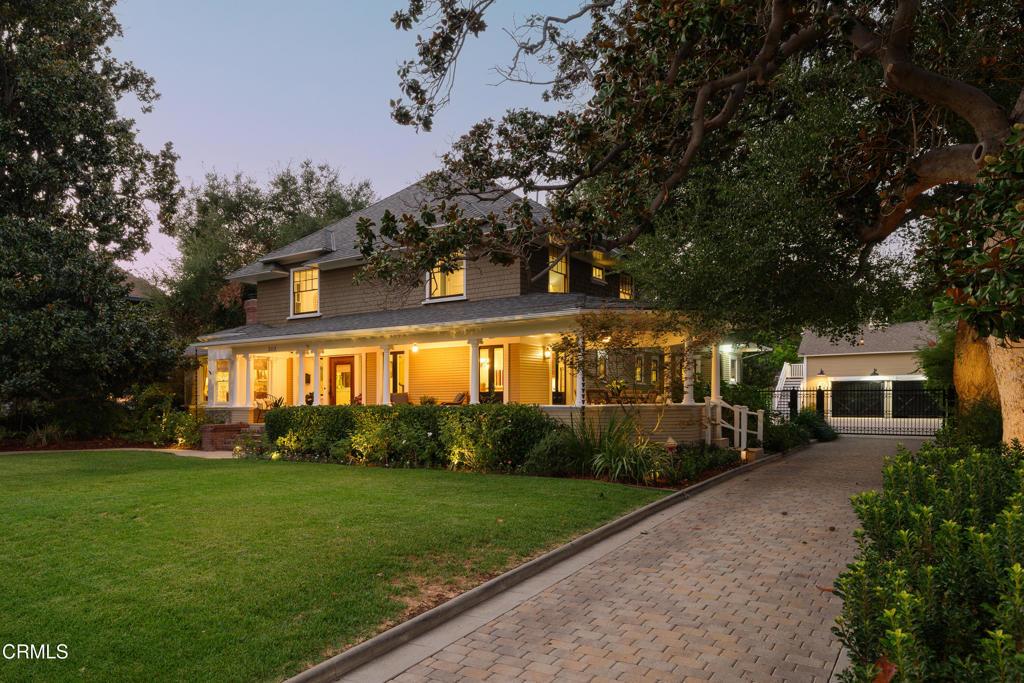
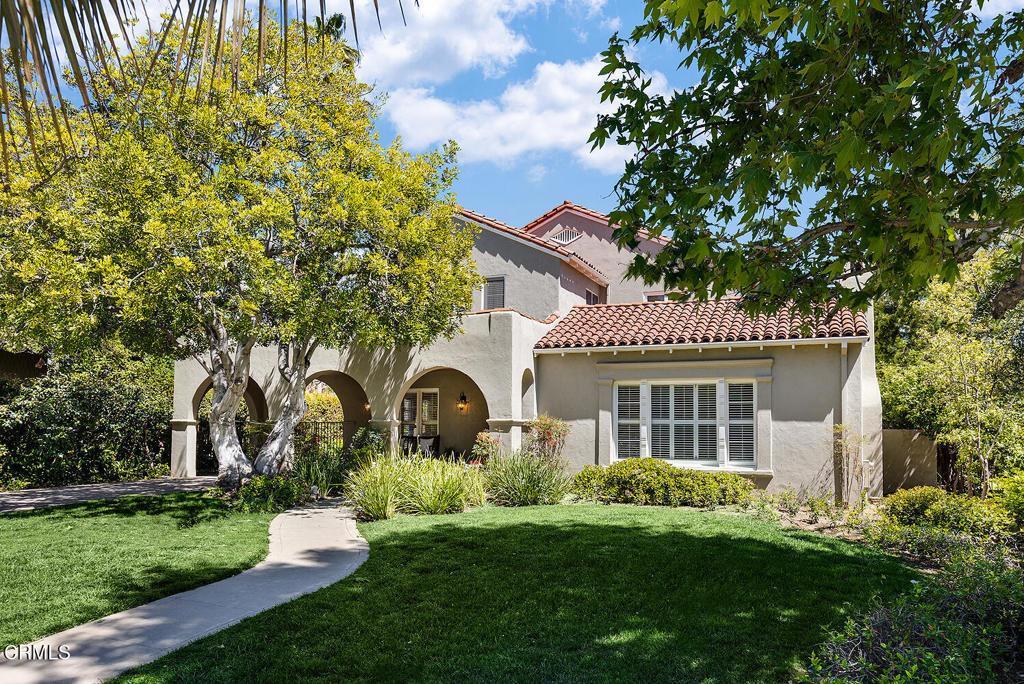
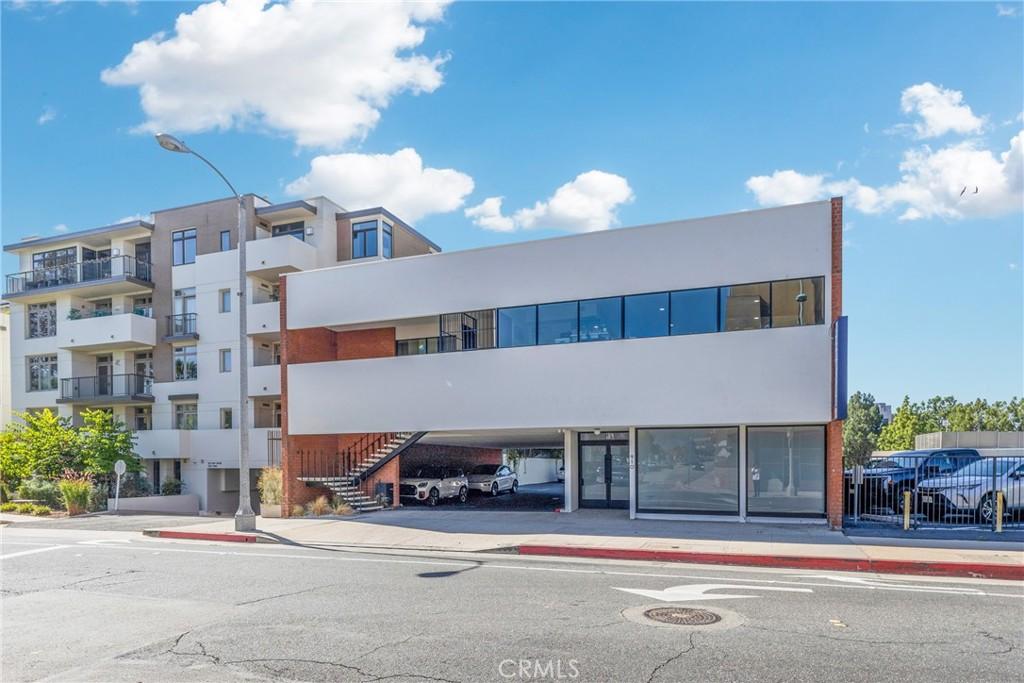
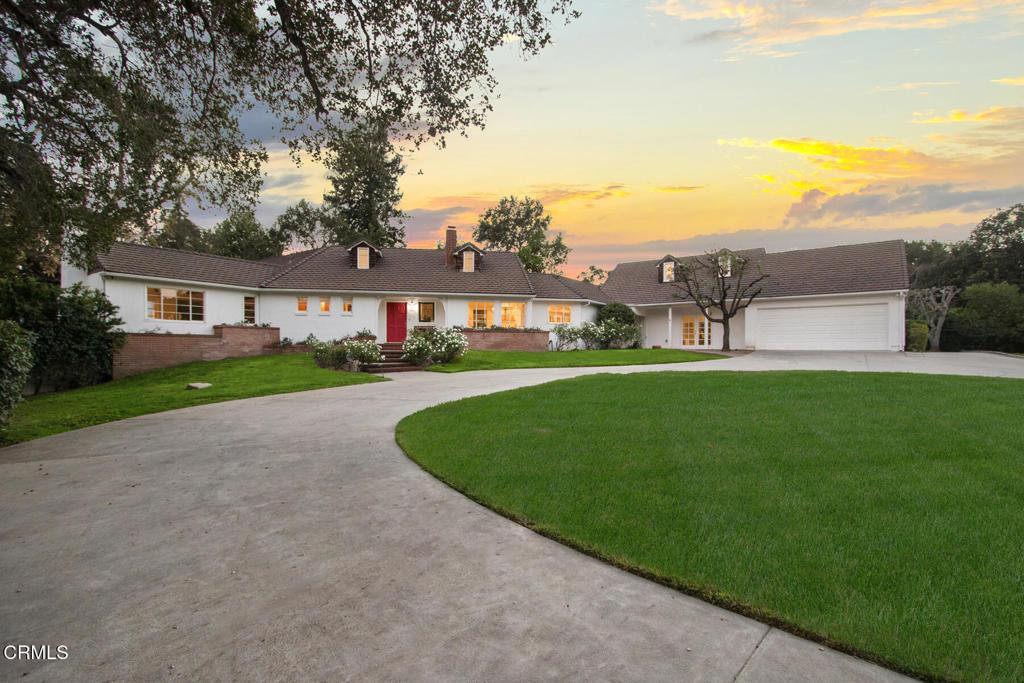
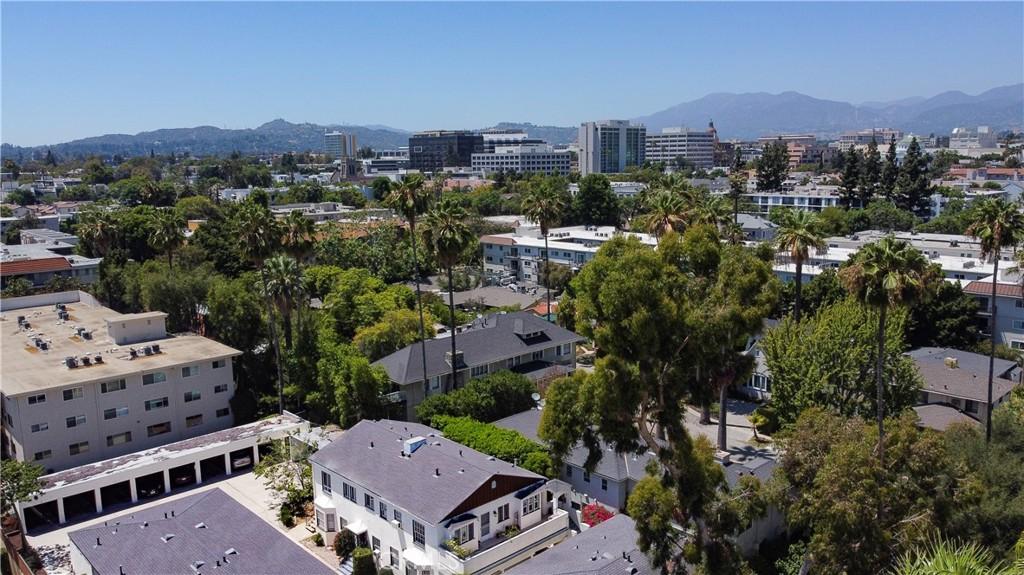
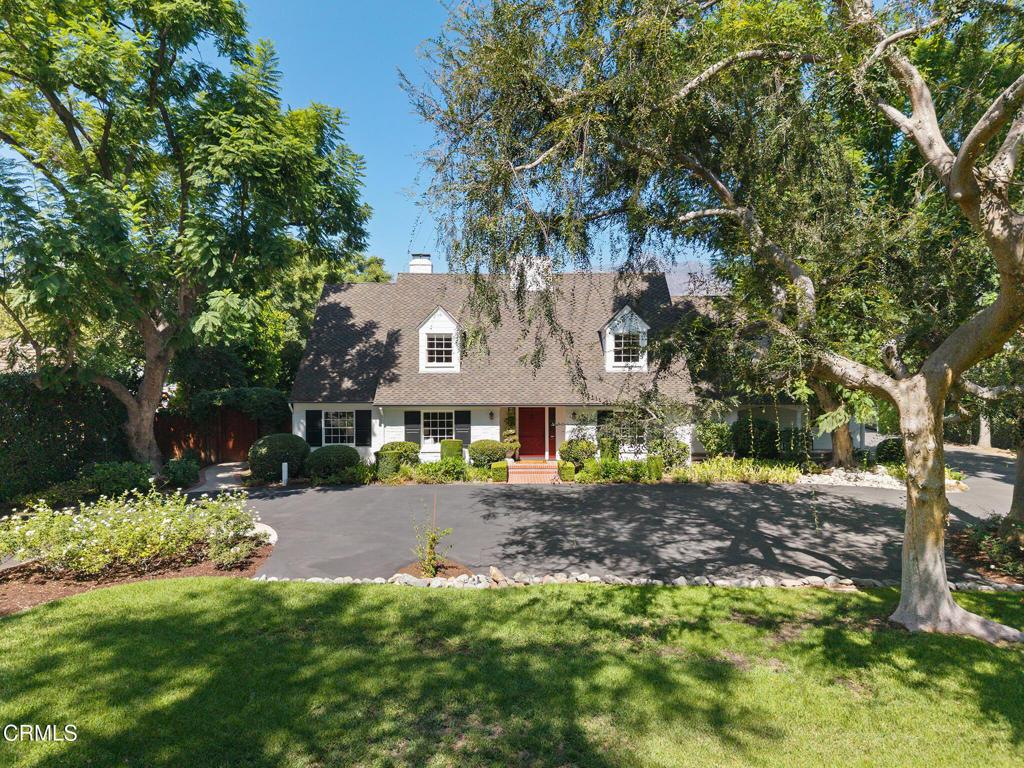
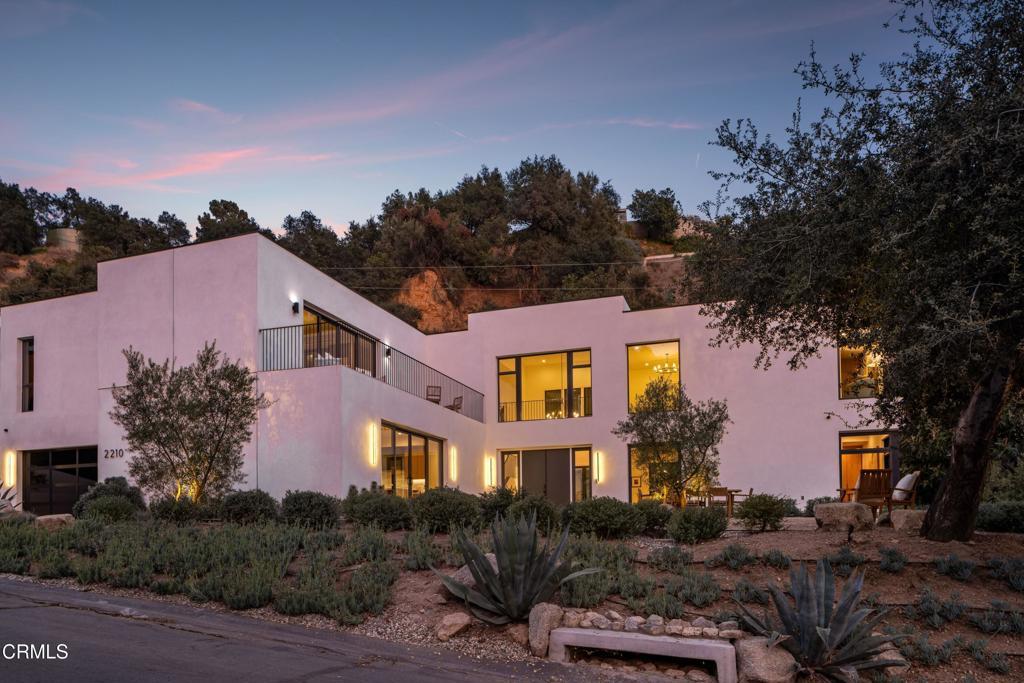
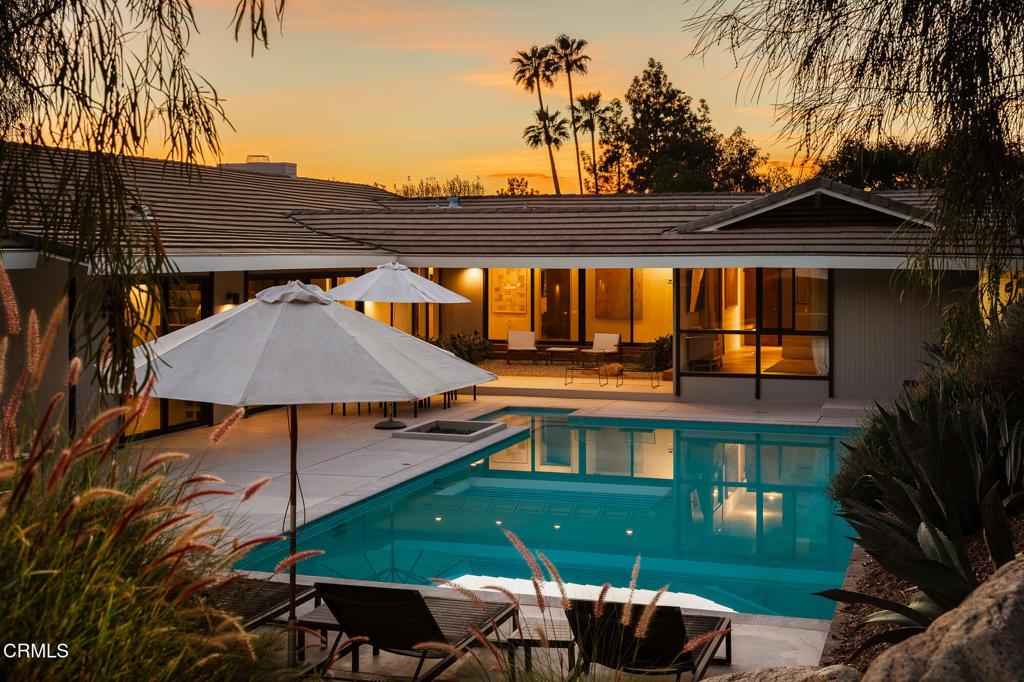
The housing stock in Southeast Pasadena reflects the residential development that characterized east Pasadena in the post-war era, with ranch homes, California bungalows, and similar mid-20th century residential types on lots that tend to be more generous than the central city’s older residential grid. The southeast location and the post-war character give the neighborhood a more functional, family-residential feel than the architecturally distinguished historic districts of central and south Pasadena, which translates to more living space per dollar invested relative to historic district comparables.
South Lake Avenue is accessible a short drive west from most Southeast Pasadena addresses, bringing the full Whole Foods, Trader Joe’s, Apple, and independent restaurant concentration of the South Lake district within easy reach without requiring a commute to Old Pasadena. The Gold Line Metro at Allen Station provides transit access to the Gold Line system for commuters. The 210 Freeway at Sierra Madre Boulevard provides direct freeway access east to Arcadia and the eastern SGV, and west through Pasadena toward the 134 Freeway and Glendale.
The proximity to the Arcadia city limits means that some Southeast Pasadena buyers are simultaneously evaluating Arcadia residential options, particularly given Arcadia Unified School District’s consistently strong ratings. Buyers for whom school district is a primary criterion should evaluate Pasadena Unified vs. Arcadia Unified performance data directly before committing to an address in this part of Pasadena. Some addresses near the eastern boundary may qualify for Arcadia Unified enrollment depending on specific district boundary lines.
Pasadena citywide runs a median sale price around $1,250,000, up 3.7% year-over-year, $791 per square foot down 0.5% year-over-year, median list price $1,170,000 at $769 per square foot, 240 homes on market, 83 sold, 48 days on market, 103.9% sale-to-list ratio, 1 average offer, and 39.7% average down payment. Southeast Pasadena homes price in the mid-range for south Pasadena, generally above north Pasadena and below the historic district and Arroyo-adjacent premiums. The larger lot sizes relative to the historic districts and the south-side premium of the Pasadena address make Southeast Pasadena a consistent mid-market evaluation for buyers who compare across the east and south Pasadena sub-markets.
Schools fall within Pasadena Unified School District for addresses within Pasadena city limits. McKinley Elementary and other southeast Pasadena schools serve the area. Buyers should confirm PUSD vs. Arcadia Unified boundaries for addresses near the eastern city limit.
Southeast Pasadena is a residential area in the southeastern corner of the city, positioned where Pasadena’s residential fabric transitions toward the San Gabriel and Alhambra residential communities to the south and east. The area’s southeastern position within Pasadena’s residential geography places it at the furthest remove from the city’s primary commercial amenities in Old Pasadena and South Lake Avenue, while providing good access to the Freeway infrastructure of the 210 and the 10 Freeway corridors that connect the southeast Pasadena residential area to the broader Los Angeles metropolitan employment geography.
The housing stock in Southeast Pasadena reflects the development era of the southeastern residential expansion, primarily post-war construction from the 1940s through 1960s with some earlier pre-war housing on the older established blocks closest to the city’s central residential core. The post-war ranch home format predominates in the southeastern tracts, and the renovation profile is the standard east Pasadena post-war scope: windows, kitchen and bath updates, mechanical systems, and ADU conversion development. The southeastern position provides the lowest entry pricing tier within the Pasadena single-family residential market while maintaining the Pasadena municipal address and the PUSD school district access that motivate buyers to choose Pasadena over the adjacent San Gabriel and Alhambra markets at comparable price points.
The commercial access profile for Southeast Pasadena residents is car-dependent, consistent with the southeastern position’s distance from the primary Pasadena commercial corridors. The Fair Oaks Avenue commercial concentration and the East Colorado Boulevard Playhouse District area are accessible in 15-25 minutes by car. The San Gabriel Valley Boulevard commercial corridors in the adjacent San Gabriel and Alhambra communities provide neighborhood-serving commercial access at closer distances in some cases, though the specific commercial options in those corridors are different from the Pasadena commercial mix that motivates buyers to choose the Pasadena address. The 10 Freeway’s Fremont Avenue interchange, accessible from the southeastern Pasadena area, provides an alternative commercial corridor connection to the El Monte and Irwindale retail and commercial areas for households whose commercial needs extend into the eastern San Gabriel Valley.
The 210 Freeway is accessible from the southeastern Pasadena area via the Sierra Madre Boulevard and Rosemead Boulevard interchanges approximately 2-3 miles north, somewhat less convenient than for the north Pasadena neighborhoods but providing the same San Gabriel Valley east-west freeway connection. The 10 Freeway is accessible from the southeastern Pasadena area in approximately 10-15 minutes by car via Fremont Avenue, providing a southbound and westbound freeway connection that the north and central Pasadena neighborhoods do not have without a longer drive. The dual 210/10 freeway access geography of the southeastern Pasadena area is a commute advantage for households with destinations distributed across both the northern 210 corridor and the southern and western 10 corridor.
Schools serving Southeast Pasadena are within the Pasadena Unified School District’s southeast service area. Buyers should note that the southeastern corner of Pasadena is adjacent to the San Gabriel Unified School District boundary, and properties very close to the southeastern city boundary should have their specific school district confirmed with PUSD before assuming PUSD enrollment eligibility. The PUSD school district access is a primary motivating factor for buyers who choose the southeastern Pasadena residential position over comparable-priced properties in the adjacent San Gabriel and Alhambra communities, so confirming the specific school enrollment for any target property in the southeastern boundary zone is an important due diligence step.
The ADU development market in Southeast Pasadena follows the standard east Pasadena pattern. The lower entry prices of the southeastern market provide favorable ADU economics: the ADU rental income from a studio or one-bedroom garage conversion unit represents a higher percentage of the total housing carrying cost than in the more expensive central Pasadena markets, improving the investment case for ADU development in the southeastern area. The ADU rental rates in Southeast Pasadena range from approximately $1,200-$1,700 per month for studio and one-bedroom units, lower than the central Pasadena ADU market but sufficient to provide meaningful carrying cost offset.
The fire risk profile for Southeast Pasadena is at the standard flatland Pasadena level, away from the hillside and foothill terrain that carries Very High FHSZ designations. Admitted market homeowners insurance is generally accessible for well-maintained properties in the southeast area, making the insurance situation more straightforward than for the hillside and foothill neighborhoods. The post-2025 California insurance market’s broader effects continue to affect all Pasadena residential properties, and buyers should obtain specific insurance quotes during due diligence as standard practice.
The buyer profile for Southeast Pasadena includes the most price-sensitive buyers in the Pasadena residential market: first-time buyers seeking the lowest entry point to the PUSD-addressed Pasadena single-family market, households whose commute destinations are in the southern or western San Gabriel Valley where the 10 Freeway access is a practical advantage, and investors evaluating the southeast Pasadena ADU conversion market at favorable entry pricing. The southeastern Pasadena market’s value proposition is specifically the Pasadena address and PUSD school district access at the most affordable single-family entry point in the city, and buyers who are motivated by these factors at the minimum possible price find the southeast Pasadena residential area directly relevant to their priorities.
The infrastructure services in Southeast Pasadena reflect the Pasadena municipal service territory. Pasadena Water and Power provides electric and water service to the Southeast Pasadena residential area, the Pasadena Police Department provides law enforcement, and the Pasadena Fire Department provides fire and emergency medical response. The southeastern Pasadena position is served by the fire station coverage that includes the south Pasadena stations, and the Huntington Memorial Hospital on Duarte Road is the primary acute care facility for southeast Pasadena residents at approximately 2-3 miles by car. The Pasadena city services infrastructure is a component of the value proposition that southeast Pasadena buyers pay a premium for relative to the adjacent San Gabriel and Alhambra communities, and confirming the specific service coverage and response times for any target property in the southeast area is a reasonable element of the buyer due diligence process.
The investment property dynamics in Southeast Pasadena favor the ADU development model at favorable entry pricing. The combination of the lower single-family entry prices in the southeast Pasadena market and the ADU rental income potential from garage conversions creates an investment case where the rental income stream represents a meaningful percentage of the total housing carrying cost. The southeast Pasadena ADU rental market is supported by demand from commuters who use the southeast Pasadena location’s 10 Freeway access for commutes to the southern and western Los Angeles employment areas, and the PUSD school district access is a demand driver for renter households with school-age children who want to access the PUSD school district without purchasing a home in the city. For investment buyers evaluating the southeast Pasadena market, the ADU income stream at the southeast entry price tier provides a favorable gross yield compared to the more expensive central Pasadena investment properties.
The community character of Southeast Pasadena reflects the long-tenured residential ownership pattern that characterizes the more established Pasadena residential sub-areas. The post-war residential tracts of the southeastern Pasadena area have developed community cohesion over the decades through the neighborhood association networks, the PUSD school parent community, and the Pasadena civic culture that connects the southeastern residential area to the broader city even though the geographic position is at the city’s eastern margin. The Tournament of Roses civic tradition, the Pasadena cultural institutions, and the city’s park and recreation programming are accessible to Southeast Pasadena residents as part of the Pasadena residential experience, providing a civic life context that distinguishes the southeast Pasadena position from the geographically adjacent but civically distinct San Gabriel and Alhambra communities.
The renovation market in Southeast Pasadena benefits from the Pasadena address premium that is applied to well-renovated homes in the area by buyers who are specifically seeking the Pasadena municipal address and PUSD school district access at the most affordable single-family price point. Renovation buyers who enter the southeast market at the post-war ranch home price tier and execute standard renovations (kitchen, baths, windows, mechanicals, flooring) position their renovated property for the buyer profile that is specifically motivated by the Pasadena address and PUSD district combination at an affordable total cost. The renovation recovery in the southeast Pasadena market is generally positive within a 3-5 year holding period under normal market conditions, and the ADU conversion opportunity that typically accompanies the renovation scope provides an additional equity building mechanism that is especially favorable at the lower entry price tier of the southeastern market.
The Southeast Pasadena residential market’s fundamental value proposition is the access to the Pasadena municipal address, the PUSD school district, and the Pasadena civic infrastructure at the lowest entry price point within the Pasadena single-family residential market. This value proposition has proven consistently durable across multiple real estate market cycles because the demand for Pasadena’s PUSD school district access at the most affordable available price is a structural feature of the Pasadena residential market rather than a cyclical preference. Buyers who enter the southeast Pasadena market with a clear understanding of this value proposition and who hold their properties through normal market cycles have historically benefited from the Pasadena market’s structural appreciation advantage over the adjacent San Gabriel Valley communities.
What is Southeast Pasadena like to live in?
- Southeast Pasadena occupies the southeastern corner of the city, where Pasadena residential fabric transitions toward the San Gabriel and Alhambra communities.
- Housing stock reflects the residential development that characterized east Pasadena in the post-war era, dominated by ranch homes and California bungalows.
- Lots tend to be more generous here than the tighter older residential grid found across the central city.
- Ranch home format predominates across the southeastern tracts, with some earlier pre-war housing on established blocks nearest the central residential core.
- Renovation profile follows the standard east Pasadena post-war scope, covering windows, kitchen and bath updates, mechanical systems, and ADU conversion.
- Southeast Pasadena carries a more functional, family-residential feel than the architecturally distinguished historic districts of central and south Pasadena.
- Post-war character translates to more living space per dollar invested relative to comparable homes inside the recognized historic districts.
- South Lake Avenue sits a short drive west from most addresses in this part of Pasadena.
- Whole Foods, Trader Joe’s, Apple, and the independent restaurant concentration of the South Lake district stay within easy reach.
- Commuting to Old Pasadena is unnecessary for buyers who want the full South Lake shopping and dining mix.
- Gold Line Metro service at Allen Station gives commuters transit access to the wider Gold Line system.
- The Freeway at Sierra Madre Boulevard offers direct access east toward Arcadia and the eastern San Gabriel Valley.
- Freeway access also runs west through Pasadena toward the Glendale direction for drivers heading across the metropolitan area.
- Freeway infrastructure connects this southeastern residential area to the broader Los Angeles metropolitan employment geography.
- Southeast Pasadena sits at the furthest remove from the primary commercial amenities concentrated in Old Pasadena and along South Lake Avenue.
- Proximity to the Arcadia city limits means many buyers evaluate Arcadia residential options at the same time.
- Arcadia Unified School District ratings draw comparison shoppers, so buyers should review Pasadena Unified and Arcadia Unified performance data directly.
- McKinley Elementary and other southeast Pasadena schools serve the area within Pasadena Unified for addresses inside city limits.