The commercial corridor is built on the original Pasadena downtown grid, with historic brick buildings that have been meticulously restored over the past four decades following a period of significant decline in the 1970s. One Colorado, a shopping and entertainment complex spanning 17 historic buildings along Colorado, Union, De Lacey, and Fair Oaks Avenues, functions as the commercial anchor of the district and draws visitors from across LA County year-round. The mix of national retailers, independent restaurants, bookshops, and entertainment venues within a walkable area is a defining feature of Pasadena’s identity relative to other San Gabriel Valley cities.
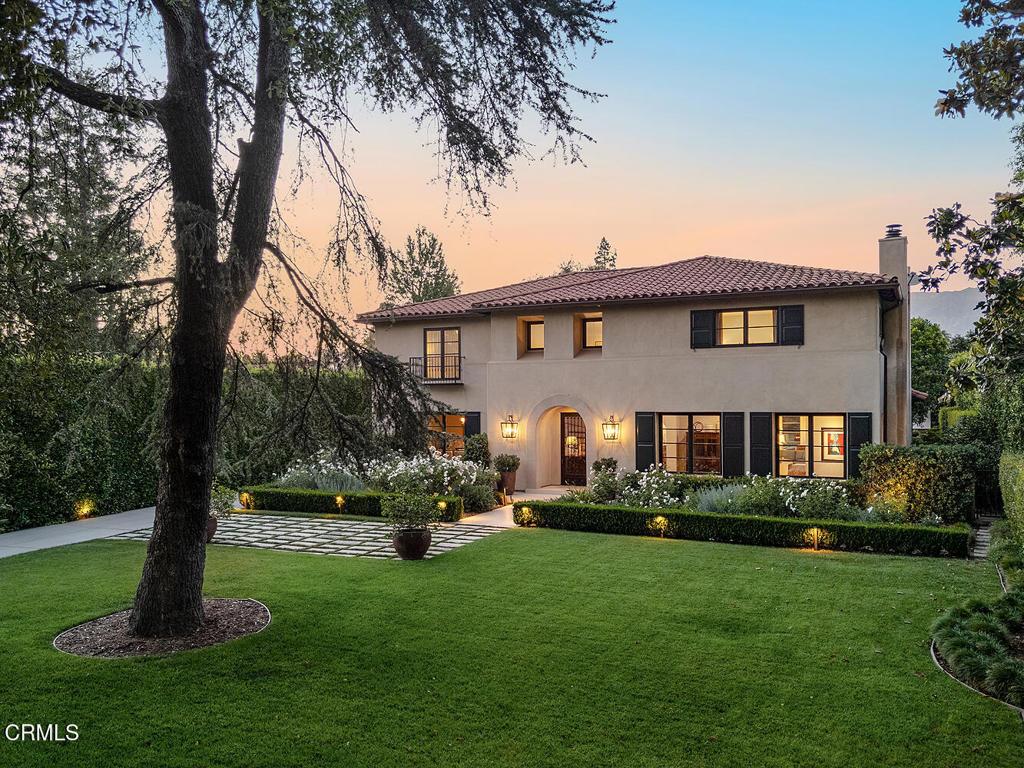
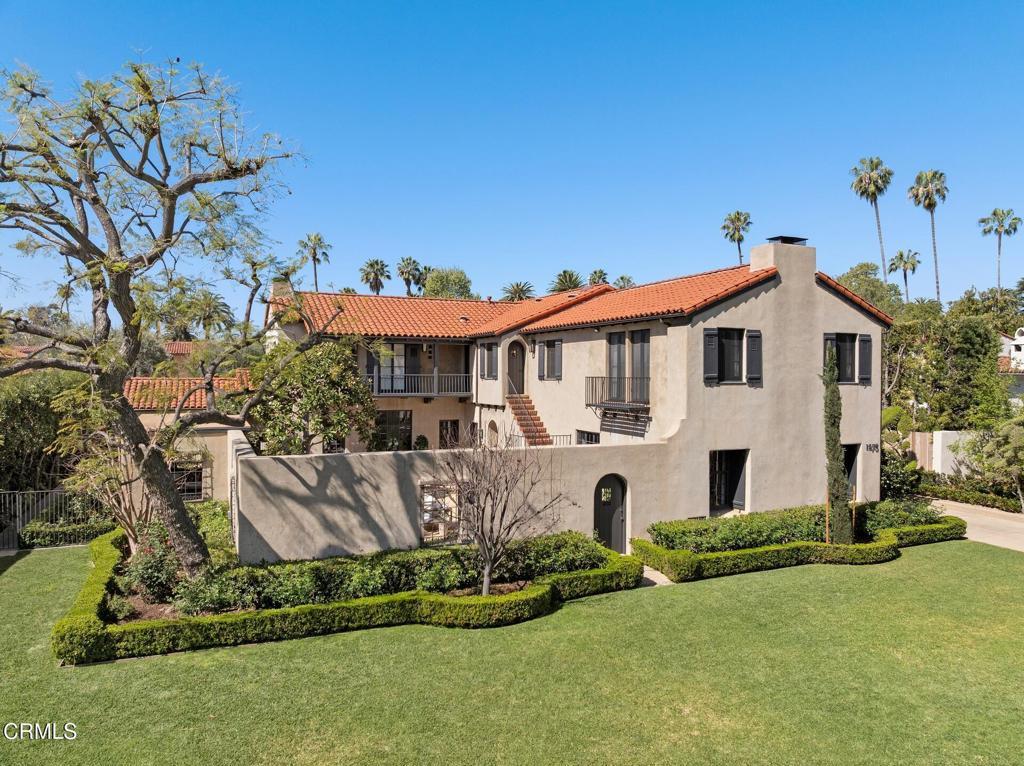
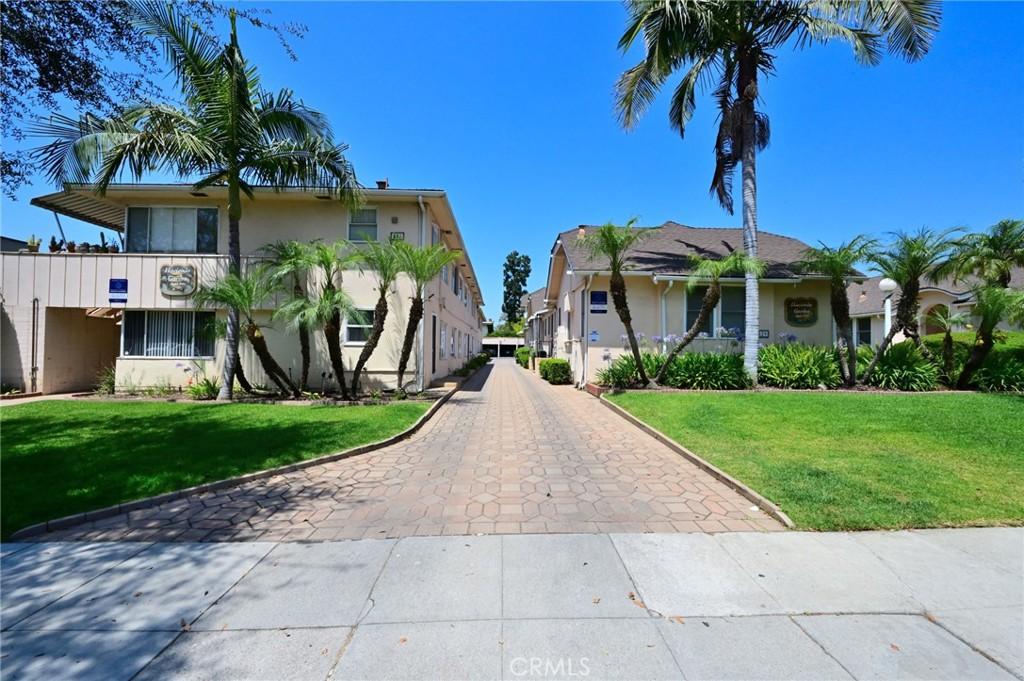
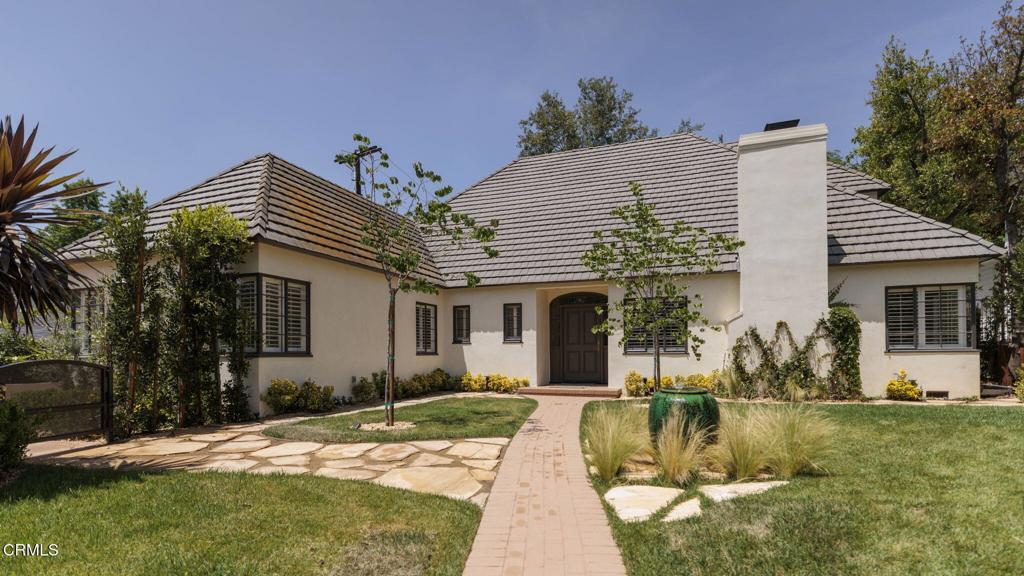
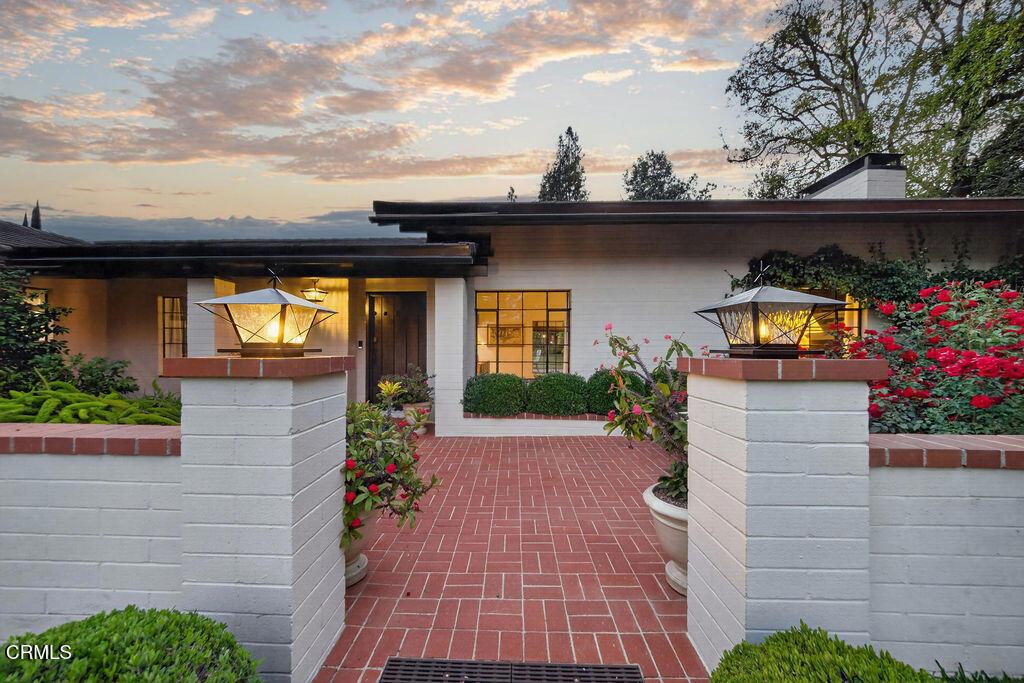
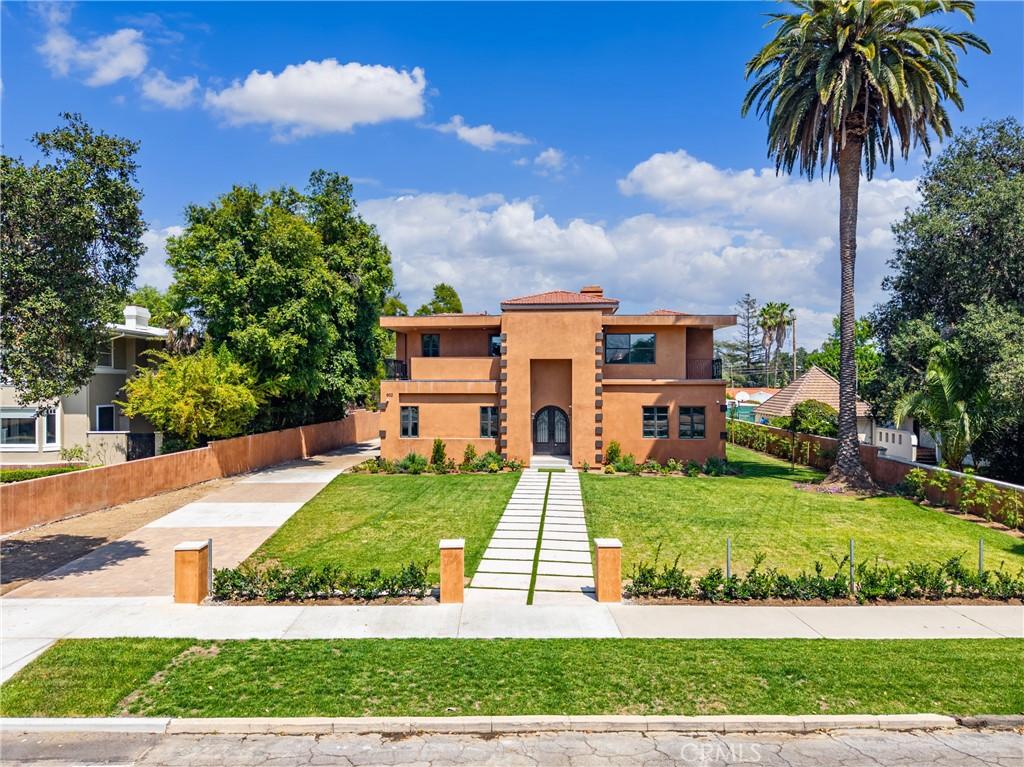
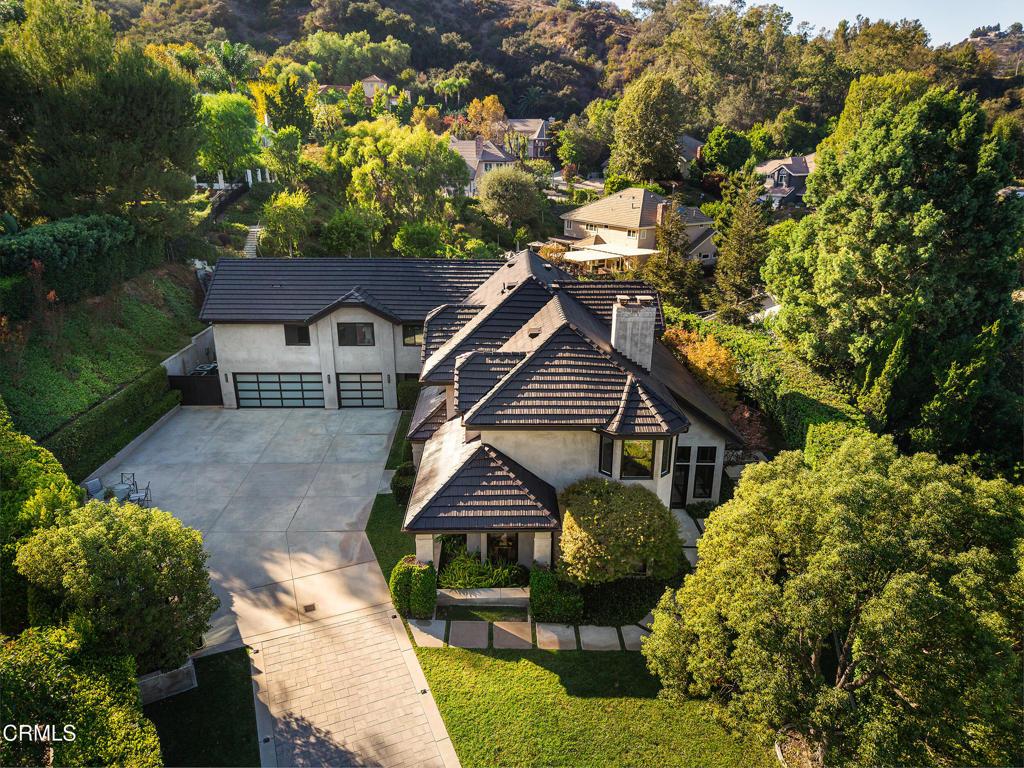
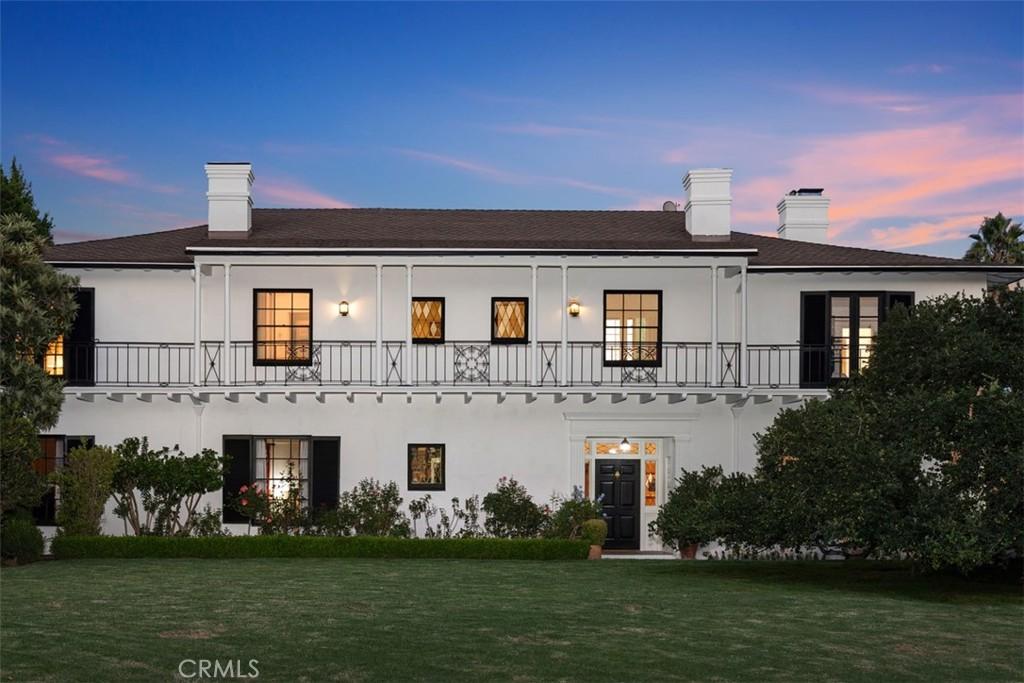
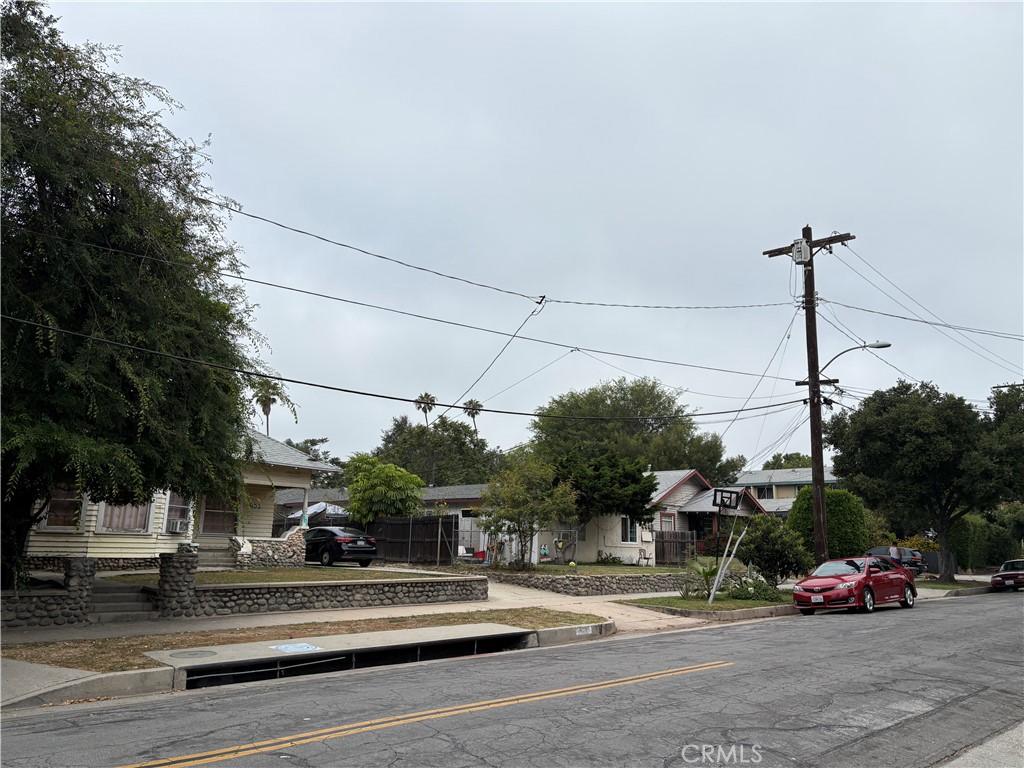
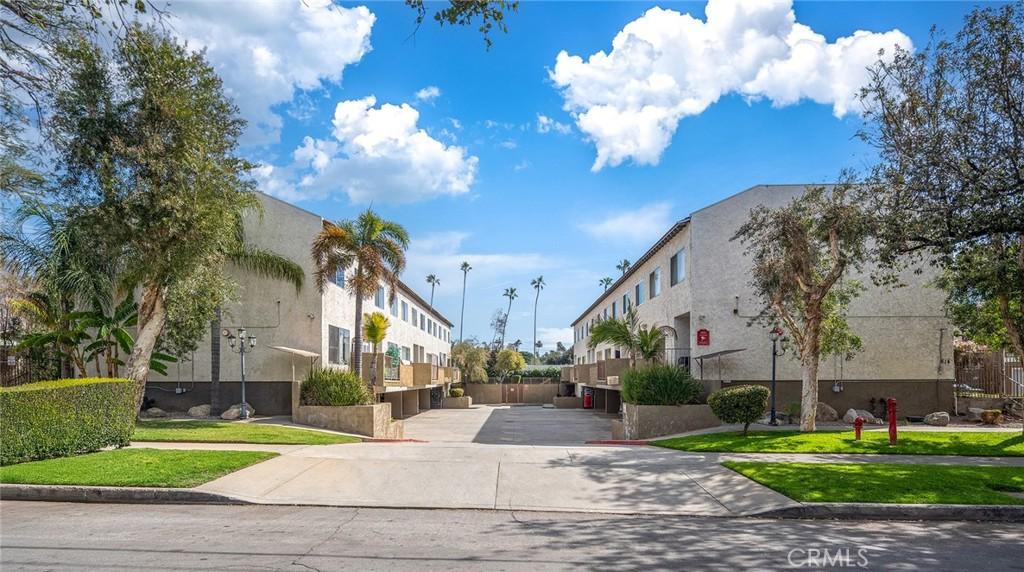
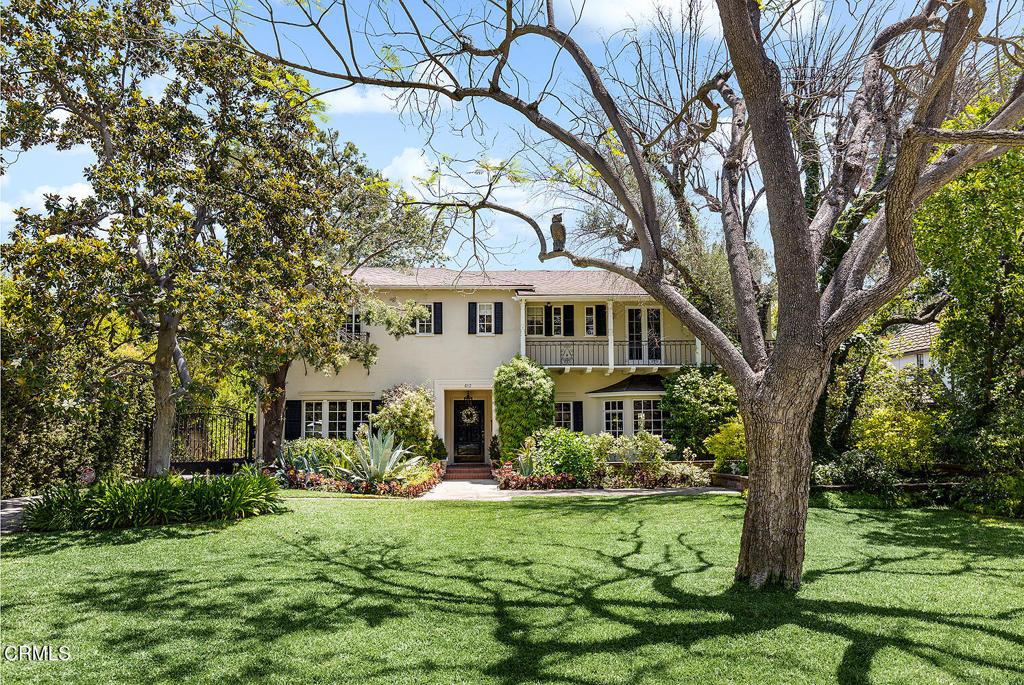
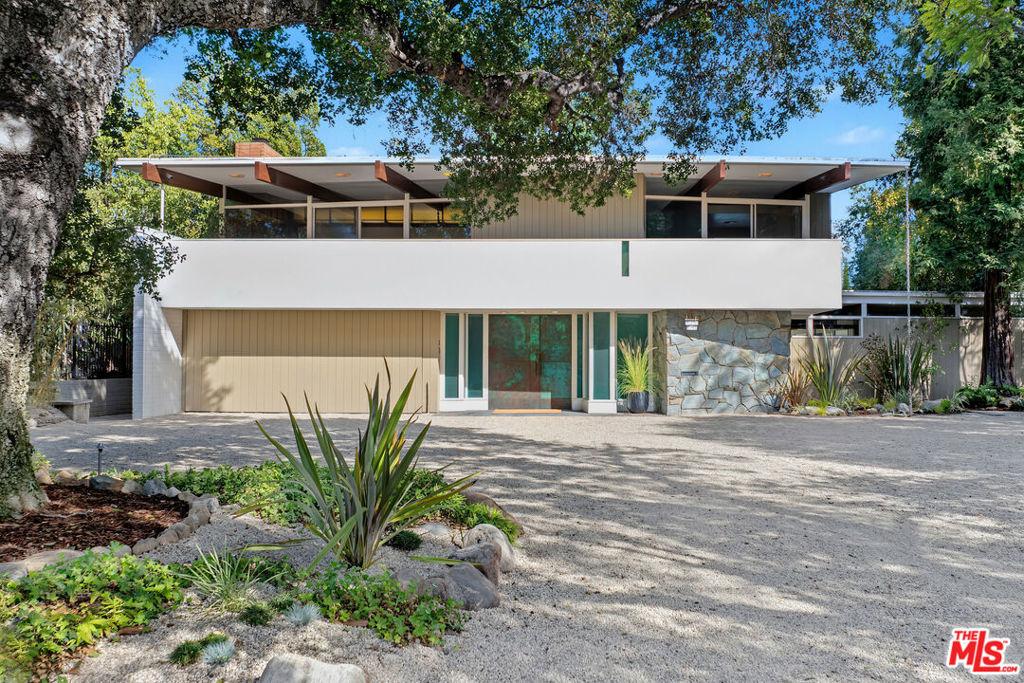
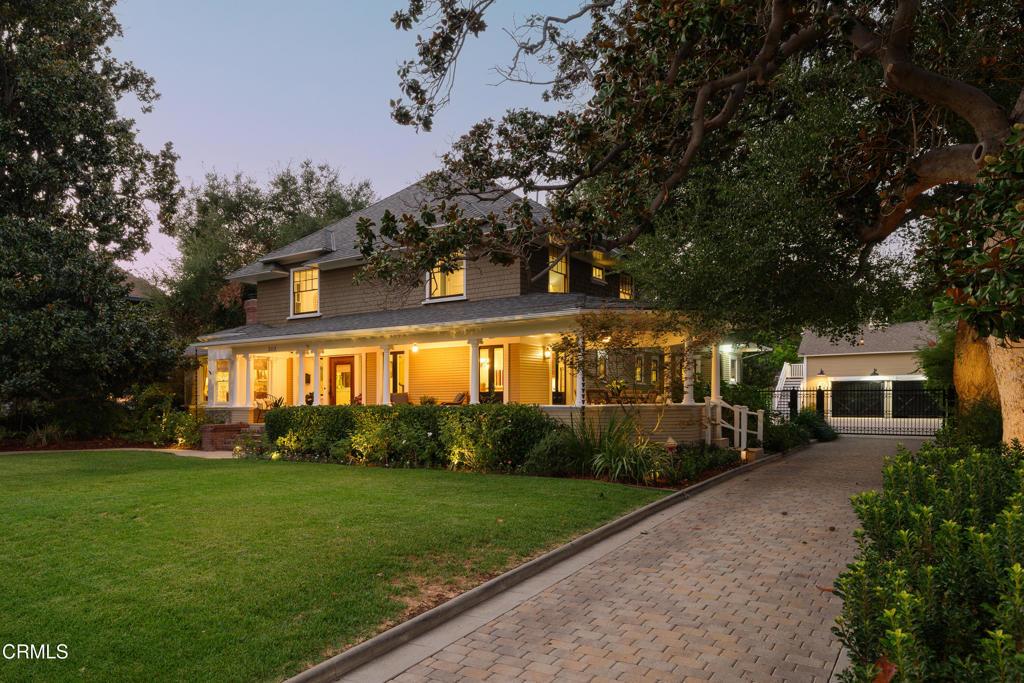
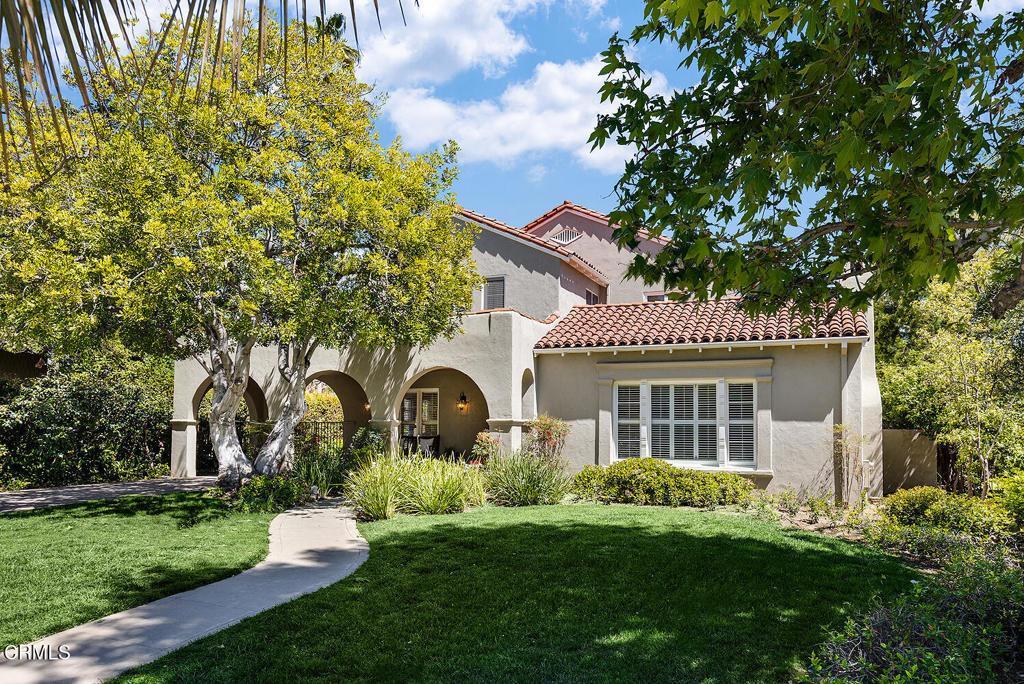
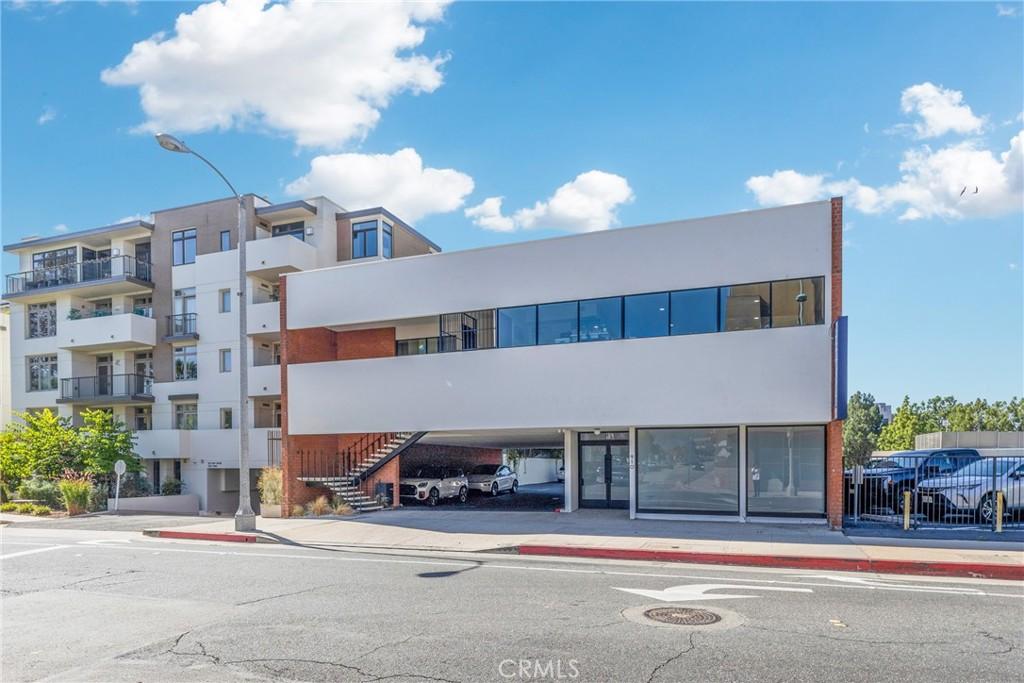
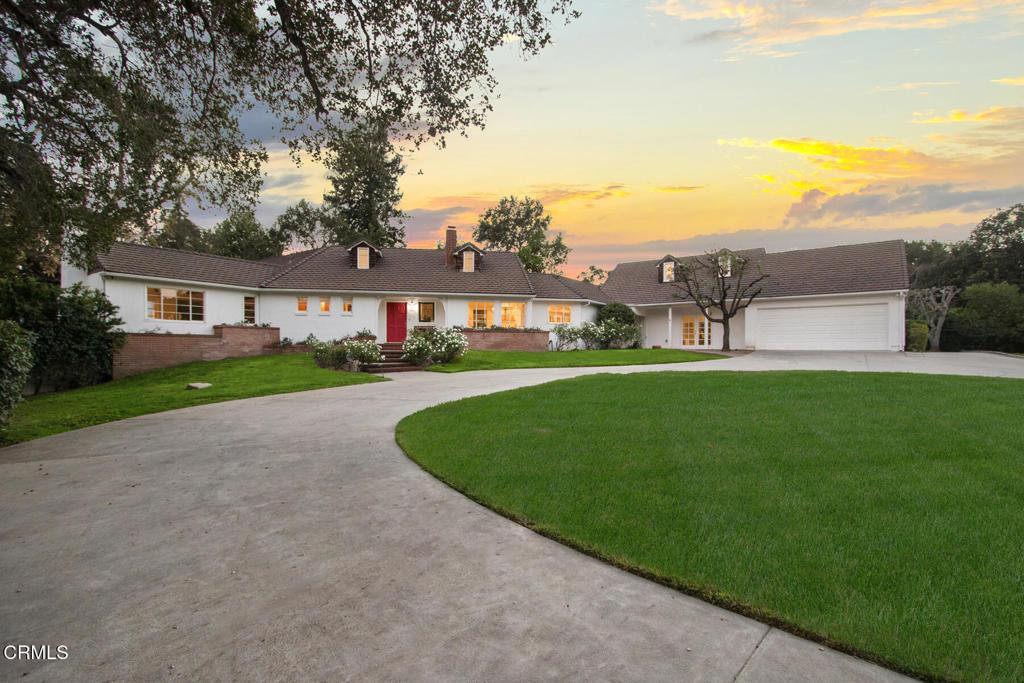
Residential options within the Old Pasadena district itself are primarily condominium and apartment units in mixed-use buildings, located on upper floors above commercial ground-level spaces. Studios, one-bedroom, and two-bedroom configurations are most common in the core district. For buyers who want a single-family home, the residential streets immediately adjacent to Old Pasadena, including blocks along Orange Grove Boulevard, Dayton Street, and the streets east of Fair Oaks, offer classic Pasadena housing stock within walking distance of the commercial core.
Walkability is the defining lifestyle advantage of living in or immediately adjacent to Old Pasadena. The Walk Score for properties on Colorado Boulevard and nearby blocks routinely reaches the high 80s to mid-90s, making daily errands, dining, and entertainment achievable entirely on foot. The Gold Line Metro A Line runs through Old Pasadena with a stop at Memorial Park, one block north of Colorado, connecting residents directly to Downtown Los Angeles in approximately 35 minutes without requiring a car.
The annual Rose Parade route runs along Colorado Boulevard through Old Pasadena on January 1st, which draws significant crowds and has historically contributed to the neighborhood’s national visibility. While the event creates temporary traffic and access adjustments for residents near the route, it also maintains Pasadena’s brand recognition on a scale no marketing budget could replicate, which has long-term positive effects on commercial activity and property values throughout the city.
Pasadena citywide runs a median sale price around $1,250,000, up 3.7% year-over-year, $791 per square foot down 0.5% year-over-year, median list price $1,170,000 at $769 per square foot, 240 homes on market, 83 sold, 48 days on market, 103.9% sale-to-list ratio, 1 average offer, and 39.7% average down payment. Residential pricing in Old Pasadena proper reflects the condo and mixed-use product type, with units in historic buildings typically ranging from $600,000 to $1.2 million depending on size, floor level, and building amenities. Adjacent single-family homes on residential side streets price in line with or slightly above the citywide median for comparable square footage, with the walkability premium factored into the per-square-foot rate.
The neighborhood is served by Pasadena Unified School District, with Cleveland Elementary and John Muir High among the nearby options. For buyers seeking private alternatives, several independent schools are accessible within a 10-minute drive. The combination of Gold Line rail access, walkable retail, and proximity to Caltech, the Pasadena City College campus, and the Rose Bowl makes Old Pasadena one of the most consistently in-demand residential locations in the eastern San Gabriel Valley.
Old Pasadena’s revival as a commercial and residential district is one of the most documented redevelopment success stories in Southern California planning history. By the late 1960s, the blocks along Colorado Boulevard between Fair Oaks Avenue and Marengo Avenue had deteriorated significantly, vacant storefronts, deferred maintenance on the historic brick buildings, and neighborhood disinvestment had hollowed out what was originally Pasadena’s commercial core. The Old Pasadena Management District and a series of public-private investments beginning in the early 1980s reversed that trajectory, stabilizing the historic building stock and attracting tenants who valued the scale and character of the 1880s-1920s commercial architecture. By the 1990s, Old Pasadena had become the regional entertainment and dining destination it is today, a transformation that took roughly a decade of sustained investment and serves as a case study cited in urban planning curricula across the country.
The district’s architecture is its most distinctive physical characteristic. The brick commercial buildings along Colorado Boulevard, Raymond Avenue, and Fair Oaks Avenue date primarily from 1887 through the 1920s, built during Pasadena’s successive waves of commercial expansion following the railroad’s arrival in 1885. The building heights are consistent, two and three stories, with ground-floor commercial frontage and upper-floor offices or residences above. Many ground floors have been modified over the decades, but the upper facades retain their original brick detailing, decorative cornices, and stone-trimmed window surrounds that characterize the late Victorian and early Craftsman-era commercial vernacular. The National Register Historic District designation covers the majority of the Old Pasadena commercial core and provides the regulatory framework that has prevented the kind of facade alterations and demolitions that have destroyed comparable historic districts in other California cities.
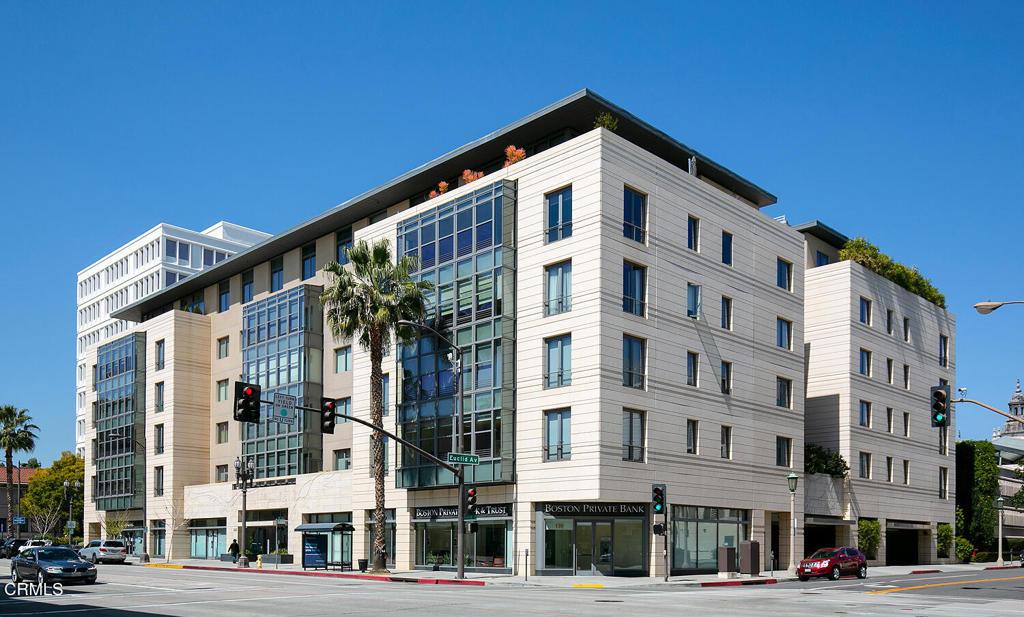
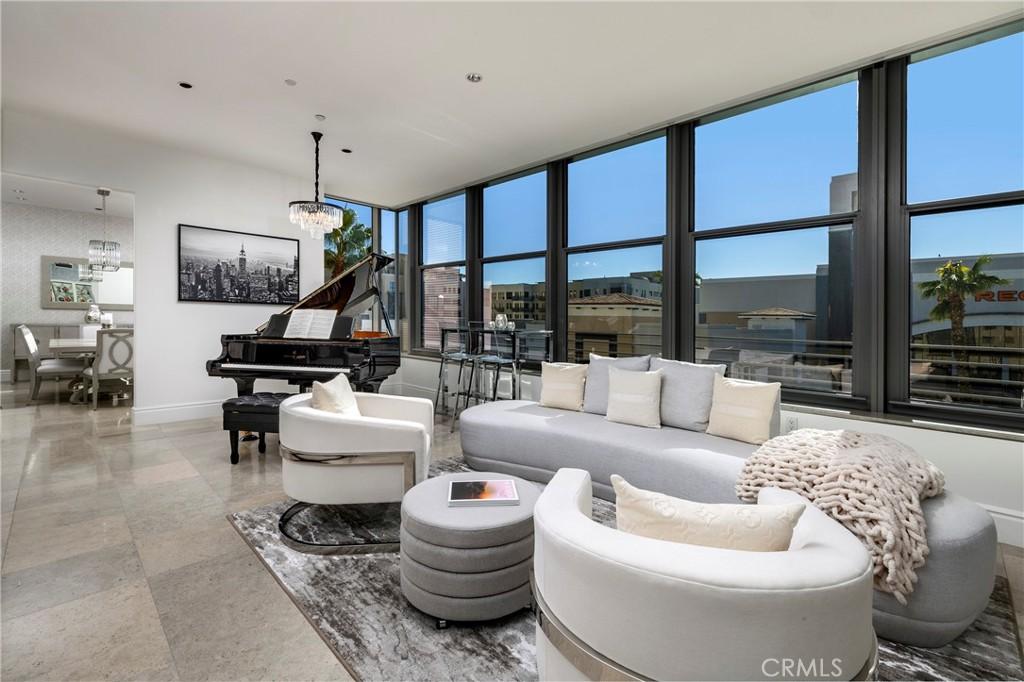
Residential living in Old Pasadena is concentrated in the upper floors of historic commercial buildings, purpose-built condominium and apartment structures on the district’s residential periphery, and a small number of historic houses on the residential blocks immediately adjacent to the commercial core. The upper-floor loft conversions in the historic brick buildings are the most distinctive residential product in the district, high ceilings, exposed brick and timber, oversized industrial windows, and direct proximity to the street-level commercial activity below. These units are rare and do not come to market frequently. Purpose-built condominium buildings in the district offer more conventional apartment configurations with modern systems, and the residential streets immediately north and south of the commercial core provide single-family houses and smaller multi-family buildings for buyers who want an Old Pasadena address with a more conventional residential configuration.
Schools are less central to the Old Pasadena buyer evaluation than in most other Pasadena residential markets, reflecting the district’s concentration of non-family buyer profiles. The majority of Old Pasadena residential buyers are singles, couples without children, or buyers whose children are already in established school programs elsewhere. For buyers with children, Pasadena Unified schools serving the immediate area include Madison Elementary and Eliot Arts Magnet Middle School. The proximity to Caltech’s campus and the broader Pasadena academic community means a meaningful share of Old Pasadena residents are associated with higher education, graduate students, postdoctoral researchers, and visiting faculty from Caltech and Art Center College of Design use Old Pasadena as a residential base within walking or biking distance of their institutional affiliations.
Daily life in Old Pasadena is more car-optional than virtually any other residential setting in Pasadena. The Gold Line Metro at the Memorial Park Station on Arroyo Parkway is within a five-minute walk of most Old Pasadena residential addresses and provides direct service to Chinatown, Union Station, and the full Metro system west. Dozens of restaurants, bars, coffee shops, and grocery options (Whole Foods on Colorado Boulevard is directly within the district) are accessible on foot from most Old Pasadena residences. Whole Foods, Target, and the CVS on Raymond Avenue cover most daily grocery and errand needs without a car. The combination of Gold Line access and walkable retail makes Old Pasadena one of the few genuinely car-optional residential neighborhoods in the eastern San Gabriel Valley.
The Rose Parade on January 1 is the single most significant annual event affecting Old Pasadena residential living. Colorado Boulevard serves as the parade route, and the blocks along the parade path are occupied by spectators from late December 31 through midday January 1. Most Old Pasadena residents either participate as parade hosts (renting viewing space on their balconies or stoops) or plan to be away from the district during the event. The disruption is concentrated in a specific 24-36 hour window and affects the surrounding streets for parade setup in the days before. Outside of Rose Parade weekend, Old Pasadena’s event calendar, the Doo Dah Parade, Pasadena Weekend markets, and venue programming at the AMC 14, Laemmle Pasadena, and multiple live music venues, creates intermittent evening and weekend pedestrian traffic that is part of the urban lifestyle buyers choose the district for, not an incidental complication.
Investment considerations for Old Pasadena residential units are distinct from the typical Pasadena single-family residential analysis. Condominium and multi-family residential products in the district trade as urban residential investments where location, walkability premium, and Gold Line transit access are the primary value drivers rather than lot size, school district, or the larger outdoor space considerations that drive suburban residential values. Per-square-foot pricing in Old Pasadena’s condominium market is competitive with comparable Gold Line-adjacent product in central Los Angeles, reflecting the district’s regional recognition as a premier walkable destination. HOA fees in the newer purpose-built condominium buildings can be substantial and should be evaluated in relation to the building’s reserve fund status and deferred maintenance profile as part of any pre-purchase due diligence.
For buyers comparing Old Pasadena residential options to the South Lake and Playhouse District residential markets, the key distinctions are the scale and character of the commercial environment surrounding each. Old Pasadena’s historic district creates a physically distinct urban environment that South Lake Avenue’s mixed-use development, while active and walkable, does not fully replicate. The historic brick architecture, the restaurant density, and the specific cultural programming of Old Pasadena produce a residential context that attracts buyers who have consciously sought an urban living experience within Pasadena rather than a quieter residential neighborhood with commercial access nearby. The trade-off is residential density and noise, Old Pasadena is more active in the evenings and on weekends than any other Pasadena residential district, and buyers who value that energy are the natural fit for the neighborhood.
The Playhouse District, approximately half a mile east along Colorado Boulevard, is the primary comparison neighborhood for buyers evaluating Old Pasadena residential options. Both are Colorado Boulevard-anchored commercial districts with residential uses above and adjacent, and both offer Gold Line Metro access and walkable dining. The key distinction is character: Old Pasadena’s historic brick commercial buildings and the density of its restaurant and nightlife concentration produce a more active urban environment than the Playhouse District’s arts-centered, somewhat quieter commercial fabric. Buyers who want the highest possible walkability and the most active street-level environment will typically choose Old Pasadena; buyers who want proximity to the Pasadena Playhouse’s cultural programming and a slightly less dense commercial adjacency will typically choose the Playhouse District. Both markets are competitive, and the difference in residential pricing between the two districts is generally modest.
Parking is a persistent practical consideration for Old Pasadena residents and visitors. The district operates two primary city-owned parking structures (on Pasadena Avenue and on Raymond Avenue) with evening and weekend rate structures that have evolved over the years. Street parking in and around Old Pasadena is subject to permit requirements and time limits that affect both residents and guests. Most Old Pasadena residential units come with dedicated parking (either in the building’s structure or in a deeded space), and buyers should confirm parking allocation and guest parking arrangements for any specific unit before closing. For residents who rely on the Gold Line or bicycle for most of their daily transportation, parking becomes a less central concern. The evening and weekend traffic that the district’s commercial activity generates is a consistent feature of the neighborhood regardless of transportation choice.
Caltech’s campus, located approximately 1.5 miles east on California Boulevard, generates a consistent secondary residential demand for Old Pasadena and the surrounding central Pasadena neighborhoods. Graduate students, postdoctoral researchers, and visiting faculty from Caltech, JPL (which operates under Caltech’s management and is located on the northern edge of Pasadena), and Art Center College of Design on Foothill Boulevard use Old Pasadena as a residential base within cycling distance of their institutional affiliations. The Caltech-affiliated buyer and renter community tends to be well-informed, mobile (moving on 2-5 year cycles tied to research appointments), and price-sensitive at the lower end of the Old Pasadena condominium range. For sellers and long-term investors in the district, the Caltech community provides a consistent base of demand that is somewhat insulated from the cyclical swings in the broader residential market.
What is it like to live in Old Pasadena Homes?
- Old Pasadena Homes sit along a commercial corridor built on the original Pasadena downtown grid of historic brick buildings.
- Historic brick buildings throughout the district have been meticulously restored after a period of significant decline decades ago.
- One Colorado, a shopping and entertainment complex spanning historic buildings, functions as the commercial anchor drawing visitors year-round.
- Colorado, Union, De Lacey, and Fair Oaks Avenues frame the shopping and entertainment complex at the heart of the district.
- National retailers, independent restaurants, bookshops, and entertainment venues cluster within a walkable area that defines Pasadena’s identity.
- Residential options in the core district are primarily condominium and apartment units inside mixed-use buildings above commercial ground-level spaces.
- Studio, one-bedroom, and two-bedroom configurations are the most common layouts found within the core district.
- Buyers wanting a single-family home look to residential streets immediately adjacent, within walking distance of the commercial core.
- Orange Grove Boulevard, Dayton Street, and the streets east of Fair Oaks offer classic Pasadena housing stock nearby.
- Walkability stands as the defining lifestyle advantage of living in or immediately adjacent to Old Pasadena Homes.
- Walk Scores on Colorado Boulevard and nearby blocks routinely reach levels making daily errands and dining achievable entirely on foot.
- The Gold Line Metro A Line runs through the district with a stop at Memorial Park, one block north of Colorado.
- Rail access connects residents directly to Downtown Los Angeles without requiring a car for the commute.
- The annual Rose Parade route runs along Colorado Boulevard, drawing crowds and contributing to national visibility for the district.
- Parade crowds create temporary traffic and access adjustments for residents living near the route each year.
- Pasadena Unified School District serves the area, with Cleveland Elementary and John Muir High among the nearby options.
- Several independent schools are accessible within a short drive for buyers seeking private alternatives to public campuses.
- Rail access, walkable retail, and proximity to Caltech, Pasadena City College, and the Rose Bowl keep Old Pasadena Homes in demand.