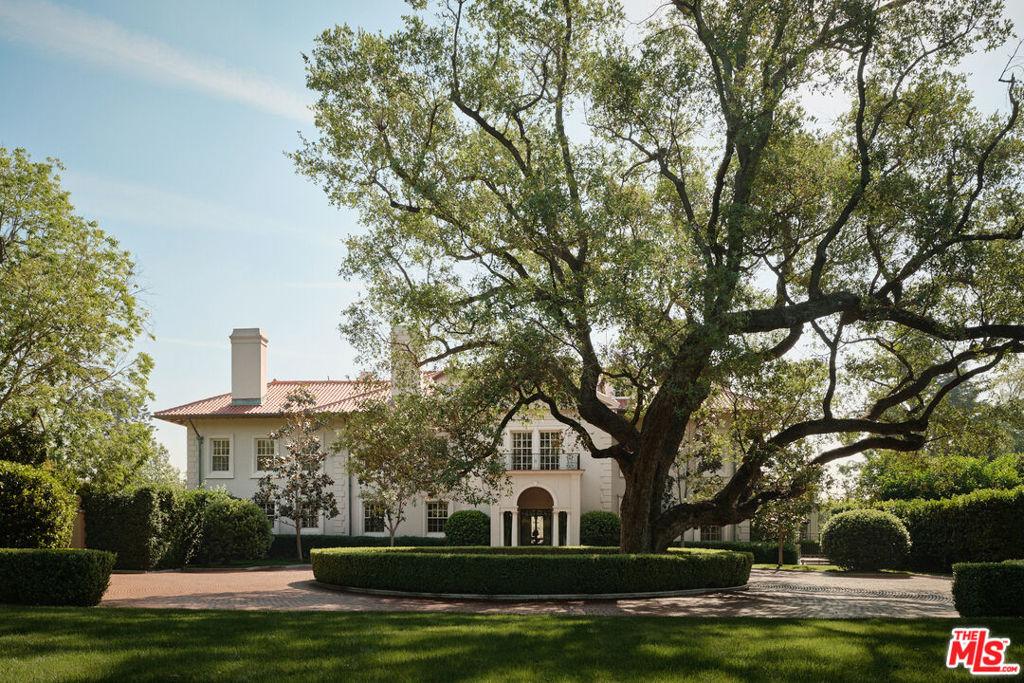
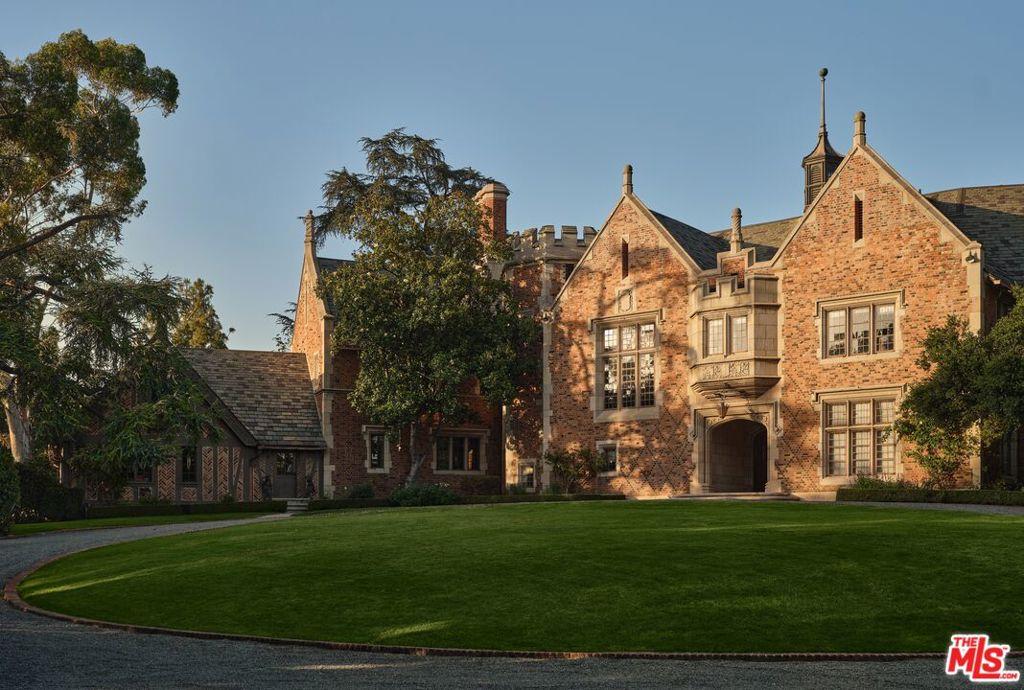
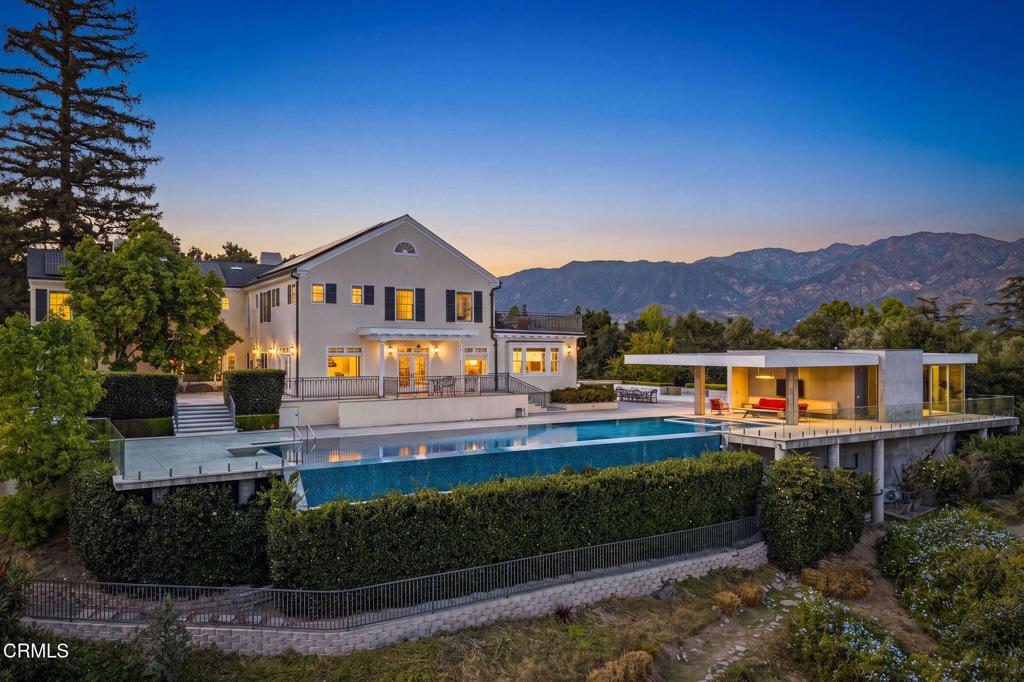
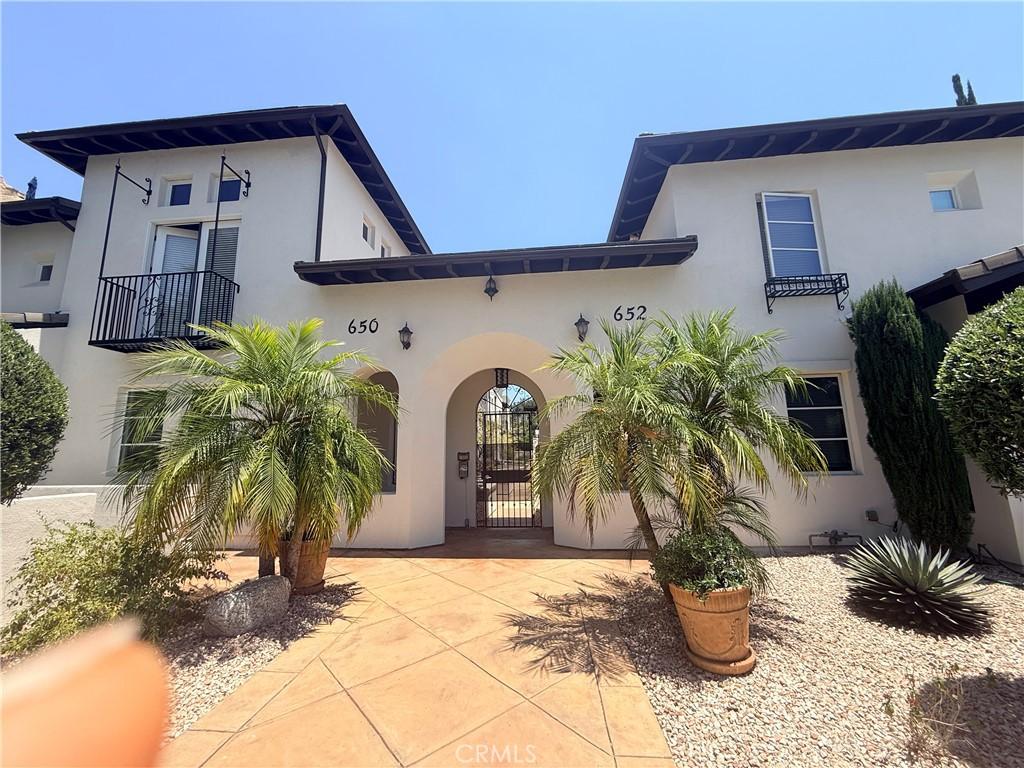
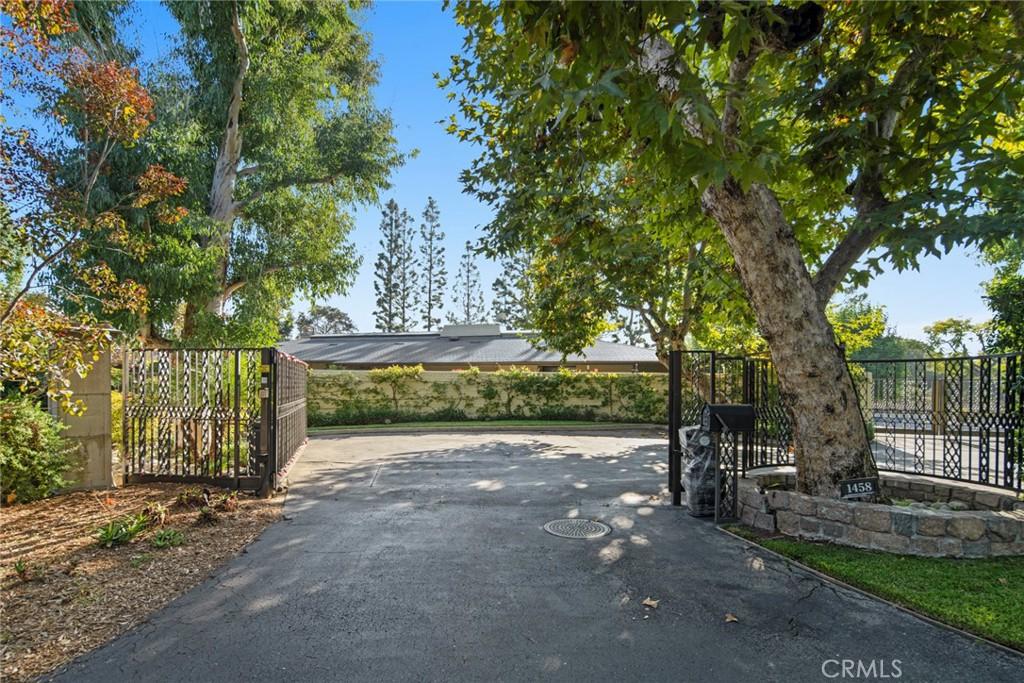
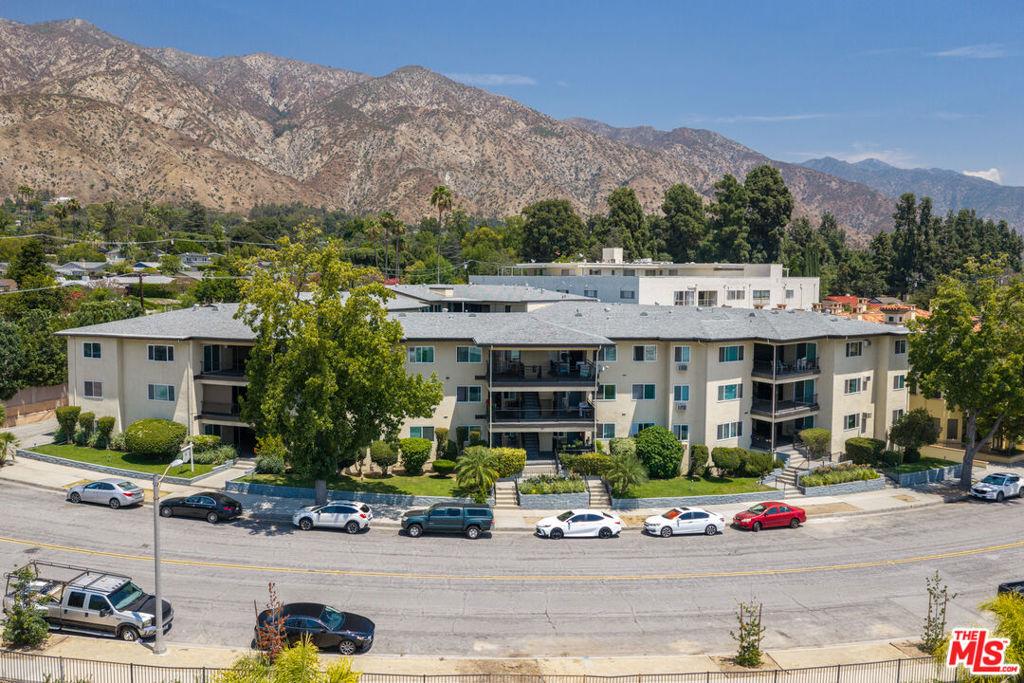
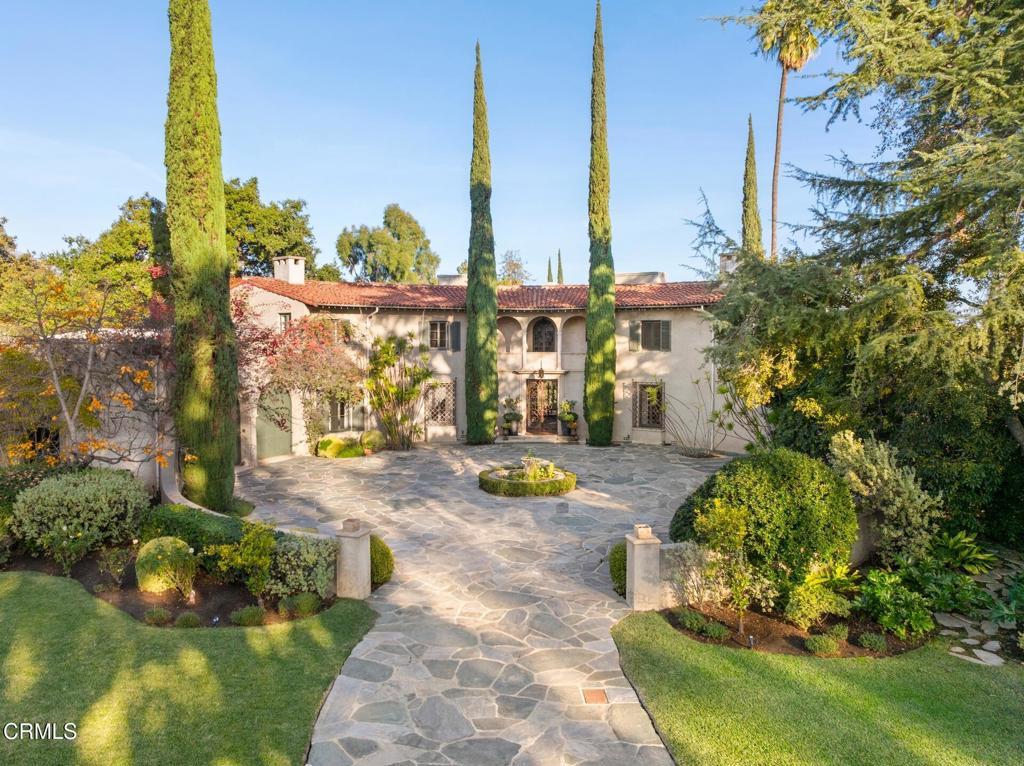
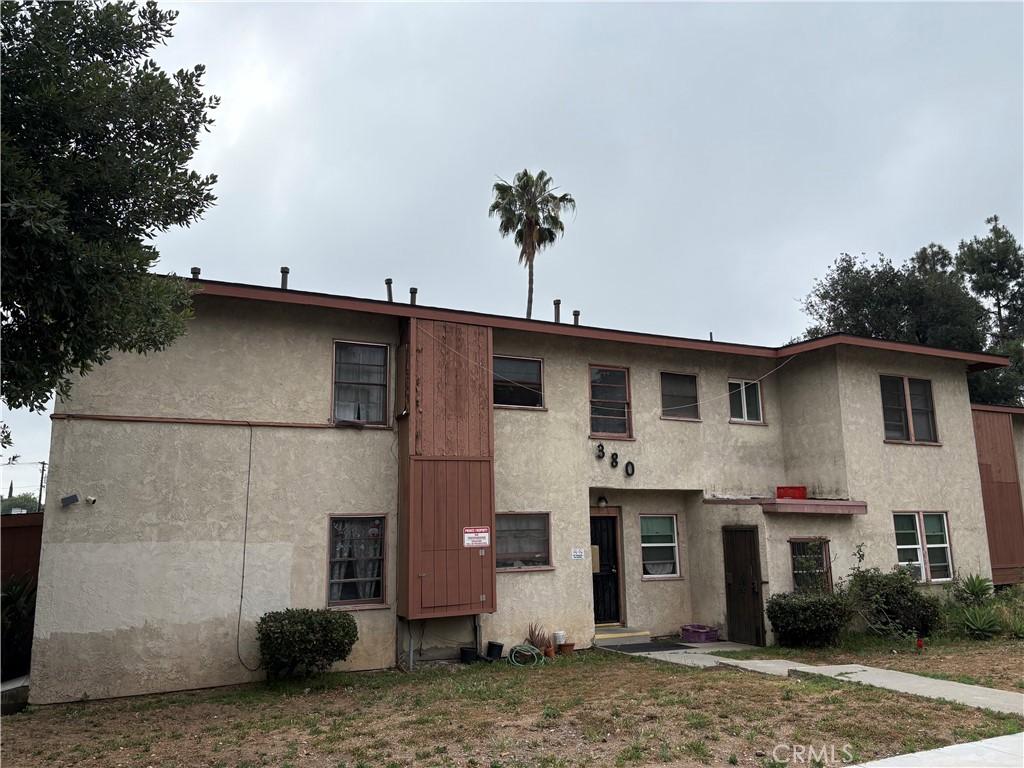
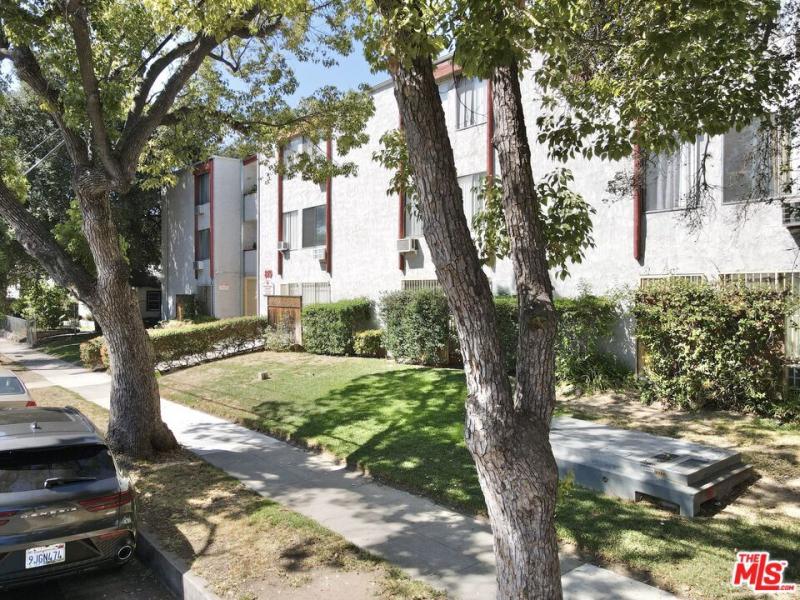
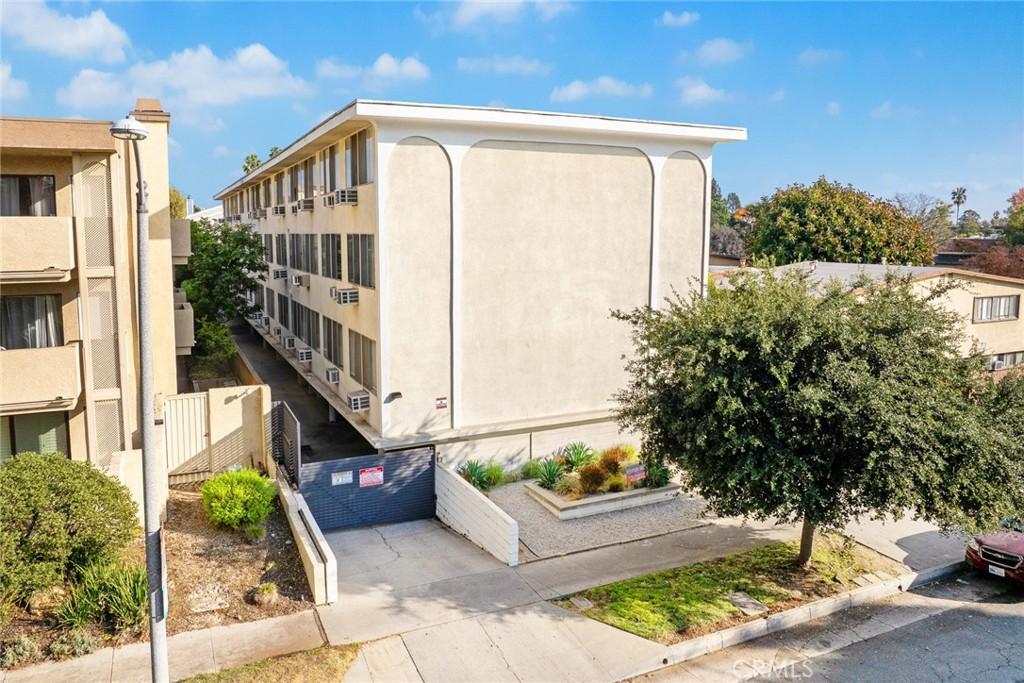
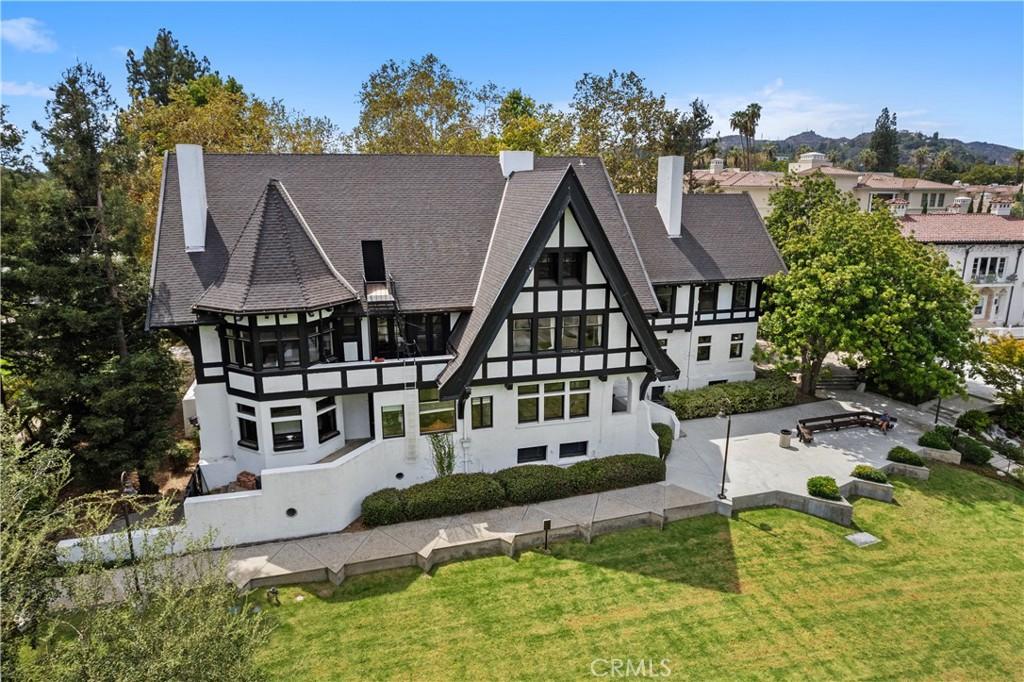
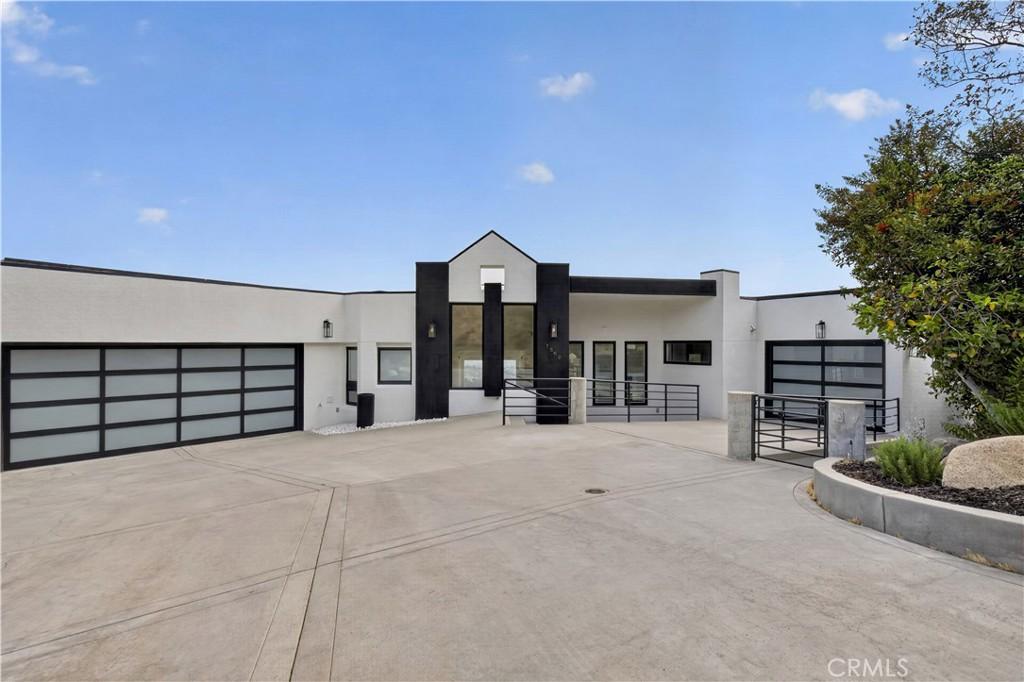
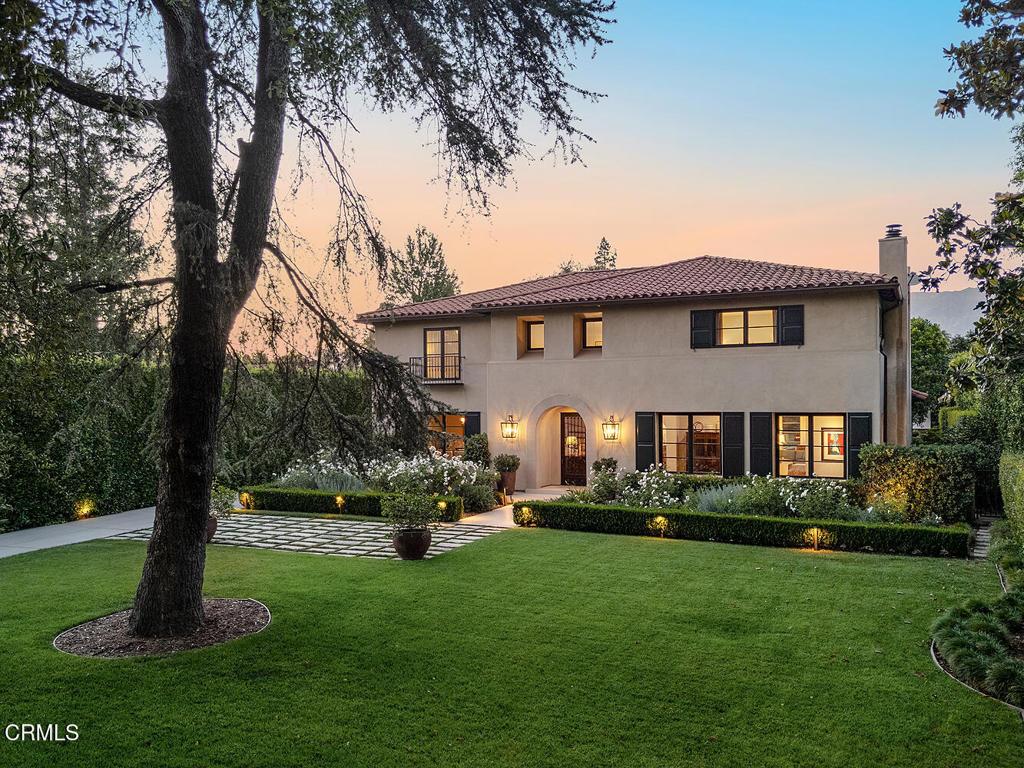
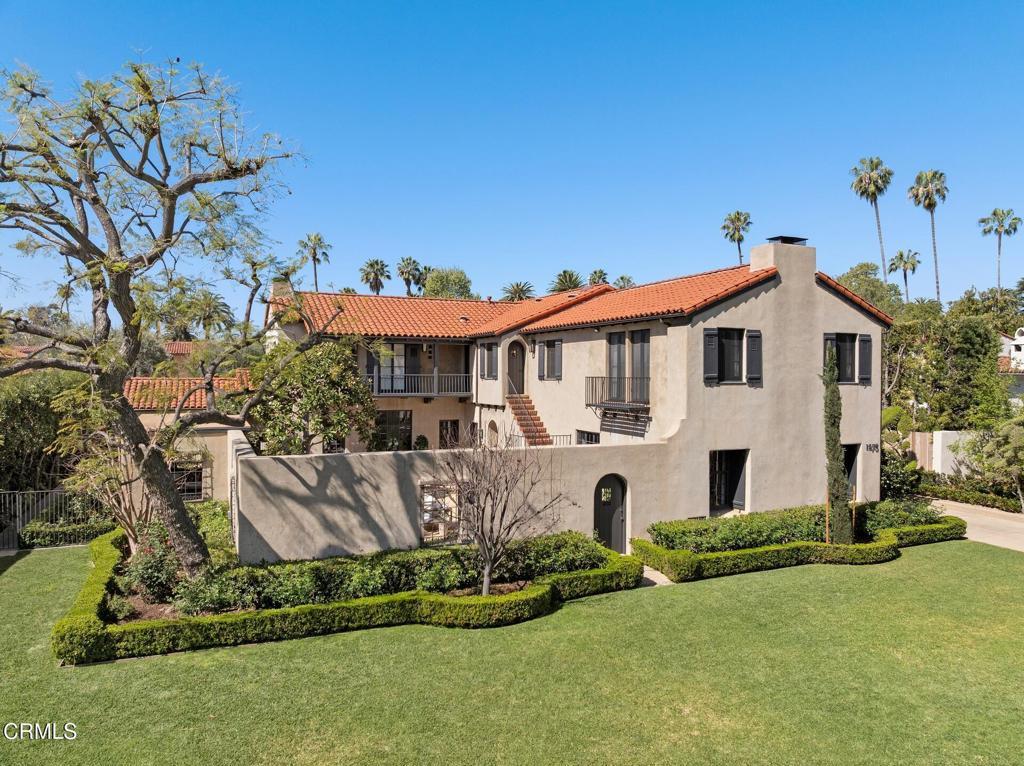
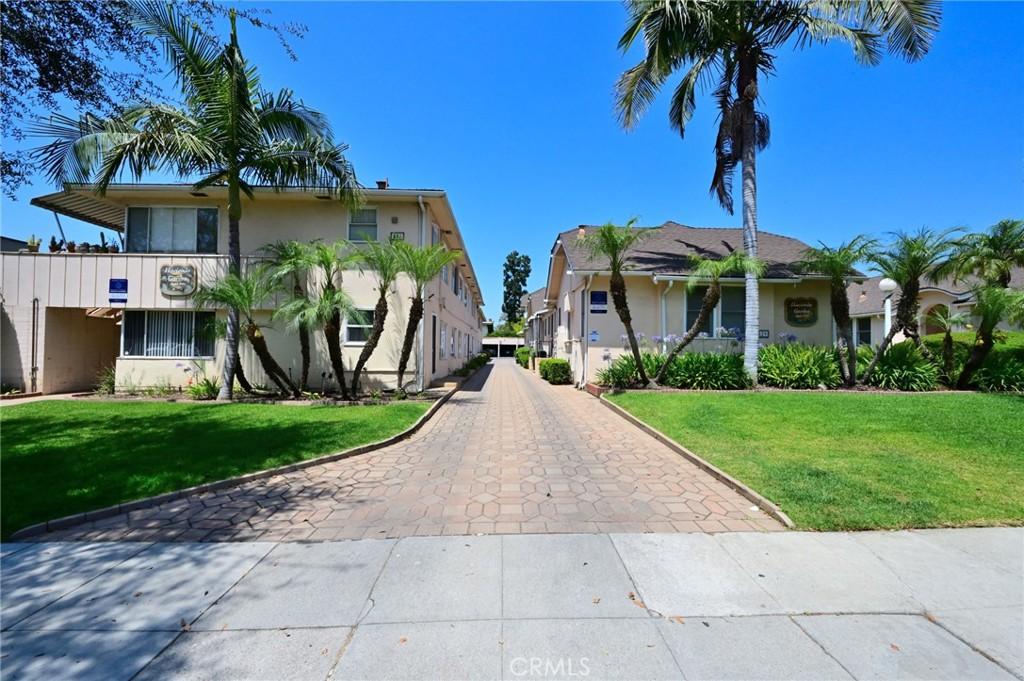
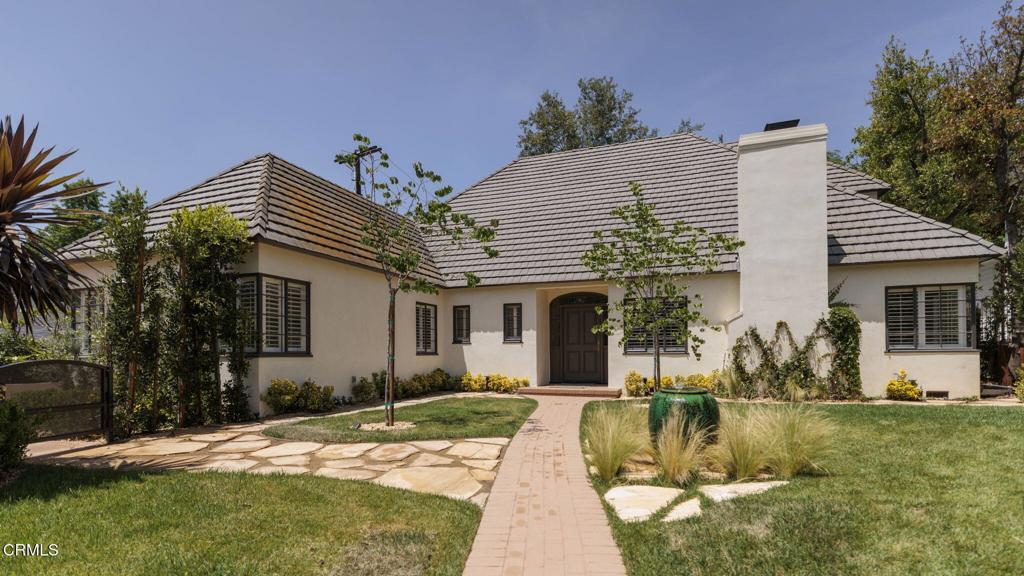
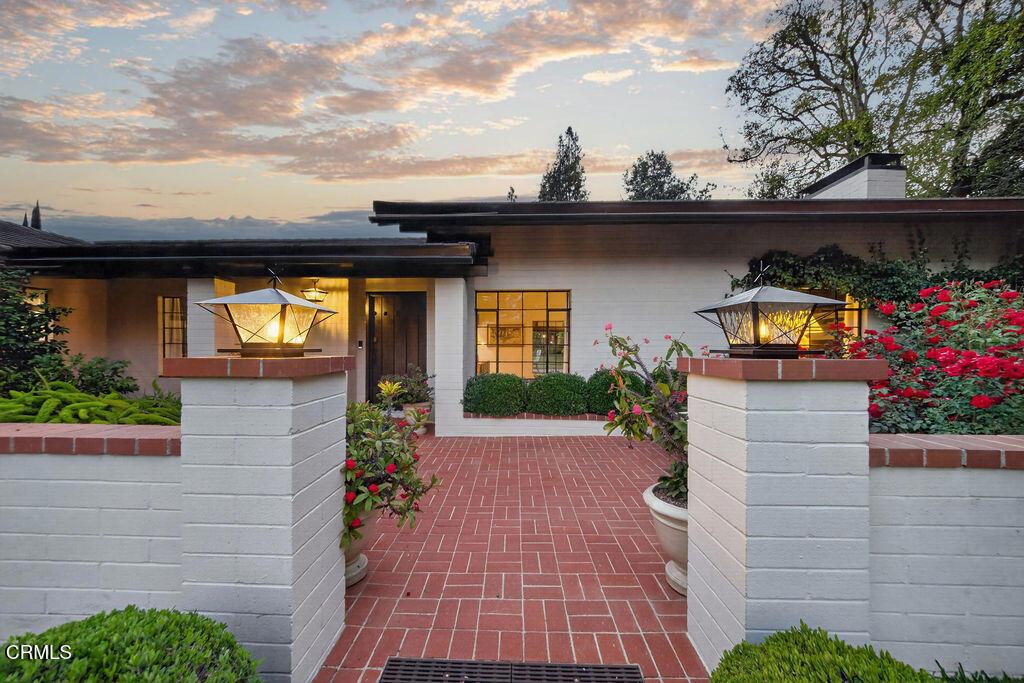
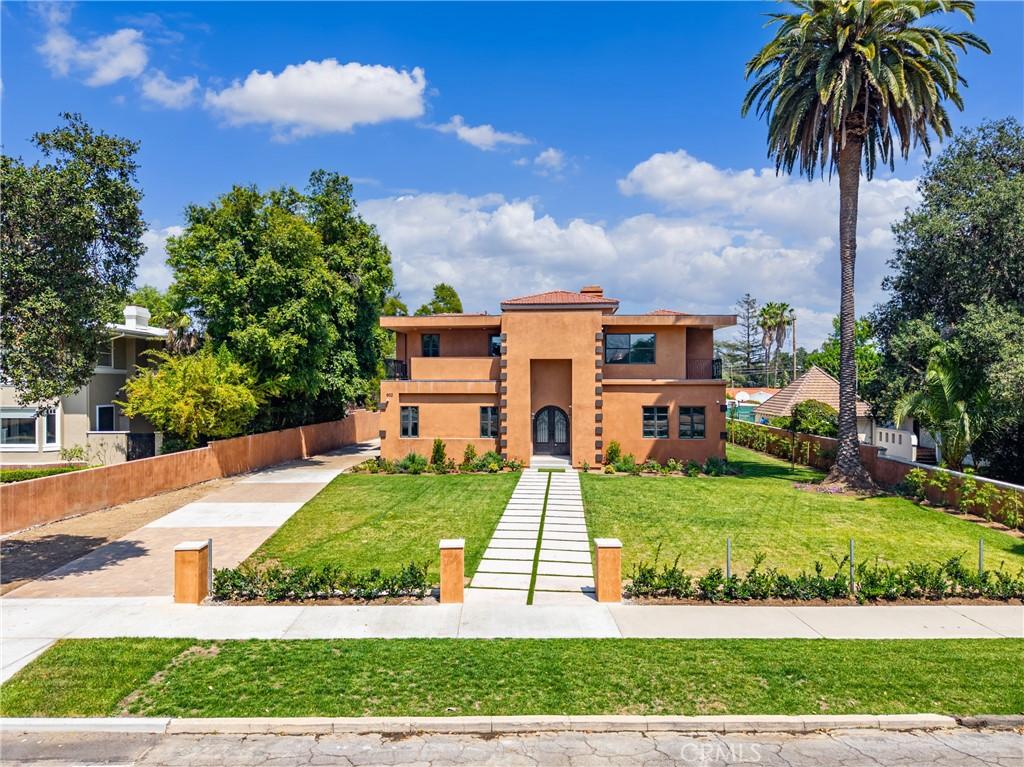
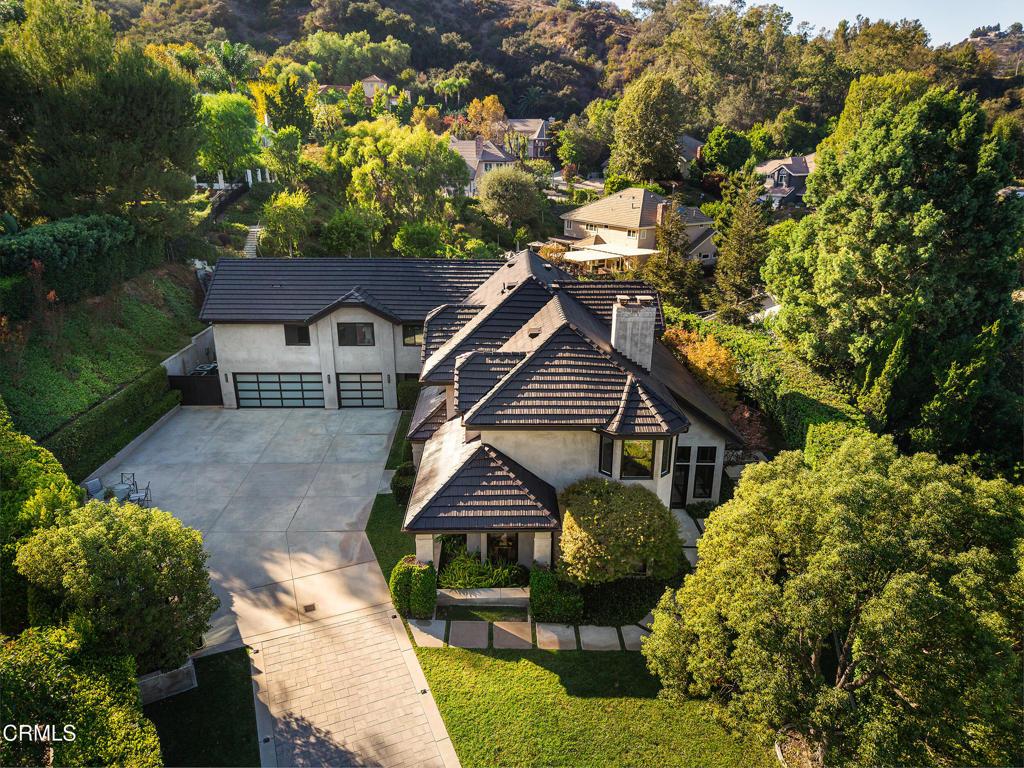
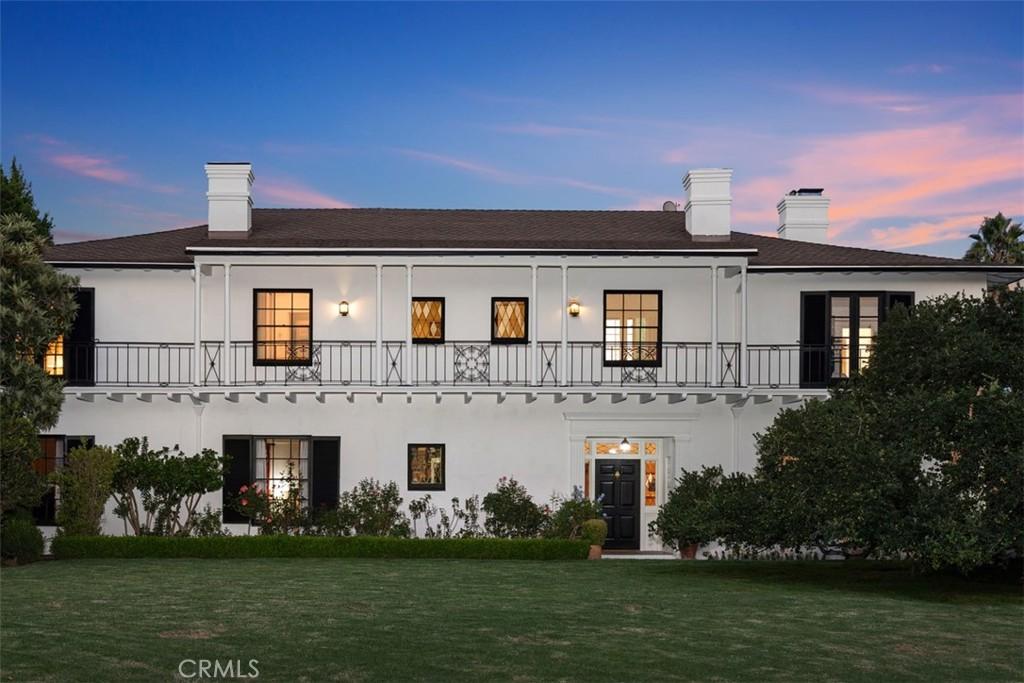
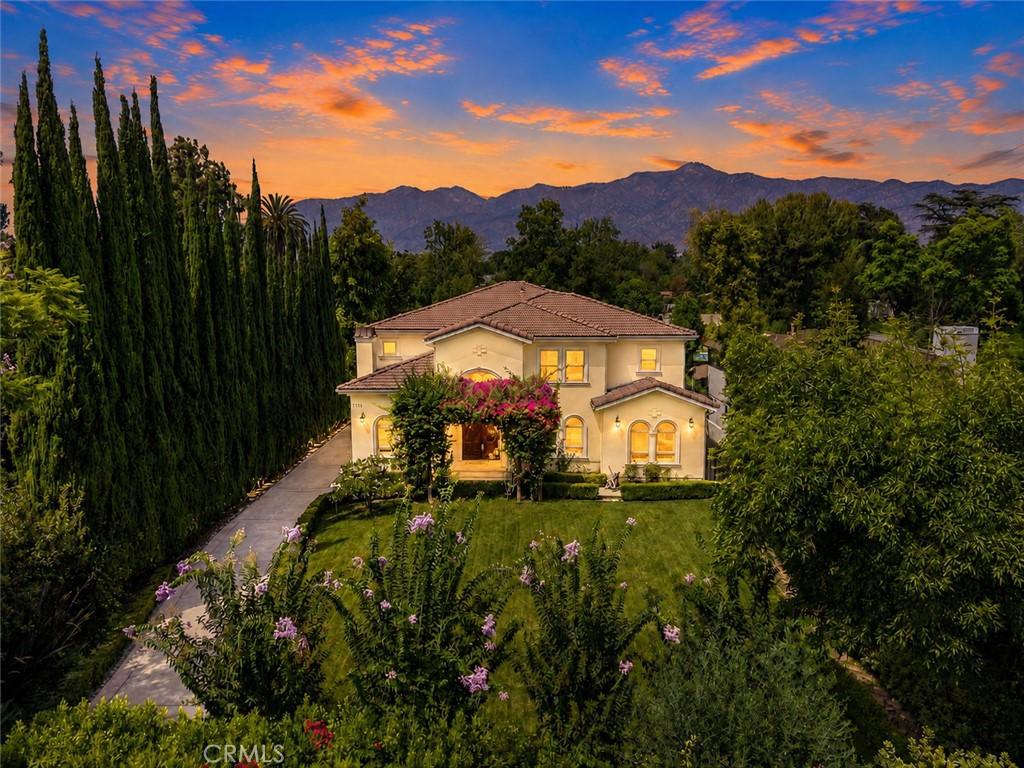
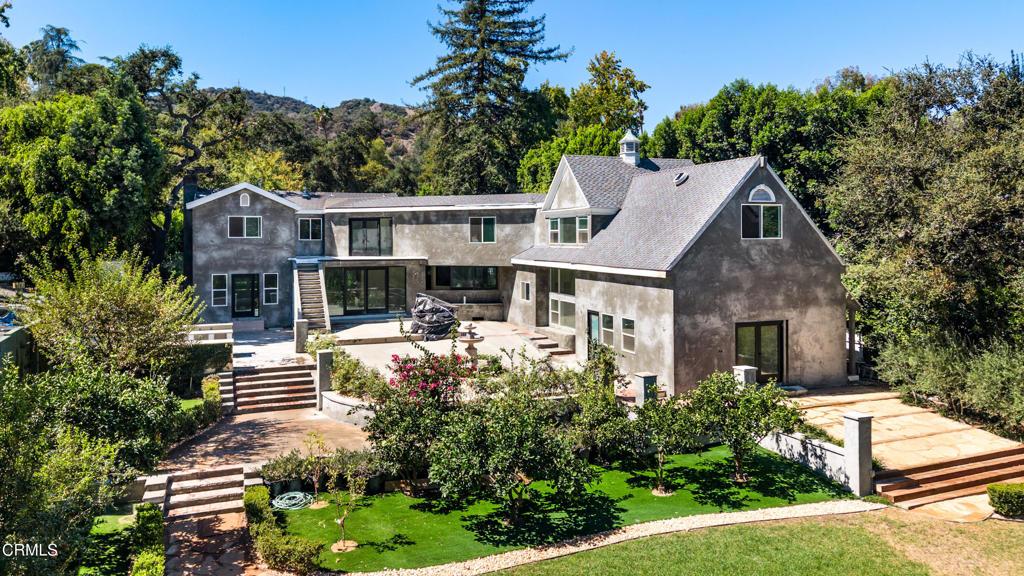
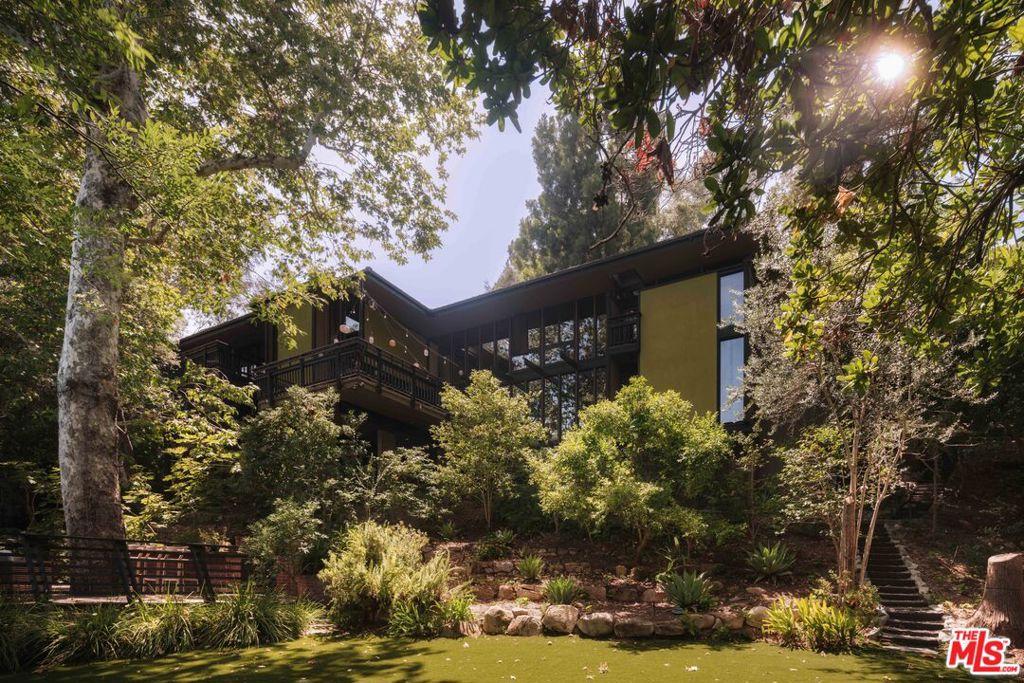
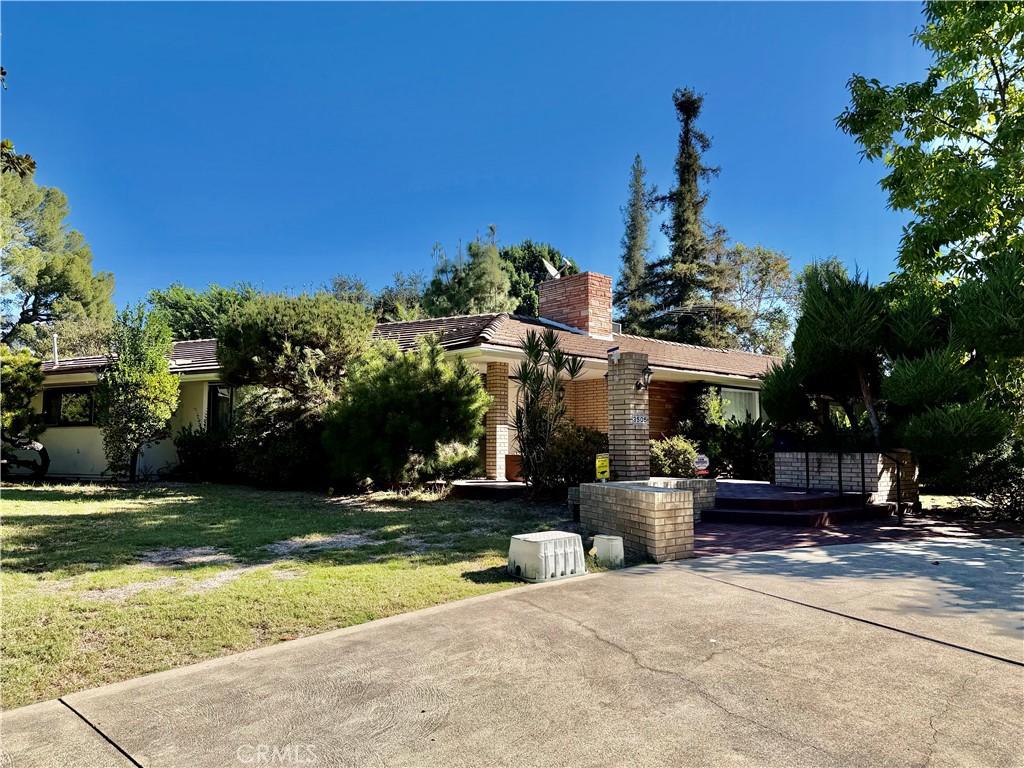
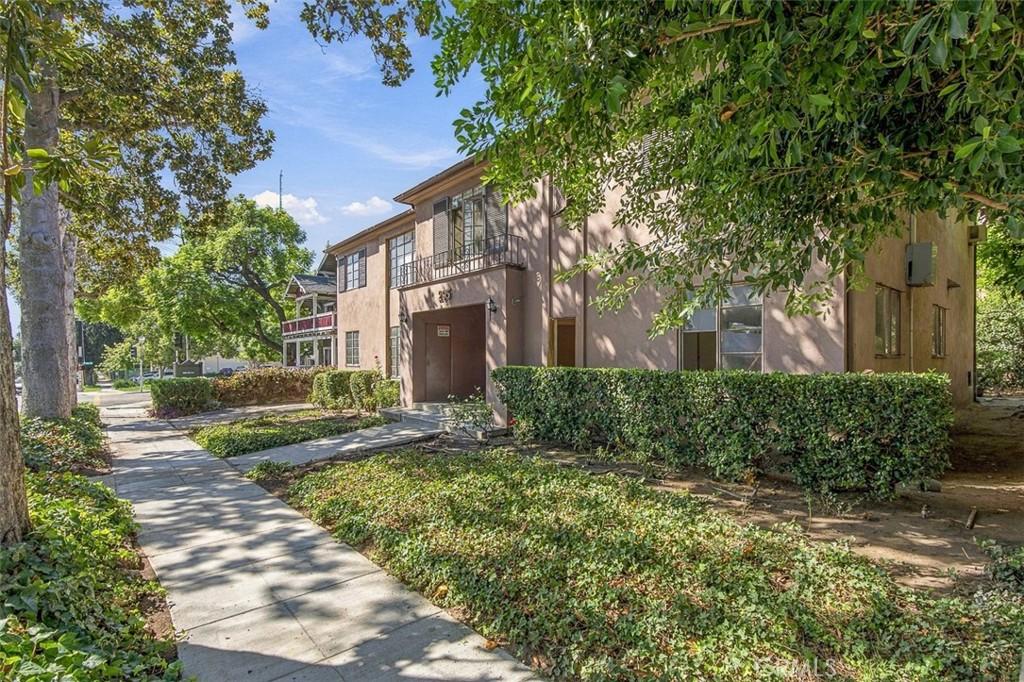
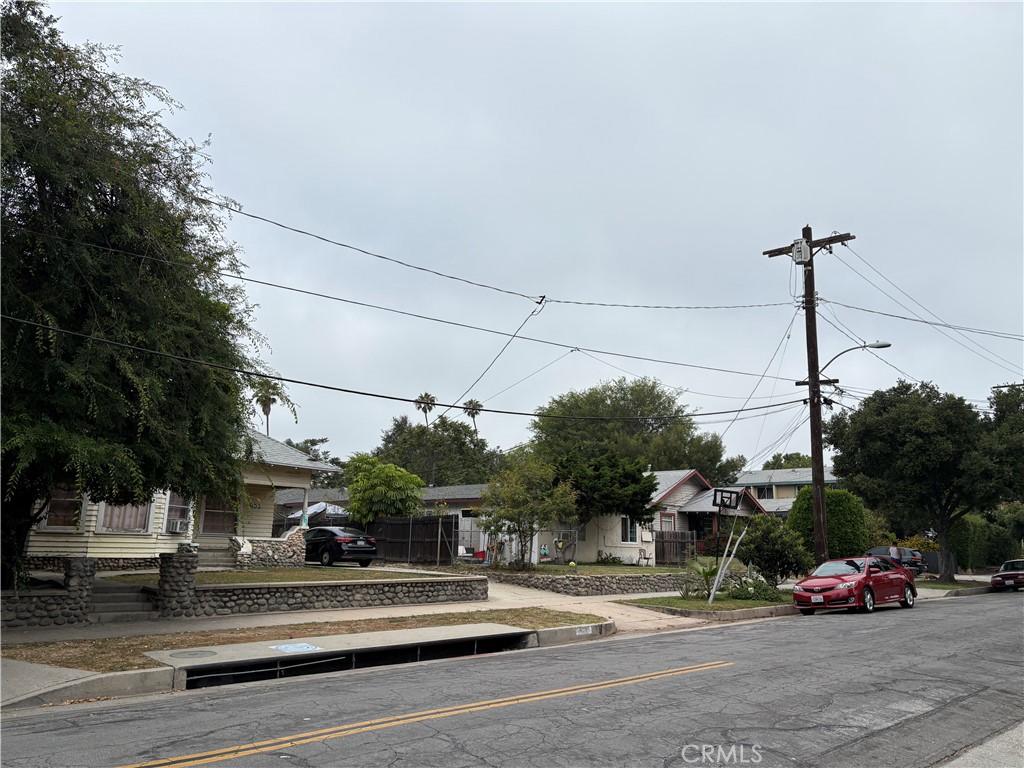
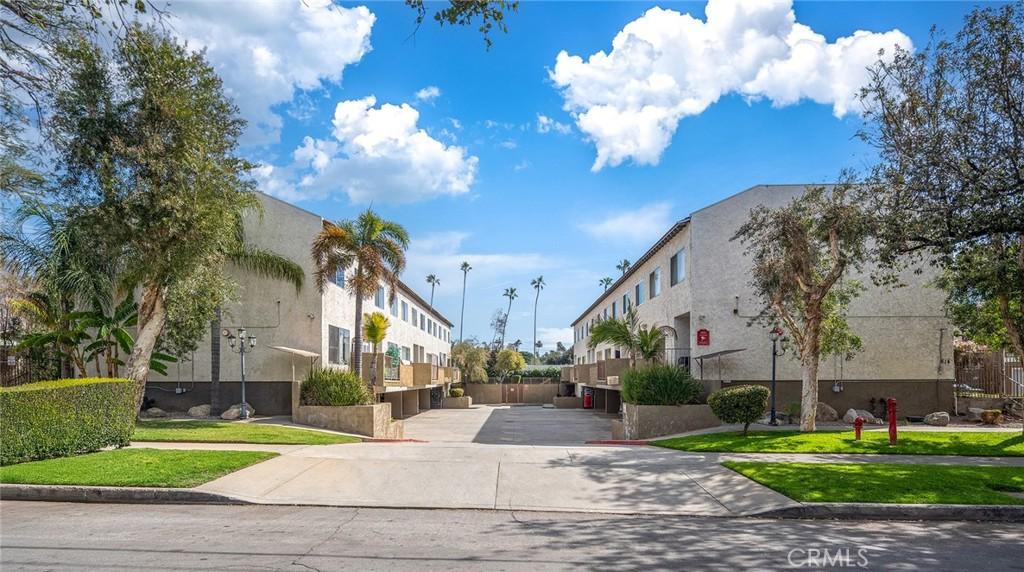
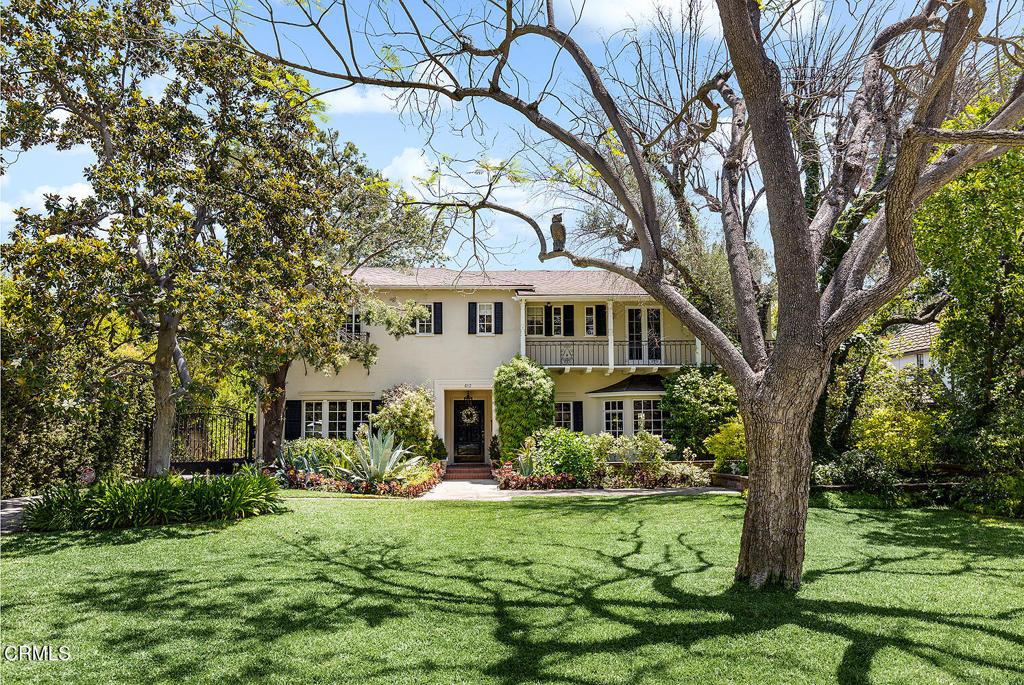
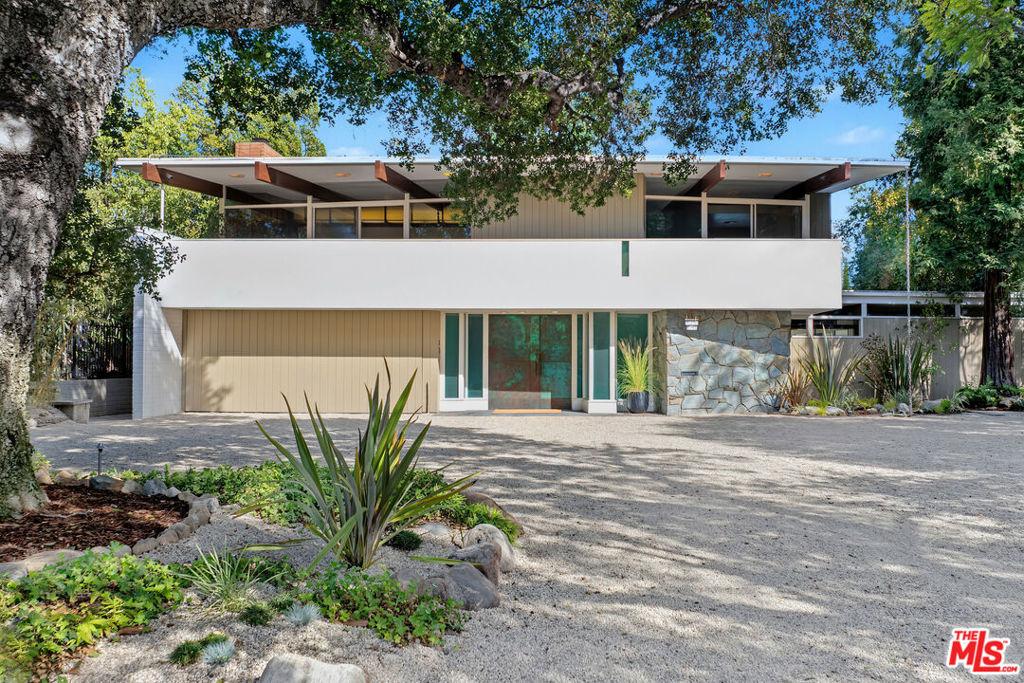
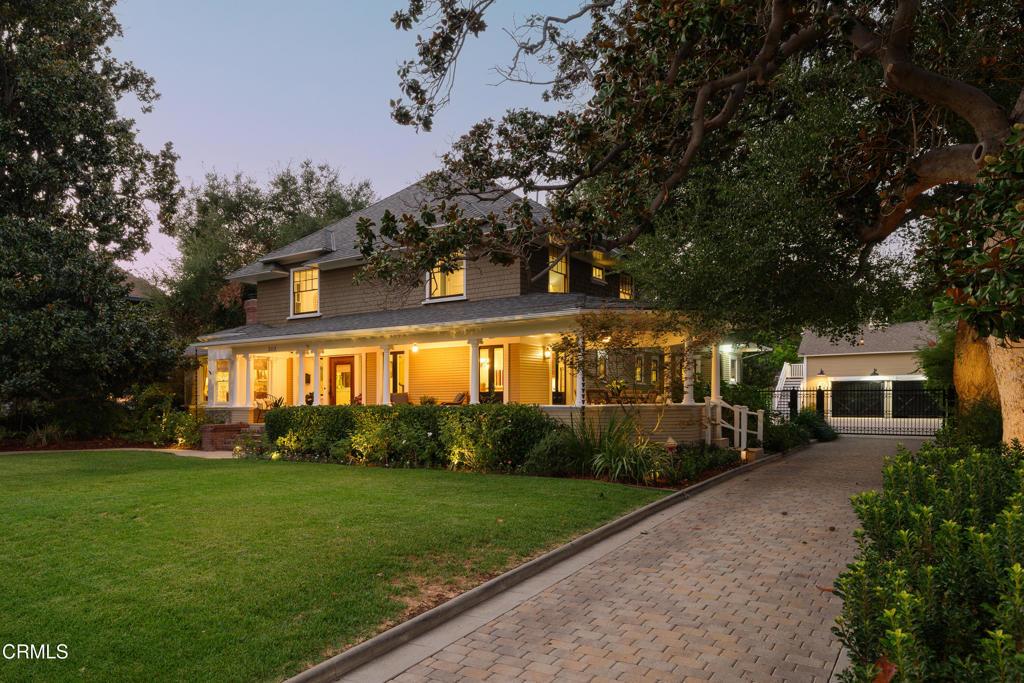
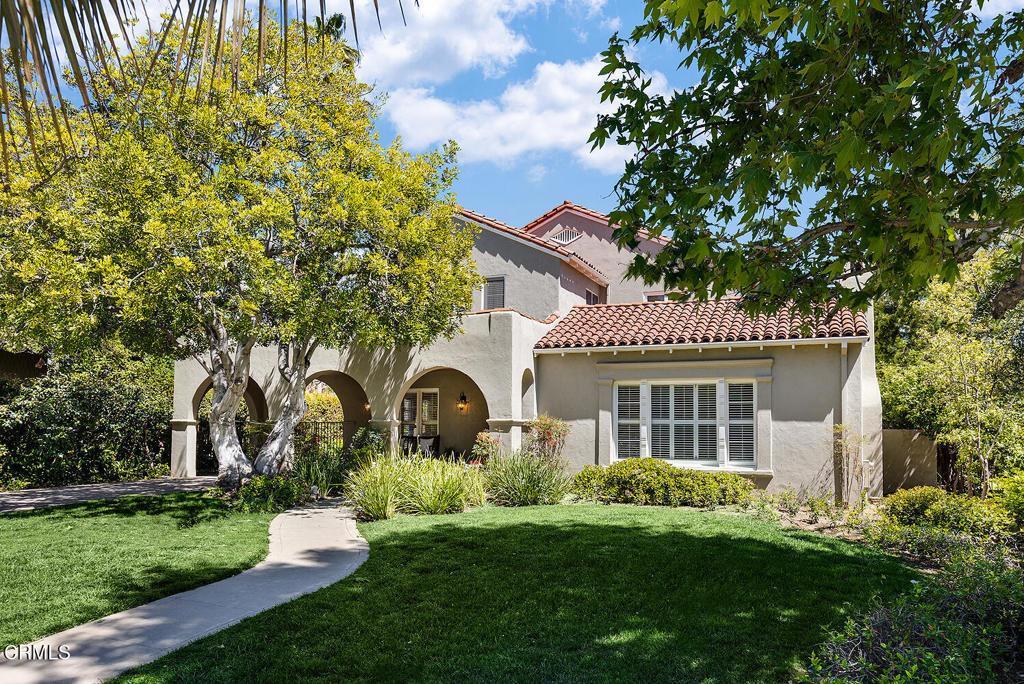
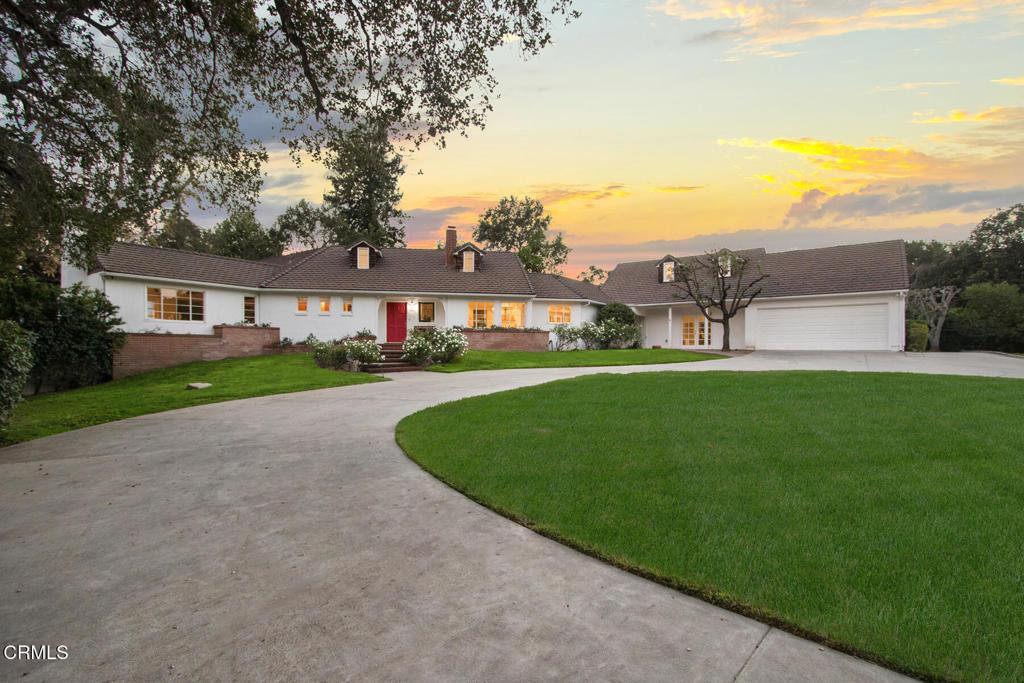
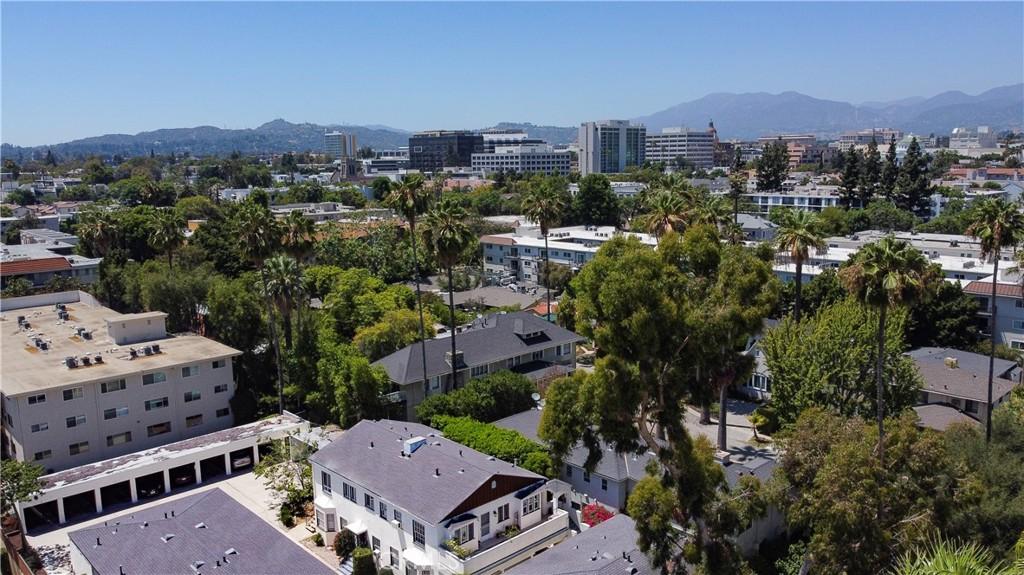
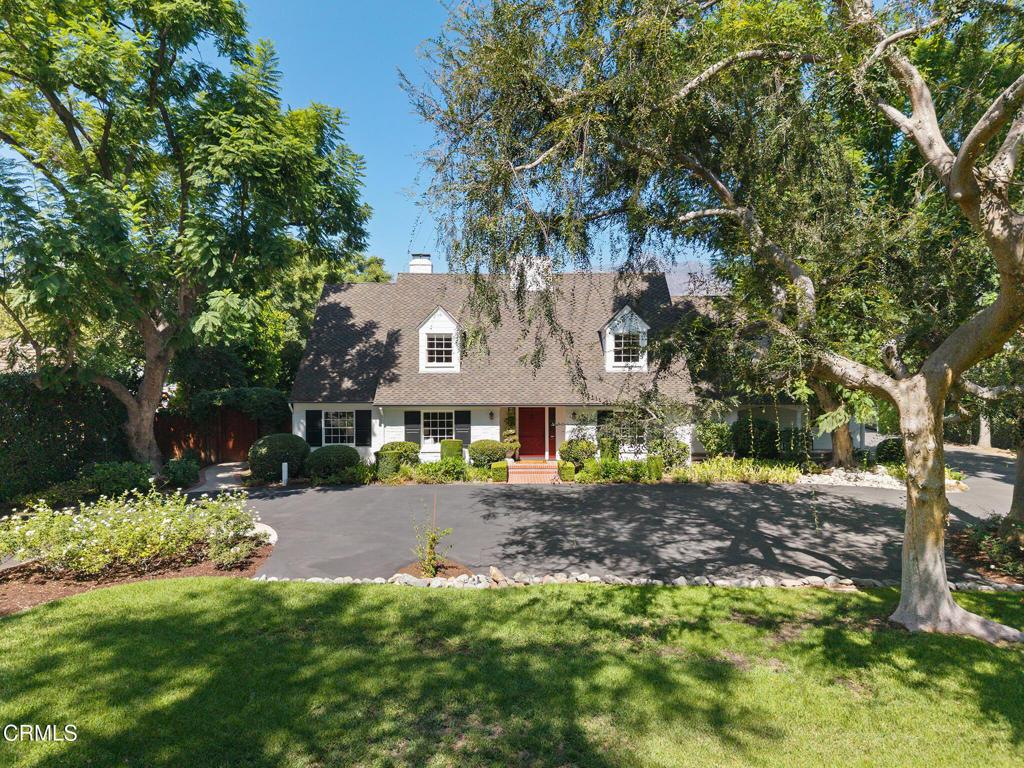
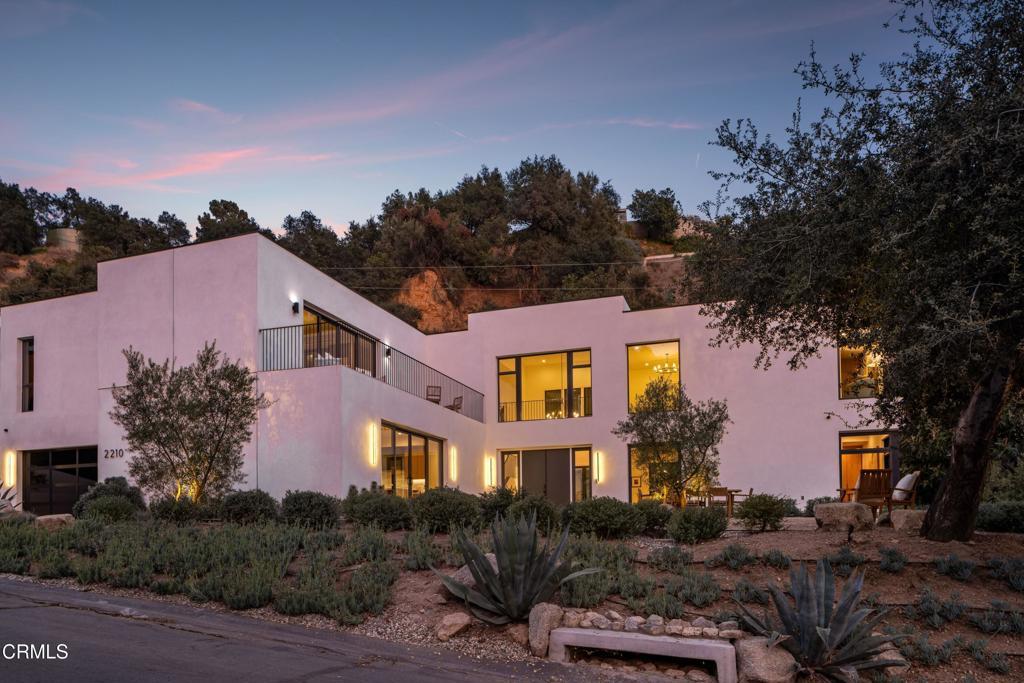
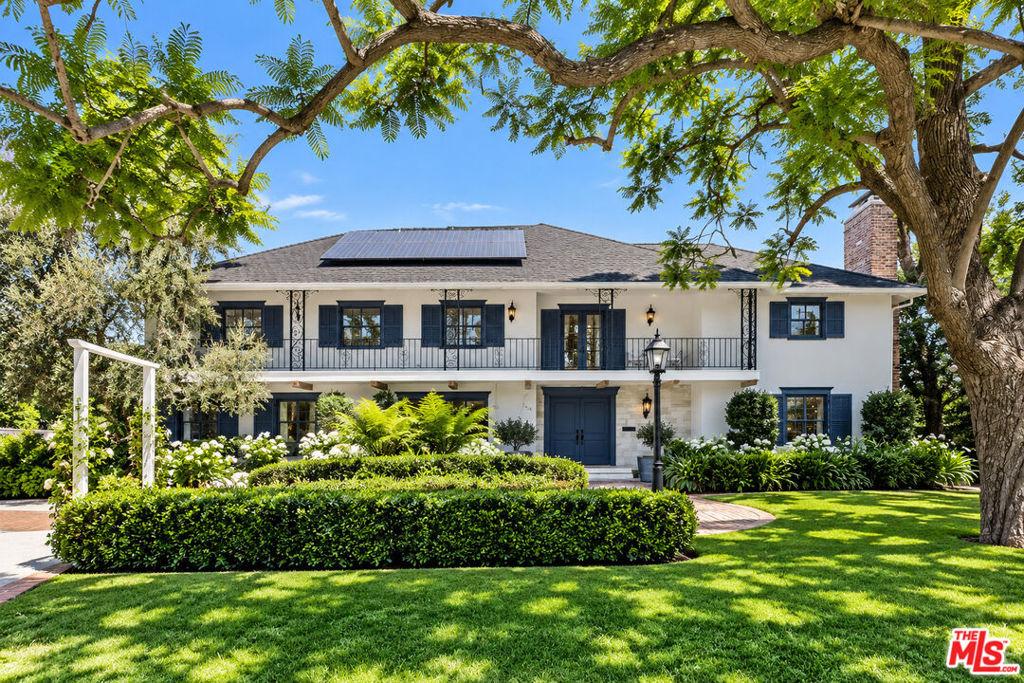
The homes in The Oaks reflect the residential development that characterized southwest Pasadena from the early through the mid-20th century, with period homes in Craftsman, Spanish Colonial, and Colonial Revival styles appearing under the mature oak canopy that defines the neighborhood’s streetscape. The combination of period residential architecture and established tree canopy infrastructure is a durable value proposition: the trees themselves represent decades of growth that cannot be replicated quickly, and the architectural character of the homes provides the visual coherence that sustains property values over time.
The Arroyo Seco corridor is accessible from the neighborhood’s western side, with trail access to the Rose Bowl loop, Hahamongna Watershed Park, and the broader Arroyo trail system. The Rose Bowl and the Rose Bowl Loop’s 3.1-mile paved circuit are among the most-used recreational destinations in greater Los Angeles, and their proximity to southwest Pasadena neighborhoods including The Oaks makes outdoor recreation a practical daily amenity rather than a destination requiring a special trip.
Old Pasadena’s commercial core is accessible east via Colorado Boulevard from the southwest Pasadena residential base, and the 134 Freeway at Orange Grove Boulevard provides regional freeway access for commuters. The Arroyo Seco Parkway (110) connects to Downtown Los Angeles via the Arroyo corridor south of the neighborhood, providing an alternative commute route for residents who prefer the historic parkway to the 210-to-10 freeway.
Pasadena citywide runs a median sale price around $1,250,000, up 3.7% year-over-year, $791 per square foot down 0.5% year-over-year, median list price $1,170,000 at $769 per square foot, 240 homes on market, 83 sold, 48 days on market, 103.9% sale-to-list ratio, 1 average offer, and 39.7% average down payment. The Oaks homes price in the upper-mid range for southwest Pasadena, reflecting the canopy infrastructure, Arroyo proximity, and established residential character. The mature oak canopy is one of the neighborhood’s most durable distinguishing features and contributes to pricing premiums relative to southwest Pasadena addresses without comparable tree infrastructure.
Schools fall within Pasadena Unified School District. Field Elementary serves the southwest Pasadena area. The neighborhood’s oak canopy infrastructure is a management responsibility for homeowners, who should be aware of the maintenance, liability, and permit considerations associated with mature oak trees under California oak preservation regulations.
The Oaks is a residential neighborhood in north-central Pasadena, named for the mature oak tree canopy that characterizes the neighborhood’s residential streets and that gives the area its distinctive arboreal identity within the north Pasadena residential fabric. Oak trees are one of the defining elements of the Pasadena landscape: the California live oak is native to the San Gabriel Valley and the adjacent foothills, and the established oak groves in the north Pasadena neighborhoods represent both the natural heritage of the pre-development landscape and the long-term stewardship of the residential community that has maintained these trees through decades of urban development. The Oaks neighborhood’s oak canopy is not just an aesthetic feature but a living ecological infrastructure that moderates the summer heat, supports urban bird populations, and contributes to the atmospheric quality that distinguishes the most established Pasadena residential neighborhoods from the newer suburban tracts of the eastern San Gabriel Valley.
The housing in The Oaks reflects the north Pasadena development era from the 1920s through the 1950s, with a mix of Craftsman bungalows, Spanish Colonial Revival homes, and post-war configurations that represent the development periods across which the neighborhood was built out. The architectural character of the neighborhood benefits from the oak canopy context: homes set under mature trees have a residential character that is difficult to replicate in newer developments where the landscape is immature, and the combination of the period architecture and the established oak canopy creates the distinctive aesthetic that gives The Oaks its neighborhood identity. Buyers of The Oaks properties who are specifically motivated by the oak tree character should evaluate the specific trees on any target property during due diligence, as oak tree health, protected status under Pasadena’s tree ordinance, and the specific root system extent relative to hardscape and foundation elements are factors that affect the ongoing maintenance relationship between the home and its trees.
Oak trees in the City of Pasadena are protected under the city’s tree ordinance, which requires permits for removal or significant pruning of protected tree species. The Pasadena Urban Forestry Division administers the tree protection ordinance and maintains an inventory of protected trees in the city’s right-of-way. Private property oak trees that meet the size thresholds established in the ordinance are also subject to permit requirements for removal, and homeowners of The Oaks properties who are planning landscape changes that involve oak tree removal or significant alteration should consult with the Pasadena Urban Forestry Division before proceeding. The tree protection ordinance is an important factor for The Oaks buyers who are planning significant landscape redesign, as the protected status of the oak trees may constrain the extent to which the existing landscape can be altered.
The north-central Pasadena commercial access for The Oaks residents includes the Fair Oaks Avenue commercial corridor, the Gold Line stations in central Pasadena, and the full range of the central Pasadena commercial infrastructure accessible by car in 15-20 minutes. The neighborhood’s north-central position provides the balanced access to freeway (210) and transit (Gold Line) that characterizes the north-central Pasadena commute infrastructure, with the 210 interchanges at Lake Avenue and Allen Avenue approximately 1-2 miles north of the neighborhood. The Hahamongna Watershed Park and the Arroyo Seco trail system to the west provide outdoor recreation access by car in approximately 15-20 minutes from The Oaks residential area.
Schools serving The Oaks are within the Pasadena Unified School District’s north-central service area. The PUSD attendance boundary maps determine the specific elementary and high school assignments for The Oaks residential addresses, and buyers with school-age children should confirm the assignments for any target property with the district. The PUSD magnet program system is accessible to all The Oaks residents through the standard application process. The John Muir High School serves much of the north Pasadena area through residential boundary assignment, with access to other PUSD high school programs through the inter-school choice and magnet program application process.
The renovation market in The Oaks is shaped by the oak tree canopy’s constraints on exterior renovation scope. Additions that require significant excavation near established oak trees require arborist consultation and potentially tree protection plans to preserve the root systems of protected trees. Above-grade additions are generally less constrained by the tree infrastructure, while below-grade additions (basements, deep footings) require the most careful coordination with the tree root systems. Renovation buyers in The Oaks who are planning significant additions or exterior scope changes should engage an arborist who is familiar with the Pasadena tree ordinance requirements at the early design stage to identify any tree-related constraints before finalizing their renovation scope.
The buyer profile for The Oaks centers on buyers who specifically value the oak canopy character as a primary residential amenity. The neighborhood’s distinctive tree identity attracts buyers who are drawn to the natural landscape character of the established oak grove residential setting and who see the protected tree canopy as an enhancement rather than a constraint on the residential experience. Long-tenured owners in The Oaks frequently cite the oak tree character as the defining reason for their neighborhood loyalty, suggesting that buyers who are specifically attracted to this feature find sustained satisfaction in the residential environment. For buyers who are specifically seeking the established oak canopy setting within the north-central Pasadena residential market, The Oaks provides a distinctive neighborhood character that is difficult to replicate in newer or less arborally-developed areas of the city.
The long-term value trajectory for The Oaks reflects the premium that the established tree canopy and the period architectural character command in the Pasadena residential market. Properties in the most densely canopied portions of the neighborhood, where the oak trees create a distinctive street character, consistently command pricing premiums over comparable post-war and ranch-style properties in the less arborally-distinguished north Pasadena residential tracts. For buyers who are evaluating The Oaks against other north-central Pasadena residential options, the oak canopy premium represents a durable value differentiator that has proven stable through multiple market cycles.
The public safety infrastructure for The Oaks residential area is provided by the Pasadena Police Department’s north Pasadena patrol coverage and the Pasadena Fire Department’s north area stations. The north-central Pasadena residential area’s public safety record reflects the established residential character of the community, and the neighborhood watch programs coordinated through the Pasadena Police Department’s community policing unit provide resident-organized public safety participation in the north Pasadena area. The Huntington Memorial Hospital, accessible in approximately 15-20 minutes by car from The Oaks residential area, provides the primary acute care resource for the north-central Pasadena community. Pasadena Water and Power serves The Oaks residential area with municipal electric and water service as part of the broader Pasadena service territory.
The seasonal landscape experience in The Oaks is one of the neighborhood’s distinctive residential qualities. The California live oak trees in the neighborhood create a deciduous-like seasonal character through their leaf cycle, with the spring leaf flush, the summer canopy fullness, and the autumn and winter thinning that gives the neighborhood a more seasonally dynamic landscape character than the evergreen palms and subtropical plantings that dominate many Los Angeles residential streetscapes. For buyers who are specifically drawn to the seasonal landscape variation as a residential quality, The Oaks’ oak canopy provides a more climatically authentic seasonal character than most other Los Angeles residential neighborhoods where the landscape is dominated by plants with minimal seasonal change.
The community social fabric of The Oaks reflects the north Pasadena residential culture. The neighborhood’s residents participate in the Pasadena neighborhood association network, the PUSD parent community, and the Pasadena civic organizations that connect the north Pasadena residential area to the broader city. The Tournament of Roses civic tradition and the annual Doo Dah Parade in central Pasadena are community events that north Pasadena residents participate in, and the Pasadena cultural calendar provides a year-round civic programming context for The Oaks residential community. The neighborhood’s oak canopy character has historically attracted residents who are specifically drawn to the arboreal identity as a defining residential quality, creating a community of self-selecting residents who share an appreciation for the neighborhood’s distinctive natural character.
The long-term ownership tenure profile in The Oaks reflects the loyalty that the neighborhood’s distinctive character generates. Long-tenured owners who have lived in The Oaks for 15-30 years are a significant portion of the residential community, attracted by and loyal to the oak canopy character that is difficult to find in comparable north Pasadena residential positions. The low turnover in the most desirable oak canopy sections of the neighborhood means that inventory is limited when properties do come to market, and buyers who are specifically seeking the oak canopy character should be prepared to move quickly when suitable properties become available. The combination of limited inventory and consistent demand from buyers who specifically value the neighborhood’s arboreal identity supports stable pricing for The Oaks residential properties through normal market cycles.
For buyers who are approaching The Oaks as a long-term residential investment, the oak canopy character and the period architectural heritage of the neighborhood represent value factors that are both durable and non-replicable. New residential development cannot reproduce the century-old oak canopy character of The Oaks’ most established streets, and the combination of the protected oak trees, the period architecture, and the north-central Pasadena location creates a residential product that is genuinely limited in supply. The limited supply of properties with this specific combination of oak canopy, period architecture, and PUSD school district access within Pasadena’s residential market supports pricing that reflects the scarcity premium attached to a genuinely rare residential character.
What is it like to live in The Oaks in Pasadena?
- The Oaks is a residential neighborhood in north-central Pasadena, named for the mature oak tree canopy that characterizes its residential streets.
- Period homes in Craftsman, Spanish Colonial, and Colonial Revival styles appear under the mature oak canopy that defines the streetscape.
- Housing stock reflects the north Pasadena development era, mixing Craftsman bungalows, Spanish Colonial Revival homes, and post-war configurations.
- Mature oak canopy gives The Oaks a distinctive arboreal identity within the north Pasadena residential fabric.
- California live oak is native to the San Gabriel Valley and the adjacent foothills, making the groves here part of the regional landscape.
- Established oak groves represent both the natural heritage of the pre-development landscape and long-term stewardship by the residential community.
- Oak canopy functions as living ecological infrastructure that moderates summer heat and supports urban bird populations.
- Atmospheric quality from the tree canopy distinguishes established Pasadena neighborhoods from the newer suburban tracts of the eastern San Gabriel Valley.
- Homes set under mature trees carry a residential character difficult to replicate in newer developments where the landscape is still immature.
- Arroyo Seco corridor is accessible from the western side, with trail access to the broader Arroyo trail system.
- Trail access reaches the Rose Bowl loop and Hahamongna Watershed Park from the neighborhood’s western edge.
- Rose Bowl and its paved loop circuit rank among the most-used recreational destinations in greater Los Angeles.
- Proximity to the Rose Bowl makes outdoor recreation a practical daily amenity rather than a destination requiring a special trip.
- Old Pasadena’s commercial core is accessible east via Colorado Boulevard from the southwest Pasadena residential base.
- Regional freeway access for commuters comes from the Freeway at Orange Grove Boulevard.
- Arroyo Seco Parkway connects to Downtown Los Angeles via the Arroyo corridor, offering an alternative to the freeway commute.
- Schools fall within Pasadena Unified School District, with Field Elementary serving the southwest Pasadena area.
- Oak canopy in The Oaks is a management responsibility, carrying maintenance, liability, and permit considerations under California oak preservation regulations.