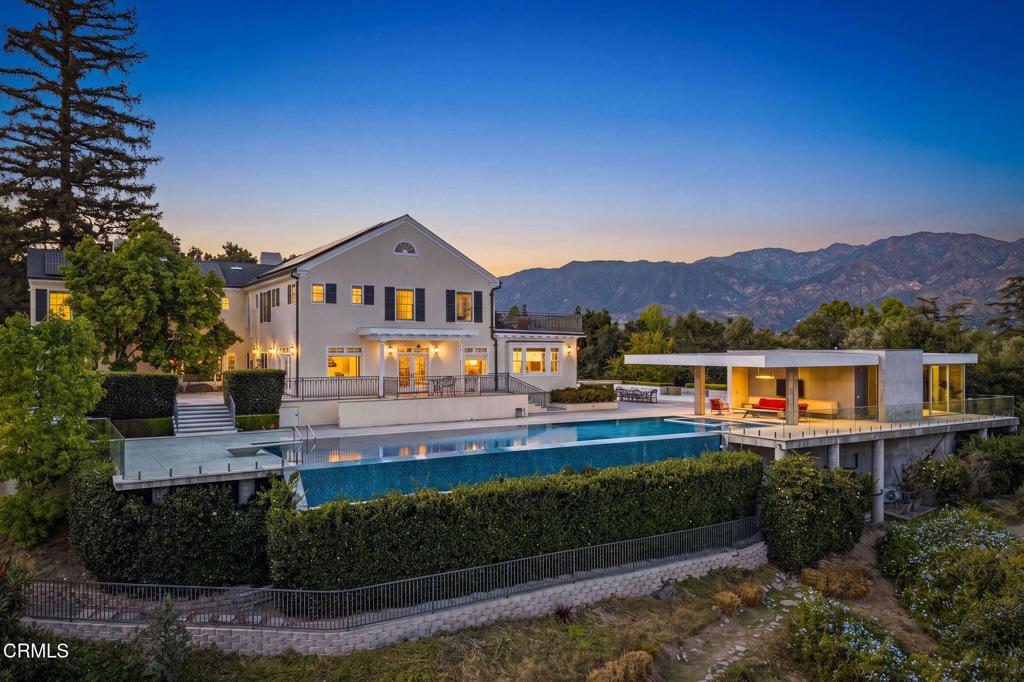
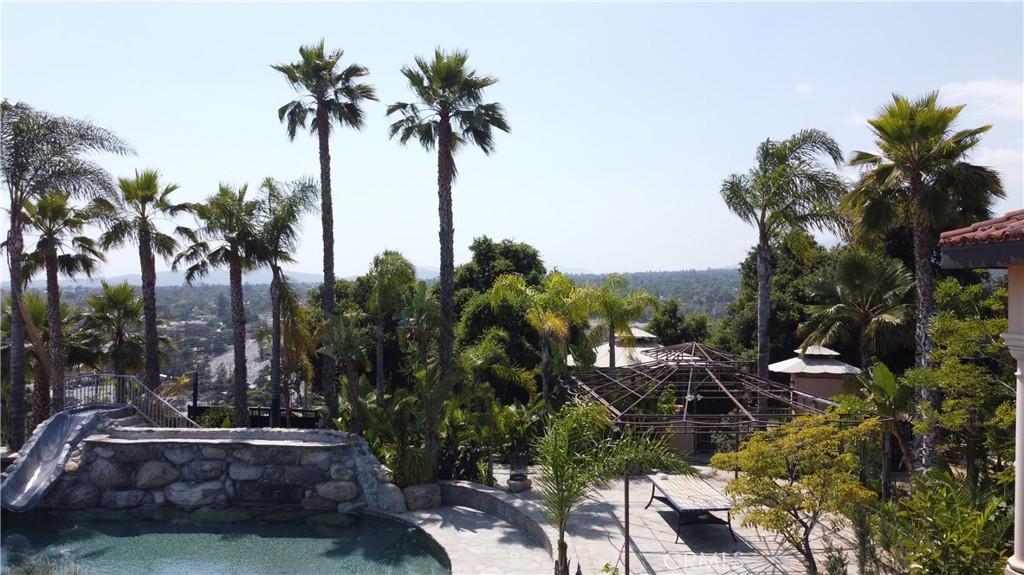
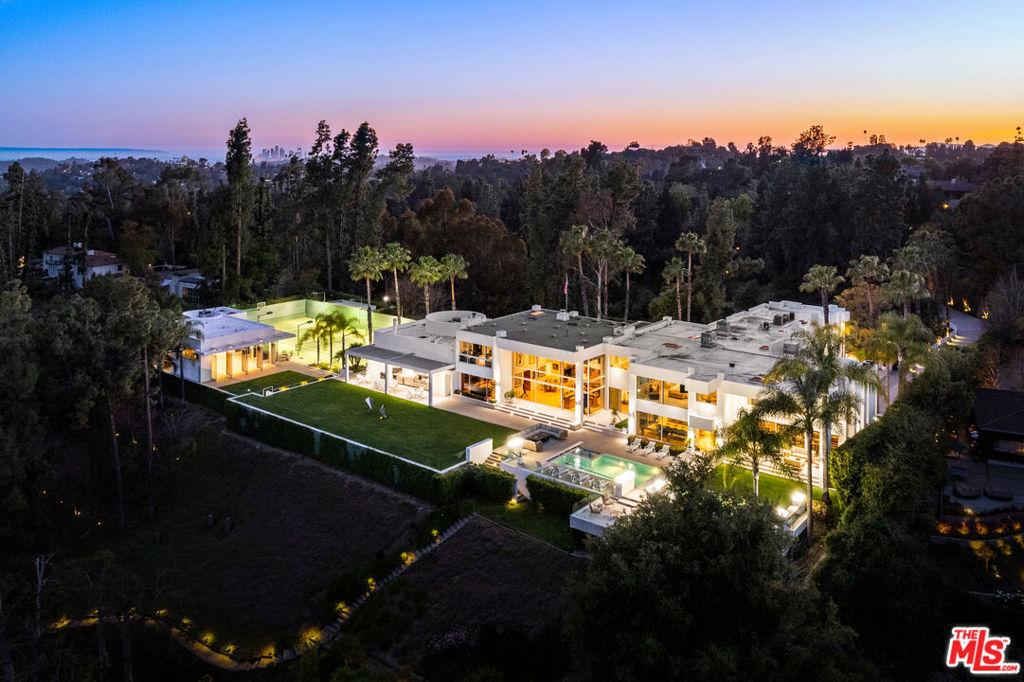
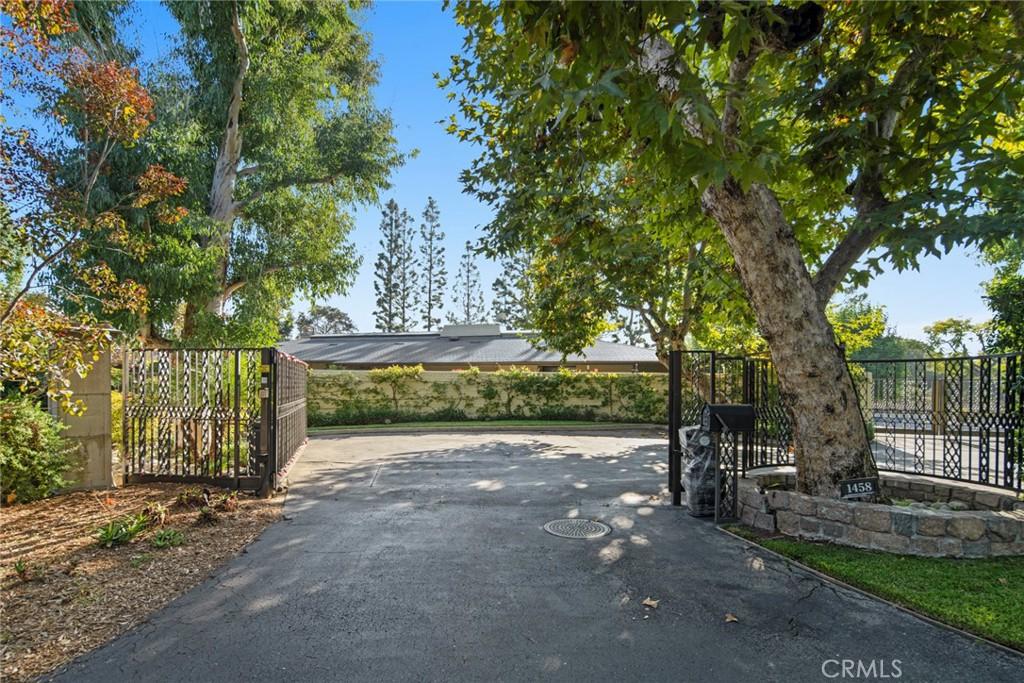
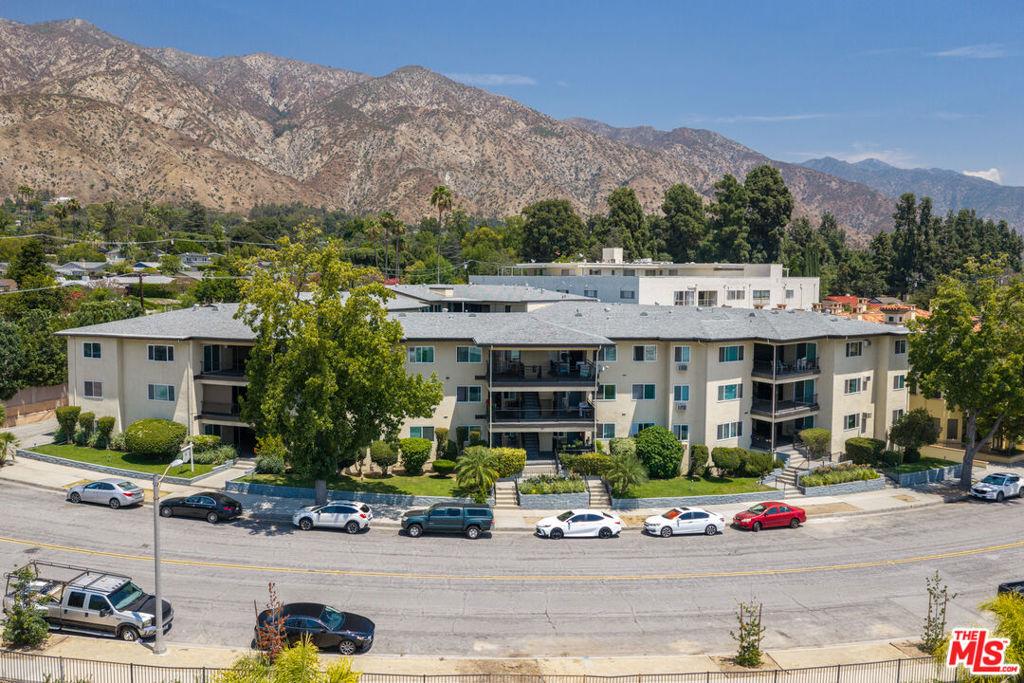
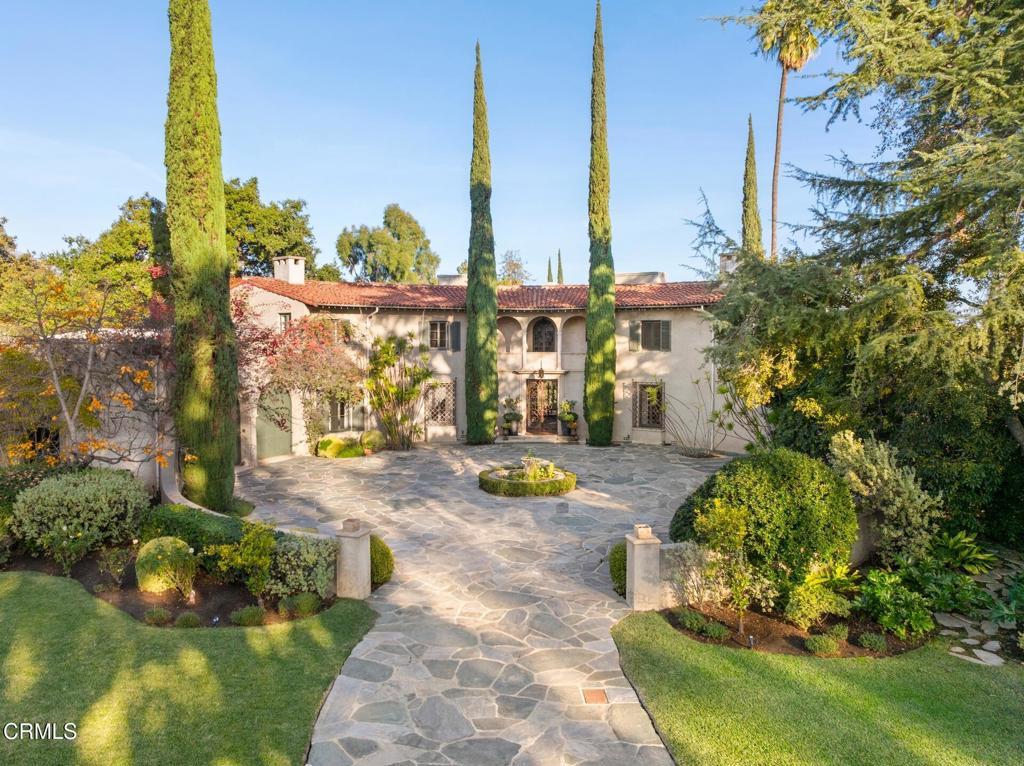
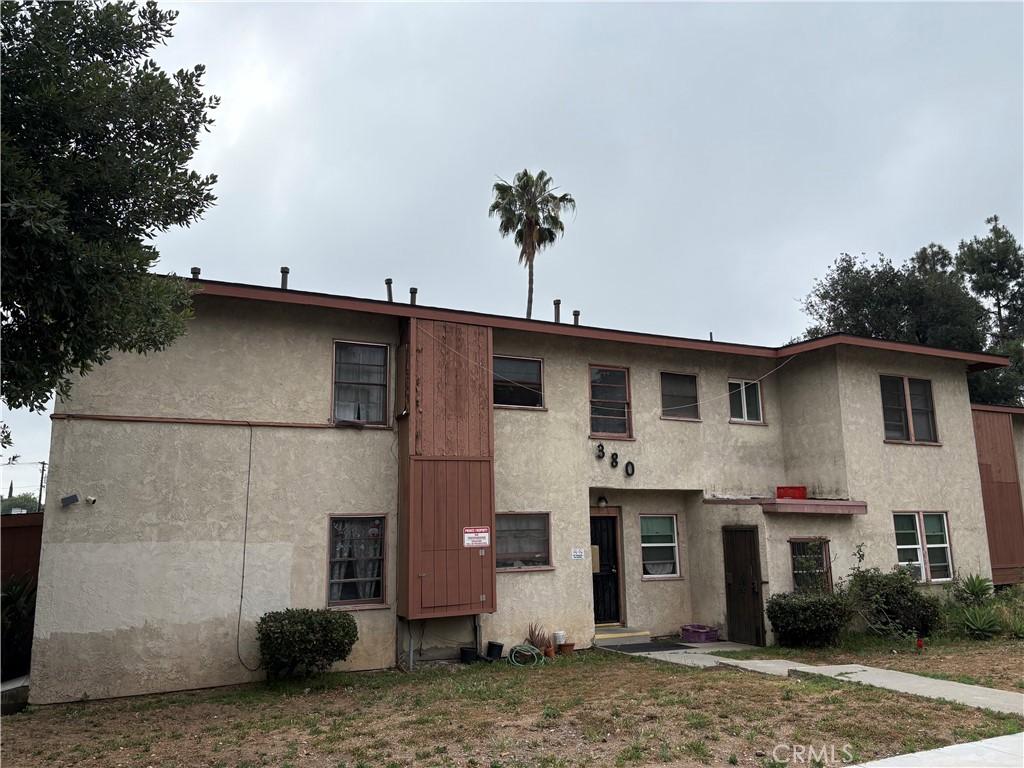
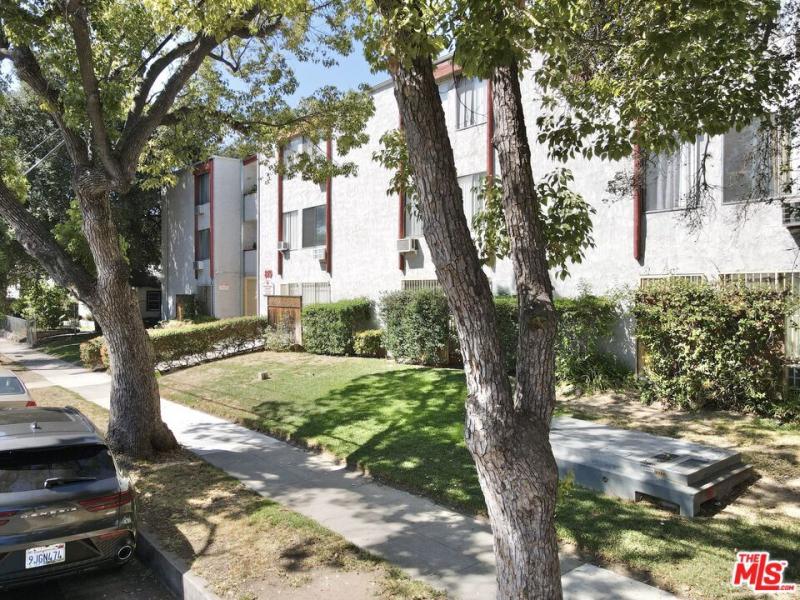
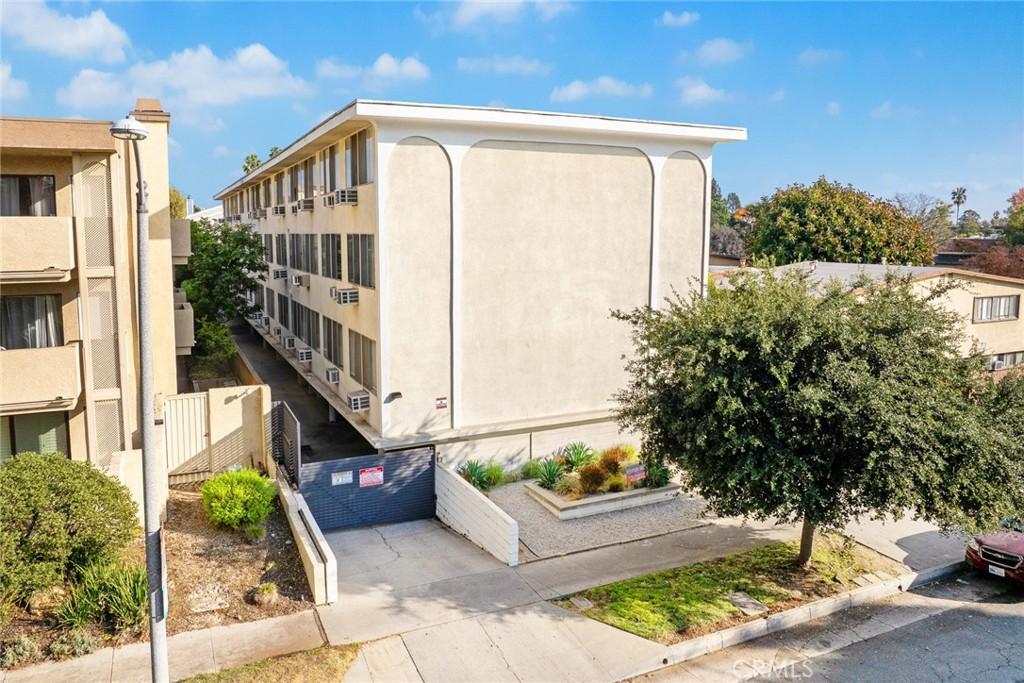
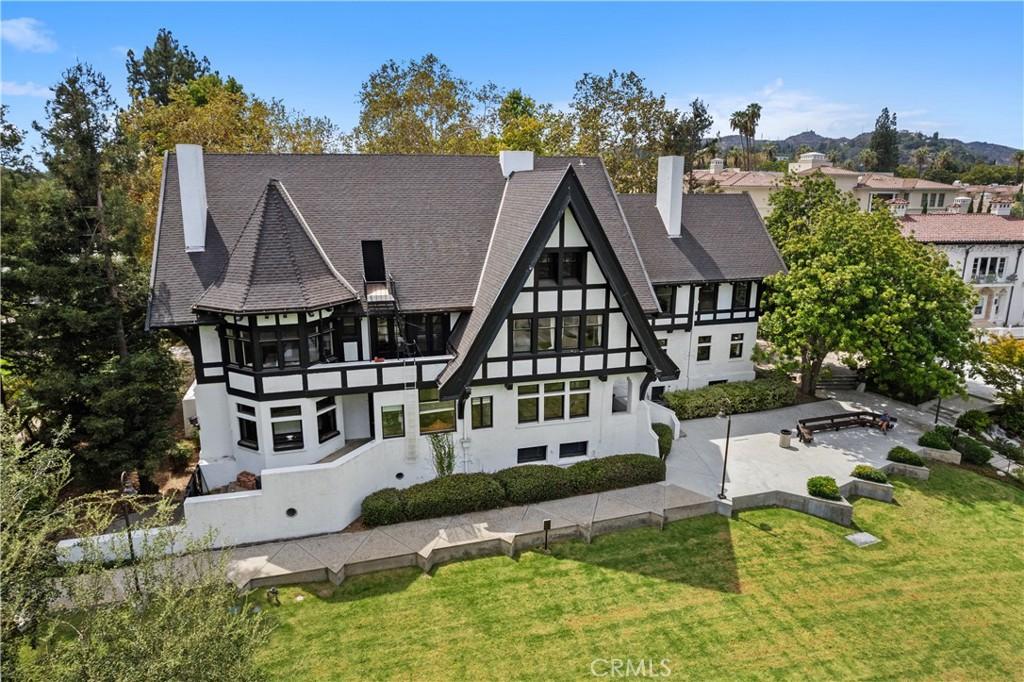
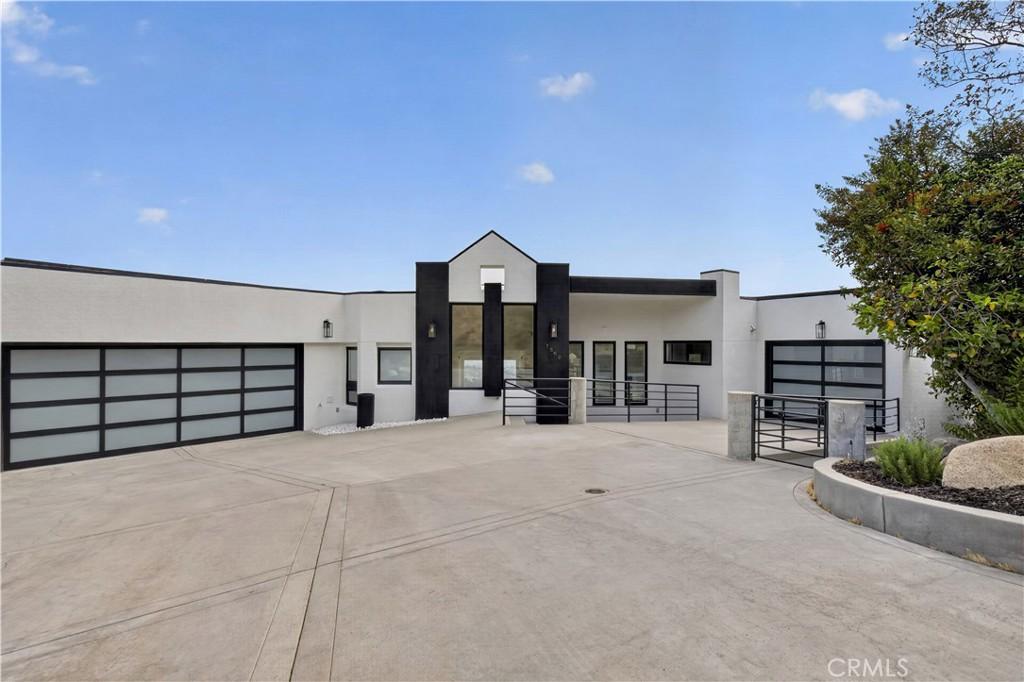
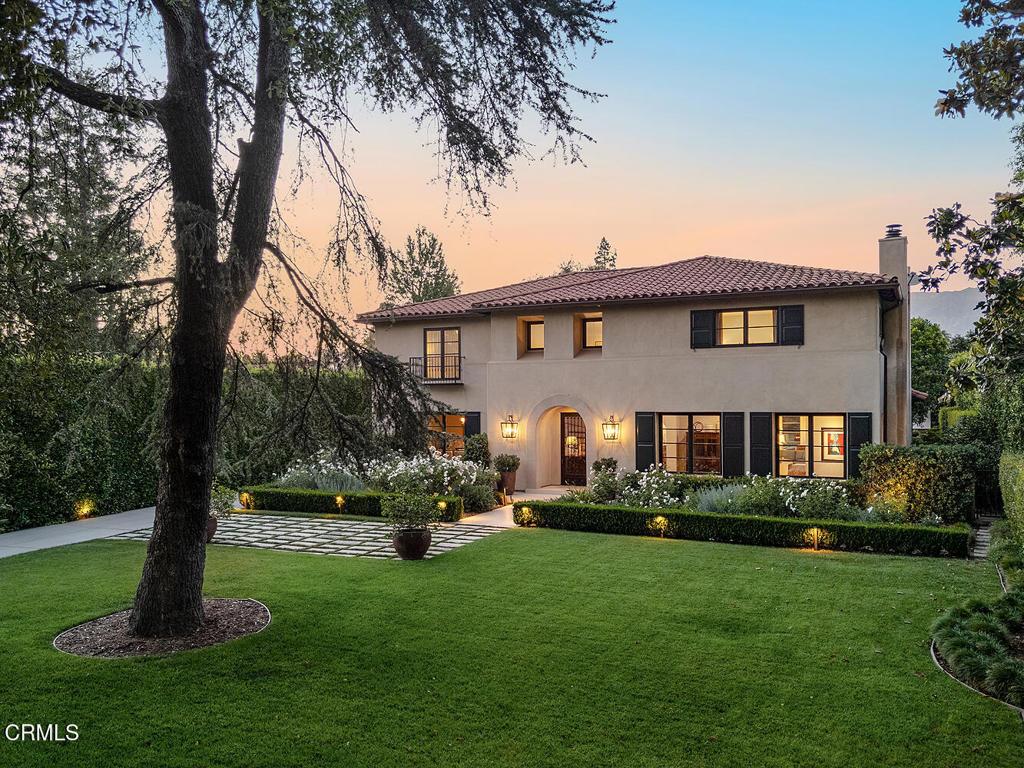
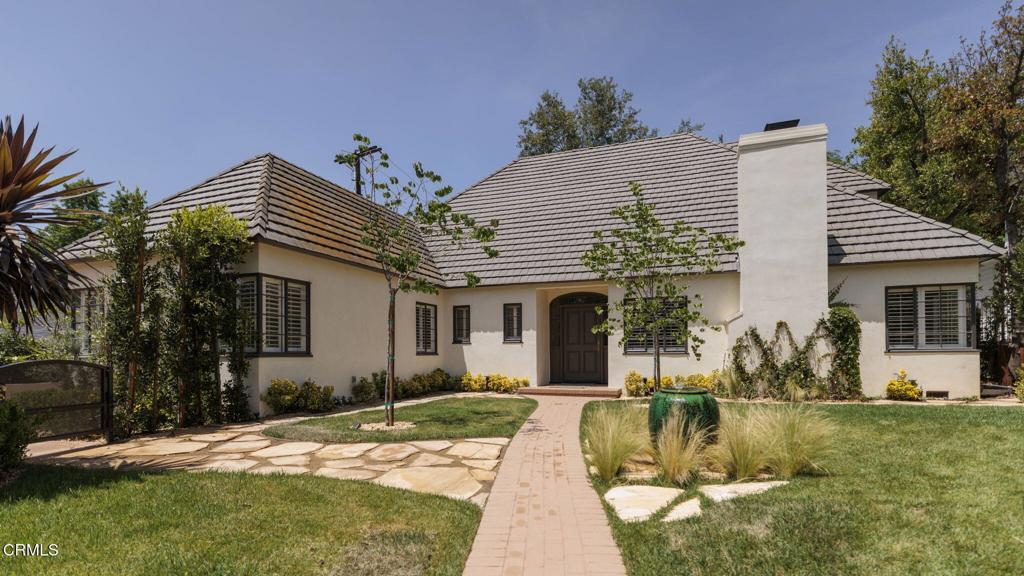
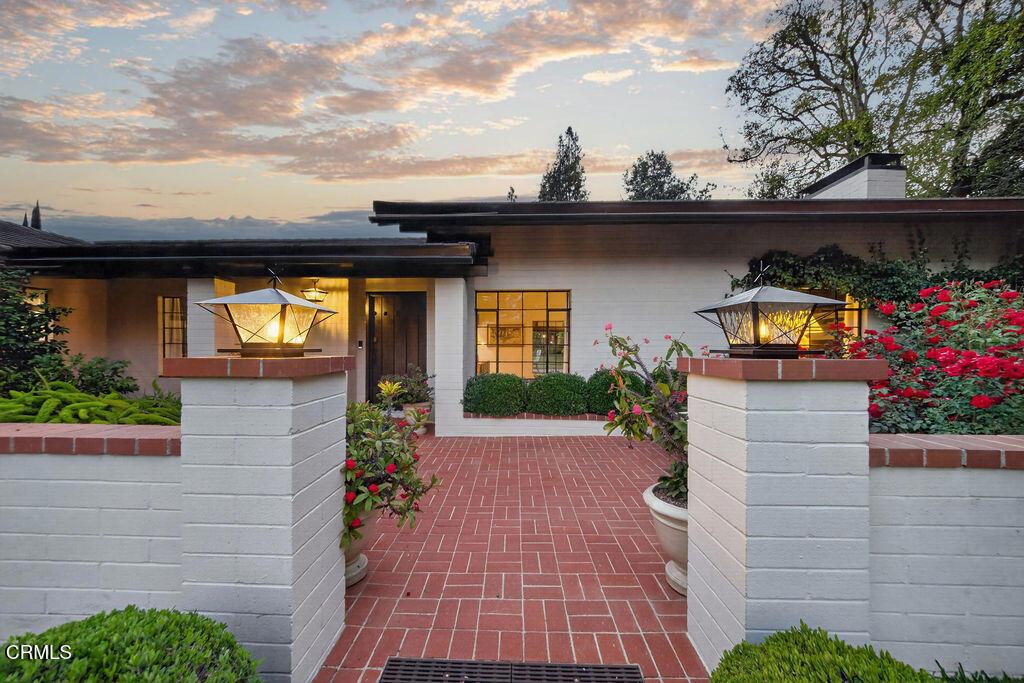
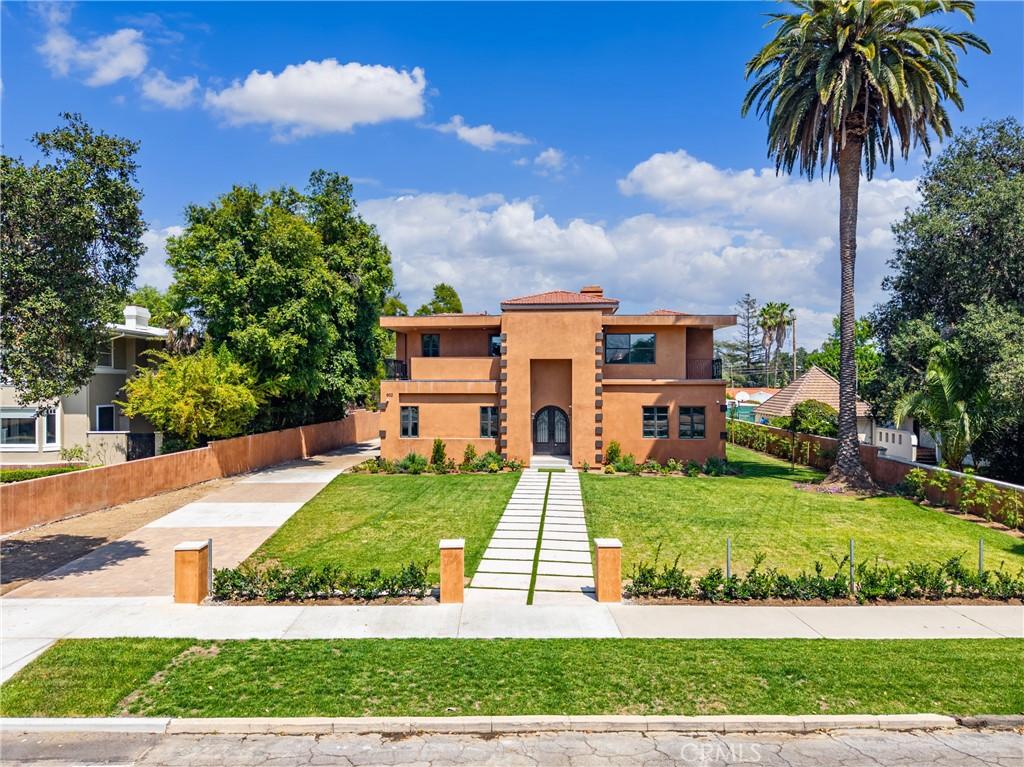
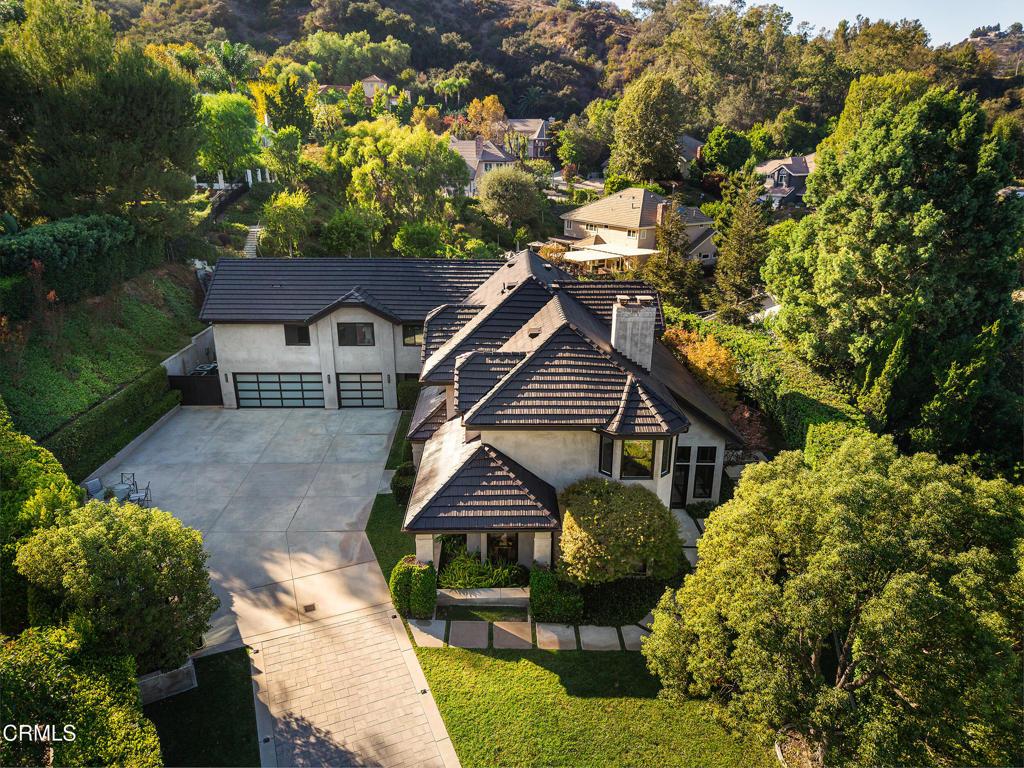
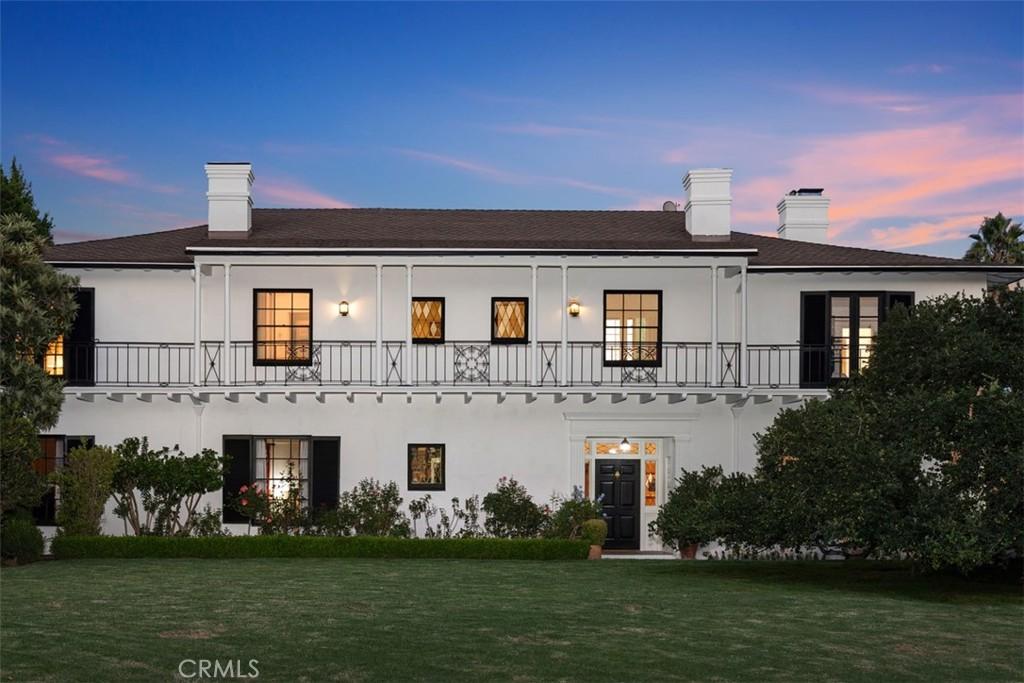
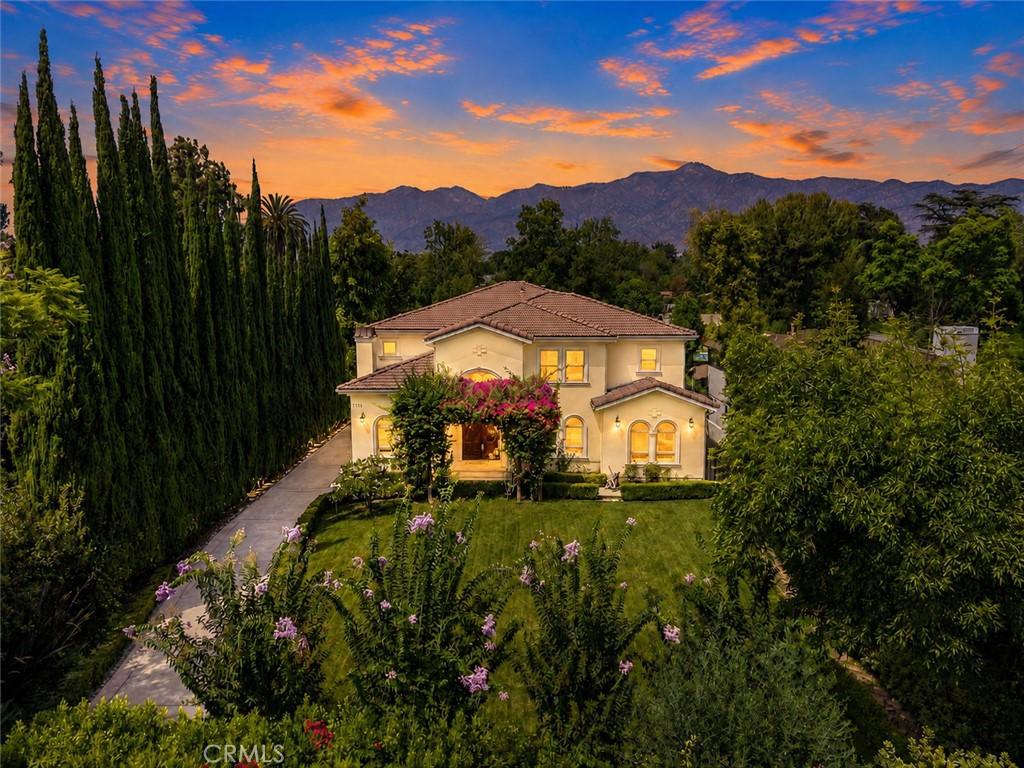
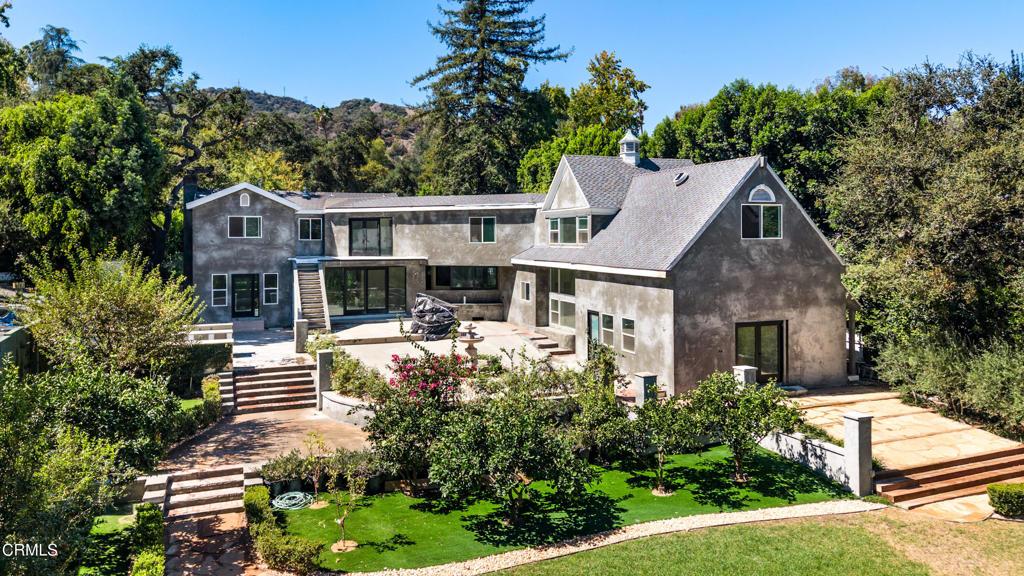
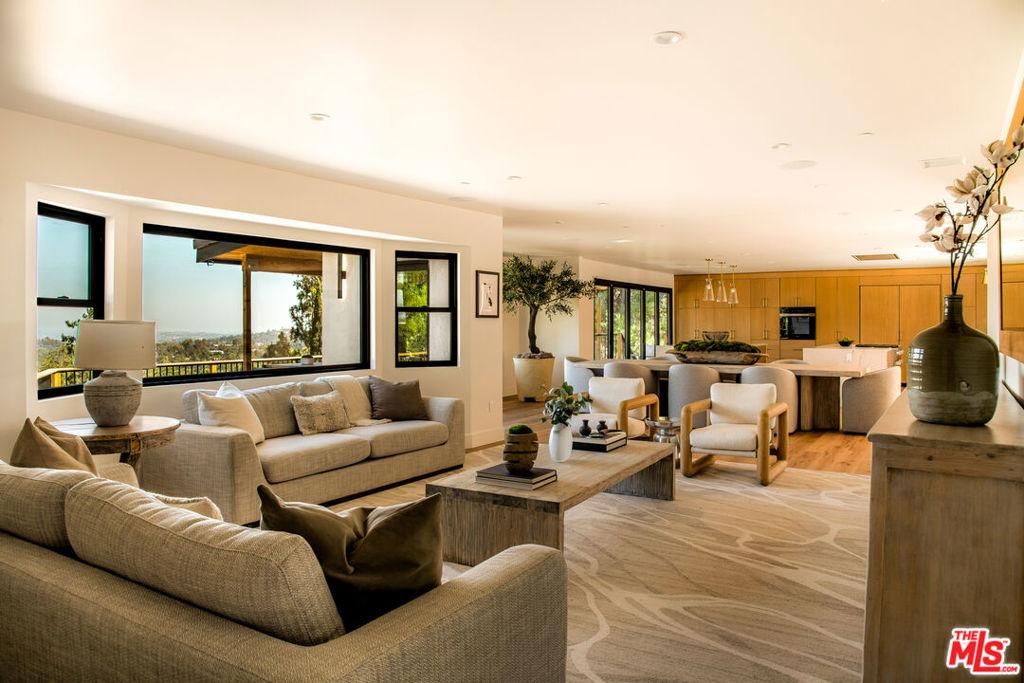
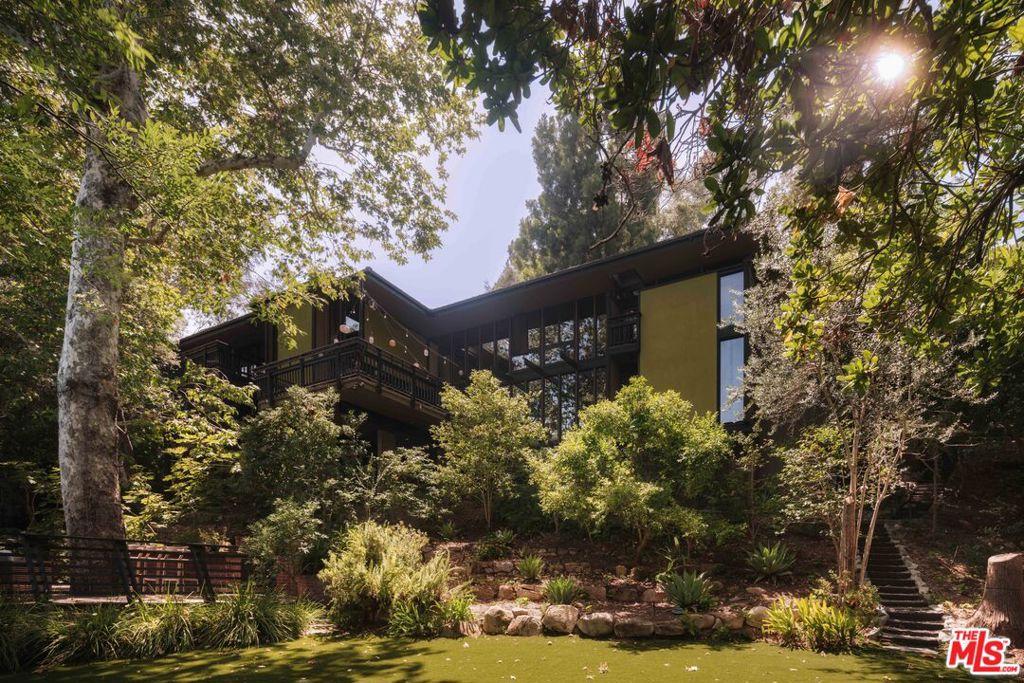
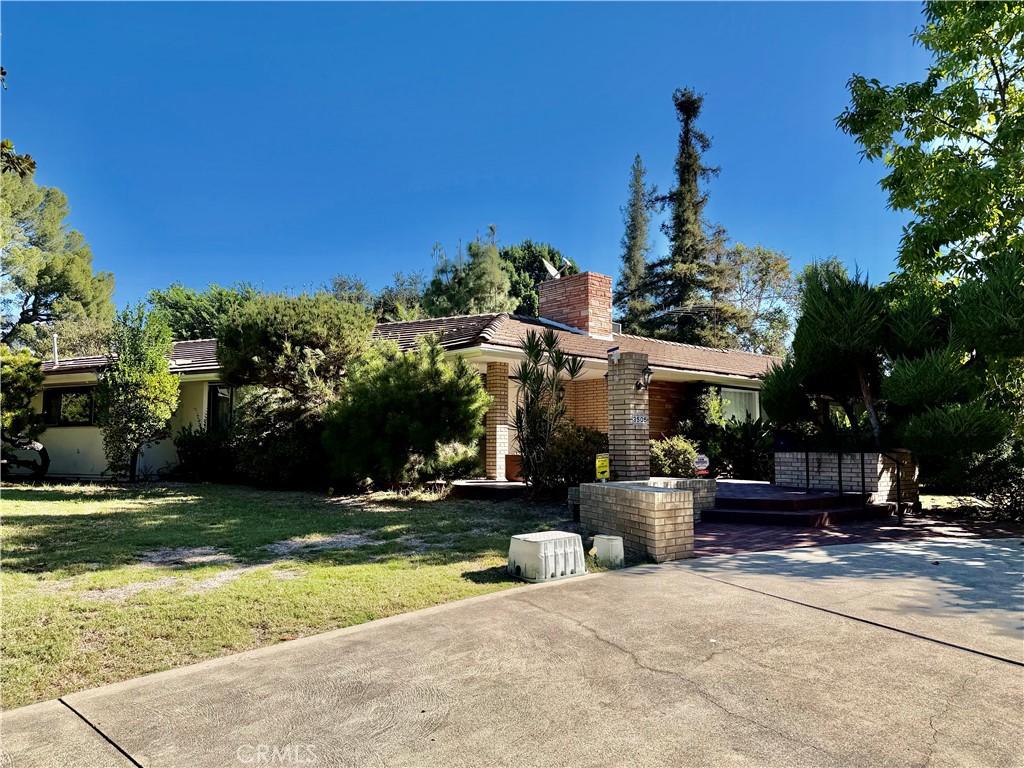
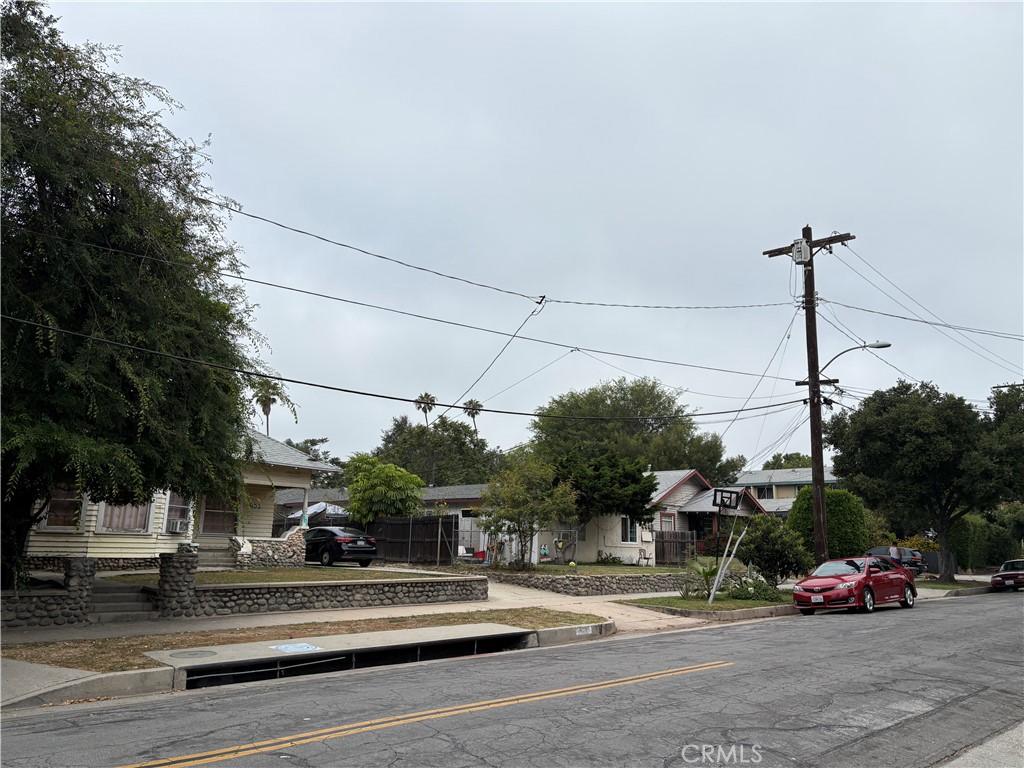
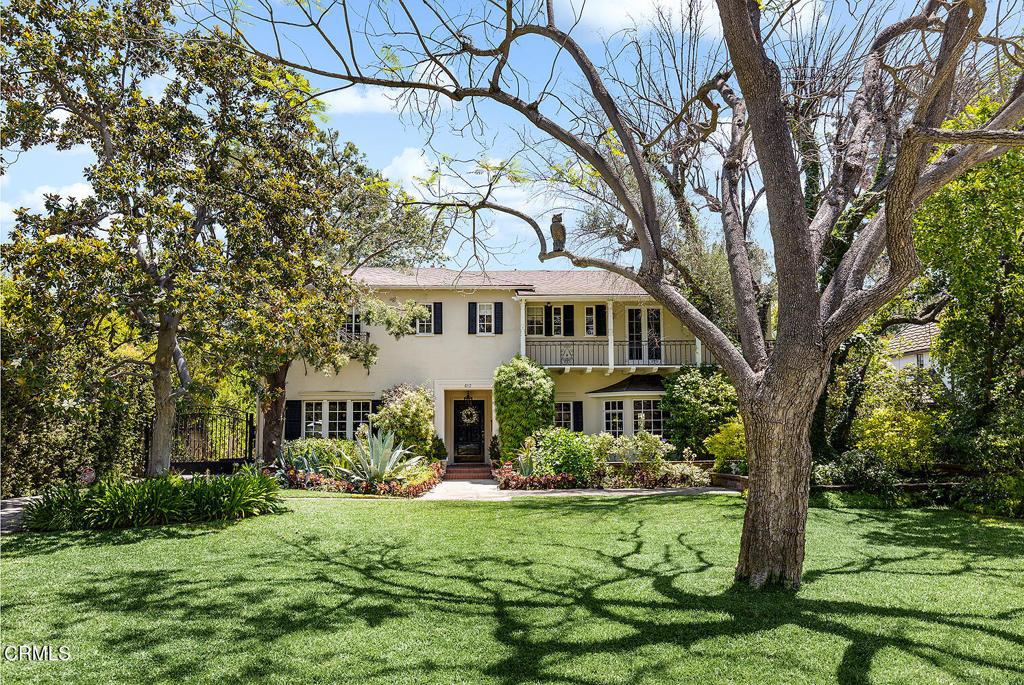
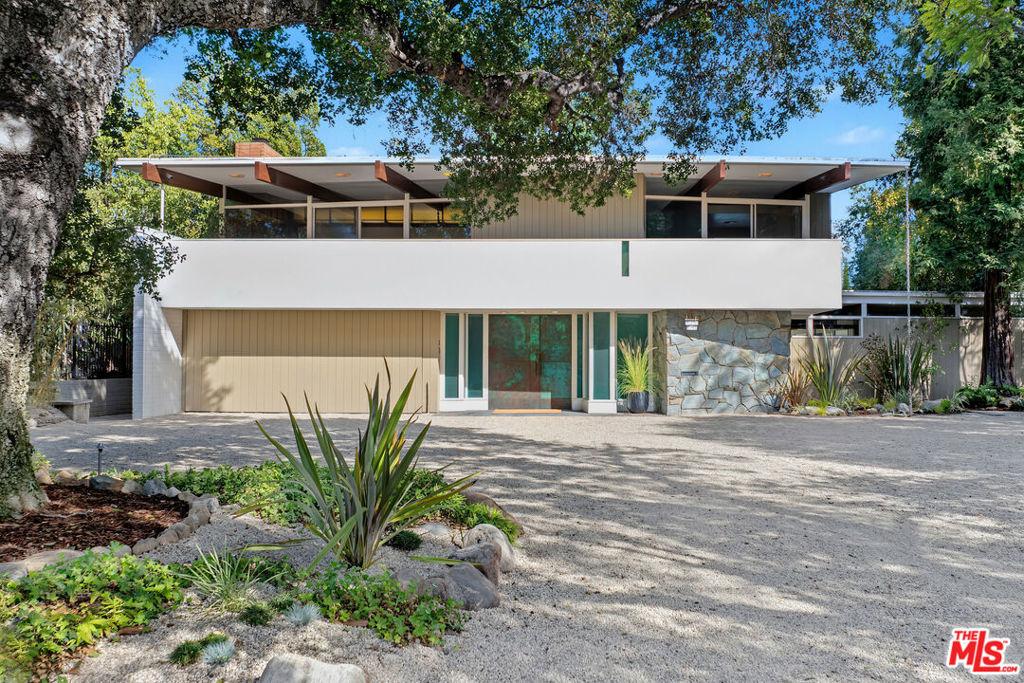
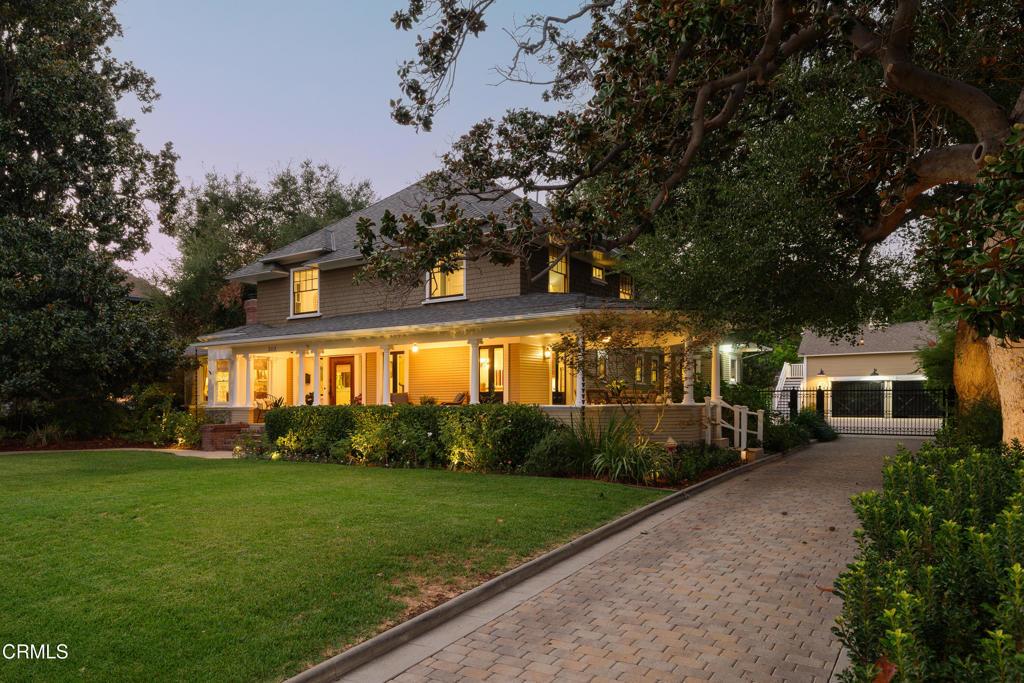
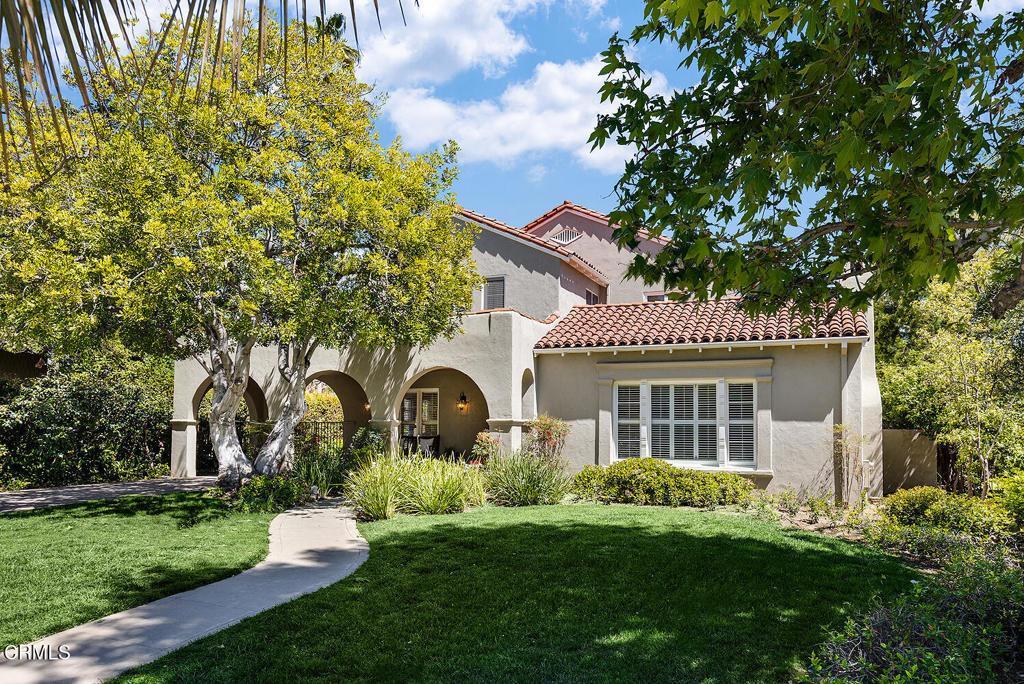
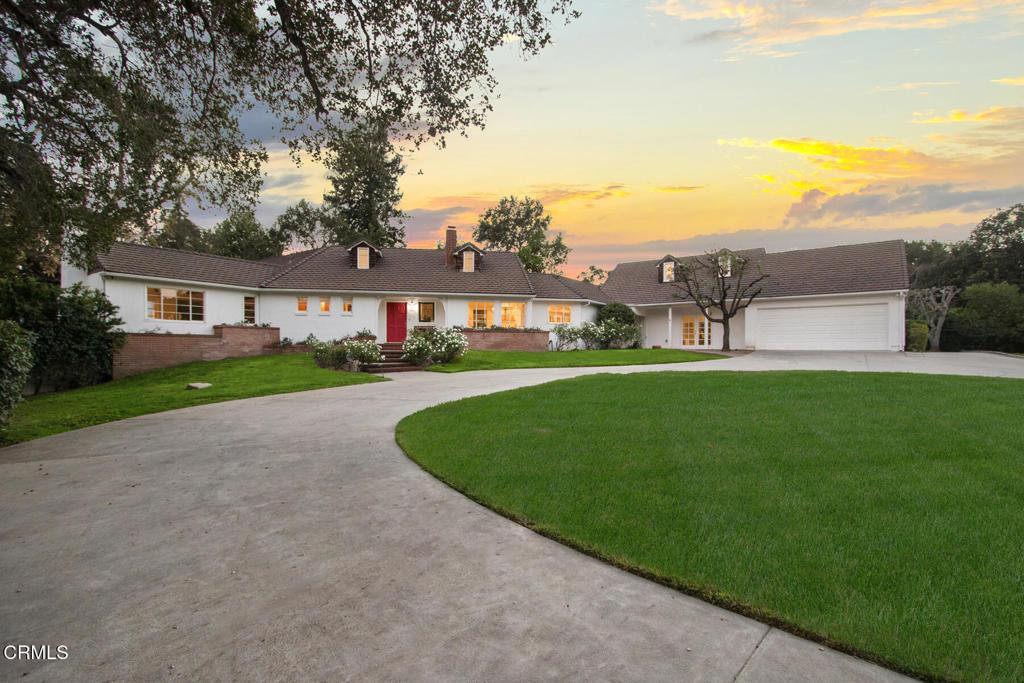
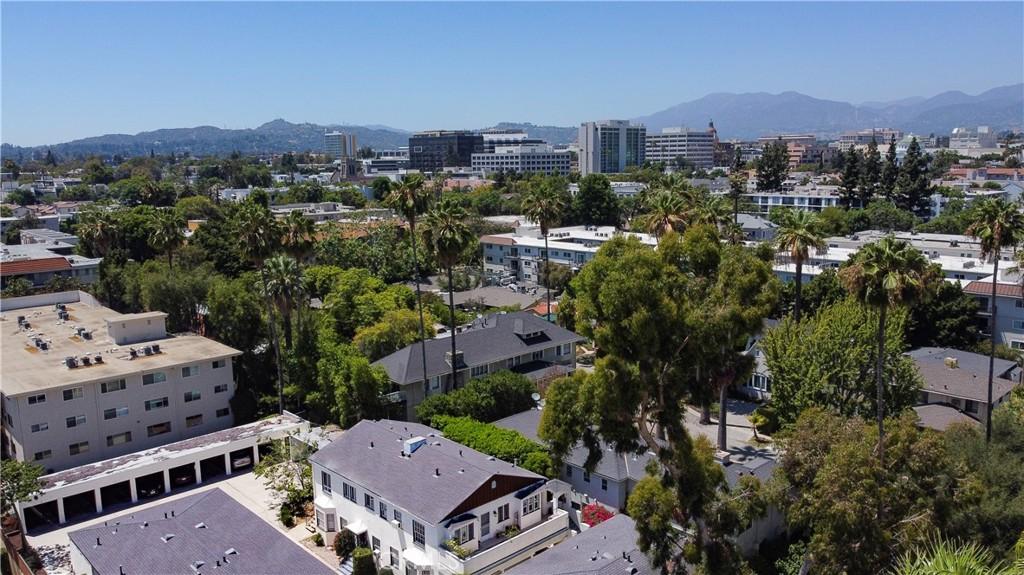
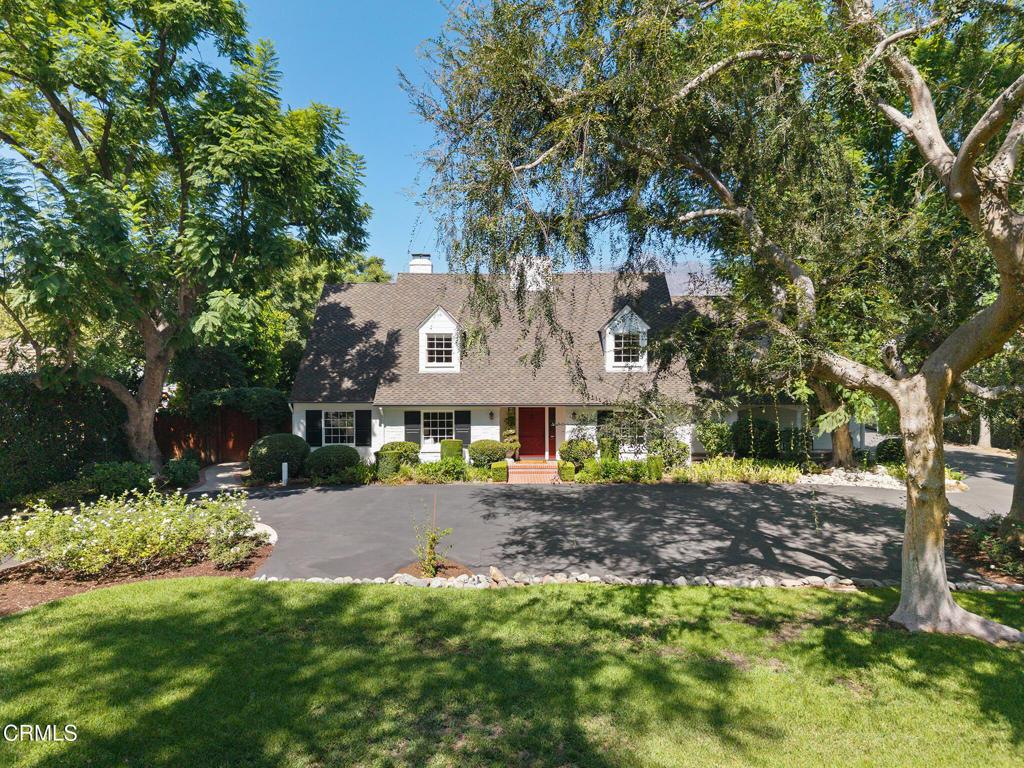
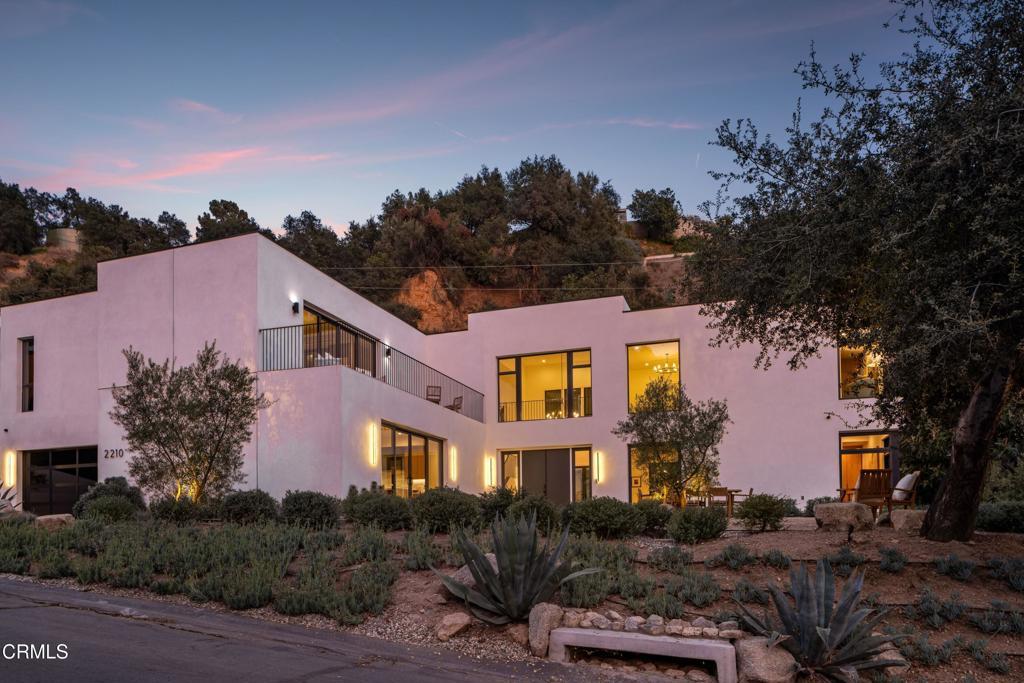
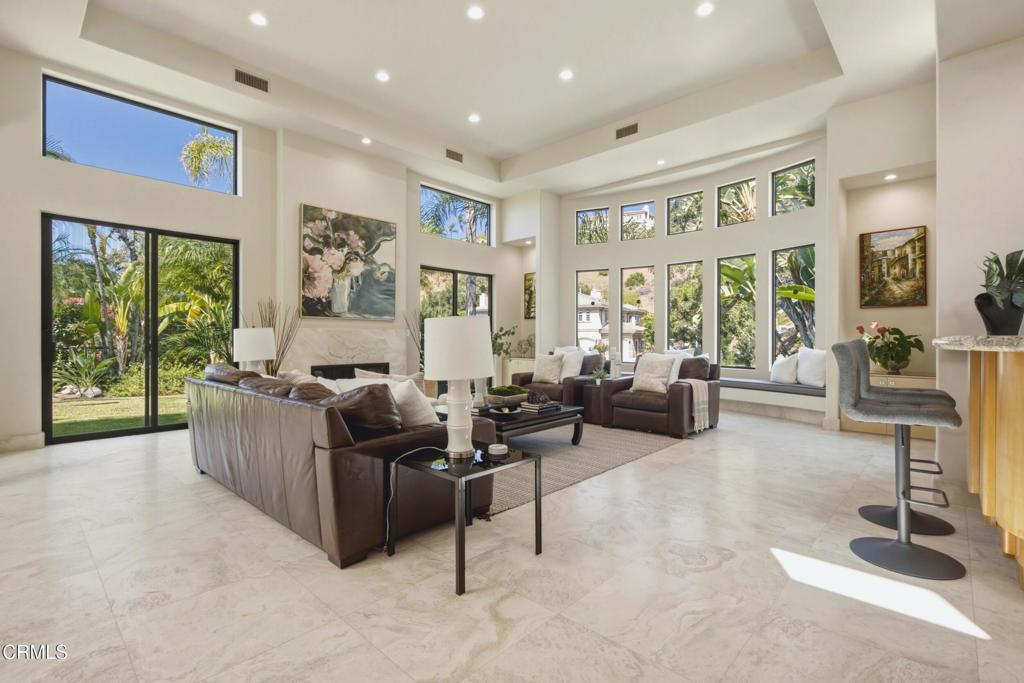
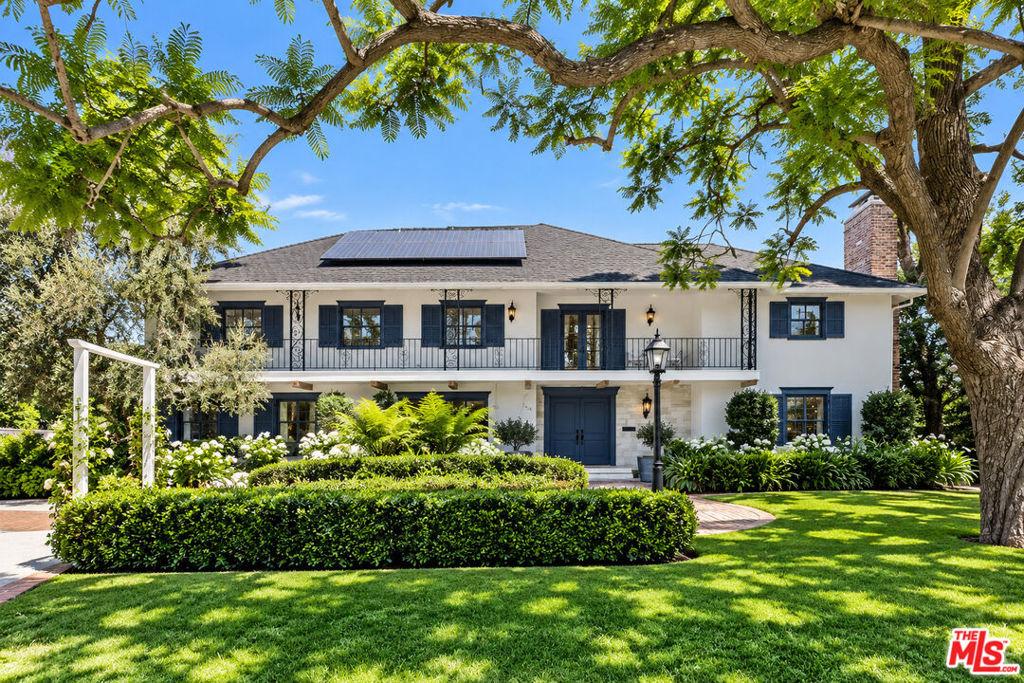
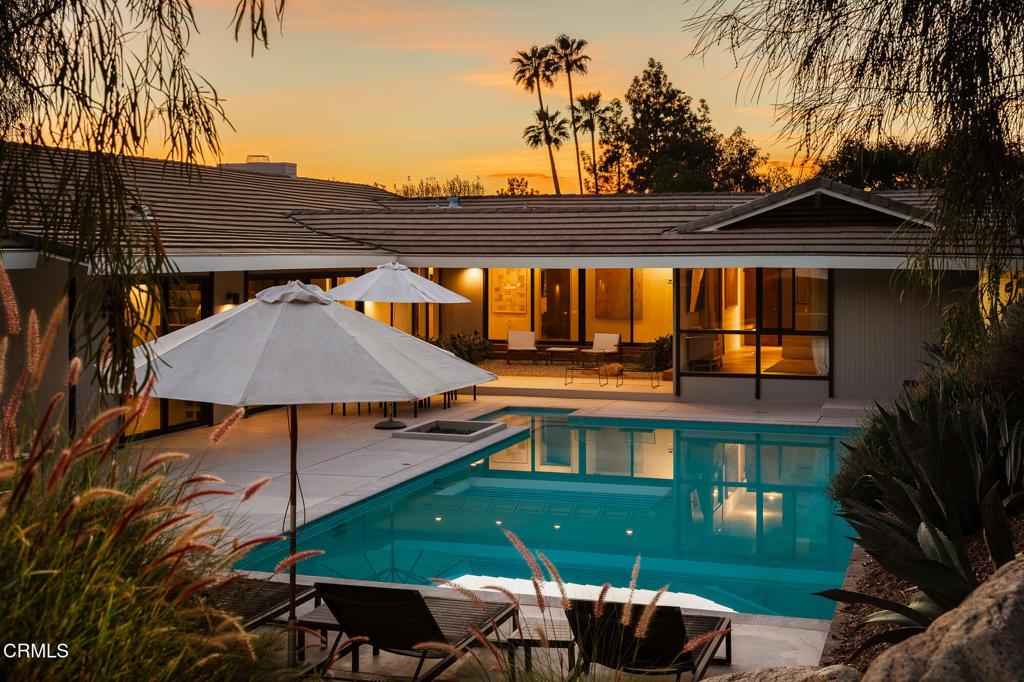
The dominant architectural period in San Rafael is mid-20th century, with ranch-style and split-level homes from the 1950s and 1960s making up the majority of the housing stock. Many have been updated or fully renovated, and the neighborhood has attracted buyers who appreciate midcentury modern design without the premium attached to formally designated architectural properties. West San Rafael Hills, at the higher elevations, contains several larger homes, including some three-story residences with panoramic views of the San Gabriel Valley and the Los Angeles Basin on clear days.
The Arroyo Seco corridor is the defining recreational asset for residents of San Rafael. Trail access to the Hahamongna Watershed Park, the Rose Bowl loop, and the Jet Propulsion Laboratory trails runs along the western edge of the neighborhood, giving residents who prioritize outdoor access a significant advantage over buyers in Pasadena’s more central, flat neighborhoods. The Arroyo Seco itself, while channelized in most of LA County, runs in a more natural state through this area and supports a hiking and cycling corridor that connects all the way to the LA River to the south.
State Route 110, also known as the Arroyo Seco Parkway, runs along the neighborhood’s western boundary and provides a direct, relatively quick route to Downtown Los Angeles. The parkway is a historic designation in its own right as one of the first limited-access freeways built west of the Mississippi, and its tree-lined median and Depression-era construction give it a distinctive character compared to the broader LA freeway system. For buyers who commute to Downtown or mid-city, the 110 from San Rafael is typically faster than the 210-to-134 route from Pasadena’s east side.
Market-wise, San Rafael homes vary significantly by location and elevation. Properties on the flatter blocks closer to Colorado Boulevard and in the more accessible parts of the neighborhood trade closer to Pasadena’s citywide median. Homes higher in the hills, particularly in West San Rafael with larger footprints and views, trade above the median, sometimes substantially. The renovation premium is active in this neighborhood: fully updated midcentury homes with period design elements intact attract buyers willing to pay above comparable but unrenovated inventory.
Pasadena citywide runs a median sale price around $1,250,000, up 3.7% year-over-year, $791 per square foot down 0.5% year-over-year, median list price $1,170,000 at $769 per square foot, 240 homes on market, 83 sold, 48 days on market, 103.9% sale-to-list ratio, 1 average offer, and 39.7% average down payment. San Rafael homes tend to range from just below that median for smaller or less updated properties to well above it for larger, view-positioned, or architecturally significant homes. The midcentury inventory here represents one of the cleaner value propositions in northwest Pasadena for buyers who want hillside character without the trophy pricing of Linda Vista or Annandale.
The neighborhood falls within Pasadena Unified School District. Blair High School is the most commonly assigned secondary school for San Rafael residents. The Gold Line Metro’s Memorial Park and Del Mar stations are accessible in roughly 10 to 15 minutes by car from most parts of the neighborhood, with bus connections available on Colorado Boulevard and other major corridors. Old Pasadena’s retail and restaurant district is approximately 10 to 15 minutes from the upper neighborhood elevations.
San Rafael’s development as a residential neighborhood spans the post-World War II era, when Pasadena’s population grew substantially and the San Rafael Hills terrain, previously underutilized hillside, was subdivided and sold to returning veterans, professionals, and young families who wanted views and space at an accessible price point. The mid-century character that gives San Rafael much of its architectural identity reflects that demographic: the homes were built for practical family living, with floor plans designed for indoor-outdoor California lifestyle rather than formal entertaining, and oriented where possible to take advantage of the hillside terrain and valley views that the San Rafael hills provided. The area grew through the 1950s and 1960s, with some later infill in the 1970s and early 1980s, giving the housing stock a consistent mid-century flavor with variations in size and finish level across the different development periods.
The streets that define San Rafael include El Nido Avenue, Arroyo Boulevard (on the western edge), and the series of winding residential streets that climb into the San Rafael Hills and provide access to the hillside properties with valley views. West San Rafael Hills, which occupies the higher terrain on the western side of the neighborhood, tends to have the most dramatic view angles, properties facing west across the Arroyo Seco basin toward the San Gabriel Valley communities can capture sight lines that extend many miles toward Mount Baldy on clear days. These properties are the premium tier within San Rafael; they come to market infrequently and compete directly with Linda Vista and the LHAF area properties in the per-square-foot valuation. The flatland and lower-hillside portions of San Rafael price significantly below those ridge-line positions.
Schools serving San Rafael fall within Pasadena Unified School District. The elementary school serving the San Rafael area is McKinley Elementary School at 680 North Mountain Avenue. For buyers with children at the secondary level, Blair High School serves the broader northwest and central Pasadena areas. PUSD’s magnet and independent charter programs are accessible to residents across the district’s attendance boundaries, and buyers with specific academic priorities should research current magnet waitlist timelines and application processes directly with PUSD. As with Linda Vista and the other west Pasadena estate neighborhoods, a meaningful share of San Rafael buyers with school-age children use private schools, the Westridge, Polytechnic, and Chandler campuses are all within a 10-15 minute drive.
Daily life in San Rafael is organized around the Arroyo Seco trail system to the west, which is accessible from the neighborhood’s lower elevations and provides the primary walking and cycling infrastructure for residents who use it for fitness and recreation. The Arroyo Seco Parkway (110 Freeway), which runs along the Arroyo’s eastern bank south of the neighborhood, is both a primary commute route to Downtown Los Angeles (approximately 15-20 minutes on the parkway under normal conditions) and an acoustic factor, properties immediately adjacent to the freeway or its on-ramps carry noise and air quality considerations that buyers should assess site-specifically. Old Pasadena and the Colorado Boulevard commercial corridor are accessible a short drive east, and the South Lake Avenue retail concentration is accessible in 10-15 minutes for grocery and dining needs. The neighborhood has limited internal commercial infrastructure, so a car is necessary for most daily errands.
The buyer profile for San Rafael is broader than the estate-tier-only profile of Linda Vista and Annandale, reflecting the neighborhood’s wider price range. Entry-level San Rafael purchases, smaller mid-century homes on interior lots without significant views, attract buyers entering the west Pasadena market for the first time who want the neighborhood’s character and freeway access at a more accessible price. Ridge-line properties with confirmed valley views attract buyers competing directly with the Linda Vista estate market. Between those extremes, San Rafael draws buyers who value the mid-century architectural character, the lower property density compared to central Pasadena, and the Arroyo corridor proximity without paying the full Linda Vista premium. Architects and designers are consistently represented among San Rafael buyers who appreciate the mid-century residential work.
Renovation and investment considerations in San Rafael reflect the mid-century construction era. Many homes have original systems, original electrical panels (some may still have Federal Pacific or Zinsco panels that warrant evaluation by an electrician), original copper or galvanized plumbing, original single-pane aluminum windows, and roofs that have been replaced at least once since original construction but may be due for another replacement cycle. The structural systems of mid-century California construction are generally sound, but the mechanical and envelope systems typically require updating in homes that have not been renovated in the past 15-20 years. Buyers should budget for a full systems review in their pre-purchase inspection process. On the positive side, the mid-century floor plans are often well-suited to contemporary open-plan living and indoor-outdoor connection without the load-bearing-wall complexity of older period homes.
San Rafael is not within a formally designated historic preservation overlay zone, which means exterior modifications and additions are generally subject to standard Pasadena building permit processes rather than HPOZ design review. This gives San Rafael homeowners more flexibility to renovate, update, or expand their homes relative to the HPOZ districts, an advantage for buyers who want to modify the property over time without design review constraints. However, because San Rafael lacks the formal preservation protections of an HPOZ, there is no guarantee that neighboring properties will maintain their mid-century character as the neighborhood evolves. Buyers attracted to the mid-century aesthetic should understand that its preservation in San Rafael depends on individual owner decisions rather than regulatory protections.
For buyers comparing San Rafael to Madison Heights, Jefferson Park, or the non-designated central Pasadena residential areas, the primary distinctions are the hillside terrain, the Arroyo Seco proximity, and the 110 Freeway access that makes San Rafael one of the more directly connected Pasadena neighborhoods to Downtown Los Angeles by car. Buyers who commute to Downtown LA and want a west Pasadena address with mountain views often settle on San Rafael as the most practical combination of commute access and residential quality. The trade-off against the estate-tier west Pasadena neighborhoods is price and supply, San Rafael offers more frequent availability and a wider price range, at the cost of the formal prestige and architectural distinction of the designated or estate-scale neighborhoods immediately to the north and south.
The renovation potential of San Rafael’s mid-century housing stock has drawn increasing attention from buyers who want the ability to execute a comprehensive renovation without the HPOZ constraints of Bungalow Heaven or the formal historic designation complications of Garfield Heights. Most mid-century ranch homes in San Rafael are fundamentally sound structurally but dated in their kitchen and bath finishes, windows, and insulation. Comprehensive renovations that update the mechanical systems, add high-efficiency windows, open the floor plan, and reconfigure the kitchen and primary bath have been consistently executed in the neighborhood over the past 10-15 years, producing homes that combine the mid-century spatial character (low rooflines, open indoor-outdoor connection, post-and-beam structural expression) with contemporary performance standards. Buyers with renovation budgets and a preference for mid-century spatial character over the Victorian or Craftsman period styles of other Pasadena historic areas will find San Rafael one of the most renovation-friendly environments in the city.
San Rafael sits within one of Pasadena’s more complex utility boundary areas. Most of the neighborhood is served by Pasadena Water and Power for electricity and water. However, the neighborhood’s proximity to the San Rafael Hills terrain and the adjacency to the Arroyo Seco Parkway creates a situation where the fire hazard designation of specific parcels varies more than in the flatland central Pasadena neighborhoods. Buyers should verify the California Department of Forestry and Fire Protection Fire Hazard Severity Zone designation for any specific San Rafael address before purchase, as hillside parcels near the Arroyo or facing the more exposed western ridgeline may carry High or Very High FHSZ designations that affect insurance and brush clearance requirements.
Weekend activity in San Rafael centers on the Arroyo Seco trail for outdoor-oriented residents, with access to the trail system from the neighborhood’s lower western boundary. The Rose Bowl loop is approximately 20-30 minutes by bicycle from most San Rafael addresses via the Arroyo trail, making it a practical morning ride destination. Old Pasadena’s restaurant concentration is the primary dining destination, easily accessible east via Colorado Boulevard or Arroyo Seco Parkway. The neighborhood’s internal commercial infrastructure is limited, so most daily errands require a car or bicycle, with the nearest grocery options being the Fair Oaks Trader Joe’s or the South Lake Whole Foods, both accessible in approximately 10 minutes by car from most San Rafael addresses.
What is it like to live in San Rafael Pasadena Homes?
- San Rafael Pasadena Homes sit in a neighborhood whose dominant architectural period is mid-century, with ranch-style and split-level houses forming most of the housing stock.
- Ranch-style and split-level residences here have often been updated or fully renovated, appealing to buyers who want move-in condition alongside period character.
- Midcentury modern design draws buyers to San Rafael Pasadena Homes without the premium attached to formally designated architectural properties elsewhere.
- West San Rafael Hills, at the higher elevations, contains several larger houses, including three-story residences positioned to capture wide views.
- Panoramic outlooks over the San Gabriel Valley and the Los Angeles Basin open up from upper-elevation properties on clear days.
- Arroyo Seco corridor stands as the defining recreational asset for residents, shaping how daily life is organized around outdoor access.
- Trail access to Hahamongna Watershed Park, the Rose Bowl loop, and Jet Propulsion Laboratory trails runs along the western edge of the neighborhood.
- Outdoor-focused buyers gain a significant advantage over those shopping Pasadena’s more central, flat neighborhoods where trailheads are not immediately adjacent.
- Arroyo Seco runs in a more natural state through this area, unlike the channelized stretches found across most of LA County.
- Hiking and cycling corridor along the Arroyo connects continuously south toward the LA River, extending recreational range well beyond the immediate blocks.
- Arroyo Seco Parkway carries a historic designation as one of the first limited-access freeways built west of the Mississippi.
- Tree-lined median and Depression-era construction give the parkway a distinctive character compared with the broader Los Angeles freeway system.
- Commuters heading to Downtown or mid-city typically find the parkway faster than the alternate route serving Pasadena’s east side.
- Pasadena Unified School District serves the neighborhood, with Blair High School the most commonly assigned secondary school for residents.
- Gold Line Metro stations at Memorial Park and Del Mar are reachable by car from most parts of the neighborhood, with bus connections on Colorado Boulevard.
- Old Pasadena’s retail and restaurant district sits a short drive from the upper elevations, keeping dining and shopping within easy reach.
- Post-World War II subdivision of previously underutilized hillside terrain created San Rafael Pasadena Homes for veterans, professionals, and young families wanting views and space.