BurbankListings

Burbank Real Estate | Burbank, CA

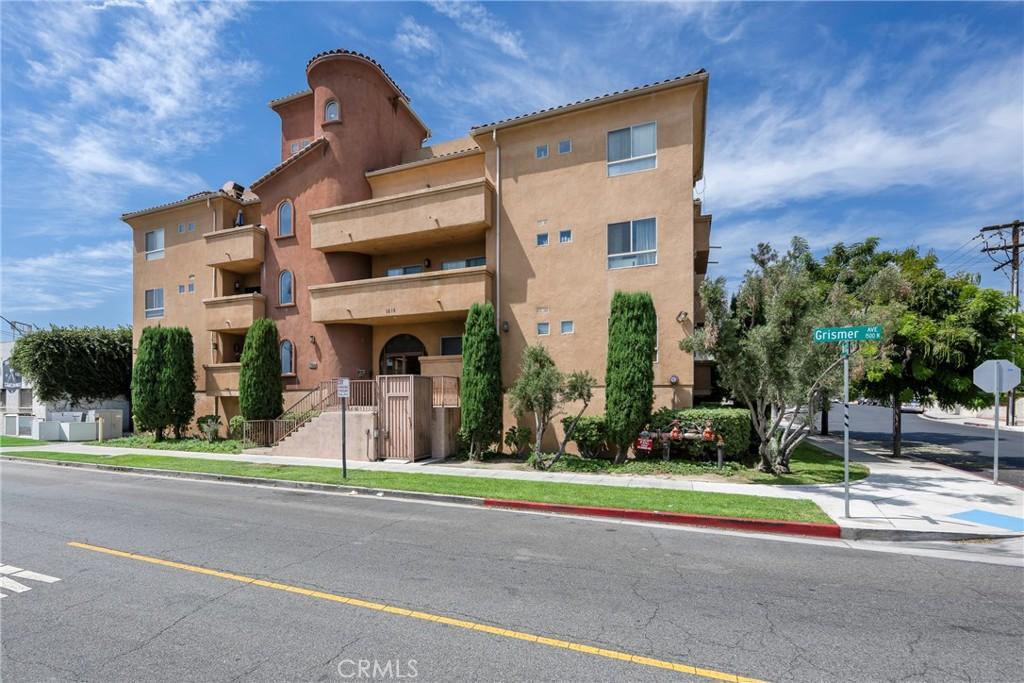
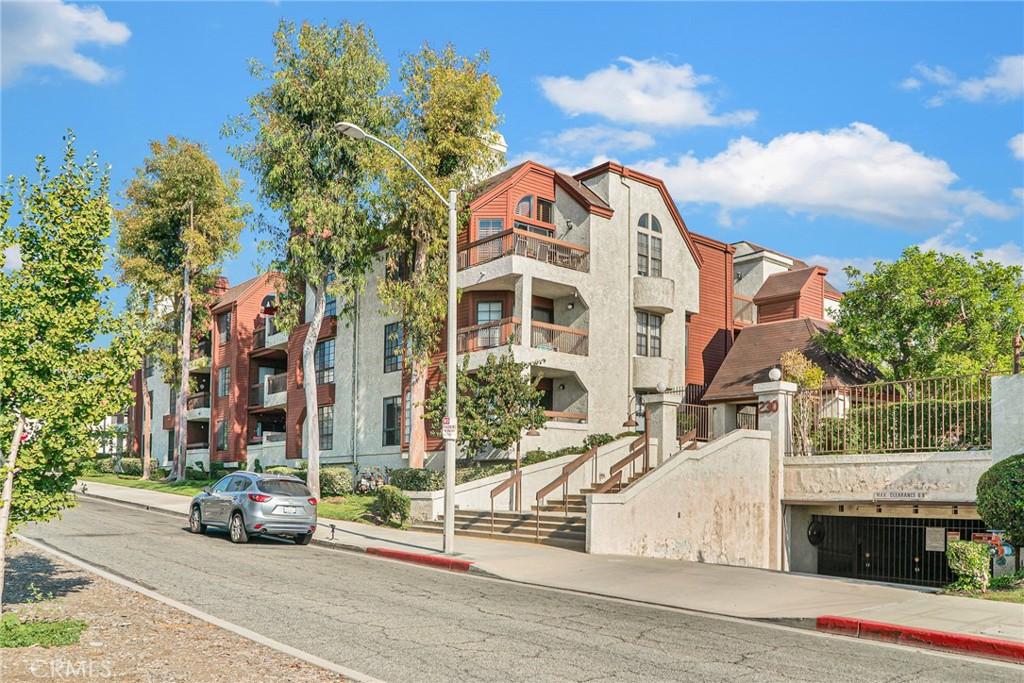
Burbank is a community in the San Fernando Valley — Los Angeles’s largest inland residential region encompassing a diverse range of communities from entertainment industry hubs to premium gated estates, with pricing that spans the full range of the Los Angeles residential market. Burbank is the entertainment industry’s production capital — a city of approximately 105,000 residents where Warner Bros., Disney, Nickelodeon, and scores of production and post-production companies operate their facilities, creating a residential community whose professional identity is inseparable from the studio infrastructure that dominates its economic landscape. Burbank’s 2026 median home price of approximately $1.3 to $1.6 million reflects the Burbank Unified school district premium, the entertainment industry employment proximity, and the city’s own commercial character — a downtown with restaurants and retail that serves the professional community effectively.

[showcaseidx_hotsheet name=”Los Angeles”]

Burbank in San Fernando Valley

Community

What is Burbank?

Burbank is one of the San Fernando Valley’s distinct communities, burbank is the entertainment industry’s production capital — a city of approximately 105,000 residents where warner bros., disney, nickelodeon, and scores of production and post-production companies operate their facilities, creating a residential community whose professional identity is inseparable from the studio infrastructure that dominates its economic landscape within a region whose diversity of residential character — from Burbank’s working entertainment professional neighborhood to Hidden Hills’ gated celebrity estates to Westlake Village’s master-planned suburban luxury — creates meaningful lifestyle and value differences across the Valley’s geography that buyers should research carefully before committing to any specific community.

Burbank Unified School District is one of LA County’s highest-rated unified (K-12) school systems, providing a meaningful school quality premium for Burbank families relative to LAUSD’s more variable performance, and contributing significantly to the residential demand that sustains Burbank’s pricing above comparable San Fernando Valley communities. Schools in Burbank reflect the specific school district serving the community — Los Angeles Unified School District for most Valley communities within LA city limits, with Burbank Unified, Glendale Unified, Las Virgenes Unified, and other independent districts serving communities outside the city. Academic performance and school quality vary significantly across Valley school districts, and buyers with school-age children should research the specific district and campus assignments for any address under consideration.

The San Fernando Valley’s freeway network connects Burbank to the region’s major employment centers — the 101 Freeway connects to Hollywood and downtown LA; the 405 Freeway connects to the Westside and LAX; the 118 Freeway connects to the western Valley communities and Thousand Oaks. The specific commute routing from Burbank depends on its position within the Valley’s east-west geography. The 101/405 Sepulveda Pass interchange is the primary bottleneck for any Valley resident commuting to the Westside, and peak-hour travel times through this interchange should be factored into daily commute time estimates.

Ventura Boulevard runs through the Valley’s core commercial corridor, with the restaurant, retail, and service density that has sustained the boulevard’s commercial identity for decades. More neighborhood-specific commercial options vary by community — Burbank’s downtown, Glendale’s Americana and Galleria, and Calabasas’s Calabasas Commons provide different commercial characters that serve different lifestyle preferences. The Valley’s commercial infrastructure, while often car-dependent compared to LA’s Westside, is generally convenient for residents who are comfortable in a driving-oriented urban environment.

The Santa Monica Mountains form the Valley’s southern boundary, providing a visual backdrop of natural terrain that distinguishes the Valley’s residential landscape from the flat urban grid of central LA. Trail access to the mountains from Valley-edge communities is a significant lifestyle attribute for outdoor enthusiasts who want hiking, mountain biking, or equestrian access without long drives to trailheads. The mountains’ presence also moderates the Valley’s climate for communities at the higher elevations near the range’s footprint, providing slightly cooler temperatures and occasionally marine-influenced weather that doesn’t penetrate the Valley’s eastern and central sections as effectively.

Burbank: Media Capital of the World and the Valley’s Most Livable City

Burbank is the actual production center of the American entertainment industry — not Hollywood (which retains the brand identity), but Burbank (where Warner Bros. Studios, Walt Disney Studios, and the dozens of production companies, post-production facilities, and industry suppliers that cluster around the studios’ Burbank campuses create the working entertainment ecosystem). The concentration of entertainment industry employment in Burbank is extraordinary: Warner Bros.’ 110-acre studio lot (one of the largest and most active in the world), the Disney campus, ABC’s offices, and the production infrastructure that serves all three create the working-professional entertainment industry character that distinguishes Burbank from the celebrity-residential image of Hollywood Hills or Bel Air. The Bob Hope Airport (Burbank-Hollywood Airport), the walkable Magnolia Boulevard and San Fernando Boulevard commercial districts, and the Burbank Unified School District’s family-friendly academic programs create the complete livable-city infrastructure that sustains Burbank’s consistent ranking among the most livable cities in the San Fernando Valley.

Burbank’s residential market reflects the entertainment industry professional’s preference for the studio-adjacent lifestyle — the single-family homes in the Rancho Equestrian District, the hillside Burbank properties above the studio lots, and the flatland grid neighborhoods that the 1940s-1960s residential development created range from $1M to $2.5M for the single-family market, reflecting the school district quality, the studio proximity, and the livable city character that Burbank sustains.

Burbank’s Residential Neighborhoods: The Rancho, the Flats, and the Hills

Burbank’s residential geography creates distinct neighborhood types within the city’s 17.4 square miles: the Rancho Equestrian District (the neighborhood immediately east of the Warner Bros. studio lots whose horse properties, the Equestrian Center, and the river bottom access create the semi-rural residential character unusual in an urban LA suburb), the flatland grid neighborhoods (the streets between Magnolia Boulevard and the 134 freeway that provide the most affordable and densely residential Burbank character), and the hillside Burbank neighborhoods (the streets ascending the Verdugo Mountains north of the 134 that provide the elevated residential positioning and the city-light views that the hillside terrain creates). The Rancho District’s horse properties and equestrian trail access create the specific semi-rural residential quality that Burbank’s equestrian community specifically seeks; the equestrian center’s boarding facilities and the LA River trail network that the Rancho’s location adjacent to the LA River sustains create the equestrian lifestyle infrastructure that few urban communities provide. The flatland neighborhoods along Magnolia and Olive Avenues provide the walkable commercial access — the dining, the coffee shops, the independently owned retail — that the Magnolia Park antique and home furnishings district has developed as a distinctive commercial character within the South Burbank flatland area.

What restaurants and shops are in Burbank?

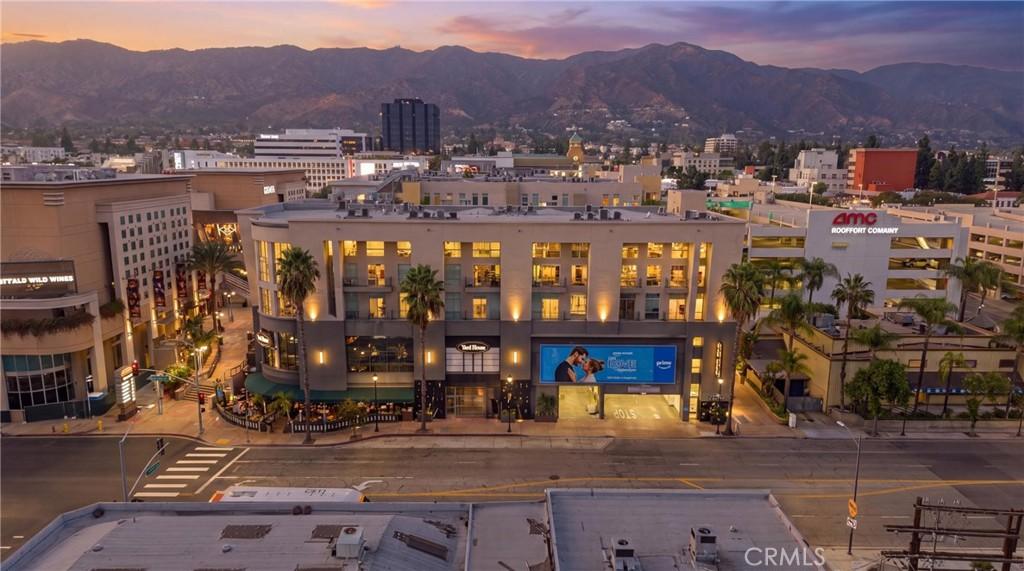
Burbank’s Magnolia Park neighborhood (along Magnolia Boulevard between Buena Vista and Hollywood Way) and the Chandler Boulevard corridor provide the walkable dining and retail infrastructure that sustains Burbank’s quality-of-life appeal beyond the studio employment anchor. The Magnolia Park antique and vintage furniture district, the independent restaurants and coffee shops along Magnolia and Olive, and the Burbank Town Center’s retail complex create the commercial character that the entertainment industry professional and the family residential community both access as part of the Burbank suburban lifestyle. The Bob Hope Airport’s (Hollywood Burbank Airport) domestic terminal provides the business travel access that the entertainment industry professional community specifically values for the proximity to the LAX alternative that the Burbank airport creates.

Area Details

Is Burbank good for entertainment industry jobs and freeway access?

The San Fernando Valley’s entertainment industry presence is not merely economic — it shapes the social and cultural character of the communities where studio workers live. Burbank’s residential streets are populated by animators, production assistants, studio executives, and costume designers whose work is literally visible in the Disney and Warner Bros. productions made in their backyard. Studio City’s Tujunga Village and Ventura Boulevard dining district serve an entertainment-adjacent professional demographic that defines the neighborhood’s cultural character. The Valley’s specific entertainment identity — more production and technical, less performance and celebrity than Hollywood proper — gives it a working professional character distinct from the Hills’ celebrity residential environment.

The Santa Monica Mountains National Recreation Area borders the Valley’s western and southern edges, providing trail access to the Malibu Creek State Park, Topanga State Park, and the mountains’ extensive backcountry trail network. For Valley residents who specifically want proximity to significant natural open space, the Mountains’ trail access from communities like Agoura Hills, Calabasas, and Hidden Hills is a meaningful lifestyle attribute. The Victory Trails and Bull Canyon Trail networks provide accessible hiking and equestrian routes from Valley-edge communities without requiring long drives to trailheads.

Ventura Boulevard is the Valley’s most vibrant commercial corridor — running east-west through Studio City, Sherman Oaks, Encino, and Tarzana, the boulevard provides the restaurant, retail, and service access that anchors Valley residential life. The Westfield Fashion Square in Sherman Oaks and The Promenade at Woodland Hills provide major retail access. Valley Village, Toluca Lake, and other specific communities have developed distinct commercial characters that serve their residential populations with neighborhood-scale dining and retail options that supplement the boulevard’s more commercial character.

Market Trends

How is the San Fernando Valley Real Estate real estate market?

The San Fernando Valley is Los Angeles’s largest residential region — a broad inland valley of approximately 260 square miles encompassing dozens of distinct cities and communities, from the entertainment industry hub of Burbank and the celebrity enclave of Hidden Hills to the master-planned community of Westlake Village and the urban center of San Fernando. The Valley’s residential market ranges from among LA County’s most accessible pricing (San Fernando at $700,000 to $900,000) to some of the region’s most exclusive gated estates (Hidden Hills at $5 to $25 million), creating a diverse residential landscape that serves buyers at every price point within the Los Angeles metropolitan area.

The entertainment industry’s production infrastructure anchors the Valley’s economy and residential identity — Warner Bros., Disney, NBC Universal, DreamWorks, and dozens of post-production and support companies operate major facilities in Burbank, Studio City, and surrounding communities, creating consistent residential demand from the industry’s workforce across multiple professional levels. The Valley’s climate — warmer summers and cooler winters than the coastal communities due to its inland position — is both an appeal to buyers who prefer more distinct seasons and a caution for buyers accustomed to the moderate maritime climate of Santa Monica or Malibu.

The 101 Freeway (Ventura Freeway) and the 118 Freeway are the Valley’s primary east-west arteries; the 405 Freeway, the 405 Freeway, and the 170 Freeway provide north-south connectivity between the Valley and the Westside and South Bay employment corridors. The 101/405 interchange in Sherman Oaks (among LA’s most congested points during peak hours) is the primary connection between the Valley and Westside, and commute management is a central consideration for Valley residents whose work destinations are west of the Sepulveda Pass.

SFV Halo Cities Real Estate: Suburban Lifestyle, Studio Proximity, and the 101 Corridor

The San Fernando Valley’s Halo Cities — Agoura Hills, Calabasas, Hidden Hills, Westlake Village, Burbank, Glendale, San Fernando, and the surrounding foothill communities that ring the SFV’s residential core — represent the most diverse residential tier in the Los Angeles metropolitan area’s suburban landscape. The western halo communities (Agoura Hills, Calabasas, Hidden Hills, Westlake Village) provide the upscale suburban and equestrian residential experience that the 101 Freeway’s western extension creates at the Ventura County border — the communities where the Kardashian family’s Hidden Hills estate, the Las Virgenes Unified School District’s excellent campuses, and the Calabasas Commons’ walkable outdoor shopping experience create the premium suburban lifestyle that the 101 corridor’s affluent professional demographic seeks. The eastern halo communities (Burbank, Glendale) provide the studio-city character that Warner Bros., Disney, DreamWorks, and the production-adjacent businesses that cluster in the Burbank-Glendale media district create — the working entertainment industry professional’s residential base, closer to the actual production facilities than the Hollywood Hills or the Westside.

The SFV Halo Cities’ residential market spans the full spectrum from the entry-level suburban market (San Fernando’s working-class residential character at $550K-$800K) to the ultra-luxury gated estate enclaves of Hidden Hills ($5M-$25M+). The Las Virgenes Unified School District’s consistently excellent K-12 programs serve the western halo communities; Burbank Unified and Glendale Unified serve the eastern corridor with the academically competitive districts that the production-professional demographic requires. The 101, 134, and 118 freeway corridors provide the transportation infrastructure that connects the Halo Cities to the major Valley employment centers and to the Westside and Downtown via the canyon passes.

FAQs

What is the price range in Burbank?

Burbank’s 2026 median home price of approximately $1.3 to $1.6 million reflects the Burbank Unified school district premium, the entertainment industry employment proximity, and the city’s own commercial character — a downtown with restaurants and retail that serves the professional community effectively. Current pricing data for Burbank specific properties is available from The Knight Group as part of a buyer advisory consultation that includes comparable sales analysis for the specific community and neighborhood within Burbank’s geography.

What school district serves Burbank?

School district assignments in the San Fernando Valley vary by community and specific address. Los Angeles Unified School District serves most communities within LA city limits; independent districts serve Burbank (Burbank Unified), Glendale (Glendale Unified), Hidden Hills and Calabasas (Las Virgenes Unified), and other incorporated communities. The specific district and campus assignment for any Burbank address should be verified directly with the relevant school district. Academic performance and programming vary significantly across Valley school districts.

How is the commute from Burbank to downtown LA or the Westside?

San Fernando Valley commute times to downtown LA and the Westside vary significantly by time of day, with peak-hour congestion on the 101 Freeway and the 405 Freeway’s Sepulveda Pass creating the Valley’s most challenging commute dynamics. Off-peak travel times are significantly shorter. Many Valley residents adapt by shifting work schedules, using Metro Rail (where accessible), or working remotely to avoid peak-hour congestion. The specific commute from Burbank depends on its position within the Valley’s east-west geography and the destination’s location within the broader LA basin.

What entertainment companies are based in Burbank?

Burbank’s entertainment industry concentration includes some of the most significant companies in American media: Warner Bros. Entertainment (with its massive production lot on Warner Boulevard), Walt Disney Studios (the original Disney animation and production campus on Buena Vista Street), ABC (which Disney owns, located adjacent to the Disney studio), Cartoon Network, Warner Bros. Television, DC Comics, and the dozens of production companies, talent agencies, post-production facilities, and industry service providers that cluster around the major studio lots. Beyond the production side, NBCUniversal’s offices (Universal is in the adjacent Lankershim-Universal City area, technically bordering Burbank), and the various independent production companies that the studio infrastructure sustains create the density of entertainment employment that makes Burbank the actual working center of the industry whose cultural brand is identified with Hollywood. For residential buyers who work in the production-side of the entertainment industry (production assistants, editors, animators, technical directors), the proximity to the studio lots is a significant quality-of-life value that Burbank’s residential market specifically provides.

Explore More

Explore more San Fernando Valley neighborhoods:

Hey, You ALMOST MISSED IT!

Lucky for you we’re looking out.

Subscribe to this Custom Search to be alerted when new properties hit the market in the area.

Choose the frequency that works for you.

get alerts

[showcaseidx_contact]