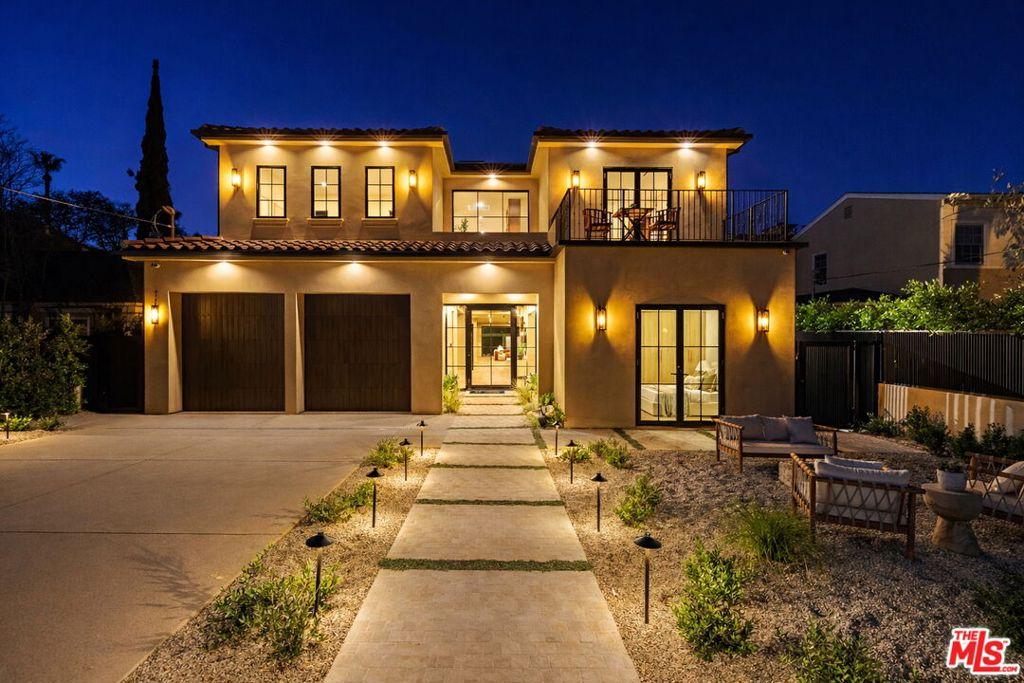
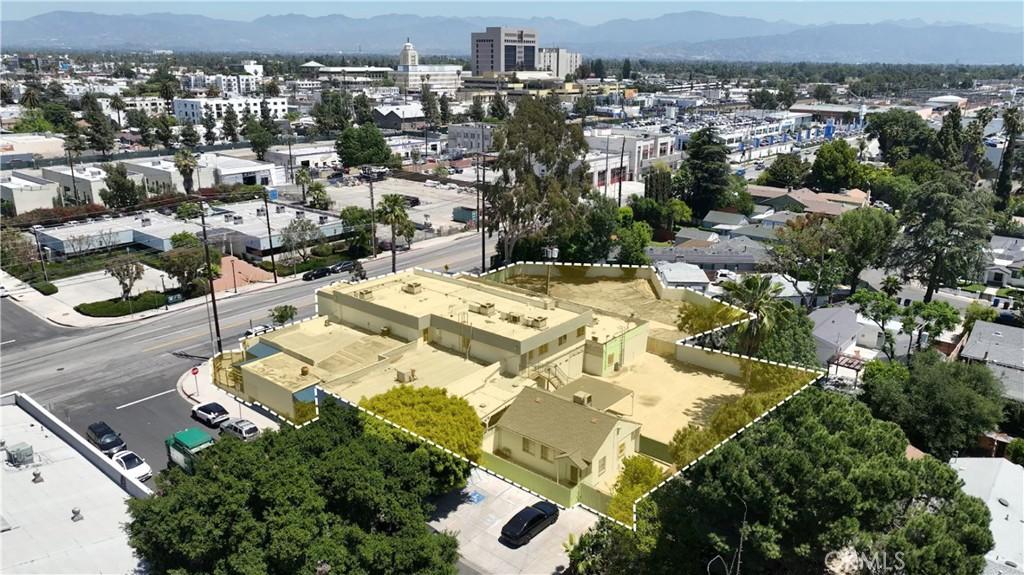
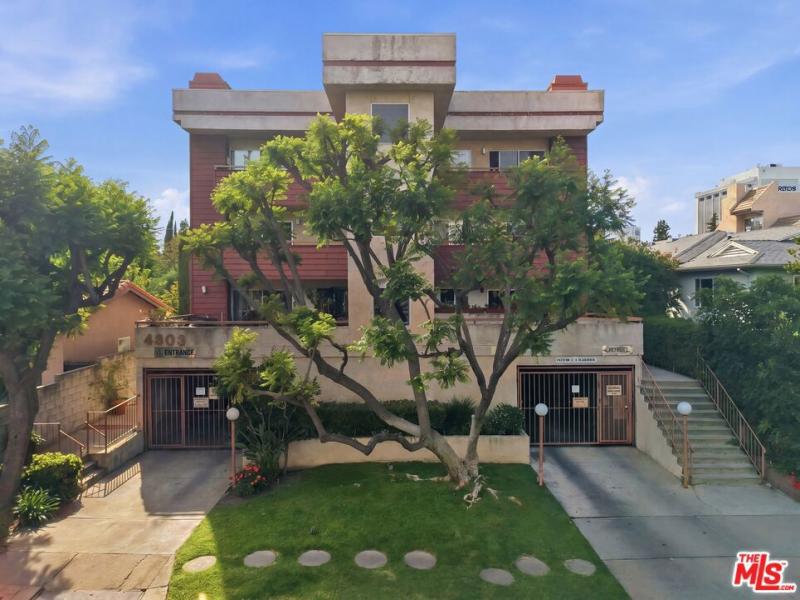
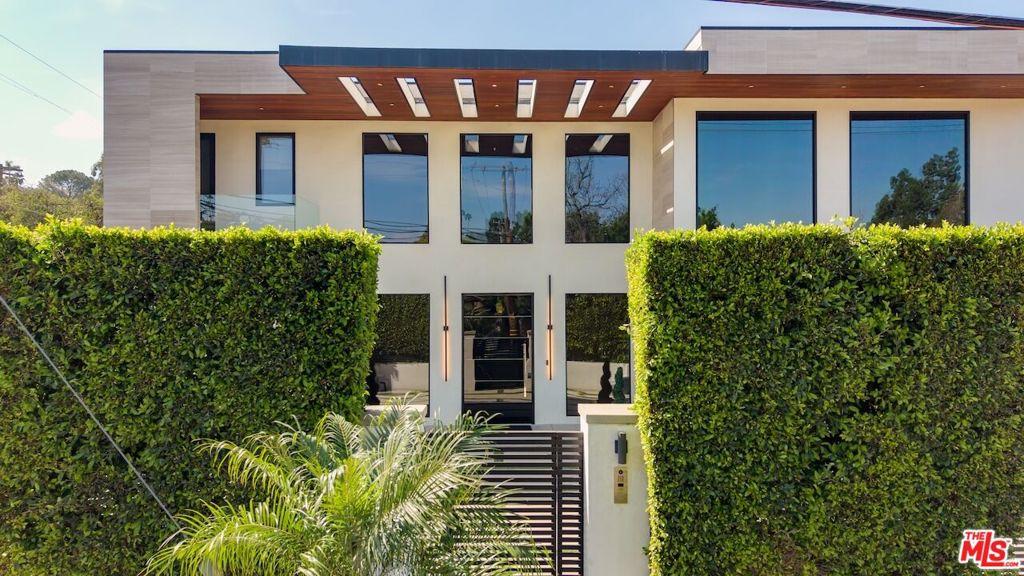
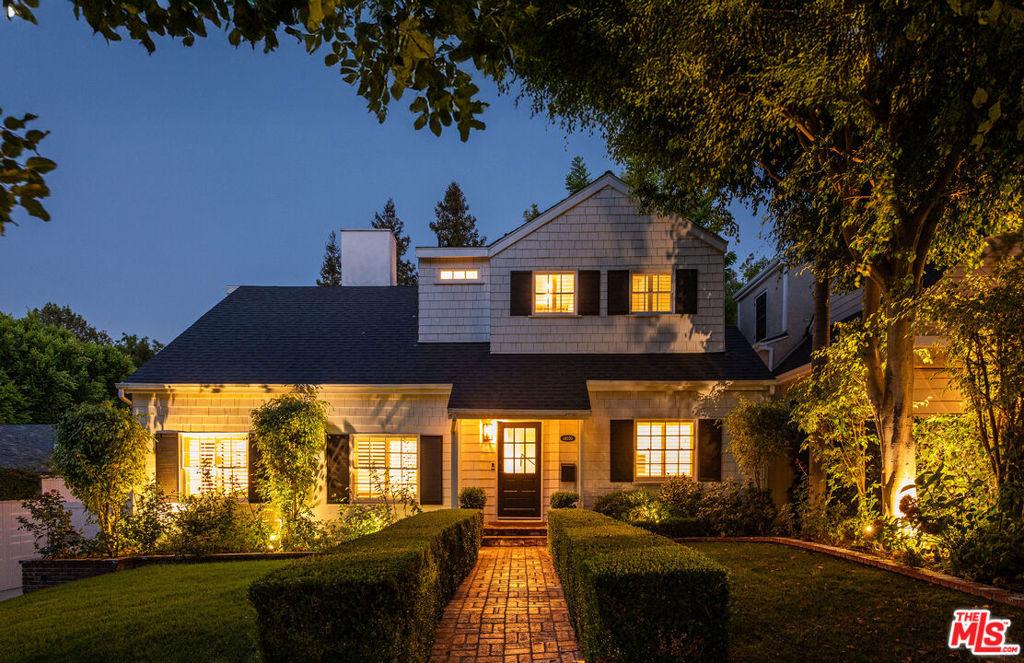
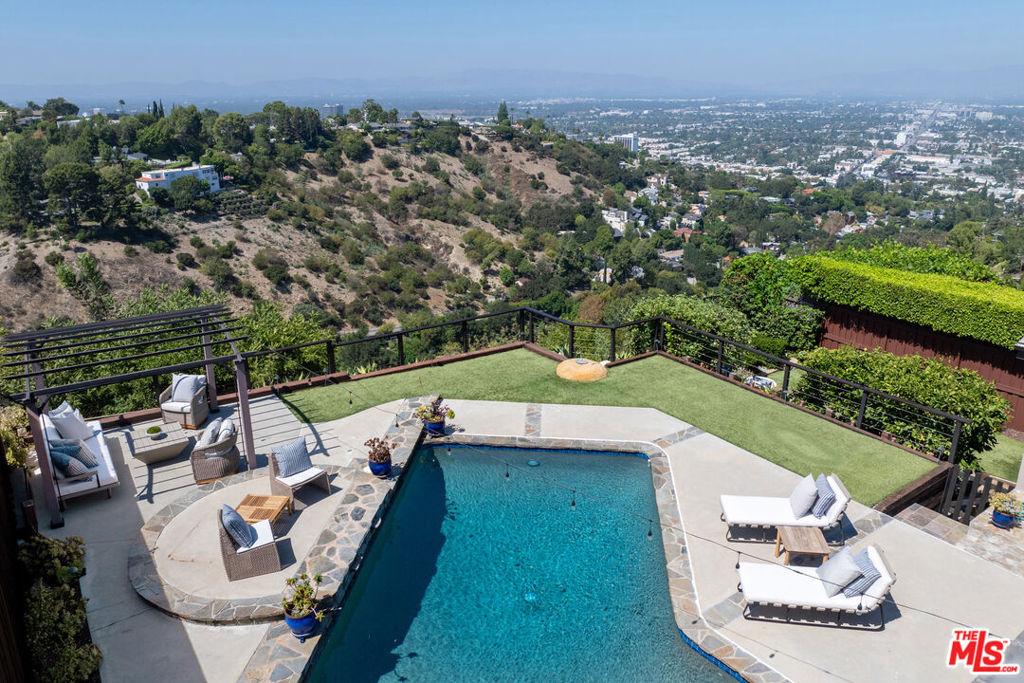
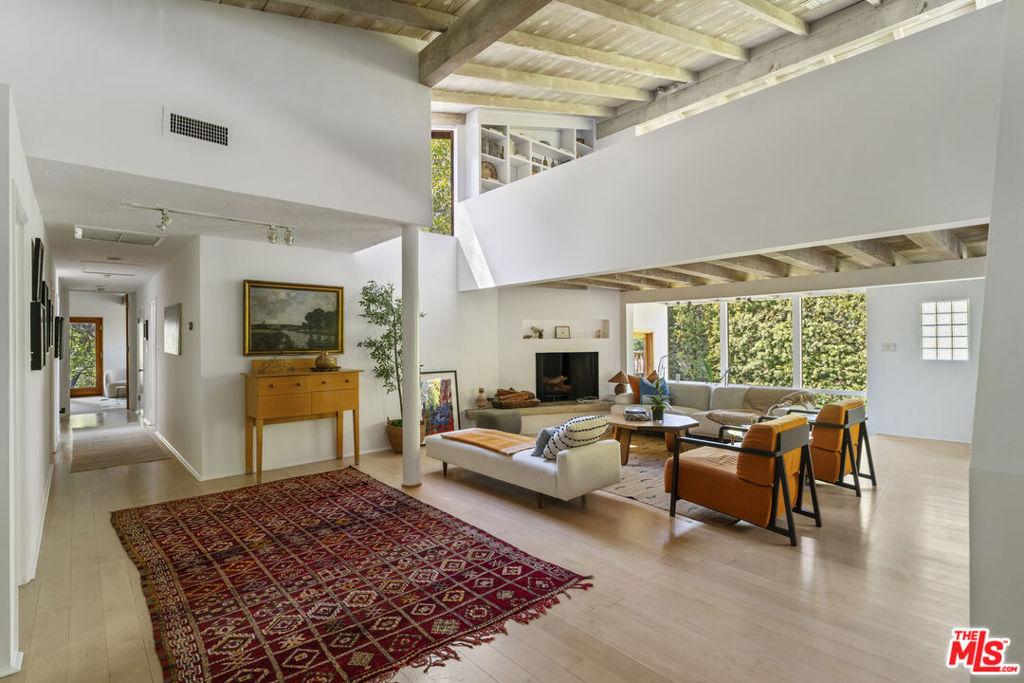
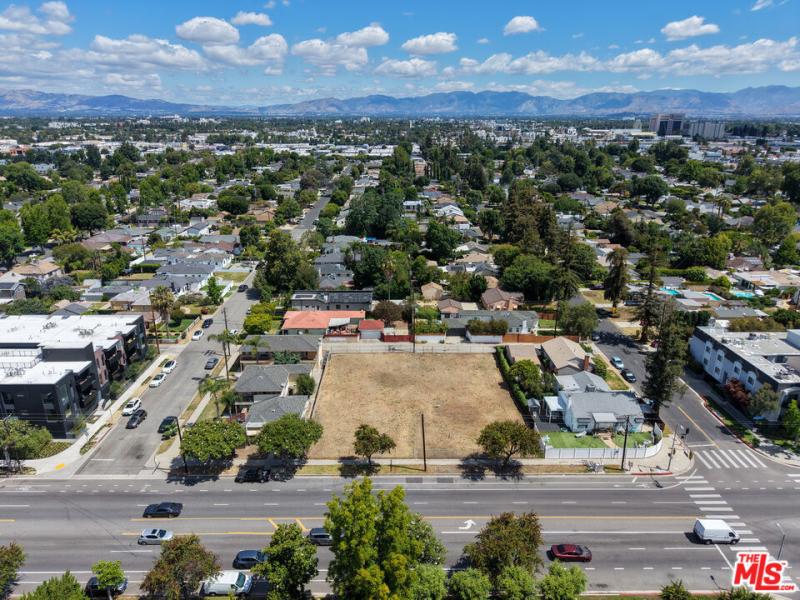
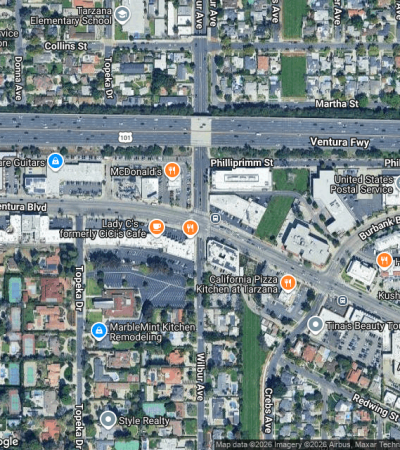
Sherman Oaks Condos

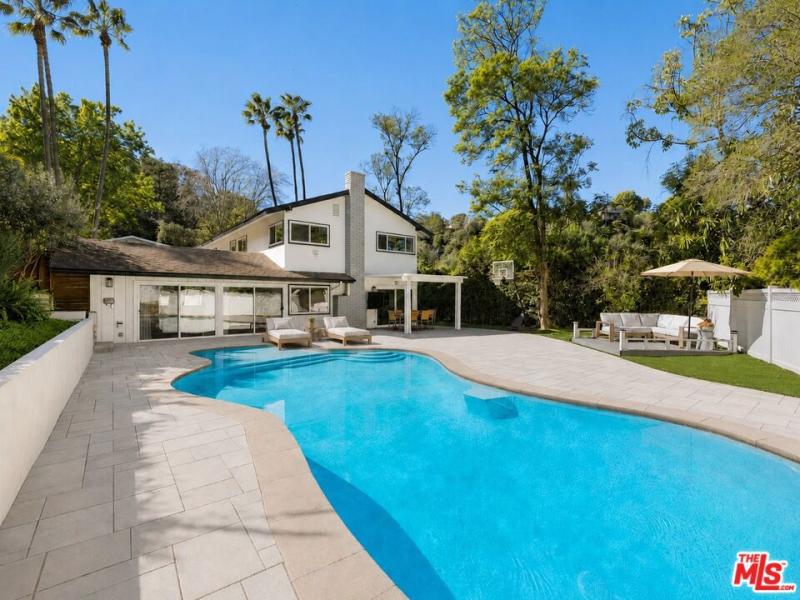
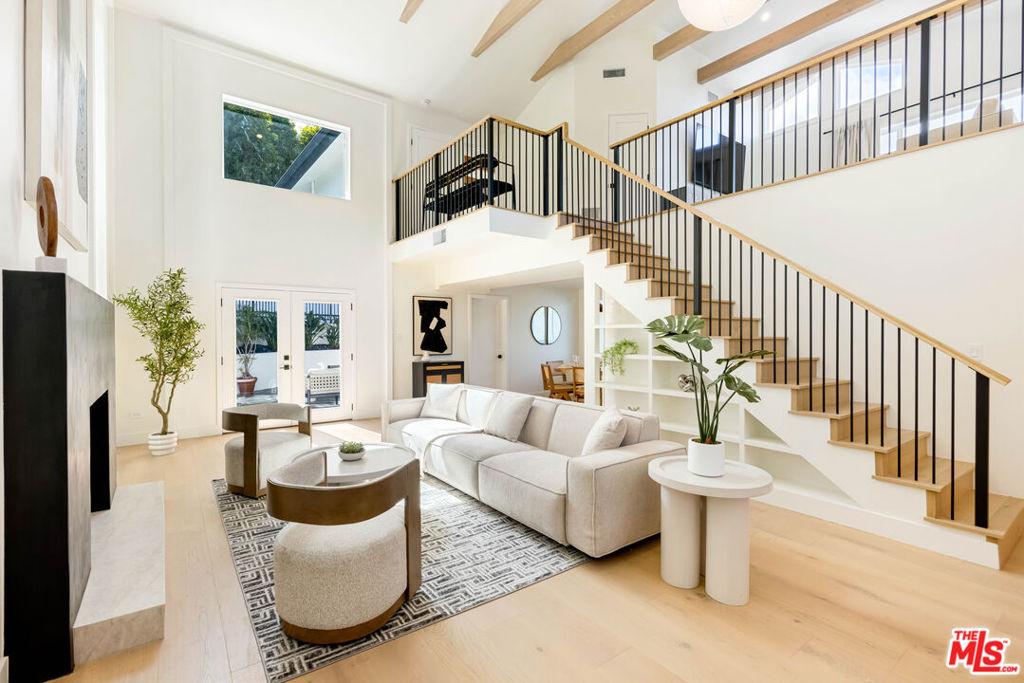
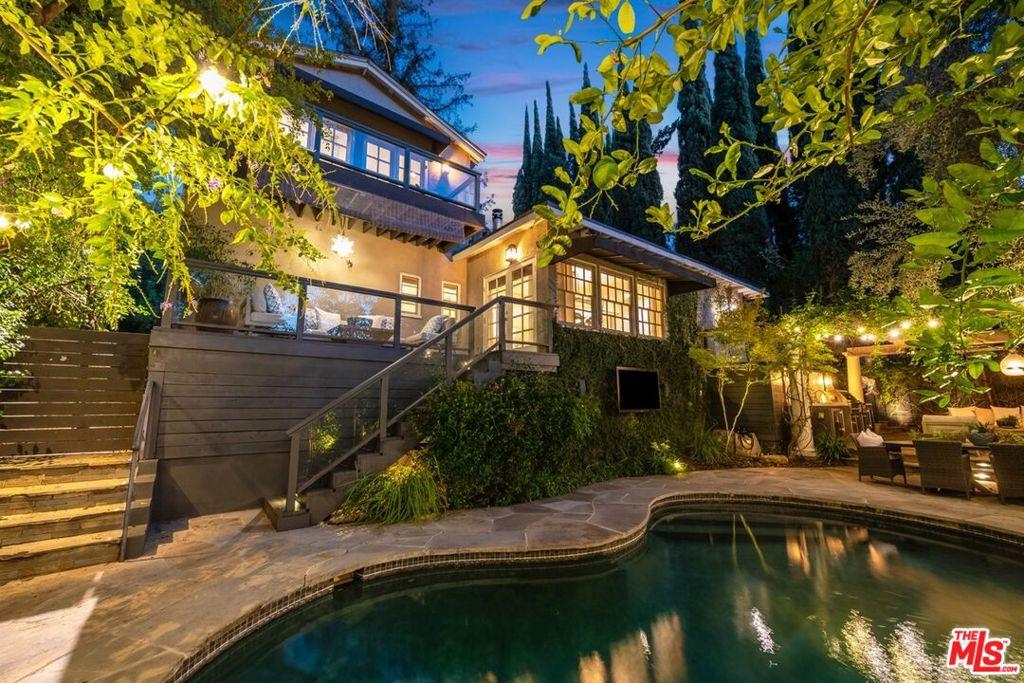
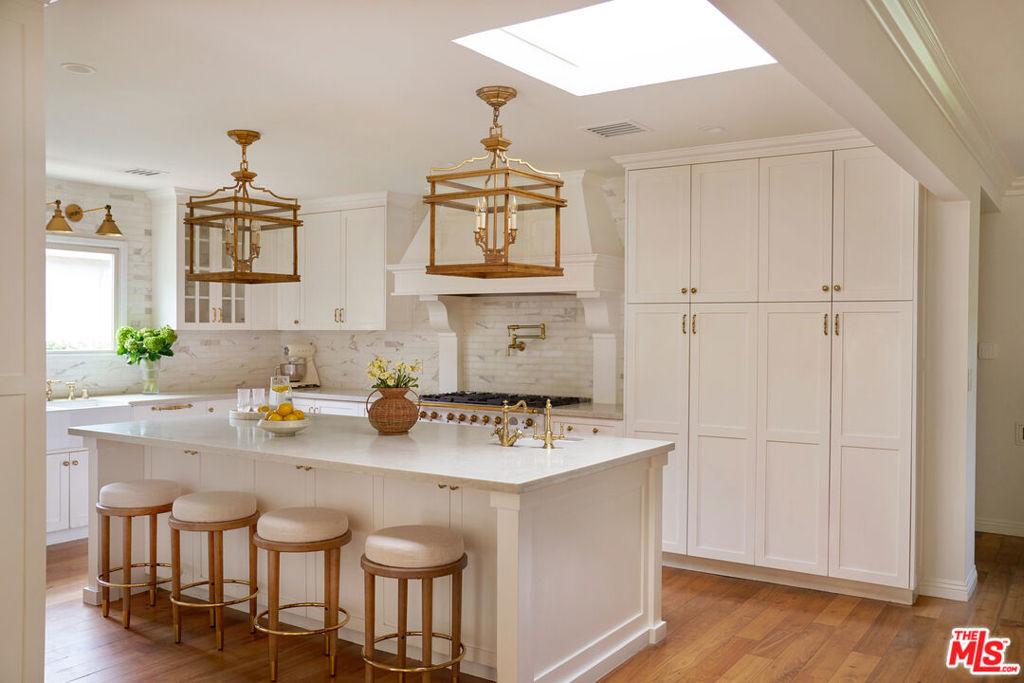
Central Valley condos in Sherman Oaks, with Ventura Boulevard dining, Galleria retail, and efficient 405 access.

Browse all Los Angeles real estate — or explore the full Los Angeles luxury real estate market.

Our extensive guide through the neighborhoods below will help you identify the one for you.

What are Sherman Oaks condos?

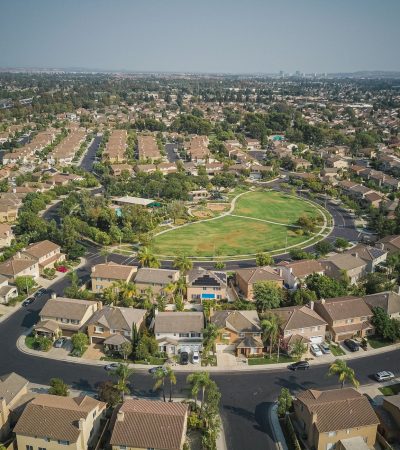
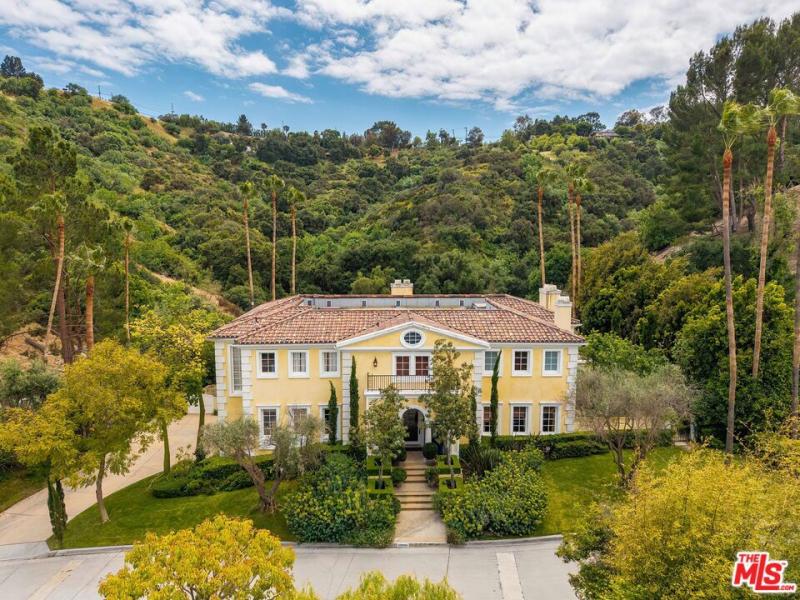
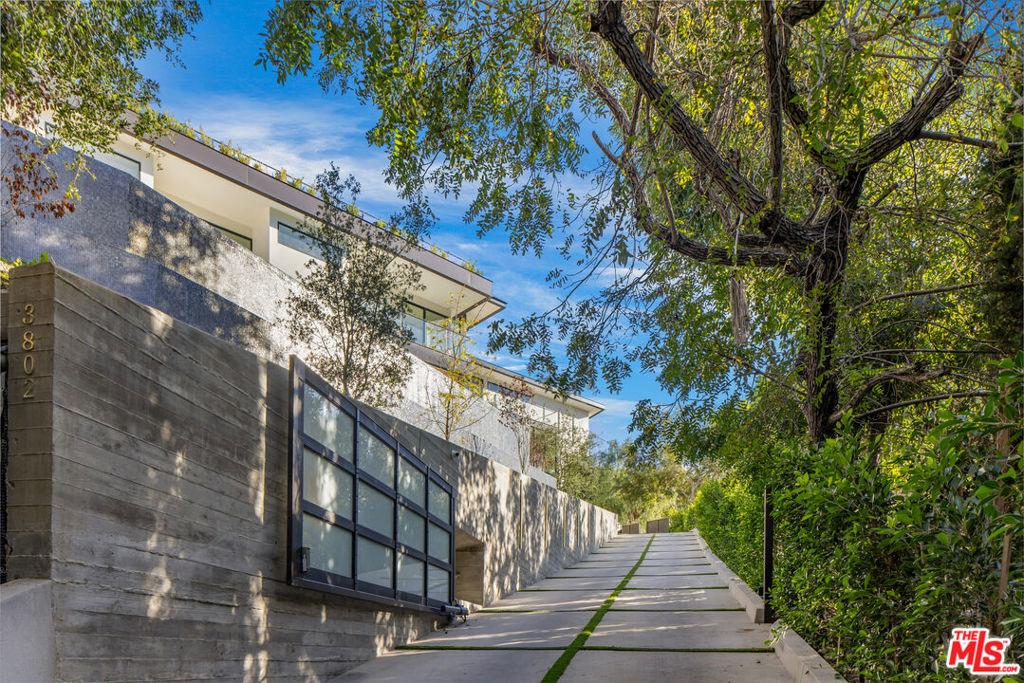
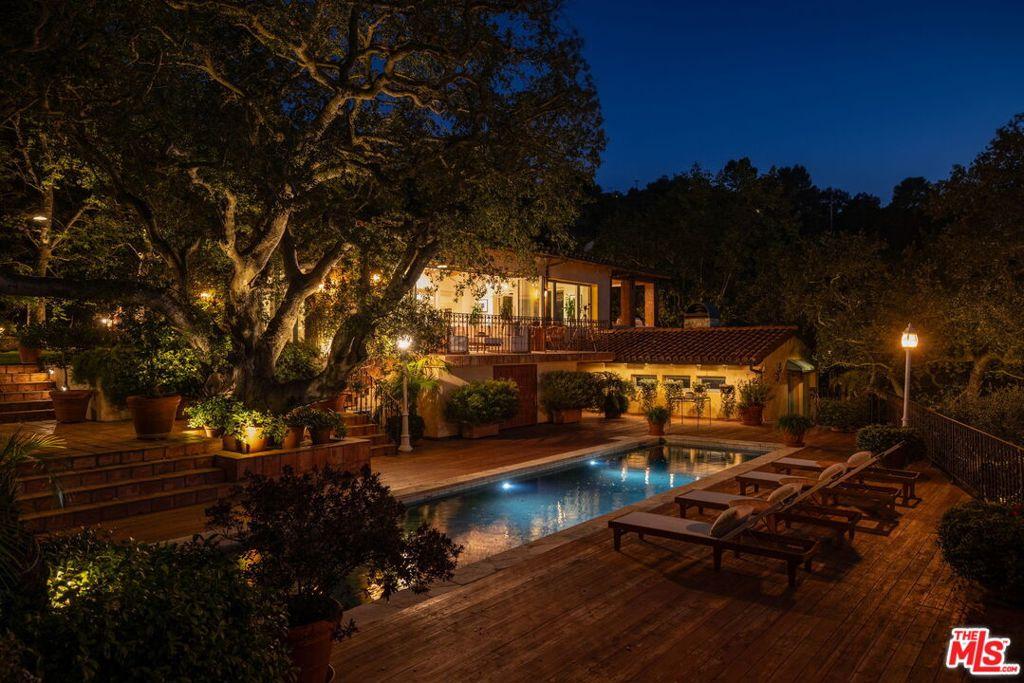
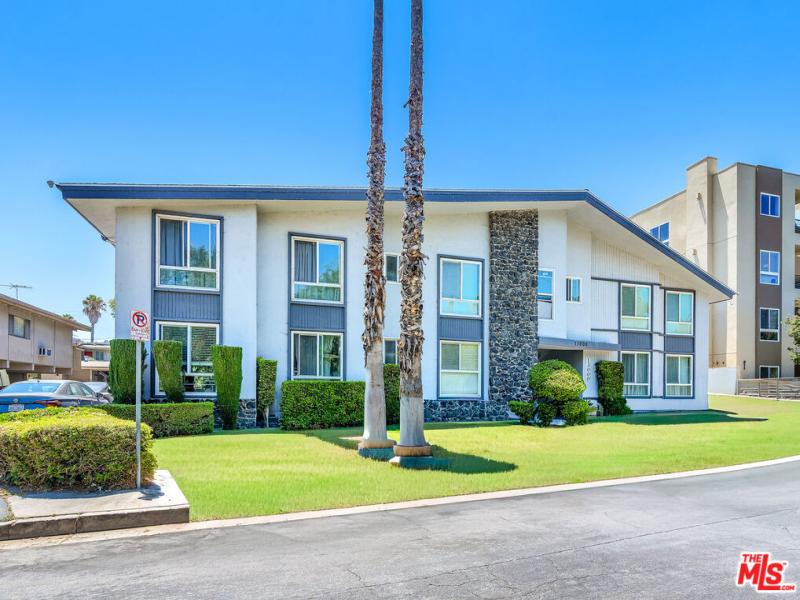
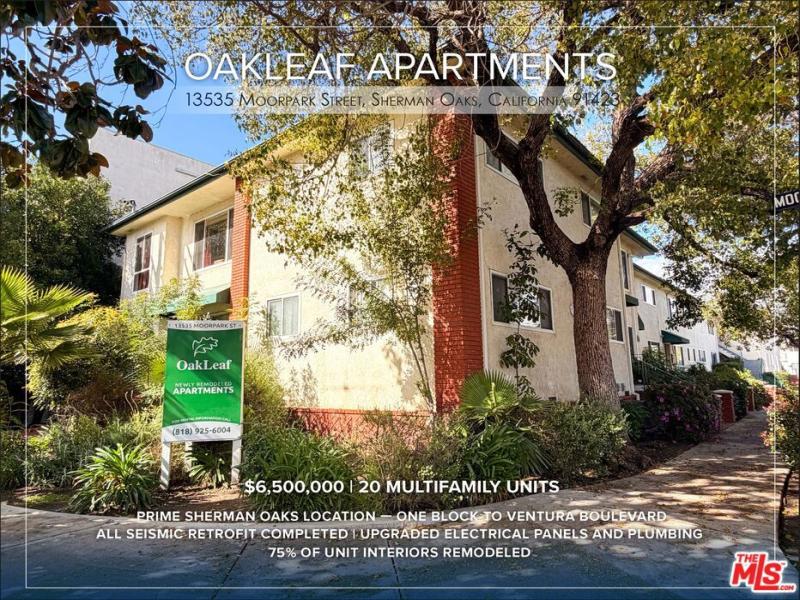
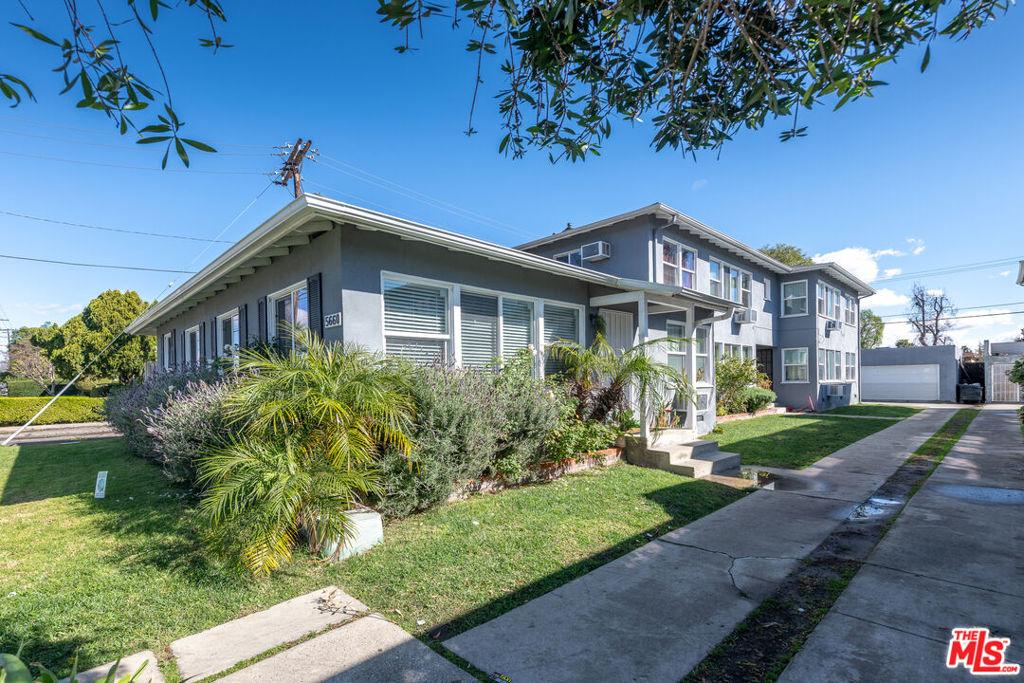
Sherman Oaks condos are attached, individually owned residences inside common interest developments in the central San Fernando Valley portion of the City of Los Angeles. The category spans mid-century garden buildings behind Ventura Boulevard, gated townhome complexes on the hillside streets, and newer elevator buildings near the Sherman Oaks Galleria. What they share is a homeowners association, a recorded set of CC&Rs, and a location in one of the few Valley neighborhoods that puts two freeways, a dense restaurant corridor, and Westside proximity within the same few square miles.

The value proposition is specific. A condo here buys a Los Angeles city address and a walkable commercial spine, generally at a lower entry price than a detached house on the same block. You trade land, private outdoor space, and control over the building envelope for lower maintenance responsibility and a shorter path to ownership. Whether that trade works depends on how long you plan to hold and how carefully you read the HOA file.

Browse the current Sherman Oaks condo listings below. If you want a read on a specific building before touring it, contact The Knight Group and we will pull the association documents and sales history for that project first.

Where exactly is Sherman Oaks, and what does it border?

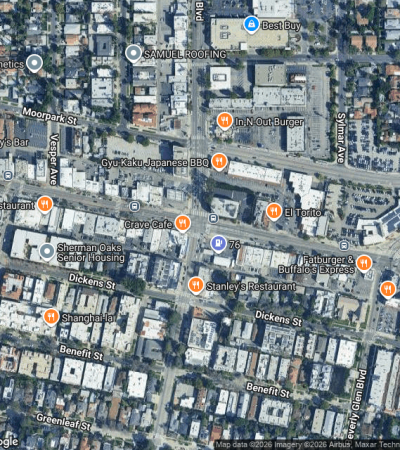
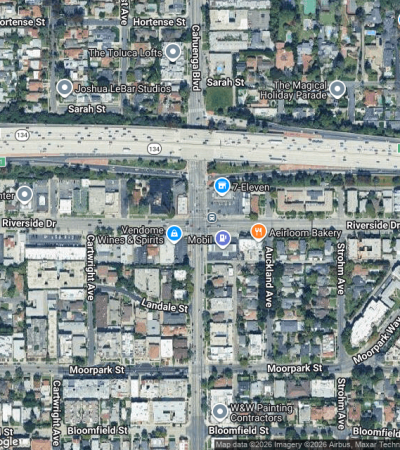
Sherman Oaks sits in the southern San Fernando Valley. Per Wikipedia, it is roughly bounded by Studio City to the east, Van Nuys to the north, Encino to the west, and Bel Air and Beverly Hills Post Office to the south, and it includes portions of the Santa Monica Mountains along its southern edge. That southern boundary matters: it is why the neighborhood contains both flat Valley grid streets and steep canyon roads climbing toward Mulholland.

Sherman Oaks was founded in 1927 by General Moses Hazeltine Sherman through the Los Angeles Suburban Homes Company, subdivided out of roughly 1,000 acres, with land selling at $780 per acre at the time, according to Wikipedia. The Los Angeles Almanac estimated the 2022 population at 66,686. As of 2025 it falls in Los Angeles City Council District 4.

One structural fact shapes the whole condo market here: Sherman Oaks skews toward renters. Census data cited by Wikipedia showed renters occupying 58.9% of housing stock in 2000 against 41.1% owner occupancy. That produces deep multifamily inventory, a share of it built or converted as condominiums, which is why the selection here is broader than in areas built primarily as single-family tracts.

Which condo pockets and communities make up the Sherman Oaks market?

This market is a set of distinct sub-markets rather than one pool of inventory. Price, HOA structure, and buyer profile change from pocket to pocket, and the fastest way to narrow a search is to decide which one you actually want.

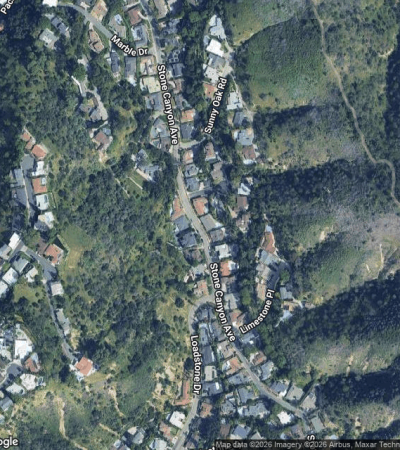
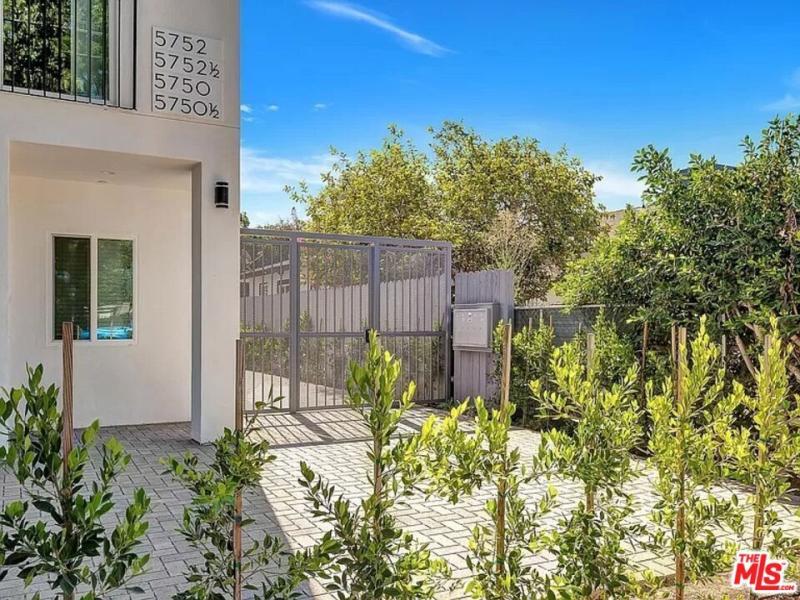
Gated communities are the most defined category. Stone Canyon Sherman Oaks is a gated condominium community with controlled entry, maintained landscaping, and a mix of flat plans and townhome-style layouts with private entries. Buyers who want that controlled-access profile across a wider set of projects should start with Sherman Oaks gated homes, which surveys the gated inventory neighborhood-wide rather than a single association. Gated projects carry higher assessments, because the gate, the entry system, and the shared landscaping all sit on the association budget.

Royal Woods Sherman Oaks represents the established garden-complex end of the market: a maintained residential building with a range of floor plans, from smaller one-bedroom configurations up through larger multi-bedroom units. Complexes of this type are where first-time buyers and investors concentrate, because entry pricing is lower and something is usually trading.

Position relative to Ventura Boulevard is the other organizing axis, significant enough that the neighborhood has two entry points for it. South of Ventura Sherman Oaks and Sherman Oaks south of Ventura both cover the blocks between the boulevard and the Santa Monica Mountains foothills. This is the higher-priced side: closer to the Sepulveda Pass, closer to the canyon streets, generally quieter than the flats. It also carries the hillside considerations covered further down this page.

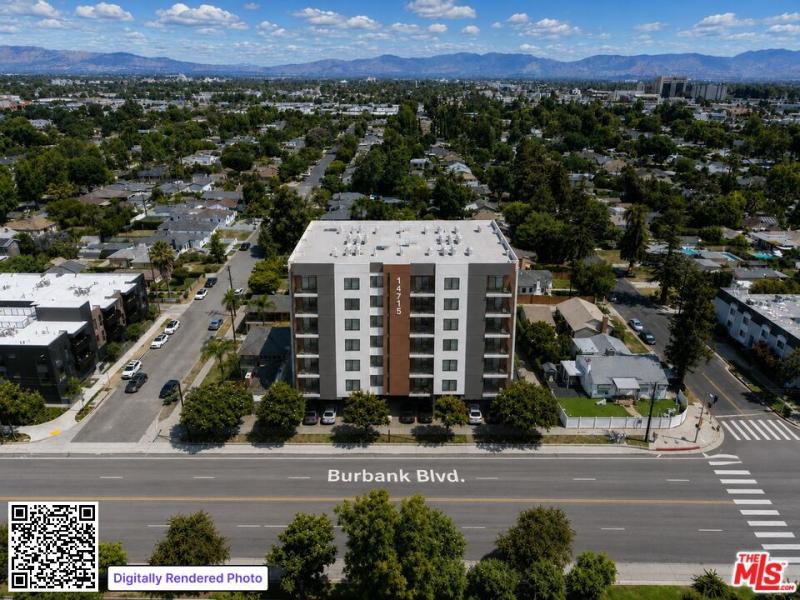
Retail-adjacent inventory concentrates near the mall. The Sherman Oaks Galleria area covers buildings clustered around the Ventura and Sepulveda intersection, where dining and office density is greatest and the car can stay parked on weekends.

At the top of the market, Sherman Oaks luxury homes covers the upper price tier, including larger attached residences, penthouse-level units, and detached properties for buyers who conclude partway through a condo search that they want land. It is a useful cross-reference, because a large three-bedroom unit and a small house often land closer on monthly cost than buyers expect once assessments are included.

How does the commute work from Sherman Oaks?

Two freeways intersect at the neighborhood, and that is the core of the location argument. The 405 runs north to south through the Sepulveda Pass toward the Westside. The 101 runs east to west through the Valley toward Hollywood and downtown. Studios in Burbank, Universal City, and Studio City are reachable without touching the 405. Century City, Westwood, and UCLA require the pass, which is the caveat.

The 405 through the Sepulveda Pass is one of the most congested segments in the country. Metro documentation cited by Wikipedia puts corridor traffic at roughly 379,000 vehicles per day. A 12-mile drive can take an hour at peak. Test the specific commute you will actually make, at the hour you will make it, before committing to a unit based on a map.

A long-horizon fix is in progress. In January 2026, Metro approved a modified Alternative 5 for the Sepulveda Transit Corridor as the locally preferred alternative: fully underground heavy rail, with an initial operating segment projected between 2033 and 2035, funded through Measure M revenue plus federal grant applications. The approved station list includes a Ventura Boulevard station serving Sherman Oaks, plus Van Nuys on the G Line, UCLA, and Expo/Sepulveda. Until then the Metro Rapid 761 bus serves the corridor. Treat rail as an upside case, not a purchase justification: a 2033 opening is a decade out and transit schedules slip.

What is there to do along Ventura Boulevard and at the Galleria?

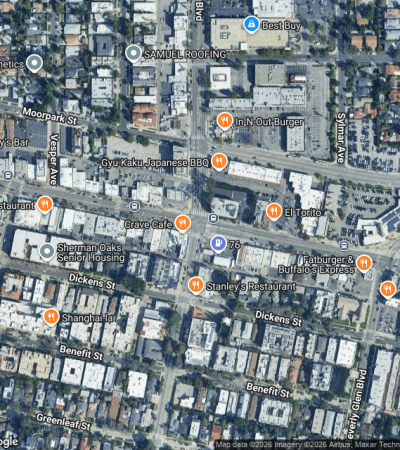
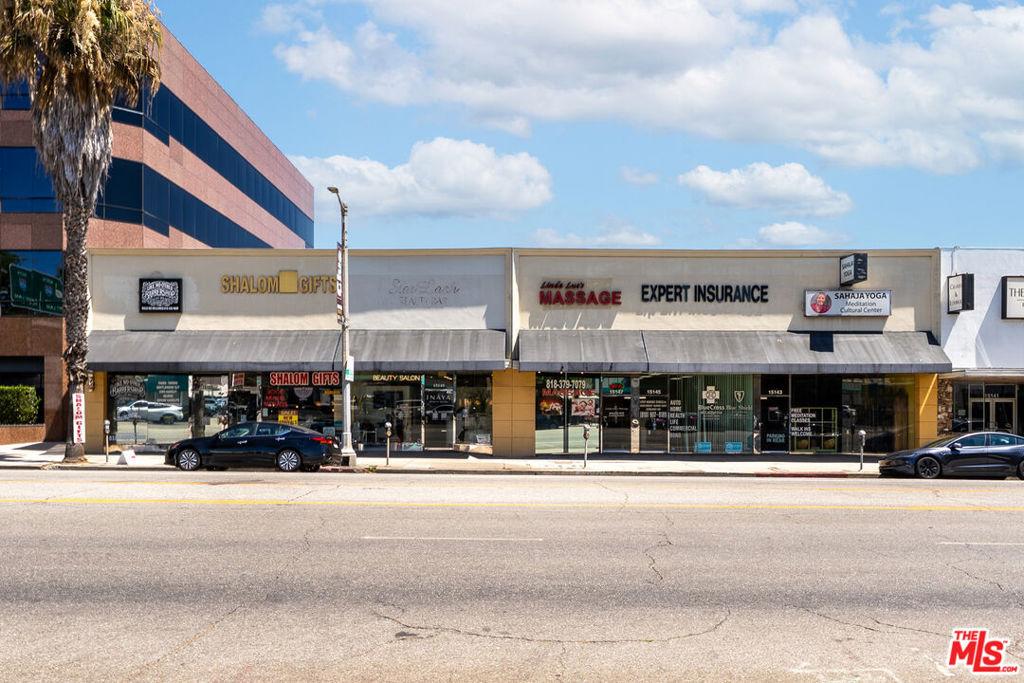
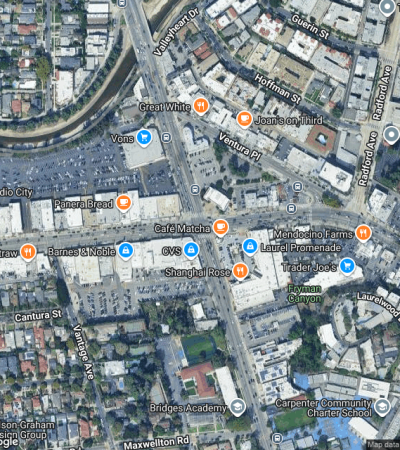
Ventura Boulevard is the commercial spine and the main reason condo buyers pick Sherman Oaks over comparably priced Valley alternatives. The corridor carries a continuous run of restaurants, cafes, gyms, medical offices, and neighborhood retail, and it stays active on weeknights rather than emptying after business hours.

The Sherman Oaks Galleria anchors that activity at Ventura and Sepulveda. It opened October 30, 1980 as a three-level enclosed mall developed by Douglas Emmett, and became a fixture of 1980s pop culture, appearing in Fast Times at Ridgemont High, Valley Girl, Commando, and Terminator 2: Judgment Day.

Its second act matters more to buyers than its first. The January 1994 Northridge earthquake forced an 11-day closure, and the south wing stayed shut for four years, costing the mall much of its tenant base. It closed for renovation in April 1999 and reopened in 2002 as an open-air mixed-use center designed by Gensler. It now holds roughly 250,000 square feet of retail and entertainment space alongside about 760,000 square feet of offices, with tenants including Warner Bros., Regal Cinemas, Cheesecake Factory, and Hertz, which relocated its headquarters there in 2022. That office density supports the surrounding retail and produces a walk-to-work population uncommon elsewhere in the Valley.

Which schools serve Sherman Oaks?

Sherman Oaks is served by the Los Angeles Unified School District. Public schools within the neighborhood’s boundaries include Sherman Oaks Elementary, Kester Avenue Elementary, Chandler Elementary, Van Nuys Middle School, and Louis Armstrong Middle School. Private options in the area include Notre Dame High School and The Buckley School.

One caution. LAUSD attendance boundaries do not follow neighborhood boundaries and they change, so a unit on one side of a street can zone differently from the one across from it. Verify the assignment for the exact address with the district before you write an offer. For magnet or permit placement, the application calendar matters more than the zone.

How do HOAs work in a California condo, and what should you read first?

Every condo in Sherman Oaks sits under the Davis-Stirling Common Interest Development Act, passed by the California Legislature in September 1985 and codified beginning at California Civil Code Section 4000, then reorganized by Assembly Bill 805 effective January 1, 2014. Davis-Stirling governs board operations, member meetings, rule-making authority, assessments, insurance, dispute resolution, and construction defect procedures. The recorded CC&Rs function as the project’s governing document and bind every owner.

You are buying two things: a unit and a membership in a corporation whose finances become your finances. Before your contingency closes, read the operating budget, the reserve study, twelve months of board minutes, the CC&Rs, the insurance certificate, and any disclosure of pending litigation or special assessments. Board minutes are the most useful document in that stack, because they surface problems before the balance sheet does.

Weigh reserve funding heavily. An association with low dues and an underfunded reserve is not a bargain, it is a deferred bill. When the roof, plumbing, or elevator reaches end of life, a special assessment lands on whoever owns the unit that month.

What does SB 326 mean for older Sherman Oaks buildings?

SB 326, California’s balcony inspection law, reaches a large share of the Sherman Oaks condo stock. It requires associations in buildings with three or more multifamily dwelling units to inspect exterior elevated elements: load-bearing decks, balconies, stairways, and walkways more than six feet above ground, plus their waterproofing systems. A licensed structural engineer or architect must perform the inspection, and it repeats at least every nine years. The first deadline was January 1, 2025. Reports fold into the association’s reserve study under Civil Code Section 5550.

Ask for the SB 326 report on any building you are seriously considering. Two things can go wrong: the association never completed one, which is a governance signal, or the report identified repairs it has not funded, which is an assessment you would inherit. Neither is automatically a reason to walk. Both are reasons to negotiate with real numbers.

How does condo financing differ from financing a house?

Lenders underwrite the project as well as the borrower. In a condo purchase, the lender reviews the association: budget and reserve contributions, owner-occupancy ratio, concentration of units held by a single entity, assessment delinquency rates, insurance adequacy, and pending litigation. A project that fails that review can make a unit hard or expensive to finance even for a well-qualified buyer.

Two consequences follow. Get the lender looking at the project early, not three days before your loan contingency expires. And treat project eligibility as a resale issue: constrained financing today means a constrained buyer pool later, which shows up in your eventual sale price. FHA maintains its own list of approved condominium projects, and whether a project appears on it affects who can buy from you.

Does Measure ULA affect a Sherman Oaks condo sale?

It can, because Sherman Oaks is inside the City of Los Angeles. Measure ULA passed on November 8, 2022 with 57.77% support and took effect April 1, 2023. It imposes a transfer tax on the full sale price of real property within city limits: 4% above the lower threshold and 5.5% at or above the upper threshold. The original $5 million and $10 million thresholds adjust annually for inflation, and as of July 1, 2025 stood at $5.3 million and $10.6 million. The seller pays, and the tax covers residential and commercial property alike.

For most Sherman Oaks condo transactions ULA is not in play, since the majority trade well below the threshold. It matters at the top of the market and for anyone selling a multi-unit building, and the structure is punitive near the line: the tax applies to the entire sale price once the threshold is crossed, not to the amount above it. Confirm the current-year threshold with the City of Los Angeles Office of Finance before pricing, since it moves each July.

What if you want to rent the unit out?

Start with the CC&Rs, because the association may restrict leasing before state law enters the conversation. Many California projects cap how many units can be rented at once, impose minimum lease terms, or prohibit short-term rentals. Those restrictions are enforceable and can decide the deal for an investor.

On the statutory side, the Costa-Hawkins Rental Housing Act exempts separately alienable condominium units from local rent control, so the Los Angeles Rent Stabilization Ordinance and its October 1978 construction cutoff generally do not reach an individually owned condo. That is not the end of it. AB 1482, the Tenant Protection Act of 2019, applies statewide, caps annual increases at 5% plus regional inflation, and requires just cause for eviction. The City of Los Angeles also has tenant protection rules beyond the RSO. Get advice specific to your unit rather than relying on the general rule.

What risks should a buyer actually weigh here?

Three deserve attention. The first is seismic. The 1994 Northridge earthquake caused damage across this part of the Valley, closed the Galleria for 11 days, and shut its south wing for four years. Older wood-frame multifamily buildings with tuck-under parking are a known vulnerability type, and Los Angeles has a mandatory retrofit program for that construction. Ask whether the building completed its retrofit, who paid for it, and whether the association carries earthquake insurance, since many do not.

The second is insurance. Allstate, Farmers, and State Farm all stopped writing new California policies by March 2024 and declined to renew more than 70,000 existing ones. The California FAIR Plan, the state’s insurer of last resort, covered over 645,000 properties as of December 2025, up from 124,000 in 2019. In a condo, the association’s master policy carries most of the building exposure, so a hardening market shows up as rising HOA dues rather than a rising personal premium. Read the insurance line item and ask what it did at the last two renewals.
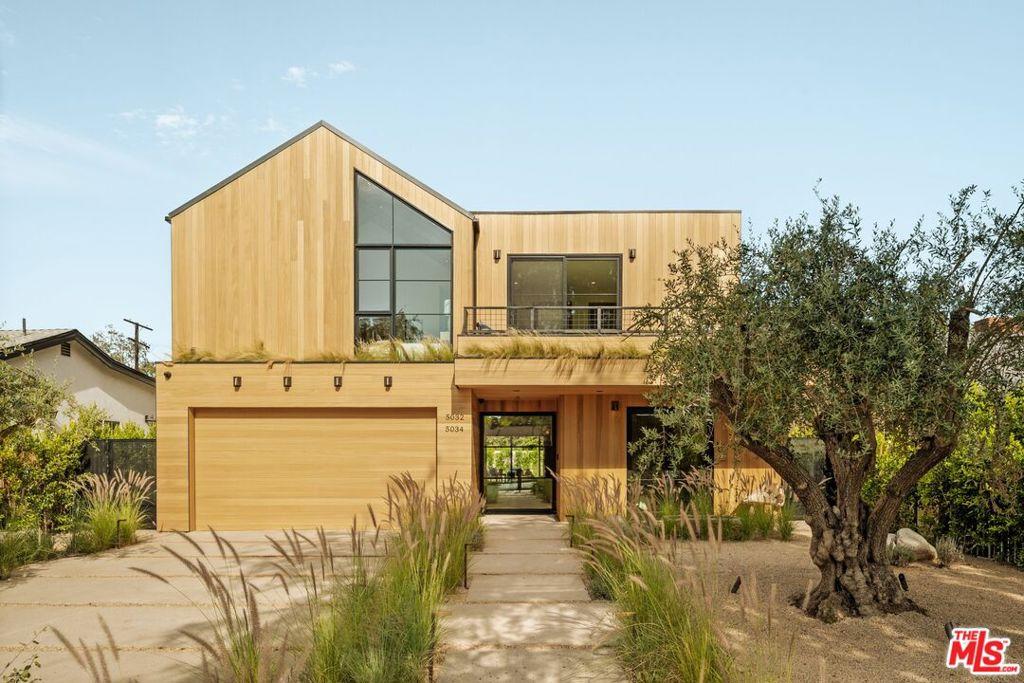
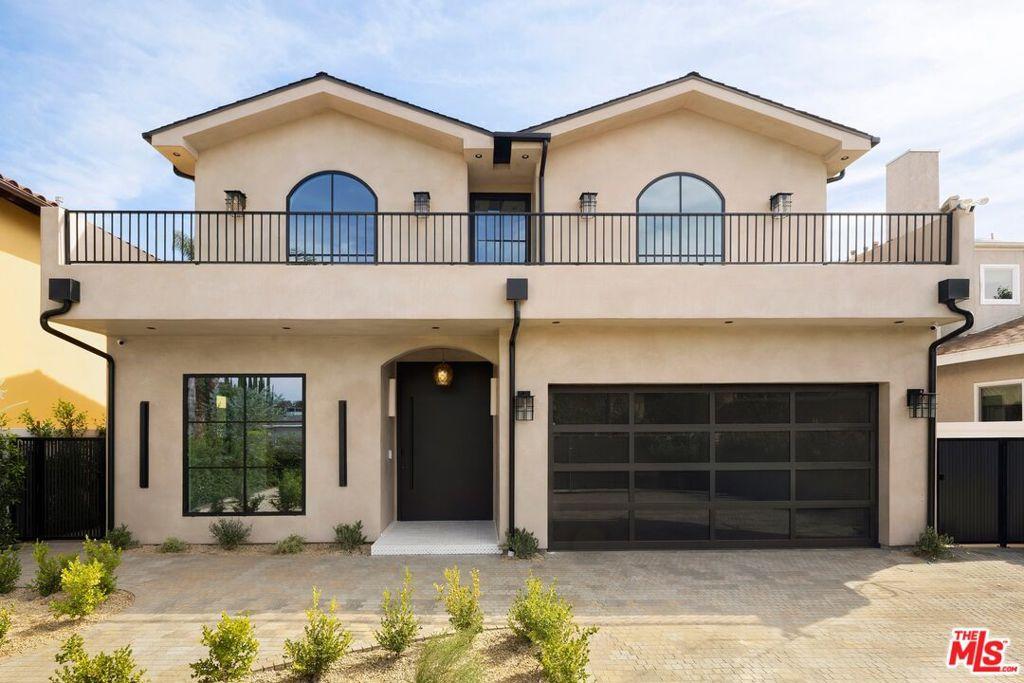
The third is position within the neighborhood. Sherman Oaks reaches into the Santa Monica Mountains along its southern edge, and hillside parcels carry different considerations from the flats: slope and drainage, narrower access roads, and different fire hazard mapping. If you are looking south of Ventura toward the canyons, check the address against current state and local fire hazard severity zone maps and get an insurance quote in writing before your contingency expires.

Who is actually buying Sherman Oaks condos?

Four profiles account for most activity: first-time buyers who want a Los Angeles city address and cannot reach detached-house pricing, entertainment industry workers who need proximity to the Studio City, Universal, and Burbank production centers, Westside professionals trading the pass commute for more square footage per dollar, and investors drawn by the neighborhood’s long-standing renter majority. They compete for different inventory: first-time buyers in older garden complexes north of the boulevard, move-up buyers and downsizers in the gated projects and larger units south of Ventura, investors in smaller units where the rent-to-price ratio works. Knowing which pool you are bidding against tells you how aggressive to be.

Frequently asked questions about Sherman Oaks condos

Is Sherman Oaks inside the City of Los Angeles?

Yes. It is a neighborhood of Los Angeles in the San Fernando Valley, currently in City Council District 4. City rules apply, including Measure ULA on qualifying sales, city permitting, and city tenant protections.

What is the difference between north of Ventura and south of Ventura?

South of Ventura runs from the boulevard toward the Santa Monica Mountains foothills and generally commands higher prices, with quieter streets and closer access to the Sepulveda Pass. North of Ventura is flatter Valley grid, typically less expensive per square foot, with a deeper supply of older garden-style complexes.

How much are HOA dues in Sherman Oaks?

Dues vary widely by project and we will not quote a figure that would not survive contact with a specific building. The drivers are consistent: elevators, gates, pools, on-site staff, earthquake coverage, and building age push assessments up, while small walk-up complexes run lower. Ask for the actual budget on any unit you tour, and read dues against reserve funding rather than the monthly number alone.

Do Sherman Oaks condos fall under Los Angeles rent control?

Generally no. Costa-Hawkins exempts separately alienable condominium units from local rent control, so the RSO’s pre-October-1978 rule usually does not apply. AB 1482’s statewide cap and just cause requirements can still apply, and your CC&Rs may restrict leasing regardless.

Will the Sepulveda transit line reach Sherman Oaks?

The approved station list for Metro’s Sepulveda Transit Corridor includes a Ventura Boulevard station serving Sherman Oaks. Metro approved a modified Alternative 5, fully underground heavy rail, in January 2026, with an initial operating segment projected between 2033 and 2035. Schedules on projects this size can move, so weigh it as upside rather than a reason to buy.

Are Sherman Oaks condos a good investment?

They can be, and the neighborhood’s renter majority supports demand. The deciding variables are project-level: financing eligibility for your future buyer, reserve adequacy, leasing restrictions in the CC&Rs, and whether a large capital project is coming. Two units in the same ZIP code can produce very different outcomes because of what their associations did or failed to do.

What documents should I demand during escrow?

The operating budget, the reserve study, twelve months of board minutes, the CC&Rs and current rules, the master insurance certificate, the SB 326 balcony inspection report where applicable, and written disclosure of any pending litigation or planned special assessment. If the association is slow to produce them, extend the contingency rather than waiving it.

How does The Knight Group work in the Sherman Oaks condo market?

We work at the building level, not the ZIP code level. Before you tour, we pull the sales history for the specific project, its current and pending inventory, and whatever association documentation is obtainable, so the first conversation is about a real asset. When a project has a known issue, a pending assessment, a financing constraint, or a deferred repair, we say so before you write the offer.

On the sell side, the work is pricing against the correct comparison set. Condo values are set by the building and the floor plan, not by the neighborhood median, and a unit priced off the wrong comps sits. We build the comparison from the same project first, then from projects with similar assessments and amenities, then from the wider market.

Review the current Sherman Oaks condo listings on this page. When something is worth a closer look, contact The Knight Group and we will get the association file in front of you before you spend a Saturday on showings.

Work With Us

The Knight Group is here to help you with all your realty needs. To get started, fill out the form below and one of our experienced agents will contact you as quickly as possible.

The Knight Group Logo

The Knight Group

8560 W Sunset Blvd., Floor 3
West Hollywood, CA 90069
503-200-4823
[email protected]

Copyright © 2024 The Knight Group. 
All rights reserved.  License: 02133297

Hey, You ALMOST MISSED IT!

Lucky for you we’re looking out.

Subscribe to this Custom Search to be alerted when new properties hit the market in the area.

Choose the frequency that works for you.

get alerts

[showcaseidx_contact]