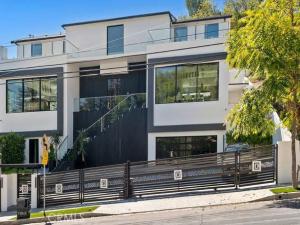
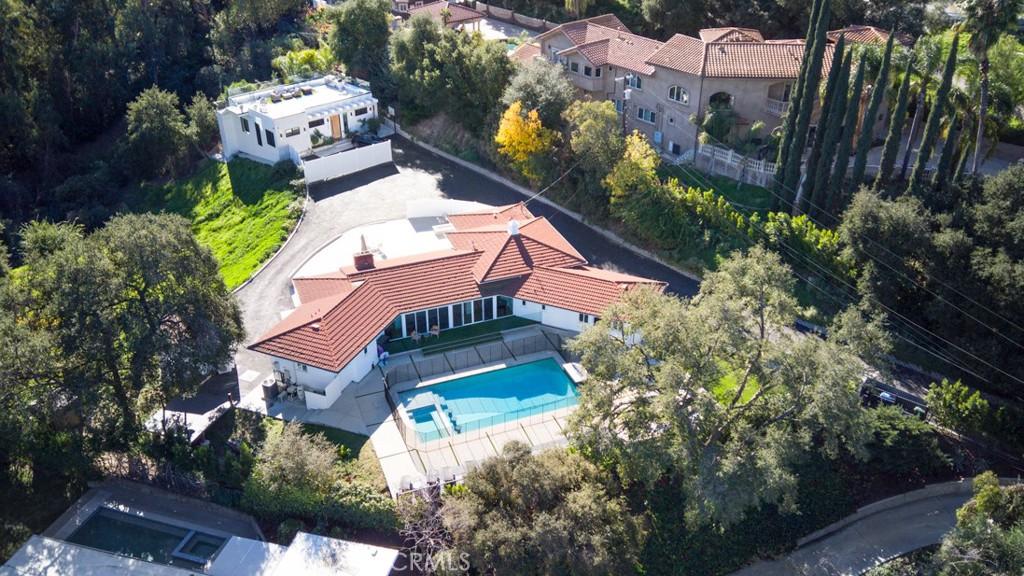
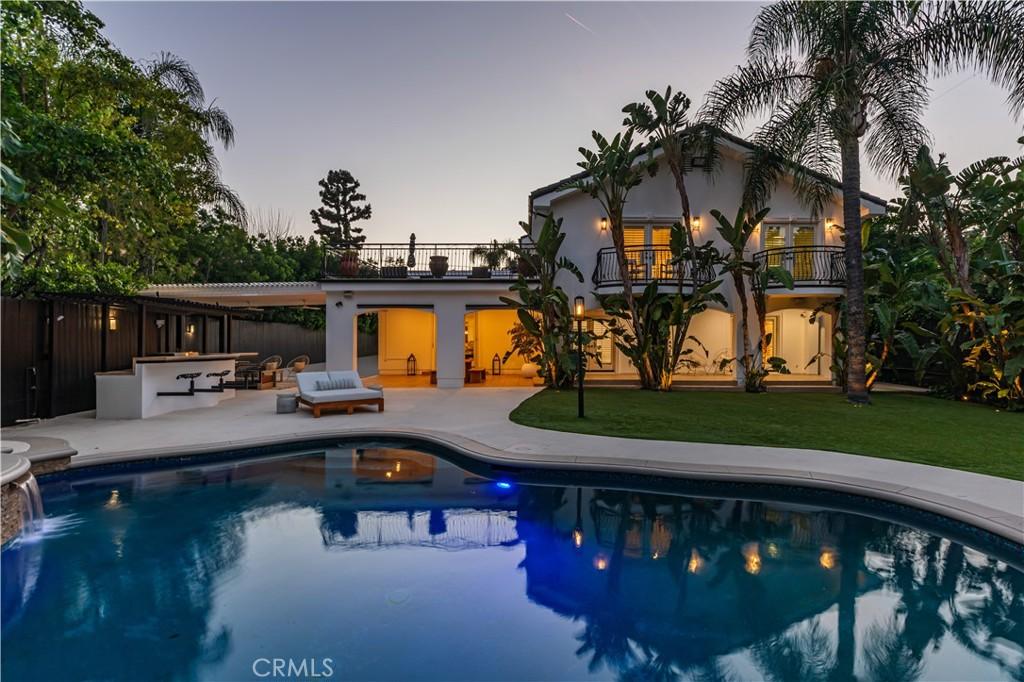
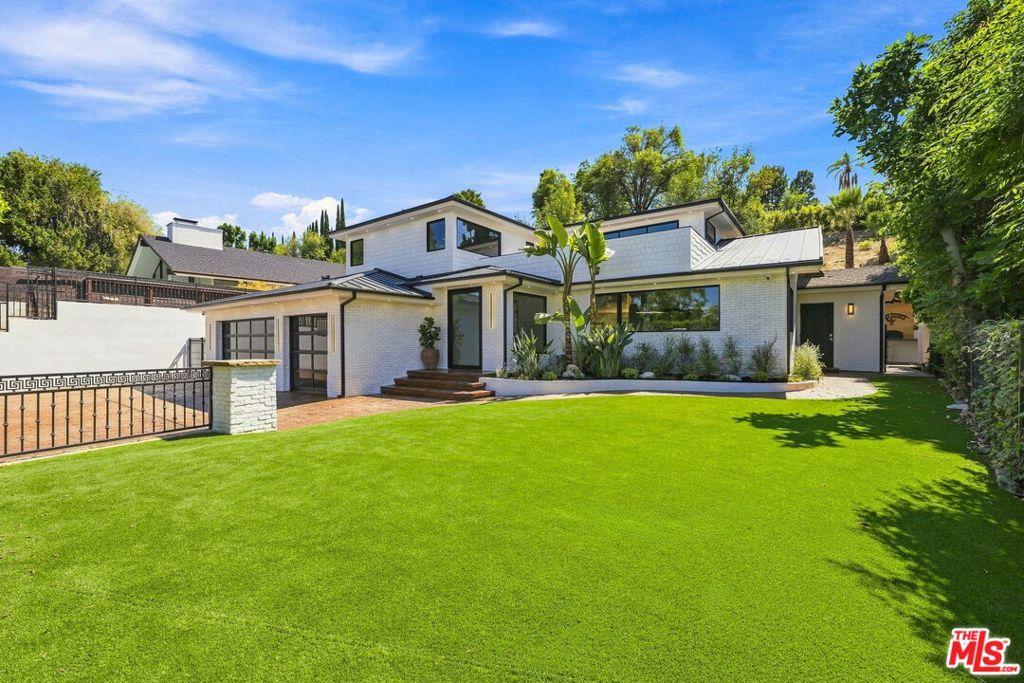
Condos for Sale in Tarzana
Condos for Sale in Tarzana currently number 137 active listings with a median asking price of $1,545,000 (CRMLS, September 2026).
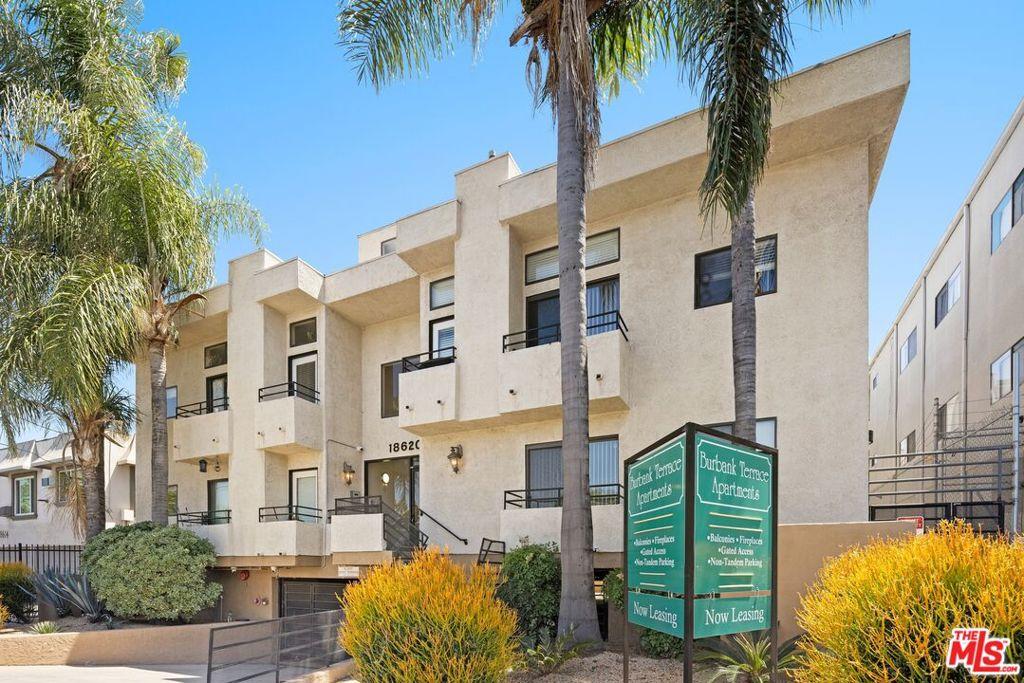
Condos for sale in Tarzana are the entry tier of a San Fernando Valley neighborhood that sits between Encino and Woodland Hills, south of the 101 and along the Ventura Boulevard corridor. You get a strong Valley address, easy freeway access, walkable errands and dining on Ventura, a short drive over the hills to the Westside, and an association that handles the roof, grounds, and shared systems. The trade-offs are HOA dues, shared walls, and board rules.
Tarzana is primarily a single-family neighborhood, so attached housing is the smaller, more affordable slice of the stock and turns over in limited numbers. Most of it sits in the flats north of Ventura Boulevard and on the blocks near it; south of the boulevard the land climbs toward the Santa Monica Mountains, where larger estates and gated communities like Mulholland Park set a different price and setting.
Browse the current Tarzana condo and townhome listings below, or contact The Knight Group to talk through which pocket of the neighborhood fits your budget and commute.
Where is Tarzana and what surrounds it?
Tarzana is a neighborhood in the south-central San Fernando Valley, inside the City of Los Angeles. It is bordered by Encino to the east and Woodland Hills to the west, with Reseda to the north and the crest of the Santa Monica Mountains to the south.
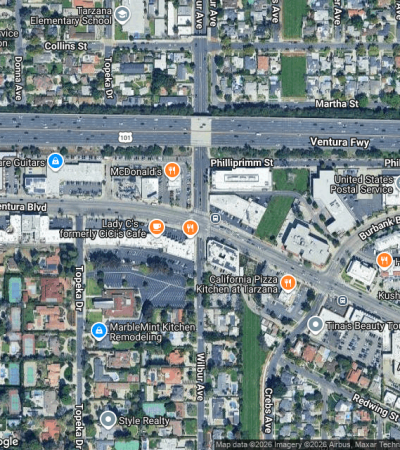
Ventura Boulevard runs east to west through the middle of the neighborhood and functions as its main street. The 101 Freeway sits just north of the boulevard, which is why Tarzana reads as both a residential Valley neighborhood and a convenient jumping-off point for the rest of Los Angeles. For a condo buyer, that location is the core of the pitch: you are close to everyday retail and freeway on-ramps, and you are one canyon away from the Westside.
How does Ventura Boulevard divide Tarzana?
Ventura Boulevard splits Tarzana into two distinct halves. North of the boulevard are the flats, an area of smaller 1960s ranch-style and mid-century homes on a flatter street grid. South of the boulevard the land rises into the hills toward the Santa Monica Mountains, where larger estates, gated communities, and country-club properties sit on bigger, more private lots.
This split matters for condo buyers because it shapes character and price. The flats and the blocks close to Ventura Boulevard hold most of the neighborhood’s attached housing and its walkable, service-heavy feel. The hills to the south trend larger, more private, and more expensive. Knowing which side of the boulevard a building sits on tells you a great deal about the setting before you ever pull up the listing.
What does the Tarzana condo market look like?
Tarzana is primarily a single-family neighborhood, and condos and townhomes are the smaller, more affordable slice of the housing stock. Home prices in Tarzana generally run higher than the Los Angeles County average, with detached houses spanning a wide range depending on lot size, views, and location relative to the hills. Condos sit well below that detached tier, which is precisely what makes them the practical entry point into the address.
Inventory is modest. Attached housing here turns over in smaller numbers than the single-family market, so at any given time a buyer is usually choosing among a limited set of condo and townhome listings rather than a deep pool. That thin supply is worth planning around: it rewards a buyer who is pre-approved and ready to move when the right unit lists, rather than one waiting for dozens of options to compare side by side.
Because pricing on any individual unit depends heavily on the building, the HOA, the floor plan, and recent comparable sales, the most useful number is a current one. Ask The Knight Group for a live read on active listings and recent closings before you anchor to any figure.
Buyer demand in Tarzana has been driven over the past decade by households wanting more space and a strong Valley address without the price of the Westside. For the condo segment, that demand tends to concentrate on well-run buildings near Ventura Boulevard, where the combination of walkable errands, freeway access, and lower entry pricing is hard to match elsewhere in the immediate area. A unit’s condition, floor plan, and the financial health of its association usually matter more to the final price than the raw square footage, which is why touring with someone who reads HOA documents closely pays off.
Which Tarzana areas should condo buyers know?
Tarzana is easier to shop when you break it into its component areas rather than treating it as one block. Two in particular are worth understanding before you tour.
The first is the neighborhood’s gated housing. Tarzana is known for its guard-gated and gated communities, including Mulholland Park, a 24-hour guard-gated community of roughly 175 homes, along with Silver Hawk Ridge, Monte Verde Estates, and Braemar Country Club Estates. These communities are built mainly around single-family estates, but they define the security-and-privacy end of the Tarzana market and set the tone for what gated living here means. See Tarzana gated homes for how controlled-access living works in this neighborhood and what to weigh before buying behind a gate.
The second is the hills below the boulevard. The area south of Ventura Boulevard is Tarzana’s higher, more private half, running up toward the Santa Monica Mountains and the country clubs. It carries a different price and setting than the flats, and it is where much of the neighborhood’s larger, view-oriented housing sits. See Tarzana south of Ventura to understand the hillside side of the market and how it compares to the flats north of the boulevard.
What is it like to own south of Ventura Boulevard?
Owning south of Ventura Boulevard means trading the flatter grid of the northern flats for elevation, privacy, and proximity to open space. The land here climbs toward the Santa Monica Mountains, and the setting is quieter and more secluded than the blocks that hug the boulevard.
The trade-offs are real and worth naming. Hillside living can mean steeper streets, longer driveways, and higher price points than comparable housing in the flats. It also puts you closer to wildland, so any buyer should confirm a property’s fire-hazard designation and understand how that affects insurance and maintenance. The Tarzana south of Ventura guide walks through those considerations in more depth. For most condo buyers, the boulevard-adjacent and flats inventory will be the more accessible option, with the south side serving as the aspirational upper end of the neighborhood.
How do HOAs and the Davis-Stirling Act work for Tarzana condos?
Every condo in Tarzana belongs to a homeowners association, and every California HOA operates under the Davis-Stirling Common Interest Development Act. That law governs how the association is run, how dues and special assessments are levied, how the board makes decisions, and what documents the seller must give you during the sale.
For a buyer, the practical takeaway is that the HOA is part of what you are purchasing, not a side detail. Before you commit, read the association’s governing documents, budget, reserve study, and recent meeting minutes. Those papers tell you whether the reserves are funded, whether a special assessment is likely, and whether there is pending litigation or deferred maintenance that a monthly dues figure alone will not reveal. Two condos at the same price can carry very different risk depending on the health of the association behind them.
Confirm the monthly dues, what they cover, and any rules that affect how you plan to live, including restrictions on rentals, pets, and short-term leasing. The Knight Group reviews these documents with clients as a standard part of a condo purchase.
Does Measure ULA affect Tarzana condo sales?
Tarzana is inside the City of Los Angeles, which means property sales here are subject to Measure ULA, the city’s transfer tax on high-value real estate. The tax applies to sales above a multimillion-dollar threshold, so it is aimed at the top of the market rather than at typical condo transactions.
For most Tarzana condo and townhome buyers and sellers, Measure ULA will not apply, because attached-home prices generally fall well below the threshold that triggers it. It becomes a live concern mainly for the neighborhood’s larger single-family estates. Even so, it is worth confirming the current threshold and rate at the time of any sale, since the figures are adjusted over time, and factoring it into net-proceeds math on a high-value property. The Knight Group can walk a seller through whether a given sale is affected.
What schools serve Tarzana?
Tarzana is served by the Los Angeles Unified School District. Neighborhood options include Tarzana Elementary School and Louis D. Armstrong Middle School. Tarzana is also home to the Sherman Oaks Center for Enriched Studies, a highly regarded LAUSD magnet that has been recognized among the top public high schools nationally by U.S. News & World Report.
School attendance boundaries and magnet admissions do not always follow neighborhood lines, and they change over time. If schools factor into your purchase, confirm the current assignment for a specific address directly with LAUSD before you write an offer rather than relying on a general neighborhood association.
How is the commute and transit from Tarzana?
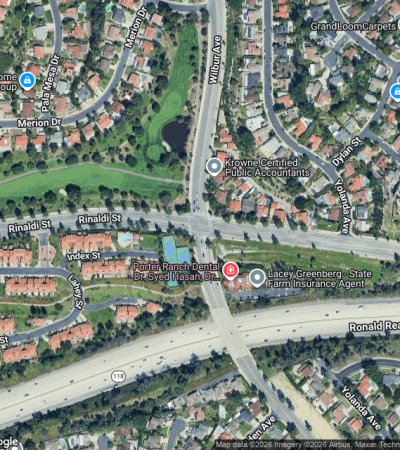
Freeway access is one of Tarzana’s strongest selling points. The 101 Freeway runs along the northern edge of the neighborhood, with Reseda Boulevard serving as a primary on-ramp, so getting onto the freeway is quick from most of the area. That connectivity is a large part of why a Valley address like Tarzana works for people who commute across Los Angeles.
Drive times vary with traffic. Reaching Century City on the Westside is roughly eighteen miles and can run from about forty minutes to well over an hour depending on conditions, and Downtown Los Angeles is farther still. For transit, Metro bus lines run along Ventura and Reseda Boulevards, and the Metro G Line, the Valley’s east-west bus rapid transit route, connects Tarzana to North Hollywood and the Metro rail network to the east. It is a car-first neighborhood, but the transit options exist for commuters who want them.
What lifestyle and amenities does Tarzana offer?
Day-to-day life in Tarzana centers on Ventura Boulevard. The boulevard is the neighborhood’s commercial spine, lined with restaurants, cafes, shops, and services, and it gives condo owners near it a walkable set of everyday errands and dining that is unusual for the Valley. For a condo buyer, being close to the boulevard is part of the appeal: you get the convenience of a main street without living in a denser urban core.
Beyond the boulevard, Tarzana offers proximity to open space and recreation in the Santa Monica Mountains to the south, along with the country clubs that anchor the hillside communities. The overall character is established and residential, with a mix of longtime owners and newer arrivals drawn by the location and the schools. It is a neighborhood people tend to settle into for the long term rather than treat as a stopover.
What history shaped Tarzana?
Tarzana has an unusual origin. The neighborhood takes its name from Tarzan, the character created by author Edgar Rice Burroughs. Burroughs bought a large ranch in the area in 1919, named it Tarzana Ranch after his fictional hero, and began developing homes on the land. The community was formally named Tarzana in 1930 in his honor.
The land had a longer history before that. The area was part of the Spanish mission holdings tied to the San Fernando Mission, and in the early 1900s it passed through the Los Angeles Suburban Homes Company, with Los Angeles Times publisher General Harrison Gray Otis among the early large landholders. That arc, from mission land to a ranch named after a jungle hero to an established residential neighborhood, is part of what gives Tarzana its distinct identity within the Valley.
Frequently Asked Questions About tarzana Condos for Sale
Are condos the most affordable way to buy in Tarzana?
Generally yes. Condos and townhomes sit below Tarzana’s single-family price tier and are the practical entry point into the neighborhood. Detached homes here run higher than the Los Angeles County average, so attached housing is where most budget-conscious buyers start.
Is Tarzana north or south of Ventura Boulevard better for condos?
Most of Tarzana’s attached housing and its walkable, service-rich character sit in the flats and the blocks near the boulevard. The hills south of Ventura trend toward larger, more private, and more expensive properties. The right side depends on your budget and whether you prioritize convenience or seclusion.
What do HOA dues cover in a Tarzana condo?
It varies by association, but dues typically cover building exterior, grounds, shared systems, insurance for common areas, and any amenities such as a pool. Always confirm the exact figure and what it includes, and review the association’s budget and reserves before buying.
Does Measure ULA apply to a Tarzana condo purchase?
Usually not. Measure ULA is a City of Los Angeles transfer tax on high-value sales above a multimillion-dollar threshold, and most condo prices fall well below it. It mainly affects the neighborhood’s larger estates. Confirm the current threshold at the time of any sale.
How is the commute from Tarzana to the Westside?
The 101 sits on the neighborhood’s northern edge with quick access via Reseda Boulevard. Century City is roughly eighteen miles and can take from about forty minutes to over an hour depending on traffic. It is a car-first location with bus and Metro G Line options available.
What schools serve Tarzana?
Tarzana is in LAUSD, with Tarzana Elementary and Louis D. Armstrong Middle School among the neighborhood schools, plus the Sherman Oaks Center for Enriched Studies, a nationally recognized magnet. Confirm the exact assignment for any specific address with LAUSD.
Are there gated condo communities in Tarzana?
Tarzana is known for gated and guard-gated communities such as Mulholland Park, Silver Hawk Ridge, Monte Verde Estates, and Braemar Country Club Estates, though these are built mainly around single-family estates. See the Tarzana gated homes guide for how controlled-access living works here.
Should I worry about fire risk in Tarzana?
Fire risk depends on where a property sits. The hills south of Ventura Boulevard are closer to wildland, so any buyer there should confirm the fire-hazard designation and understand how it affects insurance. Condos in the flats and near the boulevard carry different exposure. Verify the specifics for any address.
How The Knight Group works in this market
The Knight Group represents buyers and sellers across Tarzana and the San Fernando Valley, and condos are a core part of that work. Because Tarzana’s attached-home inventory is thin and turns over in small numbers, the value of a local team is timing and access: knowing what is coming, moving quickly when the right unit lists, and reading the HOA behind it before you commit.
On the buy side, that means pairing you with listings that fit your budget and commute, reviewing association documents and reserves so you understand the risk you are taking on, and confirming the details that neighborhood-level summaries cannot, from school assignments to fire-hazard designations to whether Measure ULA touches a given sale. On the sell side, it means pricing to current comparables and positioning an attached home to the buyers actively shopping the Tarzana address.
Browse the Tarzana condo and townhome listings below to see what is on the market now, then contact The Knight Group to talk through your next move.
What are Condos For Sale In Tarzana like as a place to live?
- Condos For Sale In Tarzana represent the entry tier of a San Fernando Valley neighborhood sitting between Encino and Woodland Hills along the Ventura Boulevard corridor.
- Tarzana is a neighborhood in the south-central San Fernando Valley, inside the City of Los Angeles, bordered by Encino, Woodland Hills, and Reseda.
- Ventura Boulevard runs east to west through the middle of Tarzana and functions as the neighborhood’s main street and commercial spine.
- Freeway access is a core part of the pitch, with the freeway sitting just north of the boulevard and on-ramps close at hand.
- Buyers of Condos For Sale In Tarzana get a strong Valley address, walkable errands and dining on Ventura, and a short drive over the hills to the Westside.
- Homeowners associations handle the roof, grounds, and shared systems, which is a central part of the attached-housing proposition here.
- Trade-offs for attached living include HOA dues, shared walls, and board rules that govern how residents use their homes.
- Tarzana is primarily a single-family neighborhood, so attached housing is the smaller and more affordable slice of the local housing stock.
- North of Ventura Boulevard lie the flats, an area of smaller ranch-style and mid-century homes on a flatter street grid.
- South of the boulevard the land climbs toward the Santa Monica Mountains, where larger estates and gated communities like Mulholland Park sit on bigger, more private lots.
- Most Condos For Sale In Tarzana sit in the flats north of Ventura Boulevard and on the blocks near it, where the walkable character concentrates.
- Inventory is modest because attached housing turns over in smaller numbers than the single-family market, giving buyers a limited set of listings at any time.
- Thin supply rewards a buyer who is pre-approved and ready to move when the right unit lists rather than waiting to compare many options.
- Buyer demand has been driven by households wanting more space and a strong Valley address without paying Westside prices.
What should I know before buying Condos For Sale In Tarzana?
- Every condo in Tarzana belongs to a homeowners association operating under the California Davis-Stirling Common Interest Development Act.
- Davis-Stirling governs how an association is run, how dues and special assessments are levied, how the board decides, and what documents a seller must provide.
- Governing documents, the budget, the reserve study, and recent meeting minutes are the papers a buyer should read before committing to a purchase.
- Reserve funding, the likelihood of a special assessment, pending litigation, and deferred maintenance are risks a monthly dues figure alone will not reveal.
- Two condos at the same price can carry very different risk depending on the financial health of the association behind them.
- Rules on rentals, pets, and short-term leasing deserve confirmation because they shape how an owner can actually live in the unit.
- Measure ULA is the City of Los Angeles transfer tax on high-value real estate, and Tarzana sales fall inside city limits.
- Measure ULA rarely touches Condos For Sale In Tarzana because attached-home prices generally fall well below the multimillion-dollar threshold that triggers the tax.
- Los Angeles Unified School District serves Tarzana, with Tarzana Elementary School and Louis D. Armstrong Middle School among the neighborhood options.
- Sherman Oaks Center for Enriched Studies is a highly regarded LAUSD magnet in Tarzana recognized among the top public high schools nationally.
- School attendance boundaries and magnet admissions do not always follow neighborhood lines, so buyers should confirm assignments with LAUSD for a specific address.
- Reseda Boulevard serves as a primary freeway on-ramp, making Condos For Sale In Tarzana quick to reach the freeway from most of the area.
- Metro bus lines run along Ventura and Reseda Boulevards, and the Metro G Line connects Tarzana east toward North Hollywood and the rail network.
- Ventura Boulevard gives owners of Condos For Sale In Tarzana a walkable set of restaurants, cafes, shops, and services unusual for the Valley.
What questions do buyers ask about Condos For Sale In Tarzana?
- Condos For Sale In Tarzana are generally the most affordable way to buy into the address, sitting below the single-family price tier.
- Detached homes in Tarzana run higher than the Los Angeles County average, so attached housing is where most budget-conscious buyers start.
- Attached housing and the walkable, service-rich character of Tarzana concentrate in the flats and the blocks near Ventura Boulevard.
- Hills south of Ventura Boulevard trend toward larger, more private, and more expensive properties than the flats to the north.
- HOA dues typically cover building exterior, grounds, shared systems, insurance for common areas, and amenities such as a pool.
- Association budgets and reserves deserve review before buying, alongside confirmation of the exact dues figure and what it includes.
- Measure ULA usually does not apply to Condos For Sale In Tarzana, since it targets high-value sales above a multimillion-dollar threshold.
- Commuters reach the freeway quickly via Reseda Boulevard on the northern edge, with bus and Metro G Line options also available.
- LAUSD serves Tarzana, including Tarzana Elementary, Louis D. Armstrong Middle School, and the nationally recognized Sherman Oaks Center for Enriched Studies magnet.
- Gated and guard-gated communities such as Mulholland Park, Silver Hawk Ridge, Monte Verde Estates, and Braemar Country Club Estates are built mainly around single-family estates.
- Fire risk depends on where a property sits, with the hills south of Ventura Boulevard closer to wildland than the flats.
- Fire-hazard designation and its effect on insurance are worth confirming for any specific address a buyer is considering.
- Thin, slow-turning inventory makes timing and access the real value of a local team shopping Condos For Sale In Tarzana.
- Sellers benefit from pricing to current comparables and positioning an attached home to the buyers actively shopping the Tarzana address.