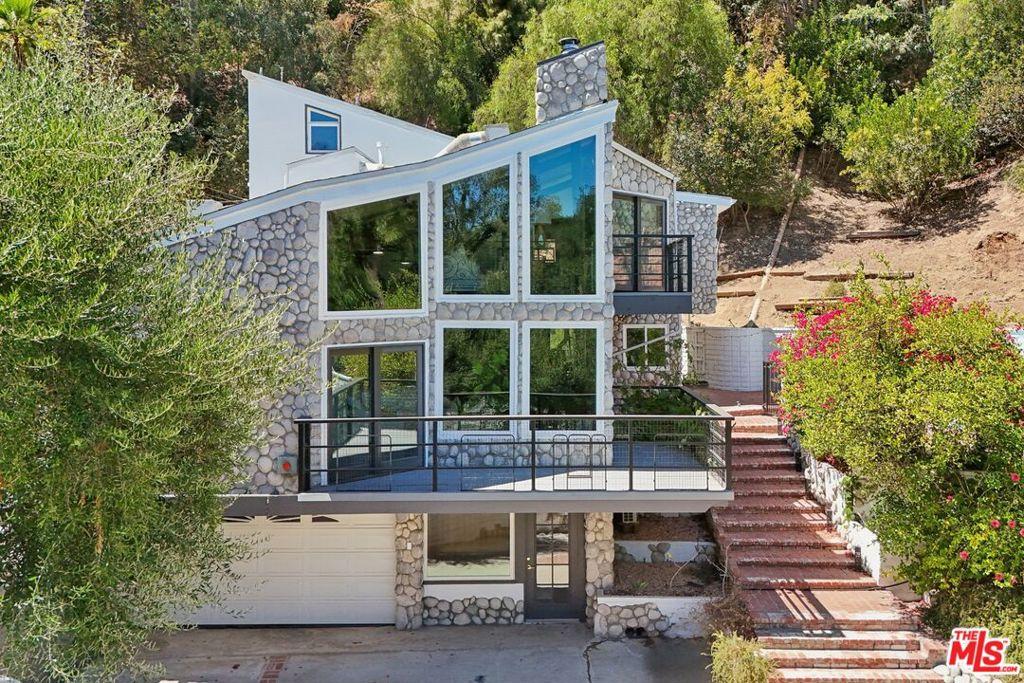
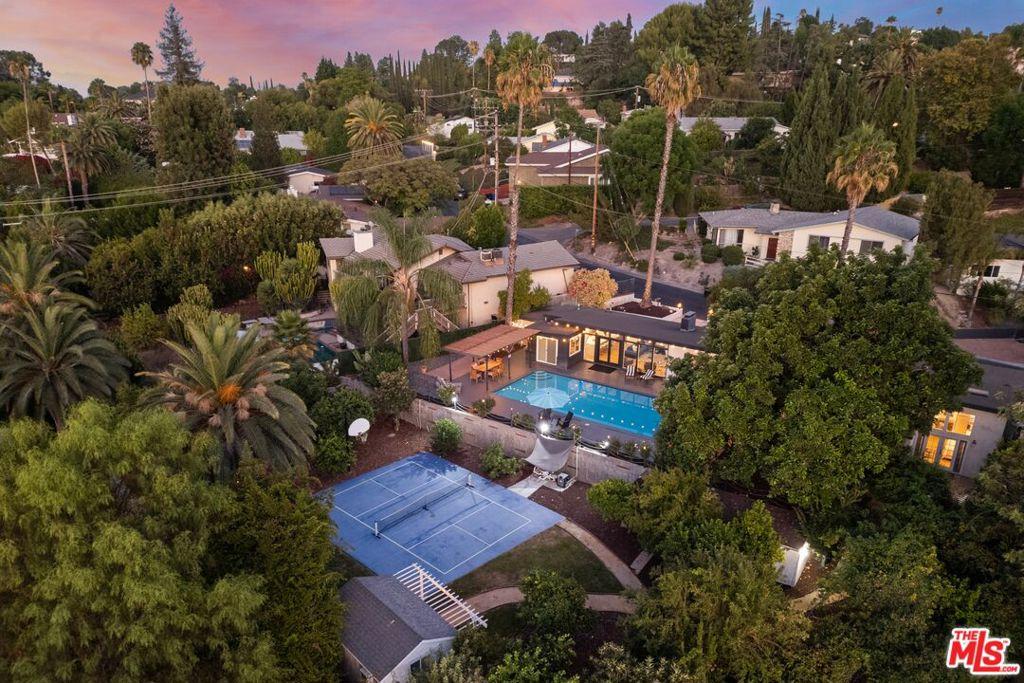
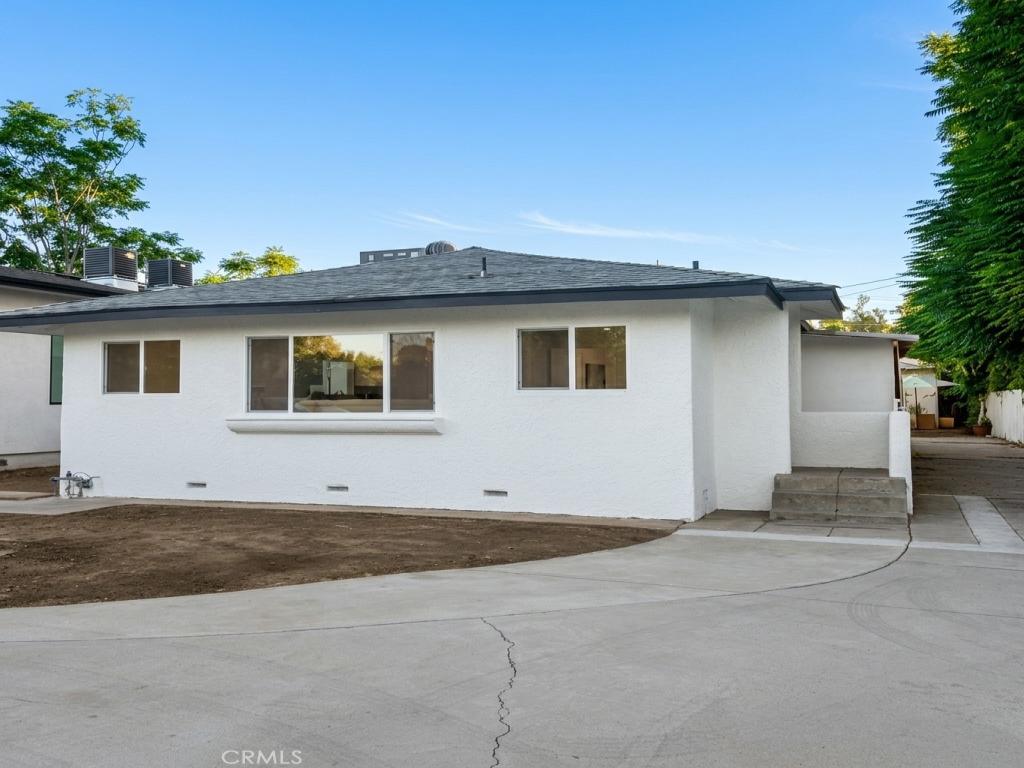
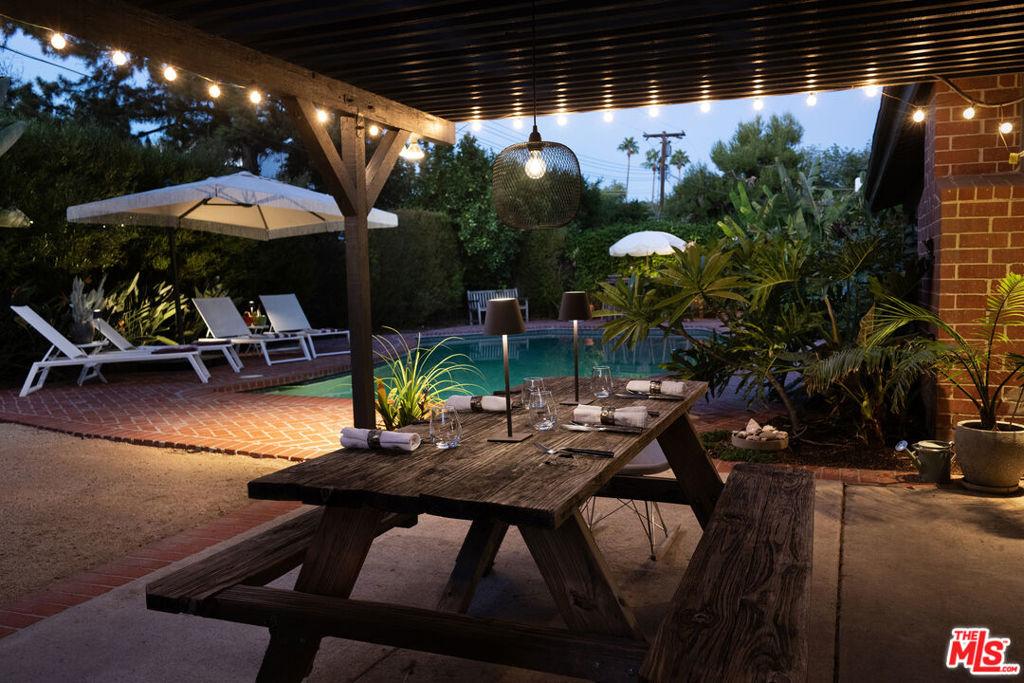
Browse all Los Angeles real estate — or explore the full Los Angeles luxury real estate market.
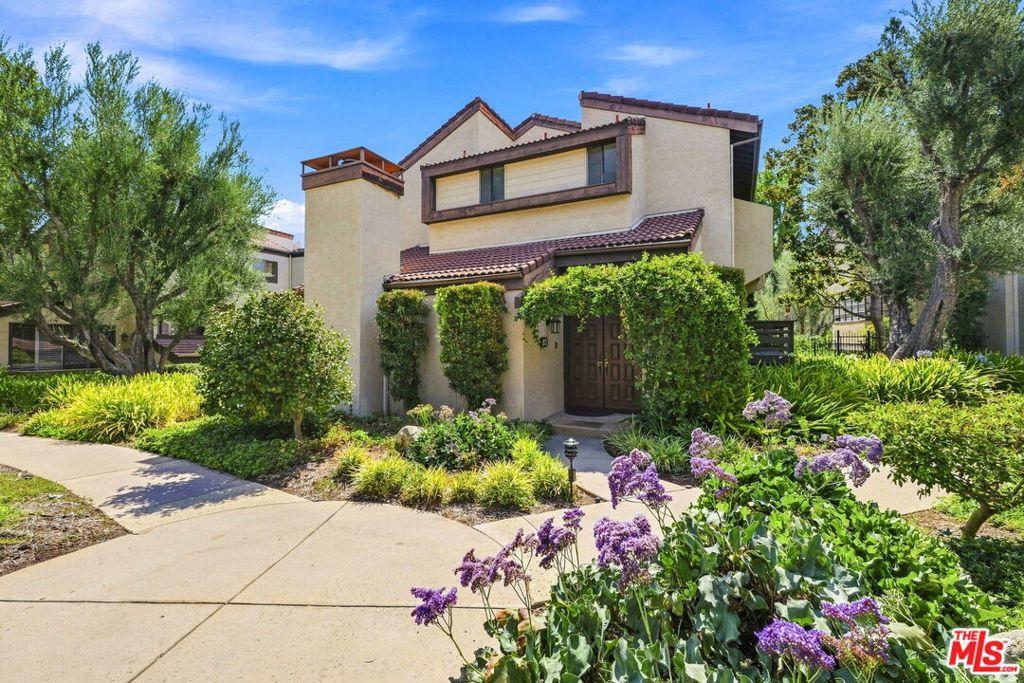
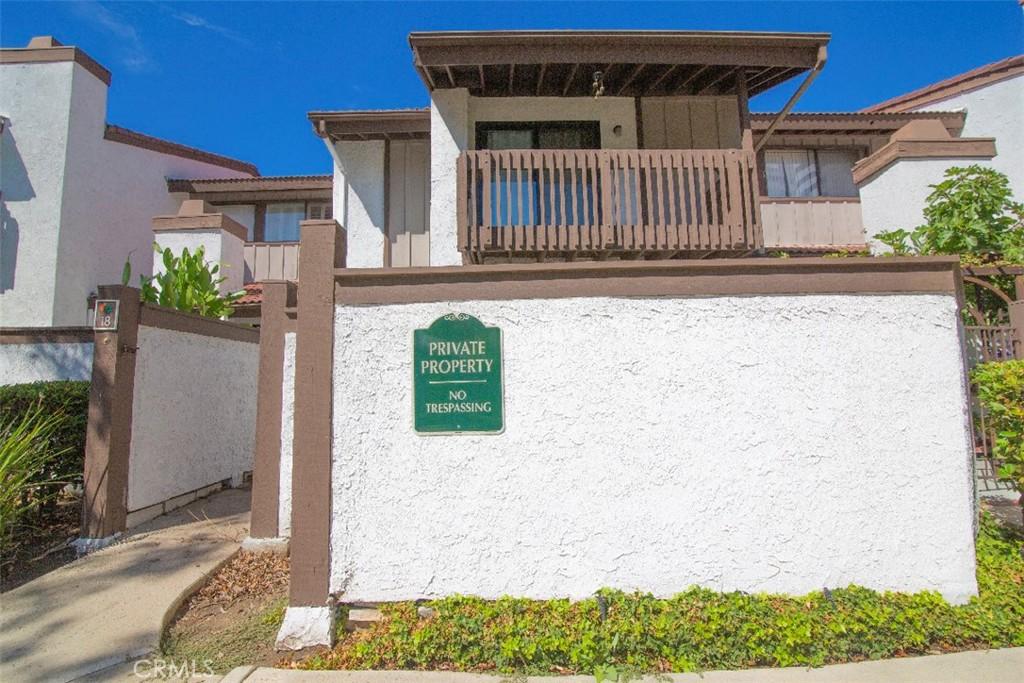
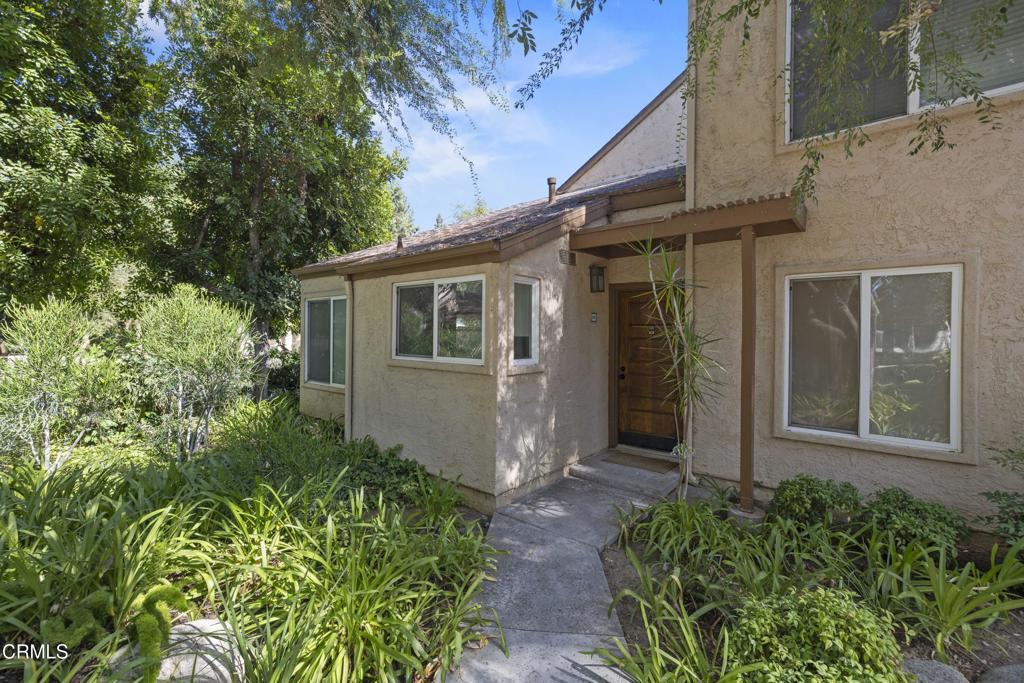
Condos in Woodland Hills are attached residences concentrated in the West San Fernando Valley, with the largest supply built around Warner Center, the business district anchored by office towers and The Village shopping and dining. This is where a buyer finds one- and two-bedroom units at price points well below the detached-home market to the south, inside gated, amenity-rich complexes that were purpose-built for the commuter and the low-maintenance owner.
The value proposition is straightforward. You get Valley square footage and resort-style amenities for a fraction of what a single-family home in the same ZIP code commands, plus walkable access to jobs, transit, and one of the deepest restaurant strips in the Valley along Ventura Boulevard. The trade-off is HOA dues and shared governance, which is exactly the calculus this page is built to help you run.
Browse the current condo listings below, or contact The Knight Group to talk through which building fits your budget, your commute, and your tolerance for HOA rules before you tour anything.
Woodland Hills sits at the southwestern edge of the San Fernando Valley, part of the City of Los Angeles, with the Santa Monica Mountains forming its southern backdrop. The neighborhood keeps a quieter, more spread-out character than most of the city, helped by the roughly 120,000 trees planted here in the 1920s that still shade the streets.
Ventura Boulevard bisects the community east to west and functions as its main artery. It is where residents go for restaurants, boutiques, and small businesses, and the strip is known for high-end steakhouses and some of the better sushi in Los Angeles. The boulevard also draws a working line through the housing market: the character of what you buy changes depending on which side of it you are on.
For a condo buyer, that geography matters. The bulk of the attached-home inventory sits north of Ventura and in the Warner Center core on the flat valley floor, while the hillside estates and gated enclaves run south toward the mountains.
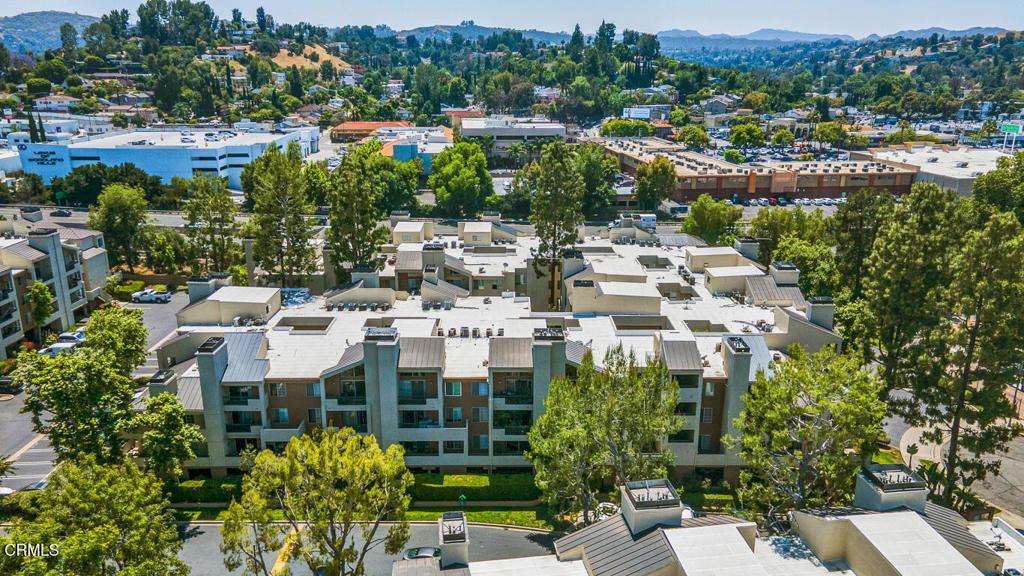
Warner Center is the reason Woodland Hills has real condo depth. It is a business district inside the neighborhood, built around office towers, with The Village providing shopping and dining at ground level. Employers, retail, and transit sit within a compact footprint, and the residential product built around them skews heavily toward mid- and high-rise condominiums rather than detached houses.
That concentration is unusual for the Valley. Most Valley submarkets are dominated by single-family homes, so a buyer who specifically wants a lock-and-leave attached residence with a doorman-style or gated setup has a genuinely wide menu here. The flip side is that Warner Center is denser and more urban in feel than the leafy streets to the south, which is a fit for some buyers and a deal-breaker for others.
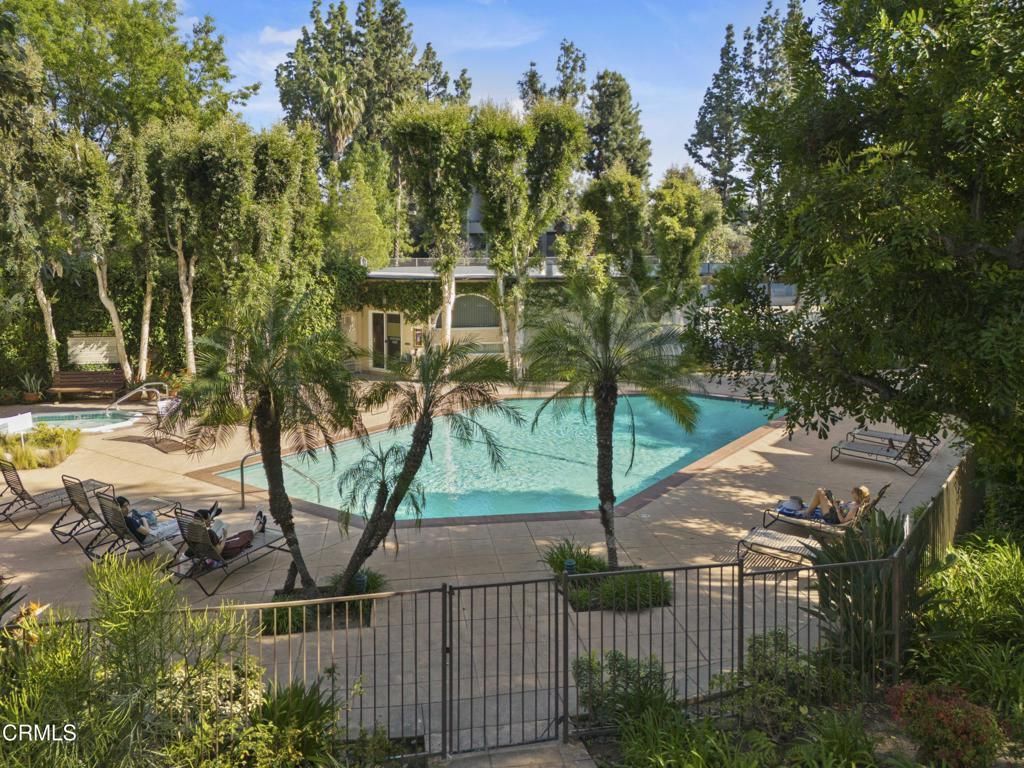
A handful of complexes carry most of the volume. The Met at Warner Center is the largest, a gated, 24-hour-guarded community of roughly 1,279 units spread across 16 residential buildings. Its amenity package is genuinely resort-scale: four pools, a fitness center, indoor basketball and racquetball courts, and six outdoor lighted tennis courts. According to The Met’s 2025 sales tracking, the complex recorded 42 sales that year, with one-bedroom units averaging around $371,000 and two-bedroom units averaging around $501,000.
The Ascent at Warner Center is newer and smaller, a five-story building completed in 2010 with over 100 units. It represents the more contemporary end of the local product. Warner Woods is another established option, a community spanning more than two dozen buildings; per HelloCondo community data, its units have carried an average list price in the low $800,000s with recent sales averaging near $792,000, which places it at the higher end of the Warner Center condo range.
Those three illustrate the spread you should expect: entry-level one-bedrooms in the high $300,000s inside the largest complexes, up through townhome-style and larger units approaching or exceeding $800,000 in the more premium communities. The building you choose drives your dues, your amenities, and your resale pool as much as the unit itself does.
One point buyers underweight: in a large complex, your unit’s resale is tied to everything else selling under the same roof. High inventory in a 1,000-plus-unit community can cap your upside even when your specific unit is turnkey, while a smaller, tightly held building behaves differently. That is not a reason to prefer one over the other, but it is a reason to look at how many units in a given complex are listed and how fast they move before you assume a building’s average price applies to your future sale.
The condo market is the affordable lane in an otherwise expensive neighborhood. North of Ventura Boulevard, modern condos and townhomes start in the $600,000s, and inside the large Warner Center complexes, one-bedrooms can be found lower still, in the high $300,000s per The Met’s 2025 figures. That is the floor of the Woodland Hills housing market.
Compare that to the detached side. South of Ventura, luxury estates with canyon views and modern architectural builds are frequently priced well above $3 million. The condo buyer is effectively buying into the same schools, the same Ventura Boulevard amenities, and the same commute infrastructure at a small fraction of that number, in exchange for accepting shared walls and an HOA. For many buyers that is a rational trade, not a compromise.
Prices move, and per-building sales history matters more than any neighborhood average. Ask The Knight Group for the recent closed comps in the specific building you are considering before you anchor on a list price.
South of Ventura is the premium half of Woodland Hills. This is where the luxury estates, canyon-view lots, and architecturally significant modern homes sit, many priced well above $3 million, running up into the foothills of the Santa Monica Mountains. Attached-home inventory is thinner here than in the Warner Center core, but the setting is quieter, greener, and more private.
If your interest runs toward that side of the boulevard, whether for a hillside condo, a townhome, or an eventual move up to a detached home, review the dedicated area page at https://theknightgroupla.com/region/los-angeles/woodland-hills-condos/woodland-hills-south-of-ventura/. One practical note: hillside parcels closer to the mountains are the ones most likely to fall inside Cal Fire hazard zones, which affects insurance, so location within the south side is not a detail to gloss over.
Gated living is a defining feature of this market, not an exception. The largest Warner Center complexes, The Met among them, are themselves gated and guarded, and the neighborhood also contains established gated enclaves such as Walnut Acres on the detached side. For buyers who prioritize controlled access, on-site security, and a managed common-area package, Woodland Hills offers more of it than most Valley submarkets.
To survey the gated options across the neighborhood, from guard-gated condo communities to gated single-family enclaves, see https://theknightgroupla.com/region/los-angeles/woodland-hills-condos/woodland-hills-gated-homes/. The trade-off with gated condo communities is always the dues: guards, gates, and shared amenities are paid for through the HOA, so the monthly number reflects the security you are buying.
Connectivity is one of the strongest arguments for a condo here. Warner Center is built around the 101 corridor, and the density of employers inside the district means a meaningful share of residents can work close to home rather than commute over the hill. For those who do commute, the 101 is the primary artery west toward Ventura County and east toward the central Valley and, eventually, the Westside.
The concentration of offices, retail at The Village, and transit within Warner Center is precisely what makes the attached-home product viable at this scale. A buyer who wants to walk to a job, a grocery run, and dinner without moving a car has more ability to do that in the Warner Center core than in most of the surrounding single-family Valley.
Weigh the honest limits too. Woodland Hills sits at the far west end of the Valley, so a job on the Westside or downtown is a real commute, and the 101 through the Valley carries heavy peak-hour traffic. The buyers who get the most out of a Warner Center condo are the ones who work in or near the district, or whose schedules let them avoid the worst of the freeway. If your daily destination is over the hill, drive the route at your actual commute time before you decide a location works.
Amenities are a core part of what you are buying. The larger complexes were built resort-style: The Met alone carries four pools, a fitness center, indoor basketball and racquetball courts, and six lighted tennis courts, all maintained through the HOA. Newer buildings like The Ascent lean on a more contemporary, streamlined amenity set. Either way, the attached-home buyer here typically gets facilities that a comparably priced detached home could never include.
Outside the gates, the lifestyle centers on Ventura Boulevard and The Village. The boulevard is the Valley’s deepest dining and boutique strip, and The Village adds walkable shopping and restaurants inside Warner Center itself. The neighborhood’s tree canopy and proximity to the Santa Monica Mountains give it more open-space access than its density would suggest. One honest caveat: Woodland Hills is among the hotter pockets of Los Angeles in summer, so air conditioning and shade are real considerations, not afterthoughts.
Every condo here is governed by a homeowners association operating under California’s Davis-Stirling Common Interest Development Act, the state law that sets the rules for HOAs. That means monthly dues, a set of CC&Rs governing what you can and cannot do with your unit, and a board that makes decisions about the common areas and reserves. In amenity-heavy, guarded buildings like the Warner Center complexes, dues reflect the cost of running pools, courts, gates, and staff.
Before you commit, read the HOA documents carefully: the budget, the reserve study, the meeting minutes, and any pending or threatened litigation or special assessments. A low list price paired with an underfunded reserve or a looming special assessment is not a bargain. The Knight Group will help you request and interpret those documents during your contingency period, because in a condo purchase the health of the association is as important as the condition of the unit.
Two rules to check before you tour: whether the building allows rentals and on what terms, and whether it permits the pet or the parking arrangement you need. Rental caps and leasing restrictions vary widely between complexes and matter enormously if you ever plan to rent the unit out. Financing hinges on the association too, since lenders scrutinize owner-occupancy ratios and reserve funding on condo loans. A building can be sound and still be hard to finance, so line up a lender who knows the specific complex early.
A few real factors are worth naming. Because Woodland Hills is inside the City of Los Angeles, the city’s Measure ULA transfer tax applies to residential sales above a multimillion-dollar threshold. In practice, standard Warner Center condos price well below that threshold and are not affected, but a buyer moving up to a high-end estate south of Ventura should factor it into a future sale.
Wildfire exposure is the second factor. The Warner Center condos sit on the flat valley floor, away from the wildland interface, but hillside parcels toward the Santa Monica Mountains are the ones most likely to fall inside Cal Fire Very High Fire Hazard Severity Zones, which drives insurance cost and availability. Always confirm a specific address against the current hazard maps. Third, summer heat is a genuine, documented feature of this part of the Valley and belongs in your cost-of-ownership math through cooling costs. None of these is a reason to avoid the market. Each is a reason to buy with your eyes open.
Entry-level one-bedroom units inside the large Warner Center complexes have traded in the high $300,000s, per The Met’s 2025 sales data, while modern condos and townhomes north of Ventura Boulevard generally start in the $600,000s. Premium communities such as Warner Woods have carried average prices in the low-to-mid $800,000s. Per-building comps matter more than any single neighborhood figure.
The Met at Warner Center is the largest, with roughly 1,279 units across 16 buildings, gated and guarded around the clock, with four pools, a fitness center, and multiple tennis and sport courts.
Many are. The major Warner Center complexes, including The Met, are gated and guarded, and the neighborhood also contains gated enclaves on the detached side. You can review the gated options at the Woodland Hills gated homes page linked above.
Yes. Woodland Hills is a neighborhood within the City of Los Angeles, at the southwestern edge of the San Fernando Valley, which means city regulations such as the Measure ULA transfer tax apply to qualifying sales.
Dues vary by building and track the amenity load. Guarded, amenity-rich complexes with pools, courts, and staff carry higher dues than smaller, simpler buildings. Always review the association’s budget and reserve study before buying, since an underfunded HOA can mean special assessments later.
Warner Center is built around the 101 freeway and is itself a job center, so many residents work close to home. The 101 is the main route toward Ventura County to the west and central Los Angeles to the east.
For the Warner Center condos on the valley floor, wildfire risk is low. The concern rises for hillside properties toward the Santa Monica Mountains, some of which fall in Cal Fire hazard zones. Confirm any specific address against the current maps before you write an offer.
Price and maintenance. Detached homes south of Ventura frequently exceed $3 million, while condos give you the same schools, amenities, and commute access starting in the high $300,000s to $600,000s, in exchange for HOA dues and shared governance.
The Knight Group covers Woodland Hills building by building, not just at the neighborhood level. That means we pull the recent closed comps inside the specific complex you are considering, read the HOA budget and reserve study with you, and flag the trade-offs, dues, rules, assessment history, before you are emotionally committed to a unit.
If you are weighing Warner Center against the south side of Ventura, or a guarded high-rise against a smaller gated community, we will lay out the numbers and the risks side by side. Browse the current listings below, then contact The Knight Group to build a shortlist that matches your budget, your commute, and how much HOA structure you actually want to live with.
The Knight Group is here to help you with all your realty needs. To get started, fill out the form below and one of our experienced agents will contact you as quickly as possible.
Copyright © 2024 The Knight Group.
All rights reserved. License: 02133297
Lucky for you we’re looking out.
Subscribe to this Custom Search to be alerted when new properties hit the market in the area.
Choose the frequency that works for you.