Browse all Los Angeles real estate — or explore the full Los Angeles luxury real estate market.

Browse all Los Angeles real estate — or explore the full Los Angeles luxury real estate market.
Condos for Sale in West Hills currently number 98 active listings with a median asking price of $1,084,000 (CRMLS, September 2026).
Condos for sale in West Hills sit in the far western San Fernando Valley, inside the City of Los Angeles right up against the Ventura county line. They are attached, individually owned homes, and they matter here for one reason: West Hills is primarily a single-family neighborhood with an overall median in the mid-$800,000s and detached homes commonly trading between roughly $700,000 and $1.8 million. A condo gets you the neighborhood, the schools, and the foothill open space at a lower entry price.
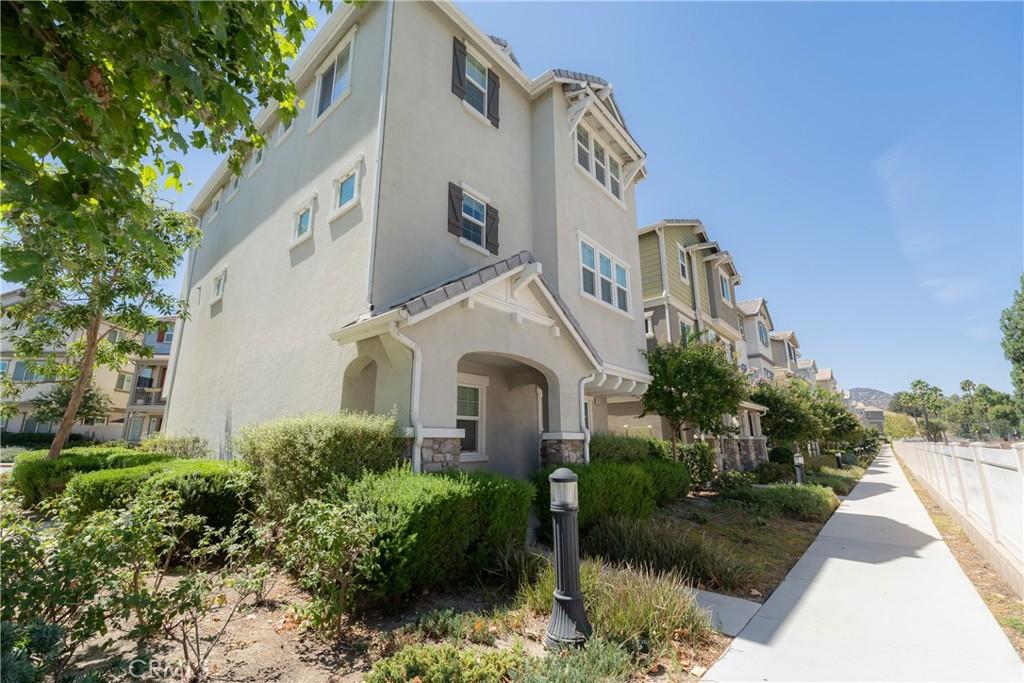
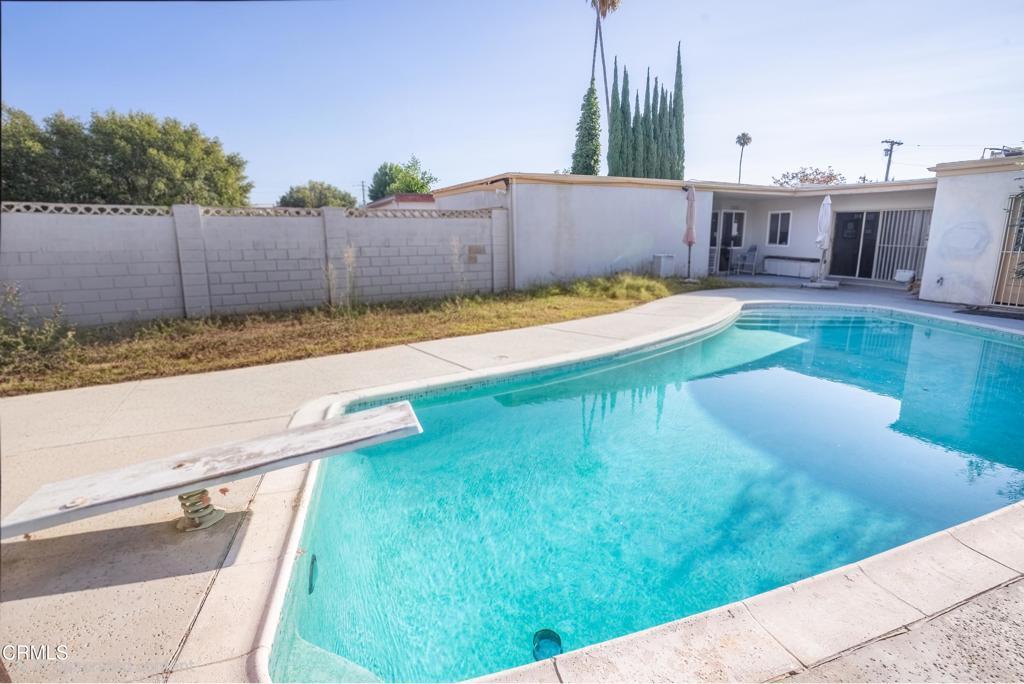
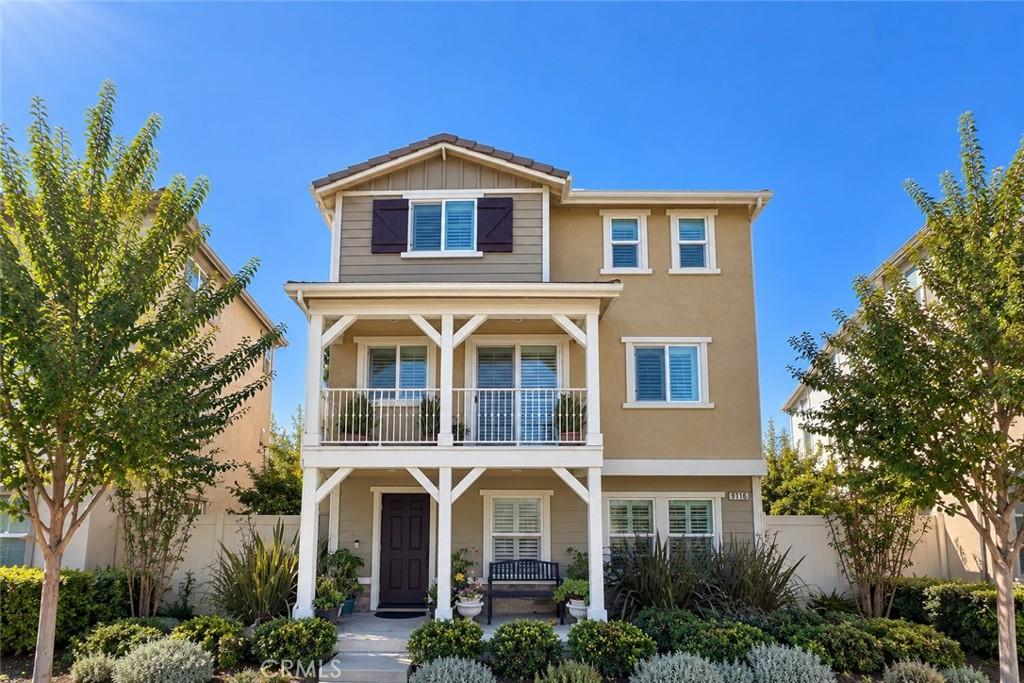
Most of the stock is townhouse or apartment-style, built in the 1970s and 1980s, arranged around pools and landscaped courtyards, with pockets near Vanowen and Valley Circle and communities like Valley Circle Townhomes and Fallbrook Place. What varies most is the association: dues, rental policy, and reserve health differ complex to complex.
Browse the active listings below, or contact The Knight Group to talk through which building and price tier fit what you are trying to do.
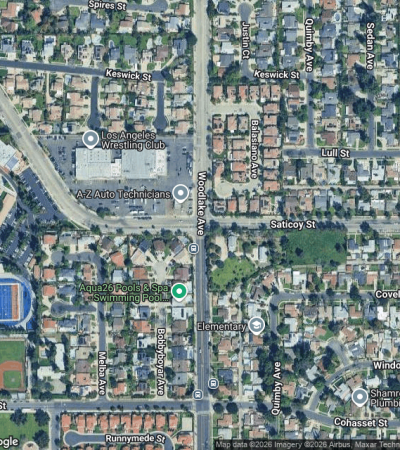
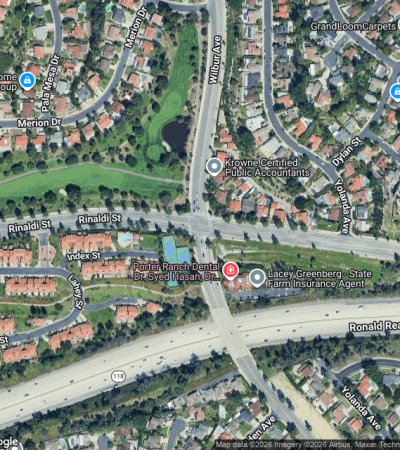
West Hills occupies roughly three square miles at the western edge of the San Fernando Valley. The neighborhood is bounded by Roscoe Boulevard on the north, Woodlake Avenue, Sherman Way, and Platt Avenue on the east, Victory Boulevard on the south, and the Los Angeles and Ventura county line on the west. That western edge matters: it puts West Hills up against foothills and open space rather than more city, which is a large part of why the area reads as calmer than the central Valley.
West Hills is a relatively young name. For most of its history the area was part of Canoga Park. In 1987, residents of a three-square-mile section began a petition campaign to break off and form their own community. On January 16, 1987, Councilwoman Joy Picus accepted petitions representing 3,364 of the 4,333 households in the area, and a second section of Canoga Park was added weeks later, bringing the Fallbrook Mall and Platt Village shopping centers into the new West Hills. That history is the reason some older listings, tax records, and mapping tools still tie parts of West Hills back to Canoga Park.
For a condo buyer, the practical takeaway is that address and boundary lines can be fuzzy at the edges. If a specific unit’s school assignment, ZIP, or district designation matters to you, confirm it against the parcel, not the neighborhood label.
West Hills is primarily a single-family market with a smaller, older condo and townhome segment layered underneath it. Per RubyHome’s West Hills market data, the neighborhood’s overall median sits in the mid-$800,000s, with detached homes commonly trading between roughly $700,000 and $1.8 million. Condos sit below that band, which is exactly why they matter to buyers who want the ZIP code without the detached-home price.
Inventory on the condo side is thin. At any given time the neighborhood may show only a handful of condos listed, so selection is limited and the right unit can move. A West Hills area guide describes a three-bedroom, two-bath condo averaging around $675,000 plus a monthly HOA fee near $450, which is a useful reference point rather than a fixed rule: dues and pricing vary widely by complex, age, and what the association covers.
Because supply is limited, condo buyers here benefit from being ready. That means financing lined up, HOA documents reviewed quickly, and a clear read on which complexes you would actually accept. The Knight Group can set that up before a unit you want ever hits the market.
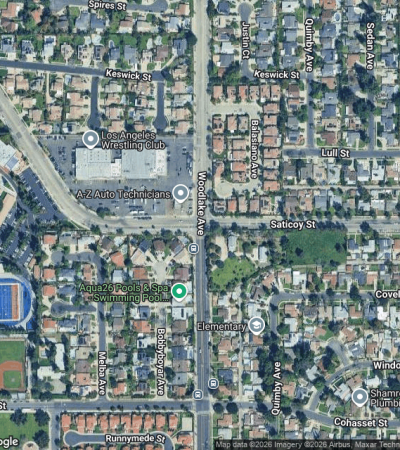
The attached-home stock clusters in a few pockets. There is a group of condos near the corner of Vanowen Street and Valley Circle Boulevard, and additional townhouse and apartment-style communities farther south, most of them built in the 1970s and 1980s in park-like settings with shared pools.
Valley Circle Townhomes is one of the better-known attached communities in the area, a set of 85 units with a community pool and jacuzzi, per RealtorDavid’s community profile. Fallbrook Place is another gated attached-home community in West Hills. Complexes like these are where most of the neighborhood’s condo activity happens, and each has its own HOA budget, rental policy, and reserve health that need to be read individually before you commit.
The Knight Group covers West Hills across price tiers, from attached condos up through the gated estate enclaves. Here is how the surrounding communities we work in fit together.
For buyers moving up from a condo into detached property, start with West Hills luxury homes, which covers the upper end of the neighborhood’s single-family market. If security and a controlled entry are priorities, West Hills gated homes surveys the guard-gated and access-controlled communities across the area.
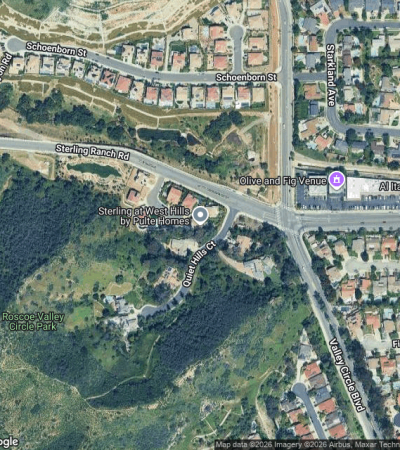
Two of those gated communities are worth knowing by name. The Estate Collection at West Hills is an upscale enclave of larger homes, commonly four to five bedrooms ranging from about 3,300 to 4,359 square feet, per RubyHome. Sterling at West Hills is a gated community built by Pulte Homes, described by RubyHome as 143 homes spread across 373 acres, typically four to five bedrooms. Both sit at the detached, higher-price end of the market and are natural next steps for a condo owner building equity toward a larger home.
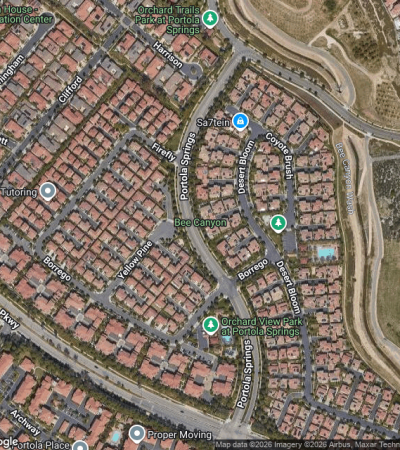
At the northern reach of the West Valley foothills, The Knight Group also covers Bee Canyon Estates, a small gated pocket on the edge of the open space. If your search spans the whole West Valley rather than West Hills alone, it is a useful community to have on the list.
Every condo and townhome in West Hills belongs to a homeowners association, and in California those associations operate under the Davis-Stirling Common Interest Development Act. That law governs how the HOA is run: budgets, reserves, meetings, assessments, and the disclosure documents you are entitled to review before closing.
Monthly dues in the area’s older condo complexes often land in the several-hundred-dollar range, and a commonly cited figure for a mid-sized West Hills condo is around $450 per month, though this varies by building. What matters more than the headline number is what the dues buy and how healthy the association is. Dues typically cover exterior maintenance, shared insurance, and common amenities like the pool, and in some complexes water or trash. The risks to check are underfunded reserves, pending special assessments, deferred roof or plumbing work, and any litigation the association is involved in.
Before you write an offer, read the HOA package: the budget, reserve study, meeting minutes, and rules. A well-run association with funded reserves is worth paying slightly higher dues for. A cheap HOA that is deferring major repairs is a future special assessment waiting to land on you. The Knight Group reviews these documents with clients as a standard step, not an afterthought.
West Hills is inside the City of Los Angeles, so Measure ULA applies here. Measure ULA, the city’s transfer tax approved by voters in 2022 and effective April 1, 2023, adds a 4 percent tax on property sales above $5 million and 5.5 percent on sales above $10 million, with the thresholds adjusted for inflation over time.
For the overwhelming majority of West Hills condo transactions, this is not a factor: condos here trade far below the $5 million floor, so the ULA tax does not touch them. It becomes relevant only at the very top of the neighborhood’s detached and estate market, and even there most homes fall below the threshold. The reason to know about it is planning. If you are trading up from a West Hills condo toward a high-value property elsewhere in the City of Los Angeles, ULA can change the math, and it is worth modeling before you list.
Parts of West Hills fall inside a Very High Fire Hazard Severity Zone. The neighborhood’s western edge runs up against foothills and open space, and Cal Fire’s updated hazard maps have pushed the very high designation farther into this part of the San Fernando Valley. That designation carries real consequences: stricter building and defensible-space requirements, and, more immediately for buyers, tighter and more expensive property insurance.
The mapping is parcel-specific. A condo in the flatland pockets near the shopping districts may sit outside the very high zone entirely, while a home closer to the hills may sit squarely inside it. Do not assume based on the neighborhood name. Before you buy, confirm the specific parcel’s hazard designation and get an insurance quote in writing early in escrow, because a surprise on insurability or premium is one of the more common ways a Valley purchase gets derailed. The Knight Group flags this at the front of the process for any West Hills search.
School assignment in West Hills is split, and this trips up buyers who assume one district covers the whole neighborhood. Most of West Hills is served by Los Angeles Unified School District, while a western portion of the area falls within Las Virgenes Unified School District, the district headquartered in Calabasas that also serves Agoura Hills, Hidden Hills, and Westlake Village.
The line between the two does not follow the neighborhood boundary, so two condos a short distance apart can feed different schools in different districts. If schools are a priority in your search, this is one of the most important things to verify at the parcel level rather than the neighborhood level. The Knight Group will confirm the exact assignment for any specific unit before you commit.
West Hills is a car-oriented neighborhood at the far western end of the Valley. The primary freeway connection is U.S. 101, the Ventura Freeway, reached to the south, which links West Hills to the rest of the Valley, the Conejo Valley, and, eventually, the Westside and downtown. Surface arterials like Roscoe, Vanowen, Sherman Way, Victory, and Valley Circle carry most local traffic.
Be honest with yourself about the trade-off. West Hills buys quiet and open space by sitting at the edge of the map, which means longer drives to central job centers and the Westside than you would face from an eastern Valley address. For buyers whose work is in the west Valley, Warner Center, or the Conejo Valley, the location is excellent. For a daily commute to downtown or the Westside, budget the drive time before you fall for the neighborhood.
West Hills leans on open space and everyday convenience rather than nightlife. The signature amenity is Orcutt Ranch Horticultural Center on Roscoe Boulevard, a historic estate once owned by oil pioneer William Warren Orcutt, built in Spanish Colonial Revival style and surrounded by roughly 24 acres of gardens, citrus orchards, and heritage oaks. It functions as a public park and a well-known local event and wedding venue.
The foothills and open space at the western edge give residents quick access to hiking, including trails connecting toward the Upper Las Virgenes Canyon Open Space Preserve and the broader Topanga Canyon corridor. For day-to-day needs, the Fallbrook Center shopping district and the Platt Village centers cover retail, groceries, and dining without leaving the neighborhood. For a condo buyer, this mix, open space at the edge and full retail in the middle, is a big part of why the area holds value.
A West Hills condo fits a few clear profiles. First-time buyers who want a foothold in a strong west Valley ZIP without a detached-home price. Downsizers who want to stay in the area but shed the maintenance of a house and yard. Investors targeting steady rental demand near schools, shopping, and freeway access. And equity builders who intend to use a condo as a stepping stone toward a detached West Hills home later.
It is a weaker fit if you need a large yard, a downtown or Westside commute you are unwilling to lengthen, or a large, deep pool of condo inventory to choose from. West Hills is a house neighborhood with a modest condo segment, so patience and readiness matter more here than in a condo-heavy market. If that trade sounds right, the next step is a conversation about your budget, timeline, and which complexes clear your bar.
No. West Hills is predominantly a single-family neighborhood with a smaller condo and townhome segment, so inventory is limited and the right unit can sell quickly. Being pre-approved and ready to review HOA documents fast is a real advantage here.
Condos trade below the neighborhood’s detached-home median, which RubyHome data places in the mid-$800,000s. A West Hills area guide references a three-bed, two-bath condo averaging around $675,000, though pricing varies widely by complex, size, and condition.
Dues vary by building. A commonly cited figure for a mid-sized West Hills condo is around $450 per month, but the number that matters is what the dues cover and whether the association’s reserves are funded. Always review the HOA budget and reserve study before making an offer.
West Hills has a strong reputation for schools, but assignment is split between Los Angeles Unified and, for a western portion of the area, Las Virgenes Unified. Because the line does not follow the neighborhood boundary, confirm the exact school assignment for the specific unit you are considering.
Parts of West Hills, especially near the western foothills, sit inside a Very High Fire Hazard Severity Zone under Cal Fire’s maps. That affects building requirements and, more immediately, insurance cost and availability. Check the specific parcel’s designation and get an insurance quote early.
Measure ULA applies in West Hills because it is inside the City of Los Angeles, but it only affects sales above $5 million. Condos here trade well below that threshold, so ULA does not apply to typical condo transactions. It becomes relevant only at the top of the estate market or if you trade up to a high-value property.
West Hills was carved out of Canoga Park through a resident petition campaign in 1987. Because the name is comparatively recent, some older records, tax documents, and mapping tools still associate parts of the area with Canoga Park. Always verify boundary-sensitive details against the parcel.
Often yes, but it depends entirely on the individual HOA. Some associations cap the number of rentals or impose minimum lease terms. If you are buying as an investment, the rental policy in the CC&Rs is one of the first documents to read, and The Knight Group will pull it before you commit.
The Knight Group covers West Hills across the full range, from attached condos through gated estates, so the same team can take you from a first condo purchase to a detached home years later. Because condo inventory here is thin, our value is often in preparation: getting your financing and criteria set before the right unit lists, and moving quickly when it does.
On every West Hills condo, we treat three things as required steps, not extras. We read the full HOA package, budget, reserves, minutes, and rental rules, and flag any association that is deferring major work. We confirm the parcel’s fire hazard designation and push for an insurance quote early in escrow. And we verify the exact school assignment for the specific unit, given the district split across the neighborhood. The goal is precision on the details that actually decide whether a West Hills condo is a good buy.
Browse the West Hills listings below, and when you want a direct read on a specific building or price tier, contact The Knight Group.
The Knight Group is here to help you with all your realty needs. To get started, fill out the form below and one of our experienced agents will contact you as quickly as possible.
Copyright © 2024 The Knight Group.
All rights reserved. License: 02133297