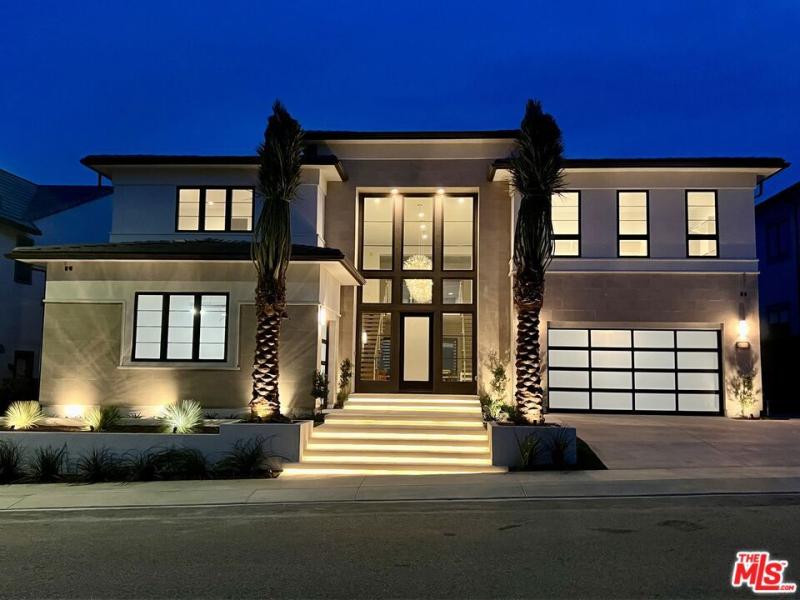
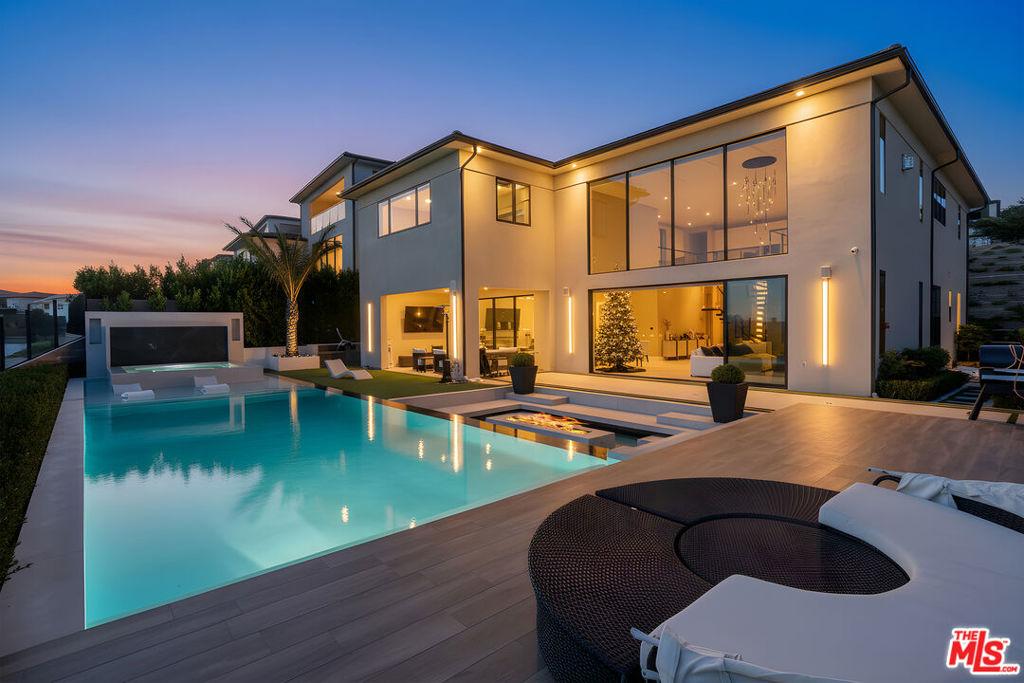
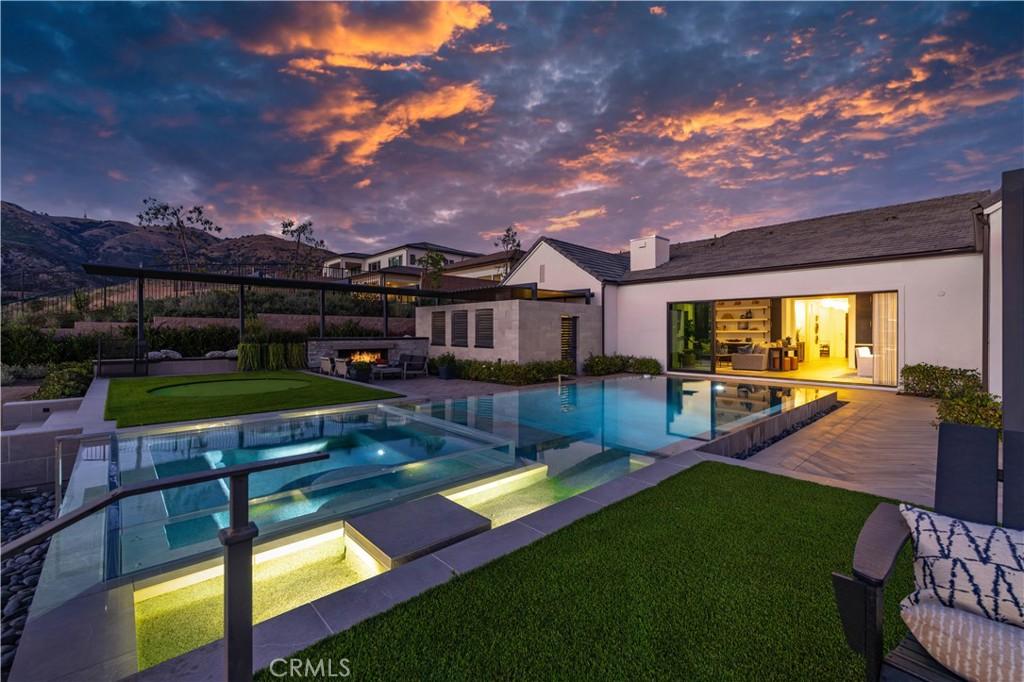
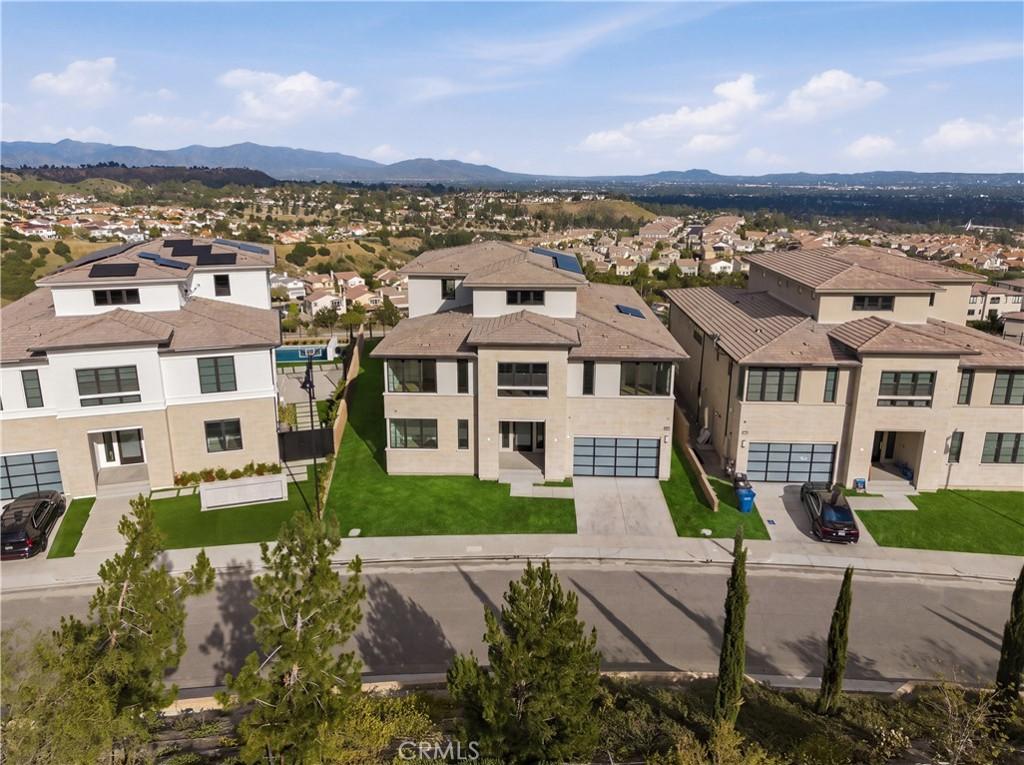
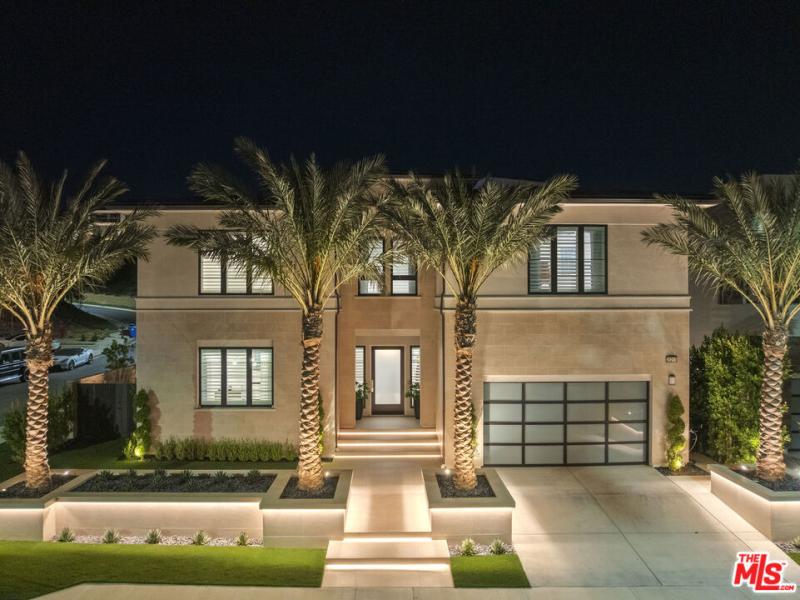
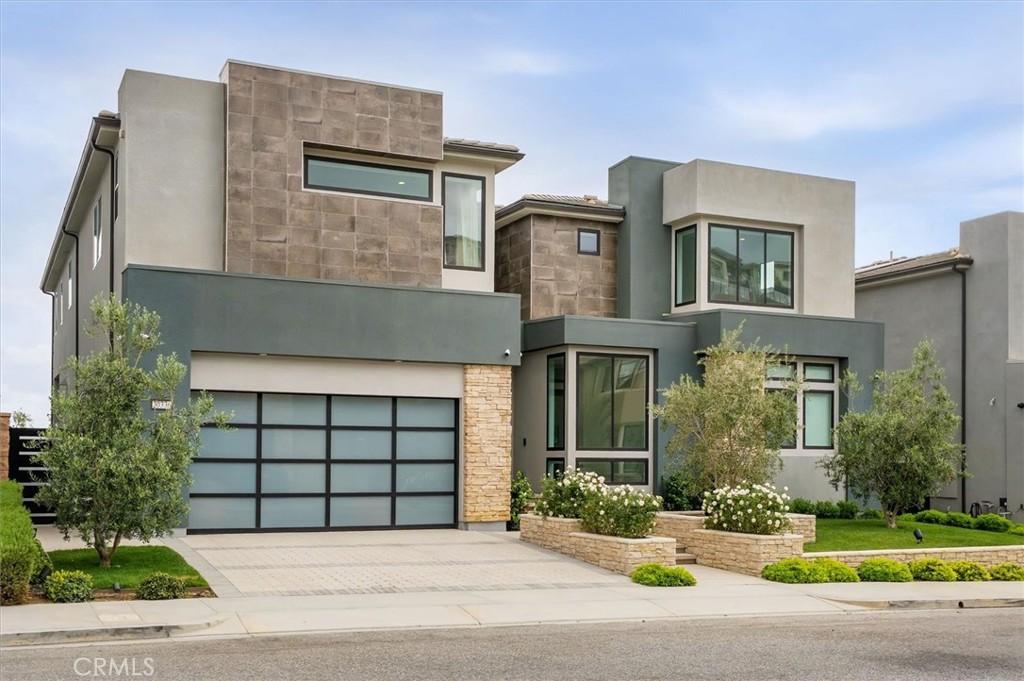
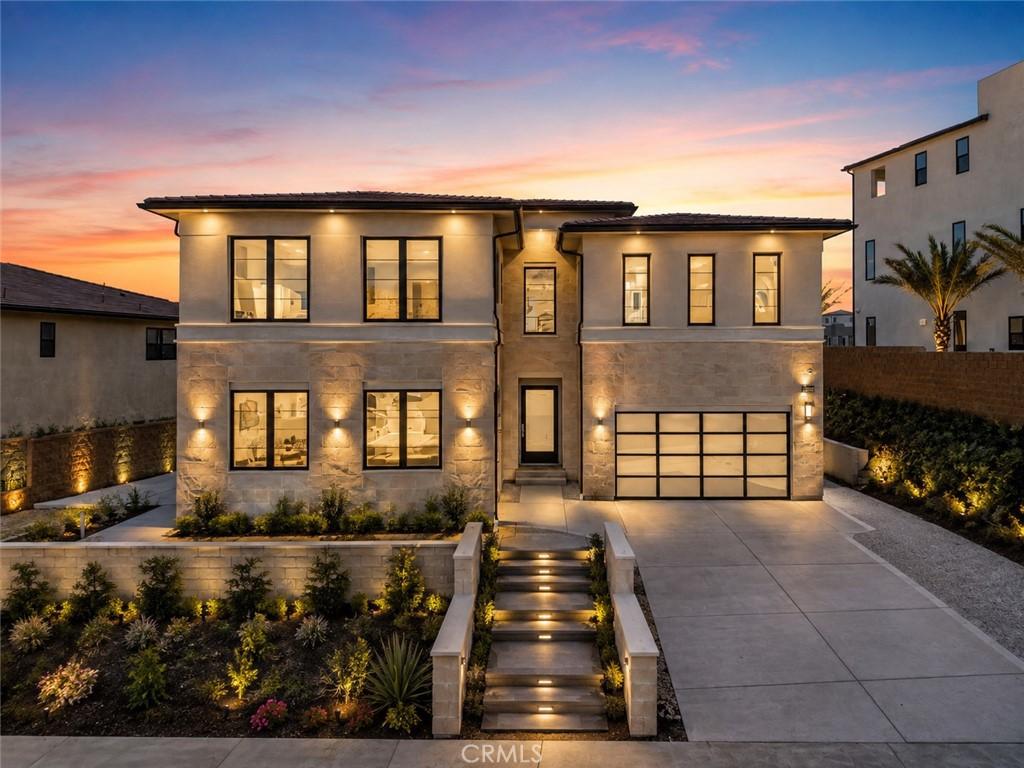
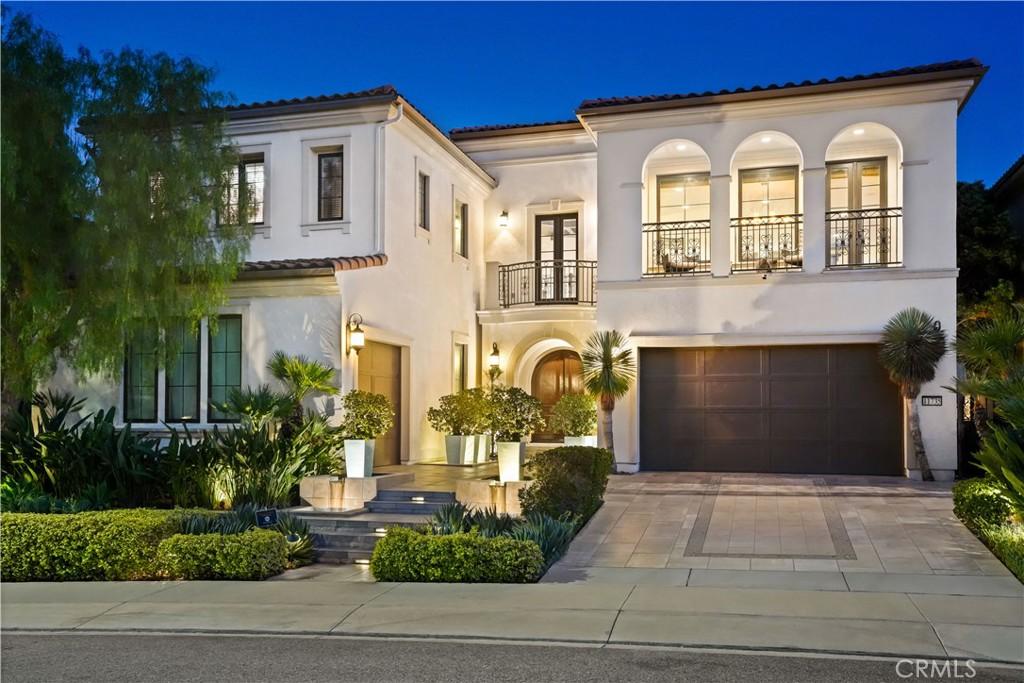
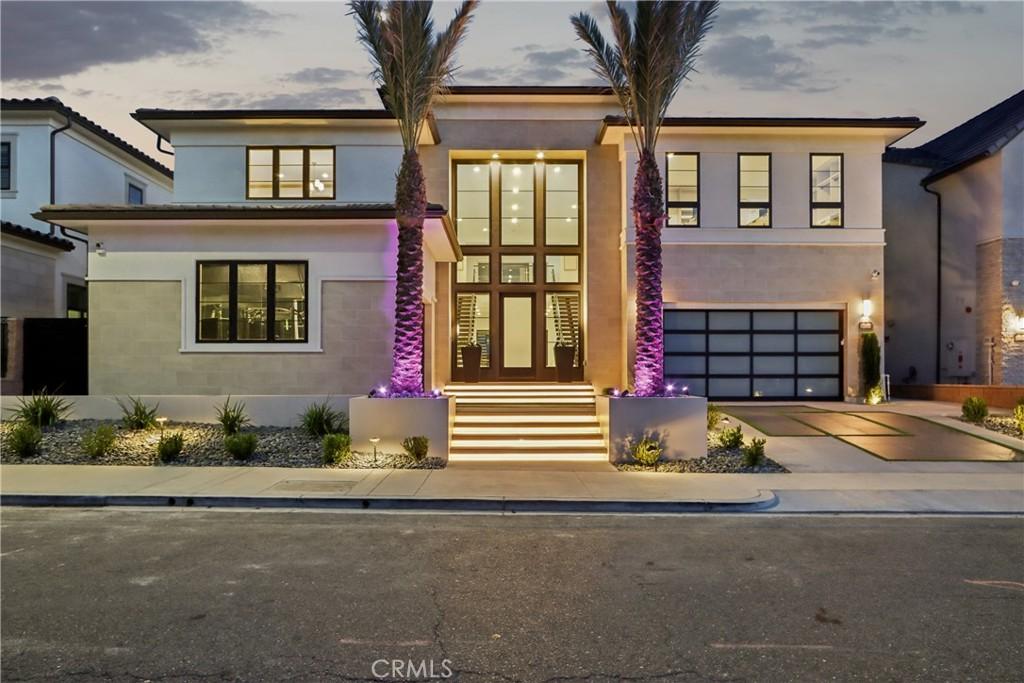
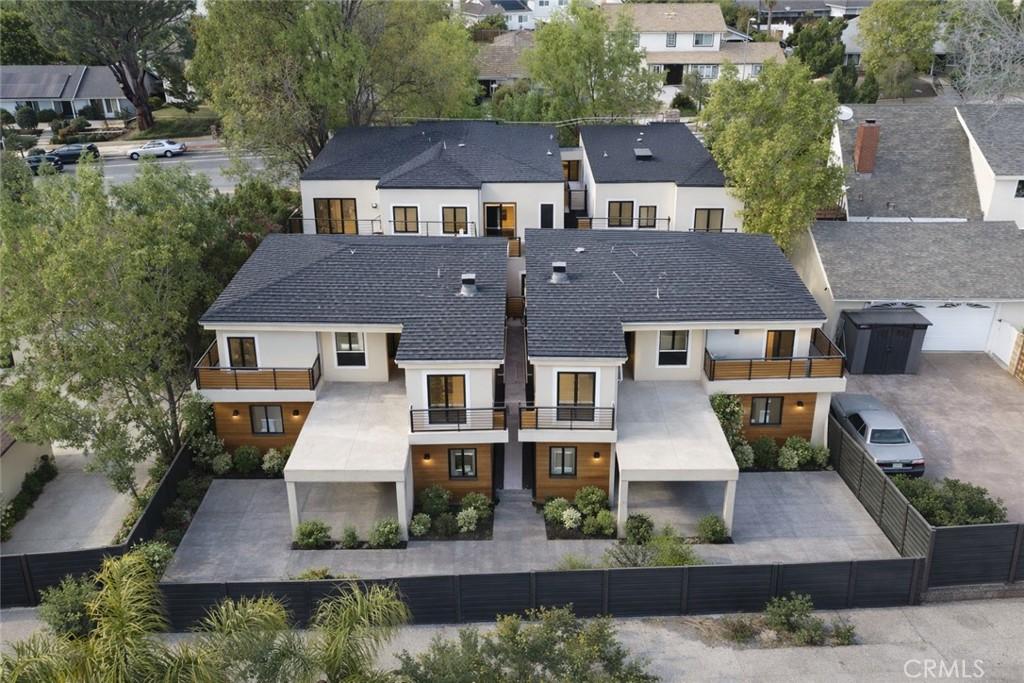
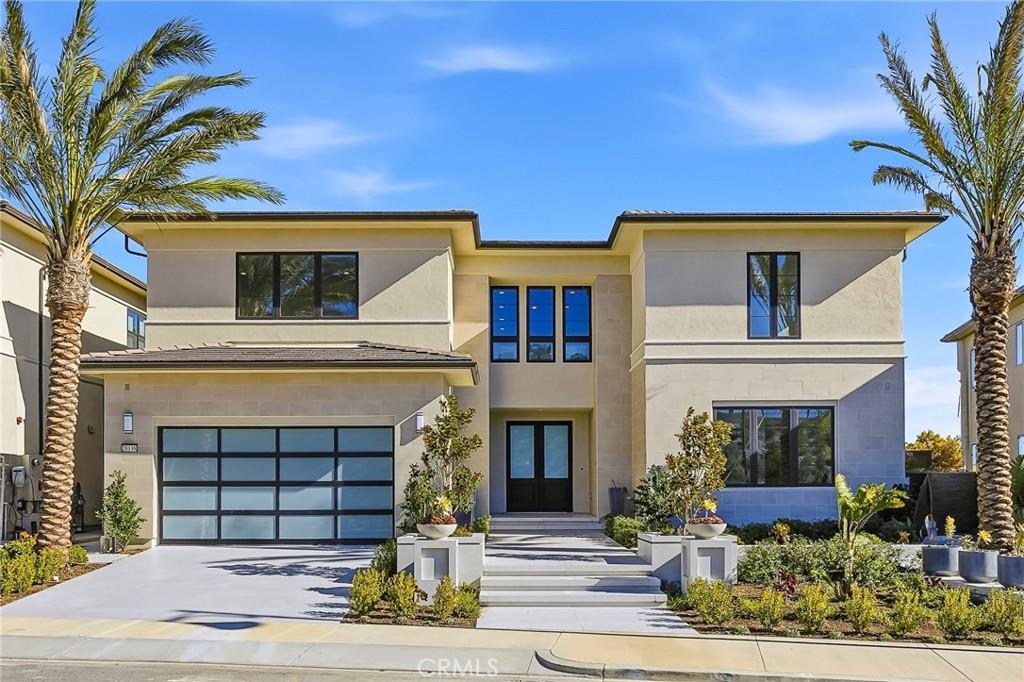
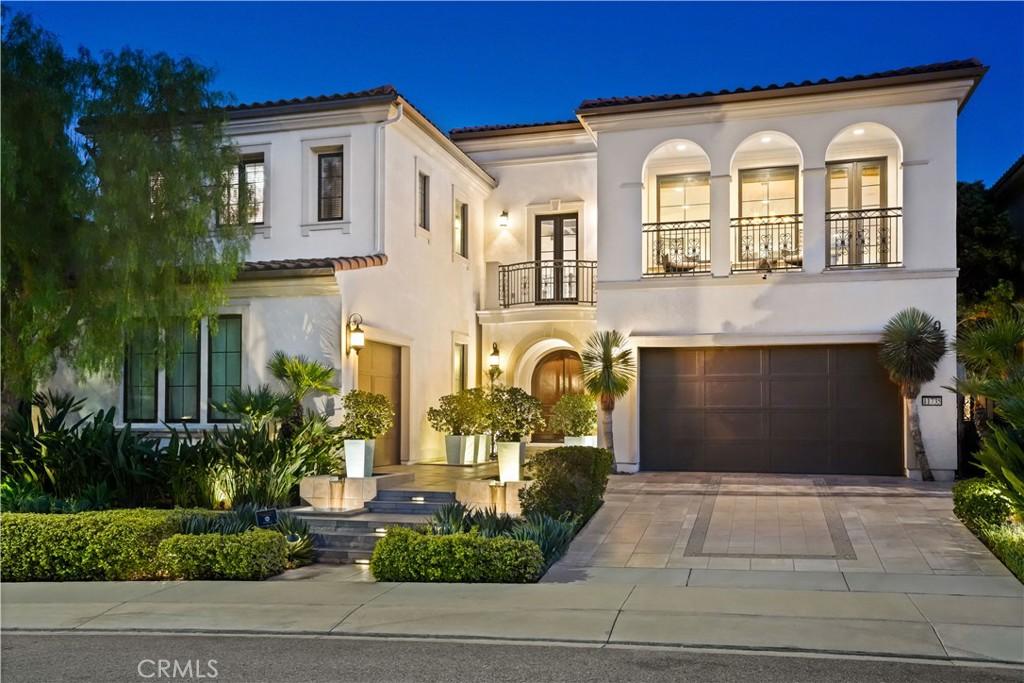
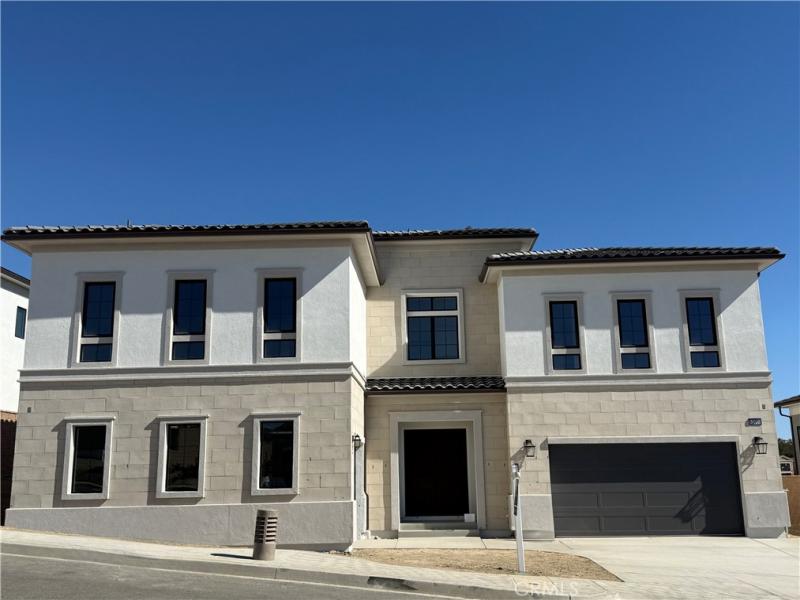
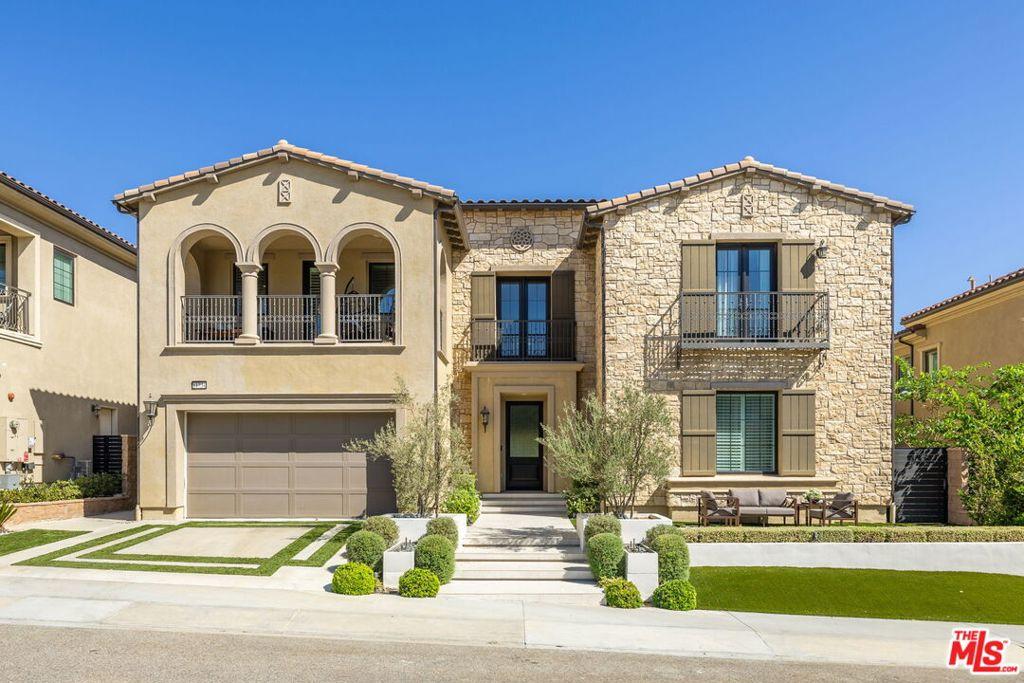
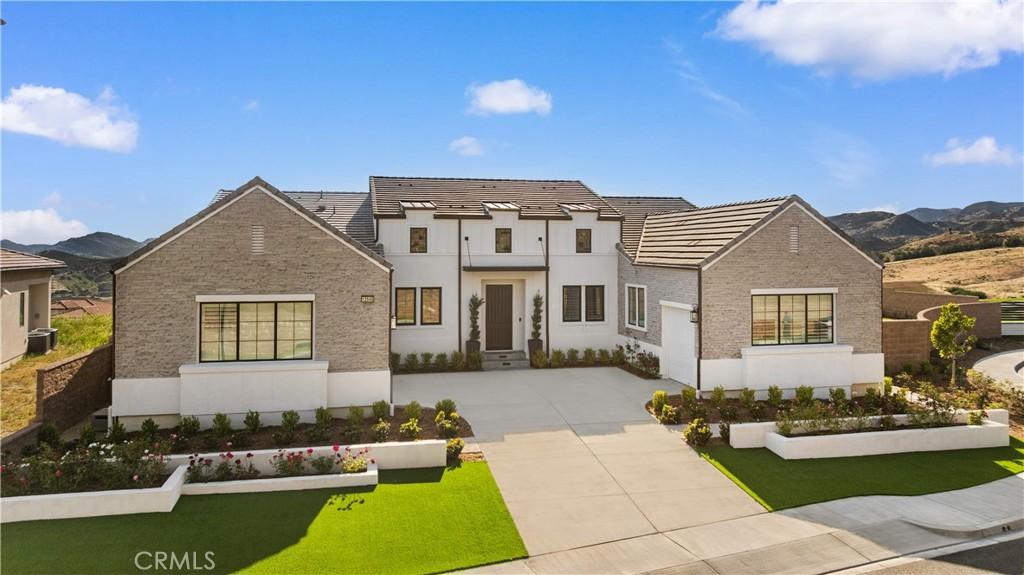
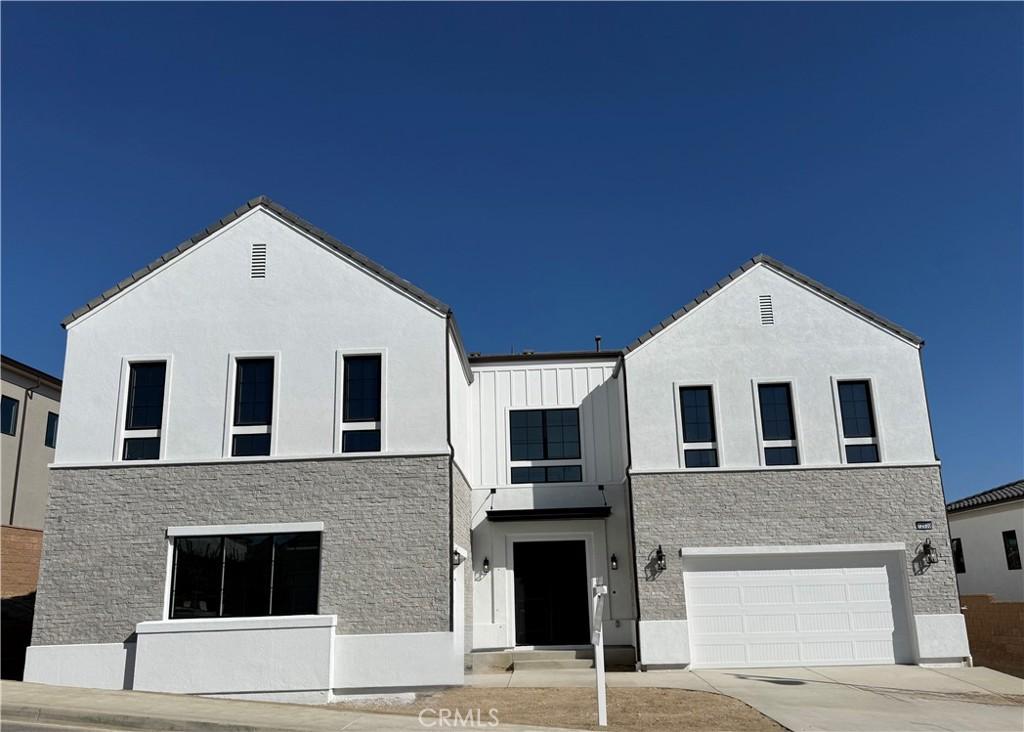
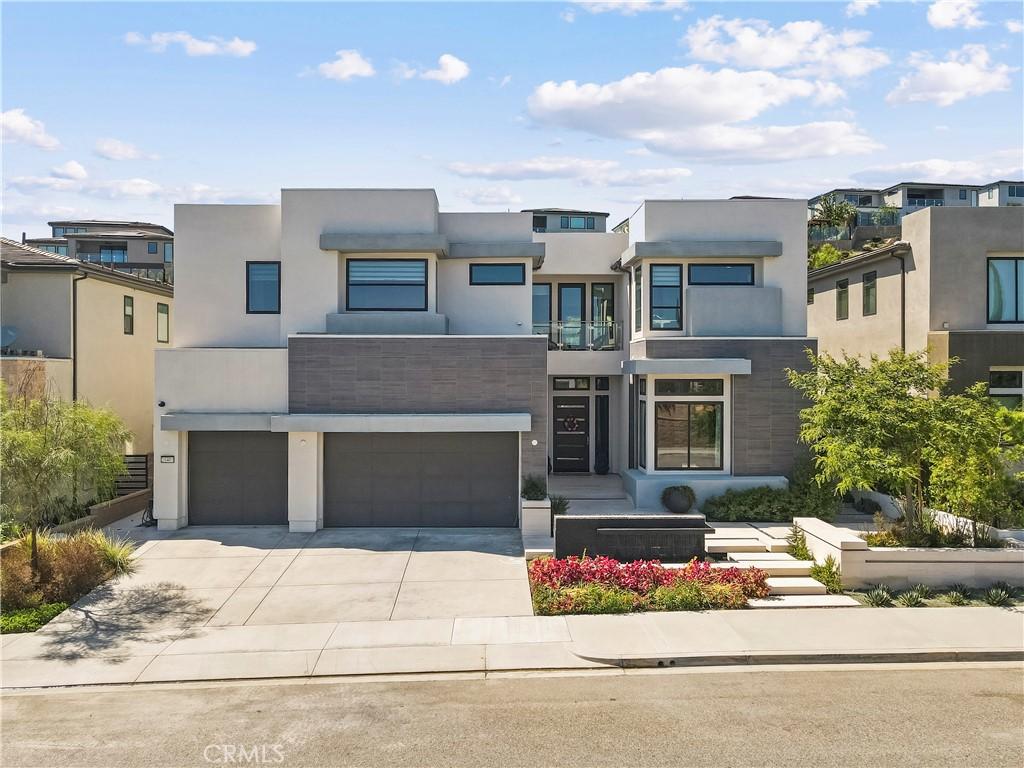
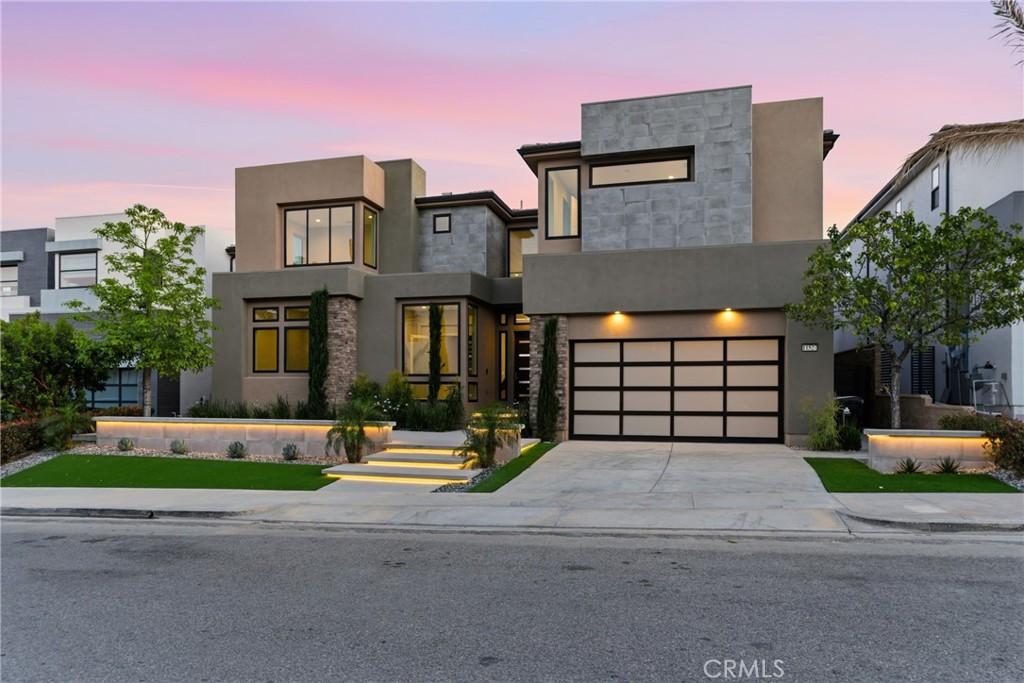
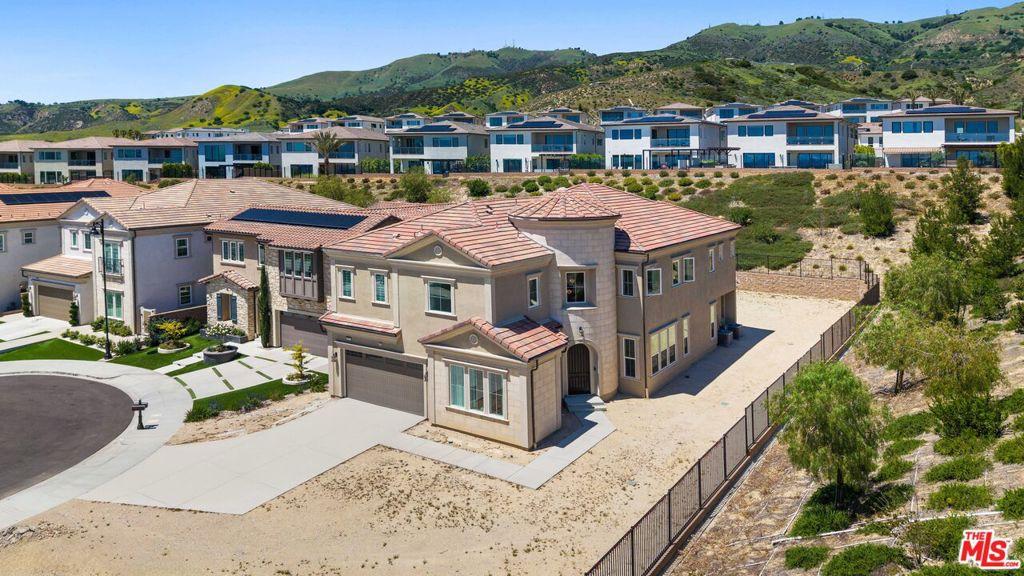
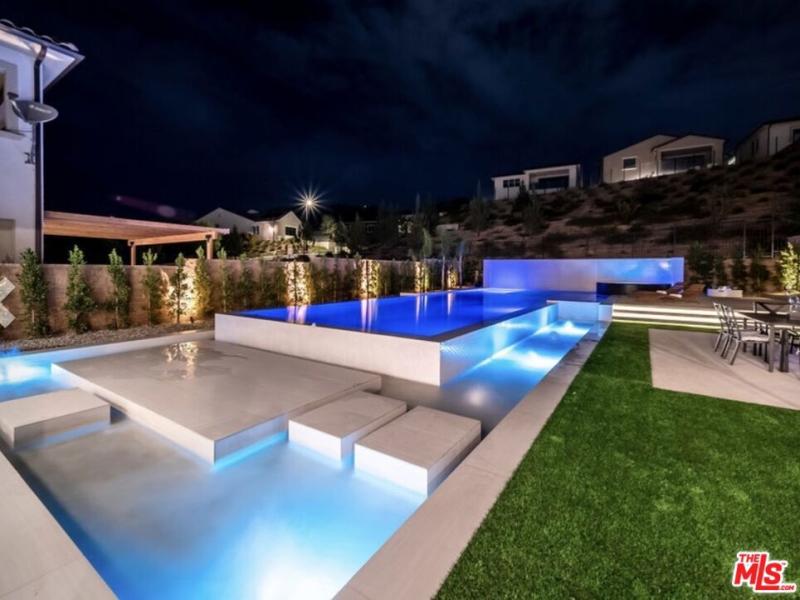
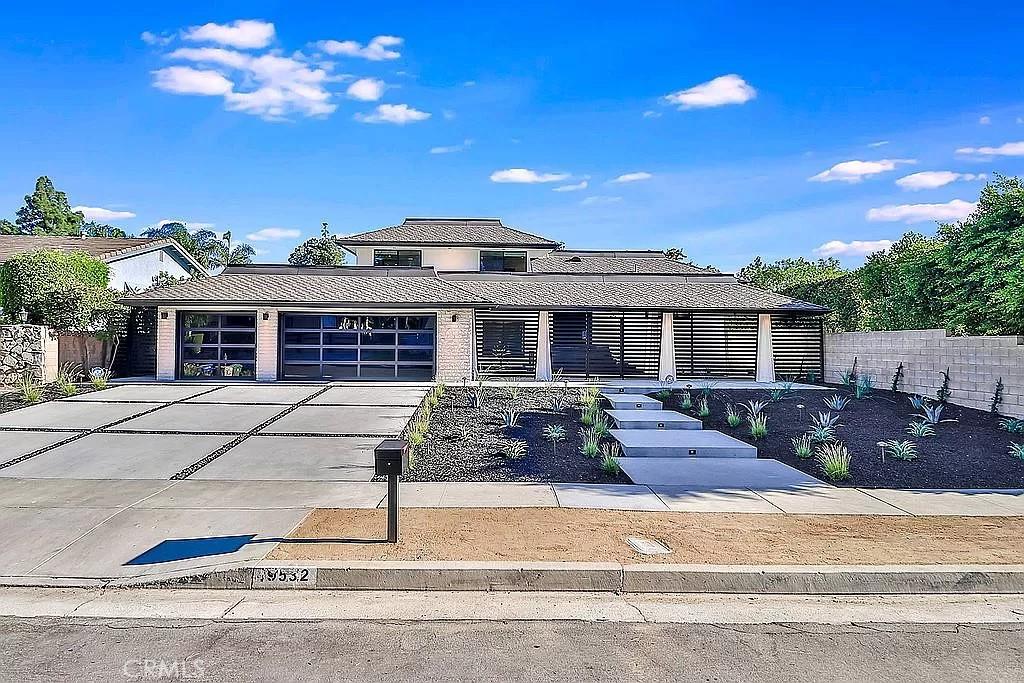
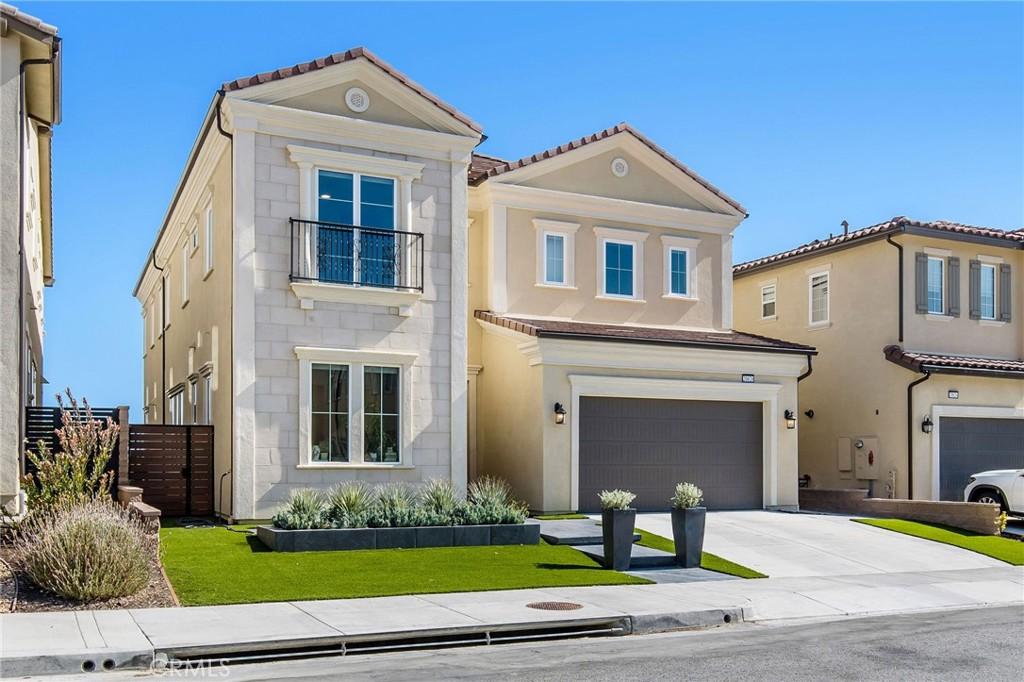
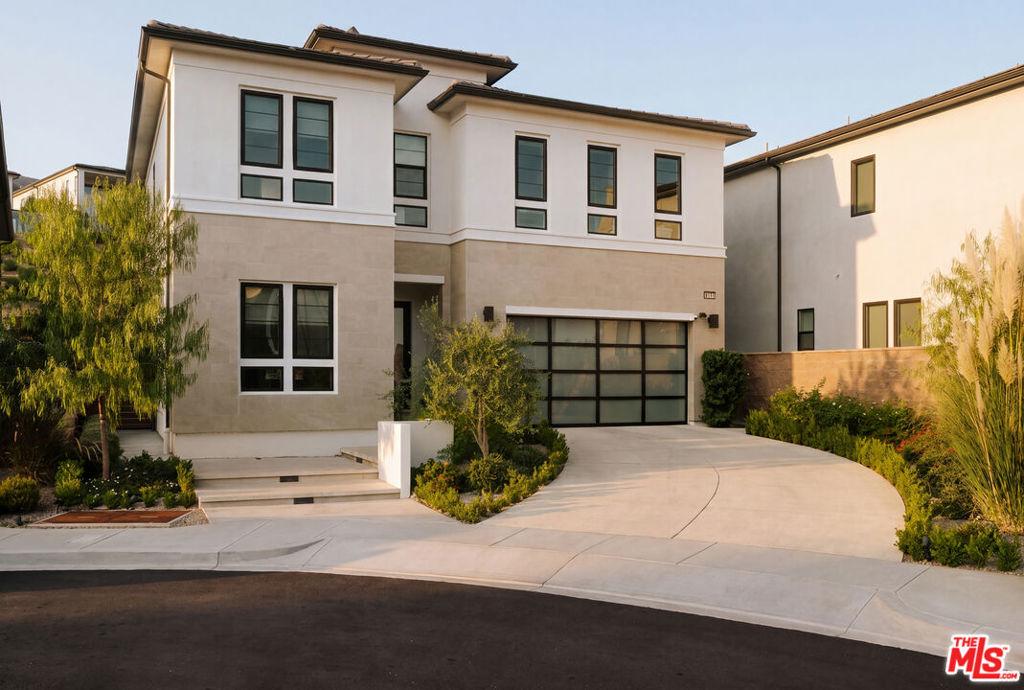
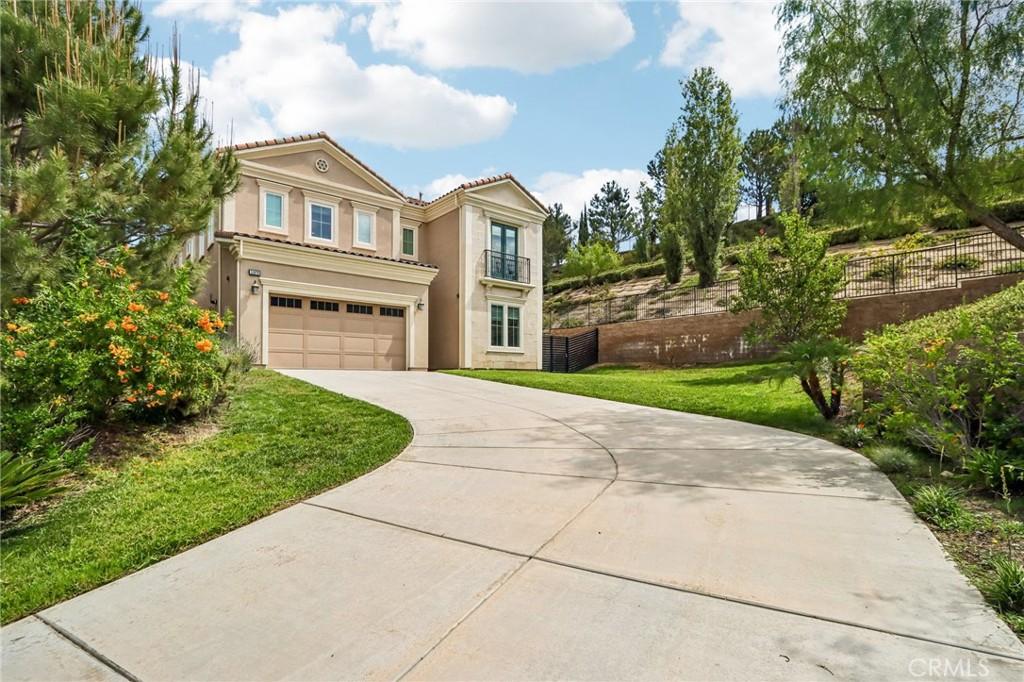
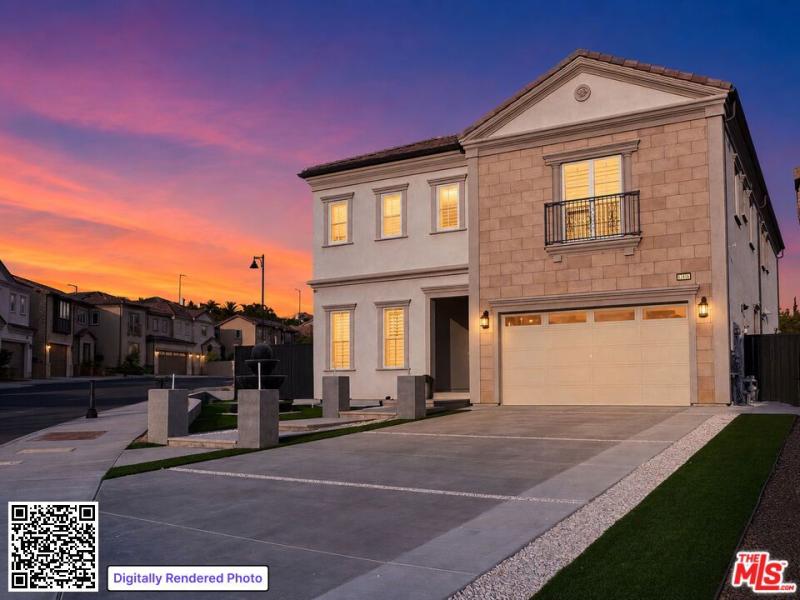
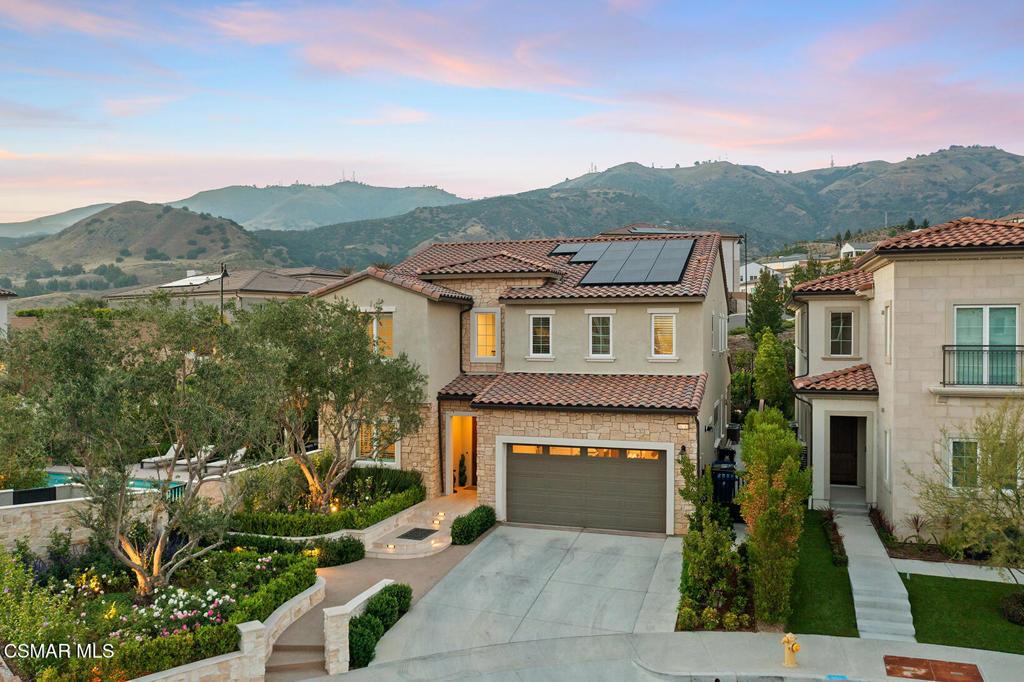
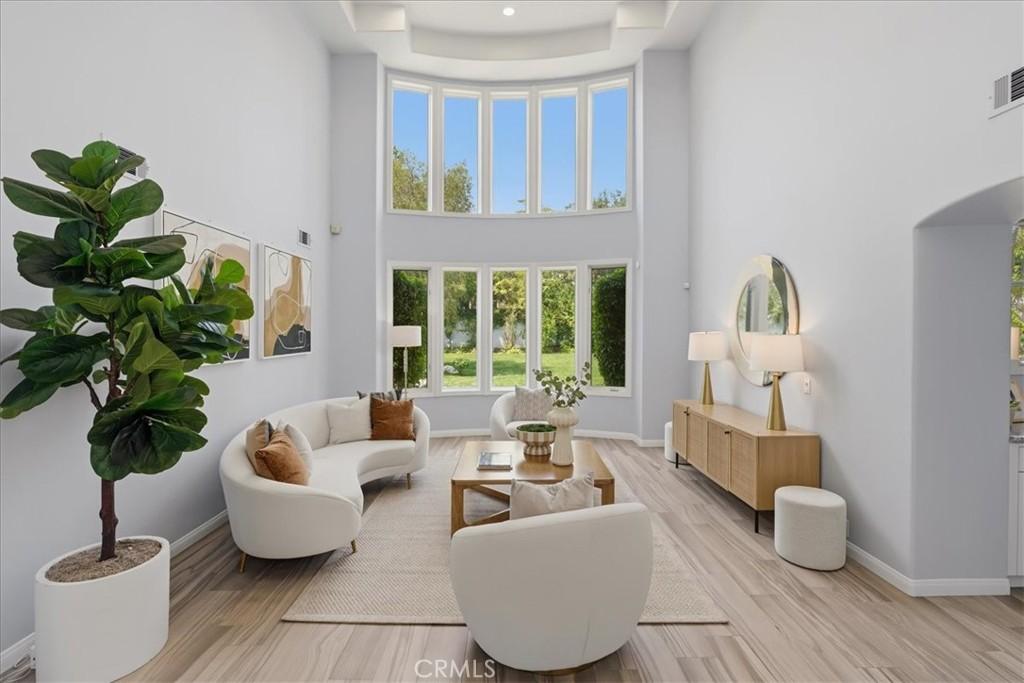
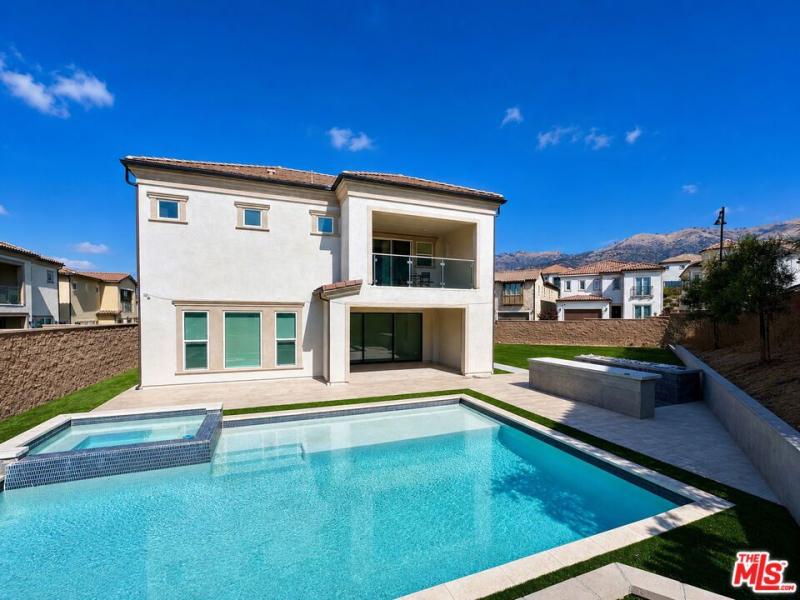
Browse all Los Angeles real estate — or explore the full Los Angeles luxury real estate market.
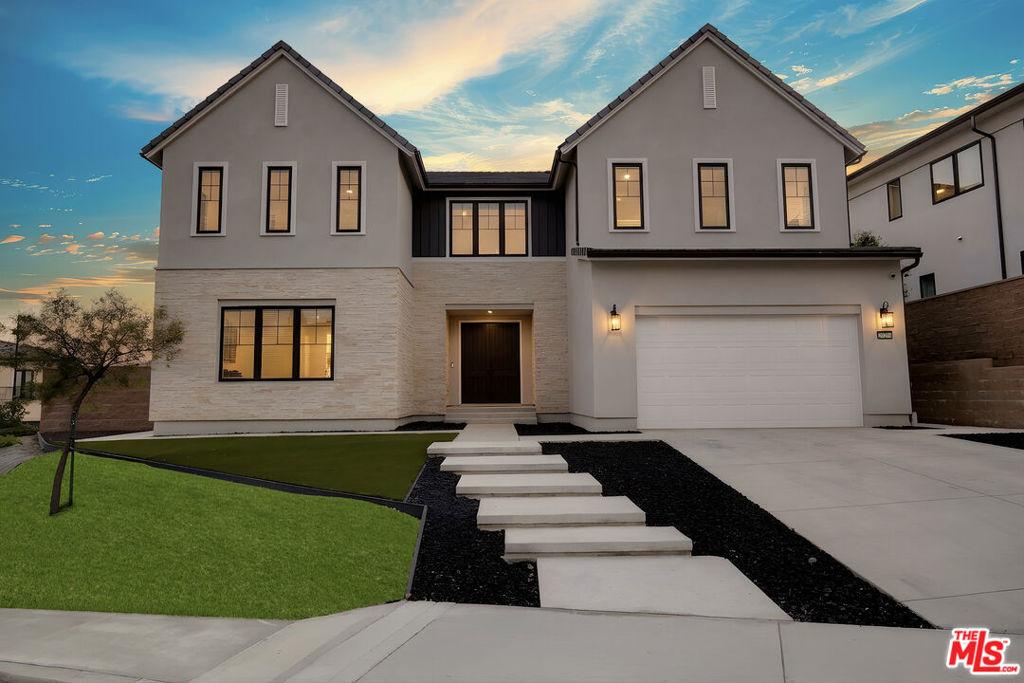

Porter Ranch condos are common-interest homes in the northwest corner of the San Fernando Valley, inside the City of Los Angeles. The category is broader than the word suggests. It covers stacked flats and attached townhomes, and it covers the planned-development and gated tracts that share an HOA even when the homes are detached. What links them is the ownership structure: recorded governing documents, a monthly assessment, and a board that controls the exterior and common area.
The reason buyers look here is specific. Porter Ranch offers newer construction, controlled-access communities, hillside orientation against the Santa Susana Mountains, and access to well-regarded schools, at a cost basis below comparable Westside product. It also has a real commercial core, so groceries, a theater, and restaurants do not require leaving the neighborhood. The trade-offs are equally specific, and they are worth understanding before you tour: special tax districts on newer tracts, wildfire mapping along the northern edge, and a disclosure history tied to the 2015 Aliso Canyon gas leak.
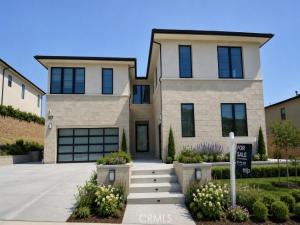
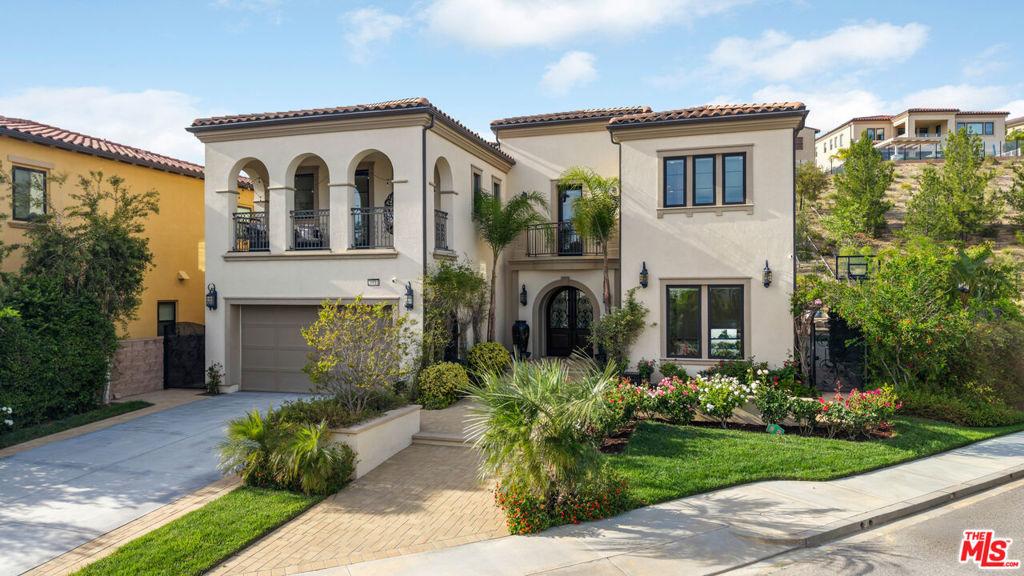
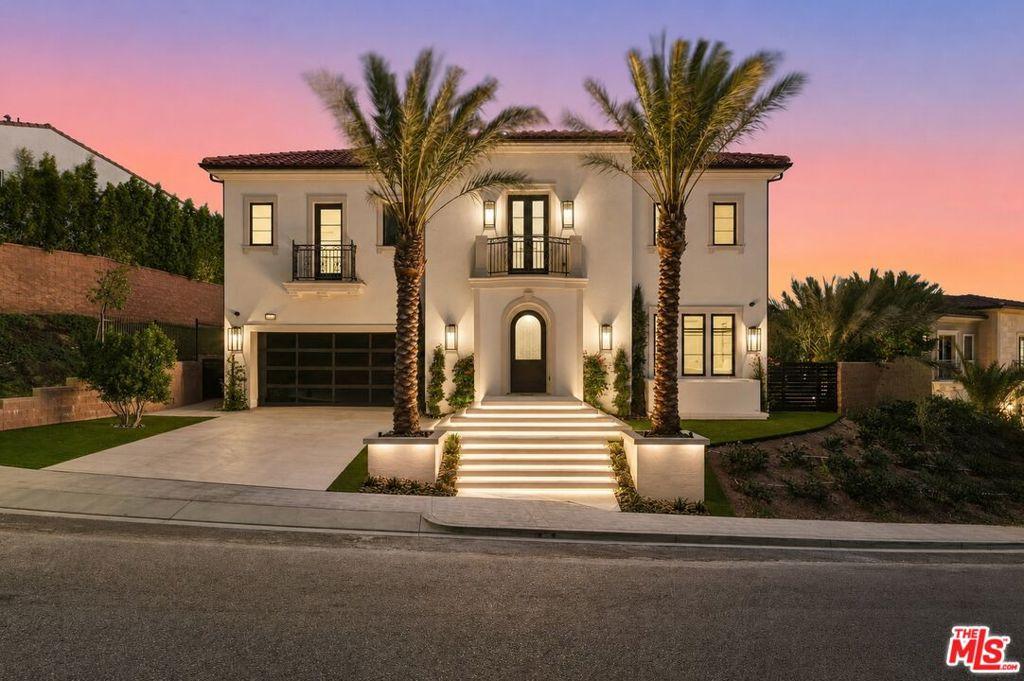
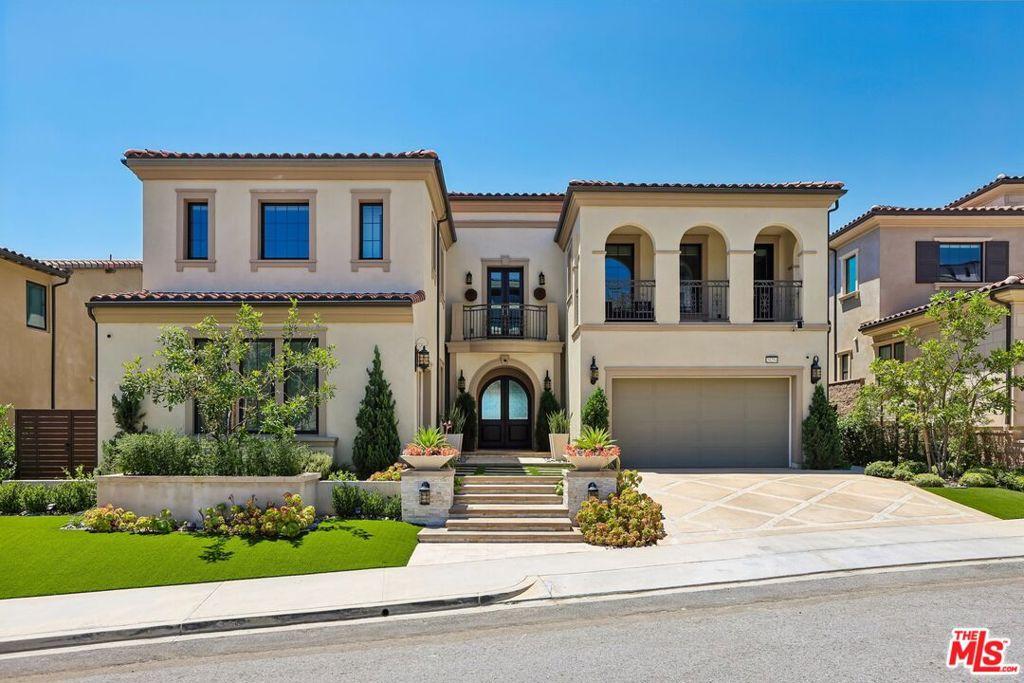
Browse the current Porter Ranch listings below. If you want the version of this market that includes what the listing sheets leave out, contact The Knight Group and we will walk the numbers with you before you tour anything.
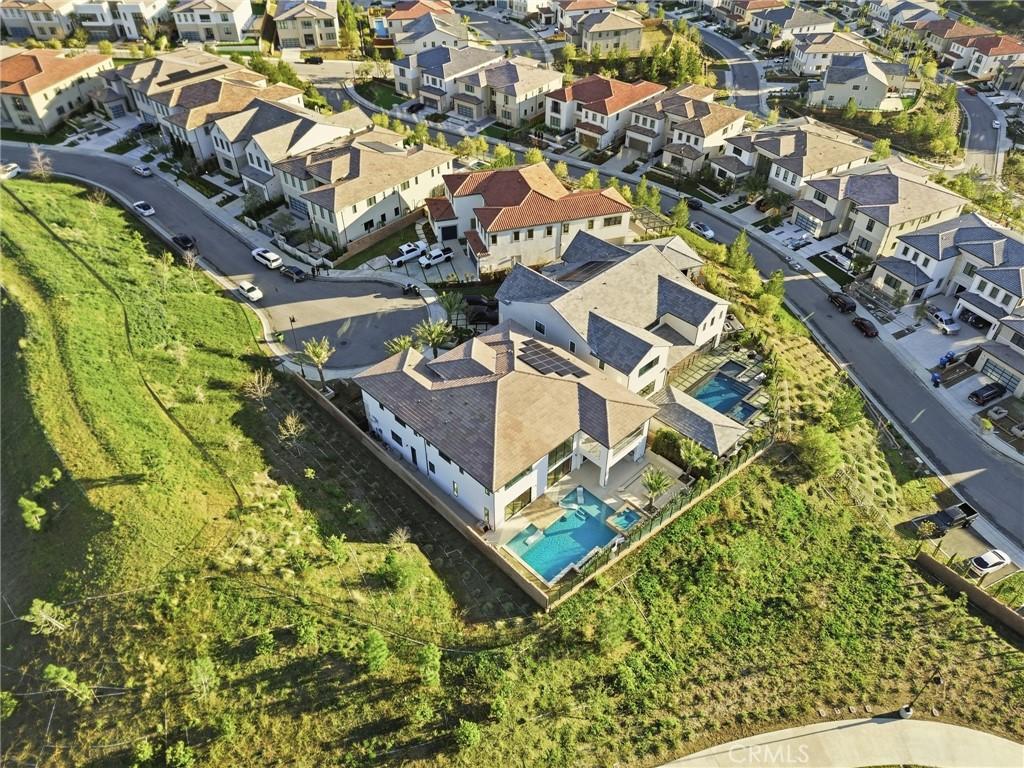
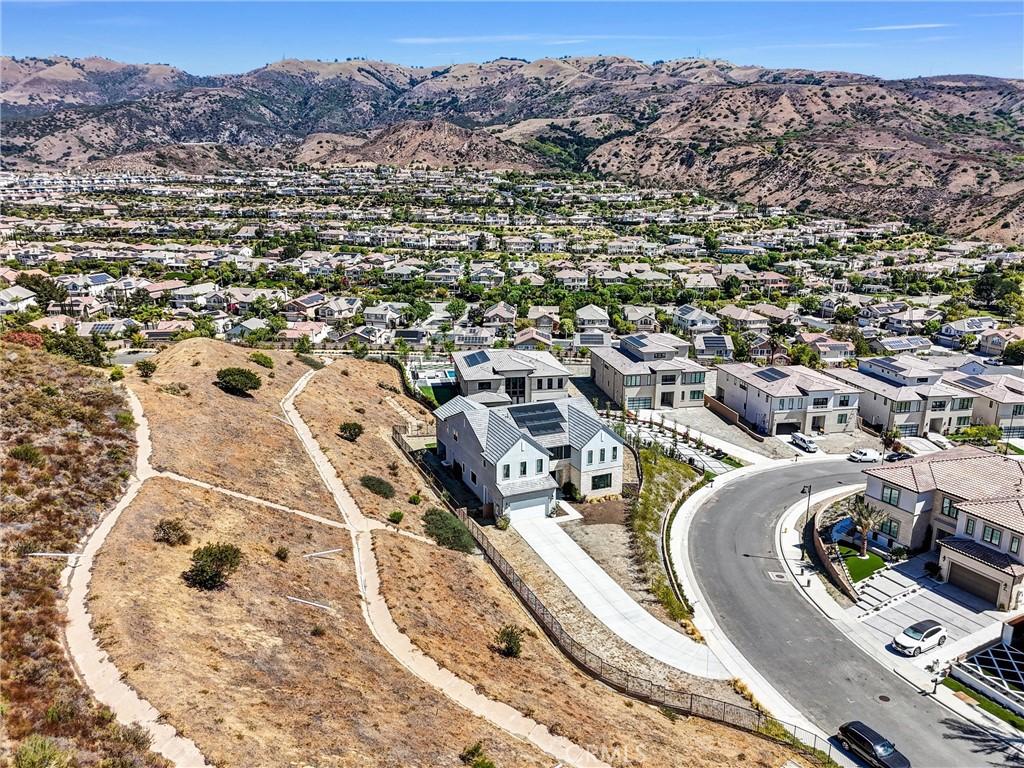
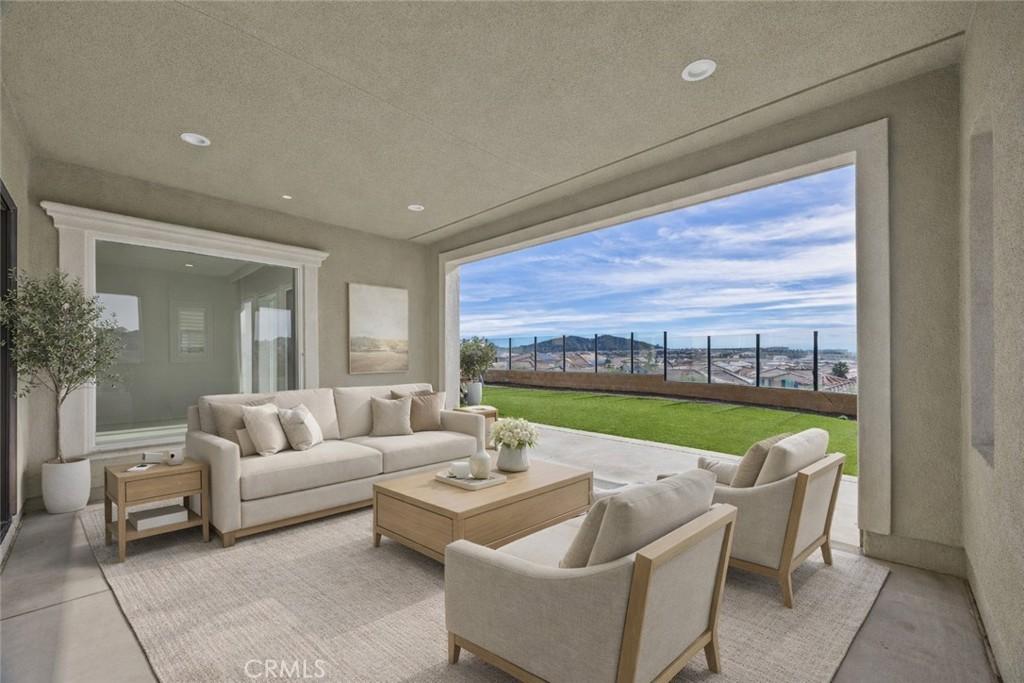
Porter Ranch sits at the top of the West Valley. It is bounded by Chatsworth and Brown’s Canyon to the west and south, Northridge to the south, Granada Hills to the east and northeast, and the Santa Susana Mountains to the north. That last boundary is the one that shapes the housing stock. The land rises as you move north from the freeway, which is why the newer and more expensive tracts sit above the older flats and why so many listings reference a view.
The name traces to the Porter family, who acquired the land out of the Rancho Ex-Mission San Fernando holdings in 1874. Tract housing arrived around 1960 to 1963, and the area was annexed by the City of Los Angeles in 1965. The build-out that defines the current market came much later. Large-scale residential development ran through the 1990s and 2000s, including Renaissance Summit by Shapell Homes, and new construction has continued in the hills through the present decade.
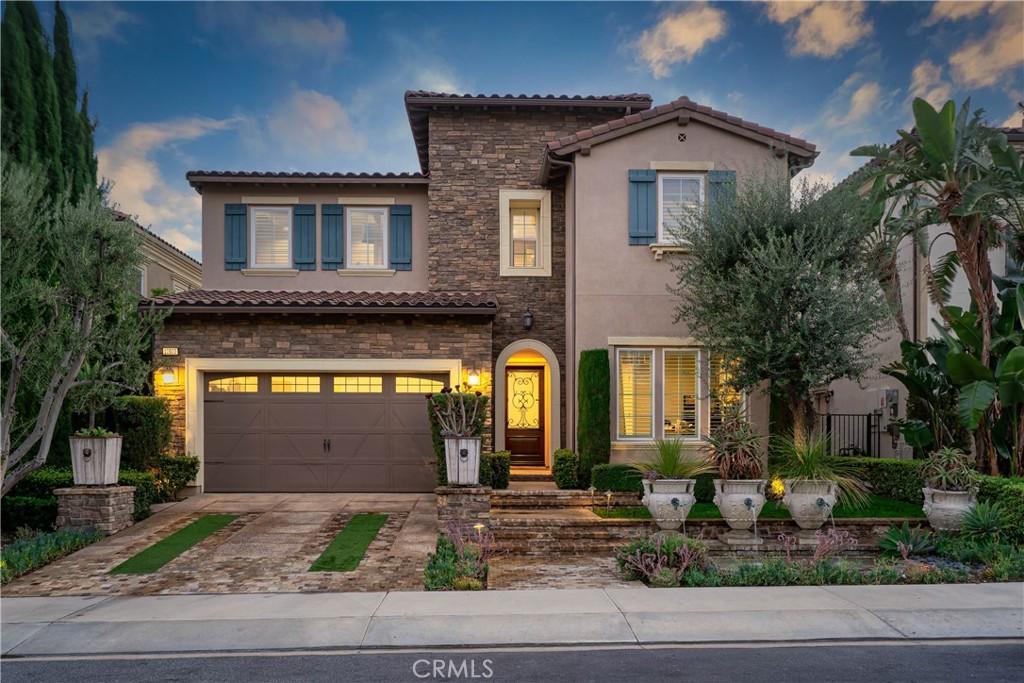
The practical consequence is that “Porter Ranch” describes at least three vintages of housing sitting side by side. A 1970s attached home near the flats, a late-1990s planned development, and a tract delivered in the last few years are all Porter Ranch. They carry different tax profiles, different HOA structures, and different resale dynamics. Treat them as separate markets, because they are.
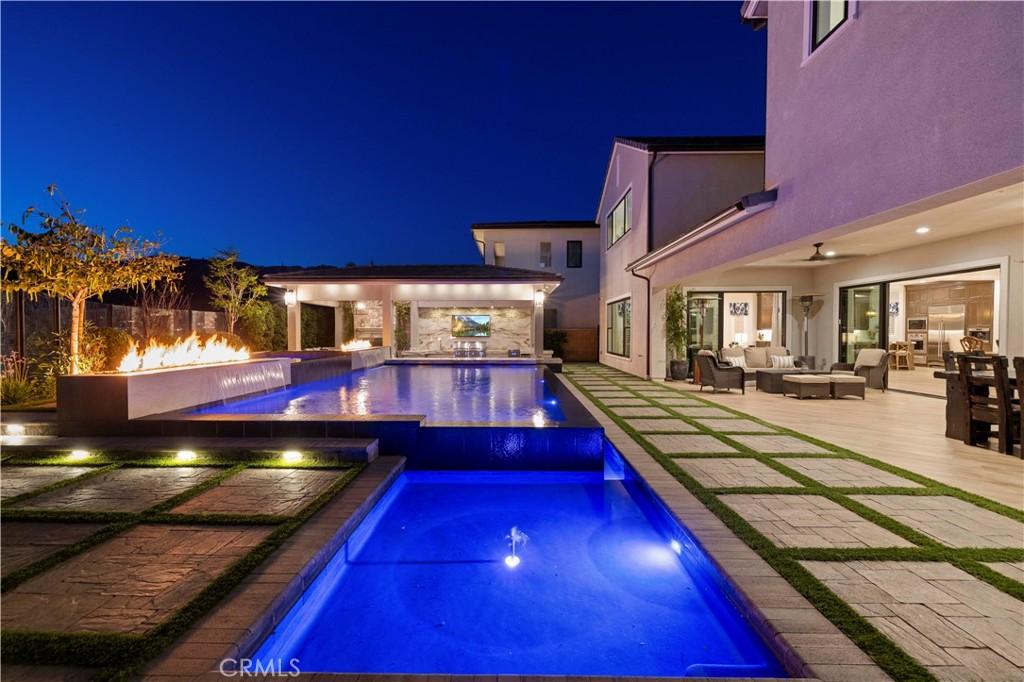
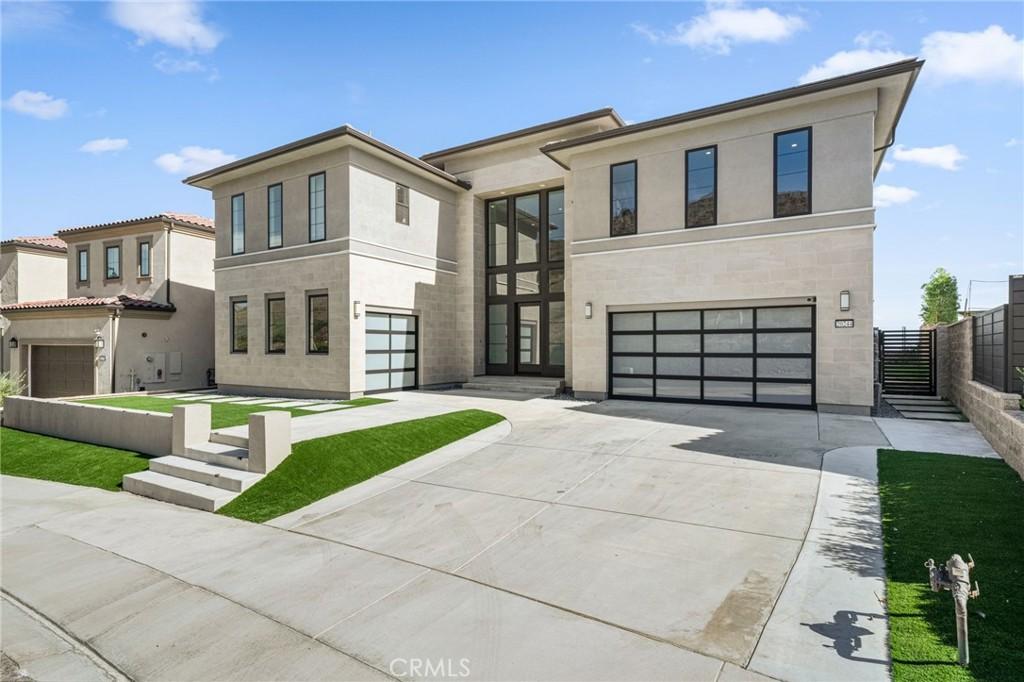
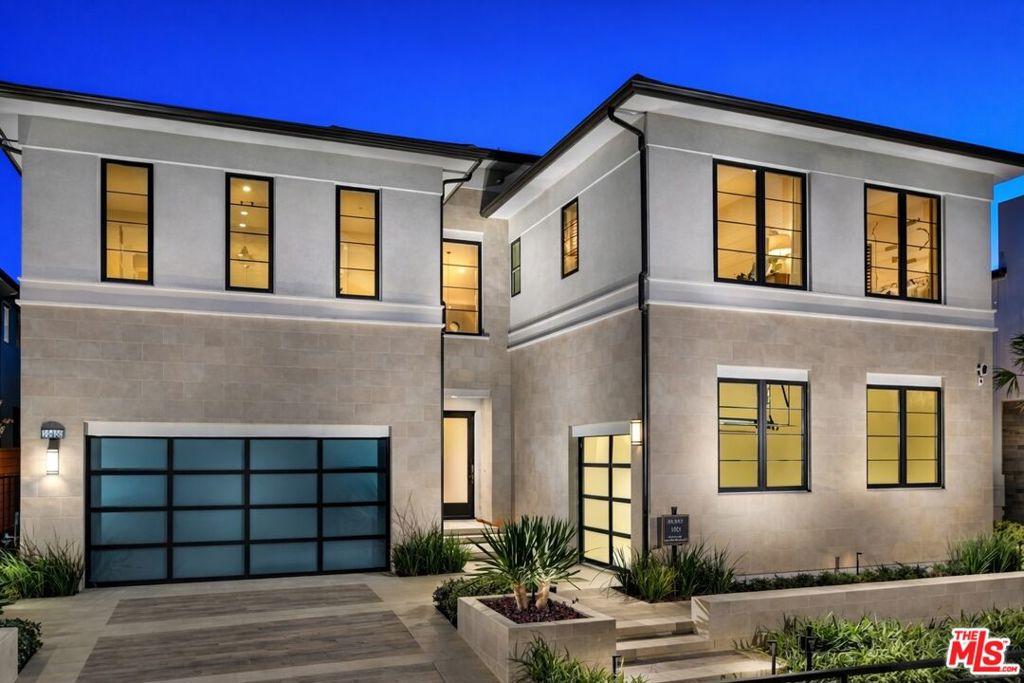
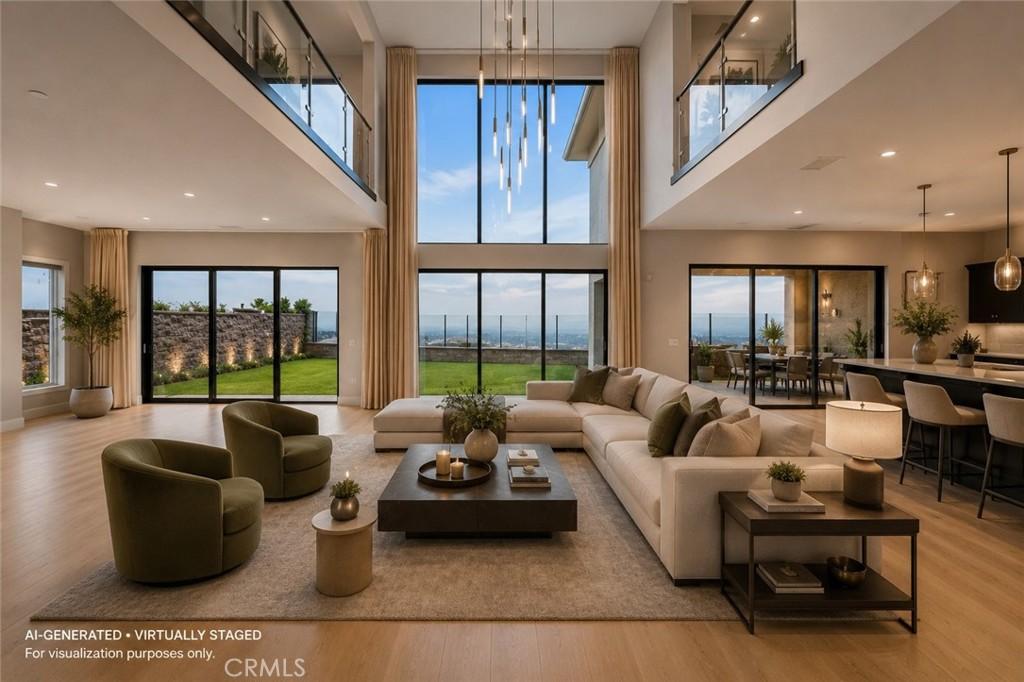
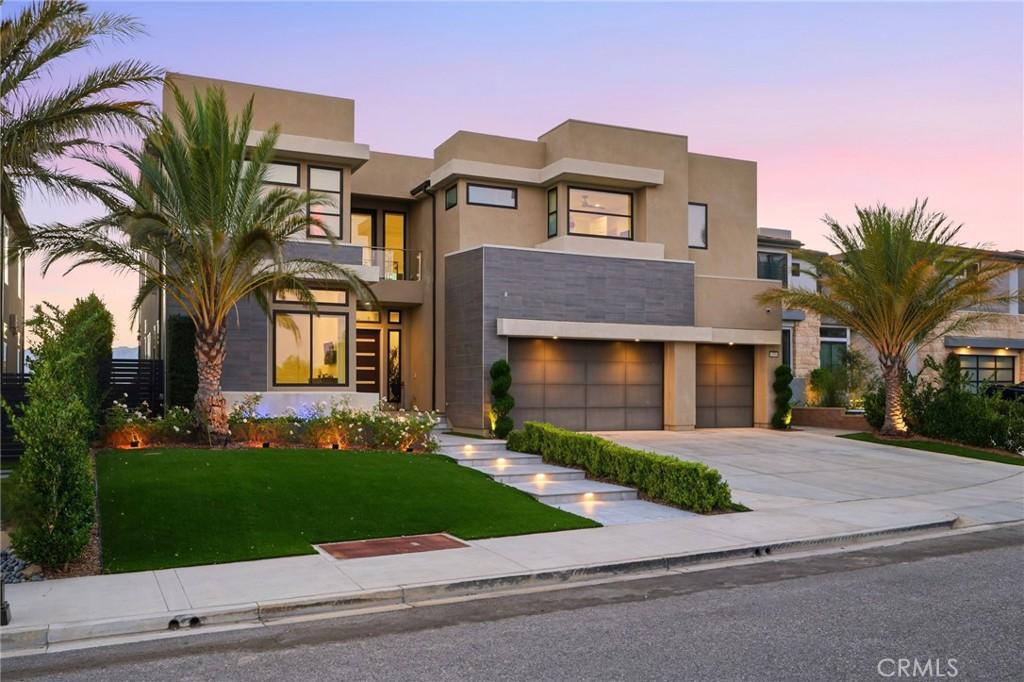
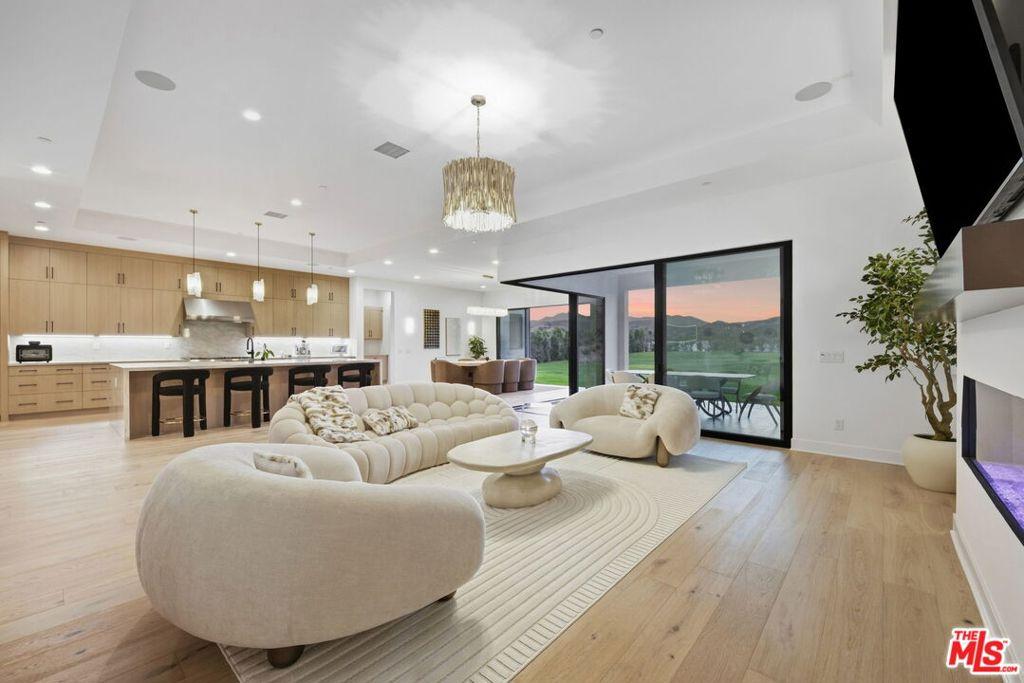
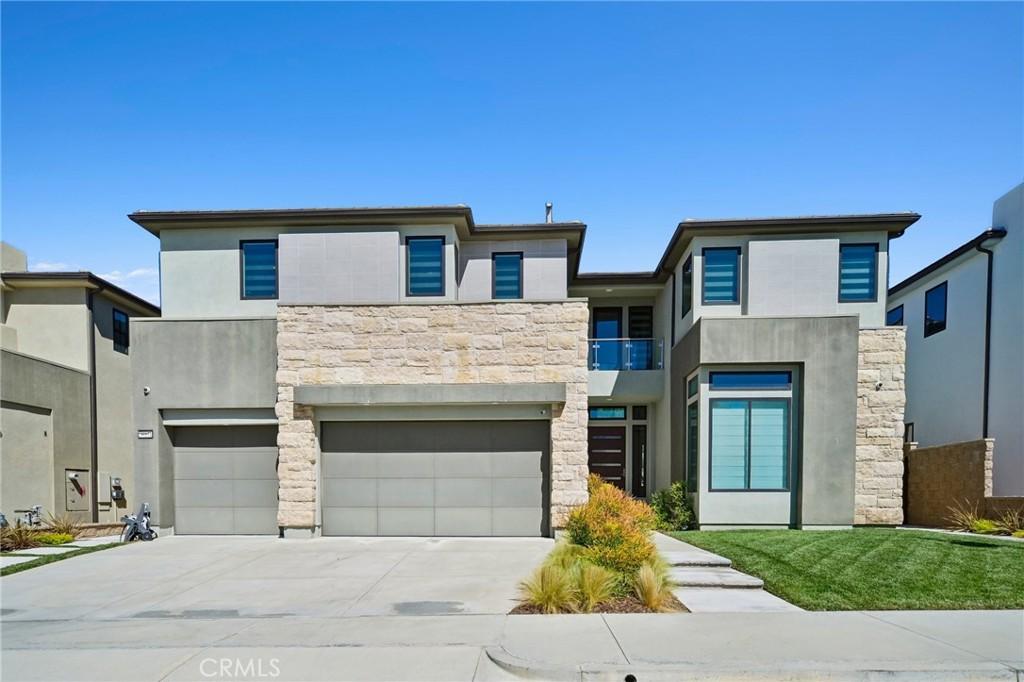
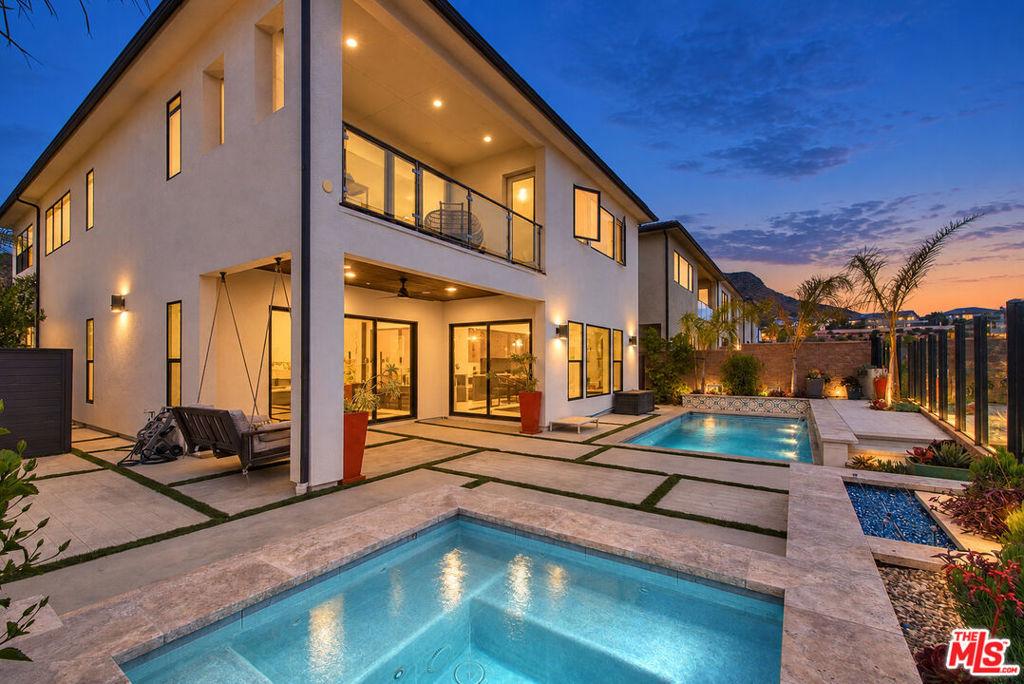
Porter Ranch spans a wide band. At the top of the market, new detached construction is priced deep into seven figures: Toll Brothers listed its Bella Vista at Ridge Collection in Porter Ranch from $2,649,000 for homes of 3,984 to 4,799 square feet with 4 to 5 bedrooms, per the builder’s website as of July 2026. That is the ceiling, not the middle. Attached and condo-classified product sits well below it, which is exactly why the category exists as a search: it is the entry point into a neighborhood whose detached inventory has moved out of reach for many buyers.
Two forces set pricing inside the neighborhood: elevation and view, then vintage. A newer tract usually carries both a higher HOA assessment and a special tax obligation that an older one does not, so a home that looks cheaper on list price can cost more per month to own. We run that math before every offer, and you should too, regardless of who represents you.
The buyer pool skews educated and heavily international. The 2000 census counted 24,923 residents, with a 2008 estimate of 30,571. In that census, 51 percent of residents aged 25 and over held four-year degrees, and 33.6 percent were foreign-born, with Korea at 21.4 percent and the Philippines at 9.3 percent as the largest origins. Those figures are dated and describe character rather than current conditions.
Four named segments account for most of the search demand here, and each attracts a different buyer.
Start with Porter Ranch new homes if your priority is a builder warranty, current energy code, and a floor plan you can still configure. This is where the active construction in the hills is happening. It is also where special tax obligations and forming HOAs concentrate, so the total monthly cost deserves close attention before you commit to a phase release.
Look at Porter Ranch gated homes if controlled access is the requirement. Understand the distinction before you tour: a staffed guard gate and a card-reader gate produce very different assessments, and staffed access is one of the largest recurring line items in any HOA budget. Private streets add another wrinkle, because maintenance and eventual repaving fall to the association rather than the city.
Consider Porter Ranch estates if you want scale and will trade newest-construction status for larger footprints and mature landscaping. Estate-tier resale here tends to sit on the older side of the build-out, which often means a lower or absent special tax line and a longer HOA operating history you can evaluate.
Finally, Hillcrest at Porter Ranch is one of the master-planned hillside enclaves buyers ask about by name. As with any named collection here, verify which specific tract and phase a listing belongs to. Marketing names and recorded tract boundaries do not always match, and the tract is what determines the tax and HOA obligations that follow you after closing.
California HOAs are governed by the Davis-Stirling Common Interest Development Act, and sellers are required to deliver a disclosure package to the buyer. Read all of it. The documents that matter most are the CC&Rs, the bylaws and rules, the current operating budget, the reserve study, the last twelve months of board minutes, and any litigation disclosure.
Four things to look for specifically. First, reserve funding: an underfunded reserve on a community with private streets, pools, or a guard structure is a future special assessment with a delayed invoice. Second, minutes, which are where roof projects, plumbing failures, and insurance disputes surface long before they reach a disclosure form. Third, the master insurance policy, because what it covers determines how much walls-in HO-6 coverage you need and whether the deductible could land on owners. Fourth, rental restrictions, which matter even if you plan to occupy, because a hard rental cap affects your exit options.
One more item is mechanical but kills deals: lender eligibility. Attached condo financing depends on a project questionnaire, and litigation, low owner-occupancy, high delinquency, or thin master insurance can make a project ineligible for conventional, FHA, or VA financing. Confirm eligibility with your lender before you spend money on inspections.
Many of the newer ones do. California’s Mello-Roos Community Facilities Act of 1982 lets local agencies form a Community Facilities District and levy a special tax to fund infrastructure. Porter Ranch’s more recent tracts were built inside such districts, and the special tax appears on the Los Angeles County secured property tax bill as a separate line item on top of the standard ad valorem tax.
Three points buyers get wrong. The special tax does not disappear on resale: it runs with the parcel for the life of the district’s bonds. It is generally not proportional to purchase price the way base property tax is, so a cheaper unit can carry a heavier relative burden. And it is separate from HOA dues, so a newer home can carry three recurring obligations at once.
The only reliable way to confirm the amount is to pull the secured property tax bill for the specific parcel, read the special assessment lines, then request the Notice of Special Tax for the district. Amounts vary tract by tract, so treat any general figure you find online as a starting point for verification, not an answer.
Porter Ranch is served by the Los Angeles Unified School District, and the local campuses that come up most often are Castlebay Lane Charter School and Porter Ranch Community School. At the high school level, Granada Hills Charter High School at 10535 Zelzah Avenue is the name most buyers cite. Its record is documented: it was named a California Distinguished School on April 12, 2011, became an International Baccalaureate World School on December 22, 2011, and has won ten national Academic Decathlon championships, including titles in 2011, 2012, 2013, 2015, 2016, 2017, 2019, 2021, 2022, and 2026.
Here is the part that gets buyers into trouble. Charter admission is not the same as a neighborhood attendance boundary. Charters can use an enrollment process with preferences and a lottery, and policies change between school years. If school placement is driving your purchase, verify the current attendance area and admission policy directly with LAUSD and the school before you remove contingencies. Do not rely on a listing remark, a rating website, or an agent’s summary, including ours.
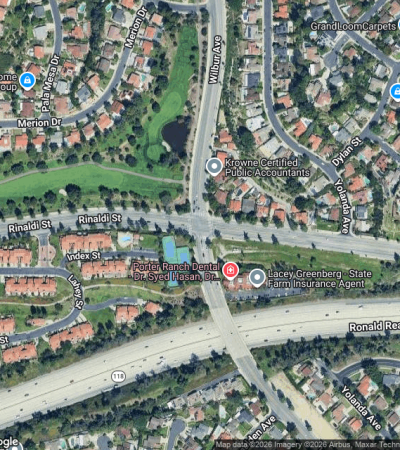
The Ronald Reagan Freeway, State Route 118, is the spine. It runs east and west across the north Valley along the south side of Porter Ranch, connects east toward Interstate 405 and the Sylmar interchange, and runs west toward Simi Valley and Ventura County. Inside the neighborhood, the north-south arterials are Mason, Corbin, Porter Ranch Drive, Tampa, and Reseda, and the main east-west streets are Sesnon Boulevard and Rinaldi Street.
This works well for anyone employed in the northwest Valley, in Chatsworth’s business and aerospace corridor, or toward Simi Valley. It works less well for a daily Westside or Downtown commute, which means the 118-to-405 connection at peak hours. For rail, the Chatsworth station to the southwest serves Metrolink’s Ventura County Line.
Drive the actual commute at the actual hour before you buy. Valley freeway performance varies enough by segment and time of day that an off-peak test drive will mislead you.
The neighborhood has two commercial anchors rather than one. The Porter Ranch Town Center opened in 1999 and handles daily needs. The Vineyards at Porter Ranch opened in 2019 as the newer, larger center, with a grocery anchor, a cinema, dining, and fitness. Having both is a real differentiator against comparable Valley neighborhoods where a retail trip means driving to Northridge or Woodland Hills.
For recreation, the neighborhood has a network of city parks, including Porter Ridge Park, a filming location in E.T. the Extra-Terrestrial. The Santa Susana Mountains along the northern boundary provide trail access and are why hillside tracts sell on view. Public services include Los Angeles Fire Department Stations 8 and 28, the LAPD Devonshire Division, and a Los Angeles Public Library branch.
You should know the facts, because a Porter Ranch purchase will surface them. On October 23, 2015, Southern California Gas Company discovered a leak at the Aliso Canyon underground storage facility north of the neighborhood. It was permanently sealed on February 18, 2016. Public reporting puts the release at roughly 97,100 tonnes of methane. By January 7, 2016, approximately 2,824 households, about 11,300 people, had temporarily relocated.
The legal aftermath is documented. A misdemeanor plea agreement with Los Angeles County was reached in September 2016, a $119.5 million settlement with government entities followed in 2018, and a $1.8 billion settlement with affected families was reported in 2021. A 2019 root cause analysis attributed the failure to microbial corrosion of a well casing.
The facility was not closed. Storage operations resumed at reduced capacity and were later increased, reaching 68 Bcf in 2023 under state approval, and eventual closure remains a live policy debate. For a buyer the takeaway is practical: the event sits in the area’s disclosure and litigation history, buyers price it differently, and you should ask directly about property-specific claims or settlement participation rather than assuming the topic is closed.
Portions of Porter Ranch, particularly along the Santa Susana foothills at the northern edge, fall inside mapped Fire Hazard Severity Zones. Zone status is parcel-specific, not neighborhood-wide, so the correct move is to check the individual address against the CAL FIRE Fire Hazard Severity Zone viewer and the Los Angeles County zone map rather than generalizing from a nearby listing.
Three consequences follow. Properties in designated high and very high zones carry statutory wildfire disclosure obligations at sale under California’s AB 38 framework, including defensible space documentation. The City of Los Angeles enforces annual brush clearance in hillside areas, which in an HOA community lands on the association budget and shows up in your dues. And carriers price hillside exposure aggressively or decline it, which is why some owners end up pairing a California FAIR Plan policy with a wrap-around difference-in-conditions policy.
Order insurance quotes during your contingency period, not after. In an attached condo the master policy carries much of the structural risk, which can soften the issue, but that is a reason to read the master policy rather than to skip the quote.
Yes, because Porter Ranch is inside the City of Los Angeles. Measure ULA adds a transfer tax on higher-value city property sales on top of the base city documentary transfer tax of 0.45 percent. Under thresholds effective July 1, 2025, the additional tax applies at 4 percent on transactions above $5,300,000 and 5.5 percent above $10,600,000. The thresholds are adjusted, so confirm the current figures with the City of Los Angeles Office of Finance at the time of your transaction.
For most Porter Ranch condo transactions this is not a factor, since typical attached-home pricing sits well under the first threshold. It matters at the top of the estate market, where two details count: the tax applies to the gross sale price rather than to gain, and it applies from the first dollar once a threshold is crossed. Speak with a tax professional rather than relying on general guidance.
Yes. Porter Ranch was annexed by the City of Los Angeles in 1965. It is served by the LAPD Devonshire Division and the Los Angeles Fire Department, and city ordinances including Measure ULA apply to property transfers here.
No. Special taxes concentrate in the newer tracts built inside Community Facilities Districts, while older communities frequently have none. The obligation is parcel-specific, so verify it on the Los Angeles County secured property tax bill for the exact address rather than assuming based on the neighborhood.
Los Angeles Unified School District. Local campuses include Castlebay Lane Charter School and Porter Ranch Community School, and Granada Hills Charter High School serves many area families. Confirm current attendance boundaries and charter admission policy directly with the district and the school, since charter enrollment is not automatic based on address.
It depends entirely on the project, not the neighborhood. Attached condo projects must satisfy agency requirements covering owner-occupancy ratios, delinquency rates, litigation status, and master insurance. Have your lender run the project questionnaire before you spend money on inspections.
It varies by community, so read the budget rather than relying on a norm. Common inclusions in Porter Ranch communities are common-area landscaping, gate access, pool and clubhouse operation, master insurance, and in gated tracts with private streets, street maintenance. Staffed guard gates and private street repaving are the two items that push assessments highest.
Yes. Storage operations resumed after the 2015-2016 leak was sealed and capacity was later increased, reaching 68 Bcf in 2023 under state approval, while the question of permanent closure remains under policy debate. Ask about property-specific claim or settlement history during your due diligence.
Porter Ranch generally carries newer housing stock, more gated and master-planned inventory, and higher elevation with views, along with the special taxes and fire-zone considerations that follow newer hillside development. Neighboring communities often deliver lower entry pricing and older, non-CFD housing.
It can be, but check two constraints before you model returns. Many associations restrict or cap rentals, which is disclosed in the CC&Rs. Separately, California’s statewide Tenant Protection Act limits rent increases and requires just cause for many tenancies, with exemptions that depend on the property type, its age, and the ownership entity. Verify both with qualified counsel before you buy for yield.
We work this market with the documents open. Before you tour, we build a true cost-of-ownership figure for each candidate: base tax, any CFD special tax pulled from the county bill, HOA assessment, and an insurance quote range appropriate to the parcel’s fire zone status. That number, not the list price, tells you whether a property fits.
During escrow, we read the association package rather than skimming it, and we tell you what we find even when it is inconvenient. Reserve shortfalls, pending litigation, recurring maintenance items in the minutes, and master insurance gaps are the four things that turn a good Porter Ranch buy into a bad one, and all four are discoverable before your contingency period ends.
On the sell side, we position by tract and vintage rather than by neighborhood name, because Porter Ranch buyers shop specific segments and generic marketing loses them. For a direct read on where your property sits, or on which community fits what you are trying to buy, contact The Knight Group and we will start with the numbers.
The Knight Group is here to help you with all your realty needs. To get started, fill out the form below and one of our experienced agents will contact you as quickly as possible.
Copyright © 2024 The Knight Group.
All rights reserved. License: 02133297
Lucky for you we’re looking out.
Subscribe to this Custom Search to be alerted when new properties hit the market in the area.
Choose the frequency that works for you.