Condos for Sale in Santa Clarita
Condos for sale in Santa Clarita are attached, HOA-governed homes in the Santa Clarita Valley, about 30 miles northwest of downtown Los Angeles. They are the valley’s entry point into ownership. Santa Clarita is its own incorporated city, not a Los Angeles neighborhood, and attached product here buys square footage at a price band the City of Los Angeles condo market does not reach. The trade is a longer commute over Newhall Pass and a monthly HOA assessment you do not control. If you work locally or commute north, that usually pencils. If you drive to the Westside daily, it usually does not, and we will tell you so.
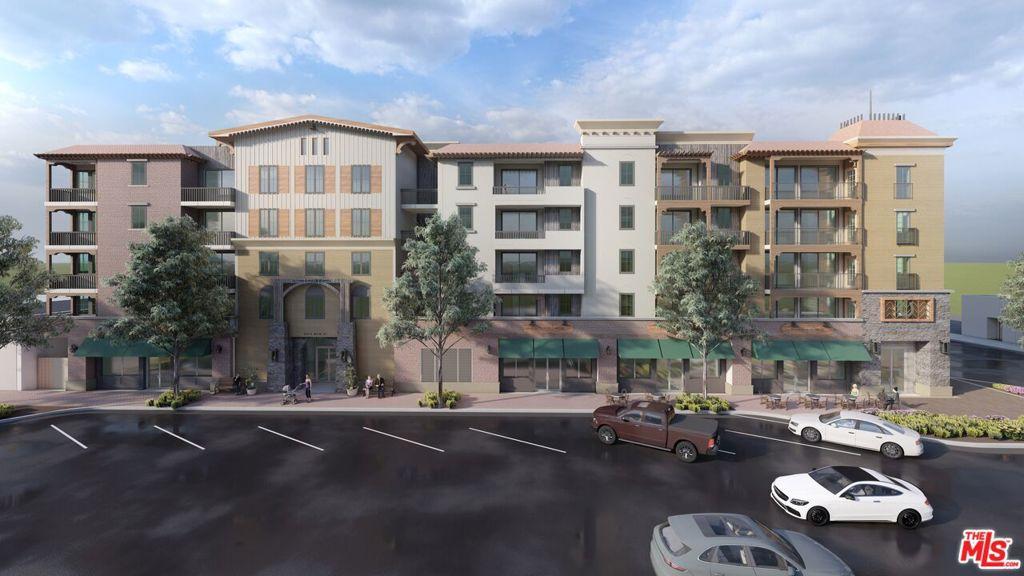
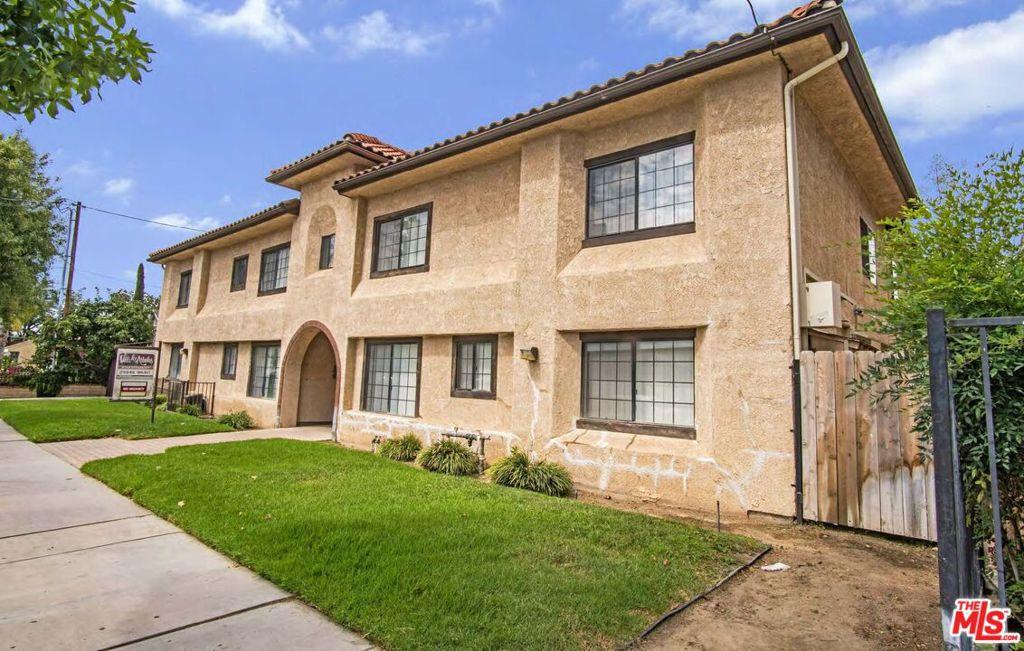
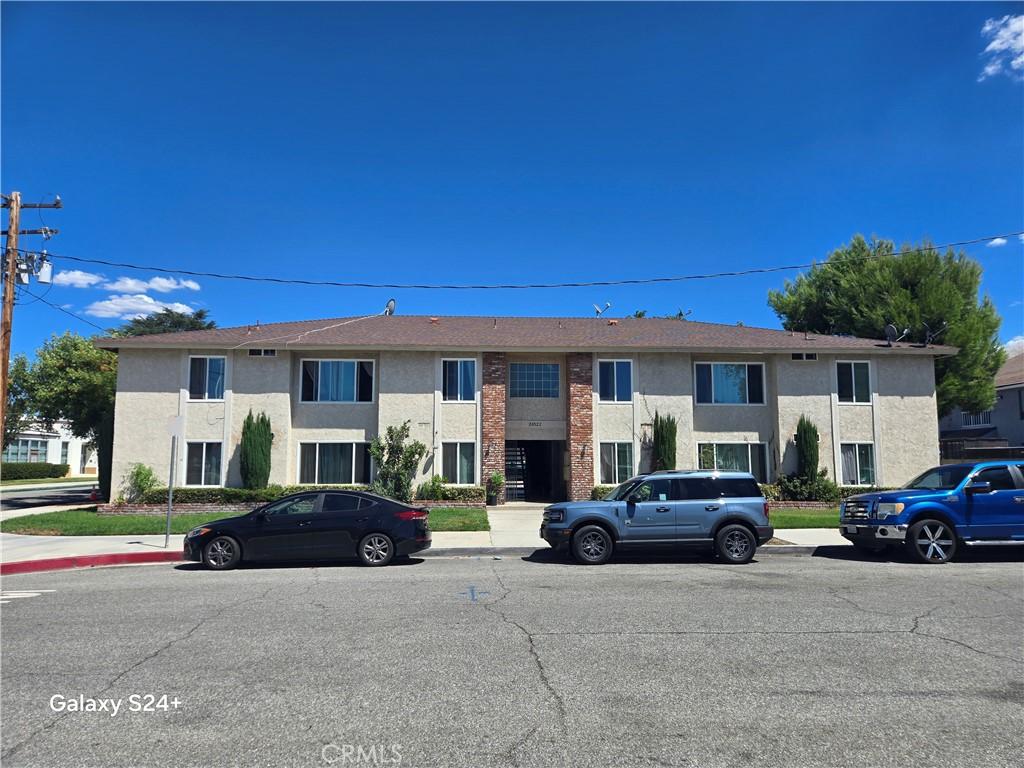
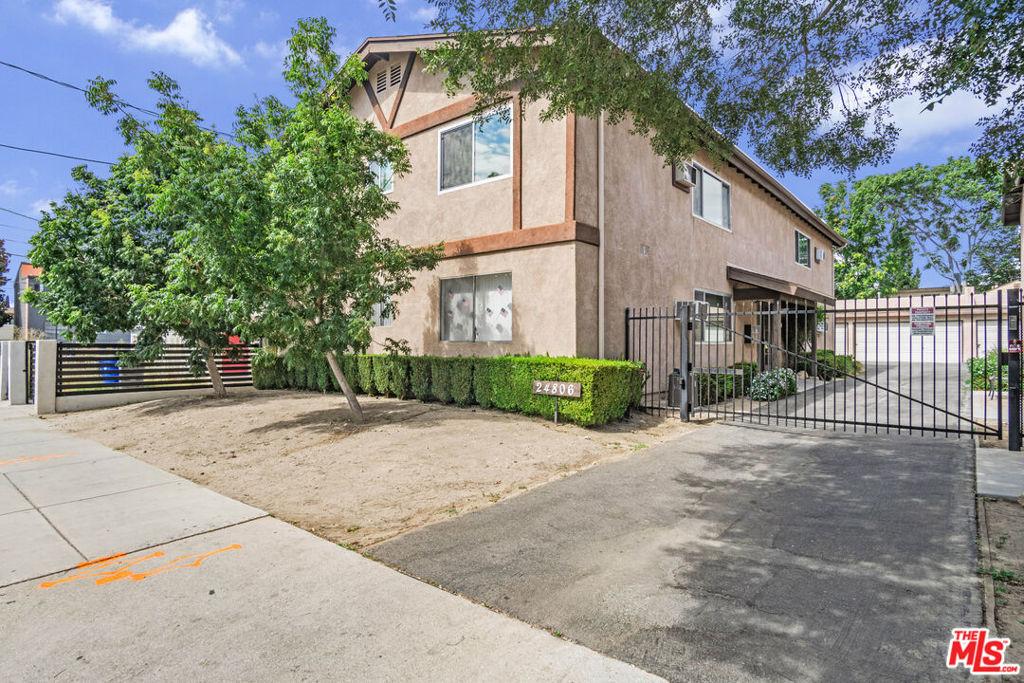
Most of the stock sits in low-rise garden and townhome communities built around parking courts, pools, and greenbelts rather than mid-rise towers, and the association owns the roof, the exterior, and the grounds. The city covers 70.75 square miles and reads as four communities that were separate places first: Valencia, master-planned starting in the 1960s; Newhall, the original town center with the oldest stock; Saugus, mostly later tracts; and Canyon Country, the widest spread of build years. Stevenson Ranch and Castaic trade as part of the same market. Inventory, HOA health, and resale liquidity vary more between two Canyon Country complexes than between two cities elsewhere in the county.
Browse the current Santa Clarita condo listings below, or contact The Knight Group directly for a read on which communities are actually trading, which HOAs are healthy, and what is available off-market.
Where is Santa Clarita, and what is the valley actually made of?
Santa Clarita incorporated on December 15, 1987 and covers 70.75 square miles. The 2020 U.S. Census recorded 228,673 residents, making it the third-largest city in Los Angeles County. That scale matters for one reason: this is not a single market. It is four communities that were separate places first and one city later.
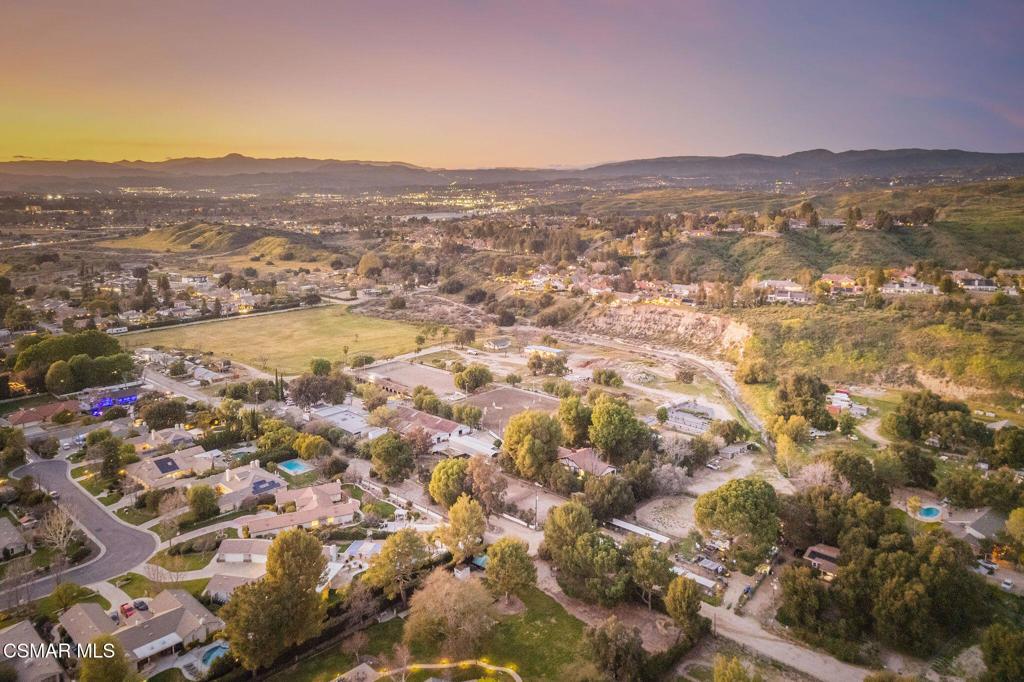
The city is made up of Valencia, Saugus, Newhall, and Canyon Country. Residents still identify by those names rather than by the city, and the attached-housing stock in each reads differently. Valencia is the master-planned side: Newhall Land and Farming Company laid it out in the 1960s, and the first subdivision, Old Orchard I, opened in 1967. Newhall is the valley’s original town center and holds the oldest stock. Saugus grew mostly through later tract development. Canyon Country covers the widest land area and the widest range of build years.
Two adjacent unincorporated areas trade as part of the same market despite sitting outside city limits: Stevenson Ranch to the southwest and Castaic to the north. We treat all of it as connected micro-markets, because inventory, HOA quality, and resale liquidity vary more between two Canyon Country complexes than between two cities elsewhere in the county.
Why do condo buyers look at Santa Clarita instead of the San Fernando Valley?
Price per square foot and monthly carrying cost. Attached product here generally delivers more interior space and more parking than comparably priced attached product further south in Los Angeles County, and the stock is newer on average because most of the valley was built out after 1967.
There is also a regulatory difference worth understanding. Measure ULA, the City of Los Angeles transfer tax on higher-value property sales, applies to property inside the City of Los Angeles. Santa Clarita is a separate incorporated city, so a sale here is not a City of Los Angeles transaction, and the same boundary logic applies to the City of Los Angeles Rent Stabilization Ordinance. Confirm specifics on any individual property with counsel or escrow.
The offsetting costs are honest ones. Summer heat is real, with a hot-summer Mediterranean climate and highs that average roughly 90 to 95 degrees. The commute south is a single pass, and it does back up. And attached housing means an HOA: a monthly assessment, reserve exposure, and rules you did not write.
Which condo communities can I search in Santa Clarita?
Below is the full set of Santa Clarita condo and attached-home searches we maintain, grouped by how they read at a glance. Treat the grouping as a starting filter, nothing more. Community names here describe a marketing concept from the year they were built, not a guaranteed view or location. We verify the address, HOA, and build year on every property before a client tours it.
Where should I start if I want to search a whole community first?
Most buyers narrow by area before complex. Four broad searches cover the valley: homes for sale in Valencia for the master-planned side with the paseo network and Valencia Town Center, homes for sale in Saugus for tract-era product at a step below Valencia pricing, homes for sale in Canyon Country for the widest spread between older and newer inventory, and homes for sale in Santa Clarita for a citywide view when you have not committed to an area yet.
Which Santa Clarita condo communities are named for views?
The valley is ringed by hills, and elevation is priced. Three searches lead with that: Vistas, Vista Valencia, and Vista del Canon. A view premium in attached housing is unit-specific, not community-specific. Two units in one building can price differently on orientation alone, and the outlook can be built out later by a neighboring parcel. Ask what is entitled next door before you pay for the view.
Which communities sit toward the canyons and hillsides?
These read as foothill and canyon-edge product: Tres Robles, Oak Springs Villas, Franciscan Hill, Heather Ridge, Mountain View Villas, Mountain View Courtyards, Canyon Village, and Canyon Park. Hillside and canyon-adjacent locations are where wildfire hazard mapping and insurance pricing deserve the most attention, covered in its own section below.
Which communities are built around greenbelts and gardens?
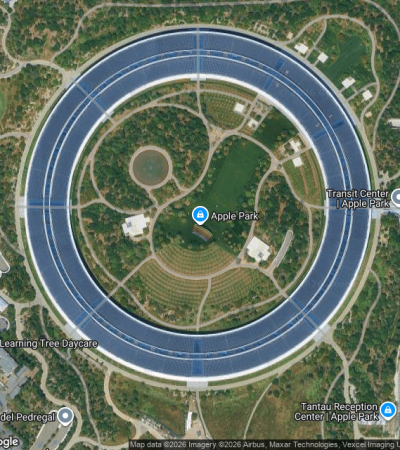
Garden-style layouts with interior green space are common in older Valencia and Saugus tracts, and the naming reflects it: Apple Park, Arbor Park, Rose Arbor, American Beauty Garden, American Beauty Village, Mariposa, and Arroyo West. Mature landscaping is an asset and a liability at once: it is why these communities feel established, and it is a recurring line in the HOA budget. Read the landscape and tree-maintenance figures in the operating statement, not just the pool.
Which communities are near water, golf, or the river corridor?
Four searches lead with a water or fairway association: Cabot Bay, Lakeshore, Fairways, and Concord at River Village. One question decides these: who owns and maintains the water or turf feature. A private water feature inside HOA common area is a maintenance liability with a replacement horizon. A view of a golf course owned by someone else is not.
Which are the townhome and village-style communities?
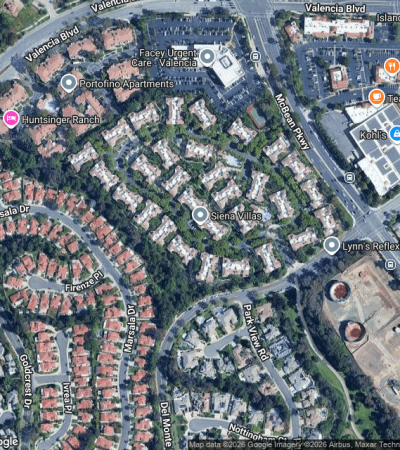
The remaining searches cover townhome, terrace, and village-format product across the valley: Village Walk, The Terrace, The Madison, Siena Villas, Seco Villas, Santa Fe, Rainbow Sierra Terrace, Galleria, Del Prado, Cornerstone, and Montana. Format matters more here than the name: townhome layouts usually mean private entry, attached garage, and stairs, while flat-format condos mean single-level living.
What does the HOA actually control, and what should I demand before I sign?
California condos are governed by the Davis-Stirling Common Interest Development Act, enacted in September 1985 and codified in the Civil Code beginning at section 4000. Assembly Bill 805 renumbered and reorganized the act effective January 1, 2014, which is why older HOA documents cite sections that no longer exist. The CC and Rs are the association’s governing document, binding on owners to the extent they do not conflict with state or federal law.
Civil Code section 4525 sets out what a seller must give a buyer, and it is the single most useful diligence packet in a condo purchase: all governing documents, any age-restriction statement, the association’s recent financial disclosures, a written statement of current regular and special assessments and fees, unresolved violation notices sent to the owner, construction defect lists where applicable, board-approved assessment increases not yet due, a description of any leasing prohibition, the prior twelve months of approved board minutes on request, and the most recent inspection report required under section 5551.
Read the minutes. Buyers skip them and they are the most revealing document in the stack. Twelve months of board minutes tell you whether the association is arguing about a roof, deferring a repaving, litigating with a builder, or quietly running out of reserves. The financials give you the position, the minutes give you the direction.
What is the balcony inspection rule, and does it apply here?
Civil Code section 5551, added by Senate Bill 326, applies to buildings with three or more attached multifamily dwelling units where the association maintains exterior elevated elements: load-bearing components such as decks, balconies, and stairs that extend beyond the exterior walls, sit more than six feet above ground, and are supported by wood, including the flashings, membranes, coatings, and sealants that protect them.
The statute required the first inspection by January 1, 2025, with reinspection at least once every nine years thereafter. Buildings permitted after January 1, 2020 must be inspected within six years of the certificate of occupancy, and only a licensed structural or civil engineer or architect may perform it. Ask every association three things: has the inspection been completed, what did it find, and is remediation funded or coming as a special assessment.
What risks should a Santa Clarita condo buyer price in?
Three, in order of how often they bite.
Special assessments. An underfunded reserve is a deferred bill, not a discount. If the association has a large capital item approaching and no reserve to meet it, the shortfall arrives as a special assessment on you, after close. The 4525 packet and the reserve study exist to surface it.
Wildfire hazard and insurance. The valley sits against open hillside and canyon terrain on multiple sides, and California’s fire hazard severity zone mapping affects insurance availability and cost across parts of the region. In attached housing this shows up twice: in the association’s master policy premium, which flows into your dues, and in your own walls-in policy. Get a written quote and read the insurance certificate before removing contingencies. Do not assume the master policy covers your interior.
Financing and warrantability. Lenders underwrite the association as well as the borrower. Owner-occupancy ratios, delinquency rates, litigation, and commercial space share can all make a project ineligible for conventional or FHA financing. That risk is symmetric: it limits your loan options going in and your buyer pool going out. Ask about eligibility early, not at appraisal.
What is the commute like from a Santa Clarita condo?
Two freeways and one rail line define it. Interstate 5 forms the city’s western boundary and California State Route 14 runs northeast to southwest along the irregular eastern edge. They meet at Newhall Pass, the southernmost point of the city. Everything heading into Los Angeles funnels through that interchange, which is why time of day matters more here than distance does.
Metrolink’s Antelope Valley Line runs three stations inside the valley: Newhall, Santa Clarita, and Via Princessa. That is more rail access than most outlying Los Angeles County submarkets have, and for a condo buyer it is a resale asset: a rail-adjacent attached home has a buyer pool a car-only one does not.
The city also runs its own transit system with 38 routes. Route 757 connects the McBean Regional Transit Center to the North Hollywood station seven days a week by way of Interstate 5 and State Route 170. Route 799 links the Santa Clarita station to the downtown Los Angeles and Union Station area. Weekday commuter routes serve Warner Center, Century City, and UCLA. If your work lands at any of those points, run the schedule against your hours before deciding the freeway is your only option.
Which schools serve Santa Clarita condo neighborhoods?
The valley is served by the William S. Hart Union High School District, which covers grades 7 through 12 and operated 16 schools as of the 2023 to 2024 school year: 10 high schools and 6 junior high schools. Four elementary districts feed into it: Castaic Union (kindergarten through grade 8), plus Newhall, Saugus Union, and Sulphur Springs (each kindergarten through grade 6).
The part that matters for condo buyers: attendance boundaries do not follow community names or HOA lines, and a complex marketed under a Valencia address is not automatically in a Valencia-associated district. Verify the boundary at the address level with the district before you build a target list, not after an offer is accepted.
What is there to do around a Santa Clarita condo?
Valencia carries the commercial center. Valencia Town Center holds over 1,000,000 square feet of retail with 134 stores and 46 restaurants. Valencia’s other distinguishing feature is the paseo network, paved paths that pass over and under the street grid so residents can cross most of the community on foot or by bike without meeting traffic at grade, connecting east to the Santa Clara River Trail. For an attached-home buyer without a private yard, that access functions as usable outdoor space.
Six Flags Magic Mountain opened on May 29, 1971 on 209 acres, developed jointly by Newhall Land and Farming Company and Sea World Inc. It sits in unincorporated Los Angeles County just outside the city limits, which surprises out-of-area buyers. Old Town Newhall holds the walkable restaurant strip, and College of the Canyons and the California Institute of the Arts anchor an arts and education presence most outlying suburban markets lack.
Employment is more local than people expect. Princess Cruises, Honda Performance Development, Precision Dynamics Corporation, Sunkist, and Newhall Land have all been based in the area, and many condo buyers here never make the pass commute at all.
Frequently Asked Questions About santa clarita Condos for Sale
Are Santa Clarita condos a good entry point into the market?
For most first-time buyers in this valley, yes, because attached product is where the price band starts and where monthly cost is most predictable. The qualifier is the HOA. A well-run association with funded reserves is a genuine entry point; an underfunded one transfers deferred maintenance to you at close. The condo is only as good as the balance sheet behind it.
Does Measure ULA apply to a Santa Clarita condo sale?
Measure ULA is a City of Los Angeles transfer tax and applies to property within the City of Los Angeles. Santa Clarita has been a separate incorporated city since December 15, 1987, so a Santa Clarita property is not a City of Los Angeles property. Confirm jurisdiction on any specific parcel through title and escrow, since unincorporated county pockets sit next to city limits throughout this area.
Which part of Santa Clarita has the most condo inventory?
Valencia and Canyon Country carry the broadest attached inventory: Valencia because attached product was built into the master plan from the 1960s onward, Canyon Country because it covers the largest land area and the widest range of build years. Rather than guess at counts, run the live searches above, which pull from the MLS.
What questions should I ask about an HOA before I make an offer?
Six. What are the current regular and special assessments. Is there a board-approved increase not yet due. What does the reserve study say about funding level. Has the section 5551 inspection been completed and what did it find. Is there active litigation. What do the last twelve months of board minutes show. Civil Code section 4525 entitles a buyer to nearly all of it.
Can I rent out a Santa Clarita condo?
It depends on the governing documents, and California law requires the seller to tell you: Civil Code section 4525 requires a description of any provision that prohibits leasing. Many associations also cap the percentage of rented units or impose a minimum lease term. Rental caps affect lender eligibility for the whole project, so confirm both the restriction and the current rental ratio before underwriting a purchase as an investment.
Do Santa Clarita condos carry Mello-Roos or other special taxes?
Some properties in newer California developments carry Mello-Roos community facilities district assessments on top of the base property tax rate, levied by district rather than by housing type. Whether a given condo carries one is an address-level question answered by the tax bill and the title report. We pull it before an offer rather than estimate it.
Is a Santa Clarita condo a reasonable commute to Los Angeles?
It depends entirely on where in Los Angeles. Downtown and the eastern San Fernando Valley are served directly by the Antelope Valley Line and by Routes 799 and 757, which makes those commutes workable without driving. Westside and South Bay commutes go through Newhall Pass by car both ways and are the ones that wear people down. Drive it at your real departure time before you commit, not midday.
What is the difference between a condo and a townhome here?
Condominium is a form of ownership, townhome is a building format, and much of the attached stock in this valley is both. Both sit under the same Davis-Stirling framework and the same association obligations. Choose on how you want to live in the unit, then diligence the association the same way either way.
How does The Knight Group work in the Santa Clarita condo market?
We underwrite the association before we tour the unit. In attached housing the building is the investment and the unit is a seat inside it, so the first work on any Santa Clarita condo is the 4525 packet, the reserve study, the insurance certificate, the section 5551 inspection status, and twelve months of board minutes. If that stack looks wrong, we say so before a client spends a Saturday on it.
Second, we treat the valley as four markets plus the unincorporated edges, not one search radius. Valencia, Saugus, Newhall, and Canyon Country move on different inventory cycles, and a client flexible across two of them has leverage a client anchored to one does not.
Third, we build the real monthly number before anyone falls for a floor plan: mortgage, dues, taxes including any district assessment, and insurance quoted in writing. That figure decides more purchases here than list price does.
If you are weighing a Santa Clarita condo against attached product in the San Fernando Valley or a detached home further out, contact The Knight Group and we will run the comparison with actual numbers, including off-market inventory that never reaches the portals.
What are condos for sale in Santa Clarita like?
- Condos for sale in Santa Clarita are attached, HOA-governed homes in the Santa Clarita Valley, northwest of downtown Los Angeles.
- Attached homes here serve as the Santa Clarita Valley’s entry point into ownership rather than a luxury or move-up product tier.
- Santa Clarita is its own incorporated city, not a Los Angeles neighborhood, which shapes how the attached market prices and trades.
- Square footage in condos for sale in Santa Clarita sits at a price band the City of Los Angeles condo market does not reach.
- The trade for that price band is a longer commute over Newhall Pass plus a monthly HOA assessment an owner does not control.
- Buyers who work locally or commute north generally find the math works, while daily Westside drivers generally do not.
- Most of the stock sits in low-rise garden and townhome communities rather than mid-rise towers.
- Parking courts, pools, and greenbelts organize these communities instead of elevators, lobbies, and structured podium garages.
- The association owns the roof, the exterior, and the grounds in the typical Santa Clarita attached community.
- Santa Clarita reads as four communities that were separate places first: Valencia, Newhall, Saugus, and Canyon Country.
- Valencia is the master-planned side, laid out by Newhall Land and Farming Company, with attached product built into the plan.
- Newhall is the valley’s original town center and holds the oldest housing stock in the city.
- Saugus grew mostly through later tract development, while Canyon Country covers the widest land area and range of build years.
- Stevenson Ranch to the southwest and Castaic to the north sit outside city limits but trade as part of the same market.
- Residents still identify by community name rather than by the city, and the attached stock in each reads differently.
- Inventory, HOA health, and resale liquidity vary more between two Canyon Country complexes than between two cities elsewhere in the county.
What should I check before buying condos for sale in Santa Clarita?
- Water and fairway communities include Cabot Bay, Lakeshore, Fairways, and Concord at River Village among Santa Clarita attached-home searches.
- Ownership of the water or turf feature decides whether an amenity is an asset or a maintenance liability with a replacement horizon.
- Private water features inside HOA common area carry maintenance obligations, while a view of someone else’s golf course does not.
- Townhome, terrace, and village-format searches include Village Walk, The Terrace, The Madison, Siena Villas, Seco Villas, and Santa Fe.
- Rainbow Sierra Terrace, Galleria, Del Prado, Cornerstone, and Montana round out the village and townhome-format community searches.
- Format matters more than the community name when choosing among condos for sale in Santa Clarita.
- Townhome layouts usually mean private entry, an attached garage, and stairs, while flat-format condos mean single-level living.
- Older HOA documents often cite Civil Code sections that no longer exist because of that renumbering and reorganization.
- The CC and Rs are the association’s governing document, binding on owners except where they conflict with state or federal law.
- The seller disclosure packet includes governing documents, financial disclosures, current assessments, violation notices, and any leasing prohibition description.
- Board minutes reveal whether an association is arguing about a roof, deferring repaving, litigating with a builder, or running out of reserves.
- Financial statements give the association’s position while the minutes give its direction, which is why buyers should read both.
- The balcony inspection statute covers exterior elevated elements such as decks, balconies, and stairs supported by wood and raised above ground.
- Every association should answer whether the inspection was completed, what it found, and whether remediation is funded or coming as a special assessment.
- Wildfire hazard shapes insurance for condos for sale in Santa Clarita through the association’s master policy premium and the owner’s walls-in policy.
Are condos for sale in Santa Clarita a good buy?
- Condos for sale in Santa Clarita work as an entry point for most first-time buyers because attached product is where the price band starts.
- Monthly cost tends to be most predictable in attached housing, which is part of the entry-point argument for this valley.
- The HOA is the qualifier, since a well-run association with funded reserves is a genuine entry point and an underfunded one is not.
- Underfunded associations transfer deferred maintenance to the buyer at close, making the condo only as good as the balance sheet behind it.
- Measure ULA is a City of Los Angeles transfer tax, and Santa Clarita has been a separate incorporated city for decades.
- Unincorporated county pockets sit next to city limits throughout this area, so jurisdiction should be confirmed through title and escrow.
- Valencia and Canyon Country carry the broadest attached inventory among condos for sale in Santa Clarita.
- Valencia’s supply comes from attached product built into the master plan, while Canyon Country’s comes from land area and varied build years.
- Live MLS searches answer inventory questions better than guessing at counts for any part of the valley.
- Key HOA questions cover current assessments, board-approved increases not yet due, reserve funding, inspection status, litigation, and recent board minutes.
- Rental rights depend on the governing documents, and California law requires the seller to describe any provision prohibiting leasing.
- Many associations cap the percentage of rented units or impose a minimum lease term, which affects lender eligibility for the whole project.
- Mello-Roos community facilities district assessments are levied by district rather than by housing type and are an address-level question.
- Commute quality depends entirely on the destination, with rail and bus routes serving downtown and the eastern San Fernando Valley directly.
- Westside and South Bay commutes go through Newhall Pass by car both ways and are the ones that wear people down.
- Condominium is a form of ownership and townhome is a building format, and much of the attached stock in this valley is both.