Homes for Sale in La Quinta
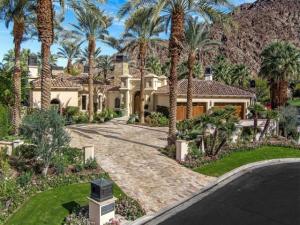
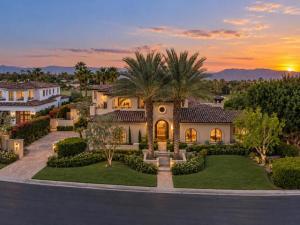
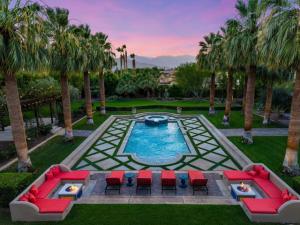
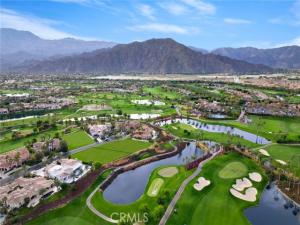
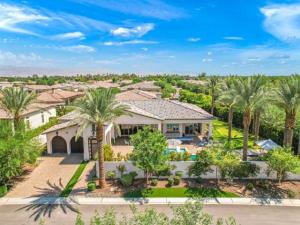
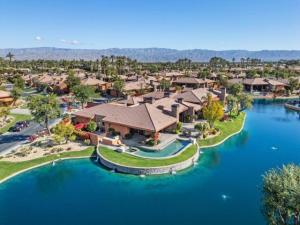
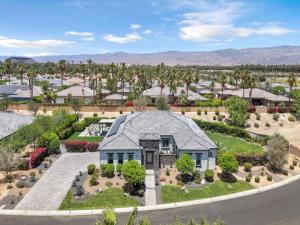
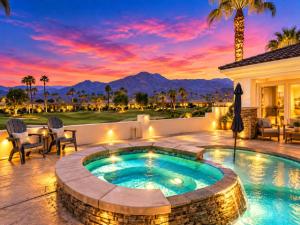
Most homes for sale in La Quinta sit inside gated communities built around golf courses, and PGA West is the reference point for nearly every conversation about the city. That development covers 2,200 acres and holds six golf course sub-communities — Stadium, Nicklaus Tournament, Dunes, Mountain, Palmer, and Greg Norman — with more than 1,400 homes and condominiums. The other draw is the setting: La Quinta sits at the southeastern end of the valley, where the Santa Rosa Mountains rise directly behind the neighborhoods.
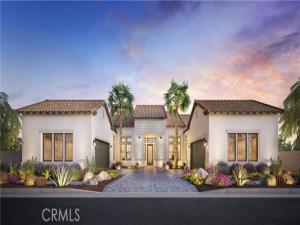
Entry-level condos and smaller gated residences run $400,000–$700,000. Standard single-family homes in the golf communities run $700,000–$2,000,000, and custom PGA West lots, The Tradition, Coral Mountain, and La Quinta Country Club estates push past $5,000,000. Which course a property accesses affects its price here more than buyers expect.
What are buyers actually choosing in La Quinta?
The La Quinta buyer is almost always a golfer, or partnered with a golfer who has been clear about what they want. The choice to buy in La Quinta specifically. rather than Palm Desert or Rancho Mirage or Indian Wells. is typically driven by one of two things: PGA West access, or the mountain setting, or both.
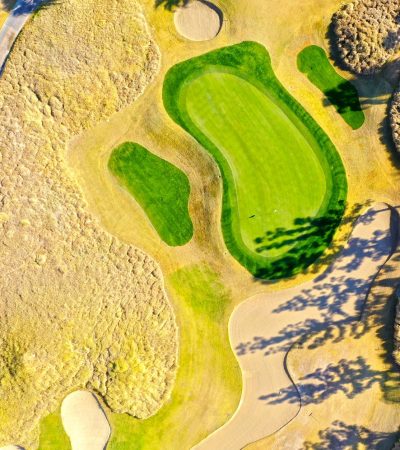
PGA West is the organizing institution of the city’s residential market. The development, which began in 1984 and expanded through 2009, is the largest golf community in the Coachella Valley and one of the most recognized golf addresses in the United States. The Stadium Course, designed by Pete Dye and opened in 1986, is the flagship. one of the most challenging and most photographed golf courses in the country, known internationally for the island-green par-3 17th hole. PGA West has hosted PGA Tour events including the Bob Hope Classic (now the American Express) and produced the kind of golf culture that serious players travel to experience. For the buyer who wants to live where they play rather than drive to a destination course, PGA West is the specific answer to a specific desire.
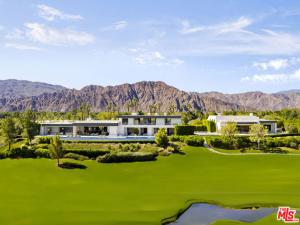
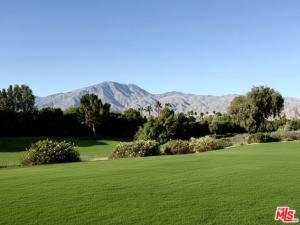
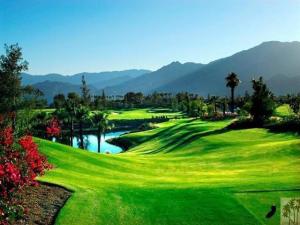
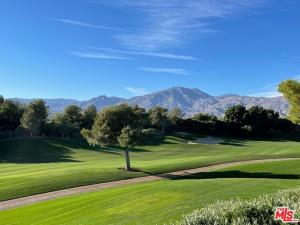
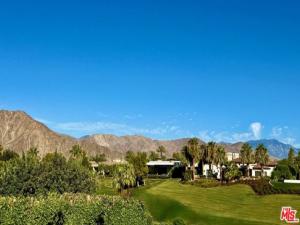
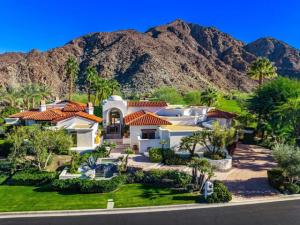
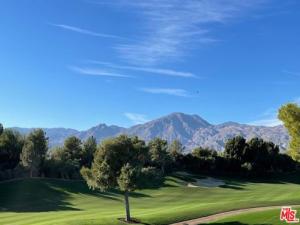
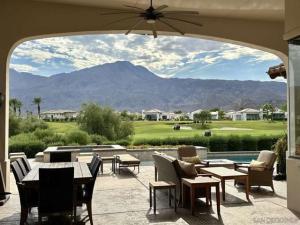
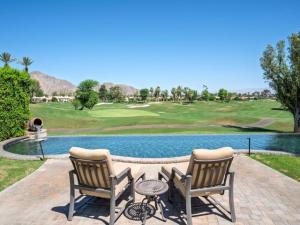
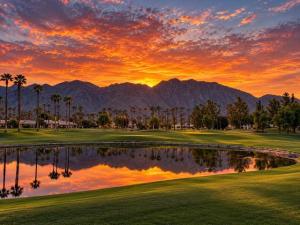
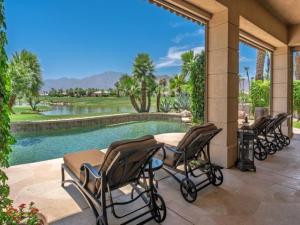
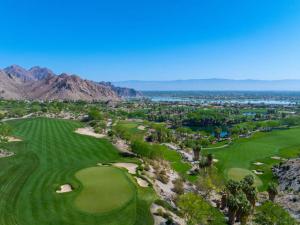
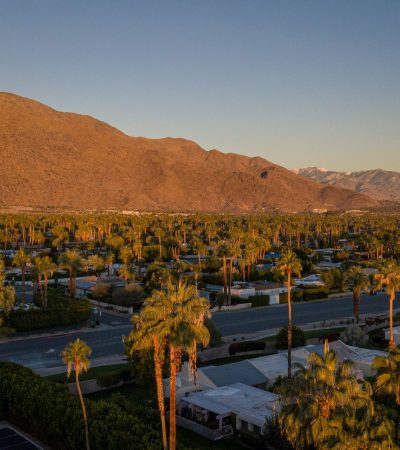
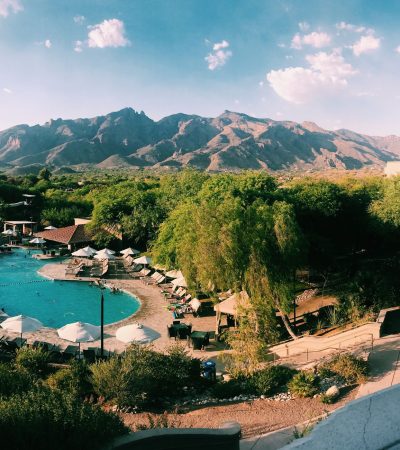
The mountain setting is the other driver. La Quinta sits at the southeastern end of the Coachella Valley where the Santa Rosa Mountains rise immediately and steeply to the south and east. The mountain backdrop from the right position in La Quinta. directly below the ridgeline, with the mountain face filling the southern sky. is more dramatic than anything available in Palm Springs, Palm Desert, or Rancho Mirage at comparable residential settings. The resort-era photographs that communicate the La Quinta experience all exploit this setting: the mountains directly behind the La Quinta Resort, the fairways at PGA West with the Santa Rosa peaks as the backdrop, the eastern-facing properties in communities like Coral Mountain where the mountain face rises immediately from the neighborhood perimeter. The visual drama is real and not replicable elsewhere in the valley.
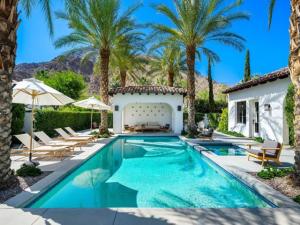
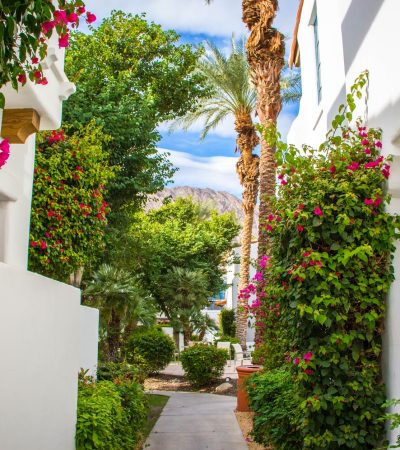
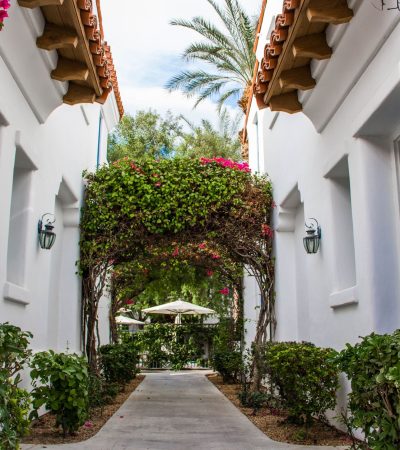
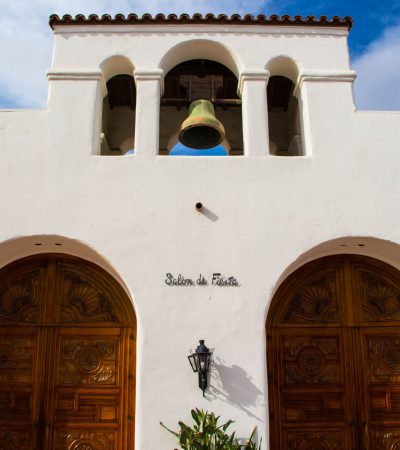
Frank Capra wrote the screenplay for It Happened One Night at the La Quinta Resort in 1934. The resort, which opened in 1926 and is one of the oldest in the California desert, has a history of Golden Age Hollywood guests that gives it a narrative depth that no amount of contemporary resort renovation can manufacture. The Spanish Colonial architecture, the network of pools, the bougainvillea on the wall of every casita. this is not a resort that is trying to evoke a romantic historical identity; it is the original from which the romantic historical identity derives.
What is the La Quinta housing market like right now?
PGA West itself. the dominant community in the city. shows a trailing 12-month median of approximately $1,077,000 for its full residential inventory, with the condominium segment running at $1,181,000 median and the single-family home segment ranging from $800,000 to $5,000,000-plus depending on course, lot size, and custom construction level. Days on market average 73 days within PGA West. patient by valley standards, reflecting the specific buyer pool (golfers looking for a specific course community) and the price tier.
The city-wide inventory is broader. Condominium and smaller gated-community residences at the entry end of the market run $400,000-$700,000. Single-family homes in the golf communities run $700,000-$2,000,000 for the standard product. The upper tier. custom homes on the largest PGA West lots, properties in The Tradition or Coral Mountain with mountain-face settings, and the estate-scale properties in La Quinta Country Club. runs from $2,000,000 to $5,000,000-plus.
The golf community premium structure matters more in La Quinta than anywhere else in the valley because the specific course access associated with a property affects value in ways buyers outside this market often don’t anticipate. A PGA West home that comes with access to the Stadium Course commands a premium over an equivalent property that accesses a different PGA West course. A property in The Tradition or La Quinta Country Club is priced against a different comparables set than a PGA West condo. Course prestige, membership type, and clubhouse access are all material valuation factors here.
Which neighborhoods should buyers know in La Quinta?
PGA West is the city’s dominant residential community and the reference point for every pricing and lifestyle conversation about La Quinta. The six golf course sub-communities within PGA West. Stadium, Nicklaus Tournament, Dunes, Mountain, Palmer, and Greg Norman. each have distinct character, pricing, and course access. The Stadium community, organized around the Pete Dye course, represents the most premium address within PGA West. The Nicklaus Tournament Course communities are typically next in pricing. The Mountain and Dunes courses anchor the more accessible end of the PGA West range. Understanding which community within PGA West you’re actually considering is essential. they are meaningfully different in price, amenity, and character.
La Quinta Country Club is the city’s historic private club community, with roots predating the PGA West development era. The club’s golf course and the residential fabric surrounding it reflect an older, more established Coachella Valley private club character. Pricing reflects the established character and the private club membership structure.
The Citrus Club is a private golf community in the southern section of the city with a residential character that is quieter and more residential in feel than the larger PGA West development. For buyers who want the private golf community experience without the scale of PGA West, The Citrus Club is a specific answer.
The Tradition is the city’s most exclusive private club. an ultra-private golf community with a highly selective membership process and pricing that reflects the exclusivity of the membership more than the size of the homes. The Tradition competes with Indian Wells’ Eldorado and Vintage Club for the most exclusive residential address in the valley.
Rancho La Quinta Country Club provides a mid-tier private club experience with golf, tennis, and the community infrastructure of an established HOA-governed community at price points between PGA West and the ultra-exclusive tier.
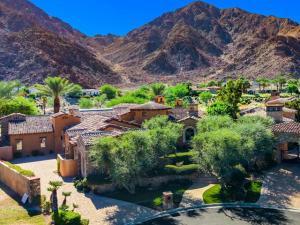
Coral Mountain sits at the base of the Santa Rosa range in the city’s southwestern section, where the mountain terrain meets the residential edge. The setting is among the most dramatic in the valley. mountain face immediately visible from residential streets. and the community is newer than most of the golf-community stock, with the updated construction quality that buyers from coastal California often prefer.
Old Town La Quinta is the walkable commercial district adjacent to the La Quinta Resort, with a scale that makes it genuinely functional for daily life in a way that the rest of the valley’s commercial landscape is not. Independent restaurants, wine bars, the Old Town Farmers Market on Sunday mornings, and a retail strip with genuine local character rather than big-box commercial format. For the buyer who wants some urban proximity without moving to Palm Desert, Old Town provides the most accessible approximation available in southeastern valley communities.
Who is buying homes in La Quinta?
The serious golfer. This is La Quinta’s defining buyer. Someone for whom PGA West access is not a perk but a purchase criterion. a buyer who has played the Stadium Course, knows the layout, has a handicap, and is making a residential decision around access to a specific type of golf at a specific level of quality. There is no equivalent community in the valley for this buyer. PGA West is where the serious golfer ends up.
The second-home resort buyer. La Quinta’s resort culture. the La Quinta Resort, the PGA West amenity package, Old Town’s dining. makes it one of the most complete resort-lifestyle addresses in the valley for buyers who want to arrive and have everything in place. These buyers often compare La Quinta directly to the Palm Springs weekend option and choose La Quinta specifically for the golf infrastructure and the mountain setting.
The vacation rental investor (La Quinta has been relatively permissive). The city has historically maintained a more accommodating stance toward short-term rental operations than Palm Springs. The PGA West communities and the La Quinta Resort adjacency generate consistent rental demand from golfers visiting for tournament events and seasonal golf travel. Investors attracted to the valley STR market have traditionally found La Quinta’s regulatory environment somewhat more favorable than Palm Springs, though this requires current verification.
The mountain-setting buyer without a golf requirement. A less common but real buyer: someone who specifically wants the dramatic mountain backdrop and is willing to be in a golf community without being a golfer. The setting at Coral Mountain and the eastern PGA West communities is the primary draw. These buyers typically structure their lifestyle around the resort amenities rather than the courses.
What is unique to La Quinta in the region?
The PGA West Stadium Course is specific to La Quinta and cannot be approximated by another valley address. Pete Dye’s design is on the short list of most challenging and most recognized golf courses in the United States, and the island-green 17th hole is one of the most photographed holes in American golf. Living within walking distance of that course, and having a membership that includes regular access to it, is the specific thing that this buyer pool is paying for.
The mountain backdrop is also specific. The Santa Rosa Mountains at La Quinta’s southern edge produce a visual drama. the mountain face rising immediately above the residential edge, the scale of the terrain change from valley floor to summit, the quality of the light on the rock face in the afternoon. that no other residential address in the Coachella Valley replicates at the same proximity. The view from the right property in La Quinta is unambiguously the valley’s most dramatic.
The La Quinta Resort’s 1926 provenance gives the city a resort-history connection that newer Coachella Valley development cannot manufacture. When the resort’s original casitas and Spanish Colonial buildings appear in the background of a listing photograph, that’s not a marketing decision. it’s a century of desert hospitality history that has accumulated around this specific place.
What should buyers watch for before buying in La Quinta?
If you don’t play golf, this market is not designed for you. La Quinta’s residential infrastructure. the gated community format, the HOA fees that fund course maintenance, the social fabric organized around club membership, the commercial landscape that exists primarily to serve golfers and resort guests. is built for a specific lifestyle. Buyers who are purchasing for reasons other than golf access (investment purposes, the mountain setting, the resort adjacency) can find La Quinta workable. But buyers who are expecting urban energy, walkable commercial options, or a community that offers significant non-golf social programming should look at Palm Desert or Indian Wells before they buy in La Quinta.
The distance from Palm Desert matters for daily life. El Paseo in Palm Desert is approximately 20-25 minutes from most La Quinta addresses. The valley’s best hospital, the Eisenhower Health campus in Rancho Mirage, is 30-35 minutes away. For buyers accustomed to walking-distance or short-drive access to urban commercial infrastructure, the isolation of La Quinta’s southeastern valley position is a real condition of the address. Test your actual daily routine. grocery, medical, dining, errands. from a La Quinta address before committing.
PGA West community membership access is a purchase-specific variable. Within PGA West, the golf access that comes with a specific property depends on which sub-community you purchase in and what the current membership structure is. Golf access may be included with purchase, available at additional cost, or require a separate application process. The specific terms are property-specific and require verification before purchase. Do not assume that buying in PGA West confers access to all PGA West courses. it does not.
Summer applies equally here. June through September brings the same 105-115 degree Fahrenheit conditions that affect all of the Coachella Valley. La Quinta’s southeastern position, further from the mountain cooling effects that mitigate temperatures in parts of the valley, can run slightly hotter than the western cities.
Where can I see homes for sale in La Quinta?
The 26 communities beneath the La Quinta hub span the full range of the city’s golf community culture, from the iconic PGA West sub-communities to the intimate private club character of The Tradition to the mountain-base setting at Coral Mountain.
Pga West. The defining address. Six golf course communities within 2,200 acres, anchored by the Pete Dye Stadium Course. The purchase destination for buyers who want to live at one of the most recognized golf addresses in the country.
La Quinta Country Club. The historic private club community predating the PGA West era. Established character and private club infrastructure.
The Citrus Club. Private golf community in the southern section. Quieter residential character than PGA West, with the private club experience at a more intimate scale.
The Tradition. The city’s most exclusive private club. Ultra-selective membership, estate-scale residential, and valley competition only from Indian Wells’ most exclusive communities.
Rancho La Quinta Country Club. Mid-tier private club with golf, tennis, and HOA community infrastructure at a price point between PGA West entry and the ultra-exclusive communities.
Coral Mountain. Mountain-base community with the most dramatic Santa Rosa Mountain setting available at any residential address in La Quinta.
There are 26 La Quinta communities in TKG’s research inventory. If you don’t see what you’re looking for here, contact us. we cover the full city.
The Knight Group serves buyers and sellers across the Coachella Valley, including the full La Quinta market. Call us at [phone] or use the contact form below to connect with an agent who knows this market specifically.
How to Approach Buying in La Quinta
Start by deciding whether golf access is the point of the purchase or a bonus that comes with the address. That single question sorts most of the city’s inventory. If a specific course matters to you — the Stadium layout in particular — you are shopping a narrower pool and paying for it, because course access, membership type, and clubhouse privileges are priced into the property itself. If golf is secondary and the mountain views are what pulled you here, you have more room to work with, and the eastern-facing positions below the Santa Rosa ridgeline become the thing worth chasing.
Budget shapes the second decision. Condos and smaller gated residences are the practical entry into La Quinta real estate, single-family homes in the golf communities occupy the broad middle, and the custom and estate tier sits well above both. Also plan for a slower search — this market moves at a patient pace, and the right combination of course, lot, and view is worth waiting out.
What is it like to own Homes For Sale In La Quinta?
- Homes For Sale In La Quinta sit largely inside gated communities built around golf courses, with PGA West serving as the reference point for the city.
- PGA West holds six golf course sub-communities named Stadium, Nicklaus Tournament, Dunes, Mountain, Palmer, and Greg Norman, each with its own character.
- Santa Rosa Mountains rise directly behind La Quinta neighborhoods, placing the mountain face across the southern sky from the right residential position.
- Entry-level condominiums and smaller gated residences form the accessible end of the La Quinta housing stock available to buyers.
- Custom PGA West lots, The Tradition, Coral Mountain, and La Quinta Country Club estates occupy the top tier of the local market.
- Course access attached to a property affects price in La Quinta more than buyers coming from outside the market expect.
- Buyers of Homes For Sale In La Quinta are almost always golfers, or partnered with a golfer who has been clear about what they want.
- Choosing La Quinta over Palm Desert, Rancho Mirage, or Indian Wells typically comes down to PGA West access, the mountain setting, or both together.
- PGA West stands as the largest golf community in the Coachella Valley and one of the most recognized golf addresses in the United States.
- Stadium Course, designed by Pete Dye, is the flagship at PGA West and is known internationally for its island-green par-three hole.
- PGA Tour events including the Bob Hope Classic, now the American Express, have been hosted at PGA West within La Quinta.
- Mountain drama at La Quinta exceeds anything available in Palm Springs, Palm Desert, or Rancho Mirage at comparable residential settings.
- La Quinta Resort carries a history of Golden Age Hollywood guests, and Frank Capra wrote the screenplay for It Happened One Night there.
- Spanish Colonial architecture, a network of pools, and bougainvillea on every casita wall define the original resort identity at the heart of Homes For Sale In La Quinta.
What is the market for Homes For Sale In La Quinta like?
- PGA West dominates the market for Homes For Sale In La Quinta, with condominium and single-family segments priced separately by course, lot size, and custom construction level.
- Days on market inside PGA West run patient by valley standards, reflecting a buyer pool of golfers seeking a specific course community.
- Condominiums and smaller gated-community residences occupy the entry end of the city-wide La Quinta inventory.
- Single-family homes in the golf communities represent the standard product across most of the La Quinta market.
- Custom homes on the largest PGA West lots, mountain-face properties in The Tradition or Coral Mountain, and La Quinta Country Club estates form the upper tier.
- Golf community premium structure matters more in La Quinta than anywhere else in the Coachella Valley because specific course access drives value.
- Stadium Course access commands a premium over an equivalent PGA West property that accesses a different course within the same development.
- Course prestige, membership type, and clubhouse access all function as material valuation factors for Homes For Sale In La Quinta.
- Stadium community, organized around the Pete Dye course, represents the most premium address within PGA West, with Nicklaus Tournament typically next in pricing.
- Mountain and Dunes courses anchor the more accessible end of the PGA West range for buyers weighing sub-communities.
- La Quinta Country Club is the historic private club community, with roots predating the PGA West development era and established private club character.
- The Citrus Club offers a private golf community in the southern section that feels quieter and more residential than the larger PGA West development.
- The Tradition is the most exclusive private club in the city, competing with Indian Wells’ Eldorado and Vintage Club for the valley’s top address.
- Coral Mountain sits at the base of the Santa Rosa range with newer construction quality that buyers from coastal California often prefer among Homes For Sale In La Quinta.
What should buyers know before buying Homes For Sale In La Quinta?
- PGA West Stadium Course is specific to La Quinta and cannot be approximated by another Coachella Valley address.
- Pete Dye’s design sits on the short list of most challenging and most recognized golf courses in the United States.
- Walking distance to the Stadium Course, paired with a membership that includes regular access, is the specific thing this buyer pool pays for.
- Santa Rosa Mountains at the southern edge produce visual drama that no other residential address in the valley replicates at the same proximity.
- Afternoon light on the rock face and the scale of terrain change from valley floor to summit define the setting for Homes For Sale In La Quinta.
- La Quinta Resort provenance gives the city a resort-history connection that newer Coachella Valley development cannot manufacture.
- Buyers who do not play golf should understand that this market was not designed around their daily life.
- Gated community format, HOA fees funding course maintenance, and a social fabric organized around club membership shape the residential infrastructure here.
- Buyers expecting urban energy, walkable commercial options, or significant non-golf social programming should look at Palm Desert or Indian Wells first.
- El Paseo in Palm Desert and the Eisenhower Health campus in Rancho Mirage both sit a meaningful drive from most La Quinta addresses.
- Daily routines covering grocery, medical, dining, and errands deserve a real test drive from a La Quinta address before committing.
- Golf access within PGA West depends on which sub-community a buyer purchases in and the current membership structure at that time.
- Buying inside PGA West does not confer access to every PGA West course, so terms require verification before purchase.
- Summer heat affects Homes For Sale In La Quinta as it does the whole valley, and the southeastern position can run slightly hotter than western cities.