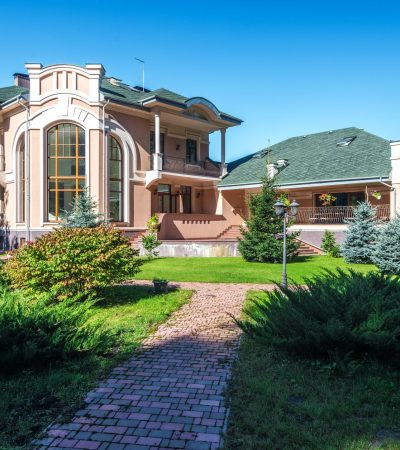
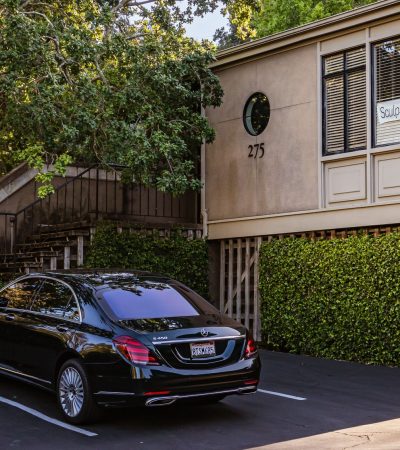
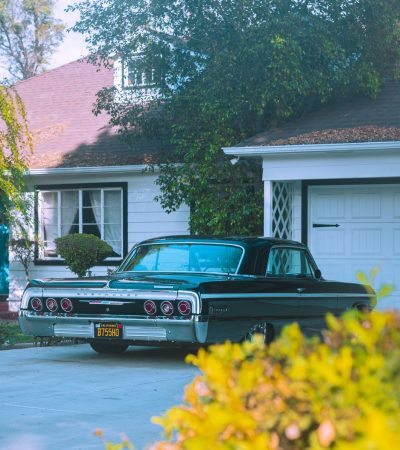
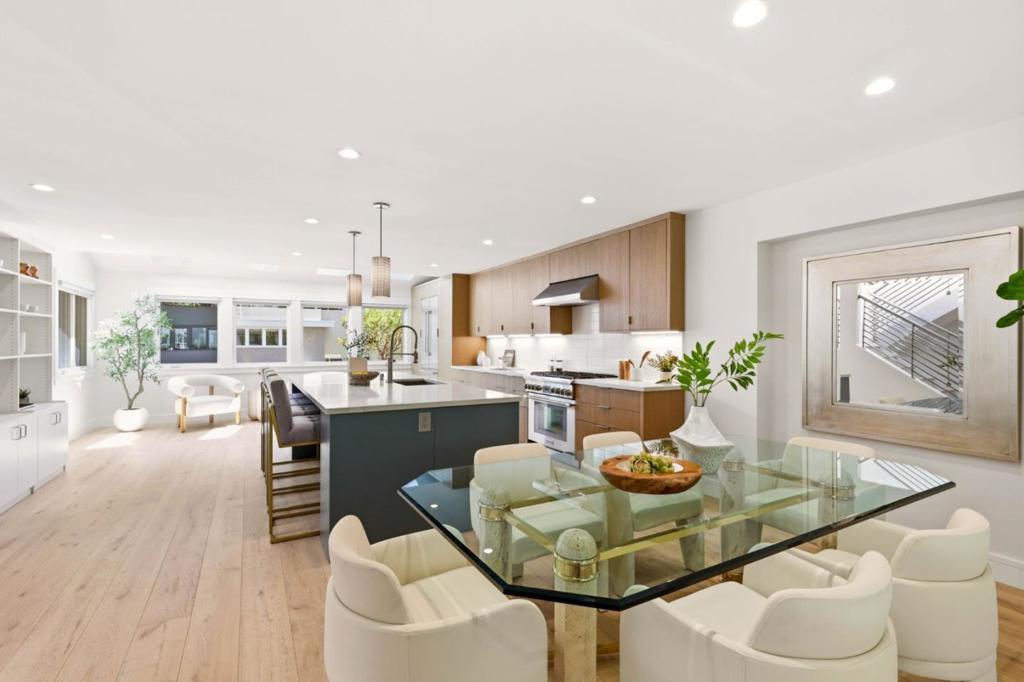
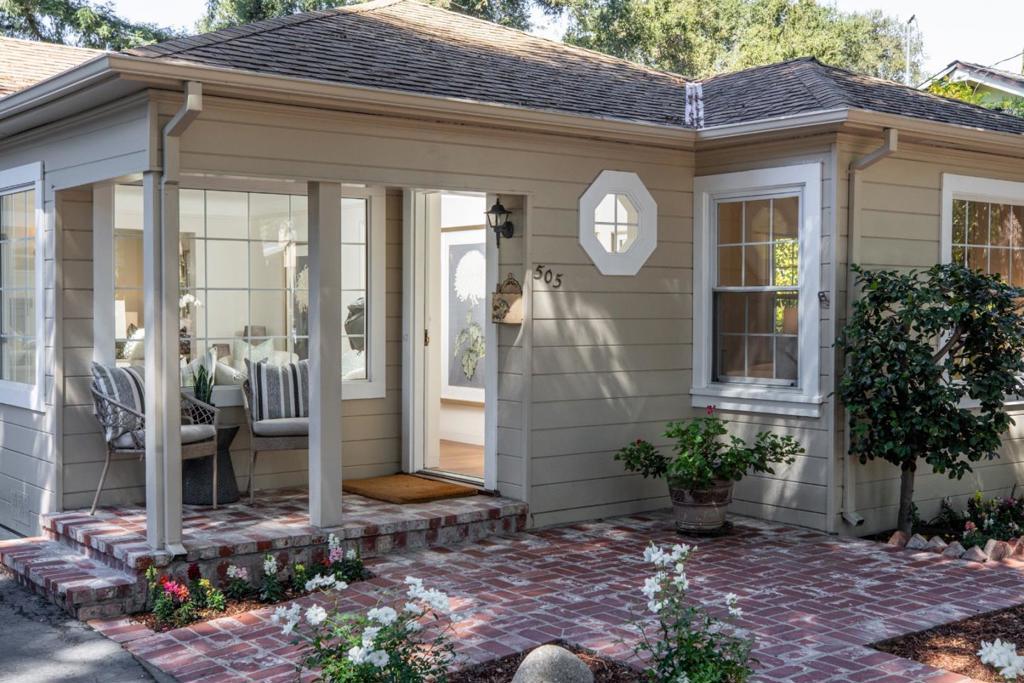
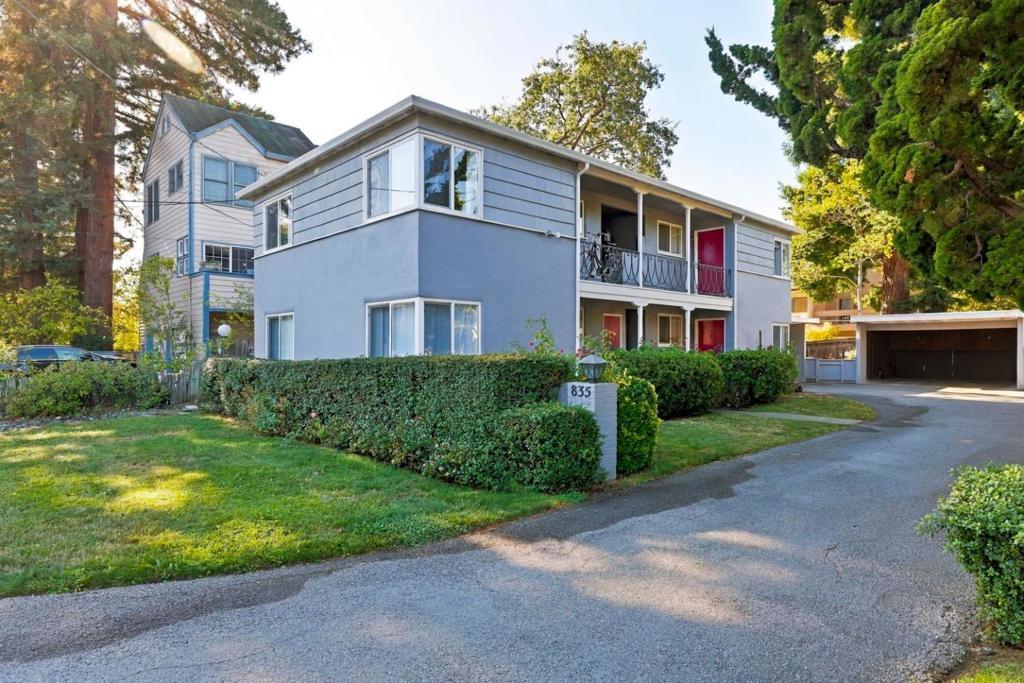
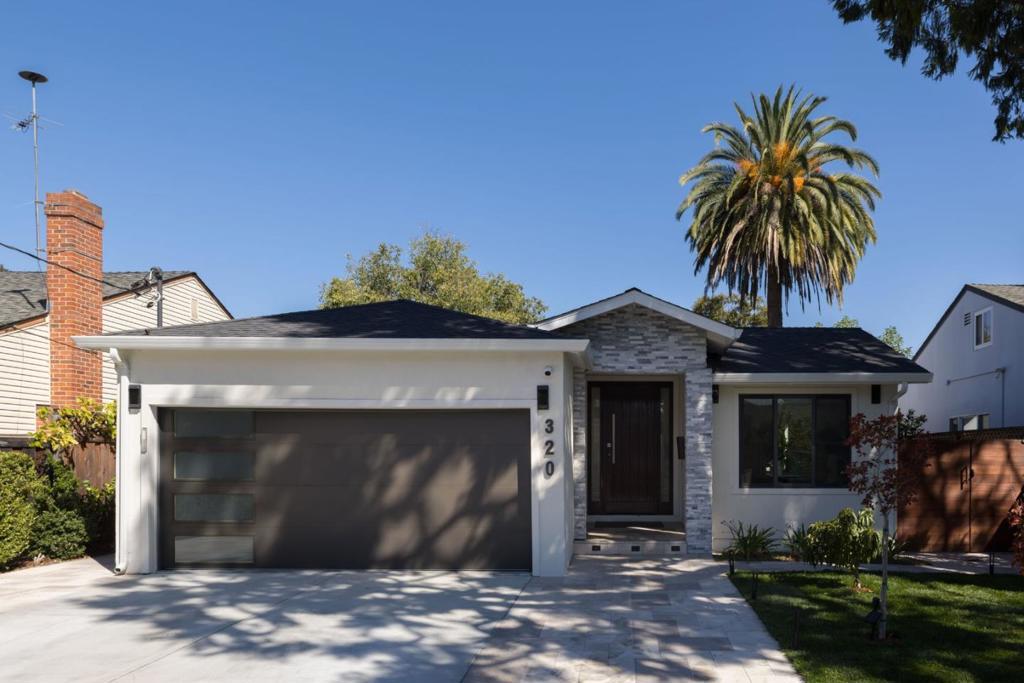
Homes for Sale in Menlo Park, CA
Homes for Sale in Menlo Park currently number 27 active listings with a median asking price of $1,988,000 (CRMLS, September 2026).
Homes for sale in Menlo Park move on location leverage more than anything else. This is a 17.4-square-mile San Mateo County city of about 33,780 residents, sitting minutes from Stanford, the Sand Hill Road venture capital corridor, and Meta’s global headquarters, the city’s largest employer at more than 12,000 workers. Roughly 10 square miles of land and very little room to add supply is why prices behave the way they do. Expect multiple millions: the Zillow index for the city sat near $2.55 million in mid-2026, while closed-sale medians ran in the $3.0 million to $3.5 million range.
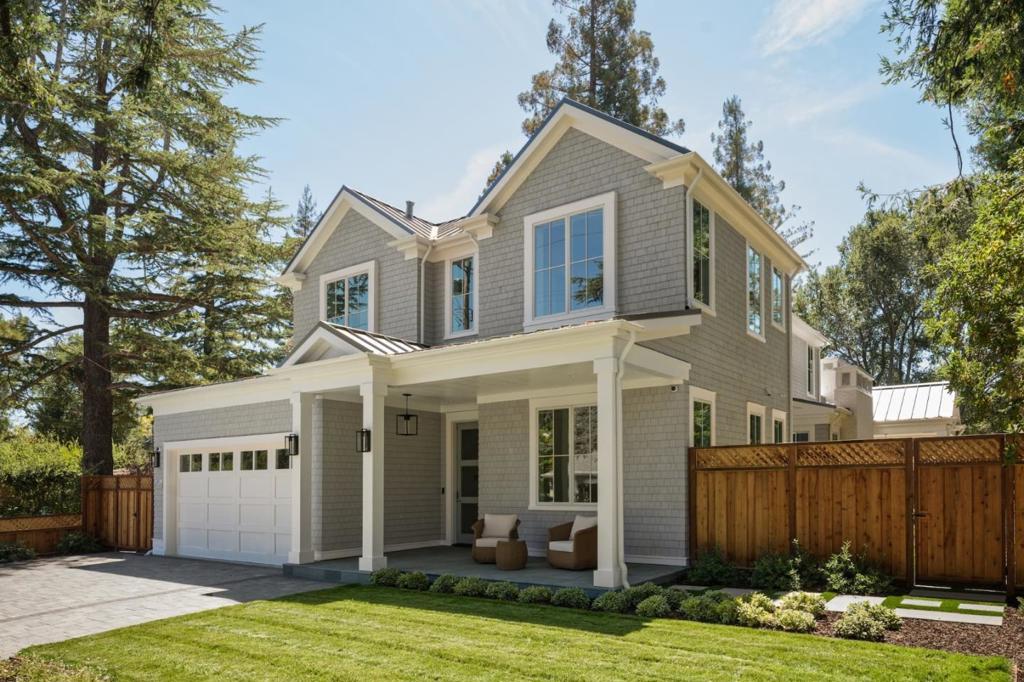
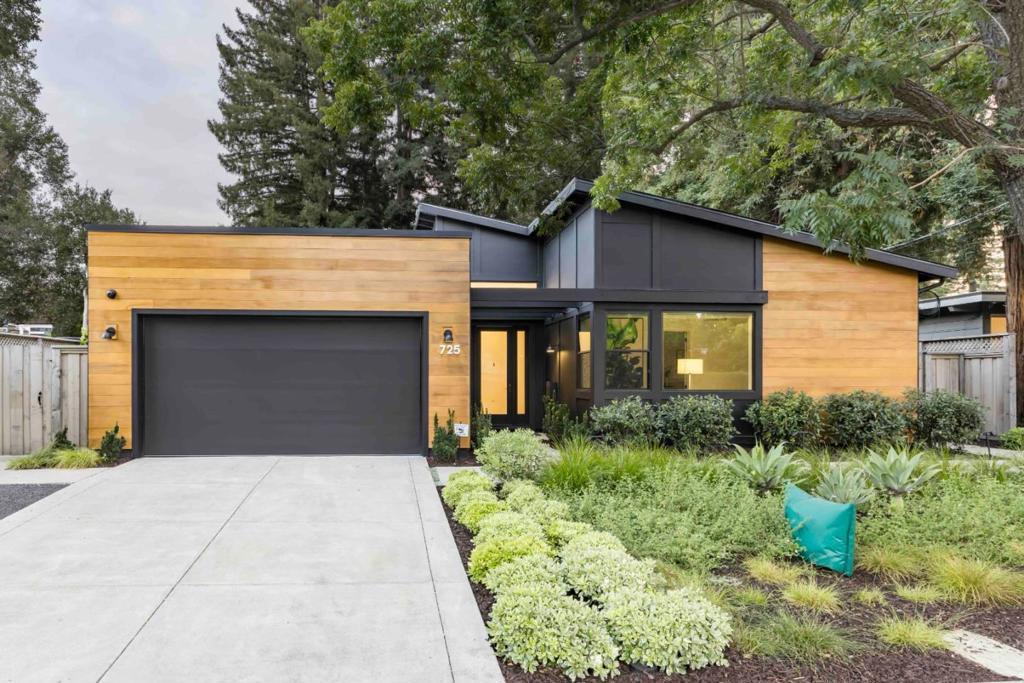
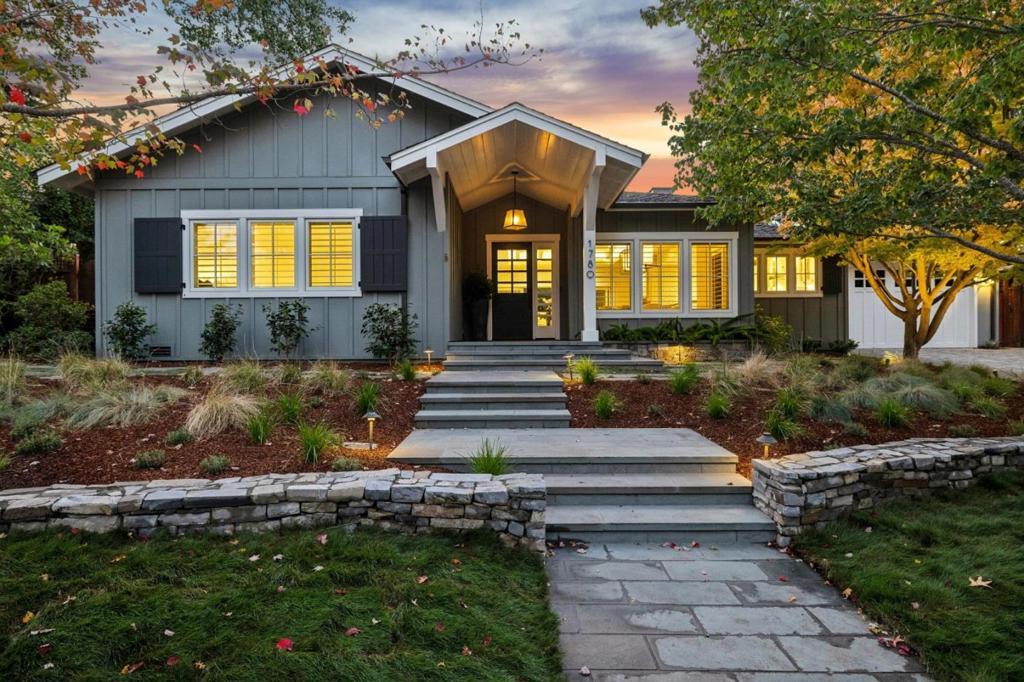
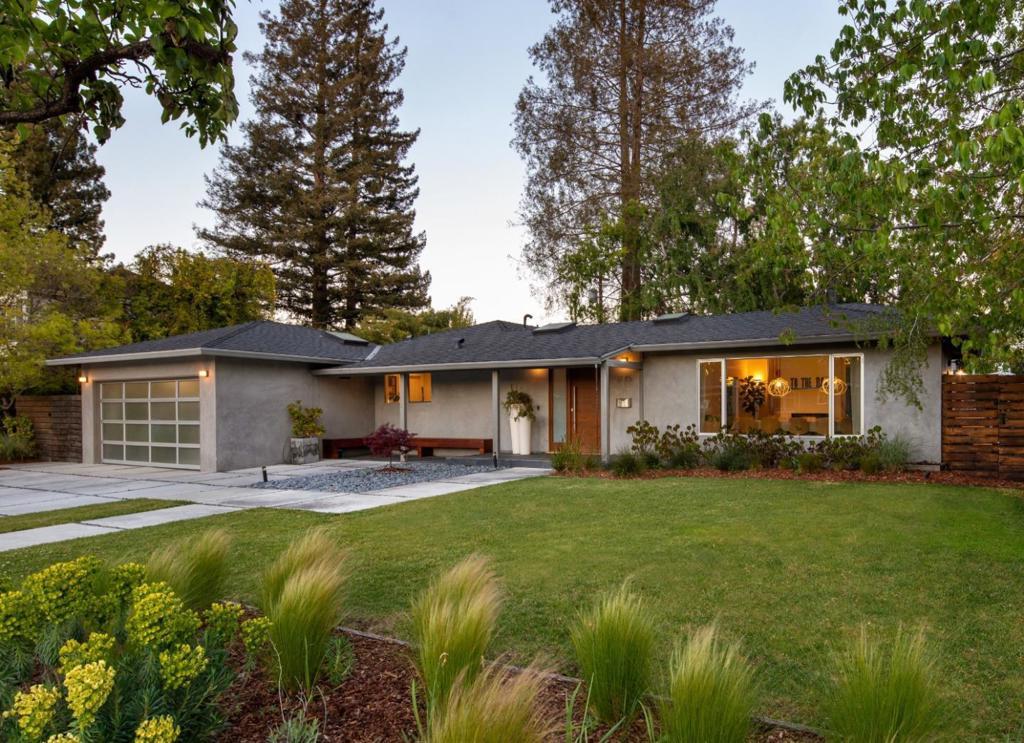
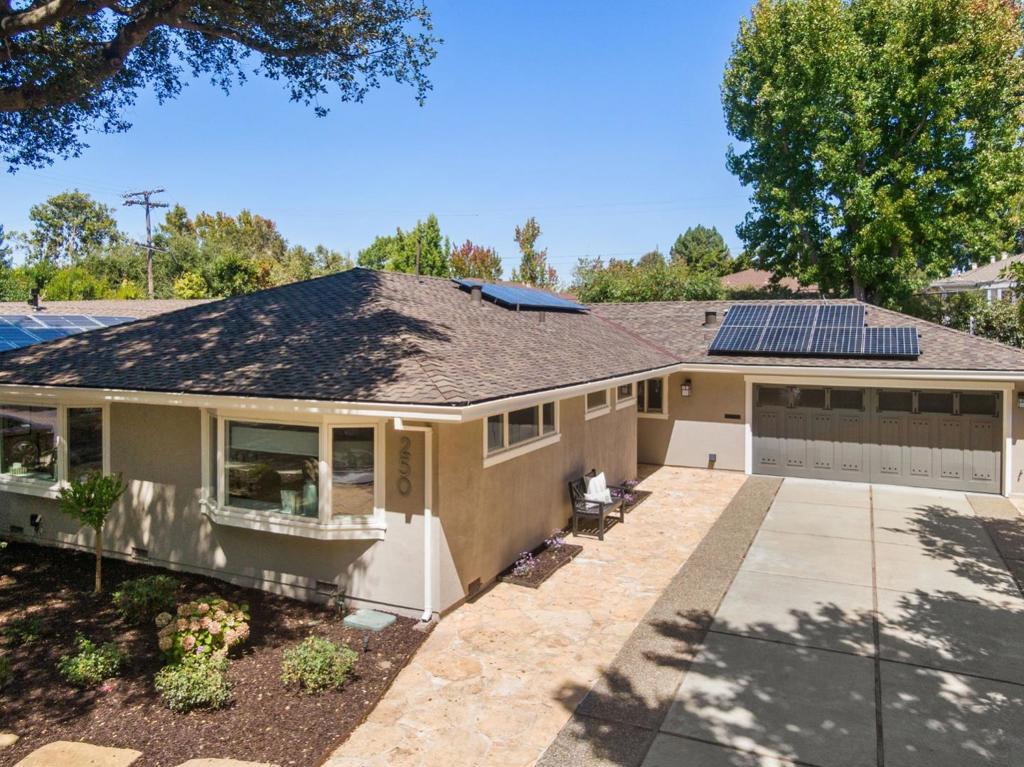
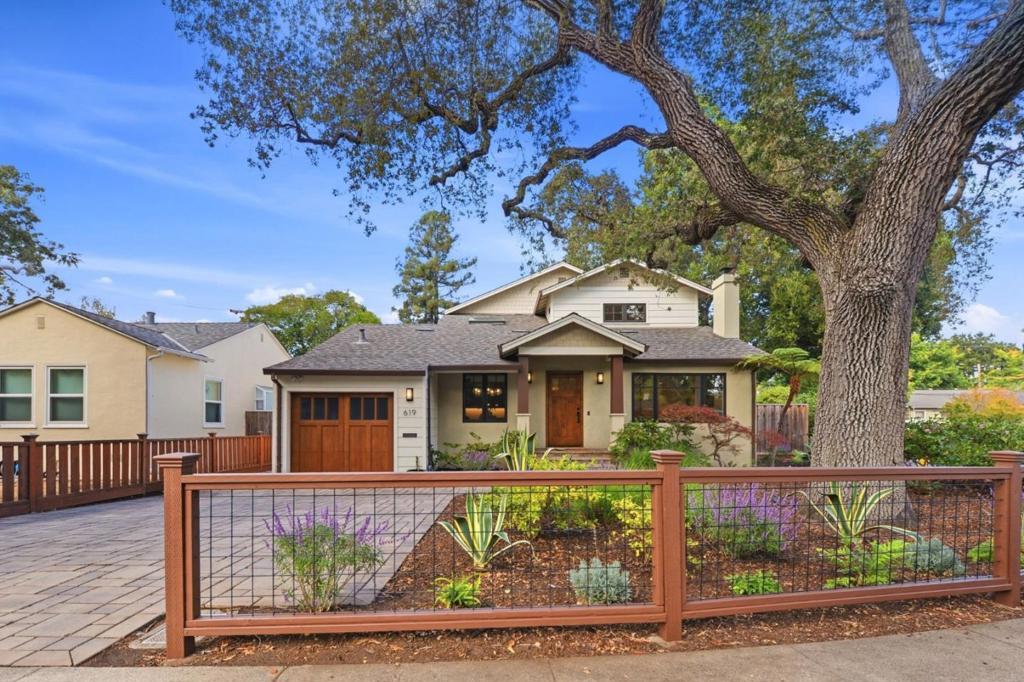
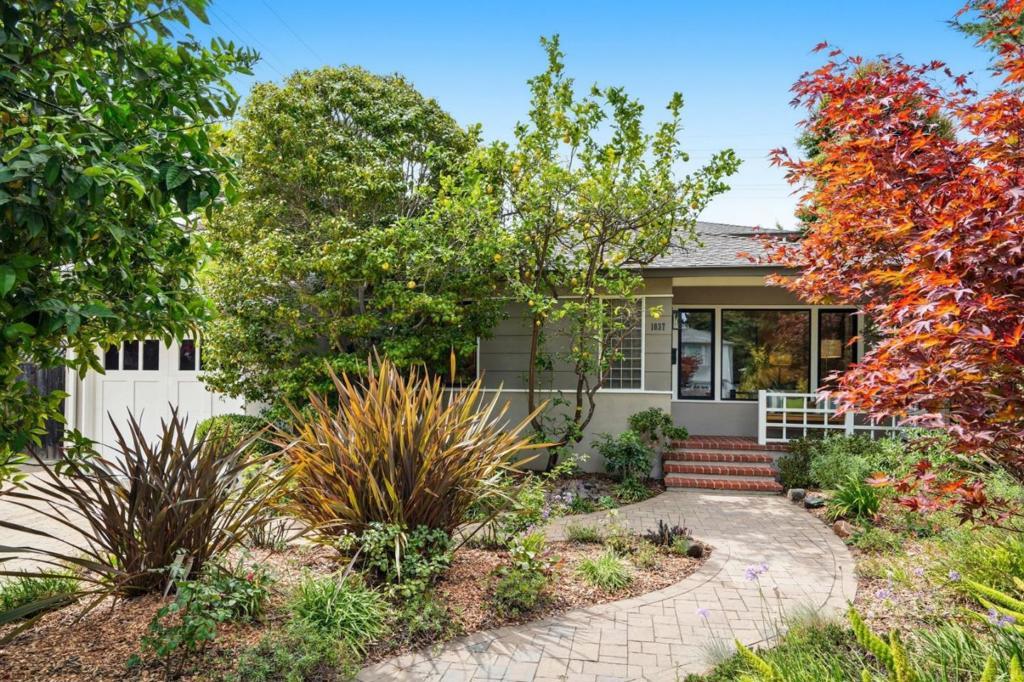
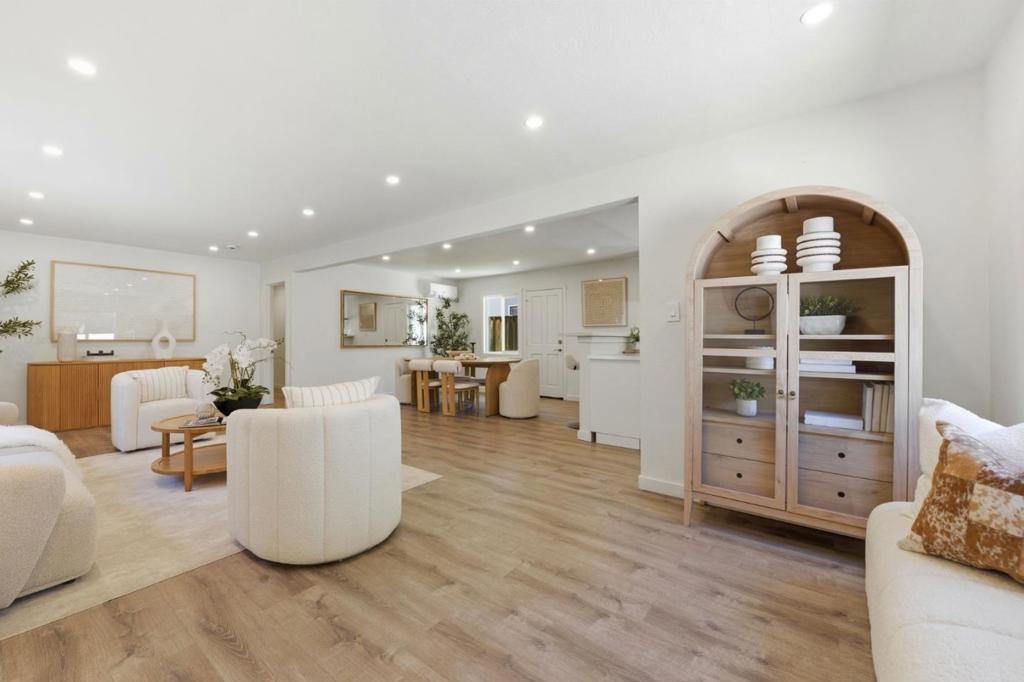
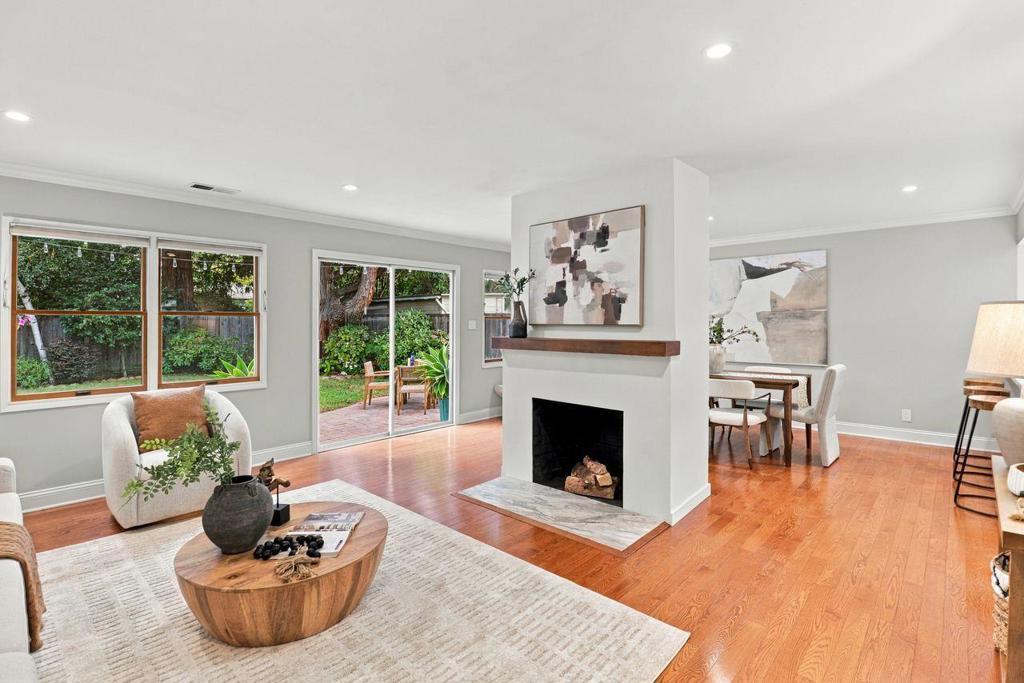
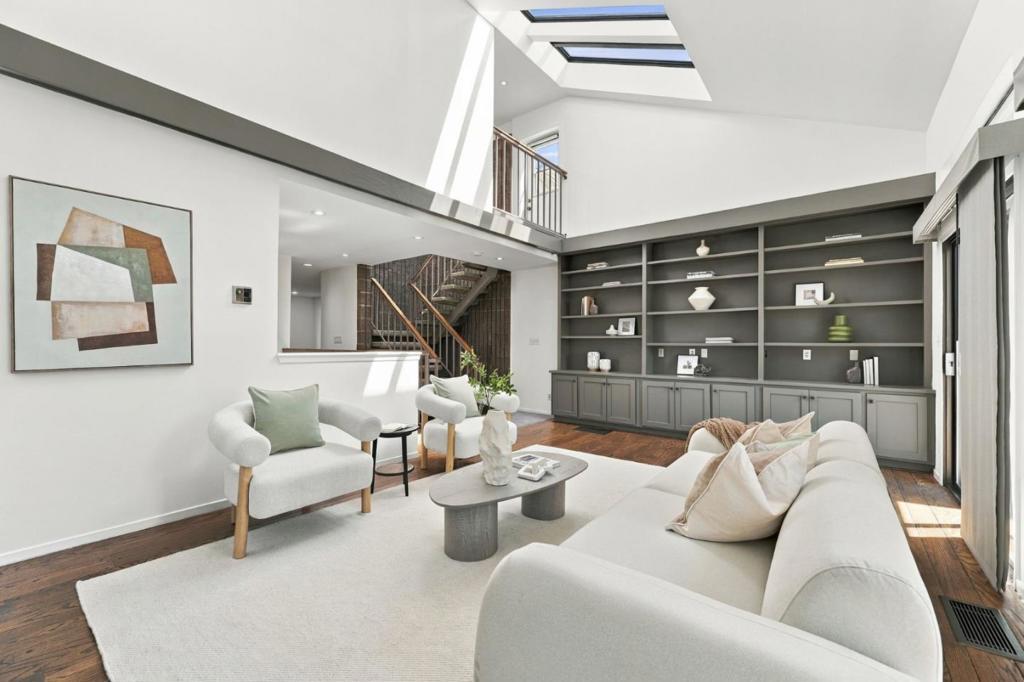
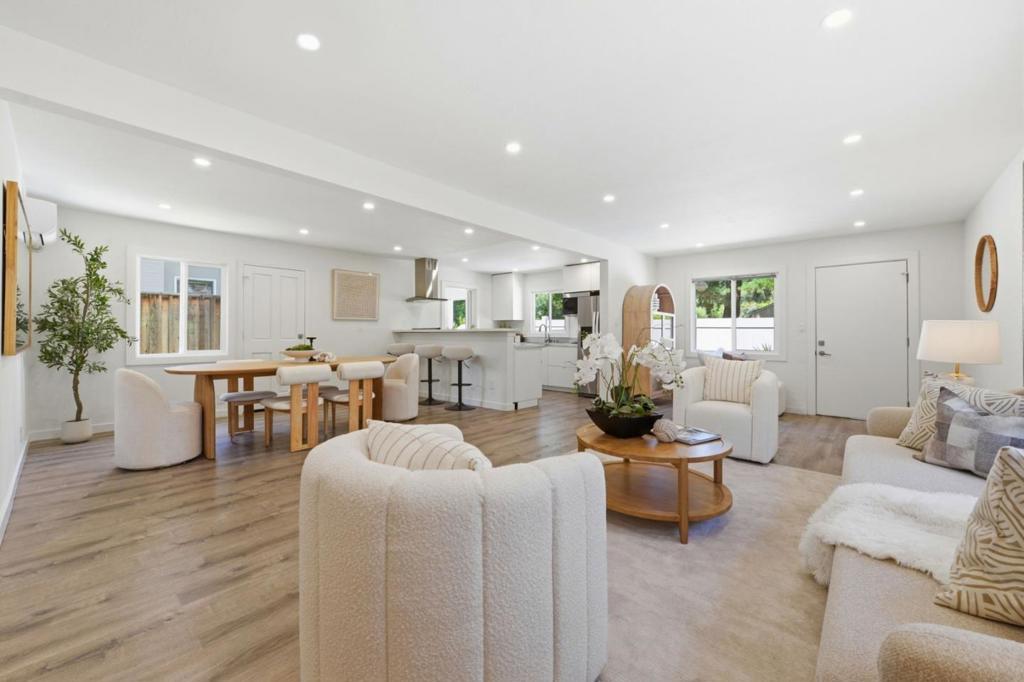
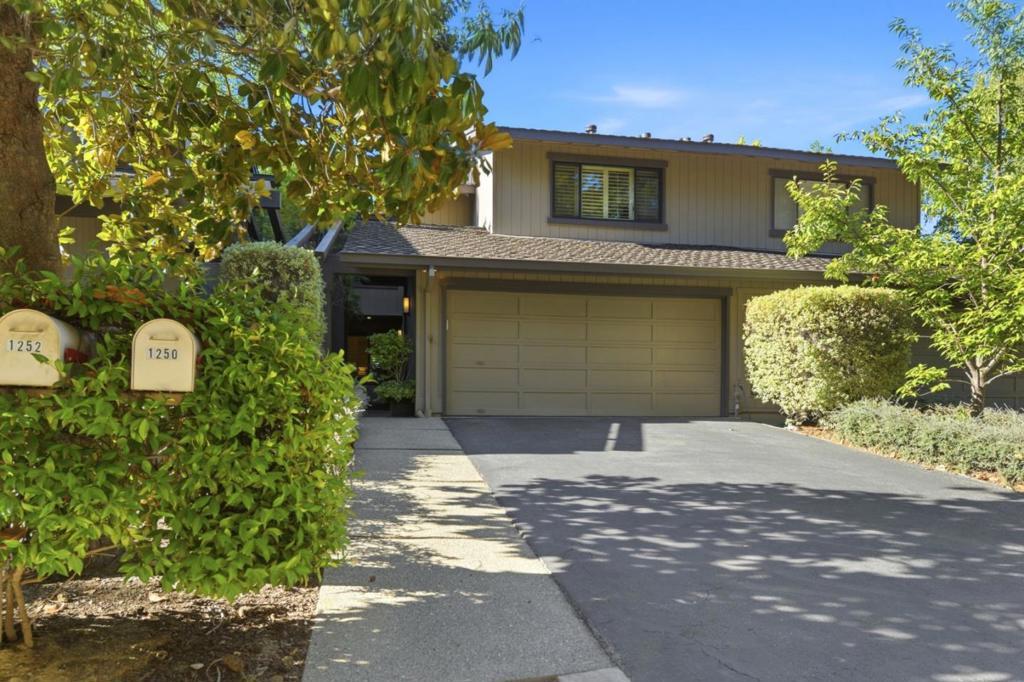
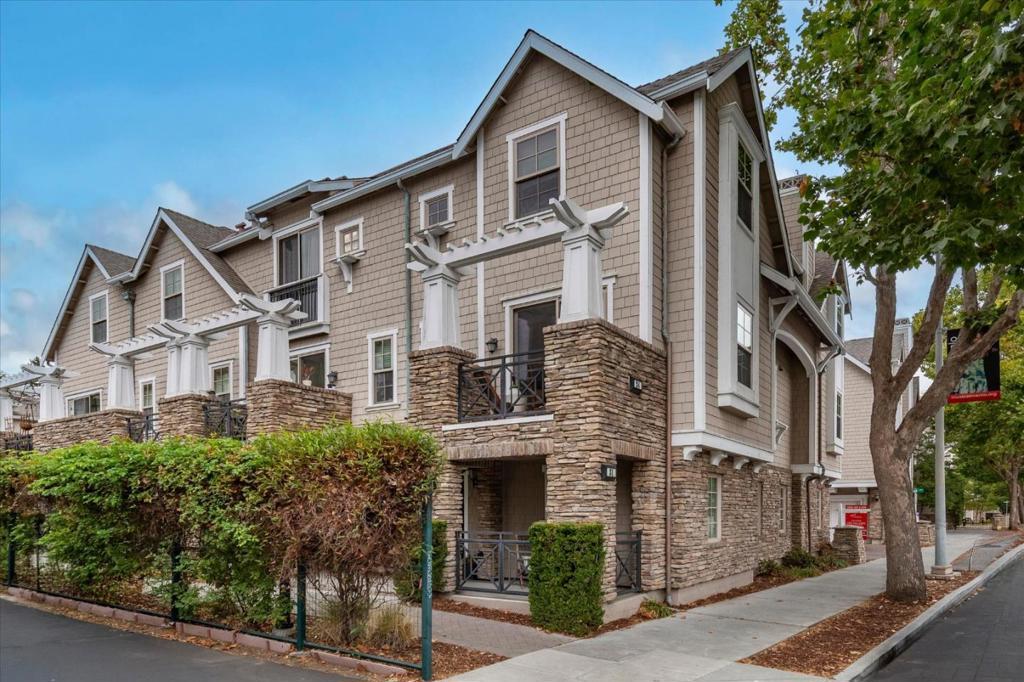
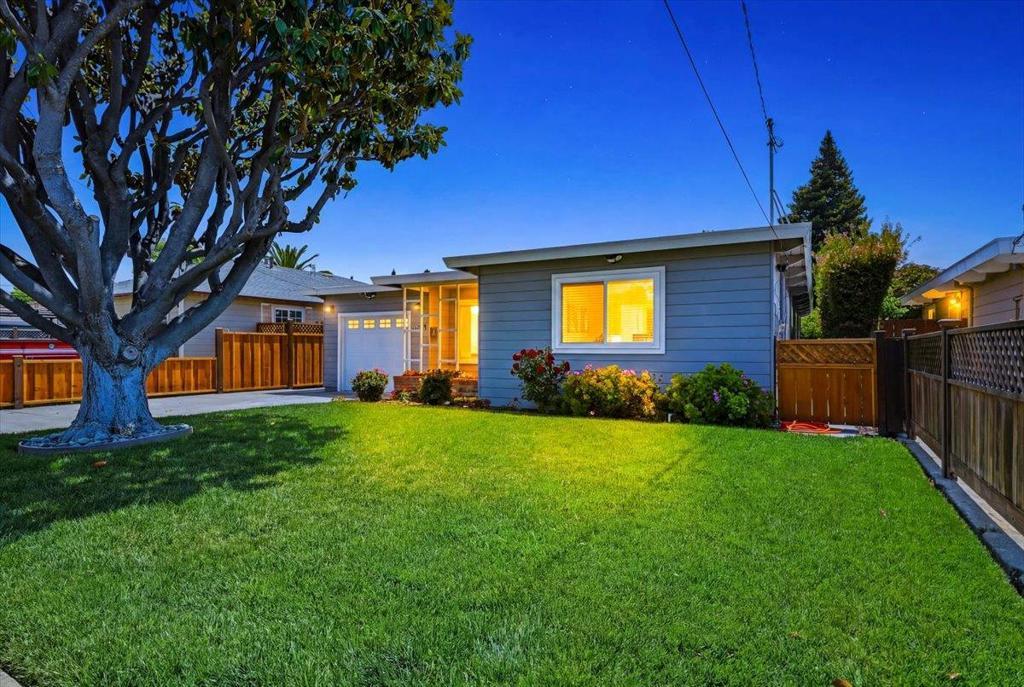
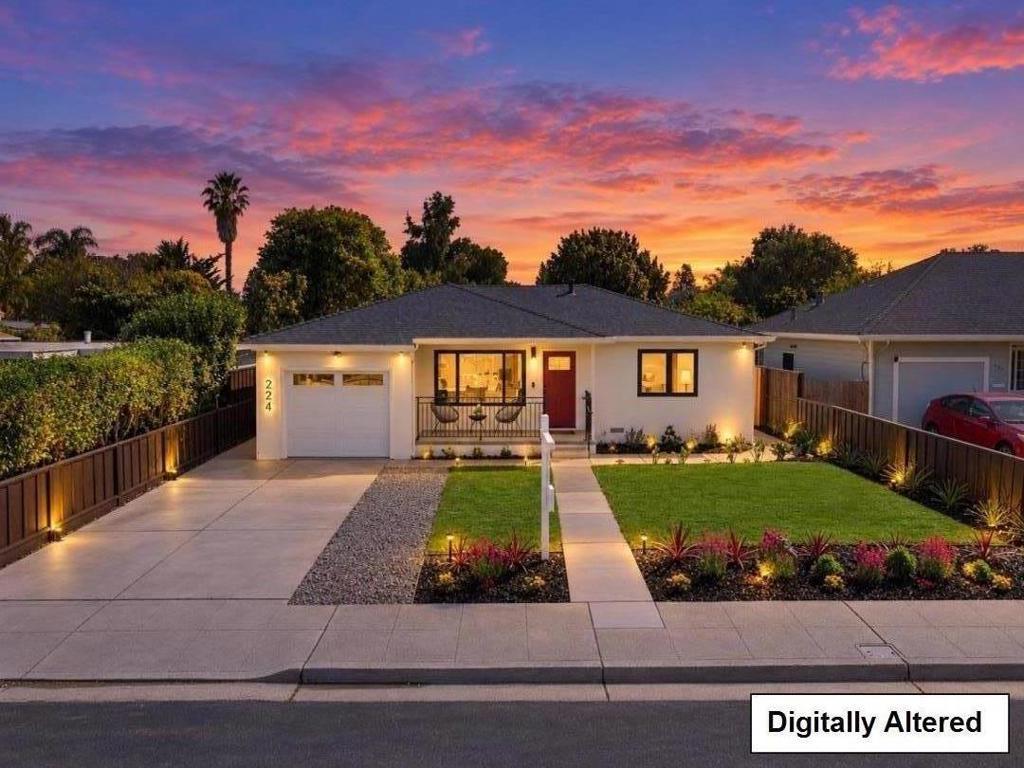
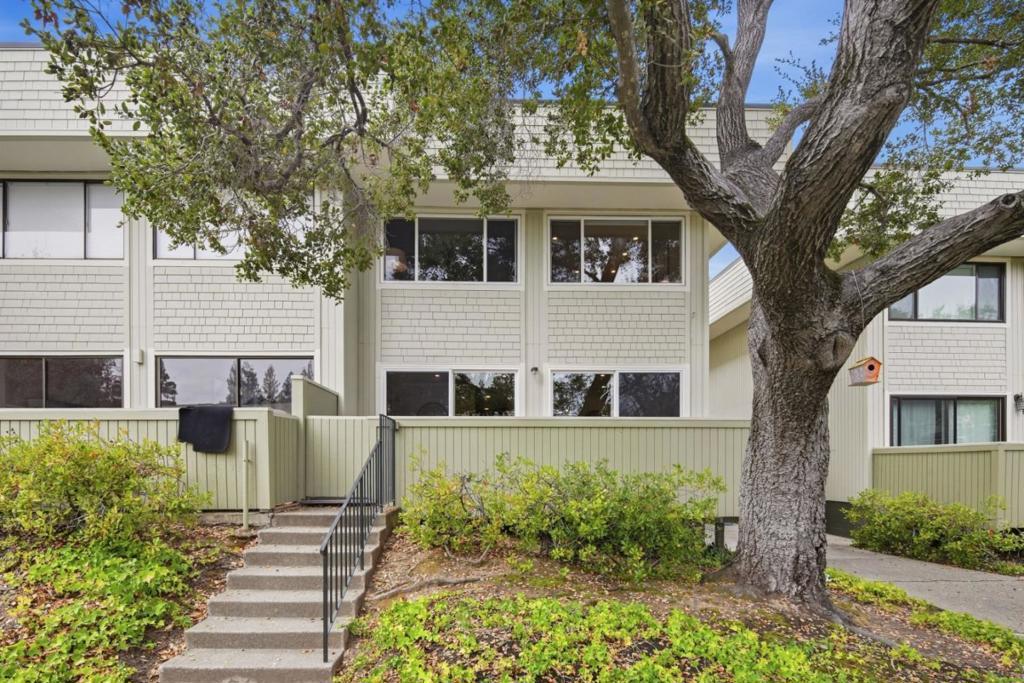
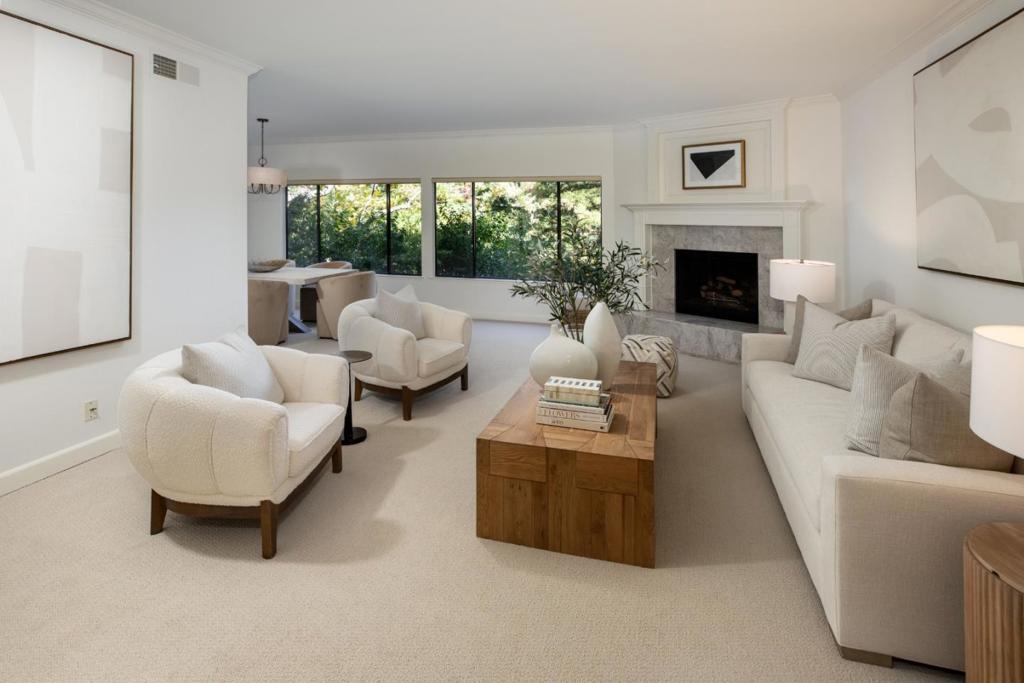
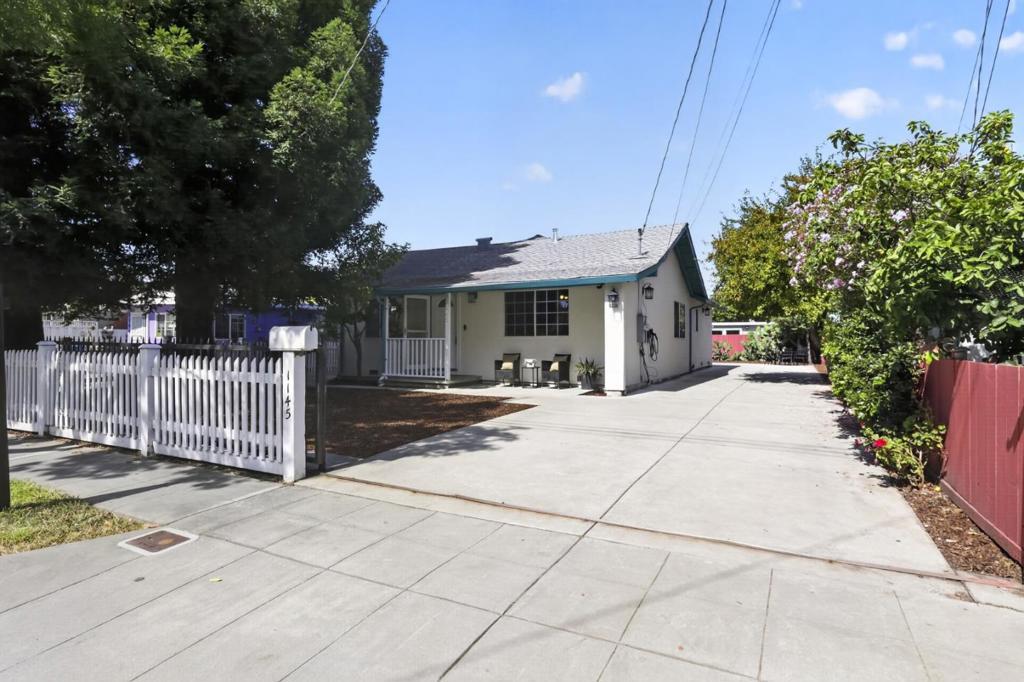
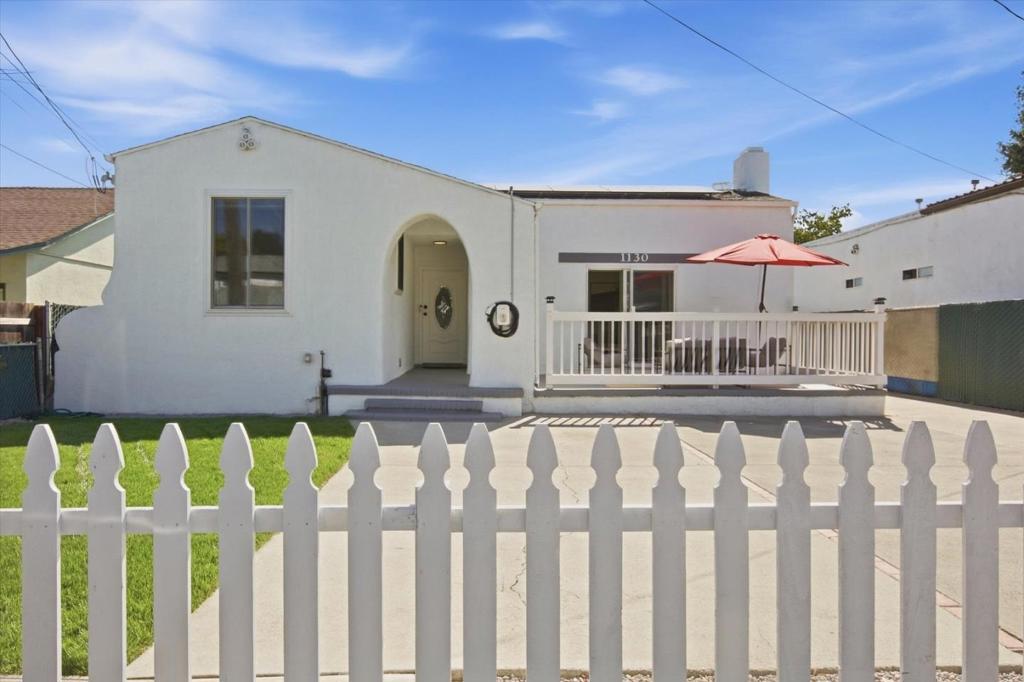
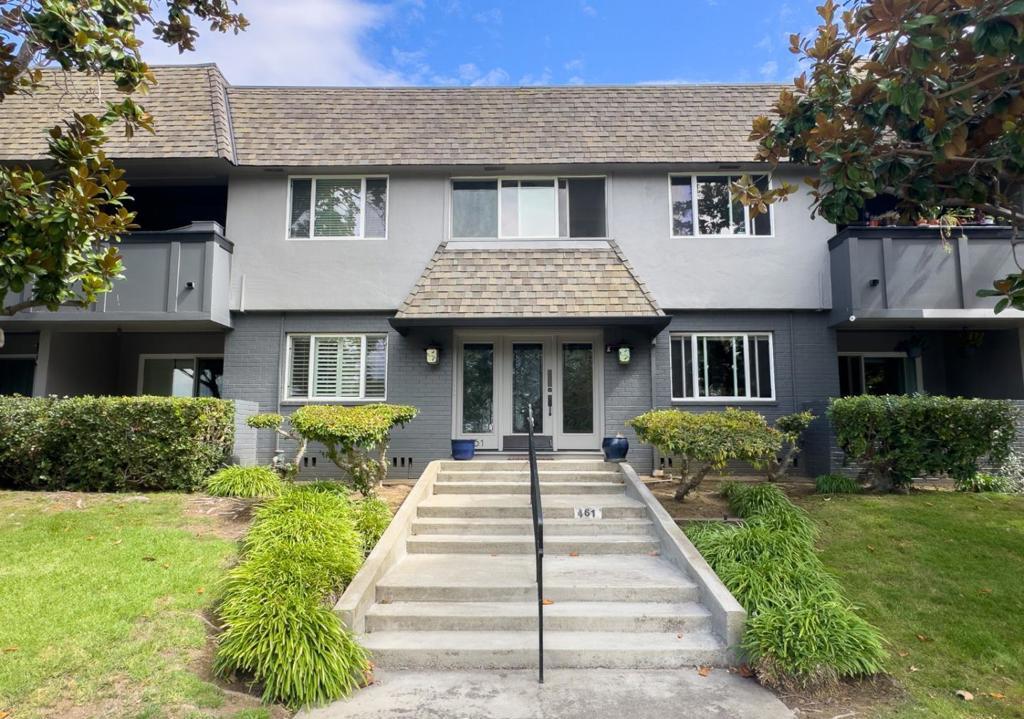
The stock is mostly single-family and mostly post-war, with ranch homes on flat lots that increasingly trade as land value rather than as finished houses. You will also find pre-war cottages near downtown, larger estates on the deep lots west of El Camino Real, and limited condos and townhomes on the west side and near Sand Hill Road. El Camino Real and US-101 are the real dividing lines, and three separate elementary school districts mean the boundary can change what a parcel is worth.
Browse the current Menlo Park listings below, or contact The Knight Group for the part of this market that does not fit on a public page: which pockets compete for the same buyer, what a specific street has traded for, and where the school district line falls on the parcel you are considering.
Where exactly is Menlo Park, and what does it border?
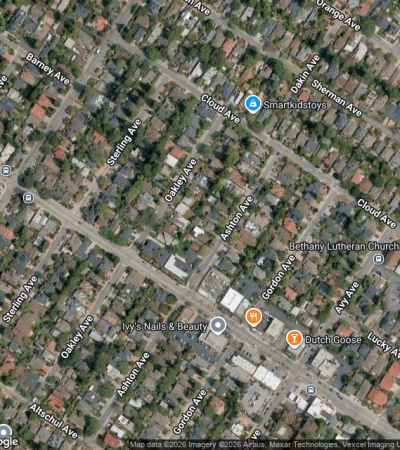
Menlo Park occupies the southern end of San Mateo County, across the county line from Palo Alto in Santa Clara County. Atherton sits west, Redwood City and unincorporated North Fair Oaks sit north, East Palo Alto sits east, and San Francisco Bay closes the eastern edge. I-280 runs along the western hills, US-101 along the bayfront, El Camino Real bisects the city, and the Dumbarton Bridge connects to Fremont.
Those corridors are the market’s real dividing lines. West of El Camino Real toward I-280 is the highest-priced, most estate-like half. Between El Camino Real and US-101 is the family-street middle. East of US-101 is the bayfront district, a different market with a different school district and a different price basis.
Several areas buyers call “Menlo Park” are not inside the city. West Menlo Park is an unincorporated census-designated place of 3,930 residents on 0.485 square miles, governed by San Mateo County, with its own small business district along Alameda de las Pulgas. Menlo Oaks is also unincorporated county territory, roughly 300 homes bounded by Ringwood Avenue, Bay Road, Berkeley Avenue, Coleman Avenue and Arlington Way. Both carry Menlo Park mailing addresses. Neither is subject to Menlo Park city zoning.
What kind of homes does Menlo Park actually have?
Single-family detached housing dominates, much of it built between the late 1940s and the 1960s. Post-war ranch homes on flat, rectangular lots are among the easiest housing types in California to scrape and rebuild, which is why so much of the inventory now trades as land value plus entitlement potential rather than as a finished house. The San Francisco Standard reported in January 2026 on a local example in which a builder bought a 1950s ranch for $4.125 million and resold the rebuilt home for $7.15 million.
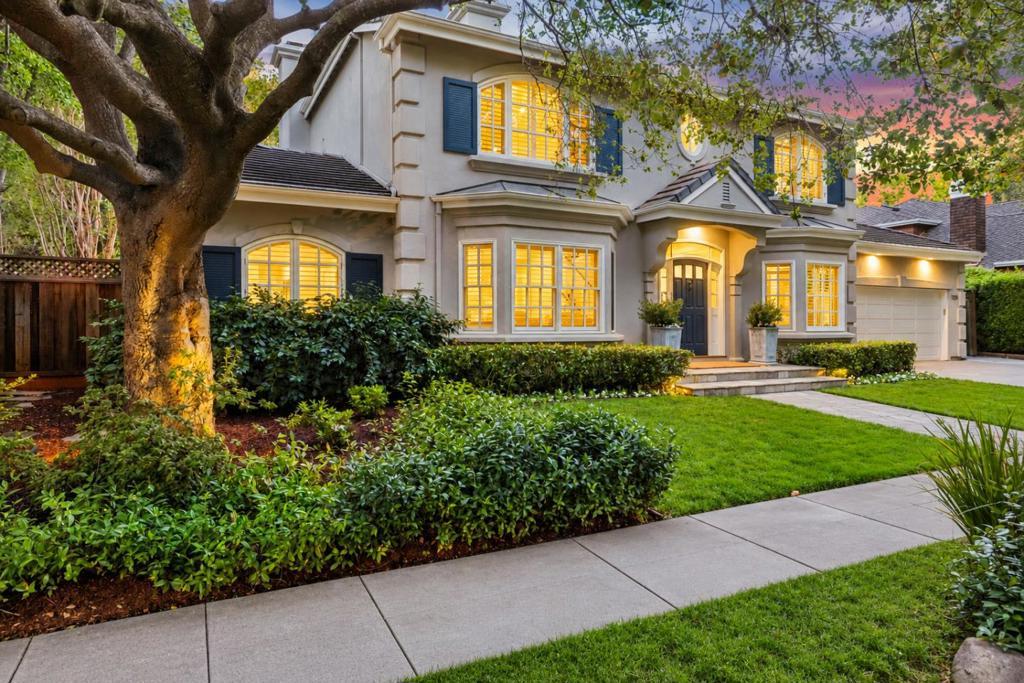
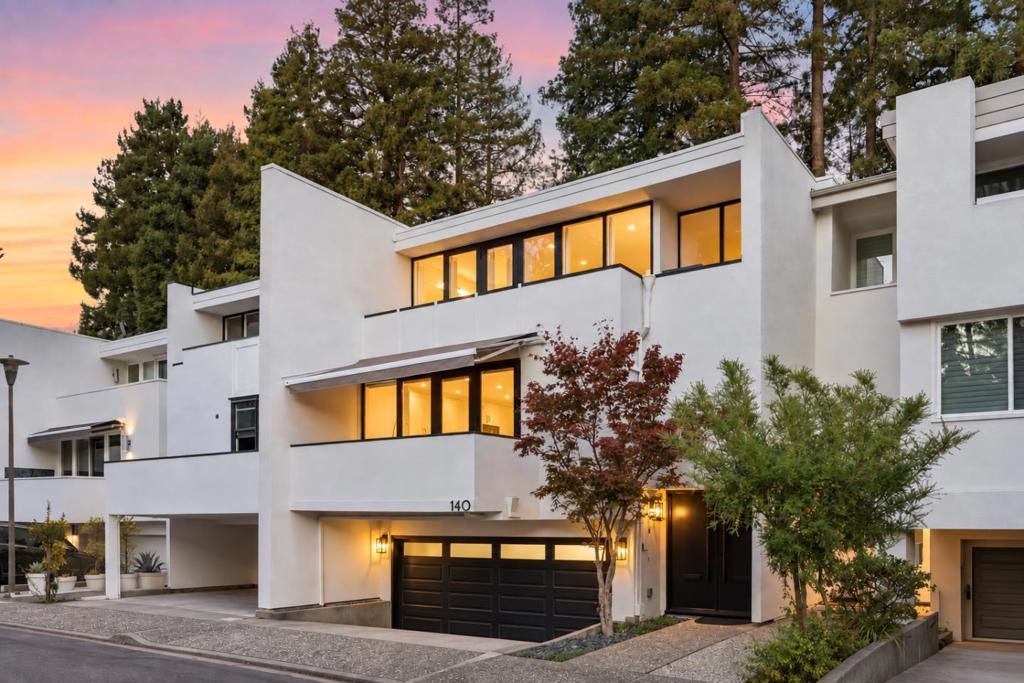
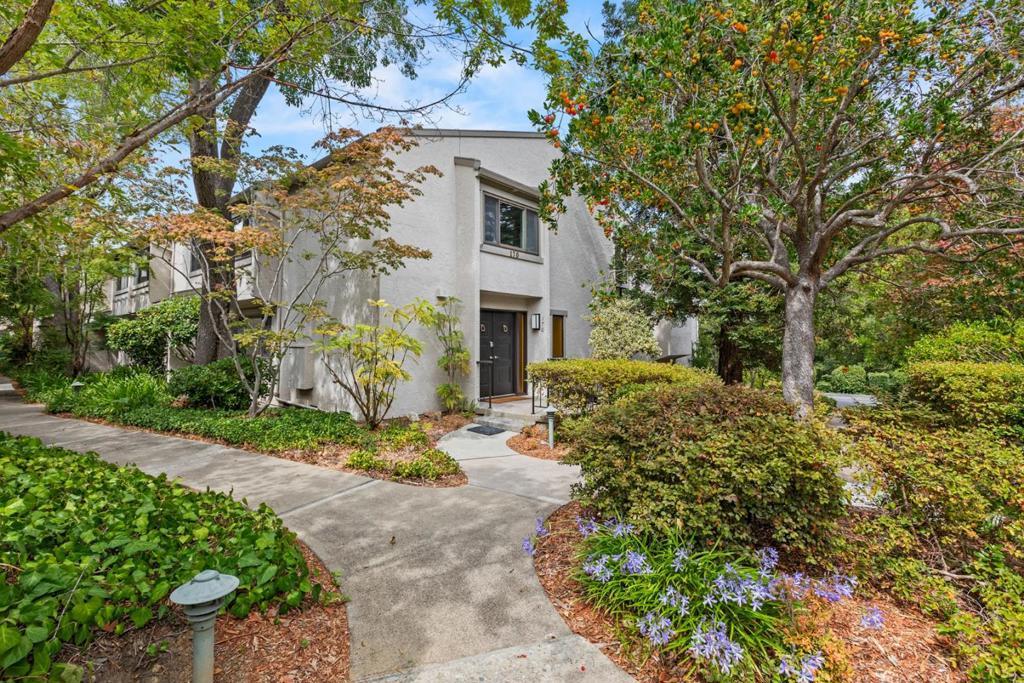
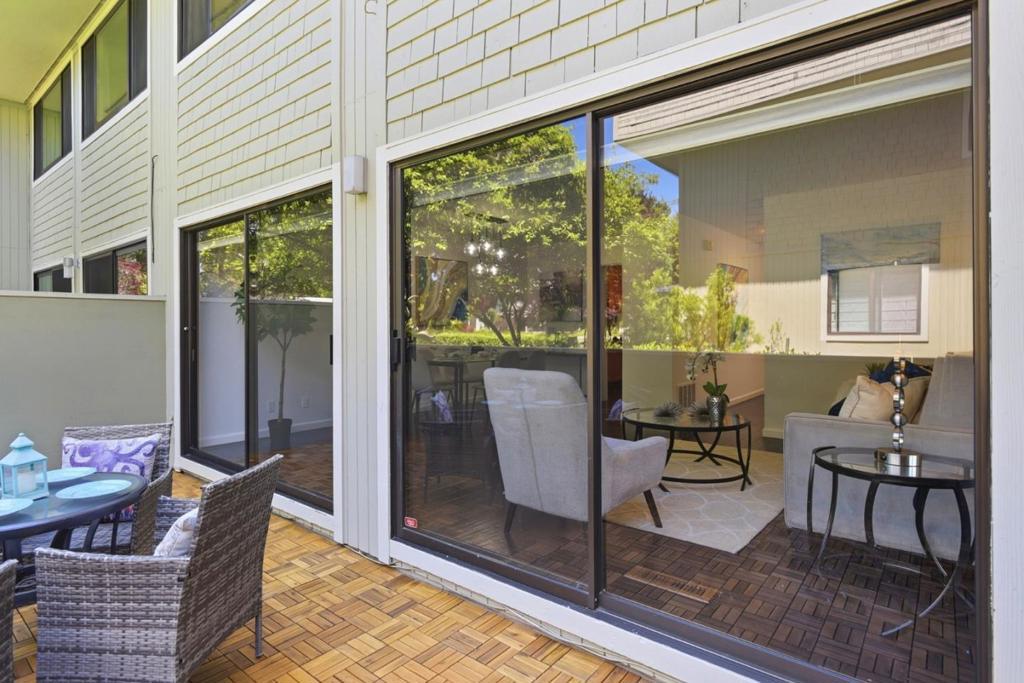
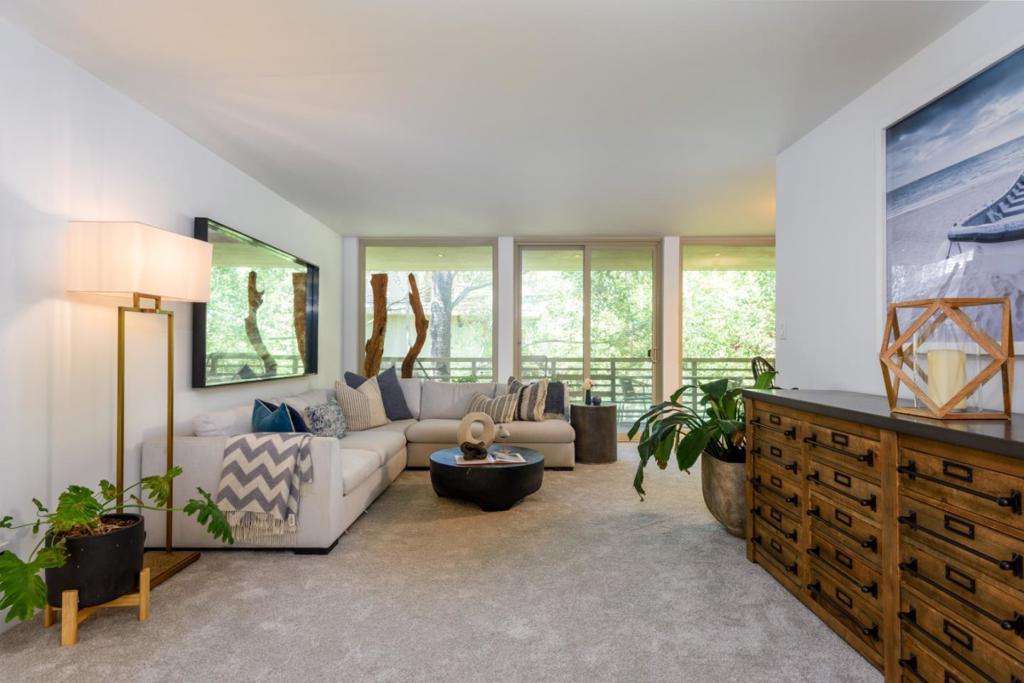
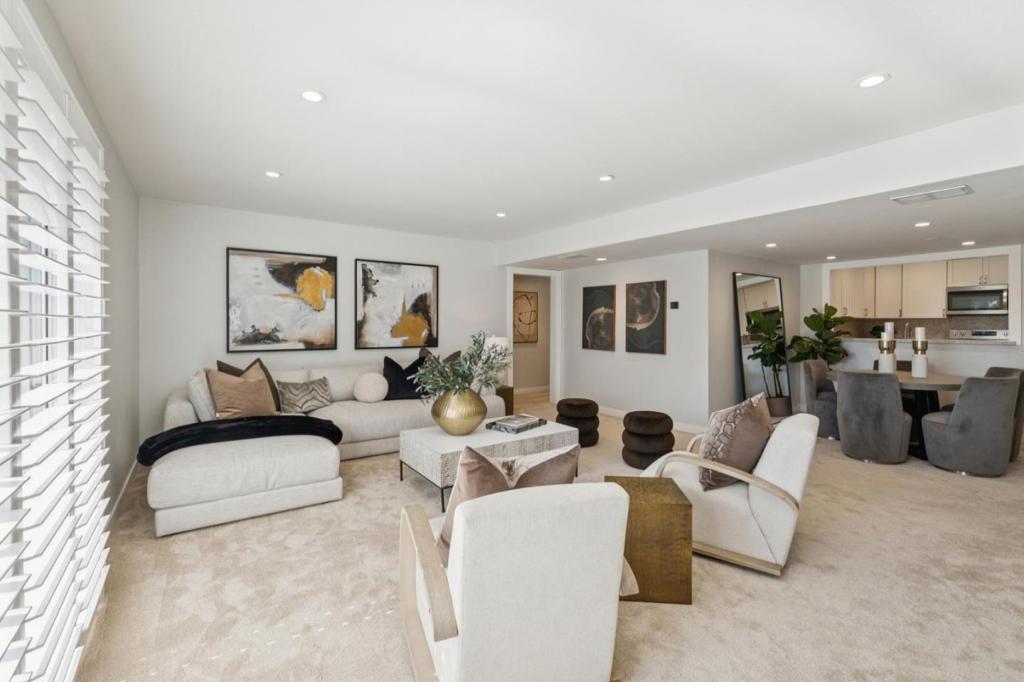
Beyond the ranch stock you will find pre-war cottages near downtown and on the older eastern streets, larger custom estates on the deep lots west of El Camino Real, and a limited condominium and townhome supply on the west side and near Sand Hill Road. Menlo Commons is age-restricted to residents 55 and older, a narrow answer for downsizing buyers rather than a general-market option.
State law has also changed what a lot can hold. Accessory dwelling units are permitted on residential lots, and Senate Bill 9, effective January 1, 2022, opened lot splits and duplex conversions in single-family zones statewide. For buyers, a lot’s future capacity is now part of its price, not a bonus.
What do homes cost in Menlo Park right now?
Expect multiple millions, and expect the published numbers to disagree. As of mid-2026, Zillow’s typical home value index for Menlo Park sat near $2.55 million, down roughly 7 percent year over year, while closed-sale medians reported by Redfin and Movoto over the same period ran higher, in the $3.0 million to $3.5 million range depending on the month measured.
That gap is not an error. An index blends the estimated value of every home in the city, including smaller and older stock. A closed-sale median counts only what sold that month, so when a handful of high-end rebuilds close, the median jumps while the index does not. Both are real and they answer different questions. If you are underwriting a purchase, the closed comparables on your street matter and the citywide figures do not.
Inventory is the binding constraint. Roughly 10 square miles of land, a large share of long-tenured owners, and a small active listing count at any moment. The market is therefore not uniformly hot. It is hot in specific school-district and walkability pockets and more negotiable elsewhere. The San Francisco Standard reported in January 2026, citing Zillow, that five of the seven Bay Area neighborhoods then at their highest-ever values were in Menlo Park, and that Menlo Oaks carried a typical home value just under $3.2 million, about 4.2 percent above its pandemic peak.
Which Menlo Park neighborhoods should I be looking at?
Menlo Park is small enough to drive end to end quickly and subdivided enough that buyers routinely shop four or five named areas at once. Here is how the pockets group.
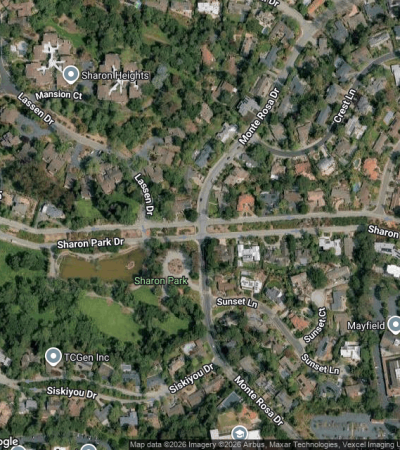
West of El Camino Real, toward I-280. This is the high end. Sharon Heights occupies elevated ground on the western edge, takes its name from the Sharon Heights Golf and Country Club, and mixes larger homes, townhomes and condominiums with more privacy than the flatland grid offers. Sharon Park and Sharon Hills sit in the same western district and share its topography and quiet street pattern. Sand Hill Circle is the attached-housing option closest to the Sand Hill Road corridor, about as near to Stanford and the venture capital offices as residential property here gets. Stonewood and Country Club Fairways are smaller named tracts in the same western half that buyers tend to search by name rather than by boundary.
The unincorporated west side. West Menlo Park is county territory, sandwiched between the city, Atherton, Sharon Heights and the Stanford lands, with a small commercial strip on Alameda de las Pulgas and fire service from the Menlo Park Fire Protection District. University Heights adjoins it toward the Stanford side and is usually shopped as part of the same search area.
Central Menlo Park and downtown. Central Menlo Park is the core of the city: wide tree-lined streets, deep lots, ranch homes at one end of the range and rebuilt estates at the other. Allied Arts sits between downtown and the Stanford side, anchored by the Allied Arts Guild and its gardens and artisan studios, with older cottages and renovated homes on a walkable grid. Downtown Menlo Park is the Santa Cruz Avenue retail spine and the blocks around it, where the walk-to-Caltrain premium concentrates.
The central and northern residential pockets. Oak Grove, Park Forest, Menlo Heights, Newbridge Park and Fair Oaks are smaller named tracts between the downtown core and the northern edge. This is where a buyer priced out of Central Menlo Park usually lands, and where the spread between a dated original home and a rebuilt one is widest. Menlo Commons is the 55-and-older community, which narrows its buyer pool and changes both pricing behavior and financing profile.
East of El Camino Real toward US-101. The Willows is the well-known eastern grid: mature street trees, a mix of early twentieth-century cottages and updated homes, and a strong resident community. Menlo Oaks is the unincorporated pocket of roughly 300 homes just north of it, and it has been one of the strongest-performing micro-markets on the Peninsula by Zillow’s measure. Flood Park takes its name from the 21-acre county park at 215 Bay Road, whose first renovation phase opened June 7, 2025 and whose inclusive playground is scheduled for fall 2026.
The bayfront and the northern county pockets. Belle Haven is the neighborhood east of US-101, adjacent to the Meta campus, and it is the part of Menlo Park served by the Ravenswood City School District rather than Menlo Park City School District. Its price basis and its housing stock differ materially from the western half of the city, and it is the part of Menlo Park most directly shaped by the Meta campus next door. North Fair Oaks is an unincorporated census-designated place of 14,027 residents as of the 2020 Census, sitting between Redwood City, Atherton and Menlo Park, and it is where buyers seeking a lower entry point in this immediate area most often end up.
How do Menlo Park schools work, and why do district lines matter so much?
Three elementary districts serve Menlo Park, and the line between them can run down the middle of a street. Most central and western city neighborhoods fall in the Menlo Park City School District. Many west-side streets, plus West Menlo Park and Ladera, fall in the Las Lomitas Elementary School District, which also draws from Atherton. Belle Haven and the areas east of US-101 fall in the Ravenswood City School District, which primarily serves East Palo Alto.
All three feed the Sequoia Union High School District. Under the boundary revision effective in the 2015 to 2016 school year, the entirety of the Las Lomitas and Ravenswood districts was assigned to the Menlo-Atherton High School attendance area.
The instruction that follows from this: verify the district on the specific parcel, not on the neighborhood name. District assignment is a material driver of price here, and neighborhood boundaries and district boundaries were drawn by different bodies for different reasons. They do not line up.
What is the commute like from Menlo Park?
Short, if you work on the Peninsula. Menlo Park sits between US-101 on the bay side and I-280 on the hill side, with El Camino Real as the surface alternative. Stanford, Palo Alto and the Sand Hill Road offices are minutes away. The Dumbarton Bridge gives direct access to Fremont, the most useful asset for households split between Peninsula and East Bay employment.
The Menlo Park Caltrain station sits at the downtown edge and is the oldest continually operating train station in California. Caltrain puts San Francisco and San Jose on a single-seat ride, which is why downtown-adjacent blocks carry a walkability premium over otherwise comparable homes further out.
The trade-off: US-101 through this stretch is congested at peak, the Dumbarton approach backs up, and the at-grade Caltrain crossings create local traffic friction. If you are buying near a crossing or a 101 on-ramp, drive it at 8:15 a.m. and again at 6:00 p.m. before you commit.
How much does Meta shape this market?
More than any other single factor. Meta relocated its headquarters here in 2011 and is the city’s largest employer at over 12,000 people, on a bayfront campus adjacent to Belle Haven. That produces a steady stream of equity-compensated buyers whose purchase timing follows vesting schedules and liquidity events rather than the spring selling season.
The employment base is not only Meta, which matters for durability. SRI International, founded by Stanford trustees in 1946 and independent since 1970, is still headquartered here. Sunset magazine moved its headquarters to Menlo Park in 1951, and the ranch-style campus it built is now on the National Register of Historic Places. Google was founded in a Menlo Park garage in 1998. Nearly 70 percent of residents hold a bachelor’s degree or higher.
The risk to name plainly: a market this concentrated in one employer and one form of compensation is exposed to that employer’s headcount and to the technology equity cycle. That exposure has been a tailwind for more than a decade. It is not a law of nature. Price it as a variable if you are buying at the top of your range.
What are the trade-offs and risks buyers should price in?
Start with jurisdiction. West Menlo Park, Menlo Oaks and North Fair Oaks are unincorporated San Mateo County. Permitting, code enforcement and some services run through the county, not the city. Buyers regularly assume otherwise because the mailing address says Menlo Park. Confirm jurisdiction before you plan a remodel.
Next, the bayfront. Property east of US-101 sits closer to the Bay and the low-lying baylands. Flood zone designation, insurance cost and long-horizon sea level rise planning are real underwriting items there in a way they are not on the west side. Pull the flood determination and the county hazard disclosure early.
Then the rebuild math. Where a large share of transactions are effectively land plus entitlement, the difference between a lot that supports what you want to build and one that does not is enormous. Setbacks, floor area limits, tree protections, ADU and SB 9 capacity, and city versus county review all change what the site is worth to you.
One thing you do not have to price here: Menlo Park is not in the City of Los Angeles, so the Measure ULA transfer tax on high-value sales inside Los Angeles city limits does not apply. Local transfer taxes are their own separate calculation, and we run that figure for sellers as part of the net sheet rather than leaving it as a closing-day surprise.
What is daily life in Menlo Park like?
Low-rise, tree-heavy, and organized around a few walkable commercial strips rather than one dense core. Santa Cruz Avenue is the main retail and restaurant street, Alameda de las Pulgas serves the west side, and El Camino Real carries larger-format retail.
Public space is a real part of the offering. Flood Park, the 21-acre county park on Bay Road, opened the first phase of a multi-year renovation in June 2025 with new picnic sites, sport courts and a pump track. Bayfront open space and the Bay Trail give the flat parts of town outdoor access, and the Allied Arts Guild has anchored the city’s cultural life for decades. The roots here predate the tech era: two Irish immigrants, Dennis J. Oliver and D.C. McGlynn, bought a 1,700-acre tract in 1851 and erected the gate that named the place in 1854, after Menlough in County Galway.
What should sellers in Menlo Park know?
Your buyer pool is narrow, wealthy and well advised. That cuts both ways. Well-prepared homes in the right district transact quickly and above list. Homes with an unresolved condition issue sit, then take a price cut larger than the repair would have cost.
Know which buyer you are selling to. If the highest and best use of your property is a rebuild, you are selling to a builder, and entitlement clarity, lot dimensions, tree survey and soils matter more than staging. If your home is turnkey in a strong district, you are selling to an end user and the standard preparation and pricing playbook applies. Selling a builder’s property as an end-user property, or the reverse, is the most expensive mistake here.
How Do Buyers Narrow Down a Menlo Park Search?
Start with the corridor, not the listing. West of El Camino Real, you are usually paying for lot depth, elevation and privacy, and the townhome and condominium options that exist there are concentrated on the west side and near Sand Hill Road. The middle band between El Camino Real and US-101 is where most of the post-war single-family grid sits, and where the three elementary district boundaries do the most damage to a side-by-side price comparison. East of US-101 is a separate market on a different price basis. Confirm the district line on the specific parcel before you fall in love with a street.
Then decide what you are actually buying. Menlo Park real estate increasingly trades on what a lot can hold rather than on the house standing today, so ADU allowances and Senate Bill 9 capacity affect what a competing buyer will pay. A tired ranch and a finished rebuild on the same block are not comparable, and pricing them as if they were is the most common mistake here.
Frequently Asked Questions About menlo park Homes for Sale
Is Menlo Park in Silicon Valley?
Functionally yes, though geographically it sits on the San Mateo County side of the line from Palo Alto in Santa Clara County. It hosts Meta’s headquarters and the Sand Hill Road venture capital corridor, so it is part of the Silicon Valley economy regardless of county boundaries.
How expensive is Menlo Park compared to Palo Alto?
Both are multi-million-dollar markets competing for the same buyer. Menlo Park has historically traded at a discount to Palo Alto, and reporting in early 2026 noted that gap narrowing as Menlo Park neighborhoods hit record values. The comparison that matters is district to district and street to street, not city to city.
Which parts of Menlo Park are not actually in the city?
West Menlo Park, Menlo Oaks and North Fair Oaks are unincorporated San Mateo County. They use Menlo Park mailing addresses but are governed by the county. West Menlo Park is a census-designated place of 3,930 residents as of the 2020 Census.
What school districts serve Menlo Park?
Three: Menlo Park City School District for most central and western city neighborhoods, Las Lomitas Elementary School District for many west-side streets plus West Menlo Park and Ladera, and Ravenswood City School District for Belle Haven and areas east of US-101. All feed the Sequoia Union High School District, with Las Lomitas and Ravenswood assigned to Menlo-Atherton High School under the 2015 to 2016 boundary map.
Are there condominiums and townhomes in Menlo Park?
Yes, though supply is limited relative to single-family homes and clusters on the west side and near Sand Hill Road, including Sand Hill Circle and parts of Sharon Heights. Menlo Commons is age-restricted to residents 55 and older. Any attached purchase needs a full review of the HOA budget, reserves, insurance and litigation history before your contingency expires.
Can I add an ADU or split my Menlo Park lot?
Potentially. Accessory dwelling units are allowed on residential lots, and Senate Bill 9, effective January 1, 2022, created a statewide pathway for lot splits and duplexes in single-family zones. What is feasible depends on your parcel, zoning, setbacks, protected trees and whether you are in the city or unincorporated county. Confirm with the reviewing agency before you buy on the assumption.
How fast do homes sell in Menlo Park?
Faster than the state average in the strong pockets, slower than headlines suggest elsewhere. Published days-on-market figures for the city in 2026 varied widely by source and by month, which is what happens when a small number of transactions drives the statistic. Read it at the neighborhood level, not the citywide level.
How does The Knight Group work in this market?
We work Menlo Park at the parcel level, not the city level. Before you write an offer we confirm jurisdiction, the elementary district assignment on that specific address, the flood determination if the property sits east of US-101, tree and setback constraints if you intend to build, and the closed comparables on that street rather than the citywide median.
For sellers, we start by determining which buyer your property is actually for, builder or end user, and build the preparation, pricing and marketing plan from that answer rather than from a template. You get the net sheet modeled before we list, not at closing.
Browse the Menlo Park listings below. When you want the parcel-level read on a specific address, or a candid opinion on whether a given pocket fits what you are trying to accomplish, contact The Knight Group.
What Should I Know Before Looking At Homes For Sale In Menlo Park?
- Homes For Sale In Menlo Park move on location leverage more than on any other single factor buyers tend to weigh.
- Menlo Park sits in San Mateo County minutes from Stanford, the Sand Hill Road venture capital corridor, and Meta’s global headquarters.
- Meta ranks as the city’s largest employer, anchoring demand from workers who want to live near the bayfront campus.
- Land supply is tightly limited here, and very little room to add housing is why prices behave the way they do.
- Housing stock is mostly single-family and mostly post-war, with ranch homes on flat lots throughout the city.
- Ranch homes increasingly trade as land value rather than as finished houses, changing how buyers evaluate what they are purchasing.
- Pre-war cottages cluster near downtown and along the older eastern streets, offering a different character from the ranch inventory.
- Larger custom estates occupy the deep lots west of El Camino Real, forming the most estate-like half of the city.
- Condominiums and townhomes exist in limited supply on the west side and near Sand Hill Road.
- Menlo Commons is age-restricted to older residents, a narrow answer for downsizing buyers rather than a general-market option.
- Three separate elementary school districts serve the city, and the boundary can change what a parcel is worth.
- Atherton sits west of Menlo Park, Redwood City and North Fair Oaks sit north, and East Palo Alto sits east.
- West Menlo Park is an unincorporated census-designated place governed by San Mateo County, with its own business district along Alameda de las Pulgas.
- Menlo Oaks is unincorporated county territory bounded by Ringwood Avenue, Bay Road, Berkeley Avenue, Coleman Avenue and Arlington Way.
- Buyers shopping Homes For Sale In Menlo Park should treat a lot’s future capacity as part of its price, not a bonus.
What Is It Like To Live In Homes For Sale In Menlo Park?
- Commutes from Homes For Sale In Menlo Park run short for anyone working on the Peninsula, with Stanford and Palo Alto minutes away.
- The Dumbarton Bridge gives direct access to Fremont, the most useful asset for households split between Peninsula and East Bay employment.
- The Menlo Park Caltrain station sits at the downtown edge and is the oldest continually operating train station in California.
- Caltrain puts San Francisco and San Jose on a single-seat ride, giving downtown-adjacent blocks a walkability premium.
- Meta relocated its headquarters here and remains the largest employer, on a bayfront campus adjacent to Belle Haven.
- Equity-compensated buyers purchase on vesting schedules and liquidity events rather than on the spring selling season.
- SRI International, founded by Stanford trustees and independent for decades, is still headquartered in the city.
- Sunset magazine moved its headquarters here, and the ranch-style campus it built is now on the National Register of Historic Places.
- Google was founded in a Menlo Park garage, part of the city’s long record as a launching point for technology companies.
- Most residents hold a bachelor’s degree or higher, a defining trait of the households buying Homes For Sale In Menlo Park.
- Concentration in one employer and one form of compensation exposes the market to headcount decisions and the technology equity cycle.
- West Menlo Park, Menlo Oaks and North Fair Oaks are unincorporated San Mateo County, where permitting and code enforcement run through the county.
- Santa Cruz Avenue is the main retail and restaurant street, Alameda de las Pulgas serves the west side, and El Camino Real carries larger-format retail.
- Flood Park on Bay Road reopened a renovated first phase with new picnic sites, sport courts and a pump track.
What Questions Do Buyers Ask Most About Homes For Sale In Menlo Park?
- Menlo Park sits functionally inside Silicon Valley while geographically resting on the San Mateo County side of the line from Palo Alto.
- Meta’s headquarters and the Sand Hill Road venture capital corridor tie the city to the Silicon Valley economy regardless of county boundaries.
- Menlo Park and Palo Alto are both multi-million-dollar markets competing for the same buyer moving through the Peninsula.
- Menlo Park has historically traded at a discount to Palo Alto, though that gap narrowed as neighborhoods hit record values.
- The comparison that matters runs district to district and street to street, not city to city.
- West Menlo Park, Menlo Oaks and North Fair Oaks use Menlo Park mailing addresses but are governed by San Mateo County.
- Menlo Park City School District serves most central and western city neighborhoods among the districts covering Homes For Sale In Menlo Park.
- Las Lomitas Elementary School District covers many west-side streets plus West Menlo Park and Ladera.
- All three elementary districts feed the Sequoia Union High School District, with Las Lomitas and Ravenswood assigned to Menlo-Atherton High School.
- Condominium and townhome supply stays limited relative to single-family homes and clusters on the west side and near Sand Hill Road.
- Sand Hill Circle and parts of Sharon Heights hold much of the attached inventory available to buyers.
- Any attached purchase needs a full review of the HOA budget, reserves, insurance and litigation history before the contingency expires.
- Feasibility of adding units depends on parcel, zoning, setbacks, protected trees and whether the address falls in city or unincorporated county.
- Published days-on-market figures for Homes For Sale In Menlo Park vary widely by source and month, so read them at the neighborhood level.
- The Knight Group works Homes For Sale In Menlo Park at the parcel level, confirming jurisdiction, district assignment, flood determination and street-level comparables.