South San Francisco CA Homes for Sale
Most buyers looking at south san francisco ca homes for sale are making a specific trade: peninsula access at a lower entry point than Burlingame, Hillsborough, or San Mateo, in exchange for airport proximity and industrial land along the bay edge. The city holds about 66,000 people on 9.2 square miles of land, with a BART station, a Caltrain station, a commuter ferry, and two freeways inside city limits. Genentech opened here in 1976, and biotech employment — not the software hiring cycle — drives a large share of local demand.
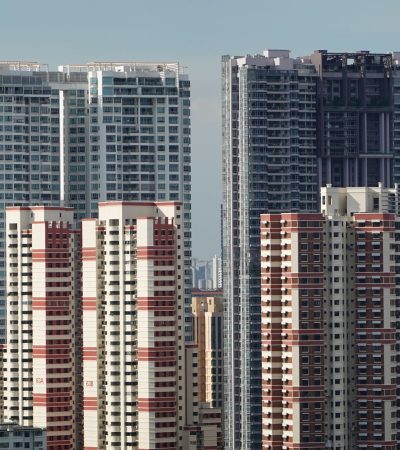
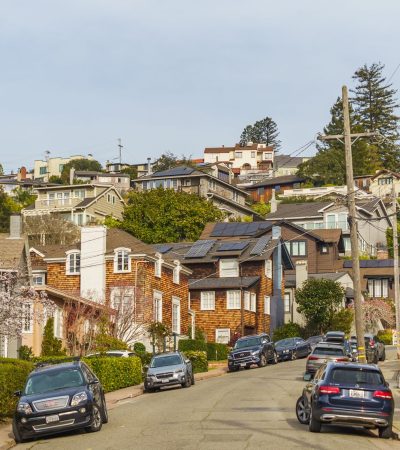
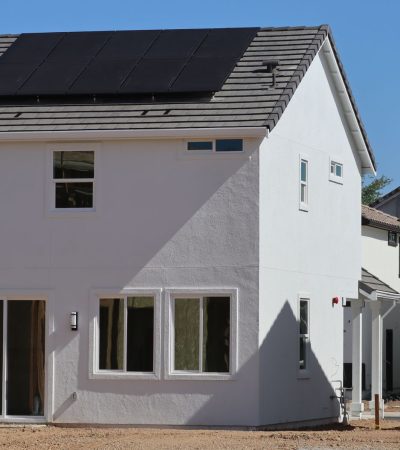
The housing stock is mostly mid-century tract construction: single-story and split-level houses, stucco and wood, modest lots. Layered on top are townhome and condominium communities with HOA dues, plus newer multifamily near the Caltrain and BART stations. Elevation is the biggest price variable. Sign Hill, Paradise Valley, Serra Highlands, and Colina sit on the high ground with views; flatland tracts like Sunshine Gardens cost less and carry more freeway and rail noise. Two identical houses a mile apart can land in different price tiers on sightline alone.
Browse the active listings below, or contact The Knight Group directly if you want the neighborhood-by-neighborhood read before you start touring.
Where exactly is South San Francisco, and what does it border?
The city sits at the top of the San Mateo County peninsula. Daly City is to the north, San Bruno to the south, Colma and Brisbane on the flanks, and San Francisco Bay on the east. San Francisco International Airport begins directly at the southern edge. Total area is roughly 30 square miles, but only about 9.2 square miles of that is land: nearly 70 percent of the city’s nominal footprint is bay water. City elevation at the civic core is about 16 feet.
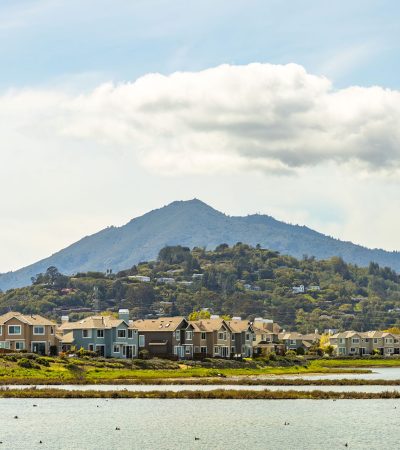
That 9.2 square miles is not flat. San Bruno Mountain rises directly behind the city, topping out at Radio Peak at 1,319 feet. Sign Hill, a spur of that mountain inside city limits, reaches 581 feet. That relief is the biggest driver of price variation here. Hillside parcels get bay or mountain views and cost more. Flatland parcels near the freeway and rail corridor cost less and carry more noise exposure.
The practical effect: two houses of identical size and vintage, a mile apart, can sit in different price tiers purely on elevation and sightline. Do not shop this city by square footage alone.
Why is South San Francisco called “The Industrial City”?
Because it says so on the hill. The city was incorporated on September 19, 1908, originally agricultural land built out as a meatpacking and manufacturing center in the late 1800s. In 1923 residents installed hillside letters spelling “SOUTH SAN FRANCISCO THE INDUSTRIAL CITY,” and the permanent concrete version was completed in 1929. The letters run 48 to 65 feet tall and use anamorphic distortion so they read as uniform from the freeway despite the uneven slope. The third line alone stretches 628 feet across the hillside. The sign joined the National Register of Historic Places on July 11, 1996.
That history explains the land-use pattern: industrial zoning along the bay flats east of US-101, residential stacked up the hillsides west of it, and a compact commercial downtown in between. This is a working city with real employment inside its borders, not a bedroom community.
How did biotech reshape this housing market?
Genentech opened here in 1976, and South San Francisco has been called the birthplace of biotechnology since. Genentech alone employs 8,632 people locally. Other major employers include Kaiser Permanente, AbbVie, Costco, and the school district. The lab and R&D campuses occupy the east-of-101 industrial land, particularly around Oyster Point.
The housing consequence is straightforward. A large share of local demand comes from scientists, lab technicians, clinical staff, and biotech operations employees who want to live within a short drive of campus. That demand is less correlated with the software hiring cycle than demand in Mountain View or Palo Alto. It also means rental demand for well-located units tends to be steady, which matters if you are buying with an eye toward eventually leasing.
The trade-off: biotech is capital-intensive and cyclical in its own way, and lab vacancy on the peninsula is a real variable. Treat local employment concentration as a strength, not a guarantee.
What does the housing stock actually look like?
Mostly mid-century. The bulk of the city’s residential inventory was built during the postwar expansion: single-story and split-level tract houses, stucco and wood exteriors, modest lots, and floor plans that predate the open-concept era.
Layered onto that base are several later attached-housing communities, townhome and condominium developments with homeowner associations governing exteriors, roofs, and common areas. Those give buyers a lower entry price and less maintenance exposure than a detached house, at the cost of monthly dues and association rules.
A third layer is near-transit multifamily around the Caltrain and BART stations. If you want walkability over lot size, look there.
Which neighborhoods make up South San Francisco, and how do they differ?
The city holds more than 30 named neighborhoods and residential communities. They fall into four groups: hillside neighborhoods with views, mid-city flatland tracts, the downtown core, and planned attached-housing communities.
Hillside and view neighborhoods. Sign Hill occupies the slopes beneath the landmark letters and the 30-acre Sign Hill Park, which carries almost two miles of hiking trails and direct access to the sign itself. Paradise Valley sits on the northern slopes toward San Bruno Mountain. Serra Highlands and Colina sit on the western high ground. Elevation in this group is the pricing variable. Ask specifically what the view corridor is and whether it is protected by topography or merely by the current height of a neighbor’s tree.
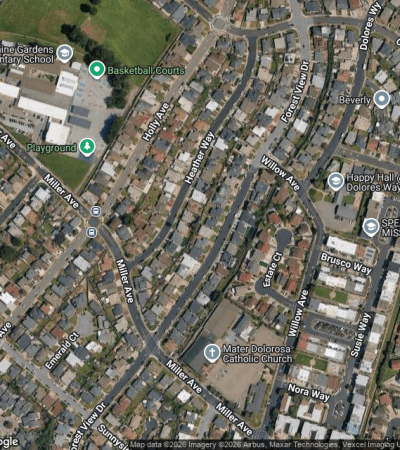
Established flatland and mid-city tracts. Sunshine Gardens is one of the city’s core family neighborhoods and shares its name with a district elementary school. Winston Manor is a classic postwar tract on the city’s western side. Brentwood and Avalon Park are similarly scaled residential pockets. These are the neighborhoods where renovation upside is most reliably available, because the underlying houses are old enough that many have never been meaningfully updated.
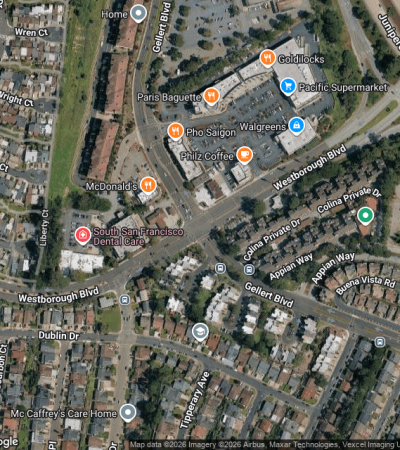
Westborough and the western planned area. Westborough is the large master-planned residential area on the west side, served by Westborough Middle School and anchored by Westborough Park. Adjacent to it, Skyline Village and Parkhaven offer smaller-scale community living. This side of town is closer to I-280 and Skyline Boulevard, which favors buyers heading south down the peninsula rather than north into the city.
Downtown and transit-adjacent. Downtown South San Francisco centers on Grand Avenue between Spruce and Airport, which the city designates as its Downtown Core. The 1920 City Hall, modeled on Philadelphia’s Independence Hall, sits at 400 Grand Avenue. This is the walkable part of the city: restaurants, small retail, civic buildings, and the shortest walk to the Caltrain platform.
Planned attached-housing communities. Peninsula Mandalay and The Pointe at Mandalay are companion communities in the same corridor. South City Lights, Promenade, and Camino Court round out the group. If you are buying in any of these, the association documents matter as much as the unit. Read them before you remove contingencies.
How is the commute from South San Francisco?
Unusually good for a city this size. Four separate systems serve it.
BART. The South San Francisco BART station at 1333 Mission Road opened June 22, 2003 as part of the San Mateo County Extension. It is an underground station with a single island platform, served by the Red and Yellow lines, with 3,500 parking spaces. Colma is the next station north, San Bruno the next south. That puts downtown San Francisco and SFO both on a one-seat ride.
Caltrain. The Caltrain station sits at 590 Dubuque Avenue, on the east side of US-101 near the Grand Avenue overpass. It was rebuilt between 2017 and 2022: the new platform opened in September 2021, with the pedestrian underpass and the Poletti Way shuttle boarding area finished in January 2022. That underpass connects Grand Avenue and Airport Boulevard on the west side of the freeway to East Grand Avenue and Poletti Way on the east, which is what makes the station usable for residents rather than only for east-side employees. The station was electrified in 2024. It carries 81 paid parking spaces, 24 bike racks, and 12 bike lockers, plus SamTrans routes 38, 130, 141, 292, and 397.
Ferry. San Francisco Bay Ferry operates commute-only service from the terminal at Oyster Point, connecting to the East Bay. It runs on a weekday commute schedule rather than all day, so verify current sailings against your actual hours before you factor it into a purchase decision.
Roads and shuttles. US-101 runs along the bay edge, I-280 crosses the hills on the west, and the city operates a free South City Shuttle plus Commute.org shuttles linking BART to the Utah/Grand, Genesis Tower Place, and Oyster Point employment areas. The Centennial Way trail runs about three miles along the BART right-of-way between the South San Francisco and San Bruno stations, which doubles as a bike commute route.
What schools serve South San Francisco?
The South San Francisco Unified School District serves roughly 8,000 students across South San Francisco, Daly City, and San Bruno. Elementary schools include Buri Buri, Junipero Serra, Los Cerritos, Martin, Monte Verde, Ponderosa, Skyline, Spruce, and Sunshine Gardens. Middle schools are Alta Loma, Parkway Heights, and Westborough. High schools are South San Francisco High School and El Camino High School, with Baden Continuation High School as the alternative program.
Biotech proximity shows up in the programming. SSFUSD runs STEM initiatives including Gene Academy, Helix Cup, Science Garage, and Futurelab, and its Career Technical Education pathways cover biotechnology, construction trades, health science, hospitality, and information technology. Students have participated in Genentech’s Job Shadow Day through the biotech pathway. In 2026 the district received five county honors at the annual J. Russell Kent Awards.
Attendance boundaries do not follow neighborhood lines cleanly. Confirm the assigned school for the specific address before you write an offer, not after.
What is there to do outdoors here?
Sign Hill Park is the signature open space: 30 acres, almost two miles of trails, direct access to the historic letters, and bay views from the ridge. Behind it, San Bruno Mountain State Park covers 2,326 acres plus an adjoining 83-acre State Ecological Reserve. The mountain supports three endangered butterfly species, the Mission blue, the Callippe silverspot, and the San Bruno elfin, and it hosts the nation’s first Habitat Conservation Plan, adopted in 1982.
Inside the city, Orange Memorial Park carries sports facilities, a farmers market, and a sculpture garden. Oyster Point Marina provides bay access for boating and fishing. Westborough Park serves the west side, and the Centennial Way trail links the BART corridor. The city has more accessible open space than its industrial reputation suggests, and hillside addresses often sit within walking distance of a trailhead.
What is the weather actually like?
Mild and cool. The climate is Mediterranean, with typical summer temperatures around 73 degrees and winter lows near 45 degrees. There is no meaningful air conditioning season. What there is instead is fog and wind: the city sits near a gap in the coastal hills, and the marine layer moves through it.
This is a due-diligence item, not small talk. Two addresses in the same neighborhood can have materially different afternoon wind and fog exposure depending on which way the slope faces. Tour the property you are serious about at the same hour you would normally be home.
What risks and regulatory issues should buyers check?
Four things deserve attention.
Airport proximity. SFO begins at the city’s southern boundary. Aircraft noise exposure varies by flight path and address, and it is disclosed in the transaction. Verify it against the noise contour maps, not against how quiet the house sounded at a Sunday open house.
Association governance for attached housing. California homeowner associations operate under the Davis-Stirling Common Interest Development Act. That means a defined disclosure package: governing documents, budget, reserve study, and minutes. For any condominium or townhome purchase in the communities listed above, read the reserve study and the minutes. Underfunded reserves show up later as special assessments.
Rent regulation. California’s Tenant Protection Act of 2019 (AB 1482) caps annual rent increases on covered properties at 5 percent plus local CPI, to a maximum of 10 percent, and imposes just-cause eviction requirements. If you are buying a tenant-occupied property or intending to lease, confirm whether the specific property is covered or exempt before you underwrite the rent.
Natural hazard and slope conditions. Hillside neighborhoods sit on the flanks of San Bruno Mountain, which brings grassland fire exposure and, on some parcels, retaining wall and drainage obligations. The bay-adjacent flats raise separate questions around flood zone designation and long-term sea level planning, an area where the city has active initiatives. Order the natural hazard disclosure report early and read the geotechnical history on any hillside lot.
Is South San Francisco a reasonable place to buy right now?
It depends what you are optimizing for. If you want peninsula location, transit redundancy, and proximity to a stable employment base, this city delivers more per dollar than most of San Mateo County. If your primary driver is architectural inventory, large lots, or public school reputation, other peninsula cities fit better and you should look there.
South San Francisco is a location and access play, not a prestige play. The buyers who do best here buy the right micro-location, hillside versus flatland, quiet street versus arterial, and improve the house over time. The ones who struggle chase the lowest price per square foot without checking what is on the other side of the fence.
We do not publish live price figures on this page because they move faster than a page can be updated. Ask us for the current comparable set for the neighborhood you are considering, and we will send it with sale dates attached.
What to Weigh Before You Buy Here
Start with the corridor you will actually use every day. The BART station, the Caltrain station, the ferry, and both freeways sit inside city limits, but they serve different commutes: BART points north into San Francisco, Caltrain runs down the peninsula, and the ferry crosses the bay. A home that is walkable to one of them can be a fifteen-minute drive from another. If your work is at Genentech or one of the east-of-101 lab campuses, proximity to Oyster Point matters more than any of them.
Then decide what you are willing to maintain. South San Francisco real estate splits into detached mid-century houses on modest lots, attached townhomes and condominiums with dues and association rules governing roofs and exteriors, and newer transit-adjacent multifamily. The detached stock gives you land and control; the attached stock lowers the entry price and offloads exterior upkeep. Ask what the dues actually cover before comparing monthly costs.
Frequently Asked Questions About south san francisco Homes for Sale
Is South San Francisco part of the City of San Francisco?
No. South San Francisco is a separate incorporated city in San Mateo County, incorporated September 19, 1908. It has its own city government at 400 Grand Avenue, its own police and fire departments, and its own school district. San Francisco city and county rules, including its transfer tax and rental ordinances, do not apply here.
How far is South San Francisco from downtown San Francisco?
It borders Daly City to the north, which borders San Francisco. BART’s Red and Yellow lines run from the South San Francisco station directly into downtown San Francisco, and Caltrain runs to the Fourth and King terminal. Most residents commuting into the city use rail rather than US-101.
Which South San Francisco neighborhoods have views?
The hillside neighborhoods. Sign Hill, Paradise Valley, Serra Highlands, and Colina all sit on elevated ground, and Sign Hill Park’s ridge offers bay views. The city’s relief runs from about 16 feet at the civic core to 581 feet at the top of Sign Hill, so view quality tracks elevation closely.
Are there condominiums and townhomes in South San Francisco?
Yes. Planned attached-housing communities here include Peninsula Mandalay, The Pointe at Mandalay, South City Lights, Promenade, Camino Court, Parkhaven, and Skyline Village. Each is governed by a homeowner association under the Davis-Stirling Act, so dues, rules, and reserve funding vary and need to be reviewed individually.
Does living near SFO affect property values?
It affects specific addresses more than the city as a whole. Noise exposure depends on flight path and elevation, and it is disclosed in the sale. Some buyers discount heavily for it, others do not notice it. Check the address against the airport noise contours, then judge it in person.
What is the ferry service like from South San Francisco?
San Francisco Bay Ferry runs commute-only service from the Oyster Point terminal to the East Bay. It is a weekday commute schedule, not an all-day service, and it has been suspended around holiday periods when the nearby employer campuses close. Confirm the current published schedule before relying on it.
Is South San Francisco a good rental market?
Local employment concentration in biotechnology, plus BART and Caltrain access, supports steady rental demand. Whether a specific property pencils depends on the purchase price, the association dues if applicable, and whether the unit falls under AB 1482 rent caps. We run those numbers per property rather than by rule of thumb.
What should I look at first when touring here?
Elevation, orientation, and what is behind the property. Because the city compresses hillside, flatland, downtown, and industrial land into 9.2 square miles, adjacency changes a lot within short distances. Walk the block, not just the house.
How does The Knight Group work in South San Francisco?
We work this market address by address, not by ZIP code average. That means we pull the specific comparable set for the neighborhood you are targeting, with sale dates, and tell you where the current asking prices are ahead of or behind what has actually closed. If a listing is overpriced relative to the closed record, we say so before you write the offer.
On the buy side, our diligence here focuses on the items that actually move value in this city: elevation and view protection, wind and fog exposure by orientation, airport noise contour, association reserve funding for attached housing, and slope conditions on hillside lots. We would rather kill a deal in week one than deliver a surprise at week four.
On the sell side, we position the property against the correct competitive set. A Westborough townhome and a Sign Hill view house are not competing for the same buyer, and pricing both off one citywide median produces bad outcomes. We build the pricing case from the closed record, then market to the buyer pool actually shopping that segment.
Browse the listings below or select one of the neighborhoods above. When you want current numbers for a specific street, contact The Knight Group and we will send the comparable set directly.
What is it like to buy South San Francisco CA Homes?
- Buyers choosing South San Francisco CA Homes trade airport proximity and bay-edge industrial land for peninsula access at a lower entry point.
- Burlingame, Hillsborough, and San Mateo carry higher entry pricing, which is the comparison most buyers here are actively making.
- Transit inside city limits includes a BART station, a Caltrain station, a commuter ferry, and two freeways.
- Genentech opened here and biotech employment, rather than the software hiring cycle, drives a large share of local housing demand.
- Housing stock is mostly mid-century tract construction, with single-story and split-level houses in stucco and wood on modest lots.
- Townhome and condominium communities with homeowner association dues layer on top of the older tract housing.
- Newer multifamily construction clusters near the Caltrain and BART stations rather than across the hillside tracts.
- Elevation is the biggest price variable across South San Francisco CA Homes, and sightline separates otherwise identical properties.
- Sign Hill, Paradise Valley, Serra Highlands, and Colina sit on the high ground with views.
- Flatland tracts such as Sunshine Gardens cost less and carry more freeway and rail noise exposure.
- San Bruno Mountain rises directly behind the city, with Sign Hill a spur of that mountain inside city limits.
- Daly City sits to the north, San Bruno to the south, Colma and Brisbane on the flanks, and San Francisco Bay to the east.
- San Francisco International Airport begins directly at the southern edge of the city.
- The hillside letters reading “SOUTH SAN FRANCISCO THE INDUSTRIAL CITY” use anamorphic distortion so they read as uniform from the freeway.
- Scientists, lab technicians, clinical staff, and biotech operations employees form a steady share of demand for South San Francisco CA Homes.
What should buyers check before purchasing South San Francisco CA Homes?
- South San Francisco Unified School District serves students across South San Francisco, Daly City, and San Bruno.
- Elementary schools include Buri Buri, Junipero Serra, Los Cerritos, Martin, Monte Verde, Ponderosa, Skyline, Spruce, and Sunshine Gardens.
- Middle schools are Alta Loma, Parkway Heights, and Westborough, with high schools at South San Francisco High School and El Camino High School.
- Attendance boundaries do not follow neighborhood lines cleanly, so confirm the assigned school for a specific address before writing an offer.
- District STEM programming includes Gene Academy, Helix Cup, Science Garage, and Futurelab, reflecting the biotech employment base nearby.
- Career Technical Education pathways cover biotechnology, construction trades, health science, hospitality, and information technology.
- Sign Hill Park offers trails, direct access to the historic letters, and bay views from the ridge.
- San Bruno Mountain State Park sits behind the city alongside an adjoining State Ecological Reserve.
- Endangered butterfly species on the mountain include the Mission blue, the Callippe silverspot, and the San Bruno elfin.
- Orange Memorial Park carries sports facilities, a farmers market, and a sculpture garden inside the city.
- Oyster Point Marina provides bay access for boating and fishing, while Westborough Park serves the west side.
- Hillside addresses among South San Francisco CA Homes often sit within walking distance of a trailhead.
- Fog and wind matter more than heat here, since the city sits near a gap in the coastal hills where the marine layer moves through.
- Aircraft noise exposure varies by flight path and address, and buyers should verify it against noise contour maps rather than a quiet open house.
- California homeowner associations operate under the Davis-Stirling Common Interest Development Act, requiring governing documents, budget, reserve study, and minutes.
- Hillside South San Francisco CA Homes bring grassland fire exposure and sometimes retaining wall and drainage obligations, while bay-adjacent flats raise flood zone questions.
What questions do people ask about South San Francisco CA Homes?
- BART’s Red and Yellow lines run from the South San Francisco station directly into downtown San Francisco.
- Hillside neighborhoods with views include Sign Hill, Paradise Valley, Serra Highlands, and Colina, all on elevated ground.
- View quality across South San Francisco CA Homes tracks elevation closely, running from the civic core up to the top of Sign Hill.
- Planned attached-housing communities include Peninsula Mandalay, The Pointe at Mandalay, South City Lights, Promenade, Camino Court, Parkhaven, and Skyline Village.
- Each attached community is governed by a homeowner association under the Davis-Stirling Act, so dues, rules, and reserve funding need individual review.
- Airport noise affects specific addresses more than the city as a whole, depending on flight path and elevation.
- Some buyers discount heavily for aircraft noise while others do not notice it, so judging the address in person matters.
- San Francisco Bay Ferry runs commute-only service from the Oyster Point terminal to the East Bay on a weekday schedule.
- Ferry service has been suspended around holiday periods when the nearby employer campuses close, so confirm the current published schedule.
- Local employment concentration in biotechnology, plus BART and Caltrain access, supports steady rental demand across South San Francisco CA Homes.
- Whether a rental property pencils depends on purchase price, association dues if applicable, and whether the unit falls under AB rent caps.
- Elevation, orientation, and what sits behind the property are the first things to evaluate when touring here.
- Adjacency changes a lot within short distances because hillside, flatland, downtown, and industrial land are compressed together.
- The Knight Group works South San Francisco CA Homes address by address rather than by ZIP code average, pulling the specific comparable set.
- A Westborough townhome and a Sign Hill view house are not competing for the same buyer, so pricing off one citywide median produces bad outcomes.