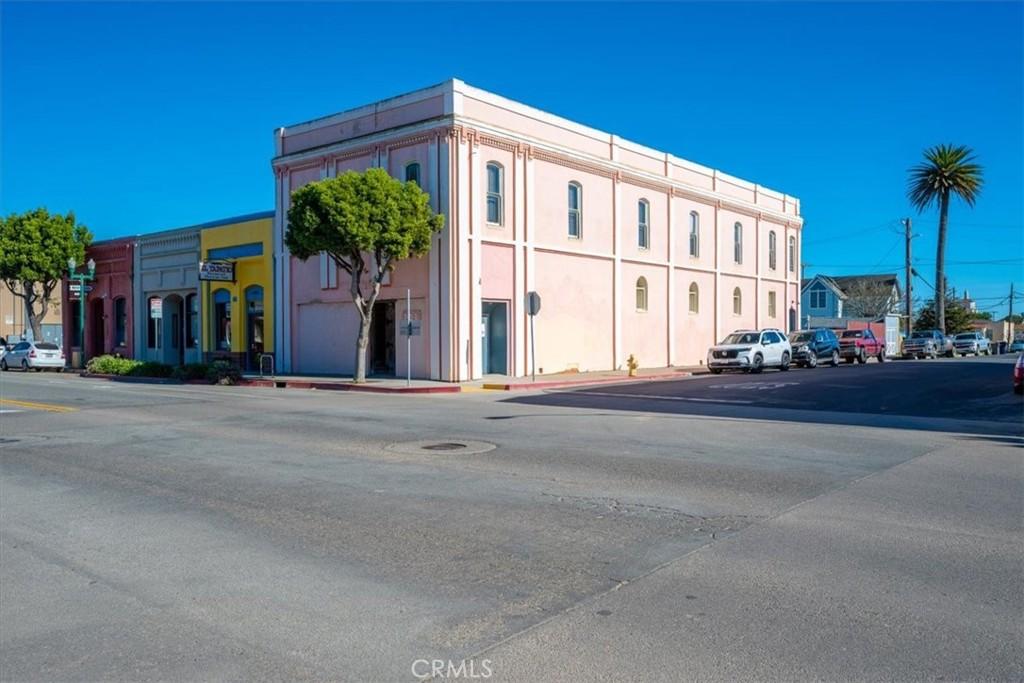
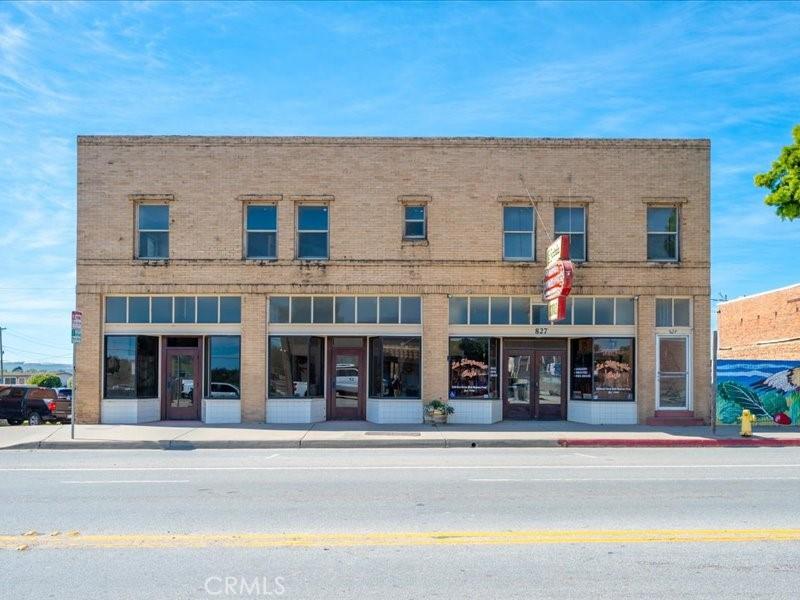
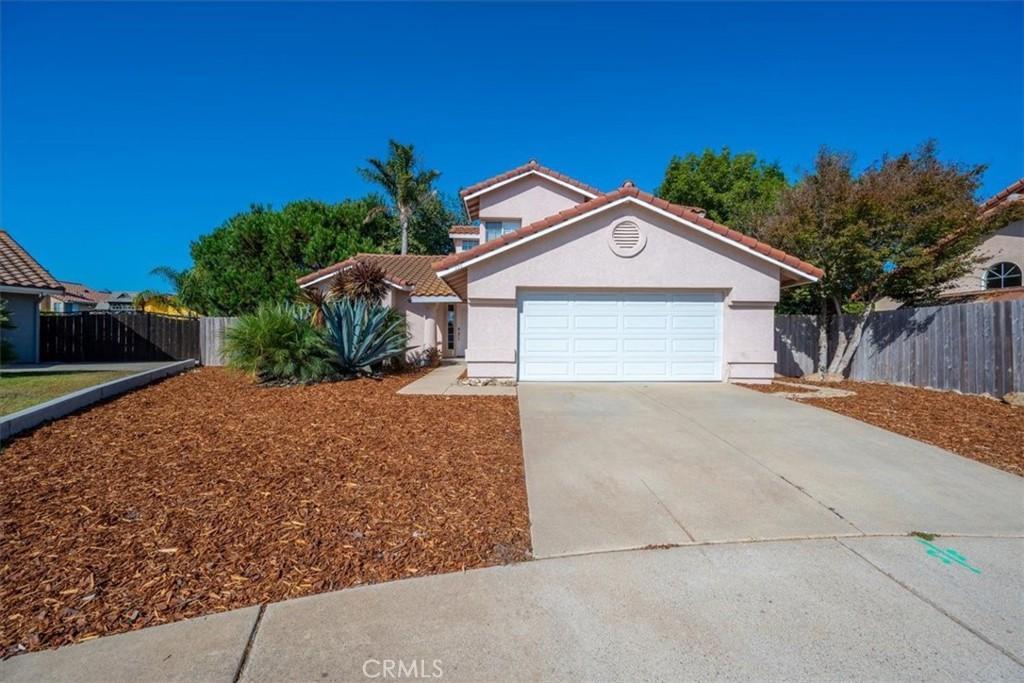
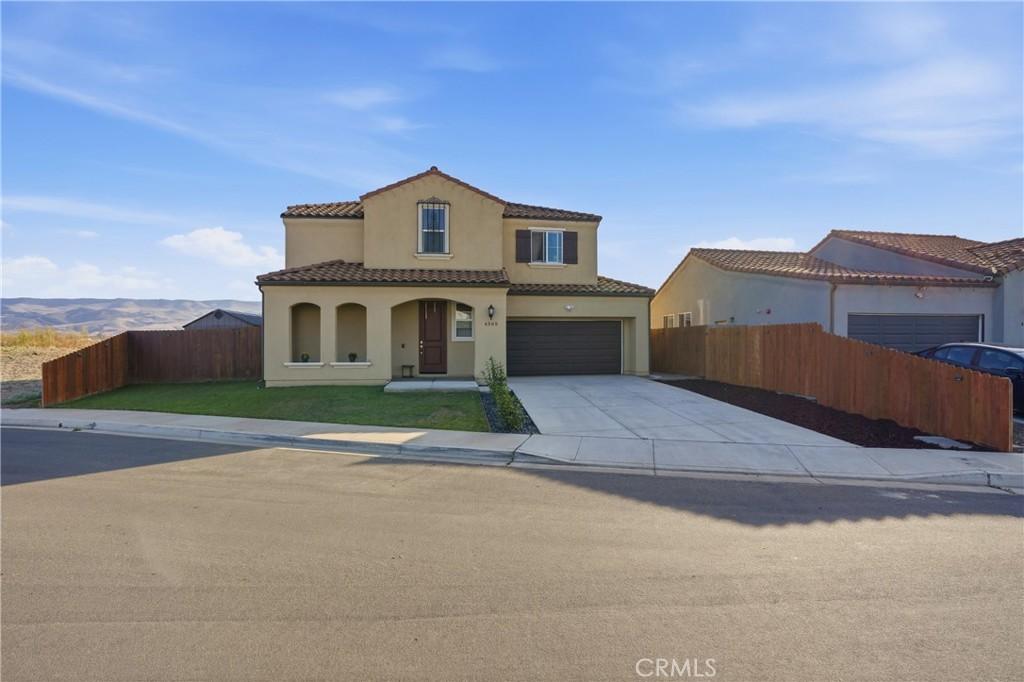
Browse all Santa Barbara County real estate.
Guadalupe is a small incorporated city on the northwestern edge of Santa Barbara County, sitting at the intersection of Highway 1 and Highway 166 about five miles inland from the Pacific. It incorporated on August 3, 1946, and the U.S. Census counted 8,057 residents in 2020. The entire city occupies roughly 1.3 square miles, which makes it one of the most compact incorporated municipalities on the Central Coast.
The value proposition is straightforward. Guadalupe offers detached-house ownership at a price point that has largely disappeared from coastal Santa Barbara County, inside a walkable grid, five miles from one of the largest intact coastal dune systems in the western United States. The trade-off is real: this is a working agricultural town with a small school district and a housing stock that skews older and smaller than newer Santa Maria subdivisions.
Browse the current Guadalupe listings below. For an honest read on a specific block or on how a Guadalupe purchase compares against the alternatives in Santa Barbara County, contact The Knight Group and we will give you the version with the caveats included.
Guadalupe sits immediately south of the Santa Maria River, the boundary between Santa Barbara County and San Luis Obispo County. Santa Maria is approximately eight miles east, the Pacific five miles west. City elevation is 85 feet.
That geography explains almost everything about the place. Highway 1 runs north to south through town toward Oceano, Arroyo Grande, and Pismo Beach in San Luis Obispo County. Highway 166 runs east to Santa Maria and Highway 101. Guadalupe is not on the 101 corridor but is close enough that the connection is measured in minutes.
West of town, the land runs out into the protected Guadalupe-Nipomo Dunes. North of town, the river blocks expansion. The practical consequence is that Guadalupe cannot sprawl the way Santa Maria has: growth happens on infill parcels and the eastern and southern edges, and it happens slowly. Constrained supply plus genuinely low entry pricing is a combination worth understanding before you assume the gap with Santa Maria persists forever.
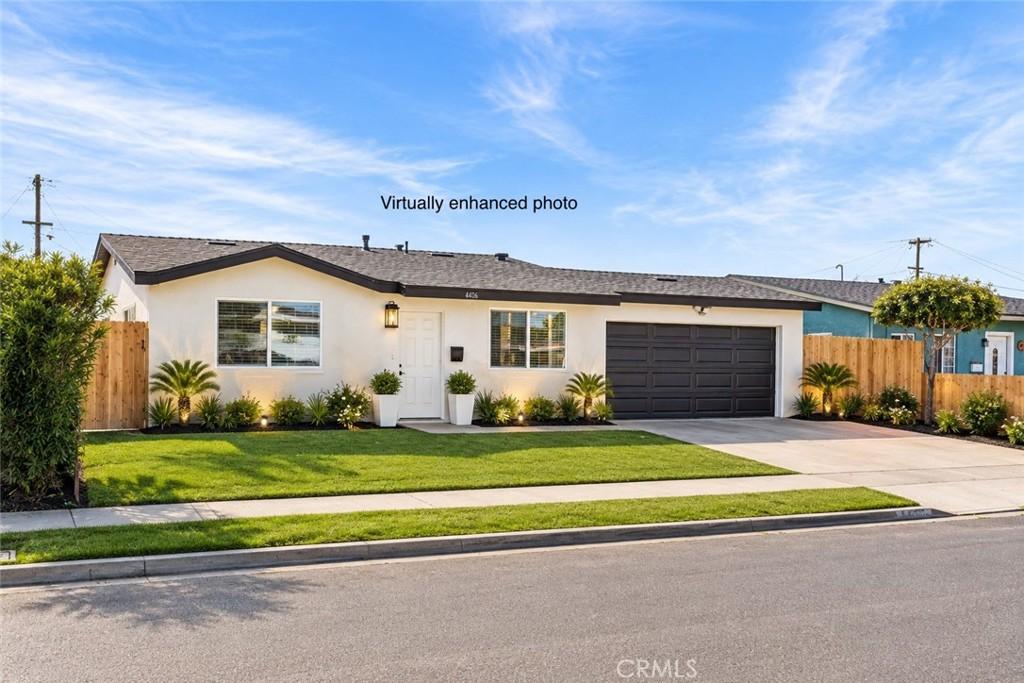
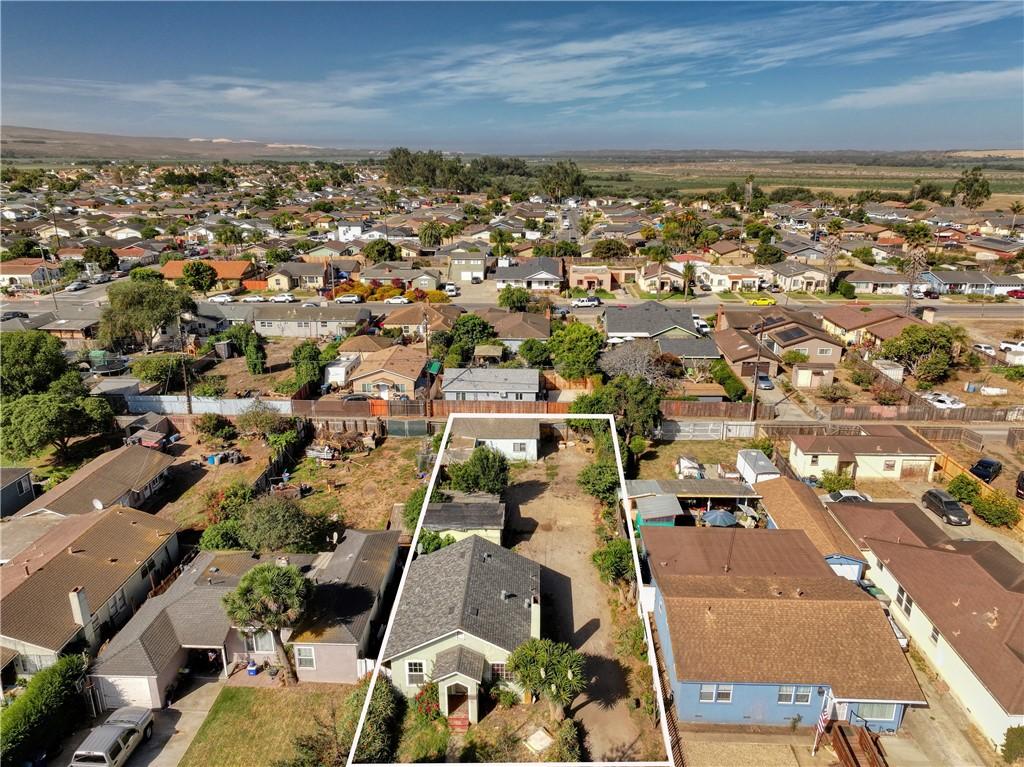
Predominantly small detached single-family houses on modest lots in a compact street grid. The 2020 Census counted 2,119 housing units citywide at a 97.4 percent occupancy rate, which tells you two things: total inventory is tiny, and functionally nothing sits empty. When a house comes to market here, it competes against a very short list of alternatives.
Tenure splits close to even. Census figures for 2020 put owner-occupied units at 53.5 percent and renter-occupied at 46.5 percent, a higher rental share than most Santa Barbara County suburbs, reflecting the agricultural labor economy. For an investor, that means a functioning rental market. For an owner-occupant, it means your block may see more turnover than a comparable street in Orcutt or Nipomo.
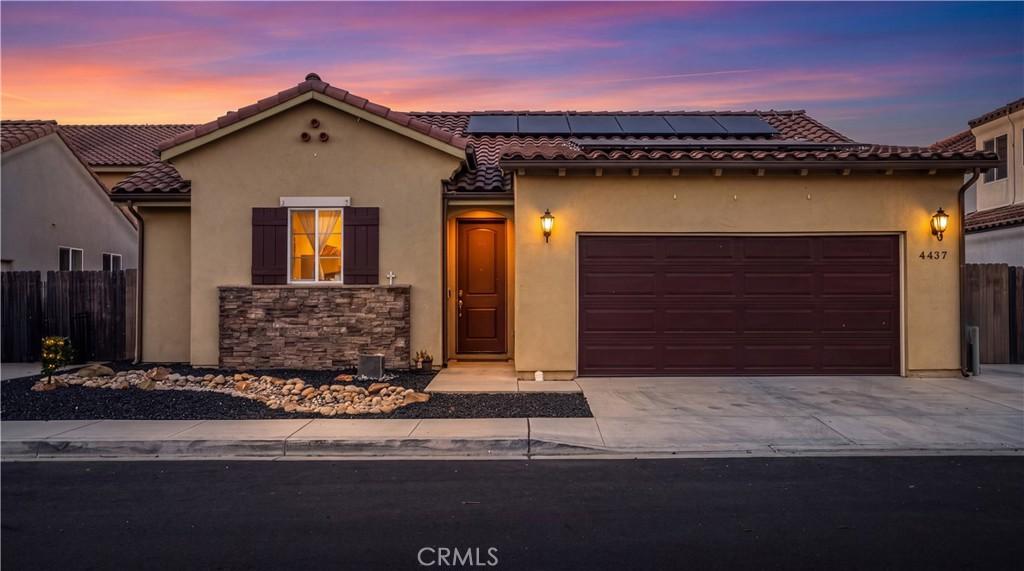
Household composition also matters. The 2020 Census recorded 2,063 households, of which 57.8 percent included children under 18, and 31.2 percent of the total population was under 18. Median age was 30.2 years. Guadalupe is a young, family-dense city, and three-bedroom houses get demand pressure that one-bedrooms do not. Newer construction exists on the edges of town, but if that is a requirement for you, tell us up front: the count available at any moment is small.
Entry pricing is the reason most buyers look at Guadalupe in the first place. City-data.com estimated the median house and condominium value in Guadalupe at $564,672 for 2024, against $113,200 in 2000. Median gross rent for 2024 was estimated at $1,713.
Treat those as directional, not transactional. Valuation indices lag the market and smooth over the variation between a 1950s cottage near the tracks and a two-decade-old four-bedroom on the eastern edge. A median drawn from barely 2,100 housing units is a thin statistic. Before you anchor on any number, ask us for the closed comparables on the streets you are considering.
The income picture explains who is buying. Census data reports median household income of $71,048 for 2023, per capita income of $22,110, and a poverty rate of 28.3 percent. City-data estimated 2024 median household income at $65,209. Those are working-household numbers, and the gap between local income and local home values is why a meaningful share of Guadalupe buyers are commuters or investors rather than local households.
Property tax carry is a real line item. City-data reported median property taxes paid in 2024 at $3,457 for units with a mortgage and $1,259 for units without. That spread is mostly Proposition 13: long-held properties carry far lower assessed values. Budget off the purchase price, not off what the current owner pays.
Guadalupe is small enough that it does not divide into named neighborhoods the way a larger city does. What it has instead are anchors.
Guadalupe Street and the Highway 1 spine. The main commercial corridor, and the address line for the Amtrak station at 330 Guadalupe Street. Properties on and just off this corridor get the most vehicle noise and the shortest walk to services.
The Royal Theater. Built in 1939 as a 510-seat movie house and originally owned by Japanese-American businessmen, the building is now city property with plans to convert it into a community arts center. It marks where the city wants its civic revitalization to land.
LeRoy Park. The land was donated in 1871, and it is described as the oldest community park in Santa Barbara County. Proximity is a genuine amenity where lots are small and private yard space is limited.
The western edge toward the dunes. Everything west of town runs toward the Guadalupe-Nipomo Dunes and Rancho Guadalupe Dunes County Park. This is where the recreational value lives, and also where the regulatory and environmental complexity lives.
This hub does not yet have individual sub-area pages beneath it. For a street-level read on a specific pocket, or to compare Guadalupe against the other markets we cover across Santa Barbara County, reach out and we will walk it with you.
The dunes are the defining natural feature of this coastline. They cover approximately 22,000 acres along an 18-mile stretch spanning San Luis Obispo and Santa Barbara counties. Mussel Rock Dune reaches roughly 500 feet, reported as the highest dune on the entire western coast of the United States. The Guadalupe-Nipomo Dunes Center, in Guadalupe, is the education and research hub for the system.
Rancho Guadalupe Dunes County Park occupies the southern end of the complex and is managed by Santa Barbara County Parks. It offers beach access, bird and whale watching, fishing, and hiking. Access is seasonally restricted from March through October to protect nesting shorebirds. Those restrictions exist for a reason: the western snowy plover was listed as threatened under the Endangered Species Act in 1993, when the area recorded 16 nests, rising to 172 nests by 2011. The California least tern also nests here. If you are buying partly for beach access, that access is real but conditional.
There is also an environmental history a diligent buyer should know. Unocal leaked approximately 18 million gallons of petroleum at the Guadalupe Oil Field between the 1950s and 1994, across a site of roughly 2,700 acres, with remediation running for decades afterward. Separately, Oso Flaco Lake within the dune system carries state consumption advisories tied to elevated pesticide and mercury levels. Neither fact should stop a purchase in town. Both are reasons to read your environmental disclosures closely.
Guadalupe Union School District operates two schools: Mary Buren Elementary, serving kindergarten through fifth grade, and Kermit McKenzie Junior High, serving sixth through eighth. The district does not operate a high school. Confirm current high school attendance boundaries and any inter-district transfer options directly with the district before you write an offer, because assignments change and an agent’s summary is not a binding answer.
Be direct with yourself about academic performance. The district is cited at a state ranking in the 20th percentile. For some buyers that is disqualifying. For investors, retirees, and households already committed to a private or charter option, it is not a factor. We will not tell you the ratings do not matter. We will tell you to visit the campuses and make the call on your own information.
Better than a town this size usually manages, because of the rail line. Guadalupe station, at 330 Guadalupe Street, is served by four Amtrak Pacific Surfliner trains daily, two in each direction, and recorded 12,287 boardings and detrainings in fiscal year 2025. The current Spanish Colonial Revival station building opened in July 1998, replacing an earlier structure demolished around 1974. It is unstaffed, wheelchair accessible, and owned by Union Pacific Railroad.
The station functionally serves Santa Maria as well as Guadalupe, which is why ridership exceeds what the local population would suggest. Local bus service comes from the Guadalupe Flyer, running hourly to Santa Maria and connecting at the station.
For drivers, Highway 166 east reaches Santa Maria and Highway 101 quickly, and Highway 1 north crosses into San Luis Obispo County toward the Five Cities. Realistically, this is a two-car household town. Four trains a day is useful but not a substitute for a vehicle.
Agriculture, by a wide margin. Roughly 31 percent of the workforce is employed in agriculture and about 24 percent in manufacturing, with produce processors including Apio Inc. and Obispo Cooling operating locally. Guadalupe sits inside the Santa Maria Valley, one of California’s most productive vegetable and berry growing regions.
This has two consequences for real estate. First, employment here is seasonal and tied to crop cycles, which shows up in rental demand patterns. Second, agricultural operations generate truck traffic on Highway 166, equipment noise, seasonal odor, and periodic spray activity on adjacent fields. If you are buying a house that backs to active farmland, walk the property at different times of day and in different seasons before you commit.
The broader regional economy also includes the Santa Maria Valley wine industry and aerospace employment around Vandenberg Space Force Base. Guadalupe is within commuting distance of both, which broadens the buyer pool beyond agricultural households.
The Portolá expedition camped near present-day Guadalupe on September 1, 1769. Mission La Purísima was established in 1787 and the surrounding land became mission pasture. Following secularization, the area became part of the Rancho Guadalupe land grant in 1840. The city takes its name from Our Lady of Guadalupe.
The town that grew here was built by successive waves of immigrant labor drawn to the rail line and the fields. The 2020 Census recorded a Hispanic or Latino population of 88.1 percent. That layered history is legible in the built environment, from Masatani’s Market, family-owned since 1922, to the Royal Theater, originally owned by Japanese-American businessmen. The Far Western Tavern operated here for 54 years before relocating in 2012, and its building was donated to the Dunes Center.
The dunes have their own history. In 1923 Cecil B. DeMille built a monumental Egyptian set for the original silent “The Ten Commandments” in the dunes, then had it dismantled and buried on site to prevent reuse, where much of it remained for decades. The dunes also hosted the Dunites, a community of mystics, artists, writers, and hermits who lived there from roughly the 1920s through the 1940s. Later productions filmed here include “The Odd Couple II,” “Pirates of the Caribbean: At World’s End,” and “Hidalgo.”
Several, and none of them are hidden.
Flood exposure. The city sits immediately south of the Santa Maria River at 85 feet of elevation. Pull the FEMA flood map for the exact parcel and get a flood insurance quote during your inspection period rather than after.
Coastal and environmental oversight. Land west of the city toward the dunes falls under a layered management structure involving federal, state, and county agencies including California State Parks and the U.S. Fish and Wildlife Service. Property near that boundary deserves a specific check on what jurisdiction governs it and what that means for permits and additions.
Legacy contamination. The Unocal petroleum releases at the Guadalupe Oil Field affected roughly 2,700 acres and required decades of cleanup. Environmental disclosures matter here more than in a typical suburban transaction.
Agricultural adjacency. California right-to-farm provisions generally limit a homeowner’s ability to bring nuisance claims against pre-existing agricultural operations. If a field borders your lot, that field’s operations are a permanent feature of the purchase.
Small-market liquidity. With roughly 2,100 housing units total, this is a thin market. Comparable sales are sparse, which complicates appraisals, and resale timelines are less predictable. Plan on a longer marketing period when you eventually sell.
One thing that does not apply: Measure ULA, the Los Angeles transfer tax on high-value sales, is a City of Los Angeles ordinance with no bearing on a Guadalupe transaction. If you are relocating from Southern California, strike that line from your model. Confirm any state-level rental regulations that may apply to an investment purchase with qualified counsel before you close.
It works for buyers who want detached-house ownership on the Central Coast at a low entry point and who accept a working agricultural town rather than a resort one. It works for investors who want cash-flow math that pencils, in a market with a substantial renter base and near-total occupancy. It works for people who genuinely use the coast.
It does not work if you need a large lot, new construction on demand, or deep inventory. It does not work if school ratings are your primary screen, or if you need the amenity density of Santa Barbara proper, roughly an hour south. Those are not criticisms. They are the specifications of the market.
No. Guadalupe is a separate incorporated city with its own municipal government, incorporated in 1946, roughly eight miles west of Santa Maria. They share a valley, an economy, and a rail station, but they are distinct jurisdictions with distinct city services and school districts.
Approximately five miles west to the Pacific. Beach access is through Rancho Guadalupe Dunes County Park at the southern end of the Guadalupe-Nipomo Dunes complex, managed by Santa Barbara County Parks. Access is seasonally restricted from March through October during shorebird nesting season.
The 2020 Census recorded 8,057 residents, up from 7,080 in 2010 and 5,479 in 1990. City-data estimated the 2024 population at 8,735. Population density in 2020 was 6,150.4 people per square mile, which is high because the incorporated area is only about 1.3 square miles.
Yes. Amtrak’s Pacific Surfliner stops at Guadalupe station on Highway 1, four trains daily, two in each direction. The station is unstaffed and wheelchair accessible, with parking and a waiting room, and the Guadalupe Flyer bus connects hourly to Santa Maria. Four trains a day is a real amenity but not a commuter-rail frequency.
Mild and marine-influenced. Guadalupe has a warm-summer Mediterranean climate, Köppen classification Csb. The highest mean daily maximum is 72.8 degrees Fahrenheit in August, the all-time record high is 109 degrees, and annual precipitation averages 15.95 inches. Coastal fog and afternoon wind are routine given the proximity to the ocean.
Residential development has occurred on the edges of the city, but the pipeline moves in phases rather than continuously, and growth is constrained by the Santa Maria River to the north and the protected dunes to the west. Ask us for the current status of any active subdivision before you plan around it.
It has the ingredients: a low entry price relative to the rest of Santa Barbara County, a renter share near 46.5 percent as of the 2020 Census, and occupancy above 97 percent. The counterweight is liquidity. With roughly 2,100 total housing units, comparable sales are thin and exit timelines are less predictable. Underwrite with a longer hold assumption than you would use in Santa Maria.
Four things at minimum. The FEMA flood determination for the parcel. The environmental disclosure package, given the region’s petroleum remediation history. The distance and orientation to any adjacent active farmland. And the current school attendance assignment, confirmed with the district rather than from a listing sheet.
We treat Guadalupe as a specific market with specific mechanics, not as a cheaper version of Santa Maria. That means running comparables on the actual streets rather than citywide medians, because a median drawn from a 2,100-unit market tells you very little about the house in front of you.
For buyers, we start by pressure-testing whether Guadalupe is the right fit against alternatives across northern Santa Barbara County and southern San Luis Obispo County. If it is, we move fast on inspection scope: flood determination, environmental disclosures, farmland adjacency, and the condition of systems in older housing stock. If it is not, we say so and redirect you.
For sellers, the strategy is pricing precision and reach. Thin comparable data cuts both ways, and a listing priced off a stale estimate either leaves money on the table or sits. We price off closed transactions and market to the commuter and investor pools outside the immediate area, not only to the local search radius.
Start with the listings below, then contact The Knight Group and tell us what you are trying to accomplish. We will tell you whether this market gets you there.
The Knight Group is here to help you with all your realty needs. To get started, fill out the form below and one of our experienced agents will contact you as quickly as possible.
Copyright © 2024 The Knight Group.
All rights reserved. License: 02133297
Lucky for you we’re looking out.
Subscribe to this Custom Search to be alerted when new properties hit the market in the area.
Choose the frequency that works for you.