Browse all Santa Barbara County real estate.

Browse all Santa Barbara County real estate.
Homes for sale in Los Alamos come to market slowly — this is a town of 1,839 residents on well under one square mile in northern Santa Barbara County, about 10 miles north of Buellton and right off U.S. 101. You get a genuine Santa Ynez Valley wine country address, a walkable Bell Street with tasting rooms and a Michelin-starred restaurant, and pricing and lot sizes that look nothing like Los Olivos or Montecito. The trade-off is inventory: a town this size lists very few homes at any given time.
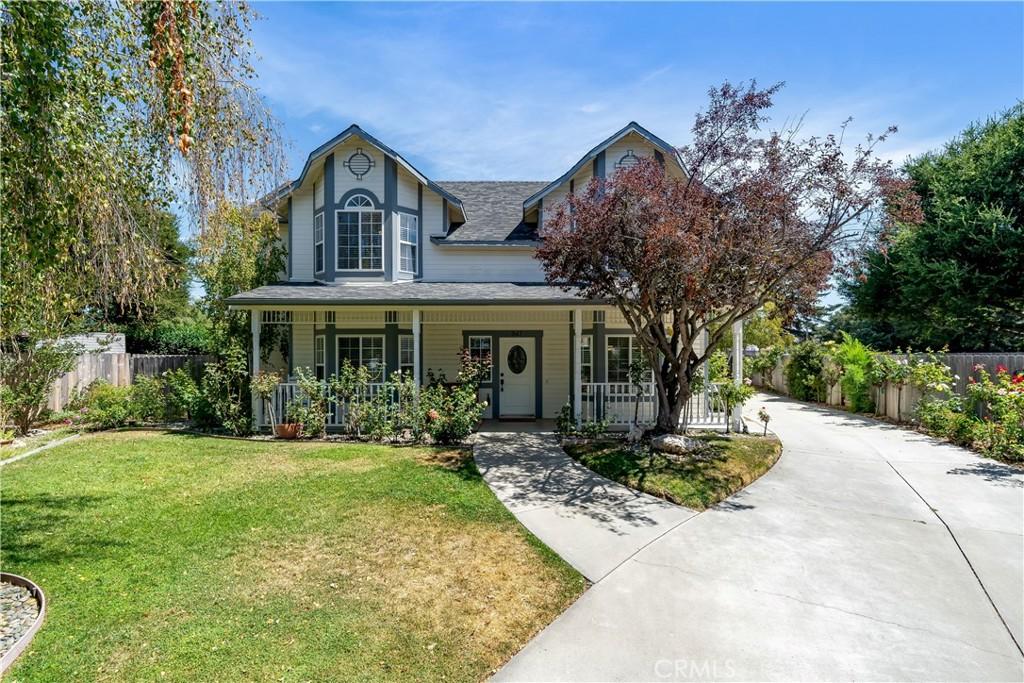
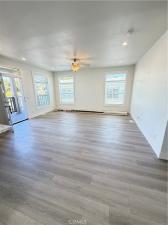
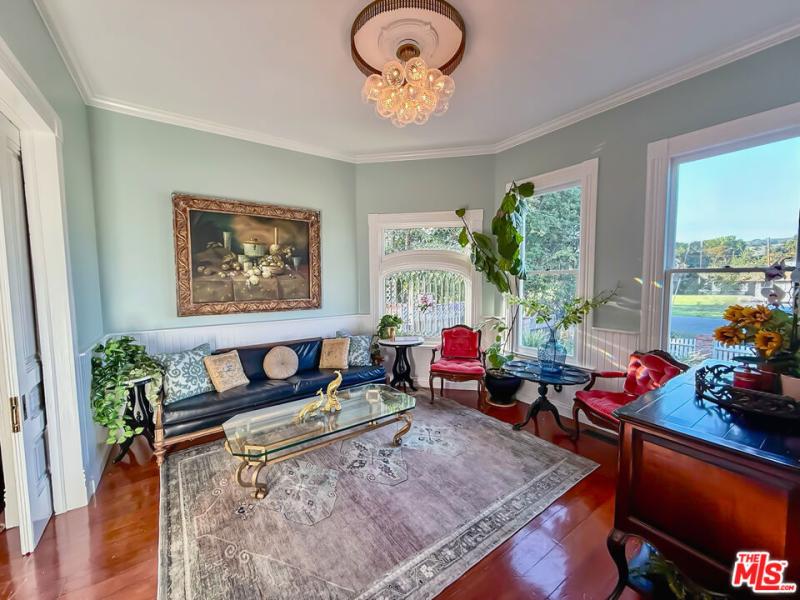
The 2020 Census counted 676 housing units, so the pool is small and turnover is limited. Stock skews older and varied — vintage bungalows and farmhouses near Bell Street, ranch-style homes on larger parcels, and agricultural or vineyard land at the edges of town. A restored historic house on a walkable lot and a working parcel with acreage are different markets sharing one ZIP code, which is why pricing here follows the specific property rather than a neighborhood average.
Browse the current Los Alamos listings below, or contact The Knight Group to talk through what actually trades here and when.
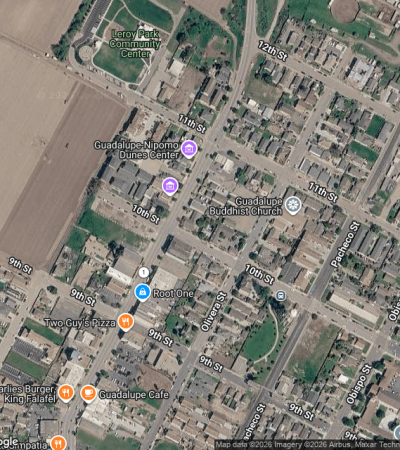
Los Alamos lies in the northwestern corner of the Santa Ynez Valley. U.S. Route 101 runs alongside the town, so access is direct: south to Buellton, Solvang, and the Highway 246 corridor, or north toward Santa Maria and San Luis Obispo County. Bell Street, the main commercial thoroughfare, is also signed as California Route 135, the older highway that connects down toward Orcutt and the Santa Maria area.
For orientation, the town is about 140 miles northwest of downtown Los Angeles and a shorter drive to the coast at Santa Barbara. That position matters for buyers weighing a Central Coast base against a longer commute. Los Alamos works well for people who want valley living with a highway on-ramp minutes away, and less well for anyone who needs a daily drive into a major job center. Confirm your own commute against real traffic before you commit.
The name comes from the Spanish álamo, a reference to the Fremont cottonwood trees native to the area. The land traces back to the Rancho Los Alamos Mexican land grant, given to José Antonio de la Guerra in 1839. The town itself was laid out in 1876, when members of the Bell family and Dr. James B. Shaw purchased acreage and established the town site.
The Union Hotel opened in 1880 to serve travelers, and it still anchors the street today. From 1882 to 1940, the Pacific Coast Railway ran narrow-gauge service through Los Alamos, and the town holds the last standing station from that line. Oil discoveries in the surrounding hills in the early 1900s and decades of ranching and row-crop farming shaped the local economy long before wine tourism arrived. That layered history is part of why the downtown reads as authentic rather than built-for-visitors.
Los Alamos is a low-volume, character-driven market. The 2020 Census recorded 676 housing units at about 95 percent occupancy, so the total pool of homes is small and turnover is limited. Housing stock skews older and varied: vintage bungalows and farmhouses near Bell Street, ranch-style homes on larger parcels, and agricultural and vineyard land on the town’s edges.
Because so few properties list here in any given month, pricing is driven by the specific home rather than a smooth neighborhood average. A restored historic house on a walkable lot and a working parcel with acreage are different markets that happen to share a ZIP code. Buyers should expect to wait for the right listing rather than choose among many, and sellers benefit from the scarcity when a well-presented home comes to market. We do not publish a headline price figure here because a town this small produces thin, volatile comps; ask us for a current, address-level read instead.
Los Alamos is a working town, not a resort. The 2020 Census put the population at 1,839, and the 2023 American Community Survey estimates reported a median household income of $53,673 and per capita income of $44,049. The community is close to evenly split between residents identifying as White and as Hispanic or Latino, reflecting the town’s deep agricultural roots.
Daily life centers on Bell Street and the surrounding blocks. Ranches, vegetable farms growing crops such as broccoli, lettuce, and strawberries, vineyards, and legacy oil operations still make up the working landscape around town. The annual Los Alamos Old Days celebration, held on Bell Street each September, is the town’s signature community event. Buyers who want anonymity and services on demand will find this scale limiting; buyers who want to know their neighbors and walk to dinner will find it a fit.
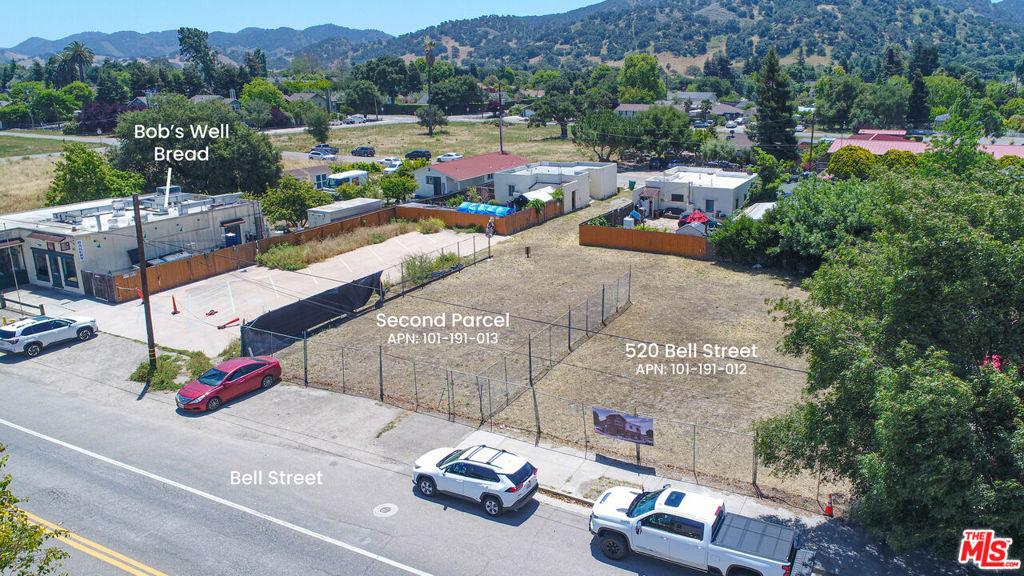
Los Alamos punches far above its size on food and wine, which is a real factor in property demand. Bell Street holds wine tasting rooms, restaurants, and antique stores in a compact downtown. The standout is Bell’s, a Californian and French restaurant at 406 Bell Street owned by Greg and Daisy Ryan, which holds one Michelin star. In 2021 the same owners opened a sister seafood spot, Bar Le Côte, on the same street.
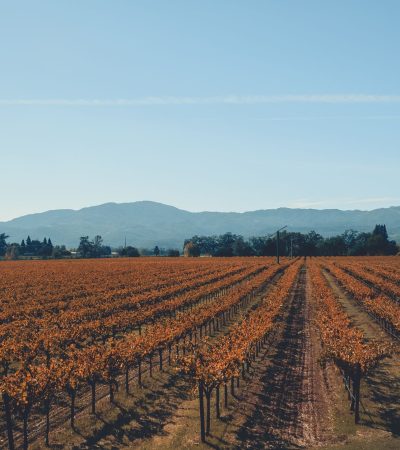
The broader draw is the Santa Ynez Valley wine region that surrounds the town, with tasting rooms downtown and vineyards in the hills nearby. This concentration of destination dining and wine in a town of under 2,000 people is unusual, and it supports both weekend visitation and a steady interest from buyers who want to live inside a food-and-wine community rather than drive to one. For a second-home buyer, that same visitation can also mean weekend foot traffic on the main street, which is worth weighing depending on how close to Bell Street you want to be.
The local public elementary school is Olga Reed School, located next to Los Alamos County Park in town. Older students typically continue to schools elsewhere in the Santa Ynez Valley, as is common for the valley’s smaller communities. Because attendance boundaries and district assignments change and Los Alamos is a small community served by neighboring schools, families should confirm current enrollment zones and grade-level assignments directly with the district before relying on them for a purchase decision.
School fit is one of the areas where we recommend independent verification rather than a general statement. If schools are central to your decision, tell us early and we will help you confirm the specifics tied to a particular address.
Recreation here is small-scale and local. Los Alamos County Park sits in town next to Olga Reed School, and Arthur Ferrini Park is located beside the Los Alamos Market. The larger appeal is the setting: valley ranchland, vineyards, and the rolling hills of the Santa Ynez Valley immediately around town, with the broader Central Coast, its beaches, and Los Padres National Forest within driving distance.
Buyers who want expansive built recreation and organized amenities will look toward larger valley towns or the coast. Buyers who value quiet, open surroundings and a walkable downtown will find Los Alamos delivers exactly that. Be honest with yourself about which of those you are, because the town leans firmly toward the second.
Los Alamos has a warm-summer Mediterranean climate. Records show a mean daily maximum around 73°F and a mean daily minimum around 44°F across the year, with annual precipitation of roughly 15.5 inches. That produces warm, dry summers and mild, wetter winters typical of the inland Santa Ynez Valley, with more temperature swing than the immediate coast.
For buyers, the practical read is that inland valley conditions run warmer in summer and cooler at night than coastal towns a short drive away. It is a comfortable climate for gardens, vineyards, and outdoor living most of the year, and worth touring in more than one season if you are used to a coastal microclimate.
Two items deserve direct attention. First, wildfire. Los Alamos sits in an inland Central Coast valley surrounded by grassland and hills, a wildland-urban interface setting where fire risk and rising insurance costs are real considerations across much of Santa Barbara County. Check the property’s Cal Fire hazard designation, ask about defensible space, and get an insurance quote in writing early, because coverage and cost can shape what you can actually afford.
Second, governance and taxes. Los Alamos is unincorporated, so it is governed by Santa Barbara County rather than a city government, and city-specific transfer measures such as the City of Los Angeles Measure ULA do not apply here. Standard California property tax rules apply, and some parcels may carry special assessments. Rural and agricultural parcels can also involve well water, septic systems, and land-use considerations that a typical suburban home does not. We flag each of these against the specific property so there are no surprises in escrow.
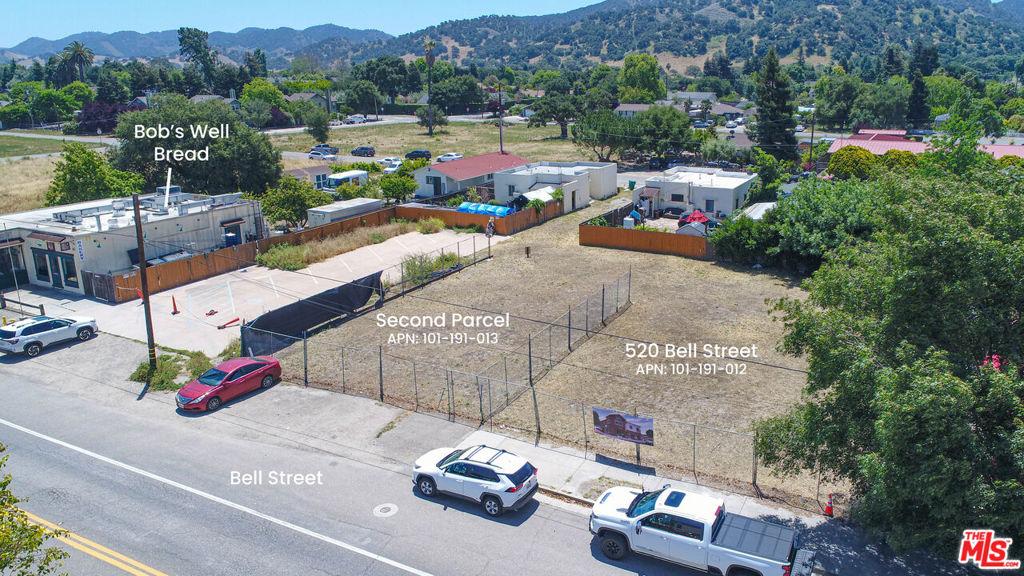
The Los Alamos market spans a wider range of property types than its size suggests. On the compact town lots near Bell Street you find historic bungalows and farmhouses, some restored, within walking distance of the restaurants and tasting rooms. Move outward and parcels grow, with ranch-style homes on larger lots and, at the edges, agricultural land, ranches, and vineyard-suitable acreage.
That spread means two buyers can want very different things from the same town. A walkable second home near downtown and a working parcel with room for horses, crops, or vines are separate searches with separate comps and separate diligence. When you contact us, tell us which end of that range you are aiming at so we can filter to properties that actually match rather than send you the whole small pool.
Los Alamos occupies a distinct spot among the valley’s communities. It shares the wine-country setting with Los Olivos, Solvang, Santa Ynez, and Buellton, but it is smaller and less built-out than most of them, and its downtown reads as a working main street rather than a shopping district. Solvang leans into a heavier tourist economy, Los Olivos is smaller and higher-priced per lot in its tasting-room core, and Buellton sits closer to the 101-and-246 crossroads with more roadside commercial development.
For buyers, the practical difference is scale and price mix. Los Alamos tends to offer more variation in property type, from compact historic town lots to agricultural acreage, and a downtown whose reputation rests on food and wine quality rather than volume of shops. The trade-off is fewer services in town and a smaller resale pool. If you are cross-shopping valley towns, it is worth touring several in the same trip, because the addresses sit close together but the daily experience of each is genuinely different. We can map those differences against your budget and how you plan to use the home.
Set expectations before you drive up. Los Alamos is rural and compact, so a tour is as much about the surroundings, the specific parcel, and the walk to Bell Street as it is about the house itself. Rural and edge-of-town parcels may rely on well water and septic systems, and lot lines, easements, and land-use designations matter more here than in a tract-home suburb. Cell coverage, road access, and utility connections are all worth checking on the ground.
Timing also matters. Because inventory is thin, a productive visit often means seeing what is available across the wider valley in one trip rather than expecting several Los Alamos options on a single day. Come with your financing and insurance questions already in motion, since wildfire coverage in particular can take time to price. We coordinate tours so that a trip to the Central Coast is efficient and gives you a real feel for whether Los Alamos, or a neighboring town, is the right fit.
No. This Los Alamos is a small town in the Santa Ynez Valley of Santa Barbara County, California. It has no connection to Los Alamos, New Mexico, and no association with national laboratory activity. The California town is an agricultural and wine-country community.
It is small. The 2020 Census counted 1,839 residents, and the town covers well under one square mile at about 571 feet of elevation. That compact scale is central to its appeal and also to its limited housing inventory.
Los Alamos is in northern Santa Barbara County, roughly 10 miles north of Buellton along U.S. Route 101, and about 140 miles northwest of downtown Los Angeles. The coast at Santa Barbara is a shorter drive south. Always test your specific commute in real conditions before deciding.
Its Bell Street downtown holds tasting rooms and restaurants inside the Santa Ynez Valley wine region, and it is home to Bell’s, a one-Michelin-star restaurant. For a town of under 2,000 people, that concentration of destination dining and wine is unusual and draws steady visitor and buyer interest.
Yes. Los Alamos is part of the Santa Ynez Valley wine country featured in the 2004 film Sideways, where the character Stephanie is depicted as living in the town. The film helped raise the profile of the entire valley as a wine destination.
It can be, for the right buyer. The town suits people who want a walkable wine-country base with real character and quiet surroundings. The main constraints are thin inventory, wildfire and insurance considerations, and weekend visitor traffic near the main street. Weigh those honestly against the lifestyle before committing.
No. Measure ULA is a City of Los Angeles transfer measure and does not apply in Los Alamos, which is unincorporated Santa Barbara County. Standard California and county rules apply instead, and some parcels may carry special assessments, which we confirm per property.
Usually very few. With about 676 total housing units and high occupancy, only a small number list in any given month. The practical approach is to set up alerts and be ready to move when a home that fits comes up. Contact The Knight Group to get on that list.
We treat Los Alamos as the thin, address-specific market it is. Because comps here are few and the property types range from walkable town bungalows to working acreage, we do not lead with a headline price. We give you a current, address-level read tied to the exact property you are considering, with the wildfire, insurance, water, septic, and assessment questions raised up front rather than discovered in escrow.
On the sell side, scarcity works in your favor when a home is presented well, and we position accordingly. On the buy side, we set expectations honestly: this is a wait-for-the-right-listing town, not a browse-and-choose one. Review the current Los Alamos listings below, then contact The Knight Group to talk through timing, diligence, and what a specific home is really worth in this market.
The Knight Group is here to help you with all your realty needs. To get started, fill out the form below and one of our experienced agents will contact you as quickly as possible.
Copyright © 2024 The Knight Group.
All rights reserved. License: 02133297