No properties found. |
Clarksburg CA homes for sale come on the market rarely, so it helps to know what you’re waiting for. This is a small Delta farming community on the west bank of the Sacramento River in southern Yolo County, about 15 miles south of the city, with wine country grown up on the peat soils behind the levees. The Clarksburg AVA dates to 1984, and the tasting rooms along the levee roads are as close as the area gets to a town center. Sacramento is 20 to 30 minutes by car via I-5 or Highway 99.
What sells here is mostly historic farm homes on agricultural parcels, newer estate homes with vineyard or orchard acreage, and an occasional lot in the small town center. Acreage and water rights drive value on the farm parcels more than residential comps do. Flood zone designation and the condition of the levee protecting your specific parcel vary property to property — check both early.
Clarksburg is a small Delta community situated along the western bank of the Sacramento River in southern Yolo County, approximately 15 miles south of Sacramento. The community’s character is defined almost entirely by its agricultural setting, the Sacramento River levee system that surrounds the Delta island geography, and the wine country that has developed on the rich peat soils of the Delta over the past several decades. Clarksburg is not a suburban community seeking to grow into a larger city. It is a rural agricultural enclave that has maintained its small-scale, levee-road, river-adjacent character through deliberate planning choices that have limited residential development and prioritized the agricultural economy that gives the Delta its identity.
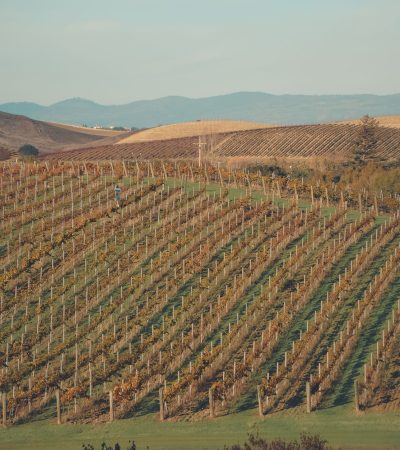
The Clarksburg wine region, established as an American Viticultural Area in 1984, is one of California’s oldest designated wine appellations and one of the least-known outside of serious wine industry circles. The Delta’s unique combination of Sacramento Valley heat moderated by afternoon wind from the San Francisco Bay creates growing conditions that are particularly well-suited to Chenin Blanc, Petite Sirah, and a range of other varietals that struggle to achieve the same flavor complexity in warmer inland locations. The wineries and tasting rooms along the levee roads provide both a local gathering function and a visitor destination that brings wine tourists to the Clarksburg area from Sacramento and the Bay Area on weekends and during the harvest season.
Clarksburg’s real estate market is one of the smallest and most illiquid in Yolo County, reflecting the community’s very limited permanent residential population. Properties in and around Clarksburg include historic farm homes on agricultural parcels, modern agricultural estate homes with vineyard or orchard acreage, and the occasional residential lot within the small town center. The combination of Delta island geography, flood zone considerations, and agricultural zoning means that Clarksburg property transactions are genuinely uncommon, and buyers who are specifically targeting this market should expect to search over an extended period before suitable inventory becomes available.
Agricultural parcels in the Clarksburg area, which can range from a few acres to hundreds of acres of vineyard land, are valued primarily on the basis of their productive capacity and water rights rather than on residential market comparables. Buyers who are seeking a primary residence in Clarksburg are typically looking for either a farmstead with agricultural production potential or a historic Delta home that provides the river and wine country lifestyle at a price point substantially below what comparably characterized waterfront properties in more demand-intensive markets would cost.
Flood insurance is a material consideration for all Clarksburg area properties, as the Delta island geography places most parcels within FEMA flood zones maintained by the Delta levee system. The California Department of Water Resources and the relevant Reclamation Districts maintain and inspect the levee system that protects the Delta islands, and buyers of Clarksburg properties should research the specific levee condition and flood zone designation for their parcel as a critical component of due diligence. The ongoing state and federal investment in Delta levee maintenance and the long-term policy questions about Delta water management and climate resilience are background factors that sophisticated Clarksburg property buyers should understand before committing to a long-term purchase in the Delta environment.
Life in Clarksburg centers on the Sacramento River and the agricultural calendar. The river provides fishing access for striped bass and salmon during appropriate seasons, and the levee roads are popular among cyclists who use the flat, low-traffic routes through the vineyards as training circuits. The Clarksburg Wine and Art Festival, held annually in late May, is one of the Sacramento region’s more attended wine events and brings a brief period of concentrated activity to the otherwise quiet Delta community. The event’s combination of local wine tasting, art vendors, and live music reflects the community’s character as a place where the agricultural and cultural aspects of Delta wine country intersect.
The Sacramento River deepwater ship channel along Clarksburg’s eastern margin provides both a navigation route for commercial traffic and a visual feature that distinguishes the Clarksburg riverfront from the more typical Delta slough environment found throughout the rest of the island system. The proximity to Sacramento means that Clarksburg residents are not isolated from urban services, with the state capital’s commercial and cultural infrastructure accessible in 20 to 30 minutes by car via the levee roads and the Interstate 5 or Highway 99 corridors.
Clarksburg students are served by the Washington Unified School District, which provides elementary and secondary education for the Delta communities in western Sacramento County and portions of southern Yolo County. The small enrollment that characterizes the Delta community school system means that class sizes are very small and teacher-student relationships are close, but the program breadth at the secondary level is more limited than what larger district high schools offer. Families with secondary-school-age children who need specific programs such as advanced sciences, arts, or athletics often supplement the local school system with programs at Sacramento area high schools accessible by car.
Clarksburg’s transportation reality is entirely car-dependent. The levee roads that connect the Delta islands to the highway network require a vehicle for all daily needs, and there is no transit service to the community. The drive to Sacramento’s commercial and employment center takes approximately 25 to 35 minutes depending on the specific destination and the route taken, making Clarksburg practical as a primary residence for households with flexible work arrangements, remote work situations, or employment in the agricultural economy rather than the urban employment centers of Sacramento or the Bay Area. The Interstate 5 access point near Hood provides the fastest route to Sacramento for morning commuters using the freeway.
The buyer who chooses Clarksburg is making a deliberate choice to prioritize a specific lifestyle experience over commercial convenience and community infrastructure. The Delta wine country setting, the river access, the agricultural character, and the profound quiet of an island community create a residential experience that is genuinely different from anything available in the Sacramento metropolitan area at any price point. Buyers who approach Clarksburg with clear expectations about the community’s limitations in terms of services, schools, and commercial access, and who are specifically drawn to the lifestyle it provides, typically find the community deeply satisfying. The market’s illiquidity means that entry requires patience but also means that well-located properties are not subject to the speculative bidding dynamics that affect more liquid Sacramento area markets.
The long-term holding context for Clarksburg properties is shaped by the evolving Delta water policy environment, climate change projections for the Delta levee system, and the broader Sacramento area growth dynamics that could affect the region’s agricultural land values over multi-decade horizons. TKG recommends that buyers of Clarksburg agricultural properties specifically engage with these long-term policy and environmental factors in their due diligence rather than treating them as secondary concerns. The Delta’s future is a matter of ongoing state policy deliberation, and the outcomes of that deliberation will materially affect the value and long-term viability of Delta island property ownership.
No properties found. |
The Clarksburg American Viticultural Area encompasses approximately 65,000 acres of Delta island land and is one of the few California wine regions where Chenin Blanc has achieved significant critical recognition. The grape's performance in the Delta's unique climate has drawn comparisons to the Loire Valley's Vouvray appellation, and the combination of cool afternoon breezes from the San Francisco Bay pushing through the Carquinez Strait and the intense Sacramento Valley daytime heat creates the temperature differential that produces ripe fruit alongside retained acidity. Bota Box winery, Bogle Vineyards, and several other significant wine production operations source fruit from Clarksburg-area growers, giving the appellation commercial reach that extends well beyond the small Delta community's direct visibility.
The wine country landscape of the Clarksburg area, with its orderly rows of vines extending to the levee horizon and the Sacramento River visible in the distance from raise levee road vantage points, provides a specific visual character that draws wine country visitors who want an alternative to the Napa Valley's crowded tasting room circuit. The Clarksburg Wine Company, the Merritt Island Vineyards, and the estate tasting rooms of the Delta wine producers collectively create a weekend destination that is accessible from Sacramento in 30 minutes and from the Bay Area in 90 minutes, distances that support a genuine agritourism economy even given the community's small permanent population.
The property types available in the Clarksburg area reflect the Delta's dual character as both an agricultural production zone and an emerging wine country lifestyle destination. The most common property types include working vineyard estates with production infrastructure and a farm home, historic Delta farmhouses on large parcels without active vineyard production, levee road residential properties with Sacramento River access and views, and occasional vacant agricultural land suitable for vineyard establishment. Each of these property types serves a different buyer profile and involves different due diligence considerations related to water rights, flood zone status, levee proximity, and agricultural use history.
Buyers who are seeking a working vineyard investment in the Clarksburg area should understand that the Delta's peat soil management, irrigation infrastructure, and frost protection requirements create operating complexity and annual cost that differs from upland vineyard operations in Napa or Sonoma. The peat soil's high water retention creates drainage challenges that require active management, and the Delta's frost risk during bloom periods requires frost protection systems that add capital cost to vineyard development. These operational realities are known and manageable by experienced viticulturists but represent a learning curve for buyers who do not have prior Delta agricultural experience.
The flood insurance reality for Clarksburg properties is worth restating specifically because it affects annual ownership costs in a way that is not always fully understood at the time of purchase. FEMA flood insurance for properties within the levee-protected Delta flood zones is priced on the basis of the structure's elevation relative to the base flood elevation, and the cost can range from a few hundred dollars annually for raise structures to several thousand dollars for lower-lying structures. The ongoing National Flood Insurance Program policy discussions at the federal level have introduced uncertainty about future FEMA flood insurance pricing, and buyers who are making long-term ownership cost projections should account for potential rate increases in their financial planning.
The Clarksburg Wine and Art Festival in late May is the community's highest-profile annual event, drawing several thousand visitors to the Delta levee roads for winery tasting, art vendor installations, and live music. The event is organized by the Clarksburg Wine Company and the Delta wine region's growers association and has grown over the past decade to become one of the Sacramento region's more attended wine events. The harvest season in September and October brings additional activity to the vineyards and the levee roads as grape picking and processing occupies the winery operations and draws harvest workers to the Delta. For Clarksburg residents, these concentrated periods of activity provide community social events and commercial opportunity against the backdrop of the Delta's otherwise quiet agricultural rhythm.
Clarksburg property owners face a specific annual cost structure that differs from conventional suburban ownership in several material ways. Flood insurance premiums for Delta island properties within FEMA flood zones represent a recurring cost that most mainland homeowners do not experience, and premium amounts vary widely based on the specific property's flood zone classification, the structure's elevation certificate relative to the base flood elevation, and the coverage levels selected. The National Flood Insurance Program rates have undergone significant restructuring, and current buyers should obtain a specific flood insurance quote for any Clarksburg property under consideration rather than relying on the seller's current premium as a guide to future costs under new ownership.
Levee district assessments are an additional recurring cost for Delta island property owners. The Reclamation Districts that maintain the levee system on each Delta island assess property owners annually to fund levee maintenance, inspection, and improvement costs. The assessment amount varies by district and by parcel size, and the financial health of the relevant Reclamation District is a factor in assessing the long-term cost trajectory of this assessment. Buyers should obtain the current Reclamation District assessment and review the district's financial disclosures as part of their due diligence on any Clarksburg area property purchase.
The agricultural land context of many Clarksburg properties means that buyers who are acquiring parcels with active vineyard or orchard production need to account for crop insurance, water management costs, and the operational costs of maintaining the agricultural enterprise alongside the residential carrying costs. For buyers who are purchasing primarily as a residential lifestyle investment rather than an agricultural production investment, understanding which components of the current owner's cost structure are agricultural rather than residential is important for projecting the actual ongoing cost of ownership.
How does the Delta wind affect daily life in Clarksburg? The afternoon delta breeze that flows from the San Francisco Bay through the Carquinez Strait into the Sacramento Valley provides natural cooling that moderates the Sacramento Valley's summer heat in the Clarksburg area. Delta residents typically plan outdoor activities for the morning before the wind picks up and accept the strong afternoon breeze as a trade-off for the natural cooling it provides. The wind can be strong enough to make outdoor dining and some recreational activities uncomfortable on exposed properties, while sheltered areas behind levees or in wind-protected gardens experience less impact.
What is the commute from Clarksburg to Sacramento? The drive from Clarksburg to downtown Sacramento typically takes 25 to 40 minutes depending on the specific route and the time of day. The levee road system connects Clarksburg to the Freeport Bridge and Highway 160, which provides the most direct access to the Interstate 5 and Highway 99 corridors into Sacramento. The commute is entirely car-dependent, and there is no transit service between Clarksburg and Sacramento.
For buyers who are comparing Clarksburg to Isleton, Courtland, or other Sacramento River Delta communities, the Clarksburg area's wine country identity is the most significant differentiator. The other Delta communities offer river lifestyle and agricultural character without the wine industry presence that gives Clarksburg a specific economic and cultural identity beyond its Delta island geography. Isleton and Courtland are smaller and more remote commercial environments, while Clarksburg's wine country draw provides a visitor economy and a cultural scene that sustains the community's identity against the economic pressures that have hollowed out many smaller Delta towns. Buyers who specifically value the wine country character alongside the Delta river lifestyle will find Clarksburg uniquely positioned among Sacramento River Delta communities at any price point.
TKG recommends Clarksburg to buyers who have done their homework on the flood zone, insurance, and levee costs and who are genuinely drawn to the Delta wine country lifestyle. The community rewards buyers who are prepared for its specific ownership requirements and who embrace the Delta's combination of agricultural beauty, river access, and wine country culture as a complete lifestyle package rather than seeking a conventional suburban residential experience at Delta prices.
Browse all Yolo County real estate.
Lucky for you we’re looking out.
Subscribe to this Custom Search to be alerted when new properties hit the market in the area.
Choose the frequency that works for you.