Homes for Sale in La Mesa, California
Homes for sale in La Mesa put you about nine miles east of downtown San Diego, on hillsides that the city has called “the Jewel of the Hills” since it incorporated in 1912. Roughly 61,121 people live inside about 9.1 square miles. Interstate 8, State Route 125, and State Route 94 keep most addresses close to a freeway ramp, and the Trolley’s Orange and Green Lines stop at Spring Street, La Mesa Boulevard, Grossmont Transit Center, and Amaya Drive.
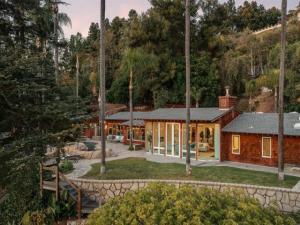
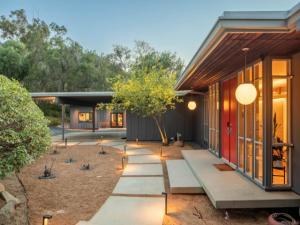
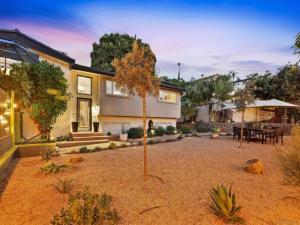
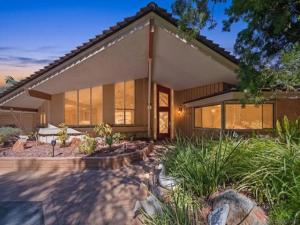
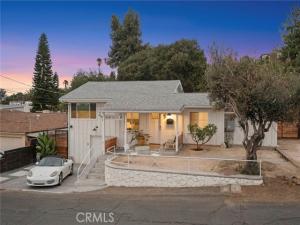
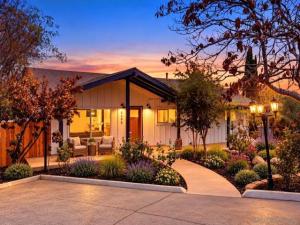
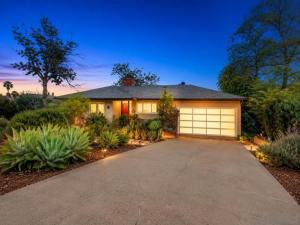
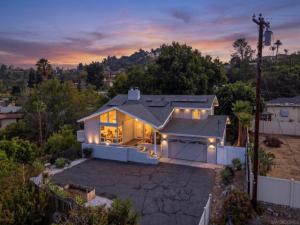
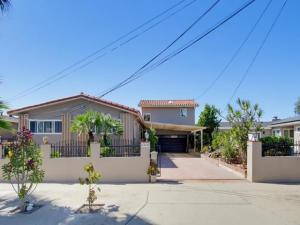
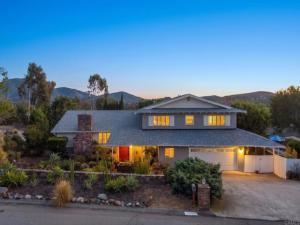
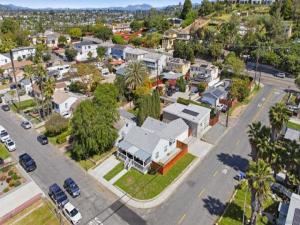
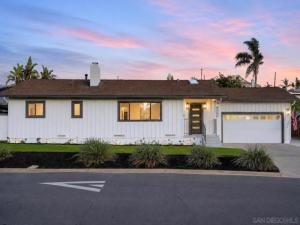
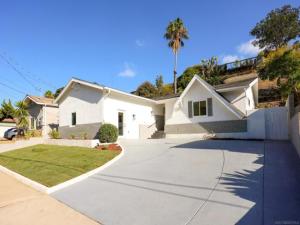
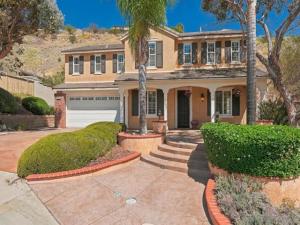
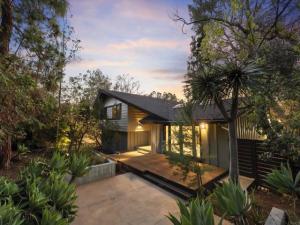
The housing stock is layered by era, not built to one plan: 1920s and 1930s bungalows on flat central lots, postwar ranch and split-level homes from the 1950s through the 1970s, and midcentury modern and custom view homes on the hillsides. Terrain sets the price tier. La Miranda sits mid-elevation and mid-market; Mt. Helix, at the top of the range, is where view orientation and slope matter most.
The listings below show what is currently available across La Mesa’s neighborhoods. If you want to talk through which pocket fits your budget and commute before you tour, contact The Knight Group and we will map it out with you.
Where is La Mesa, and how do you get around?
La Mesa is bounded and served by three main routes: Interstate 8 runs east-west across the city, State Route 125 runs north-south, and State Route 94 clips the southern edge. That grid puts most of La Mesa within a short drive of a freeway ramp, which is a large part of why the city functions as a commuter base for jobs across the San Diego metro.
Transit is unusually strong for an inland San Diego suburb. The San Diego Trolley Orange Line stops at Spring Street, La Mesa Boulevard, Grossmont Transit Center, and Amaya Drive, and the Green Line also serves Grossmont Transit Center and Amaya Drive. The La Mesa Boulevard station sits at the edge of the historic downtown, so residents of the flatter central neighborhoods can reach downtown San Diego by rail without driving. The hillside neighborhoods are car-dependent, but the valley-floor and central pockets are among the more transit-connected addresses in East County.
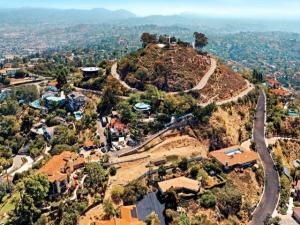
The city’s elevation is listed at 528 feet at its civic center, but that single number understates the reality. La Mesa is a city of hills, and the difference between a flat lot near the trolley and a view lot near a ridgeline is the difference between two very different price tiers and two very different ownership experiences.
What kind of homes does La Mesa have?
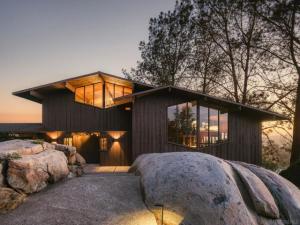
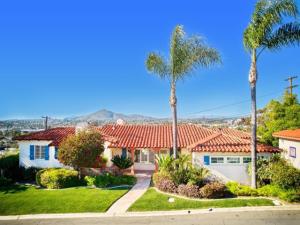
La Mesa’s housing stock is layered by era rather than uniform. Because the city was founded in 1869 and incorporated in 1912, some pockets carry genuinely old California housing: early bungalows and cottages from the 1920s and 1930s. Postwar growth added ranch-style and split-level homes through the 1950s, 1960s, and 1970s, which now make up a large share of the mid-market inventory. The hillsides then filled in with midcentury modernist homes and custom homes of every decade from the 1960s to the present.
The practical takeaway for a buyer is that “a La Mesa home” is not one thing. On the same afternoon you can tour a 1930s cottage on a flat central lot, a 1960s ranch on a sloped street, and a custom view home near a ridge. Each comes with a different maintenance profile, a different renovation ceiling, and a different resale story. Matching the vintage and the lot to how you actually plan to live matters more here than in a tract-built suburb where every house is a variation on one floor plan.
Which La Mesa neighborhoods should you look at?
La Mesa’s hillside market is organized around named pockets that each carry a distinct price tier and character. Two of the most searched are Mt. Helix and La Miranda, and they sit at different points on the map and the price ladder.
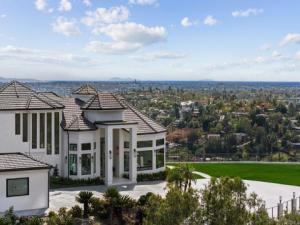
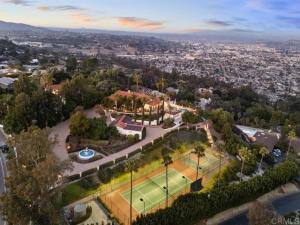
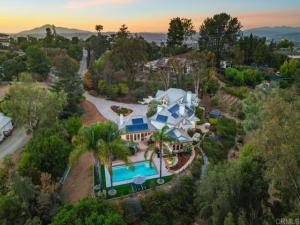
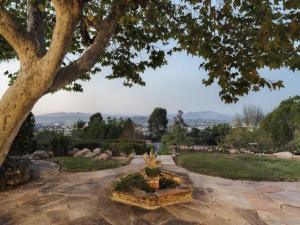
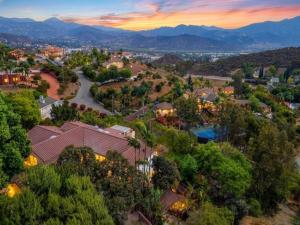
Mt. Helix is the premium hillside neighborhood, built around the volcanic rock outcrop that defines the East County skyline. The summit is a public park that has hosted Easter sunrise services for more than a century and offers wide views spanning San Diego Bay, the Pacific, and the eastern mountains. Homes here range from 1920s and 1930s bungalows to midcentury modernist designs to newer custom estates, and view orientation drives value: southwest-facing lots capture bay and downtown views, west-facing lots overlook the El Cajon valley, and north-facing lots look toward the El Monte Valley. This is the top of La Mesa’s price range, and it is where the terrain questions matter most.
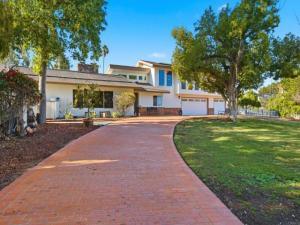
La Miranda is a mid-elevation neighborhood positioned between the commercial La Mesa Boulevard corridor and the higher Mt. Helix communities. It was built mainly from the 1950s through the 1970s and is dominated by ranch-style homes, split-levels on sloped lots, and the occasional craftsman-influenced design. It has mature street trees and a settled, lived-in feel, and it sits a tier below Mt. Helix on price, which makes it a common target for buyers who want La Mesa’s schools and established character without paying premium hillside prices. The nearest residential streets are roughly a 10-to-20-minute walk from a La Mesa trolley station.
Between these two, you have a useful spread: Mt. Helix for view lots and the top of the market, La Miranda for established mid-market homes with better walkability to downtown and transit. Browse the listings under each to see current inventory, and if you are torn between the two, that is exactly the conversation we are set up to have.
How much do homes in La Mesa cost?
La Mesa spans a wide price range because it spans a wide range of lots and vintages. Rather than quote a single median that would be stale by the time you read it, it is more useful to think in tiers, which is how the local market actually sorts itself.
The mid-market tier covers original-to-updated postwar homes on standard lots, the kind that make up the bulk of neighborhoods like La Miranda. Above that sits the updated-and-renovated tier, where contemporary interiors, pools, and stronger view positions push prices higher. At the top are the premium hillside and summit-adjacent homes in Mt. Helix, where a genuine view and a high level of renovation stack together. The neighborhood pages linked above carry the current tier ranges for Mt. Helix and La Miranda specifically, and those are the numbers to anchor on because they are tied to real, present inventory rather than a citywide average.
The honest framing: in La Mesa you are usually paying for the lot and the view as much as the house. Two homes of similar size and condition can sit a wide distance apart on price purely because one has a west-facing view position and level access and the other faces a slope. Understanding what you are paying the premium for is the single most valuable thing a buyer can do here.
What should buyers know about hillside lots in La Mesa?
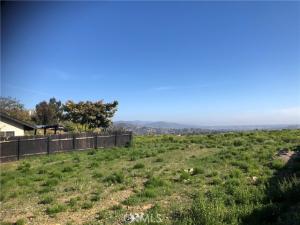
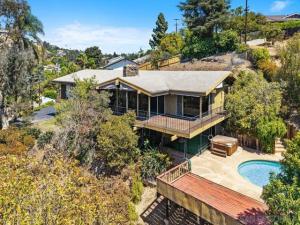
Terrain is the defining variable in La Mesa, and it cuts both ways. A well-oriented hillside lot delivers views, privacy, and light that a flat lot cannot. A poorly evaluated one delivers drainage problems, difficult access grades, and constrained buildable area.
Before you fall for a view, walk the drainage. Hillside lots shed water, and where that water goes during a heavy rain determines whether you are buying a home or a future retaining-wall project. Check the driveway grade and street access, especially on the steeper Mt. Helix streets, because a grade that looks appealing can be a real problem in the rain or for an aging owner. Confirm the orientation matches how you live: a west-facing lot bakes in the afternoon sun, while a north-facing lot stays cooler and greener. None of this is a reason to avoid the hillsides. It is a reason to tour them with someone who names the trade-offs instead of glossing over them.
Two risk factors worth verifying on any specific parcel: wildfire exposure and special assessments. Portions of East County’s hillside and chaparral edges can fall within elevated fire-hazard designations, which affect insurance cost and availability, so confirm the parcel’s fire-hazard zone before you remove contingencies. Separately, check whether a given property carries any Mello-Roos or special-district assessment on its tax bill. Many of La Mesa’s older neighborhoods predate those financing districts, but the only way to know for a specific address is to read the actual tax record, which we pull as a matter of routine.
What are the schools like in La Mesa?
La Mesa is served by two districts. The La Mesa-Spring Valley School District operates the elementary and middle schools, and the Grossmont Union High School District operates the high schools, including Helix High School. Students in the Mt. Helix area typically feed to La Mesa Dale or Bancroft Elementary and on to Helix High.
School boundaries are one of the reasons La Miranda and the other mid-market neighborhoods hold their value: buyers can access the same districts as the higher-priced hillside pockets without paying the view premium. If schools are driving your search, verify the current attendance boundary for any specific address directly with the district, because boundaries are redrawn periodically and a street’s assignment is not always what the neighborhood name implies. We confirm the current assignment on any home you are serious about.
What is downtown La Mesa Village like?
Downtown La Mesa, known as the Village or Urban Village, is the walkable historic core along La Mesa Boulevard. It carries the kind of small-scale storefront district that most inland suburbs lost decades ago: independent restaurants, retail, and a regular farmers market, anchored by a trolley station that connects it to downtown San Diego by rail. It is the reason the flatter central neighborhoods and the closer-in mid-market pockets like La Miranda command a walkability premium that pure hillside lots do not.
For buyers, the Village matters as a lifestyle anchor and a resale factor. Proximity to it is a durable value driver, because walkable, transit-served, historic cores are scarce in San Diego County and buyers consistently pay for them. If a short walk to dinner and the trolley is on your list, weight the central and La Miranda-adjacent streets accordingly.
What is the commute from La Mesa to San Diego job centers?
La Mesa functions well as a commuter base. From the central and hillside neighborhoods, downtown San Diego is generally a 20-to-30-minute drive via Interstate 8, and the Kearny Mesa tech and office corridor runs roughly 25 to 35 minutes depending on the exact street and time of day. The Mt. Helix pocket sits about 5 to 10 minutes from the I-8 and SR-125 ramps, so even the higher-elevation homes are not far from the freeway grid.
For commuters who prefer not to drive, the trolley is the differentiator. The Orange Line from the La Mesa Boulevard or Spring Street stations reaches downtown San Diego without a car, which is why transit access is a genuine value factor in the central neighborhoods and not just a talking point. Match your budget tier to your commute tolerance: the hillside view homes trade a longer walk to transit for the view, while the closer-in homes trade the view for the ability to leave the car at home.
What is the climate in La Mesa?
La Mesa has a semi-arid steppe climate with roughly 13 inches of annual precipitation. Summer highs average in the 78-to-92-degree range and winter highs in the 66-to-77-degree range, per climate summaries for the city. In practical terms, it runs warmer and drier than the coastal cities a few miles west, which is the standard inland-versus-coastal trade in San Diego County. Buyers moving from the coast should expect hotter afternoons, which is one more reason lot orientation and shade matter here, and buyers moving from farther inland will find it milder than the desert edge to the east.
What to Weigh Before You Make an Offer
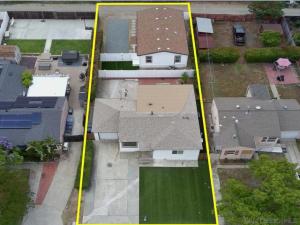
The single biggest variable in La Mesa real estate is the lot itself. A sloped parcel changes what you can add later, how drainage and retaining walls need to be maintained, and how much of the yard is usable day to day. Two houses of similar size and vintage can sit a full tier apart on price because one faces a view corridor and the other looks into a hillside. Before you write an offer, walk the property line, check the grade behind and below the house, and ask what has been done to hold the slope in place.
Weigh the trade-off between the flatter central pockets and the hillsides honestly. Central streets buy you walkable access to the trolley and downtown; the hillsides buy you views and privacy at the cost of driving for nearly everything. Neither is better — they suit different daily routines, and the right answer depends on how often you actually commute.
Frequently Asked Questions About la mesa Homes for Sale
Is La Mesa part of the City of San Diego?
No. La Mesa is its own incorporated city in San Diego County, incorporated in 1912, about nine miles east of downtown San Diego. It has its own city government, and it is not subject to City of San Diego or City of Los Angeles ordinances. That distinction matters for taxes, permitting, and any city-specific rules, so treat La Mesa as a separate jurisdiction when you research a purchase.
What is the difference between Mt. Helix and La Miranda?
Mt. Helix is the premium hillside neighborhood built around the summit outcrop, with view lots and the top of La Mesa’s price range. La Miranda is a mid-elevation, mostly postwar neighborhood positioned closer to the commercial corridor, priced a tier below Mt. Helix and with better walkability to downtown and transit. You can compare current inventory on the Mt. Helix and La Miranda pages.
Does La Mesa have good transit?
Yes, by inland San Diego County standards. The San Diego Trolley Orange Line stops at Spring Street, La Mesa Boulevard, Grossmont Transit Center, and Amaya Drive, with the Green Line also serving Grossmont and Amaya. Central and downtown-adjacent homes can reach downtown San Diego by rail. Hillside homes are car-dependent.
Are La Mesa homes at risk of wildfire?
Some hillside and chaparral-edge parcels in East County can fall within elevated fire-hazard zones, which affects insurance. It varies by parcel, so verify the specific property’s fire-hazard designation before removing contingencies rather than assuming it based on the neighborhood.
Do La Mesa homes carry Mello-Roos assessments?
Many of La Mesa’s older neighborhoods predate Mello-Roos financing districts, but that is not a guarantee for any given address. The only reliable way to know is to read the property’s actual tax bill, which we review on every home before you make an offer.
What school districts serve La Mesa?
The La Mesa-Spring Valley School District operates the elementary and middle schools, and the Grossmont Union High School District operates the high schools, including Helix High. Attendance boundaries can shift, so confirm the current assignment for a specific address with the district.
Why do two similar La Mesa homes sell for very different prices?
Usually the lot and the view. On the hillsides, orientation, access grade, and view position drive value as much as the house itself. A west-facing view lot with level access can sit a wide distance above a comparable home facing a slope. Understanding what you are paying the premium for is the core of buying well here.
Is La Mesa a good place to buy if I commute to downtown San Diego?
Yes. Most La Mesa neighborhoods are a 20-to-30-minute drive from downtown via I-8, and the central pockets add rail access via the trolley. It is one of the more practical commuter bases in the county for downtown and Kearny Mesa workers.
How does The Knight Group work in the La Mesa market?
We work La Mesa the way the terrain demands: lot first, house second. Before you tour, we narrow your search to the neighborhoods that match your budget tier and commute, because the gap between a Mt. Helix view estate and a La Miranda ranch is not a matter of taste, it is a matter of two different markets. When you find a home you are serious about, we pull the tax record, confirm the school assignment, flag any fire-hazard or special-assessment issue, and walk the drainage and access grade with you so you know what you are buying and not just what you are looking at.
The listings below are the current inventory across La Mesa. Start there, and when you want to compare the hillside pockets against the mid-market neighborhoods with someone who will name the trade-offs plainly, contact The Knight Group and we will build your search around how you actually plan to live.
What is it like to live in Homes For Sale In La Mesa?
- La Mesa sits east of downtown San Diego on hillsides the city has called the Jewel of the Hills since incorporation.
- Homes For Sale In La Mesa span a compact inland city whose terrain, rather than a single master plan, organizes the market.
- Freeway access puts most La Mesa addresses within a short drive of a ramp, which supports the city’s role as a commuter base.
- Trolley service reaches Spring Street, La Mesa Boulevard, Grossmont Transit Center, and Amaya Drive on the Orange and Green Lines.
- The La Mesa Boulevard station sits at the edge of the historic downtown, letting central residents reach downtown San Diego by rail.
- Hillside streets are car-dependent, while valley-floor and central pockets rank among the more transit-connected addresses in East County.
- Early bungalows and cottages occupy flat central lots, carrying genuinely old California housing character in a city founded long before the postwar boom.
- Postwar ranch-style and split-level homes make up a large share of the mid-market inventory across La Mesa.
- Midcentury modernist designs and custom homes of every later decade fill the hillsides above the flatter neighborhoods.
- Homes For Sale In La Mesa are not one product, since a cottage, a sloped-street ranch, and a ridge view home can all be toured the same afternoon.
- Each vintage in La Mesa carries a different maintenance profile, a different renovation ceiling, and a different resale story.
- Terrain sets the price tier, with La Miranda at mid-elevation and mid-market and Mt. Helix at the top of the range.
- Mt. Helix is built around the volcanic rock outcrop that defines the East County skyline, with a public park at the summit.
- Summit views from Mt. Helix span San Diego Bay, the Pacific, and the eastern mountains, and view orientation drives value on those lots.
What should buyers know before choosing Homes For Sale In La Mesa?
- The La Mesa-Spring Valley School District operates the elementary and middle schools serving the city.
- The Grossmont Union High School District operates the high schools, including Helix High School.
- Students in the Mt. Helix area typically feed to La Mesa Dale or Bancroft Elementary and on to Helix High.
- School boundaries help La Miranda and other mid-market pockets hold value, since buyers reach the same districts without paying the view premium.
- Attendance boundaries are redrawn periodically, so verifying a specific address with the district matters more than trusting the neighborhood name.
- Downtown La Mesa, known as the Village or Urban Village, is the walkable historic core along La Mesa Boulevard.
- The Village carries independent restaurants, retail, and a regular farmers market, a small-scale storefront district most inland suburbs lost decades ago.
- A trolley station anchors the Village and connects it to downtown San Diego by rail.
- Proximity to the Village is a durable value driver, because walkable, transit-served historic cores are scarce across San Diego County.
- Homes For Sale In La Mesa work well as a commuter base for downtown San Diego and the Kearny Mesa tech and office corridor.
- Orange Line trains from the La Mesa Boulevard or Spring Street stations reach downtown San Diego without a car.
- Homes For Sale In La Mesa have a semi-arid steppe climate that runs warmer and drier than the coastal cities a few miles west.
- Lot slope changes what a buyer can add later, how drainage and retaining walls must be maintained, and how much yard stays usable.
- Homes For Sale In La Mesa force an honest trade-off, since central streets buy walkable transit access and hillsides buy views and privacy.
What questions do buyers ask about Homes For Sale In La Mesa?
- Mt. Helix is the premium hillside neighborhood built around the summit outcrop, with view lots and the top of the price range.
- La Miranda is a mid-elevation, mostly postwar neighborhood near the commercial corridor, priced a tier below Mt. Helix.
- Walkability to downtown and transit is stronger in La Miranda than on the premium hillside lots above it.
- Transit in La Mesa is good by inland San Diego County standards, with Orange Line and Green Line trolley service.
- Trolley stops serve Spring Street, La Mesa Boulevard, Grossmont Transit Center, and Amaya Drive.
- Hillside homes remain car-dependent, while central and downtown-adjacent homes can reach downtown San Diego by rail.
- Some hillside and chaparral-edge parcels in East County fall within elevated fire-hazard zones, which affects insurance.
- Fire-hazard designation varies by parcel, so buyers should verify a specific property before removing contingencies.
- Many older La Mesa neighborhoods predate Mello-Roos financing districts, though that is never a guarantee for a given address.
- Reading the property’s actual tax bill is the only reliable way to confirm special assessments on Homes For Sale In La Mesa.
- Two similar homes sell for very different prices mostly because of the lot and the view.
- Orientation, access grade, and view position drive hillside value as much as the house itself.
- Homes For Sale In La Mesa serve downtown and Kearny Mesa workers well, making the city a practical commuter base in the county.
- The Knight Group works Homes For Sale In La Mesa lot first and house second, narrowing the search to matching budget tiers and commutes.
- The Knight Group pulls the tax record, confirms school assignment, flags fire-hazard or assessment issues, and walks the drainage and access grade with buyers.