
Living in Pacific Palisades: What Buyers Need to Know Now

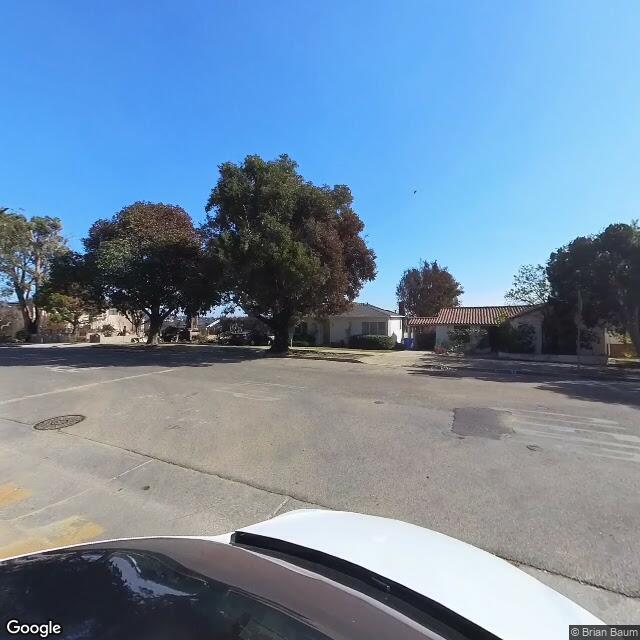
Living in Pacific Palisades in 2025 requires a different conversation than it did a year ago. The January 2025 Palisades Fire destroyed or damaged a significant portion of the neighborhood’s residential fabric — an event that has changed the immediate landscape while leaving the fundamental long-term thesis of the neighborhood intact.
This guide covers both: what Pacific Palisades was, what makes it worth the long-term investment thesis, and what buyers need to honestly understand about the current environment before they commit.
What Pacific Palisades Was — and Fundamentally Still Is
Pacific Palisades is the Westside neighborhood that was, before January 2025, the consensus answer to “where do I get the full package” — Palisades Charter High School, a village commercial core with genuine community character, outdoor lifestyle infrastructure (Temescal Canyon, the beach, Will Rogers State Park), flat residential streets where kids walked and biked, and a community cohesion that comes from a neighborhood with real physical boundaries (the ocean to the west, the mountains to the north and east, Malibu and Santa Monica adjacent).
The underlying conditions that made the Palisades exceptional are still there: the geography, the school district, the Westside positioning, the community character, and the daily lifestyle quality that residents have built over decades. None of that changed on January 7, 2025.
What changed: a significant portion of the housing stock was destroyed. The rebuilt neighborhood is a construction site in many areas. The insurance market for hillside properties in this geography has fundamentally changed. And the real estate market is in active price discovery as buyers and sellers calibrate what the Palisades is worth in a rebuilding context.
The Palisades’ Sub-Areas
*The Village.* The Swarthmore Avenue commercial core — the bakery, the bookshop, the coffee shops, the Saturday farmers market — is the community center that gives the Palisades its distinctive small-town character within LA. Properties within walking distance of the Village are the most consistently sought-after.
*The Highlands.* The hillside area above Sunset Boulevard, east of the Village. This is the area most significantly affected by the January 2025 fire. Many streets in the Highlands were destroyed or severely damaged. Rebuilding is active, but completion timelines for individual properties are measured in years, not months.
*The Riviera / lower neighborhood.* The flat streets below Sunset, west toward the beach and in the area between Sunset and PCH. Some of these streets were impacted less severely; others were significantly affected. The Riviera Country Club area has a distinct character from the hillside neighborhoods.
*Las Pulgas / Marquez Knolls.* The eastern edges of the Palisades, in the areas toward Santa Monica Canyon. Less affected by the fire than the Highlands.
The Fire’s Impact: What Buyers Are Looking At
*Undamaged properties* in the Palisades are trading at discounts relative to pre-fire comparable sales — the market is reflecting uncertainty about the neighborhood’s trajectory, insurance costs, and rebuilding timeline. For buyers with a long horizon, undamaged Palisades properties represent a potential value opportunity in a neighborhood whose long-term fundamentals are intact.
*Damaged or destroyed properties* are selling as land plays — lot value plus rebuilding cost. Buyers purchasing land for rebuilding need to model the full cost of construction, the timeline (permits, construction, occupancy), and the current insurance environment before the math makes sense.
*The rebuilding community.* The residents who owned in the Palisades before the fire and are committed to rebuilding represent a significant indication of the neighborhood’s long-term trajectory. Many affected homeowners have publicly committed to rebuilding; the community’s response has been one of solidarity rather than dispersal. This matters for the long-term neighborhood fabric.
Insurance: The Most Critical Variable
The Palisades Fire crystallized a reality that had been building in California’s insurance market for several years: major private market homeowners insurance carriers have substantially reduced or eliminated new policy writing in high-risk fire zones in California.
For buyers considering Pacific Palisades:
- Verify insurance availability for the specific parcel before submitting an offer — not as a closing condition, but before the offer
- Obtain quotes from multiple carriers; the FAIR Plan is likely the primary option for many hillside and affected-area properties
- Model the FAIR Plan premiums (which are typically higher than private market policies and cover less comprehensively) into your total cost of ownership
- Understand that the insurance environment in the Palisades is a multi-year issue, not a temporary condition
Palisades Charter High School: Still a Strong Thesis
Pali High’s enrollment, reputation, and educational programming were not destroyed by the fire. The school continues to operate; the SMMUSD district’s management of the school situation has been active and responsive. For families whose Palisades purchase is substantially motivated by the school district, the underlying thesis is intact.
The practical complication: school attendance boundaries may have shifted as the district responds to enrollment changes from displaced families. Buyers purchasing specifically for Pali High access should verify the current attendance boundary for their specific address.
Who Is Buying in the Palisades Now
The buyers who are actively purchasing in Pacific Palisades in 2025 fall into a few categories:
*Returning former residents* who lost their home in the fire and are committed to staying in the neighborhood. These buyers have deep community ties, existing contractor relationships, and a specific emotional commitment to the Palisades that overrides the uncertainty.
*Long-horizon investors* who believe the Palisades’s fundamental attractiveness will reassert itself as rebuilding completes, and that current prices reflect uncertainty that will resolve over 5-10 years. These buyers are purchasing discounted properties with full awareness of the near-term complexity.
*Buyers of undamaged properties in less-affected zones* who want Palisades access and are purchasing in the areas that weren’t significantly impacted, at prices that reflect the neighborhood’s current uncertainty discount.
The Long-Term Thesis
Pacific Palisades was one of the most desirable Westside addresses before January 2025 for reasons that remain true: geography, school district, community character, Westside access, outdoor lifestyle infrastructure, and the specific social fabric that the neighborhood had developed. These things don’t disappear in a fire.
What the fire created is a 5-10 year rebuilding period during which the neighborhood will look different, feel different in parts, and carry uncertainties it didn’t carry before. Buyers who can tolerate that uncertainty — who have the financial capacity to absorb insurance costs, potential construction delays, and a longer value recovery timeline — are buying a neighborhood that has demonstrated its attractiveness across multiple market cycles.
Buyers who need certainty in the near term, who can’t absorb extended insurance complexity, or who need an immediately comfortable living environment should consider the Palisades only after substantial rebuilding progress has occurred.
TKG works with buyers navigating the Palisades’ current market. The due diligence required here is more specific than in most LA neighborhoods — insurance verification, parcel-level fire impact assessment, permit and rebuilding timeline research — and it matters significantly before any offer is submitted.
Browse all available Pacific Palisades homes for sale, or explore luxury real estate across Los Angeles.
Ready to buy in Pacific Palisades? TKG’s buyer advisory covers the full process.
Already own in Pacific Palisades and considering a sale? TKG’s seller strategy guide covers pricing, positioning, and how to access the off-market channel.