
Living in the Hollywood Hills: The Real Guide for Buyers

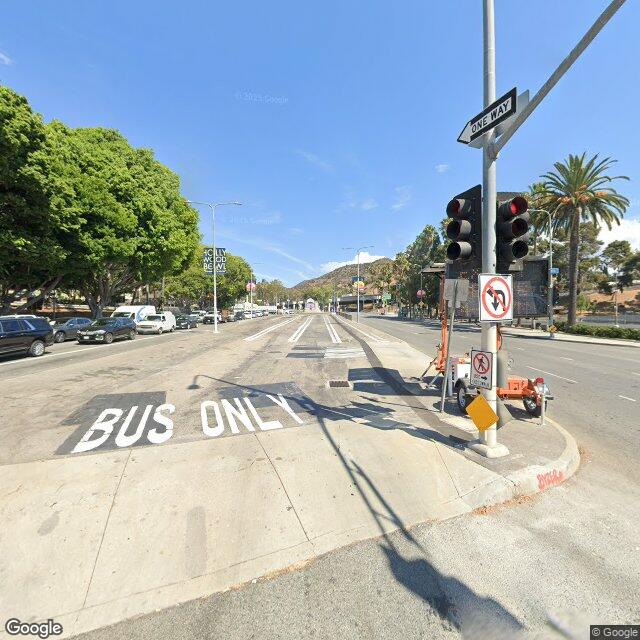
Living in the Hollywood Hills means choosing the views, the privacy, and the canyon character of a neighborhood that has defined the visual vocabulary of Hollywood glamour for a century — and accepting the specific trade-offs that come with a hillside lifestyle. The Laurel Canyon artists’ culture, the Bird Streets celebrity compounds, the Mulholland Drive panoramas, and the Runyon Canyon morning hikes are real. So are the canyon road traffic, the wildfire insurance complexity, and the complete car dependency that characterizes every hillside neighborhood in the Hills.
This guide covers what the Hollywood Hills is, what the different areas within it offer, and what buyers need to understand before making one of LA’s most iconic addresses their home.
What the Hollywood Hills Actually Is
“Hollywood Hills” is a geographic designation, not a single neighborhood. It refers broadly to the hills above Hollywood, West Hollywood, and the Sunset Strip — roughly bounded by Cahuenga Pass to the east, Mulholland Drive and the ridge at the top, and the western boundary where the hills transition into the Beverly Hills Hills.
Within this geography, buyers encounter several distinct sub-communities:
*The Bird Streets.* The streets above the Sunset Strip and West Hollywood — Blue Jay Way, Nightingale Drive, Warbler Place, Thrasher Avenue, and their neighbors — are among the most photographed residential addresses in LA. These streets carry significant celebrity history and offer commanding views of the city below. Properties here are a mix of mid-century originals and contemporary replacements on small hillside lots. Prices run $2M-$30M+ depending on view, lot size, and architectural quality.
*Laurel Canyon.* The canyon neighborhood running from West Hollywood up to Mulholland Drive has a cultural identity that is distinct from the rest of the Hills. Laurel Canyon was the center of the Los Angeles folk-rock scene in the late 1960s and early 1970s; the architecture is a mix of Craftsmans, Spanish Colonials, and eccentric custom homes. The canyon’s character is informal and artistic — different from the sleek contemporary energy of the Bird Streets. Prices run $1.5M-$8M+ depending on location and condition.
*Beachwood Canyon.* Below the Hollywood Sign, Beachwood Drive leads up into a residential canyon neighborhood that is more affordable and more community-feeling than many Hills addresses. The Hollywood Sign is literally in the backyard geography, and the neighborhood has a distinct community identity built around its historic character (Hollywoodland, the original development of the 1920s, gave the area its character). Prices run $1M-$4M.
*The Outpost Estates.* The historic district between Cahuenga and Outpost Drive — a neighborhood of eclectic 1920s-1940s homes on larger lots than most of the Hills. The community has a strong historical preservation culture and one of the most architecturally varied housing stocks in the area.
*Mulholland Drive area.* The ridge at the top of the Hills, where properties on Mulholland Drive offer dual views — down into the Westside and LA basin to the south, and down into the San Fernando Valley to the north. These are the most isolated and often the most spectacular properties in the area. Prices vary widely from $3M to estate scale.
The View Trade-Off
The Hollywood Hills is a views market. Most buyers considering the Hills are specifically drawn by the city light views, the canyons, or the privacy that elevation provides. These are genuine and significant amenities. Buyers comparing the Hills against flat Westside options can scan active Los Angeles homes for sale to see how the view premium stacks up against equivalent budgets in Santa Monica, Brentwood, or Beverly Hills.
What buyers need to understand is that the view proposition is not uniform within the Hills. The most spectacular views require the most elevated and isolated properties — which means the most winding access roads, the greatest car dependency, and the most significant exposure to hillside-specific risks. A property on a flat street at the base of the hills with no view is not a Hills lifestyle; a property at the end of a single-lane access road 800 feet above Sunset with a panoramic view is.
The quality of the view, the access road conditions, and the fire risk profile correlate: the most dramatic and desirable views typically carry the highest exposure to the variables that make hillside living more complex.
Car Dependency and Access Reality
The Hollywood Hills is entirely car-dependent. Unlike Santa Monica or West Hollywood, where walkability is a real feature of the lifestyle, no part of the Hollywood Hills residential area supports a car-optional daily routine. Every errand, every dinner, every social event requires getting in the car and navigating out of the canyon or down the hill.
The canyon roads — Laurel Canyon Boulevard, Coldwater Canyon, Doheny Drive, Mulholland Drive itself — are two-lane roads that see significant commute traffic from Valley residents using them as shortcuts between the Valley and the Westside. Rush hour traffic on Laurel Canyon Boulevard is a genuine daily friction for residents who live along or above it.
The access to individual properties can compound this. Properties on narrow private roads, on streets with significant grade, or at the end of dead-end canyon access routes require careful driving and limit the types of vehicles that can access them comfortably. Delivery trucks, moving vans, and emergency vehicles can have specific access restrictions at some addresses.
Wildfire Insurance and Fire Risk
The Hollywood Hills is a Very High Fire Hazard Severity Zone (VHFHSZ) designation in many parcels. The wildfire history in the Hollywood Hills — including significant fire events in the Laurel Canyon area and adjacent canyons — is part of the neighborhood’s risk profile.
Insurance availability in the Hollywood Hills has contracted significantly in recent years as major carriers have reduced their California hillside exposure. Buyers should verify insurance availability and cost for any specific property before submitting an offer. The California FAIR Plan is available as a backstop but carries higher premiums and coverage limitations than private market policies.
For any hillside property, buyers should evaluate: vegetation management requirements (California law imposes defensible space requirements in high fire zones), the property’s access during a fire event (which evacuation routes exist from the specific address), and whether prior fire damage has affected the structure or adjacent properties.
What Your Budget Gets You in the Hollywood Hills
*$1M-$2M:* Reaches entry-level properties in Beachwood Canyon and the lower Hills, older homes needing renovation in Laurel Canyon, or smaller contemporary homes in less premium locations. Condos and townhomes in this range exist at the base of the Hills near the Sunset Strip.
*$2M-$5M:* The functional Hills range. This is where mid-century originals and contemporary builds with good city views trade in the Bird Streets, Laurel Canyon, and Outpost Estates. Renovation quality and view quality vary significantly within this range. Current Hollywood Hills real estate listings in this range cover the full spectrum from canyon originals to contemporary ridge builds.
*$5M-$15M:* Significant hillside compounds, larger contemporary builds with pool and staff quarters, and the premium Bird Streets addresses. This range accesses the iconic Hollywood Hills lifestyle most buyers are visualizing.
*$15M+:* The Bird Streets estate tier and Mulholland Drive. Some of LA’s most architecturally significant private residences are at this price point.
Is the Hollywood Hills Right for You?
The Hollywood Hills is the right answer for buyers who specifically value the view, the privacy, the architectural quality, and the canyon character — and who are clear-eyed about the car dependency, access constraints, and insurance environment they’re accepting.
It is less right for buyers who want walkability, easy commute access, or who have concerns about the fire risk that aren’t offset by the lifestyle appeal. The Hills requires committing to a specific mode of living — and the buyers who are happiest there are the ones who chose it deliberately, not because it was the most accessible option.
TKG’s assessment of Hollywood Hills properties includes specific due diligence on access road conditions, fire risk, and insurance availability — because these variables affect both liveability and long-term value more than in most LA neighborhoods.
Browse all available Hollywood Hills homes for sale, or explore luxury real estate across Los Angeles.
Ready to buy in Hollywood Hills? TKG’s buyer advisory covers the full process.
Already own in Hollywood Hills and considering a sale? TKG’s seller strategy guide covers pricing, positioning, and how to access the off-market channel.