Sunol Real Estate | Homes for Sale in Sunol, CA
Sunol is one of the smallest and most distinctive communities in Alameda County, a historic unincorporated settlement in the narrow Sunol Valley where the Arroyo de la Laguna meets Niles Canyon Road. With a population under 1,000 and a character that owes more to the 19th century than to Bay Area suburban development, Sunol occupies a unique position as a genuine rural enclave within driving distance of the major employment centers of the East Bay and Silicon Valley. For buyers who specifically want rural character, acreage, and historical atmosphere within commuting distance of the Bay Area, Sunol offers possibilities that cannot be replicated at any price point in the inner East Bay. This guide covers the Sunol real estate market, its community character, and what buyers need to know before purchasing here.
How is the Sunol real estate market?
Sunol’s real estate market operates differently from virtually every other community in Alameda County. Inventory is very limited, with typically only a handful of properties available at any given time. Price points span a wide range depending on property type: modest homes on town lots near the historic commercial center can be accessible by Bay Area standards, while larger rural parcels with agricultural improvements or significant acreage can reach substantial prices for what the land and structures represent.
The buyer profile for Sunol is specific: buyers who want rural land, privacy, and the possibility of agricultural, equestrian, or recreational uses at Bay Area proximity. This is not a market for buyers seeking walkable urban amenity, school quality as a primary driver, or transit access. The community draws buyers who have already decided they want rural California character and are choosing Sunol over other foothill communities in the East Bay, Tri-Valley, or Santa Clara hills.
Because Sunol is unincorporated, Alameda County governs land use and permitting. Agricultural and equestrian uses are common on the surrounding parcels, and the regulatory framework supports these uses in ways that most incorporated Bay Area cities do not. Buyers considering agricultural or large-parcel purchases should engage with county planning early to understand permitted uses and building rights.
What is Sunol like to live in?
Sunol’s commercial center consists of a handful of historic buildings along Main Street, including the Sunol Water Temple (managed by the San Francisco Public Utilities Commission), a local post office, a general store, and a small restaurant. This minimal footprint is part of the community’s appeal to buyers who want to escape suburban density, and part of what makes it impractical for buyers who need daily urban services within walking distance.
The Niles Canyon Railway operates steam and diesel train excursions on a preserved stretch of the original transcontinental railroad right-of-way through Niles Canyon between Sunol and Fremont’s Niles district. The railway runs weekend trains seasonally and special events year-round, making Sunol a destination for historic railway enthusiasts and providing a community cultural identity tied to the railroad history of the canyon.
Sunol Regional Wilderness, managed by the East Bay Regional Park District, covers over 6,800 acres of foothill grassland, oak woodland, and stream canyon adjacent to the community. The park is one of the wilder and more remote EBRPD properties, with hiking, backpacking, and equestrian trails that connect to the Ohlone Wilderness Trail system. The direct adjacency of this wilderness to the community’s residential parcels is a primary draw for the outdoor recreation-oriented buyers who choose Sunol.
What are the schools like in Sunol?
Sunol Glen Unified School District is among the smallest school districts in California, operating a single K-8 campus in the community. The district has a strong reputation for academic performance relative to its size, with a high level of parent involvement and a community-embedded teaching approach that reflects the district’s intimate scale. Secondary students attend schools in the Pleasanton Unified or Livermore Valley Joint Unified districts depending on attendance boundaries and student choice.
The small school is a significant reason some buyers specifically target Sunol over comparable rural properties in the surrounding hills, as the community school experience is qualitatively different from what buyers would encounter in larger suburban districts. Families who value this type of school environment often cite Sunol Glen as a primary factor in their community choice.
What is the lifestyle like in Sunol?
Life in Sunol is shaped by the landscape. The Arroyo de la Laguna creek corridor, the surrounding hills, and the Niles Canyon provide a natural setting that residents experience daily rather than as a weekend excursion. Horsekeeping is common, trail riding directly from residential parcels is possible, and the pace of daily life reflects the community’s rural character. The annual Sunol rodeo and community events through the Sunol Town Association provide a social calendar that brings the small community together through the year.
Practical services, groceries, medical care, and retail, are available in Pleasanton (approximately 10 minutes by car) and Livermore (approximately 15 minutes). Sunol’s self-sufficiency for daily needs is limited, and buyers should factor the drive to services into their lifestyle assessment before committing to a rural property here.
How do you commute from Sunol?
Sunol is car-dependent for all practical purposes. The community is not served by BART or regular bus service. I-680 is accessible from the Highway 84 junction near the community, providing freeway access north toward Pleasanton and Walnut Creek and south toward Fremont and the Silicon Valley. Highway 84 (Niles Canyon Road) provides a scenic alternative route to Fremont’s Niles district and I-880. The ACE Train from Pleasanton is accessible by a short drive and provides a rail connection to Silicon Valley for buyers with South Bay employment.
Commute times from Sunol to Oakland average 30 to 45 minutes by car depending on time of day. Commute times to San Jose average 30 to 40 minutes via I-680. The rural character of Sunol means that buyers with intensive daily commute requirements to urban Bay Area cores should model their commute time expectations carefully before committing to a property here.
What types of homes are available in Sunol?
Sunol’s property types span from small historic homes on town lots near the commercial center to large rural parcels with multiple outbuildings, equestrian facilities, and agricultural improvements on surrounding hillside and valley properties. Well and septic systems are standard on most rural parcels, and due diligence for larger parcels should include well log review, water quality testing, septic inspection, and assessment of any agricultural infrastructure. Easements and access rights on rural properties in Sunol require careful legal review before commitment.
Working With TKG in Sunol
The Knight Group serves Sunol buyers with the due diligence framework that rural and large-parcel transactions require. Well condition, septic systems, easements, agricultural zoning, and infrastructure assessment are factors that standard suburban buyer representation does not address but that are material to every Sunol transaction. TKG coordinates the appropriate specialists and ensures clients have complete information before committing to a property that has unique characteristics and considerations. Connect with TKG to discuss Sunol real estate.
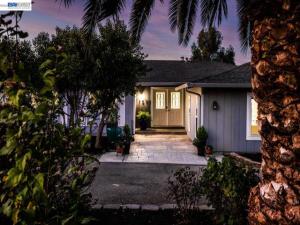
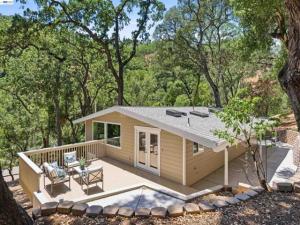
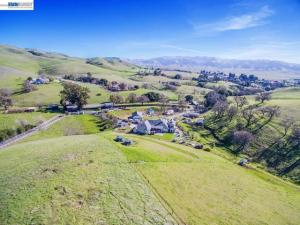
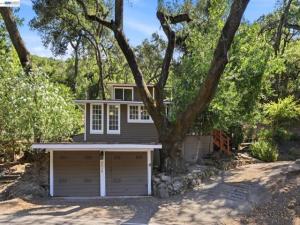
Current Sunol Listings
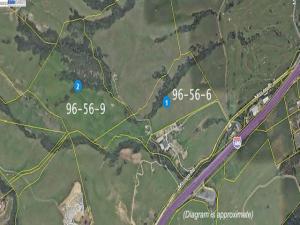

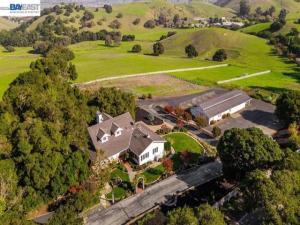
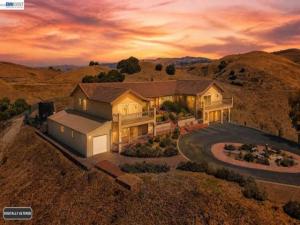
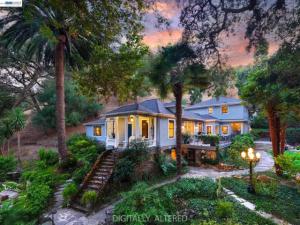


This site was last updated Oct 25 2026 2:29:17 pm.
Connect with TKG about Sunol real estate.
Is Sunol a good real estate investment?
Sunol's rental market is extremely small given the village's tiny residential population. The few rental properties that exist in Sunol are typically rural character properties on larger lots that appeal to households who want the rural lifestyle without ownership. Given the extremely limited inventory, rental transactions in Sunol are infrequent enough that market rent data is not statistically reliable from standard sources, and pricing is determined case-by-case based on property character and current demand.
Investment buyers who target Sunol typically do so for agricultural land or rural estate acquisitions rather than conventional residential rental strategies. The opportunity in Sunol for investment is more likely to be land holding, Williamson Act assessment reduction, or agritourism than conventional residential rental income.
Frequently Asked Questions About Sunol Real Estate
Is Sunol incorporated?
No. Sunol is an unincorporated community governed by Alameda County. The community has a dedicated United States Postal Service zip code and a small commercial area, but it has no municipal government, city police, or city planning department. All planning, permitting, and code enforcement is handled by Alameda County. Buyers considering property modifications, new construction, or changes to agricultural uses should engage with Alameda County Planning early in their evaluation process.
What is the Sunol Water Temple?
The Sunol Water Temple is a historic structure built in 1910 by the Spring Valley Water Company, which operated the water supply infrastructure for San Francisco. The temple, designed in the Greco-Roman classical style, sits at the confluence of Alameda Creek and marks the point where multiple water conduits from the Livermore Valley converged. The structure is now owned by the San Francisco Public Utilities Commission and is open for tours. It is one of the more unexpected architectural landmarks in the East Bay and is a point of specific local pride for Sunol residents.
How does the Sunol Regional Wilderness access affect property values?
Sunol Regional Wilderness, operated by the East Bay Regional Park District, provides over 6,000 acres of oak woodland, chaparral, and canyon terrain with extensive trail access. Properties with direct access to Sunol Regional Wilderness trails are rare and command premiums for the access they provide. The wilderness trail system connects to the broader EBRPD network and to the Ohlone Wilderness Trail, providing long-distance backcountry access that is unusual in close proximity to major Bay Area employment centers.
Are there water rights considerations for rural Sunol properties?
Some rural properties in Sunol and the surrounding Livermore Valley draw water from Alameda Creek tributaries or from groundwater under specific water rights allocations. The Bay Area's complex water rights framework, which is administered under California water law, means that buyers of rural properties with any water rights or creek access components should have those rights reviewed by a water rights attorney as part of their due diligence before acquisition.
What are the community resources in Sunol?
Sunol's very small residential population means that the community has minimal on-site commercial services or public facilities beyond the post office and the elementary school. The Sunol Water Temple, maintained by the San Francisco Public Utilities Commission, is a historic landmark accessible to the public and is one of the more distinctive community assets in any small California community. Emergency services are provided by the Alameda County Sheriff and by the Sunol Volunteer Fire Department, which is a community-based organization dependent on volunteer staffing that is typical for rural California communities of Sunol's scale.
The nearest grocery stores, medical facilities, pharmacies, and general retail are in Pleasanton, approximately 8 to 12 minutes by car via I-680 or Niles Canyon Road. This service distance is a daily logistics consideration for Sunol residents that prospective buyers from suburban backgrounds should honestly assess against their household's practical needs before committing to a Sunol property.
Sunol Canyon Road and Rural Character
Niles Canyon Road, which follows Alameda Creek through Sunol Canyon between Sunol and Fremont, is one of the more scenic driving routes in the East Bay and provides Sunol's western road connection to Fremont and the Tri-Cities. The canyon road is popular with cyclists on weekends despite the winding character that requires cautious driving during active cycling periods. The Niles Canyon Railway operates a heritage steam train along the former Western Pacific Railroad right-of-way in the canyon, which is a community asset and tourist attraction that is distinctive to the Sunol-Niles Canyon area.
The Calaveras Road, heading south from Sunol toward Milpitas and the Santa Clara Valley, is used by some Sunol residents for a southern commute alternative that connects to the Silicon Valley without the I-680 corridor. This route has its own scenic quality and provides an alternative for buyers who commute to Milpitas, Fremont south, or San Jose via a non-highway option during certain traffic conditions.
Is Sunol Right For Your Household?
The self-assessment question for Sunol is straightforward: does your household genuinely want a rural residential lifestyle, are you prepared for the practical demands of rural living including car dependence, service distance, and extended emergency response times, and does the combination of Alameda Creek trail access, Sunol Regional Wilderness proximity, and the area's genuine undeveloped landscape character justify the trade-offs relative to suburban alternatives at comparable or lower prices? If yes to all three, Sunol is an unusual opportunity to live rurally while maintaining Bay Area regional access. If any part of that three-part question gives you pause, the suburban alternatives in Pleasanton, Dublin, or Castro Valley will provide a more comfortable fit for your household's practical needs.
What outdoor activities are near Sunol?
Sunol's position at the junction of Alameda Creek and the Diablo Range foothills creates a natural environment that supports wildlife, native plant communities, and the kind of biological diversity that the surrounding suburban development has eliminated from most comparable Bay Area locations. Red-tailed hawks, golden eagles, tule elk (reintroduced to the nearby Mission Peak Regional Preserve), and California ground squirrels are part of the daily visible wildlife in the Sunol area. The creek corridor supports steelhead trout migration in wet years, and the oak woodland provides habitat for numerous bird species that rarely appear in urbanized East Bay areas. For naturalists and wildlife observers, Sunol's biological richness is a specific draw that residential communities cannot replicate.
The Del Valle Regional Park and Reservoir, located south of Sunol in the Alameda County wilderness, provides additional recreation including swimming, fishing, camping, and boat rentals at the reservoir. The park is within 20 minutes of Sunol and is one of the larger recreational reservoirs in the East Bay Regional Park District system. For Sunol residents who want lake swimming and camping within a short drive rather than a multi-hour trip, Del Valle's proximity is a specific lifestyle advantage.
What are the costs of living in Sunol?
Sunol property owners face some ownership cost considerations that differ from urban and suburban buyers. Well water and septic systems are common on rural Sunol parcels, and the maintenance, testing, and periodic replacement costs for these systems are ownership expenses that buyers of city-water and sewer-served properties do not typically budget for. Well pump replacement, water softener servicing, and septic pumping and inspection are regular expenses that Sunol buyers should incorporate in their long-term ownership cost projections. Properties with a creek crossing or riparian zone on the parcel may also face constraints on grading, landscaping, or structure placement related to the Alameda County floodplain and streamside protection regulations.
Fire insurance for Sunol properties is subject to the same wildland-urban interface insurance market pressures that have affected properties across the California hills. Insurance availability and premium levels have changed substantially in recent years, and Sunol buyers should obtain insurance quotes as part of their due diligence process rather than assuming that coverage at reasonable rates will be straightforwardly available. The FAIR Plan is available as a backstop but provides more limited coverage than standard market policies, and the FAIR Plan cost comparison should be part of every Sunol buyer's financial analysis before committing to a purchase.
Sunol's rural character means that buyers accustomed to urban or suburban commercial access need to adjust their expectations for routine services. The nearest grocery, gas station, and restaurant cluster is in Pleasanton, approximately 10 minutes north on Interstate 680. This distance from commercial services is not unusual for rural Bay Area living, but buyers who have not lived in a rural setting before should consciously model the extra errand time and occasional inconvenience before committing to the lifestyle.
Browse all Alameda County real estate.