What is the Cahuenga Pass market like right now?
Cahuenga Pass is tracked as a distinct sub-market of Hollywood Hills, and its figures diverge from the parent average. The measurements below come from CRMLS listing data as of September 2026.
- Active listings: 33 in Cahuenga Pass, priced at a median of $1,399,000 as of September 2026.
- Median asking price per square foot in Cahuenga Pass: $779.
- Median list price across 53 tracked Cahuenga Pass properties: $1,680,000.
- Median lot size in Cahuenga Pass: 6,644 sq ft.
- Median living area in Cahuenga Pass: 2,025 sq ft.
- Median days on market in Cahuenga Pass: 63.
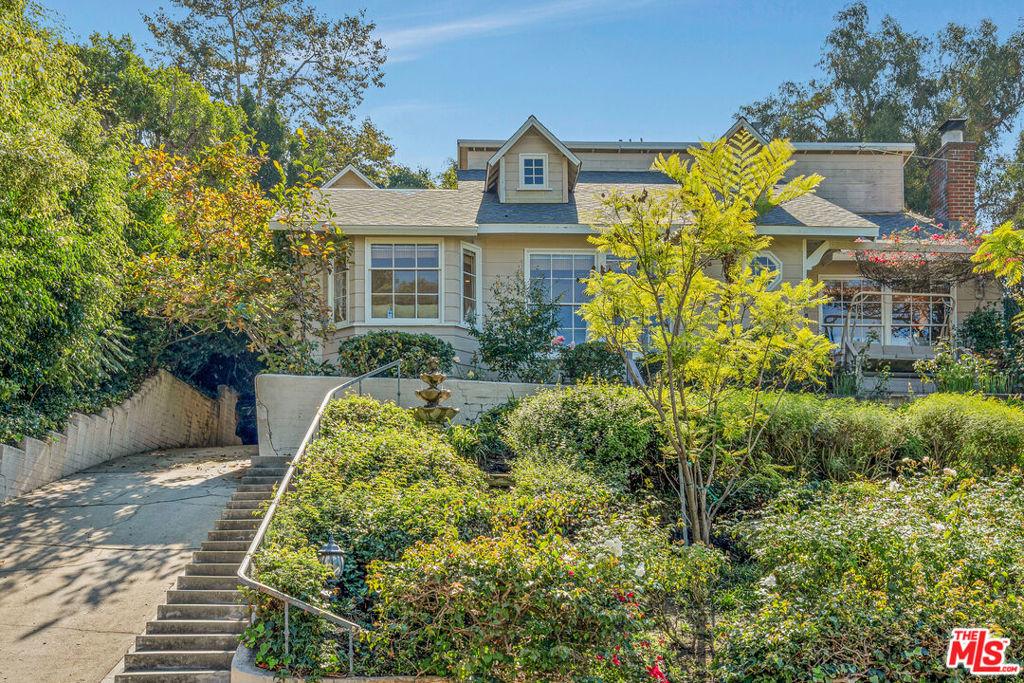
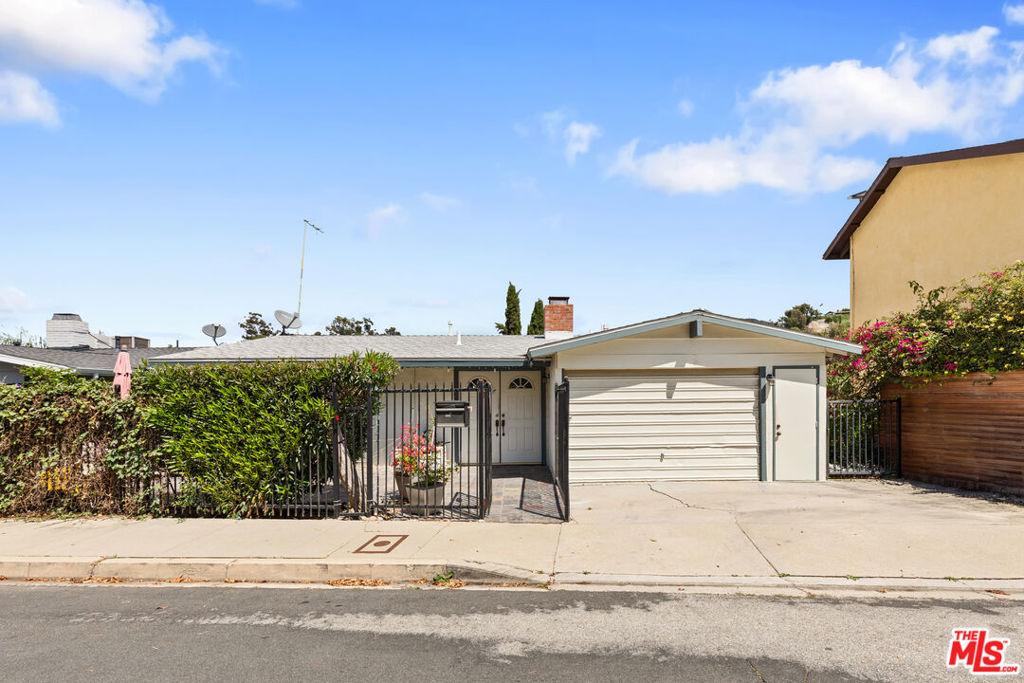
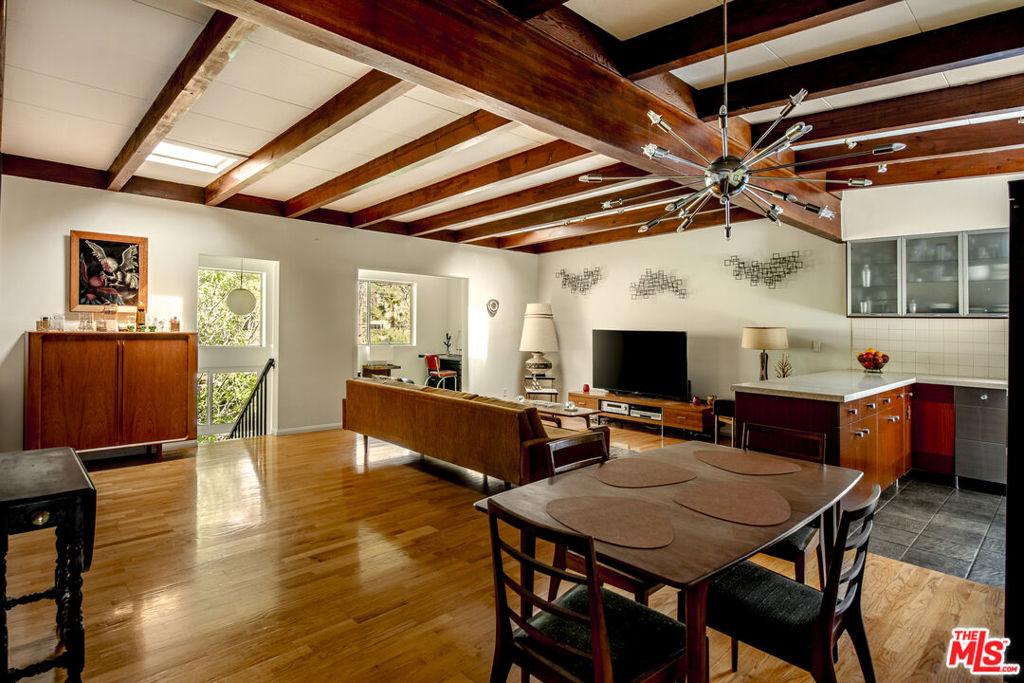
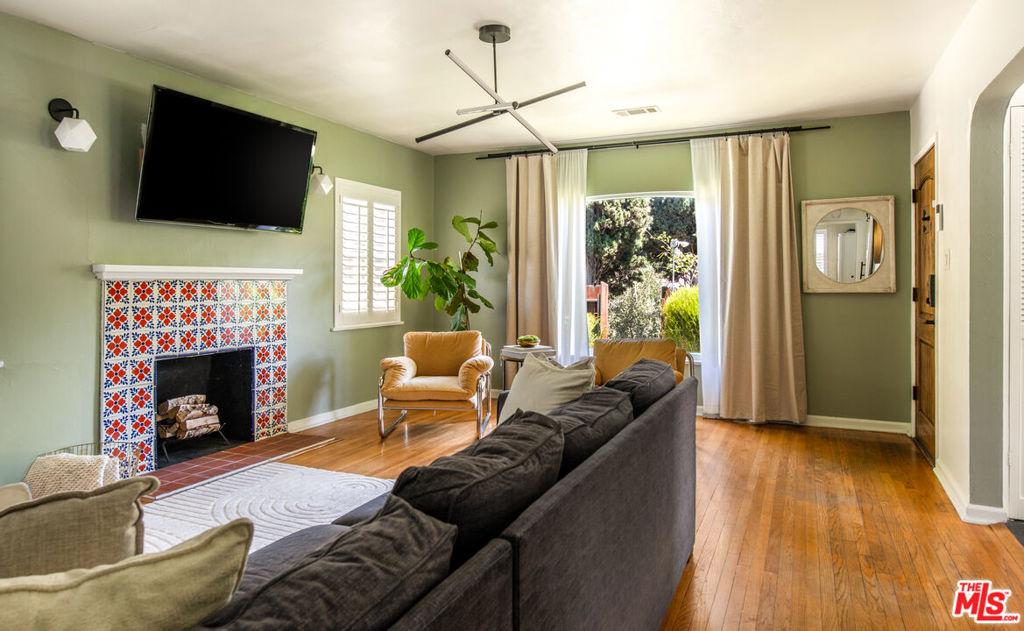
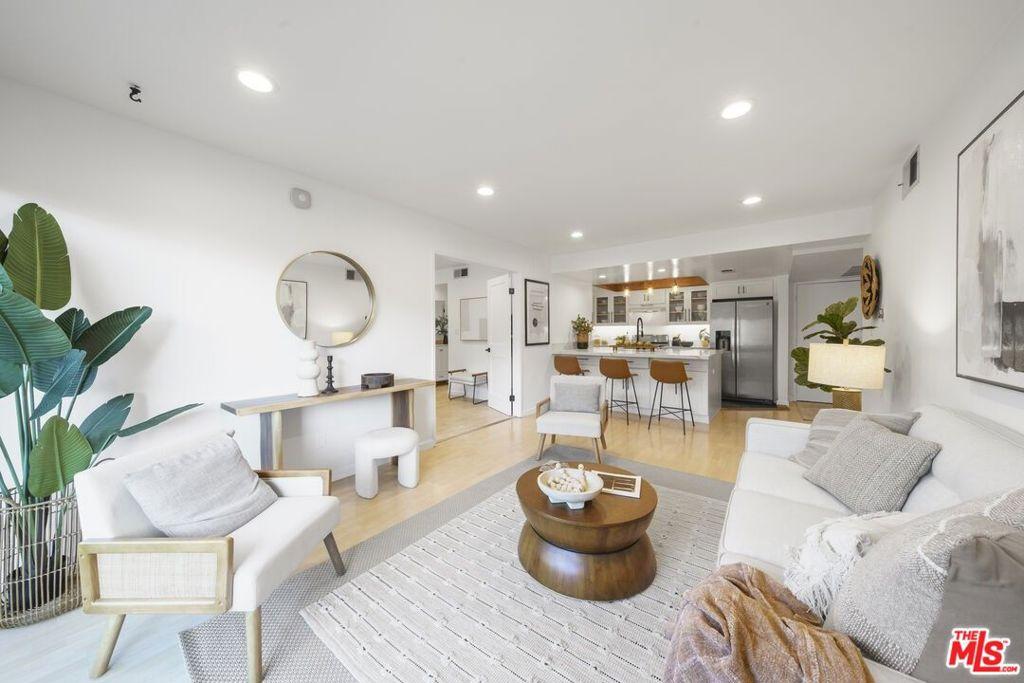
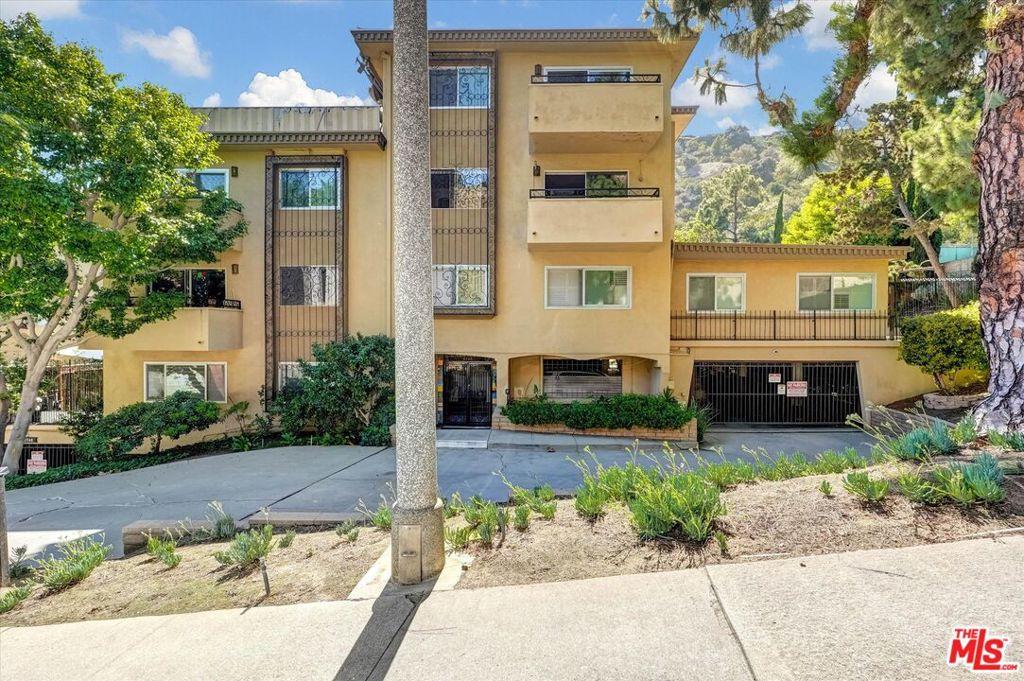
- Housing stock in Cahuenga Pass was built between 1924 and 2025, with a median year of 1956.
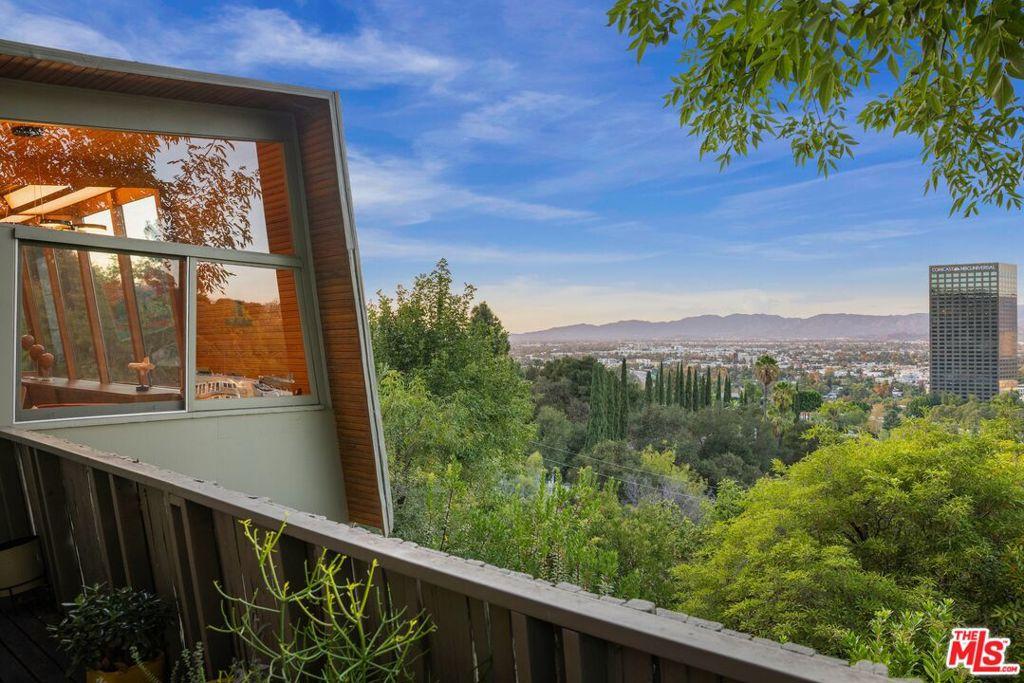
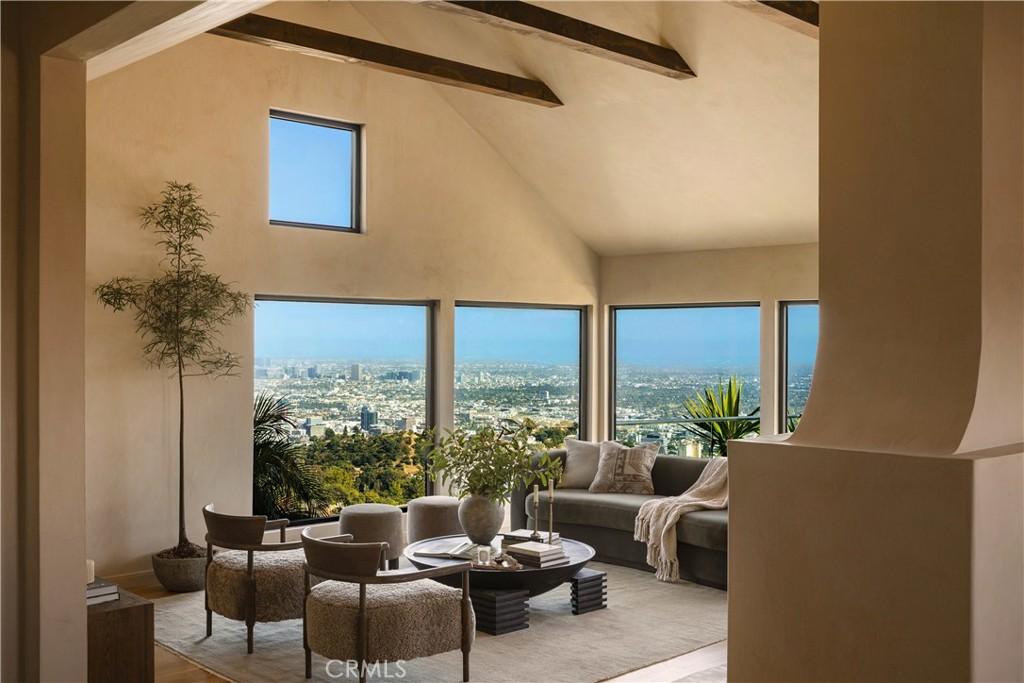
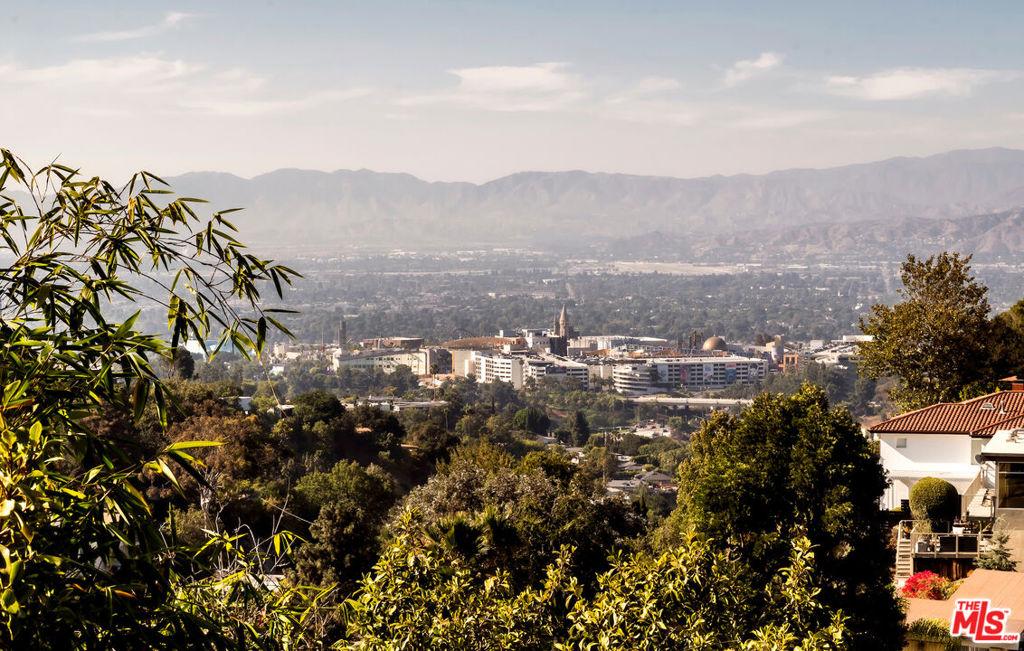
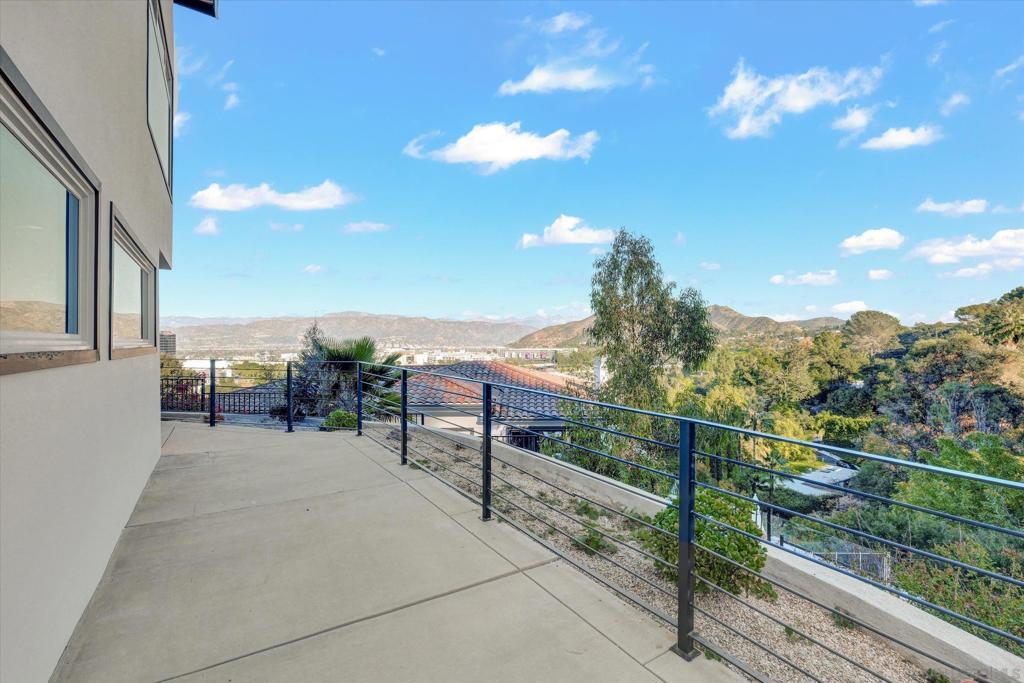
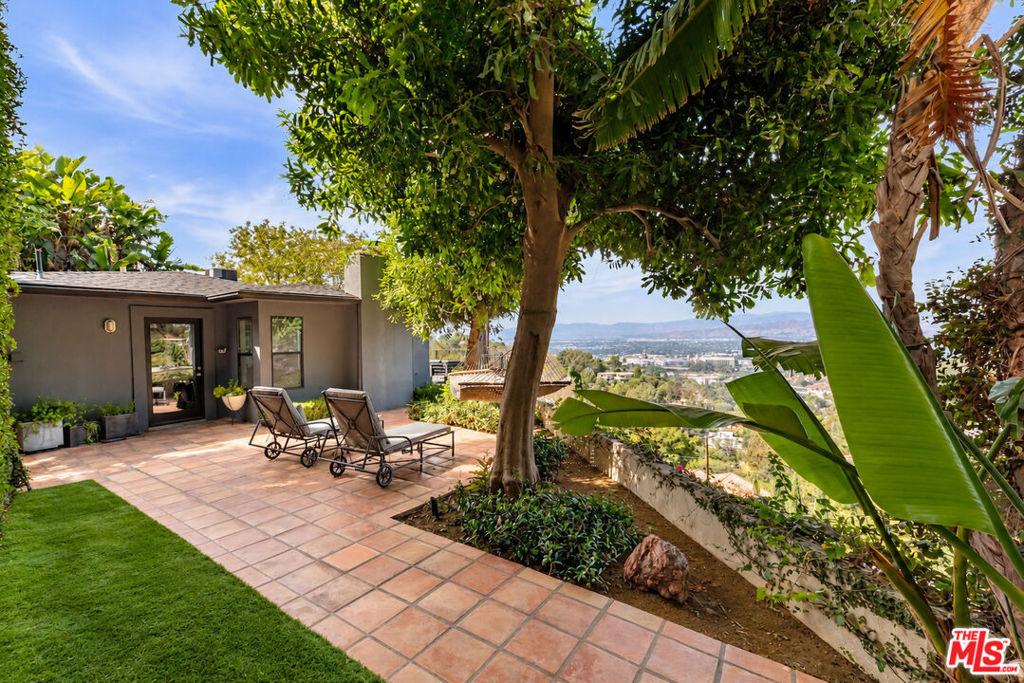
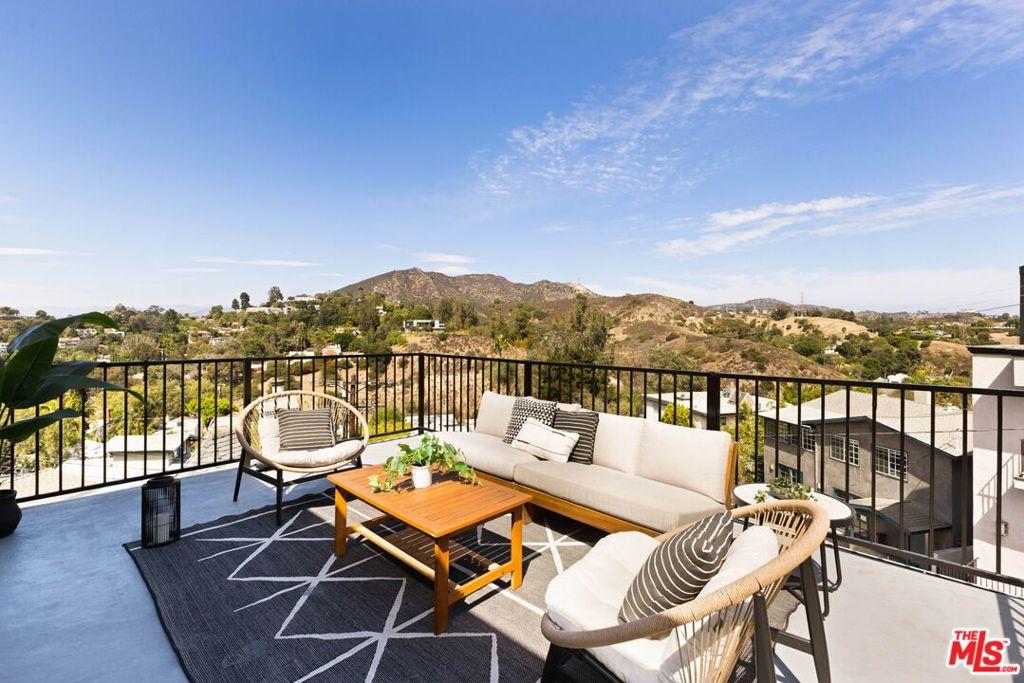
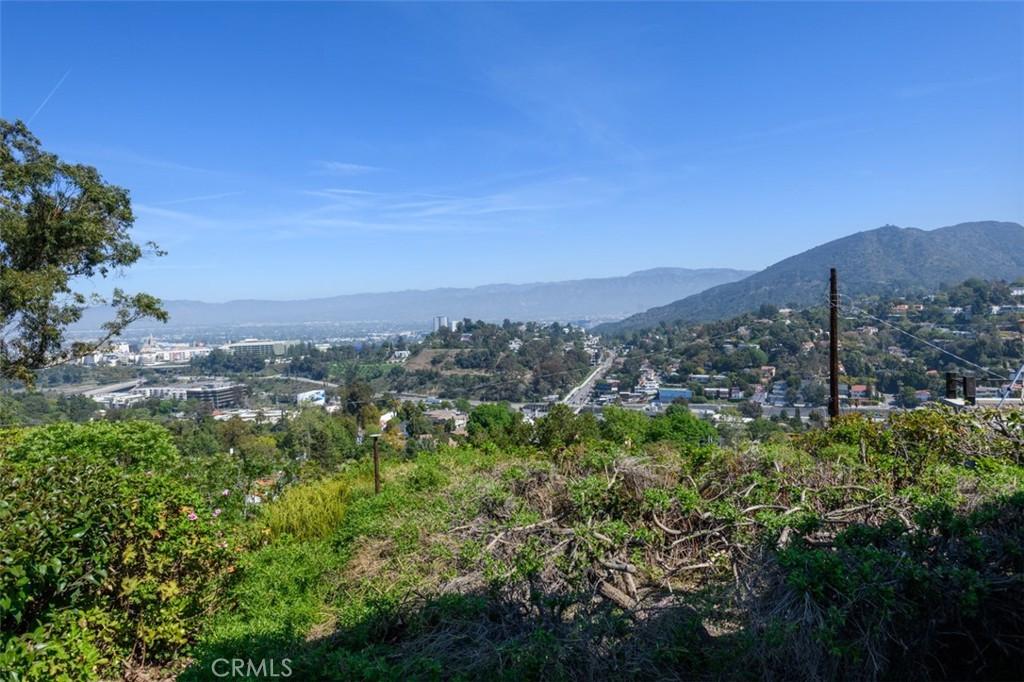
- Canyon views are the most common outlook in Cahuenga Pass, recorded on 30% of tracked properties.
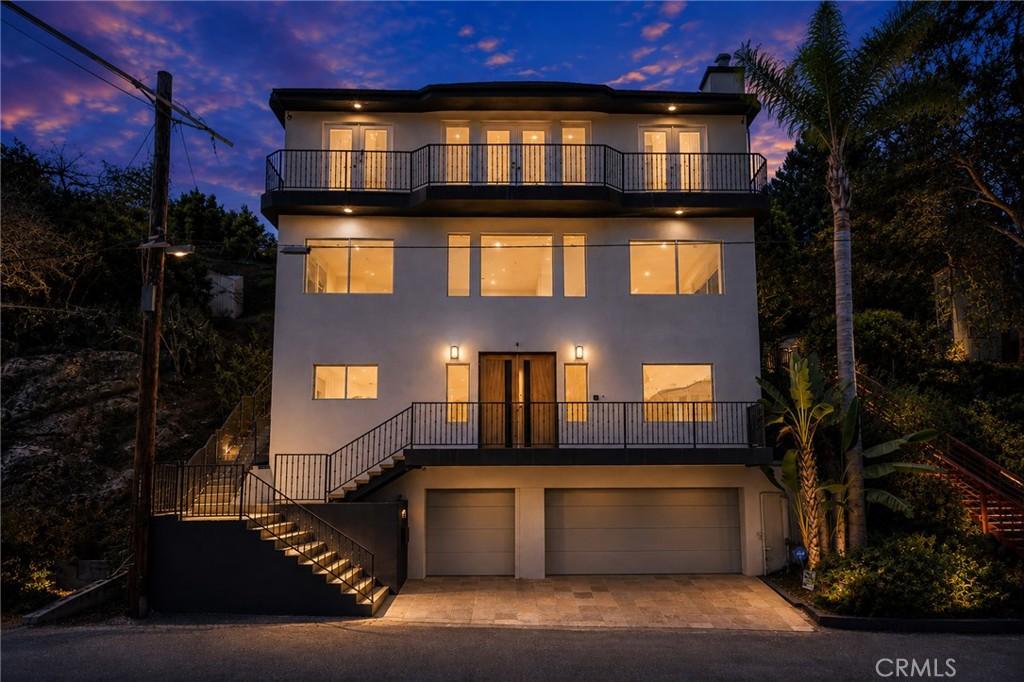
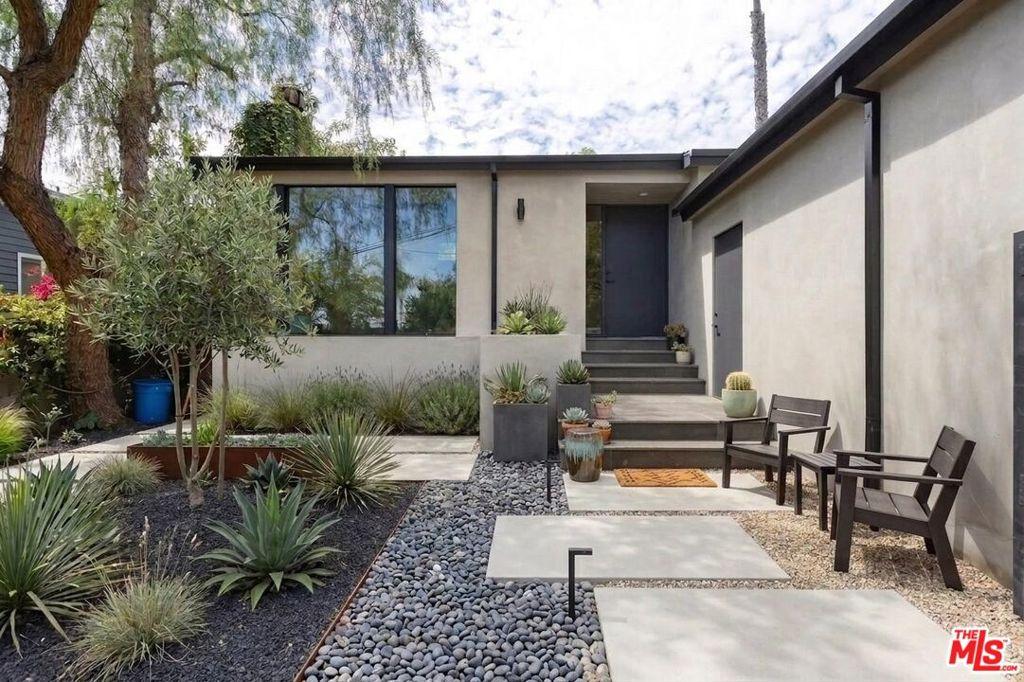
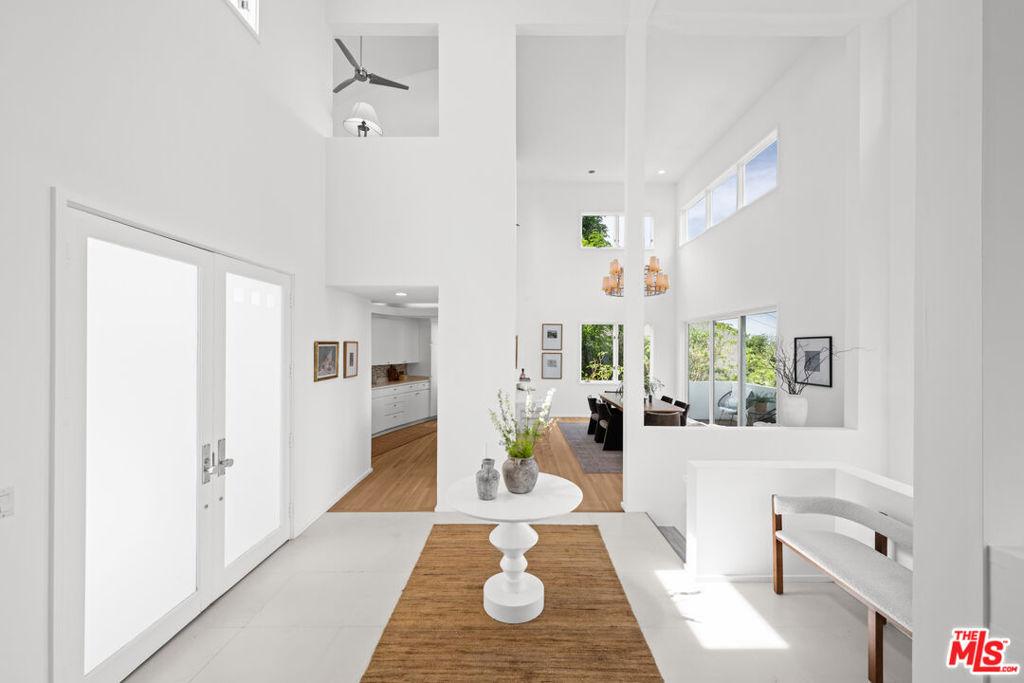
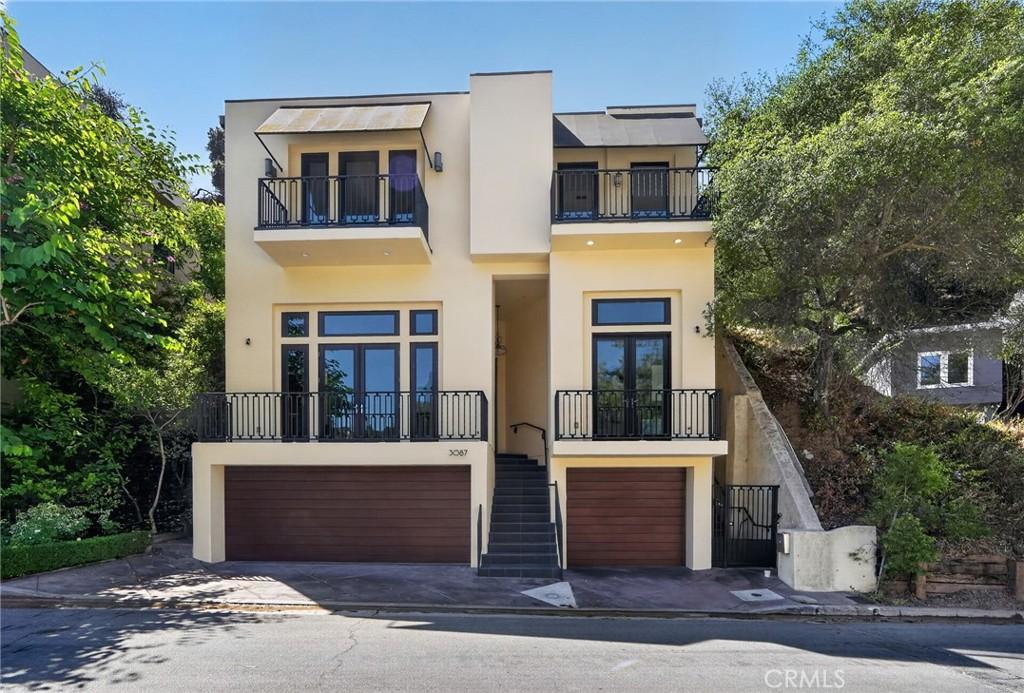
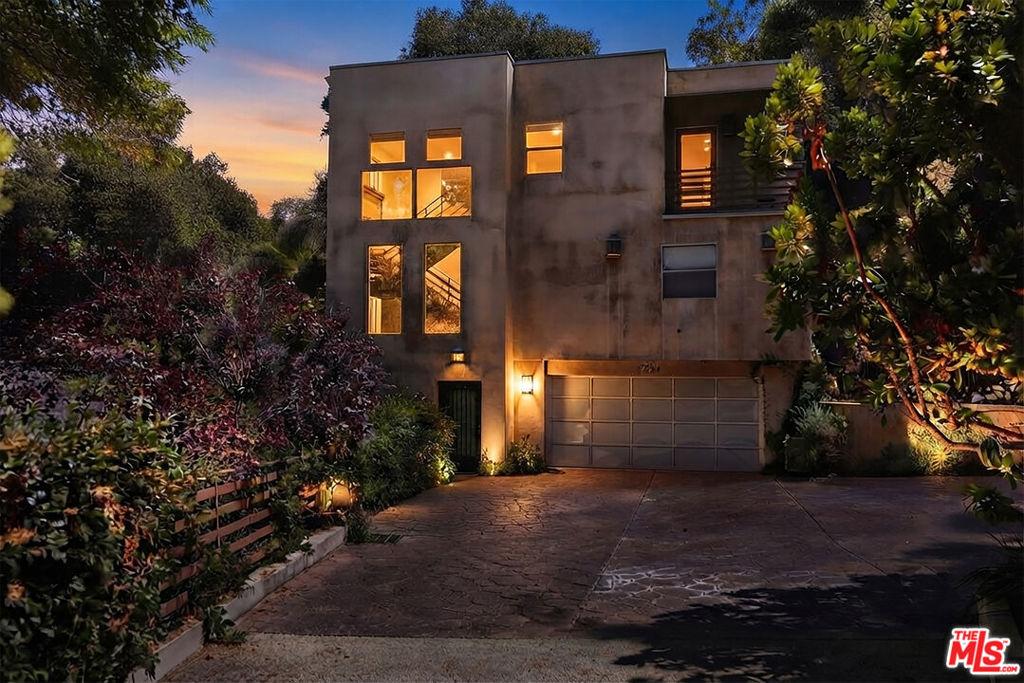
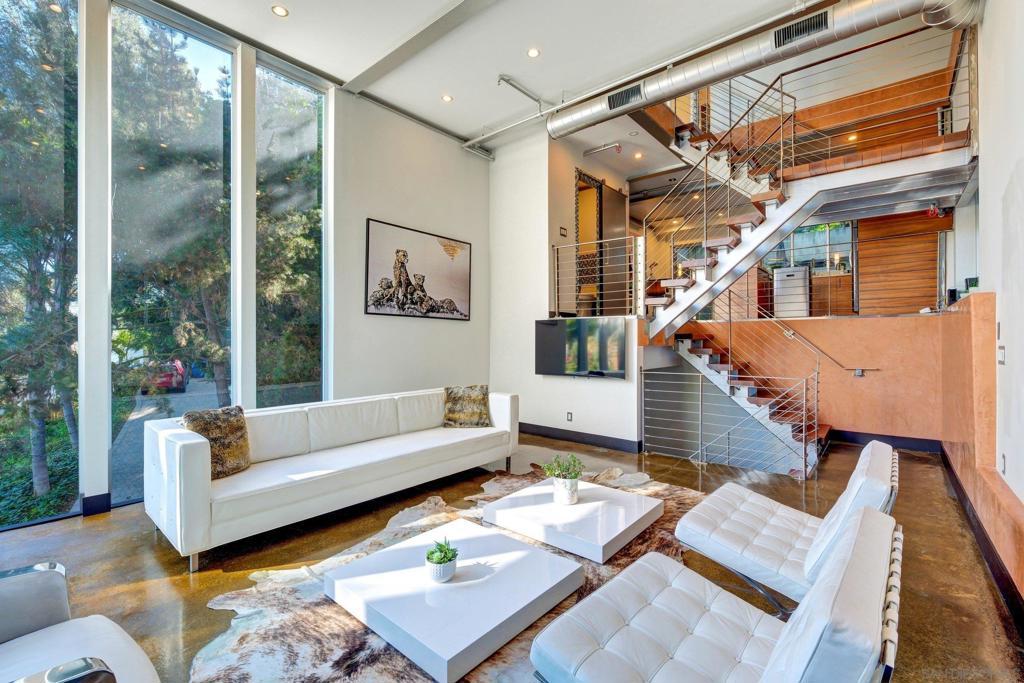
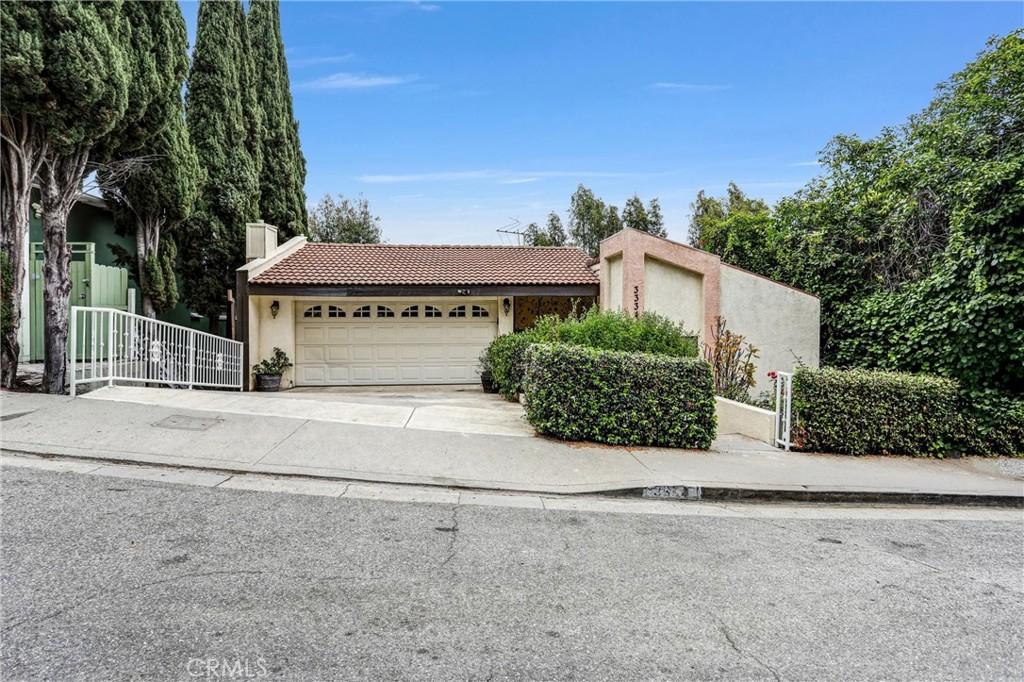
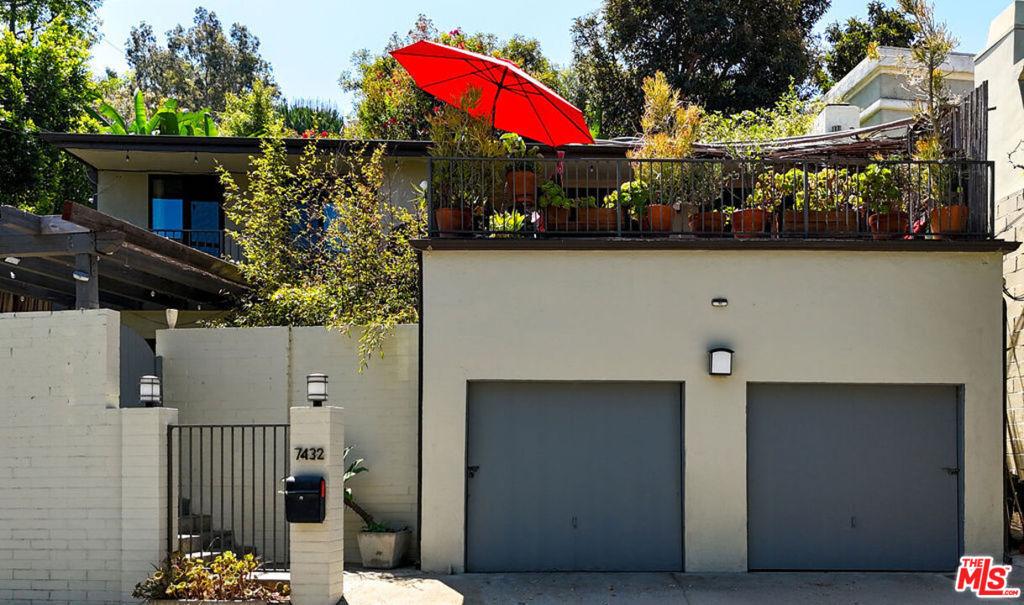
- Typical Cahuenga Pass home height: 2 stories.
How does Cahuenga Pass compare with nearby Hollywood Hills neighborhoods?
Median lot size separates Hollywood Hills sub-markets more sharply than price does. Cahuenga Pass ranks 11th of the 17 comparable sub-markets tracked here.
- Doheny Estates: median lot 20,531 sq ft, median list price $9,622,500.
- Laurel Hills: median lot 12,992 sq ft, median list price $3,417,000.
- Mount Olympus: median lot 12,605 sq ft, median list price $3,972,500.
- Outpost Estates: median lot 11,992 sq ft, median list price $3,582,500.
- Bird Streets: median lot 11,255 sq ft, median list price $8,495,000.
- Laurel Canyon: median lot 11,067 sq ft, median list price $3,342,500.
- Sunset Hills: median lot 10,890 sq ft, median list price $1,250,000.
- Nichols Canyon: median lot 9,815 sq ft, median list price $2,695,000.
How much do homes in Cahuenga Pass actually sell for?
Buyers have real negotiating room in Cahuenga Pass. Across 9 recorded sales, homes traded at a median of 92.4% of their original asking price after a median 46 days on market (CRMLS, September 2026). Asking prices are what sellers hope for; these are the numbers they accepted.
- Homes in Cahuenga Pass sold for a median of 92.4% of their original asking price across 9 recorded sales.
- Median time on market in Cahuenga Pass: 46 days.
- 56% of Cahuenga Pass sellers reduced their price before selling.
- 0% of sales in Cahuenga Pass closed above the original asking price.
- Median recorded sale price in Cahuenga Pass: $1,537,500.
- Median recorded price per square foot in Cahuenga Pass: $818.
- A buyer in Cahuenga Pass who opens below asking is negotiating with the market, not against it.
Where price resistance shows up in Hollywood Hills
Negotiating room is not evenly distributed across price. Measured across recorded sales in this dataset, the gap between asking and accepted widens sharply at the top of the market.
- Under $1M: sold at a median 98.7% of original ask after 20 days, with 33% of sellers reducing (1316 sales).
- $1M-$2M: sold at a median 99.3% of original ask after 19 days, with 28% of sellers reducing (1571 sales).
- $2M-$5M: sold at a median 98.9% of original ask after 22 days, with 20% of sellers reducing (752 sales).
- $5M and above: sold at a median 91.3% of original ask after 54 days, with 24% of sellers reducing (174 sales).
How is the Hollywood Hills Real Estate real estate market?
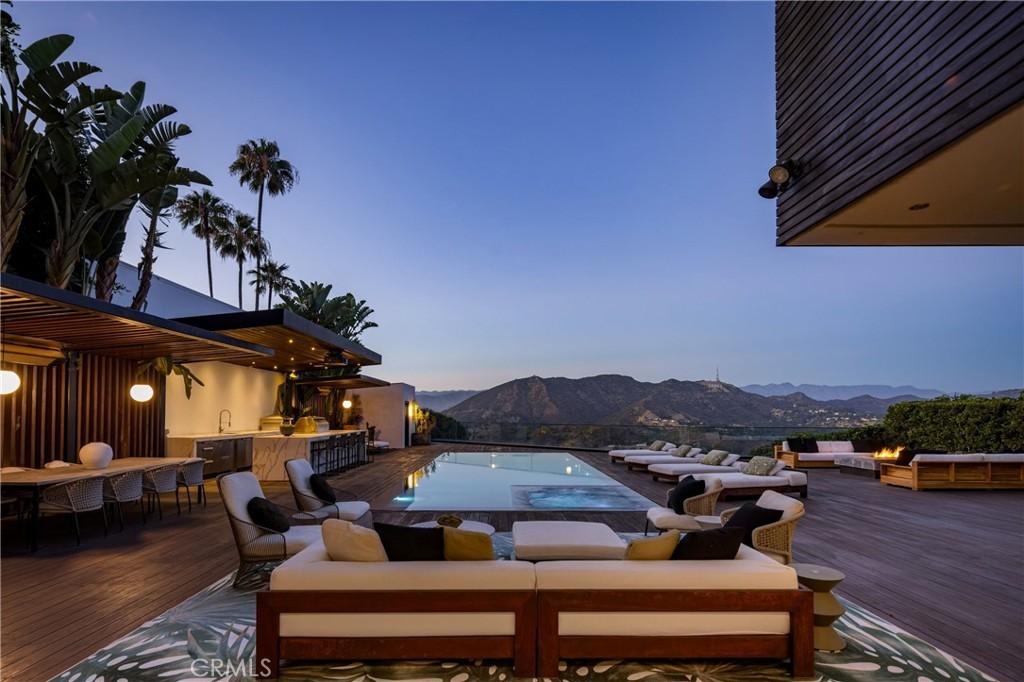
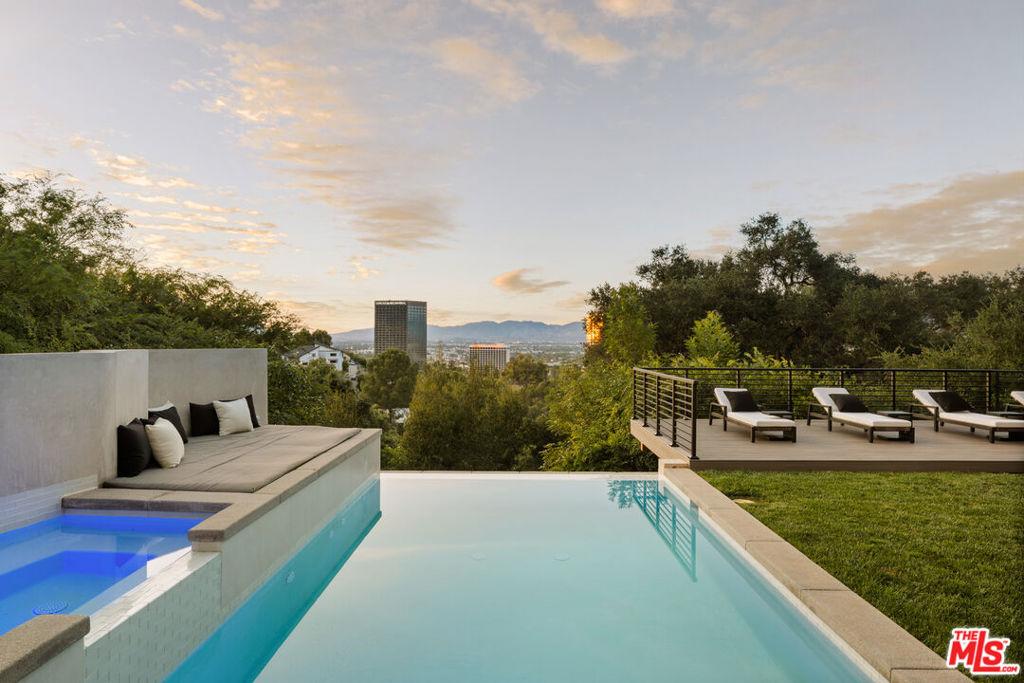
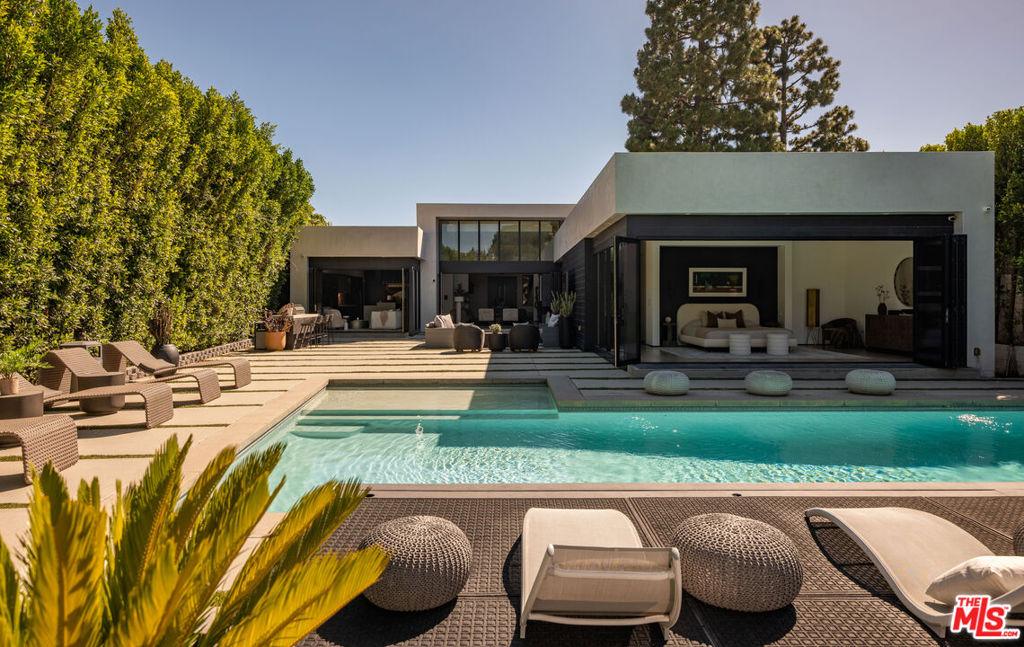
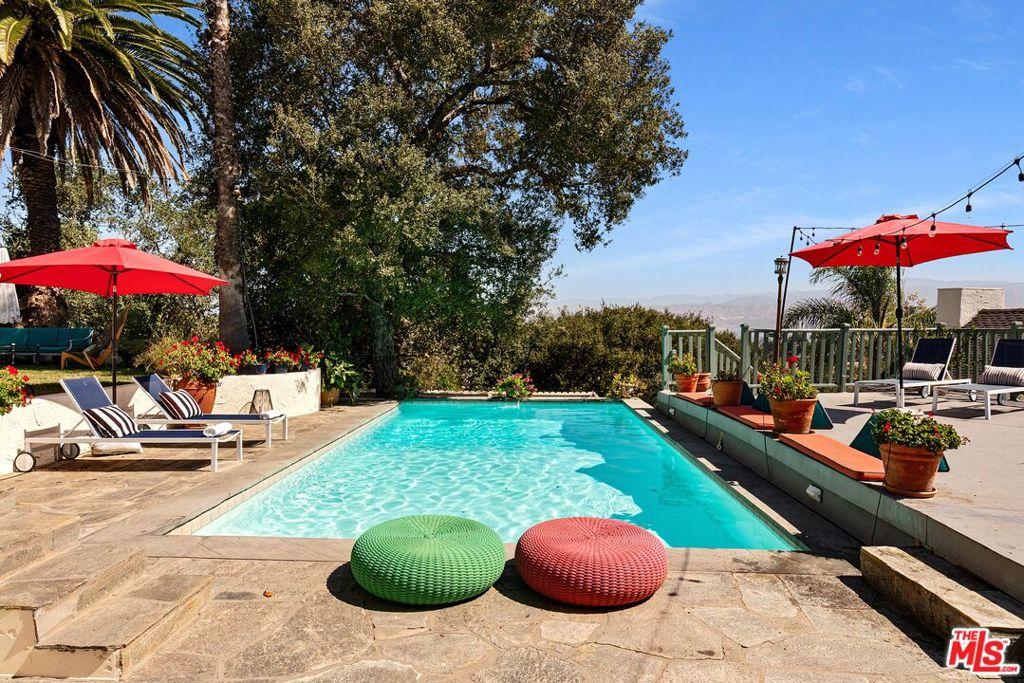
Hollywood Hills is one of Los Angeles’s most iconic residential landscapes — the mountainous terrain rising above Hollywood and the Sunset Strip where canyon living, panoramic city and ocean views, celebrity neighbors, and access to some of LA’s best hiking combine to create a residential environment that is unique in the global luxury real estate market. The 2026 median home price in Hollywood Hills ranges from approximately $2 million in the more accessible canyon reaches to $5 to $10 million or beyond for the premium viewtop estates in the Bird Streets and Outpost Estates. The neighborhood’s combination of indoor-outdoor canyon architecture, infinity pool culture, dramatic topography, and proximity to the entertainment industry’s creative core has produced one of the most globally recognized residential addresses in Los Angeles.
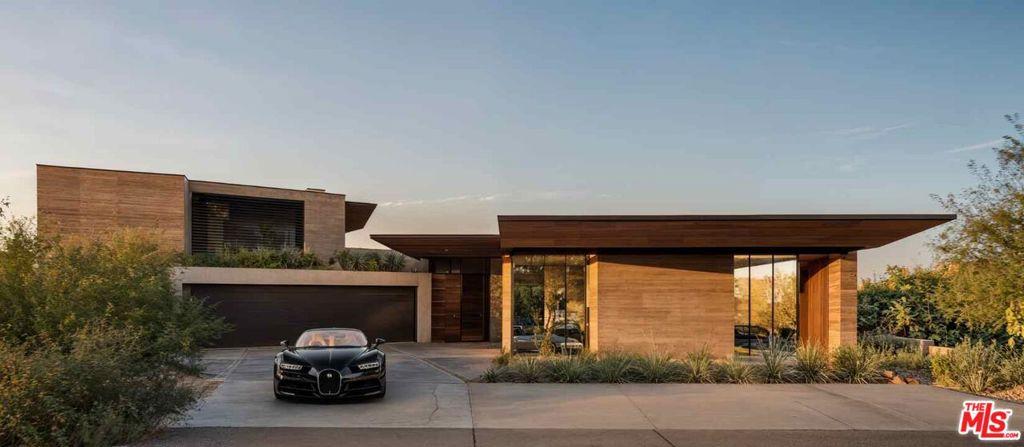
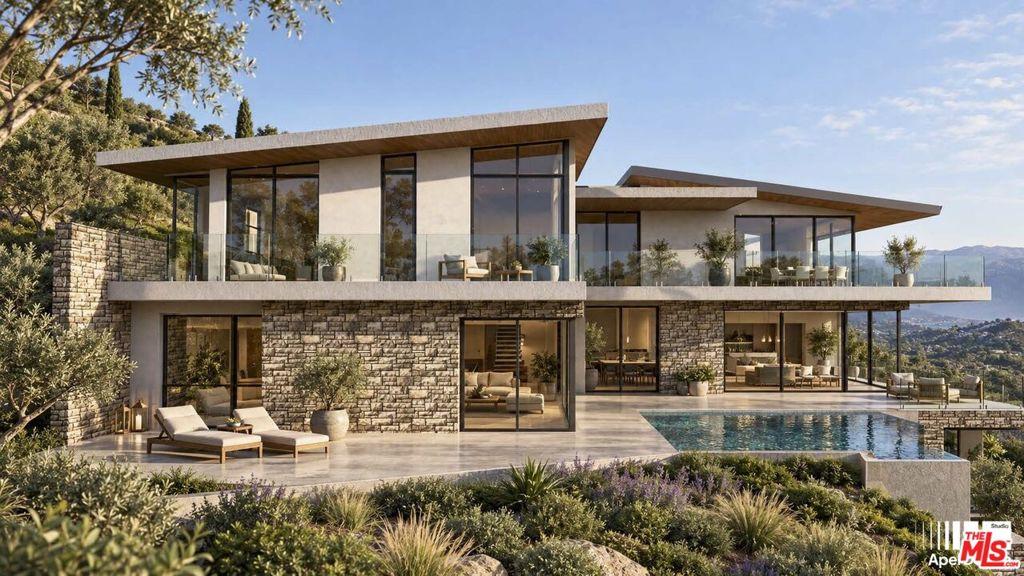
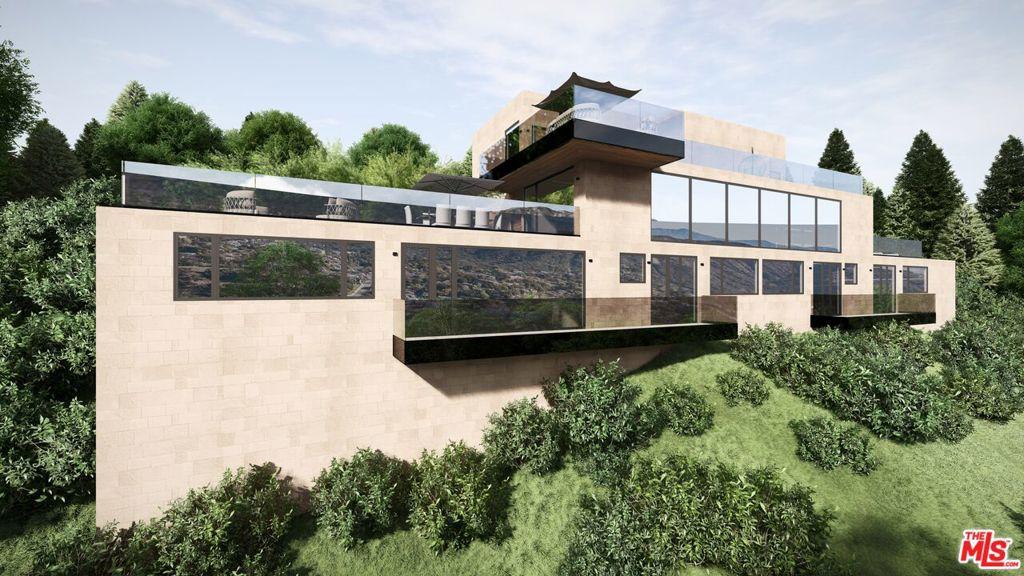
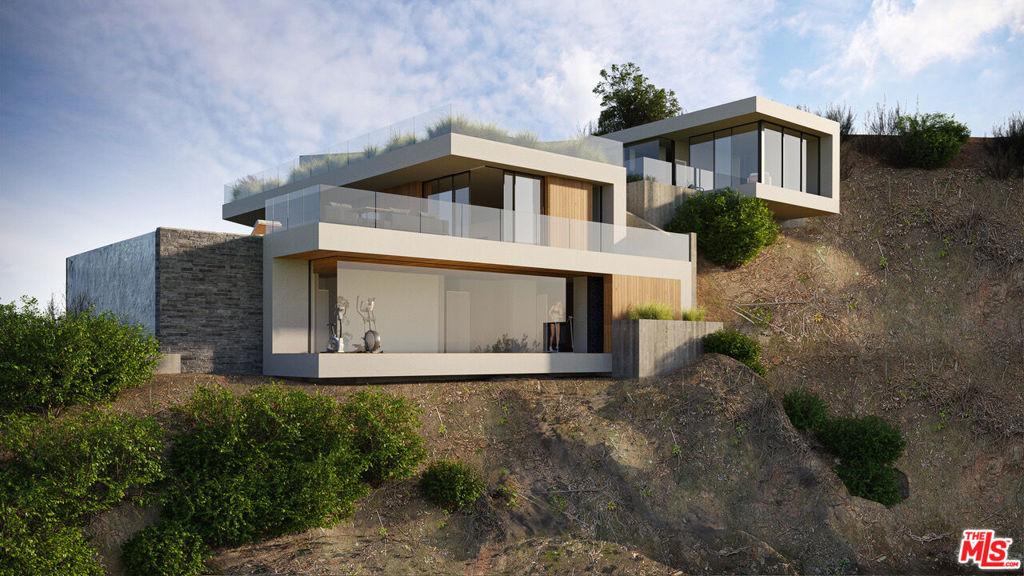
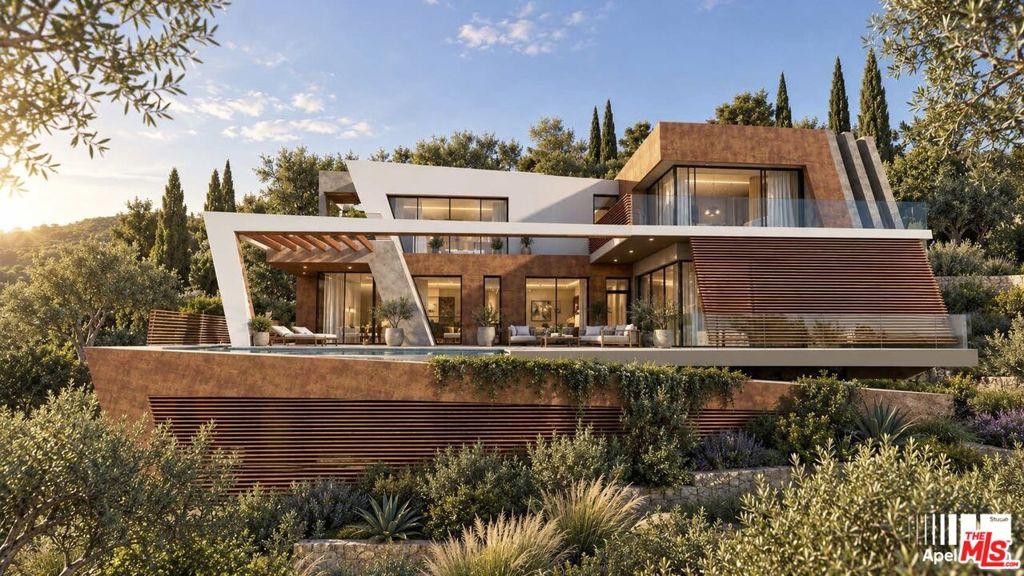
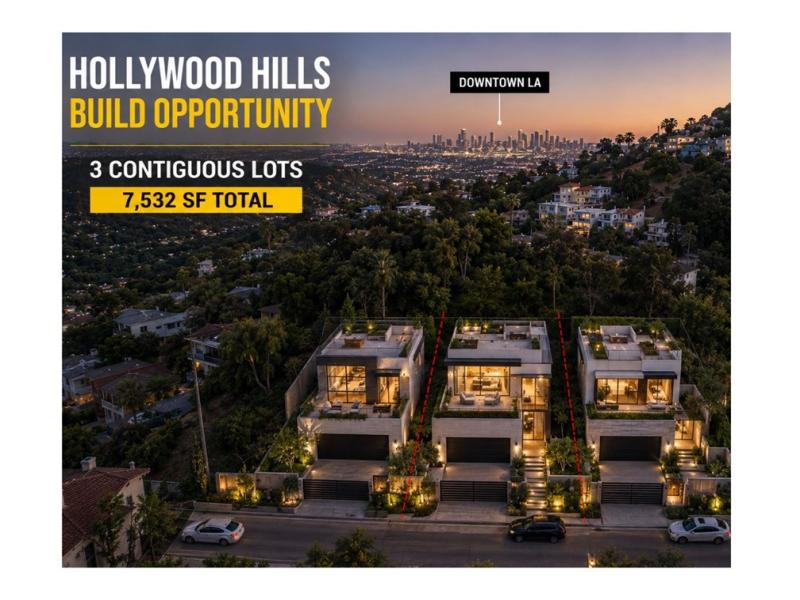
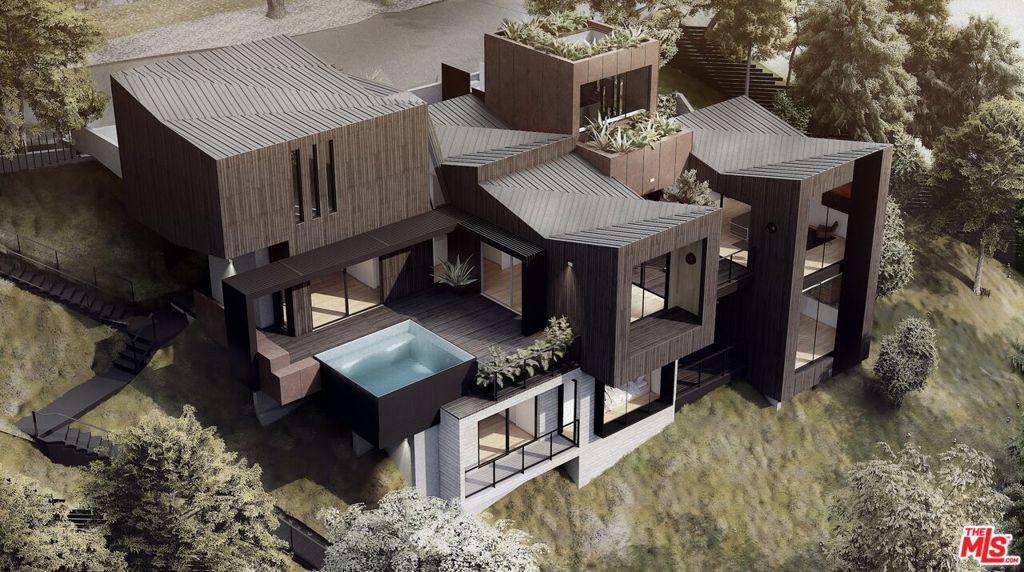
The housing stock in Hollywood Hills reflects the neighborhood’s unique topography — flat land is scarce, so homes are built into hillsides, on ridgelines, and at the edges of canyon slopes, often with dramatic cantilever construction and multiple levels that follow the terrain rather than fight it. Mid-century modern architecture is prevalent throughout the hills, with the Case Study houses and their many imitators establishing the indoor-outdoor, glass-and-steel vocabulary that remains the neighborhood’s architectural identity. Contemporary new construction on the neighborhood’s premium viewtop lots has pushed the architectural language further, with the most expensive recent builds employing engineering feats — pilings, drilled piers, hillside fill — that allow construction on sites that earlier eras would have considered unbuildable.
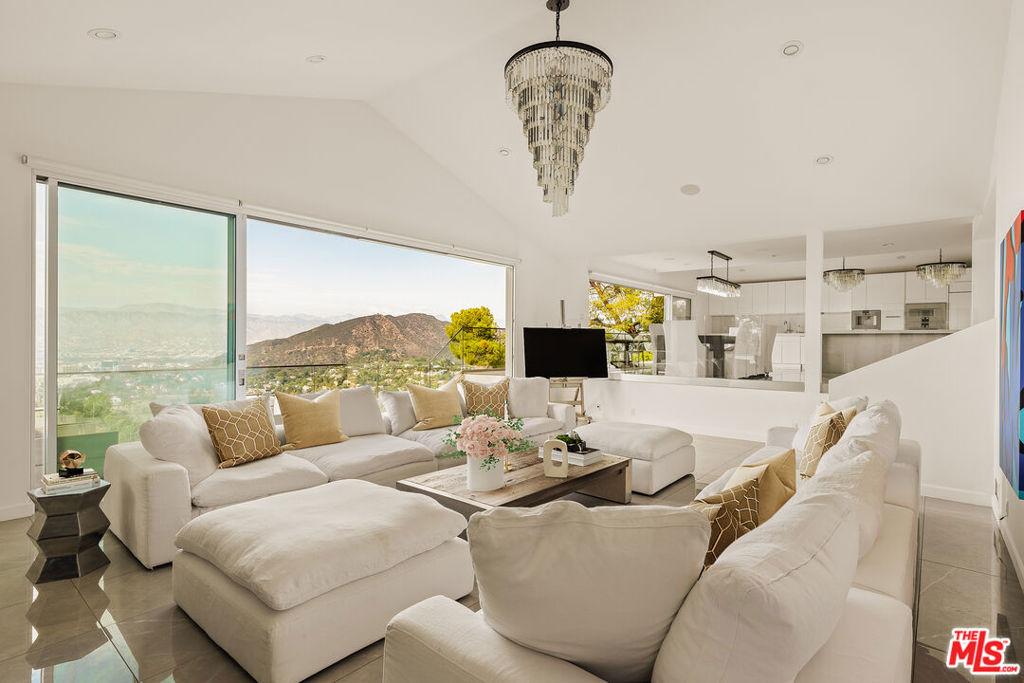
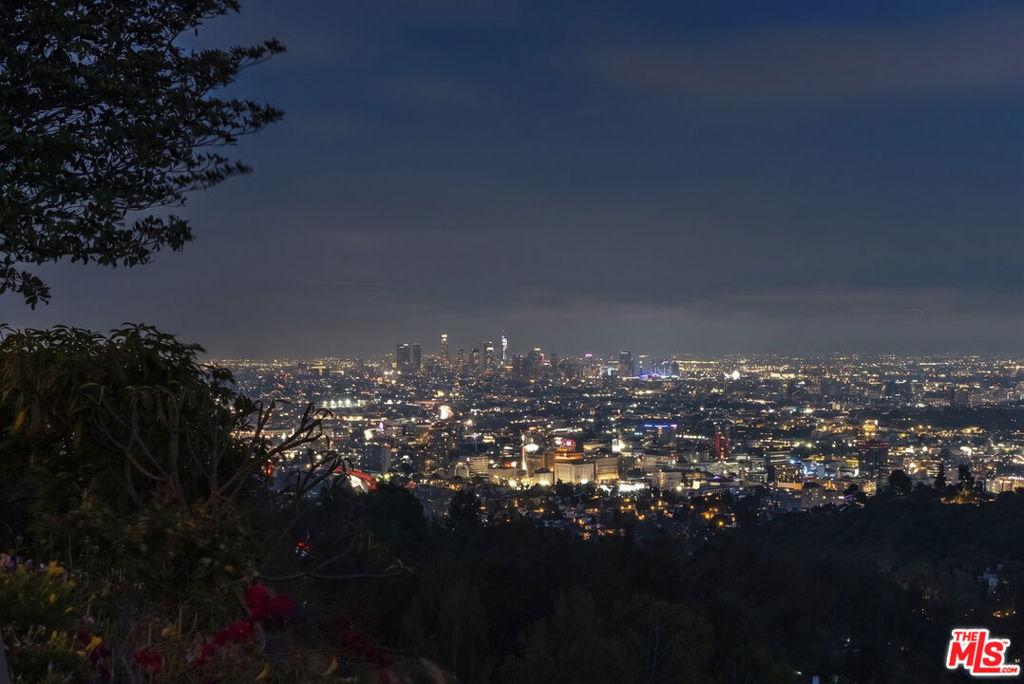
Views are the Hollywood Hills’ most fundamental value driver. Canyon views, city light views, and on elevated lots — ocean views — define property value more than any other single factor. The difference between a Hollywood Hills property with a panoramic city-lights view and an equivalent property with a canyon-facing orientation can be 30 to 50 percent in market value. Buyers approaching the Hollywood Hills should establish view quality as a primary due diligence criterion, including time-of-day and seasonal variation assessment, as the light changes dramatically across the hills’ varied orientations.
The entertainment industry’s creative class is the Hollywood Hills’ dominant buyer demographic — writers, directors, producers, executives, and artists who work in the studios of Hollywood, Burbank, and Culver City and who choose the Hills for the combination of canyon living, architectural drama, and the cultural identity of one of Los Angeles’s most storied residential addresses. The neighborhood’s celebrity population is real and persistent, creating the cultural energy that sustains the Hollywood Hills’ global name recognition and its position as one of the world’s most sought-after luxury residential destinations.
Hollywood Hills Real Estate: Canyon Privacy, City Views, and Creative Industry Heritage
The Hollywood Hills — the eastern Santa Monica Mountains range that rises above Hollywood Boulevard and the Sunset Strip to form the rugged canyon and ridge terrain visible from throughout the LA Basin — is Los Angeles’s most romanticized residential landscape: the hillside homes with city-light views, the celebrity history embedded in every canyon and ridge, and the natural chaparral landscape that provides the Southern California canyon seclusion within minutes of Sunset Strip restaurants and Hollywood studios. The Hills’ geography — the canyons (Laurel, Coldwater, Benedict, Nichols) that drain south toward the flatlands, the ridges (Mulholland Drive’s iconic crest), and the neighborhoods of varying character from the architecturally significant (the Bird Streets’ modernist estates, Outpost Estates’ Spanish Colonial Revival) to the organically developed canyon neighborhoods — creates the residential diversity that sustains demand from buyers whose shared desire for the hillside city-view lifestyle is expressed across widely different community types and price points.
The Hollywood Hills’s creative industry heritage is not merely historical: the neighborhoods continue to house the actors, directors, writers, musicians, and entertainment executives whose work sustains the global entertainment industry, and the social concentration of creative professionals in proximity creates the industry networking and social culture that active entertainment career pursuit makes valuable. The Canyon culture — the informal community that develops when residents share hiking trails, encounter each other at Runyon Canyon (the most famous of the Hollywood Hills’ parks), and gather at the neighborhood restaurants at the canyon mouths — sustains the Hollywood Hills’ social character as a genuine neighborhood community within the celebrity-mystique narrative. The Hills’ fire risk (the chaparral vegetation and the terrain that creates dangerous fire behavior during Santa Ana wind events), the road infrastructure challenges (narrow canyon roads, limited second egress), and the parking scarcity of the hillside residential streets are the practical challenges that the canyon lifestyle creates alongside its singular views and privacy.
What is the market for Cahuenga Pass Homes like?
- Views drive value more than any other single factor across the Hollywood Hills, shaping how buyers evaluate Cahuenga Pass Homes on hillside lots.
- Canyon views, city light views, and ocean views from elevated lots define property value throughout the mountainous terrain above Hollywood.
- Panoramic city-lights orientation commands a substantial premium in market value over an otherwise equivalent property facing the canyon instead.
- Buyers evaluating Cahuenga Pass Homes should treat view quality as a primary due diligence criterion, including time-of-day and seasonal variation assessment.
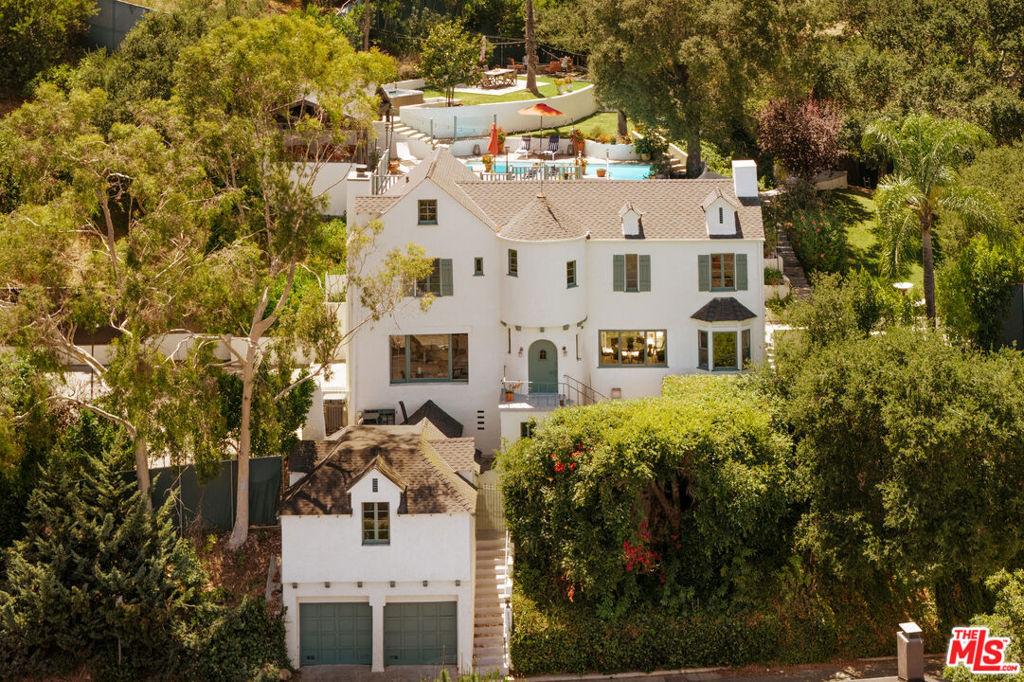
- Flat land is scarce in the hills, so homes are built into hillsides, on ridgelines, and at the edges of canyon slopes.
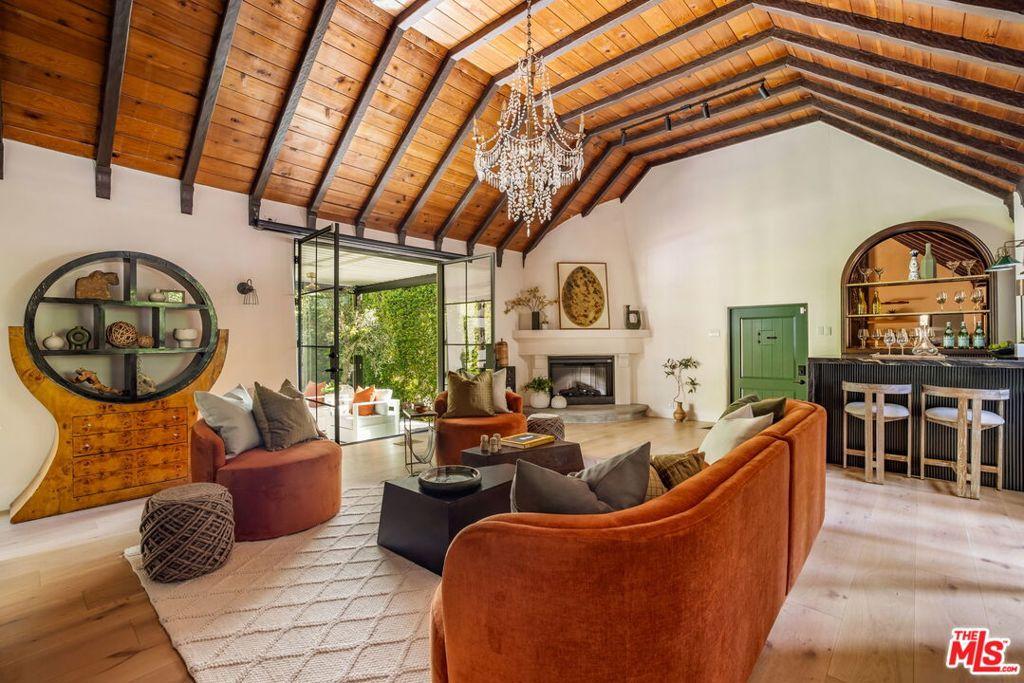
- Dramatic cantilever construction and multiple levels that follow the terrain rather than fight it characterize much of the hillside housing stock.
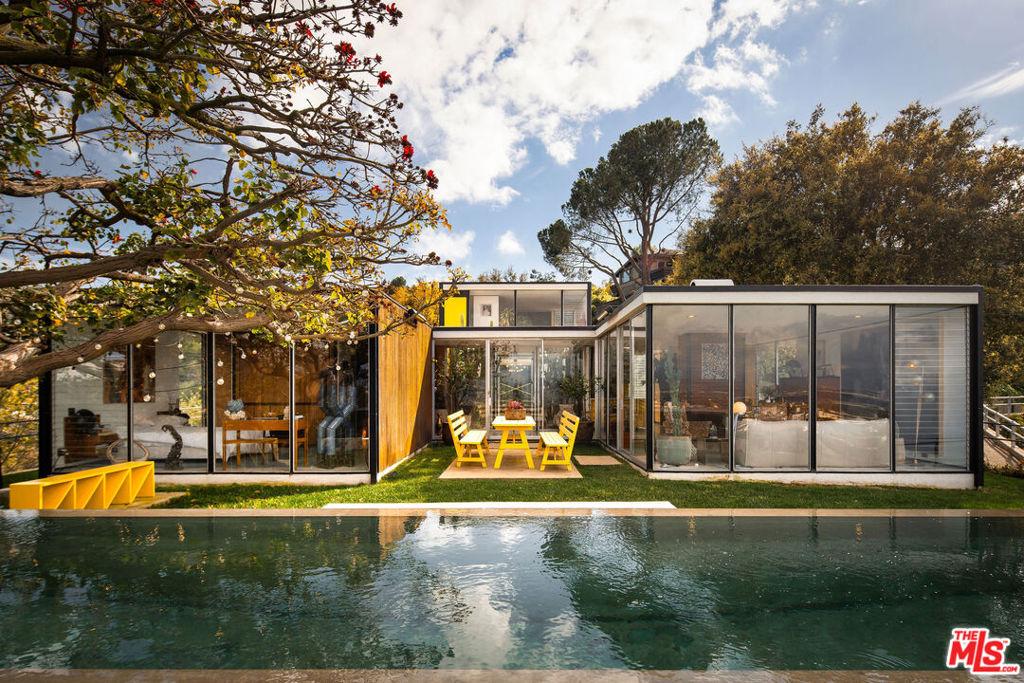
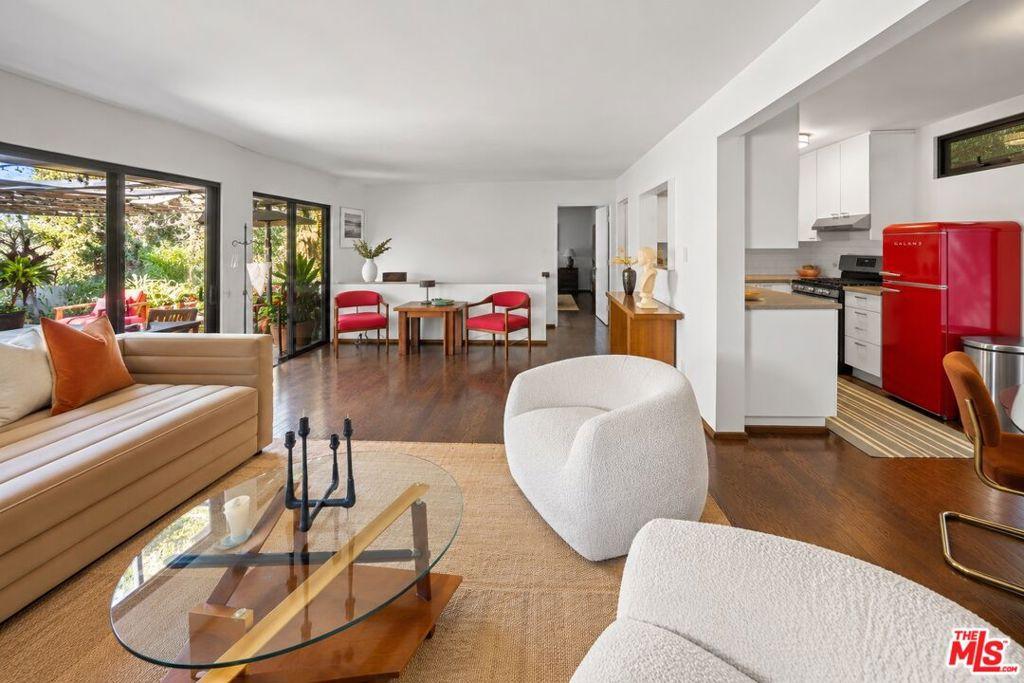
- Mid-century modern architecture is prevalent throughout the hills, with Case Study houses establishing the indoor-outdoor, glass-and-steel vocabulary that remains the architectural identity.
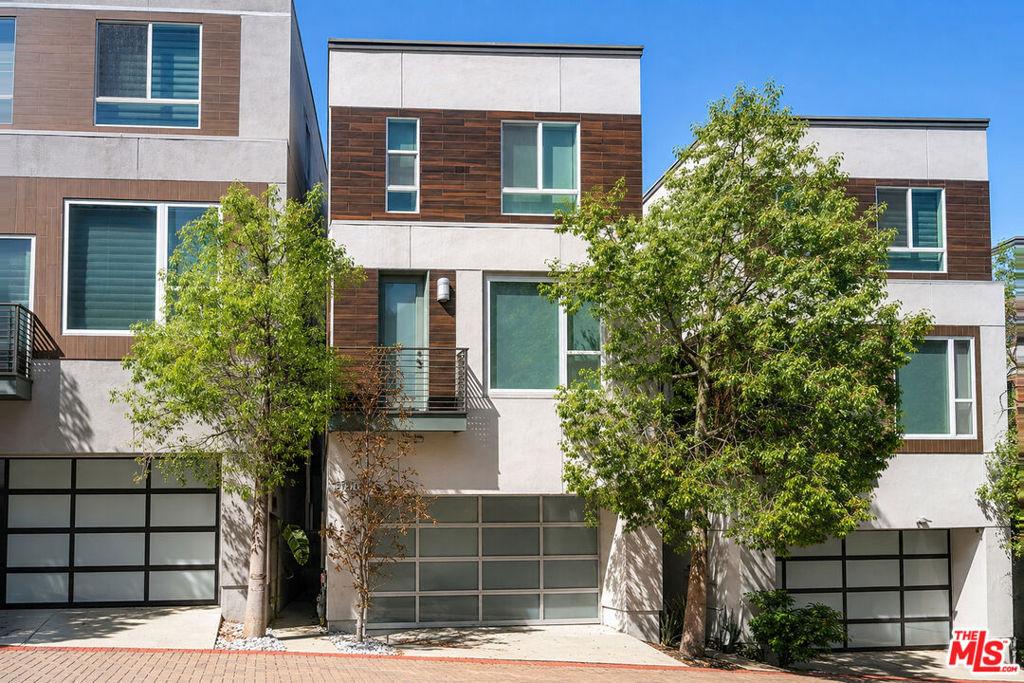
- Contemporary new construction on premium viewtop lots employs pilings, drilled piers, and hillside fill on sites earlier eras considered unbuildable.
- Entertainment industry creative class buyers dominate demand for Cahuenga Pass Homes, including writers, directors, producers, executives, and artists working in nearby studios.
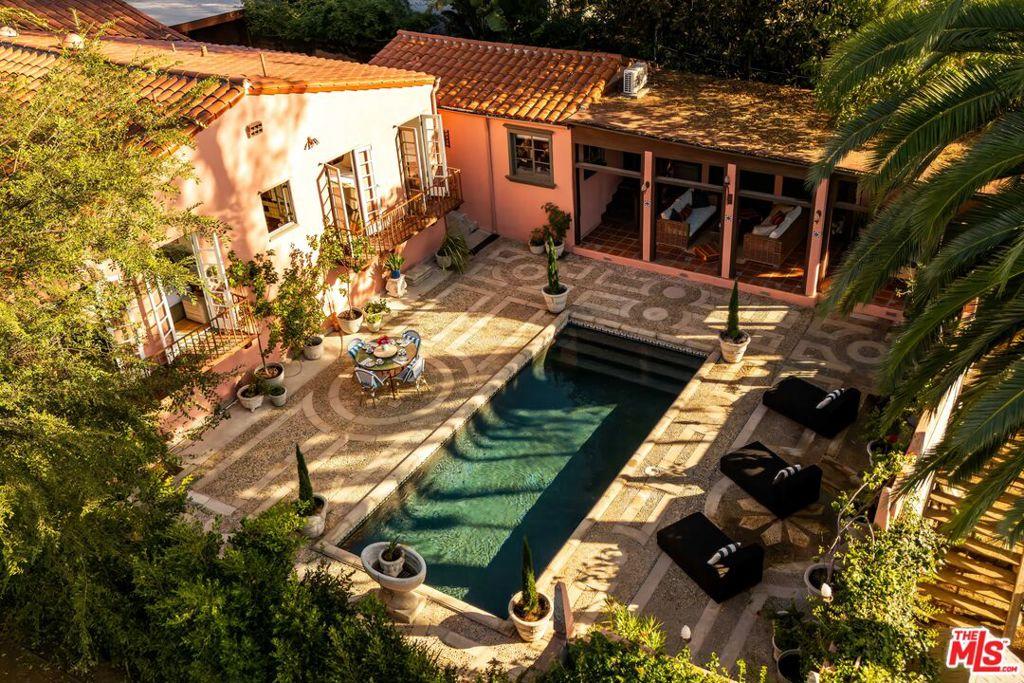
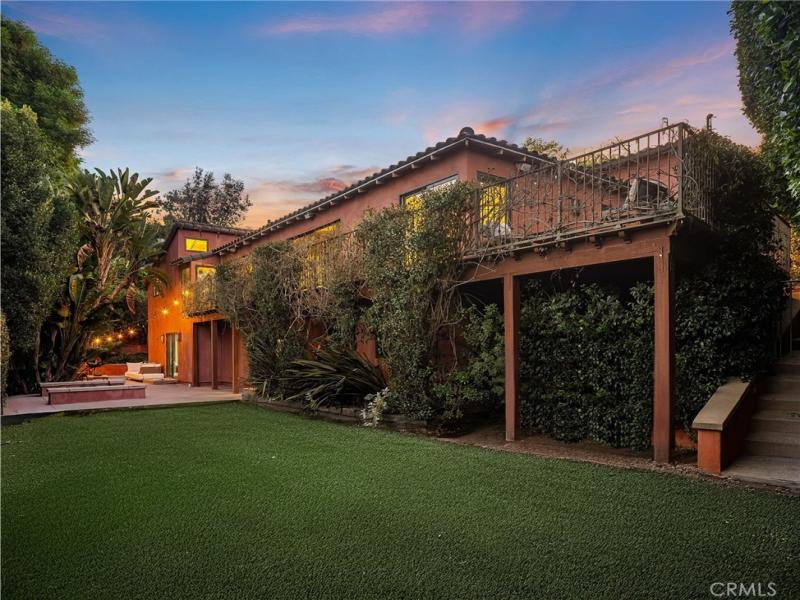
- Bird Streets modernist estates and Outpost Estates Spanish Colonial Revival anchor the architectural range across the eastern Santa Monica Mountains.