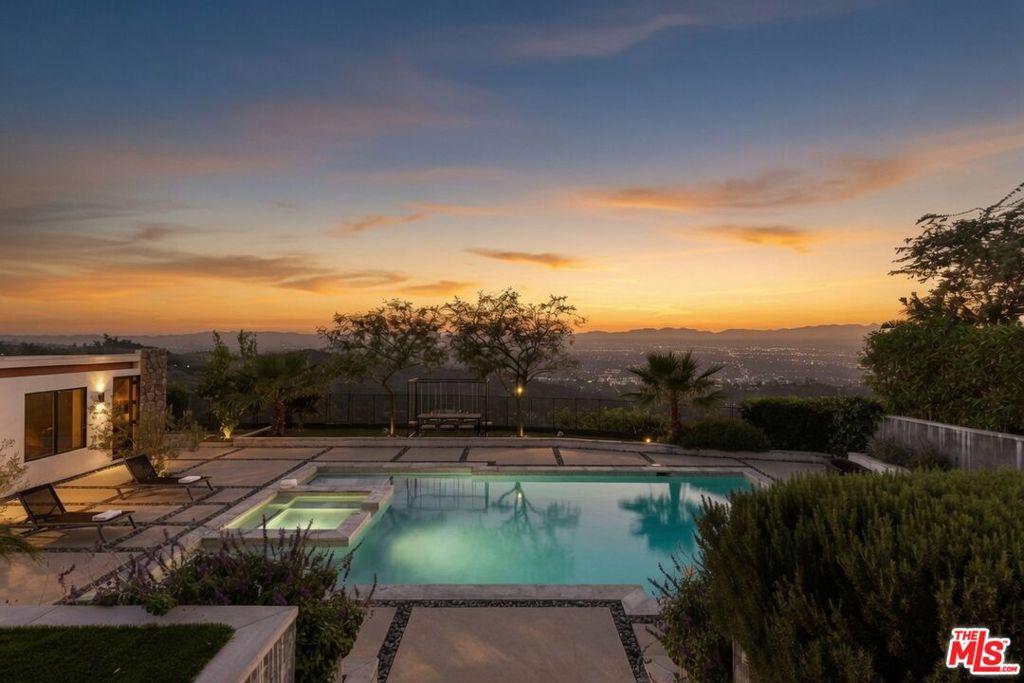
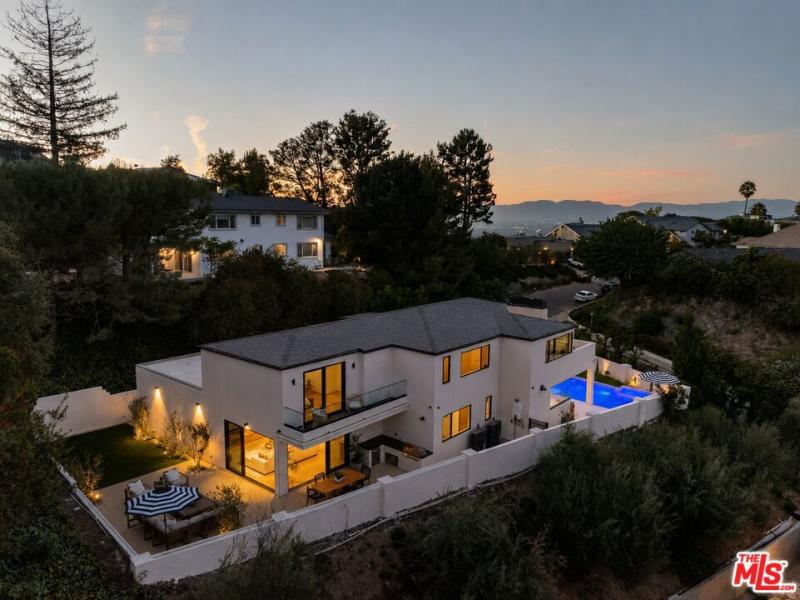
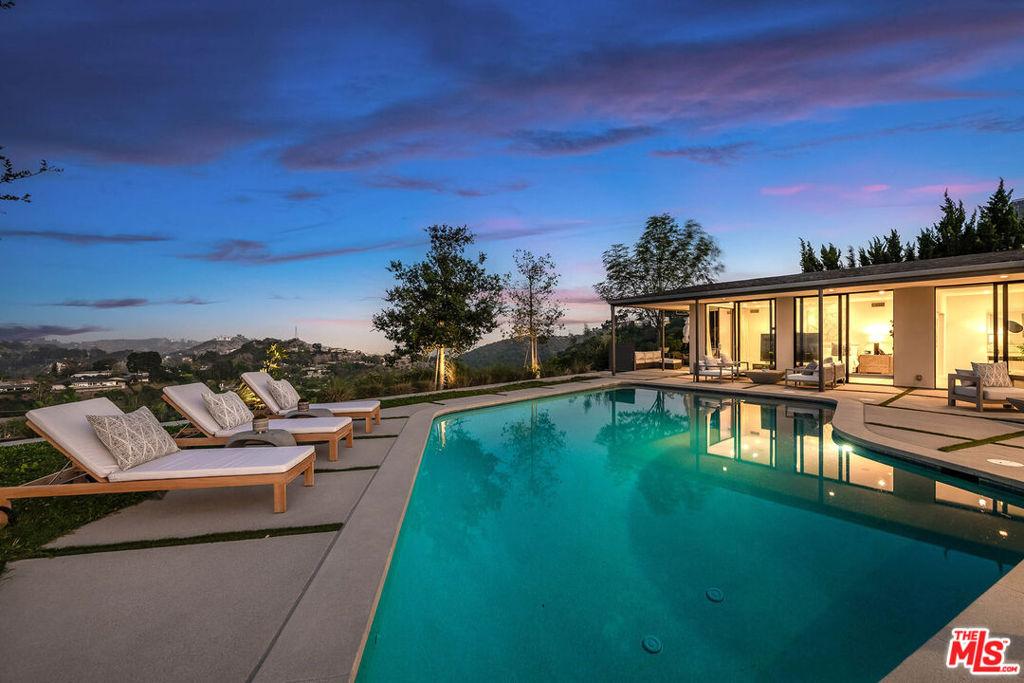
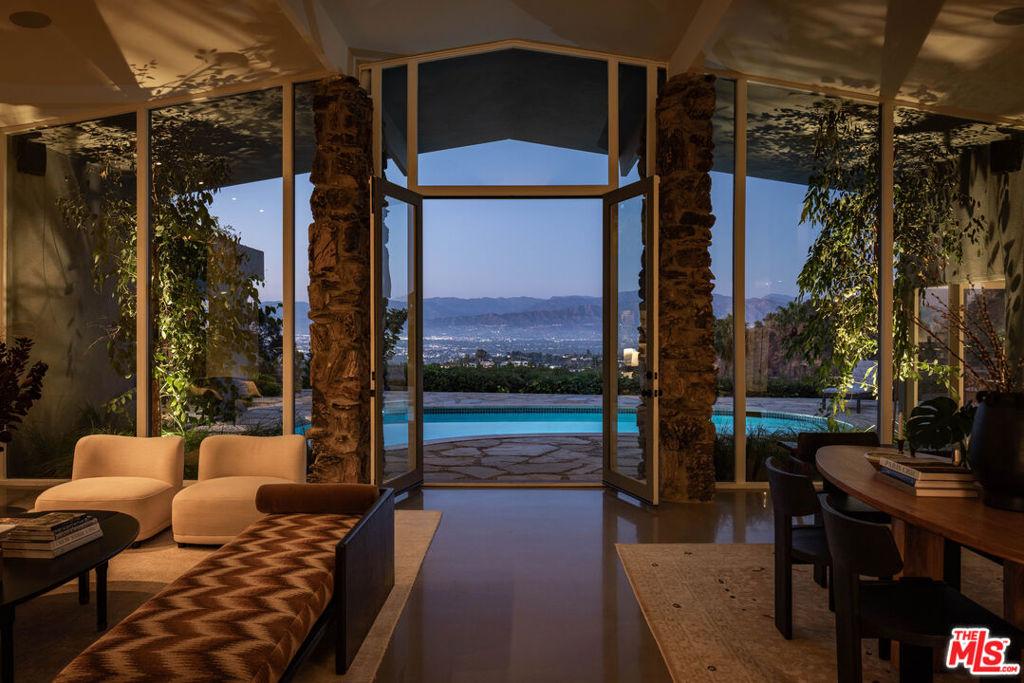
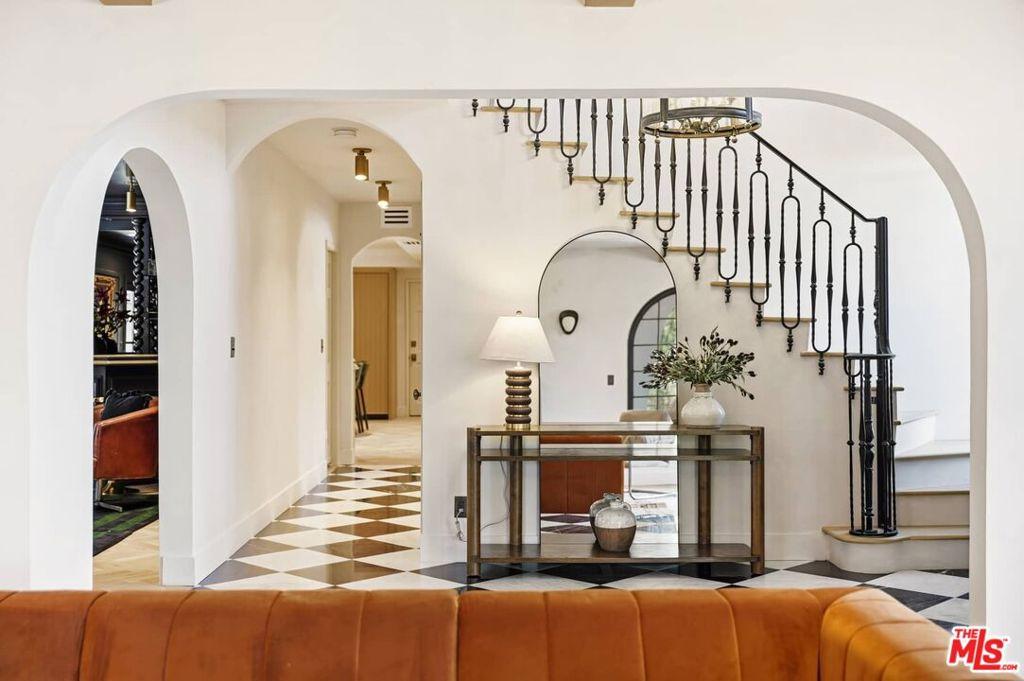
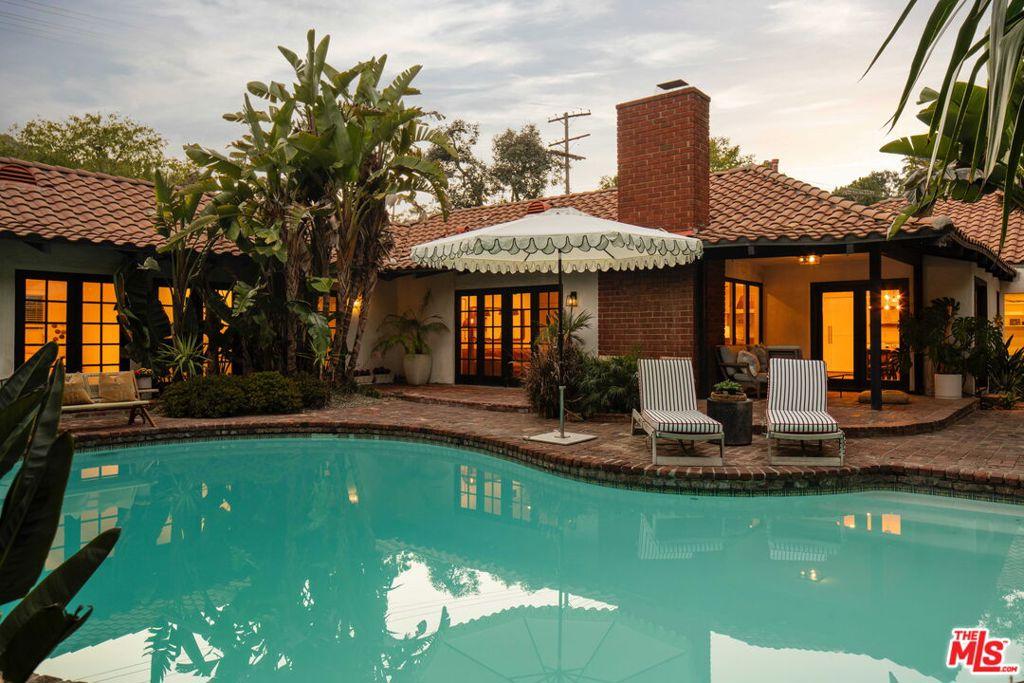
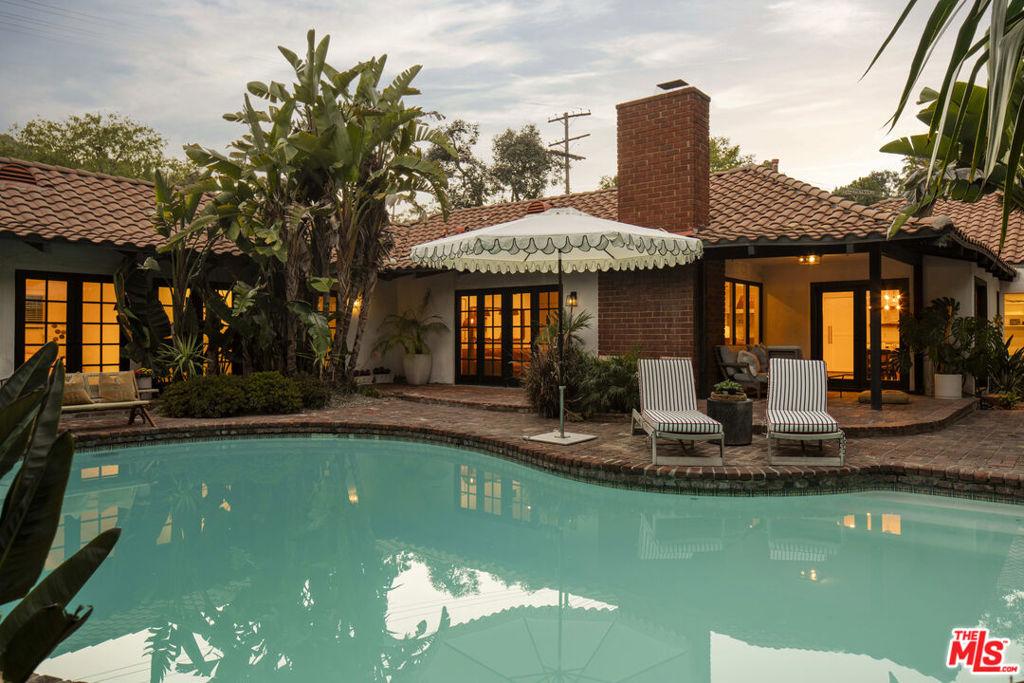
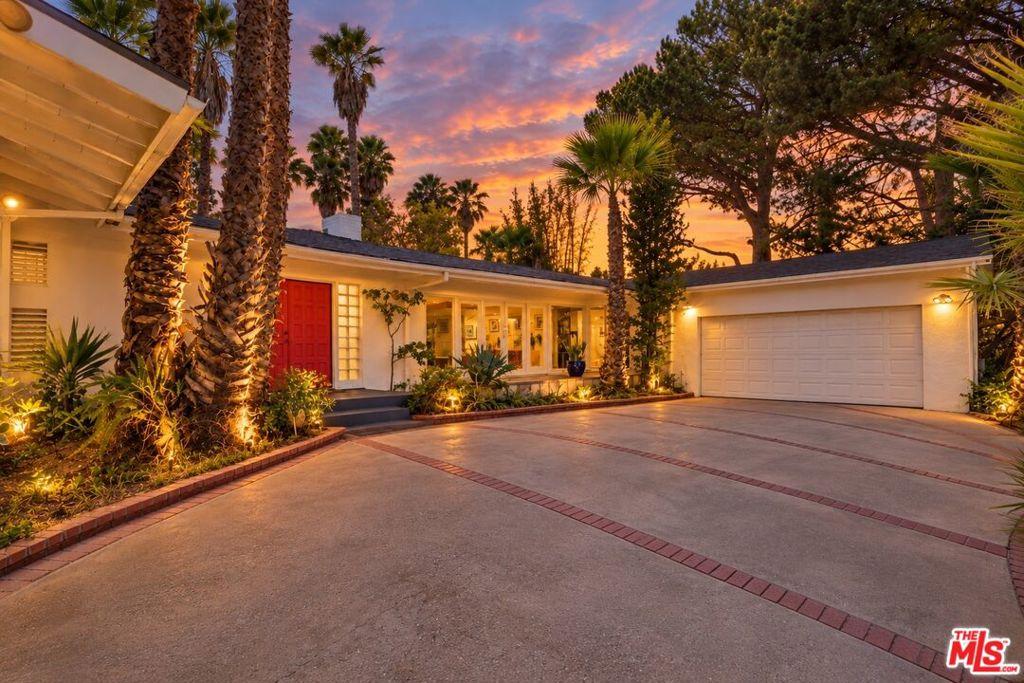
Laurel Hills Homes for Sale currently number 5 active listings with a median asking price of $4,795,000 (CRMLS, September 2026). The median lot measures 12,992 sq ft, placing Laurel Hills 2nd of 17 Hollywood Hills sub-markets on land area. Listings move faster than the surrounding cohort, a median of 48 days on market against 60 across Hollywood Hills.
Laurel Hills is one of Hollywood Hills’ distinctive residential communities, laurel hills is the residential area above and around laurel canyon boulevard — the storied canyon road that connects hollywood to the san fernando valley and that became iconic in the 1960s and 1970s as the address of the joni mitchell-era canyon music scene within a broader neighborhood whose identity is shaped by the canyon and ridgeline topography, the views that elevation provides across the Los Angeles basin and beyond, and the architectural ambition of builders and architects who have treated the Hills’ dramatic terrain as an invitation for design creativity across a century of residential development.
Laurel Canyon’s cultural history — the canyon where Joni Mitchell, David Crosby, Stephen Stills, Frank Zappa, and many other musicians lived and created in the late 1960s — gives the Laurel Hills residential area a countercultural cultural legacy that no other Hollywood Hills sub-community shares. The Los Angeles Unified School District serves the Hollywood Hills area for K-12 public education, with specific campus assignments depending on address location within the neighborhood’s varied geography. Given the Hills’ reputation as an entertainment industry professional destination, many families in the neighborhood use private school options — Harvard-Westlake, Buckley, Campbell Hall, and other private institutions accessible from the Hills — as their K-12 solution. Public school assignments should be verified with LAUSD for any specific address under consideration.
The Hollywood Hills lifestyle is fundamentally about the balance between the canyon’s natural character and the entertainment industry’s creative energy directly below. The ability to hike Runyon Canyon before an evening on the Sunset Strip, to entertain on a terrace with panoramic city-light views, and to live in an architecturally significant home that uses the challenging terrain as an asset rather than an obstacle — this combination of nature, culture, and architecture defines the Hollywood Hills residential experience for the buyers who specifically choose the neighborhood over the flatland alternatives below. Property values reflect the premium that this lifestyle combination commands in one of the world’s most competitive luxury residential markets.
Mulholland Drive provides the hilltop road that connects Hollywood Hills properties to the broader canyon residential network — east toward Griffith Park and the Hollywood sign vista points, west toward Coldwater Canyon and Beverly Hills, and to the San Fernando Valley on the north side of the ridge. The road’s name carries decades of cultural resonance in Los Angeles — Mulholland Highway, the David Lynch film, the ongoing debate about Mulholland’s water legacy — and it provides the literal high road that Hollywood Hills residents use to navigate their elevated residential world.
Laurel Hills occupies the elevated terrain between Laurel Canyon’s famous bohemian-music community and the Sunset Strip commercial corridor — the hillside residential neighborhood that benefits from the cultural proximity of both. Laurel Canyon’s music legacy (Joni Mitchell, the Doors, Crosby Stills Nash and Young, and the folk-rock scene of the 1960s-70s centered on the Canyon Country Store) creates the cultural heritage that Laurel Hills shares by geographic association; the Sunset Strip’s Chateau Marmont, the comedy clubs, and the entertainment industry’s working social venues are accessible within the steep hillside walking distance that the Hollywood Hills residential terrain creates. The elevated positioning provides the city-light views that the south-facing slopes of the Hollywood Hills offer across the LA Basin toward Downtown and the Pacific.
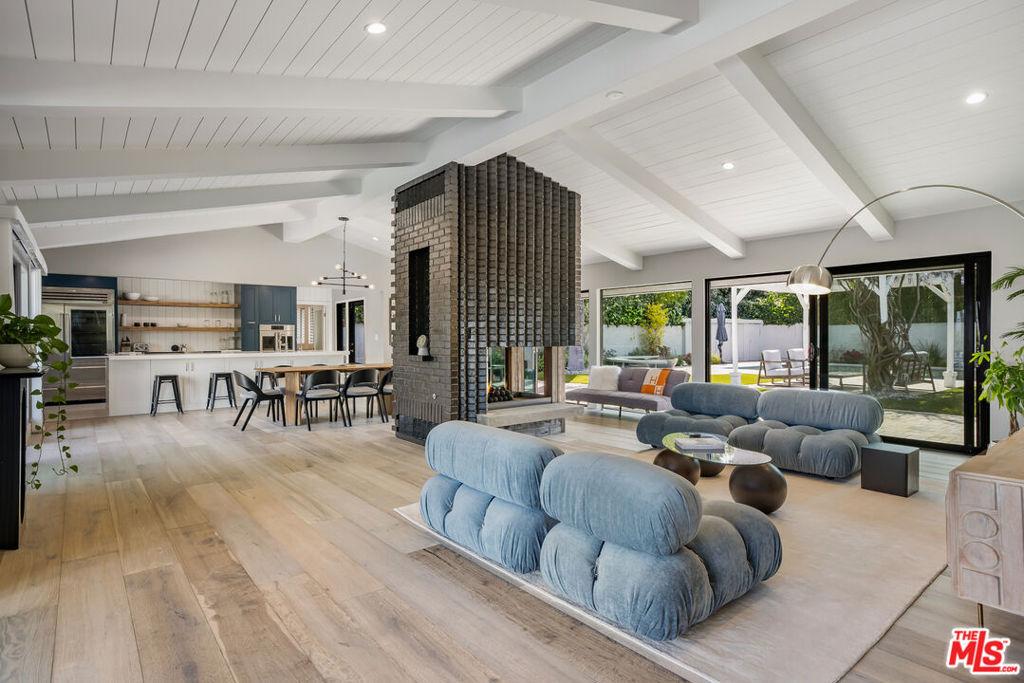
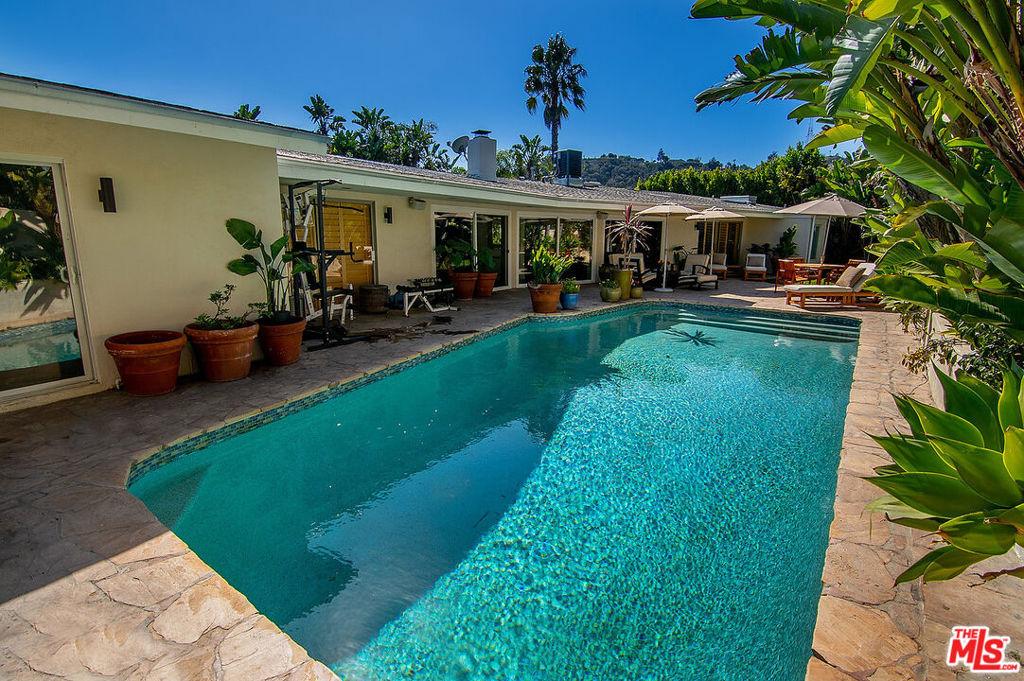
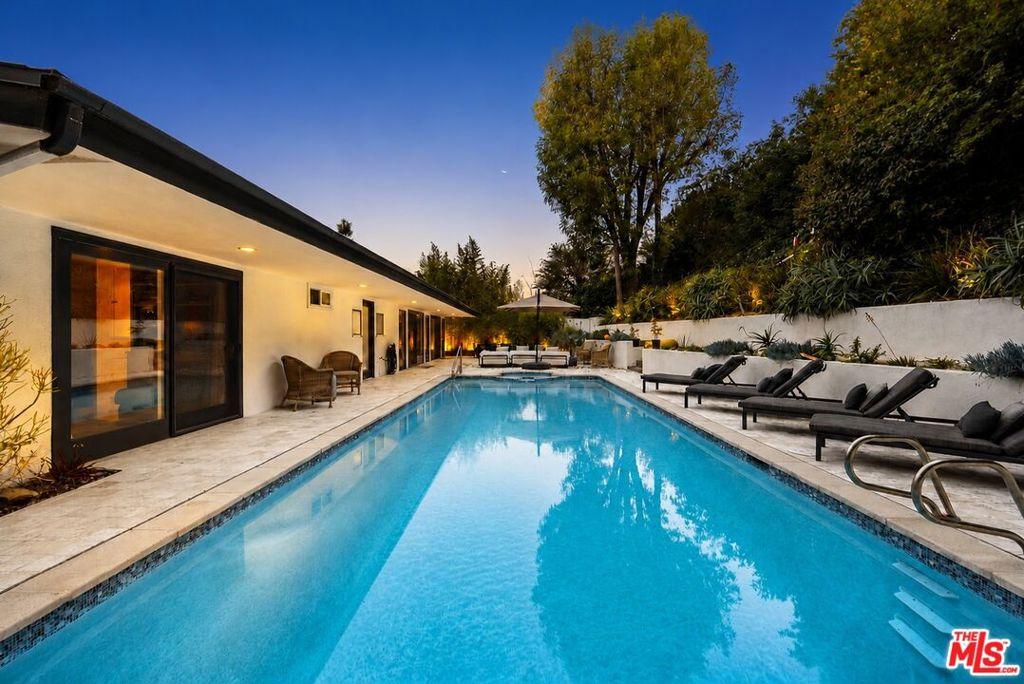
Laurel Hills’ residential market reflects the Hollywood Hills premium for the canyon-adjacent lifestyle with the Sunset Strip access that the neighborhood’s positioning between Laurel Canyon and the Strip creates. The mid-range to luxury residential fabric — the hillside homes ranging from 1950s-era canyon cottages to contemporary architectural designs — provides the spectrum of price points and architectural styles that the Hollywood Hills residential market sustains across the Laurel Canyon-adjacent terrain.
Runyon Canyon Park is Hollywood Hills’ most beloved recreational amenity — a 160-acre dog-friendly park with hiking trails that provide panoramic views of the Los Angeles basin, the Hollywood sign, and on clear days, the ocean and Catalina Island. The park’s trails attract an eclectic mix of celebrities, fitness enthusiasts, and Angelenos from across the city who treat it as a daily ritual. For Hollywood Hills residents who live within walking distance of the park’s entrances, the ability to hike from their front door into one of LA’s most spectacular urban parks is a daily lifestyle feature that distinguishes the neighborhood from the flatlands below. Griffith Park, the largest municipal park with urban wilderness in the United States, borders Hollywood Hills on the east and provides additional trail access, the Griffith Observatory, and the Los Angeles Zoo.
The Sunset Strip — West Hollywood’s famous entertainment corridor of clubs, restaurants, boutique hotels, and nightlife venues — is accessible within minutes from most Hollywood Hills addresses, providing the entertainment access that makes the Hills the preferred address for the entertainment industry’s working creative class. Melrose Avenue’s design and restaurant district, the Chateau Marmont, Carney’s on Sunset, and the canyon road restaurants that have become institutions in their own right are all part of the Hollywood Hills residential lifestyle. The neighborhood’s food culture extends to the Canyon Country Store and other canyon institutions that provide a more intimate neighborhood character within the broader Hollywood Hills geography.
Laurel Canyon Boulevard, Mulholland Drive, and Coldwater Canyon Avenue are the primary road arteries through the Hollywood Hills, connecting the neighborhood to West Hollywood, Beverly Hills, and the San Fernando Valley. Traffic on these canyon roads during peak hours is a factor that Hollywood Hills residents navigate as part of daily life — the canyon experience that makes the Hills compelling comes with the road topology that requires navigating switchbacks and single-lane canyon roads to access the flatlands below. Many Hollywood Hills residents develop the local knowledge that allows them to navigate between multiple canyon routes to avoid congestion.
Laurel Hills is tracked as a distinct sub-market of Hollywood Hills, and its figures diverge from the parent average. The measurements below come from CRMLS listing data as of September 2026.
Median lot size separates Hollywood Hills sub-markets more sharply than price does. Laurel Hills ranks 2nd of the 17 comparable sub-markets tracked here.
Laurel Hills pricing reflects Hollywood Hills’ overall luxury residential market, which ranges from approximately $1.5 million for smaller or canyon-interior properties to $5 to $15 million or beyond for premium viewtop or significant architectural properties. The specific price position for Laurel Hills depends on the community’s elevation, view quality, architectural character, and location within the Hills’ varied geography. Current comparable sales data is available from The Knight Group.
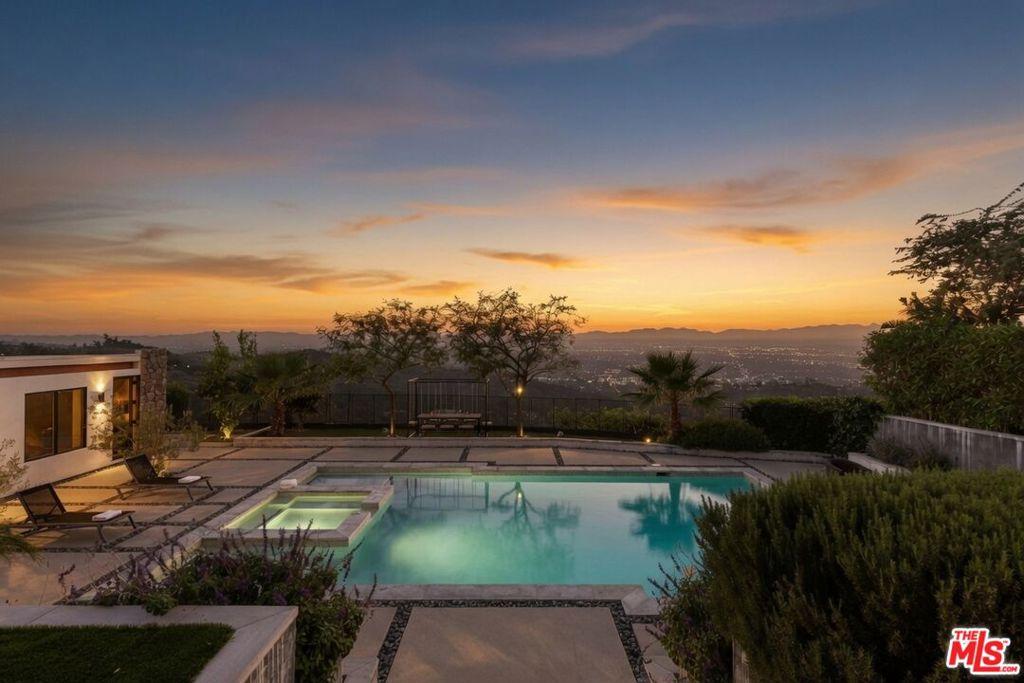
Laurel Hills’s view profile depends on its elevation and orientation within the Hollywood Hills’ complex topography. Southward-facing properties on elevated terrain can capture panoramic city-light views across the Los Angeles basin; eastward-facing properties may overlook the Hollywood reservoir and Griffith Park; westward-facing properties may capture sunset and ocean views on clear days. The specific view from any individual property must be assessed in person, as the Hills’ terrain complexity means that view quality varies dramatically even between adjacent properties.
Hollywood Hills’ canyon road topography means that commuting involves navigating the canyon’s limited road network — Laurel Canyon Boulevard, Coldwater Canyon Avenue, Cahuenga Boulevard, and Mulholland Drive are the primary arteries. During peak hours, canyon traffic can extend commute times significantly compared to flatland alternatives. Most entertainment industry professionals who choose the Hills build their schedules around the canyon’s traffic patterns or supplement with knowledge of alternative routes. The proximity to Hollywood and West Hollywood employment means that despite the canyon traffic, overall commute distances are short even if travel times are variable.
Hiking access is one of Hollywood Hills’ defining residential amenities. Runyon Canyon Park offers multiple trail options from easy to strenuous within the Hills, with city and ocean views from the upper trail. Griffith Park provides an extensive trail network on the eastern edge of the Hills. Fryman Canyon, Franklin Canyon Park, and Coldwater Canyon Park provide additional options in the western Hills. Many Hollywood Hills addresses have direct trail access from neighborhood streets, making on-foot access to these hiking destinations practical without driving. The trails are widely used by neighborhood residents and visiting Angelenos throughout the year.
The Laurel Canyon music scene of the late 1960s and early 1970s was one of the most creatively fertile periods and places in American popular music history — the canyon neighborhood where the artists who defined the California folk rock and rock sound (Joni Mitchell, Crosby Stills Nash and Young, the Doors’ Jim Morrison, Frank Zappa, Mama Cass Elliot, and dozens of others) lived in proximity, shared music, and created the collaborations and the creative climate that produced some of the most enduring recordings in American popular music. The Canyon Country Store (the neighborhood market at the intersection of Laurel Canyon and Lookout Mountain Avenue) was the social center of the creative community; the informal jam sessions, the neighborhood parties, and the creative exchange that the community’s geographic concentration enabled are documented in Laurel Canyon’s mythology as among the most creatively productive residential environments in modern music history. Today’s Laurel Canyon preserves the physical landscape — the winding canyon road, the hillside cottages, the Country Store — that the music scene inhabited, making the neighborhood a living artifact of the American music heritage that the Hollywood Hills’ bohemian tradition sustains.
Explore more Hollywood Hills neighborhoods:
Lucky for you we’re looking out.
Subscribe to this Custom Search to be alerted when new properties hit the market in the area.
Choose the frequency that works for you.