Your Burning Questions, Answered
Q. What are the benefits of living in Nichols Canyon?
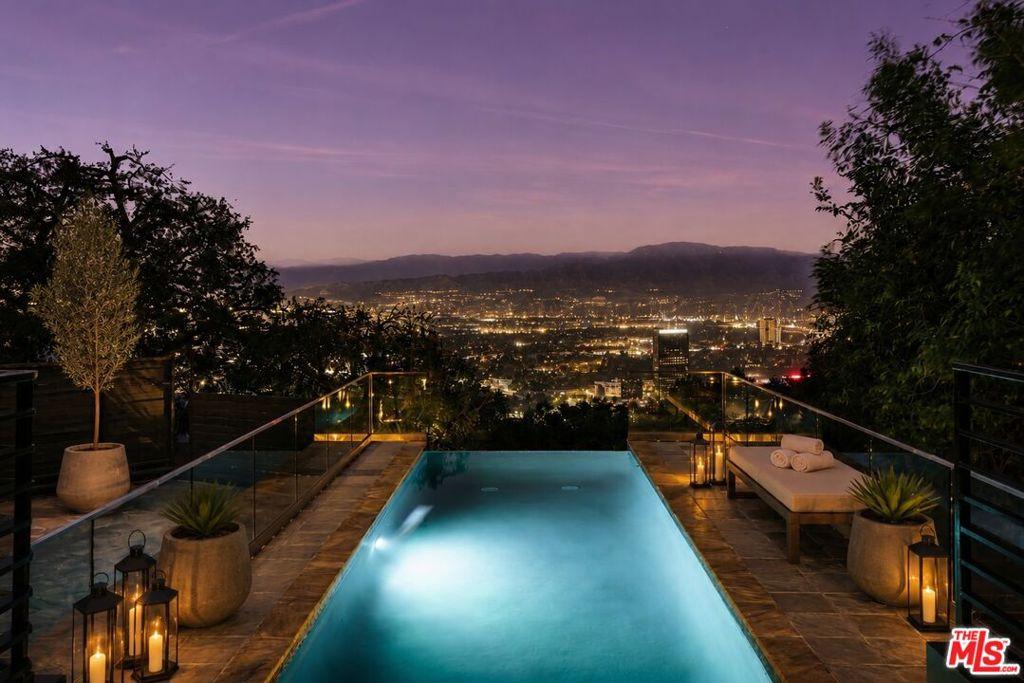
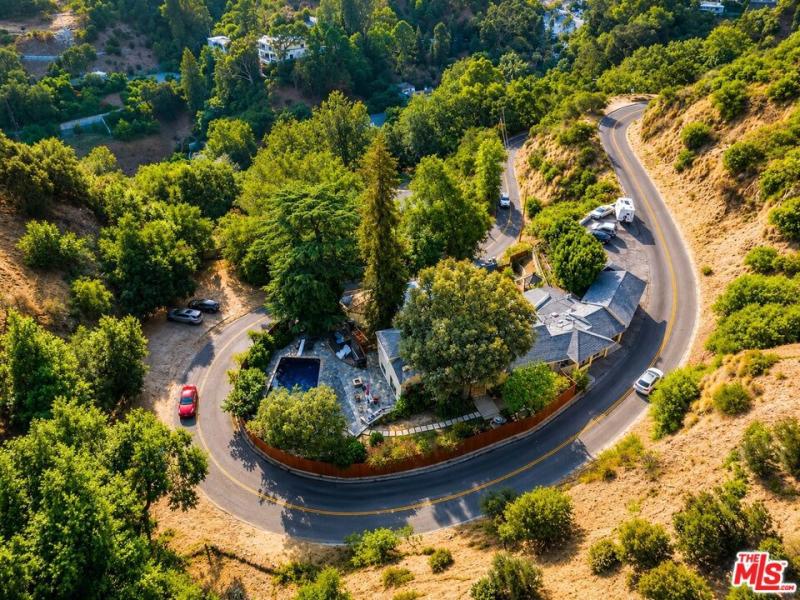
A. Living in Nichols Canyon is like having your cake and eating it too. You get the serenity of canyon living with the convenience of city life just minutes away. Imagine waking up to birdsong instead of traffic noise, taking a morning hike in Runyon Canyon without battling for parking, and still making it to your power lunch in Beverly Hills on time.
But it’s not just about location. The community here is tight-knit. Despite (or maybe because of) its star-studded resident list. You might find yourself chatting with an A-list actor at the local coffee shop or swapping gardening tips with a tech mogul at the neighborhood barbecue. It’s a place where privacy is respected, but community is valued.
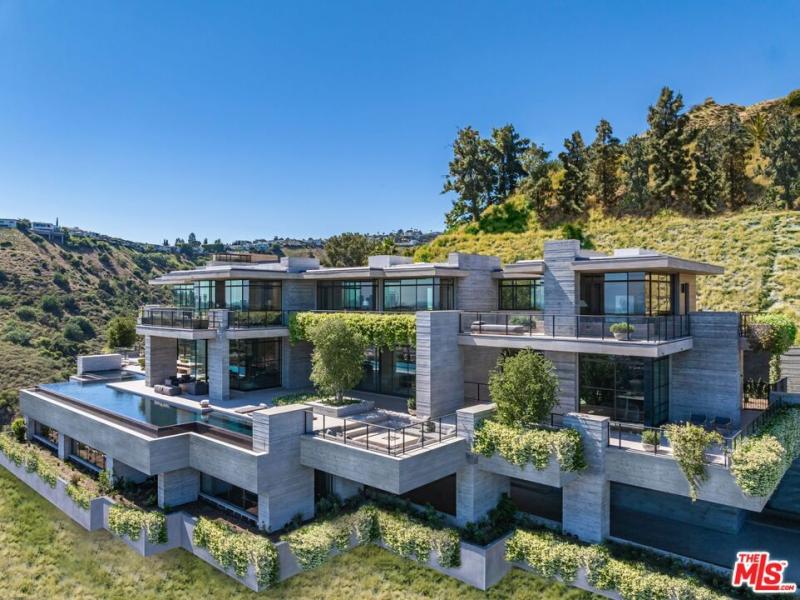
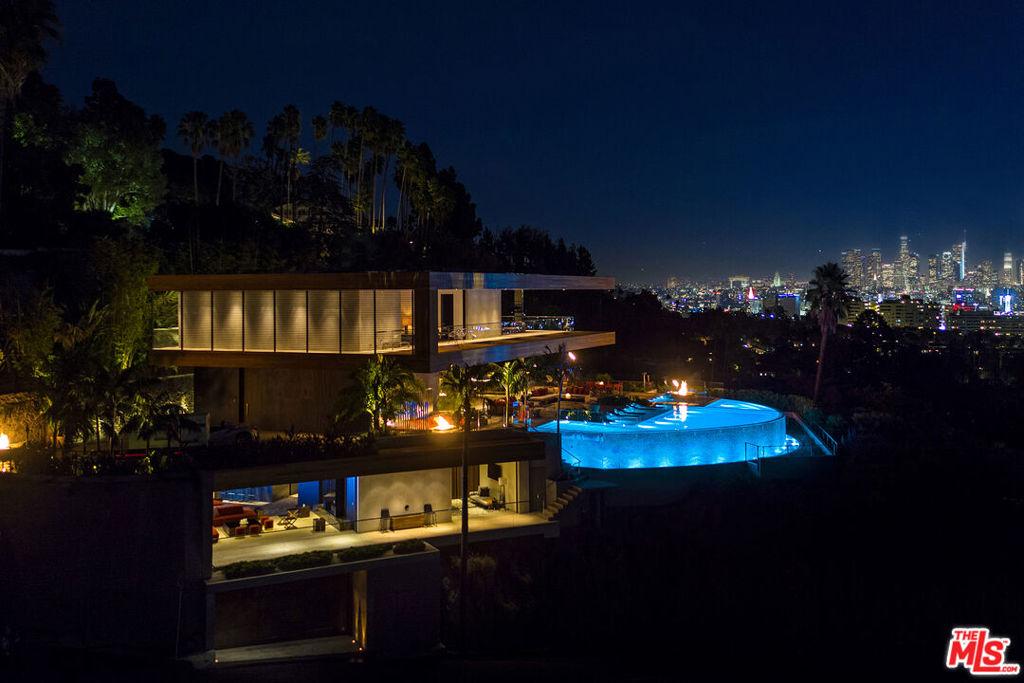
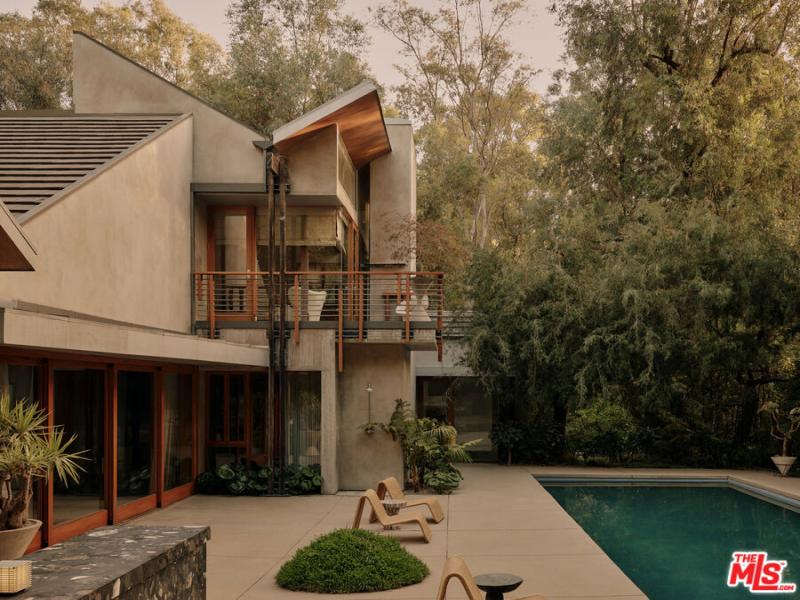
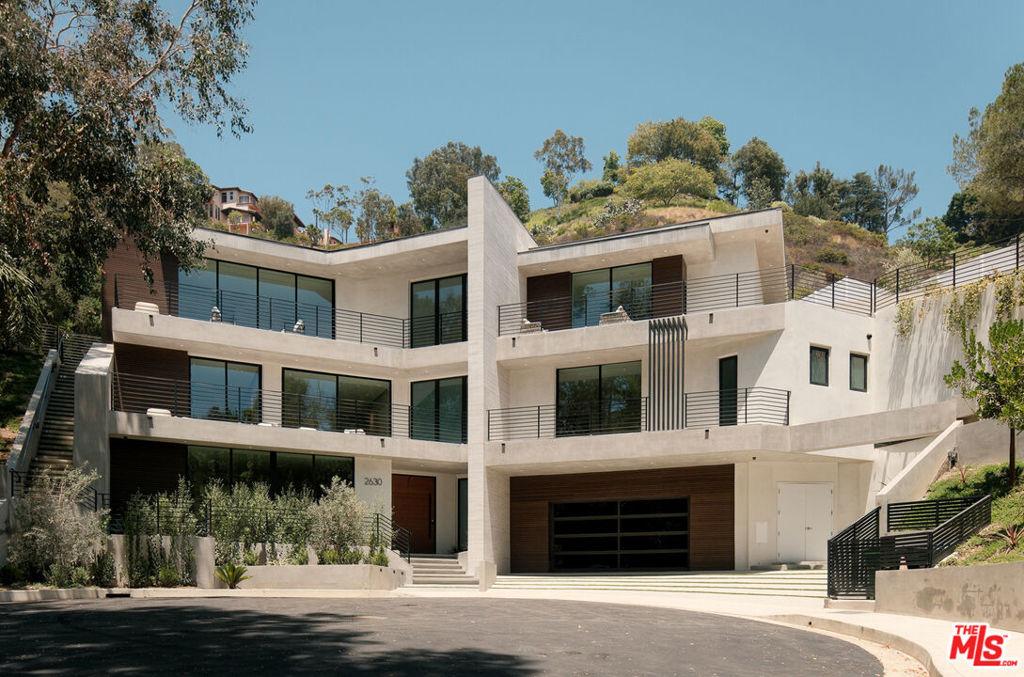
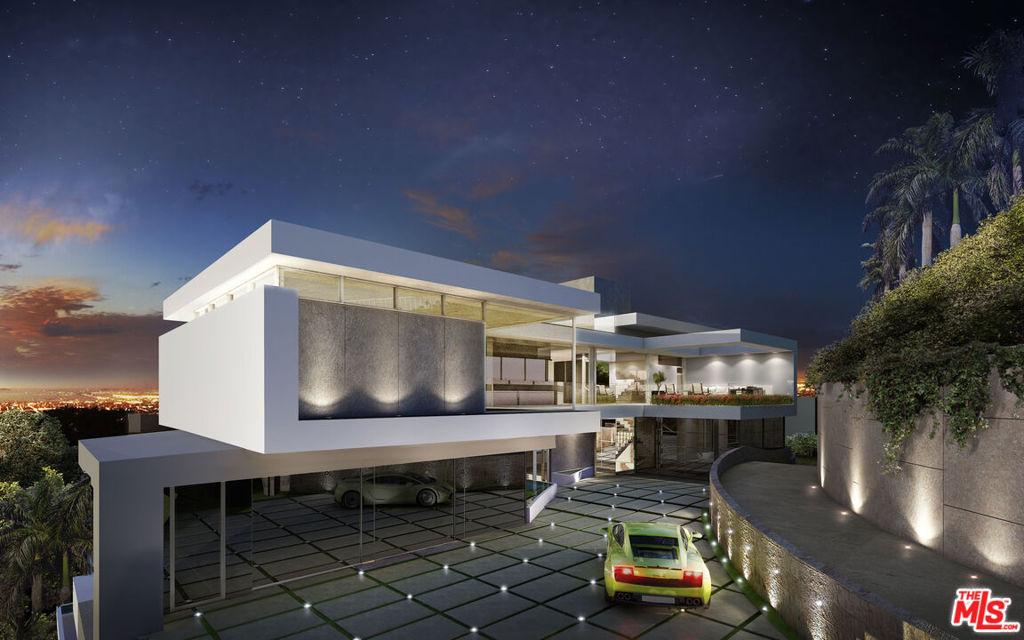
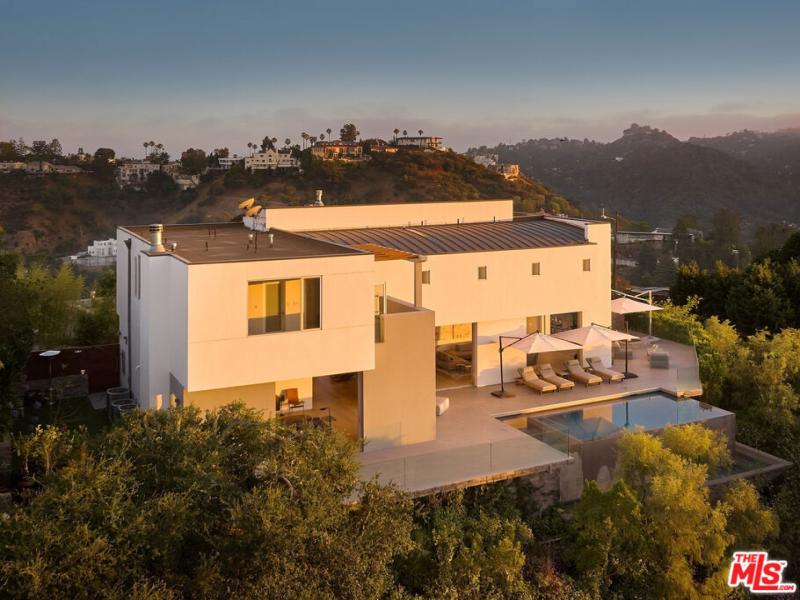
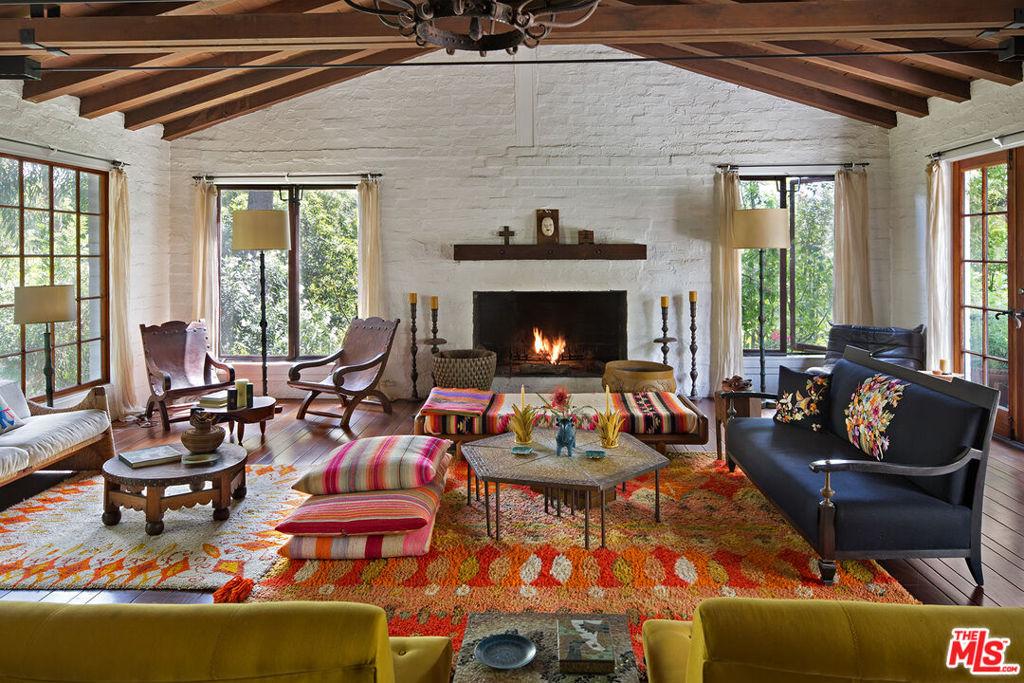
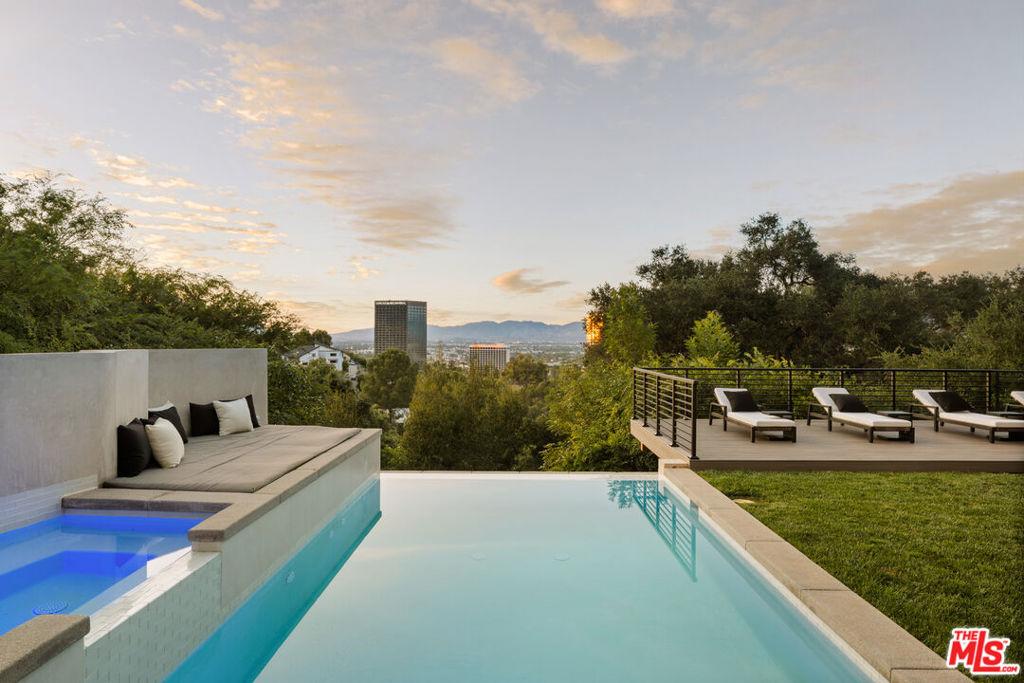
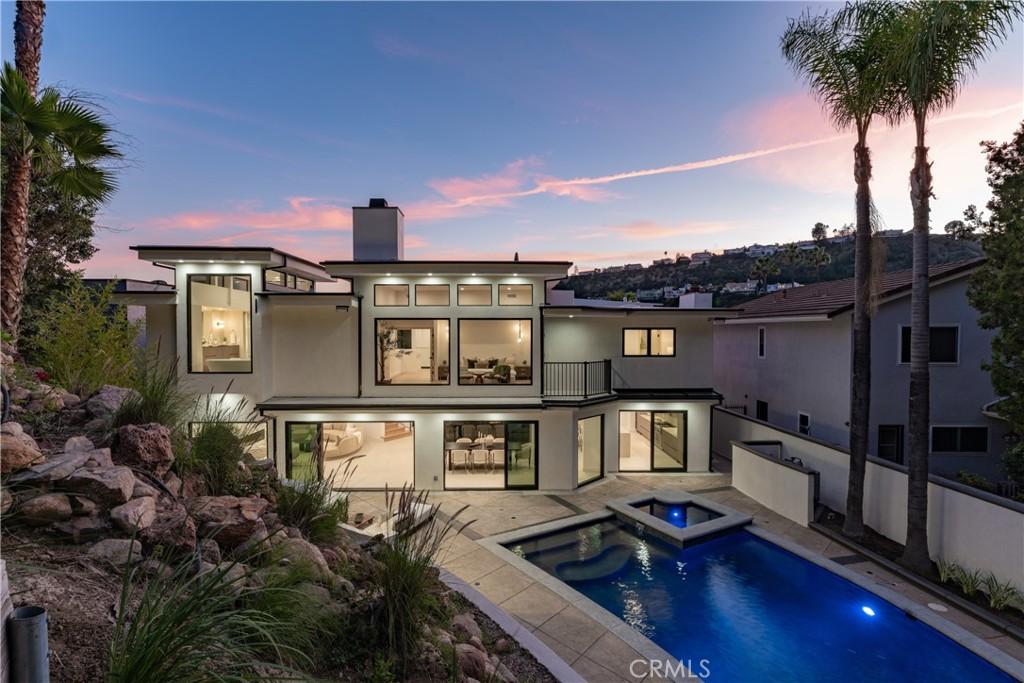
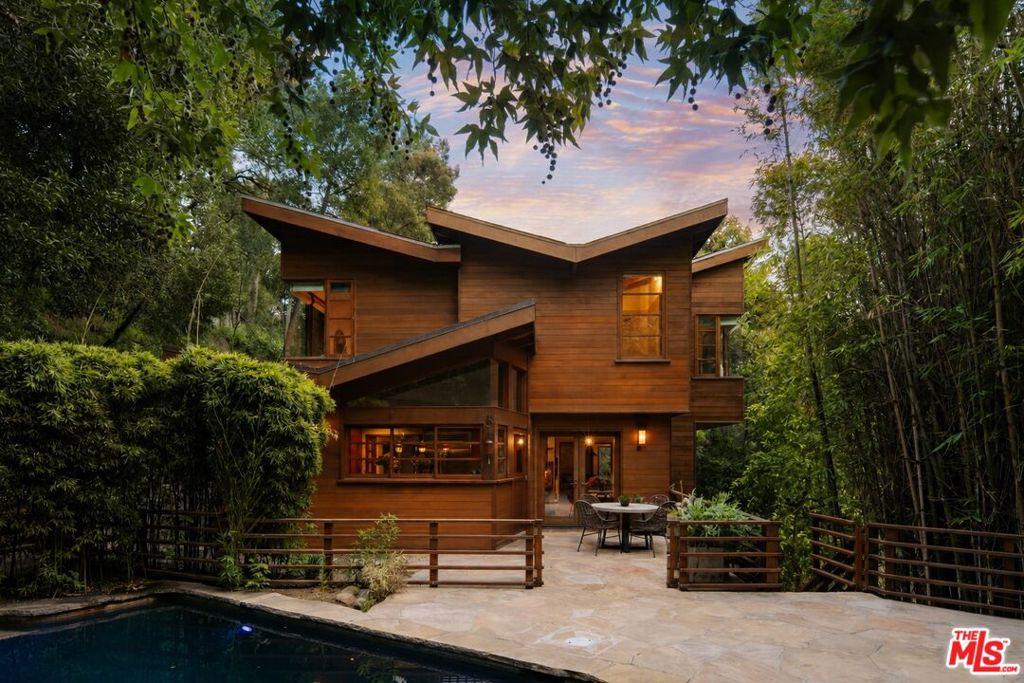
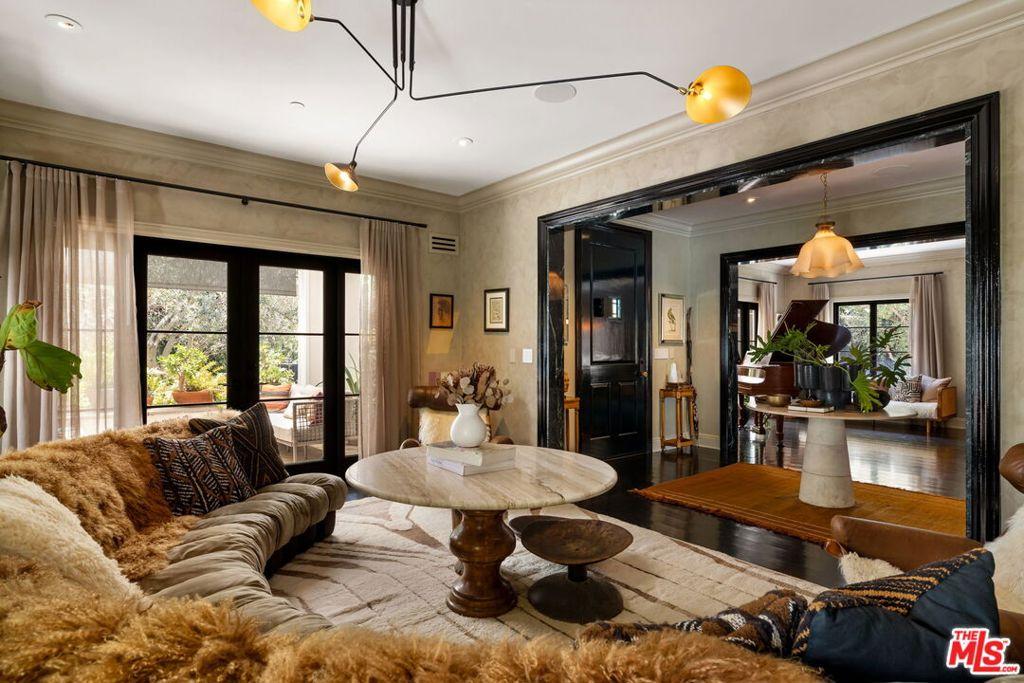
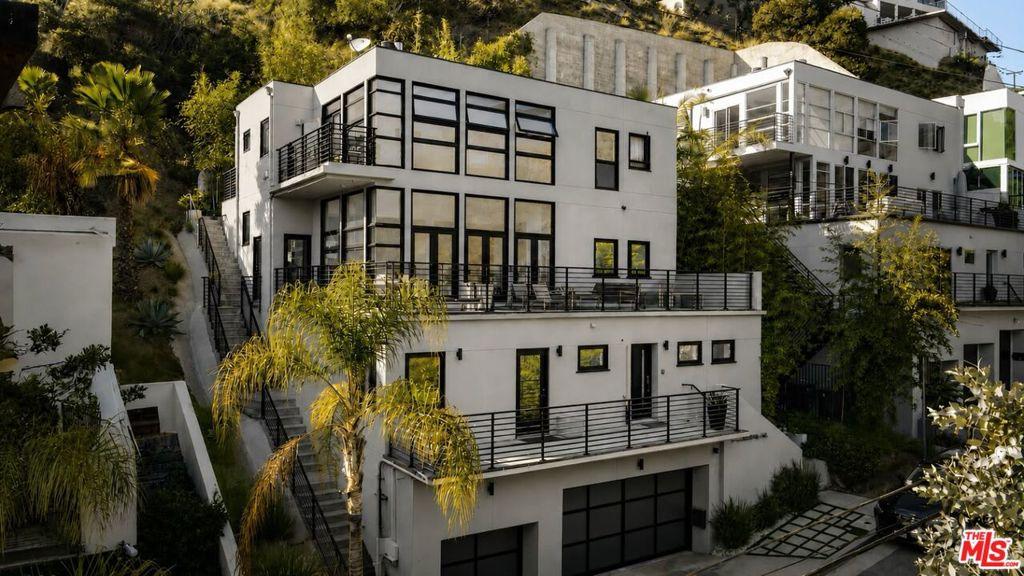
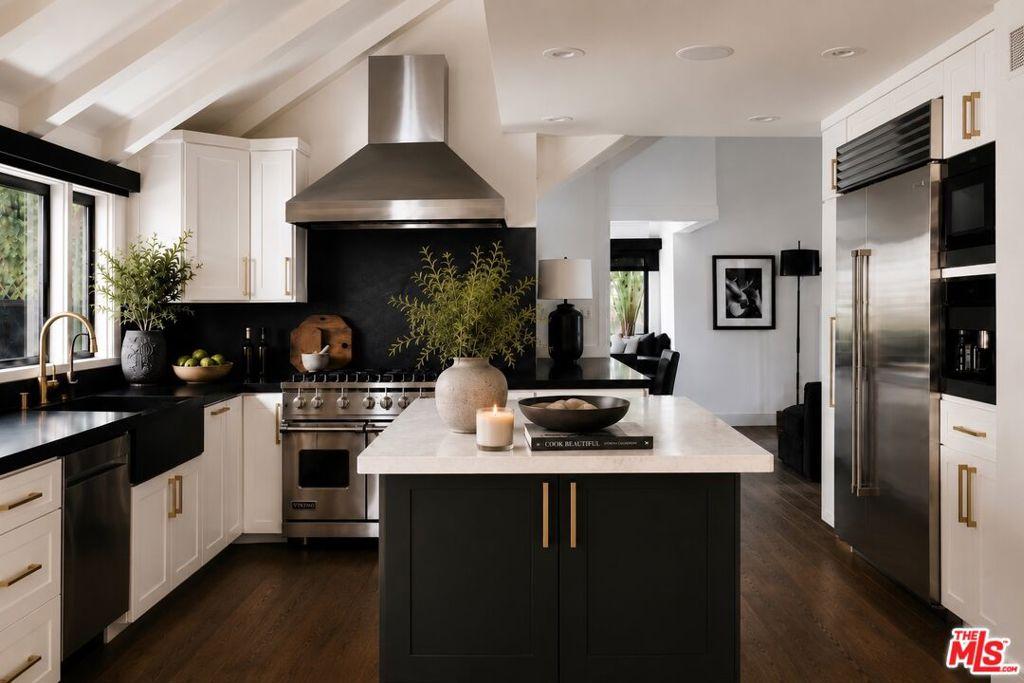
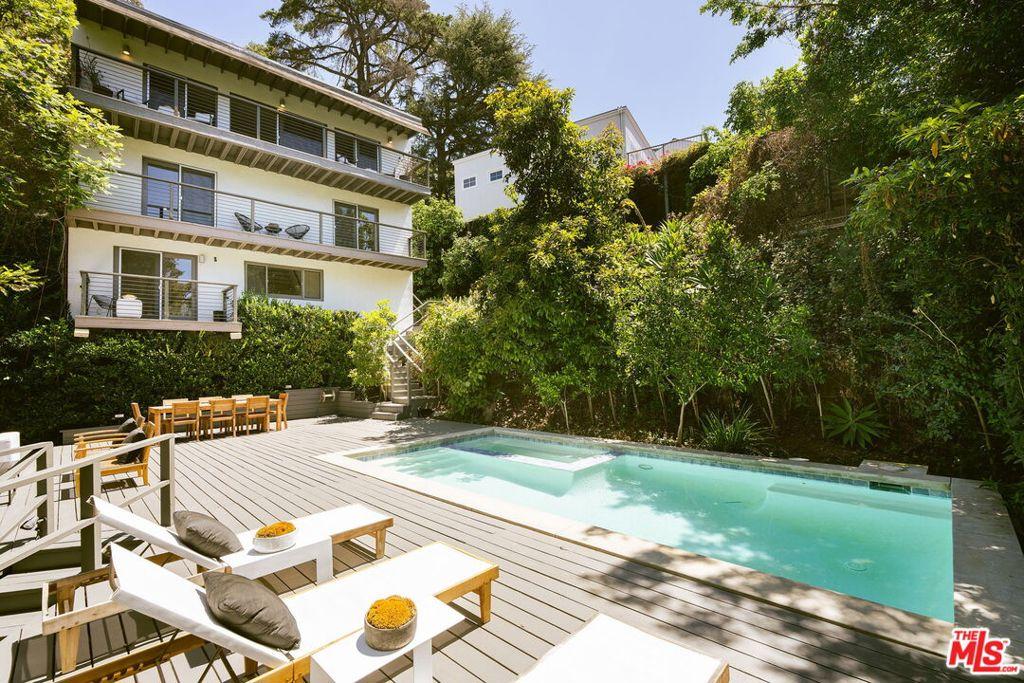
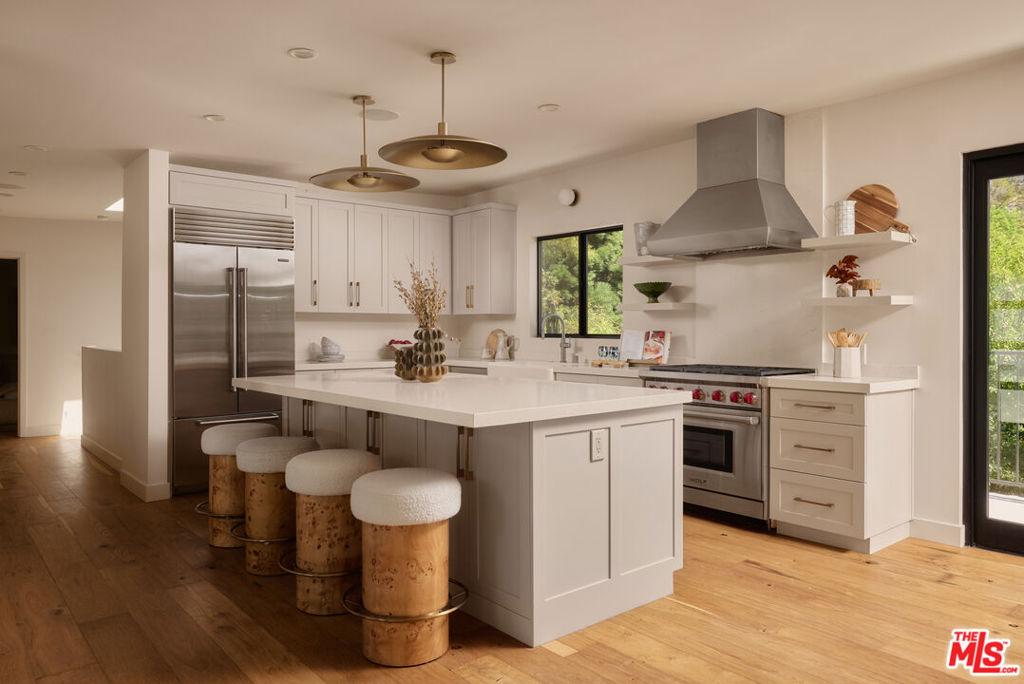
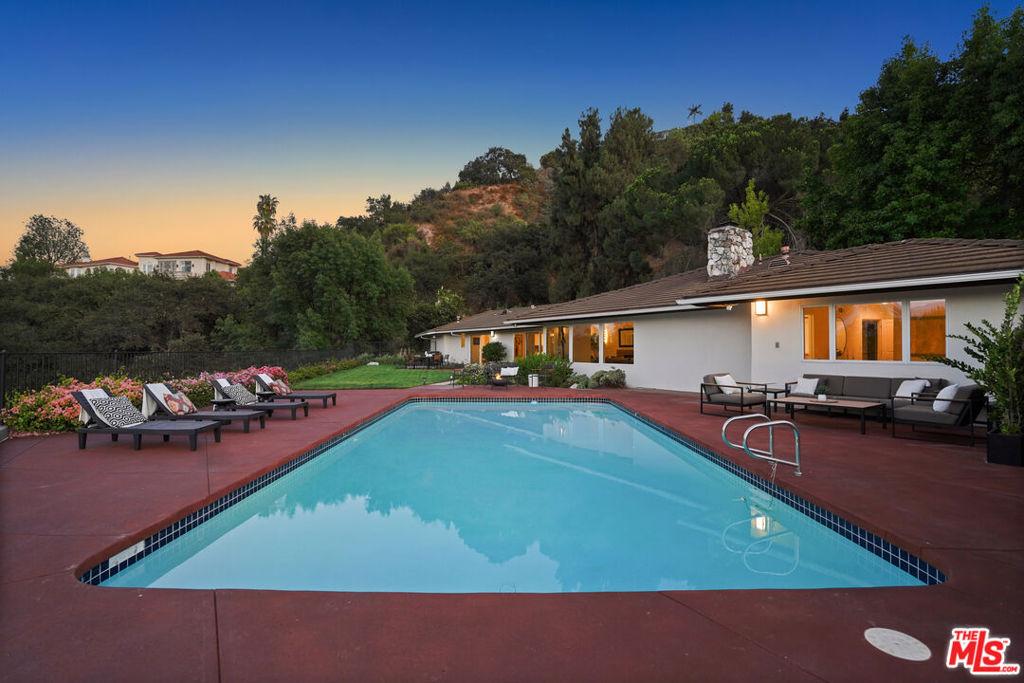
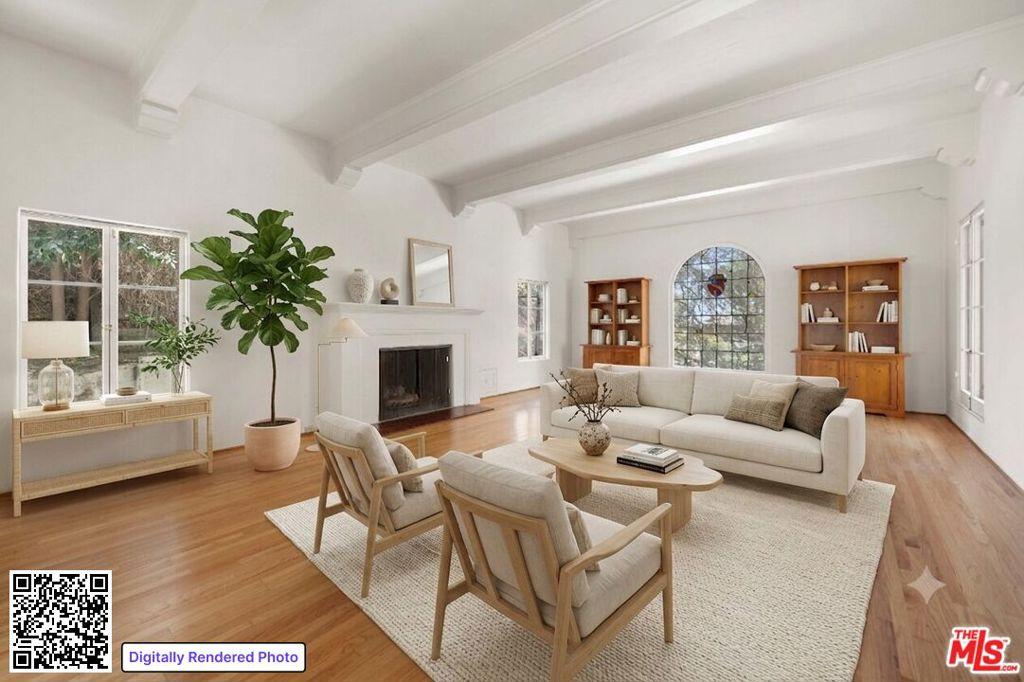
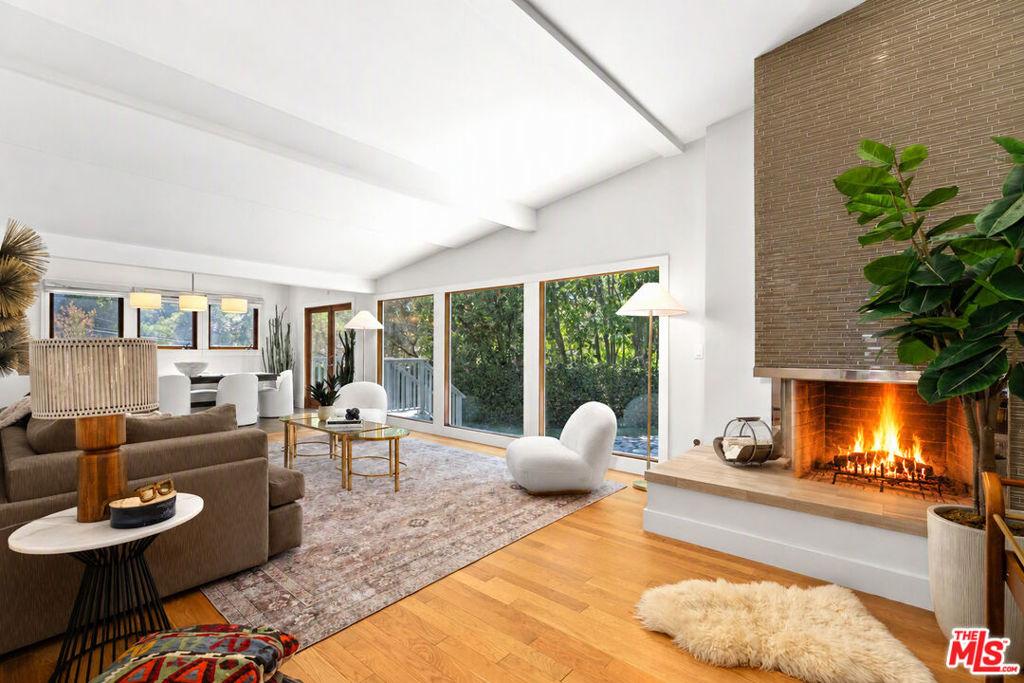
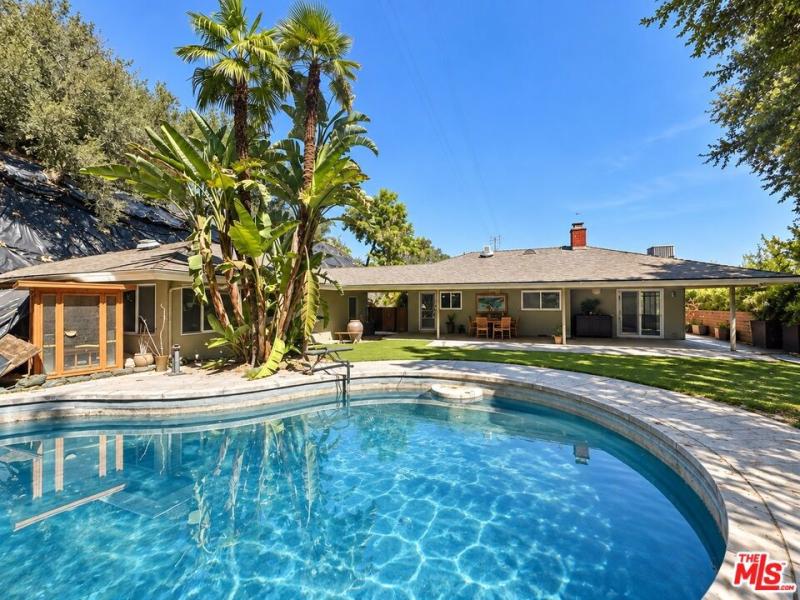
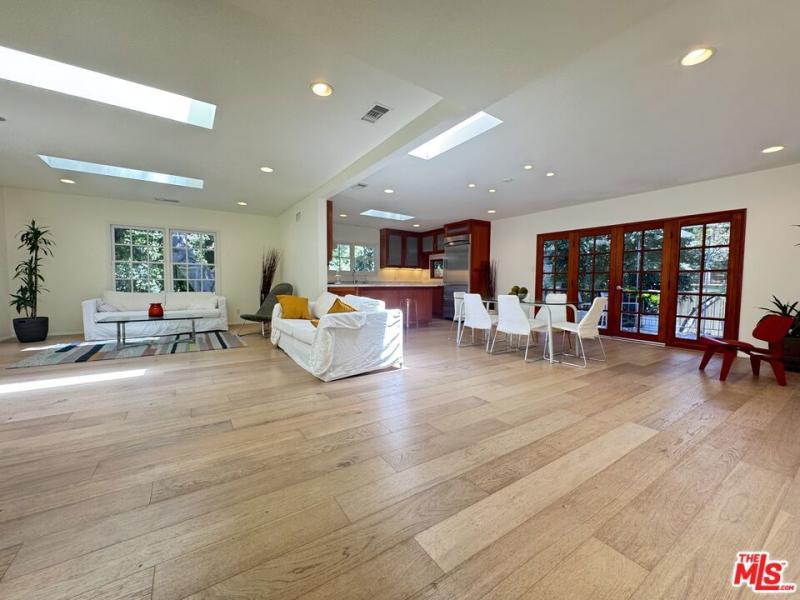
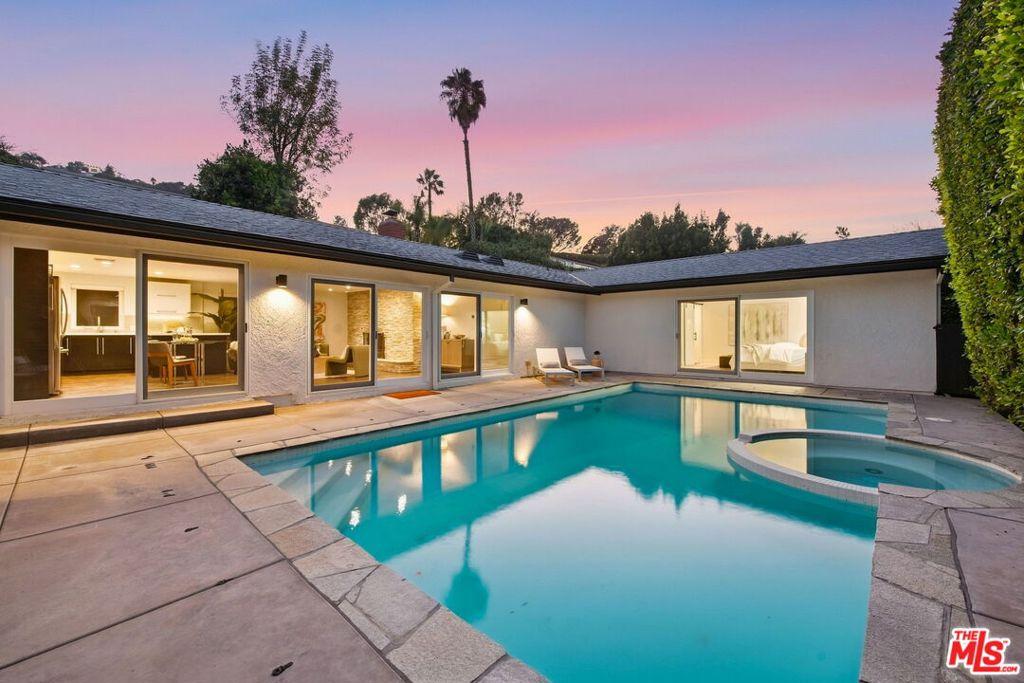
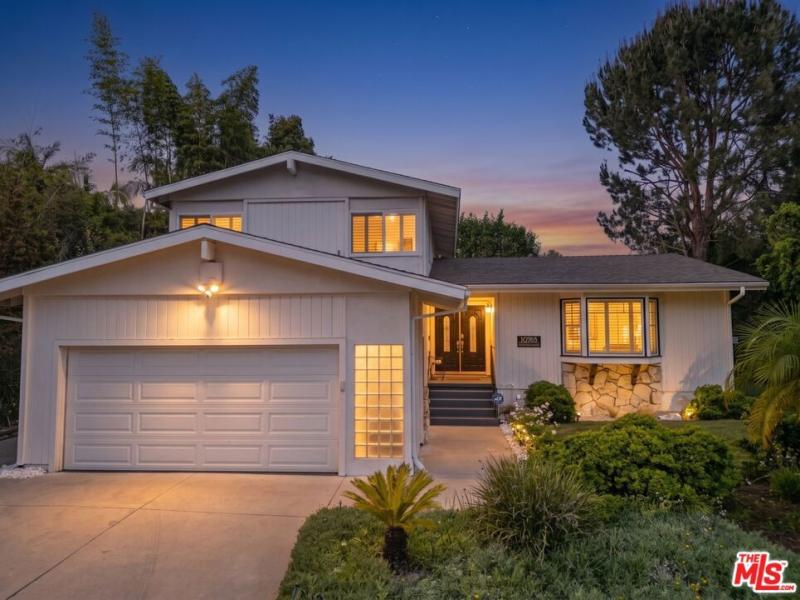
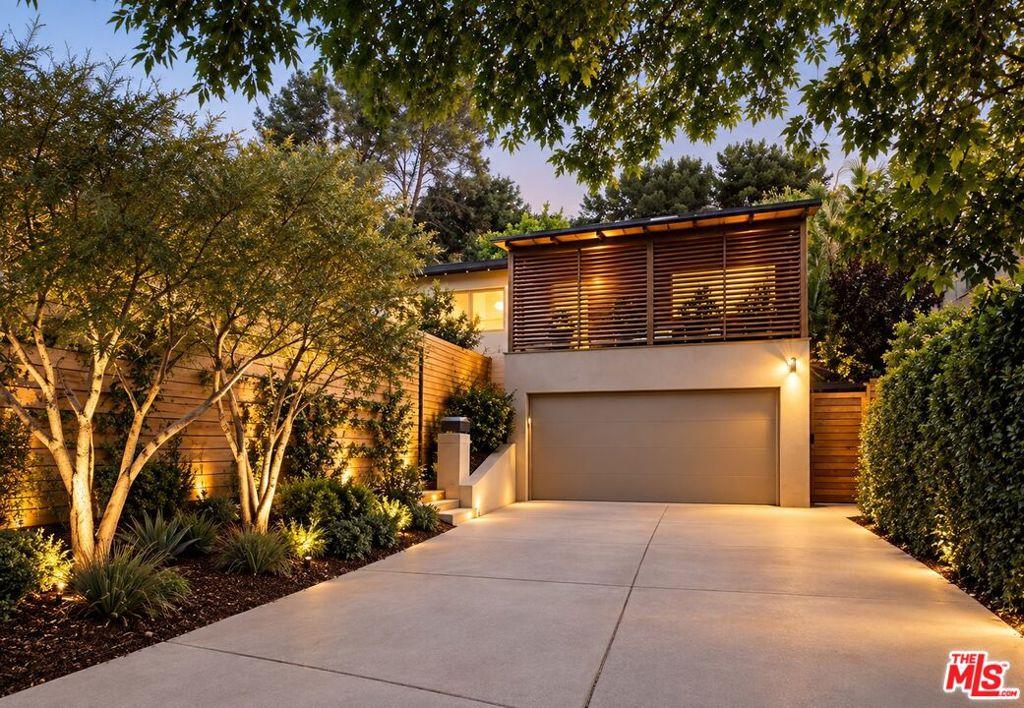
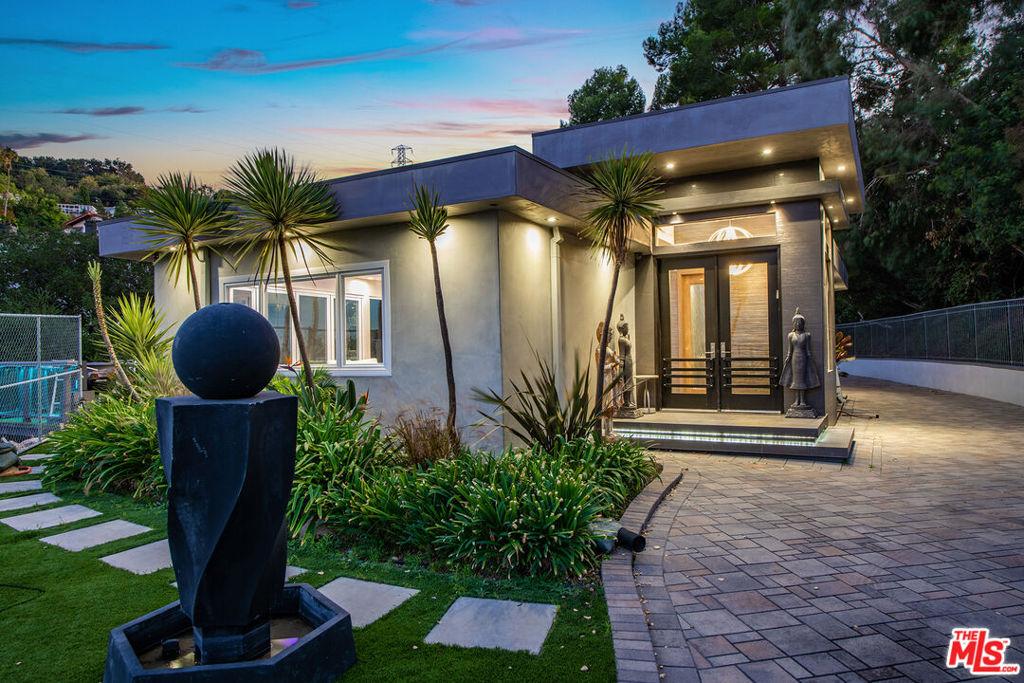
And let’s not forget the homes themselves. We’re talking architectural marvels that blend with the natural landscape. Whether you’re into mid-century modern, Spanish revival, or cutting-edge contemporary, Nichols Canyon has something to make your design-loving heart skip a beat.
Q. How do Nichols Canyon home prices compare to other areas?
A. Buckle up, because we’re about to dive into some numbers that might make your head spin. As of July 2024, the median sale price in Nichols Canyon hit $807,000. That’s a 16.6% jump from last year. To put that in perspective. It’s like your investment got a Hollywood glow-up overnight.
Now, how does this compare to other areas? Well. It’s like comparing apples to, well, gold-plated apples. Nichols Canyon consistently outperforms many other Los Angeles neighborhoods in terms of price appreciation. While areas like Silver Lake or Echo Park are seeing more modest growth, Nichols Canyon is on a rocket ship to the moon.
But – despite these eye-watering prices, many consider Nichols Canyon to be a relative bargain compared to some of its swankier neighbors like Beverly Hills or Bel Air. You’re getting the same (if not better) views, the same level of privacy, and often more architectural interest, sometimes at a fraction of the price.
Q. What architectural styles are common in Nichols Canyon?
A. Nichols Canyon is like a living, breathing museum of architectural styles. It’s where mid-century modern rubs shoulders with Spanish revival, and contemporary masterpieces peek out from behind foliage. Let’s break it down:
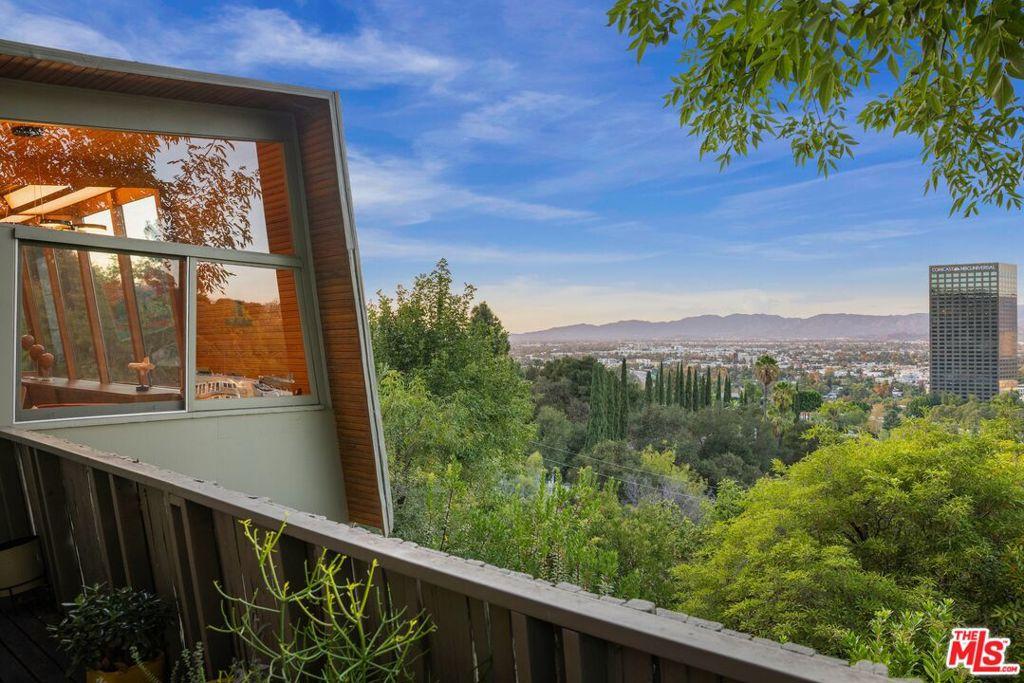
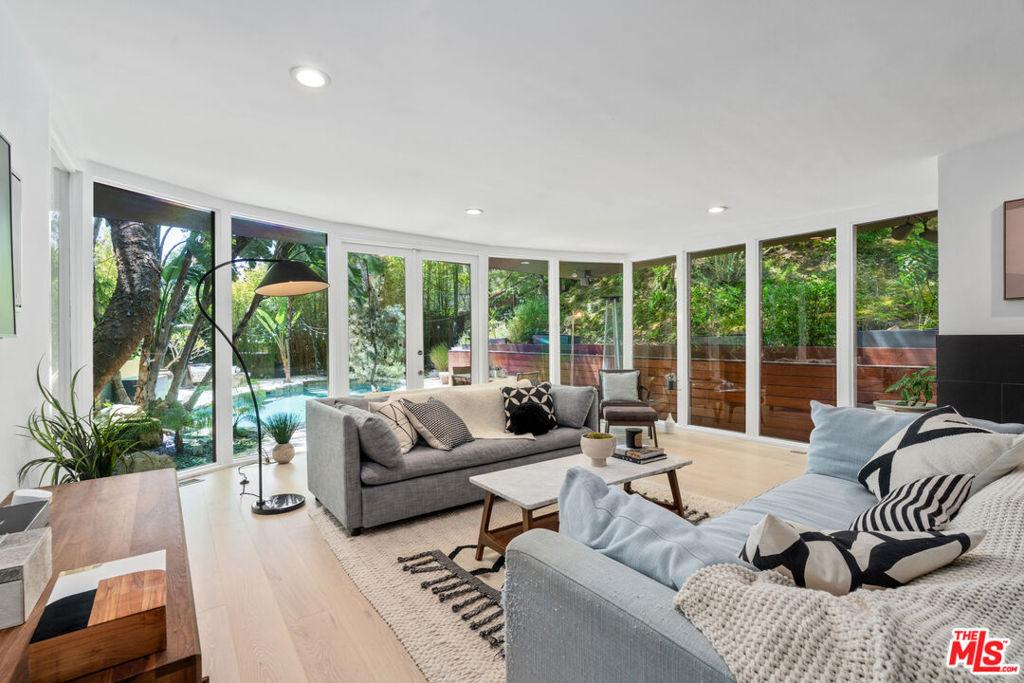
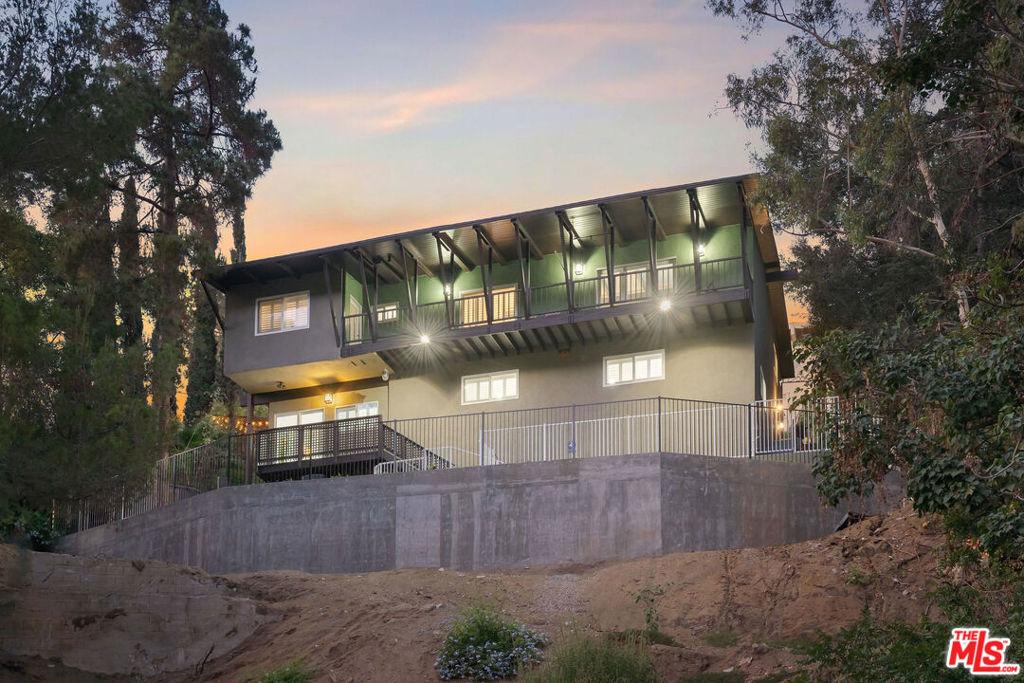
- Mid-Century Modern: Think clean lines, floor-to-ceiling windows, and smooth indoor-outdoor living. These homes, often designed by renowned architects of the 50s and 60s, are like time capsules of Hollywood’s golden age – but with updated plumbing and Wi-Fi.
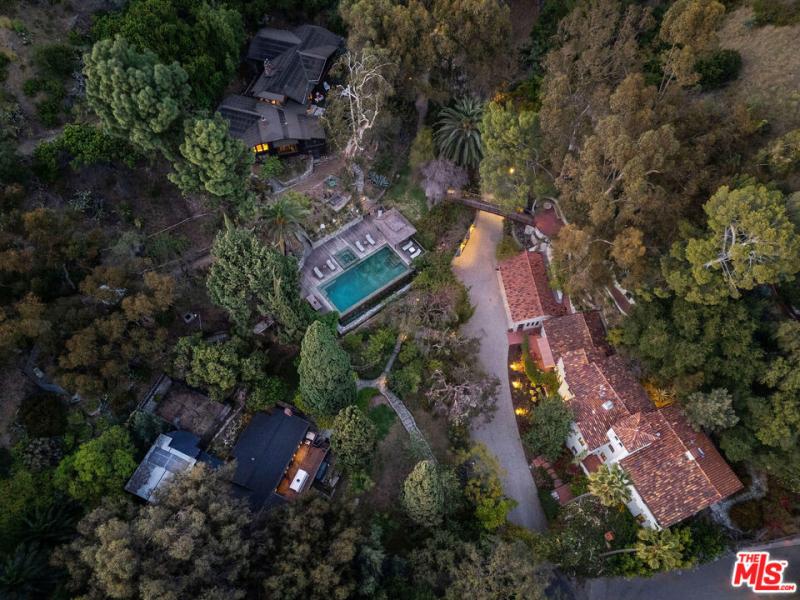
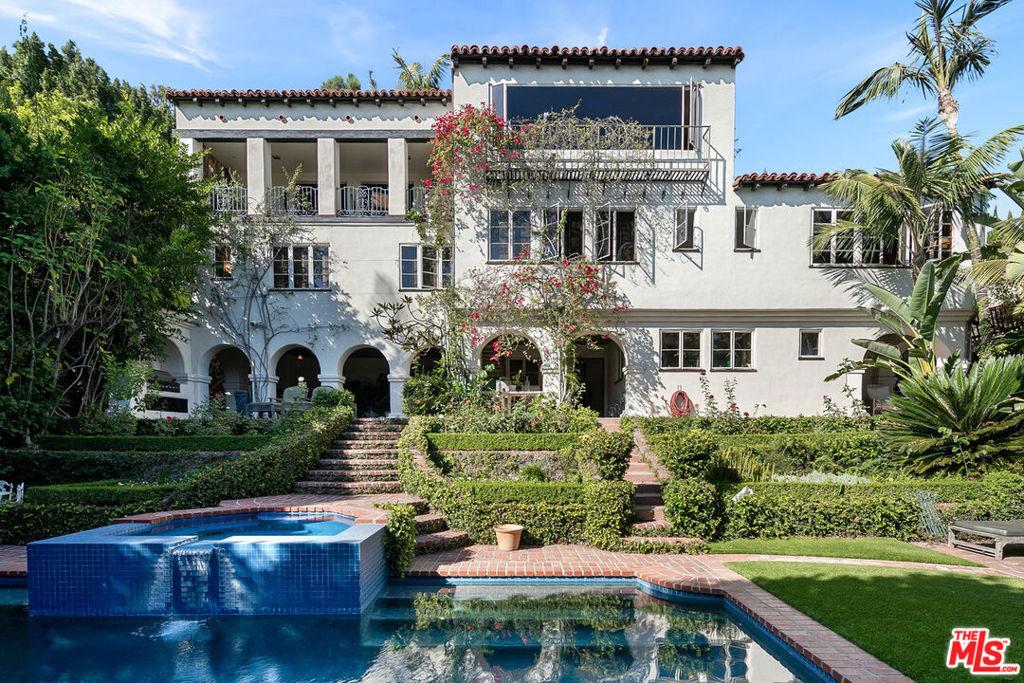
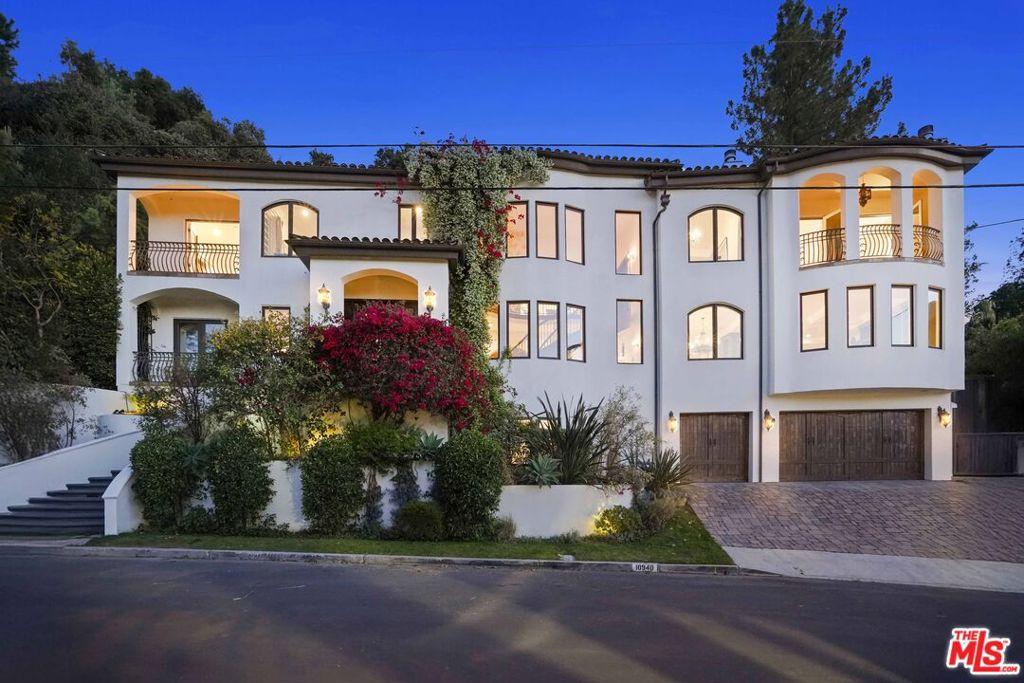
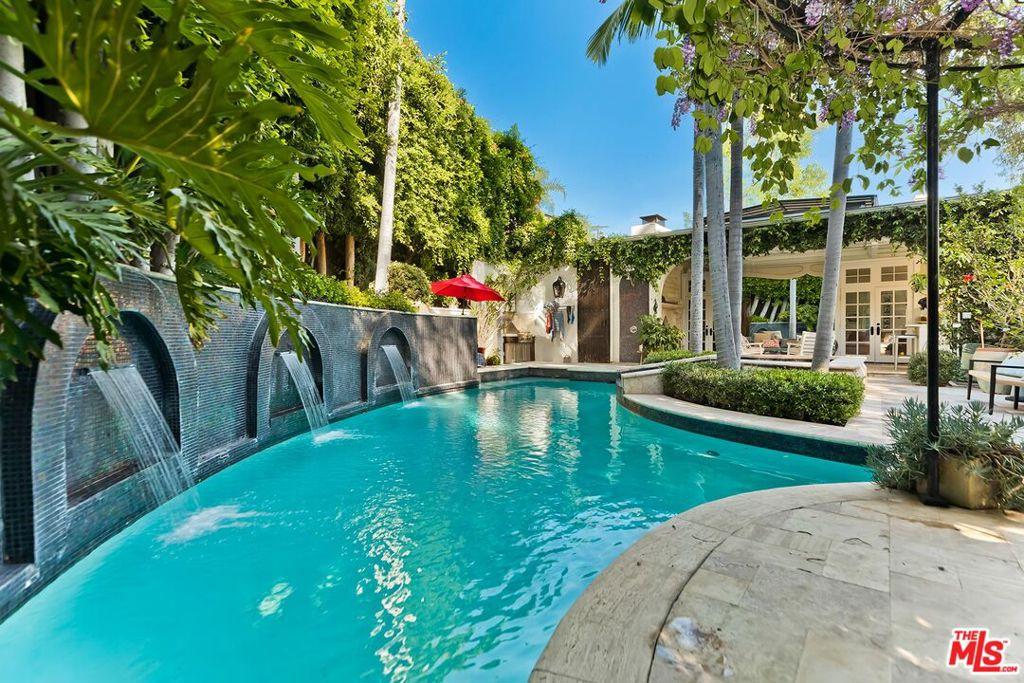
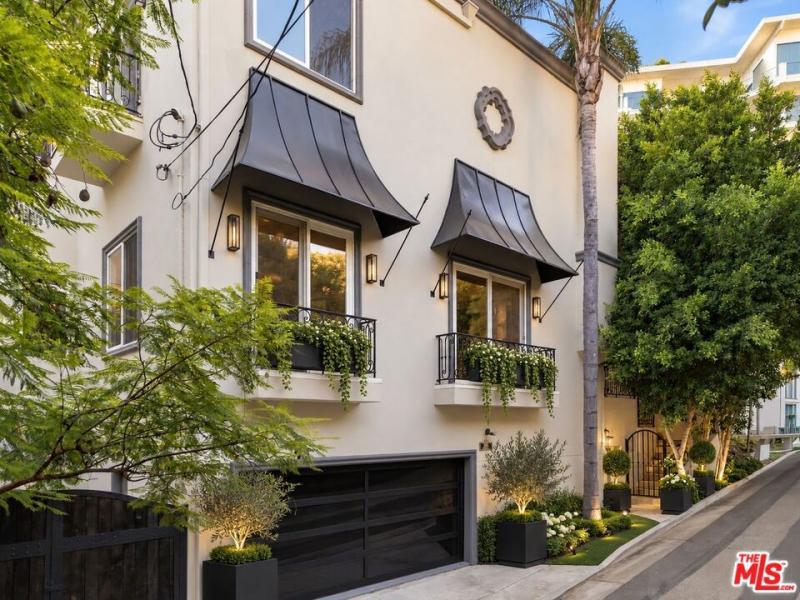
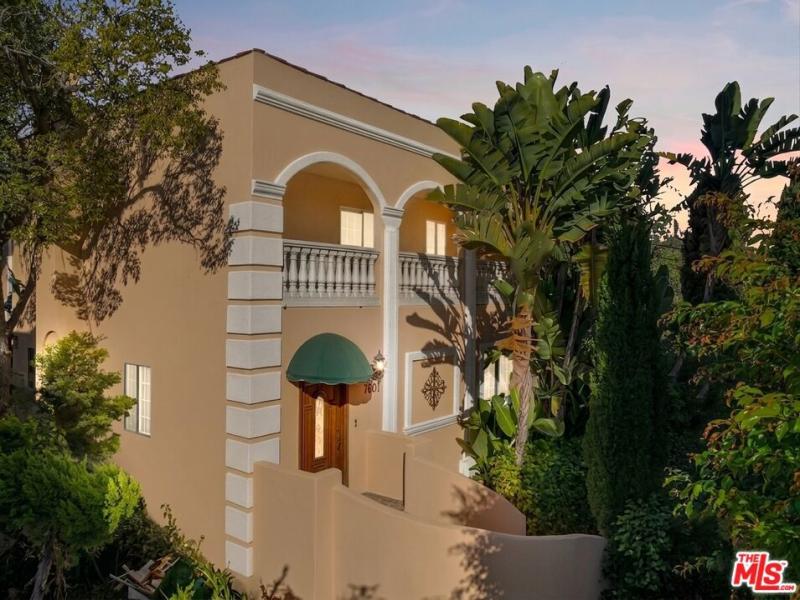
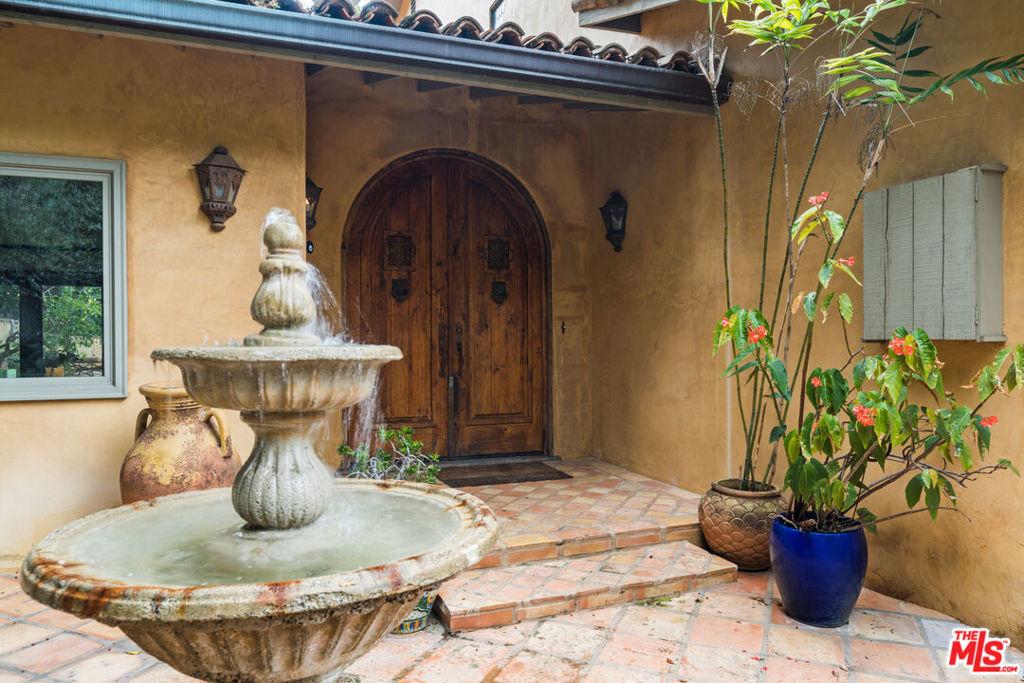
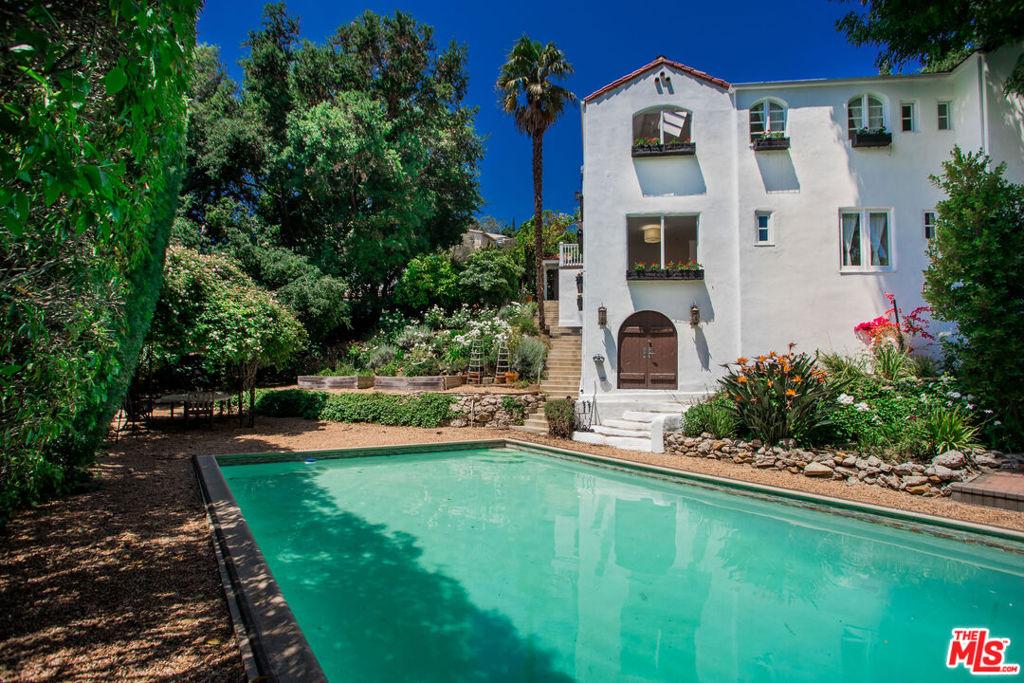
- Spanish Revival: Red-tiled roofs, white stucco walls, and wrought-iron details transport you straight to the Mediterranean. These homes often feature courtyards that are perfect for your next soirée or impromptu flamenco session.
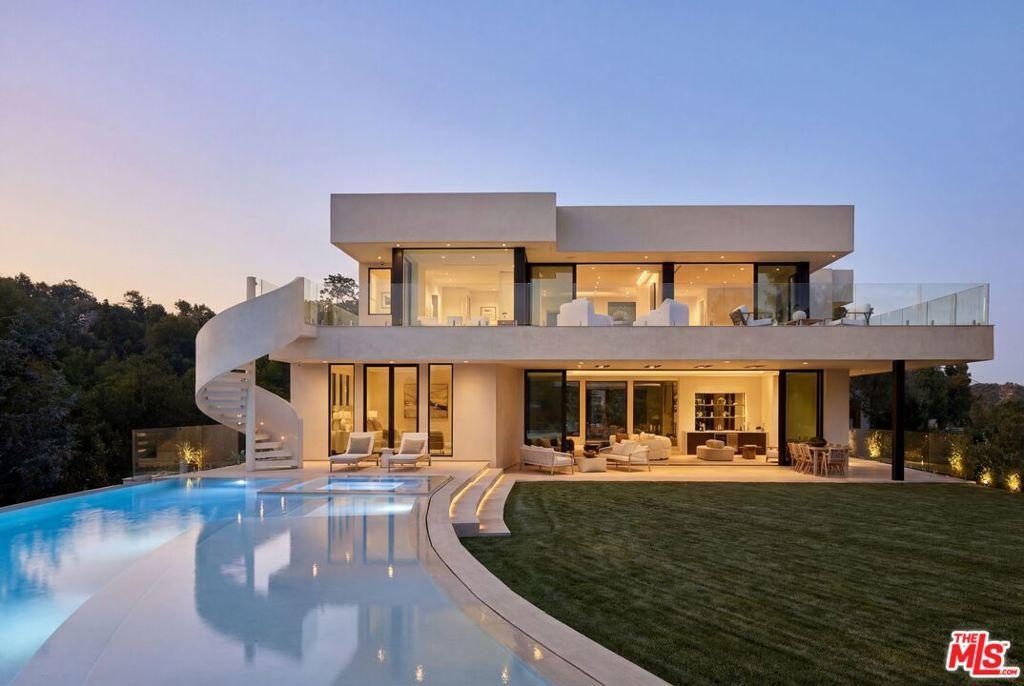
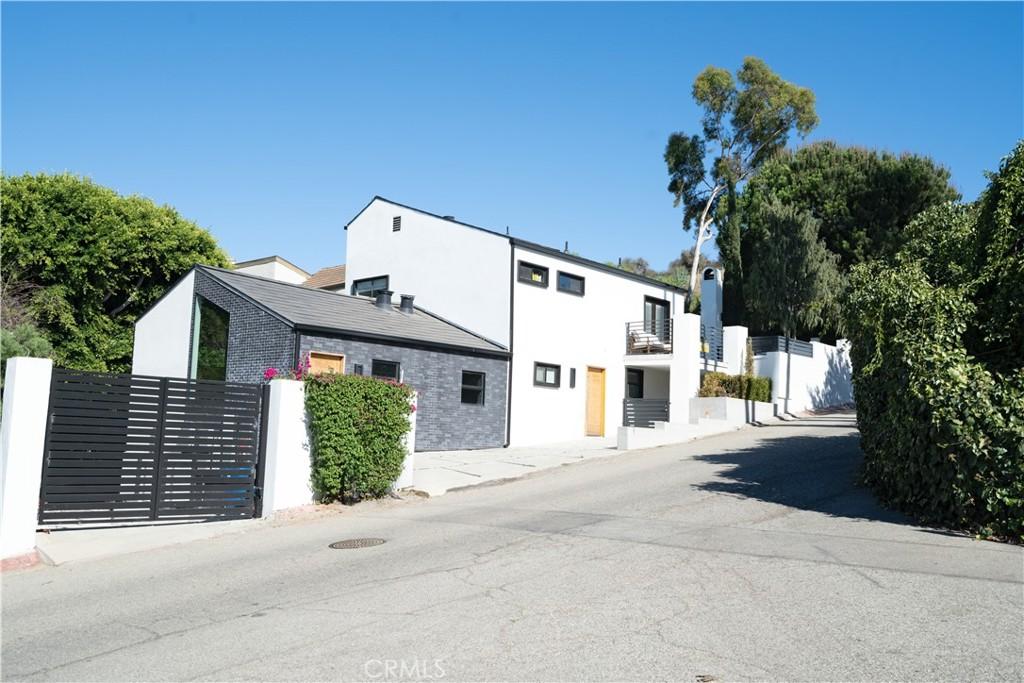
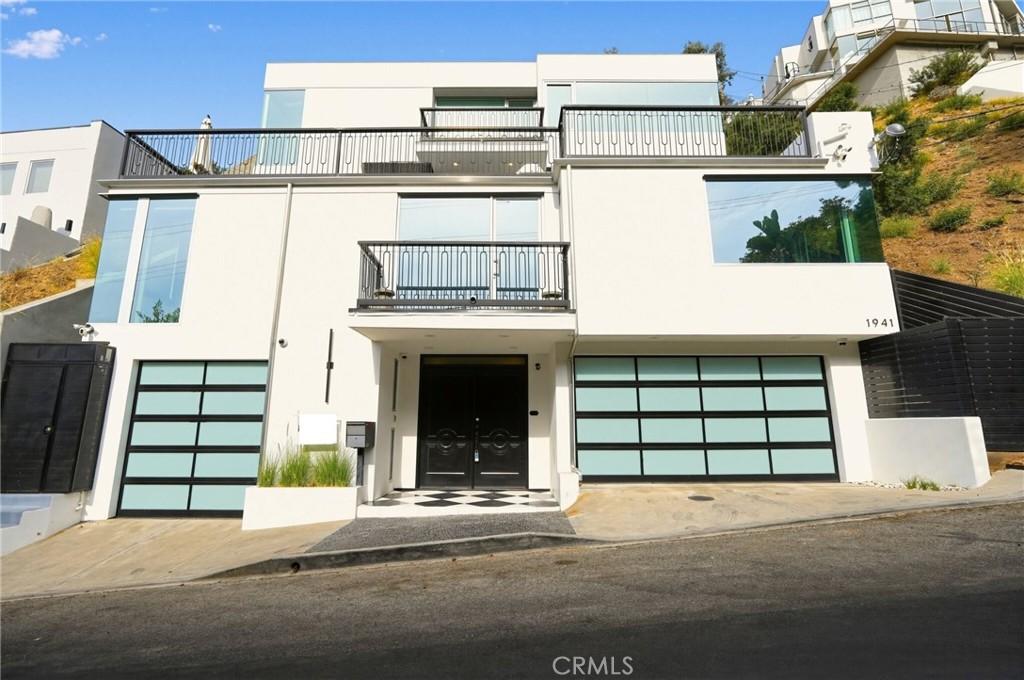
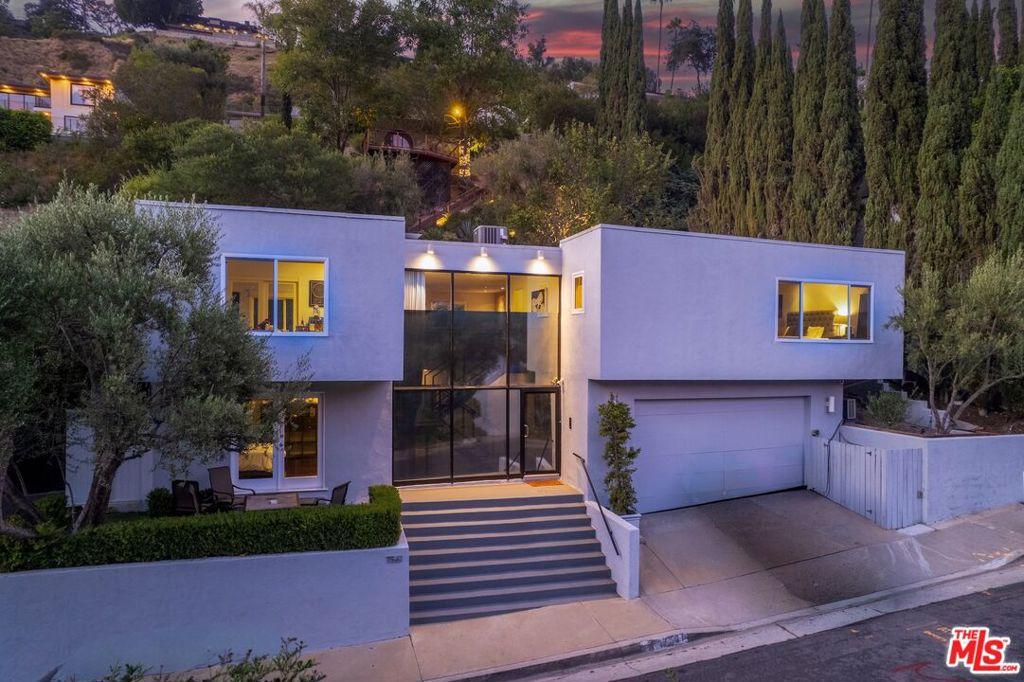
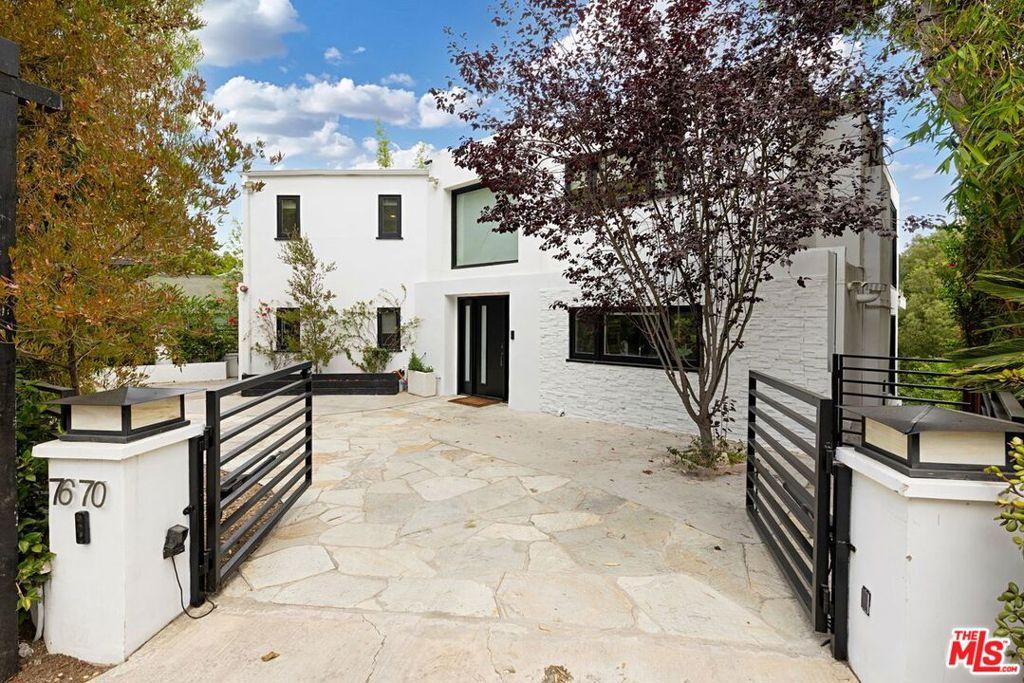
- Contemporary: For those who like their homes as cutting-edge as their technology, Nichols Canyon delivers. We’re talking about sleek, minimalist designs that look like they’ve been beamed down from the future, complete with smart home features that would make Tony Stark jealous.
- Traditional: Yes, even in this bastion of architectural innovation, you’ll find traditionals. These homes often blend classic American styling with modern amenities, creating a cozy yet character.
- Eclectic Mix: And then there are the homes that defy categorization. In Nichols Canyon. It’s not uncommon to find homes that blend multiple styles, creating unique architectural fingerprints that are as individual as their owners.
The beauty of Nichols Canyon is that no matter what your architectural tastes, you’re likely to find something that speaks to you. It’s a neighborhood that celebrates diversity in design, much like the eclectic mix of people who call it home.
So, whether you’re dreaming of hosting Mad Men-style cocktail parties in a mid-century gem, or envisioning yourself as a modern-day Zorro in a Spanish revival estate, Nichols Canyon has got you covered. Just be prepared for some serious house envy – no matter which style you choose, your home is bound to be the talk of the town.
Q. What’s the community like in Nichols Canyon?
A. Nichols Canyon’s community is as unique as its landscape. It’s a place where privacy is paramount. Yet neighborly bonds run deep. Here’s what you can expect:
- Diverse Demographic: The canyon attracts a mix of entertainment industry professionals, tech entrepreneurs, artists, and long-time residents. This diversity creates a eclectic community.
- Celebrity Factor: While many celebrities call Nichols Canyon home, there’s an unspoken rule of treating everyone as a neighbor first, star second. Don’t be surprised if you run into a famous face at the local dog park or grocery store.
- Community Events: Despite its exclusive reputation, Nichols Canyon hosts several community events throughout the year. The annual Fourth of July parade is a neighborhood favorite, bringing together residents from all walks of life.
- Environmental Consciousness: Given the canyon’s natural beauty, many residents are passionate about environmental conservation. You’ll find community clean-up days and local initiatives to protect wildlife.
- Privacy Respected: While there’s a strong sense of community, residents also value their privacy. It’s not uncommon for homes to have gated entrances and security systems.
- Active Lifestyle: The proximity to hiking trails and outdoor spaces means many residents lead active lifestyles. Don’t be surprised to see neighbors jogging or cycling along the canyon roads.
- Arts and Culture: Given the high concentration of creative professionals, the canyon has a active arts scene. Home galleries and small cultural events are not uncommon.
- Neighborhood Watch: Safety is a priority, and many areas have active neighborhood watch programs.
Remember, while the community is welcoming, it can take time to fully integrate. Patience and respect for local norms go a long way in becoming a valued member of the Nichols Canyon community.
Q. How’s the nightlife and entertainment scene in Nichols Canyon?
A. While Nichols Canyon itself is primarily residential, its proximity to some of LA’s hottest spots means you’re never far from the action. Here’s what you need to know:
- Local Gems: Within the canyon, you’ll find a few hidden gems like Pace, a cozy Italian restaurant that’s a favorite among locals. It’s the perfect spot for a romantic dinner or a casual night out with neighbors.
- Sunset Strip: Just a short drive down the hill, you’ll hit the legendary Sunset Strip. Here, iconic venues like the Whisky a Go Go and The Viper Room continue to host live music nightly. For a more upscale experience, head to Soho House West Hollywood, an exclusive members-only club with panoramic views of the city.
- Hollywood: A few minutes east, and you’re in the heart of Hollywood. Catch a movie at the historic TCL Chinese Theatre, or enjoy a craft cocktail at one of the area’s trendy rooftop bars like Mama Shelter.
- West Hollywood: This neighborhood is known for its bustling nightlife. The Abbey is a must-visit for its lively atmosphere and inclusive character, while E.P. & L.P. offers a more laid-back rooftop experience with views.
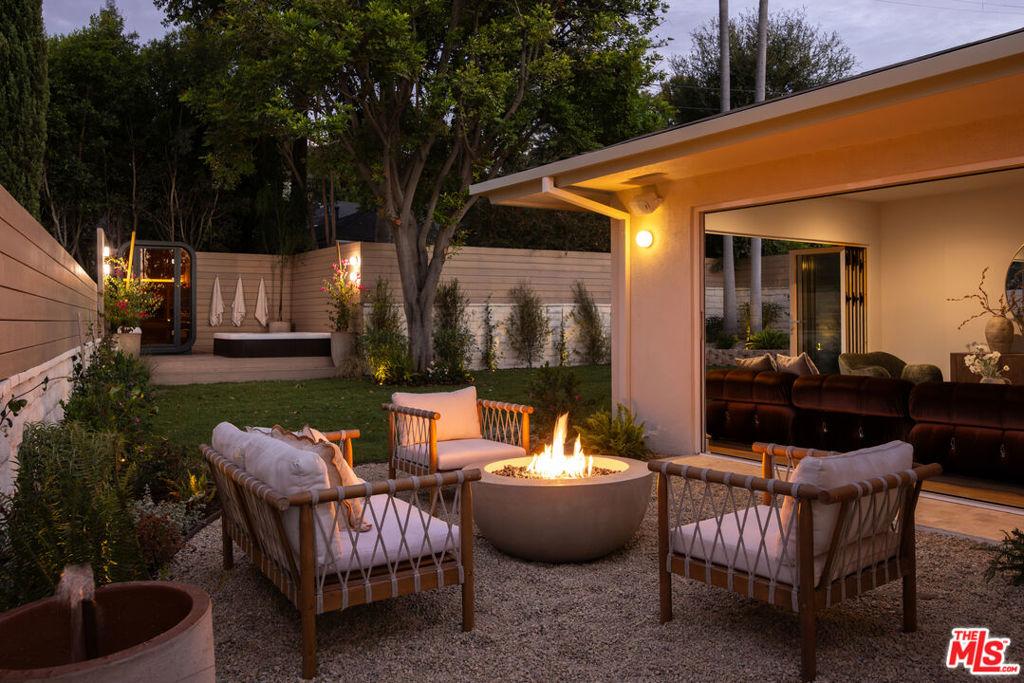
- Home Entertainment: Many Nichols Canyon residents prefer to entertain at home, taking advantage of their properties. Impromptu gatherings and dinner parties are common, often featuring views and possibly a few famous faces.
- Cultural Events: While not in Nichols Canyon proper, nearby venues like the Hollywood Bowl and the Pantages Theatre offer world-class entertainment, from classical concerts to Broadway shows.
- Runyon Canyon: For a different kind of nightlife, try a full moon hike in nearby Runyon Canyon. It’s a uniquely LA experience that combines fitness with nighttime views of the city.
Remember, one of the best things about Nichols Canyon is that you can enjoy the bustling LA nightlife and then retreat to your peaceful canyon oasis. It truly offers the best of both worlds.
Q. What are the schools like in and around Nichols Canyon?
A. Education is a top priority for many Nichols Canyon residents, and the area is served by some of Los Angeles’s most prestigious schools. Here’s a breakdown:
- Public Schools: Nichols Canyon is part of the Los Angeles Unified School District (LAUSD). Nearby public schools include:
- [Gardner Street Elementary School](https://gardnerstreet-lausd-ca.schoolloop.com/): Known for its strong arts program and diverse student body.
- [Bancroft Middle School](https://bancroft-lausd-ca.schoolloop.com/): Offers a variety of honors and gifted programs.
- [Hollywood High School](https://hollywoodhighschool.net/): One of the oldest high schools in Los Angeles, known for its Performing Arts Magnet.
- Private Schools: Many Nichols Canyon residents opt for private education. Some popular choices include:
- [The Center for Early Education](https://www.centerforearlyeducation.org/): A highly sought-after elementary school known for its progressive curriculum.
- [Harvard-Westlake School](https://www.hw.com/): One of the most prestigious college preparatory schools in the country.
- [Oakwood School](https://www.oakwoodschool.org/): Known for its strong arts program and diverse student body.
- Specialty Schools: For those interested in specific educational approaches:
- [The Lycée Français de Los Angeles](https://www.lyceela.org/): A bilingual French-American school.
- [Fusion Academy](https://www.fusionacademy.com/): Offers one-to-one education for students who thrive in a non-traditional setting.
- Preschools: For the youngest residents, popular options include:
- [The West Hollywood Children’s Academy](https://www.wehoca.com/)
- [The First School](https://www.thefirstschool
What buyers ask about Nichols Canyon
These are the topics buyers most often search for when they reach this page, ordered by real search volume and answered from current Nichols Canyon listing and sales data (CRMLS, September 2026).
What are the views like in Nichols Canyon?
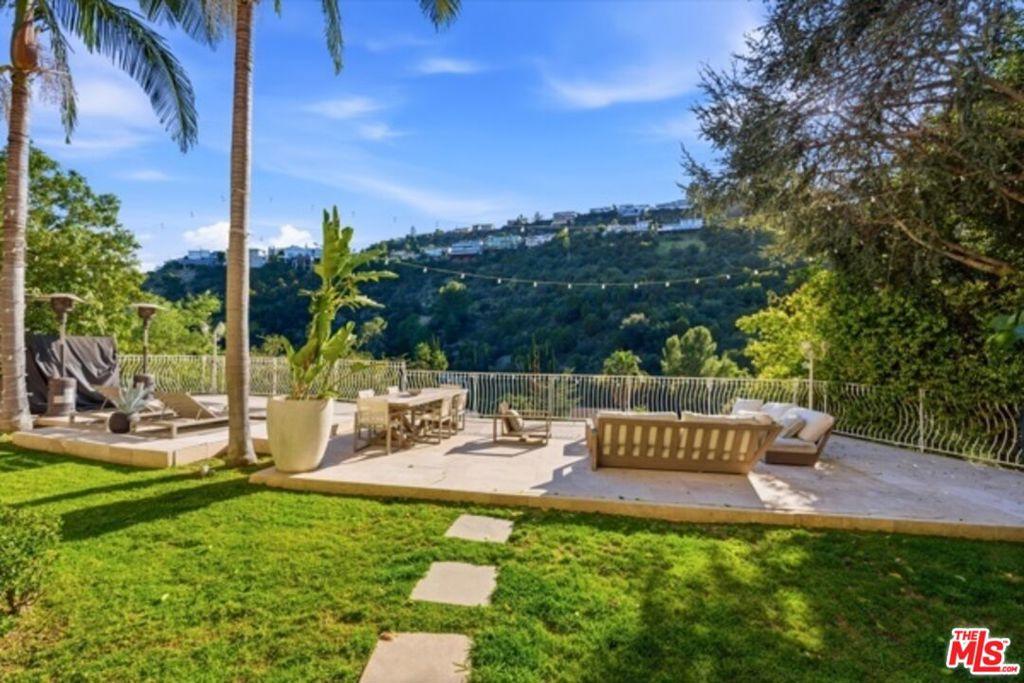
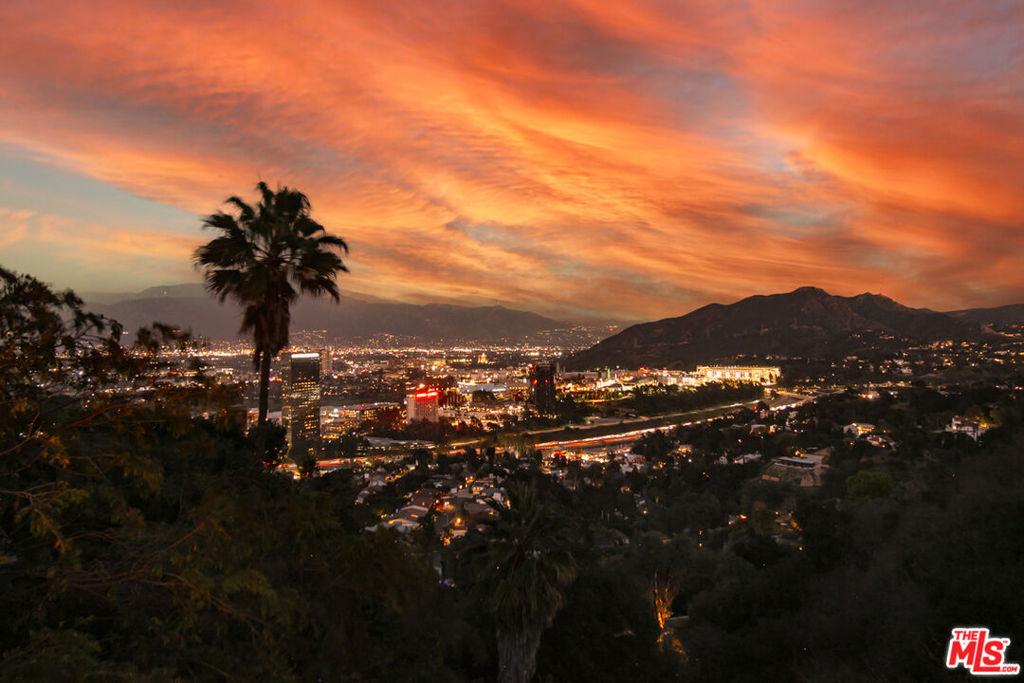
Canyon views are the most common outlook in Nichols Canyon, recorded on 48% of tracked properties.
What should buyers know about Nichols Canyon?
Nichols Canyon currently has 51 active listings, priced at a median of $2,750,000 (CRMLS, September 2026). That works out to a median of $916 per square foot.
How much do homes in Nichols Canyon cost?
Nichols Canyon currently has 51 active listings, priced at a median of $2,750,000 (CRMLS, September 2026). That works out to a median of $916 per square foot.
What do homes in Nichols Canyon actually sell for?
Homes in Nichols Canyon have sold at a median of 99.5% of their original asking price after a median 14 days on market, and 27% of sales closed above asking.
How big are the lots in Nichols Canyon?
The median lot in Nichols Canyon measures 9,815 square feet. Median living area is 2,894 square feet.