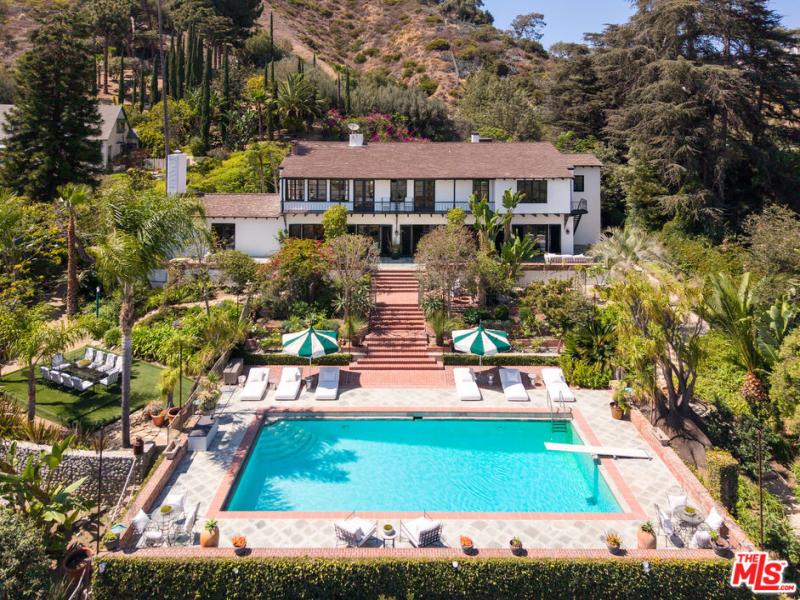
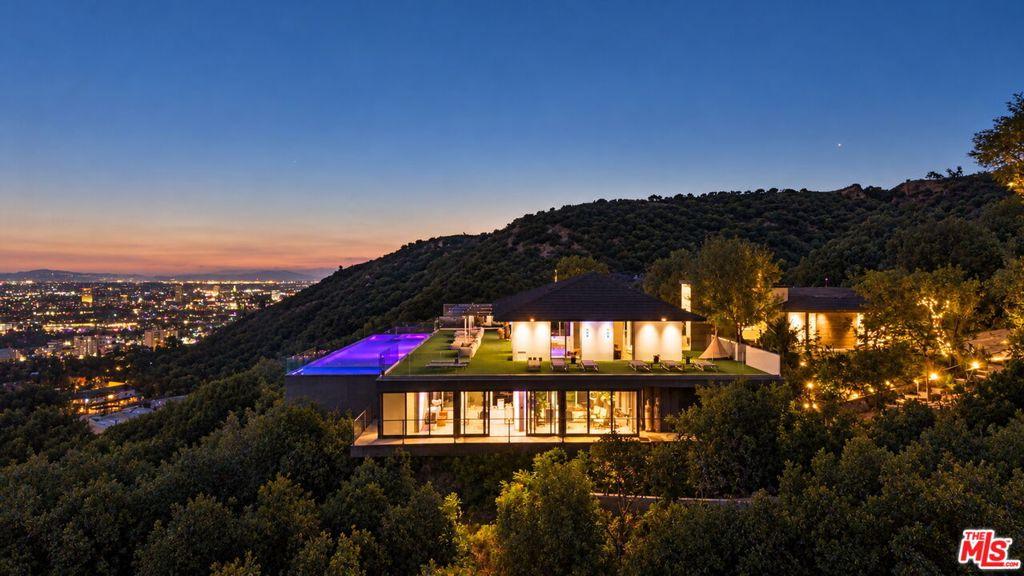
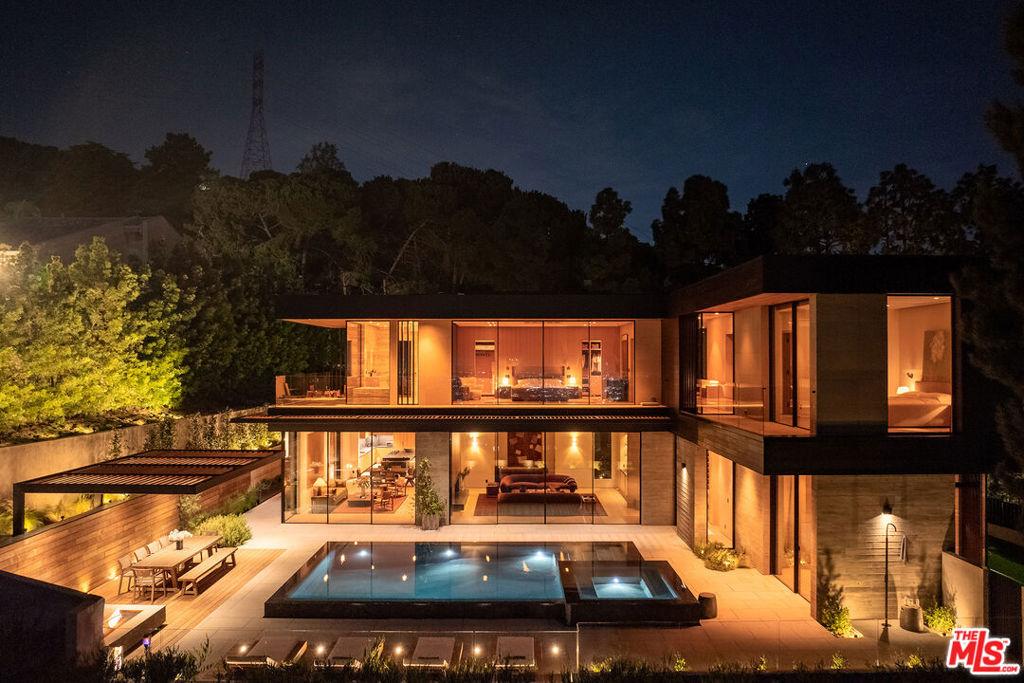
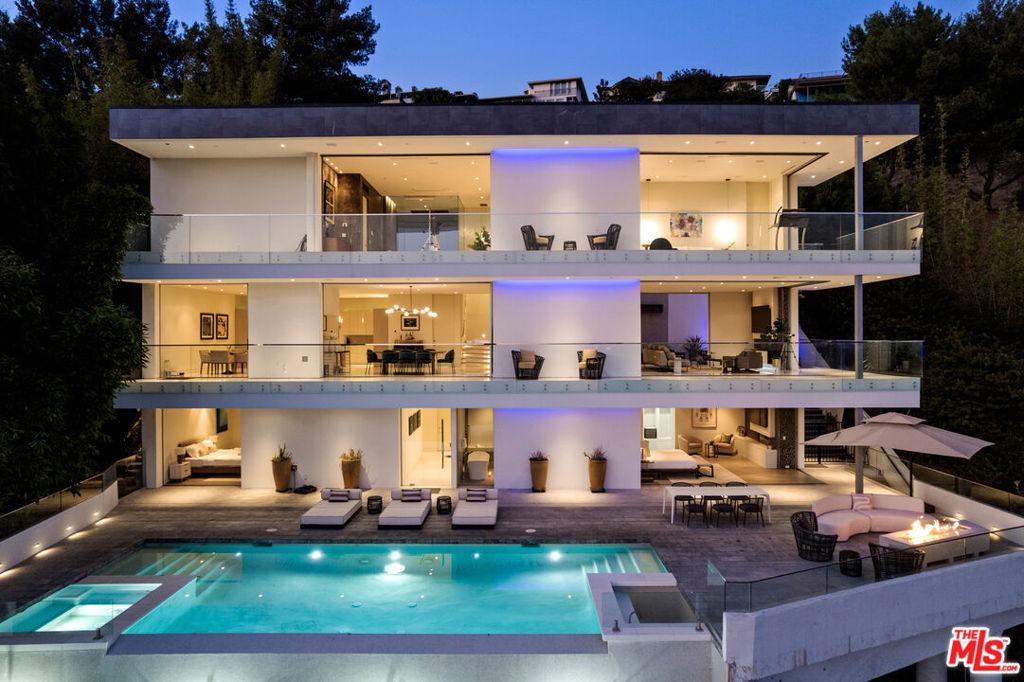
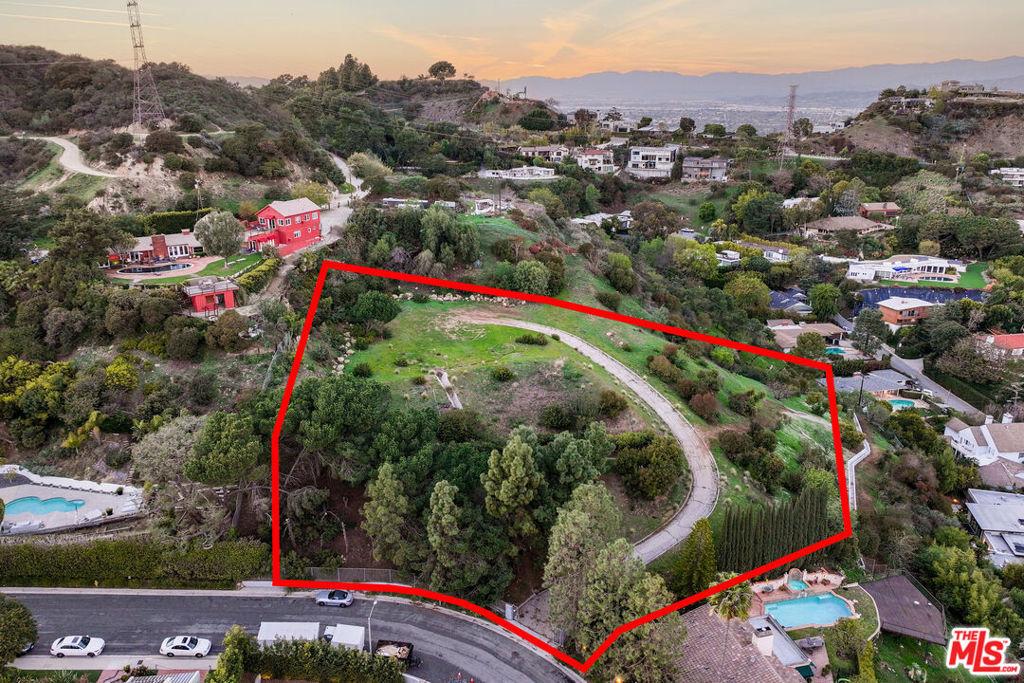
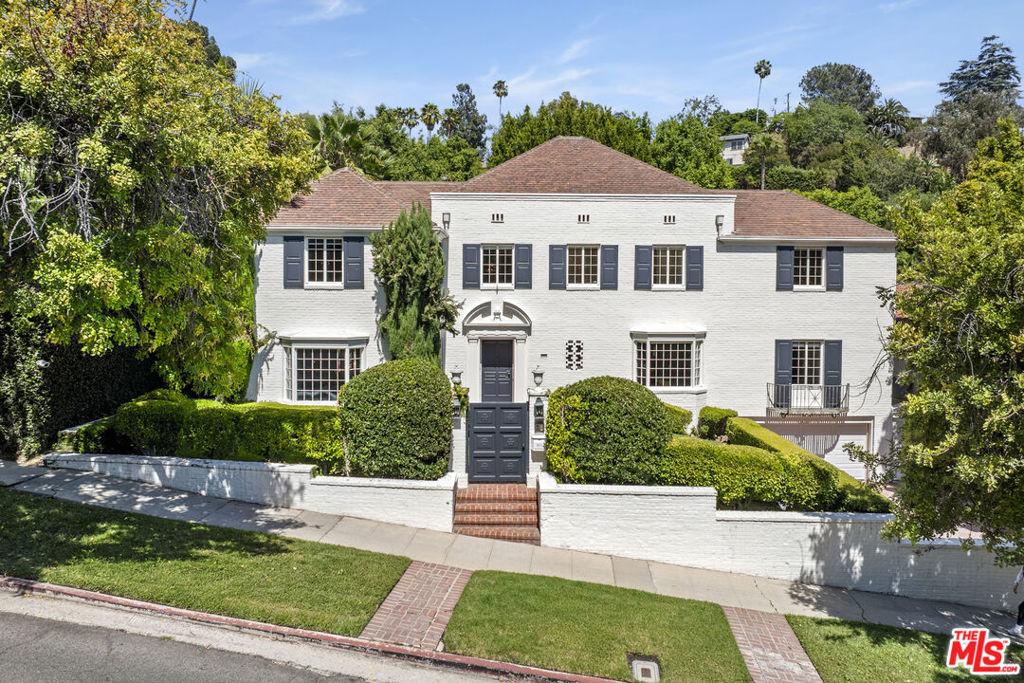
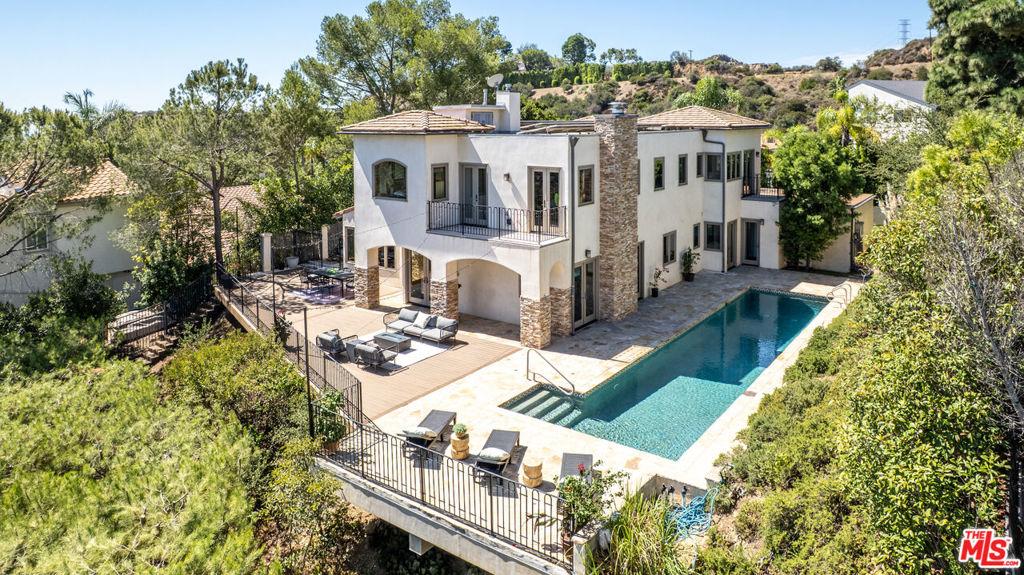
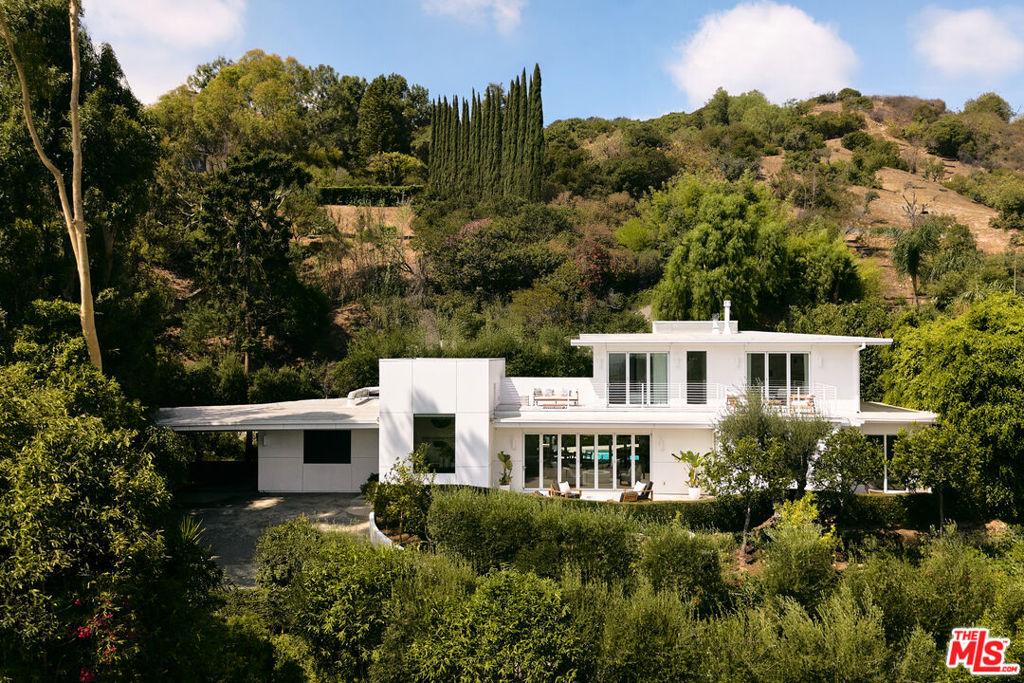
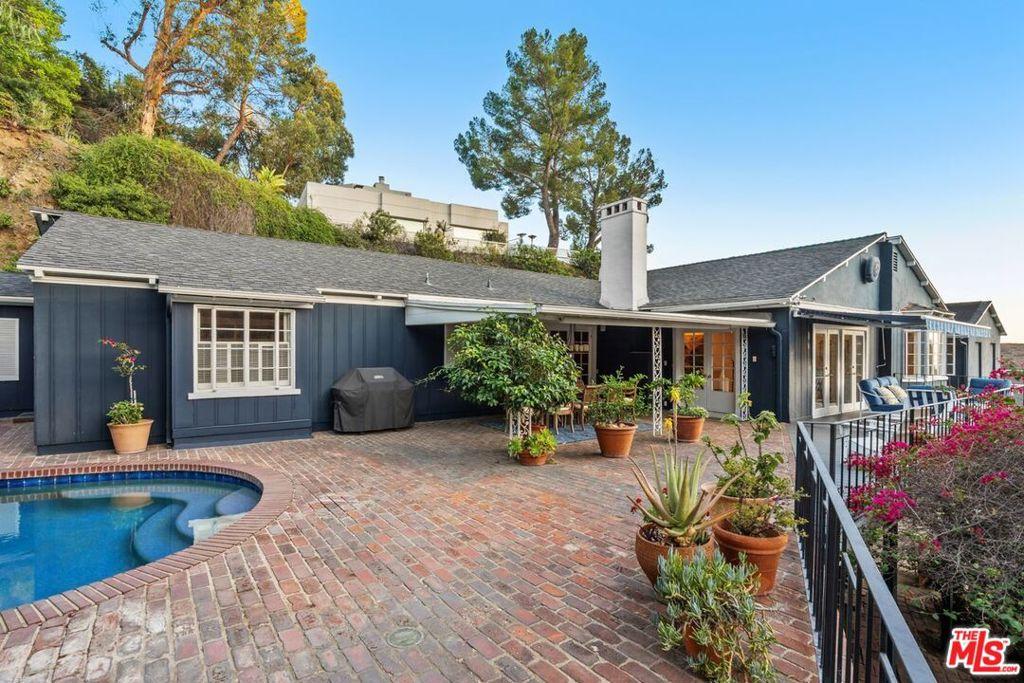
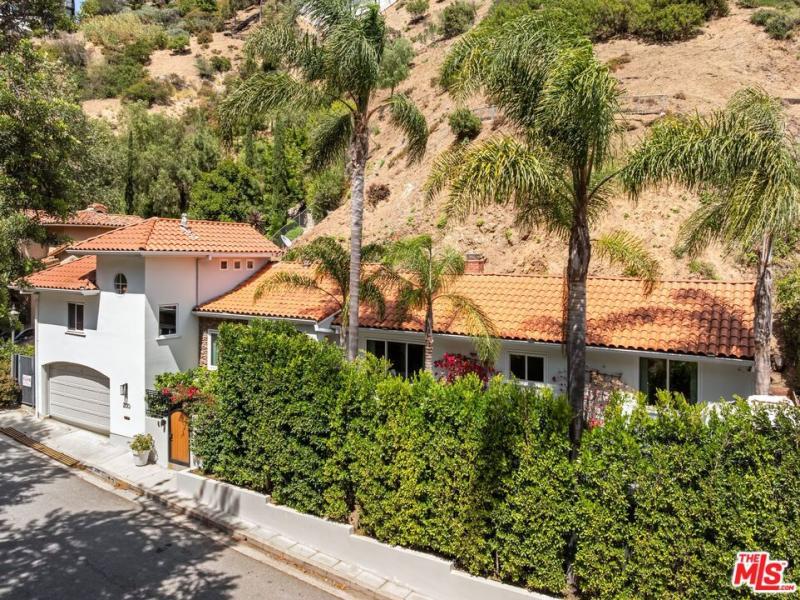
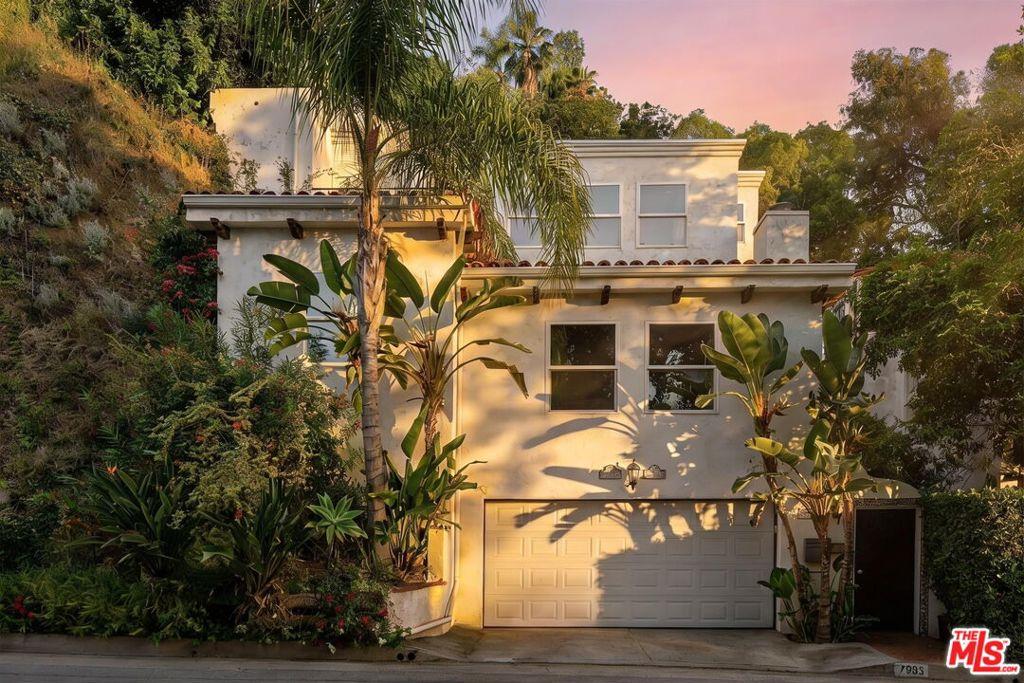
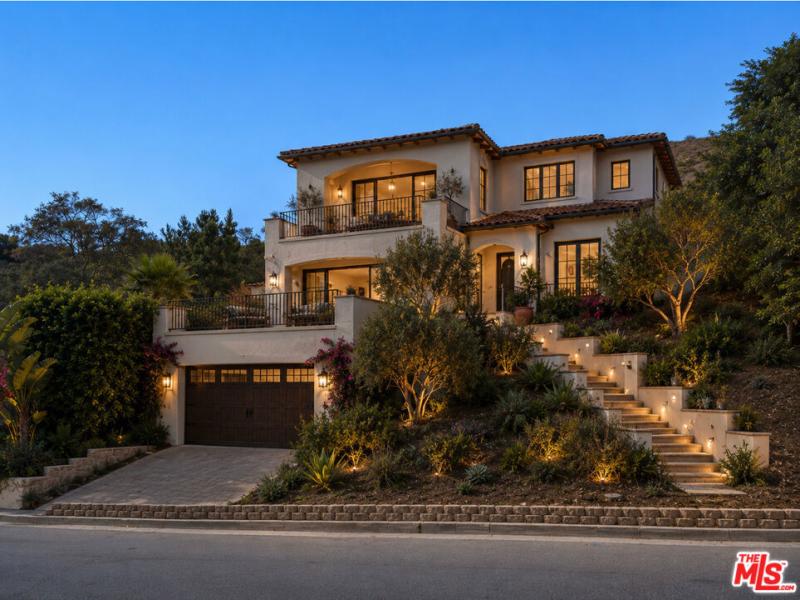
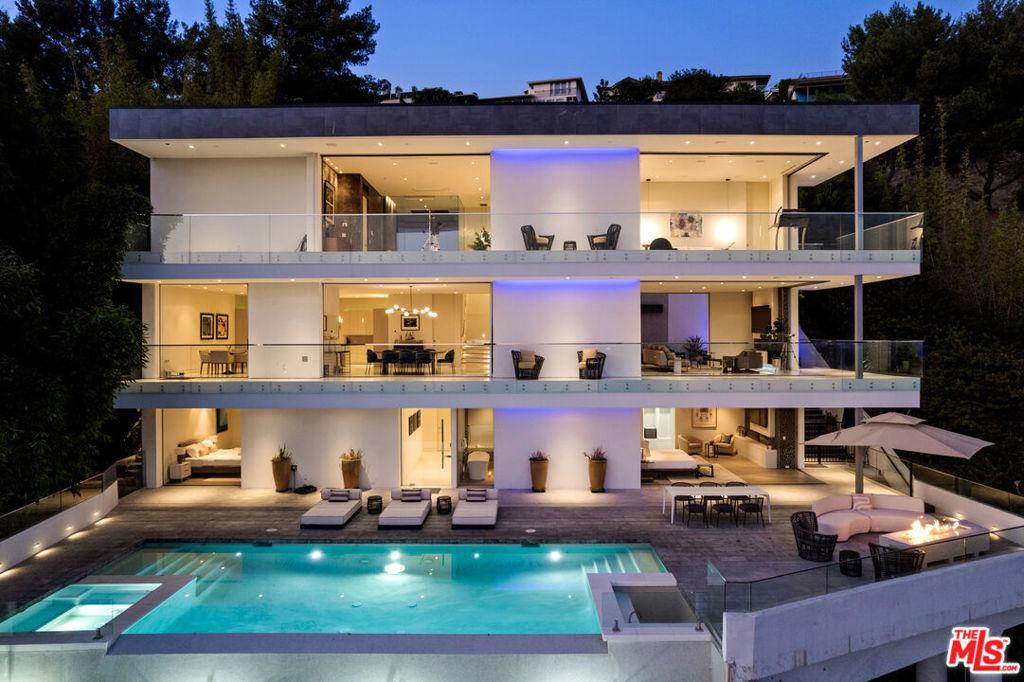
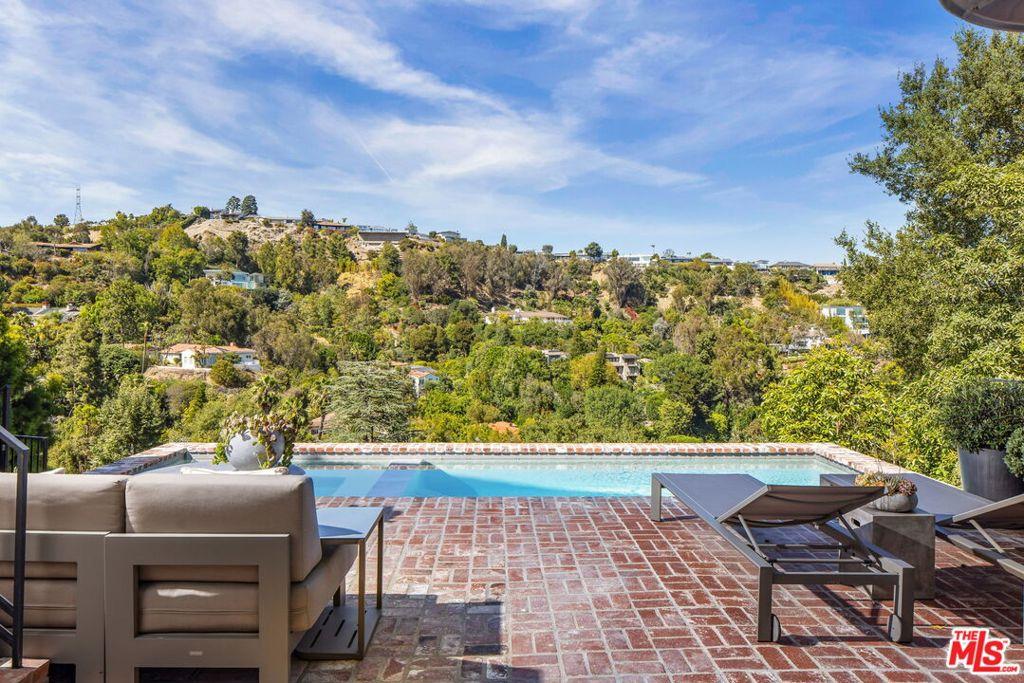
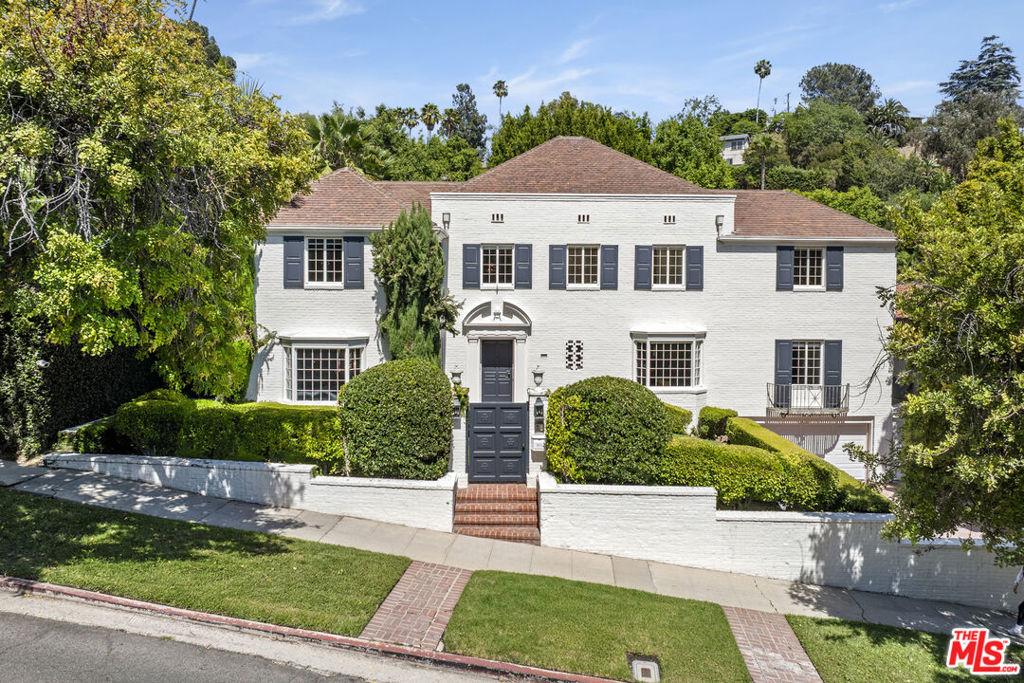
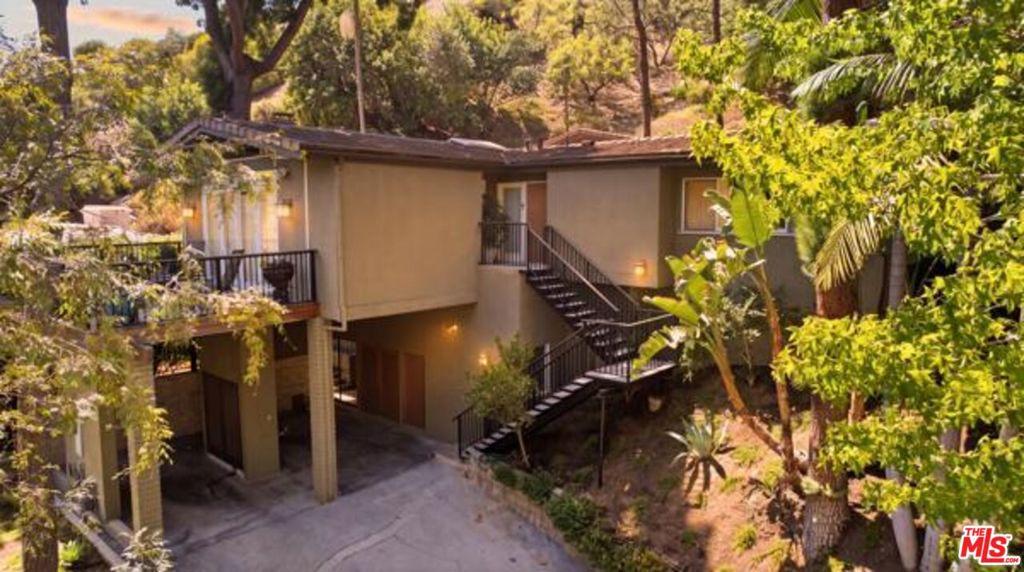
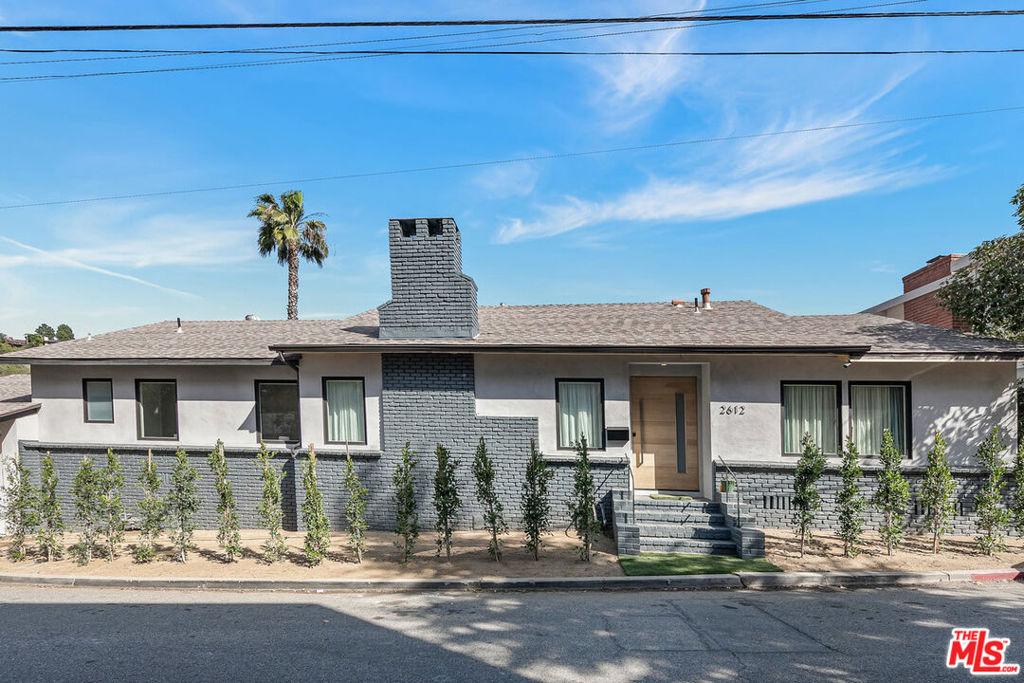
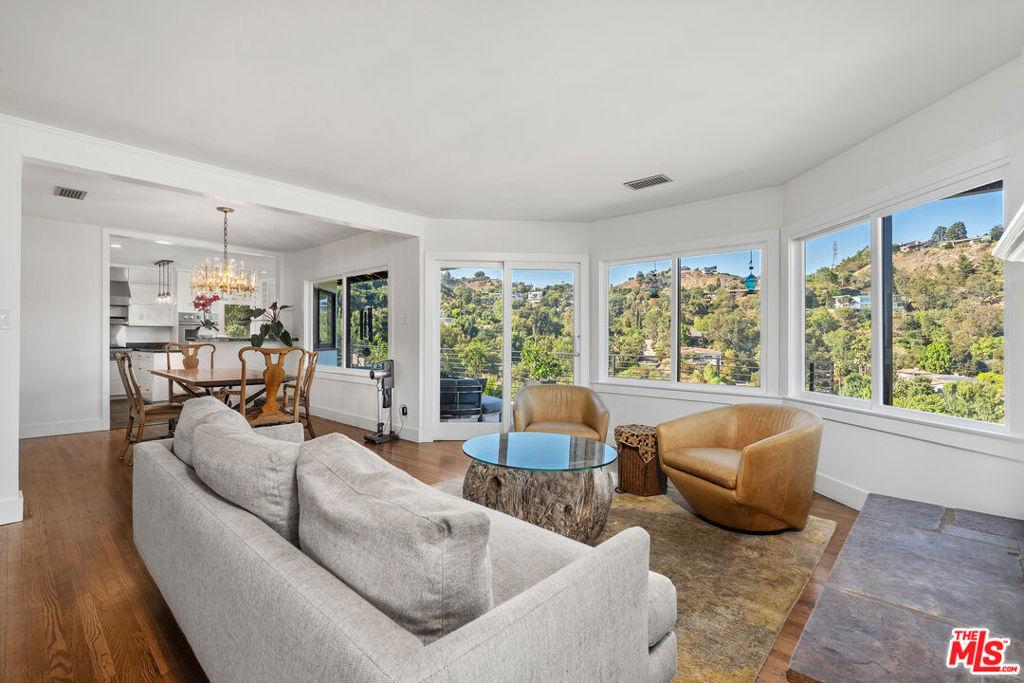
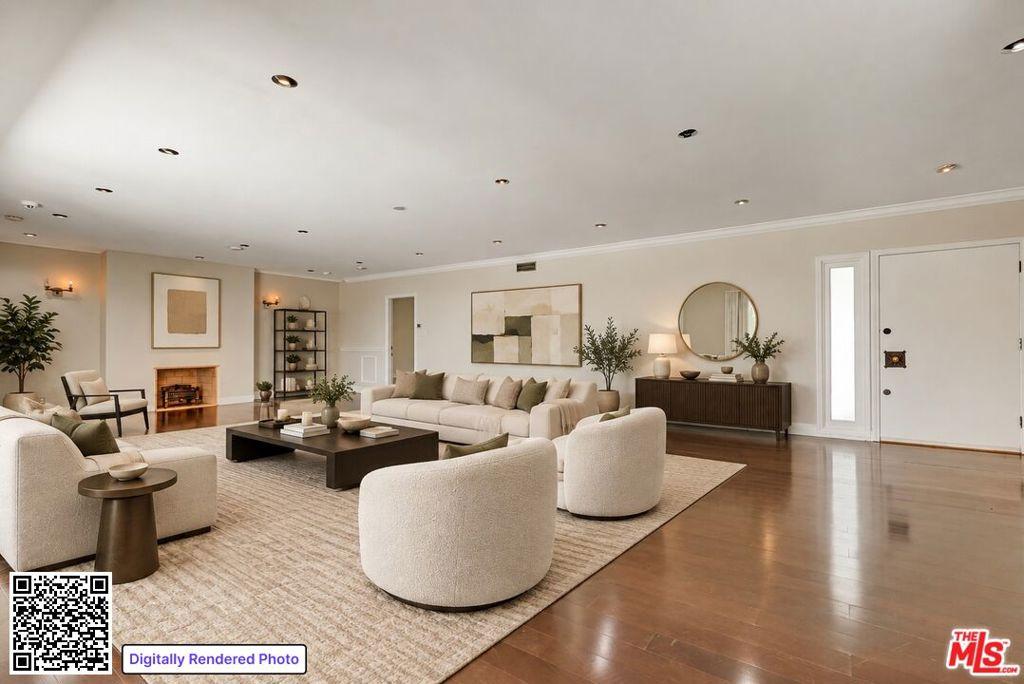
Outpost Estates Real Estate currently number 13 active listings with a median asking price of $3,889,000 (CRMLS, September 2026). The median lot measures 11,992 sq ft, placing Outpost Estates 4th of 17 Hollywood Hills sub-markets on land area. Listings sit longer than the surrounding cohort, a median of 95 days on market against 60 across Hollywood Hills, so there is more room to negotiate than the price tier suggests.
What separates Outpost Estates from other pockets above the Boulevard is how organized it is. The homeowners association has been active since the late 1960s, and its long involvement in protecting the neighborhood’s character is a real factor in what you can and can’t do with a property here. If you’re planning a renovation or a rebuild, ask about that early — before you write an offer, not after. Buyers who assume the hills are uniformly hands-off are often surprised.
The trade-off is location. Outpost Estates in the Hollywood Hills gives you Runyon Canyon Park and its trails within easy reach, plus Hollywood proper — Musso & Frank Grill among it — a short drive down the hill. That combination of quiet streets and quick access is exactly why inventory turns over fast. Decide what you’re willing to compromise on before you tour, because there won’t be time to work it out afterward.
Outpost Estates isn’t just a collection of beautiful homes; it’s a community with a rich history and a present. Developed by Charles E. Toberman in the 1920s. This neighborhood was one of the first in the country to offer underground utilities. It’s like they knew you’d be coming, wanting to enjoy those unobstructed views of the Los Angeles skyline.
You might think that in a neighborhood filled with multimillion-dollar homes, community engagement would be low on the priority list. You’d be wrong. The Outpost Estates Homeowners Association, formed in the late 1960s, has been instrumental in preserving the area’s charm. They even stopped development in nearby Runyon Canyon, ensuring that your morning hikes remain undisturbed by construction noise.
This sense of community isn’t just about preserving the past; it’s about shaping the future. Residents of Outpost Estates are actively involved in local initiatives, from environmental conservation to cultural events. For instance, the community recently partnered with local conservation groups to improve trail maintenance and reduce erosion in Runyon Canyon, ensuring that this beloved natural space remains accessible for generations to come.
part of the allure of living in the Hollywood Hills is the chance to rub elbows with the rich and famous. Outpost Estates doesn’t disappoint. Ava Gardner and Frank Sinatra once called this neighborhood home. Today, you might find yourself sharing a hiking trail or a local coffee shop with current Hollywood A-listers. But don’t worry, discretion is the name of the game here. Your privacy is as valued as your property.
The celebrity factor isn’t just about bragging rights; it’s a testament to the enduring appeal of Outpost Estates. When people who could live anywhere in the world choose this neighborhood, it speaks volumes about its quality of life, privacy, and prestige.
Living in Outpost Estates isn’t just about the homes; it’s about the lifestyle. The neighborhood’s proximity to some of LA’s most iconic attractions is unbeatable. You’re just minutes away from:
But you don’t have to leave the neighborhood to enjoy the finer things in life. Outpost Estates has its own hidden gems, from exclusive wine bars to boutique fitness studios. It’s a place where luxury isn’t just about what you own, but how you live.
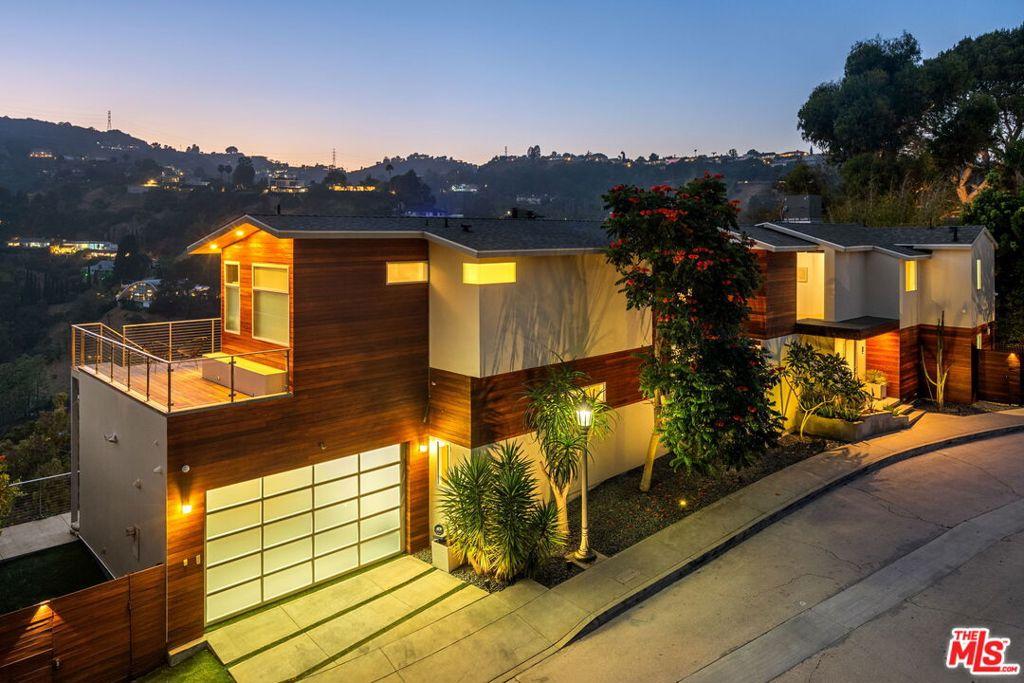
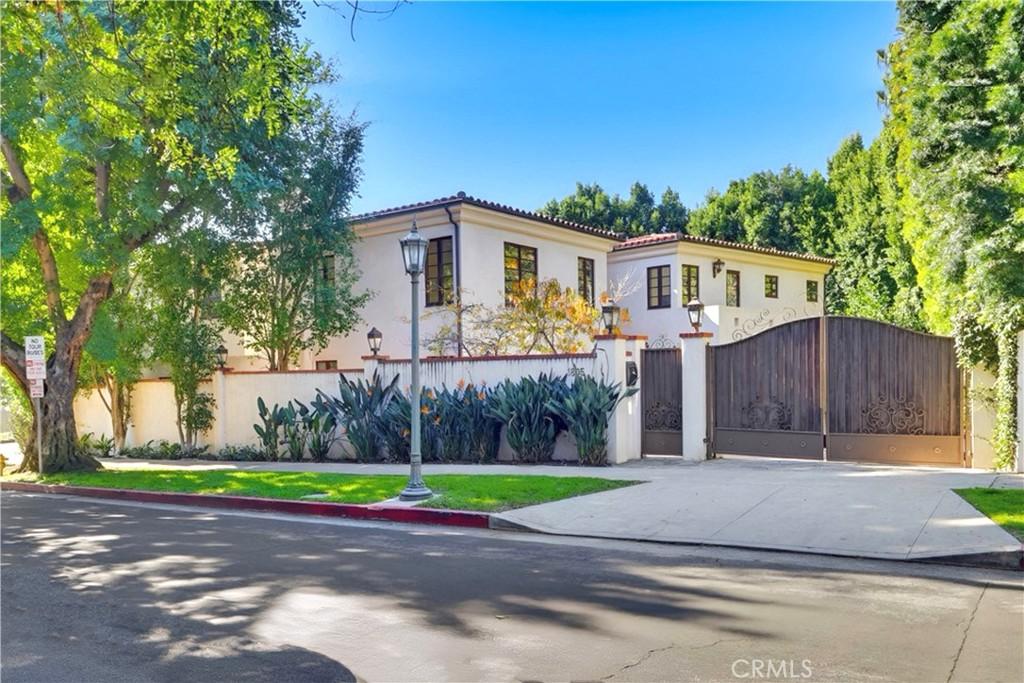
Picture this: You’re driving up a winding road, the Los Angeles skyline shrinking in your rearview mirror. Suddenly, you’re transported to another era. Spanish Revival homes with their characteristic red-tiled roofs and stucco walls sit alongside sleek Mid-Century Modern masterpieces. It’s like stepping into a living, breathing architectural museum.
Take the property at 2178 Castilian Drive, for example. This isn’t just a house; it’s a 7,174 square foot testament to luxury living. With 5 bedrooms and 8 bathrooms. It’s the kind of place that makes you wonder if you’ve accidentally wandered onto a movie set. Listed at a cool $8,500,000. It’s not just a home; it’s a statement.
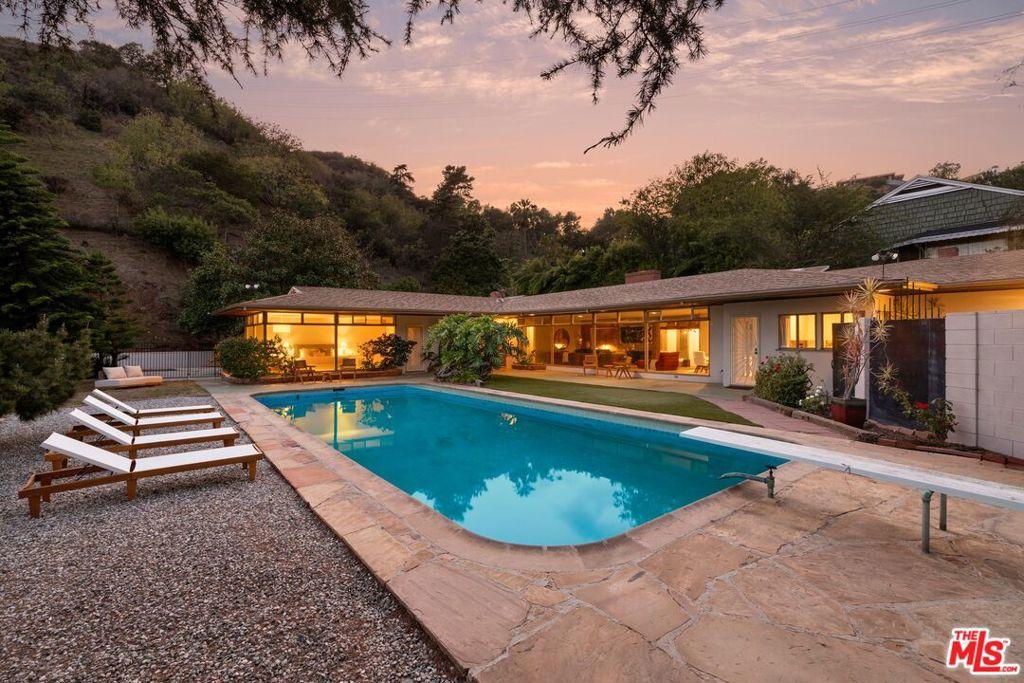
But maybe you’re more of a Mid-Century Modern enthusiast. In that case, the reimagined 1962 home on a private cul-de-sac might be more your speed. With its floor-to-ceiling glass windows and white oak floors. It’s a perfect blend of retro cool and modern convenience. At $3,950,000. It’s practically a steal for 2,196 square feet of architectural history.
The architectural diversity in Outpost Estates homes for sale is truly remarkable. You’ll find homes designed by some of the most renowned architects of the 20th century. For instance, the Jack E. Cofer-designed home at 2650 Carman Crest Drive is a prime example of mid-century modern architecture. Built in 1949. This home features sleek lines, floor-to-ceiling glass, and a classic California kidney-shaped pool. It’s a living testament to the enduring appeal of mid-century design.
But it’s not just about the past. Contemporary architects are also leaving their mark on Outpost Estates. New constructions and renovations are blending with the neighborhood’s historic character, creating a unique architectural tapestry that spans decades and styles.
Outpost Estates draws buyers who have made deliberate trade-off decisions. The buyer profile here tends toward established professionals and families — people who have evaluated comparable options and chosen this pocket for specific reasons: lot size, privacy, school access, commute profile, or community character.
Properties ranging from $4.3M+ range from [entry-level in the pocket] to larger estate-scale homes depending on the specific street. Knowing the sub-block matters when pricing or making an offer here.
The Knight Group maintains active relationships in Outpost Estates, including off-market sellers who haven’t listed publicly. For buyers, this means access to inventory before it reaches the portals. For sellers, it means qualified buyers who are already researching this specific area.
In a market like Outpost Estates, where well-priced properties move quickly, having a relationship with an agent who knows the off-market layer changes what’s available to you. The Knight Group can typically show more options than what’s publicly listed at any given time.
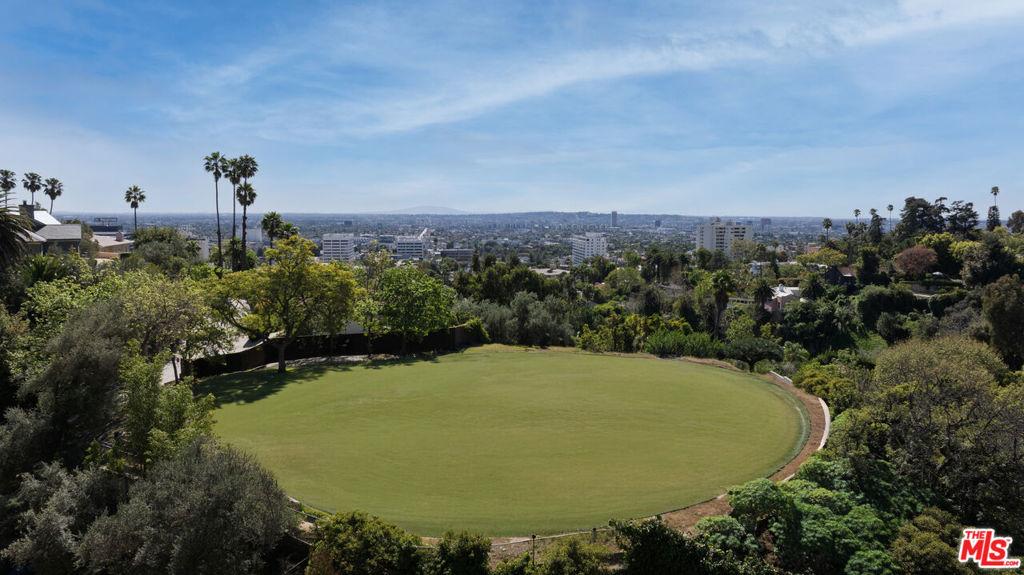
Imagine waking up to panoramic views of the Los Angeles skyline, the Hollywood sign visible from your bedroom window. You start your day with a hike in Runyon Canyon, followed by a gourmet brunch at one of the trendy cafes on Franklin Avenue. In the evening, you might host a dinner party on your expansive patio, or head down to the Sunset Strip for a night of entertainment.
This isn’t a fantasy; it’s everyday life in Outpost Estates. It’s a place where luxury isn’t just about material possessions, but about experiences, community, and quality of life.
Let’s take a hypothetical tour through a typical day in Outpost Estates:
6:00 AM: Wake up to the soft California sunlight streaming through your floor-to-ceiling windows.
7:00 AM: Take a morning hike in Runyon Canyon. The trail is just steps from your front door.
9:00 AM: Grab a gourmet coffee and avocado toast at Beachwood Cafe, a local favorite.
11:00 AM: Work from your home office, with inspiring views of the Hollywood Hills.
2:00 PM: Meet a friend for lunch at Musso & Frank Grill, a Hollywood institution since 1919.
4:00 PM: Relax by your infinity pool, overlooking the city.
7:00 PM: Host a dinner party on your patio, catered by a local celebrity chef.
10:00 PM: End the night with drinks at Chateau Marmont, rubbing elbows with Hollywood’s elite.
This is just a glimpse into the lifestyle that Outpost Estates offers. It’s a perfect blend of natural beauty, urban convenience, and Hollywood glamour.
While Outpost Estates is largely developed, there’s always room for improvement. Keep an eye on local zoning laws and development plans. The community is active in preserving its character, but change is inevitable. Who knows? That vacant lot down the street might be your next investment opportunity.
Some potential developments to watch:
Investing in Outpost Estates homes for sale isn’t just about finding a place to live; it’s about securing your financial future. Here’s why:
Outpost Estates is located in the greater Los Angeles area. Drive times to major employment centers vary by time of day — this is Los Angeles. Buyers prioritizing specific commutes should test their route at the relevant time before committing to an address.
Most buyers in Outpost Estates are car-dependent for daily errands. The Walk Score and transit access vary by specific street. If walkability is a priority, The Knight Group can identify which streets within Outpost Estates score highest before narrowing your search.
The Outpost Estates area is served by standard Los Angeles infrastructure: LADWP for utilities, LAPD or LASD for public safety depending on the specific address, and LAUSD or a local district for schools (confirm your specific school assignment by address). Trash collection, street maintenance, and other city services generally reflect the standards of the surrounding area.
For buyers coming from out of state or out of the area: property taxes in Los Angeles County are assessed at purchase price. Expect approximately 1.1–1.25% of purchase price annually, depending on any local supplemental levies.
Outpost Estates is tracked as a distinct sub-market of Hollywood Hills, and its figures diverge from the parent average. The measurements below come from CRMLS listing data as of September 2026.
Median lot size separates Hollywood Hills sub-markets more sharply than price does. Outpost Estates ranks 4th of the 17 comparable sub-markets tracked here.
Outpost Estates trades close to asking price. Across 8 recorded sales, homes traded at a median of 98.9% of their original asking price after a median 21 days on market (CRMLS, September 2026). Asking prices are what sellers hope for; these are the numbers they accepted.
Negotiating room is not evenly distributed across price. Measured across recorded sales in this dataset, the gap between asking and accepted widens sharply at the top of the market.
Let’s talk numbers for a second. As of July 2024, the median list price in Outpost Estates was a whopping $3,995,000. That’s a 19.5% increase from the previous year. If you’re thinking, Wow, that’s steep, you’re not wrong. But consider this: the average listing age was 79 days, down 24.5% from the previous year. In other words, these homes are hot commodities, and they’re not staying on the market for long.
But here’s where it gets interesting. While 2 and 3-bedroom homes saw a slight decrease in price, 4 and 5+ bedroom homes increased by 17.1% and 16% respectively. What does this mean for you? If you’re in the market for a larger home, now might be the time to make your move before prices climb even higher.
Diving deeper into the numbers, we see some fascinating trends. According to recent market data, as of September 2024:
These numbers tell a story of a market that’s still hot, but perhaps becoming slightly more balanced. The increase in days on market could indicate that buyers are taking more time to make decisions, which could work in your favor if you’re looking to negotiate.
It’s also worth noting the price changes by bedroom type over the past year:
This trend suggests a shift towards larger homes, possibly driven by the recent emphasis on home offices and spaces for remote work.
To give you a better idea of what’s currently on the market, let’s look at some recent listings:
These listings showcase the range of options available in Outpost Estates, from more accessible entry points to ultra-luxury estates.
Verify current figures per MLS before making pricing decisions.
The Los Angeles residential market is hyperlocal. Broad city-level or county-level trends describe the average — and the average doesn’t tell you what’s happening on a specific street in Outpost Estates. The factors that affect pricing, days on market, and buyer competition here are micro-level: lot size, views, condition, and proximity to specific amenities.
Price range in Outpost Estates: $4.3M+. This reflects the current spread between entry-level and top-end properties in this area. Where you land within that range depends on lot size, condition, bedroom count, and street positioning. Verify all figures per MLS before making pricing decisions.
Buyers in Outpost Estates should come prepared: pre-approval in hand, comparable sales reviewed, and a clear sense of their must-haves versus trade-offs. In a well-priced property situation, multiple offers are common. The Knight Group prepares buyers with a current market analysis specific to the address before any offer is submitted.
For sellers: The Knight Group’s approach in Outpost Estates includes pre-marketing to qualified buyers before any public listing, which reduces days on market and increases the probability of a clean transaction.
As of July 2024, the median list price in Outpost Estates was $3,995,000. However, prices can range from around $2.5 million for a modest (by Outpost Estates standards) 3-bedroom home to well over $10 million for larger estates.
Outpost Estates is known for its diverse architectural landscape. You’ll find everything from Spanish Revival and Mediterranean-style homes to Mid-Century Modern and Contemporary designs. The neighborhood’s original developer, Charles E. Toberman, mandated that homes be designed in Spanish, Mediterranean, or California modern styles, which still influences the area’s aesthetic today.
The Outpost Estates Homeowners Association is very active in preserving the neighborhood’s character and addressing local concerns. They’ve been instrumental in stopping overdevelopment, preserving green spaces, and maintaining the area’s exclusive feel. Residents are encouraged to participate in community meetings and events to stay informed and have their voices heard on local issues.
While Outpost Estates itself is primarily residential. It’s surrounded by world-class amenities. You’re minutes away from the best shopping, dining, and entertainment that Hollywood and West Hollywood have to offer. Within the neighborhood, you’ll find beautiful parks, hiking trails, and viewpoints.
Most homes in Outpost Estates come with ample parking, often including garages and driveways. Street parking can be more limited due to the hillside nature of the neighborhood, but it’s generally not as challenging as in other parts of Los Angeles.
The commute from Outpost Estates varies depending on your destination and the time of day. You’re centrally located, which can be advantageous. Downtown Los Angeles is about a 20-30 minute drive, while Beverly Hills is about 15-20 minutes. However, LA traffic can be unpredictable, so it’s always wise to allow extra time.
While Outpost Estates itself is more residential. It’s surrounded by famous landmarks. The Hollywood Sign is visible from many homes in the neighborhood. You’re also close to the Hollywood Bowl, the Walk of Fame, and numerous historic Hollywood studios.
Outpost Estates enjoys the fantastic Southern California climate. Summers are warm and dry, with temperatures typically ranging from the 70s to 90s Fahrenheit. Winters are mild, with temperatures rarely dropping below the 50s. The elevation of the Hollywood Hills can provide slightly cooler temperatures compared to the LA basin, which many residents find pleasant.
While Outpost Estates is served by the Los Angeles Unified School District, many residents opt for private schools. There are several highly-rated private schools in the surrounding areas, including The Oaks School, Immaculate Heart High School, and Harvard-Westlake School.
These are the topics buyers most often search for when they reach this page, ordered by real search volume and answered from current Outpost Estates listing and sales data (CRMLS, September 2026).
Outpost Estates currently has 13 active listings, priced at a median of $3,889,000 (CRMLS, September 2026). That works out to a median of $1,274 per square foot.
Canyon views are the most common outlook in Outpost Estates, recorded on 33% of tracked properties.
Outpost Estates currently has 13 active listings, priced at a median of $3,889,000 (CRMLS, September 2026). That works out to a median of $1,274 per square foot.
Homes in Outpost Estates have sold at a median of 98.9% of their original asking price after a median 21 days on market, and 25% of sales closed above asking.
The median lot in Outpost Estates measures 11,992 square feet. Median living area is 3,269 square feet.
Explore more Hollywood Hills neighborhoods:
Lucky for you we’re looking out.
Subscribe to this Custom Search to be alerted when new properties hit the market in the area.
Choose the frequency that works for you.