The east Pasadena location places Chapman between the central city and Hastings Ranch, giving residents access to both the older commercial fabric of downtown Pasadena and the more suburban retail corridors of the eastern neighborhoods. Allen Avenue and Rosemead Boulevard frame the neighborhood’s general boundaries and provide north-south travel options toward the 210 Freeway to the north and Del Mar Boulevard to the south.
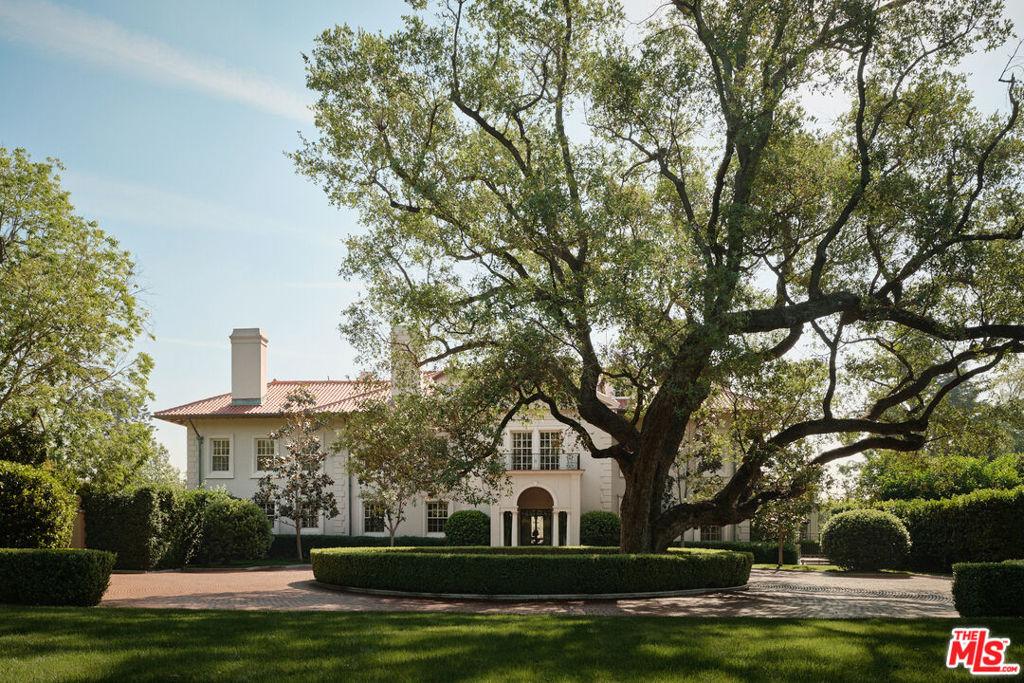
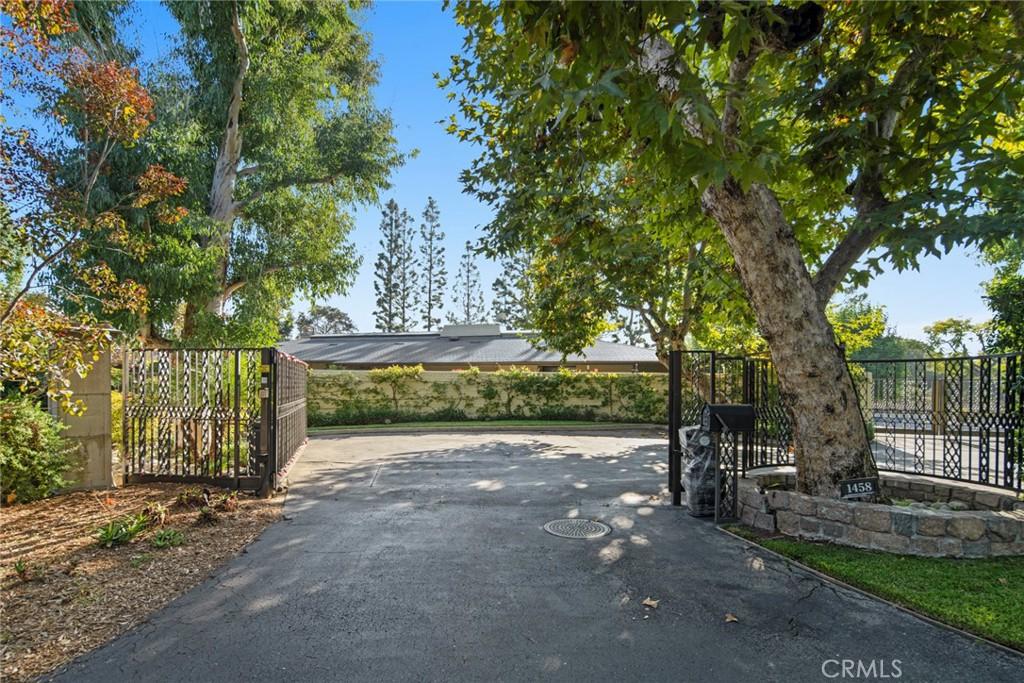
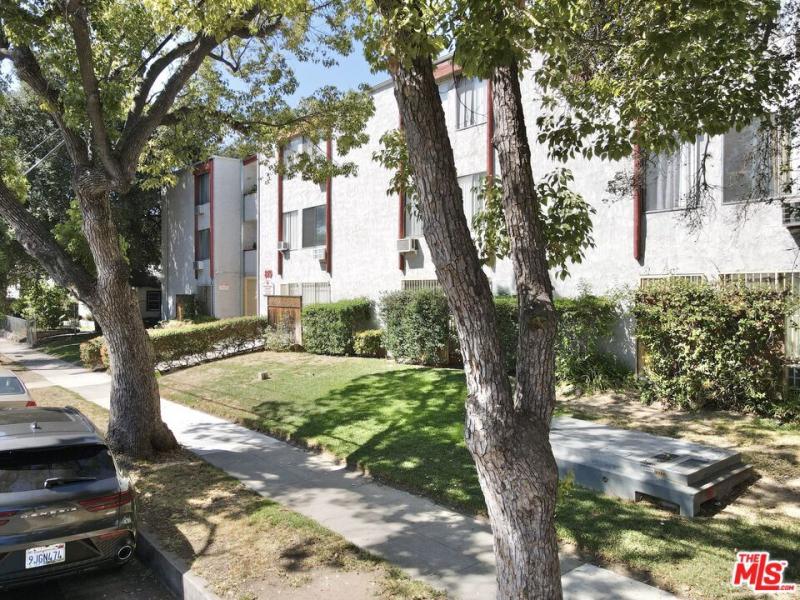
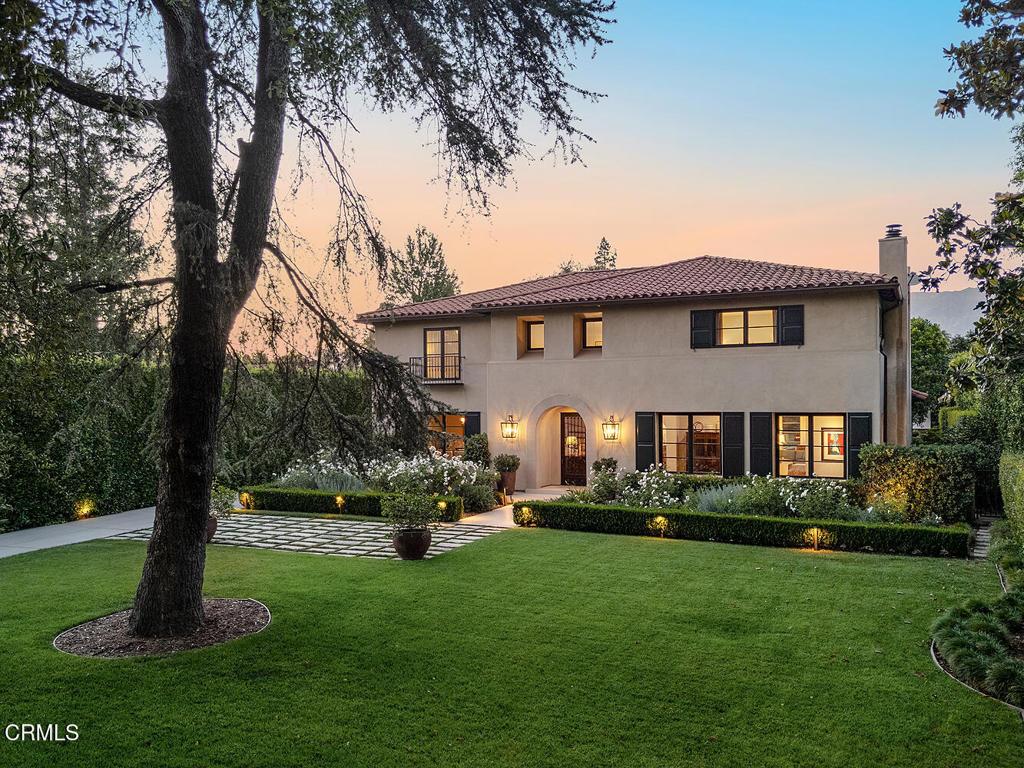
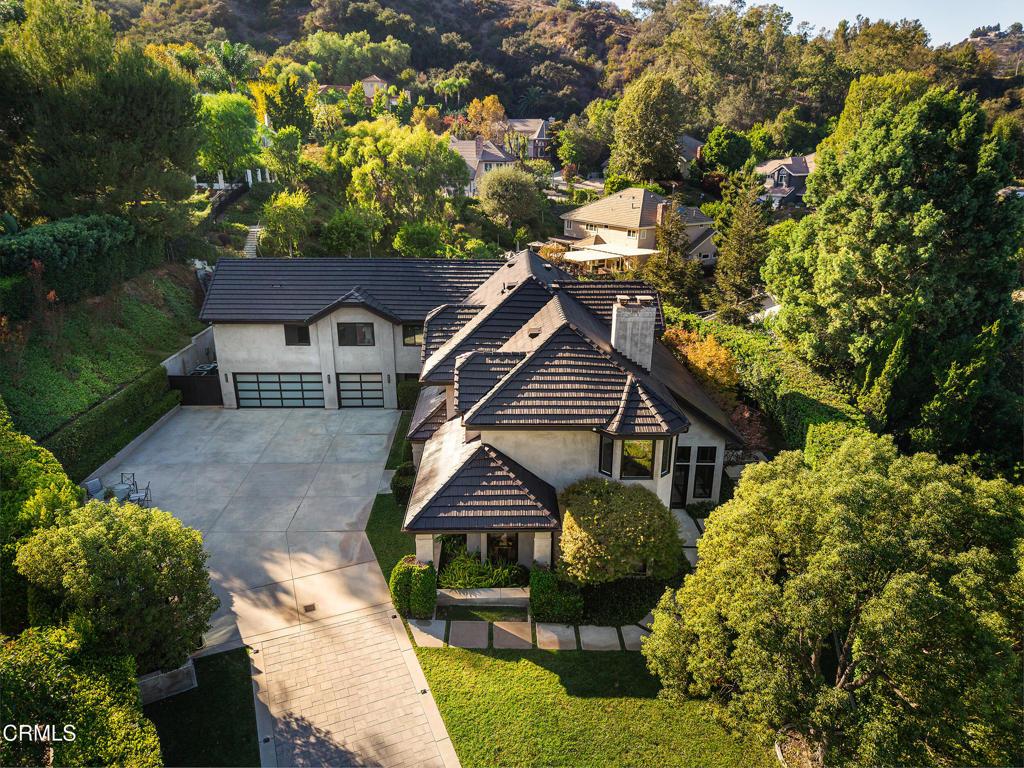
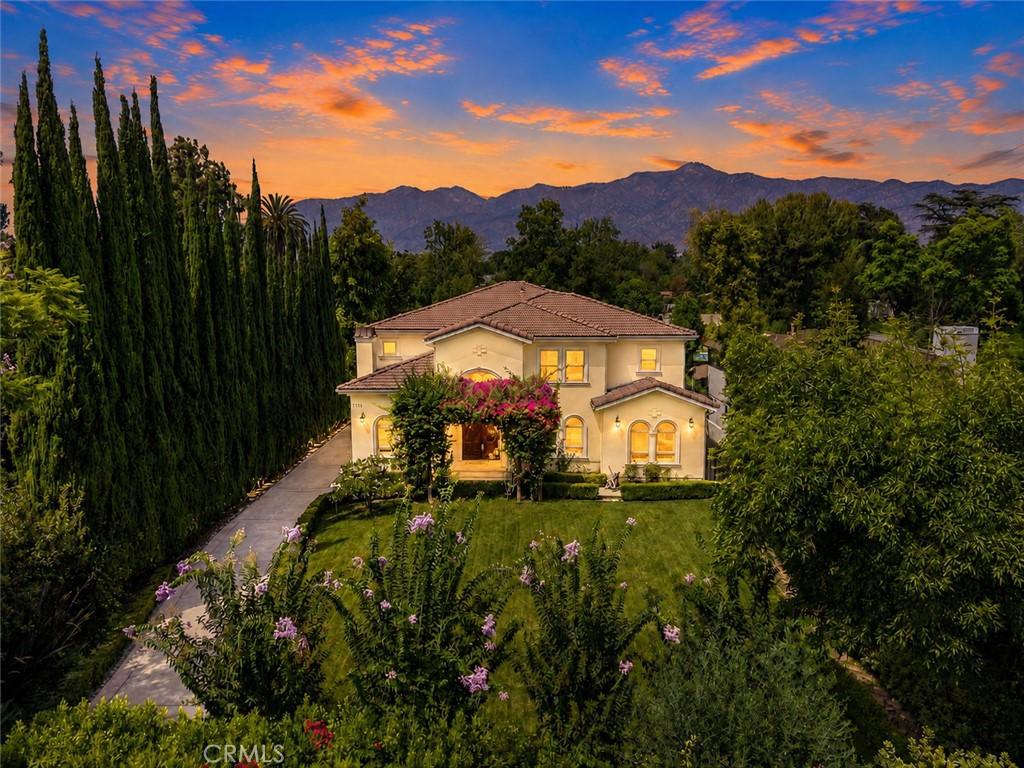
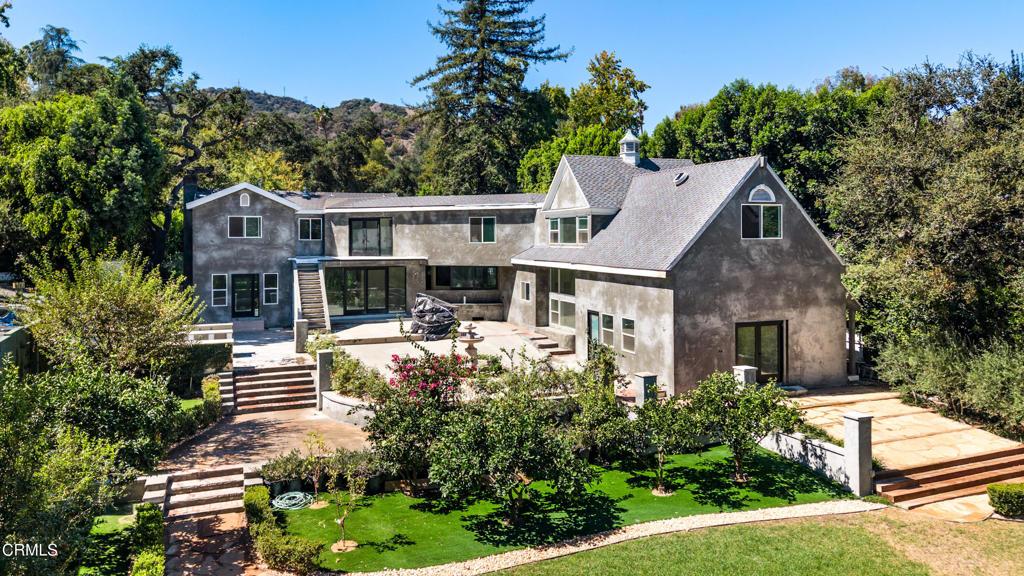
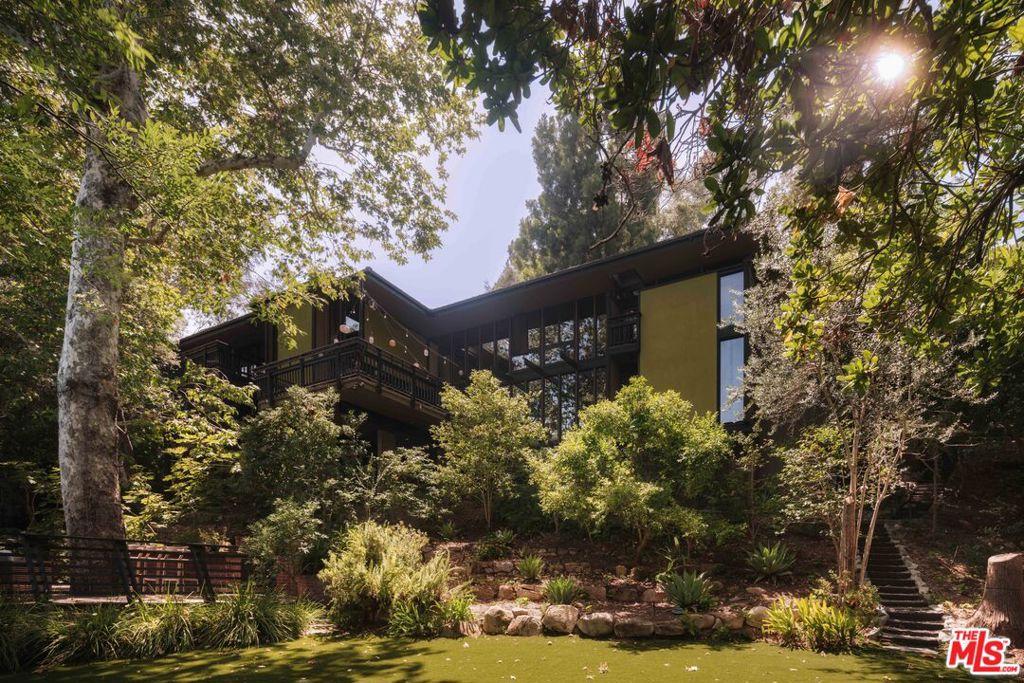
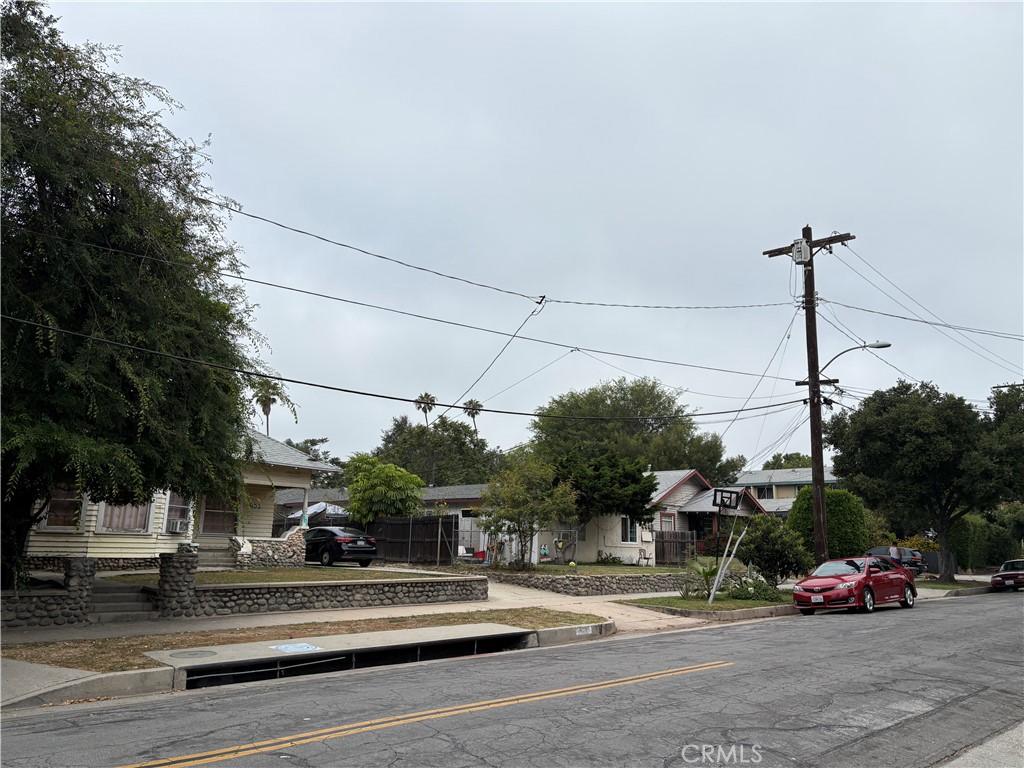
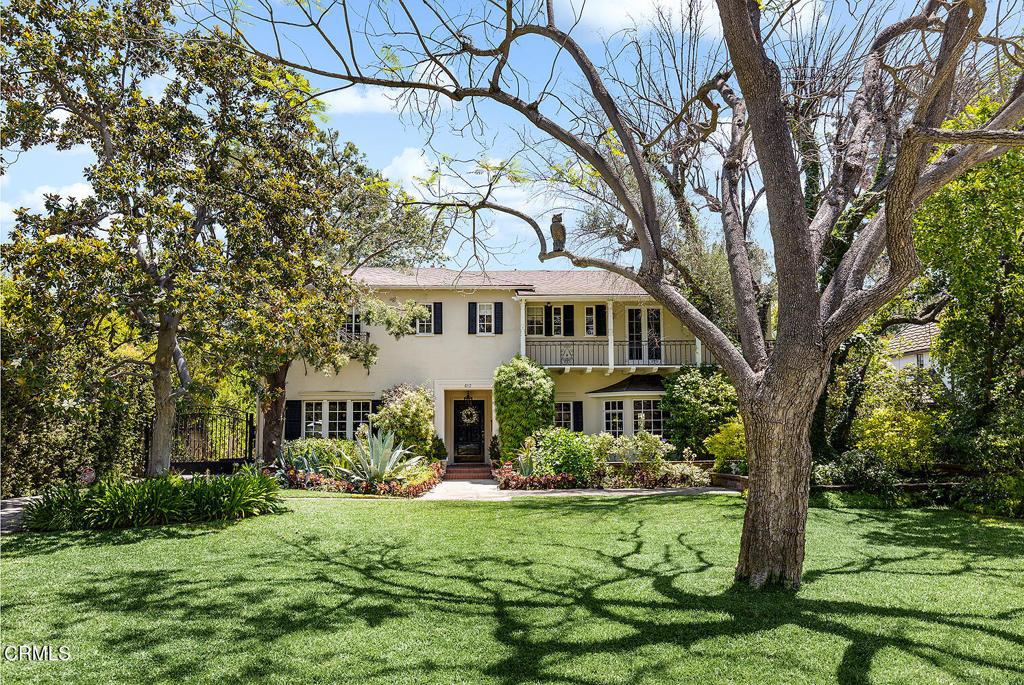
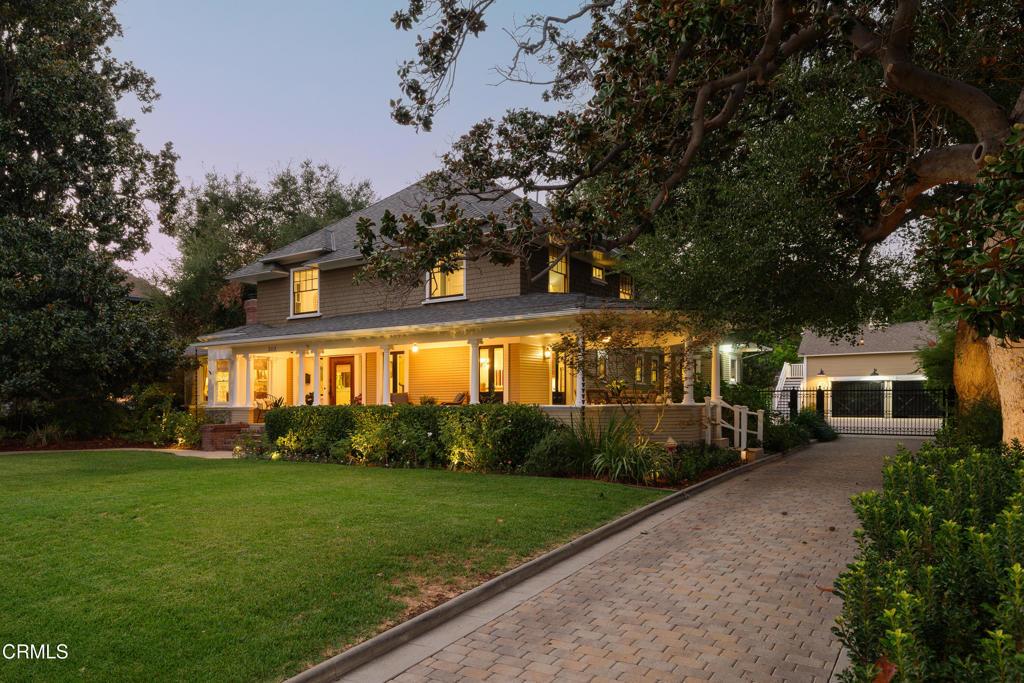
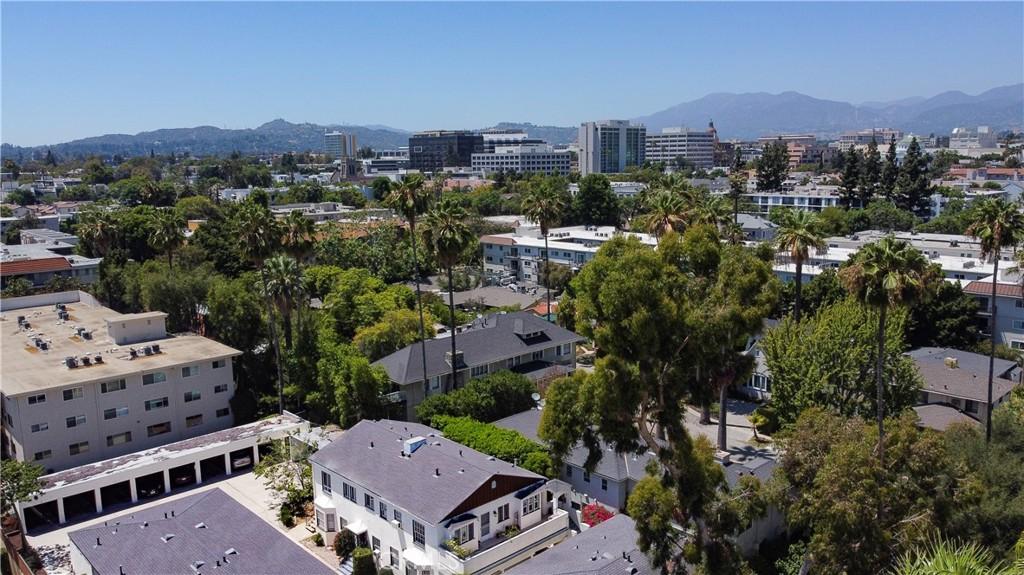
The name “Chapman Woods” reflects the tree canopy that characterizes the neighborhood’s more established residential streets, where decades of oak, elm, and sycamore growth have produced the shaded streetscape common to Pasadena’s older residential areas. The combination of architectural variety and mature landscaping gives Chapman a character that differs from planned subdivision neighborhoods nearby, where homes tend to be architecturally uniform and the tree canopy is newer.
The east Pasadena location also means proximity to the Eaton Canyon Natural Area, where 190 acres of natural terrain and hiking trails begin just a few miles to the north. Families with outdoor interests find the combination of residential character and natural area access a significant draw in Chapman and surrounding neighborhoods like Lamanda Park and East Pasadena.
Pasadena citywide runs a median sale price around $1,250,000, up 3.7% year-over-year, $791 per square foot down 0.5% year-over-year, median list price $1,170,000 at $769 per square foot, 240 homes on market, 83 sold, 48 days on market, 103.9% sale-to-list ratio, 1 average offer, and 39.7% average down payment. Chapman homes price in the mid-range for east Pasadena, generally below the westside estate neighborhoods and in line with comparable mid-century and period-home inventory in the eastern part of the city. The architectural variety means price points within Chapman can vary meaningfully by home age, style, and condition.
Pasadena Unified School District serves Chapman. Field Elementary and other east Pasadena schools are among the nearby options, and the neighborhood’s position near the Arcadia city boundary means some buyers consider both Pasadena and Arcadia school options when evaluating east Pasadena addresses. The 210 Freeway at Rosemead Boulevard provides quick freeway access to the I-605 interchange and the broader SGV freeway network.
Chapman is a residential neighborhood in central to eastern Pasadena, developed primarily in the post-war period with housing stock that reflects the residential construction standards of the 1950s and 1960s. The neighborhood takes its name from Chapman Avenue, a residential street in the central Pasadena area. Chapman’s residential character is consistent with other central Pasadena neighborhoods that developed during the post-war housing boom: single-family homes on moderately sized lots, low through traffic on the interior residential streets, and access to Pasadena’s commercial and cultural amenities by car or bicycle from most addresses in the neighborhood.
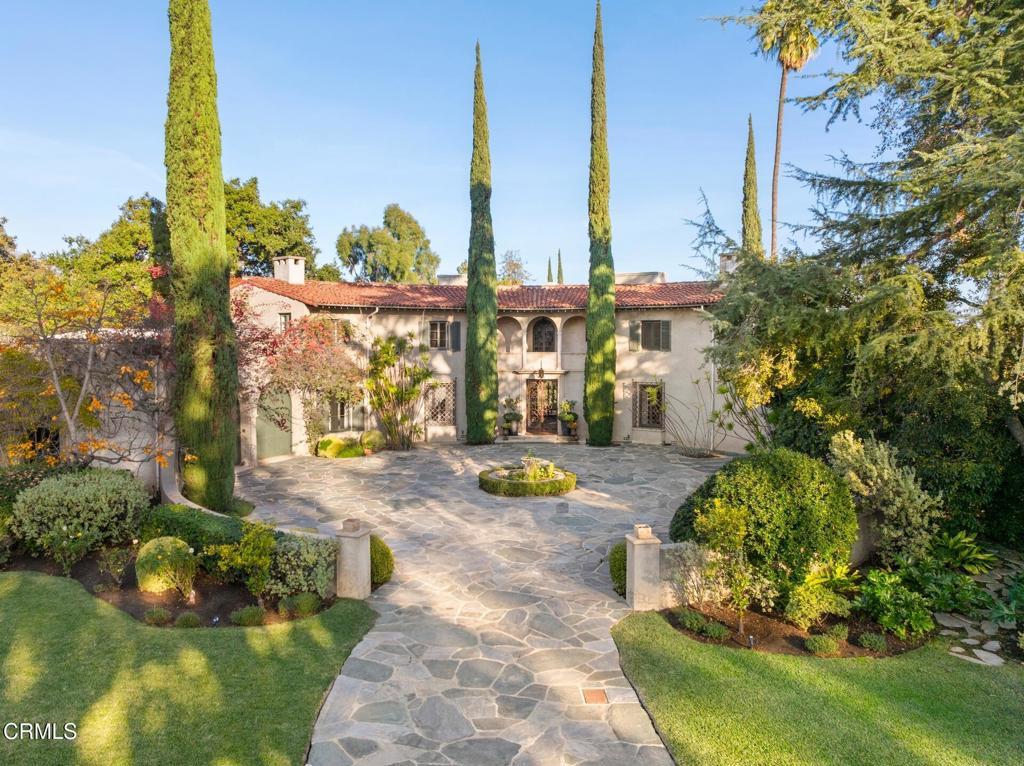
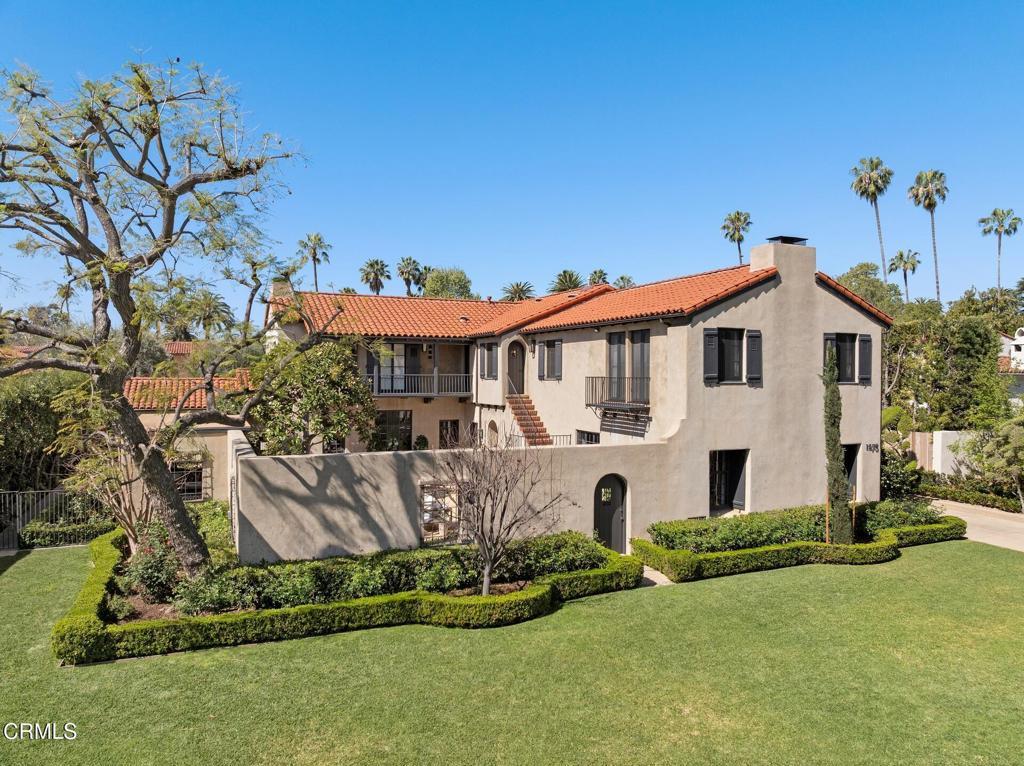
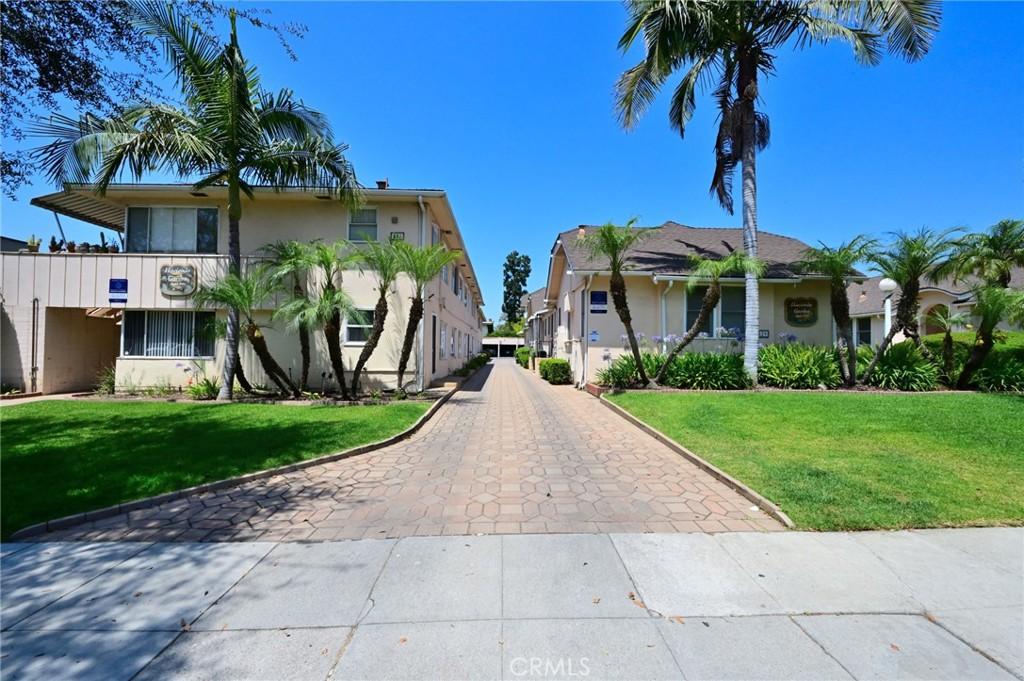
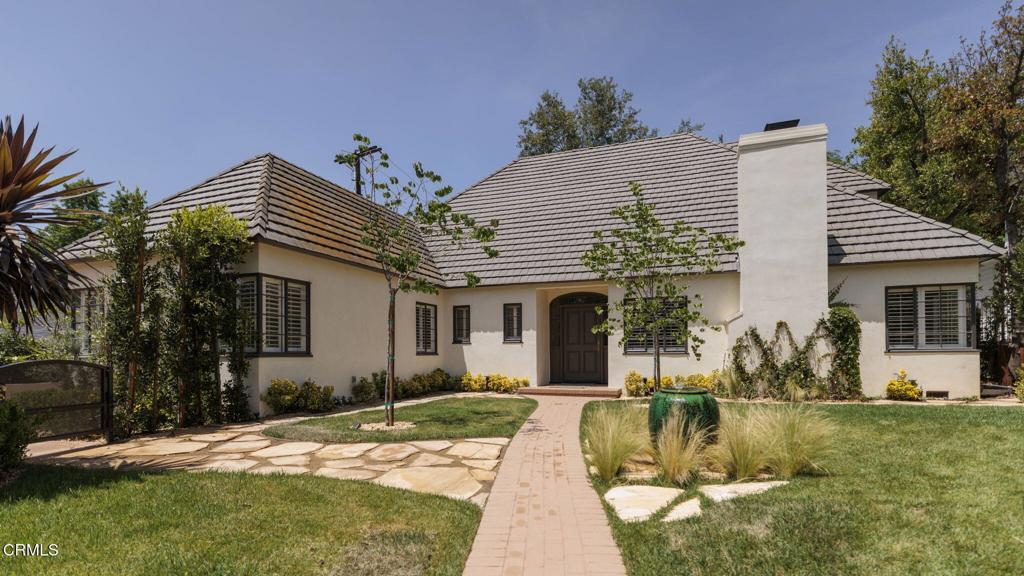
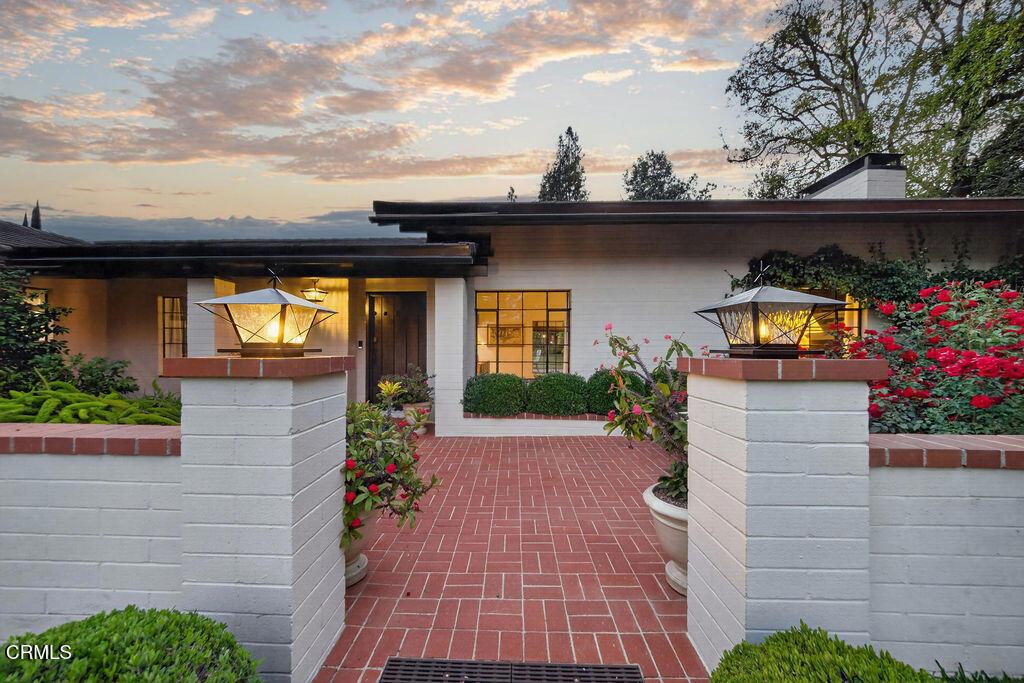
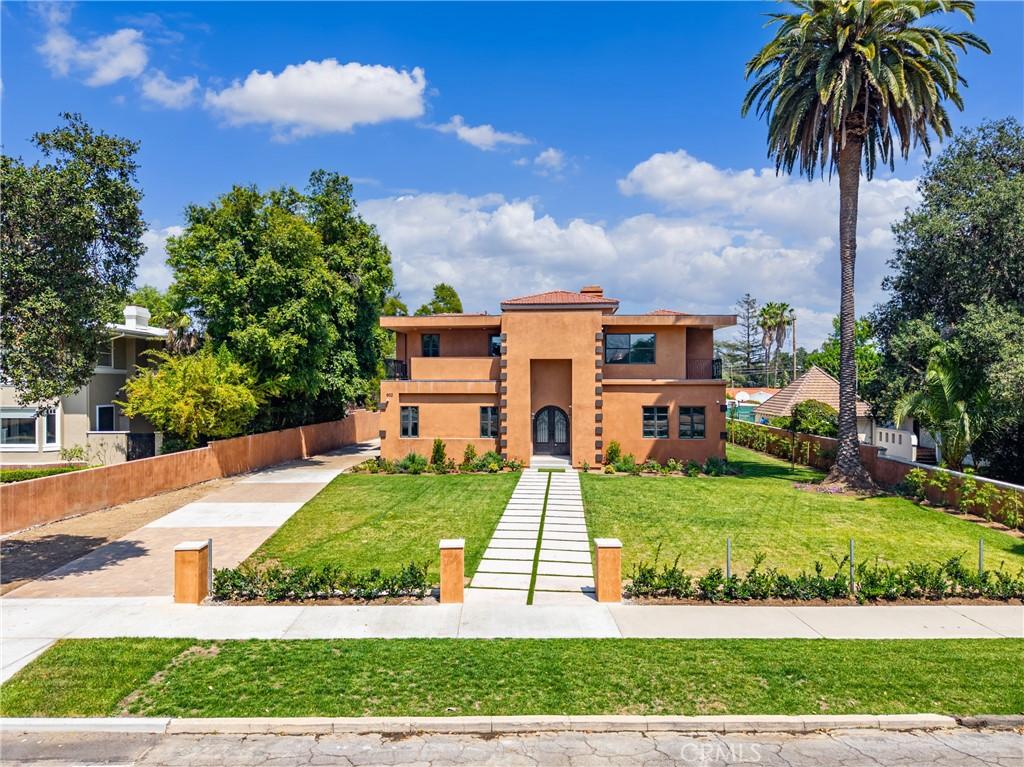
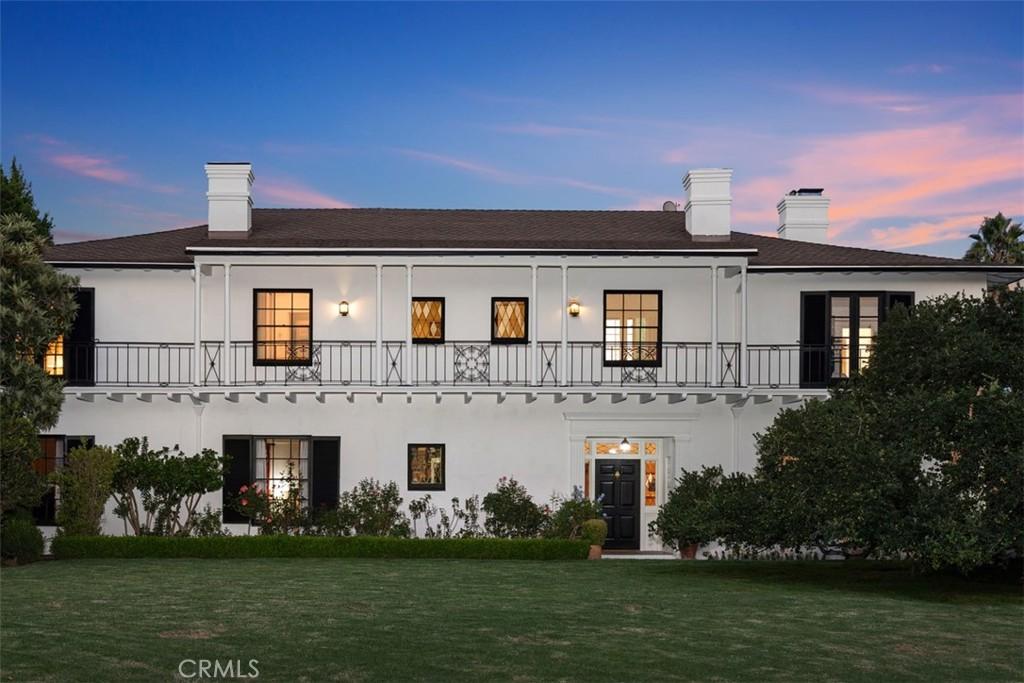
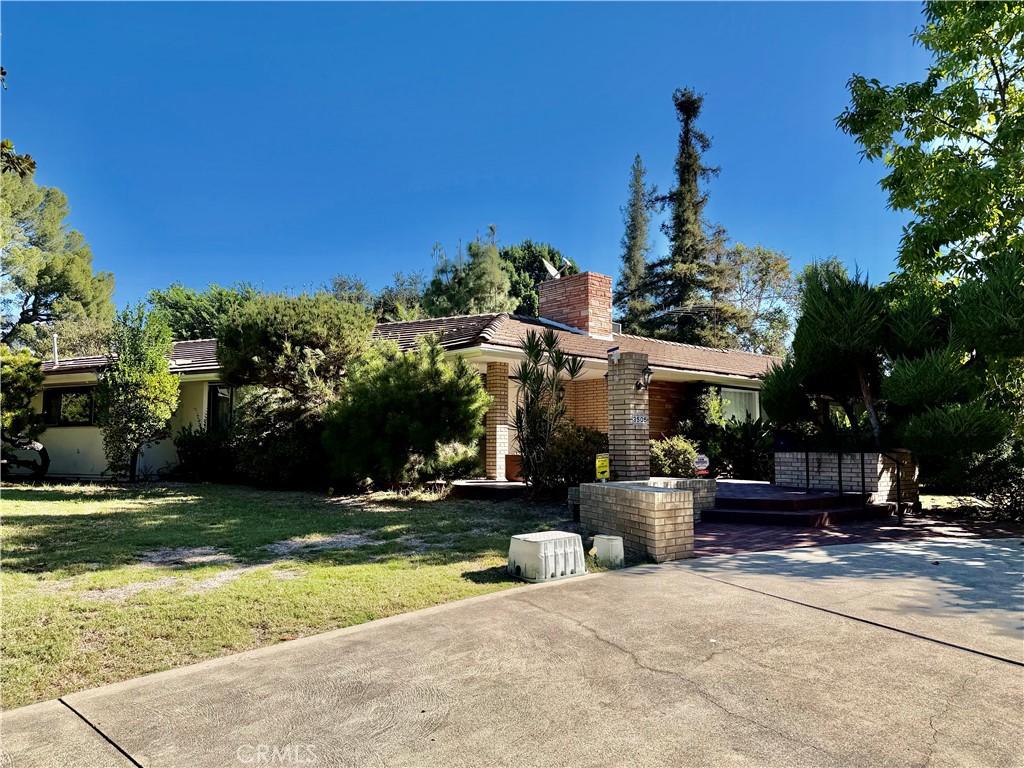
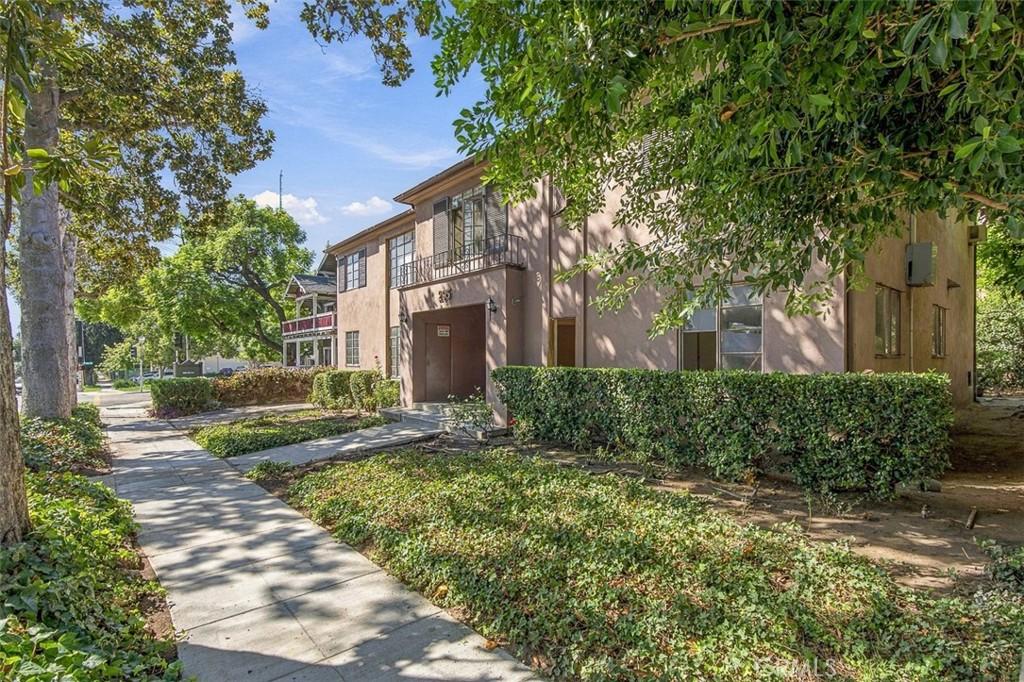
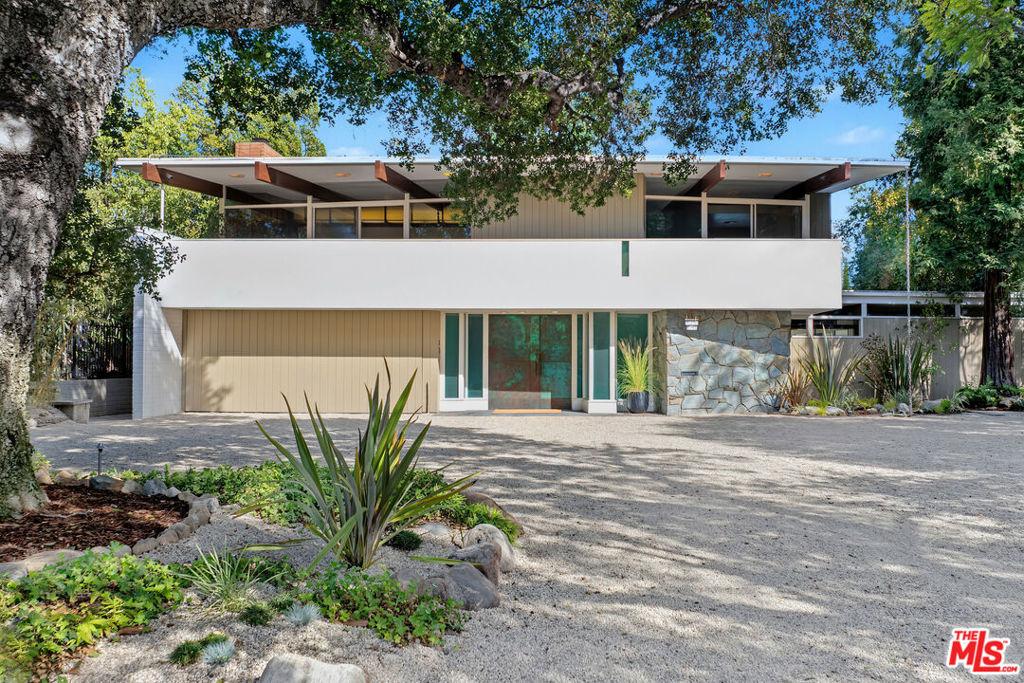
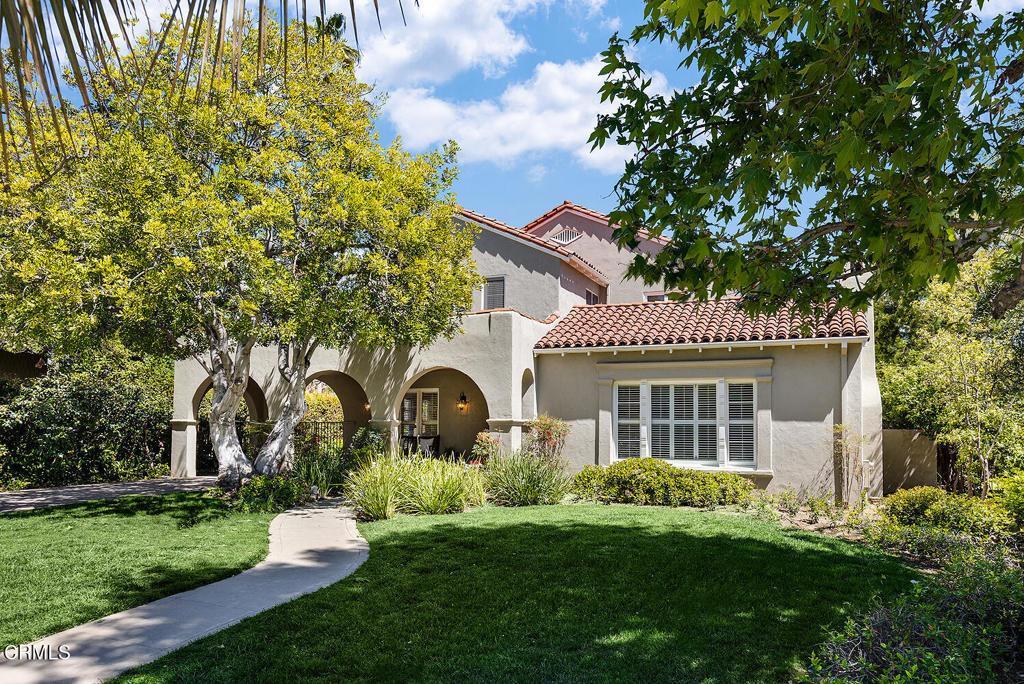
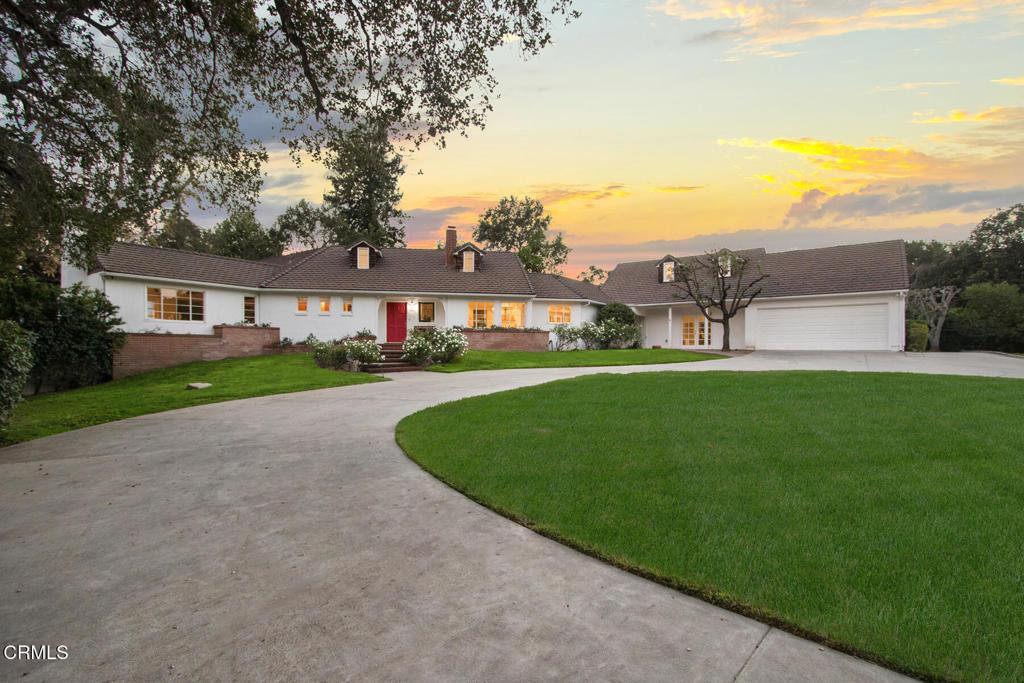
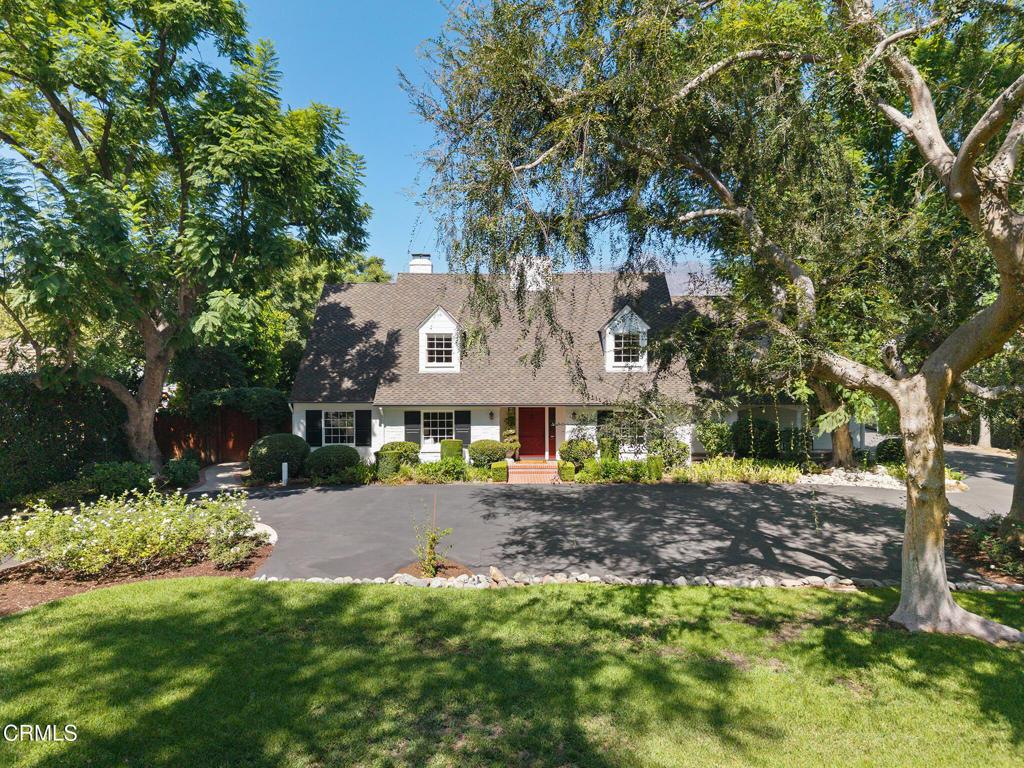
The housing in Chapman reflects the standard central Pasadena residential development of its era. Craftsman bungalows from earlier decades appear on the older established streets, while post-war ranch homes and minimal traditional homes from the 1950s and 1960s comprise most of the neighborhood’s inventory. The mixture of period types within a relatively compact geographic area creates the architectural variety that is characteristic of established Pasadena residential neighborhoods that developed across multiple decades. Lot sizes in Chapman typically range from 5,500 to 8,000 square feet, supporting the single-family uses that define the neighborhood’s character.
Central Pasadena’s commercial and cultural amenities are accessible from Chapman by the same routes that serve the broader central Pasadena market. The Playhouse District along East Colorado Boulevard is typically 5-15 minutes by car or bicycle from most Chapman addresses. Old Pasadena’s restaurant and shopping concentration is similarly accessible west along Colorado. The Gold Line’s network of central Pasadena stations (Del Mar, Memorial Park, Lake) provides transit access to the Metro system for Chapman residents who commute by rail to Downtown Los Angeles or connect to other Metro lines at Union Station.
Pasadena Unified School District serves Chapman through its standard central Pasadena school assignment process. Elementary school assignments vary by specific block, and the PUSD magnet program options that serve central Pasadena addresses include several of the district’s most competitive programs. Families who are invested in specific PUSD program access should research the application process early, as the most popular magnet programs have significant demand relative to available seats and the application deadlines are earlier than many families expect.
The 210 Freeway provides the primary freeway access for Chapman residents, typically via Lake Avenue or Los Robles Avenue interchanges. The 134 Freeway is accessible via Pasadena’s arterial network. For residents commuting to Glendale, Burbank, or the Los Angeles basin, the freeway access from central Pasadena is relatively direct by comparison to the more convoluted routes required from some east and south Pasadena addresses. Surface street commute options within Pasadena, including cycling to employment on the Caltech campus, City of Pasadena government, or the medical complex around Huntington Memorial Hospital, are practical from Chapman’s central location.
Outdoor recreation access from Chapman includes the central Pasadena park system, with Victory Park on Paloma Street approximately 1-2 miles from most Chapman addresses, and the Arroyo Seco trail accessible from the western Pasadena connections via Colorado Boulevard or Orange Grove Boulevard. The Rose Bowl loop is approximately 3-4 miles from typical Chapman addresses by the most direct route. For daily exercise, the central Pasadena street network’s sidewalk infrastructure and the Pasadena urban parks within 1-2 miles of most addresses provide the primary recreation infrastructure, supplemented by fitness studios and gym facilities along the Colorado Boulevard and Fair Oaks Avenue corridors.
Renovation activity in Chapman reflects the central Pasadena market dynamic: buyers who purchase properties in cosmetic condition and invest in comprehensive renovations have generally seen positive equity outcomes over the past decade. The central Pasadena location premium supports renovation investment better than the more peripheral east Pasadena neighborhoods, because the commercial walkability and transit access premium is already embedded in the Chapman base pricing and the renovation investment brings the property to a competitive position within the central Pasadena market rather than simply the east Pasadena tier.
The buyer profile for Chapman includes first-time buyers, move-up buyers from the entry Pasadena tier, and relocating buyers who want central Pasadena access at pricing below the fully renovated stock in the more established historic neighborhoods. The Chapman position in the central Pasadena market makes it accessible to buyers who want proximity to the Caltech employment base, the Pasadena city government employment base, and the medical cluster at Huntington Memorial Hospital, all of which are within cycling distance or a short commute drive.
The insurance market for Chapman reflects the central flatland Pasadena risk profile: lower fire hazard designation than the hillside neighborhoods, standard admitted market availability for most properties, and annual homeowners insurance costs that are materially lower than the hillside FHSZ-designated neighborhoods. Buyers should still obtain current insurance quotes during due diligence given the California admitted market’s evolving landscape, but the Chapman profile is more favorable than the western and northern hillside neighborhoods for insurance availability and cost.
The market pricing for Chapman positions it in the central Pasadena range, above the northeast and east Pasadena ranch home tracts and below the premium HPOZ-designated neighborhoods of Bungalow Heaven and the estate areas of Oak Knoll and Linda Vista. The central location and commercial access command a meaningful premium over comparable square footage in east Pasadena, and this premium has been sustained through market cycles by the consistent demand for central Pasadena residential access from buyers who prioritize location over lot size and neighborhood age.
The Pasadena arts and culture environment is a consistent quality-of-life factor for Chapman residents who value access to museums, galleries, and performing arts without requiring significant travel time. The Pasadena Museum of California Art, the Armory Center for the Arts on Raymond Avenue, and the various gallery spaces in the Playhouse District are all accessible from Chapman within 10-20 minutes by car or bicycle. The Norton Simon Museum at 411 West Colorado Boulevard is approximately 2 miles west, and the Huntington Library, Art Museum, and Botanical Gardens in San Marino is approximately 3 miles south. For household whose quality-of-life definition includes regular museum attendance and arts participation, the density of cultural institutions within easy reach of Chapman’s central location is an underappreciated asset relative to comparable-priced residential markets in less culturally dense San Gabriel Valley cities.
The City of Pasadena’s street improvement and traffic calming program has invested in sidewalk and bicycle infrastructure improvements on several central Pasadena corridors in recent years, and some Chapman-adjacent streets have received or are in the pipeline for sidewalk repair, street tree additions, or protected bike lane installations. The capital improvement program’s schedule is published on the city’s public works website, and buyers who are considering specific Chapman addresses should check the current improvement program schedule to understand what street-level infrastructure changes may be planned for the blocks surrounding their target property. Positive infrastructure improvements (new sidewalks, added street trees, bike lane) tend to improve walkability scores and neighborhood attractiveness over time; buyers who can purchase ahead of a planned corridor improvement may benefit from the improvement effect on their property’s positioning.
The rental market in Chapman supports a range of rental rate points depending on unit type and renovation level. A renovated three-bedroom, two-bath single-family home in Chapman rents in the $3,200-$4,500 per month range depending on lot, garage, and finish level. ADU studios and one-bedroom conversions rent in the $1,600-$2,400 range. The rental depth from the Caltech, Art Center, and Pasadena City College institutional communities, combined with the corporate relocation demand from Pasadena’s medical and government employment base, provides Chapman with a rental market that supports investor returns at purchase prices that are competitive within the central Pasadena range.
The Pasadena Police Department’s central Pasadena patrol area includes the Chapman neighborhood, and the department’s online crime statistics dashboard provides address-level crime incident data that buyers should review as part of due diligence on any central Pasadena property. The types of incidents in the Chapman area are consistent with the central Pasadena urban pattern: primarily property crime (vehicle break-ins, catalytic converter theft, and residential burglary) with occasional incidents on commercial corridors. The PPD community engagement program through the Pasadena Neighborhood Center on North Raymond Avenue provides a resource for new Chapman residents who want to connect with their beat officers and get neighborhood-level safety information beyond what the online dashboard provides.
Spring in Chapman, as throughout Pasadena, is marked by the Arroyo day events and the flowering of the street trees that line many of the central residential blocks. The jacaranda trees that appear throughout central Pasadena bloom in May and June, turning the residential street canopy a distinctive purple-blue that is a characteristic feature of the Pasadena spring landscape. The jacaranda bloom period typically lasts 3-4 weeks and is a reliable marker of the early summer season that long-term Pasadena residents anticipate each year. Chapman’s central location within the jacaranda-planted corridors of Pasadena places residents directly within the bloom zone that makes Pasadena’s spring residential environment visually distinctive from most of the surrounding San Gabriel Valley communities.
Chapman’s position in the central Pasadena area places it within the standard residential territory served by Pasadena’s neighborhood library branches. The Pasadena Public Library’s Hill Avenue Branch at 55 South Hill Avenue is one of several branch libraries supplementing the main branch near the Civic Center. For Chapman families with school-age children, access to library programming and early literacy resources is a practical daily-use benefit of being within the Pasadena public library system rather than the county library system that serves many of the adjacent San Gabriel Valley cities. The Pasadena Public Library system consistently scores among the better-funded municipal library systems in Los Angeles County, supported by the City of Pasadena’s general fund commitment to library services.
The central Pasadena pedestrian environment in which Chapman participates has been incrementally improved over the years through the Pasadena General Plan’s Complete Streets policies. Crosswalk improvements, bulb-out curb extensions at major intersections, and bicycle facility additions to several central Pasadena corridors have incrementally added pedestrian and cyclist safety infrastructure in the area. Future planned improvements on some central Pasadena corridors are in various stages of design and community review, and buyers who want to understand the near-term street improvement pipeline for Chapman-adjacent blocks should consult the Pasadena Department of Public Works’ Capital Improvement Program, which is publicly available through the city’s online resource portal.
The California housing market’s post-2023 interest rate environment has been a consistent topic among Chapman sellers and buyers, as the rate change from the 2020-2021 sub-3% mortgage period to the 2023-2026 range has affected purchasing power across all Pasadena price tiers. Chapman properties in the $900,000-$1,200,000 range that would have supported a monthly payment of approximately $3,800-$5,000 at 3% interest now require monthly payments of $5,500-$7,200 at 6.5-7.0% interest, representing a significant purchasing power shift. Buyers who can manage the higher monthly carrying costs, or who have substantial down payments that reduce their financed amount, have continued to compete actively in the Chapman market. Those who are dependent on maximum leverage at minimum rates have been priced to the margins of the central Pasadena market.
What is the Chapman neighborhood in Pasadena like?
- Chapman sits in east Pasadena between the central city and Hastings Ranch, giving residents access to both downtown and suburban retail corridors.
- Allen Avenue and Rosemead Boulevard frame the general boundaries and provide north-south travel toward the freeway to the north and Del Mar Boulevard to the south.
- Tree canopy on the more established residential streets is reflected in the name Chapman Woods.
- Oak, elm, and sycamore growth over decades produced the shaded streetscape common to Pasadena’s older residential areas.
- Architectural variety combined with mature landscaping gives Chapman a character different from the planned subdivision neighborhoods nearby.
- Playhouse District along East Colorado Boulevard sits a short drive or bicycle ride from most Chapman addresses.
- Eaton Canyon Natural Area begins a short distance to the north, offering natural terrain and hiking trails to east Pasadena residents.
- Families with outdoor interests find the mix of residential character and natural area access a significant draw in Chapman.
- Lamanda Park and East Pasadena are surrounding neighborhoods that share the same combination of residential streets and nearby natural area access.
- Home prices in Chapman fall in the mid-range for east Pasadena, generally below the westside estate neighborhoods.
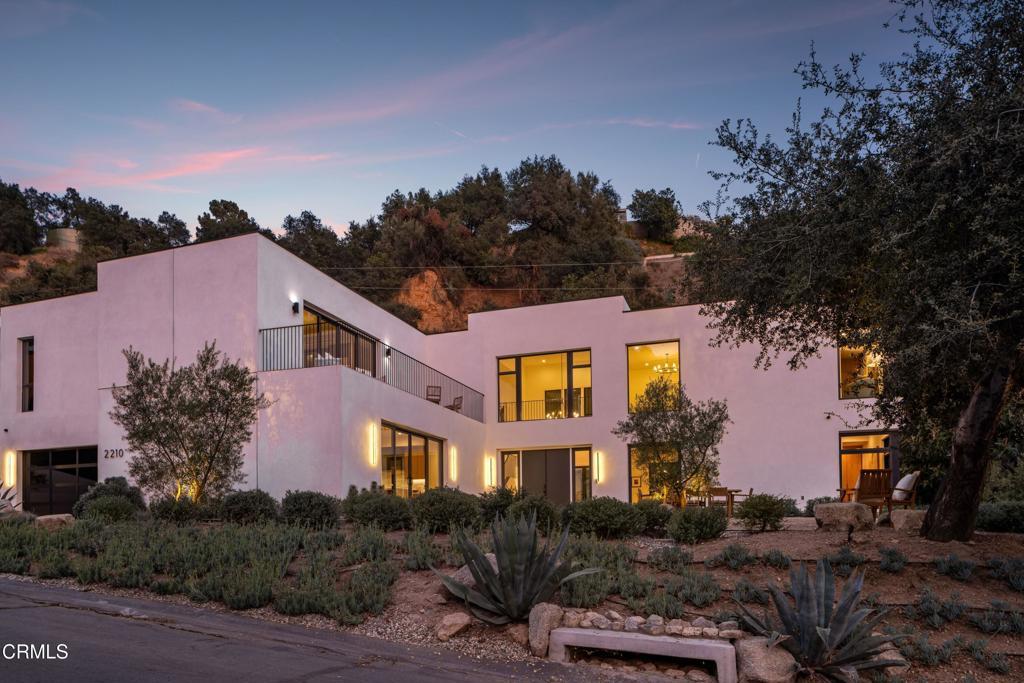
- Price points vary meaningfully by home age, style, and condition because of the architectural variety across the neighborhood’s streets.
- Pasadena Unified School District serves Chapman, with Field Elementary and other east Pasadena schools among the nearby options.
- Buyers evaluating east Pasadena addresses sometimes weigh both Pasadena and Arcadia school options given the neighborhood’s position near the Arcadia city boundary.
- Freeway access at Rosemead Boulevard connects drivers quickly to the broader San Gabriel Valley freeway network.
- Post-war development shaped the neighborhood, with housing stock reflecting the residential construction standards of the decades following the war.
- Chapman Avenue, a residential street in the central Pasadena area, gave the neighborhood its name.
- Single-family homes on moderately sized lots, low through traffic on interior streets, and easy car or bicycle access define the residential character.
- Craftsman bungalows appear on the older established streets, while post-war ranch and minimal traditional homes make up most of the inventory.