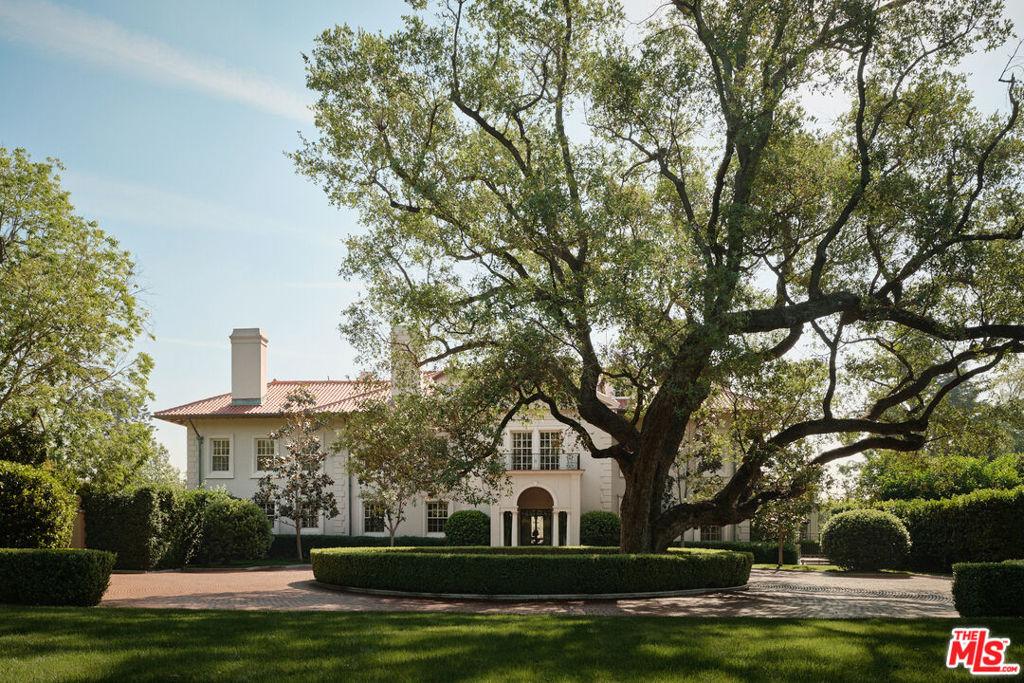
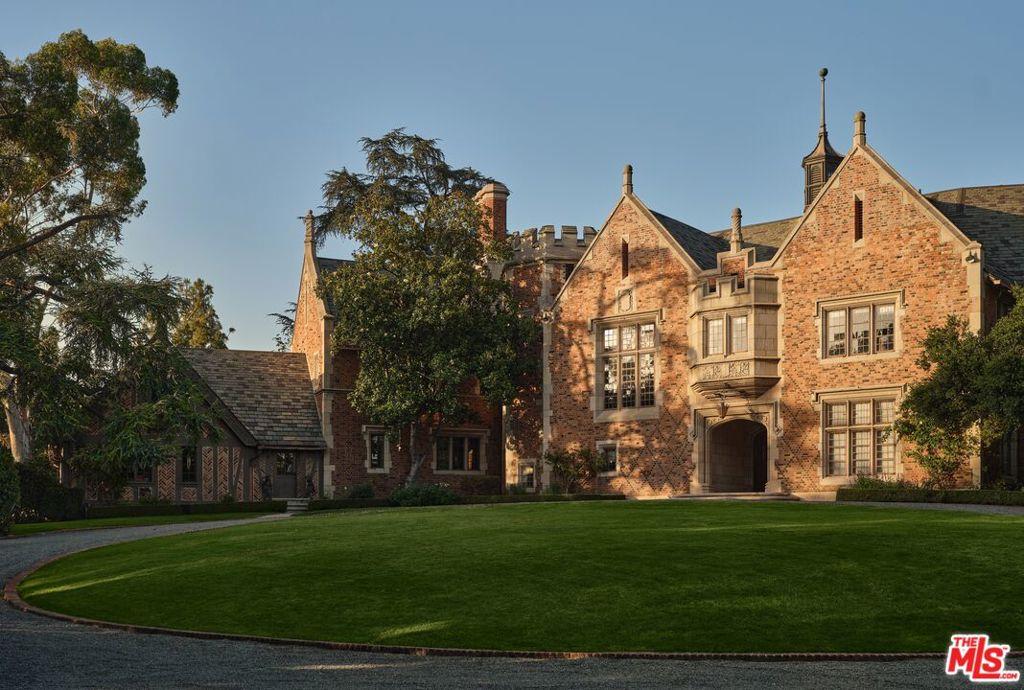
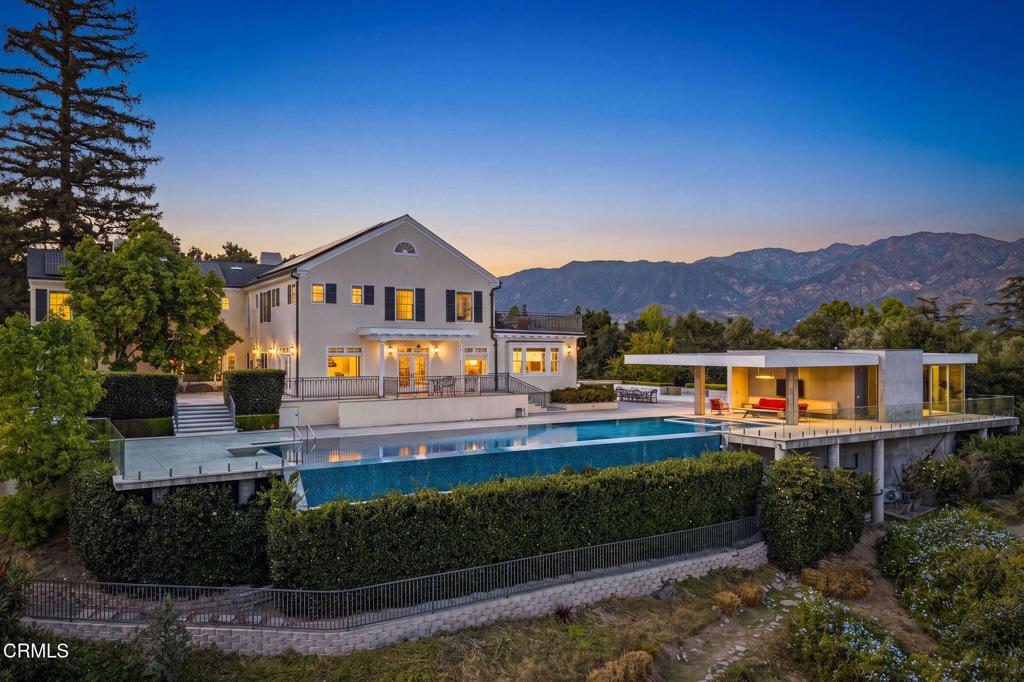
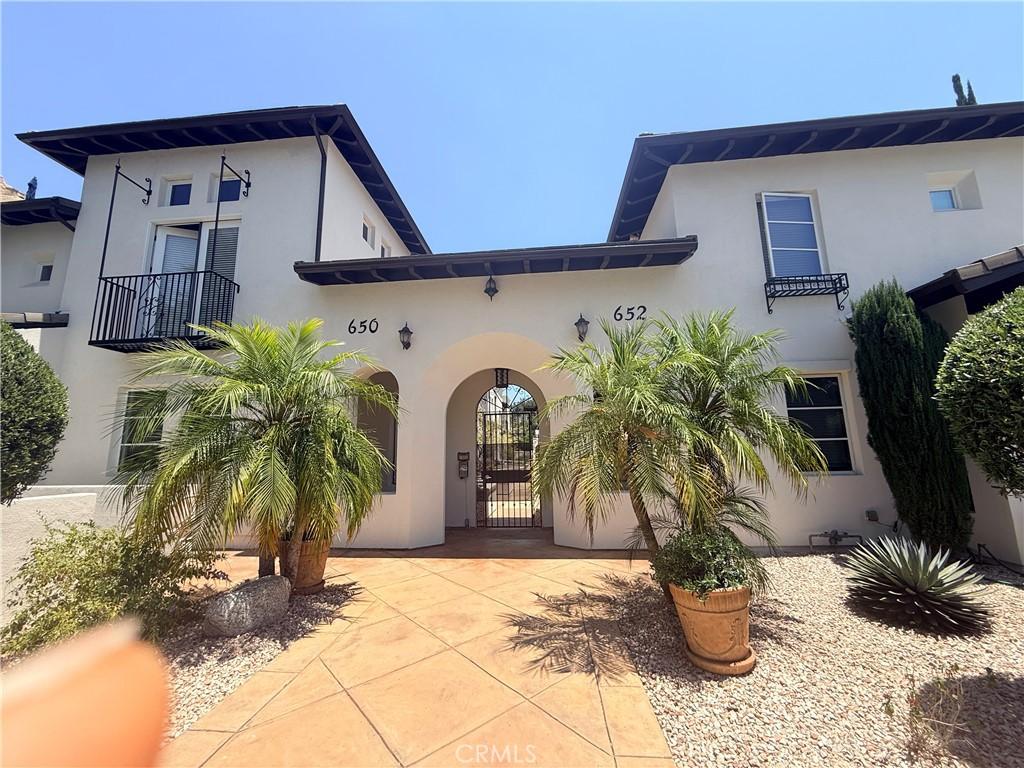
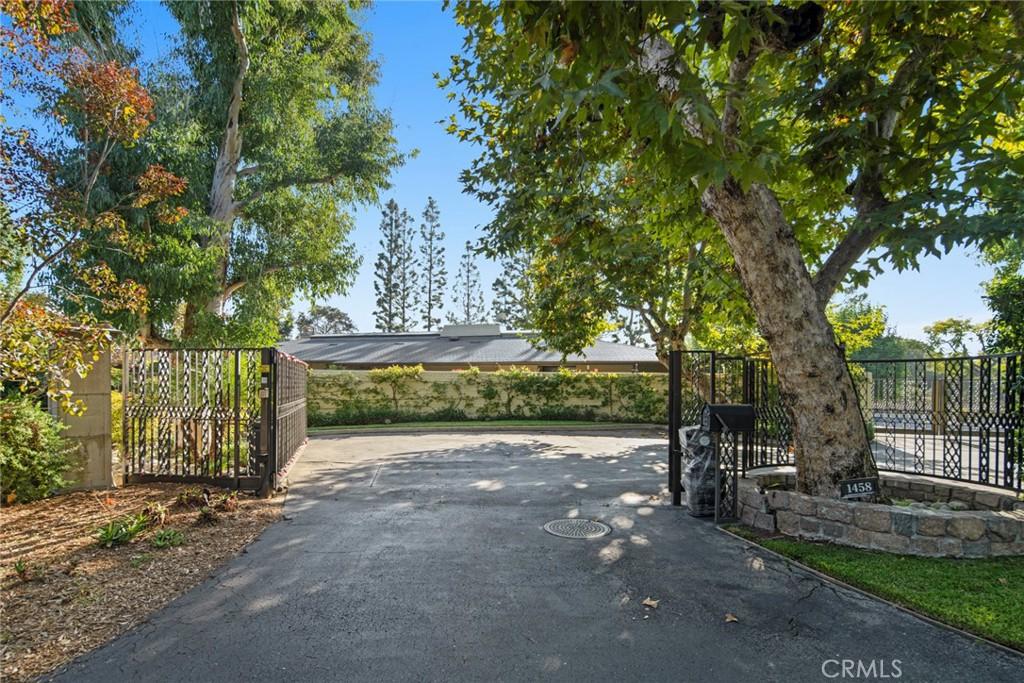
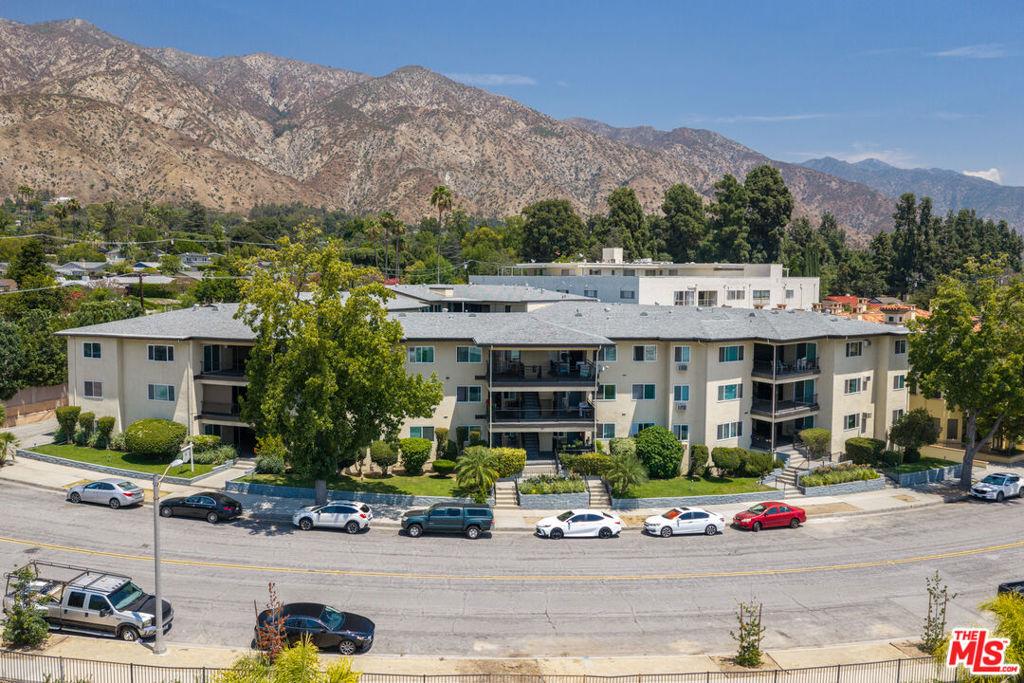
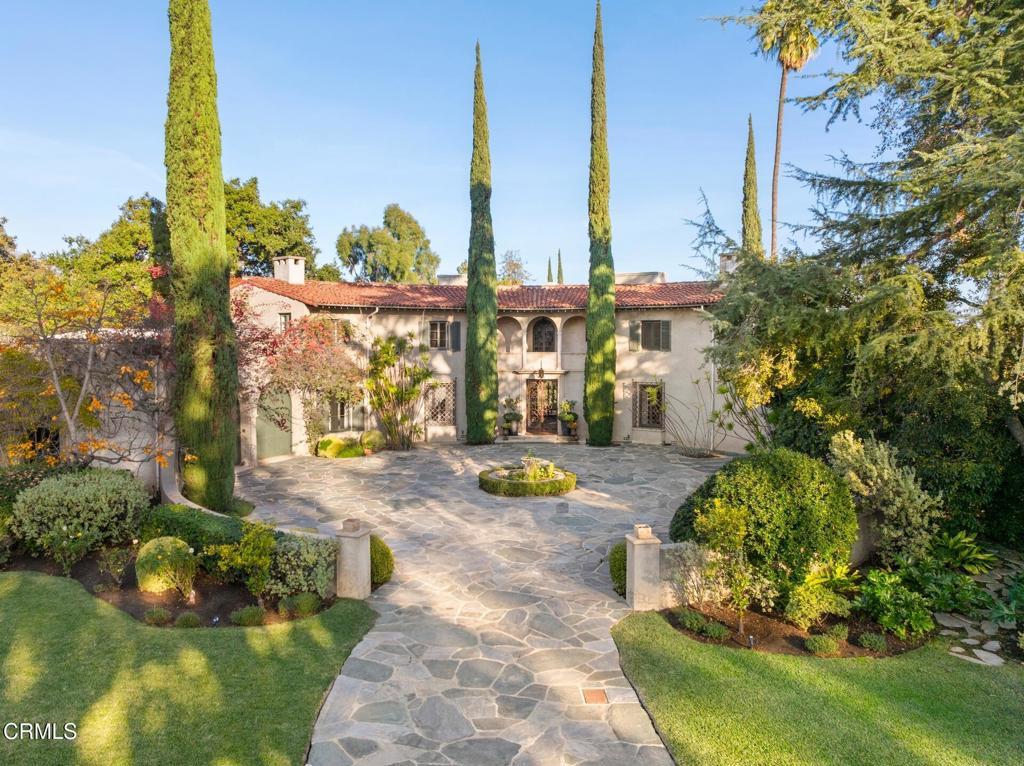
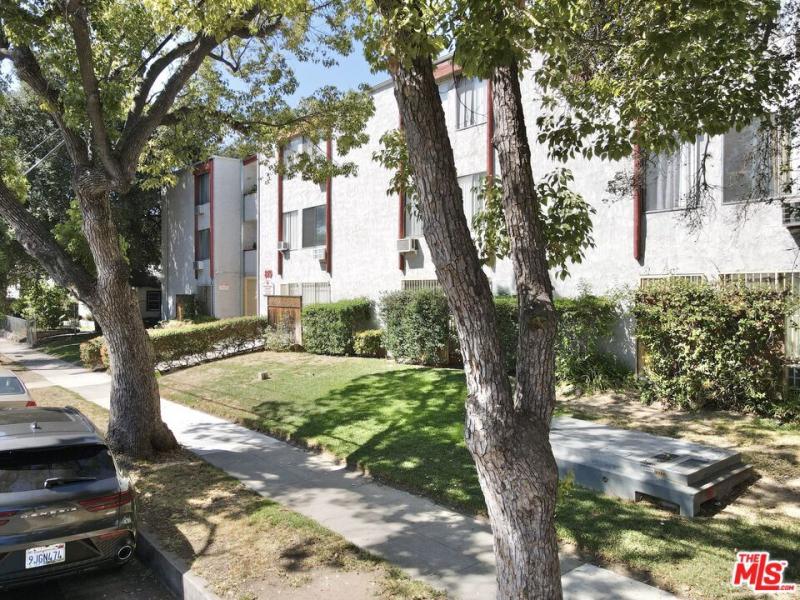
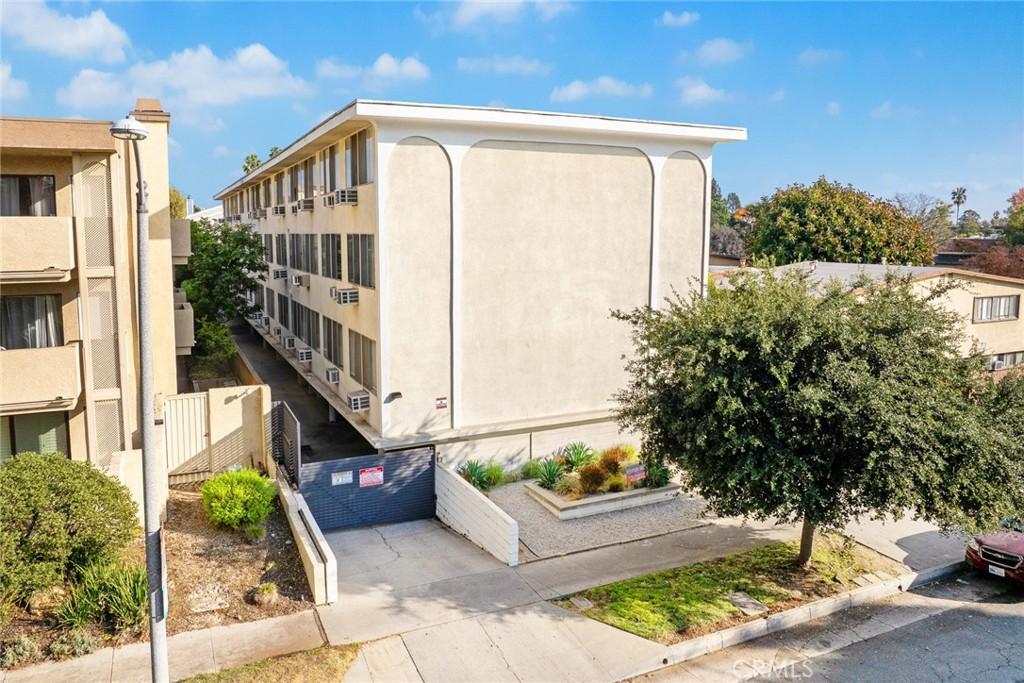
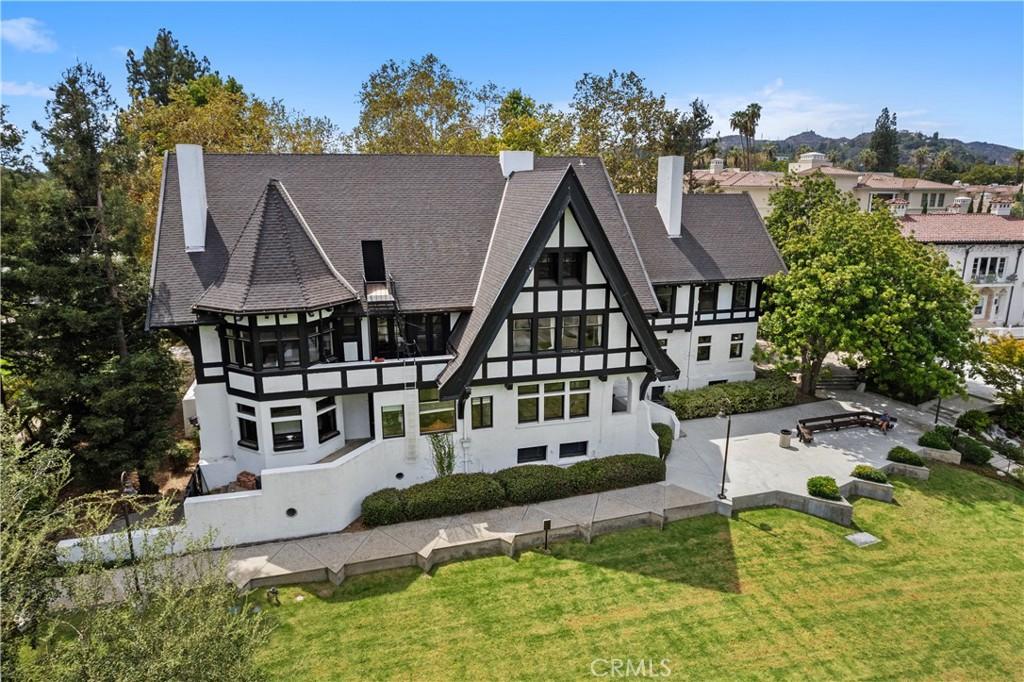
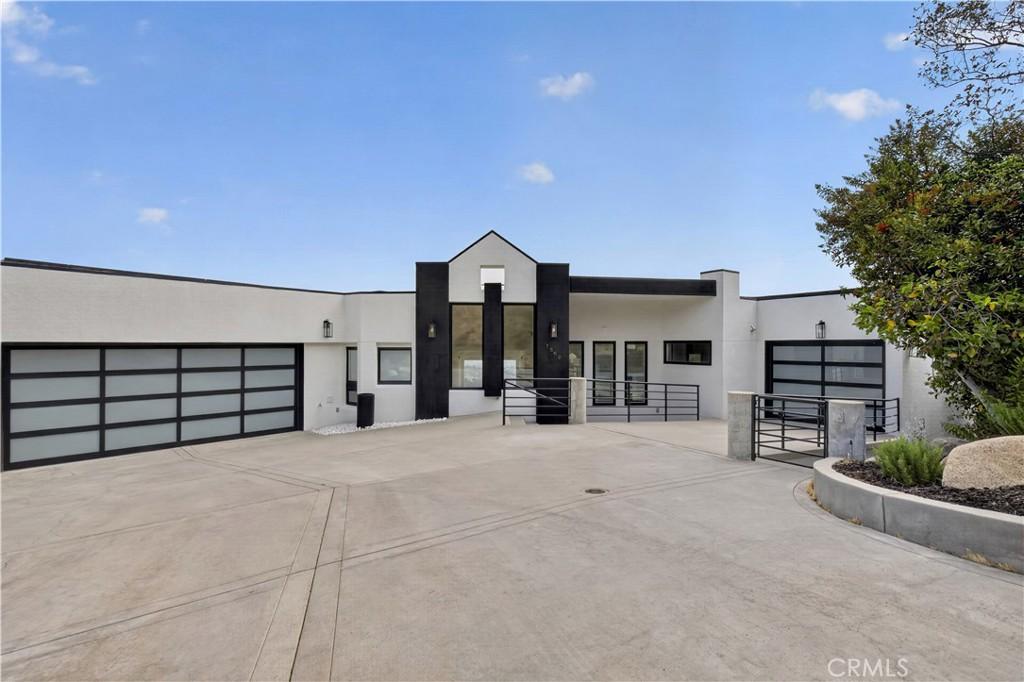
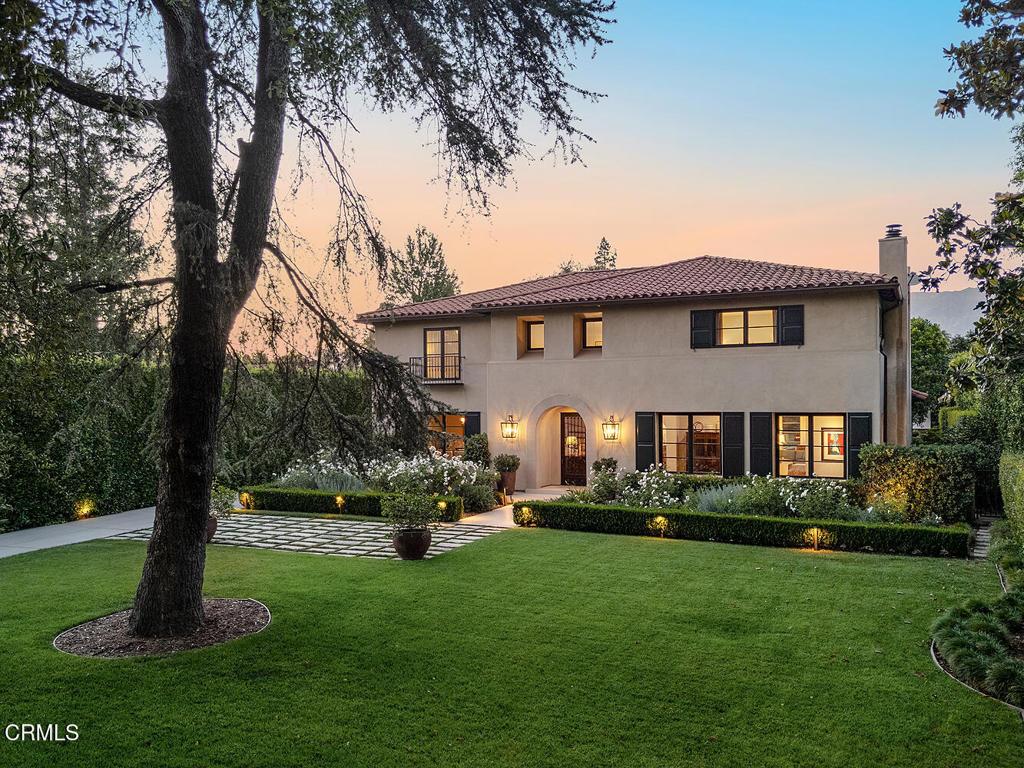
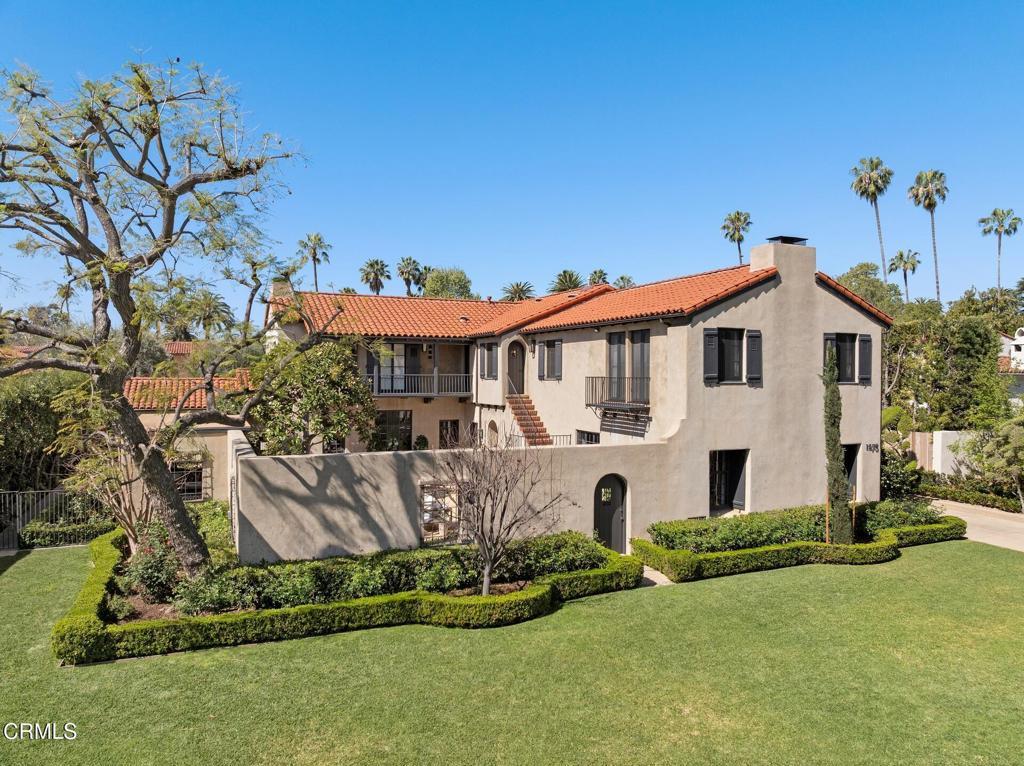
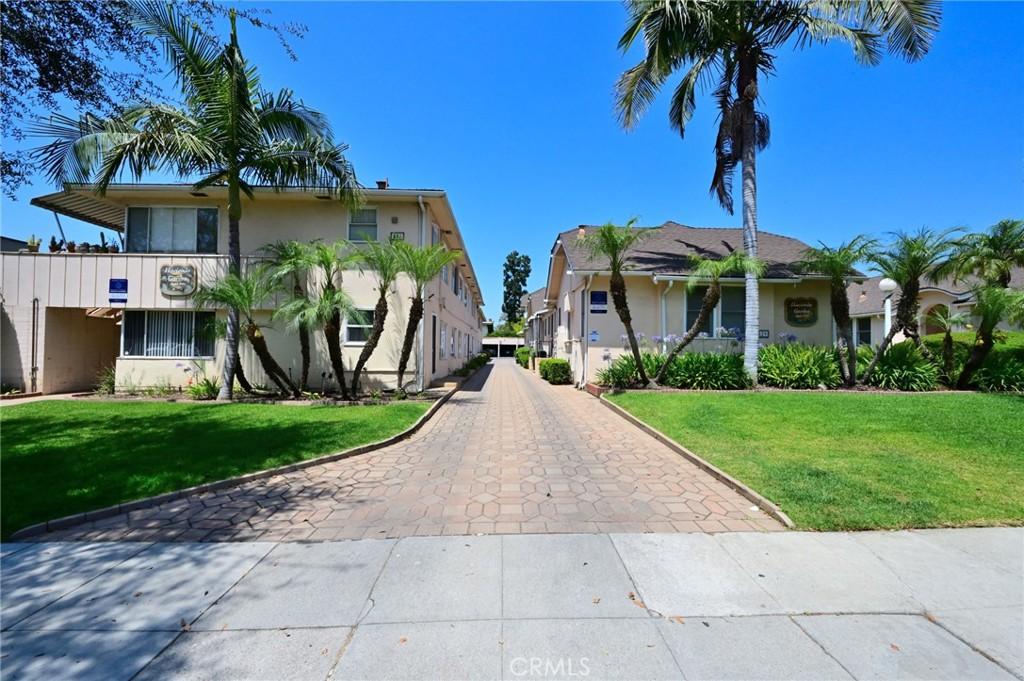
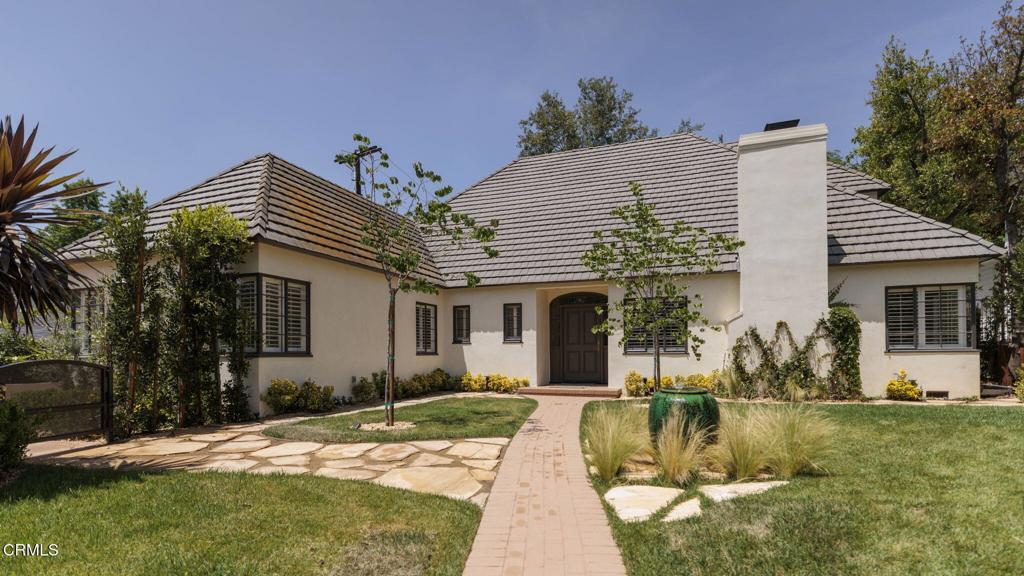
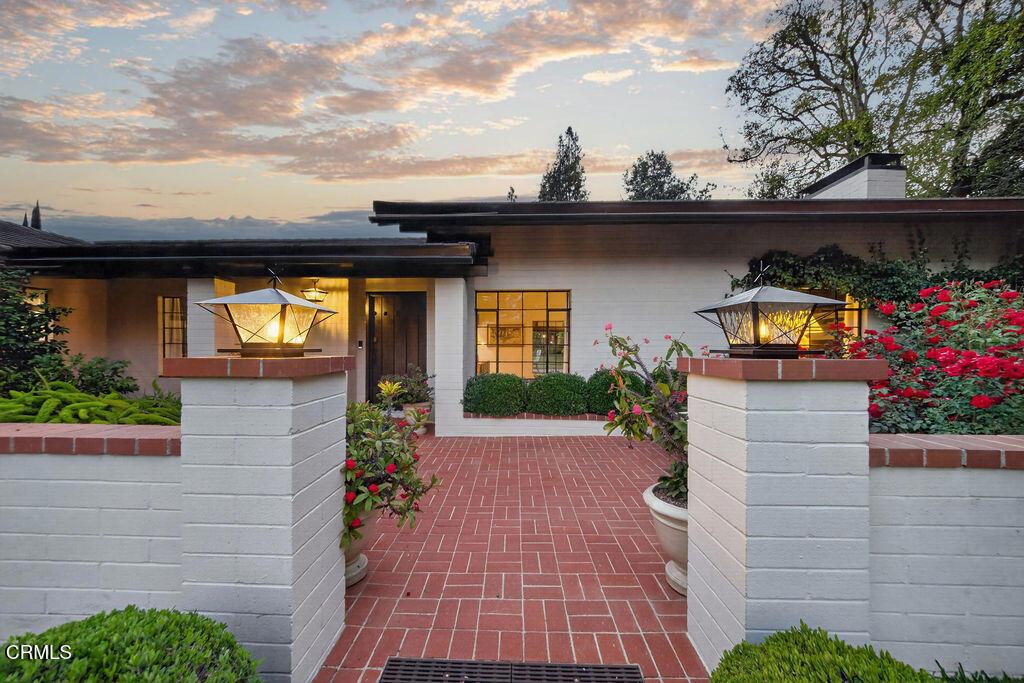
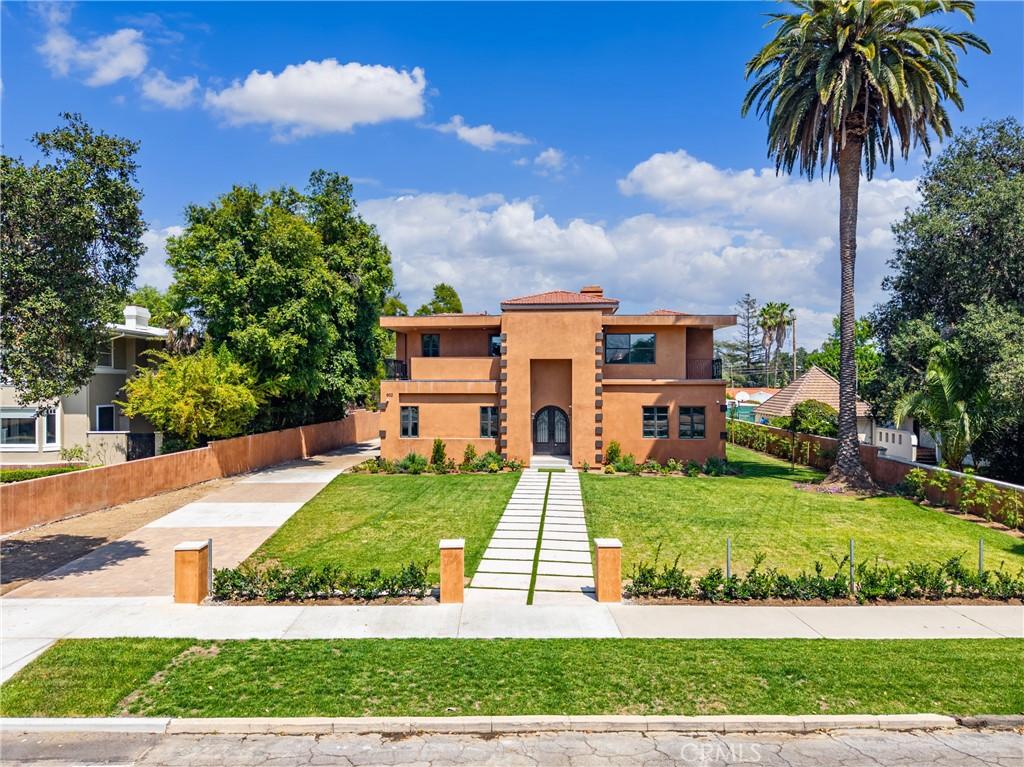
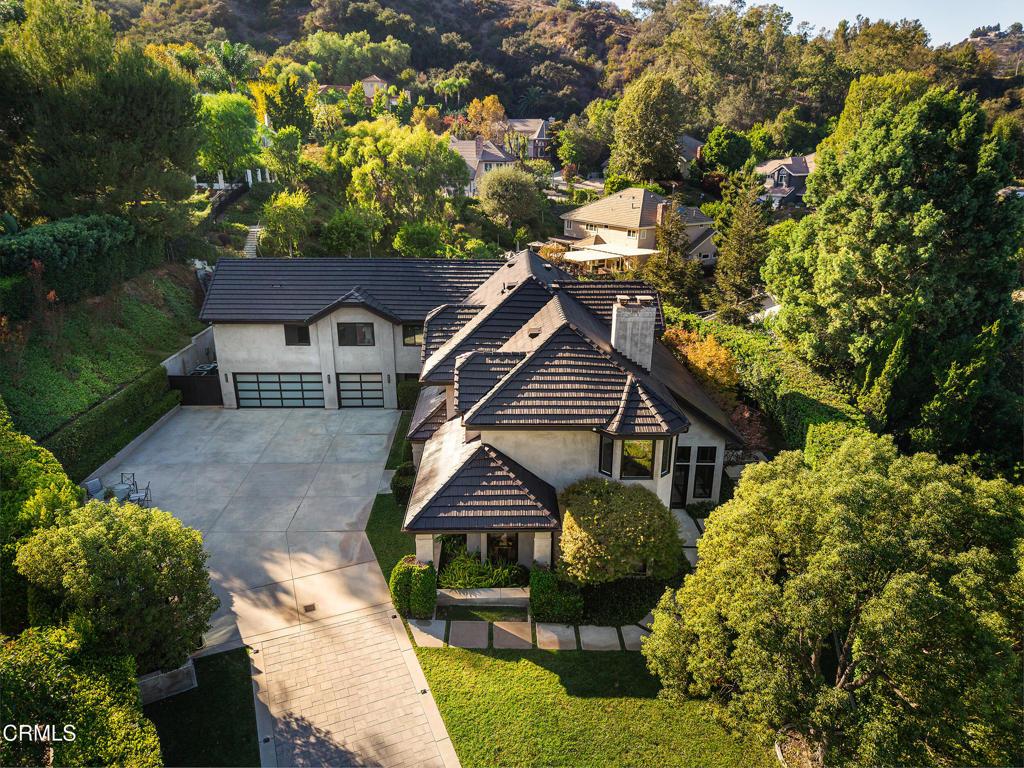
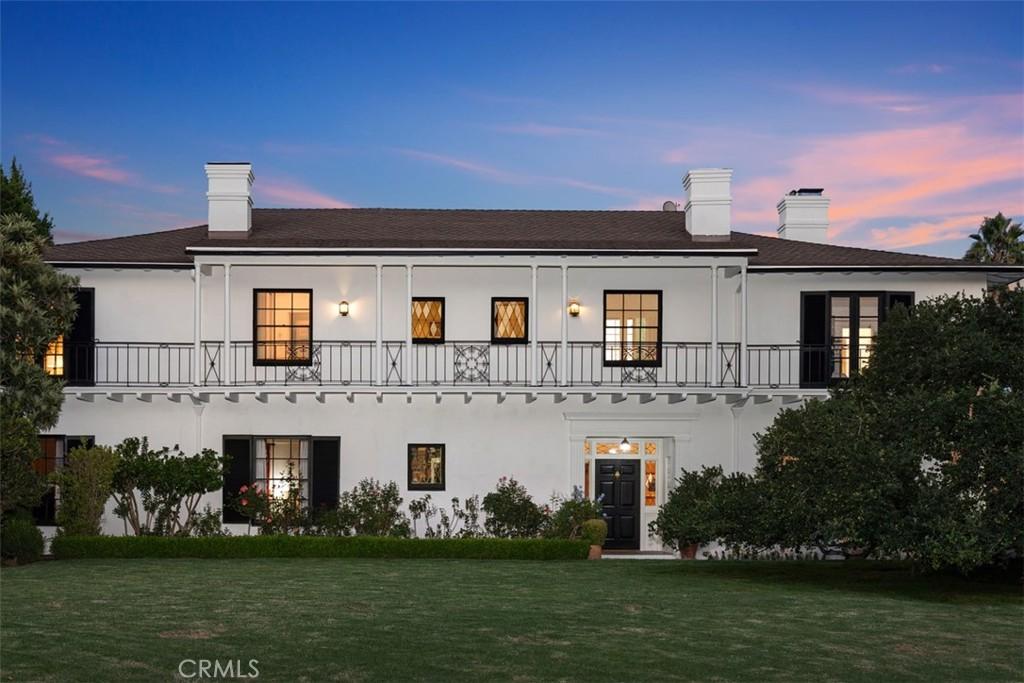
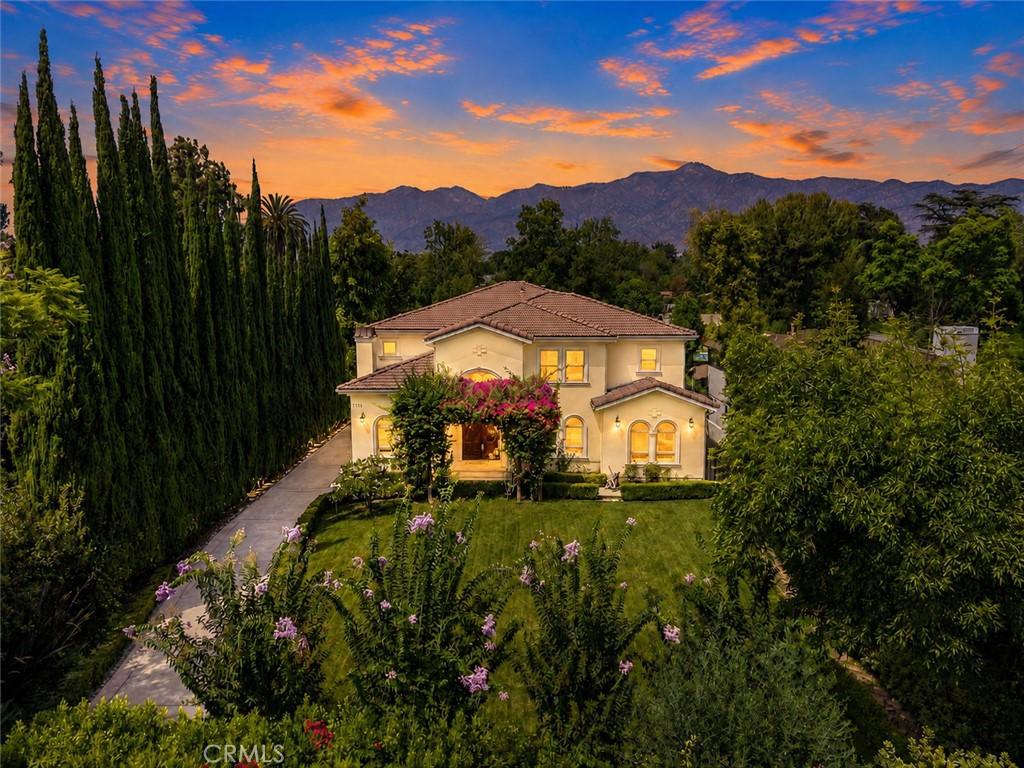
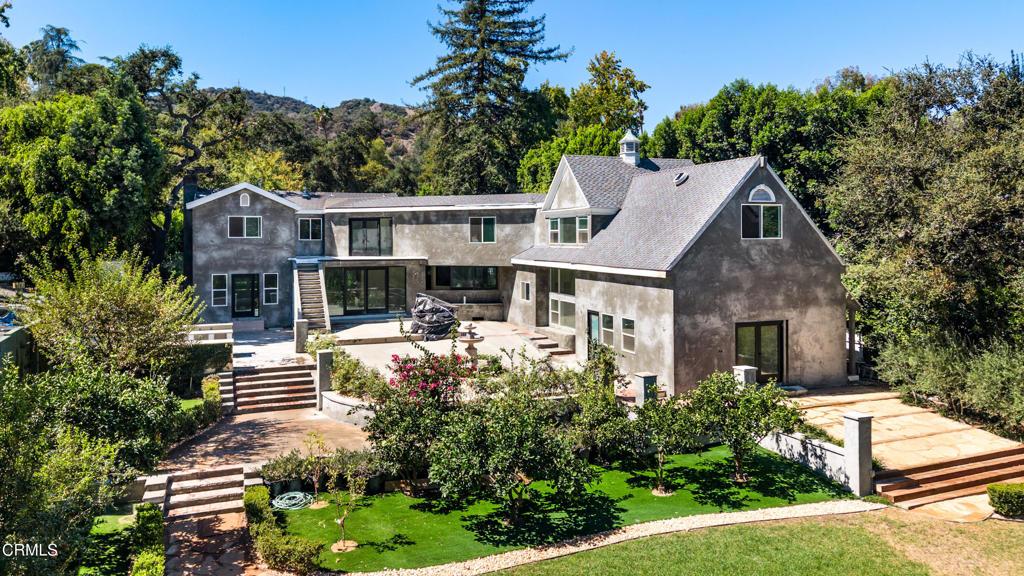
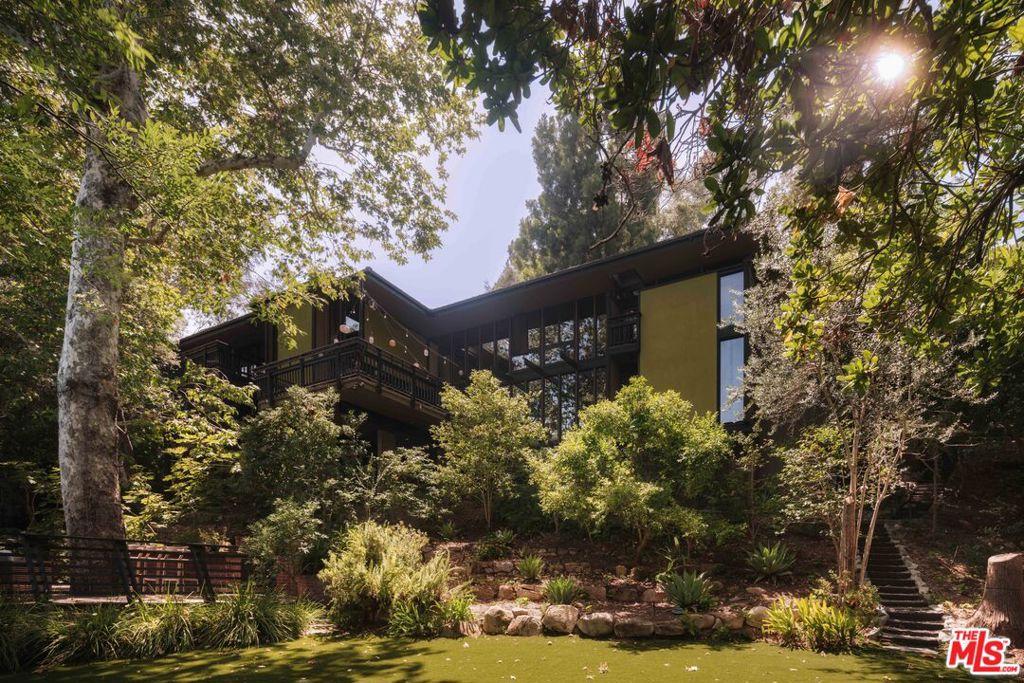
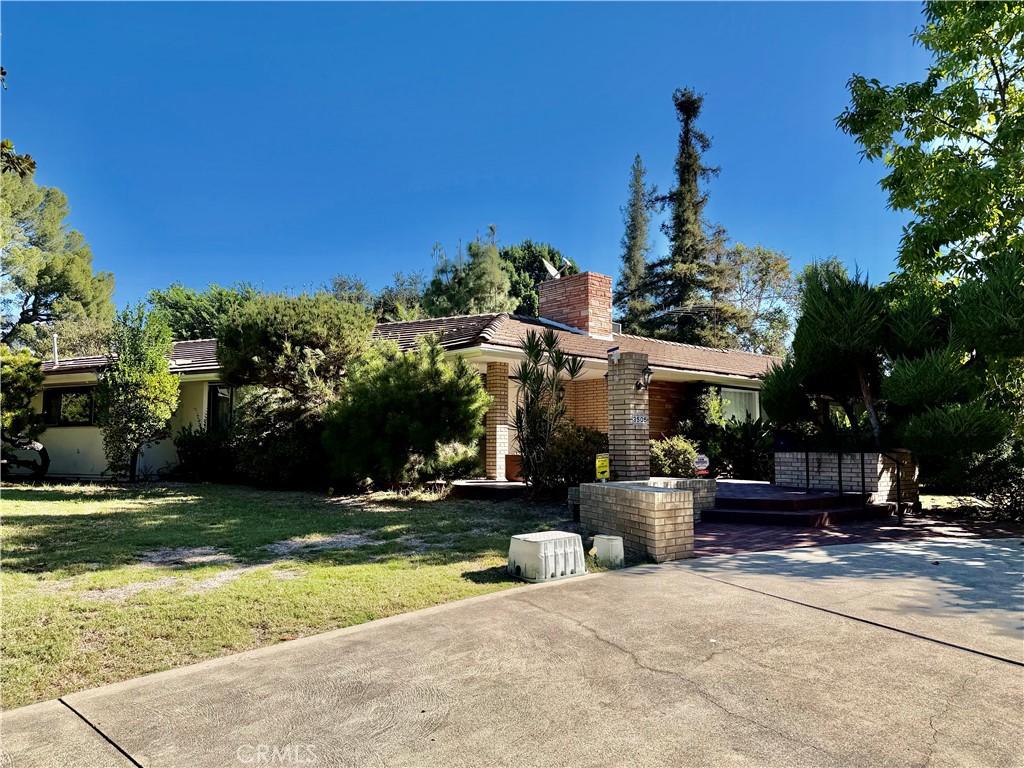
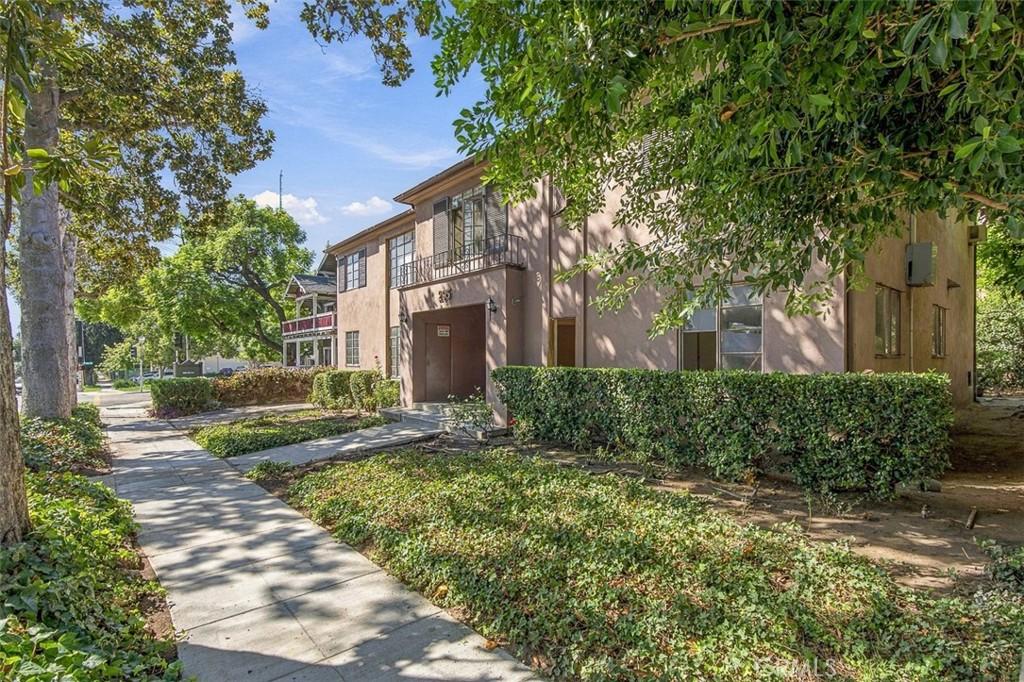
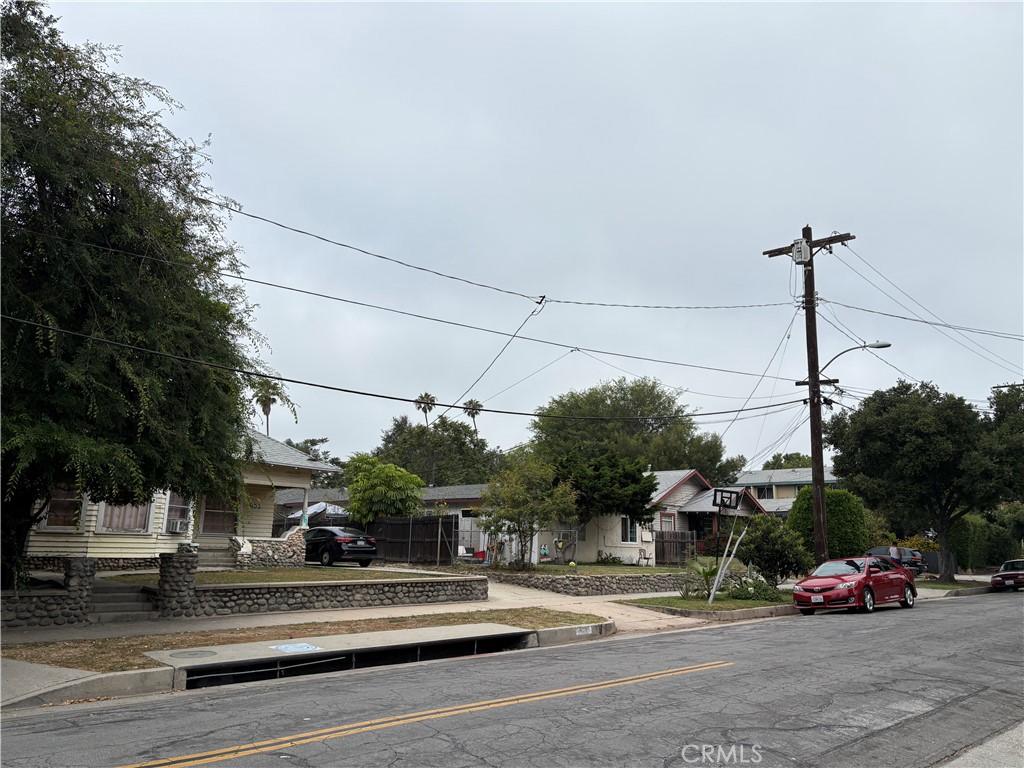
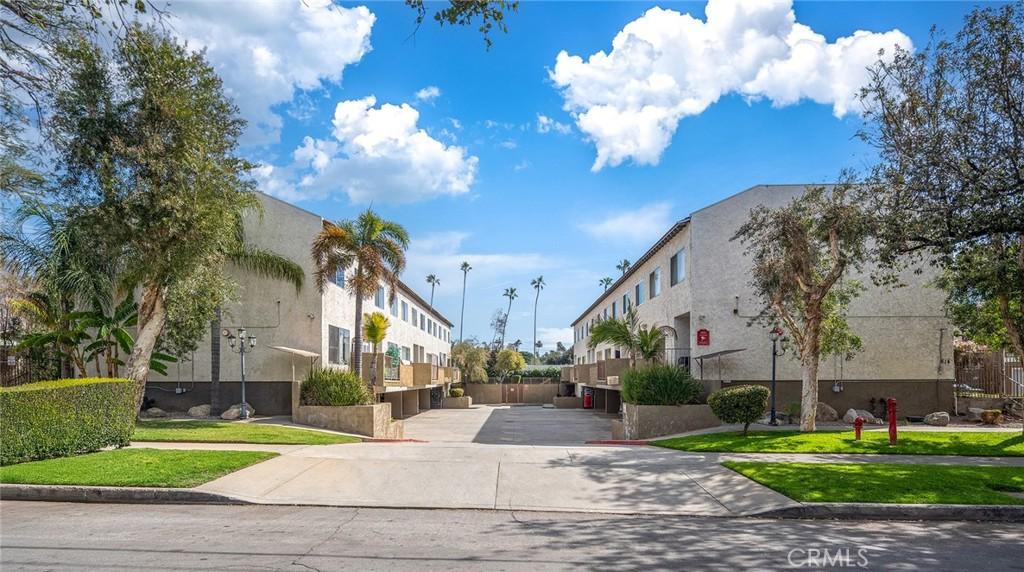
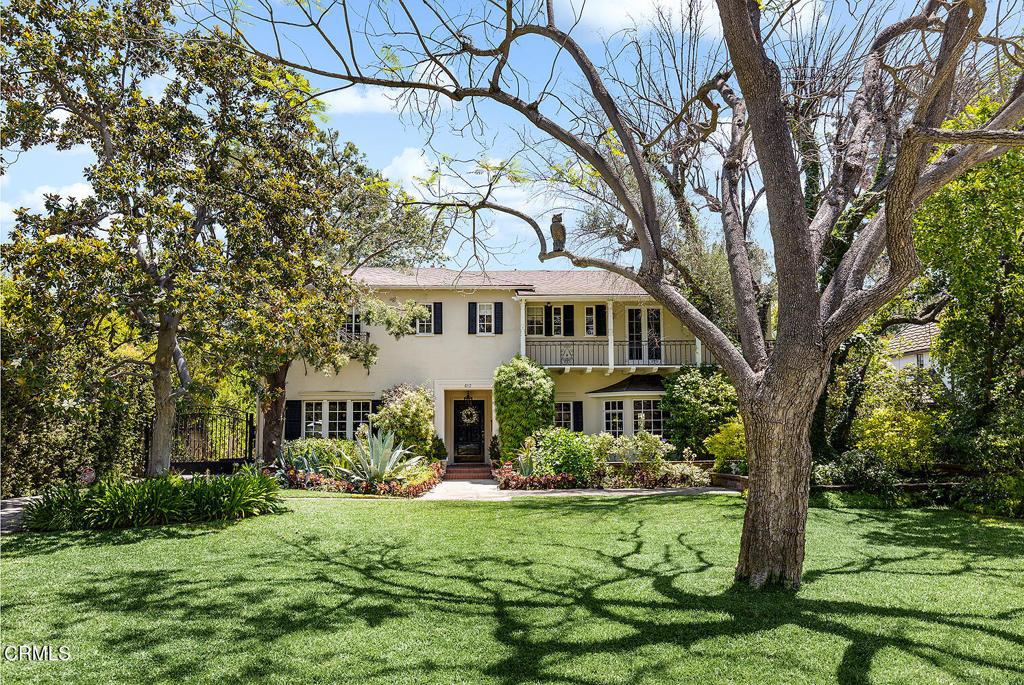
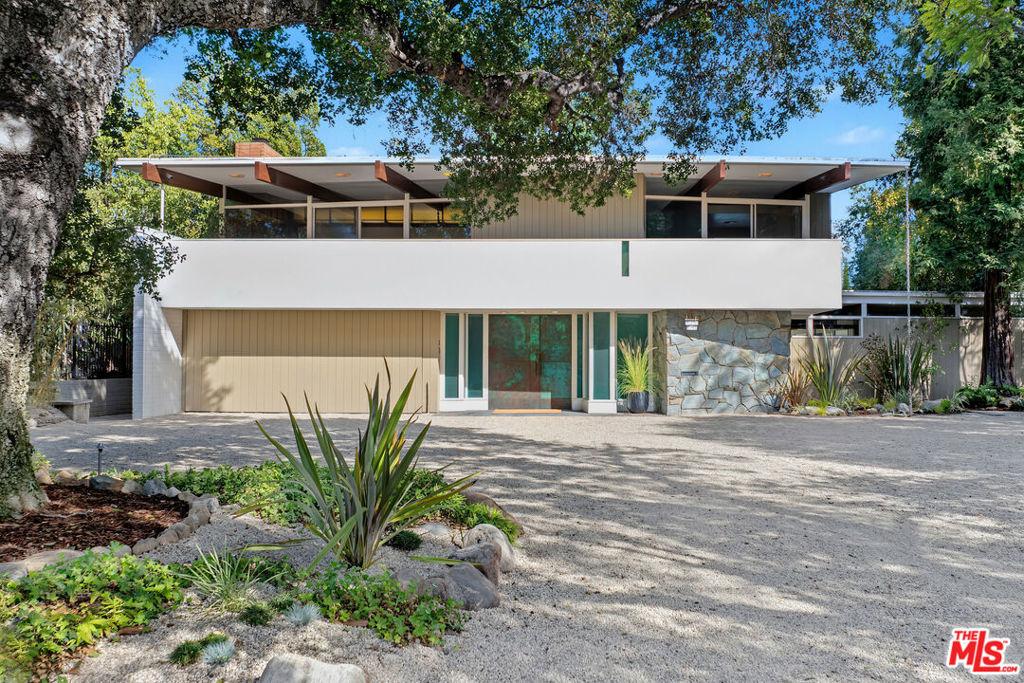
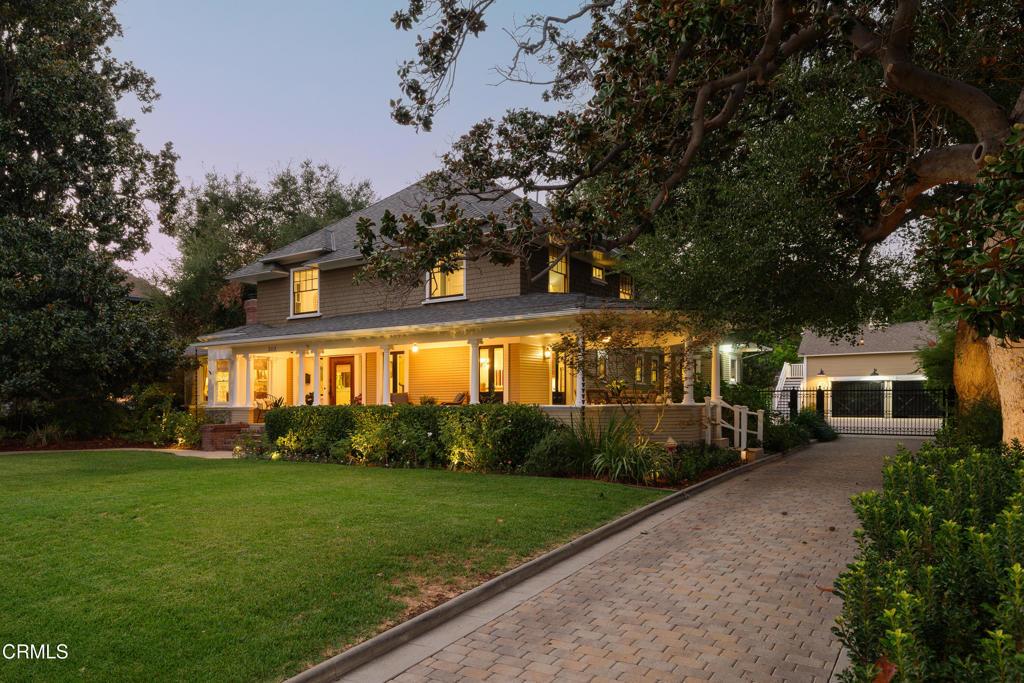
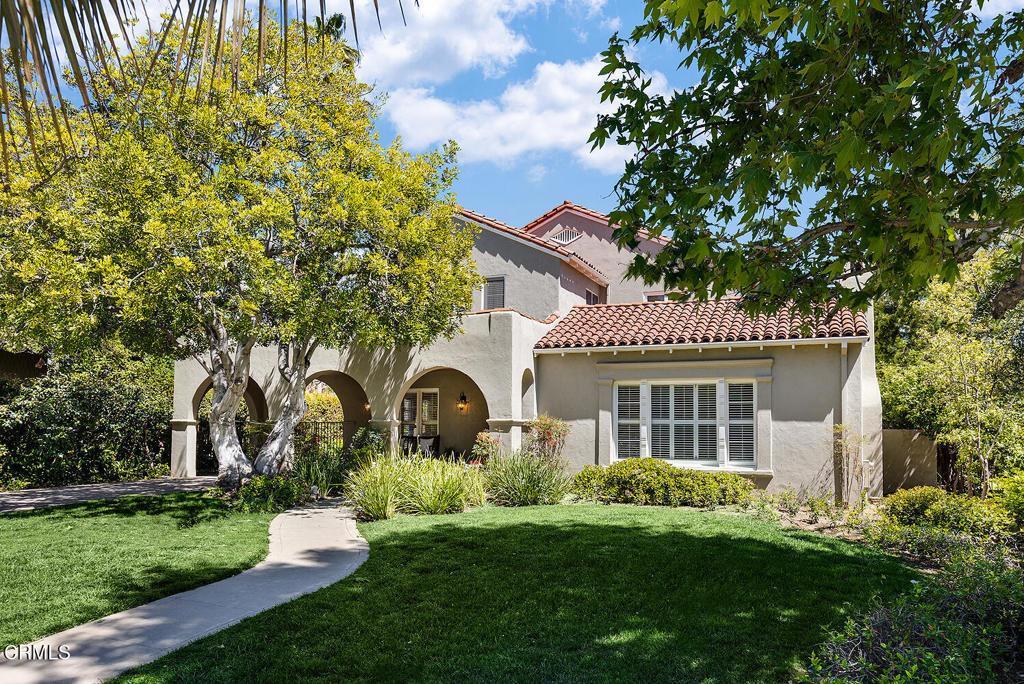
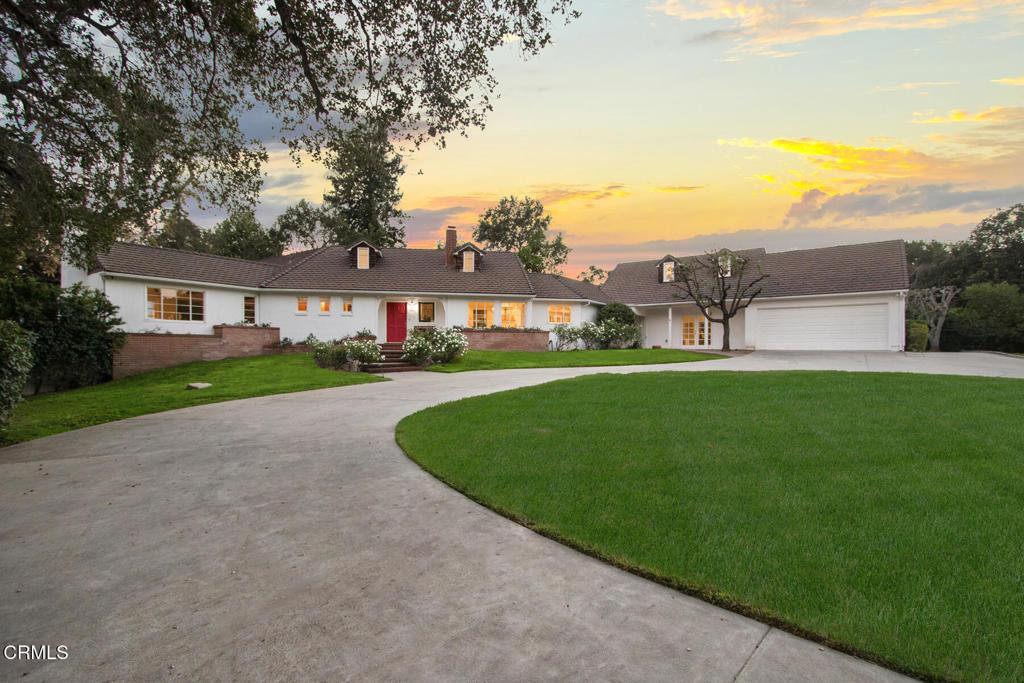
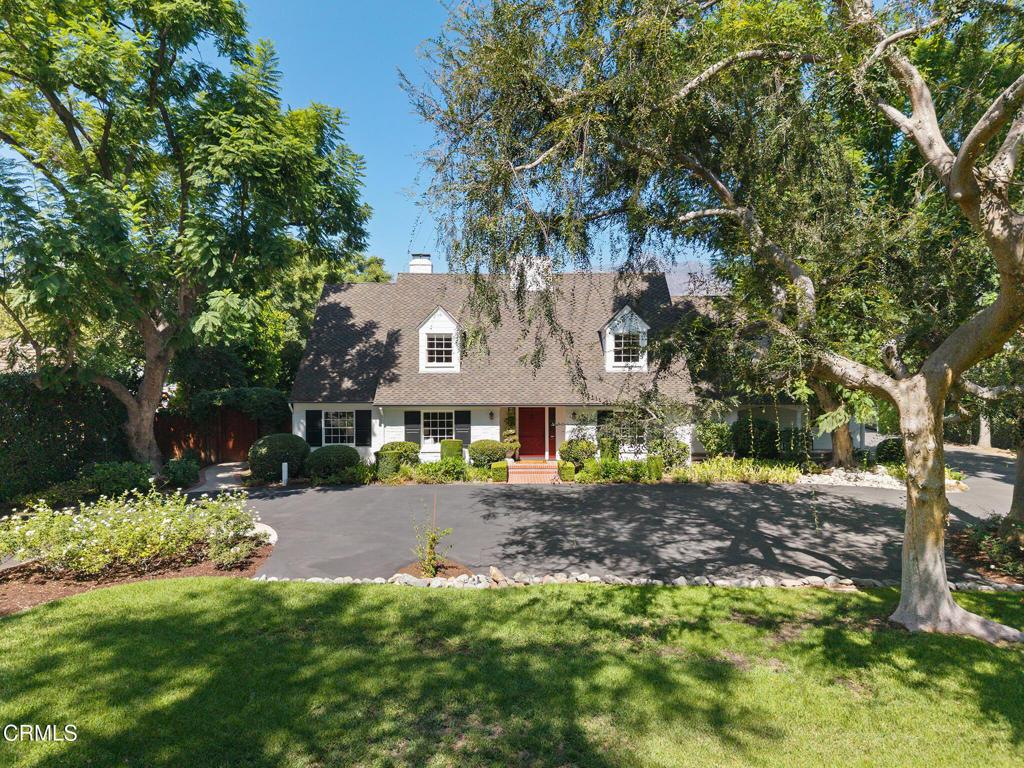
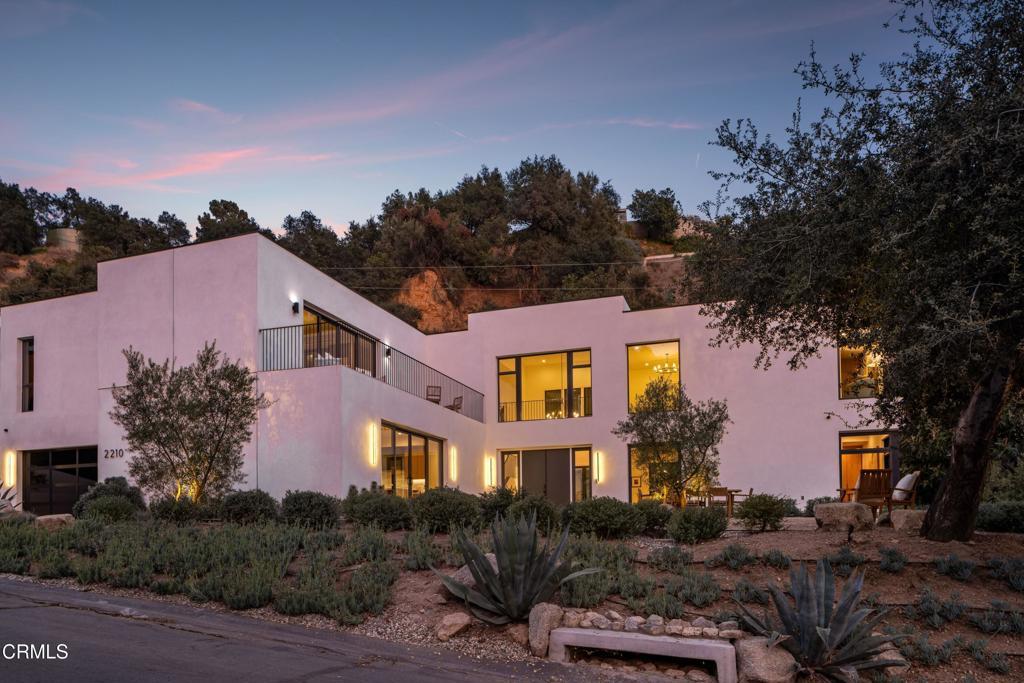
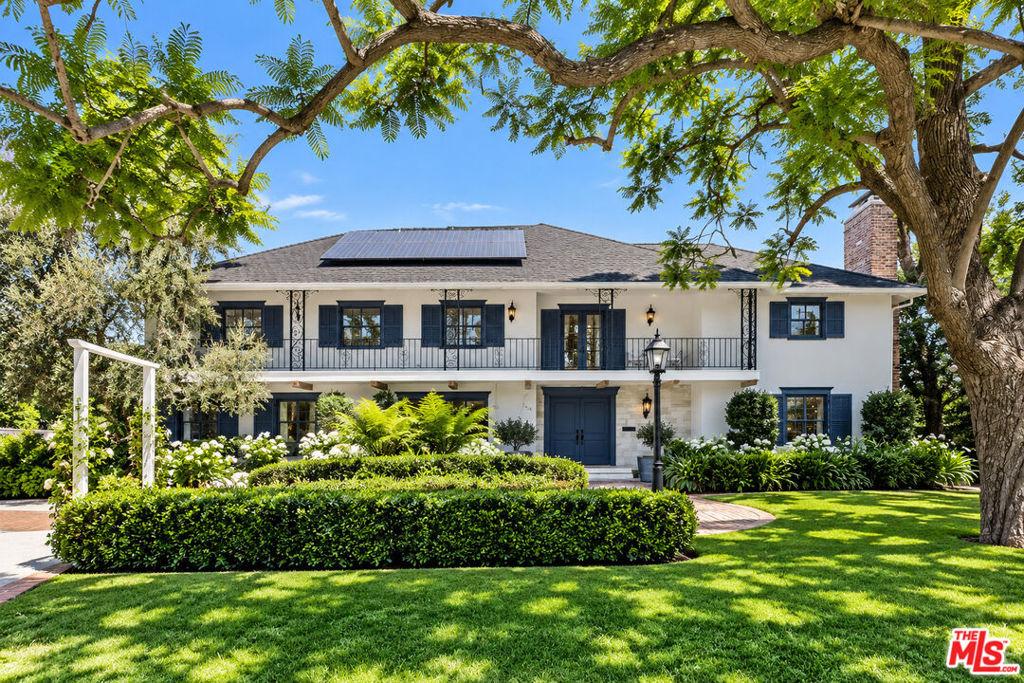
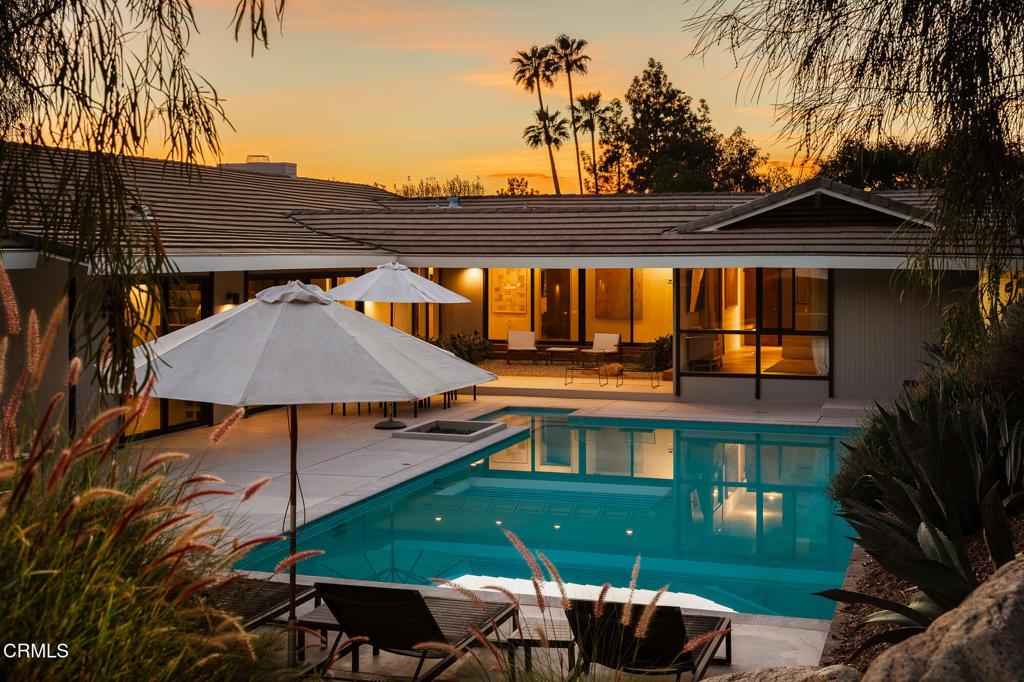
The housing stock is diverse in style while remaining consistent in quality and period. Craftsman bungalows, Spanish Colonial Revivals, Colonial Revivals, Tudor Revivals, and English Cottage-style homes all appear throughout the neighborhood, often within the same block. Home sizes range widely, from compact 700-square-foot bungalows at the smaller end to grand estate properties exceeding 5,000 square feet on double lots. The average home runs approximately 1,850 square feet, which is above the Pasadena norm and reflects the original lot subdivision standards that prioritized residential scale over density.
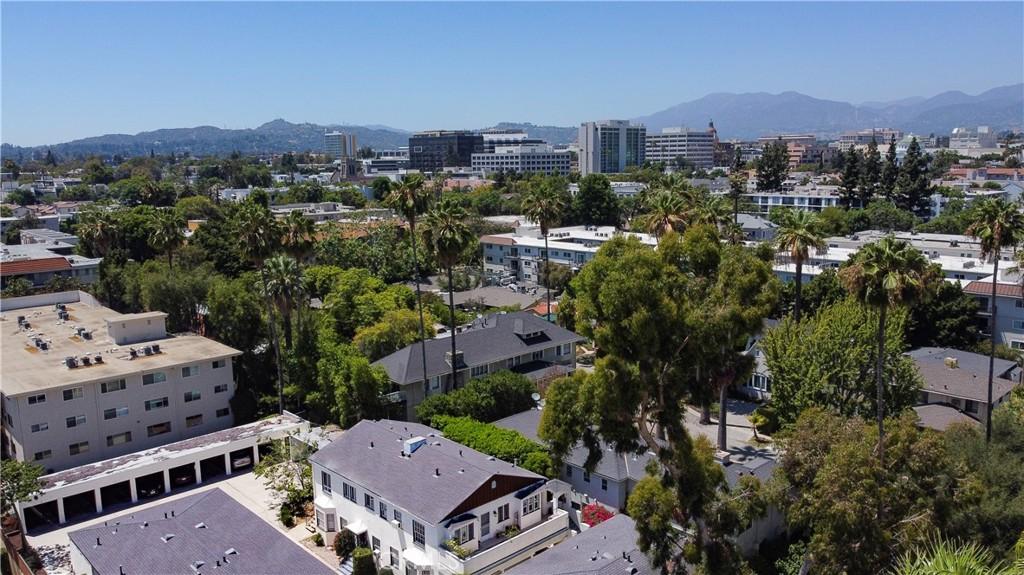
Elm, oak, and magnolia trees line many of the neighborhood’s primary streets, creating a canopy effect that contributes to the sense of enclosure and established character that buyers consistently mention when describing their attraction to Madison Heights. The tree cover is protected under Pasadena’s urban forestry program, which means the streetscape quality is unlikely to change substantially even as individual properties turn over and renovate.
The neighborhood’s position between California Boulevard and Del Mar places it within easy reach of South Lake Avenue, Pasadena’s second major retail corridor, which runs along the eastern boundary. South Lake Avenue anchors a mix of independent restaurants, specialty retail, and services, providing walkable access to everyday amenities without the crowd density of Old Pasadena on weekends. The Pasadena Museum of California Art and several galleries are also accessible within a short walk for residents interested in the city’s cultural programming.
Preservation interest in Madison Heights is strong, and several properties carry individual historic designations or are contributing resources within broader survey areas. The neighborhood has not been formally designated as a landmark district in the same way as Bungalow Heaven, which means buyers have more flexibility around exterior modifications while still operating within Pasadena’s general design guidelines. This relative flexibility makes Madison Heights attractive to buyers who want period character but prefer not to navigate the full historic review process.
Pasadena citywide runs a median sale price around $1,250,000, up 3.7% year-over-year, $791 per square foot down 0.5% year-over-year, median list price $1,170,000 at $769 per square foot, 240 homes on market, 83 sold, 48 days on market, 103.9% sale-to-list ratio, 1 average offer, and 39.7% average down payment. Madison Heights homes tend to price above the citywide median, with Craftsman properties in move-in condition regularly listing in the $1.2 to $2 million range and larger estate-condition properties on double lots reaching considerably higher. The combination of location, lot size, and architectural quality makes the neighborhood one of Pasadena’s stronger long-term value propositions for buyers prioritizing residential character over walkability to transit.
Schools serving Madison Heights fall within Pasadena Unified School District. McKinley Elementary and Cleveland Elementary are nearby K-5 options, and Pasadena High School is the assigned secondary. The Gold Line’s Del Mar Station is approximately 10 minutes by foot from the neighborhood’s eastern boundary, and the 210 Freeway is accessible from the Rosemead Boulevard interchange to the east. For buyers who commute into downtown Pasadena’s employment base, Madison Heights provides a short, walkable commute to most major office addresses along Colorado Boulevard.
Madison Heights takes its name from Madison Avenue, one of the central north-south residential streets that bisects the neighborhood between South Lake Avenue on the east and Los Robles Avenue on the west. The neighborhood’s northern boundary runs along California Boulevard, and its southern edge transitions toward the San Marino border near Columbia Street. This location places Madison Heights within walking distance of South Lake Avenue’s restaurant and retail concentration and within cycling distance of Old Pasadena and the Playhouse District, making it one of the more accessible central Pasadena neighborhoods for residents who prefer not to rely on a car for daily errands.
The housing stock in Madison Heights reflects the period from the 1920s through the 1950s. Craftsman bungalows built between 1910 and 1930 remain the dominant type on the neighborhood’s northern blocks. Spanish Colonial Revival homes from the 1920s appear on the wider lots near South Marengo and South Los Robles Avenues. Post-World War II ranch homes occupy the southern portions of the neighborhood nearer to Columbia and Arbor Streets. The mix creates a neighborhood where buyers in multiple architectural style categories can find inventory, which has historically supported more consistent demand across housing cycle phases than neighborhoods with a single dominant period.
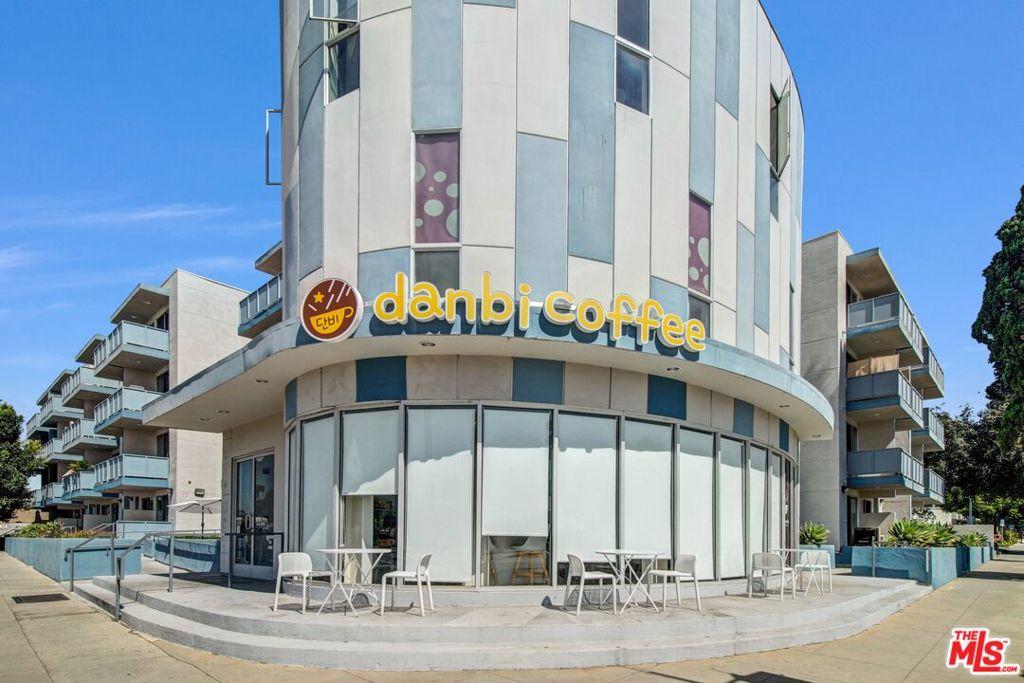
South Lake Avenue, the neighborhood’s primary commercial corridor, is sometimes called the “Rodeo Drive of Pasadena” informally by real estate marketing, though its actual tenant mix includes practical everyday retail (Bristol Farms, Whole Foods at the South Lake Village shopping center, Starbucks, a Trader Joe’s on the south end of Fair Oaks) alongside higher-end clothing boutiques, a Pottery Barn, a Williams-Sonoma, and multiple independent restaurants. For Madison Heights residents, the critical practical feature of South Lake Avenue is not its boutique character but its grocery, pharmacy, and coffee shop concentration within walking distance of most addresses in the neighborhood. This walkable commercial access is consistently cited in buyer feedback as the most valued aspect of the Madison Heights location.
The California Institute of Technology campus begins approximately one mile north of Madison Heights’ southern boundary on California Boulevard. The Caltech community generates demand for Madison Heights residential properties among visiting researchers, junior faculty, and postdoctoral researchers who prefer a residential neighborhood environment to the apartment complexes near the campus. Art Center College of Design is approximately 3 miles north via Lincoln Avenue, and Art Center students and faculty have historically been a secondary demand source for Madison Heights rentals. Pasadena City College, which sits approximately 0.8 miles northwest of Madison Heights’ center, adds a third institutional demand layer that contributes to the neighborhood’s rental market depth.
Schools serving Madison Heights are drawn from Pasadena Unified School District. McKinley School on North El Molino Avenue has historically been the primary elementary school for northern Madison Heights addresses. The middle and high school pathways feed to Blair High School, which houses several of PUSD’s magnet programs. Blair’s International Baccalaureate program and its Center for Advanced Studies make it competitive for academically focused families within the PUSD boundary. Buyers who want to evaluate specific school options for their Madison Heights address should confirm current boundary assignments with PUSD and review the magnet application process, as PUSD’s magnet structure allows families to apply for specific programs regardless of their residential assignment boundary.
The renovation market in Madison Heights is active. The neighborhood’s Craftsman stock is well-suited for the kitchen-and-bath refresh plus addition-to-primary-suite renovation pattern that has dominated Pasadena residential construction in recent years. Most Madison Heights lots are between 5,000 and 7,000 square feet, which provides enough depth for modest rear additions under current zoning. Madison Heights is not within an HPOZ, which means that exterior modifications face standard city design review rather than the more prescriptive HPOZ process, giving renovation buyers more flexibility on facade changes, window replacements, and accessory dwelling unit additions than they would have in Bungalow Heaven or other designated areas.
Comparative positioning within Pasadena puts Madison Heights slightly above the median price per square foot for PUSD-served neighborhoods, below Oak Knoll and Linda Vista estate areas, and roughly comparable with the Playhouse District condominium market on a dollar-per-square-foot basis. The trade-off that Madison Heights represents is: smaller lots and slightly denser housing relative to the hillside neighborhoods, in exchange for the walkable commercial access and central location that buyers who come from walkable urban environments tend to prioritize. Buyers relocating from neighborhoods like Silver Lake, Los Feliz, or Studio City typically evaluate Madison Heights favorably against those walkability benchmarks while accepting the tradeoff of smaller outdoor space.
The South Lake Avenue corridor has undergone significant tenant turnover in recent years, with some of the larger format national retailers that occupied the corridor in the 2000s replaced by a mix of independent restaurants, fitness studios, and specialty food businesses. This shift reflects a broader trend in the neighborhood’s commercial character toward a residential-serving daily-use mix. The Bristol Farms on South Lake Avenue at Columbia Street remains one of the most-used grocery options for Madison Heights residents who can walk or bicycle rather than drive to their grocery destination. The South Lake Village shopping center anchored by Whole Foods provides additional specialty grocery access approximately 0.5 miles south of most Madison Heights addresses.
Investment rental considerations in Madison Heights reflect the neighborhood’s position in the Caltech and Pasadena City College demand zone. Single-family homes with accessory dwelling units have seen strong rental demand from the institutional employee and student communities within the neighborhood’s radius. Current rental rates for a renovated 2-bedroom, 1-bath unit in the Madison Heights area have run between $2,400 and $3,200 per month depending on renovation level and parking availability. Owner-occupants who build or convert an ADU on their Madison Heights property frequently find that the ADU income partially offsets mortgage carrying costs, which has made ADU development one of the most common renovation tracks in the neighborhood over the past five years.
The Madison Heights street character varies meaningfully by block. The blocks immediately adjacent to South Lake Avenue on the east side of the neighborhood see more pedestrian and bicycle traffic, closer lot lines, and smaller front yards than the interior blocks nearer to South Marengo Avenue. Buyers who prioritize a quieter, more residential-feeling street environment should focus their search on the interior blocks between South Marengo and South Michigan Avenues, where through traffic is lower and the tree canopy over the residential streets is more developed. Buyers who want the shortest walk to South Lake Avenue retail and dining should focus on the South Oakland, South Lake, and South El Molino blocks immediately adjacent to the commercial corridor.
Maintenance and aging-infrastructure considerations for Madison Heights homes mirror those across central Pasadena: cast-iron and galvanized steel water supply lines in homes built before the 1970s have typically reached the end of their service life and may show at-pressure leaks, reduced flow, and interior rust staining. Whole-house repiping (typically to PEX flexible supply tubing) is a common pre-sale or renovation-coincident project in the neighborhood. Sewer lateral condition from the home to the city main is a separate inspection item; sewer scope inspections have become standard in the Pasadena transaction market, and buyers should not skip this step even on relatively recently renovated properties, as the lateral typically predates any interior renovation.
The typical buyer profile in Madison Heights has shifted over the past decade toward dual-income professional couples relocating from apartment living in West Los Angeles, Culver City, or Silver Lake who want a single-family home with a yard within commuting distance of Pasadena, Glendale, and the western employment centers. These buyers typically prioritize the South Lake Avenue walkability and the central location over the larger lot sizes available in east Pasadena, and they accept the smaller yard footprint in exchange for the commercial and transit access. They frequently compare Madison Heights favorably to comparable central-Pasadena neighborhoods and to the Altadena flatlands, where pricing is somewhat lower but the commercial walkability substantially less.
Tree canopy on the Madison Heights residential streets is well-developed, with mature street trees (primarily liquidambar, southern magnolia, and several oak species) providing significant summer shade along blocks like South Madison Avenue, South Euclid Avenue, and South El Molino Avenue. The shade canopy has practical consequences for summer energy bills: homes on tree-canopy-shaded blocks typically run air conditioning 15-25% less on peak summer days than comparable homes on unshaded streets. Los Angeles County has expanded its tree protection ordinances, and homeowners should be aware that removal of street trees or mature private trees meeting diameter-at-breast-height thresholds requires permit review. This tree stock is an irreplaceable neighborhood asset that took 50-80 years to develop.
The market in Madison Heights has historically shown lower days-on-market than comparable Pasadena neighborhoods during high-demand periods, reflecting the combination of commercial walkability, Gold Line proximity, and central location that creates consistent buyer demand. Well-presented Madison Heights homes at market price have frequently received multiple offers within the first week of listing during the spring and summer selling seasons. Buyers who are serious about the neighborhood should be prepared to move quickly when a suitable property appears and should have financing fully arranged in advance of submitting offers, as sellers on the most competitive Madison Heights properties have typically chosen buyers with conventional or cash financing over those with contingencies that extend the closing timeline.
What is it like to live in Madison Heights Pasadena Homes?
- Madison Heights Pasadena Homes offer housing stock that stays diverse in style while remaining consistent in quality and period throughout.
- Craftsman bungalows, Spanish Colonial Revivals, Colonial Revivals, Tudor Revivals, and English Cottage-style houses all appear throughout Madison Heights.
- Architectural variety often shows up within a single block, placing several revival styles side by side along the same street.
- Home sizes range widely, from compact bungalows at the smaller end to grand estate properties sitting on double lots.
- Average home size in Madison Heights runs above the Pasadena norm, reflecting original lot subdivision standards that prioritized residential scale over density.
- Elm, oak, and magnolia trees line many primary streets, creating a canopy effect across Madison Heights Pasadena Homes and their surroundings.
- Tree cover contributes to a sense of enclosure and established character that buyers consistently mention when describing their attraction to Madison Heights.
- Pasadena’s urban forestry program protects the tree cover, meaning streetscape quality is unlikely to change substantially as individual properties turn over.
- Madison Heights sits between California Boulevard and Del Mar, placing residents within easy reach of South Lake Avenue.
- South Lake Avenue serves as Pasadena’s second major retail corridor and runs along the eastern boundary of Madison Heights.
- Independent restaurants, specialty retail, and services anchor South Lake Avenue, providing walkable access to everyday amenities without Old Pasadena weekend crowd density.
- The Pasadena Museum of California Art and several galleries sit within a short walk for residents interested in citywide cultural programming.
- Preservation interest runs strong, and several properties carry individual historic designations or count as contributing resources within broader survey areas.
- Madison Heights has not been formally designated a landmark district in the same way as Bungalow Heaven, unlike that better-known enclave.
- Buyers gain more flexibility around exterior modifications while still operating within Pasadena’s general design guidelines for the surrounding streets.
- Relative flexibility attracts buyers who want period character but prefer not to navigate the full historic review process.
- Madison Heights Pasadena Homes tend to price above the citywide median, with move-in-condition Craftsman properties leading the listing activity.
- Location, lot size, and architectural quality combine to make Madison Heights one of Pasadena’s stronger long-term value propositions for character-focused buyers.