Condos for Sale in Westlake Village
Condos for Sale in Westlake Village currently number 33 active listings with a median asking price of $1,400,000 (CRMLS, September 2026).
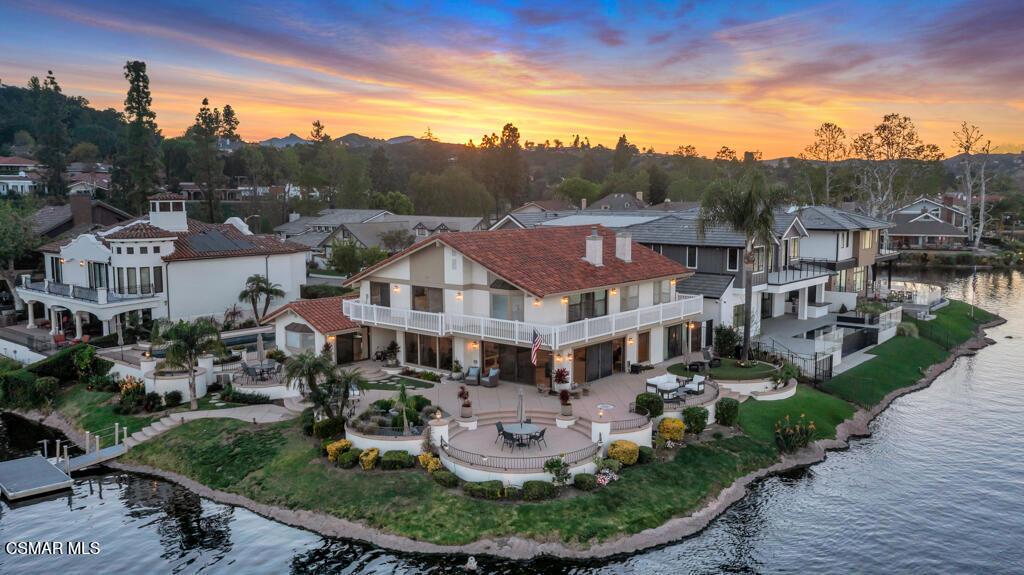
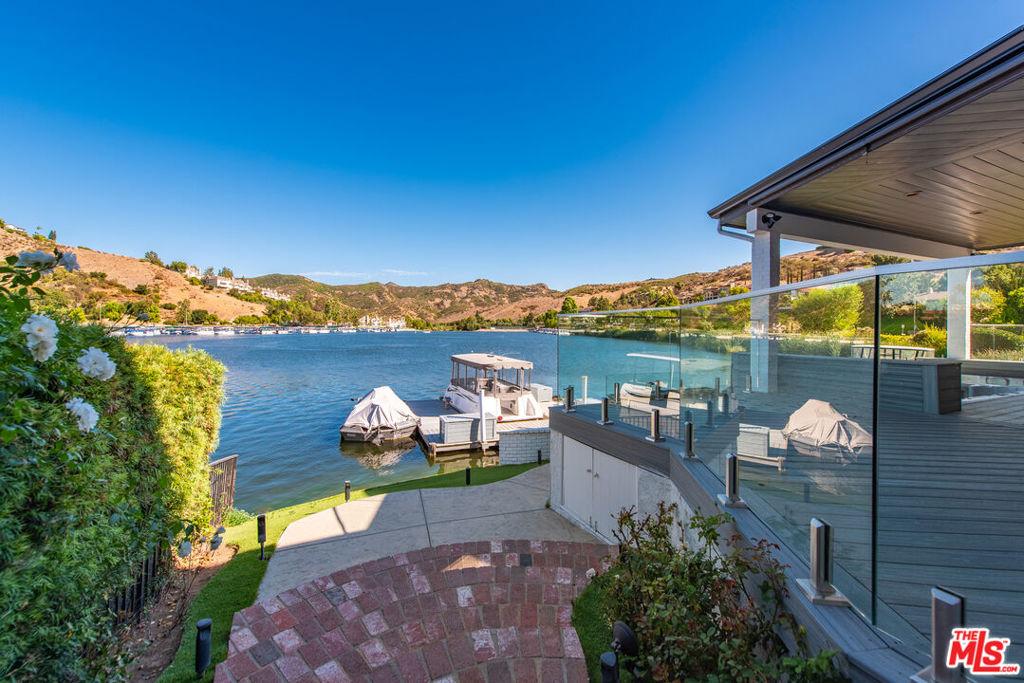
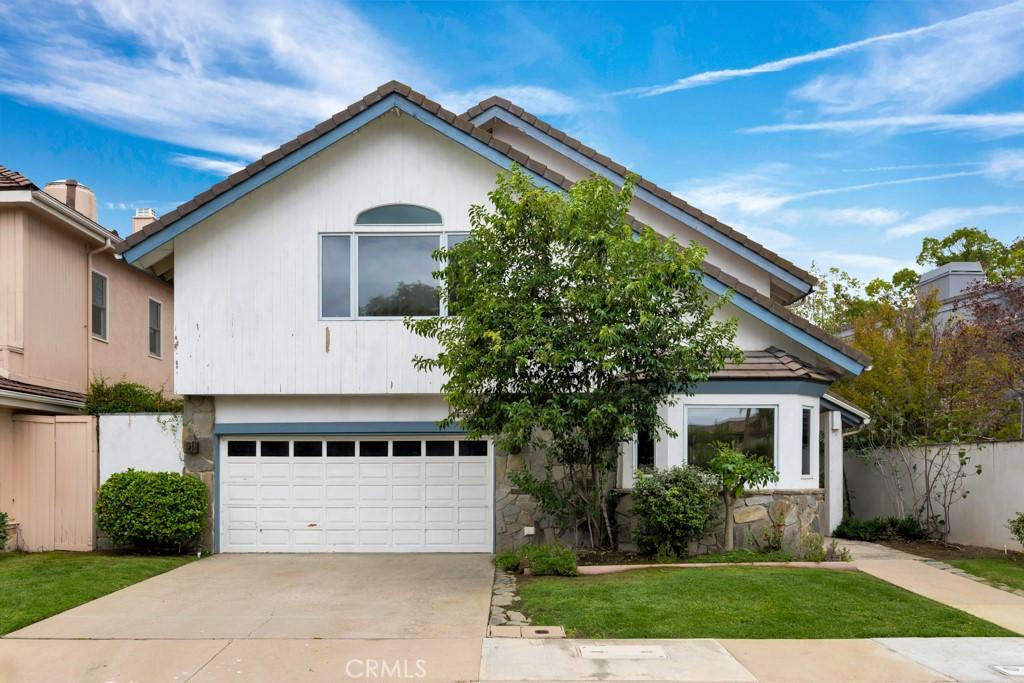
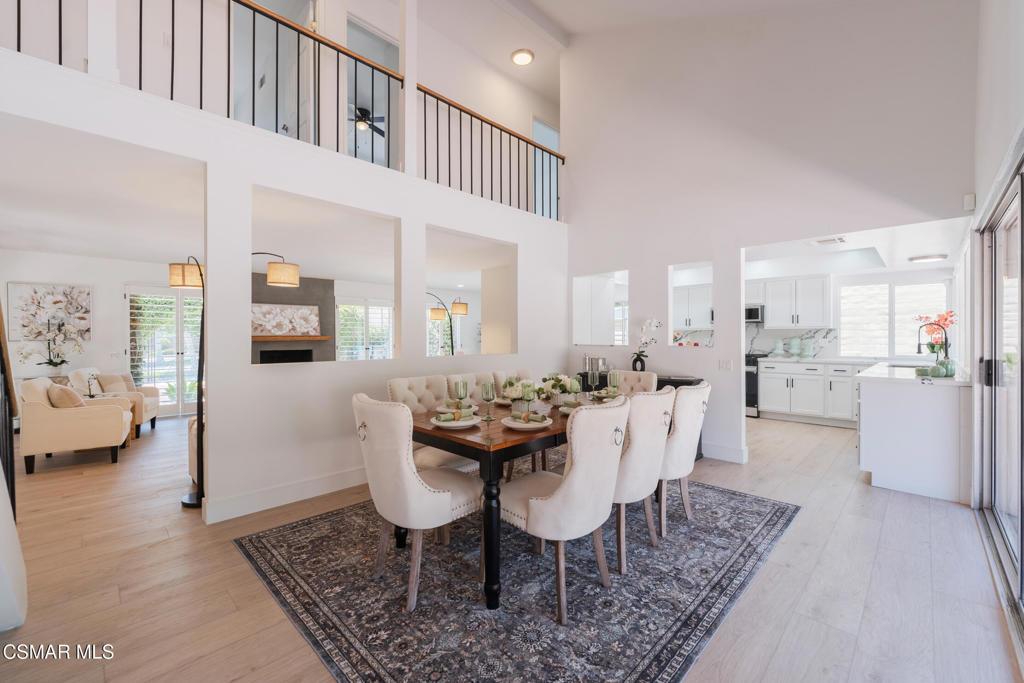
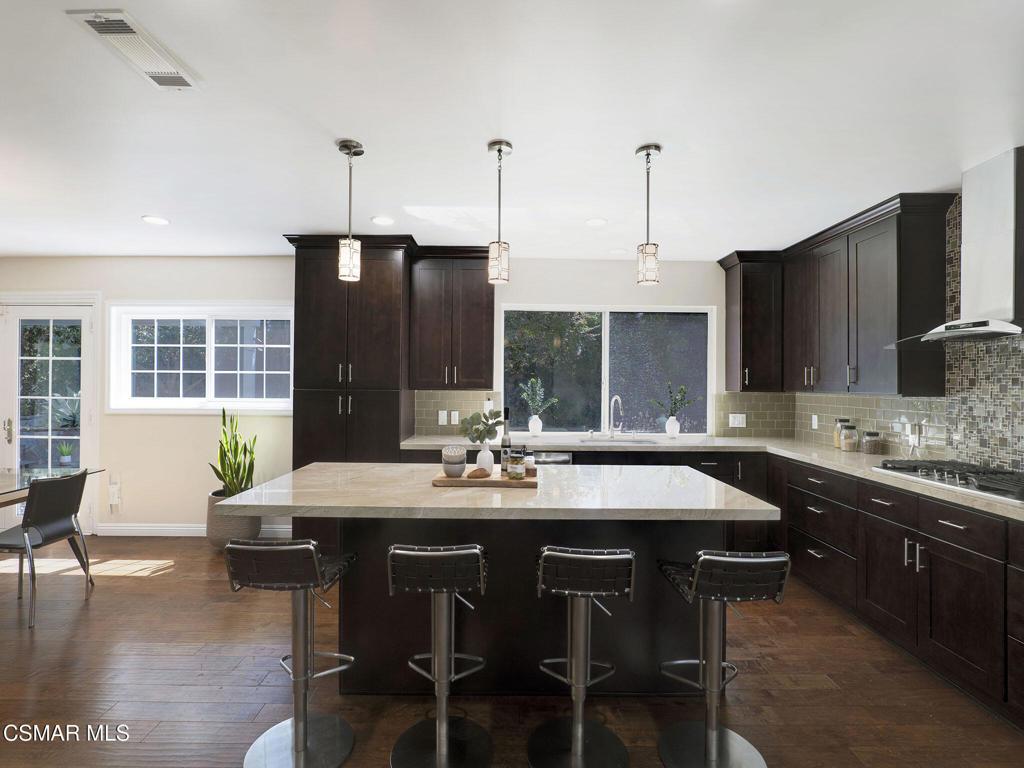
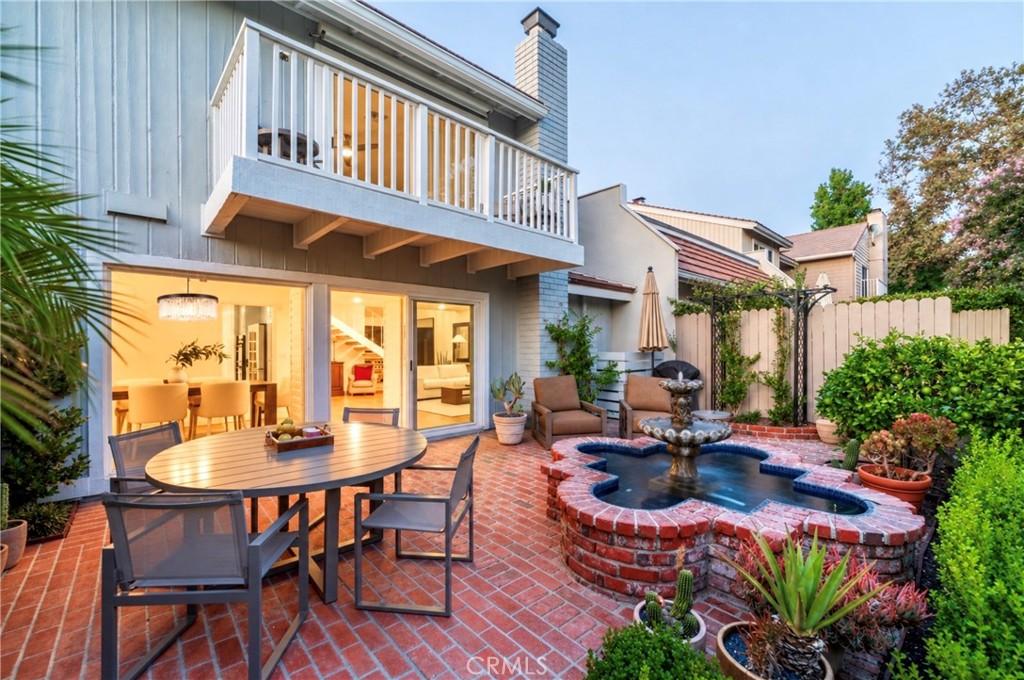
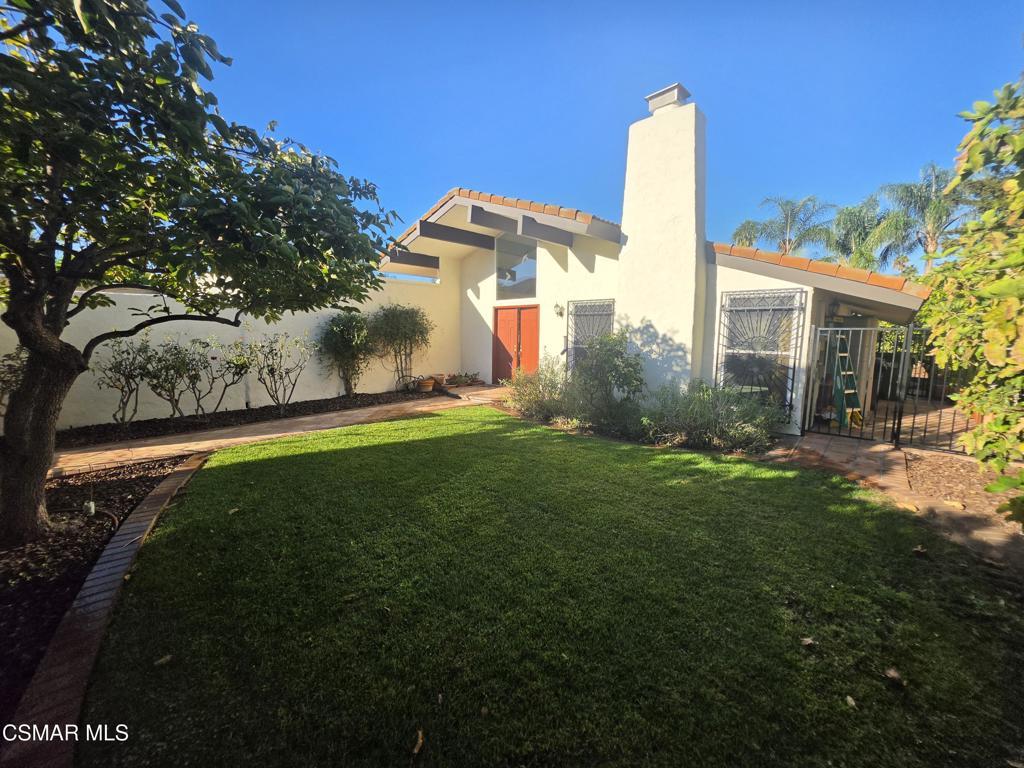
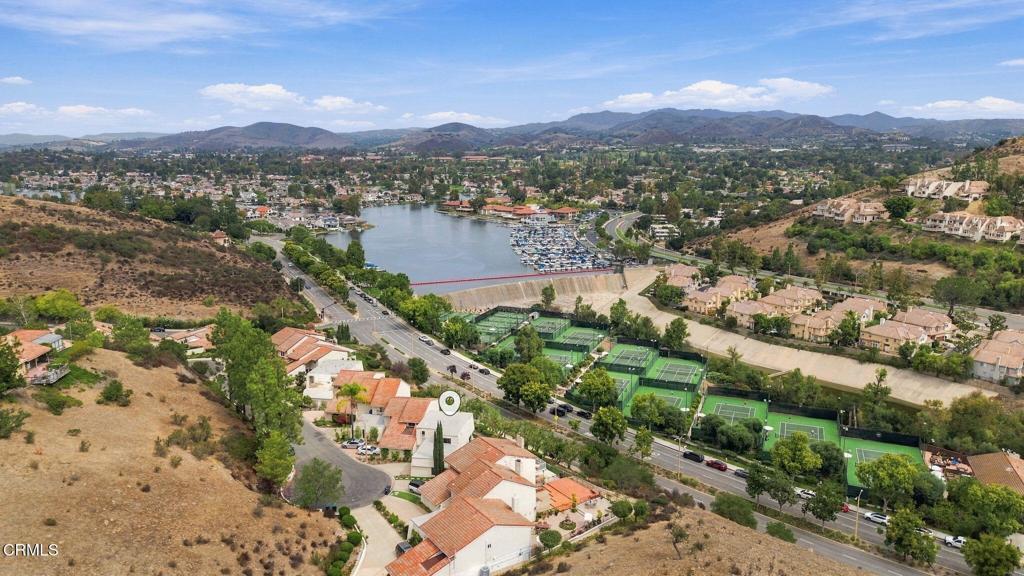
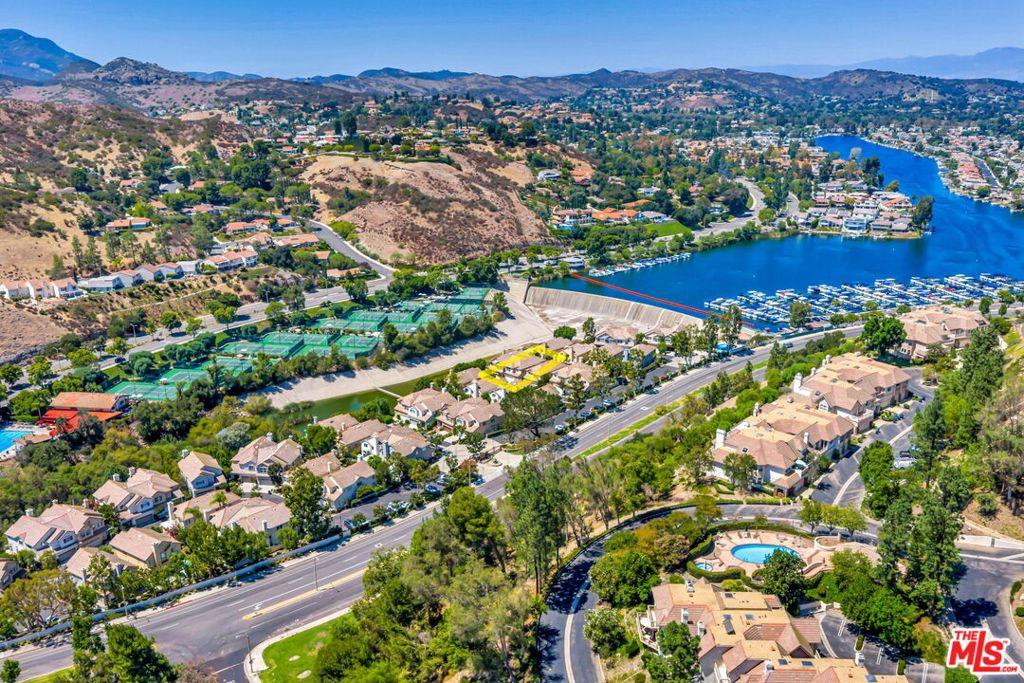
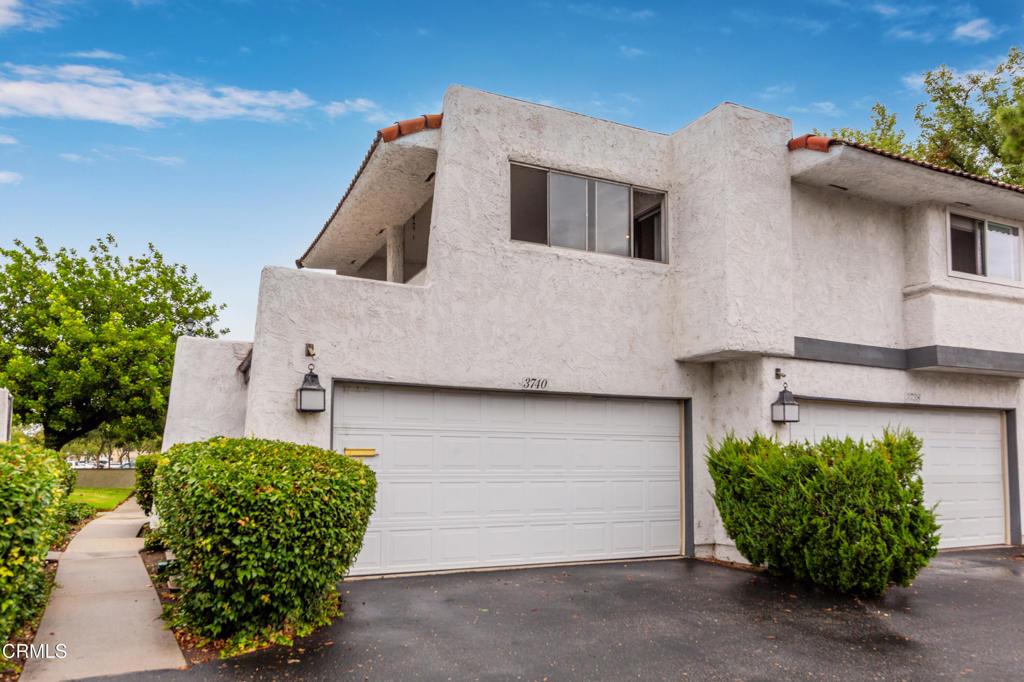
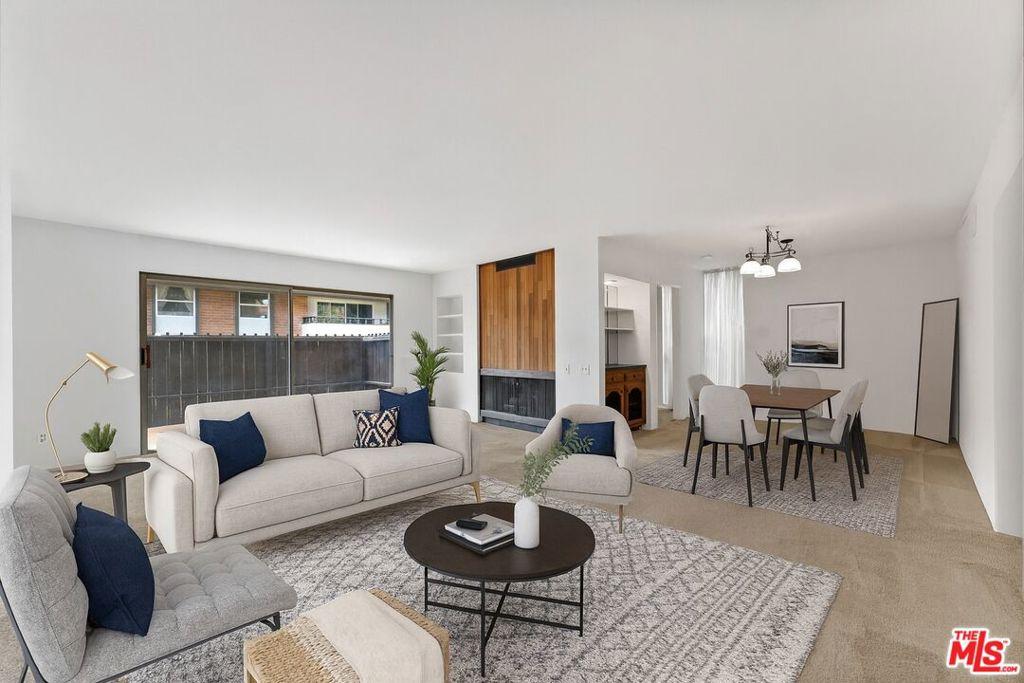
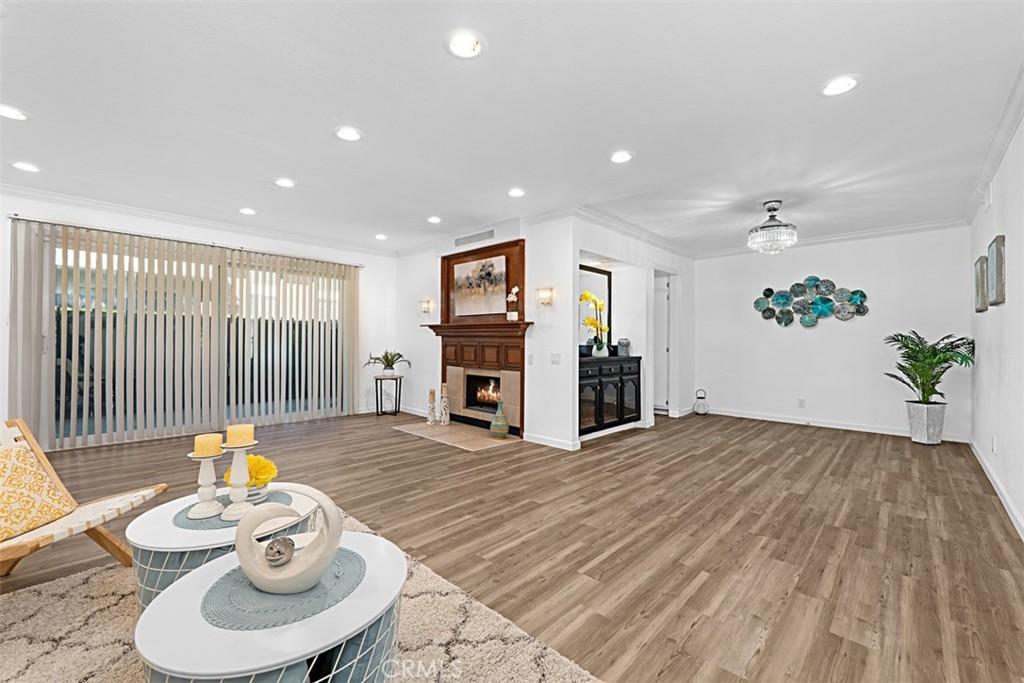
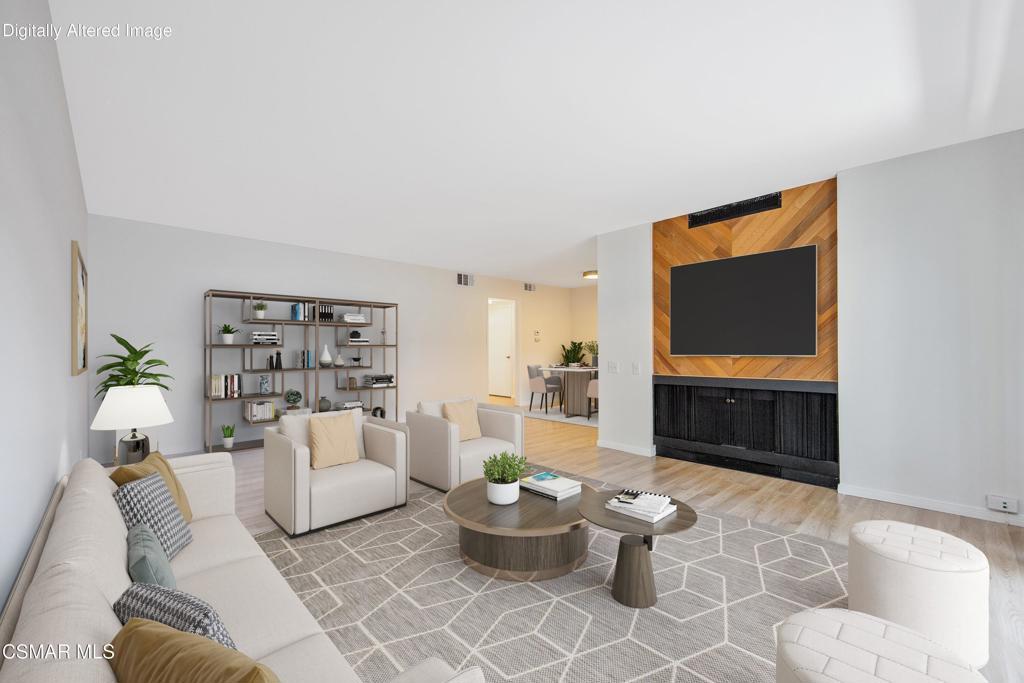
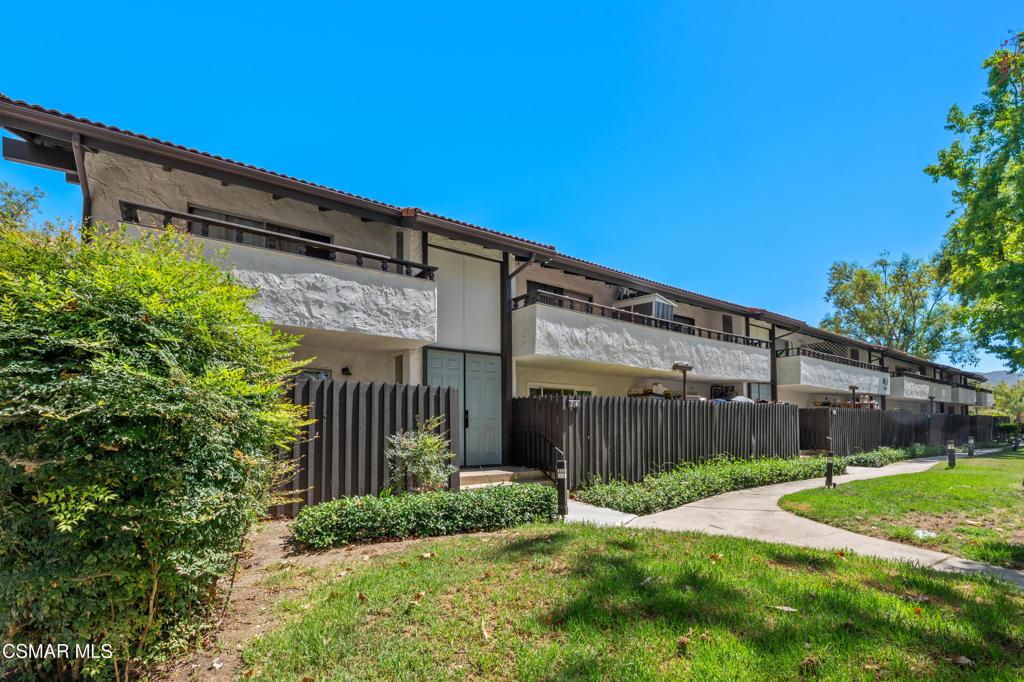
Condos for sale in Westlake Village are attached homes inside a master-planned community built around a private 125-acre lake, and they are how most buyers get into a city where detached houses near the water run well into seven and eight figures. Almost all sit in a homeowners association, and most were built between 1968 and the mid-1980s. A handful carry rights to a lake owned by residents rather than the city. You get the address, the schools, and a short walk to the water without competing in the estate market. The trade-off is age and monthly dues.
The seven established communities are not interchangeable. They differ by a factor of three on price, from Westpark at roughly $460,000 average to Stoneybrook trading between $1 million and $1.5 million. They differ on layout, from Watergate’s single-story townhomes to The Colony’s gated tri-levels, and on school district: Stoneybrook feeds Conejo Valley Unified, not Las Virgenes.
The trade-off is age and dues. You are buying 1960s and 1970s construction with monthly assessments, and the cheapest way in comes with shared laundry. Browse the current condo and townhome listings below, or contact The Knight Group and we will tell you which community actually fits what you are trying to buy.
Why do buyers choose a Westlake Village condo over a house?
Price, and access to a city that is otherwise closed. Detached houses on or near Westlake Lake run well into seven and eight figures, with the gated Westlake Island trading in the millions. The attached-home communities are how a buyer gets a Westlake Village address, Las Virgenes or Conejo Valley schools, and a five-minute walk to the lake without competing in the estate market.
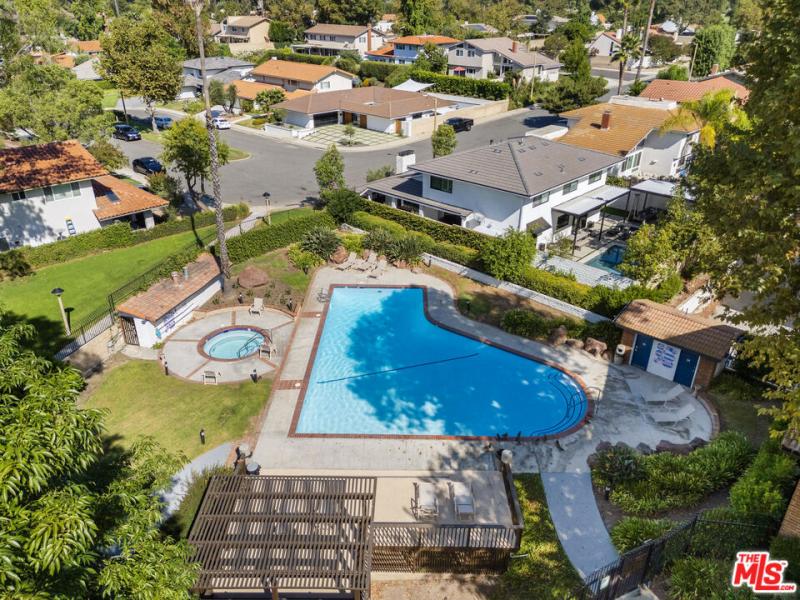
The second reason is maintenance load. These are association-run properties with pools, spas, and in some cases private beaches and docks maintained on a shared budget. For a downsizing seller leaving a large Conejo Valley house, or a first-time buyer who does not want a roof and a slope to manage, that is the whole point.
The third is climate. The city sits at roughly 900 feet in the Conejo Valley, nine miles inland from the Pacific, and coastal air keeps it cooler than the San Fernando Valley on summer afternoons, by up to 10 degrees according to city materials. That is a daily quality-of-life difference that shows up in resale.
Which condo and townhome communities make up Westlake Village?
Seven established attached-home communities carry most of the volume, and they are not interchangeable. They differ by a factor of three on price, by school district, and by whether the association touches the lake at all.
Westpark is the floor of the market and the oldest of the group. Built in 1968 along Lindero Canyon Road near Agoura Road, it is a two-story complex of roughly 234 to 250 one- and two-bedroom units with a large pool, spa, and barbecue area. Community data compiled by Conejo Valley Guy in 2025 puts units at 473 to 1,158 square feet, an average sale price near $460,000 for the year, and an average of 157 days on market. Read that second number carefully. Westpark is the slowest-turning community on this list, and the reason is candid: the buildings date to 1968 and units do not have in-unit laundry. It is the most affordable way into the city, and it is priced that way for cause.
Watergate is the single-story answer. Roughly 100 attached townhomes off Watergate Road built in the early 1970s, sized 1,100 to 1,300 square feet, two bedrooms only, with a pool, hot tub, and pavilion, about a half mile from the lake and the waterfront restaurants. Turnover is thin at two or three sales in a typical year, so comps are scarce and a well-presented unit moves in weeks rather than months.
Summershore is the greenbelt play. About 75 townhomes from the early 1970s on Summershore Lane, backing to open space, with ponds and water features on the grounds and a pool. Units run roughly 1,096 to 1,364 square feet in two- and three-bedroom plans. The association budget covers water, trash, sewer, landscaping, pool and pond maintenance, and master insurance, a broader package than most buyers assume. Expect to update a 1970s interior.
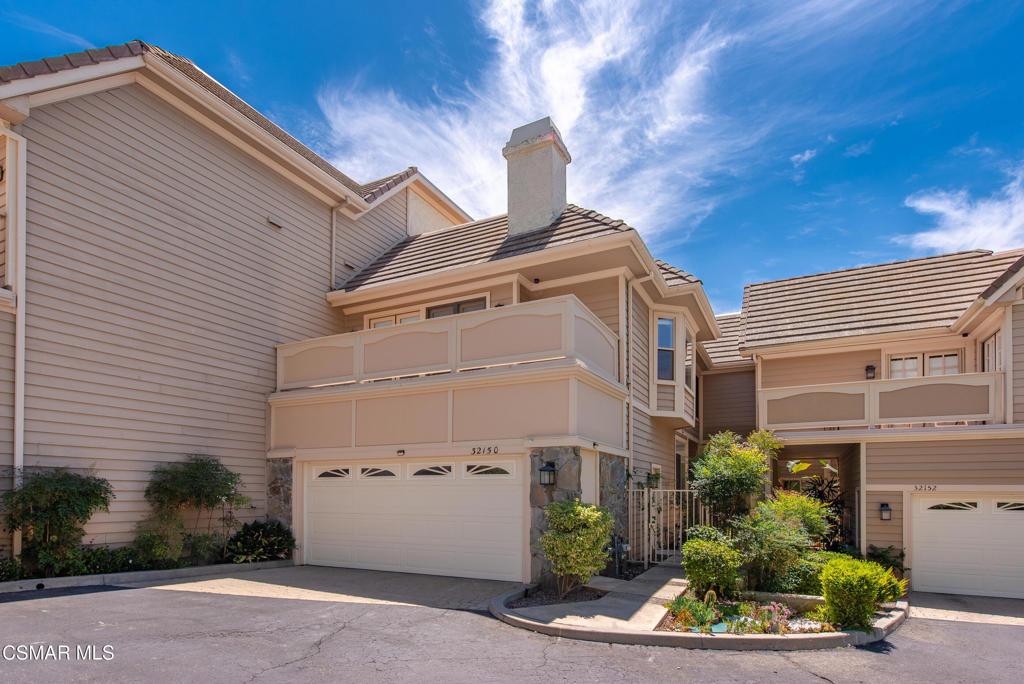
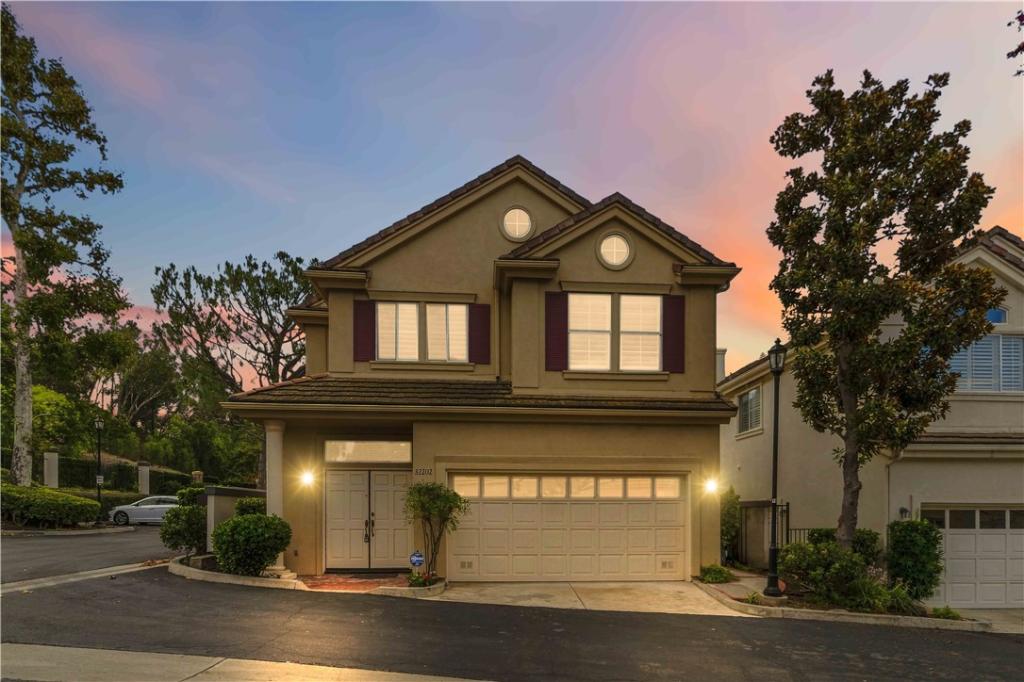
The Colony is the gated mid-tier. Roughly 120 tri-level duplex-style homes in Cape Cod architecture built in the mid-1980s, sized around 1,400 to 1,730 square feet, with a private pool, spa, and tennis court. It is the newest construction of the seven. The caveat is the freeway corridor: some units carry audible traffic noise, so stand on the patio before you write an offer.
The Terraces is the thinnest-traded of the group. It is a small townhome community, and because sales volume is low, public data on it is limited: neighborhoods.com shows recent closings clustered near $1.24 million with monthly dues around $245, the lowest figure on this list. Low dues on an attached home are not automatically good news, and the reserve study is what tells you whether they are sustainable.
Stoneybrook is the top of the attached market and the outlier on schools. Built in 1980, roughly 100 townhomes sized around 1,835 to 2,752 square feet, with fountains, streams, ponds, and walking paths through mature landscaping, walkable to Westlake Plaza and the Sunday farmers market. It trades in the $1 million to $1.5 million range. Critically, Stoneybrook feeds Westlake Elementary, Colina Middle, and Westlake High in Conejo Valley Unified, not Las Virgenes. That is a county-line consequence covered below, and it is the most common thing buyers get wrong here.
Lakeshore is the one with actual water rights. The Lakeshore Community Association describes itself as 284 homes with five private docks, three beaches, three pools, a volleyball court and a pickleball court, set on nearly 12 acres of greenbelt holding more than 600 trees, adjacent to the lake, City Hall, and the shopping district. Housing stock is mixed attached and detached, built 1967 to 1969, generally 1,500 to 2,300 square feet, and neighborhoods.com puts the median sale price near $1.29 million with dues around $430 per month. Lakeshore is where the lake stops being a view and starts being a usable asset.
What does the lake actually get you, and who pays for it?
Westlake Lake is private property owned by its residents. The Westlake Lake Management Association, a nonprofit California corporation, holds title. D.K. Ludwig formed the association in 1968 and transferred control to the homeowners in 1974. WLMA reports over 1,300 members drawn from seven residential districts around the lake plus one commercial district known as The Landing, governed by a board of 33 member representatives.
The lake is 125 surface acres with a little over eight miles of shoreline, an average depth of about eight feet, and roughly 14,000 acre-feet of capacity. Dam and lake construction ran from 1965 to 1969 at a reported cost of $3.5 million. It is stocked with largemouth bass, catfish, and bluegill.
Here is the part that costs buyers money when they miss it. Lake rights run with title, not with the zip code. A condo can be four hundred feet from the water and have no legal right to launch a boat. WLMA assessments are separate from your HOA dues and fund water quality, dam and shoreline maintenance, dredging, dock permitting, boat registration, and lake patrol. WLMA rules govern dock construction, watercraft registration renewing each January 1, liability insurance, and a limit of three registered watercraft per approved dock. Before you assume a listing includes lake access, the answer has to come from the title report and the WLMA membership record, not the marketing remarks.
What do HOA dues cover, and what should you read before you commit?
Every one of these communities is a common interest development governed by California’s Davis-Stirling Common Interest Development Act, which gives you a specific set of rights as a buyer and a specific set of documents the seller owes you.
Under California Civil Code section 4525, the seller must provide the governing documents, the most recent budget and reserve study summary, the assessment and reserve funding disclosure, insurance summaries, recent board minutes, and written notice of any pending assessments, claims, or litigation. That package is the real inspection on an attached home. The unit inspection tells you about the unit. The HOA package tells you about the special assessment nobody mentioned.
Dues across these seven communities are not uniform and do not scale with price. Reported monthly figures range from roughly $245 at The Terraces to roughly $710 at Westpark, and the highest dues sit on the lowest-priced community because Westpark’s budget carries shared laundry, extensive landscaping, and buildings approaching sixty years old. A community with low dues and an underfunded reserve is a deferred bill, not a discount.
Which school districts serve Westlake Village condos?
Three districts touch the area, and which one you get depends on the address, not the city name. The majority of the City of Westlake Village is served by Las Virgenes Unified School District, with a southern portion served by Santa Monica-Malibu Unified. The Ventura County portion of the original master-planned community, the part annexed into Thousand Oaks, is served by Conejo Valley Unified.
In practice, Westpark, Watergate, Summershore, The Colony, and Lakeshore are commonly associated with the Las Virgenes pattern of White Oak Elementary, Lindero Canyon Middle, and Agoura High. Stoneybrook is associated with Westlake Elementary, Colina Middle, and Westlake High under Conejo Valley Unified. Attendance boundaries are set by the districts and they change. Verify the specific address with the district office before you make school assignment a condition of your offer.
Why does the county line matter here?
Because the original master-planned community is cut diagonally by the Los Angeles and Ventura county line, and the two halves went in different directions. The 3,456-acre Los Angeles County portion incorporated as the City of Westlake Village in 1981. The remaining 8,544 acres on the Ventura County side were annexed into the City of Thousand Oaks in 1968 and 1972.
So a mailing address reading “Westlake Village, CA” can sit in either jurisdiction. That determines your school district, city services, municipal transfer tax exposure, and permit authority for a remodel. It is a five-minute check at the front of a search that prevents an expensive assumption at the back of one.
How is the commute from Westlake Village?
The Ventura Freeway, US 101, is the spine and the only real answer. The city sits roughly 38 to 40 miles west of downtown Los Angeles along that corridor. State Route 118 and Pacific Coast Highway run nearby as alternates toward Simi Valley and the coast.
The realistic read: the 101 through the Conejo Grade and the Agoura corridor carries heavy peak volume, and a Westlake Village to Westside commute is a genuine commitment. What the location does well is the local pattern. Westlake Village is itself an employment center, with Dole Food Company, J.D. Power, Guitar Center, K-Swiss, and PennyMac Loan Services headquartered here and Bank of America among its largest employers. Many residents work within a short drive, which is part of why the attached-home market holds value.
What is the lifestyle around these condos?
Compact and walkable by Los Angeles County standards. Westlake Golf Course, an 18-hole regulation course designed by Ted Robinson and opened in 1964, plays 5,080 yards to a par of 67 at 4812 Lakeview Canyon Road, and it is open to the public. That is unusual: most golf-adjacent communities in this price tier are gated around private clubs.
Retail and dining cluster tightly. The Promenade at Westlake and The Shoppes at Westlake Village cover daily needs, restaurants, and a movie theater. The Stonehaus, Mediterraneo, and the waterfront restaurants at the lake handle the evening side. The Four Seasons Hotel Westlake Village anchors the wellness end with a 40,000-square-foot spa, a 16,000-square-foot fitness center, and two pools. Several of these communities sit within walking distance of that cluster, which is the practical argument for a smaller attached home here over a larger detached one further out.
What risks should a Westlake Village condo buyer price in?
Three, and all three are manageable if you underwrite them early.
First, wildfire. In March 2025 the State of California updated the Fire Hazard Severity Zone maps for Los Angeles County, and Westlake Village saw an increase in mapped hazard area, with portions of the city falling into moderate, high, or very high zones. That drives disclosure obligations, defensible space requirements, and insurance pricing. Get a carrier quote before you remove contingencies, and confirm what the association’s master policy covers versus what your HO-6 has to.
Second, building age. Six of the seven communities predate 1985 and two predate 1970. Original galvanized plumbing, dated electrical, and single-pane glazing are all live possibilities. These are inspection items, not deal-killers, but they belong in your price rather than your surprise budget.
Third, association finances. Older buildings with large landscaped commons and water features carry real capital costs. Roofs, pool re-plastering, shoreline obligations in lake-rights communities, and pond systems all come due. The reserve study and the last twelve months of board minutes tell you when.
Does Measure ULA apply to Westlake Village?
No. Measure ULA is a City of Los Angeles transfer tax and applies only inside City of Los Angeles boundaries. Separately incorporated cities are not subject to it. Westlake Village incorporated in 1981, so a sale here is outside ULA regardless of price.
For context on what you are avoiding: the City of Los Angeles thresholds effective July 1, 2025 set a 4% tax on sales from $5,300,000 to $10,600,000 and 5.5% at $10,600,000 and above, indexed upward for transactions closing after June 30, 2026. Standard county documentary transfer tax still applies to a Westlake Village sale. The ULA layer does not.
How does financing work on an older Westlake Village condo?
Conventionally, with one extra layer. Lenders underwrite the association as well as the borrower. On a conforming loan the project has to clear warrantability screens covering owner-occupancy ratio, assessment delinquency, single-entity ownership concentration, reserve funding, litigation status, and master insurance. FHA and VA financing require the project to appear on their respective approved lists, and those approvals lapse and get renewed.
Practically: two similar units in different Westlake Village communities can have materially different buyer pools, and a project with pending litigation or a thin reserve can push you to conventional financing with a larger down payment. We check project eligibility before writing, not after.
Frequently Asked Questions About westlake village Condos for Sale
Do all Westlake Village condos come with lake access?
No. Lake rights attach to specific properties through title and Westlake Lake Management Association membership, not to the city or to proximity. Lakeshore is the community here most directly associated with lake amenities, including private docks and community beaches. Verify any claim of lake access against the preliminary title report and WLMA records.
What is the cheapest way into Westlake Village?
Westpark, generally. It is the oldest complex, built in 1968, with the smallest floor plans and no in-unit laundry, and 2025 community data showed an average sale price in the low $460,000s. Weigh those trade-offs against the location, which is walkable to the lake and the restaurant cluster.
Are HOA dues here high compared to the rest of Los Angeles County?
Mid-range in absolute dollars, but they buy more than typical. Reported monthly dues across these communities run from roughly $245 to roughly $710. Several budgets include water, trash, sewer, landscaping, pool and pond maintenance, and master insurance. Compare what is covered, not just the number.
Which school district will my Westlake Village condo be in?
Most of the City of Westlake Village is in Las Virgenes Unified, a southern portion is in Santa Monica-Malibu Unified, and the Ventura County side of the original master plan is in Conejo Valley Unified. Stoneybrook is a well-known Conejo Valley Unified example. Confirm the specific address with the district, because boundaries change.
Is Westlake Village in a fire hazard zone?
Portions of it are. The State updated Fire Hazard Severity Zone maps for Los Angeles County in March 2025 and Westlake Village saw an increase in mapped hazard area, with sections designated moderate, high, or very high. Check the specific parcel and get an insurance quote early.
Can I rent out a Westlake Village condo?
It depends on the governing documents. Many California common interest developments cap the number of rented units or impose minimum lease terms, and owner-occupancy ratio affects lender warrantability. Rental restrictions live in the CC&Rs and rules, which the seller must deliver under Civil Code section 4525. Read them before you underwrite rental income.
How old is the housing stock?
Mostly 1967 through 1980, with The Colony in the mid-1980s as the newest of the seven. Plan inspections and capital reserves accordingly.
Does Westlake Village have rent control?
The City of Los Angeles rent stabilization ordinance does not apply here, because Westlake Village is a separate incorporated city. California’s statewide tenant protection statute may still apply depending on property type, ownership, and whether the required exemption notice was given. Confirm the specific unit with counsel before planning a rent increase schedule.
How does The Knight Group work in the Westlake Village condo market?
We underwrite the association before we underwrite the unit. On every attached-home purchase here we pull the Civil Code section 4525 package, read the reserve study and the last twelve months of board minutes, confirm the project’s financing eligibility, and check whether lake rights actually run with the title. Those four checks are where the money is on a Westlake Village condo.
On the sell side, the work is comp construction. Several of these communities close two to twelve times a year, so automated valuation models are running on stale or borrowed data. We price off actual same-community closings, adjust for floor plan and orientation, and tell you when the right number is lower than you hoped.
Browse the listings on this page, then reach out. Tell us your budget, your school requirement, and whether you need a boat on the water. We will tell you which of these seven communities can deliver it and which cannot.
What Are Condos For Sale In Westlake Village Actually Like?
- Condos for sale in Westlake Village are attached homes inside a master-planned community built around a private lake owned by residents rather than the city.
- Almost every attached home here sits inside a homeowners association, and the housing stock dates largely to the late sixties through the mid-eighties.
- Buyers choose attached homes because detached houses on or near Westlake Lake run well into seven and eight figures.
- Condos for sale in Westlake Village deliver the address, the schools, and a short walk to the water without competing in the estate market.
- Age and monthly dues are the honest trade-off, and the cheapest way into the city comes with shared laundry rather than in-unit hookups.
- Established attached-home communities here are not interchangeable, differing on price, layout, and school district in ways that matter to every buyer.
- Westpark sits at the floor of the market as the oldest complex, a two-story property near Lindero Canyon Road and Agoura Road.
- Westpark offers one- and two-bedroom units with a large pool, spa, and barbecue area, and it turns over more slowly than its neighbors.
- Watergate is the single-story answer, a group of attached townhomes with a pool, hot tub, and pavilion near the waterfront restaurants.
- Turnover at Watergate stays thin, so comparable sales are scarce and a well-presented unit tends to move in weeks rather than months.
- Summershore is the greenbelt play, with townhomes backing to open space and ponds and water features scattered across the grounds.
- Summershore association budgets cover water, trash, sewer, landscaping, pool and pond maintenance, and master insurance, a broader package than most buyers expect.
- Stoneybrook trades at the top of this group and feeds Conejo Valley Unified schools rather than Las Virgenes Unified.
- The Colony brings gated tri-level floor plans to the mix, a very different layout from the single-story townhomes at Watergate.
- Downsizing sellers and first-time buyers gravitate toward condos for sale in Westlake Village because association budgets carry pools, spas, and shared grounds.
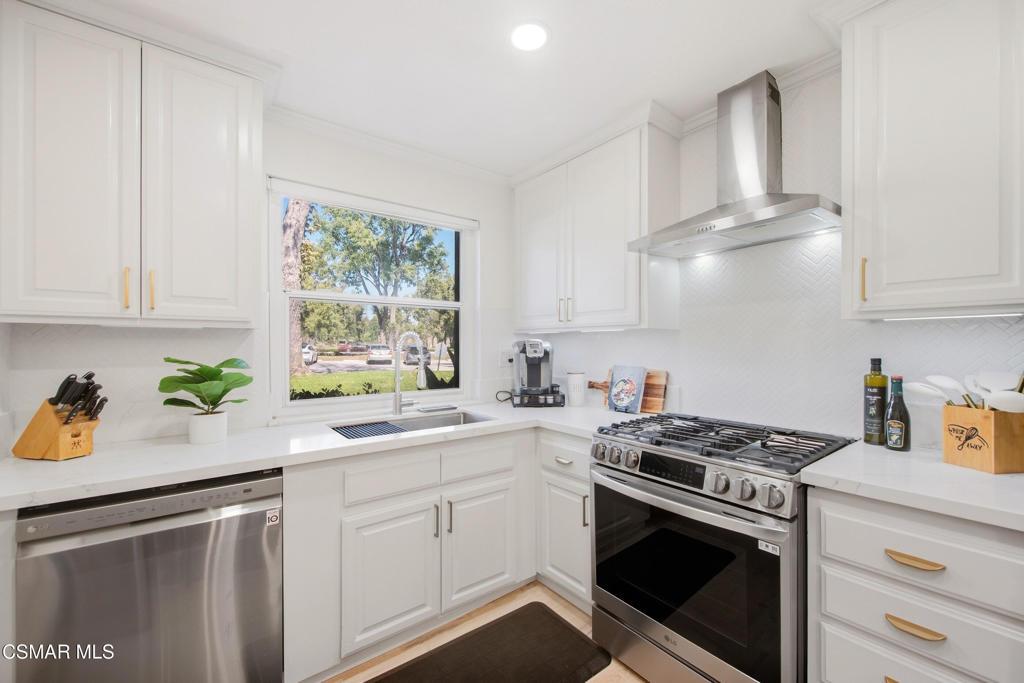
- Interiors from the seventies should be expected, and updating a dated kitchen or bath belongs in the purchase price rather than the surprise budget.
What Is It Like To Live Near Condos For Sale In Westlake Village?
- The original master-planned community is cut diagonally by the Los Angeles and Ventura county line, and the two halves went in different directions.
- The Los Angeles County portion incorporated as the City of Westlake Village, while the Ventura County acreage was annexed into the City of Thousand Oaks.
- A mailing address reading Westlake Village can sit in either jurisdiction, which determines school district, city services, transfer tax exposure, and remodel permit authority.
- Checking jurisdiction takes minutes at the front of a search and prevents an expensive assumption at the back of one.
- The Ventura Freeway is the spine of the commute and the only real answer for anyone heading toward downtown Los Angeles.
- Peak volume on the freeway through the Conejo Grade and the Agoura corridor makes a Westside commute a genuine commitment.
- Westlake Village is itself an employment center, with Dole Food Company, J.D. Power, Guitar Center, K-Swiss, and PennyMac Loan Services headquartered locally.
- Many residents near condos for sale in Westlake Village work within a short drive, which is part of why the attached-home market holds value.
- Westlake Golf Course is a regulation course designed by Ted Robinson on Lakeview Canyon Road and it is open to the public.
- Public golf access is unusual in this price tier, where most golf-adjacent communities are gated around private clubs.
- The Promenade at Westlake and The Shoppes at Westlake Village cover daily needs, restaurants, and a movie theater in a tight cluster.
- The Stonehaus, Mediterraneo, and the waterfront restaurants at the lake handle the evening side of local dining.
- The Four Seasons Hotel Westlake Village anchors the wellness end with a large spa, an extensive fitness center, and pools.
- Several communities holding condos for sale in Westlake Village sit within walking distance of that retail and dining cluster.
- Wildfire mapping, building age, and association finances are the three risks to underwrite early when buying condos for sale in Westlake Village.
What Should Buyers Know Before Buying Condos For Sale In Westlake Village?
- Lake rights attach to specific properties through title and Westlake Lake Management Association membership, not to the city or to simple proximity.
- Lakeshore is the community most directly associated with lake amenities here, including private docks and community beaches.
- Verifying any claim of lake access against the preliminary title report and management association records protects buyers from a costly misunderstanding.
- Westpark is generally the cheapest way into the city, offering the smallest floor plans, the oldest buildings, and no in-unit laundry.
- Location offsets the trade-offs at Westpark, which sits walkable to the lake and to the restaurant cluster.
- Association dues across condos for sale in Westlake Village land mid-range in absolute dollars but often buy more than buyers assume.
- Several association budgets include water, trash, sewer, landscaping, pool and pond maintenance, and master insurance, so compare coverage rather than the headline number.
- Most of the City of Westlake Village falls in Las Virgenes Unified, with a southern portion in Santa Monica-Malibu Unified.
- The Ventura County side of the original master plan is served by Conejo Valley Unified, and Stoneybrook is the well-known example.
- School boundaries change, so confirming a specific address directly with the district is a required step rather than an optional one.
- Portions of the city carry updated Fire Hazard Severity Zone designations ranging from moderate to very high, so parcel-level checks and early insurance quotes matter.
- Rental rules for condos for sale in Westlake Village live in the governing documents, which cap rented units or impose minimum lease terms.
- Owner-occupancy ratios affect lender warrantability, so investors should read the rules and restrictions before underwriting any rental income.
- Housing stock across the seven established communities runs from the late sixties through the eighties, with The Colony the newest of the group.
- The Los Angeles rent stabilization ordinance does not apply here because Westlake Village is a separate incorporated city, though statewide tenant protections may still reach some units.
- The Knight Group underwrites the association before the unit, reading the reserve study, board minutes, financing eligibility, and whether lake rights truly run with title.