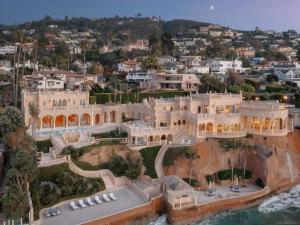
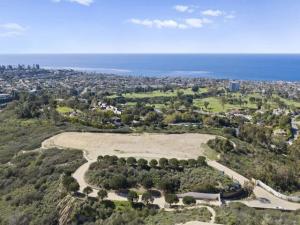
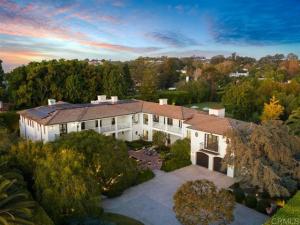
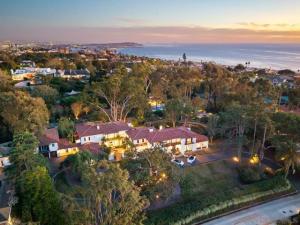
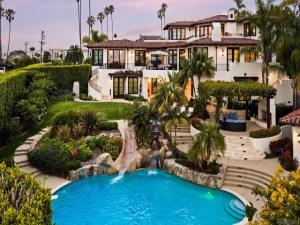
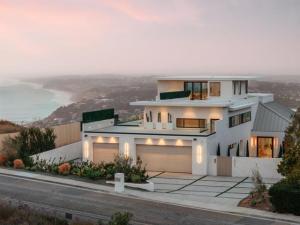
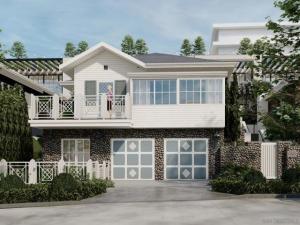
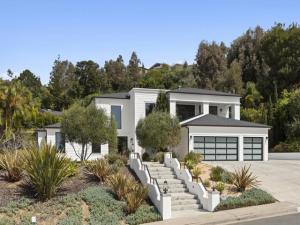
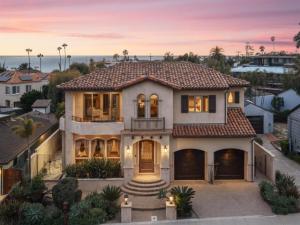
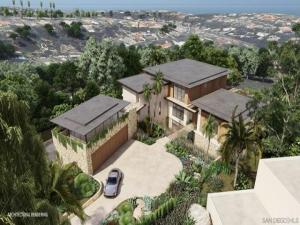
Homes for Sale in La Jolla, California
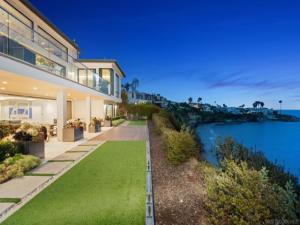
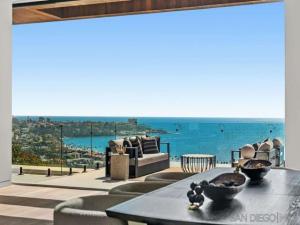
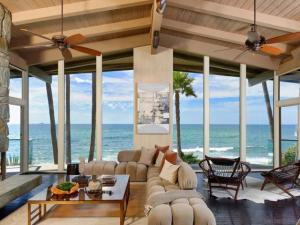
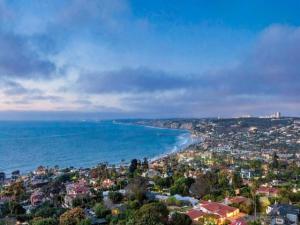
Homes for sale in La Jolla sit at the top of San Diego County’s price ladder, and the range inside the community is wide. Zillow put the average La Jolla home value near $2.48 million on its 2026 market page, while 2026 brokerage reporting placed the year-to-date median around $3.55 million for single-family homes and $1.22 million for condominiums and townhomes. La Jolla is a coastal community inside the City of San Diego, about 12 miles north of downtown, wrapping seven miles of bluff and beach around Mount Soledad.
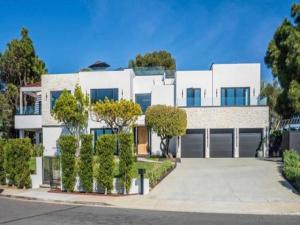
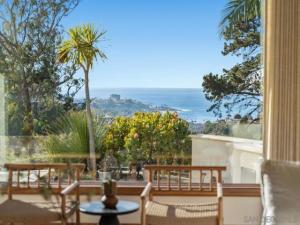
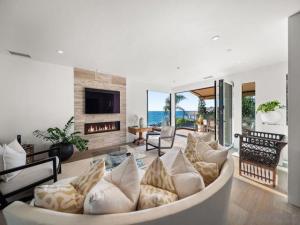
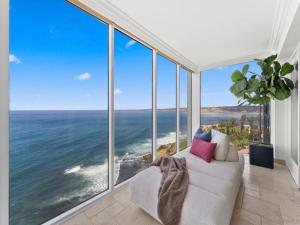
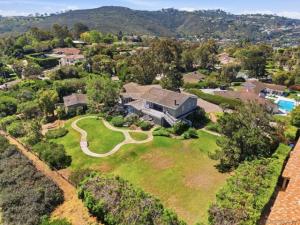
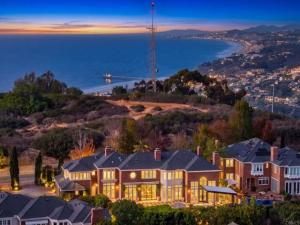
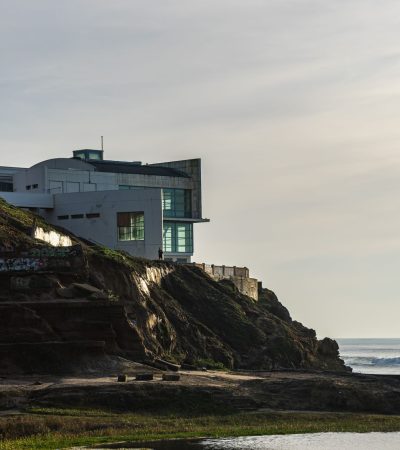
What you get depends mostly on elevation. The flat coastal strip holds Windansea, the Beach Barber Tract, Lower Hermosa, Bird Rock, and the walkable Village — smaller lots, ocean at the end of the block, marine-layer mornings that can run through June. The Mount Soledad slopes hold the Muirlands and La Jolla Mesa, where 1920s-onward custom homes buy views, larger lots, and sun. The northern mesa near UC San Diego holds the newest construction and most of the planned condominium communities.
Browse the current listings below, or contact The Knight Group for a straight read on which of La Jolla’s 40-plus named neighborhoods matches what you are buying for.
Where exactly is La Jolla, and how is it laid out?
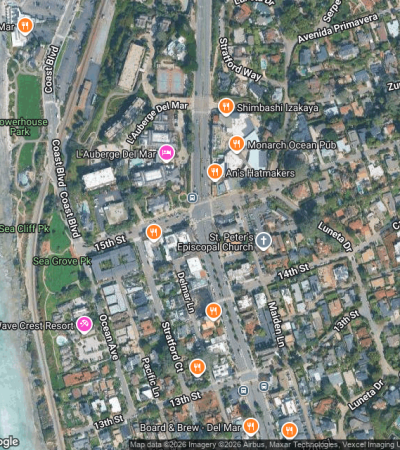
La Jolla is bounded by the Pacific on the west, Pacific Beach on the south, and the UC San Diego campus and Torrey Pines mesa on the north. Interstate 5 runs along its eastern edge. The most useful mental model is elevation: Mount Soledad rises in the middle, and almost every neighborhood is defined by where it sits relative to that hill and the water.
Three tiers do most of the explaining. The flat coastal strip holds the beach neighborhoods and the Village commercial core. The Mount Soledad slopes hold the view-oriented custom-home neighborhoods, many platted in the 1920s and built out over the following four decades. The northern mesa near UC San Diego holds the newest inventory, including most of La Jolla’s planned condominium and townhome communities.
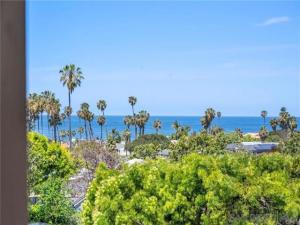
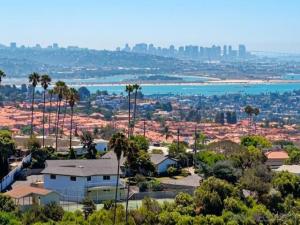
That geography drives real trade-offs. Coastal-strip homes get walkability and the ocean at the end of the block, along with smaller lots, tourist traffic, and marine-layer mornings that can run through June. Hillside homes get views, larger lots, and sun on days the coast stays grey, but you drive to everything and inherit slope-specific geotechnical questions. North-side properties get the easiest freeway and trolley access and the newest construction.
What does it cost to buy a home in La Jolla?
La Jolla is expensive by any California standard and the spread inside it is wide. Zillow put the average La Jolla home value at roughly $2.48 million on its 2026 market page, up about 4.4 percent year over year. Separate 2026 brokerage reporting placed the year-to-date median sale price near $3.55 million for single-family homes and near $1.22 million for condominiums and townhomes, using February 2026 data. Treat those as directional, not as a valuation of any street.
The gap between the single-family and attached medians is the most important number here. La Jolla has a two-market structure. A well-run condominium in a Mount Soledad or north-mesa association puts you inside the same school boundaries and zip code as a bluff-front estate at a fraction of the price, with the trade-off being HOA dues, shared governance, and less land.
Inventory has been the binding constraint. Coastal San Diego reporting in July 2026 put detached inventory in the La Jolla and Pacific Beach corridor at roughly 2.4 months, well inside seller’s-market territory. Thin supply produces two behaviors at once: sharply priced, turn-key, view-quality listings draw multiple offers, while overpriced properties at the top of the market sit.
Which neighborhoods make up La Jolla?
La Jolla is not one market. It is a collection of platted subdivisions and named enclaves, each with its own age of construction, view profile, and buyer. Start with the community-wide inventory at La Jolla homes for sale, then narrow by geography.
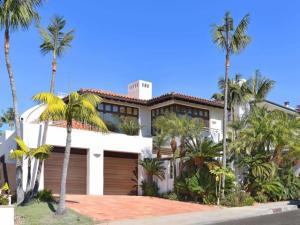
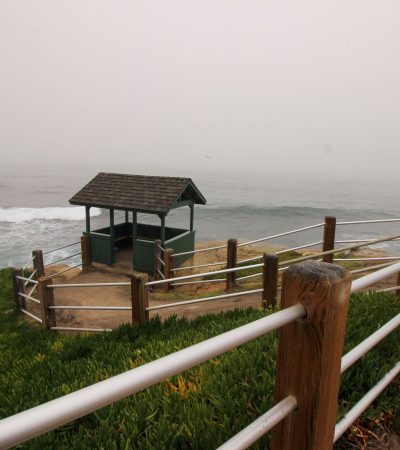
The southern coastal strip is where La Jolla’s surf identity lives. Windansea is built around one of California’s best-known surf breaks and the palm-frond shack above it. The land was originally Kumeyaay territory and the beach was first marketed as Neptune Beach. Immediately inland, the Beach Barber Tract was subdivided as Neptunia in 1899, spent time as a bohemian artists’ colony, and was developed into an exclusive enclave by Philip Barber in the 1920s. Its housing stock leans Spanish Colonial, English Tudor, and French Normandy, and it straddles La Jolla Boulevard on either side of Nautilus Street.
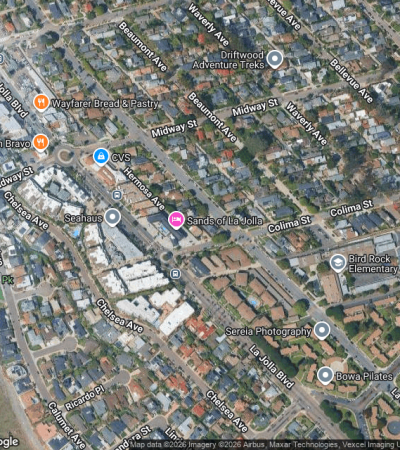
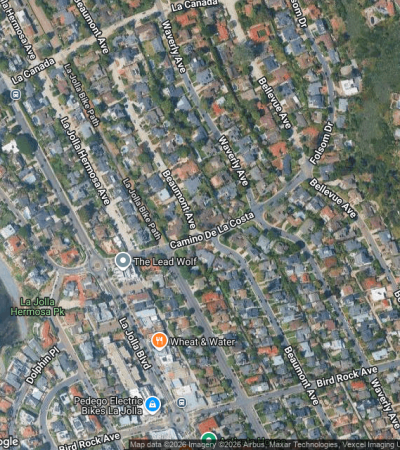
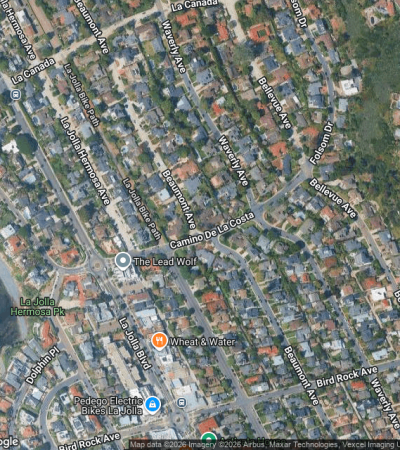
South of that runs the Hermosa group, split by elevation and distance from sand. Lower Hermosa is the oceanfront tier, developed in the 1920s and known for Camino de la Costa, a street of historic estates sitting essentially on the water. Upper Hermosa sits west of La Jolla Boulevard a few blocks back, at a meaningfully lower entry point. La Jolla Hermosa and Hermosa Terrace fill the surrounding blocks. At the southern boundary, Bird Rock borders Pacific Beach and is La Jolla’s most accessible entry point, with a surf culture that belongs to residents rather than visitors.
The commercial center is the Village. La Jolla Village and the Village of La Jolla cover the blocks around Prospect Street and Girard Avenue, plus the walk-up condominiums around them. Just above, the mesa neighborhoods trade beach proximity for views and lot size. La Jolla Mesa is dominated by custom homes built from the 1950s onward with ocean, bay, and city-light views. It is often called the Palisades locally, overlapping La Jolla Palisades and the neighboring La Jolla Mesa Vista pocket. Boundaries between the three blur in listing data, which is why local knowledge matters when comparing sold prices.
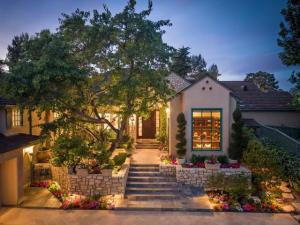
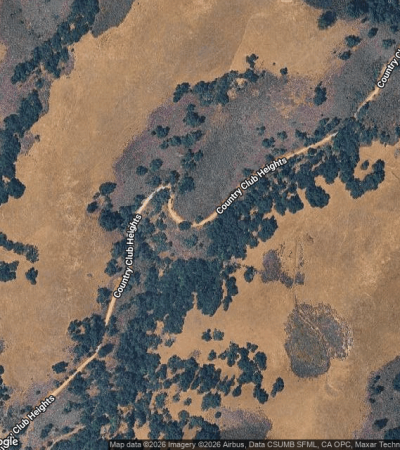
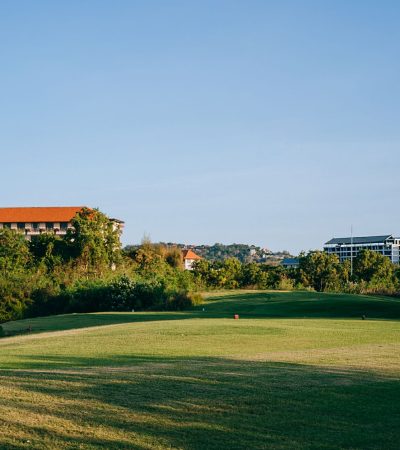
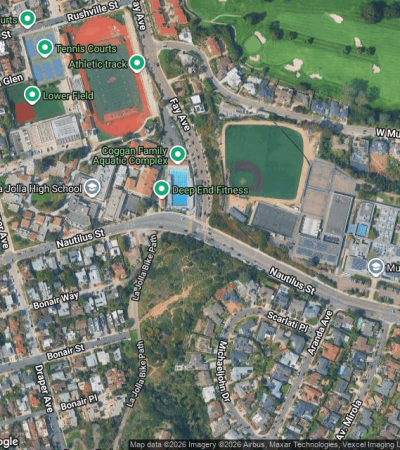
The Mount Soledad slopes hold the largest concentration of estate property. The Muirlands was established in the 1920s and remains the reference point: wide winding streets, mature eucalyptus, generous lots, and elevation that often puts homes above the marine layer. Adjacent tracts Muirlands Village and Muirlands West offer similar positioning at varying lot sizes. Across Nautilus Street sits the golf-adjacent tier, anchored by La Jolla Country Club, founded in 1901, whose William P. Bell course redesign opened for play in 1927, with the residential blocks of Country Club Heights above it.
Further around the hill the view-tier neighborhoods stack in bands. Colony Hill preserves roughly 14 acres as park and open space with a greenbelt through it. Hidden Valley sits in a sheltered pocket below the ridgeline. La Jolla Heights, La Jolla Highlands, La Jolla Hills, La Jolla Summit, and La Jolla Scenic Heights each sit at a different elevation along the scenic drives, and the view premium changes materially between them. Lower Hillside covers the transition where the slope meets the Village-adjacent grid. On the south and east flanks, Soledad South and Soledad Corona Estates sit nearest the Soledad Mountain Road corridor, an area with a documented landslide history addressed below.
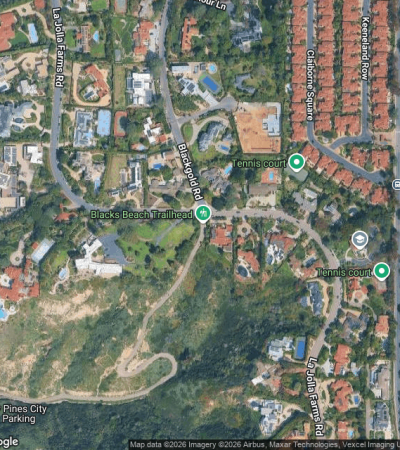
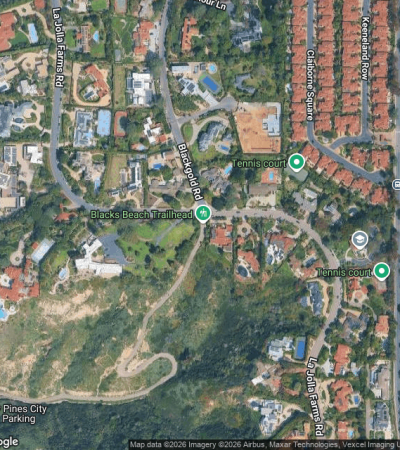
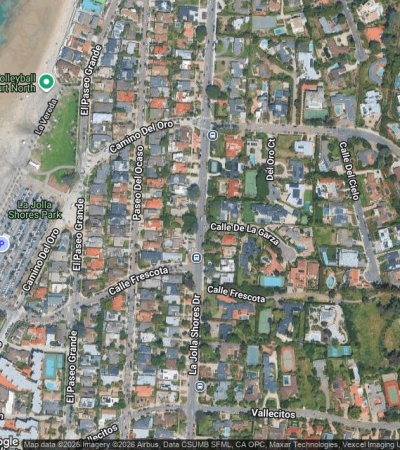
North La Jolla is a different market again. La Jolla Shores is the flat, family-oriented beach neighborhood: gridded streets, surf schools, kayak operators, beach clubs, and a swimmable break that draws a different crowd than Windansea. Above it on the Torrey Pines mesa, La Jolla Farms holds the community’s largest estates on the cliffs west of UC San Diego above Black’s Beach, most at 6,000 square feet or more on lots from roughly half an acre to about five acres. It takes its name from the Black family horse ranch subdivided to create it.
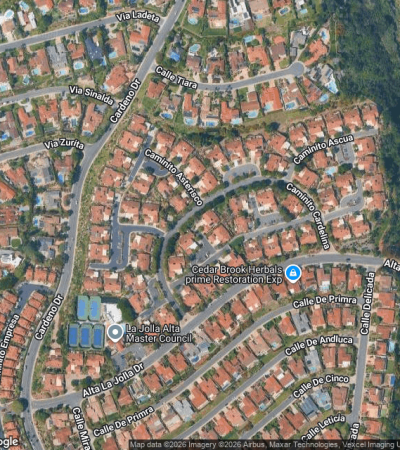
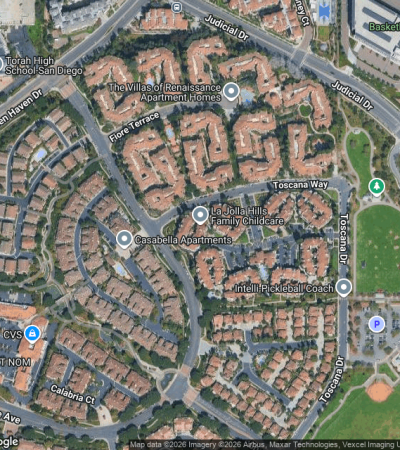
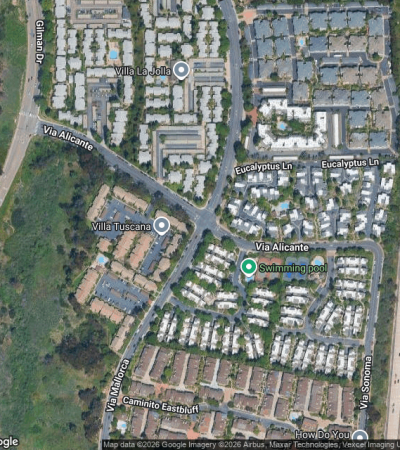
The same mesa holds several well-known association communities. Blackhorse is a gated 121-home condominium community developed in 1988 and 1989 within La Jolla Farms, adjacent to UC San Diego, Scripps Institution of Oceanography, and the Salk Institute. Montoro is gated and sits in the La Jolla Shores area. La Jolla Alta and La Jolla Alta South anchor the planned-community side, and Mount La Jolla was built in 1974 as part of La Jolla Alta, with 234 two- to four-bedroom units served by four pools, four spas, four saunas, four lighted regulation tennis courts, and a clubhouse. La Jolla Gables rounds out the group.
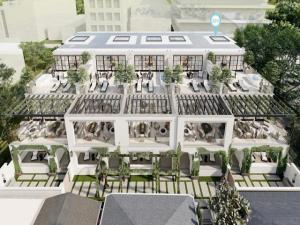
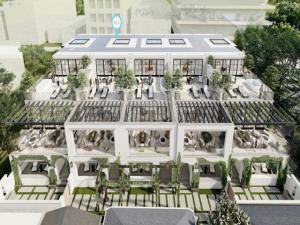
Smaller associations supply most of the remaining attached inventory. Windemere comprises just over 300 units, roughly 146 patio homes and 157 townhomes in three- to five-bedroom layouts. Ventana offers multi-level homes with two-car garages, some detached, generally between about 2,046 and 2,625 square feet. Crystal Bay is positioned for ocean and downtown skyline views. Emerald Cove, Coromandel Park, and Ridgegate complete the set. In all of them the reserve study and dues history matter as much as the unit.
How good are the schools in La Jolla?
La Jolla is served by San Diego Unified School District, and its cluster is one of the district’s strongest. Three public elementary schools sit inside the community, Bird Rock, La Jolla, and Torrey Pines. They feed Muirlands Middle School, which feeds La Jolla High School.
La Jolla Elementary was named a National Blue Ribbon School for Exemplary High Performing Schools in 2016 and a California Distinguished School in 2018. Bird Rock Elementary, at 5371 La Jolla Hermosa Avenue, serves roughly 416 students in kindergarten through fifth grade, and GreatSchools reporting shows 77 percent at or above proficiency in both math and reading. Torrey Pines Elementary sits near La Jolla Shores and UC San Diego and draws heavily from university-affiliated families. La Jolla High School opened in 1922, is the second-oldest campus in the district, and enrolls roughly 1,600 students.
Private options matter here too. The Bishop’s School was founded in 1909 with funding from Ellen Browning Scripps, and La Jolla Country Day School operates on the community’s eastern edge. Verify current attendance boundaries with San Diego Unified before you write an offer. An address one block off can change the assignment.
How is the commute from La Jolla?
Better than it used to be, with caveats. Interstate 5 runs along La Jolla’s eastern edge and is the main artery south to downtown and north to the North County job centers. State Route 52 connects east toward Kearny Mesa. Ardath Road and La Jolla Parkway are the primary connectors between the freeway and the Village, and they carry the bulk of inbound traffic.
The larger change came in November 2021, when the Mid-Coast extension of the UC San Diego Blue Line trolley opened. It added 11 miles of light rail and nine stations at a cost of roughly $2.2 billion, running from Old Town alongside I-5 to serve the UC San Diego campus, Scripps Memorial Hospital, and the Westfield UTC transit center.
Be honest about what it does not solve. The trolley serves the north mesa and university side well. It does not serve the Village, the Shores, Bird Rock, or the Mount Soledad neighborhoods, all of which stay car-dependent beyond a walkable radius. Summer traffic into the Village and beach parking remain persistent friction points.
What is daily life in La Jolla actually like?
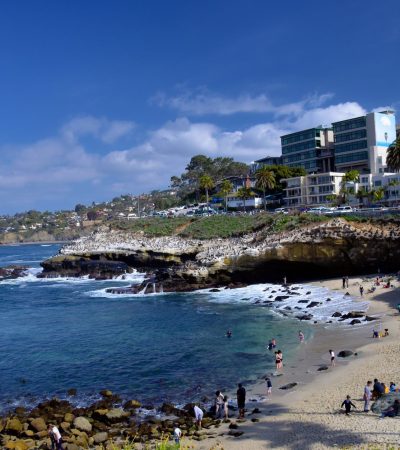
The Village is the center of gravity. Prospect Street and Girard Avenue carry the galleries, boutiques, and restaurants, and residents genuinely use them. The coastline is the other anchor: La Jolla Cove and Ellen Browning Scripps Park for swimming and snorkeling, La Jolla Shores for flat-water paddling, Windansea for experienced surfers, and Black’s Beach below the Torrey Pines bluffs for a long undeveloped stretch reached by steep trail.
The Children’s Pool, built in 1931 behind a seawall meant to shelter children from surf, is now a harbor seal rookery. It is open to people from May 16 through December 14 and closed during pupping season from December 15 through May 15. Marine wildlife shapes beach access rules here and produces noise and odor near the Cove that some buyers love and others do not.
The research corridor is the economic backbone. UC San Diego, Scripps Institution of Oceanography, the Salk Institute, and the surrounding hospital and biotech cluster employ a large share of La Jolla’s professional residents, which stabilizes housing demand. Torrey Pines Golf Course and the Gliderport sit on the same mesa.
What risks should a La Jolla buyer underwrite?
Three, and none of them are reasons not to buy. They are reasons to inspect properly.
Slope stability is the first. On October 3, 2007, a landslide on Mount Soledad destroyed two homes, damaged others, and tore out more than 100 yards of Soledad Mountain Road, with roughly 111 homes evacuated. Geologists noted the ground had been slipping for years and that the same corridor produced slides in 1961, when seven homes under construction on Desert View Drive were destroyed, and again in 1989 and 1994. On any Mount Soledad slope property, a current geotechnical report is not optional.
Seismic exposure is the second. The Rose Canyon fault comes ashore at La Jolla and runs southeast through the city. A 2020 report from the San Diego chapter of the Earthquake Engineering Research Institute estimated an 18 percent probability of a magnitude 6.7 or larger event on or near the fault within 30 years, and modeled a magnitude 6.9 scenario damaging roughly 100,000 residences regionally. La Jolla has a lot of older construction, and a retrofit review is worth the cost.
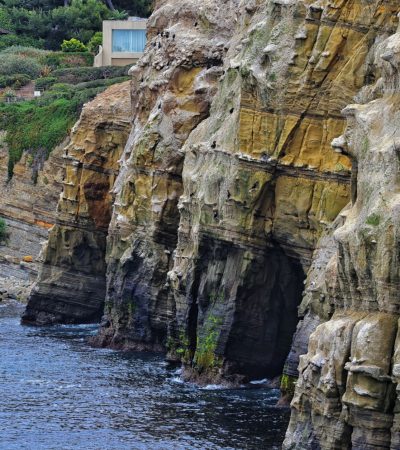
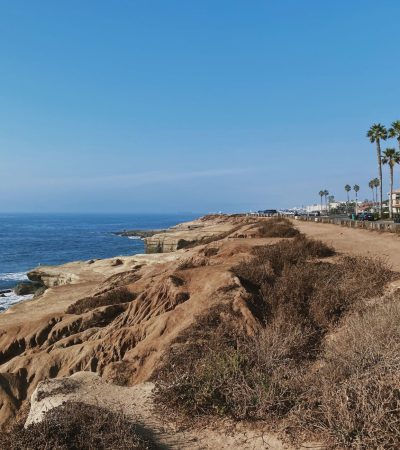
Coastal bluff erosion is the third. The bluffs below La Jolla Farms and Torrey Pines rise as much as 300 feet above Black’s Beach and retreat over time. Any bluff-adjacent purchase deserves a coastal engineering opinion and a clear look at what shoreline protection current state rules permit.
What rules govern building and renting in La Jolla?
Two frameworks matter most. The first is the 30-foot coastal height limit. San Diego voters approved Proposition D on December 7, 1972 with about 63 percent support, capping structure height at 30 feet across the coastal zone west of Interstate 5, excluding portions of downtown. The campaign began in La Jolla, driven by opposition to the tower at 939 Coast Boulevard near the Children’s Pool. That restriction now lives in the city’s Coastal Height Limit Overlay Zone, and it is a hard constraint on any redevelopment plan.
The second is coastal permitting. La Jolla sits inside California’s coastal zone, so many projects require a coastal development permit on top of city approvals. Timelines are longer and outcomes less predictable than inland. Build that into your schedule and budget before you close on a property you intend to change.
Short-term rentals are separately regulated. San Diego’s Short-Term Residential Occupancy ordinance uses a four-tier license structure. The lower tiers, covering limited annual rental and primary-residence hosting, are uncapped. Whole-home rentals of more than 20 days per year fall into the capped tiers, limited citywide to roughly one percent of housing stock. Many La Jolla HOAs also impose minimum lease terms stricter than city rules.
Is La Jolla a good place to invest?
The structural case is durable: supply constrained by the coastal height limit and near-complete build-out, an employment base in research and healthcare rather than one volatile industry, strong public schools, and geography that cannot be replicated.
The counterweights are entry cost, carrying cost, and top-of-market liquidity. Coastal insurance, geotechnical maintenance, and association dues add up, and 2026 reporting on the San Diego luxury segment noted that properties listed above $5 million frequently fail to sell on the first attempt. If your horizon is short, La Jolla is not the right vehicle.
How to Approach a La Jolla Search as a Buyer
Start by deciding which trade-off you are least willing to make, because La Jolla real estate rarely lets you avoid all three. If walkability and sand at the end of the block matter most, the coastal strip is the answer, and you accept a smaller lot, visitor traffic, and grey mornings. If you want space, light, and a view, look uphill and accept the drive, plus the geotechnical due diligence that slope lots require. If you want newer construction and easy freeway access, the northern mesa near UC San Diego is where the recent inventory sits.
Budget shapes the same decision from the other direction. The attached market — condominiums and townhomes, many in Mount Soledad and north-mesa associations — is a genuine entry point into the same zip code, traded against HOA dues and shared governance. Because supply stays thin, well-priced, move-in-ready listings move quickly while overpriced ones linger, so pre-approval and a clear list of non-negotiables are worth having before you tour.
Frequently Asked Questions About la jolla Homes for Sale
Is La Jolla its own city?
No. La Jolla is a community within the City of San Diego. It has its own zip code, its own community planning group, and a strong local identity, but city services, zoning, and taxation run through San Diego.
When was La Jolla founded?
Modern development began in 1887, when Frank Botsford subdivided the land and auctioned lots as La Jolla Park. Ellen Browning Scripps arrived in the 1890s and funded much of the institutional core: Scripps Institution of Oceanography in 1903, The Bishop’s School in 1909, the La Jolla Woman’s Club in 1914, and the children’s playground in 1915. Architect Irving J. Gill designed several of those buildings.
Which La Jolla neighborhood is the most affordable entry point?
Generally the attached-housing communities on the north mesa and the Mount Soledad associations, along with parts of Bird Rock and Upper Hermosa. The 2026 gap between the single-family and condominium medians is wide enough that an association property is the practical route in for many buyers. Confirm dues, reserves, and rental rules first.
Does La Jolla have Mello-Roos taxes?
La Jolla was largely built out before Mello-Roos districts became a standard financing tool for new California subdivisions, so most of the housing stock predates them. Do not assume. Pull the current tax bill and preliminary title report and read the special assessments line by line.
Is Measure ULA a factor when selling in La Jolla?
No. Measure ULA is a City of Los Angeles transfer tax and does not apply anywhere in San Diego County. La Jolla sellers face San Diego County documentary transfer tax and, in some cases, City of San Diego transfer tax. Confirm the current rate with escrow.
Can I short-term rent a La Jolla property?
Possibly, but not automatically. San Diego’s tiered licensing caps whole-home rentals of more than 20 days per year at roughly one percent of citywide housing stock, and those licenses have been scarce. Many La Jolla associations separately prohibit rentals below 30 days. Verify both the city license status and the governing documents.
How is the marine layer in La Jolla?
Coastal La Jolla gets persistent morning cloud cover in late spring and early summer, the pattern locals call May Gray and June Gloom. Homes at elevation on Mount Soledad frequently sit above it. That difference is a real lifestyle variable worth weighing during your search.
What should I inspect that I would not inspect elsewhere?
A geotechnical or soils report for any slope property, a coastal engineering review for anything bluff-adjacent, a seismic assessment for pre-1980 construction, and a full association document review including the reserve study for any attached home. Salt-air corrosion on exterior metalwork, windows, and mechanical systems is a normal coastal maintenance item that shows up harder here than inland.
How does The Knight Group work in La Jolla?
We work La Jolla neighborhood by neighborhood, not as a single zip code. The difference between Lower Hermosa and Upper Hermosa, or between La Jolla Mesa and La Jolla Palisades, is the difference between accurate pricing and a listing that sits. Comparable selection is where most La Jolla valuations go wrong, and where we spend the most time.
For buyers that means a candid read on view premiums, slope and bluff exposure, association financial health, and what a property can realistically become under the coastal height limit. For sellers it means preparation and pricing built around the segment you are actually competing in.
Browse the La Jolla listings below. To talk through a specific neighborhood, a specific building, or what your current home would bring in this market, contact The Knight Group.
What are Homes For Sale In La Jolla like?
- Homes For Sale In La Jolla sit at the top of San Diego County’s price ladder, with a wide range inside the community itself.
- La Jolla is a coastal community inside the City of San Diego, wrapping bluff and beach around Mount Soledad north of downtown.
- Elevation is the most useful mental model for La Jolla, since almost every neighborhood is defined by its position relative to the hill and the water.
- The flat coastal strip holds Windansea, the Beach Barber Tract, Lower Hermosa, Bird Rock, and the walkable Village commercial core.
- Mount Soledad slopes hold the Muirlands and La Jolla Mesa, where custom homes buy views, larger lots, and sun.
- The northern mesa near UC San Diego holds the newest construction and most of the planned condominium and townhome communities.
- Coastal-strip properties trade smaller lots, tourist traffic, and marine-layer mornings for walkability and ocean at the end of the block.
- Hillside properties deliver views, larger lots, and sun on days the coast stays grey, but you drive to everything.
- Slope-specific geotechnical questions come with hillside ownership on Mount Soledad and belong in any serious purchase conversation.
- North-side properties get the easiest freeway and trolley access along with the newest construction in the community.
- Pacific Ocean bounds La Jolla on the west, Pacific Beach on the south, and the UC San Diego campus and Torrey Pines mesa on the north.
- Homes For Sale In La Jolla divide into a two-market structure, one for single-family houses and one for attached condominiums and townhomes.
- Condominiums in a Mount Soledad or north-mesa association sit inside the same school boundaries and zip code as bluff-front estates.
- Association ownership trades HOA dues, shared governance, and less land for a lower entry price into the community.
- Thin inventory produces two behaviors at once, with sharply priced turn-key listings drawing multiple offers while overpriced properties sit.
- Homes For Sale In La Jolla span dozens of named neighborhoods, each a platted subdivision or enclave with its own construction age and buyer.
What is it like to live in Homes For Sale In La Jolla?
- The Village is the center of gravity in La Jolla, and residents genuinely use its shops and restaurants rather than leaving them to visitors.
- Prospect Street and Girard Avenue carry the galleries, boutiques, and restaurants that anchor daily errands and evenings out.
- La Jolla Cove and Ellen Browning Scripps Park draw swimmers and snorkelers to the community’s most photographed stretch of coast.
- La Jolla Shores offers flat-water paddling, while Windansea remains the break for experienced surfers.
- Black’s Beach below the Torrey Pines bluffs gives a long undeveloped stretch of sand reached by a steep trail.
- The Children’s Pool, built behind a seawall meant to shelter children from surf, now serves as a harbor seal rookery.
- Seal pupping season closes the Children’s Pool to people for part of the year, opening it again for the remaining months.
- Marine wildlife shapes beach access rules and produces noise and odor near the Cove that some buyers love and others do not.
- The research corridor is the economic backbone supporting Homes For Sale In La Jolla and the professional residents who buy them.
- UC San Diego, Scripps Institution of Oceanography, the Salk Institute, and the surrounding hospital and biotech cluster stabilize local housing demand.
- Torrey Pines Golf Course and the Gliderport sit on the same mesa as the research and campus institutions.
- Slope stability is the first risk to underwrite, and a current geotechnical report is not optional on any Mount Soledad slope property.
- The Rose Canyon fault comes ashore at La Jolla and runs southeast through the city, making a retrofit review worthwhile on older construction.
- Coastal bluff erosion below La Jolla Farms and Torrey Pines means any bluff-adjacent purchase deserves a coastal engineering opinion.
- Homes For Sale In La Jolla sit inside California’s coastal zone, so many projects require a coastal development permit on top of city approvals.
- Short-term rentals of Homes For Sale In La Jolla fall under a tiered city license structure, and many associations impose stricter minimum lease terms.
What should buyers know before buying Homes For Sale In La Jolla?
- Modern development in La Jolla began when Frank Botsford subdivided the land and auctioned lots as La Jolla Park.
- Ellen Browning Scripps funded much of the institutional core, including Scripps Institution of Oceanography, The Bishop’s School, and the La Jolla Woman’s Club.
- Architect Irving J. Gill designed several of the founding institutional buildings that still define the community’s early character.
- Attached-housing communities on the north mesa and the Mount Soledad associations generally form the most affordable entry point into the community.
- Parts of Bird Rock and Upper Hermosa also serve as practical entry points for buyers working within a tighter budget.
- Association property is the practical route in for many buyers, provided dues, reserves, and rental rules get confirmed first.
- Mello-Roos districts became a standard financing tool after La Jolla was largely built out, so most housing stock predates them.
- Buyers should pull the current tax bill and preliminary title report and read the special assessments line by line rather than assuming.
- Measure ULA is a City of Los Angeles transfer tax and does not apply anywhere in San Diego County.
- Sellers of Homes For Sale In La Jolla face San Diego County documentary transfer tax and in some cases City of San Diego transfer tax.
- Short-term renting is possible but not automatic, since whole-home licenses are capped citywide and have been scarce.
- Many La Jolla associations separately prohibit short rentals, so verify both the city license status and the governing documents.
- Coastal La Jolla gets persistent morning cloud cover in late spring and early summer, the pattern locals call May Gray and June Gloom.
- Homes at elevation on Mount Soledad frequently sit above the marine layer, a real lifestyle variable worth weighing during a search.
- Inspections on Homes For Sale In La Jolla should include a soils report for slope property and a coastal engineering review for bluff-adjacent property.
- Salt-air corrosion on exterior metalwork, windows, and mechanical systems is a normal coastal maintenance item that shows up harder here than inland.
- Comparable selection is where most valuations of Homes For Sale In La Jolla go wrong, because neighboring enclaves price very differently.