
La Jolla Village Real Estate: San Diego’s Most Prestigious Coastal Community
La Jolla Village is the commercial, cultural, and social center of the La Jolla community and the address that defines what “La Jolla” means to buyers throughout the San Diego region and beyond. The Village occupies the blufftop terrain above the La Jolla Cove and extends inland along Girard Avenue and Prospect Street, the two streets that form the core of the Village’s commercial identity. The neighborhood’s residential streets run off the commercial spine through a mix of hillside terrain, canyon-edge lots, and the flat coastal bench positions that deliver the most direct access to the Cove and the protected cove swimming area that is La Jolla’s most iconic natural landmark. The Village is simultaneously a highly desirable residential neighborhood, a premier shopping and restaurant destination for the entire San Diego region, and an internationally known destination for the combination of coastal scenery, marine wildlife, and the architectural and cultural legacy that 120 years of development by San Diego’s most prominent families has produced.
The La Jolla Cove is the defining natural feature of the Village. The protected swimming cove at the base of the bluffs below Prospect Street is sheltered by headlands on both sides, creating the calm swimming environment that has made it the most consistently used natural swimming venue in San Diego County. The cove’s Marine Protected Area status, which prohibits any fishing or collecting in the adjacent waters, sustains the marine biodiversity that makes the Cove a world-class snorkeling venue: garibaldi (California’s state marine fish), leopard sharks, bat rays, and the full range of rocky reef species are reliably present. The California sea lions that have colonized the Children’s Pool beach immediately south of the Cove create an additional wildlife spectacle that has become one of the most-visited attractions in San Diego, drawing photographers, wildlife observers, and curious visitors year-round.
The Village’s residential character is defined by the premium it commands over every other San Diego address and by the consequent demographic concentration of wealth, professional accomplishment, and social ambition that the premium price tier creates. Physicians, attorneys, technology executives, biotechnology founders, real estate developers, and the inheritors of San Diego’s founding family wealth all converge in the La Jolla Village residential market, creating the social environment that draws buyers who value the social geography of their neighborhood as much as its physical qualities. The museums, galleries, concert programming, and cultural institutions that have established themselves in La Jolla reflect and reinforce this demographic concentration, creating the cultural infrastructure that distinguishes the Village from every other coastal San Diego neighborhood.
The La Jolla Cove and Marine Wildlife
The La Jolla Cove’s marine environment is the most accessible high-quality ocean ecosystem in San Diego County. The cove’s waters are protected as part of the City of San Diego’s Ecological Reserve system and the state’s Marine Protected Area framework, which together prohibit any taking of marine life, any fishing, and any collection of invertebrates within the protected zone. The result is the highest marine biodiversity at any accessible San Diego County beach: garibaldi in schools, spiny lobster in the rocky reef areas, harbor seals on the beach south of the cove, and the full range of temperate rocky reef species that California’s coast supports in protected conditions. The water visibility runs 15 to 30 feet in typical conditions and can exceed 40 feet in the clear water periods following calm offshore conditions in summer and fall.
The Children’s Pool beach south of the cove, originally constructed in 1931 with a concrete seawall to create a protected swimming area for children, has been progressively colonized by harbor seals who use the beach for pupping and haul-out throughout the year. The seals have created an ongoing civic controversy about whether the beach should be managed primarily for human swimming or for seal habitat, a controversy that has generated litigation, City Council action, and media coverage for several decades without final resolution. From a neighborhood amenity perspective, the seal colony is a consistent wildlife attraction that draws visitors and provides La Jolla Village residents with the daily opportunity to observe wild marine mammals in a genuinely natural haul-out behavior within walking distance of residential streets.
Girard Avenue and Prospect Street Commercial Core
The Village’s commercial core along Girard Avenue and Prospect Street is one of the most distinctive retail and restaurant environments in Southern California, a walkable mixed-use commercial district where art galleries, fine dining restaurants, luxury boutiques, and the cultural institutions that give La Jolla its reputation as “the Jewel” coexist in a pedestrian-friendly environment bounded by the Pacific on the west and the canyon terrain on the east. The commercial character is decidedly upscale: the La Jolla restaurant scene includes some of San Diego County’s most respected dining establishments, with cuisine ranging from sushi to contemporary California cuisine to European fine dining that reflects the Village’s cosmopolitan buyer demographic. The La Jolla Playhouse, UCSD’s nationally recognized theater company housed on the UCSD campus rather than in the Village itself but deeply associated with La Jolla’s cultural identity, has launched productions that went on to Broadway success, maintaining La Jolla’s position as a serious theater community.
The Saturday La Jolla open-air Farmers Market at the corner of Girard and Genter attracts organic produce vendors, prepared food operators, specialty food producers, and artisan craft sellers in a weekly market that functions as a neighborhood social gathering while serving the broader San Diego market’s interest in premium and specialty food sourcing. The market’s Village location makes it walkable from most Village residential addresses, and the Saturday morning market has become a routine social ritual for many La Jolla Village households.
Museum of Contemporary Art San Diego
The Museum of Contemporary Art San Diego’s La Jolla facility, located on Prospect Street at the edge of the Cove, is one of the neighborhood’s defining cultural institutions. The museum’s permanent collection of postwar and contemporary art, its regular program of national and international exhibitions, and its physical location at one of the most dramatically positioned museum sites in the Western United States give it a cultural significance that extends well beyond San Diego’s local art community. The museum’s building, originally constructed in the 1890s as a private residence and substantially renovated and expanded multiple times since, contributes to the Village’s architectural character and the sense that La Jolla’s built environment has been shaped by multiple generations of investment in quality rather than by the generic commercial development patterns that dominate most San Diego neighborhoods.
Schools
La Jolla Village is within the La Jolla Unified School District, with La Jolla Elementary School as the primary K-5 campus serving the Village residential streets, Muirlands Middle School for grades 6-8, and La Jolla High School for grades 9-12. The district’s performance metrics are the highest in the City of San Diego’s school geography, and the La Jolla Unified cluster’s college placement outcomes, AP program depth, and per-pupil resource levels reflect the sustained community investment that the Village’s high-income parent base supports through both tax base and private fundraising through the La Jolla Education Foundation.
La Jolla High School’s proximity to the Village core, approximately 10 minutes by car or 20 to 25 minutes on foot, creates a high school campus that is genuinely connected to its surrounding community. Students from Village residential streets frequently walk or cycle to the high school campus, and the campus’s coastal location and the cultural resources of the surrounding Village environment contribute to the educational experience in ways that an isolated suburban high school campus cannot. The performing arts programs at La Jolla High, which have produced professional theater and music performers, reflect the cultural investment that the La Jolla community makes in its educational institutions.
Commute and Traffic
La Jolla Village’s position at the intersection of the La Jolla coastal terrain and the I-5 freeway corridor places it approximately 20 to 25 minutes from downtown San Diego in standard conditions via I-5 southbound from the Ardath Road or La Jolla Village Drive interchanges. The UTC employment cluster and the Westfield UTC shopping and entertainment center are accessible in 10 to 15 minutes via La Jolla Village Drive eastbound. UCSD, Sorrento Valley, and the Torrey Pines research corridor are 10 to 20 minutes northbound. The Village’s position in the middle of La Jolla’s traffic geography means that both northbound and southbound commutes from the Village are manageable, though the coastal recreational traffic on summer weekends and the tourist traffic year-round can significantly affect Village parking availability and inbound drive times.
Parking in the Village is one of the most discussed practical considerations for Village residents and visitors alike. The Village’s popularity as a regional dining and shopping destination combined with the limited parking infrastructure creates consistent pressure on the available public parking in the Village commercial area. Village residents who have off-street parking at their properties have a meaningful quality-of-life advantage over those relying on public parking for daily commercial errands within the Village. Residential neighborhoods immediately surrounding the Village commercial core, particularly those on the blocks adjacent to the Cove, experience significant visitor overflow parking pressure on weekends and during peak tourist periods.
Market Position and Price Tiers
$2M-$4.5M: Entry-level Village condominiums, smaller single-family homes in the Village-adjacent streets, and properties in less premium positions relative to the Cove and the commercial core. This tier provides the La Jolla Unified School District access and the Village address at the most competitive Village price point. Buyers at this tier are typically families prioritizing school district access or professionals wanting the La Jolla address without the multi-million-dollar blufftop premium.
$4.5M-$10M: The core Village single-family market. Updated single-family homes with ocean views, Cove-adjacent positions, and the scale of development that the Village’s established residential lots accommodate. Properties in this range compete for the wealthy professional buyer who has chosen La Jolla Village specifically over the other La Jolla sub-neighborhood markets.
$10M-$30M+: The Cove-front and blufftop positions that represent the most significant residential real estate in San Diego County. These properties, with their immediate relationship to the La Jolla Cove and the Pacific horizon beyond, are comparable in market position to Malibu’s Colony properties or the Newport Beach Peninsula’s most premium positions for the Southern California luxury buyer comparing coastal markets. Some transactions in this tier occur off-market through agent relationships within the La Jolla luxury community.
Cultural Institutions and Community Life
La Jolla’s cultural institutions cluster in and around the Village in a density unusual for a beach community of the Village’s population. The Museum of Contemporary Art San Diego, the San Diego Museum of Art (located in Balboa Park but with historical La Jolla roots), the Athenaeum Music and Arts Library on Wall Street, the Stuart Collection at UCSD, and the ongoing programming of the La Jolla Music Society all reflect and reinforce the cultural investment that La Jolla’s founding families and subsequent generations of high-income residents have made in building a community with genuine cultural depth. The La Jolla Music Society’s SummerFest, a chamber music festival that has been presenting concerts for over 30 years, brings internationally recognized chamber musicians to the Village in a summer festival format that is one of the most significant cultural events on San Diego County’s summer calendar.
The La Jolla Institute for Immunology, the Salk Institute, UCSD’s Jacobs School of Engineering and medical school, and the Scripps Research Institute all maintain presences within driving distance of the Village, creating a concentration of biomedical and scientific research activity that is among the most significant in North America. The presence of these institutions and the researchers they attract gives La Jolla Village’s professional community a specific scientific and medical cast that distinguishes it from the entertainment-industry-weighted communities of Malibu or Pacific Palisades for the buyer who values proximity to serious research institutions as a neighborhood quality.
HOA and Property Management
La Jolla Village’s residential fabric includes both single-family homes without HOA governance and a range of condominium and multi-unit buildings with individual building HOA assessments. The La Jolla Village Merchants Association manages the commercial core’s coordination, event programming, and business promotion, but this is a commercial rather than residential governance body. Many of the Village’s premium single-family positions are not subject to any HOA, providing maximum flexibility for property improvements and use within the City of San Diego zoning requirements. The California Coastal Zone designation that applies to the Village’s western residential streets creates permitting requirements through the California Coastal Commission for new construction and significant renovation near the Cove and the blufftop areas.
Buyer Profile
La Jolla Village buyer demographics reflect the market’s position at the top of the San Diego residential price hierarchy. The primary buyer types include UCSD and Scripps/Salk Institute senior researchers and administrators who want the walking-distance relationship to the cultural amenities that the Village provides; technology executives and biotech founders from the Torrey Pines, Sorrento Valley, and UTC corridor who have chosen La Jolla as their residential base for the school district and the prestige; Southern California move-up buyers who have accumulated equity in lower-priced coastal markets and are making their final residential move into a premium address; and international buyers, particularly from Asia and Europe, for whom La Jolla Village represents the premium San Diego coastal address that their networks recommend when they ask where the best residential position in the city is.
Frequently Asked Questions
Is La Jolla Village worth the premium over Windansea or Bird Rock? The Village commands its premium for three compounding reasons that Windansea and Bird Rock cannot fully replicate. First, the La Jolla Cove as an immediate neighborhood amenity is not available from any other address: the protected swimming, the year-round seal colony, the marine biodiversity, and the iconic blufftop landscape are uniquely Village assets. Second, the walkable commercial core on Girard and Prospect provides the daily restaurant, shopping, and cultural access that the more residential Bird Rock and Windansea neighborhoods approximate but cannot match at the same quality and density. Third, the prestige premium that comes with the highest-profile La Jolla address translates into resale positioning that the sub-neighborhoods’ lower profiles cannot sustain to the same degree. Whether these premiums are worth the price difference to any individual buyer depends on how they weight those specific amenities against the premium they’re paying.
What is the parking situation for Village residents? Village residents who purchase homes with private garages or private off-street parking have solved the most significant daily-life logistical challenge that the Village presents. Those relying on street parking in the residential streets adjacent to the commercial core and the Cove face consistent pressure from visitor parking overflow, particularly on weekends, summer months, and during events. The City of San Diego manages the Village’s public parking through a combination of metered street parking, parking structures (including the structure adjacent to the Village commercial area), and residential permit parking zones on some residential streets. Residents considering a purchase without private parking should spend time at the property at weekend peak hours to assess the realistic parking situation before committing.
How does the La Jolla Cove’s seal colony affect residential quality of life? The harbor seal colony at the Children’s Pool is a consistently cited quality-of-life asset by La Jolla Village residents who enjoy wildlife observation and the ecological richness it represents. The colony’s presence also generates visitor traffic, particularly on weekends and during the January-March pupping season, when visitors who have come specifically to see the seals occupy the viewpoints and the beaches near the colony. Village residents who live within earshot of the Children’s Pool area may notice the seals’ vocalizations during the pupping season. The City of San Diego’s management of the site continues to balance public access, seal conservation, and residential quality-of-life considerations, and the situation has been and is likely to remain an active community discussion.
What are the best blocks to live on in La Jolla Village? The Prospect Street and Coast Boulevard blufftop blocks between the Cove and the Children’s Pool deliver the most dramatic coastal positions in the Village, with direct views of the Cove and the Pacific from residential structures. The residential streets immediately behind the blufftop, including portions of Cuvier Street and the named streets running north from Prospect, provide Cove adjacency with slightly more privacy from tourist foot traffic. The Girard Avenue corridor provides Village commercial access within walking distance at lower price points than the blufftop positions. The specific best block for any individual buyer depends on whether they prioritize the Cove view, the commercial walkability, the residential quietness, or the price tier access that different Village positions provide.
Is La Jolla Village a good choice for international buyers? Yes, specifically for buyers from Asia-Pacific markets (Japan, China, South Korea, Taiwan, Australia) and European markets (UK, Germany, France) who are familiar with La Jolla through academic, biomedical, or technology professional networks in which La Jolla and UCSD are prominent. La Jolla Village’s combination of world-class natural setting, high-quality schools, proximity to UCSD and the research corridor, and the international community that the research institutions create makes it one of the more natural fits for international buyers relocating to the San Diego region. Buyer’s agents with experience serving international buyers should be engaged both for their knowledge of the specific La Jolla Village inventory and for their ability to navigate the title, financing, and legal frameworks that international buyers encounter in California real estate transactions.
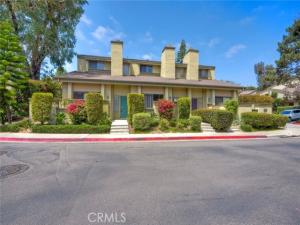
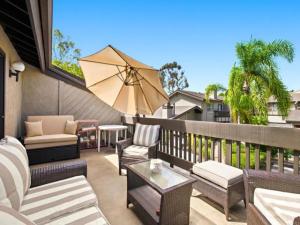
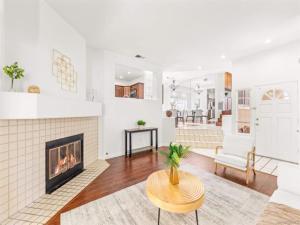
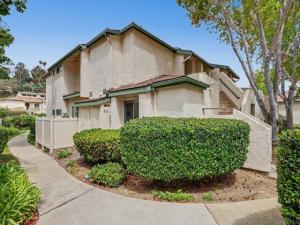
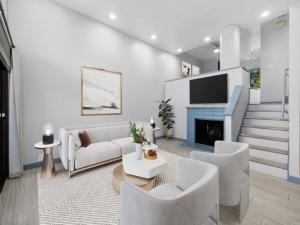
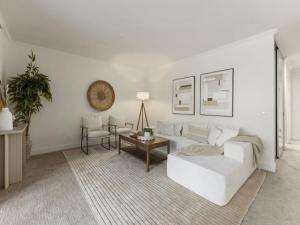
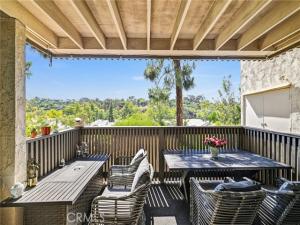
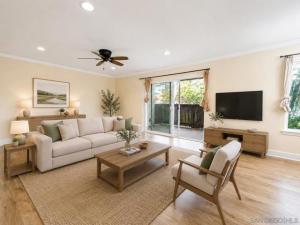
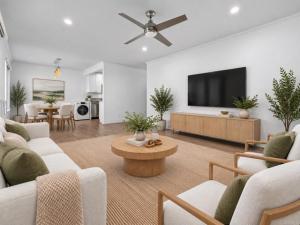
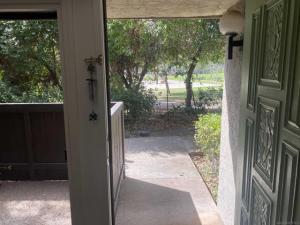
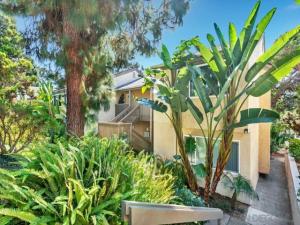
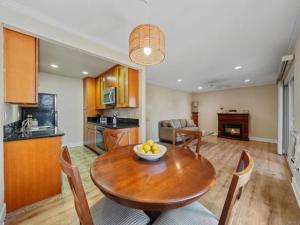
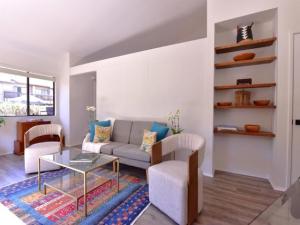
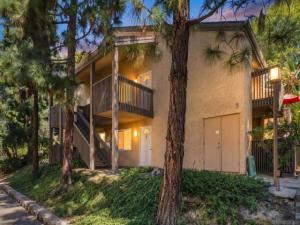
Current La Jolla Village Listings


This site was last updated Oct 24 2026 2:29:04 am.