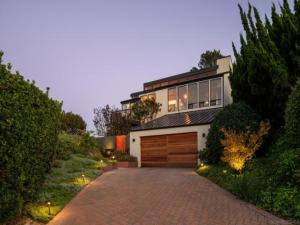
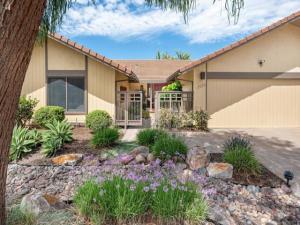
Hidden Valley Real Estate: La Jolla’s Most Private Canyon Neighborhood
Hidden Valley is La Jolla’s most aptly named residential community, a neighborhood situated in the canyon valley terrain behind the La Jolla Village and Muirlands area where the canyon geography creates the natural enclosure that gives the neighborhood its hidden character. The canyon-valley position means that Hidden Valley is genuinely less visible from the surrounding road network than most San Diego residential neighborhoods, creating a sense of remove from the city that buyers who want maximum privacy within the La Jolla geography specifically seek. The neighborhood’s streets descend from the surrounding ridges into the canyon bottom where the canyon vegetation, the seasonal creek drainage, and the native oak woodland that the protected canyon sustains create the natural setting that distinguishes Hidden Valley from the more exposed residential terrain of the surrounding hillside neighborhoods.
The canyon ecology in Hidden Valley is among the most significant in the La Jolla residential geography. The coast live oak woodland that occupies the canyon bottom and the lower canyon slopes is a mature native plant community that took decades to establish and that the protected canyon status ensures will be maintained. The oaks create the dappled shade, the bird habitat, and the ecological richness that the canyon-bottom residential streets benefit from as an immediate neighbor. The canyon’s seasonal creek sustains the riparian vegetation that the oaks anchor, with the sycamores and willows along the drainage creating the lush green character that the surrounding coastal chaparral landscape cannot provide. Residents of the canyon-bottom streets in Hidden Valley experience La Jolla’s residential landscape at its most ecologically intact and most physically removed from the urban environment that surrounds the canyon system.
The access to Hidden Valley’s canyon residential streets from the surrounding road network creates the practical privacy that the name describes. The neighborhood’s streets are not thoroughfares; they dead-end or loop back within the canyon system, creating the low-traffic, residential-only environment that buyers seeking privacy from through traffic specifically value. The canyon positions make Hidden Valley’s streets among the quietest in La Jolla proper, a quality that is difficult to achieve in a coastal urban neighborhood and that the canyon topography provides naturally without the gated infrastructure that other private La Jolla communities require.
Canyon Ecology and Natural Setting
The coast live oak woodland in Hidden Valley’s canyon is a protected natural resource within the City of San Diego’s Multiple Species Conservation Program preserve system. The protection means that the canyon vegetation cannot be cleared or significantly modified, ensuring that the natural setting that gives Hidden Valley its character is permanent rather than contingent on current owners’ preferences. The mature oaks in the canyon bottom are specimens of considerable age, some exceeding 100 years in the sheltered canyon environment where the natural moisture and the protection from wind allow the longer-lived growth that the oak woodland can achieve. California wildlife that depends on mature oak woodland, including acorn woodpeckers, band-tailed pigeons, and the various squirrels and small mammals that oak trees sustain through their acorn crop, is reliably present in the canyon and regularly visible from the canyon-bottom residential streets.
The canyon’s seasonal creek drainage creates the riparian habitat that the non-oak riparian species depend on: willows, sycamores, and the herbaceous understory vegetation that riparian corridors sustain in coastal Southern California’s seasonally dry climate. During the rainy season, the canyon creek carries the runoff from the surrounding watershed through the canyon system, creating the sound of running water and the lush green character that the dry-season months replace with the quieter riparian dormancy of summer and fall. The canyon drainage ultimately connects to the larger La Jolla canyon system that drains to the Pacific through the coastal canyons below.
Schools and Access
Hidden Valley is within the La Jolla Unified School District, sharing the school access that defines buyer demand throughout the La Jolla community. The canyon position makes La Jolla Elementary School the most likely elementary campus for Hidden Valley students, with Muirlands Middle School and La Jolla High School serving the middle and high school years. The drive time from Hidden Valley to La Jolla High on Nautilus Street is 8 to 12 minutes depending on specific address. The La Jolla Village commercial core is accessible from Hidden Valley by car in 5 to 10 minutes, maintaining the La Jolla amenity access despite the neighborhood’s canyon privacy.
Market Position
$2.5M-$4M: The primary Hidden Valley range. Canyon-bottom and lower canyon-slope positions with the mature oak woodland setting, the privacy of the cul-de-sac street network, and the La Jolla Unified access. The canyon privacy premium over comparable inland La Jolla neighborhoods without the natural setting is real and consistent across market cycles.
$4M-$8M: Canyon-edge and canyon-view positions within Hidden Valley, including the larger lots and the more significant custom homes that the neighborhood’s most premium sites accommodate. Properties in this range compete with the upper end of Muirlands and the lower end of La Jolla Farms for the buyer who wants estate-scale development in a La Jolla inland position.
Frequently Asked Questions
Does Hidden Valley flood? The canyon bottom drainage in Hidden Valley carries storm runoff during significant rain events. Properties immediately adjacent to the canyon drainage corridor may experience seasonal flood risk during major storm events. Flood zone designation should be confirmed for any specific Hidden Valley property through the City of San Diego’s floodplain maps and the Natural Hazard Disclosure Report provided in standard California purchase transactions. Properties on the canyon slopes rather than the canyon bottom are generally at less flood risk from the canyon drainage specifically, though hillside drainage can create separate surface water flow issues during heavy rain events.
What is the fire risk in Hidden Valley? The canyon chaparral adjacent to and within Hidden Valley is flammable vegetation in fire conditions. Hidden Valley’s canyon position means that the natural fuel load in the canyon environment is high, and the canyon terrain can create challenging conditions for firefighting equipment access. California’s Very High Fire Hazard Severity Zone mapping should be checked for specific Hidden Valley properties. Defensible space maintenance, ember-resistant building features, and fire insurance planning are the standard risk management framework for canyon-adjacent properties in La Jolla and throughout coastal San Diego County’s residential canyon neighborhoods.
Is Hidden Valley appropriate for families with young children? Hidden Valley’s canyon character and its privacy from through traffic create a residential environment that many families with children specifically seek. The canyon natural setting provides an outdoor exploration resource immediately adjacent to residential streets that the more developed La Jolla neighborhoods cannot offer. The dead-end and low-traffic street network reduces traffic safety concerns for children. The canyon creek and oak woodland create the natural play environment that parents seeking alternatives to purely urban residential settings value. The school district access through La Jolla Unified is the same quality as from anywhere in La Jolla, and the specific privacy and natural character of Hidden Valley are assets that families with outdoor-oriented children find meaningful.
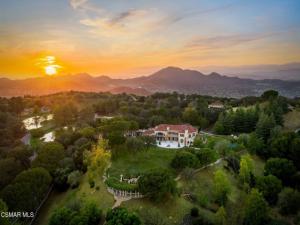
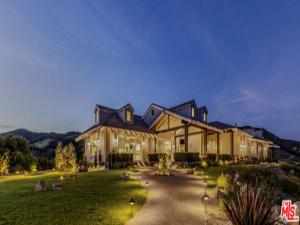
Current Hidden Valley Listings


This site was last updated Oct 24 2026 4:38:49 am.