
La Jolla Shores Real Estate: San Diego’s Premier Coastal Family Neighborhood
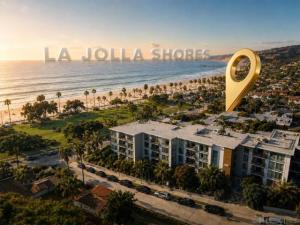
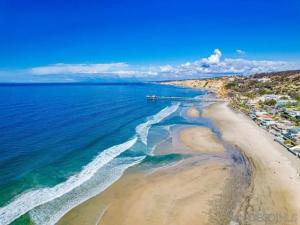
La Jolla Shores occupies the flat coastal terrain immediately east and south of Scripps Institution of Oceanography, where the beach transitions from the rocky coves of La Jolla Village into one of the longest and most accessible stretches of sandy beach in the region. The neighborhood’s geography is defined by two powerful assets that reinforce each other: the beach itself, which is genuinely exceptional as a family beach with its gentle shore break, fine sand, and consistent seasonal weather, and Kellogg Park, the park-and-beach complex at the foot of Avenida de la Playa that creates a year-round recreational hub accessible on foot from the surrounding residential streets. These two features make La Jolla Shores one of the most sought-after family coastal addresses in Southern California, and the market prices reflect that demand consistently.
The neighborhood’s street grid runs perpendicular to the beach on a flat coastal bench, with Avenida de la Playa as the primary commercial and pedestrian corridor running east-west toward the beach, and the named residential streets (Paseo Dorado, Calle de la Plata, and others) forming the north-south residential fabric. The neighborhood’s terrain is flat and walkable by La Jolla standards, making bicycle access to the beach and to the Avenida commercial corridor practical from most residential addresses within the neighborhood. This walkability is unusual in La Jolla’s generally hilly terrain and constitutes a quality-of-life distinction that buyers with children, buyers who cycle, and buyers who value daily pedestrian access specifically prioritize in the La Jolla Shores context.
The Scripps Institution of Oceanography at the north end of the neighborhood adds intellectual and environmental richness that few residential neighborhoods in the country can claim as an immediate neighbor. The Birch Aquarium at Scripps is accessible to La Jolla Shores residents within a short walk or bicycle ride, providing a world-class marine science education resource that functions as a neighborhood amenity rather than a distant attraction. Scripps’ active research programs, its walking trails along the bluffs overlooking the La Jolla Submarine Canyon, and the general atmosphere of scientific engagement that an active oceanographic research institution generates give La Jolla Shores a character that is genuinely distinctive among beach communities.
La Jolla Shores Beach and Kellogg Park
La Jolla Shores Beach at Kellogg Park is one of the top five beaches in San Diego County by visitor volume, family suitability, and year-round accessibility. The beach’s gentle shore break, in contrast to the more powerful surf at Ocean Beach or the rocky entries at La Jolla Cove, makes it the preferred beach for families with young children, beginning swimmers, and kayakers or paddleboarders who need a beach launch that doesn’t require timing waves. The seasonal lifeguard presence (year-round at the main beach, extended hours in summer) provides the safety infrastructure that family beach use requires.
The La Jolla Shores kayak and paddleboard rental operations at the beach provide immediate access to the La Jolla Underwater Park Ecological Reserve, which begins at the La Jolla Cove to the north and extends along the coastline southward. The underwater park’s protected sea life, clear water visibility (frequently 15 to 30 feet in calm conditions), and the sea caves accessible by kayak from the beach make La Jolla Shores one of the best launch points for ocean recreation anywhere in San Diego County. SCUBA divers use the beach as the primary access point for the La Jolla kelp forest, one of the densest and most accessible kelp forest dive sites on the California coast.
Kellogg Park itself, the grassy park that runs parallel to the beach immediately inland of the sand, provides the picnic infrastructure, the play equipment, and the flat recreational space that makes it a year-round family gathering point. The park’s amenities include restrooms, outdoor showers (critical for post-beach use), picnic tables and barbecue facilities, and the flat grass area that accommodates everything from birthday parties to volleyball. The park’s access via Avenida de la Playa and the adjacent parking structure means that visitors from throughout San Diego use it regularly, and on summer weekends and holidays the beach and park complex fills completely before noon. Residents of the immediately surrounding streets access the park at off-peak hours and benefit from its proximity as a daily rather than occasional amenity.
Avenida de la Playa Commercial Corridor
Avenida de la Playa is La Jolla Shores’ neighborhood commercial street, running east from the beach through the heart of the residential area and containing the coffee shops, restaurants, surf shops, dive shops, and neighborhood-serving retail that supports daily life for La Jolla Shores residents. The corridor has a genuinely walkable, low-key character that distinguishes it from the more tourist-oriented La Jolla Village commercial core on Girard Avenue and Prospect Street. The Shores’ commercial operators are substantially local-business rather than chain-retail in character, with the dive shops, the family-operated restaurants, and the neighborhood cafes that serve repeat-customer residential bases rather than one-time tourist traffic.
The La Jolla Shores restaurants on Avenida de la Plata and the surrounding streets include a consistent roster of neighborhood institutions that have served the community for decades: seafood restaurants capitalizing on the ocean proximity, casual family dining that serves the post-beach crowd, and the casual breakfast and coffee operations that the neighborhood’s beach-morning culture supports. The commercial corridor functions as a neighborhood third place, where La Jolla Shores residents who have lived in the neighborhood for years encounter each other regularly in the normal course of daily commercial activity.
Schools and the Academic Environment
La Jolla Shores is within the La Jolla Unified School District, with the elementary school pathway running through La Jolla Elementary (the primary elementary campus for the Shores area), Muirlands Middle School, and La Jolla High School. The proximity of the Scripps Institution of Oceanography to the neighborhood creates an environment where scientific literacy and ocean science specifically are ambient cultural values in the neighborhood. Scripps employees, UCSD faculty, and marine researchers are disproportionately represented in the La Jolla Shores residential demographic, creating a neighborhood culture that reflects the academic and scientific institutions nearby.
La Jolla High School, the district’s flagship 9-12 campus at the top of Nautilus Street, serves La Jolla Shores students in the uppermost grades. The school’s AP program depth, its college placement outcomes (consistently placing students at selective four-year universities including the UC system, the CSU system, and private universities on both coasts), and the campus’s performing arts and athletics programs make it one of the most desirable public high schools in San Diego County. The La Jolla Unified cluster’s property tax base, supplemented by the La Jolla Education Foundation’s private fundraising, supports per-pupil resource levels that significantly exceed San Diego Unified averages.
Scripps Institution of Oceanography’s Birch Aquarium provides a de facto science education resource for the neighborhood’s children, with school programs, public exhibits, and the aquarium’s year-round programming creating the marine science exposure that few neighborhoods in the country can access as a walking-distance resource. The Aquarium’s relationships with the La Jolla Unified School District create educational programming connections that benefit the Shores community’s schools in addition to the individual access that proximity provides.
Commute and Geographic Position
La Jolla Shores’ position on the coast below Torrey Pines and north of La Jolla Village places it approximately 20 to 25 minutes from downtown San Diego via I-5 in standard conditions, with access from the neighborhood via La Jolla Shores Drive to the I-5 interchange at La Jolla Village Drive or Genesee Avenue. The UCSD campus at Torrey Pines is accessible within 10 to 15 minutes, and the Torrey Pines research complex and the Sorrento Valley technology employment cluster are 15 to 20 minutes, making La Jolla Shores one of the best-positioned neighborhoods for UCSD-affiliated professionals and technology-sector employees in the North University City and Torrey Pines research zones.
The Coaster rail line at the Old Town Transit Center is accessible by car (25 to 30 minutes) or via bus connections, providing an alternative to driving for commuters whose downtown offices are near the Santa Fe Depot. However, most La Jolla Shores residents commute by car: the neighborhood’s traffic patterns reflect its coastal residential character, with morning outbound flows primarily via La Jolla Shores Drive to the I-5 interchange and La Jolla Village Drive. The reverse commute from the technology corridor and UCSD to La Jolla Shores runs against peak traffic in both directions and is typically more manageable than the inbound coastal corridor commute.
Market Tiers
$2M-$3.5M: The entry tier for La Jolla Shores. Single-family homes and larger condominiums on the inland streets of the neighborhood, without direct ocean views but within the walkable radius of the beach and the Avenida de la Playa commercial corridor. This tier attracts UCSD faculty, technology-sector professionals, and families making the step from Pacific Beach or Clairemont into La Jolla Unified territory with beach walkability. Properties in this range are frequently updated post-purchase as buyers improve the interior to match the location quality.
$3.5M-$6M: The core La Jolla Shores market. Homes with partial ocean views, expanded lots, and the location positions that deliver beach walkability at less than 3 to 5 minutes. The majority of La Jolla Shores transaction volume by count occurs in this range, and the range reflects the true cost of entry into the neighborhood’s primary market tier.
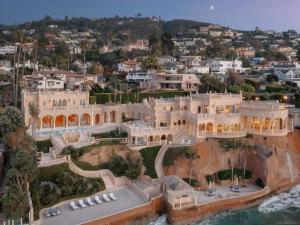
$6M-$15M+: Ocean-view homes on the streets closest to the beach and the blufftops, custom architecture, and the positions within La Jolla Shores that compete with La Jolla Village’s most premium coastal properties. The La Jolla Shores properties at this tier are primarily differentiated by ocean view quality, lot size, and the scale of custom improvement that the site has received. International buyers and move-up luxury buyers from the San Diego market anchor this tier.
HOA and Infrastructure
La Jolla Shores’ residential streets are primarily single-family homes without HOA governance, as the neighborhood was developed incrementally rather than as a master-planned community. Some multi-family buildings, condominiums, and townhomes within the neighborhood carry individual building HOA assessments for common area maintenance and building management. The La Jolla Shores Association, a voluntary neighborhood civic organization, provides community representation in planning processes and organizes neighborhood events.
Parking management in La Jolla Shores is a practical daily-life consideration. The beach area and the Avenida de la Playa corridor become congested on weekend mornings and throughout summer, and the parking structure at Kellogg Park fills early on high-use days. Residential streets within 2 to 3 blocks of the beach experience overflow parking from beach visitors on busy days. Properties with private off-street parking are meaningfully more convenient for daily life than those relying solely on street parking in the beach-adjacent streets.
Frequently Asked Questions
Why is La Jolla Shores more expensive than comparable Pacific Beach ocean-view properties? La Jolla Shores commands a premium for several compounding reasons: the La Jolla Unified School District access (substantially higher-performing than San Diego Unified, which serves Pacific Beach); the Scripps Institution of Oceanography and Birch Aquarium as neighborhood amenities; the La Jolla prestige address and what that represents for resale positioning; the beach character (gentle shore break versus the more powerful Pacific Beach break) that makes it the preferred family beach; and the immediate proximity to the La Jolla Cove ecological reserve that Pacific Beach simply does not have.
Can I kayak or paddleboard to the La Jolla sea caves from the Shores beach? Yes, and it is one of the neighborhood’s most distinctive outdoor recreation assets. The sea caves at La Jolla Cove, including the Seven Sea Caves of La Jolla, are accessible by kayak from the Shores beach in calm-to-moderate conditions. Commercial kayak and paddleboard rental operations at the beach offer guided cave tours for visitors and unguided rentals for experienced paddlers. The California sea lions at the cave area of La Jolla Cove are a reliable wildlife encounter on most days. The paddle distance from the Shores beach to the caves is approximately 1 to 1.5 miles depending on conditions and route.
What is the fog situation in La Jolla Shores compared to the rest of La Jolla? La Jolla Shores sits at sea level on the beach, the lowest-elevation point in La Jolla, and therefore experiences the most morning marine layer fog of any La Jolla sub-neighborhood. The June Gloom pattern that affects coastal San Diego from May through July typically results in overcast mornings that burn off to sunshine by noon to 2 PM. The hilltop La Jolla sub-neighborhoods (Muirlands, La Jolla Heights, La Jolla Farms) often sit above the marine layer and see sunshine earlier in the morning. Buyers who specifically want morning sunshine should consider this microclimate variation in the La Jolla geography when choosing between sea-level and hillside positions.
How does Scripps Institution of Oceanography affect the neighborhood? Scripps’ influence is primarily positive and primarily cultural. The institution generates a significant population of PhD students, postdoctoral researchers, and faculty who live in La Jolla Shores and the surrounding neighborhood, creating a community with higher-than-average scientific literacy and a specific relationship to the ocean and its ecology. The Birch Aquarium is an excellent resource. The institutional campus itself includes walking trails along the bluffs above the La Jolla Submarine Canyon that are accessible to the public and are a daily exercise resource for Shores residents. The submarine canyon’s proximity creates exceptional diving conditions immediately offshore from the Shores, with deep water accessible within a short distance of the beach that supports the diverse marine life the area is known for.
Are there zoning considerations for short-term rentals in La Jolla Shores? La Jolla Shores properties are subject to San Diego City’s STRO permit framework for short-term rentals (rentals under 30 nights). Primary-residence STRO permits allow owner-occupants to rent their home for a limited number of nights per year. Non-primary-residence STRO permits are subject to a separate allocation system with wait periods and limited supply. Buyers intending to operate La Jolla Shores properties as investment short-term rentals should confirm current permit availability and any HOA restrictions (for condominiums) before purchasing, as the regulatory environment for short-term rentals in San Diego continues to evolve.
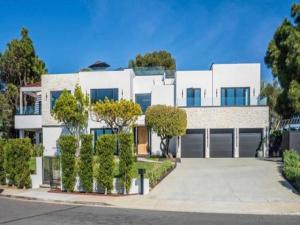
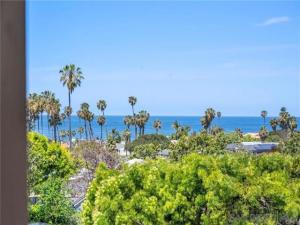
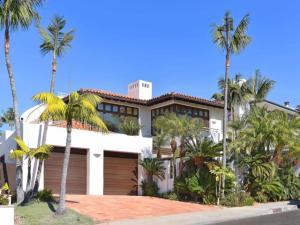
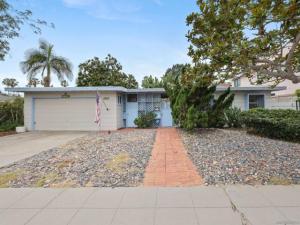
Current La Jolla Shores Listings







This site was last updated Oct 24 2026 5:17:24 am.